Min Jin Young first became connected to Incheon when she was appointed as an art teacher on Baengnyeongdo Island. For the artist, Incheon was more than simply a place of work; it was where she lived alone with her two children and where the direction of her life underwent a significant change.

Her time on Baengnyeongdo remains deeply etched in her memory as an experience in which the overwhelming presence of nature coexisted with a profound sense of isolation. In an environment where frequent sea fog restricted travel off the island, she learned to accept circumstances beyond her control and to continue living within them.

Raising her children amid nature also influenced the way she would later approach both her artistic practice and education. The islands of Incheon were peripheral spaces and sites of boundaries, yet at the same time, they were places that enabled her to endure and sustain her life. Through these experiences, Incheon became an essential foundation inseparable from both the artist’s life and practice.

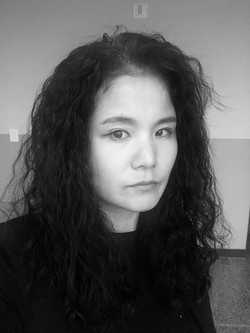
After working on Baengnyeongdo, Min Jin Young moved to Yeonsu-gu and has continued to live in Incheon to the present day, while working as an art teacher at Incheon Arts High School.


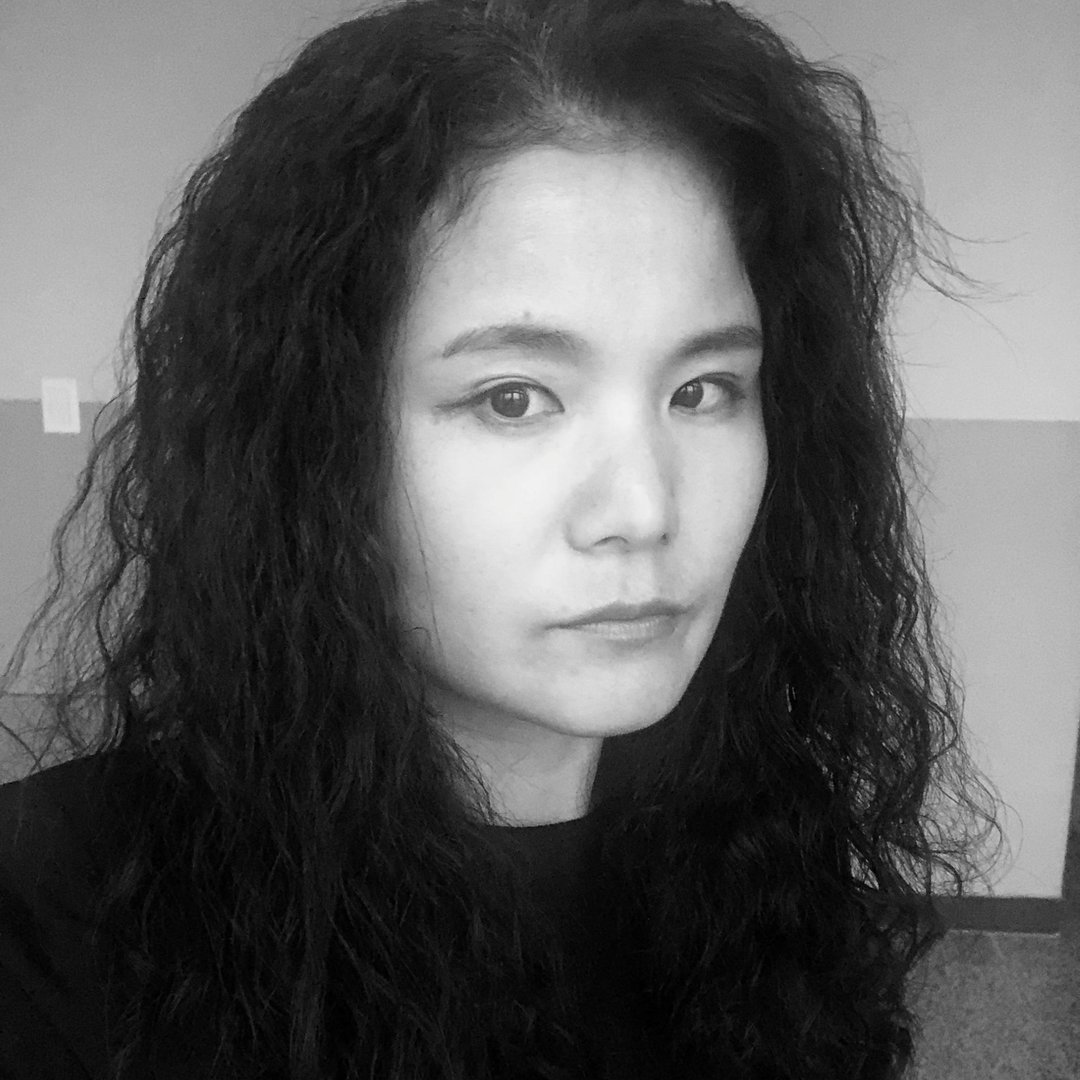
The Artist © Min Jin Young

The central themes of Min Jin Young’s work are human suffering, the dignity that persists even within it, and the human condition in which vulnerability and greatness coexist. A line by the writer Han Kang—“The world is full of suffering, and yet why is it so beautiful?”—has recently become the question the artist returns to most often, as well as a point of departure for her practice.
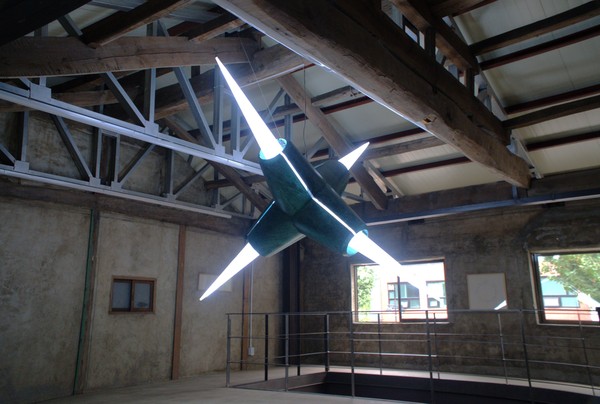

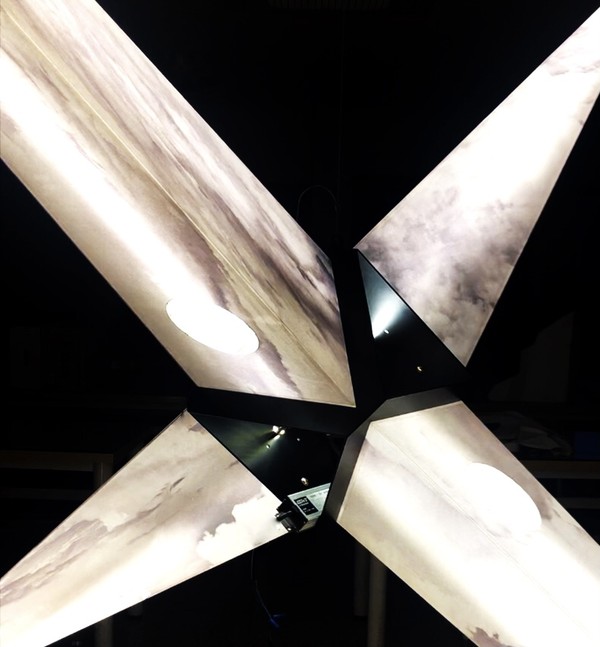
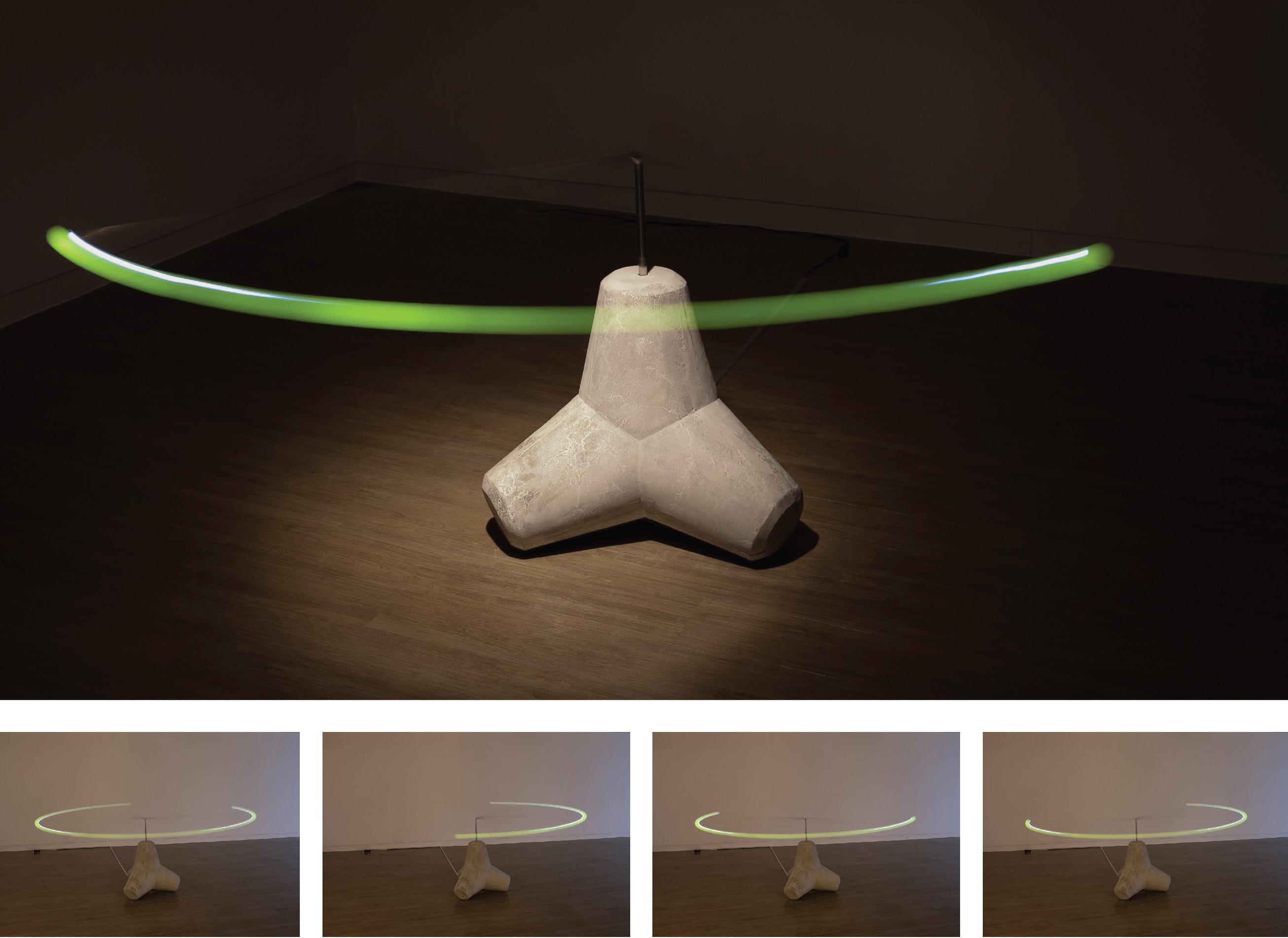
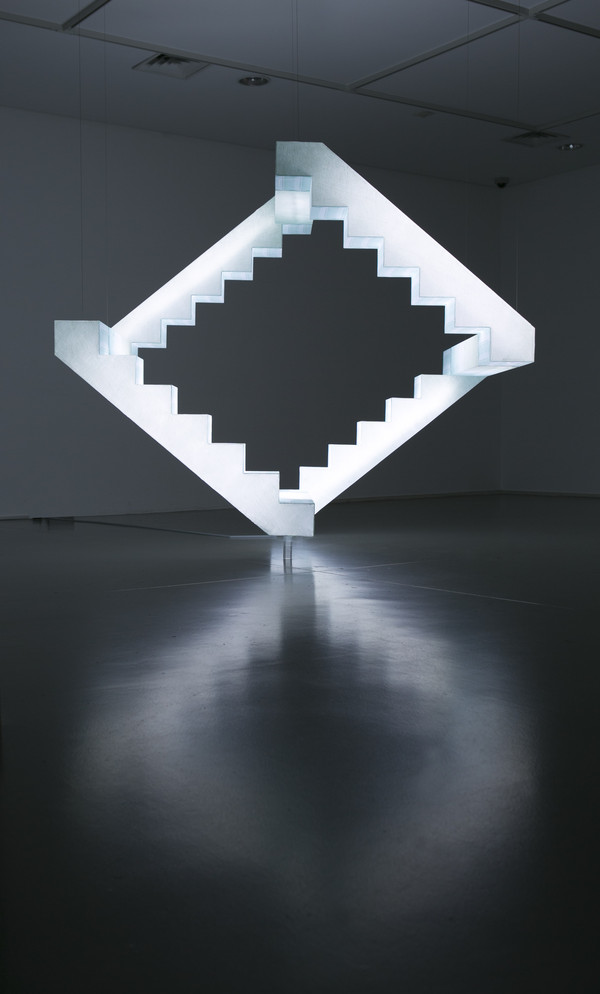
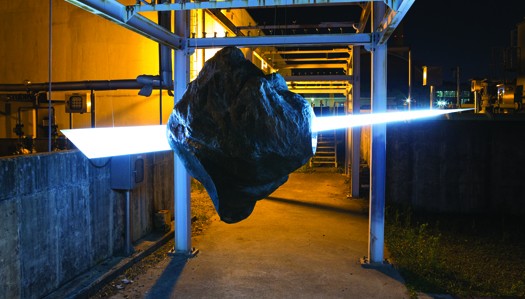
Min Jin Young, Fragility, Greatness 2, 2021, Mixed media, 260 x 260 x 260 cm © Min Jin Young

Min Jin Young’s work began with personal memories and wounds from childhood. However, the artist does not want these experiences to remain merely as personal confessions. Rather, she seeks to reveal how they intersect with universal forms of human suffering repeatedly produced within social structures, and hopes that they may become a pathway toward understanding the lives and emotions of others.

This concern extends across her installation practice, including the 'Fragility, Greatness' series, leading her to visually explore an attitude of refusing to look away from the suffering of socially vulnerable people, as well as the possibilities of human dignity and compassion that can be found within that suffering.


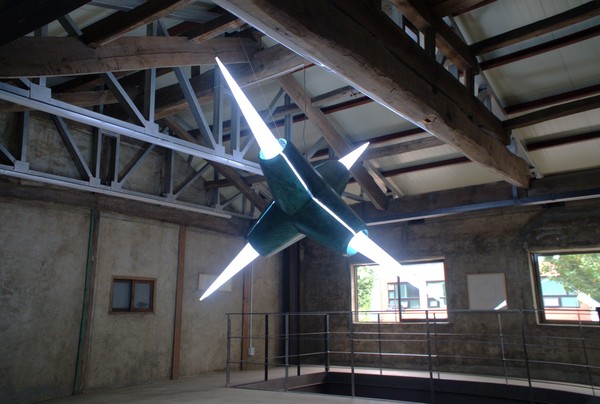
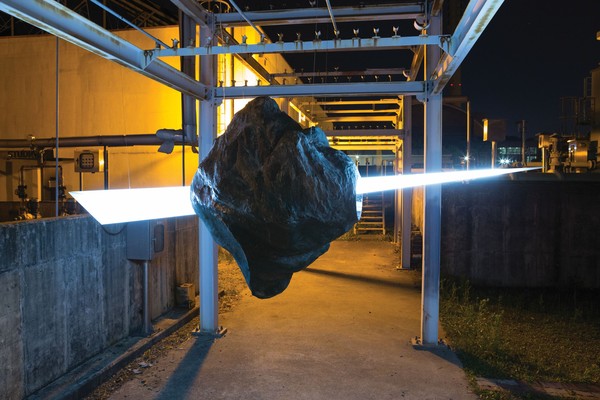
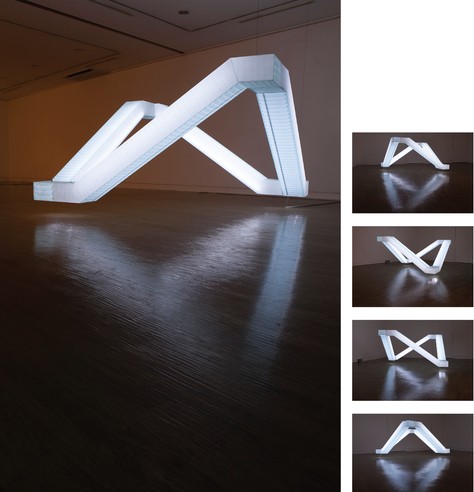
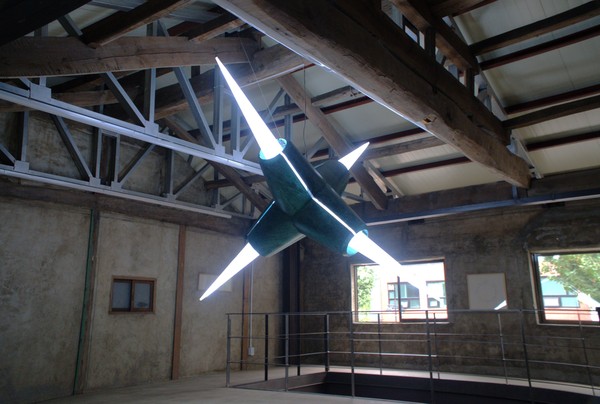
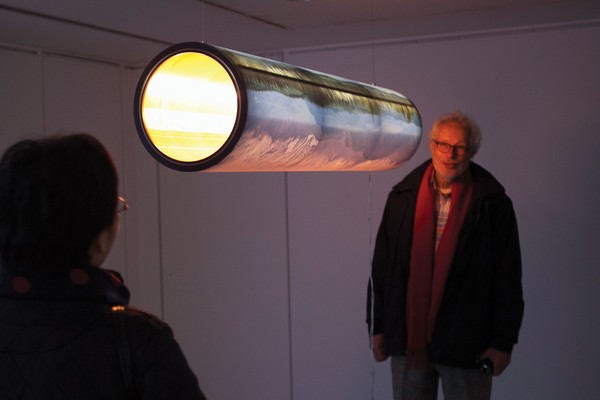
Min Jin Young, Fragility, Greatness 1, 2014, Resin, acrylic, fabric, light, 365 x 146 x 80 cm © Min Jin Young

The 'Fragility, Greatness' series began as an expression of encouragement and tribute to those who have forged their own paths in life despite vulnerable circumstances. Rather than focusing on exceptional heroes, the series turns its attention to ordinary people who quietly carry on with their lives amid different environments and limitations.

Like the metaphor that “some seeds fall on fertile soil, while others fall between rocks,” the work begins from the premise that the starting points of life are never equal and that each person exists under different conditions.

Nietzsche’s concept of the “Übermensch” serves as an important philosophical foundation for the 'Fragility, Greatness' series. As the artist understands it, the Übermensch is not so much a transcendent being as a person who neither denies nor avoids the fate they have been given, but fully embraces it and creates their own meaning within it.

She finds greatness in the attitude of accepting harsh conditions as part of oneself rather than blaming them, continually renewing oneself, and moving forward.

Through the 'Fragility, Greatness' series, Min Jin Young seeks to visualize this attitude and to suggest that vulnerability and strength are not opposing concepts. She aims to embody the paradox that what appears most fragile may endure the longest, and that the slowest steps may ultimately travel the farthest. The unstable structures and states of tension that repeatedly appear in her work function as metaphors for precisely these human conditions.

Through this series, the artist seeks to illuminate not the outcomes of success or achievement, but the attitudes and will revealed in the process. At the core of the work is the belief that the very act of moving forward step by step, and the choice to continue living without giving up, constitute the essence of greatness.

Ultimately, 'Fragility, Greatness' seeks to take the form of a quiet tribute to all those who continue to endure life in their own place each day, rather than a grand discourse.
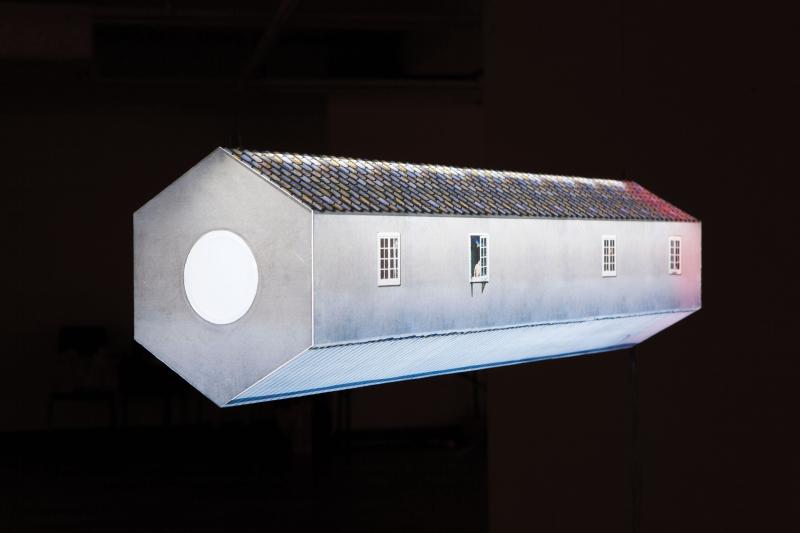

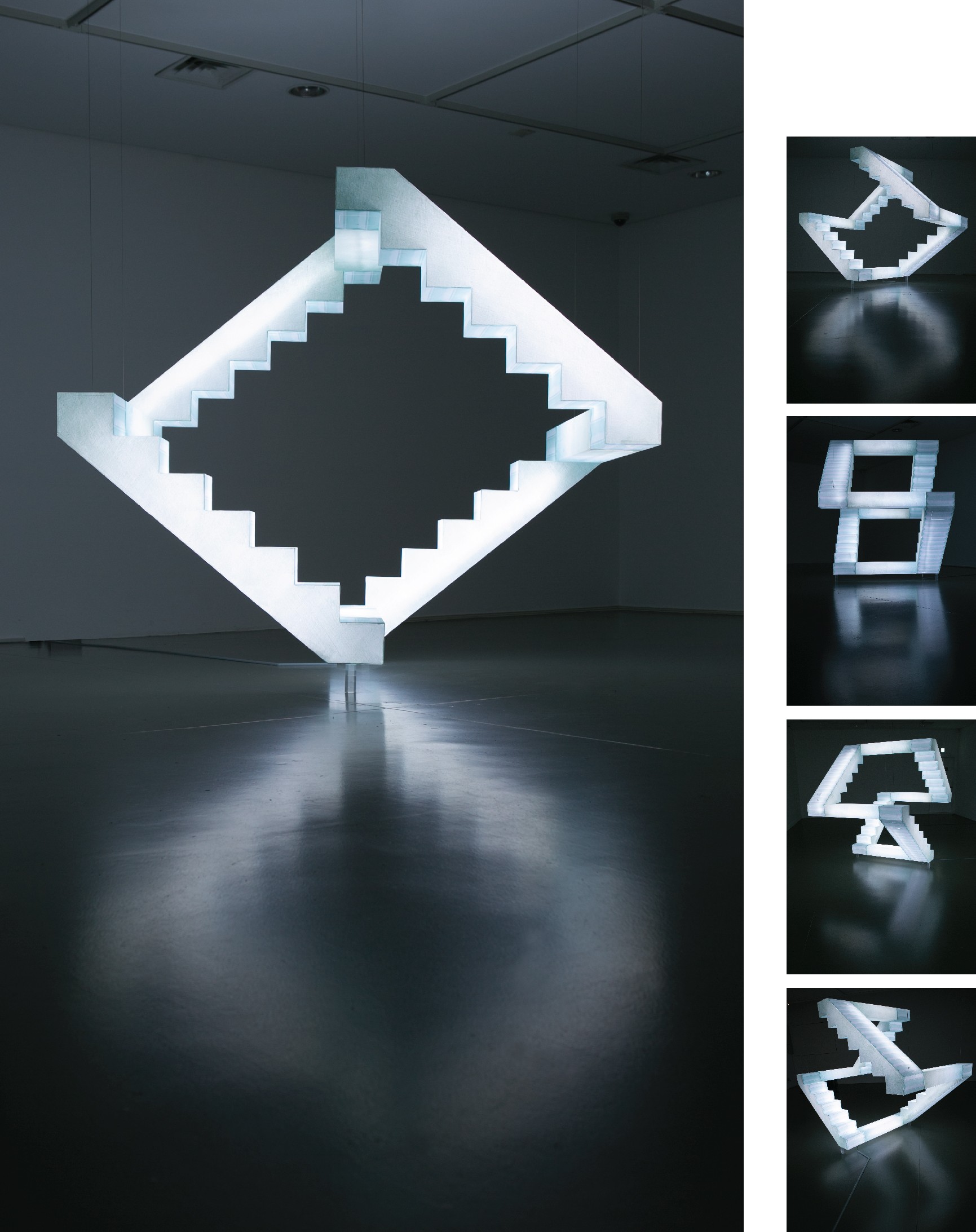
Min Jin Young, The Green Stairs 2, 2013, Mixed media, 210 x 150 x 170 cm © Min Jin Young

The artist regards installation works and the spaces in which they are situated as a single, infinite canvas. Just as Arthur Danto’s declaration of the “end of art” paradoxically opened up limitless possibilities for artistic media, she does not impose fixed boundaries on the media used in her work. Forms may change, but she believes that the questions and attitudes embedded in the work continue.
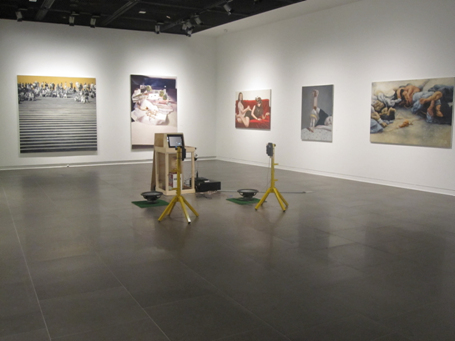
Min Jin Young explains this as follows: “I believe an artist’s thinking constantly changes through time and experience, and the work itself should follow that flow.” Accordingly, she has consistently chosen materials according to what best serves the subject at hand.

From acrylic, resin, cement, fabric, motors, LEDs, and video to two-dimensional work, materials have always functioned as extensions of thought; rather than deciding on a medium in advance, the form is allowed to emerge naturally from what the idea itself demands. Although her practice does not adhere to a fixed style, a recurring perspective and attitude toward the world, humanity, and society can be found throughout her work.

She sees this process less as an intentionally constructed style than as a flow of sensibility formed through the accumulation of her practice, and believes that her artistic identity takes shape at that point.

Three-dimensional installations involve numerous practical difficulties, including fabrication, transportation, and storage, but the sense of accomplishment that comes from seeing an idea materialize as physical form and structure within an actual space is irreplaceable. Through ongoing experimentation with message and medium, the artist seeks to continue thinking, failing, and trying again without stopping.


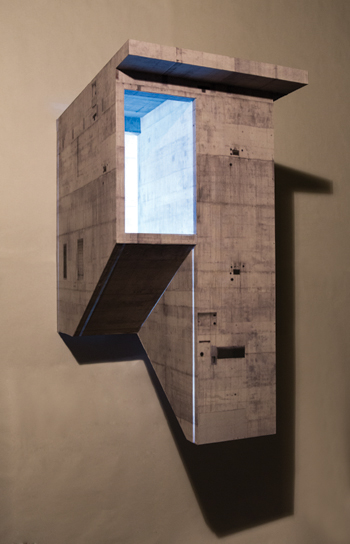
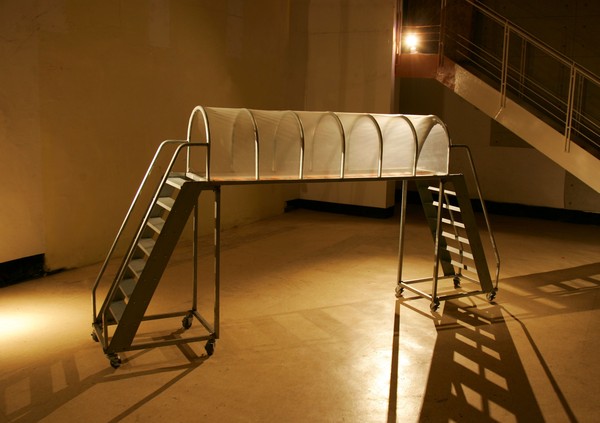
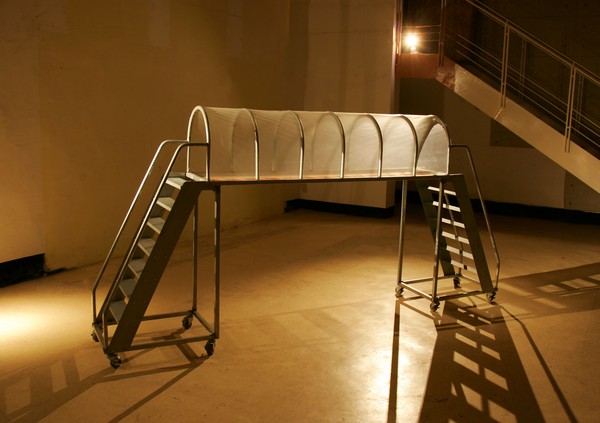
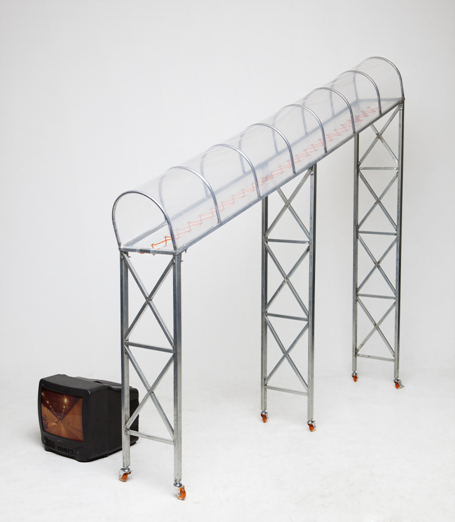
Min Jin Young, Reading Home 1, 2009, Steel, vinyl, wheel, nylon rope, 280 x 45 x 135 cm © Min Jin Young

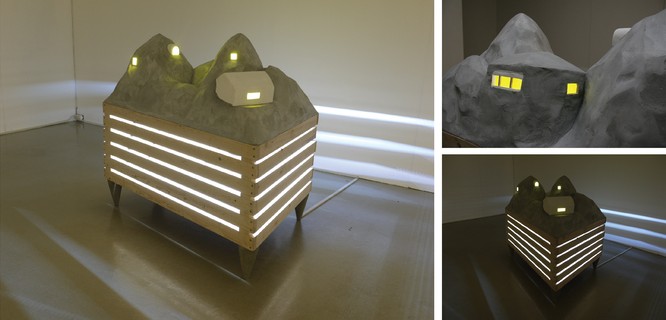
The 'Reading Home' series symbolically explores the memories of those who experienced unstable childhoods through images of fragile and precarious homes. The recurring forms of tents and greenhouses clearly contain elements of a house, yet rather than complete homes, they resemble temporary and mutable structures that could shake or collapse at any moment.

A home is ordinarily expected to be the safest and most comfortable of places, where both body and mind can rest. For some, however, home is remembered not as a place of protection but as the most dangerous and frightening space of all. The artist focuses on this ambivalent nature of the home.

As a place where protection and threat, comfort and anxiety coexist, the home becomes a space in which personal memories and emotions accumulate with particular intensity.

'Reading Home' is less an attempt to “show” a house than a process of slowly reading through the emotions and memories accumulated within the space of home. The artist continues the series with the hope that, within the form of an incomplete house, individual memories may overlap and unspoken emotions may be given a place to remain, if only for a moment.


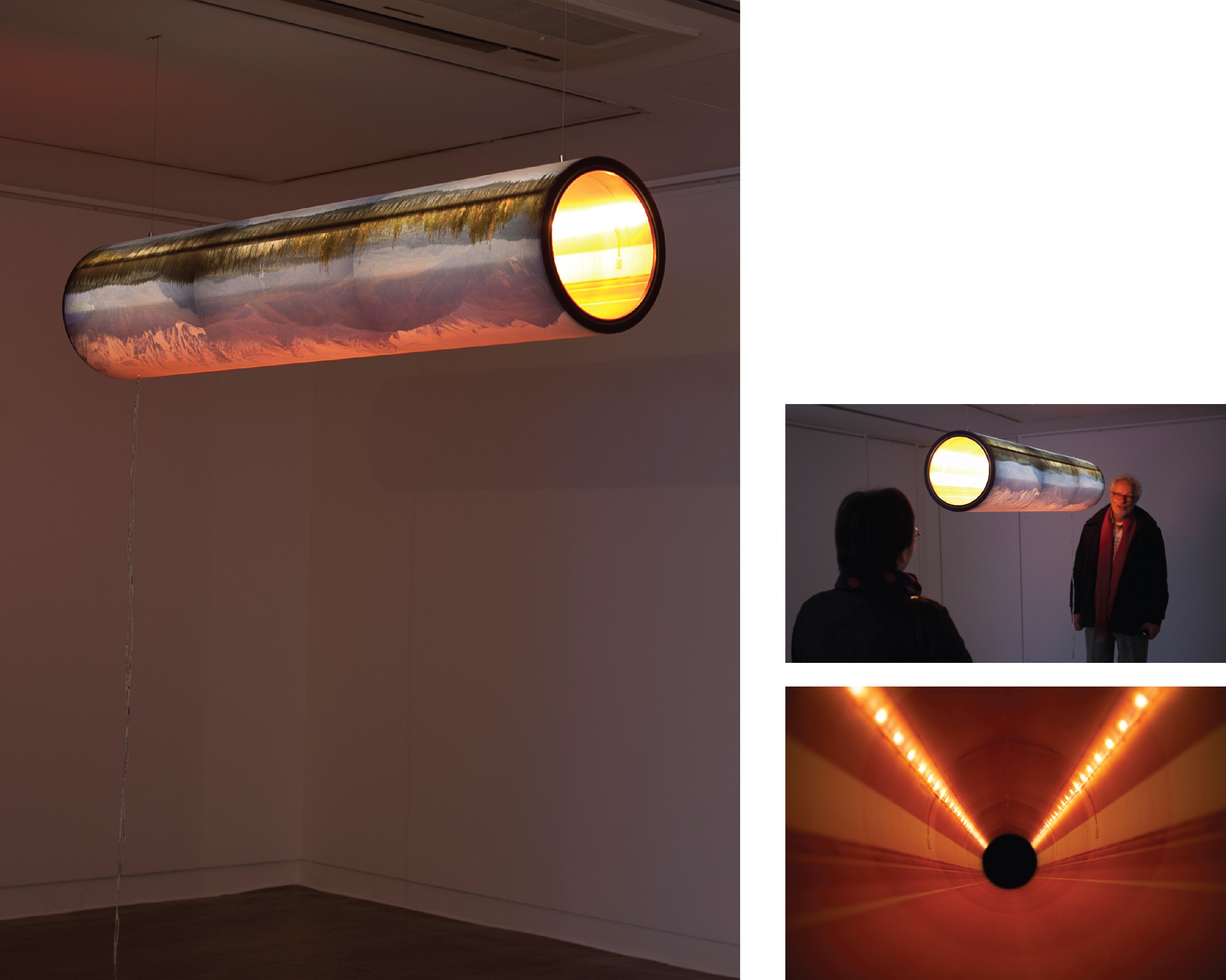
Min Jin Young, Tunnel, 2012, Mixed media, 260 x 260 x 260 cm © Min Jin Young

The artist seeks to convey the following thoughts through her work: “We live in an extremely harsh world. Within this brutal structure, where the logic of capitalism governs nearly every aspect of life, individuals are constantly compelled to compete and conditioned to become insensitive to the suffering of others. Faced with this reality, I ask myself what I can do for society, both as an individual and as an artist.

My answer to that question is ‘compassion.’ Sympathy can easily remain a momentary emotion felt in response to suffering that appears before our eyes. Compassion, however, is an attitude of deeply embracing another person’s pain as if it were one’s own, while also looking at the structure and essence from which that suffering arises.

Compassion is not the consumption of emotion, but a responsible response to the lives of others and a determination not to turn away from suffering. I believe the power of compassion resembles a mother’s maternal instinct. The impulse to protect, embrace, and bear another’s burden is, in my view, one of the most fundamental ethical capacities of human beings.

I want to suggest that compassion (maternal care) is not merely an emotion, but the most fundamental ‘force’ that allows us to endure this harsh world and remain connected to one another.”

The artist’s works and practice are a process of visually embodying the power of compassion. She also believes that one of the greatest human capacities lies in being able to suffer alongside another person and refuse to turn away from that pain, even when it is not one’s own problem. To open one’s heart to the lives of others and to be capable of shedding tears for them is, in her view, what makes us truly human.

Min Jin Young’s practice began with personal memories and wounds from childhood, but she hopes that this narrative will not remain confined to personal confession. Rather, she hopes it will intersect with the universal wounds repeatedly produced within social structures and become a pathway through which the suffering of others can be understood and shared.


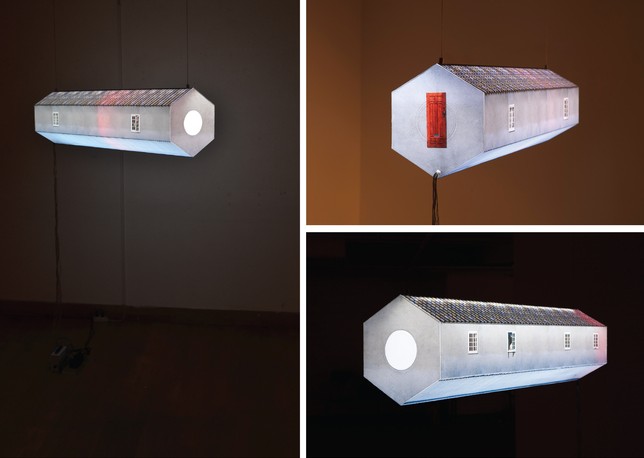
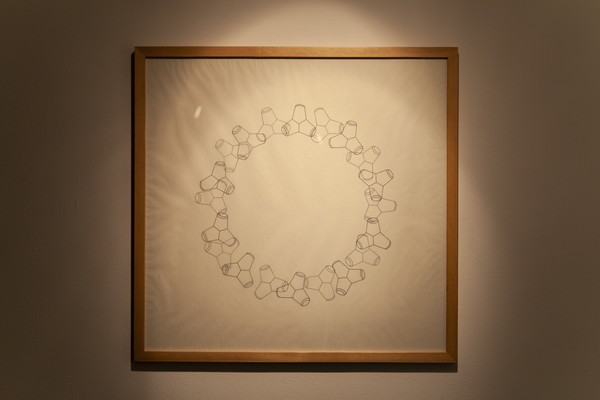
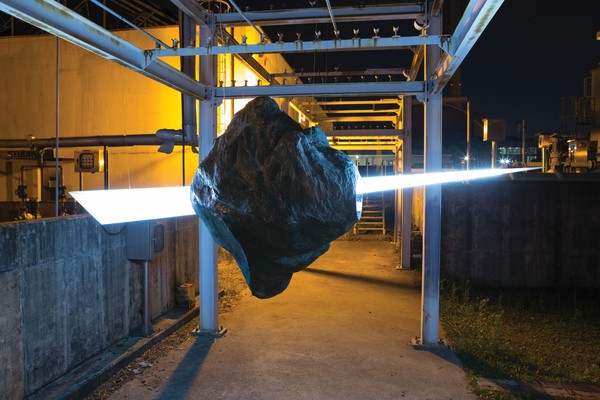
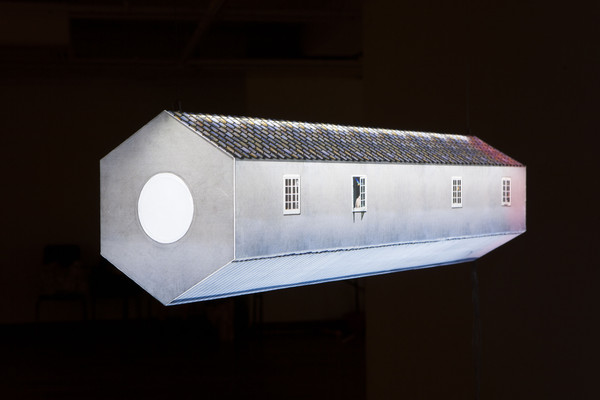
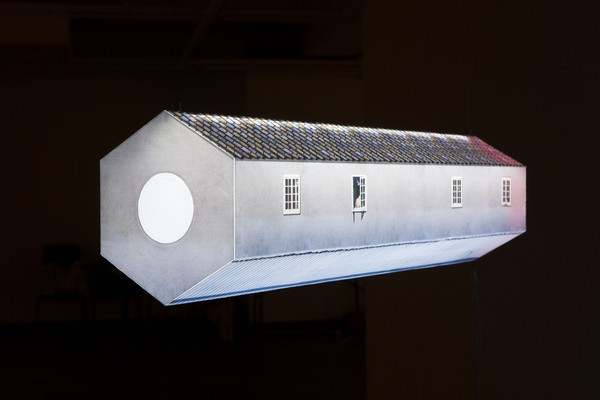
Min Jin Young, Between roof and roof, 2012, Mixed media, 25 x 110 x 25 cm © Min Jin Young

Min Jin Young hopes to continue living sincerely as an artist, a teacher, and a mother of two, without separating these roles but embracing them as part of a single life. She intends to keep accumulating the experiences and questions she encounters in everyday life, trusting that the direction of her next works will emerge naturally through that process.

Rather than hastily setting predetermined outcomes, her most important plan is to sustain a creative practice in which life and work continually influence one another. Now that she has returned to her position as an artist after a long period of distance, she seeks to translate the many layers that life has given her into art.

Looking ahead, she says she hopes to practice in Incheon not “art for art’s sake,” but “art for people.” Through her work, she aims to create spaces where people living in contemporary Incheon can think and converse together about structural social issues, human suffering, and vulnerability.

Through exhibitions and public art activities, she hopes to propose forms of art that remain closely connected to citizens’ lives, and rather than delivering one-sided messages as an artist, she seeks to build relationships of communication in which sensations and experiences can be shared with the public.

References