Jangyeun Jun (b. 1982) explores mutable structures through the diverse relationships formed between objects and sculptural elements that lean on, support, or precariously connect with one another.
 
Drawing upon the sensibility of sculpture—where forms are sustained through delicate balances of interdependence despite their instability—she creates portraits of everyday life shaped by uncertainty, contingency, and constant negotiation.


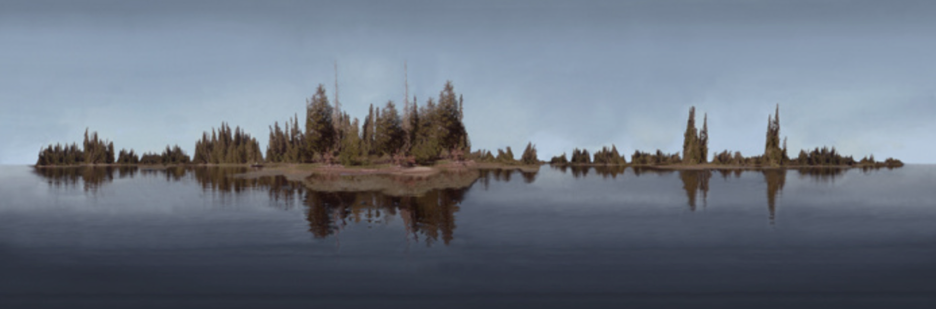
Jangyeun Jun, Walking Between Trees, 2011, Mixed media, Dimensions variable © Jangyeun Jun

Jangyeun Jun has developed a practice that metaphorically conveys personal narratives and sensory experiences through the organic relationships formed between objects and sculptural elements. Rather than remaining fixed as familiar everyday objects, the things she encounters in daily life acquire new meanings through their interaction with surrounding sculptural structures.
 
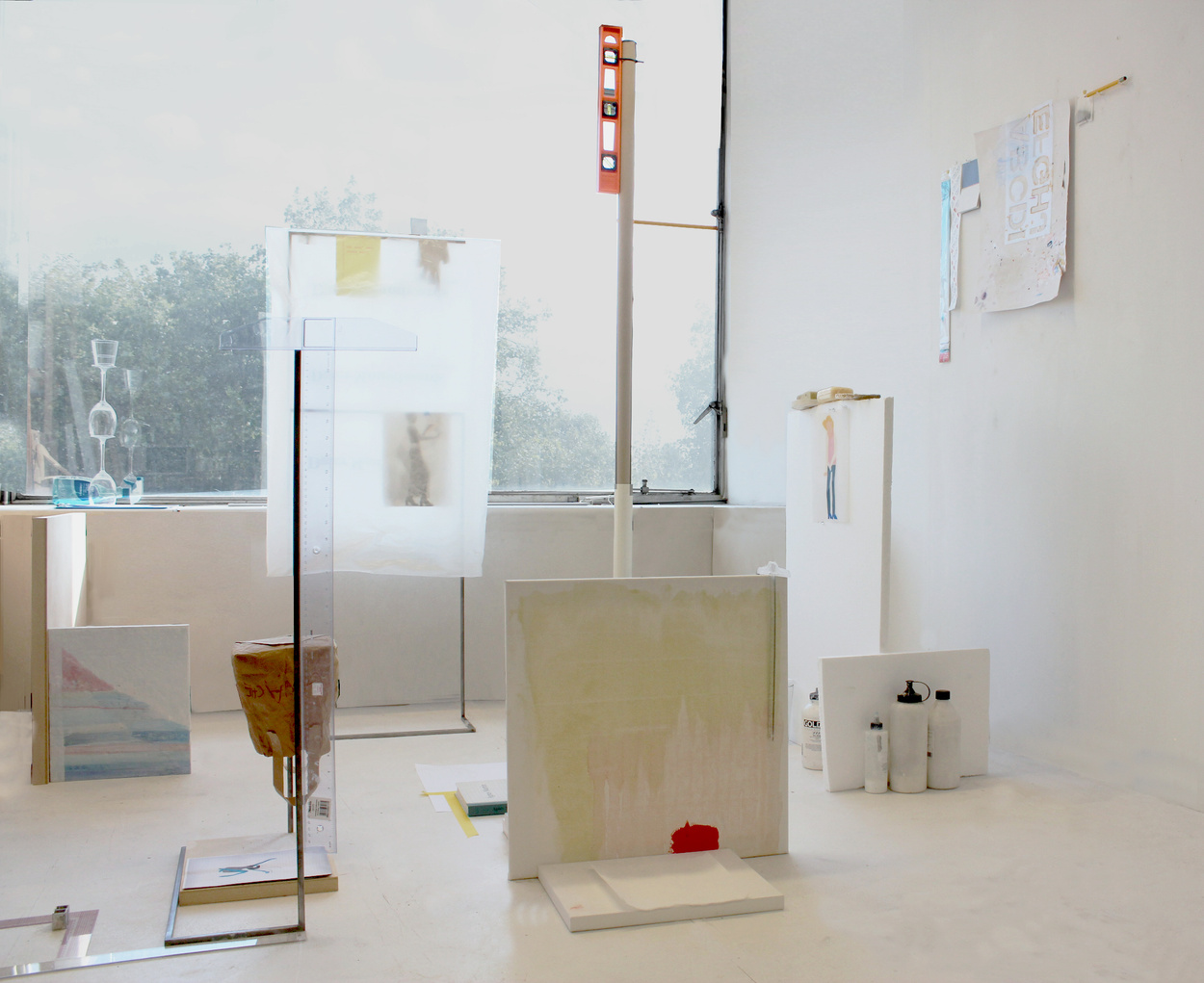
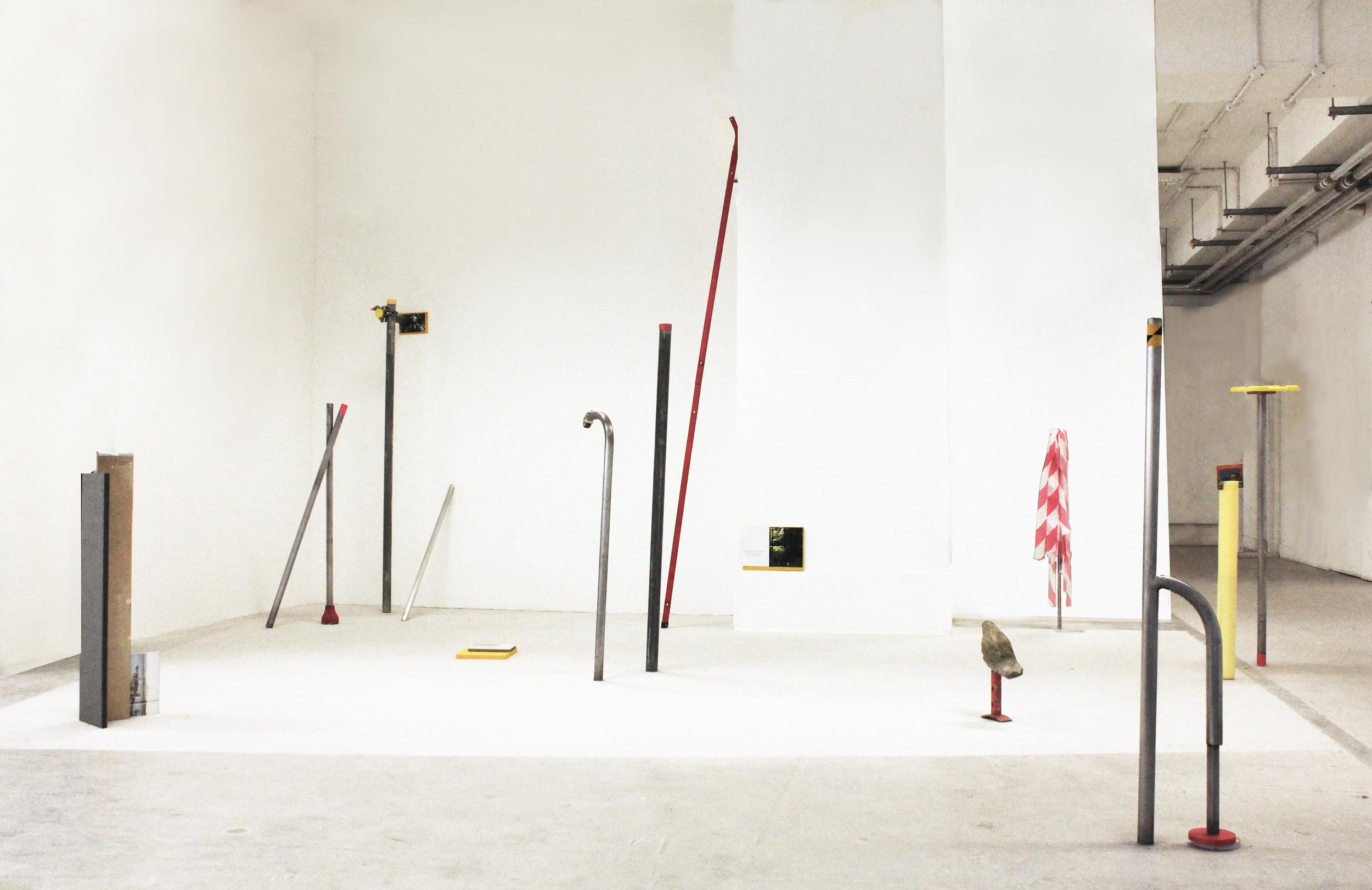
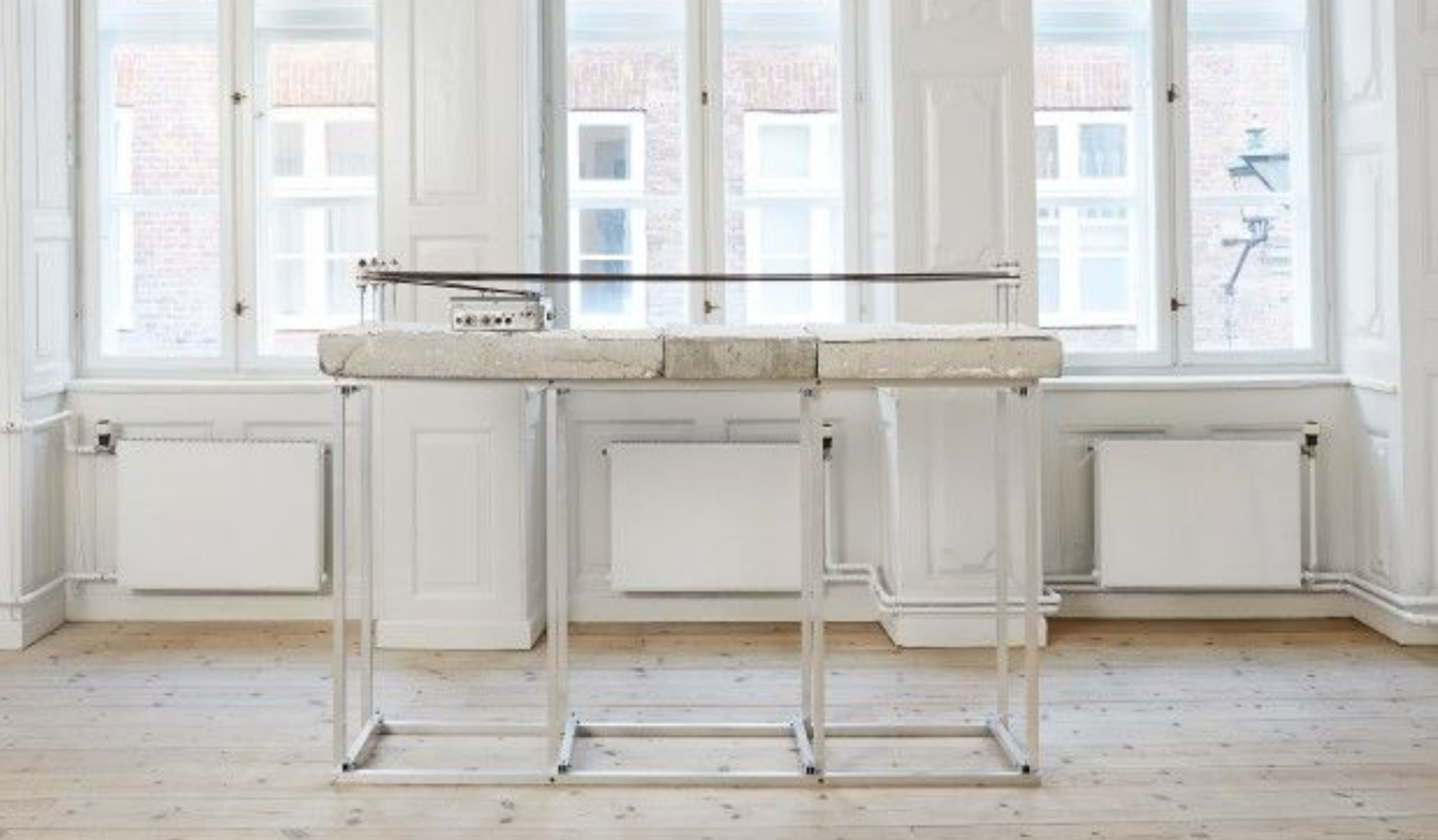
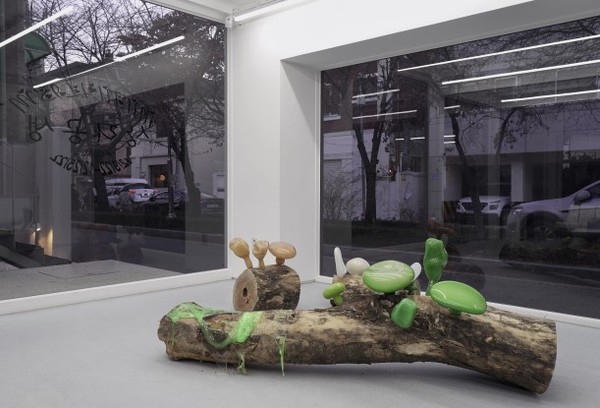
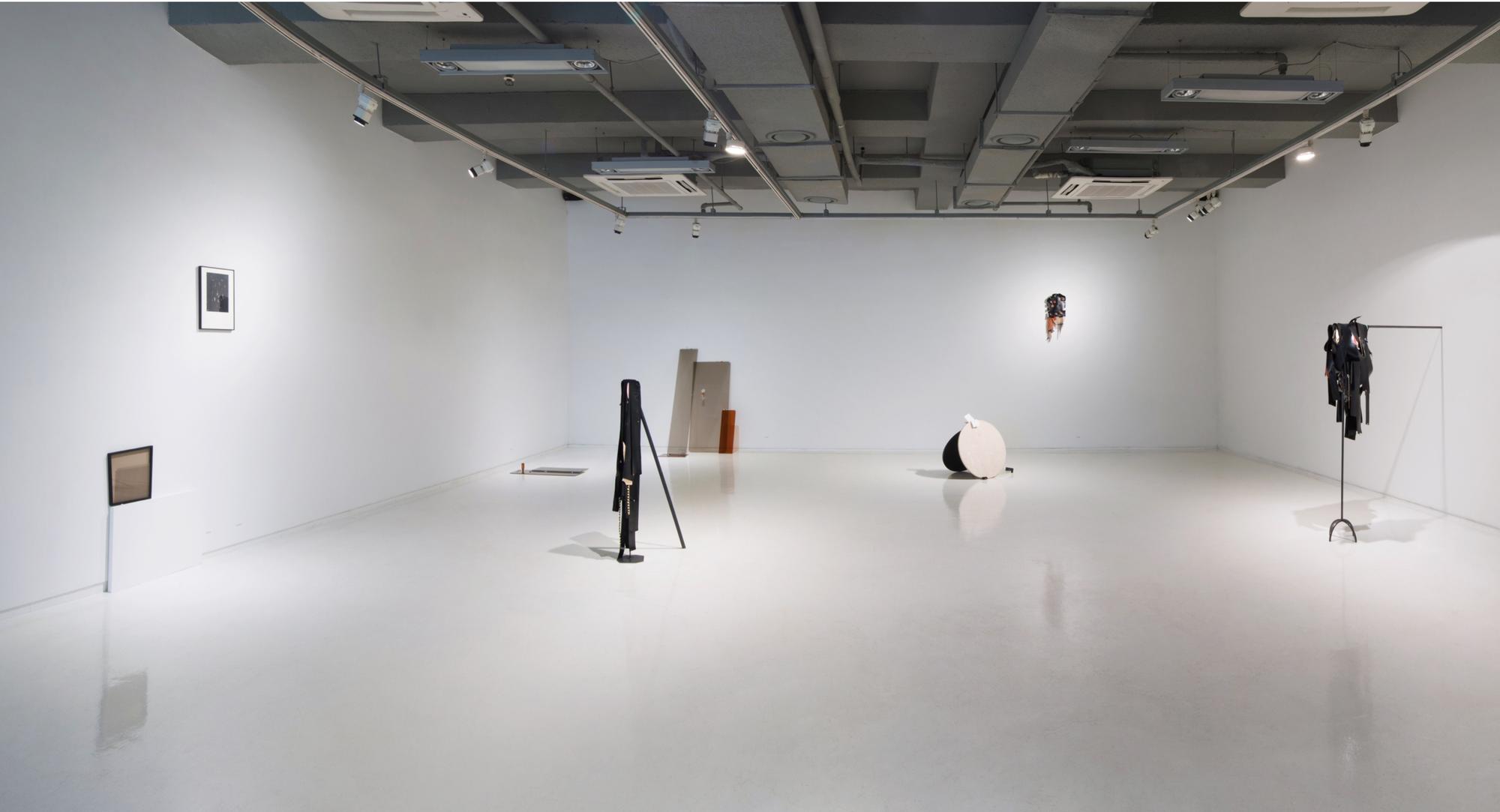
In her 2014 solo exhibition 《Lying Objects》 at Gallery DOS, the artist created unfamiliar configurations through the combination and transformation of commonplace objects. Stripped of their original functions, these objects became metaphors for emotions embedded within everyday life that often go unnoticed, while their precarious arrangements generated a subtle sense of tension and instability.


Installation view of 《Lying Objects》 (Gallery DOS, 2014) © Jangyeun Jun

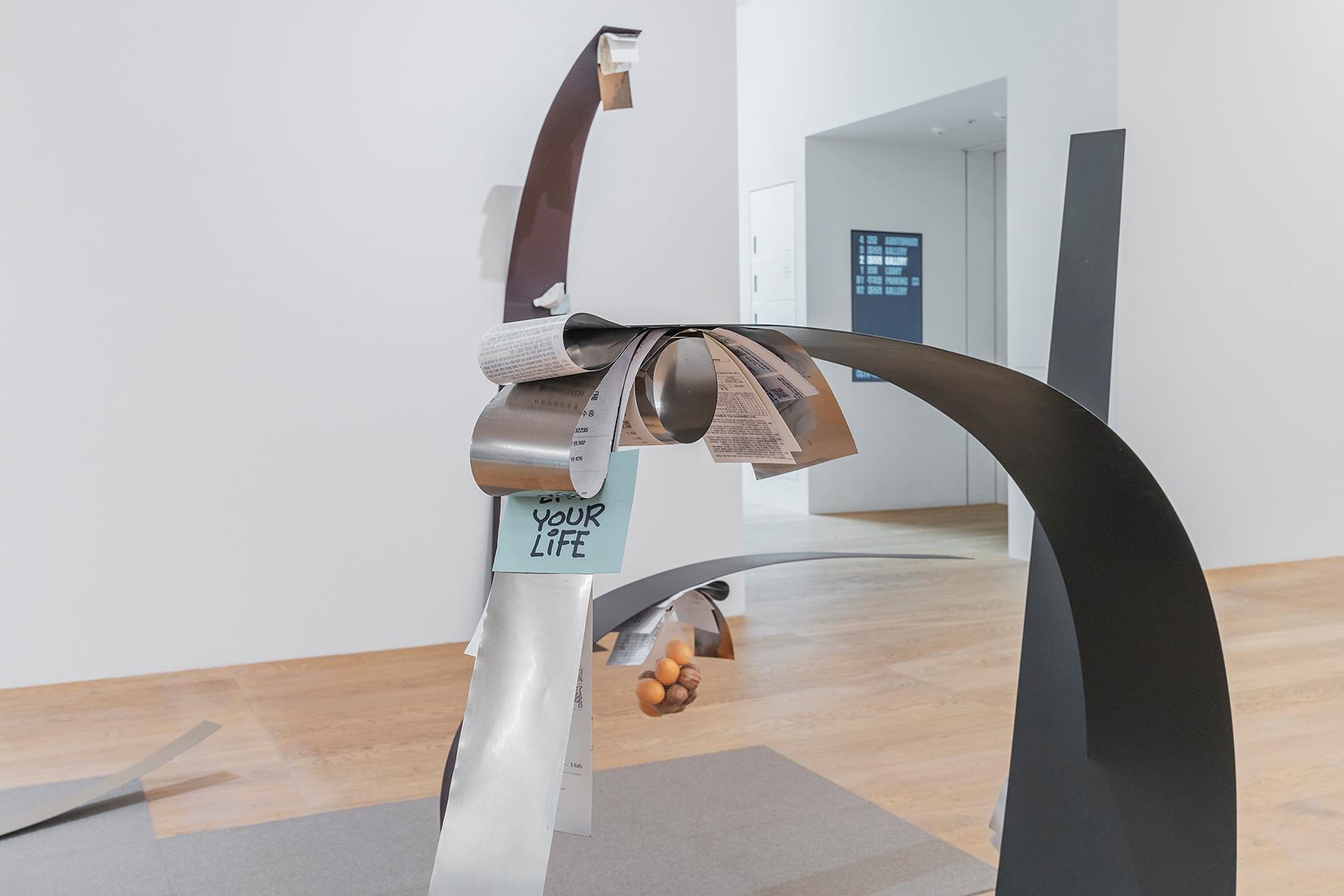
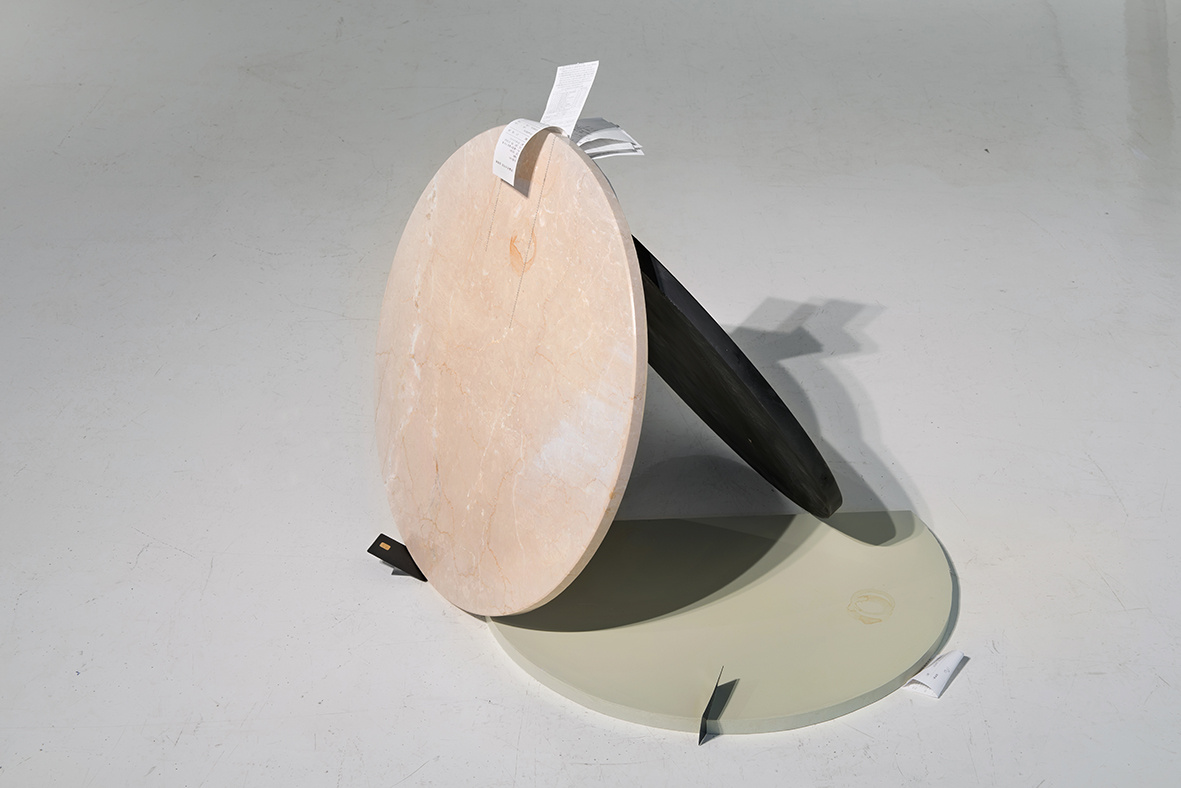
The installations are often composed so that small objects appear hidden within, or precariously supported by, larger structures. For instance, bundles of receipts wedged between two adjoining tables or pills barely holding up the weight of a sheet of glass create unexpected combinations that disregard the objects’ original functions, resulting in surreal sculptural landscapes.
 
Through these arrangements, Jun captures fleeting emotional moments that might otherwise go unnoticed, endowing ordinary objects with new expressions and meanings. The “lying objects” function as metaphors for the human tendency to conceal emotions and desires, while simultaneously occupying an ambiguous space where it becomes unclear whether the subject is the object itself or the artist.
 
In this way, Jun explores the blurred boundaries between object and subject, human and thing, evoking the psychological landscapes that lie beneath the surface of everyday life.
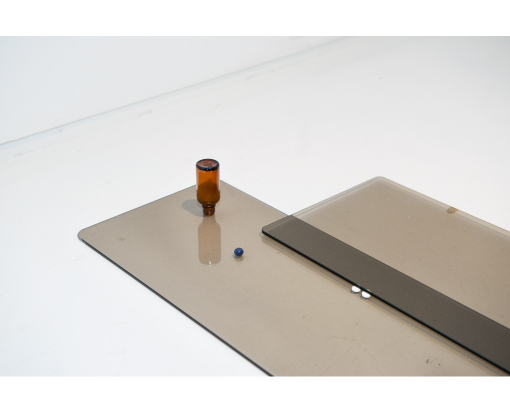

Installation view of 《Lying Objects》 (Gallery DOS, 2014) © Jangyeun Jun

The unexpected accidents and deviations that emerge during the making process allow objects to break free from their conventional meanings and functions, ultimately transforming them into active subjects of the artwork. Through unfamiliar combinations of everyday items, Jun constructs narratives while simultaneously enabling objects to conceal their original purposes and assume a sense of agency of their own.
 
Her works create opportunities to recognize and reflect upon the subtle emotions embedded in everyday life that might otherwise be overlooked or forgotten. At the same time, they reveal the expansive formal and expressive possibilities inherent in objects themselves.


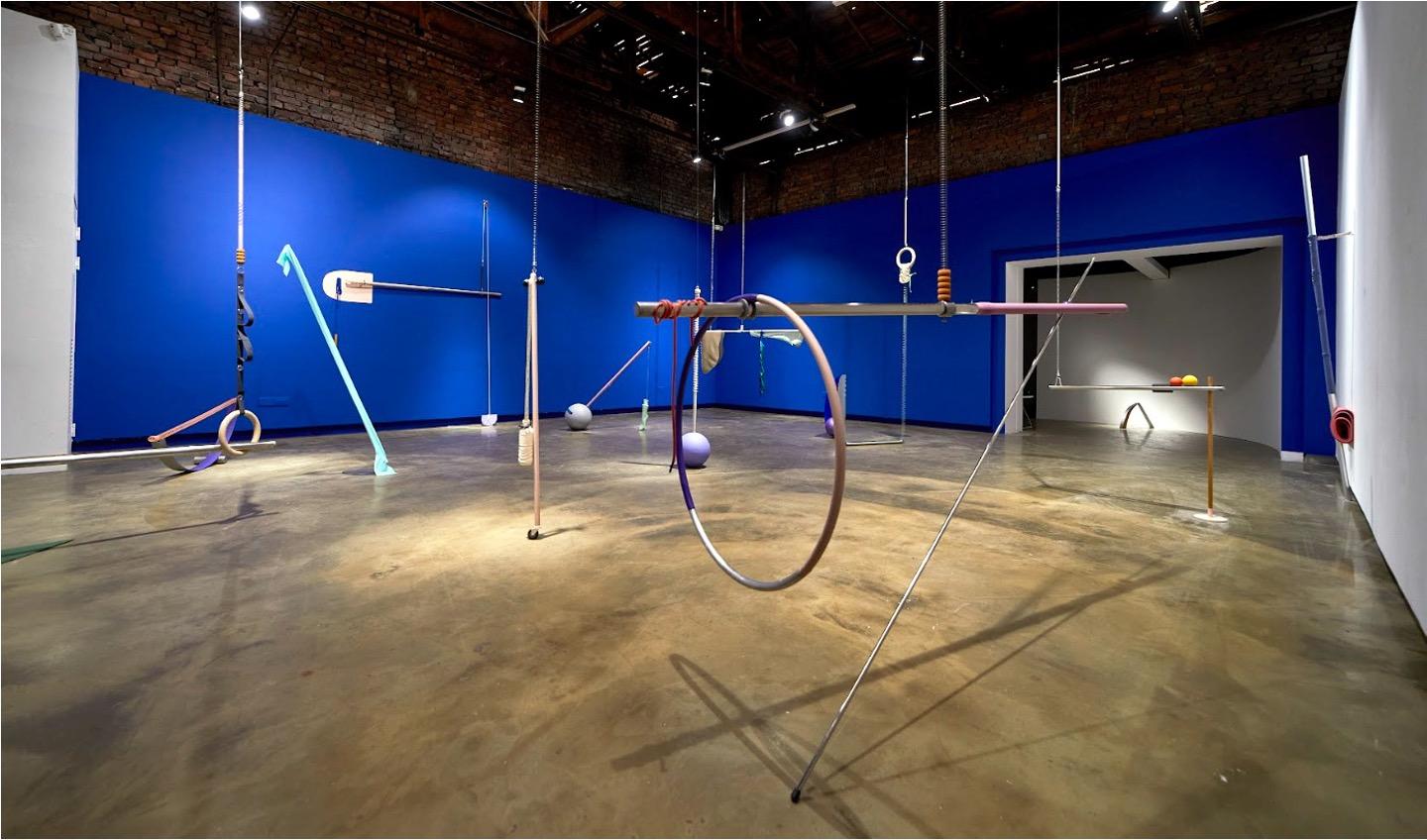
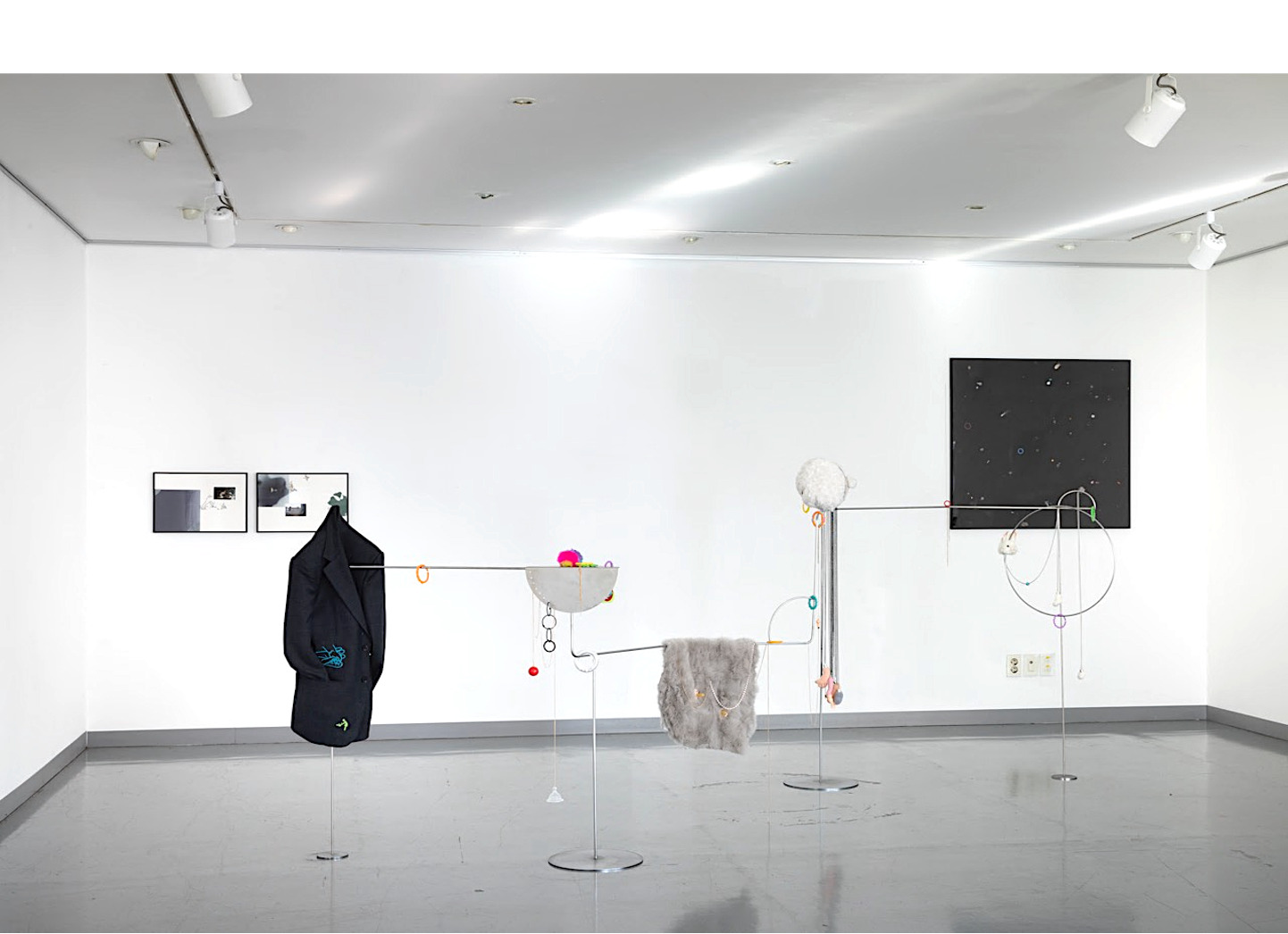
Installation view of 《Encountered Universe》 (Incheon Art Platform, 2019) © Jangyeun Jun

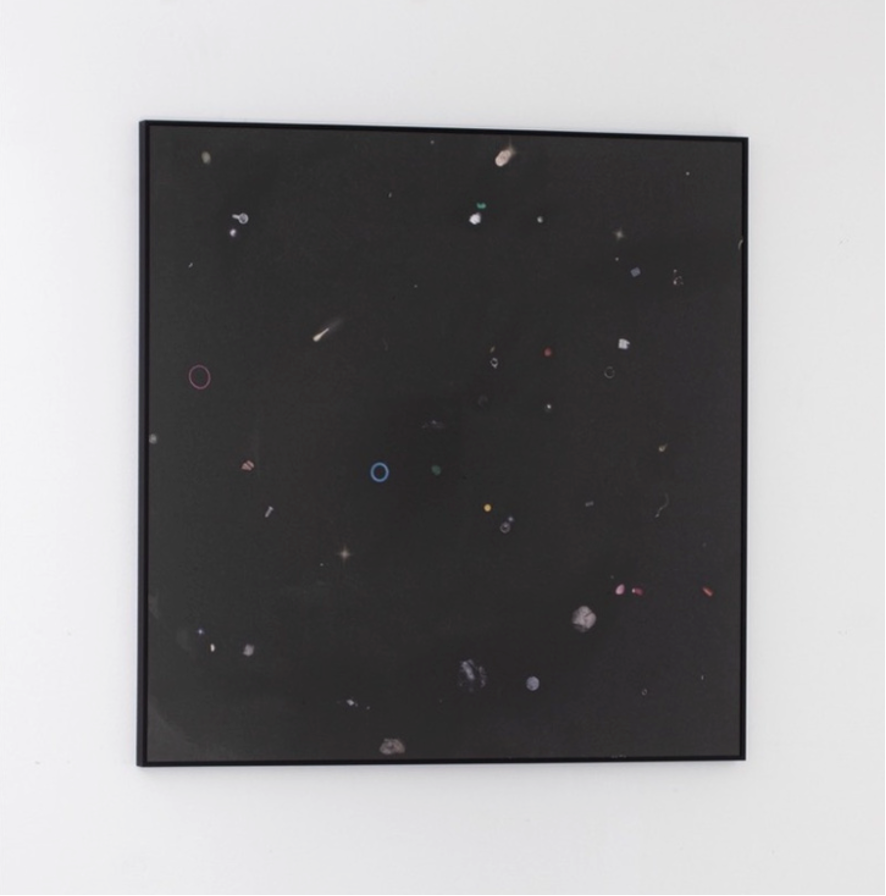
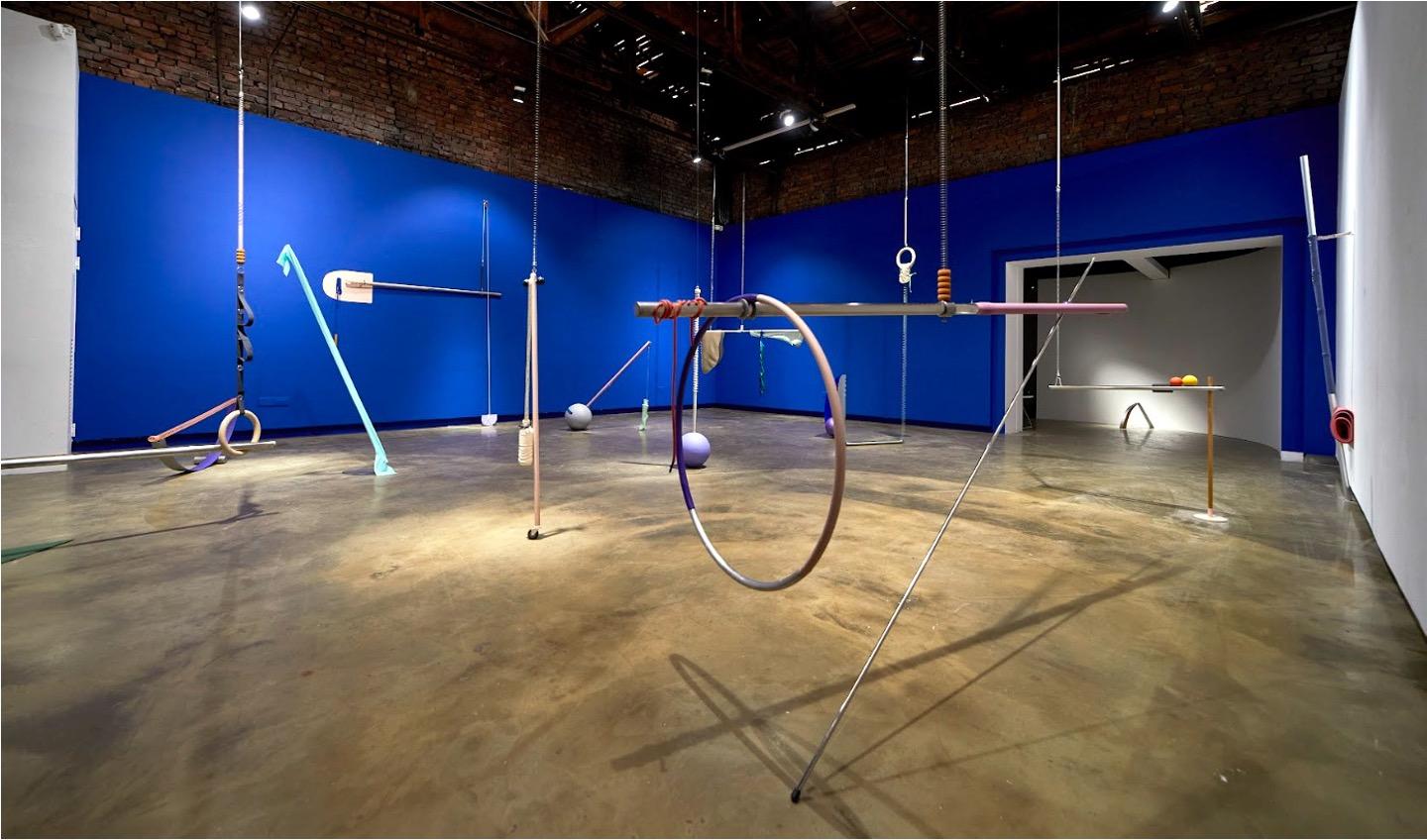
Meanwhile, 《Encountered Universe》 (2019) presented a new sculptural landscape built through unexpected combinations of objects, drawing on the artist’s personal experiences as a woman. In this exhibition, objects collected from her personal timeline and from the socially constrained sphere shaped by childbirth and childcare became important materials.
 
The small, colorful, soft, and rounded objects embodied the emotional changes and social limitations of that period, generating an unfamiliar language between things. Objects that could fit within one’s hand became connected to images of the “night sky” and the “universe”—places furthest removed from the domestic sphere and everyday space-time—forming narratives through these associations.


Installation view of 《Encountered Universe》 (Incheon Art Platform, 2019) © Jangyeun Jun

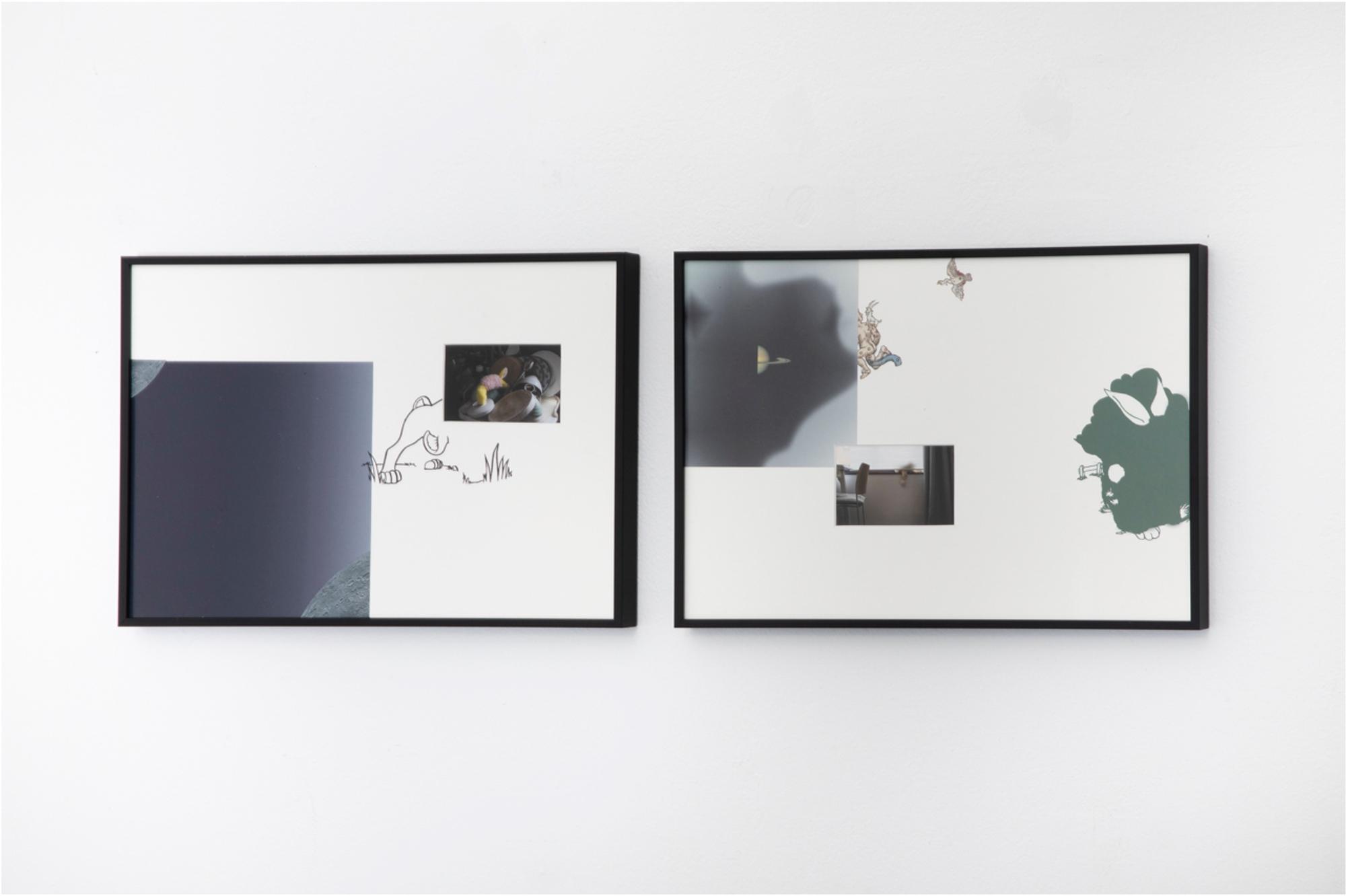
The exhibition was broadly divided into three parts: Night Square, Hide-and-Seek, and An Ear Hidden Away—works created by scanning everyday objects and printing the resulting images; a steel structure modeled after the Big Dipper installed within the exhibition space; and seven types of transformed object sculptures that constituted the structure itself.
 
In the three image works, scanned images of children's toys are combined with the artist’s imagined drawings, altering the objects’ original appearances. Through this process, familiar objects are transformed into metaphors for the artist’s own life experiences, while shifts in their forms and functions allow them to move beyond their utilitarian roles and emerge as autonomous artistic subjects.


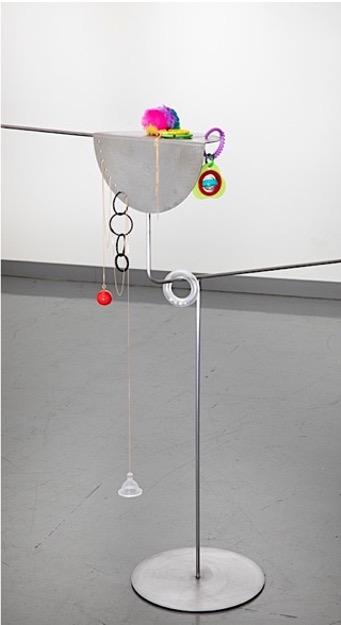
Jangyeun Jun, Big Dipper (detail), 2019, Mixed media, Dimensions variable © Jangyeun Jun

Meanwhile, the object sculptures in Big Dipper were created in reference to the constellation’s seven stars, long associated with countless wishes, aspirations, and systems of belief. Arranged in a row upon steel frameworks, these quasi-totemic forms construct a landscape through seven symbolic phrases.
 
Big Dipper consists of playful combinations of objects that metaphorically reflect both the artist’s lived reality and imagined worlds: ‘Rabbit’s Foot Luck,’ ‘Thin Time,’ ‘Four Hands,’ ‘Stroller Elevator,’ ‘Nomadic Childcare,’ ‘Cosmic Combination,’ and ‘Super Mom.’
 
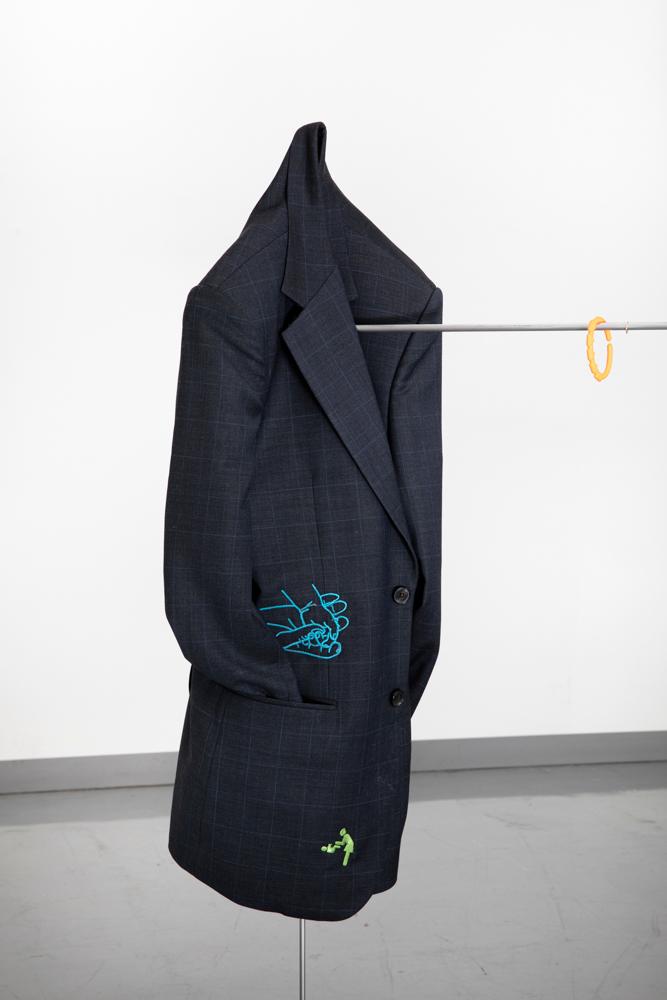
By embroidering images of childcare activities, such as changing diapers, onto a men’s suit jacket, or by placing pearl necklaces—objects conventionally associated with femininity yet far removed from childcare—alongside plastic children's toys as equal components within a single constellation, the artist brings together objects carrying disparate social meanings within one shared universe.


Jangyeun Jun, Big Dipper (detail), 2019, Mixed media, Dimensions variable © Jangyeun Jun

Through these unexpected combinations, viewers encounter objects traditionally associated with feminine elegance that, in an instant, appear to lose their original identities as they become subsumed into the socially prescribed role of motherhood and childcare.
 
These seven “planets” were positioned not on the floor or against the walls, but in the middle of the exhibition space, resembling a display designed to promote consumption. Reflecting on her return to life in Korea with a child rather than alone, the artist noted that she became acutely aware of how “time spent with a child and time for oneself, as well as childcare and education, are thoroughly intertwined with systems of capital and consumption.”
 
The artist focuses on the ways in which personal experiences are conveyed and shared through objects shaped by processes of selection and transformation within consumer culture. According to the artist, an object is completed when it evokes particular emotions and memories in others, functioning as an “object marker” that connects individual experiences.
 
Mothers, who have emerged as powerful consumers in Korean society, are categorized as target customers by various institutions and companies from the moment they have children, becoming immersed in an overwhelming flow of information related to consumption. Reflecting this reality, the artist constructed the exhibition space so that viewers encounter the works as if they were looking at products displayed in a shop window.


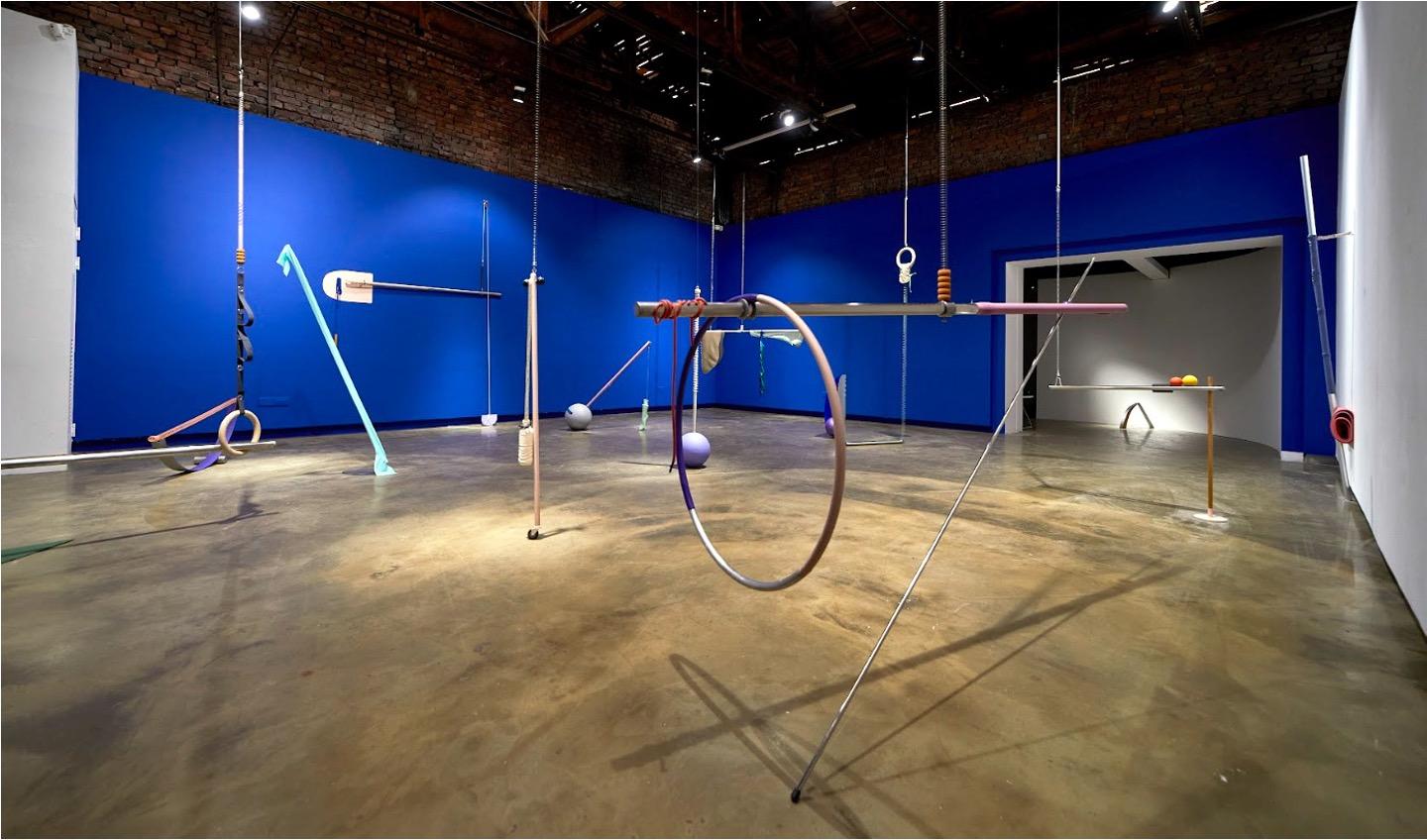
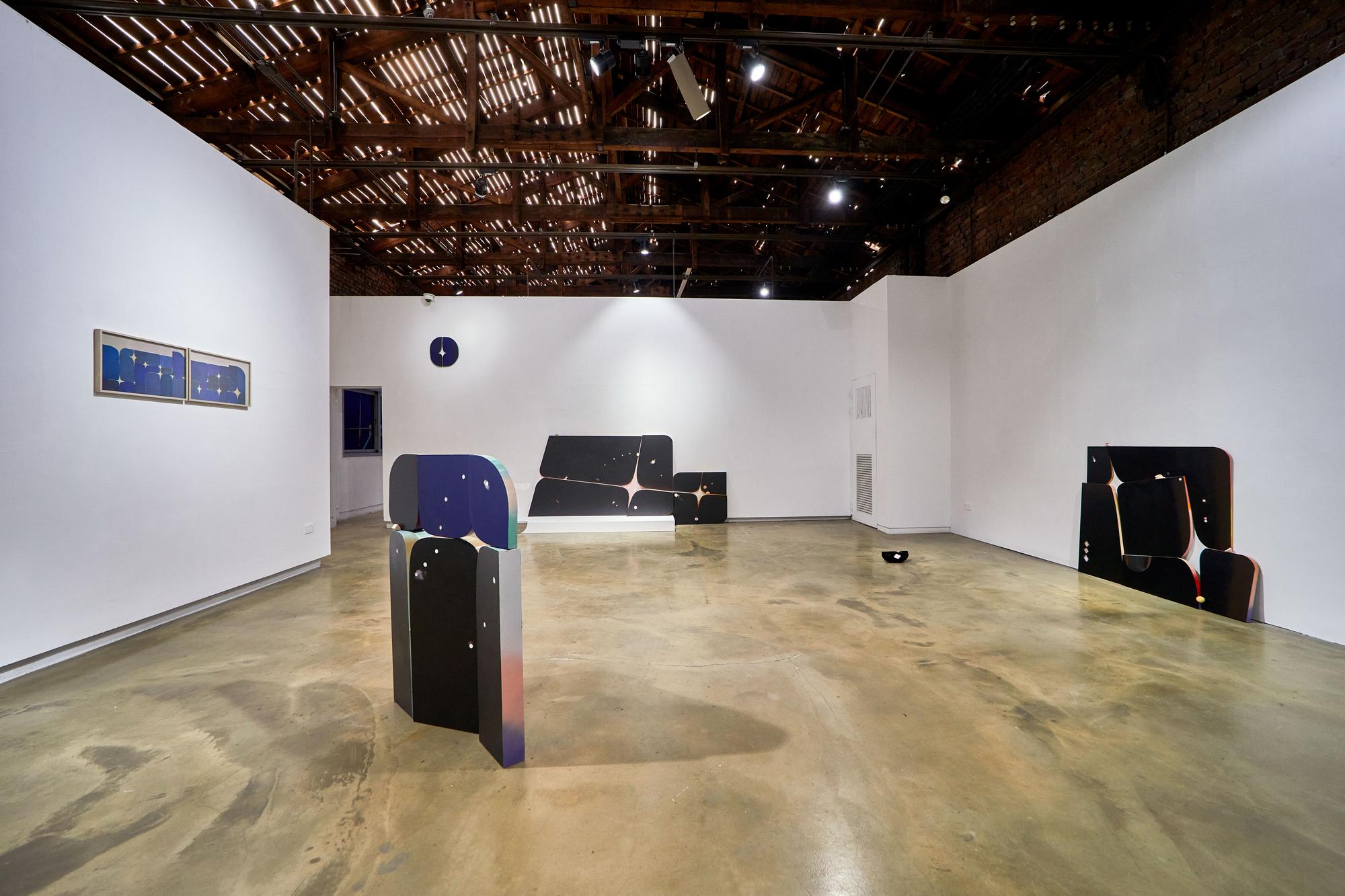
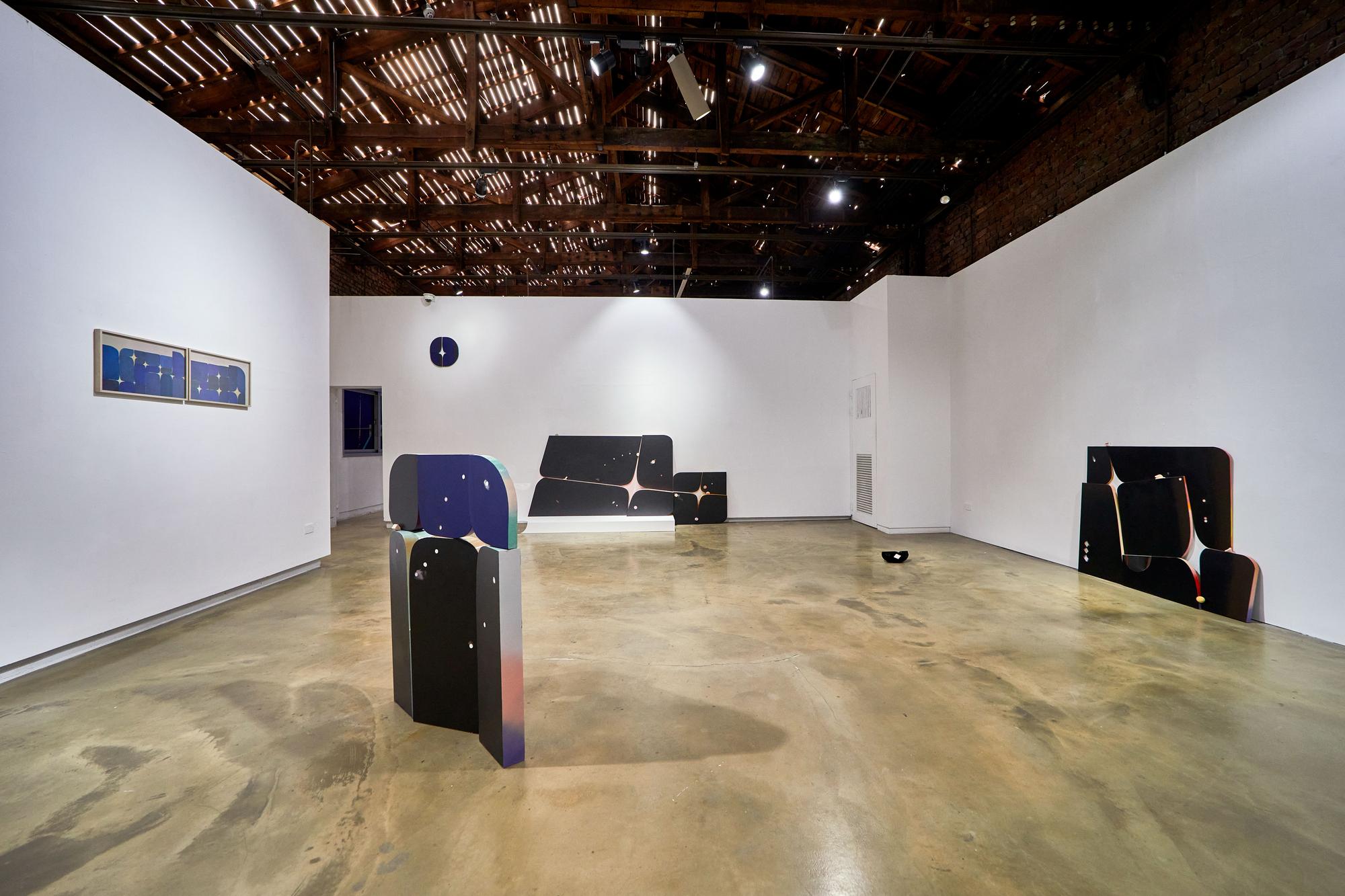
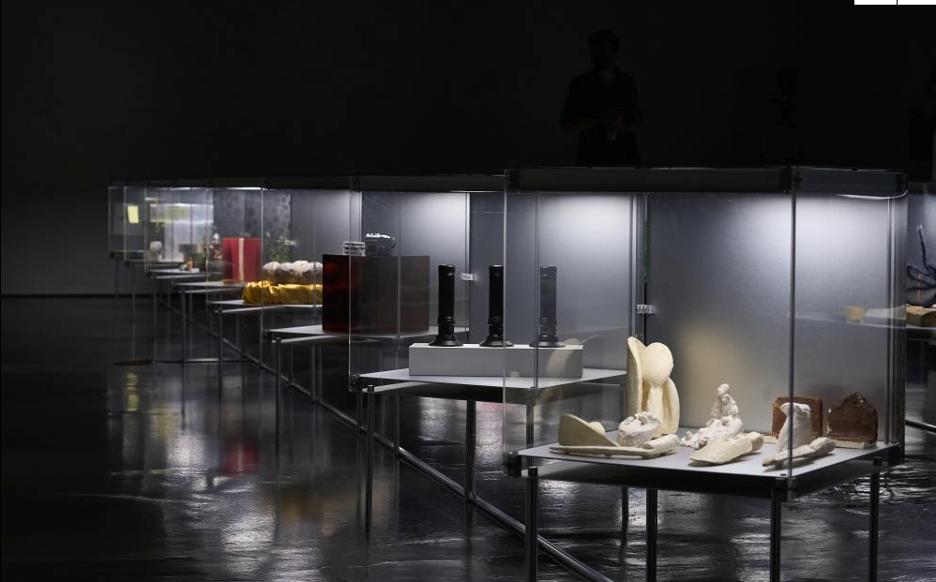
Installation view of 《Daylight on Tiptoe》 (SeMA Storage, 2022) © Jangyeun Jun

Jangyeun Jun’s exploration of sculptural structures and landscapes created through everyday objects continued in her 2022 solo exhibition 《Daylight on Tiptoe》. The exhibition focused on objects and sculptures emerging from subtle emotions found in daily life and was composed of three series based on individual episodes.
 
The artist used overlooked and ordinary objects such as coins, cosmetic puffs, and exercise equipment as materials for her works. By recombining these familiar objects in forms that transcend their original purposes, she sought to create new networks of relationships and reveal unexpected possibilities within everyday things.


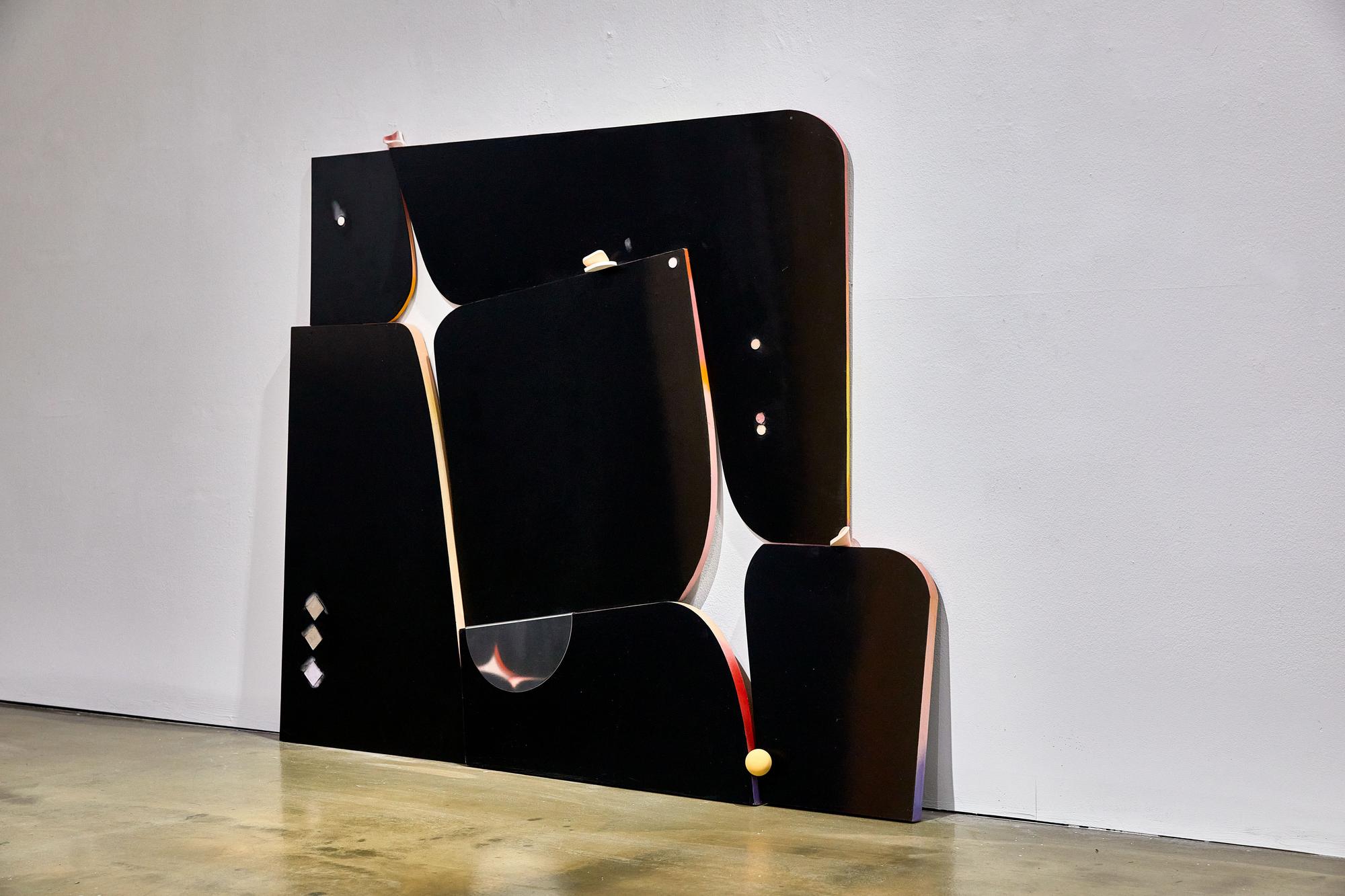
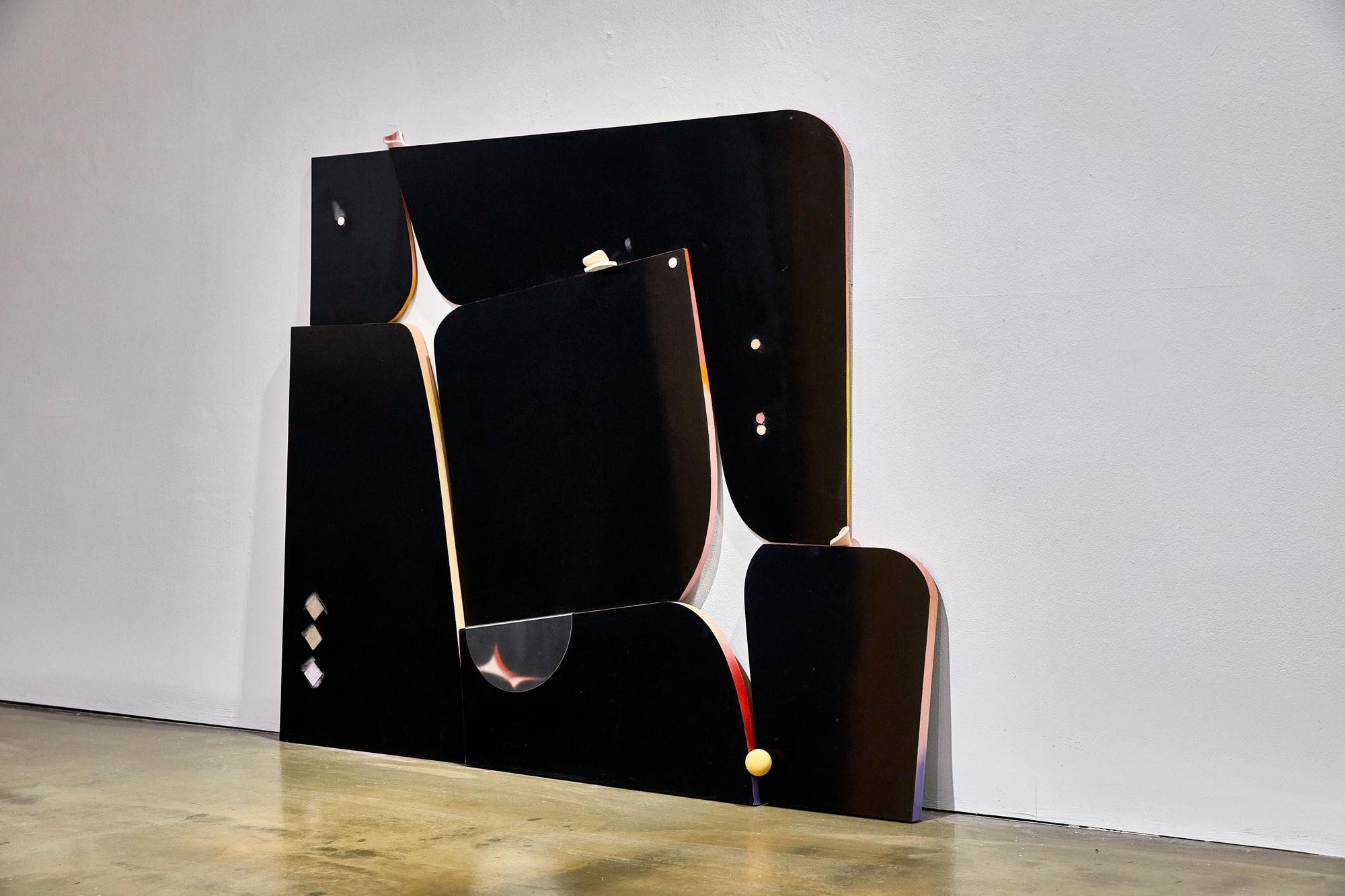
Jangyeun Jun, Light of Face, 2021, Plywood, acrylic paint, cosmetic puff sponge, eyeshadow palette, and acrylic mirror, 110x150cm © Jangyeun Jun

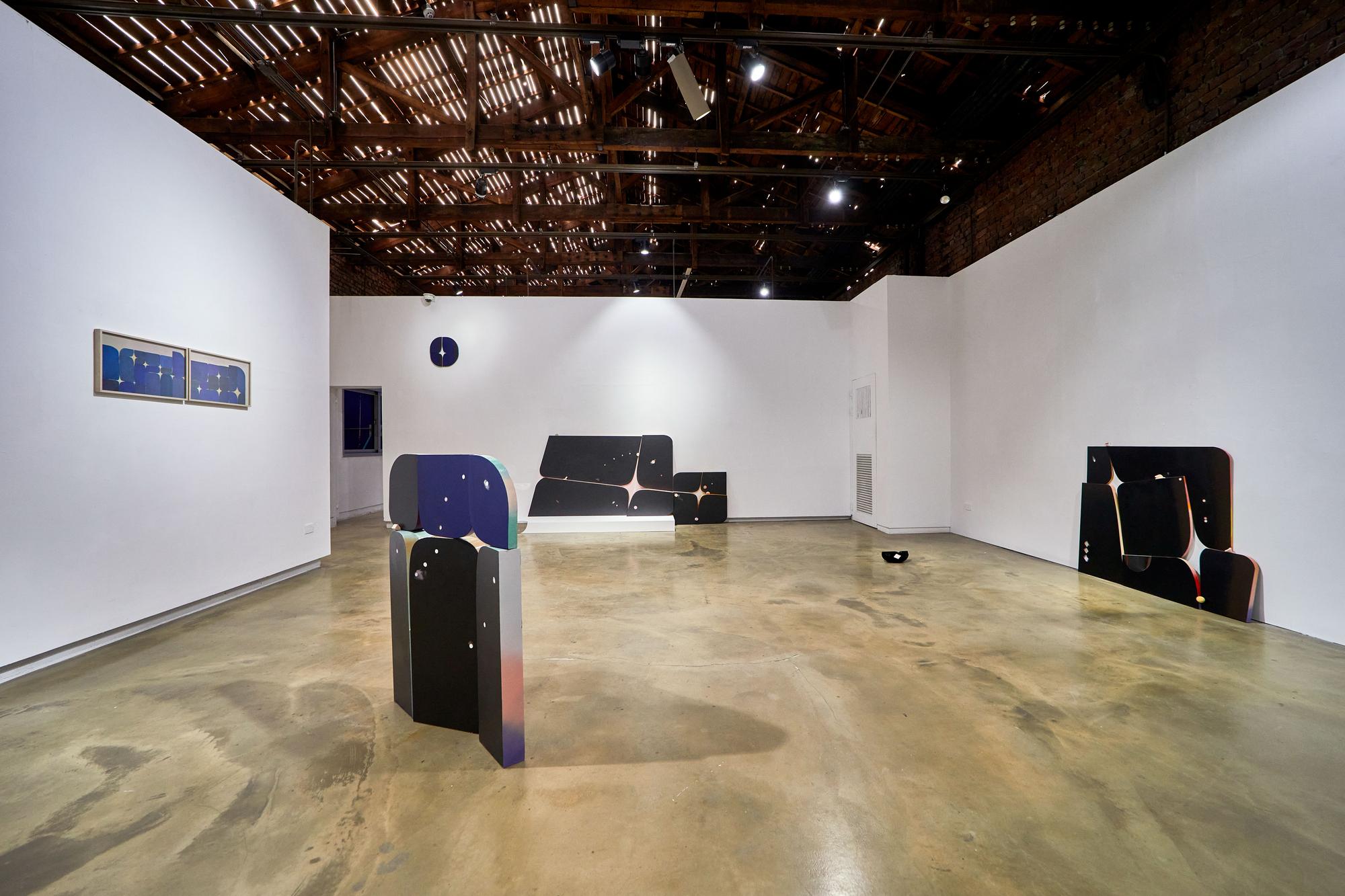
The series ‘Light of Face’, composed of sculptures leaning against the wall and accompanying drawings, presents black surfaces on the front and highly saturated colors on the sides, creating a striking contrast. The work originated from an anecdote involving a friend who expressed concern about the artist’s complexion and asked after her well-being.
 
Jangyeun Jun drew upon the fact that the Chinese character myeon (面), meaning “surface” or “face,” is derived from the form of a human face, and through the relationship between “face” (nat) and “surface” (myeon), she sought to examine the visible and hidden aspects of emotion.
 
The components of cosmetic products embedded throughout the surfaces of the works, along with the sponge puffs positioned within the gaps between the side structures, function as devices used to conceal a troubled complexion.
 
These soft puffs leave it uncertain whether they serve as foundations precariously supporting the stacked blocks or are merely fragile elements caught between them. In this ambiguity, they evoke the unstable and ever-changing tasks of everyday life, in which balance must be continuously maintained on the verge of collapse.


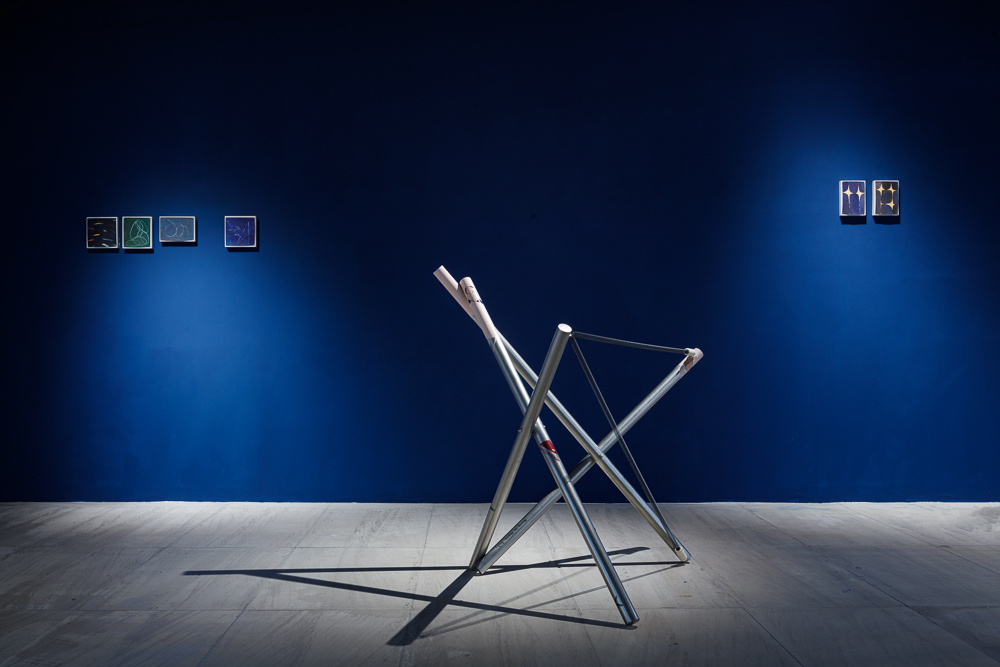
Jangyeun Jun, Pause, 2022, Mixed media, Dimensions variable © Jangyeun Jun

Meanwhile, Pause, inspired by the springs and pipes of exercise equipment, is a form of sculptural drawing created by selectively combining parts of objects related to the body. In this work, the artist goes beyond simply translating objects into the language of sculpture, instead evoking relationships and hierarchies between things, as well as the invisible distribution of forces that sustain them.
 
Rather than representing a simple state of stillness, the pause that follows a moment of catching one’s breath invites viewers to imagine the movement and tension that existed within the objects just moments before. Jun describes the boundary between stillness and motion as “a sensation similar to the tension of life required to maintain and sustain something.”


Jangyeun Jun, Break Time, 2022, Metal plates, cigarette butts, 30x40x4cm © Jangyeun Jun

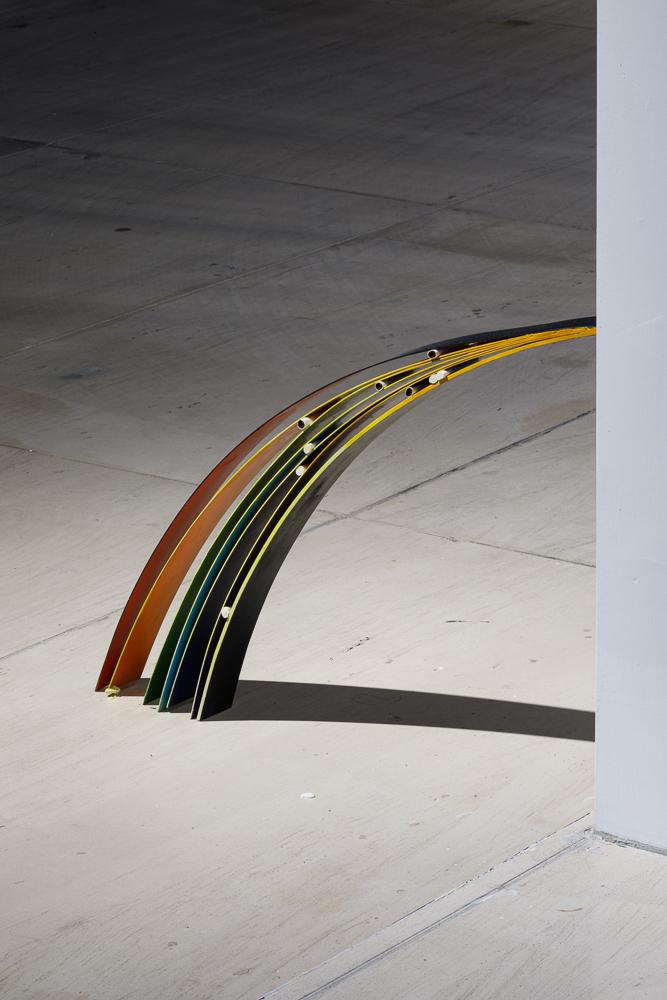
Lastly, Break Time and Low Rainbow, created using objects found both inside and outside the home, were placed on the floor in the darkest area of the exhibition space. Upon closer inspection, viewers discover everyday objects such as coins, mint candy containers, and cigarette butts embedded between sheets of metal.
 
The objects found between the metal plates are all seemingly insignificant things: hair ties or coins occasionally discovered while cleaning beneath a bed or sofa, or cigarette butts and chewing gum frequently encountered on outdoor asphalt surfaces.
 
Like the ‘Light of Face’ series, both works feature dark-colored exteriors. However, a closer examination reveals the complex relationships between the elements that support and sustain one another, bringing to the surface the intricate structures hidden within these seemingly ordinary objects.
 
Jangyeun Jun’s works, originally created as independent sculptures, are newly reconfigured in this exhibition as a continuous narrative and visual flow. The object sculptures presented in 《Daylight on Tiptoe》 depict seemingly ordinary moments of everyday life, yet beneath their familiar appearances lie a sense of instability and tension.
 
Elements with different forms and weights coexist while maintaining a precarious balance at delicate points of contact, reflecting the conditions of our own everyday existence. Through these sculptural relationships, Jun metaphorically reveals the state of beings that continuously strive to endure and remain standing despite constant uncertainty and instability.


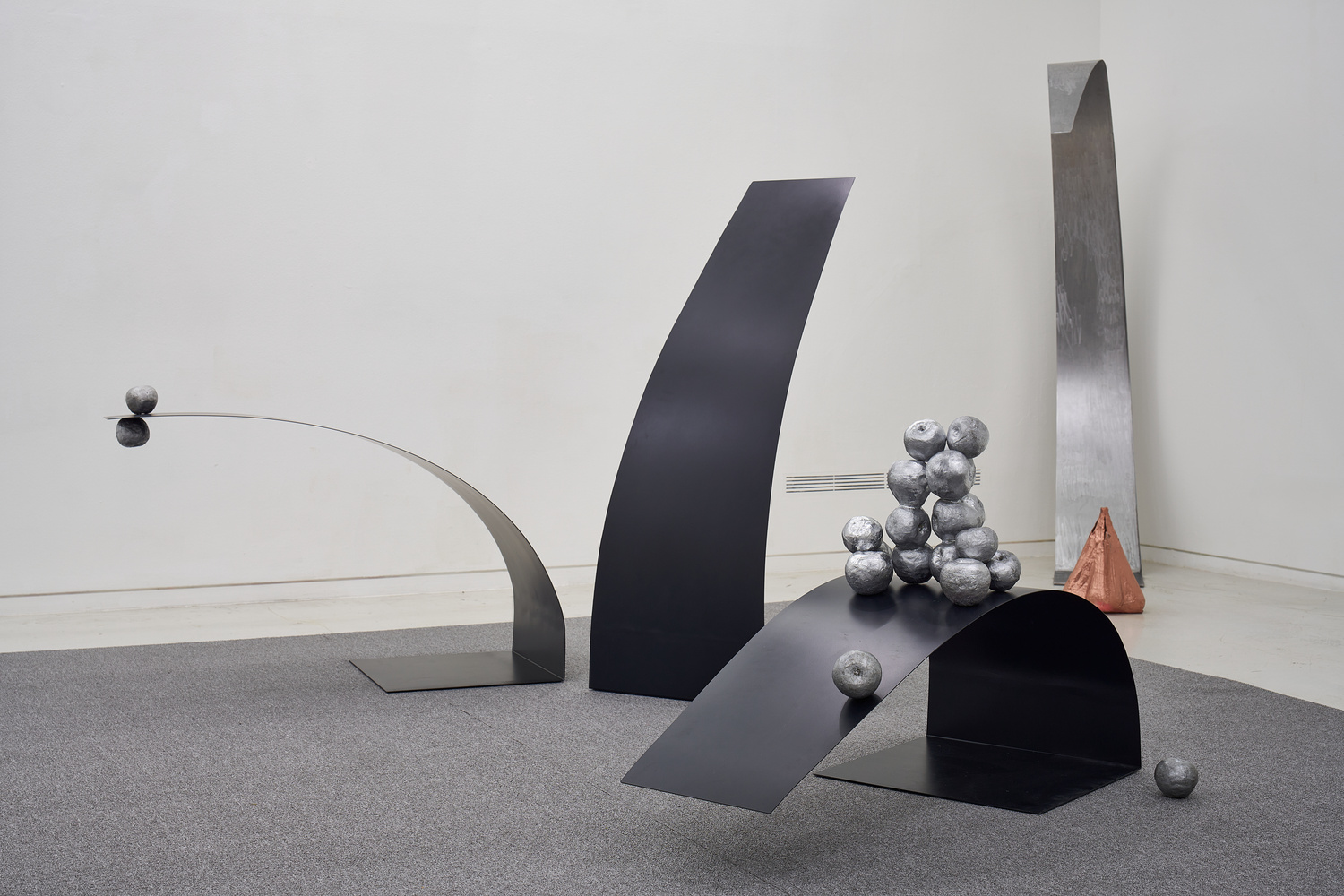
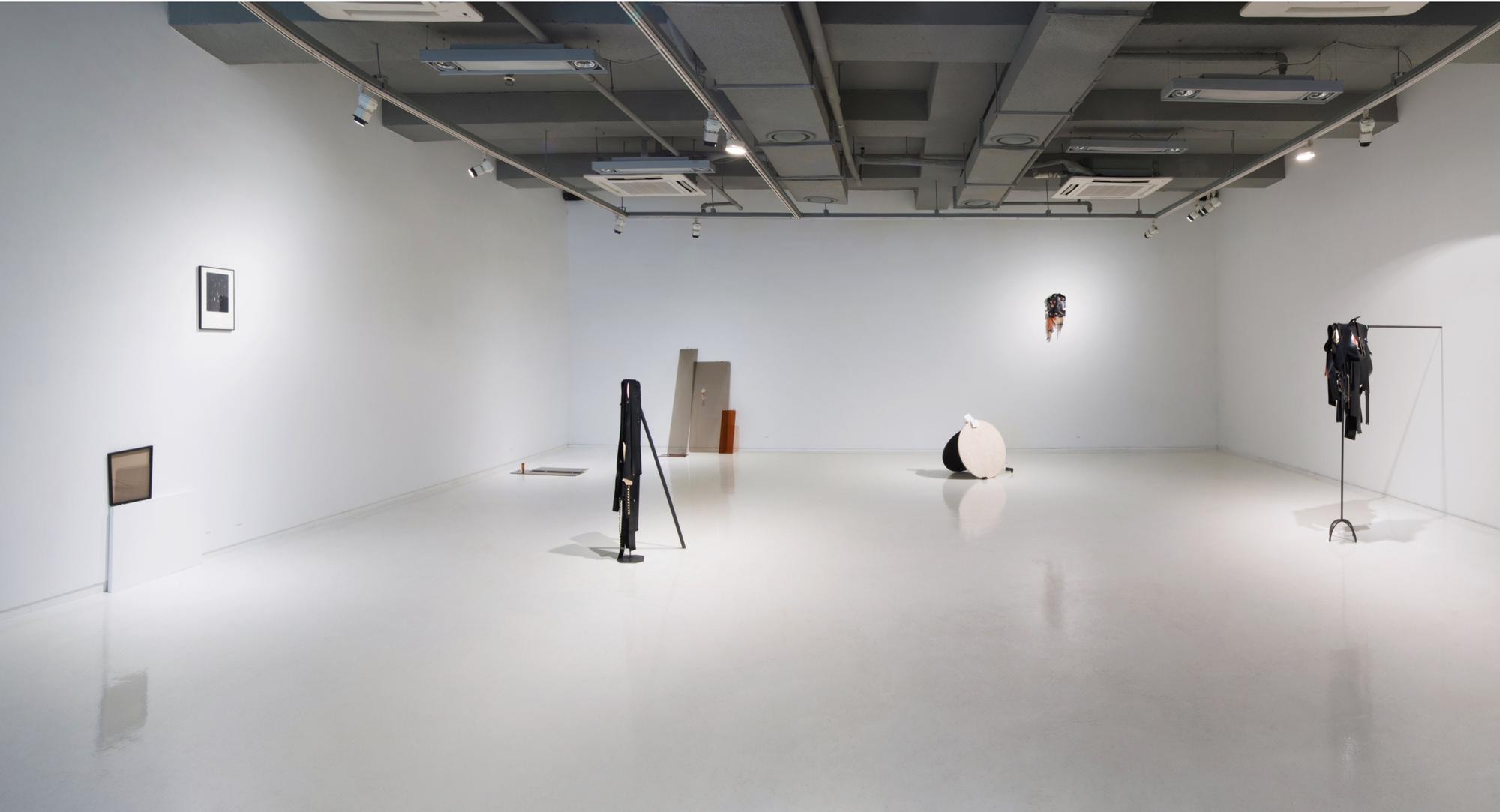
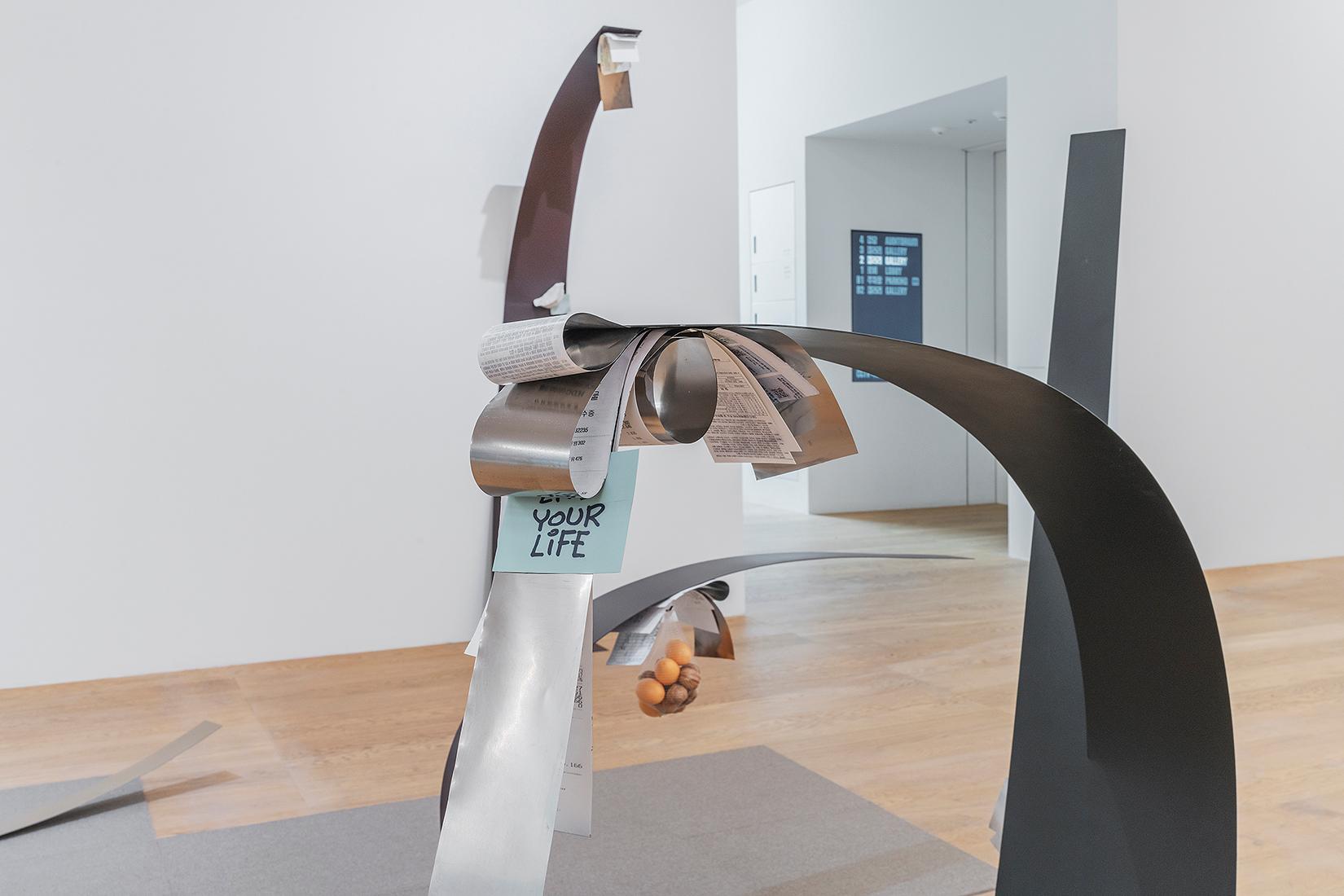
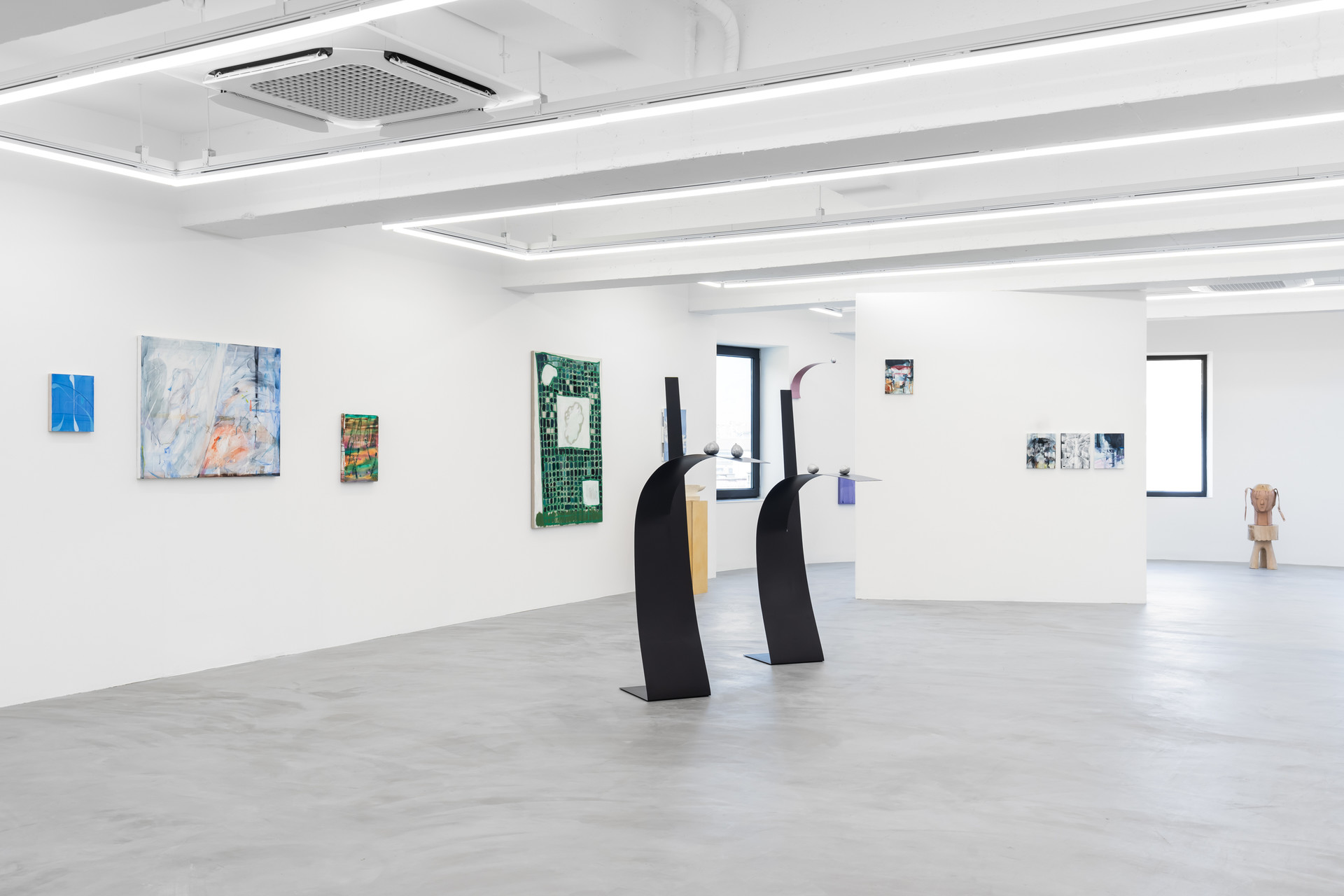
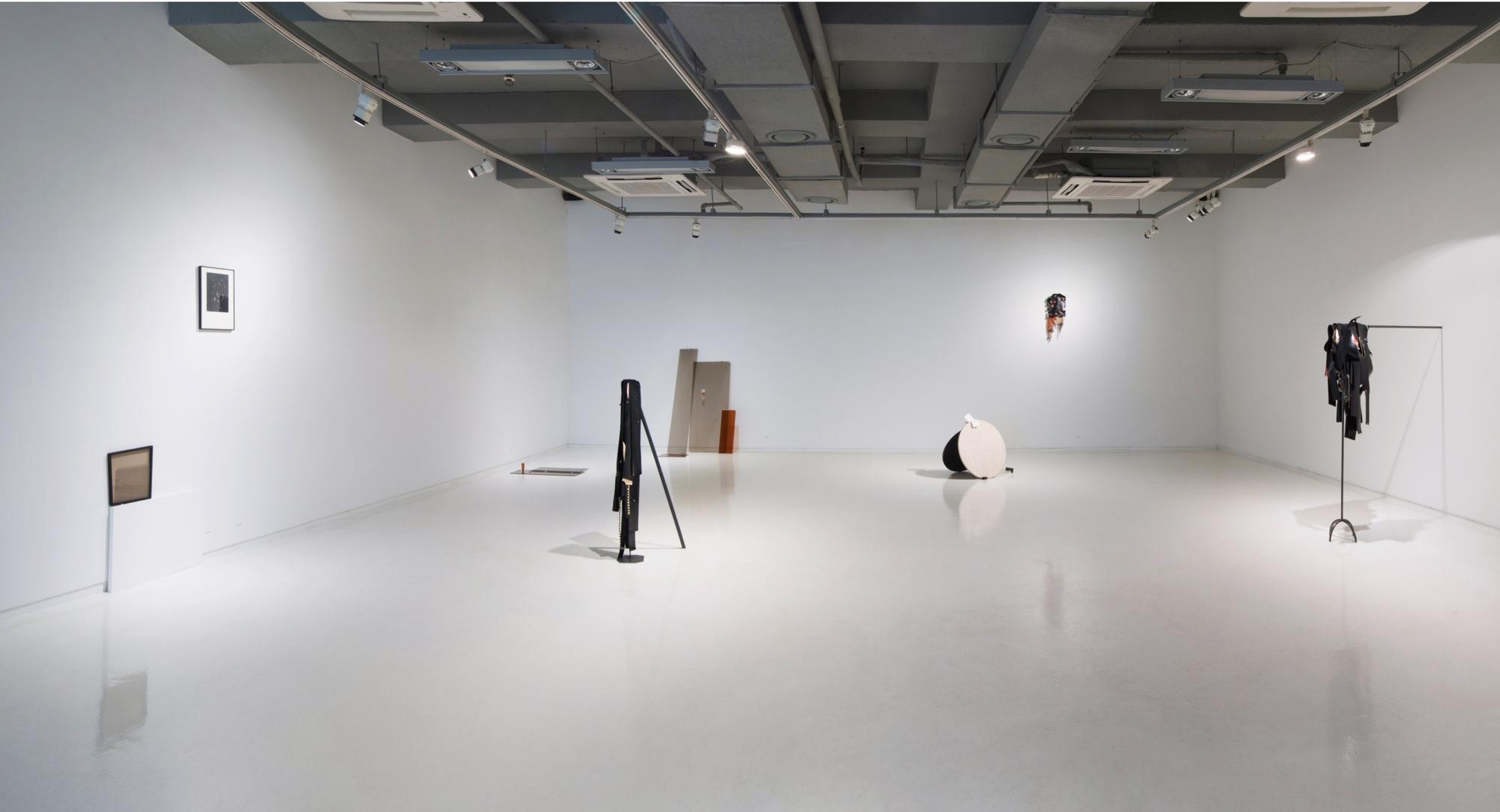
Installation view of 《Heavy Orchid》 (Artspace Boan, 2024) © Jangyeun Jun

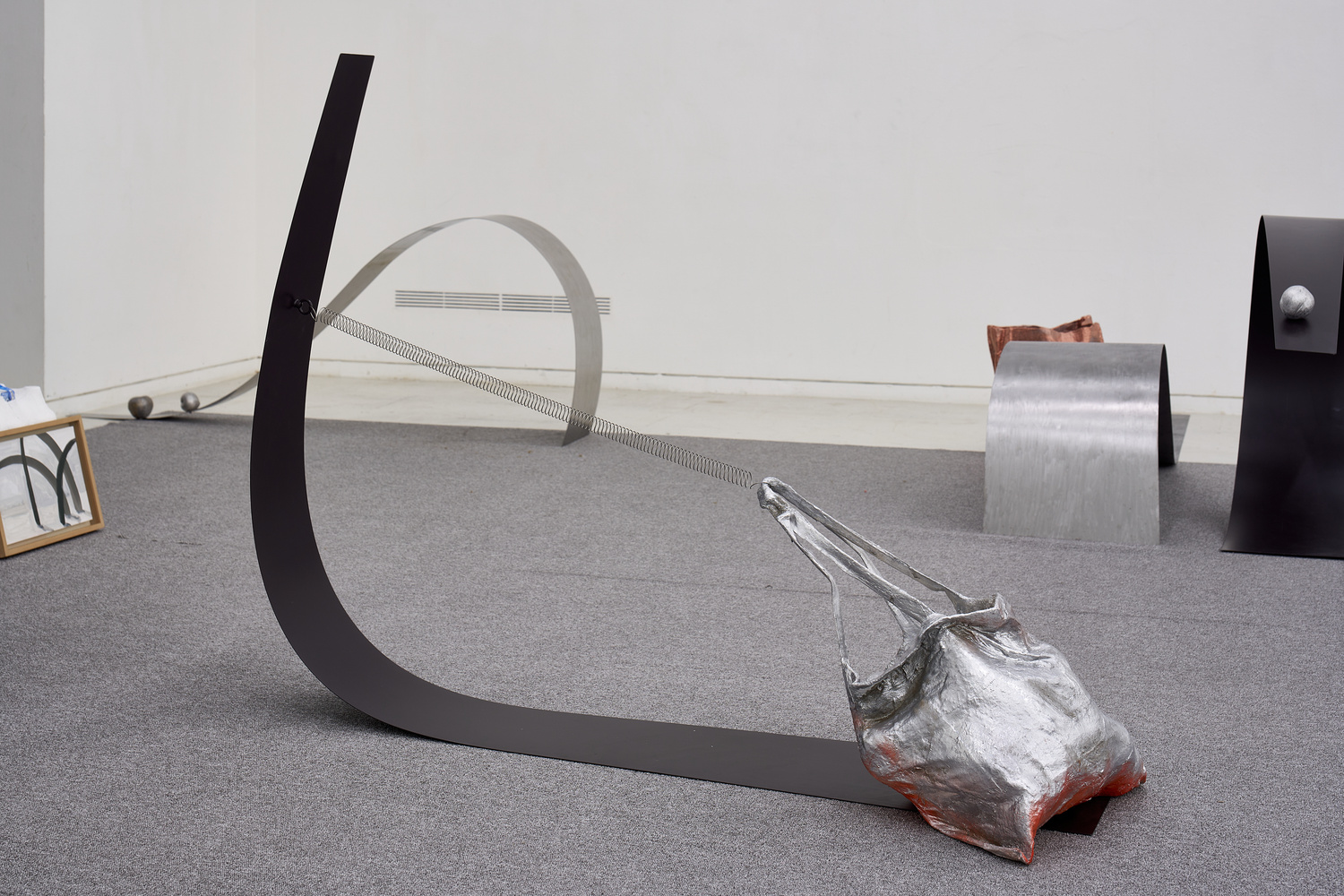
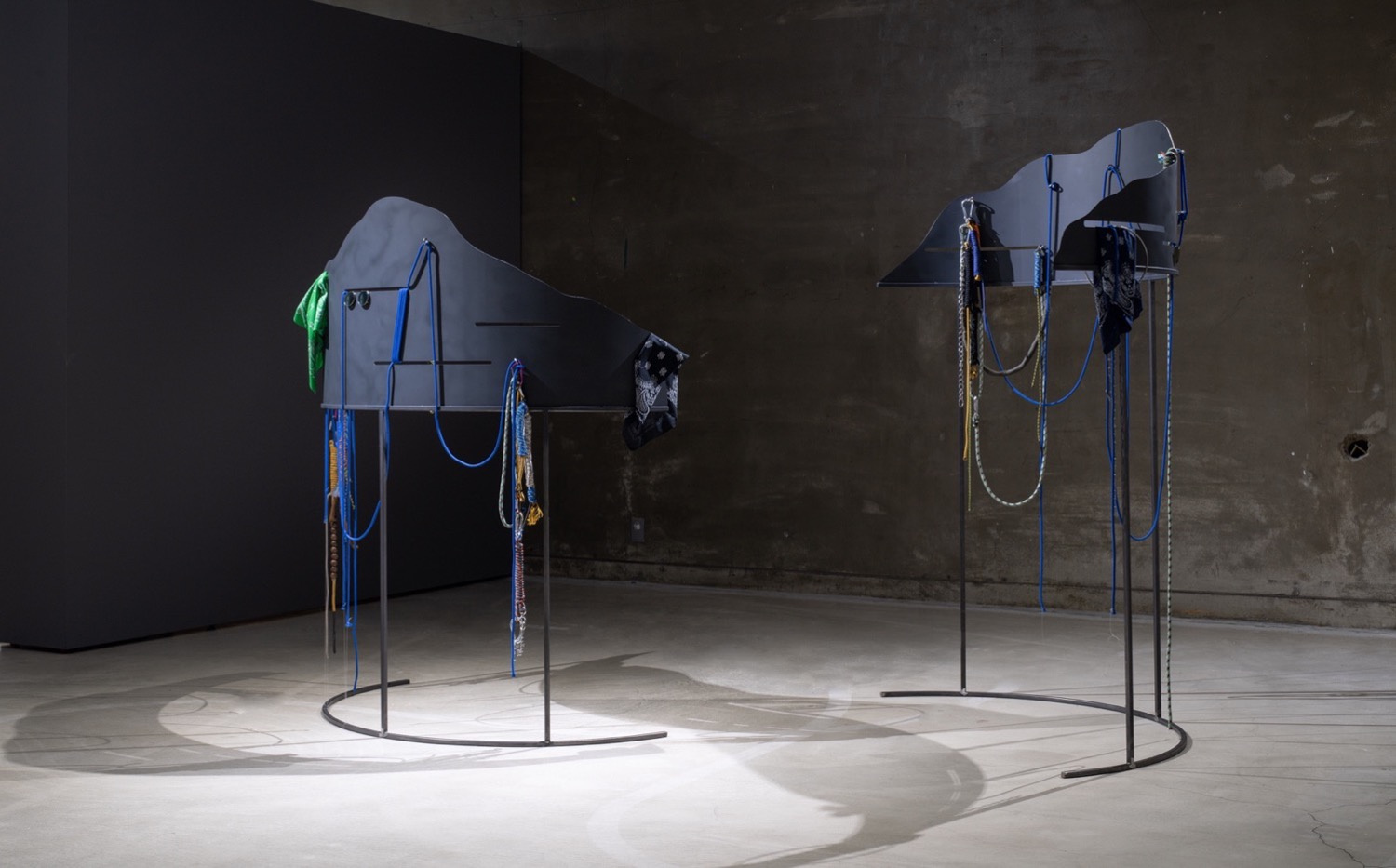
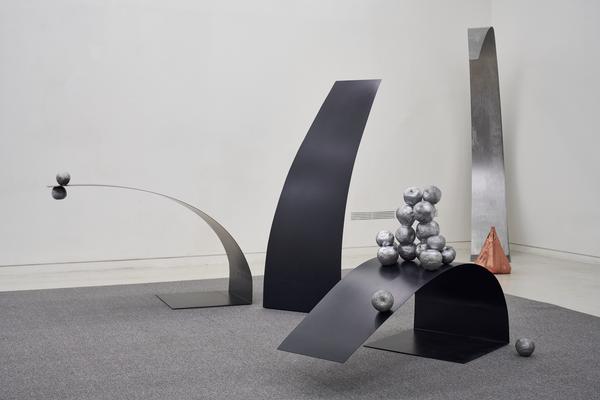
Meanwhile, in her recent works, Jangyeun Jun has focused on the material qualities of steel plates, which possess flexible potential beneath their rigid exterior. Her exploration of the inherent weight and structural limitations of materials, as well as the subtle balance and temporary states of suspension found within them, has developed into a new approach to visualizing her artistic worldview.
 
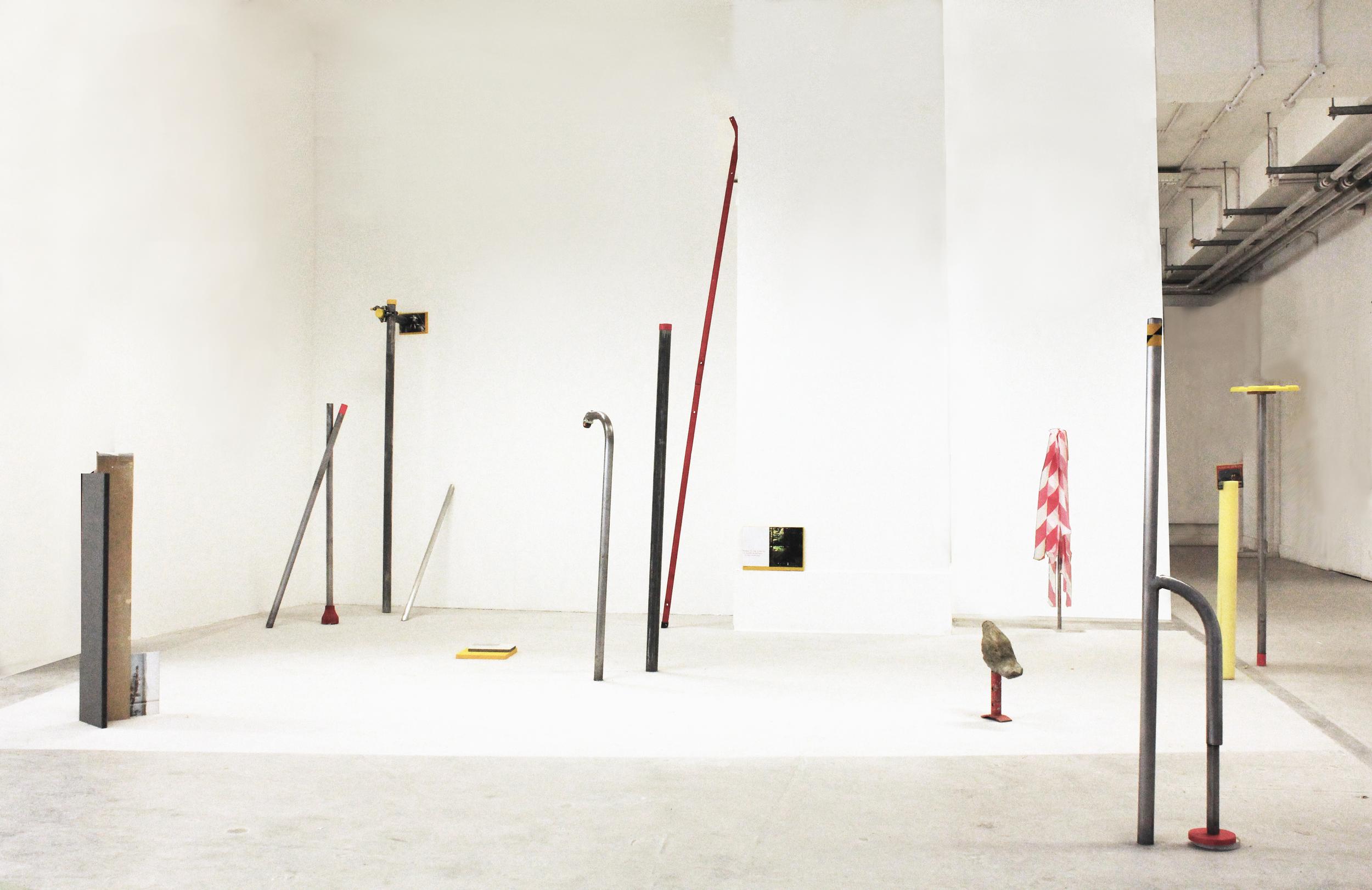
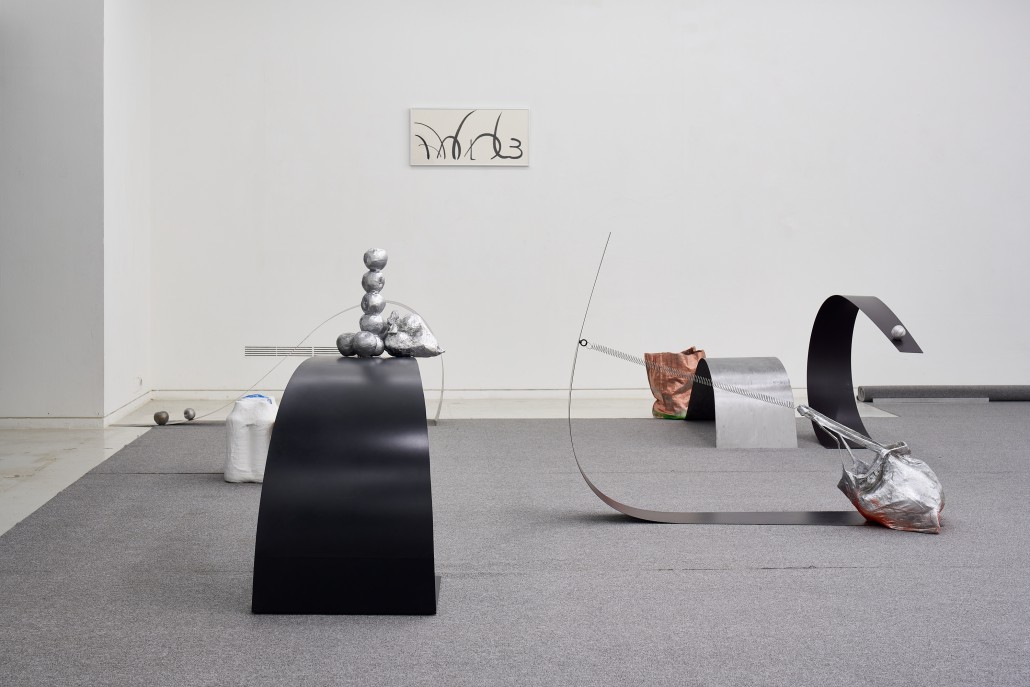
For example, in her 2024 solo exhibition 《Heavy Orchid》 at Artspace Boan, Jun presented thin steel plates as flexible materials while juxtaposing them with the visual qualities of insignificant everyday objects. The artist compared this method of working and its expressive approach to the traditional literati painting practice of nan chigi (painting orchids), particularly within the tradition of the Four Gracious Plants.
 
In 《Heavy Orchid》, Jangyeun Jun reinterprets the landscape of the contemporary city through the expressive methods of literati painting, translating them into her own visual vocabulary.
 
The harmony between curved and straight lines emphasized in the ink techniques of painting of the Four Gracious Plants, along with the rhythm of strength and variation created through the gradations of ink, is transformed in her work into three-dimensional sculptures composed of fluid lines and curves, accompanied by arrangements of everyday objects.


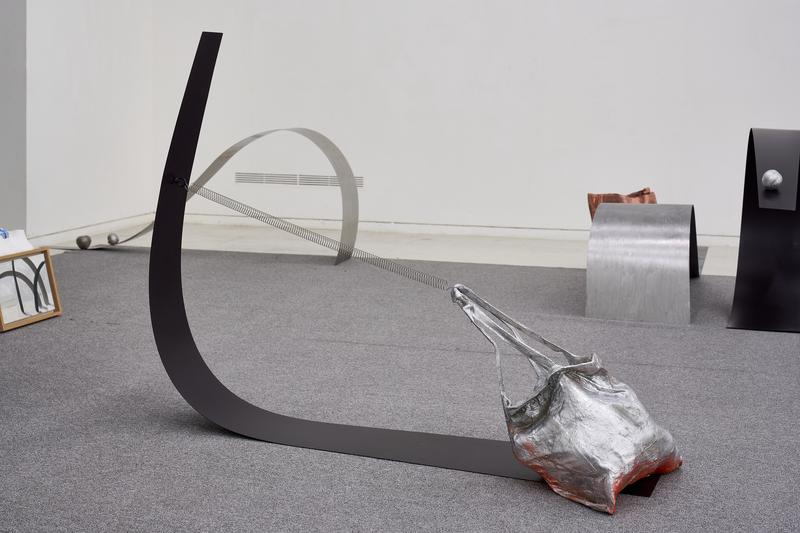
Jangyeun Jun, Market Bag, 2024, Mixed media, iron plate, 45x38x150cm © Jangyeun Jun

Jun’s practice actively engages with the empty spaces left between sculptures and objects, reinterpreting the literati painting attitude of contemplating nature from a certain distance and reflecting on relationships in a contemporary context.
 
The vacant areas within the exhibition space function not as mere voids, but as spaces of contemplation where viewers can expand their memories and imagination. In this way, the artist translates the traditional concept of yeobaek (empty space) in painting into the language of contemporary sculpture, exploring new possibilities of form, color, and space.
 
The formative sensibility reminiscent of spontaneous brushstrokes and the handling of ink enables multilayered interpretations of everyday life. The sculptures, which subtly shift in response to their surrounding environments, recall the perspective of literati painting that captured the passage of time through the changing rhythms of nature, revealing both the instability and continuity of the moments that constitute the present.
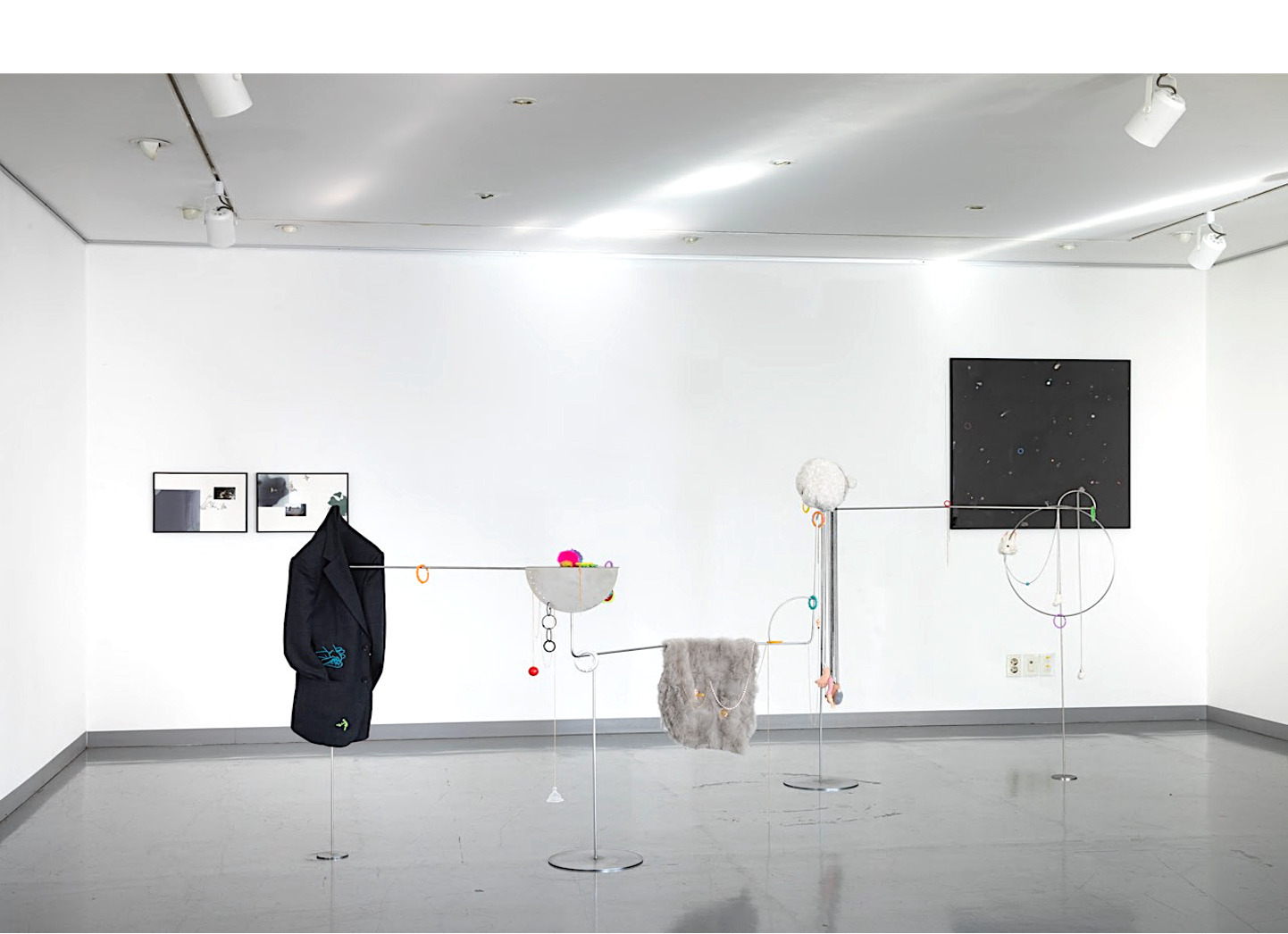
 
In this way, Jangyeun Jun’s practice moves beyond simple documentation or representation, instead giving sculptural form to sensations of time, transformation, and circulation. By reinterpreting traditional ways of thinking about nature and time through contemporary materials and objects, her work invites viewers to imagine alternative relationships and possibilities beyond the familiar world.


Jangyeun Jun, Curve Study 1-6, 2023, Urethane-coated steel, receipts, objects between refrigerator and dining table, Dimensions variable © Jangyeun Jun

Through close observation of her surroundings, Jangyeun Jun reinterprets the shifting sensations and personal narratives she experiences through unexpected combinations of ordinary objects. Her practice encourages viewers to encounter the overlooked emotions and relational moments embedded in everyday life, revealing the “true sense of everyday existence” in which diverse experiences, social conditions, and relationships are intricately intertwined.

"I feel that leaning against something, being prone to collapse, or standing while exerting force is closer to the unstable yet honest state of life, rather than a condition of safety or completeness." (Jangyeun Jun, Artist’s Note)


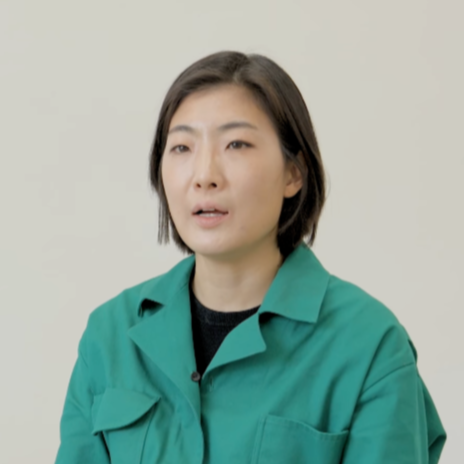
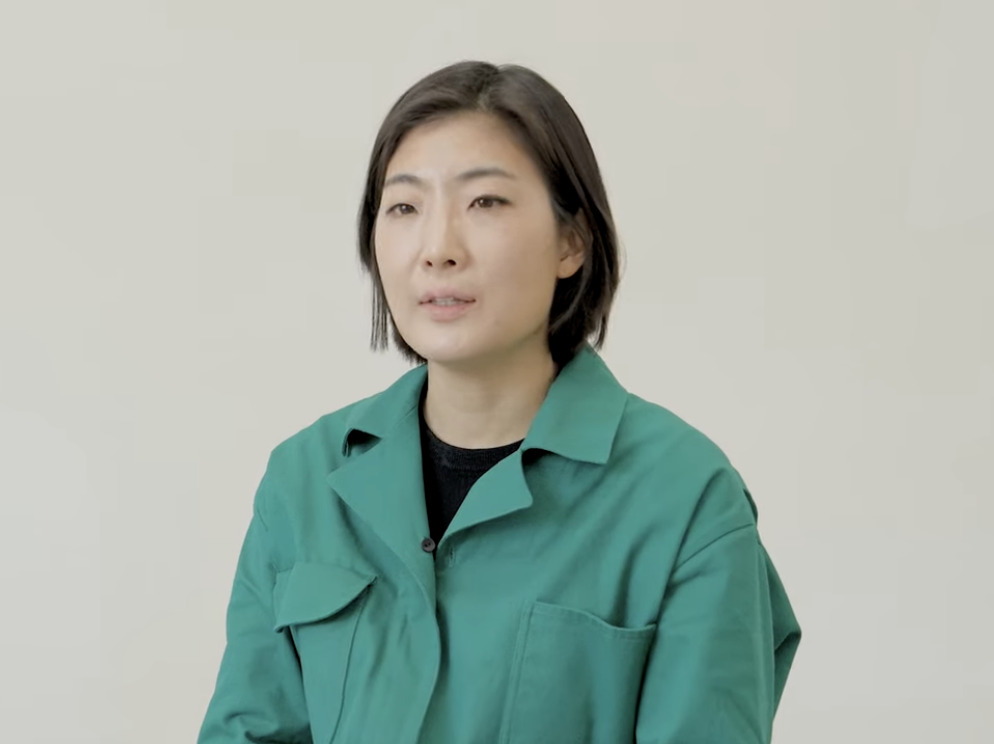
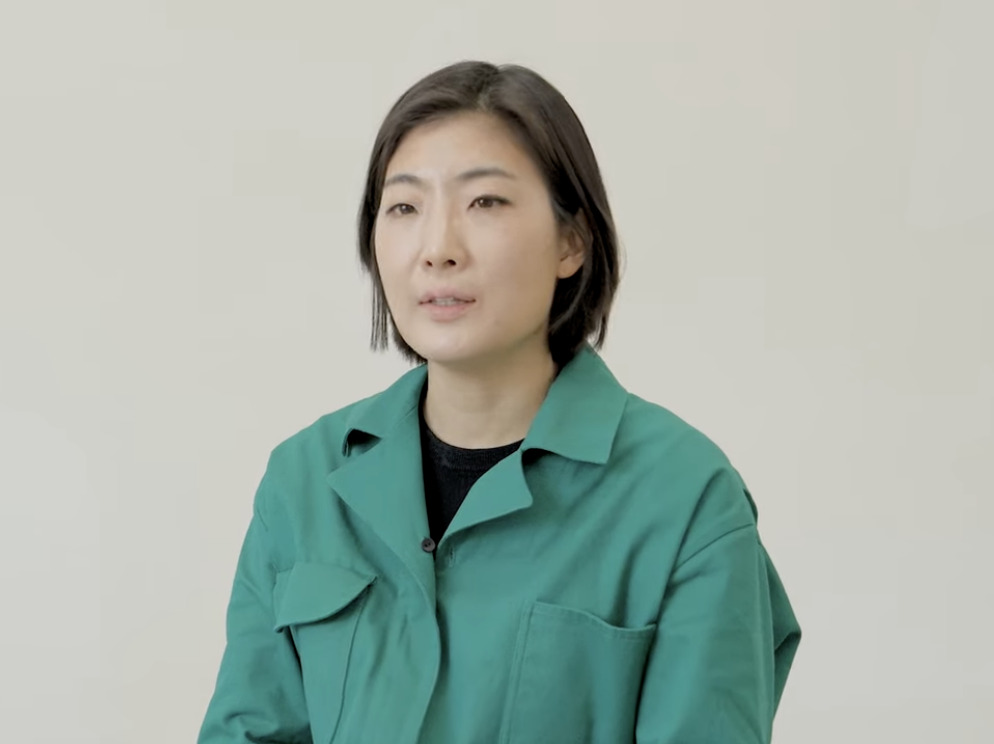
전장연 작가 © 국립현대미술관

Jangyeun Jun received her BFA in Painting and Printmaking at Ewha Womans University, and later completed her MFA in Western Painting at Ewha Womans University and in Fine Art at Chelsea College of Arts, University of the Arts London, UK. Her recent solo exhibitions include 《Heavy Orchid》 (Artspace Boan, Seoul, 2024), 《Daylight on Tiptoe》 (SeMA Storage, Seoul, 2022), and 《Encountered Universe》 (Incheon Art Platform, Incheon, 2019).
 
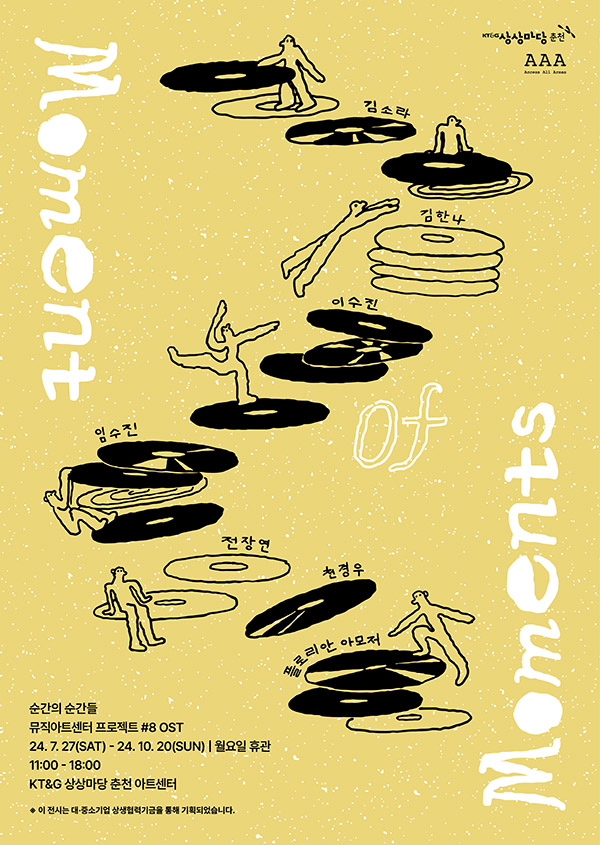
She has also participated in numerous group exhibitions, including 《We cannot be one, but we are beautiful》 (Space So, Seoul, 2025), 《Moment of Moments》 (KT&G Sangsangmadang, Chuncheon, 2024), 《The 23rd SONGEUN Art Award Exhibition》 (SONGEUN, Seoul, 2023), 《To  you, i Say》 (MMCA Residency Goyang, Goyang, 2023), 《Pack Mbps》 (Seoul Museum of Art, Seoul, 2022), and 《This Position, Angle, and Right Timing》 (Space Hyeong, Seoul, 2022).
 
Jun has been selected as a resident artist at various residency programs, including the Nanji Residency of the Seoul Museum of Art (2025), MMCA Residency Goyang (2023), Artplug Yeonsu Residency (2021), and the Artist Studio Ginestrelle in Italy (2014).

References