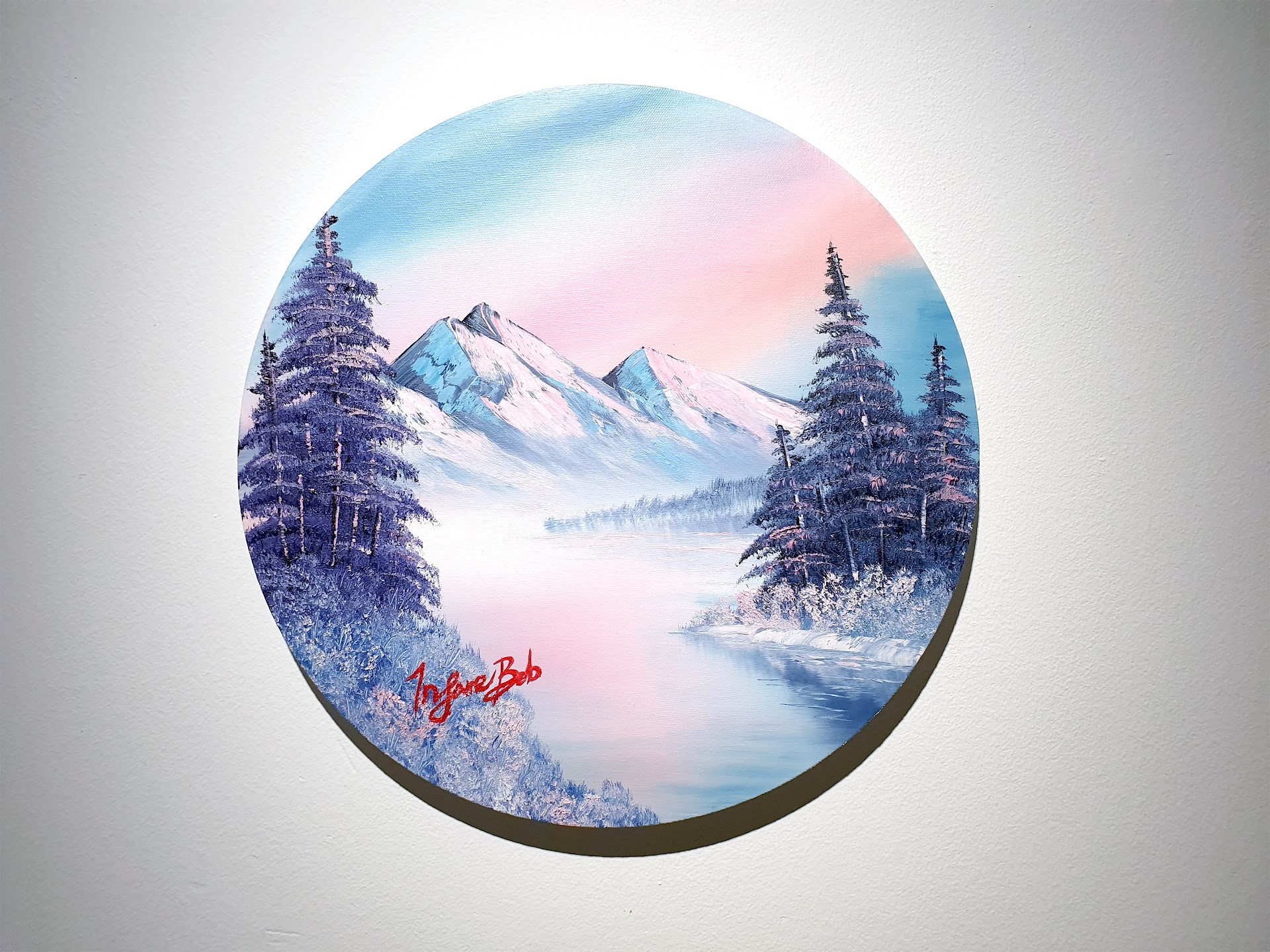
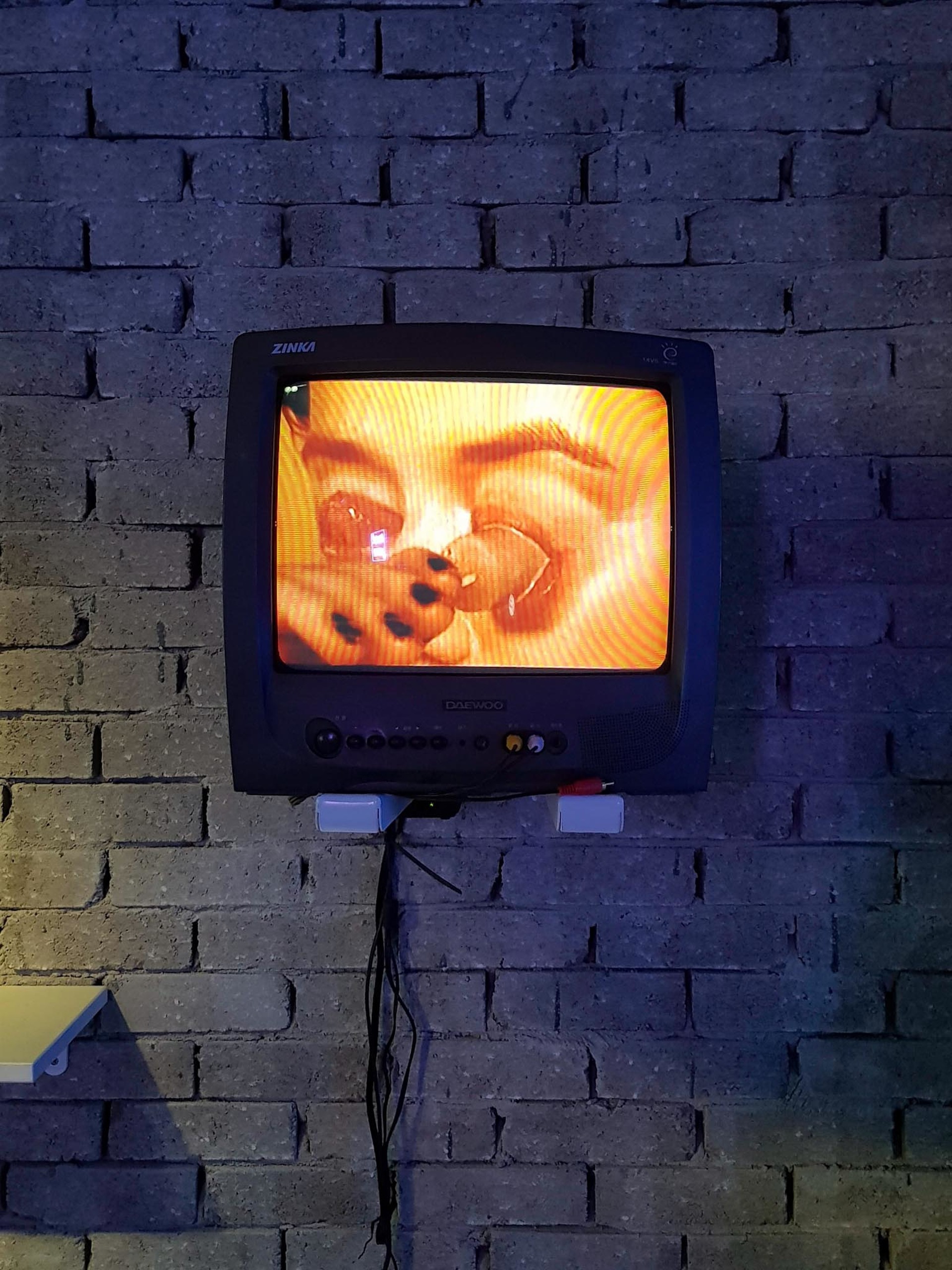
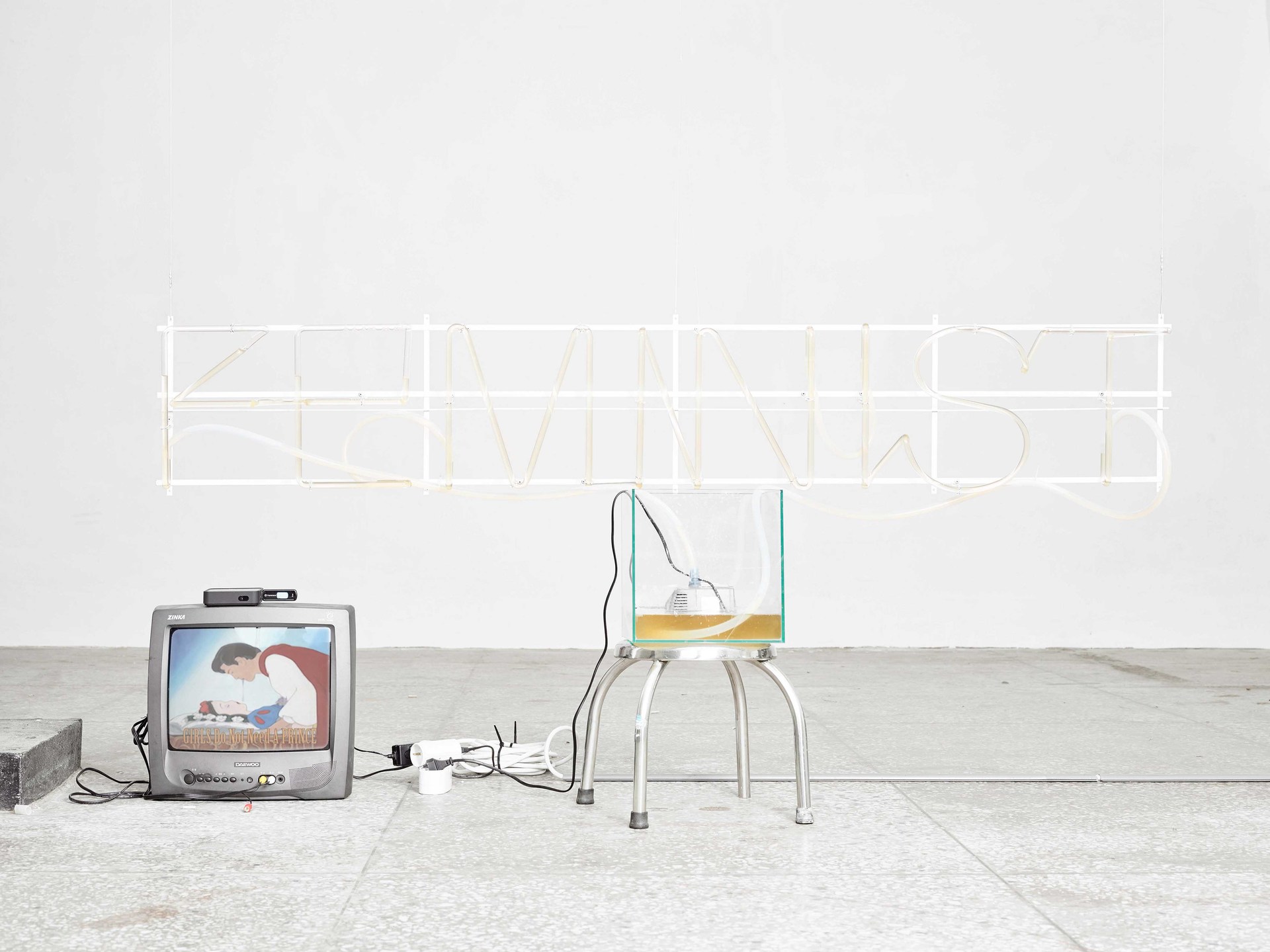
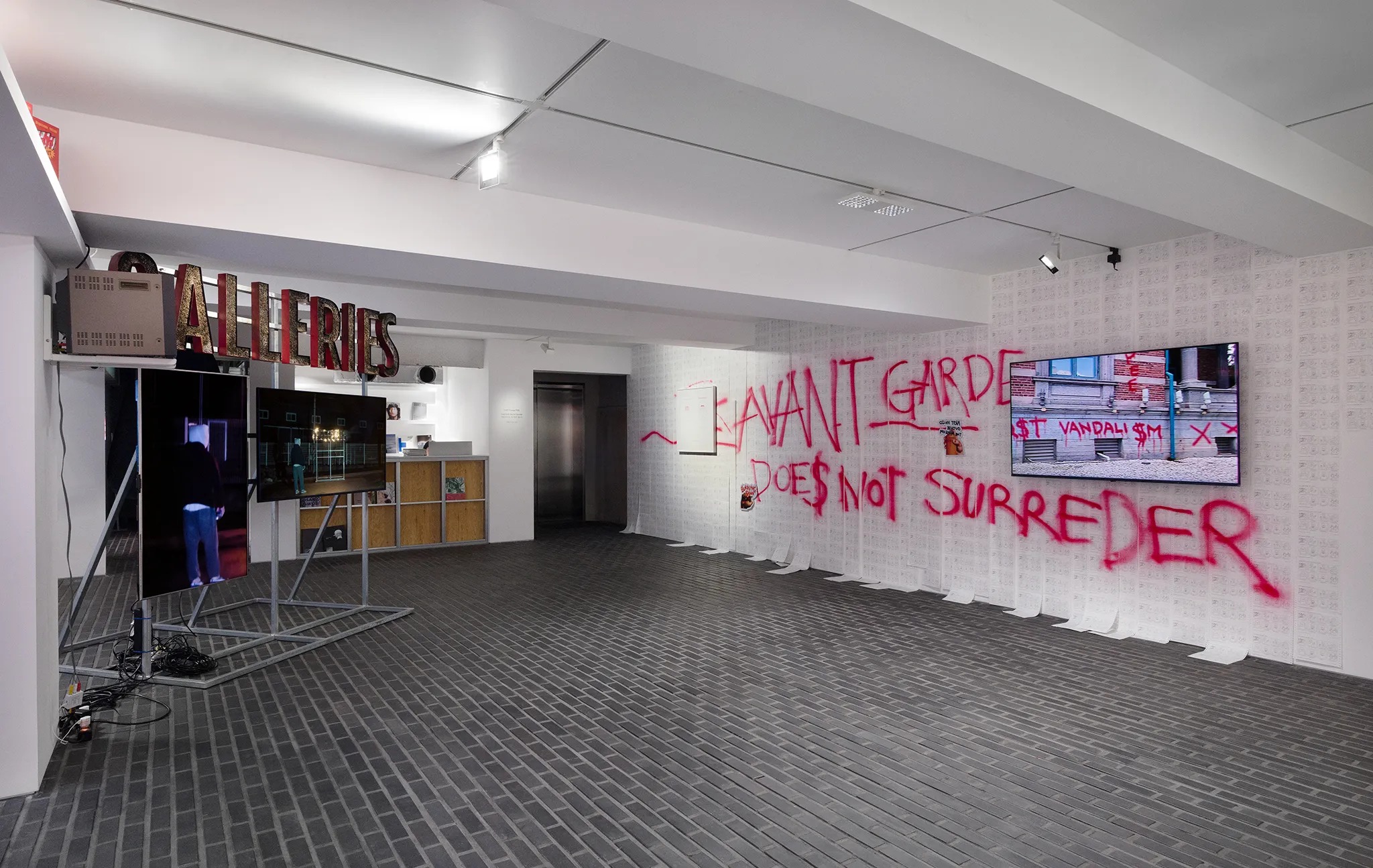
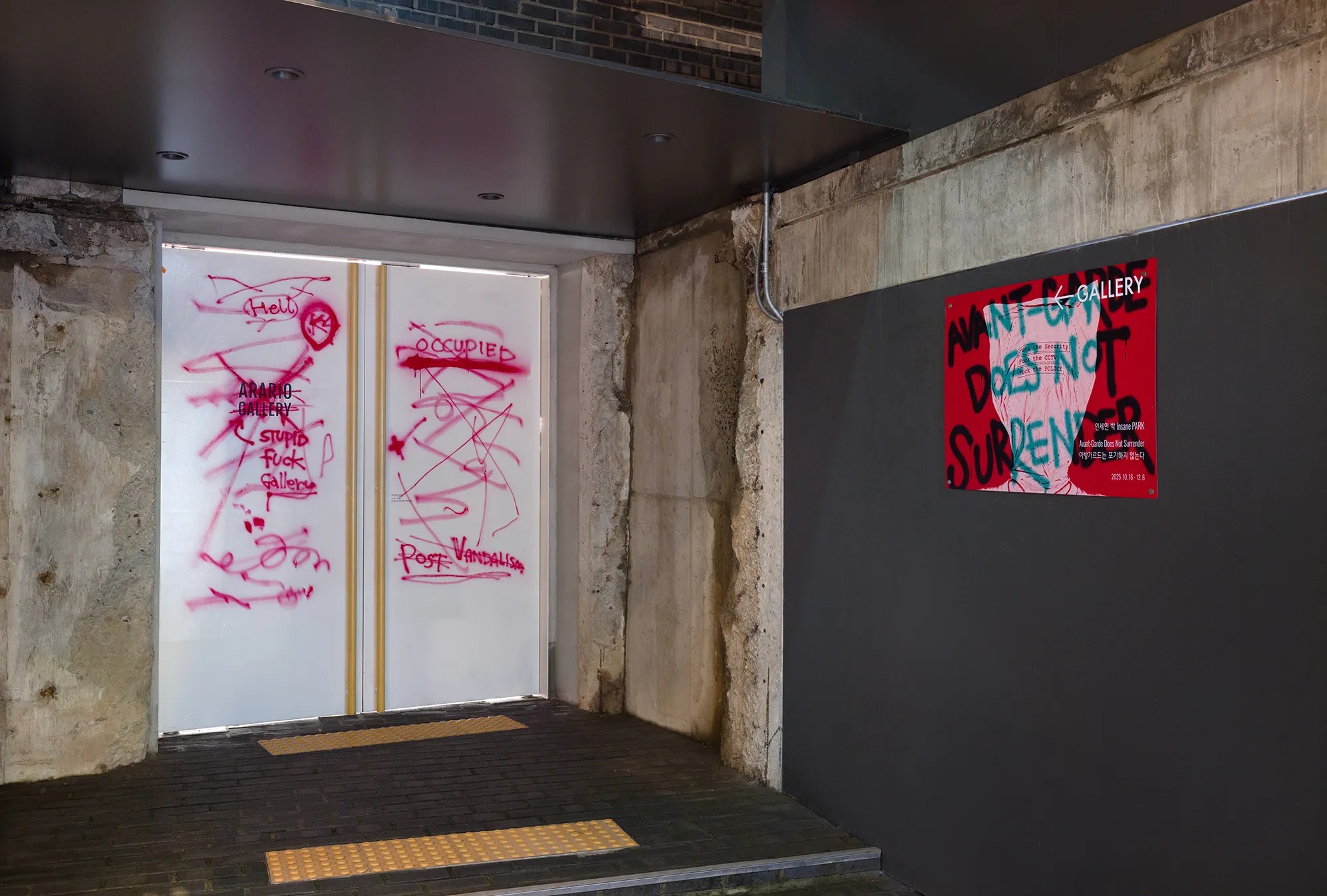
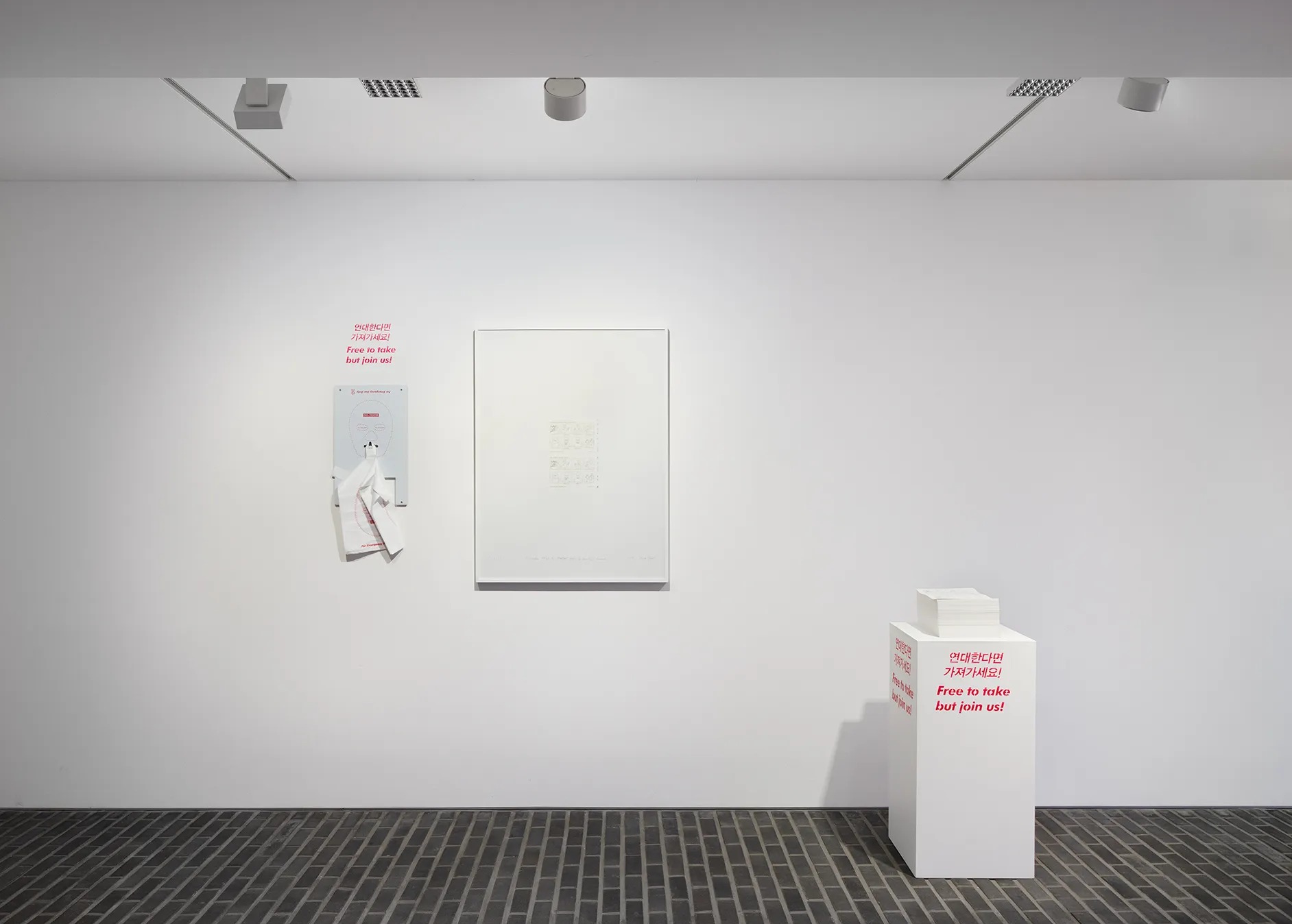
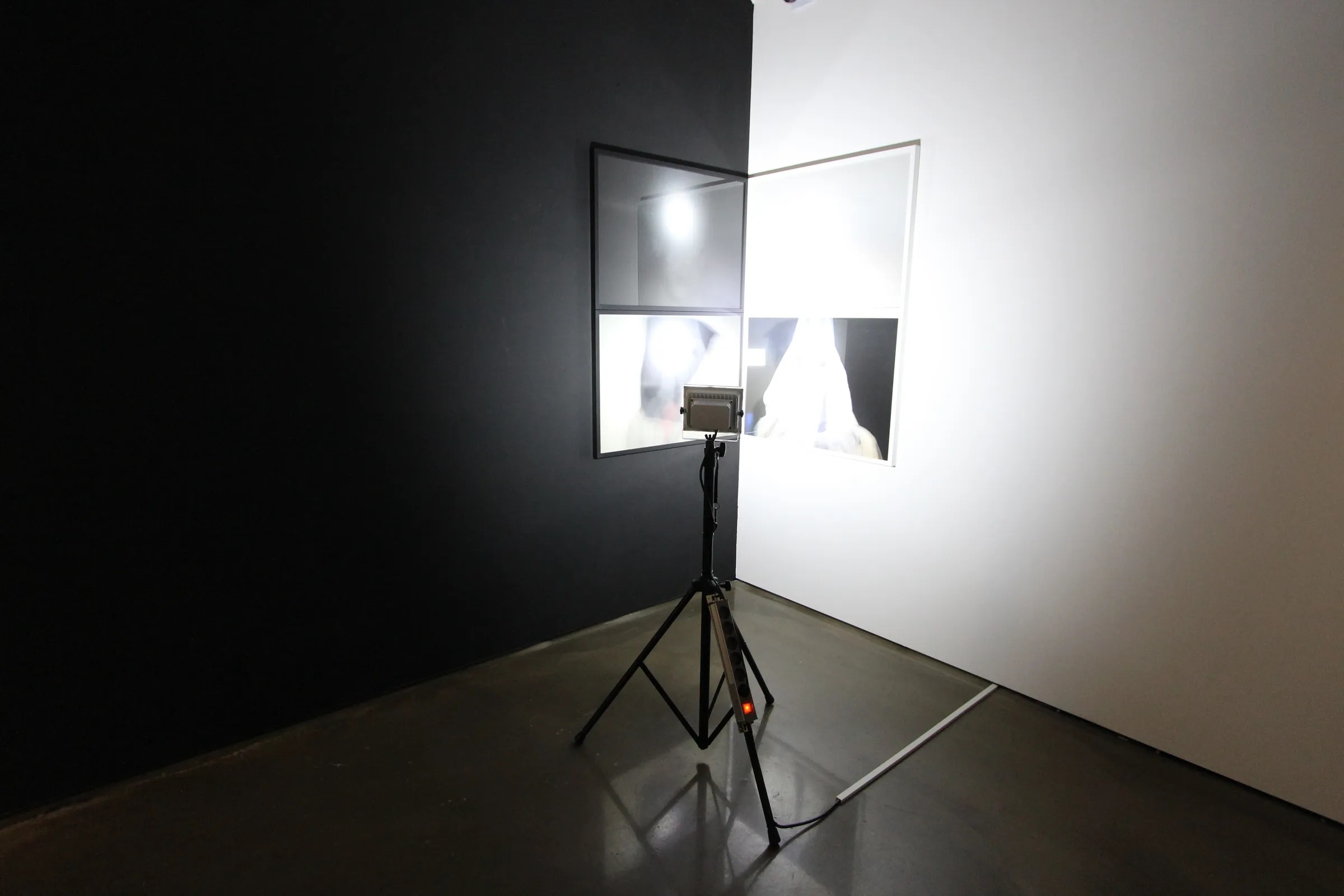
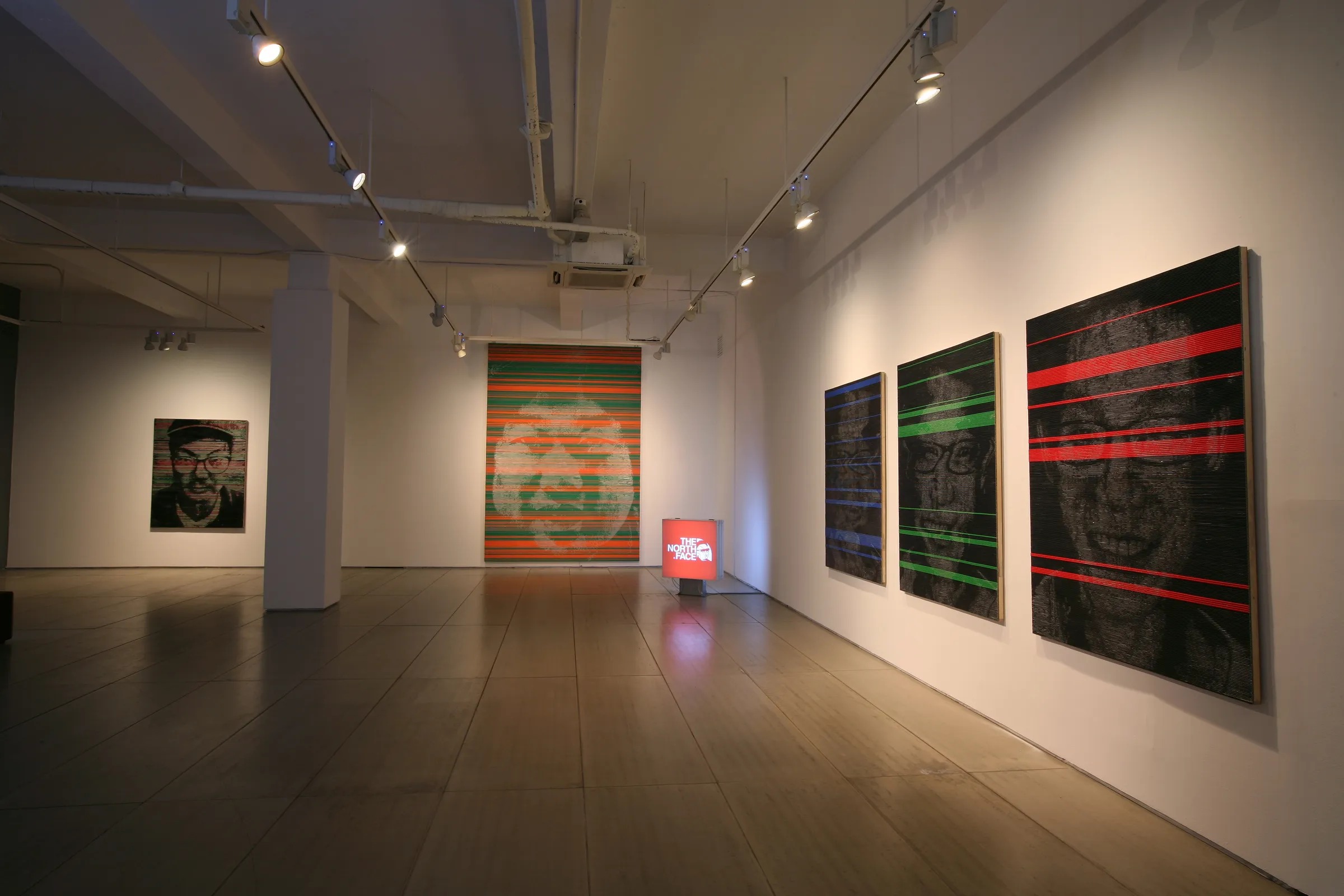
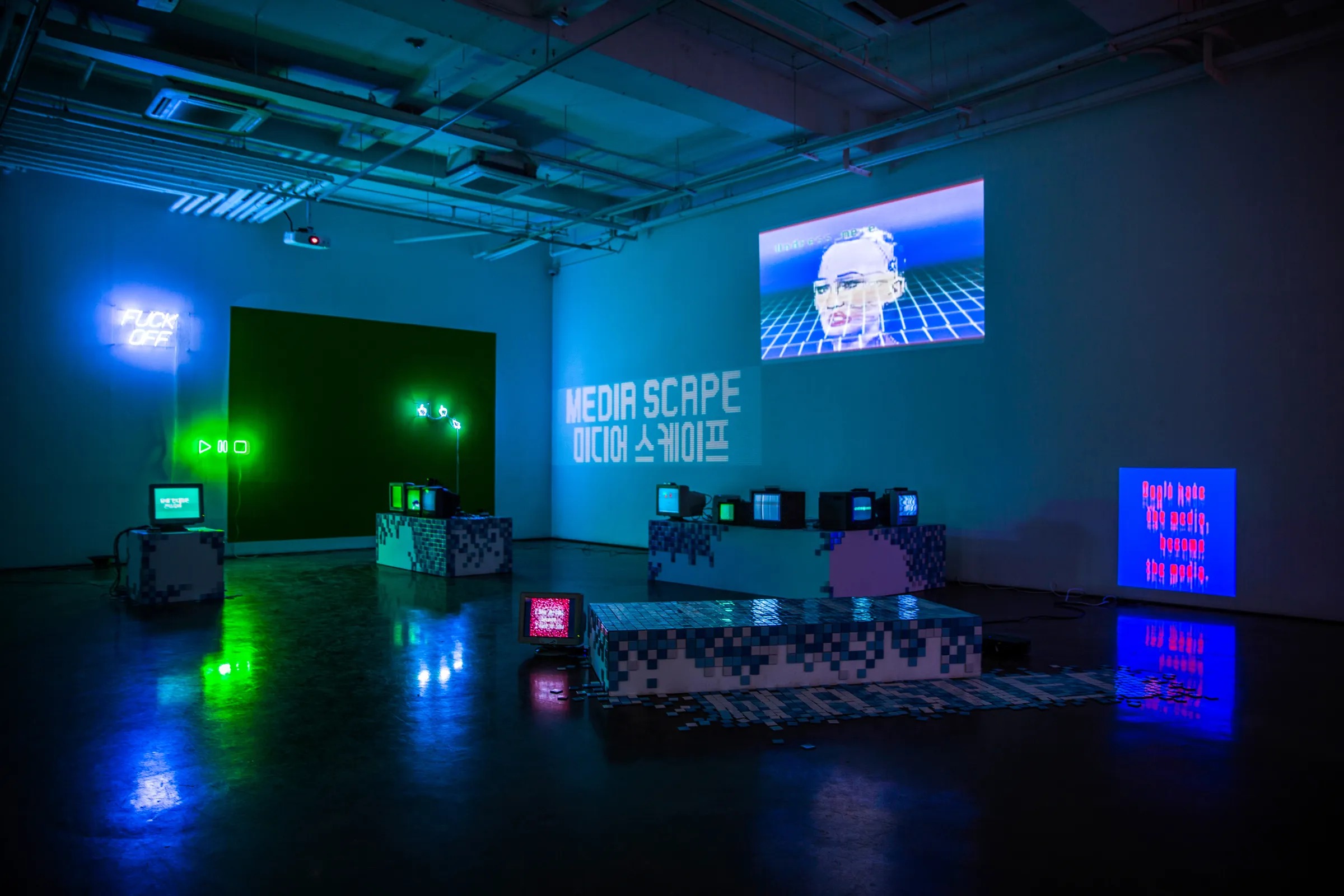
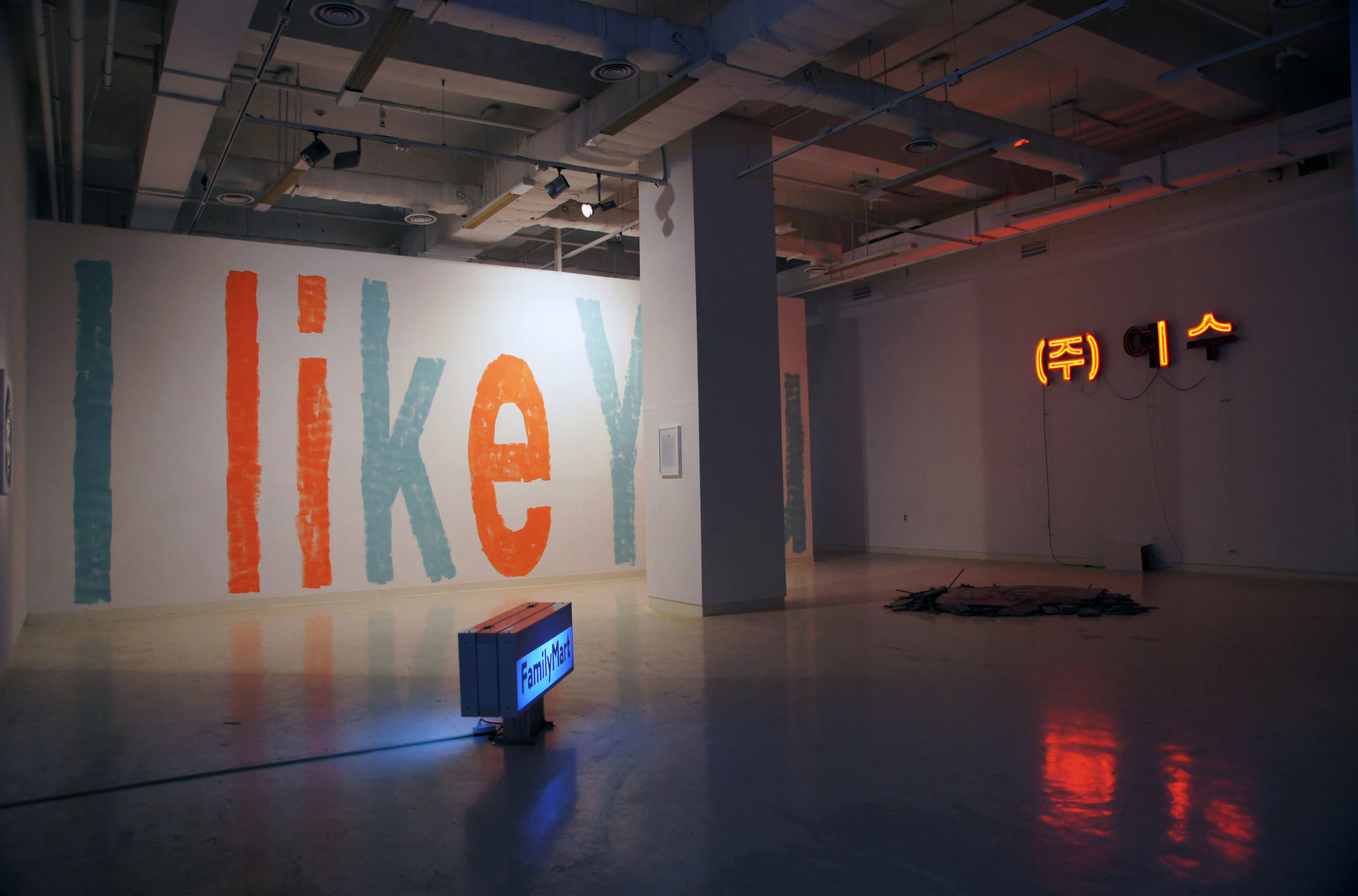
Installation view of 《Avant-Garde Does Not Surrender》 © Arario Gallery

The term “avant-garde” first and foremost evokes a radical departure from, and rupture with, a particular terrain. In the context of modern art, this manifested as an attempt to move beyond academicism, which interprets the present through precedent, and to refuse predictable relations with audiences.

It also sought to resist complete absorption into institutions, avoid subordination to contemporary trends, and remain incomprehensible. Ironically, such an attitude came to be regarded as a crucial condition for demonstrating the purity and autonomy emphasized by modernist art.

At the same time, these attempts have also been defined as failures. The historical avant-garde is said to have betrayed, rather than realized, its fundamental task of integrating art and life, and to have lost its radical potential by being absorbed into the entrenched institutions of purist aesthetics, capital, and the market.

A project that pursued radical rupture is thus understood to have ultimately been neutralized through institutional incorporation and reduced to an empty aesthetic alibi. Within this irony, attempts to explore revolutionary possibilities occupy an ambivalent position, only to culminate in institutional fiction.

The concept of this “failure” must therefore be reconsidered. Given that the avant-garde developed from the outset on the basis of bourgeois support and a clearly defined historical consciousness, might its neutralization and institutional absorption have constituted part of its very nature rather than a simple defeat? To put it more radically, might so-called “failure” have been precisely what sustained the avant-garde?

If so, the history of the avant-garde may not be reducible to a simple opposition between success and failure. It can perhaps be understood only through the recurring tensions and paradoxes that arise between self-destruction and institutional absorption.


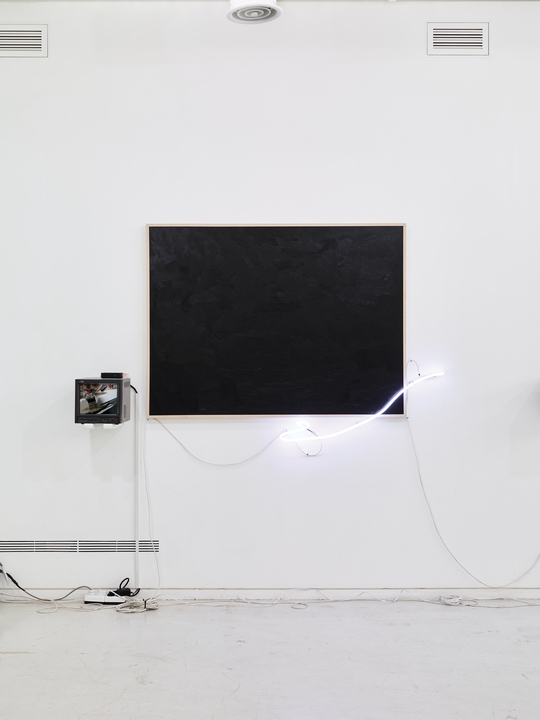
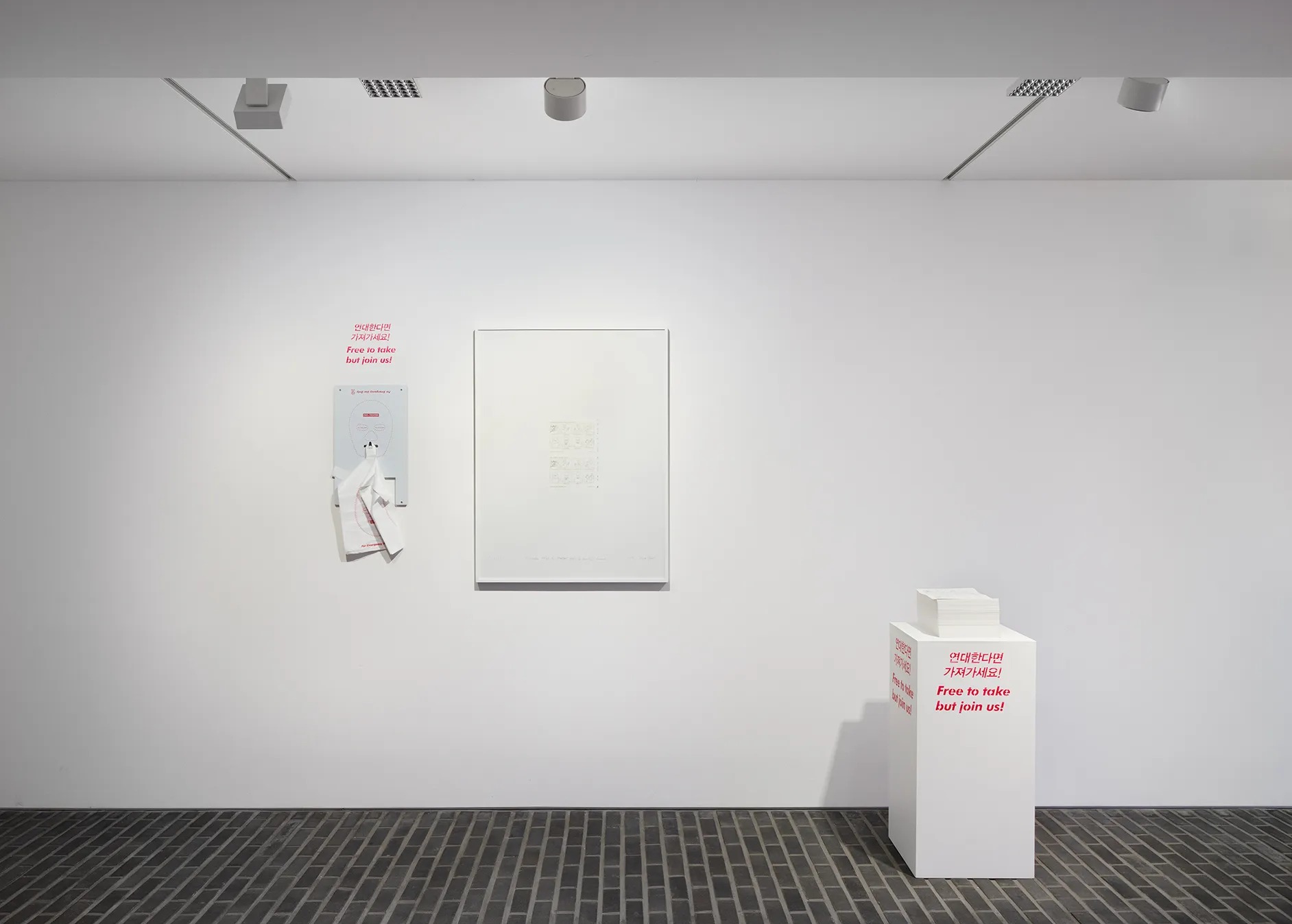
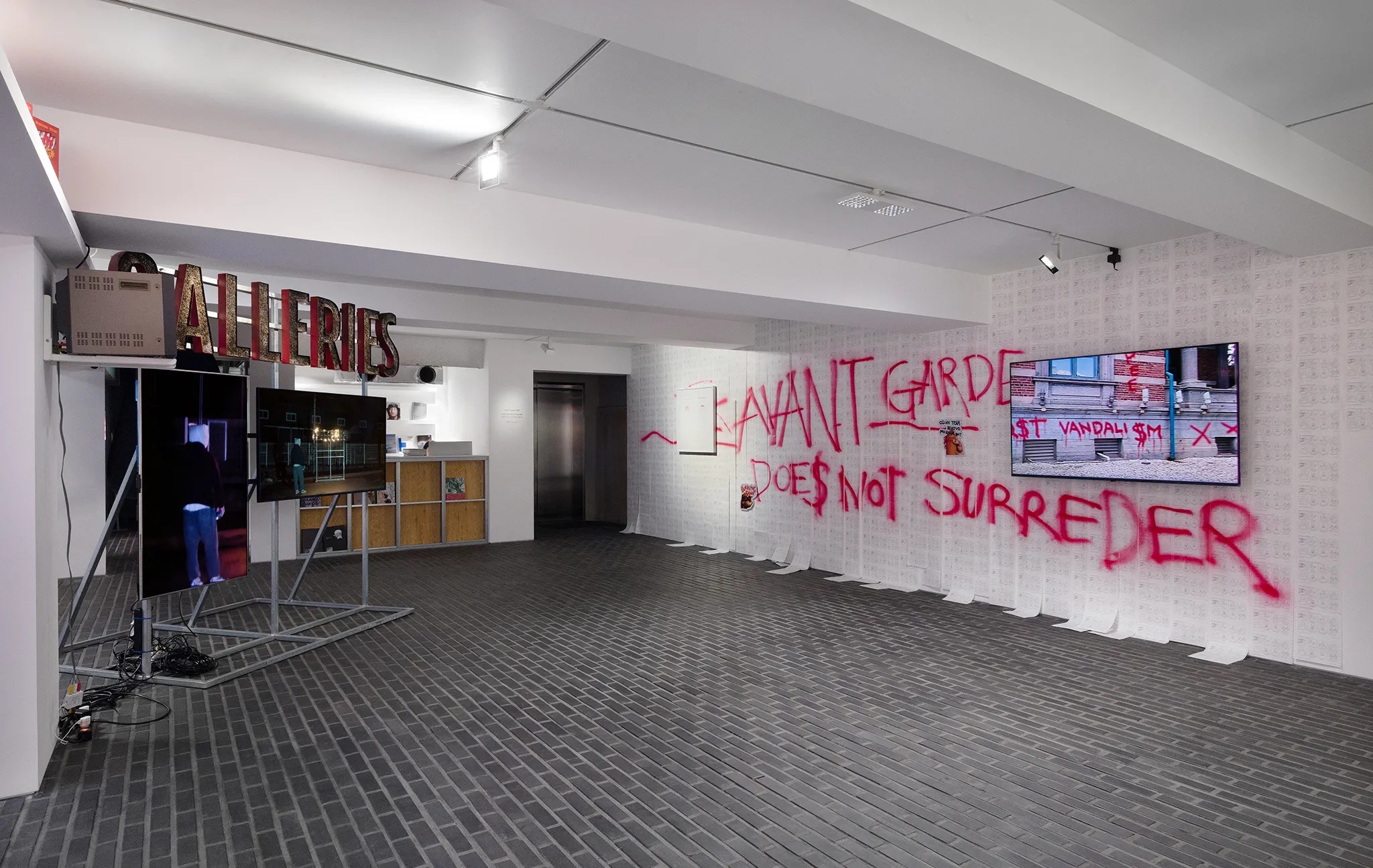
Installation view of 《Avant-Garde Does Not Surrender》 © Arario Gallery

Insane Park’s solo exhibition 《Avant-Garde Does Not Surrender》, as its title suggests, clearly acknowledges the failures and frustrations of the avant-garde. How, then, does this failure manifest in the exhibition, and what is it that refuses to surrender? The artist begins from the premise that the success or failure of the avant-garde cannot be measured simply by whether it achieved its goals.

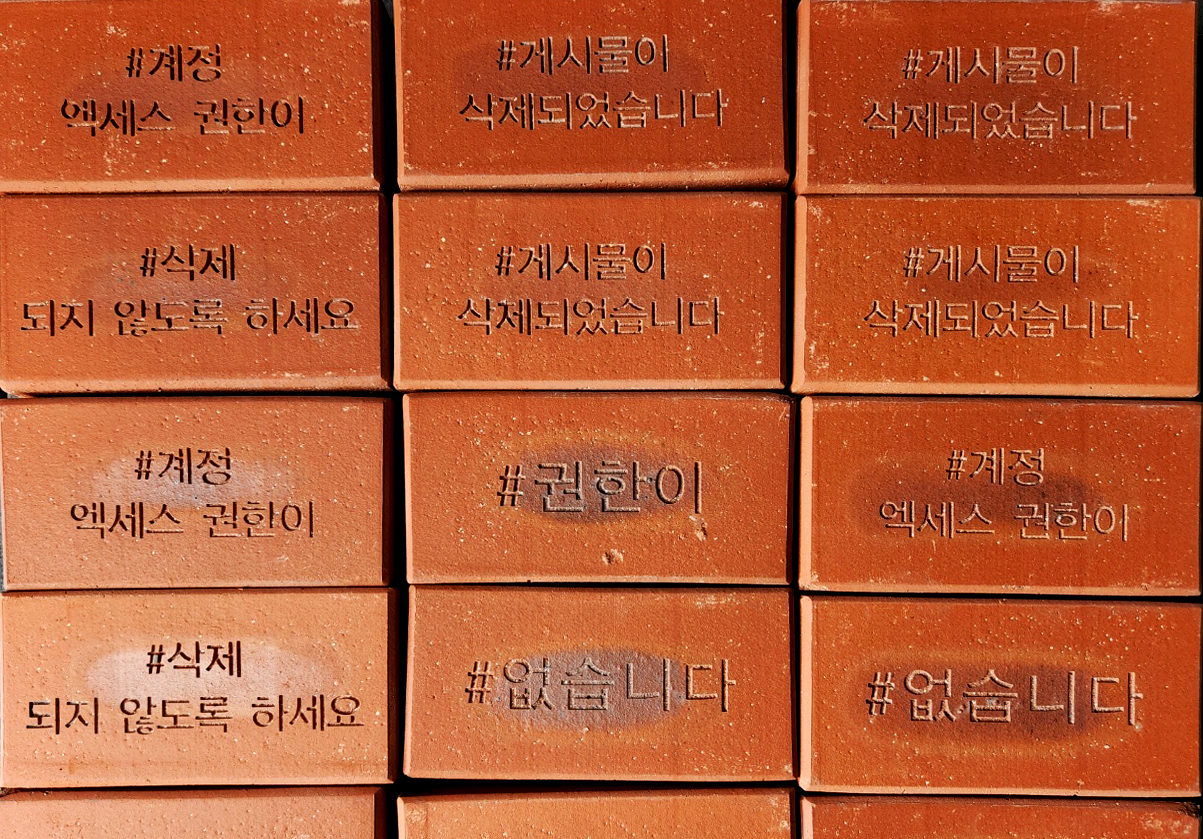
Rather, he appears to regard the very fact that its initial objectives were not fulfilled—the traces of its failure—as a point of departure for reaffirming avant-garde values. In this regard, the artist records in detail in his working notes an experience from his visit to Europe in 2017. He writes that the endless succession of scribbles and graffiti covering the exterior walls of old buildings left the impression of cities built through vandalism, yet these traces were not merely the results of destruction.

They formed part of an urban landscape in which the desires to erase and rewrite were entangled, appearing not as failures of the past but as an ongoing scene in the present. Within the graffiti that has endured across time, the artist may have perceived an avant-garde vitality that cannot simply be declared a failure.

In scenes where the boundaries between failure and success, destruction and creation remain inseparably intertwined, he sees avant-garde language as still retaining its subversive potential. In other words, he encounters unfulfilled cries and their traces as scenes of entanglement arising within the gaps between multiple orders and desires, transforming them into scenes of a present that remains sustainable.

In this way, the artist reconsiders avant-garde values—or the concept of their failure—and seeks to experience them anew within the context of the city, at times traversing time and space through delusional leaps.

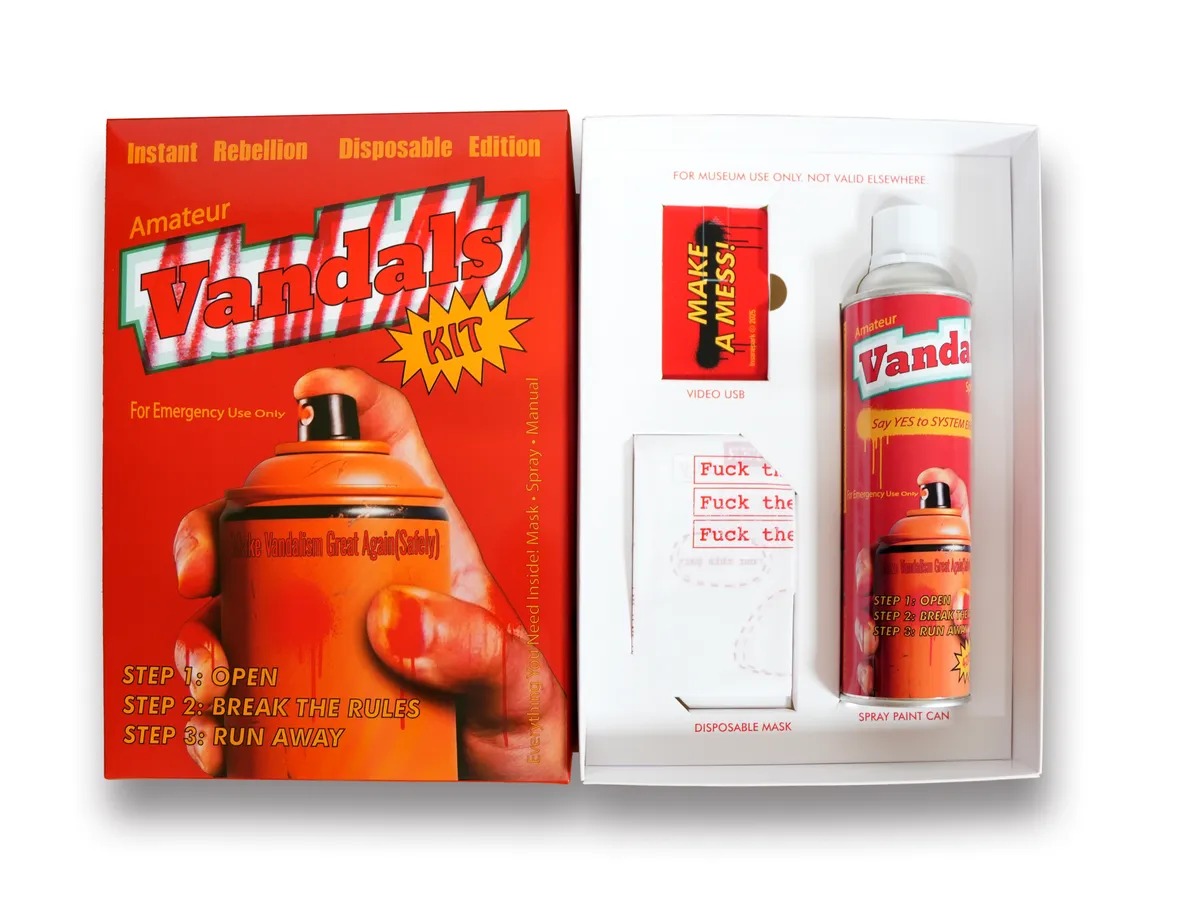
Within the same context, the exhibition encompasses a series of works in which different conditions and orders become entangled, at times colliding with and betraying one another. For example, Disposable Mask for Amateur Vandals (2025) consists of 10,000 plastic bags printed with masks worn by vandals, installed and distributed in the gallery alongside instructions.

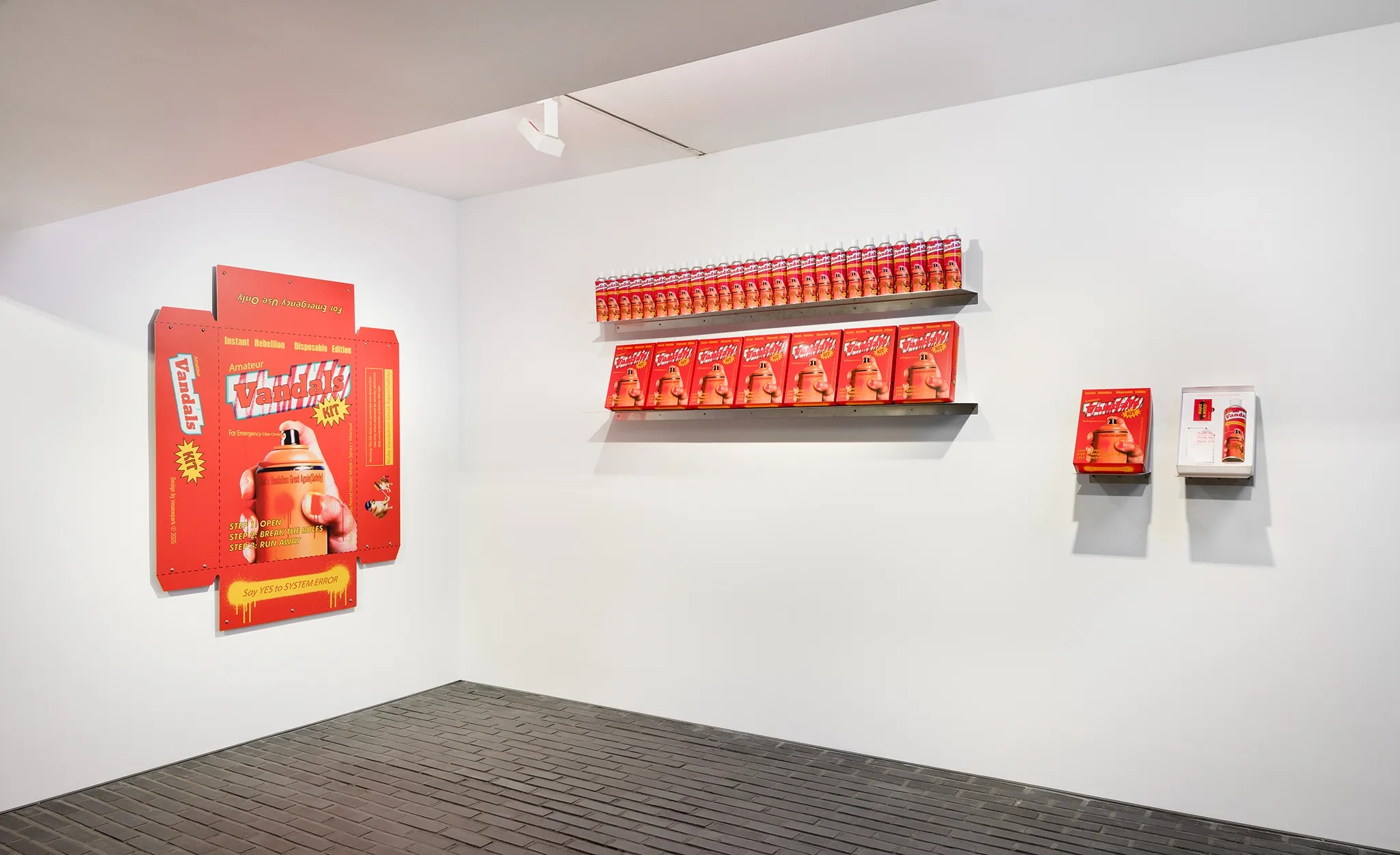
The subsequent work Amateur Vandal Kit (2025) arranges a plastic bag, spray paint, a USB drive, and other items inside a cardboard box, staging an ironic scene in which vandalism—an act that negates the system—is consumed, exhibited, and collected as a packaged commodity. In this process, even the impulse toward destruction is commodified and incorporated into the institution, simultaneously exposing the limitations and contradictions of the subversive desires and acts of vandalism witnessed across the world today.

Tools intended for radical action are displayed like a hollow joke or a scene of self-contradictory self-destruction. Through precisely these self-dismantling scenes, the artist asks whether the avant-garde imagination can still circulate and whether acts of systemic negation can persist, even in such a form.

Rather than a unidirectional practice, his approach appears as an attempt to live parasitically within institutions and systems, confess its own incapacity, and at the same time persistently remind us of its remaining possibilities.
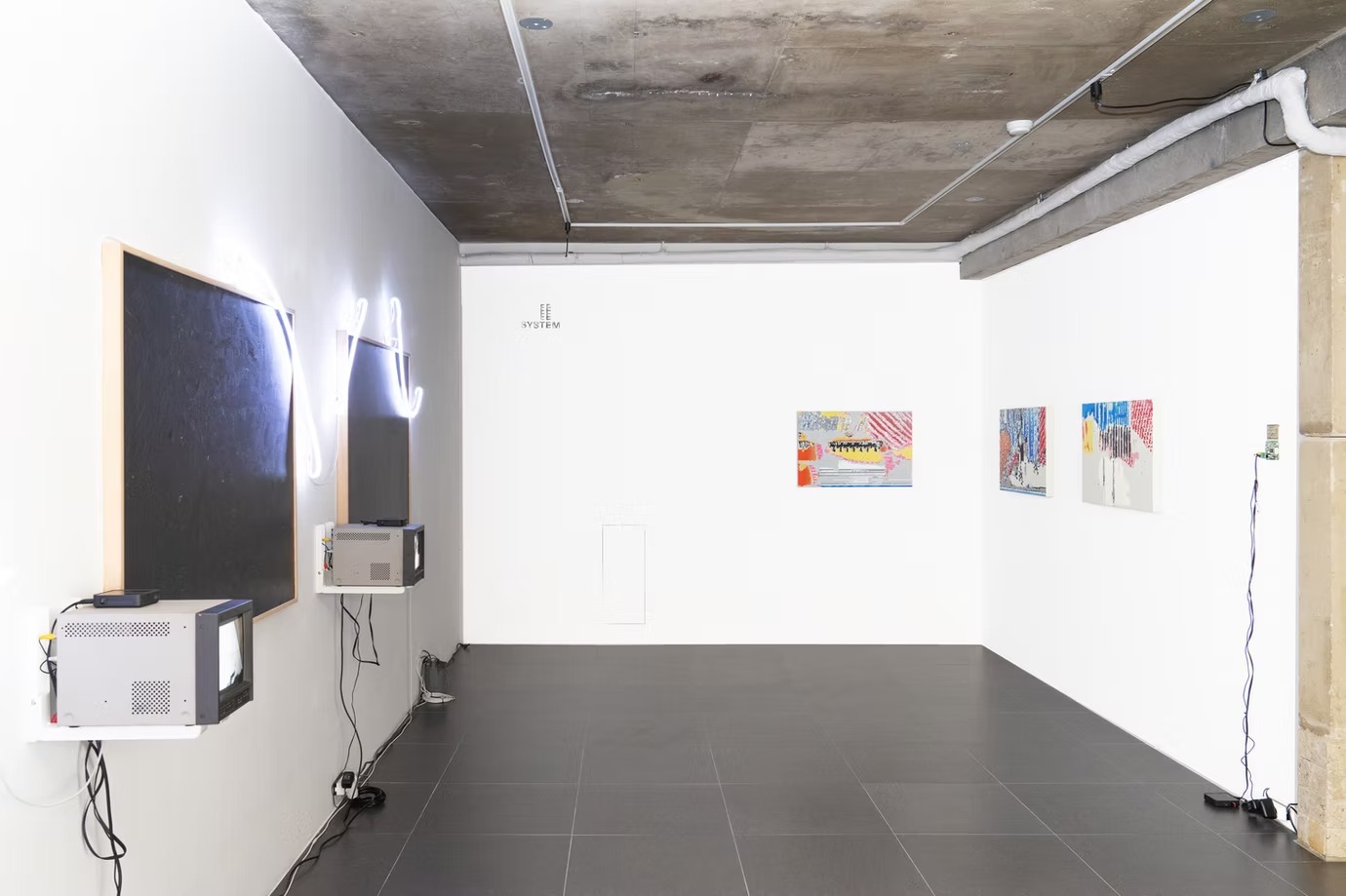

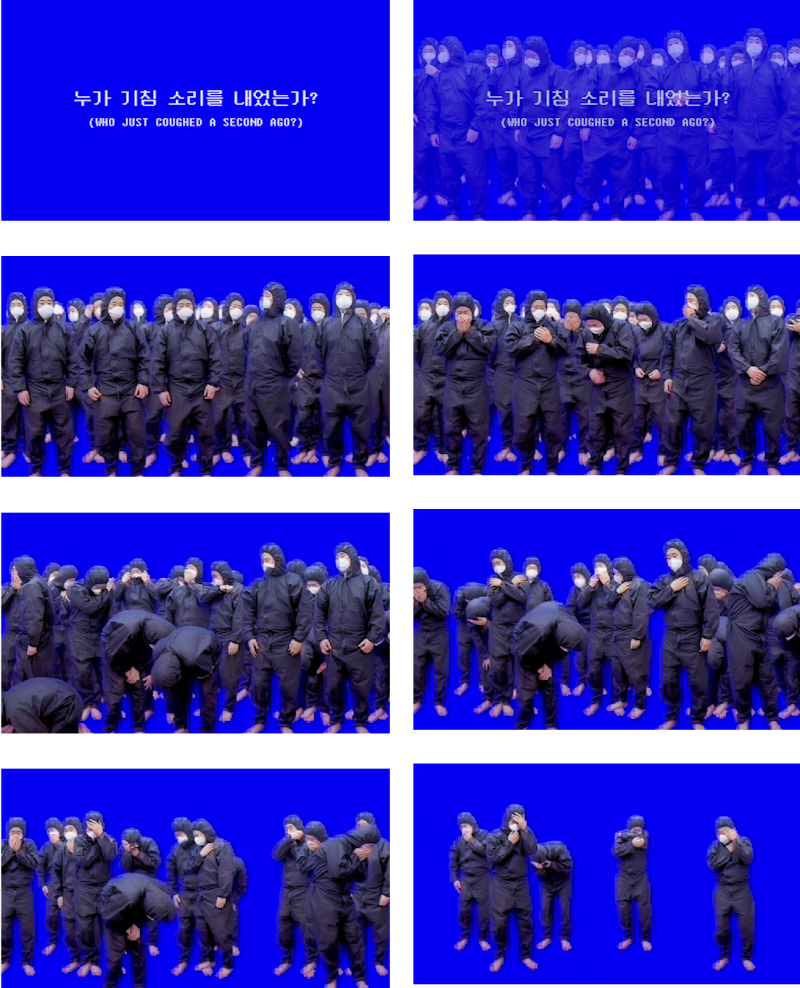
Installation view of 《Avant-Garde Does Not Surrender》 © Arario Gallery

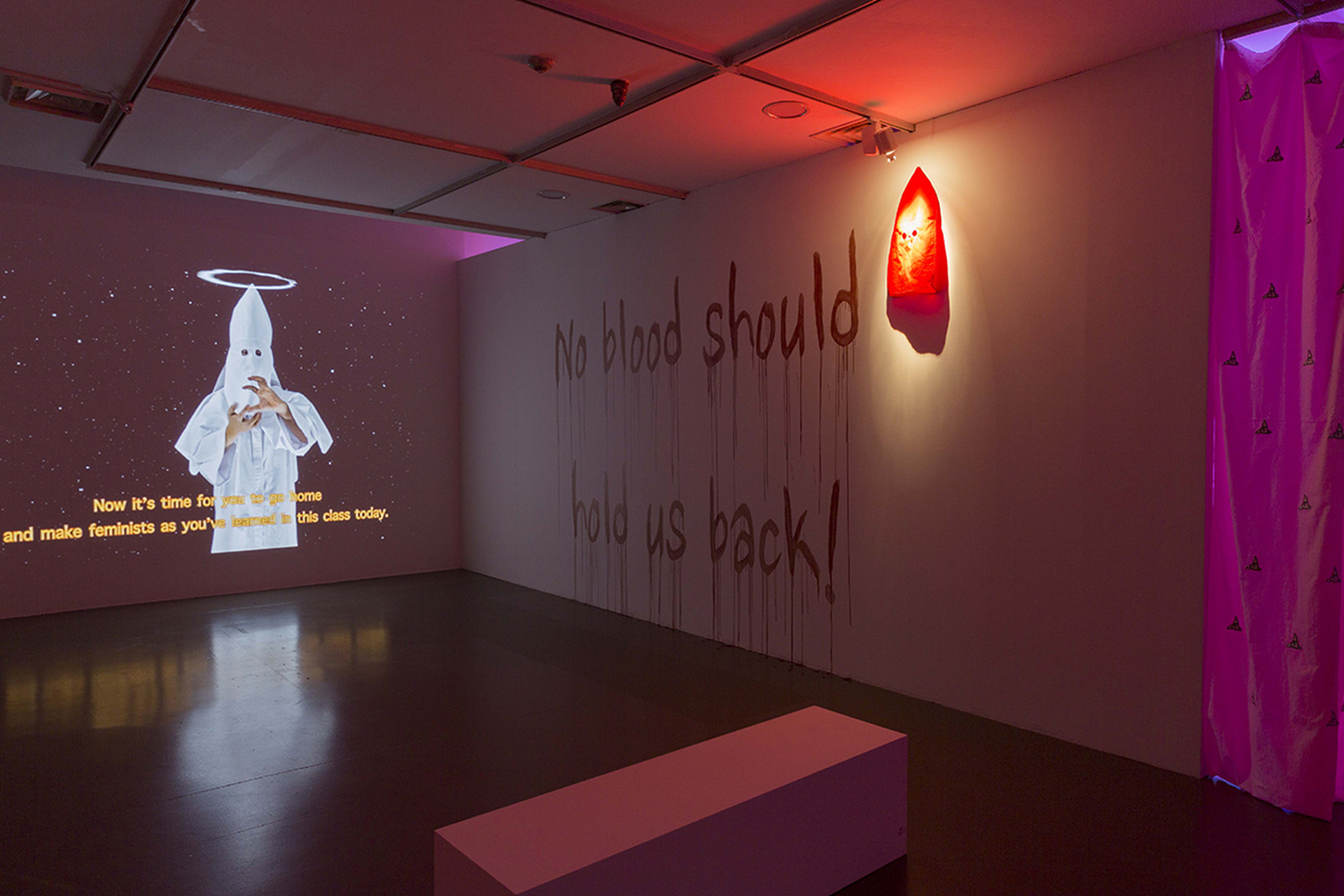
The artist also stages parts of the gallery as though they have been damaged, including by covering the space with graffiti. The premise of bringing graffiti and acts of vandalism into the forms and spaces of art lays bare the process through which destructive impulses and subversive energy culminate in artistic form, positioning the work directly on the boundary between the “real” and the “fake.”

The artist asks whether such a situation amounts to a kind of imitation devised for an exhibition—that is, a “fake avant-garde.” At the same time, he questions whether it can move beyond mere disguise or superficial representation to become another form of practice containing a subversive desire. This is accompanied by the construction of devices that can operate only within the institution rather than actually dismantling it.

Ultimately, the work reenacts the scenes of failure experienced by the historical avant-garde while seeking circumstances in which they might be reformulated and activated in different ways. Such practices, which might be described as “fake,” therefore do not remain mere disguises. Rather, they exist as part of failure while remaining conscious of their own falsity.

In an era when actual destruction has become impossible, the artist explores whether fictional attempts can disturb the surface of reality, stimulate the senses and imagination, and expose the fragility of established orders and authority.

By replacing vandalism with commodities, staged scenarios, and artworks, the exhibition creates certain ruptures and imagined scenes, and it is precisely at this point that it seeks to recognize the possibilities of a “more explicit and incisive fake/failure.”

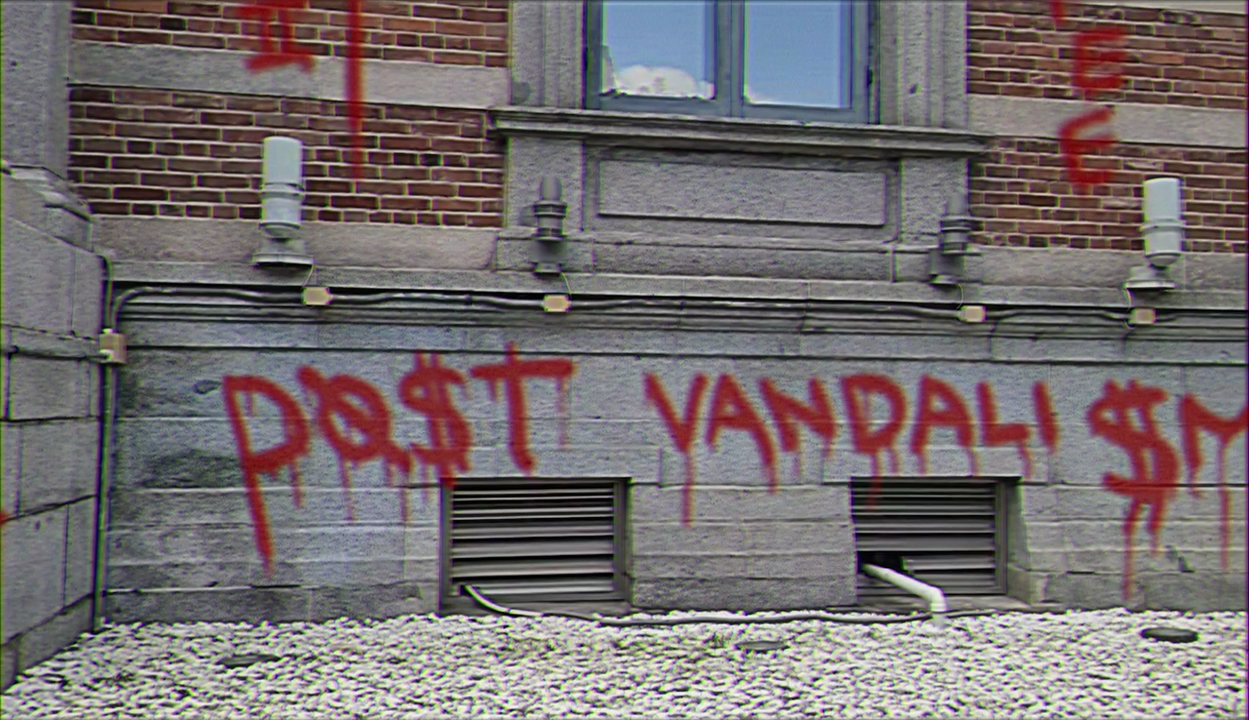
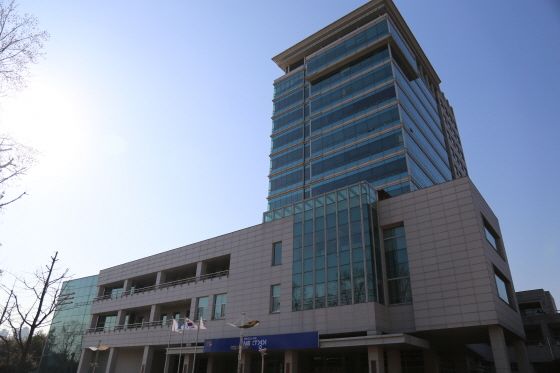
This attempt to position oneself within failure and falsity becomes even more pronounced in a series of video works included in the exhibition. In the 2022 work Post Vandalism, for example, the artist stages the interior and exterior of the Nam-Seoul Museum of Art as though they had been defaced with red spray paint, and installs a fictional banner reading “Insanepark solo exhibition vandalism” at the museum entrance.

On the museum’s exterior walls, he adds graffiti that twists “artist fee” into “artist pee,” along with phrases such as “All art is propaganda” and “Burn the museum.” During a residency in Thailand in 2024, he worked with local residents to spray graffiti-like markings onto banners made of bamboo and white cloth, and presented the fictional video post vandalism (BACC) (2024), which depicts the Bangkok Art and Culture Centre (BACC) being vandalized.

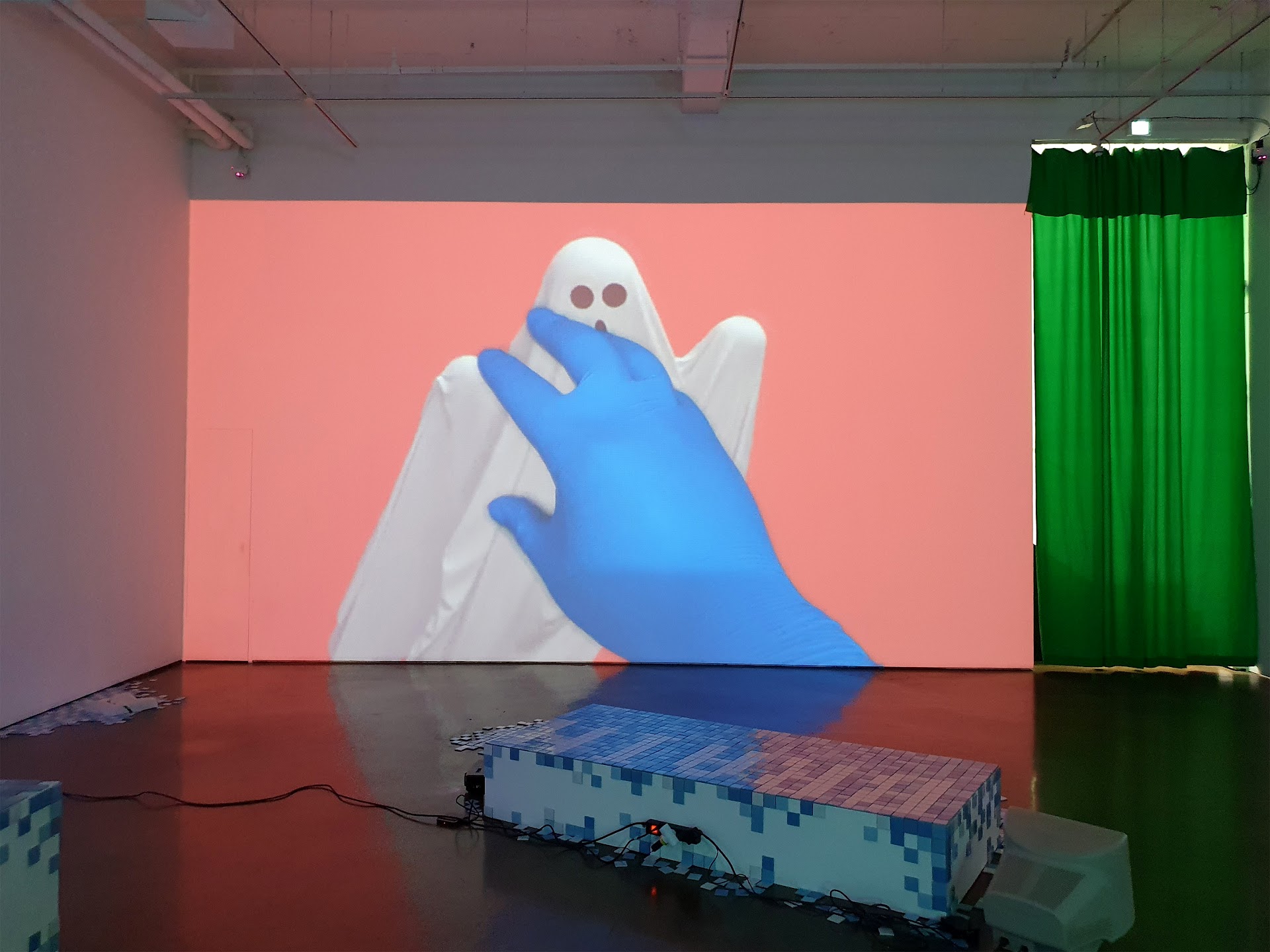
In Burning down the museum, he virtually stages the National Museum of Modern and Contemporary Art, Korea’s Seoul branch engulfed in flames in the format of an Instagram Live broadcast.

These works simultaneously dismantle the security and authority of institutions within a digital environment. Furthermore, by transposing the violence and subversive nature of vandalism into jokes, social communication, or fictional systems, they consider how destructive acts might exist under contemporary conditions.


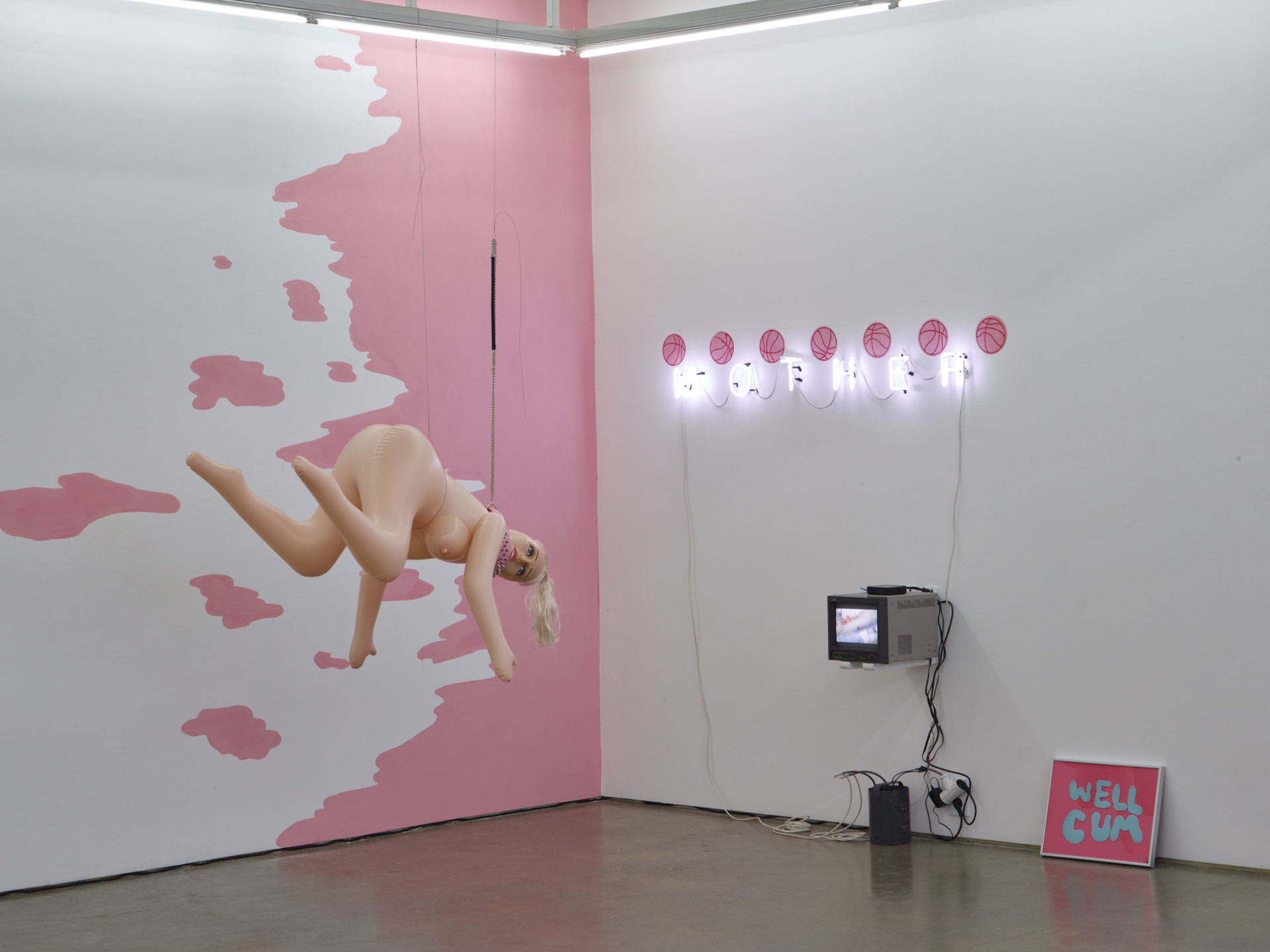
Installation view of 《Avant-Garde Does Not Surrender》 © Arario Gallery

The artist’s work actively embraces the falsity of the “fake” as something that moves beyond failure. Although it appears destructive, it ultimately remains an experiment permitted within an institutional framework, fully aware of both its precariousness and its powerlessness. It is precisely within this unstable falsity that the artist seems to explore avant-garde possibilities.
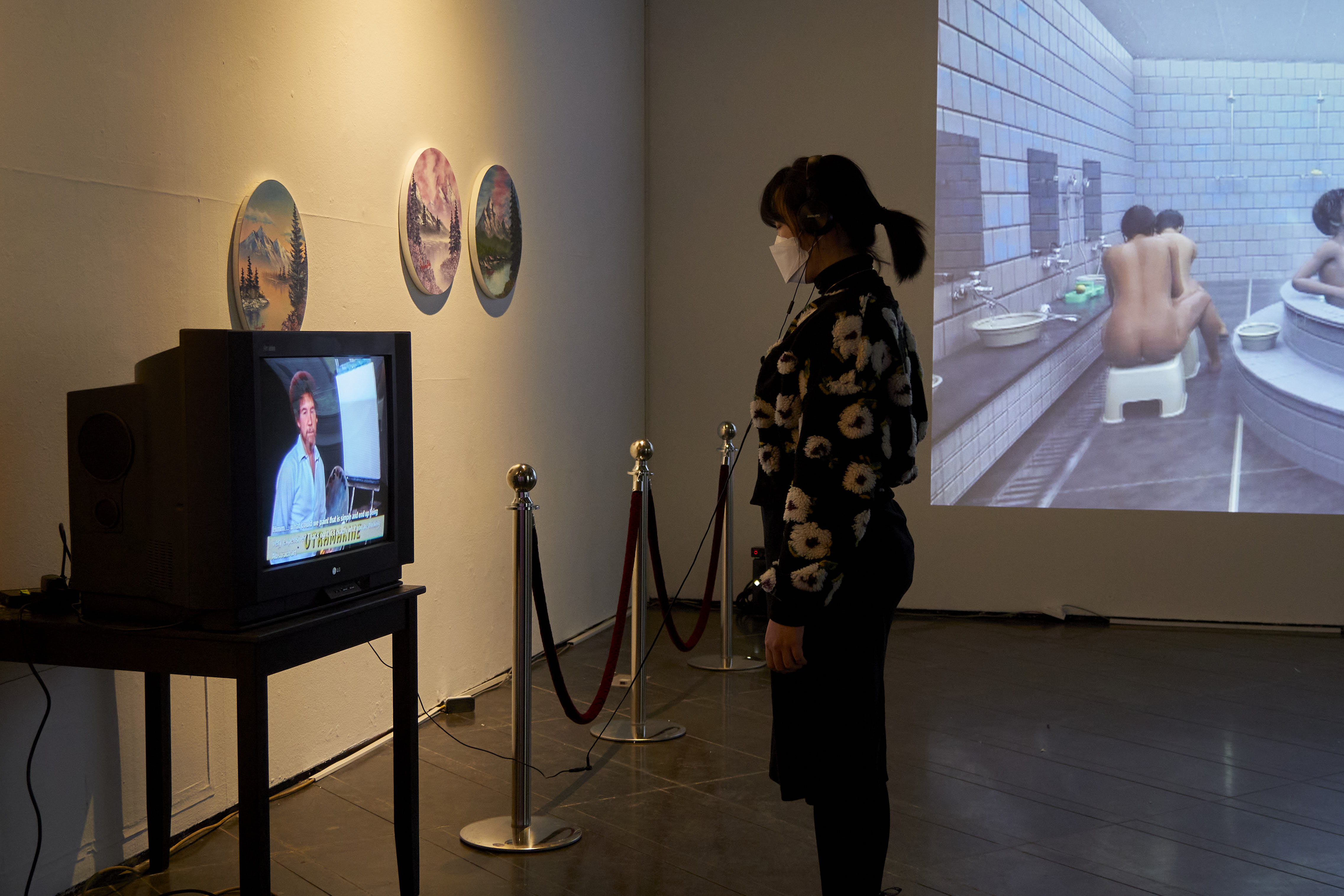
In an era when genuine subversion is considered impossible, he believes that forcibly overlaying imagined fiction onto the surface of reality may itself constitute a form of radicality available today. Yet this practice does not remain within the realm of abstract virtuality. Rather, it depends on specific sites and conditions, attempting to incorporate a certain degree of reality.

It makes clear that graffiti can exist only upon a wall, and that a rupture can occur only within an existing structure. In this way, the disposable masks and kits, Instagram Live broadcasts, and edited fictional videos are not empty spectacles but acquire vitality through material and institutional specificity.

Here, the work can be understood not as simple destruction or absolute creation, but as an attempt to recognize the conditions of the present and mark them with avant-garde ruptures.
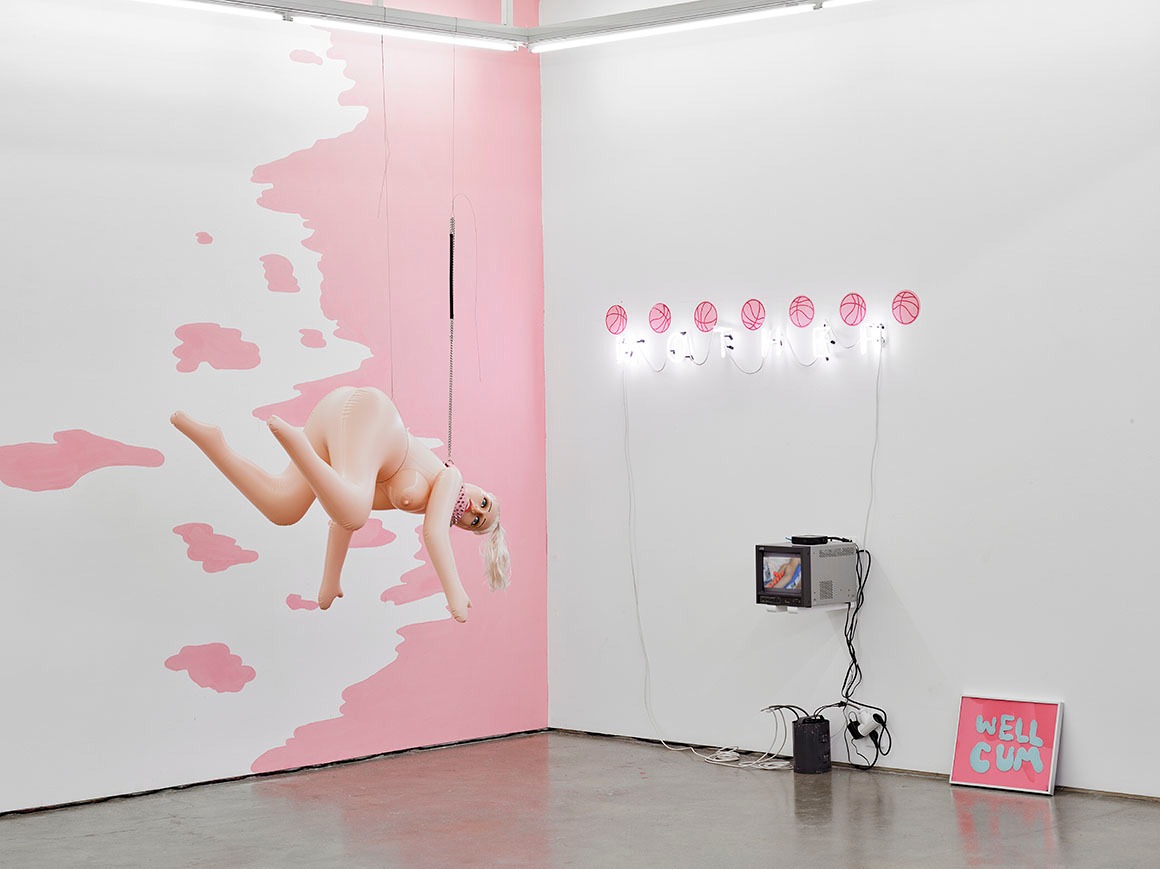
This exhibition brings together repeated attempts undertaken in full knowledge of their inevitable failure, gestures that feign destruction despite recognizing its impossibility, and acts that openly declare themselves fictional while imagining what might lie beyond fiction. Through these recurring failures, an old declaration is reaffirmed: the artist’s avant-garde does not surrender.
References