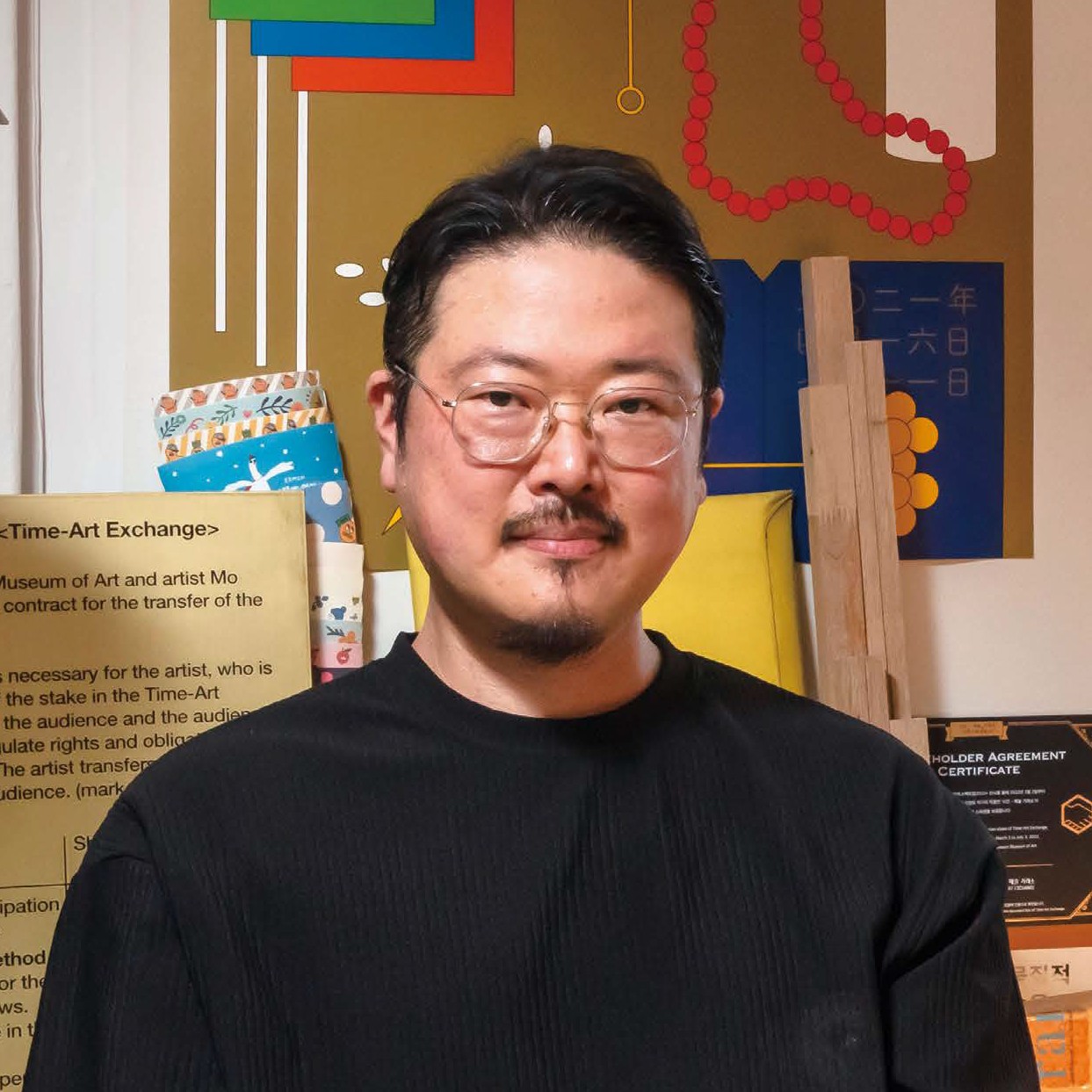
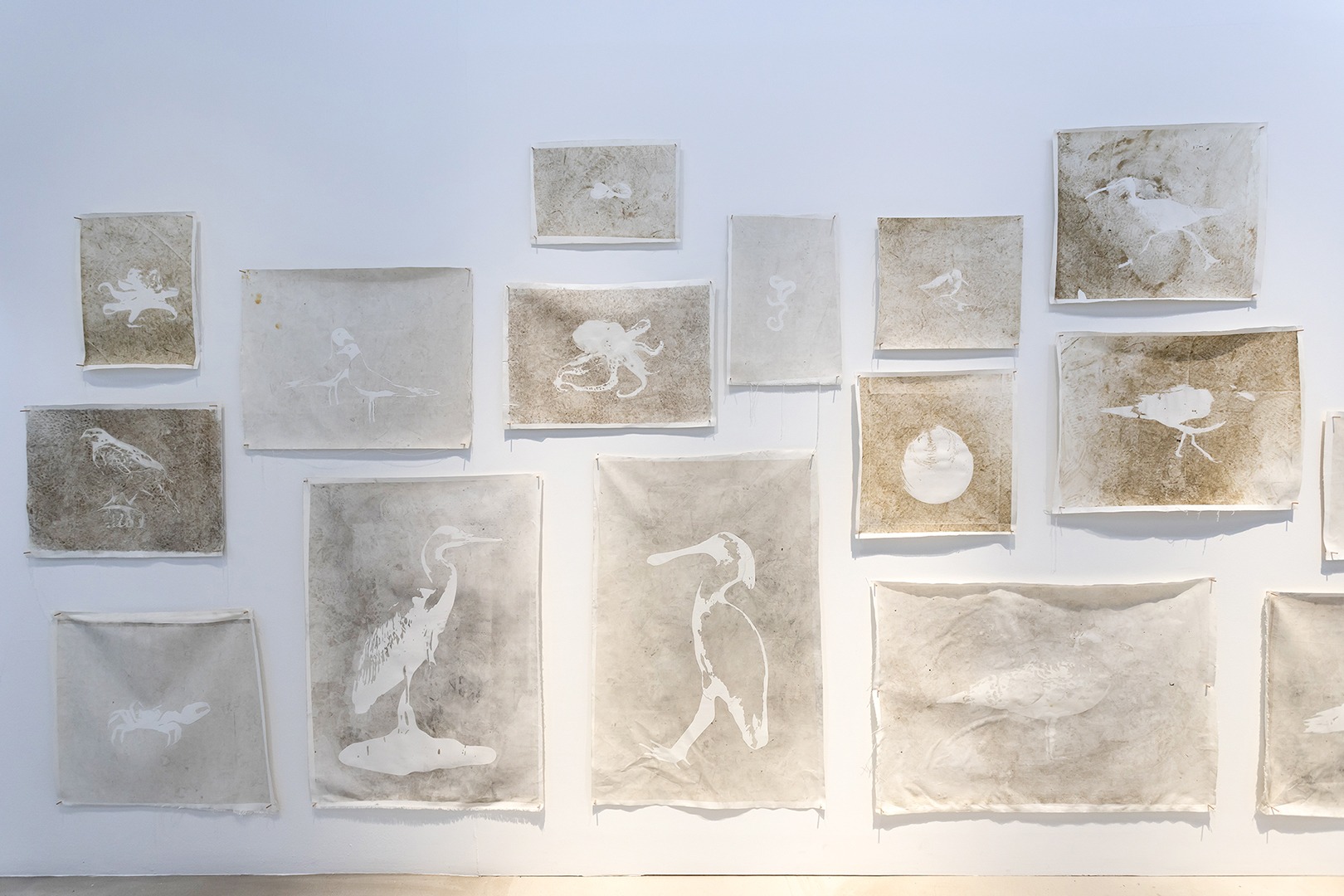
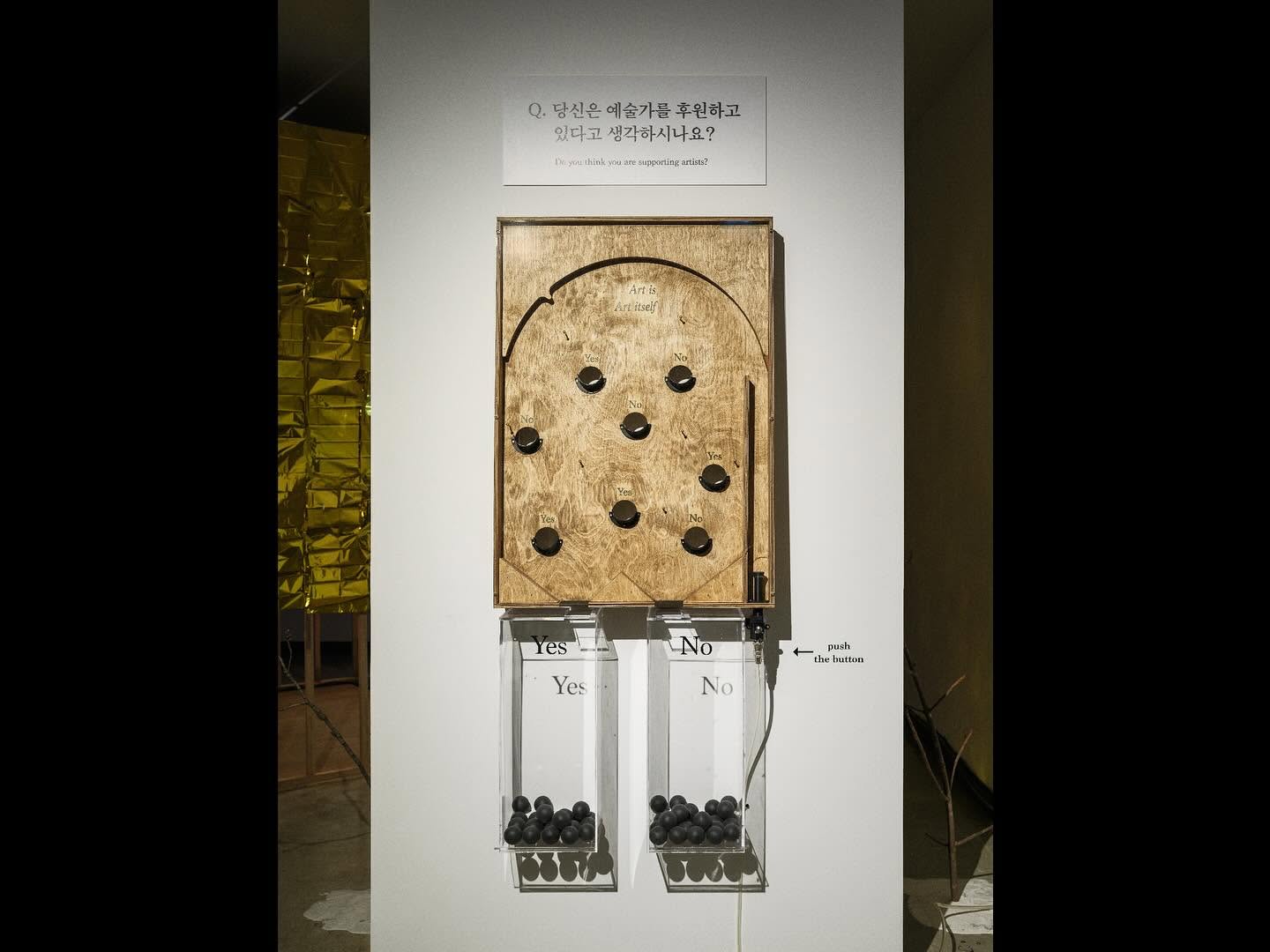
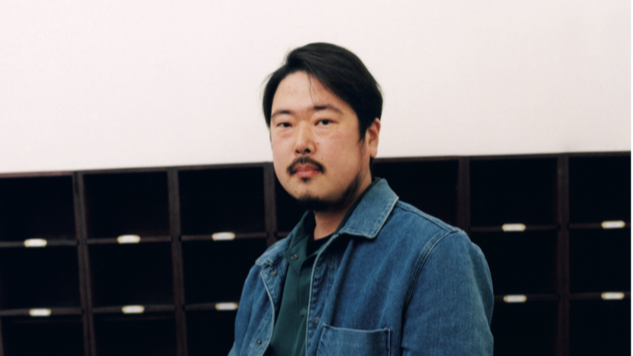
The Artist © Mo Kim

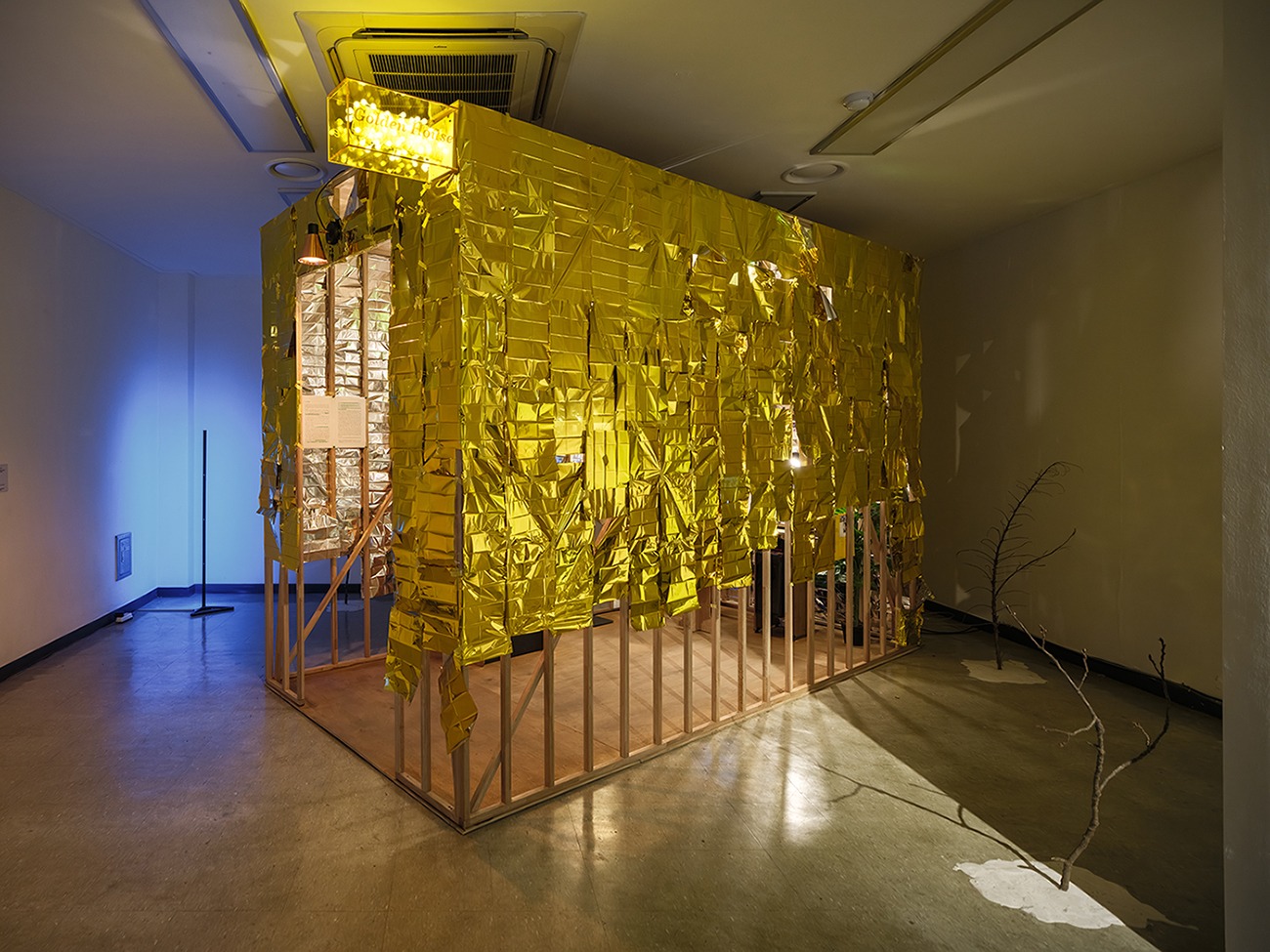
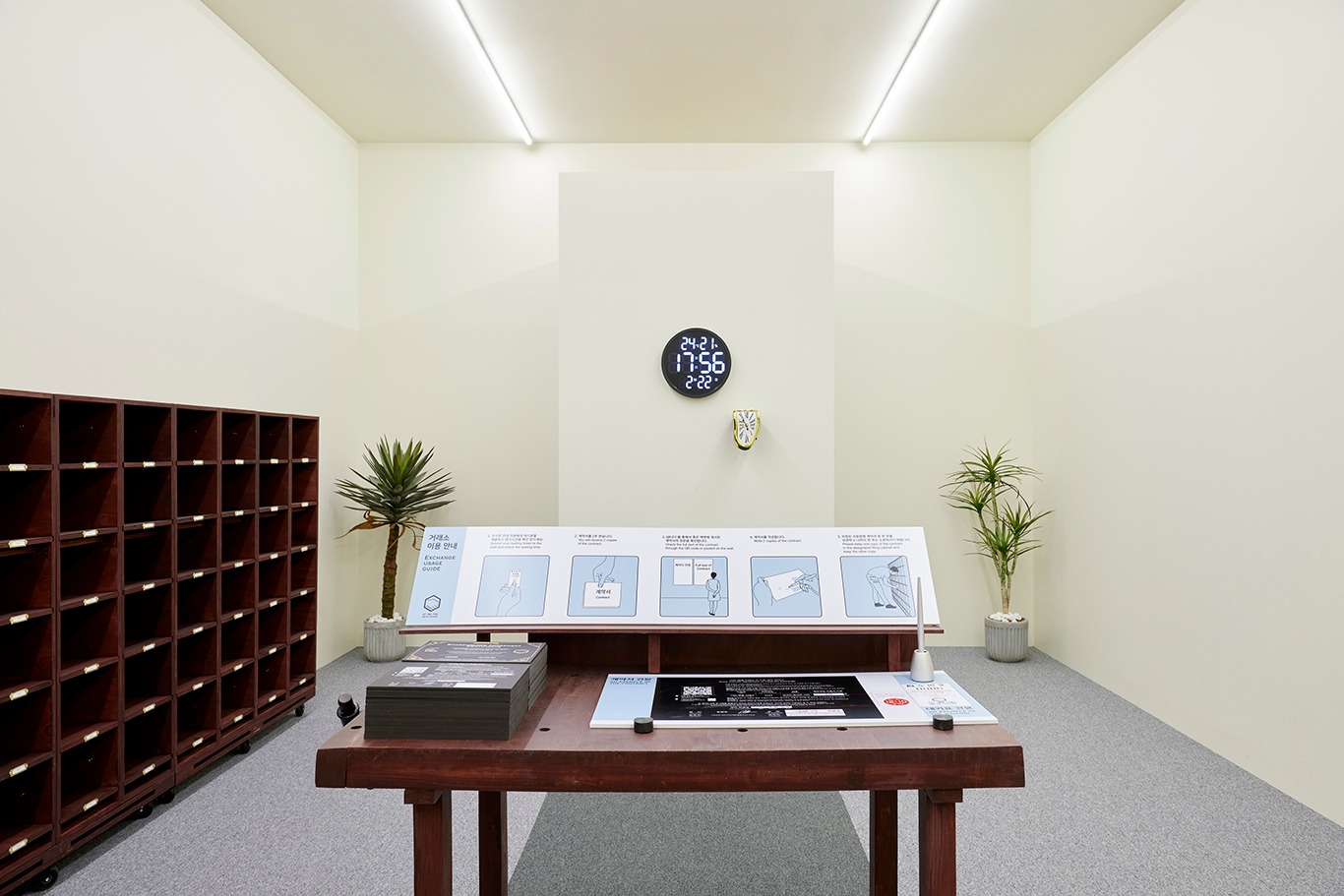
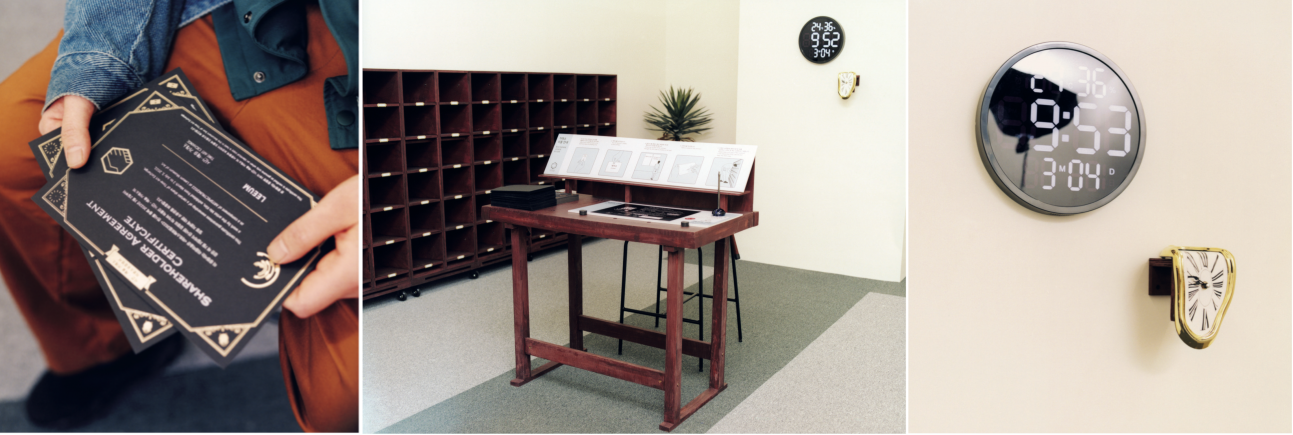
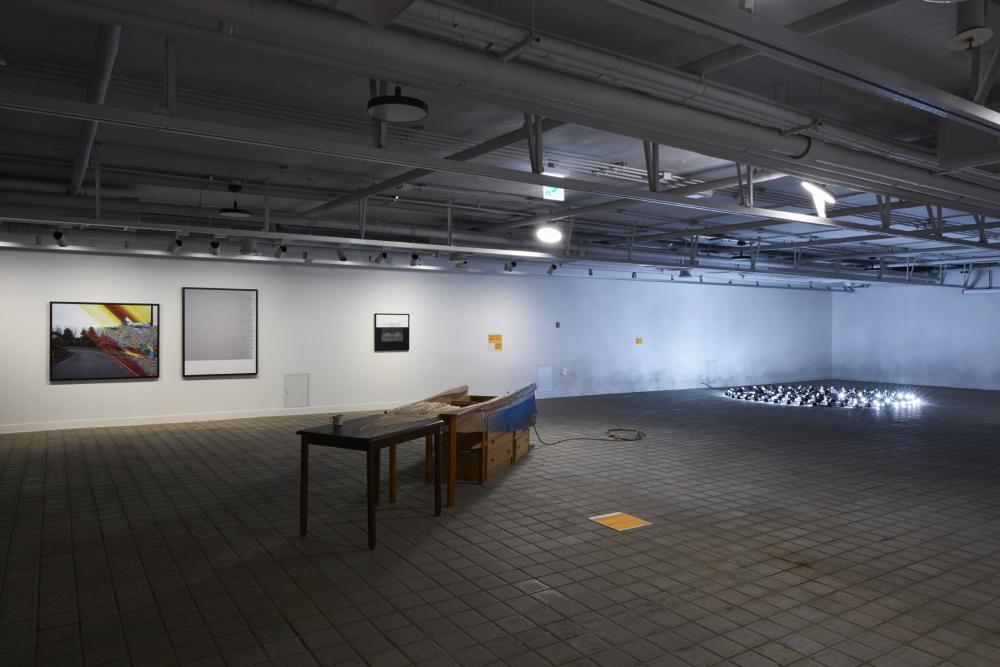
Tucked into one corner of the exhibition hall is Time-Art Exchange, which allows only one visitor to enter at a time. Visitors take a number, record the total amount of time it takes to enter—including the waiting time—and then, following the artist’s instructions, sign a contract granting them ownership of the artwork.

With one hundred people participating each day, a total of 10,700 people will become co-owners of the work by the end of the exhibition. As visitors pass through this process in which their time is exchanged for the artist’s work, they catch a glimpse of the mechanisms of the art market.


Time-Art Exchange adds the concept of “time” to the participatory exhibitions the artist has developed thus far. Is there a particular reason you introduced time as an element?

In a broader sense, participatory works involve physically spending time together, don’t they? Even coming to an exhibition is fundamentally an act of participation, so time inevitably becomes part of any exhibition. Rather than being especially conscious of time itself, the work began with a question about collecting artworks. Collecting is something available only to a small, privileged group, isn’t it?

Artworks are priced extremely high, and the barriers to entry are considerable. I wanted every visitor to experience the act of owning an artwork, something usually reserved for a particular class of people. While thinking about what could be used to exchange artworks other than money, I came upon time, a resource everyone possesses. I began considering a system in which the time spent waiting to enter the exchange could be converted into a share of ownership in my work.


Was there a particular occasion that led you to conceive participatory exhibitions and focus on the audience?

Until I graduated from the Department of Sculpture and went on to graduate school, I worked within a fairly traditional sculptural practice. I had a sculptural world I wanted to realize at scales of three or five meters, but spatial limitations made it difficult to maintain that approach. Before sending a work to an exhibition venue, I wanted to experience how it felt in the studio, but that was impossible in such a confined space.

Naturally, I began thinking about works that could take place outdoors. The decisive experience was an exhibition in Berlin. While staying at a residency there, I encountered the audience directly for the first time. Previously, I had placed works in exhibition spaces and watched visitors from a distance; this was the first time I came face-to-face with them.


What kind of exhibition was it?

At the time, the leader of the residency program suggested that we create a performance in which the audience could participate. While wondering what to do, I had been taking photographs of street scenes around Berlin on my phone, and I became particularly interested in piles of garbage. They sometimes gave me a sense of déjà vu, as though I had seen them somewhere in a museum.

Formal characteristics I had encountered in museums seemed to appear here and there in those heaps of discarded objects. People often joke when looking at certain objects in museums, asking, “Is this garbage or is it art?” (laughs) I printed out the photographs of garbage piles I had taken on the street, asked visitors whether they considered them art or not, and invited them to write down their reasons.

It was fascinating to see how carefully visitors wrote out their opinions and how they began discussing them with one another. The moment I saw the pages densely filled with their responses, I realized that the work had been completed through audience participation. That was when I became acutely aware of the audience’s presence.


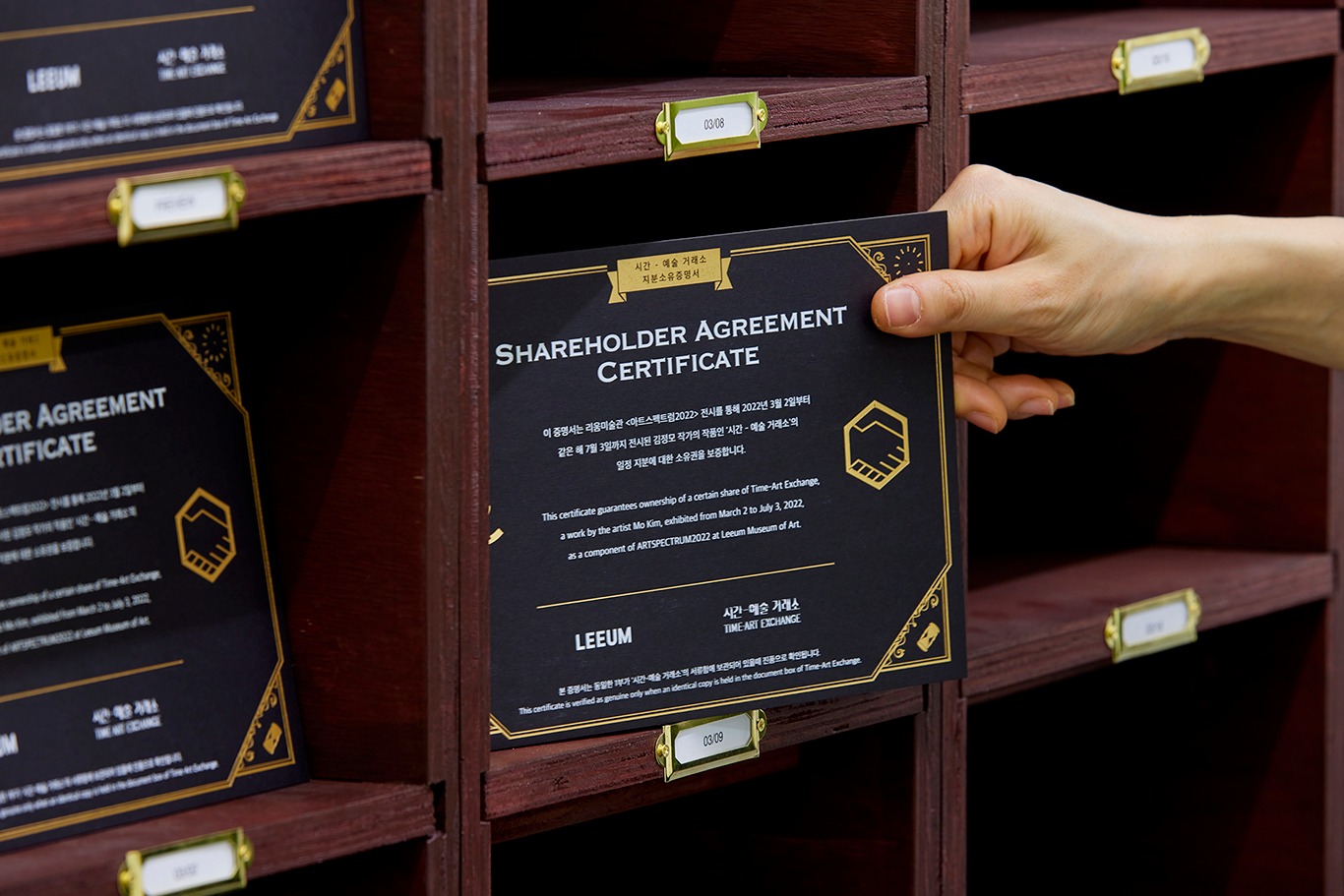
Last April, you presented Luck Exchange in the exhibition 《FORTUNE TELLING》 at Ilmin Museum of Art. The premise of giving badges or other souvenir-like items to visitors who met certain conditions was intriguing, and in this exhibition you again give visitors a “certificate.”

I saw the act of visitors filling out an application and doing something together during that period of time as a kind of transaction. I wanted participants to leave the exhibition with something in their hands, and I also thought it would be useful to have a medium that could clearly visualize the transactional nature of the work.

And when there is a “reward,” audience participation definitely increases. (laughs) I also tried to make the certificate as refined as possible in the hope that visitors would want to keep it.


Mo Kim, Time-Art Exchange, 2022, Audience participation and time, Dimensions variable © Mo Kim

There must also be a certain pleasure, as an artist, in the process of inviting viewers into the work. What is that like?

Rather than confronting viewers directly, my main role is to create a structure, step aside, and observe how that structure operates. There is a particular pleasure in watching each viewer go through their own experience within the framework I have set up. I sometimes check their responses on social media platforms such as Instagram, and more people than I expect post a wide range of opinions.

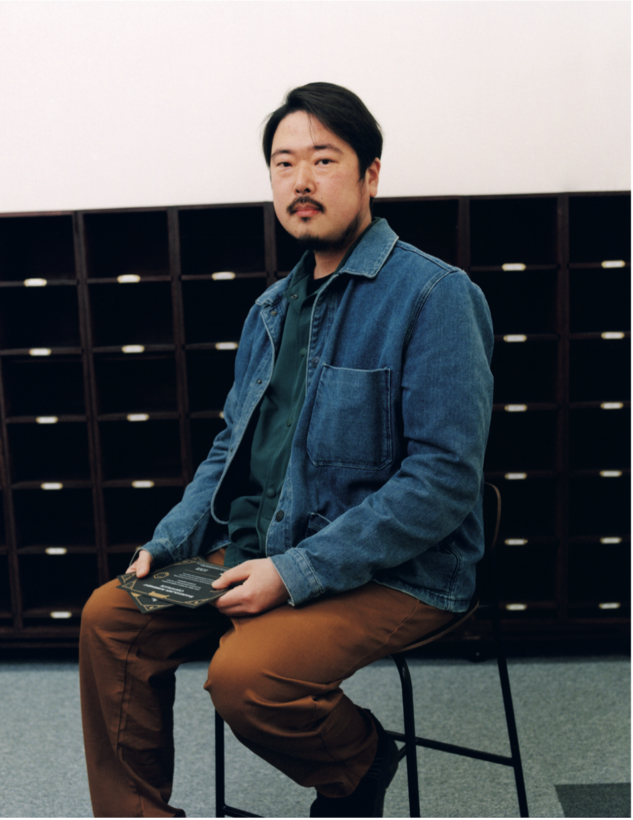
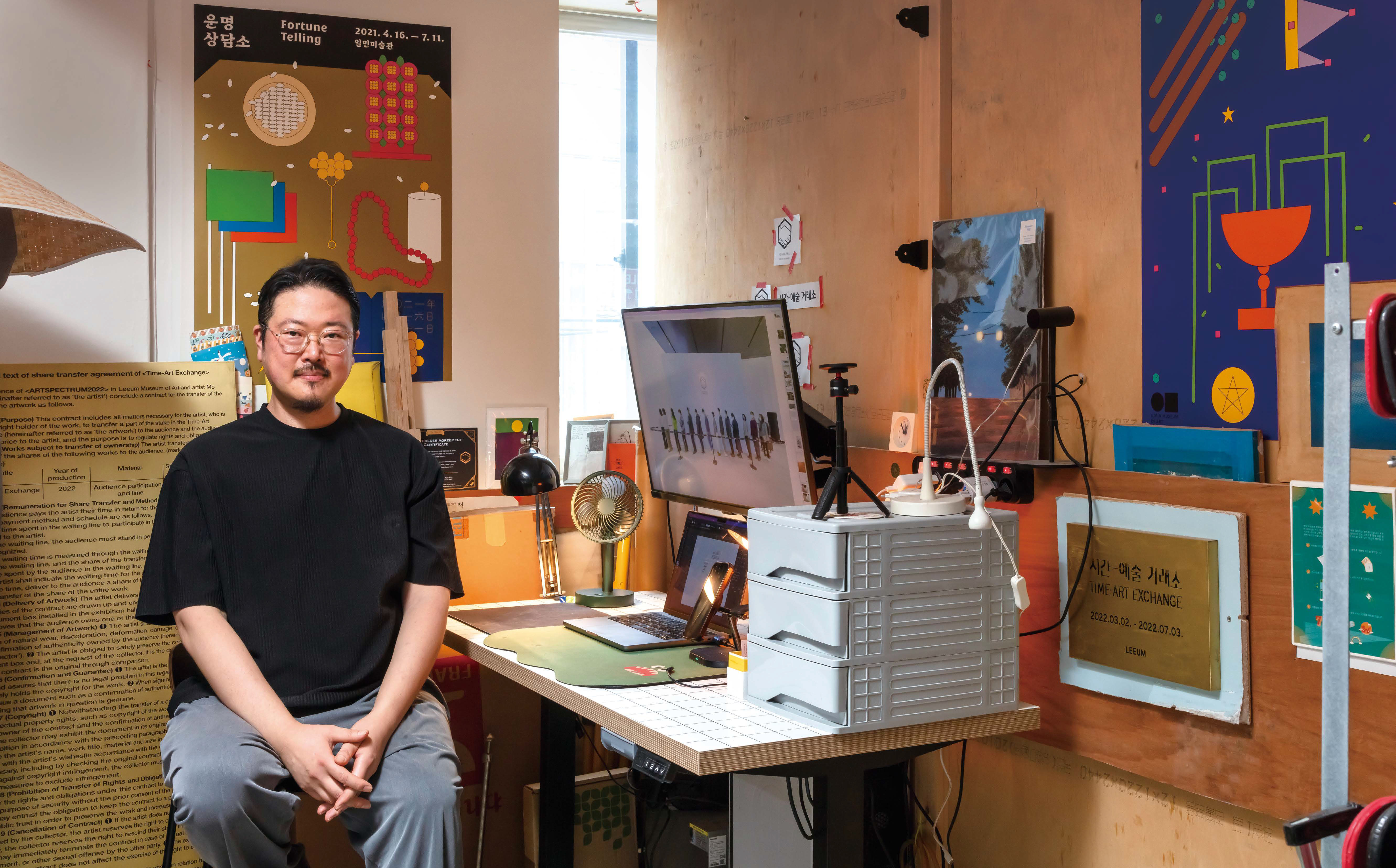
Most of the viewers who show interest in the work and participate actively are already interested in art. I would like their presence to stand out even more than the work itself. Even with a photo shoot like today’s, I sometimes think it might have been more meaningful to show the actual scene with viewers present rather than photographing me alone.


One idea that frequently appears in texts describing your work is the spatiality of the exhibition venue. You once said that “an exhibition space is not simply a physical space, but a place that encompasses multilayered interests.” It seems that place is as important to your work as the audience.

Every exhibition venue differs according to its particular character, context, and circumstances. Some venues attract an unusually large number of visitors in their early twenties, while public museums draw people of different ages and from a wide range of professions. In the process of conceiving and producing a work, I consider the particular characteristics of each exhibition space and am also greatly influenced by them.

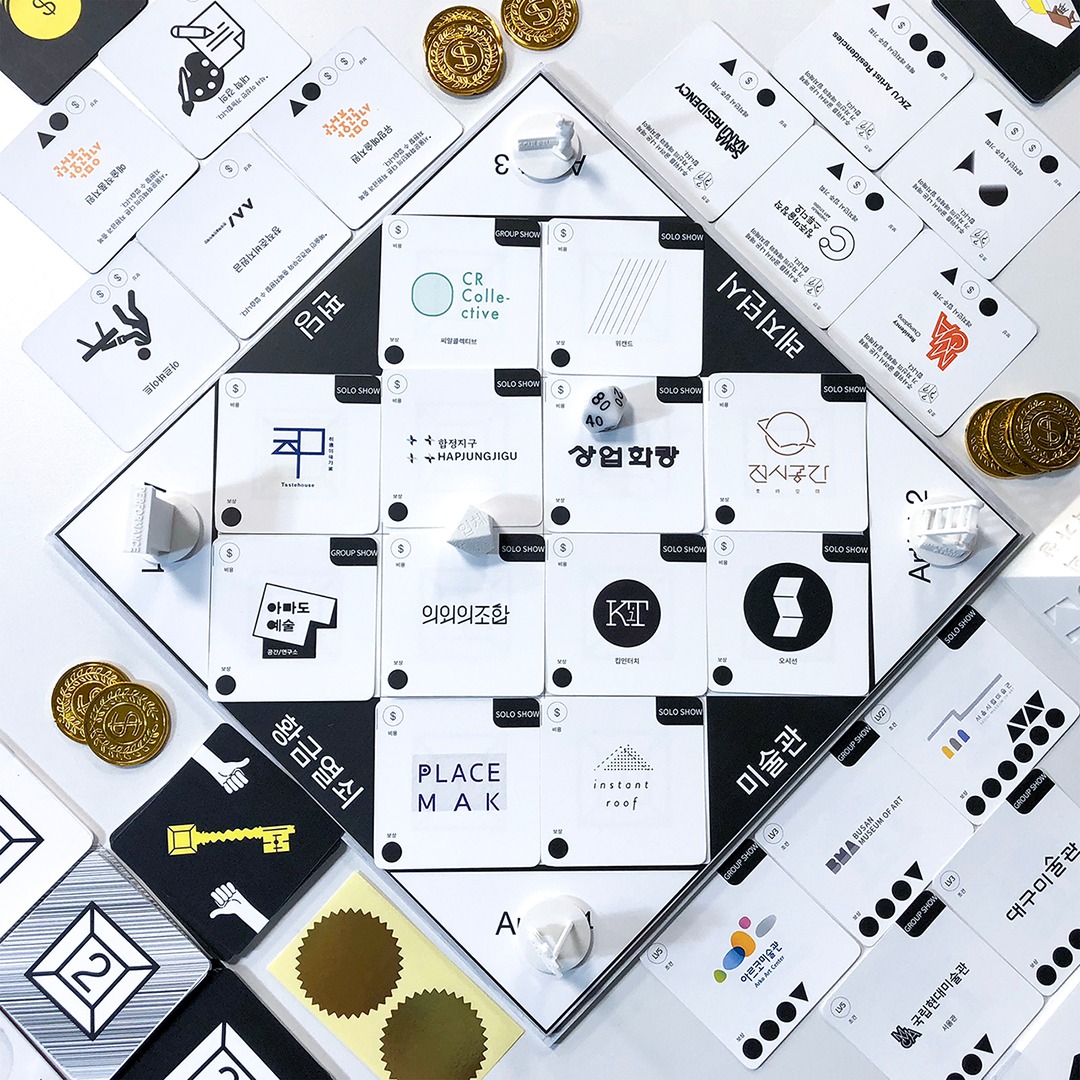
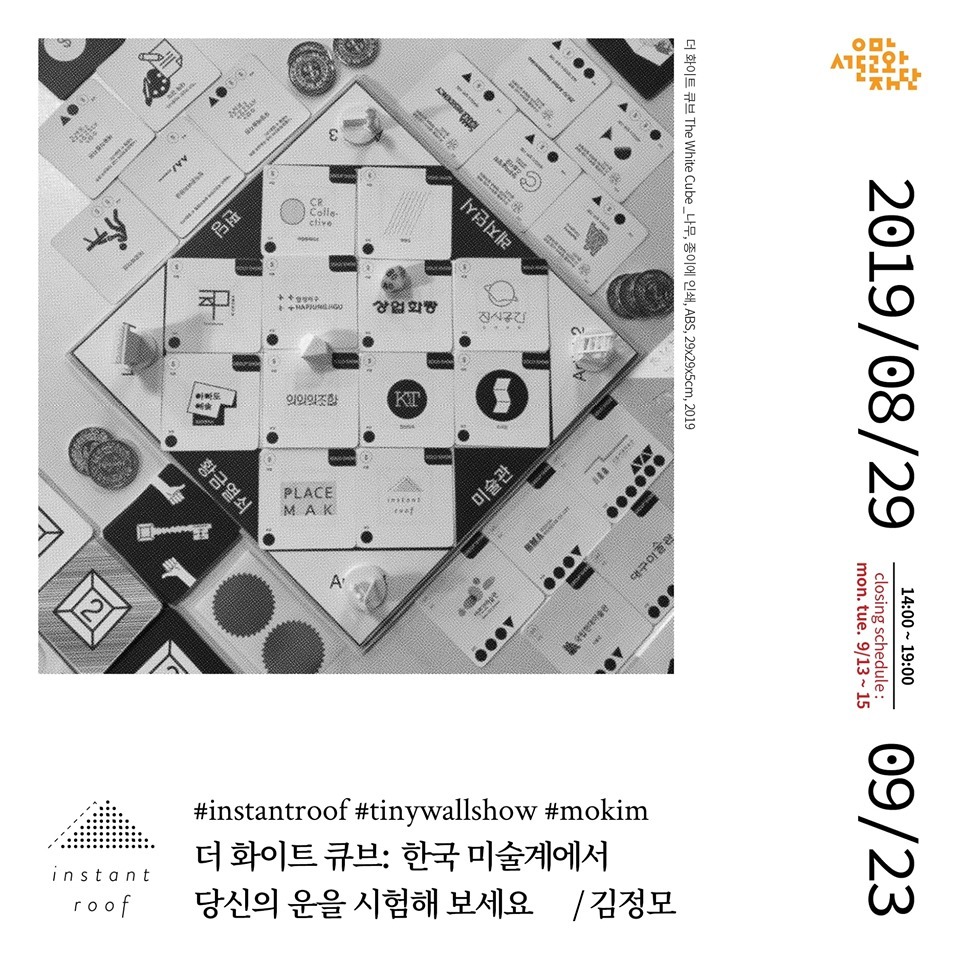
Ilmin Museum of Art, where I previously presented Luck Exchange, attracts many visitors in their early twenties. The idea of creating a card game that they might enjoy was strongly influenced by the character of the venue.

I also expected Leeum Museum of Art, operated by the Samsung Foundation of Culture, where this exhibition is being held, to have its own particular audience. I assumed that visitors to Leeum Museum of Art would also be interested in collecting artworks.


You once said that you were interested in “what kinds of values become institutionalized.” What kinds of values are you interested in these days?

Rather than focusing on any one particular value, my perspective changes depending on the circumstances of preparing an exhibition and on what I discover during that process. As I mentioned briefly earlier, in this exhibition my interest in collecting seems to have naturally developed into the work. Art itself is a kind of institution, isn’t it?

There is a category called art within the educational system, and there is also a kind of social consensus that art exists as an institution across the economy, culture, and society at large. Yet at certain points, I feel that art is excessively sanctified, while in other respects it operates according to overly commercial logic. I find myself thinking about how these aspects can be made visible and shared with viewers.


It seems that some of those concerns are also embedded in this work.

That’s right. Lately, I feel that the ways artworks are owned have changed considerably. In the past, a wealthy individual might purchase an expensive artwork, whereas recently I have heard that works are being divided into shares and sold. In other words, multiple people jointly purchase a single artwork. For example, one hundred people might each pay 100,000 won to collectively purchase a work by a master artist valued at 100 million won.

It is almost like buying a building. The purchased artwork is then stored in a gallery warehouse, and when its price rises, it is resold and the profits are divided among the owners. I hear that this kind of investment is increasingly common among younger generations, and it makes me realize just how much the meaning of purchasing and owning an artwork can change.

From an artist’s perspective, this is not really collecting, is it? I see non-fungible tokens (NFTs) in a similar context. I have a feeling something may happen before long. I’m watching with a certain sense of anticipation.

References