Juree Kim’s practice has expanded from an early interest in the deterioration and dissolution of the body to encompass the house and the city, as well as the temporalities of civilization and nature. Regarding the house as an externalization of the body and a place where memories of life accumulate, she began the 'Hwigyeong_Evanescent Landscape' series after witnessing the redevelopment of Hwigyeong-dong, Seoul, around 2009.
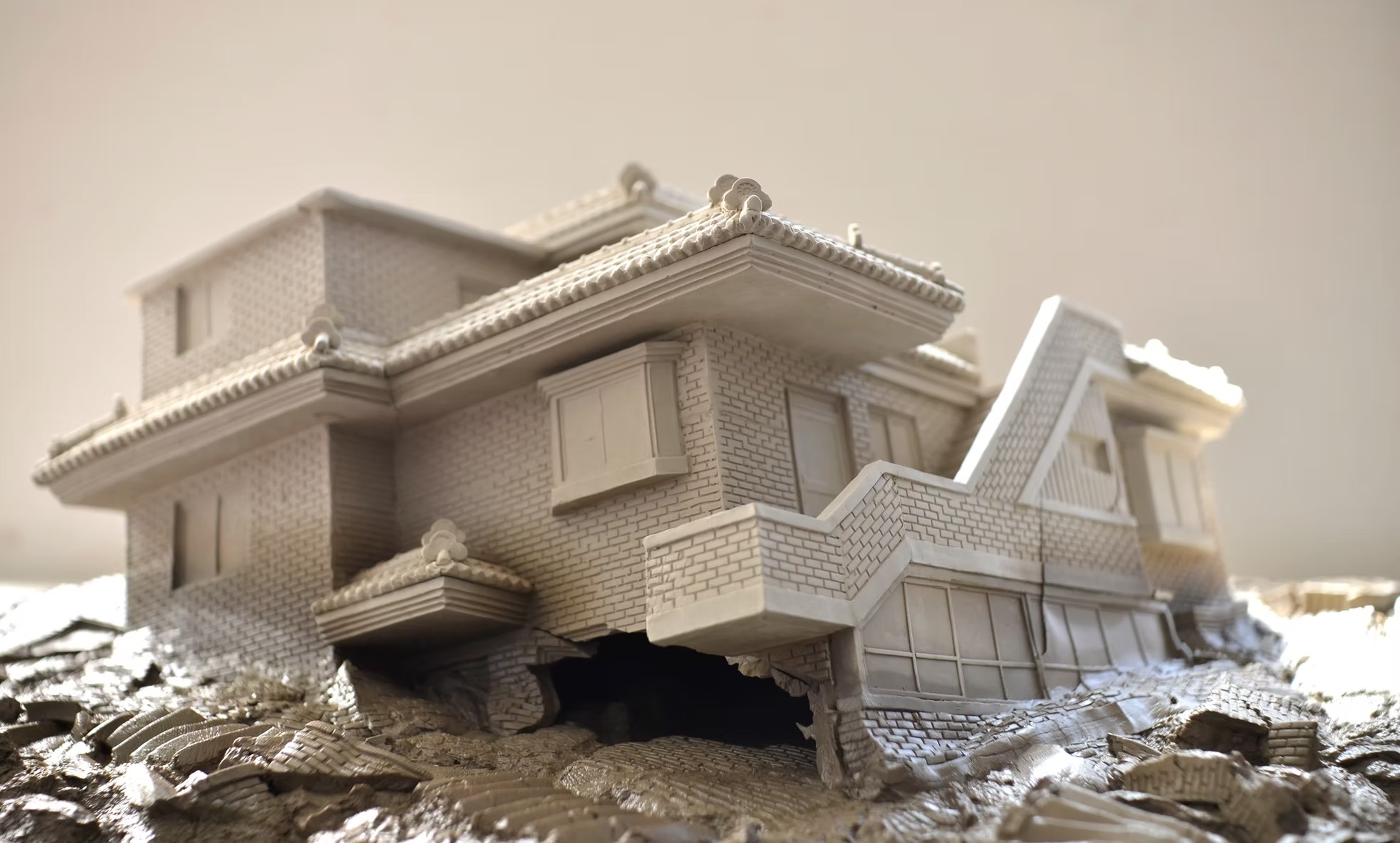
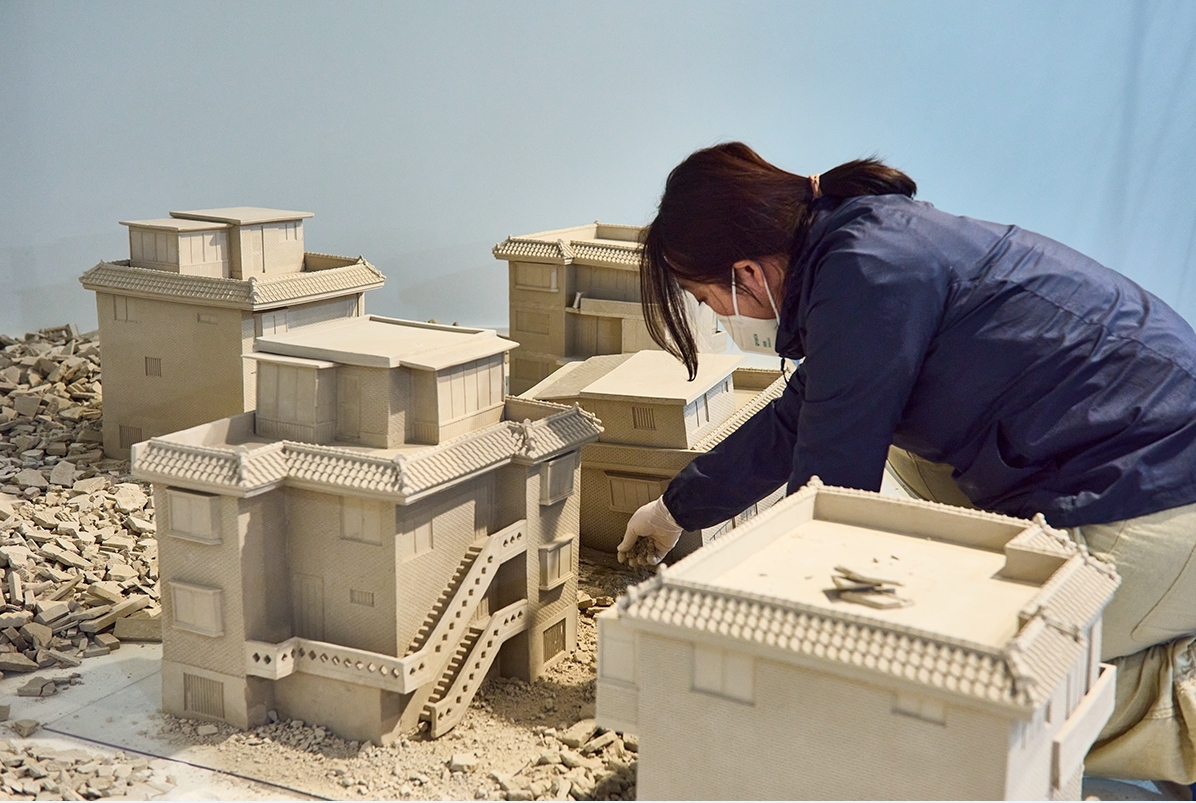
Her method of researching buildings awaiting demolition, meticulously reconstructing them in earth, and then eroding them with water became an important foundation for her subsequent practice. Although this work began by documenting the disappearance of specific places, it developed to address the repeated demolition and construction of cities, displacement and forgetting, and the finitude of human-built environments.
The 'Hwigyeong_Evanescent Landscape' series is not confined to a single region or architectural style, but has expanded into a method of investigating places and translating their accumulated temporalities into matter. In Henan, China; Jaipur, India; Philadelphia, United States; and elsewhere, Kim researched local architecture, urban environments, and historical contexts, reconstructing them as structures made of earth.
Although the specific locations and architectural details vary from work to work, the process through which solidly constructed forms encounter water, disintegrate, and return to their original state as earth remains consistent. This repetition does not reduce the development and destruction of different regions to an identical narrative; instead, it situates the distinct time and memory of each place within the broader cycle of civilization’s creation and dissolution.
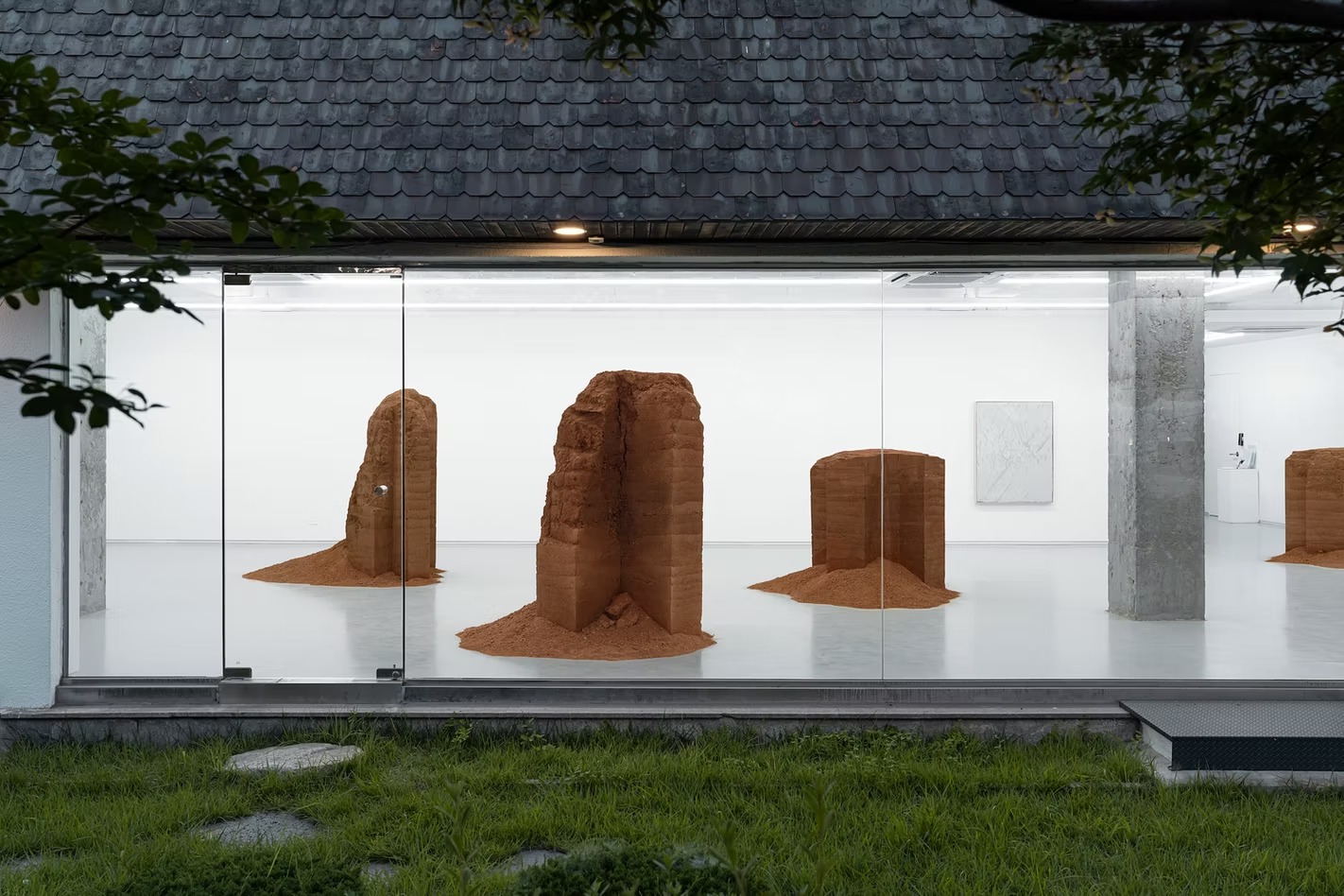
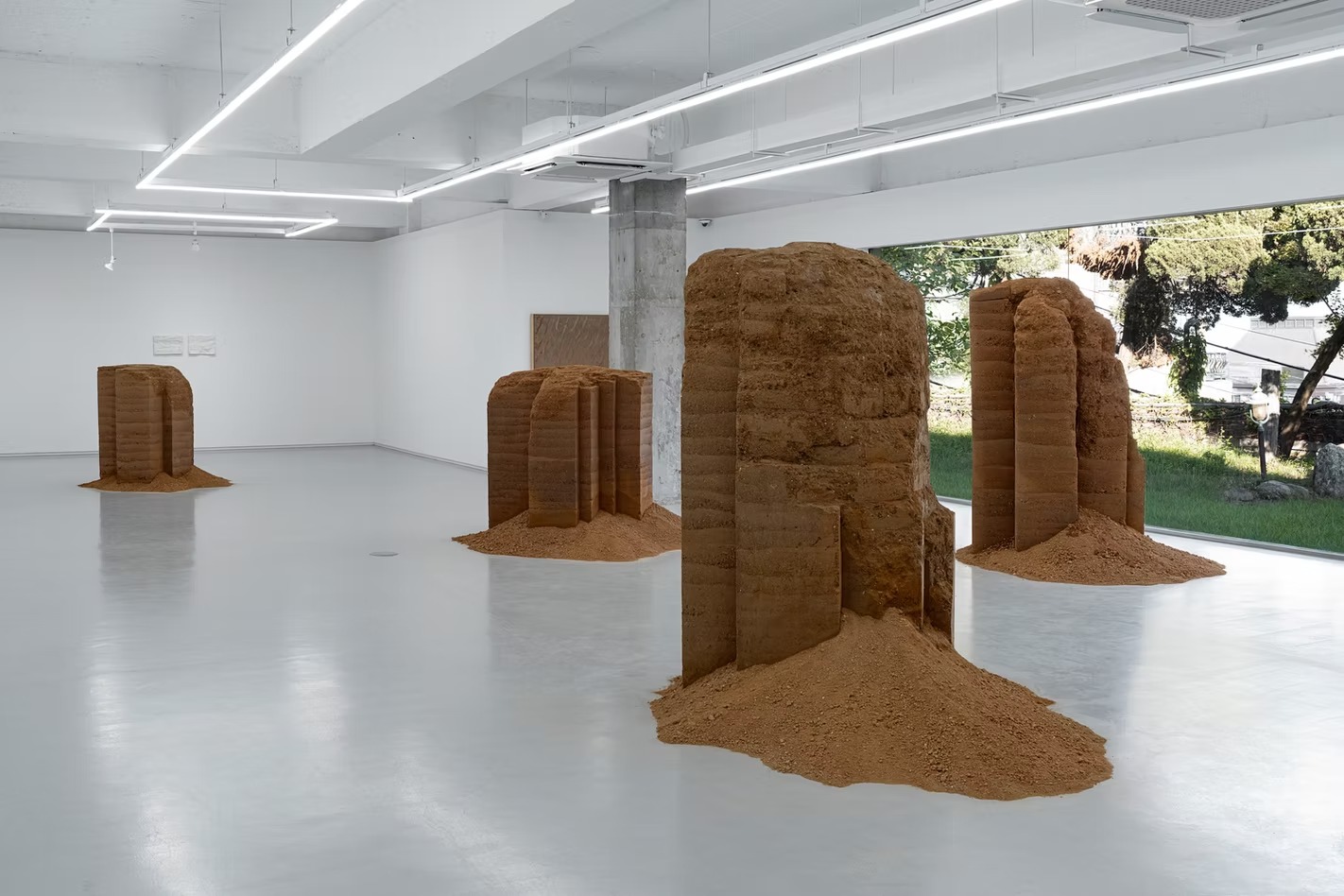
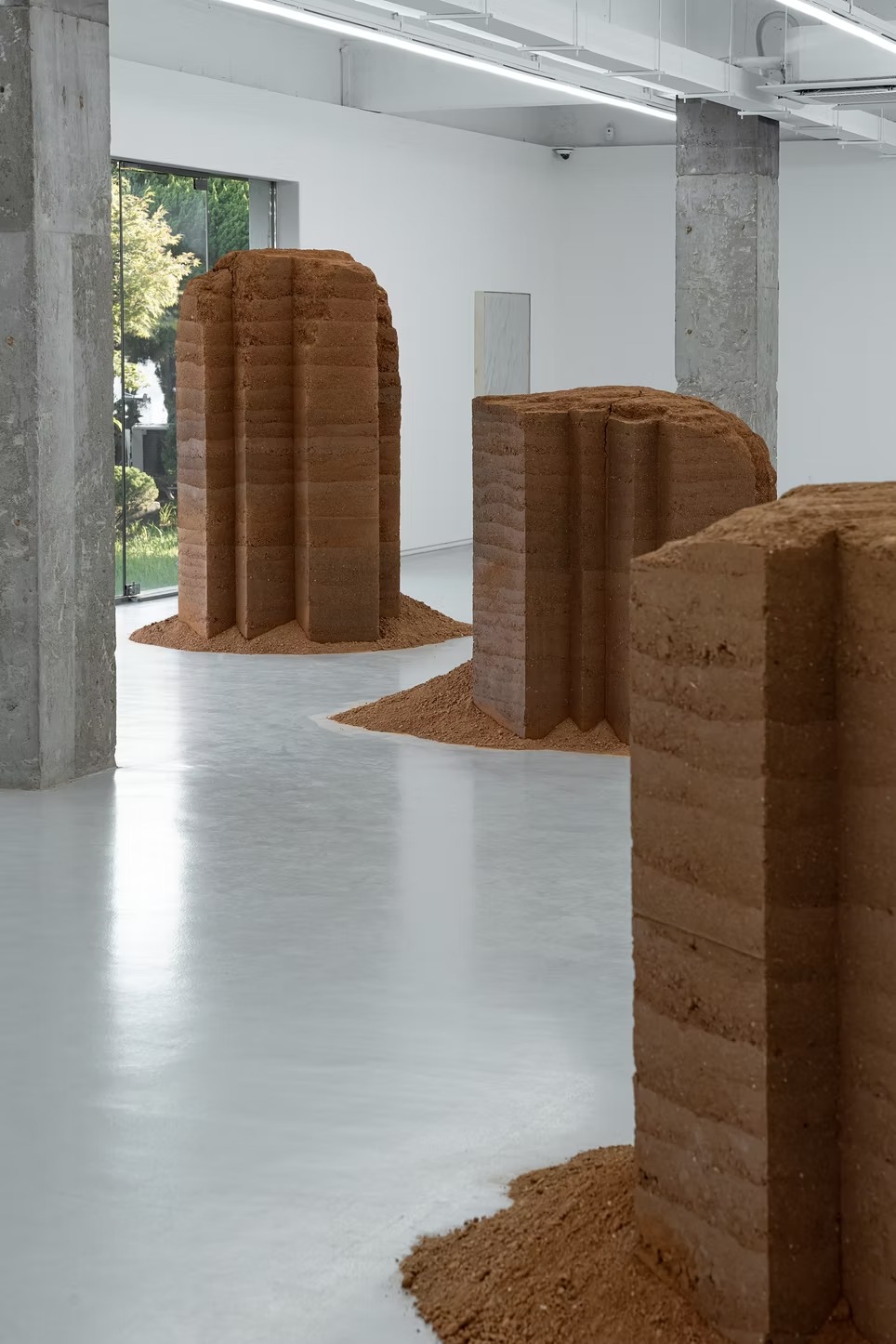
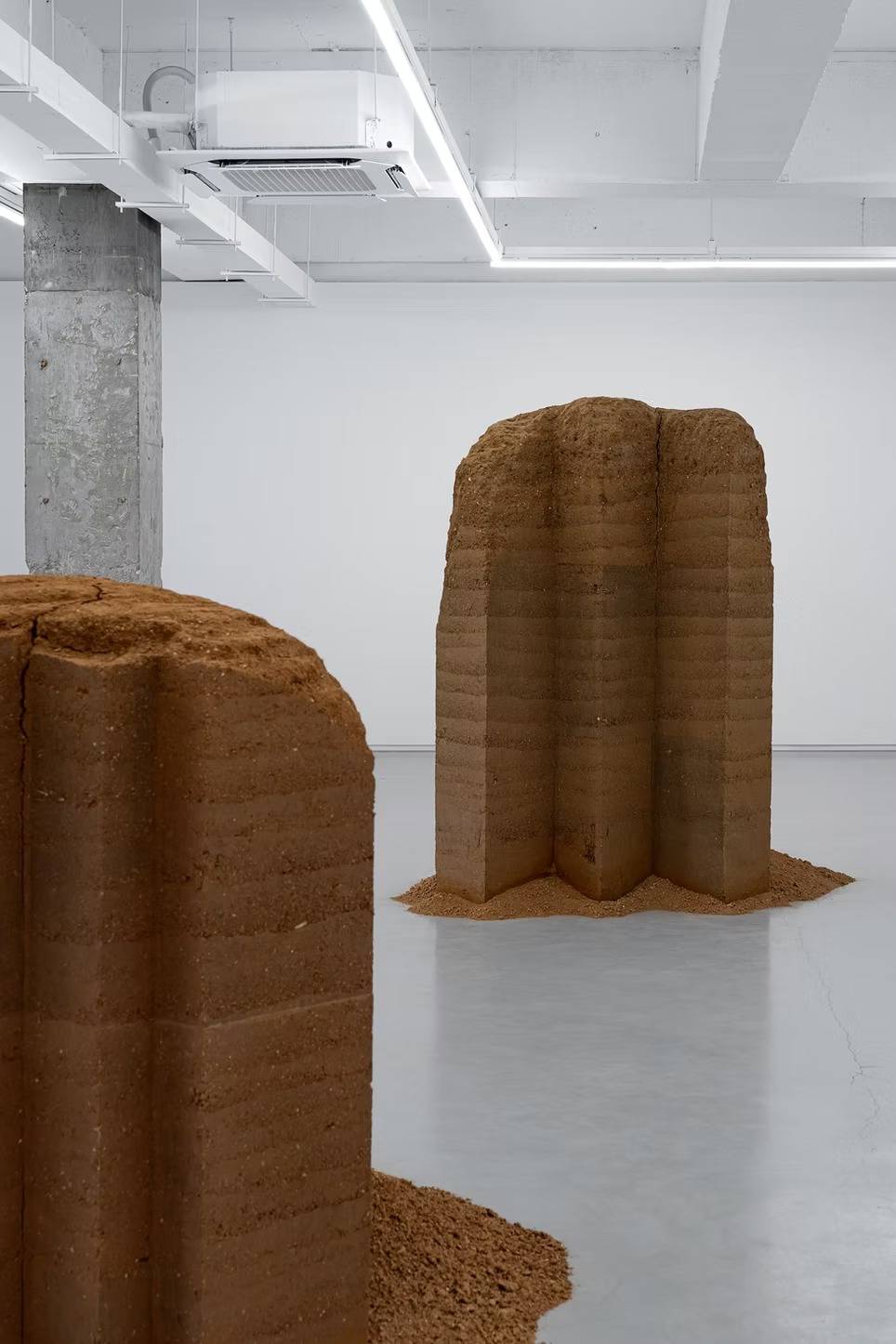
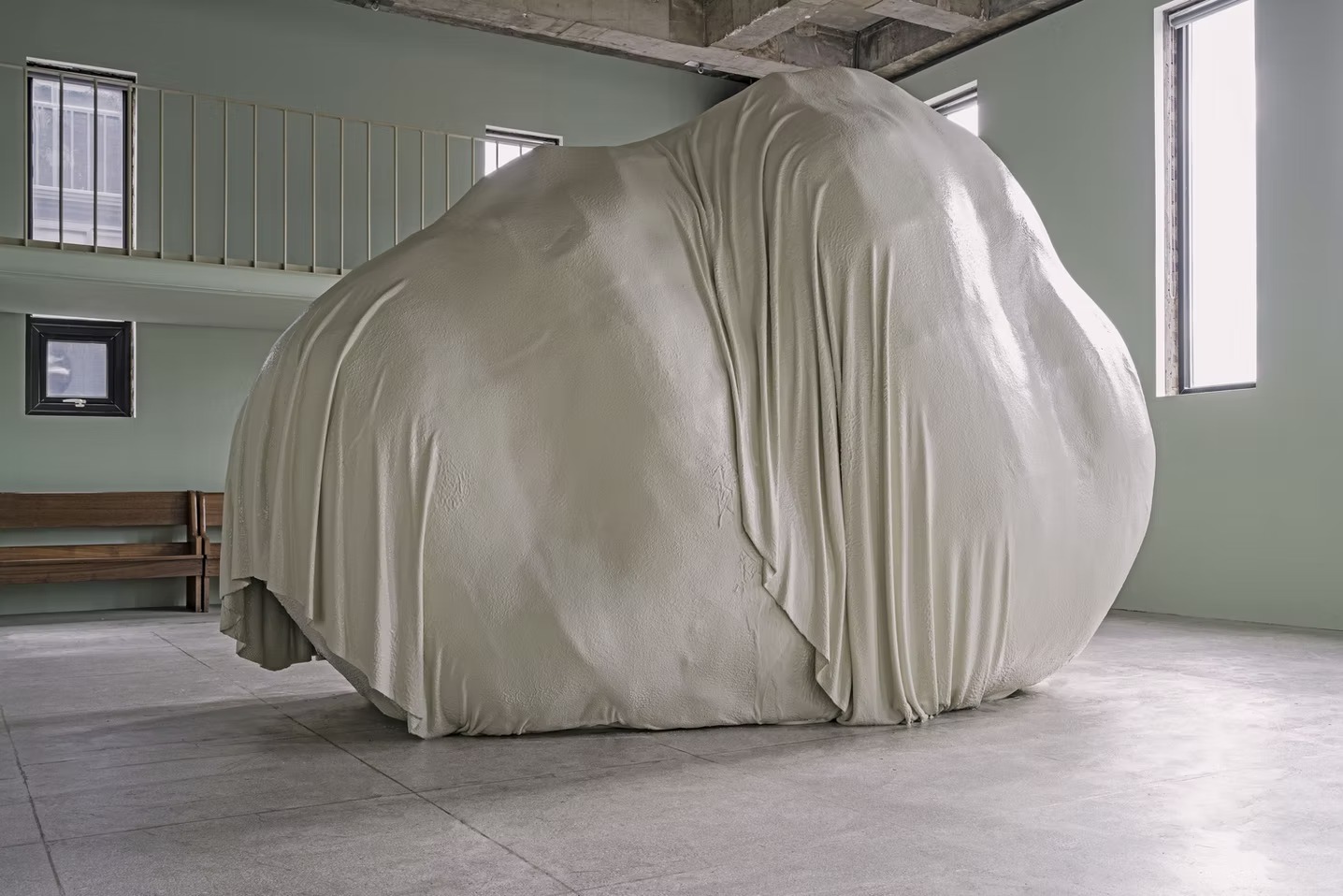
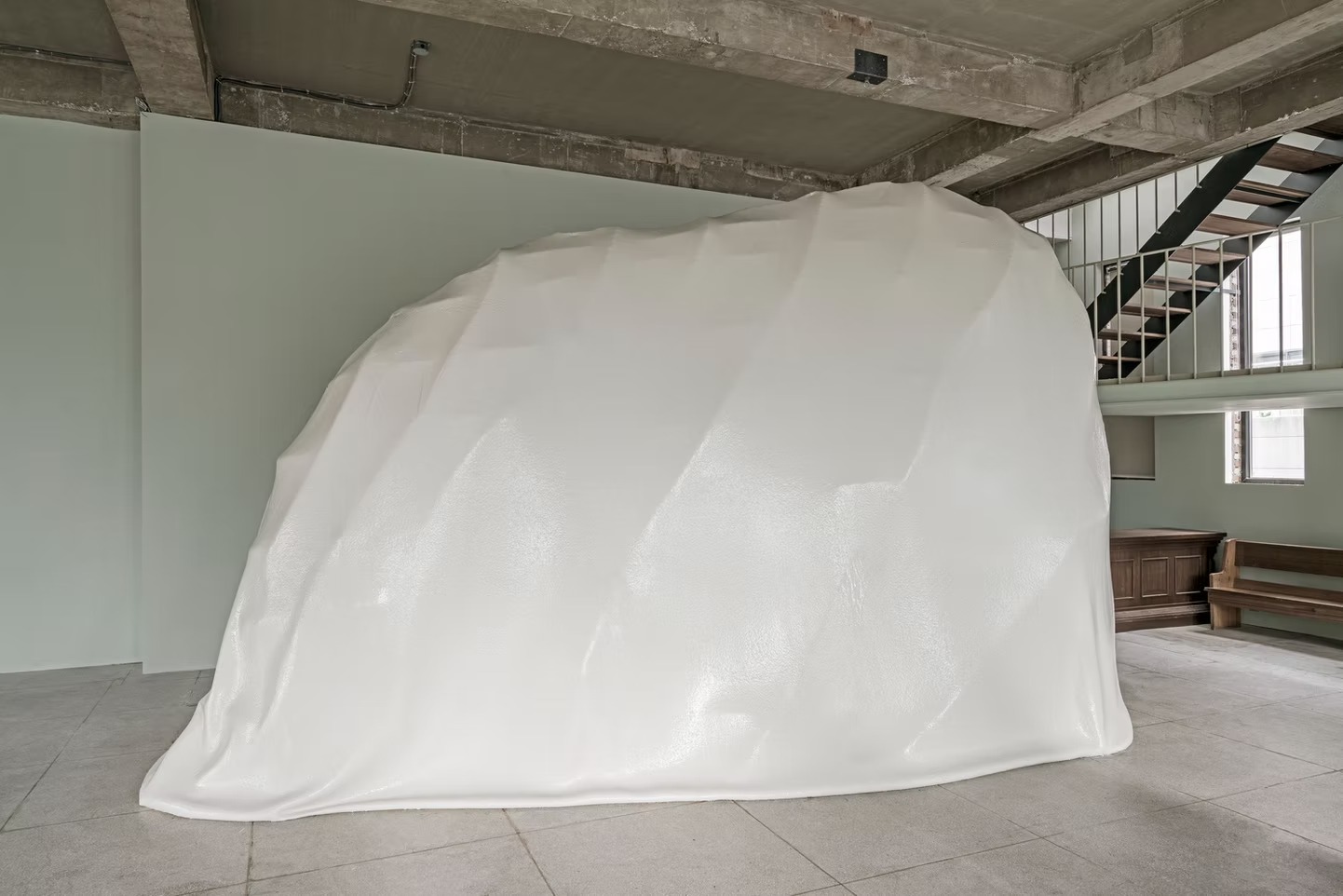
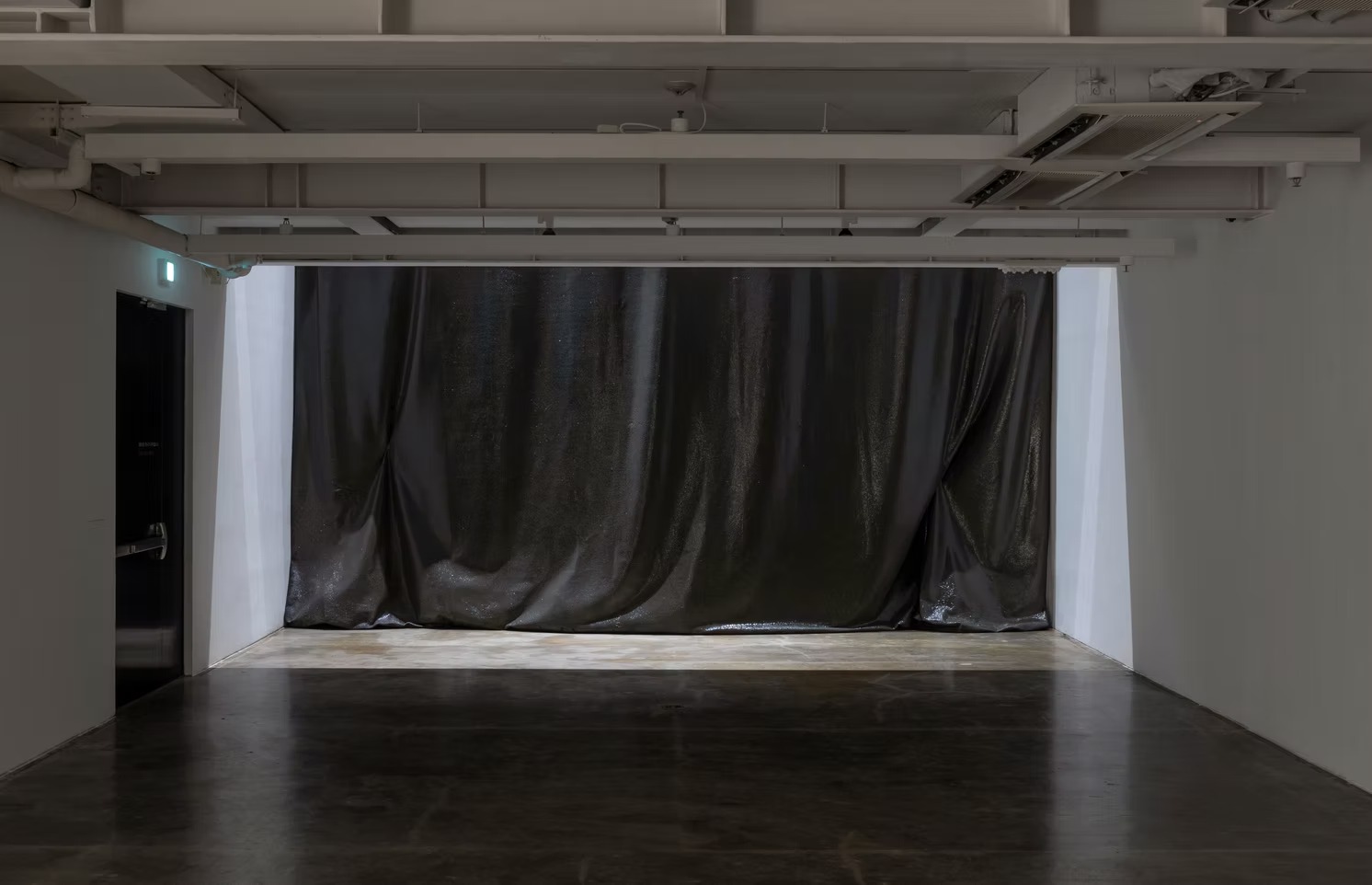
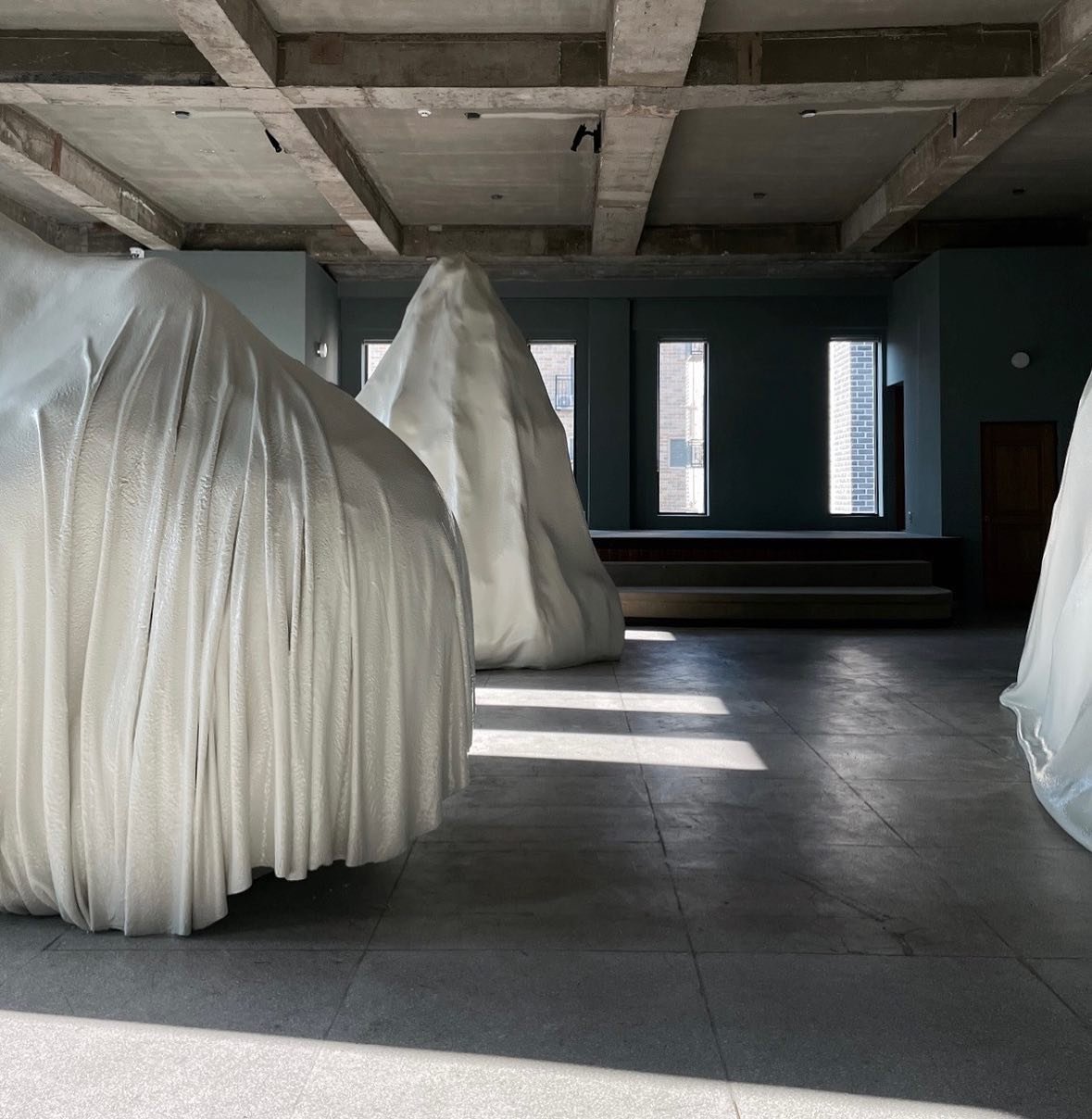
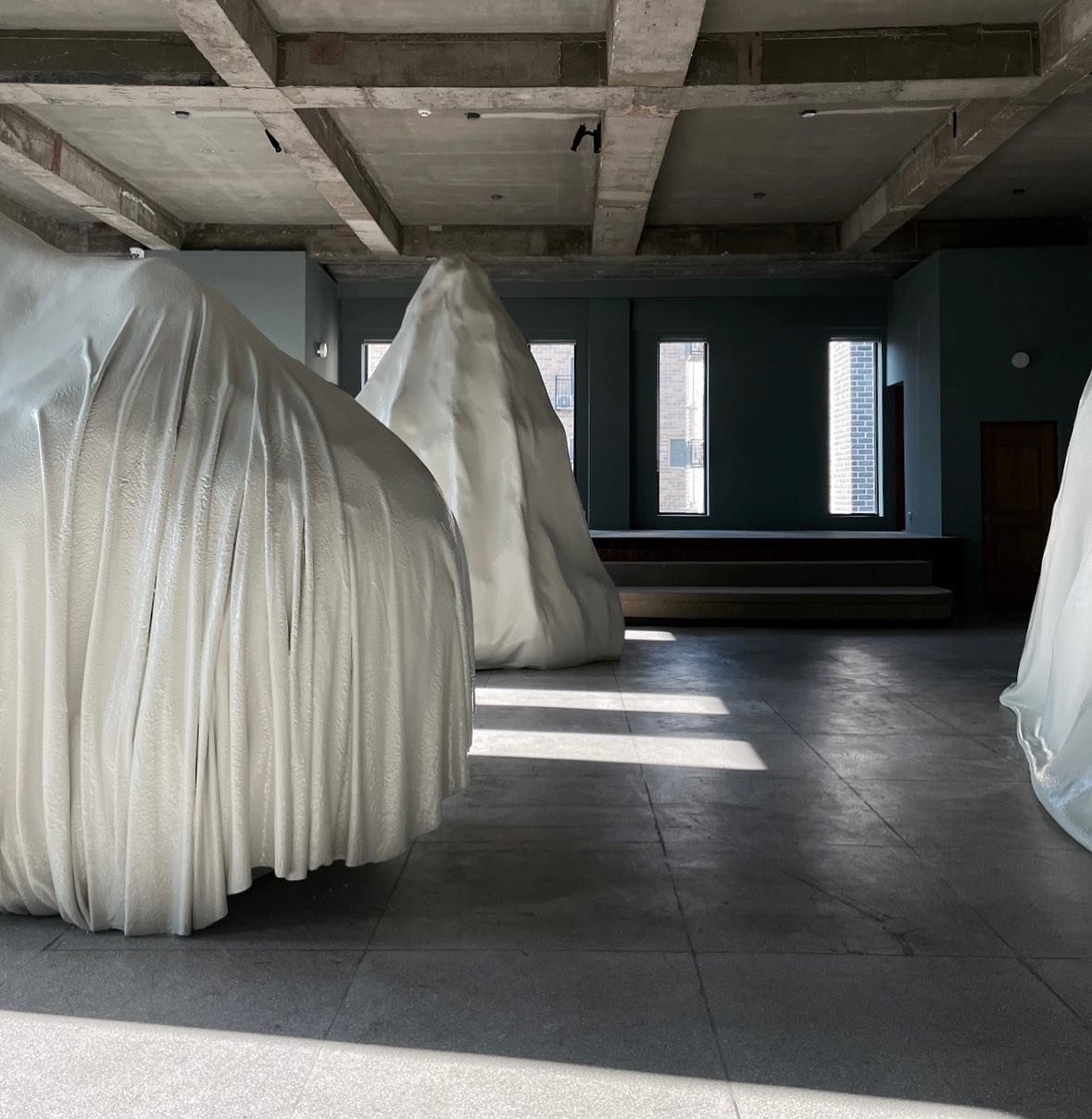
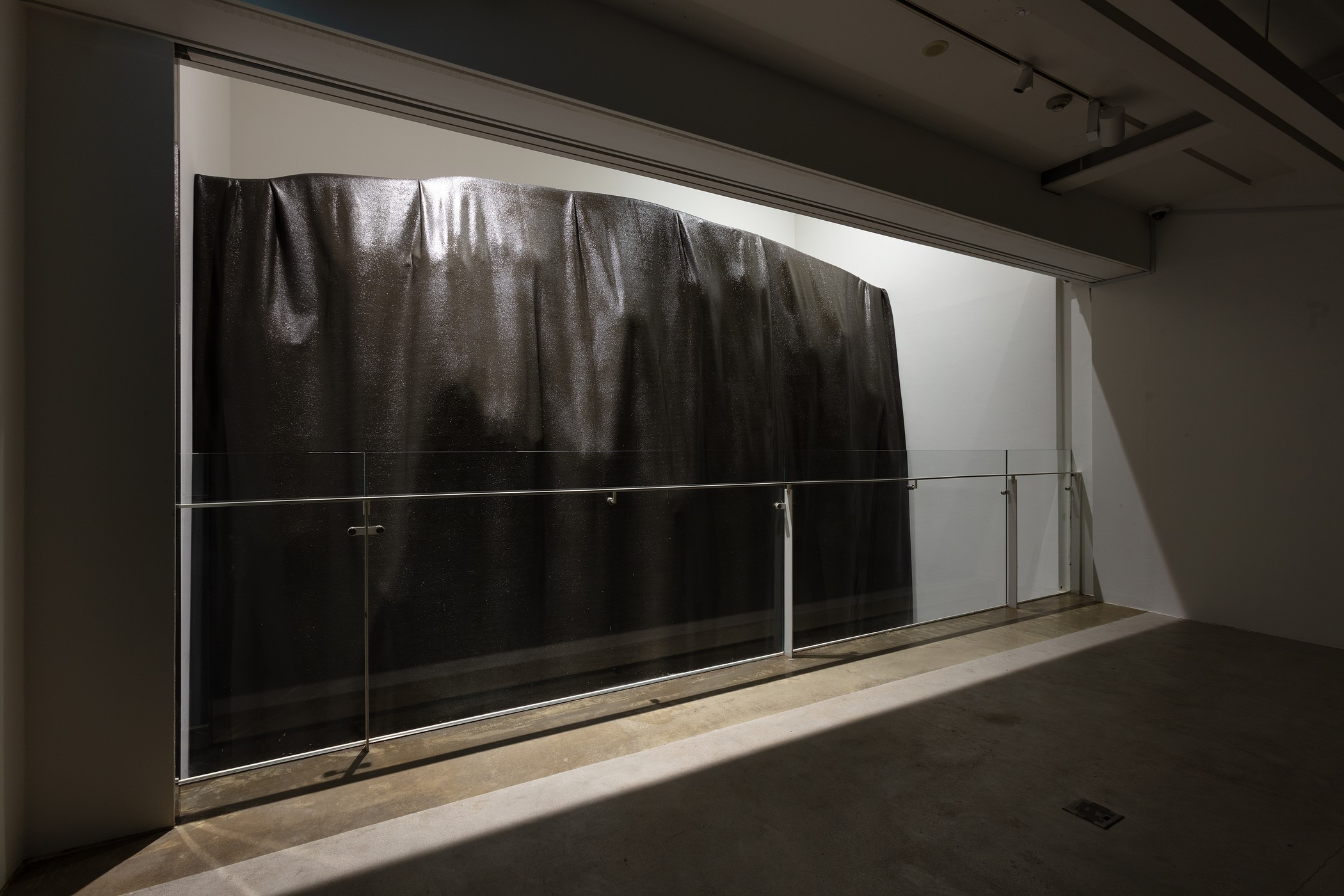
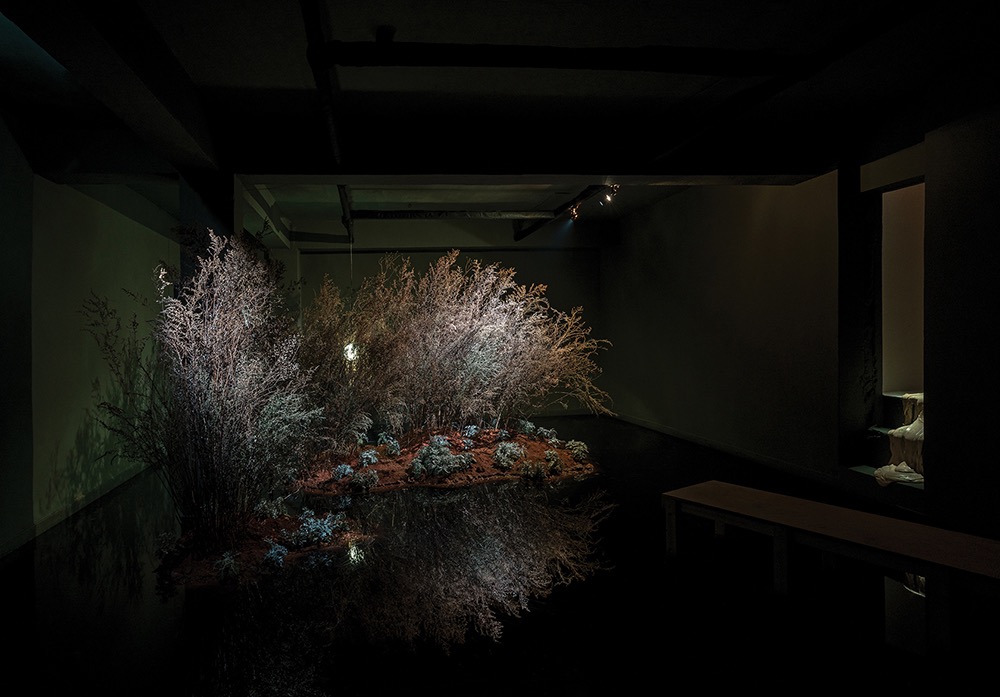
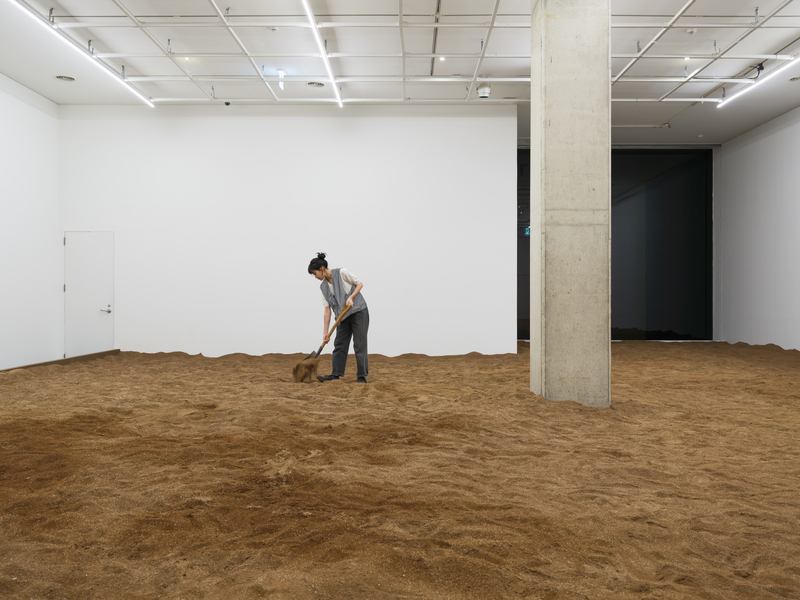
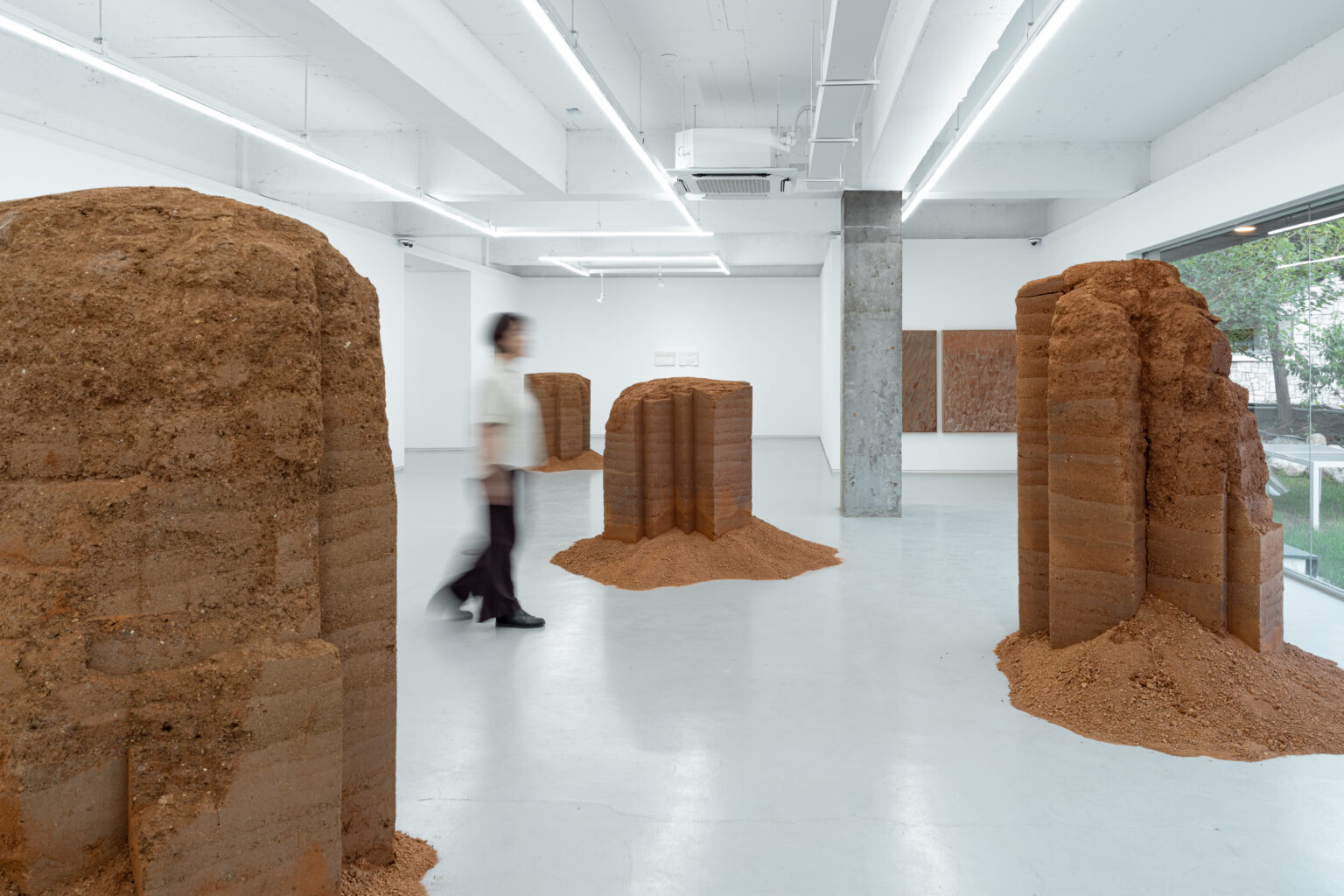
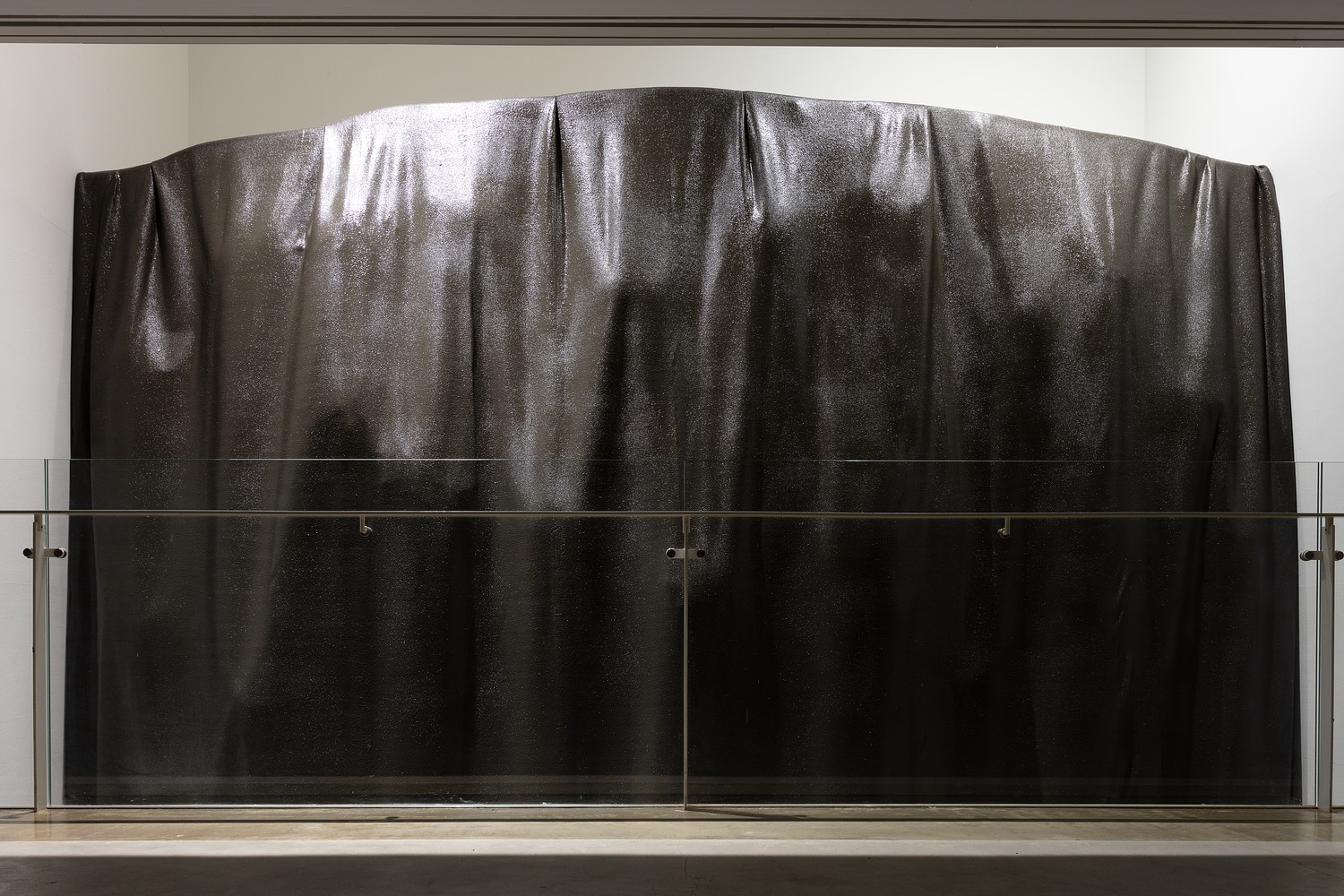
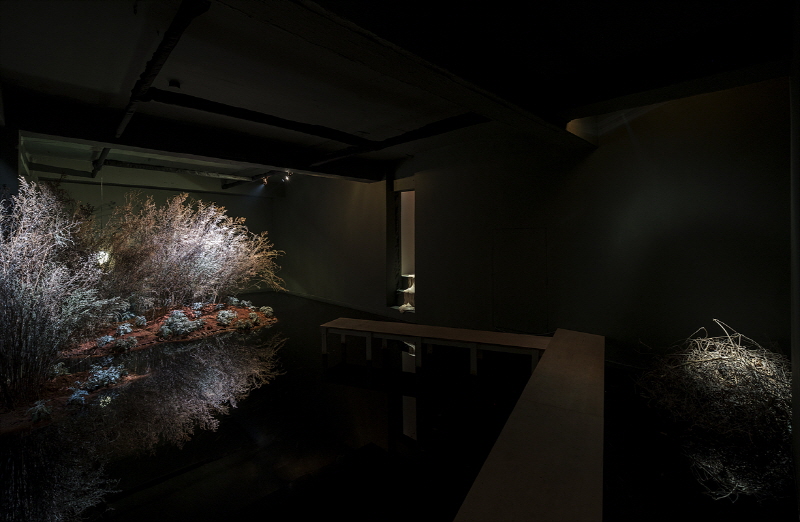
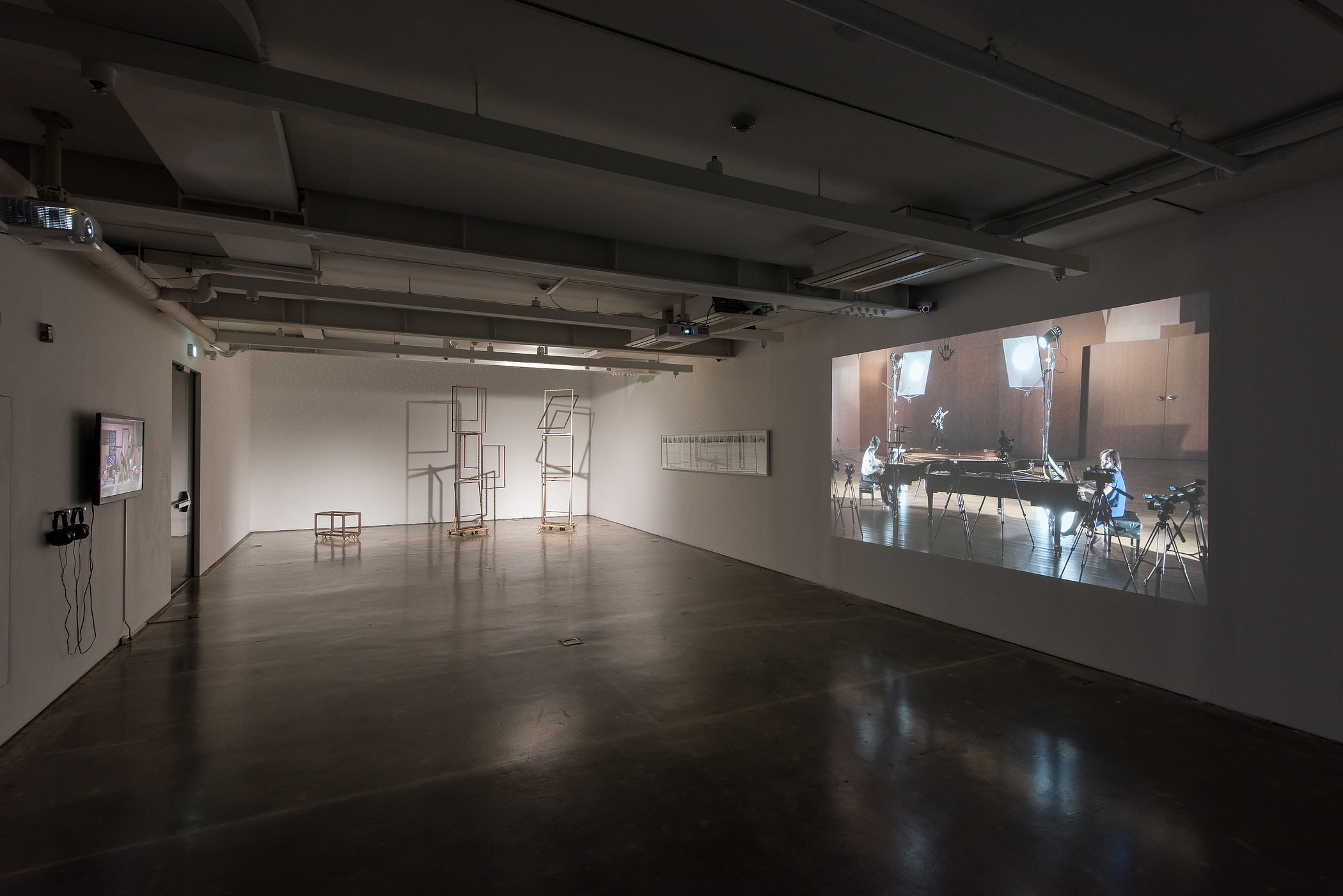
Around the time of Impermanence in 2017, Kim began moving away from architectural representation and constructing sensory environments that combined light, sound, scent, plants, and movement. In the subsequent 'Wet Matter' series, concrete architectural forms were transformed into monumental masses of earth, wrinkled surfaces, and amorphous bodies whose interiors are difficult to discern.
Despite these changes, the fundamental conditions of her practice—unfired earth and water, along with the intervention of time and environment—have remained constant. While her earlier works directly presented the collapse of completed structures, the more recent works propose material states in which solidification and liquefaction, sedimentation and erosion, remain simultaneously latent, condensing the passage of transformation within sculpture.
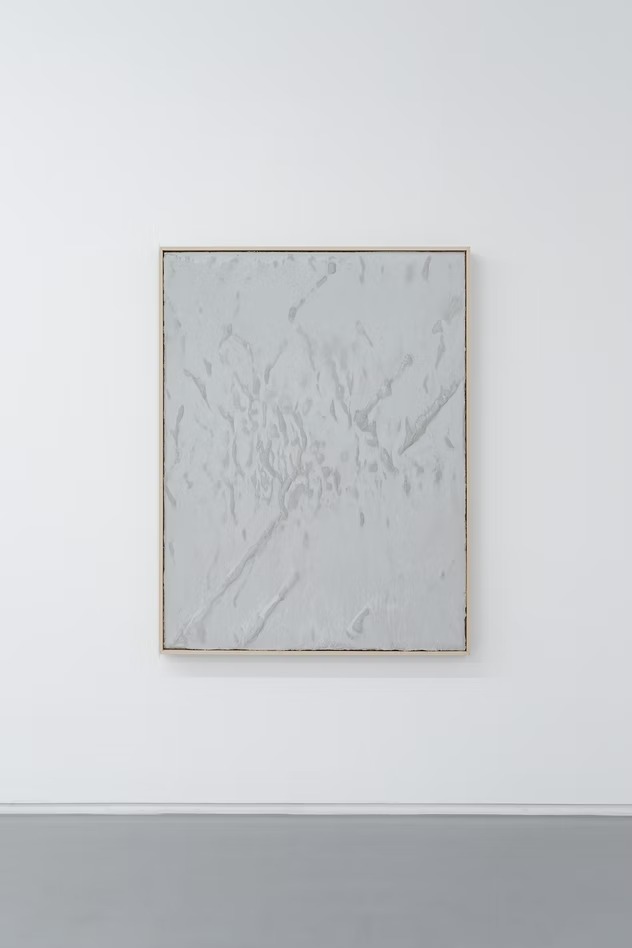
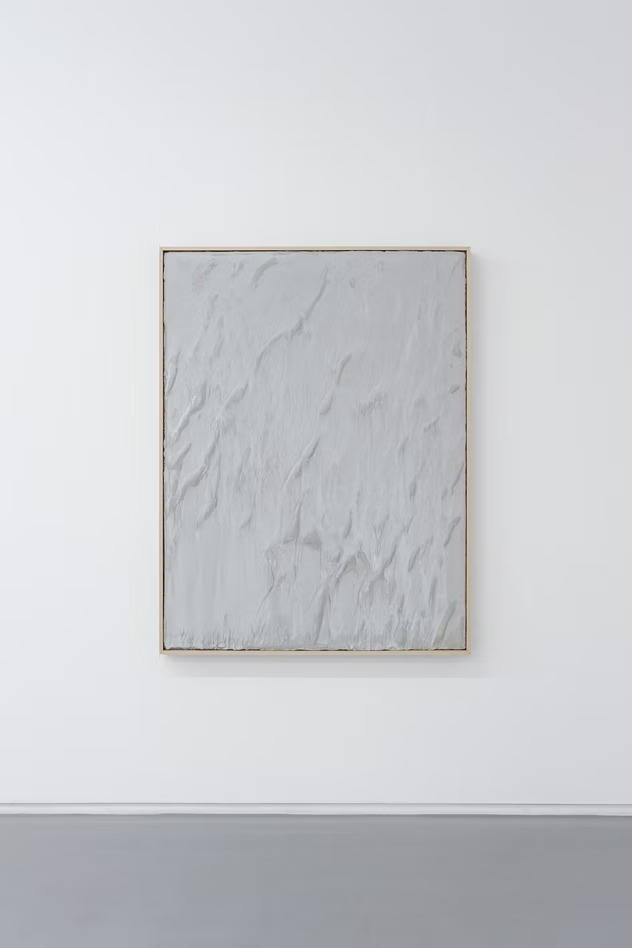
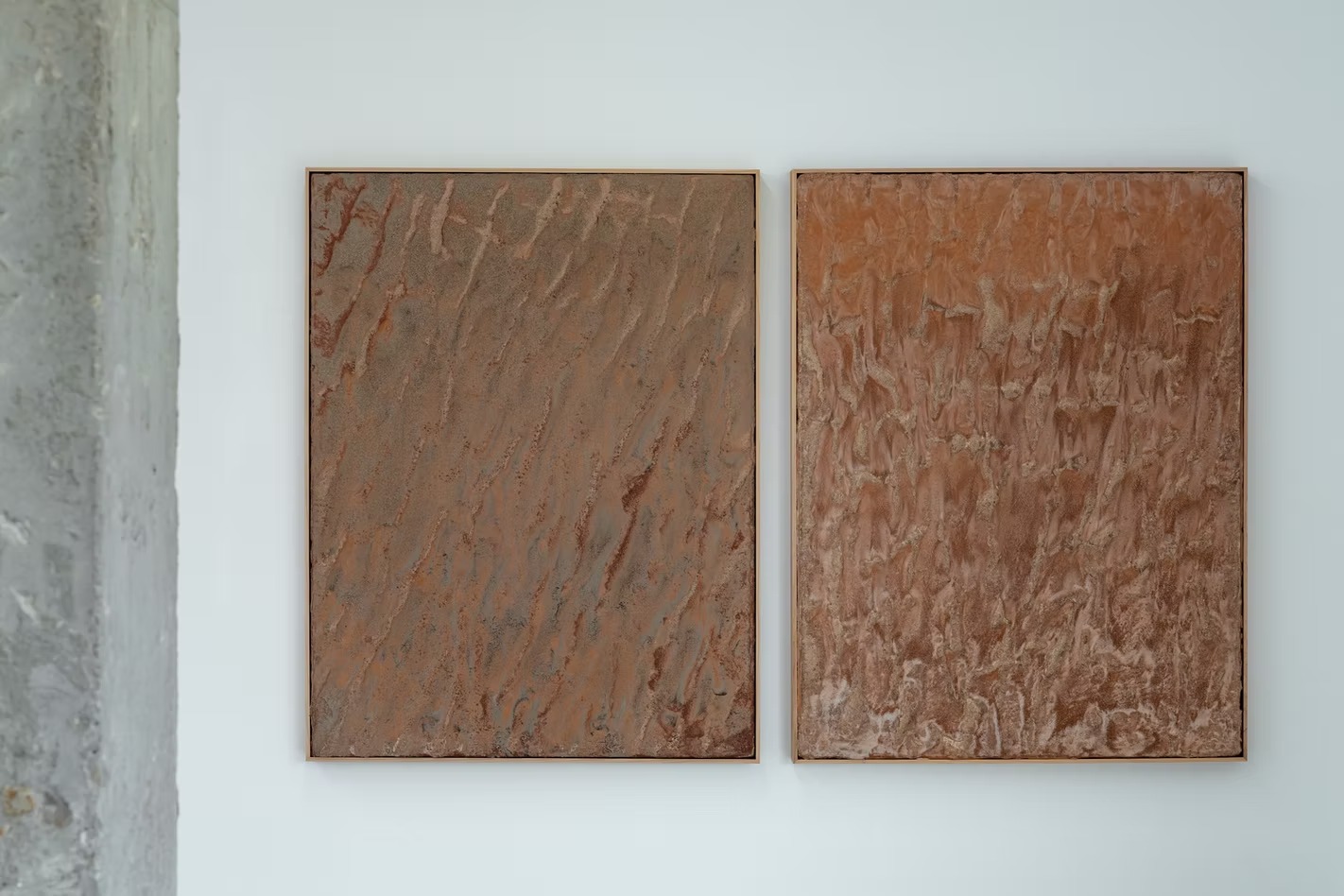
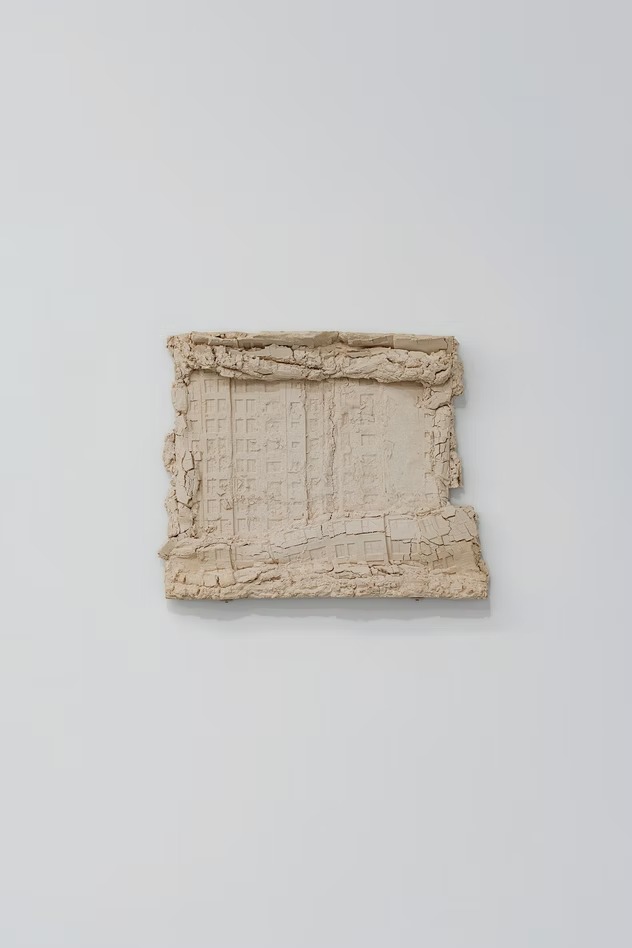
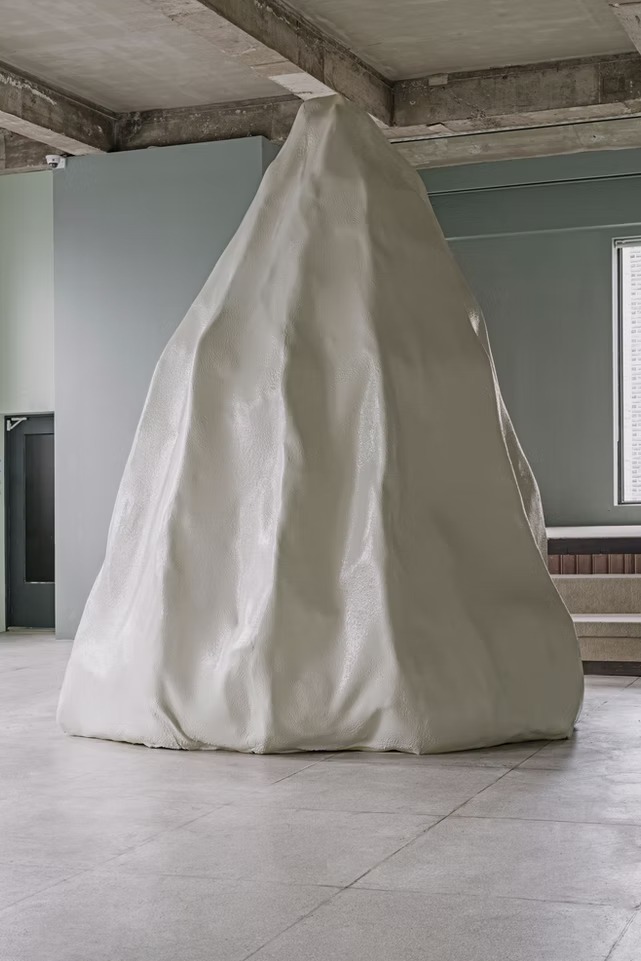
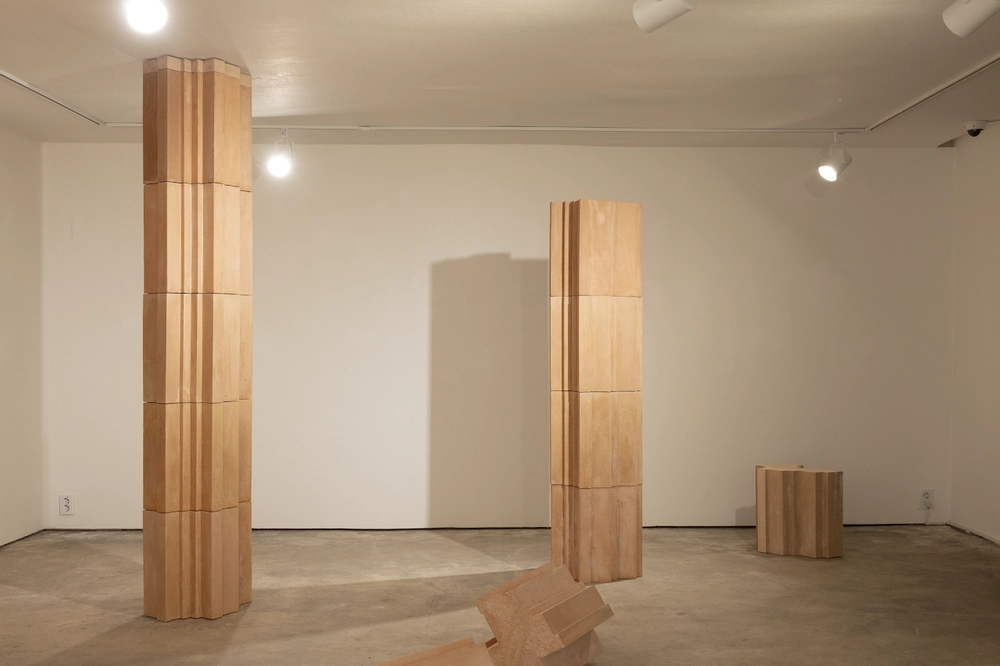
The recent 'Clay Tablet', 'Column', and 'Peaks' series reconnect the memories of cities and architecture addressed in her early practice through the languages of geological strata and weathering, ruins, and natural cycles. Columns resembling apartment floor plans, clay tablets made from pulverized architectural debris, and masses evocative of mountain peaks and sedimentary layers contain both traces of civilization and the process through which they return to the earth. The development of Kim’s series does not proceed by severing or replacing earlier concerns.
As her focus shifts from the body to the house, and from the city to geological time, she continually reworks the encounter between earth and water and the relationships between construction and dismantling, memory and dissolution. This continuity is grounded in her approach to sculpture as a process shaped collectively by material, place, environment, and time, rather than as a fixed outcome.