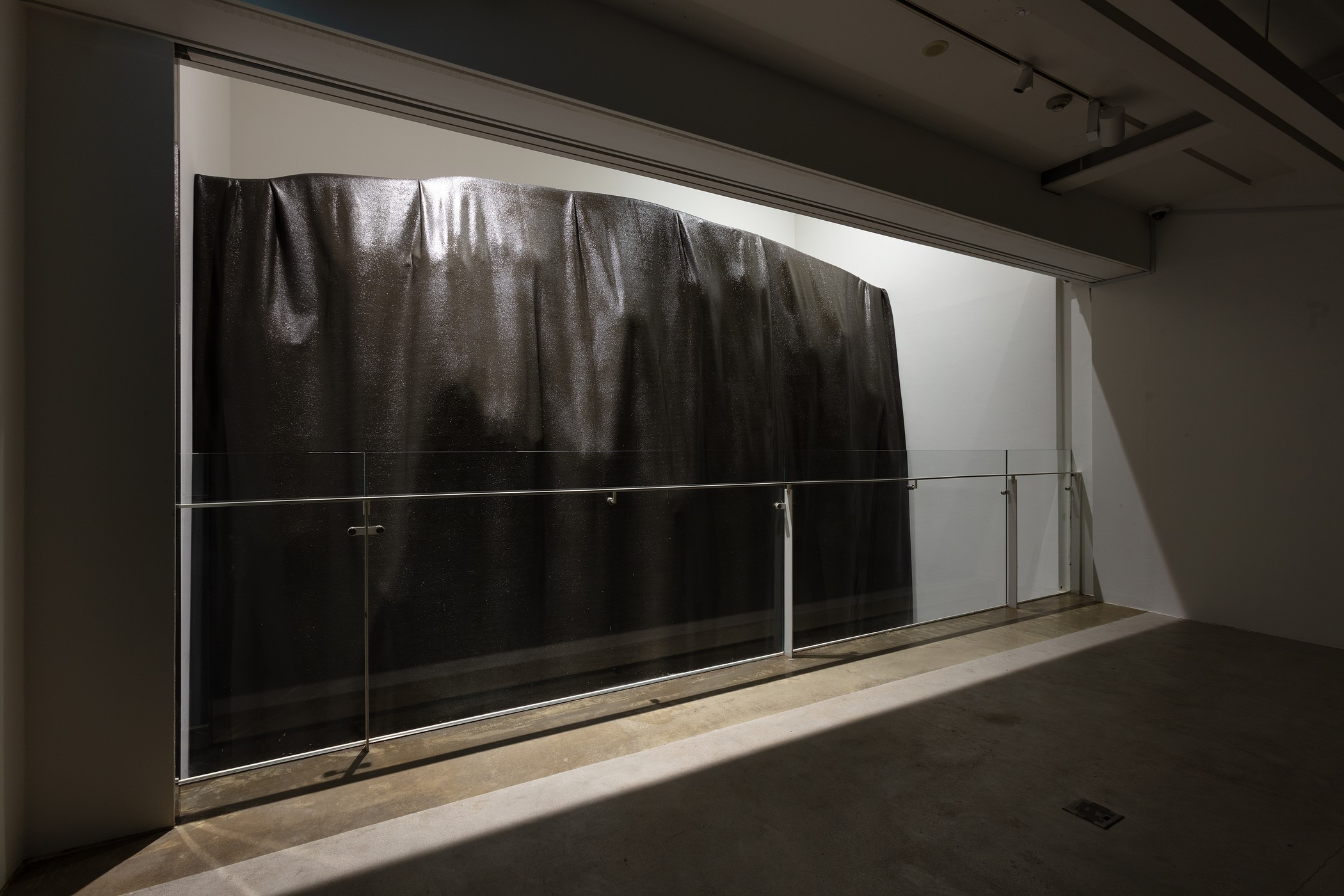
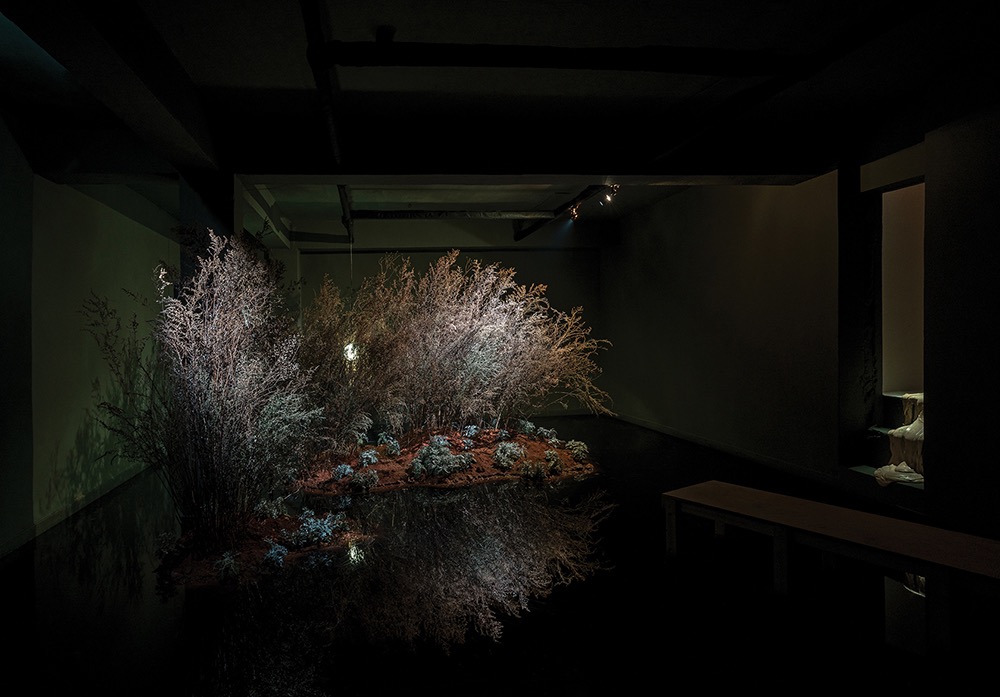
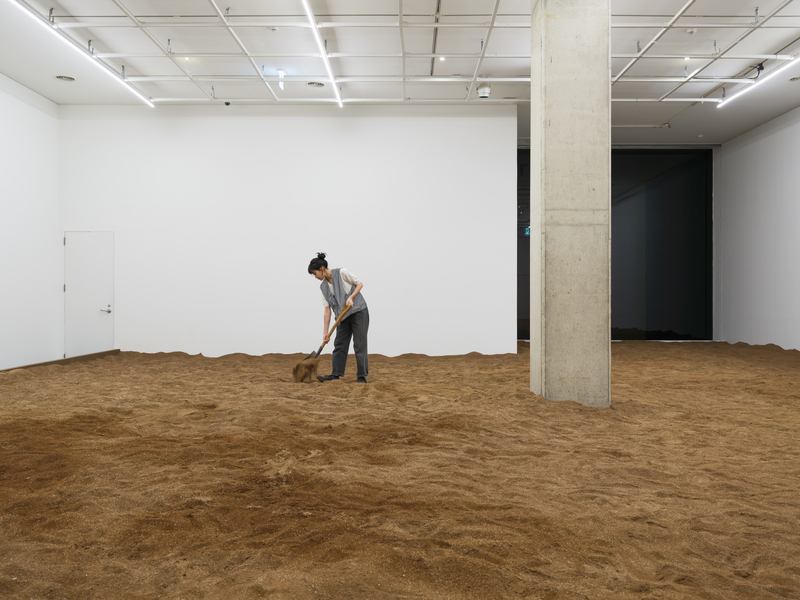
At first, it was simply the neighboring district, but once the artist widened her view, she realized that such events were an omnipresent reality in the republic of (re)development. Houses produced according to policy decisions or economic cycles rapidly encroach upon space and disappear just as quickly, often before reaching the end of their expected lifespan.
Yet because development proceeds at different speeds, some areas remain suspended in a state of delay, forming transitional landscapes that will soon disappear—or are expected to disappear. In her earlier 'Hwigyeong_Evanescent Landscape' series, the artist perceived an “evanescent landscape” in Hwigyeong-dong, an area slated for redevelopment.
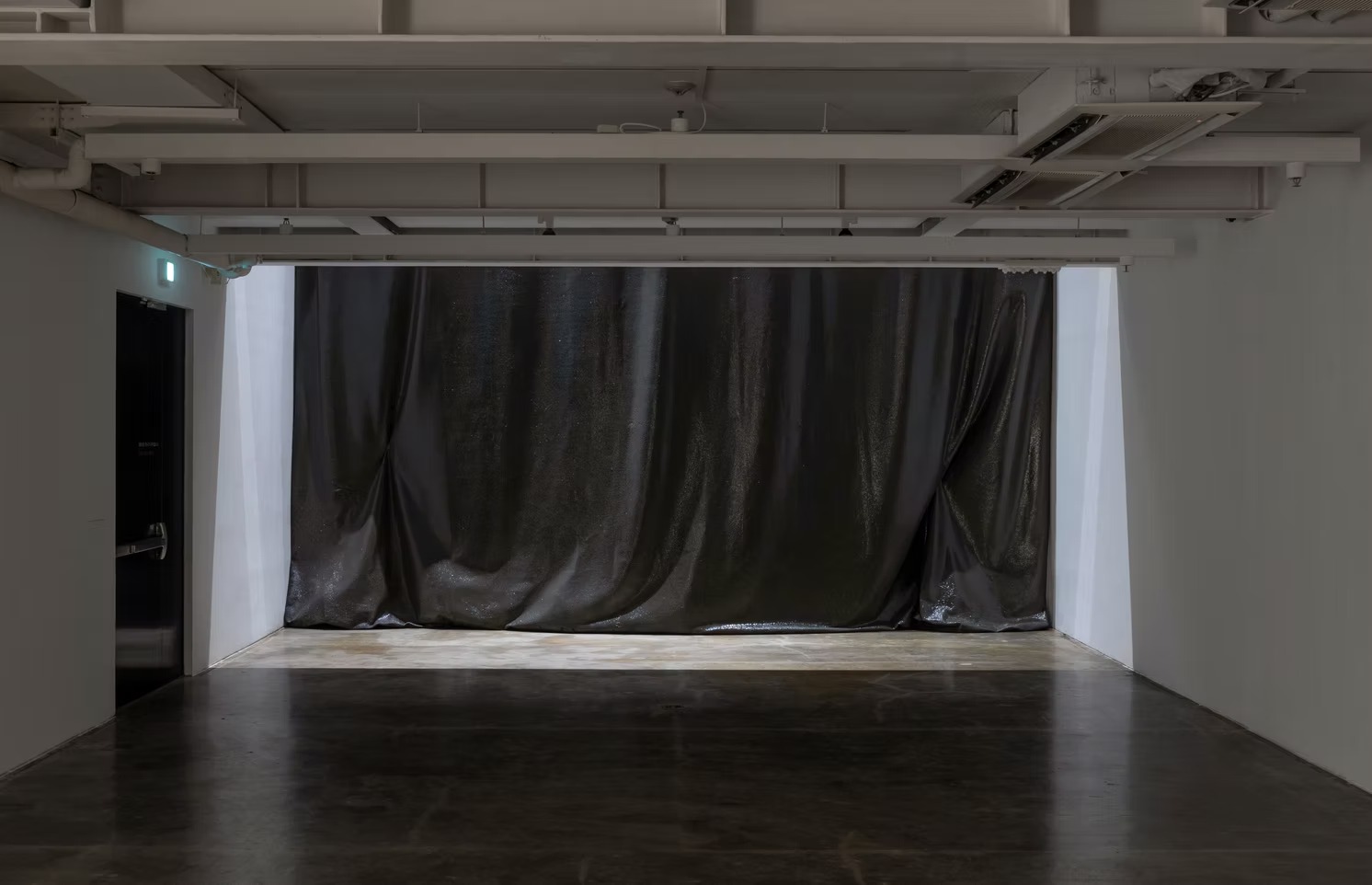
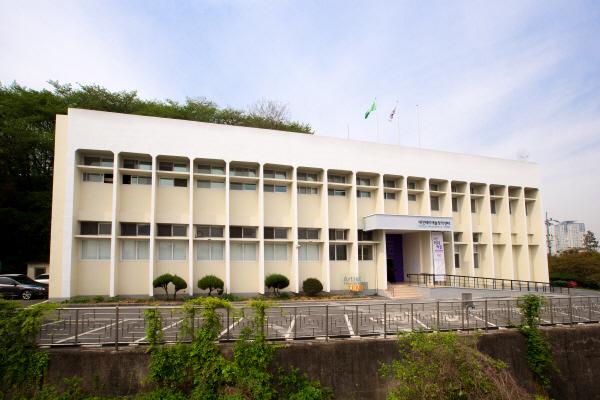
Inspired by redevelopment sites scattered across various locations, including the neighborhood where her studio is located, the present exhibition 《Scape Collection》, whose title serves as its subtitle, focuses on Hannam-dong, where the exhibition venue is situated.
Located between Namsan Mountain and the Han River and commanding impressive views, Hannam-dong is a neighborhood where disparities of wealth are clearly reflected in its residential landscape. Opposite the affluent area of spaciously arranged “white houses on the hill” stand tightly packed, low-rise red-brick houses built during the 1970s and 1980s after replacing the earlier low buildings with slate roofs.
These areas, likely destined for redevelopment into luxury villas or apartment complexes suited to their expansive views, have survived through minor repairs rather than major construction because of the expectation that they will someday be completely razed. As a result, their original structures and forms have gradually been altered, and unusual inventions born of everyday life frequently appear throughout the neighborhood, attracting the artist’s attention.
On the hillside are stepped houses with four stories on one side and a single story on the other, houses attached in a “separate yet together” arrangement without exterior walls between them, spontaneously formed dwellings adapted to the terrain and shape of the land, and maze-like, steep alleys extending like capillaries between densely packed homes.
Juree Kim’s works contain traces of the gradual transformations undergone by the similarly styled brick houses that must once have spread across the neighborhood’s hillsides. Planned artificial structures undergo a process of naturalization, and the works replay this process in compressed form. The heterogeneous elements that have gradually transformed otherwise homogeneous structures are emphasized not as pathological signs to be concealed, but as traces of formation that should be revealed.
Old and cramped houses are captured through spatial changes accumulated over time, including structures that have been added, layered, and proliferated. The houses continue endlessly along the steep contours of life, while the densely filled space, without the slightest gap, becomes a continuum of disjunctions.
These are rhizomatic forms spreading with the vitality of weeds. In the landscape photographs collected by the artist for the work, tangled electrical wires can be seen running between the densely clustered houses, appearing like offshoots in the foreground. Although the structure of the rhizome can cause one to lose direction as in a maze, the labyrinthine structure it creates may also function as a defensive barrier that suspends the violence produced by the shortest routes of purposeless efficiency.
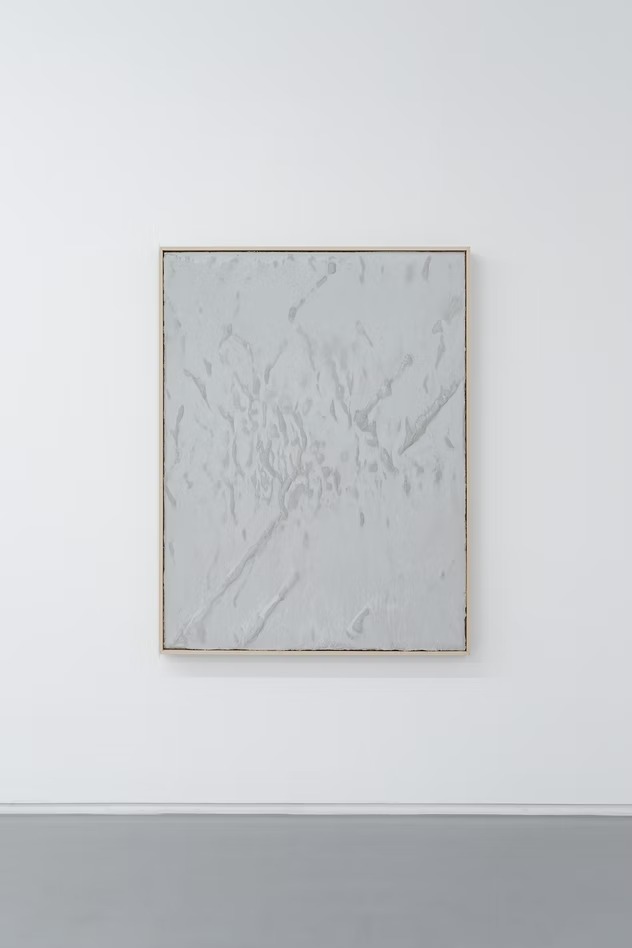
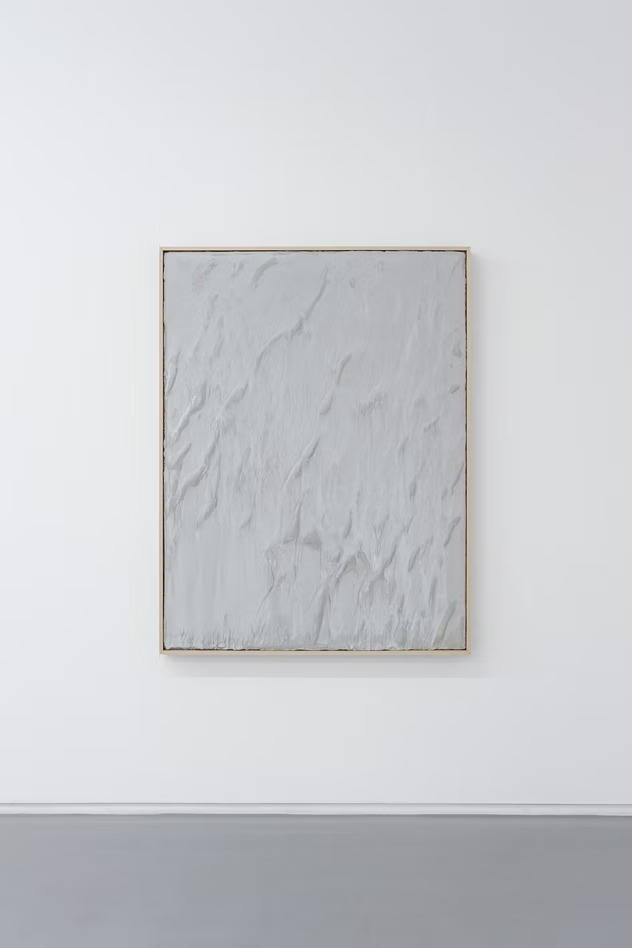
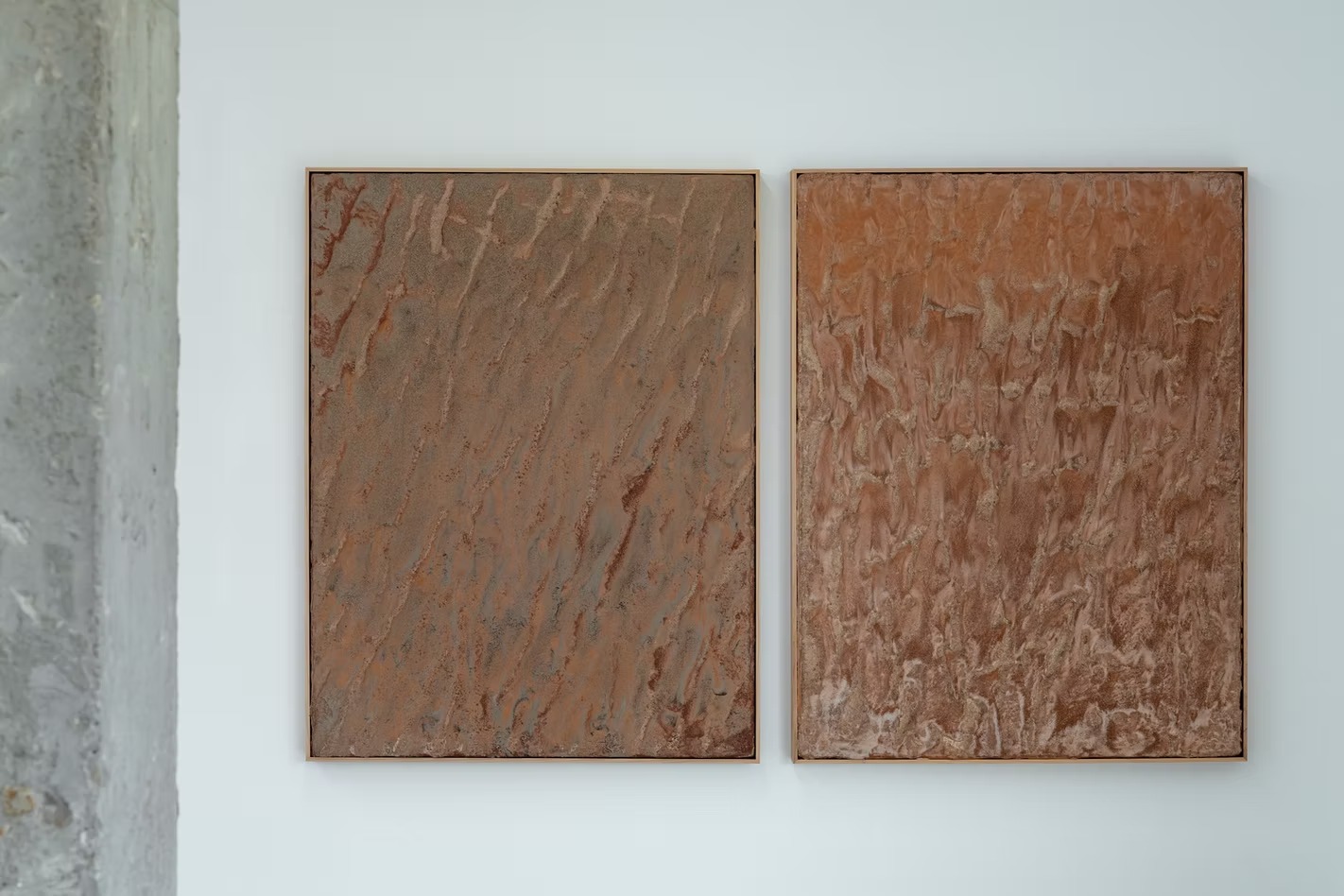
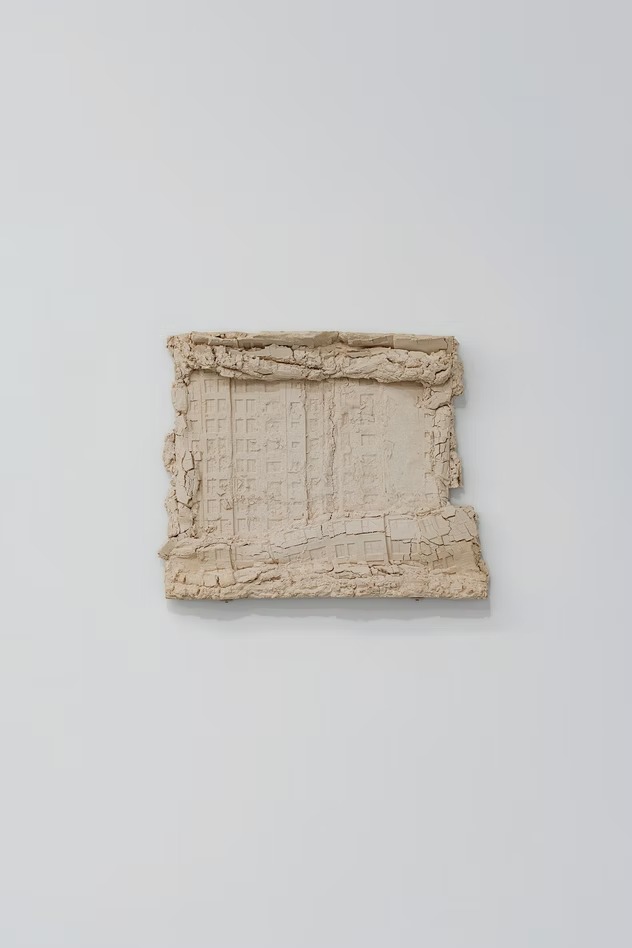
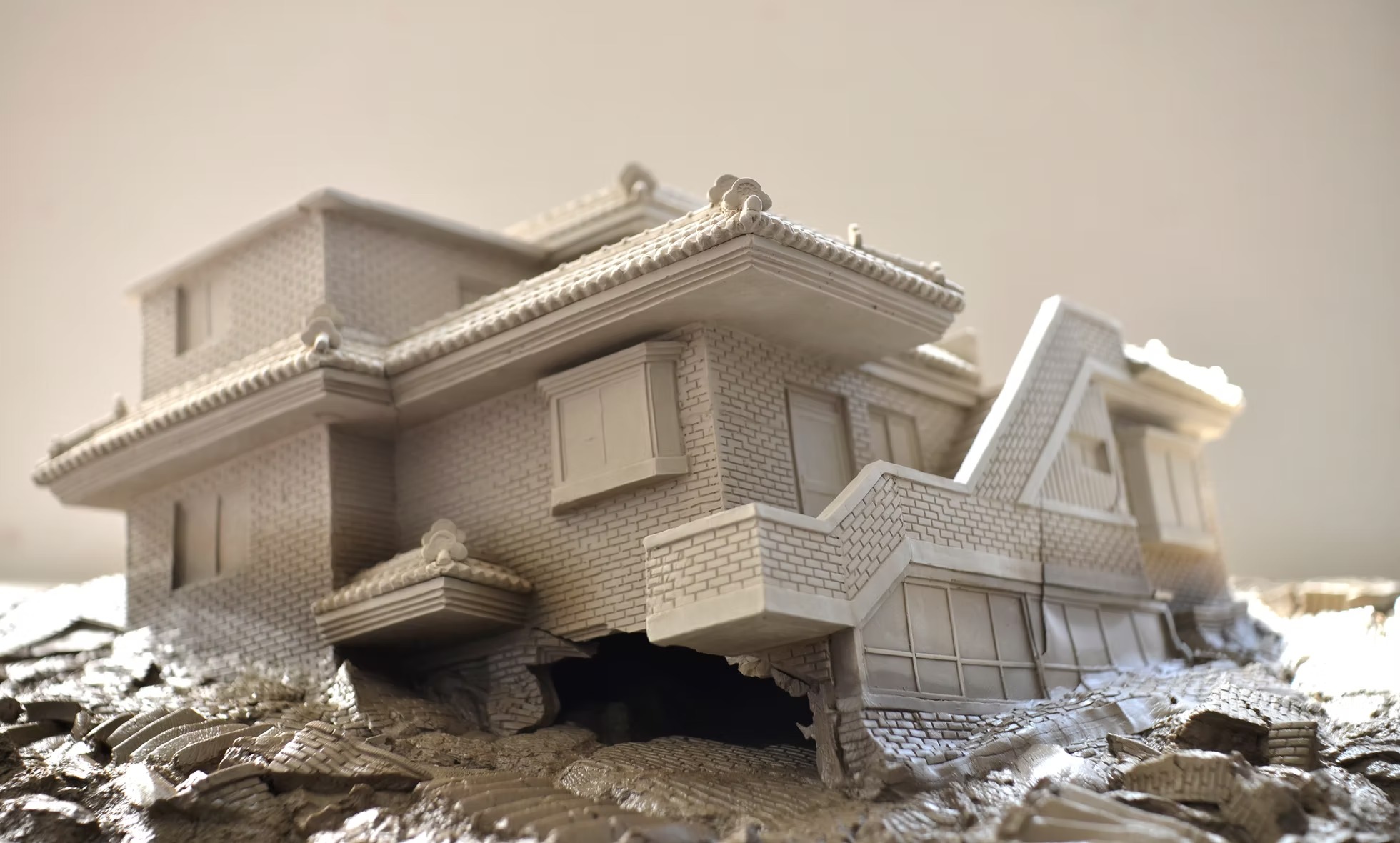
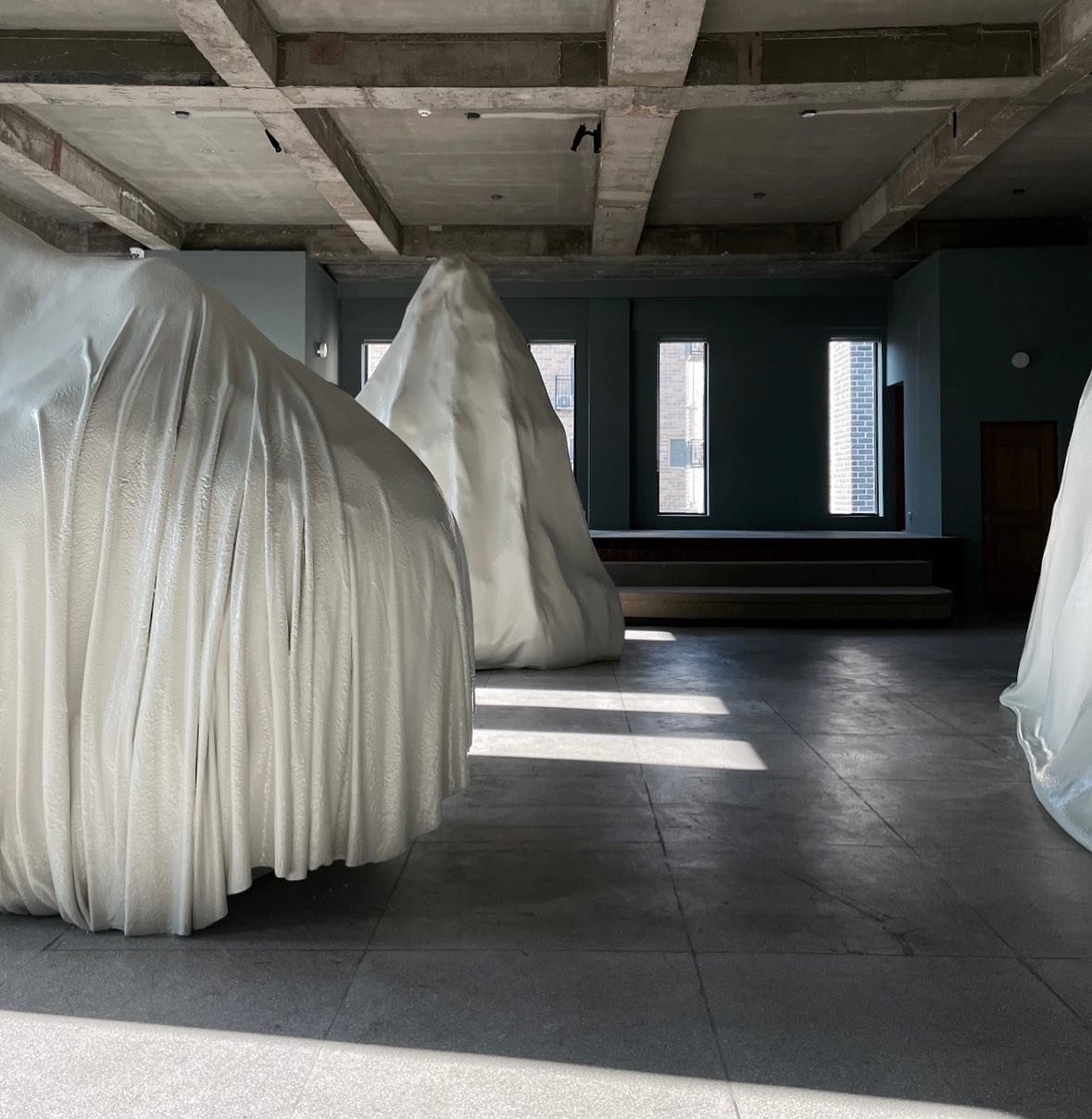
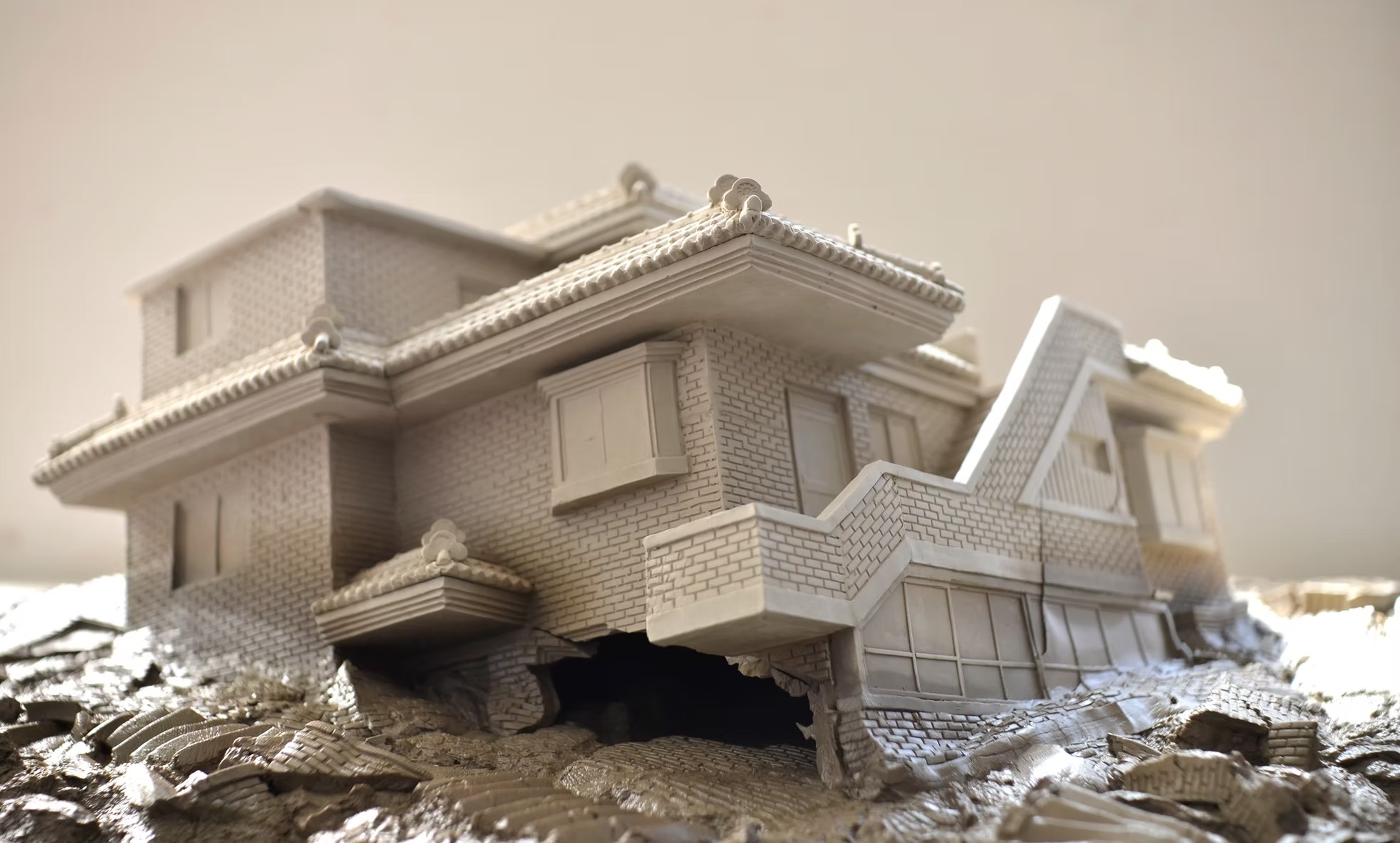
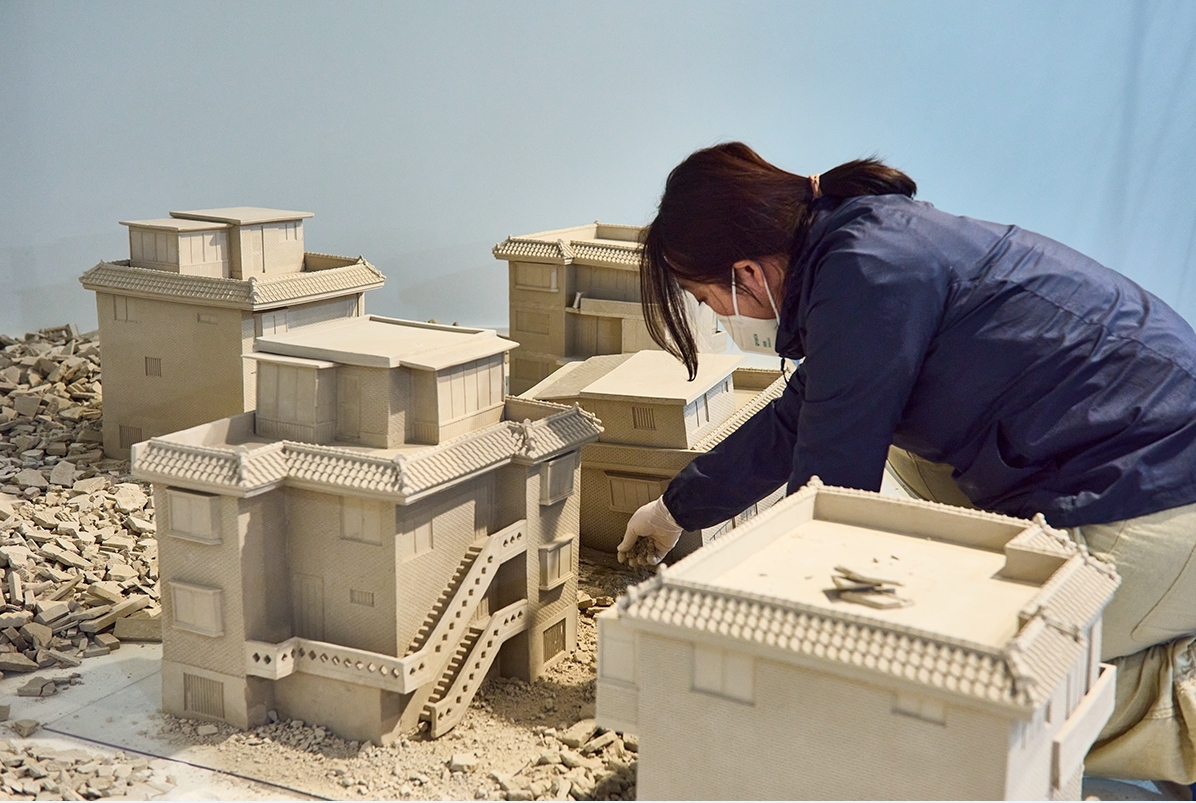
The process of collapse becomes especially dramatic through models reduced to a fraction of their original scale. This temporal process has also been expressed through photography and drawing. In a photographic work taken after a house was constructed, coated in white, and then destroyed, the skin-like surface cracked by water contrasts with the flesh-like interior, heightening the work’s visceral intensity.
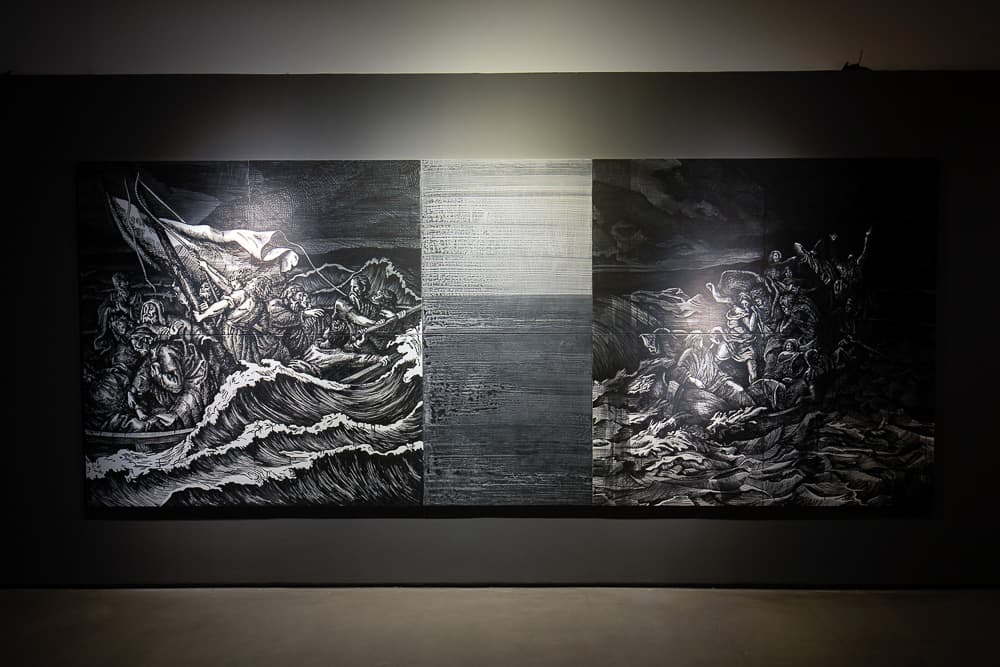
In the drawings hung on the wall, there are structures connected solely by railings. Different structures are rhizomatically linked while shifting points of view. To some, this accidental network may appear as a disorder that ought to be organized, but to others it may emerge as a heterotopian landscape, contrasted with a new order that offers utopia only to a select few.
Heterotopia refers to “rare spaces that appear within a given social space, whose function is different from others or even the exact opposite” (Foucault). It possesses “spatial imagery liberated from the root of social determination” (David Harvey). These structures, not planned as a totality but added over long periods of time, may appear somewhat unprincipled, yet each of them is necessary.
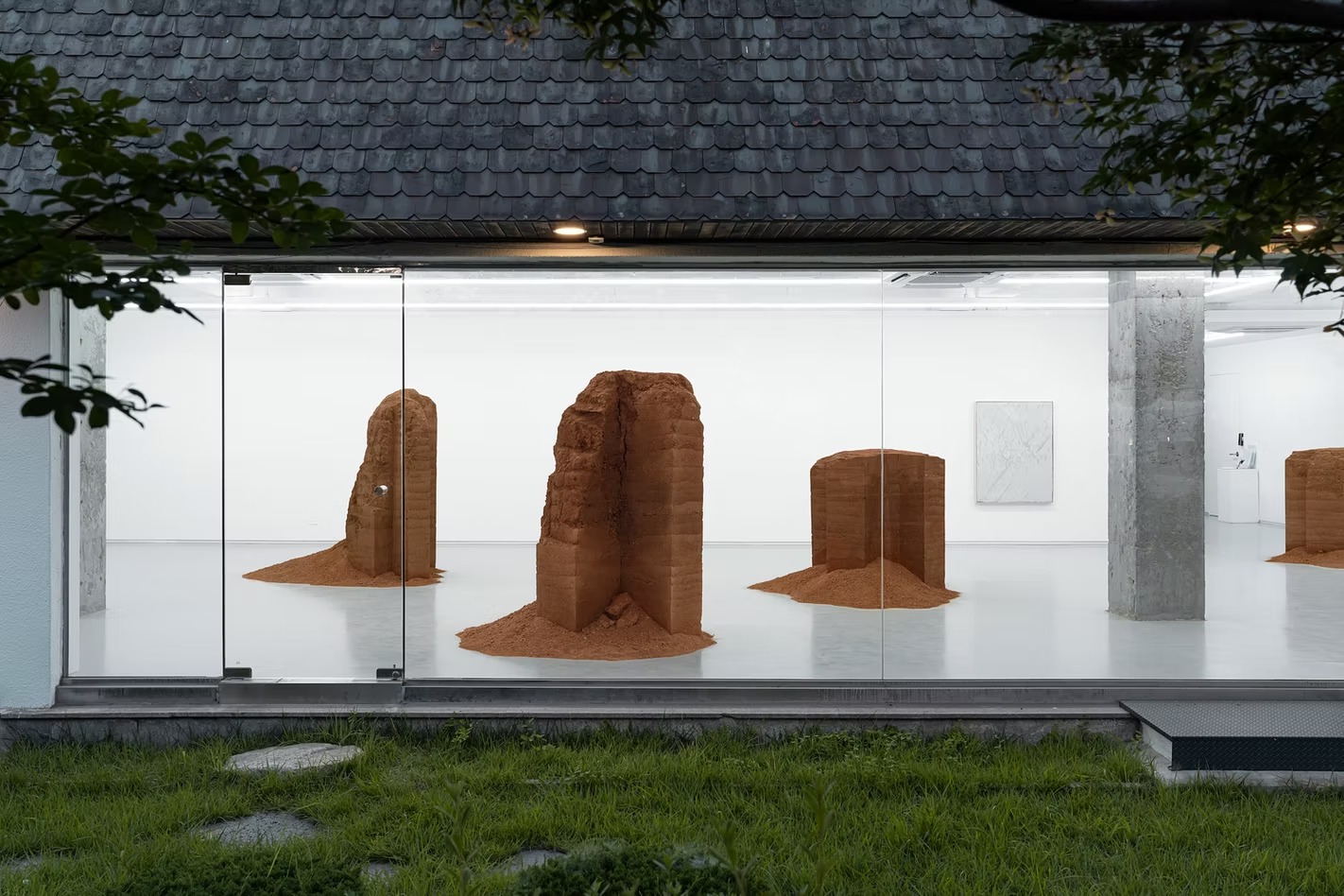
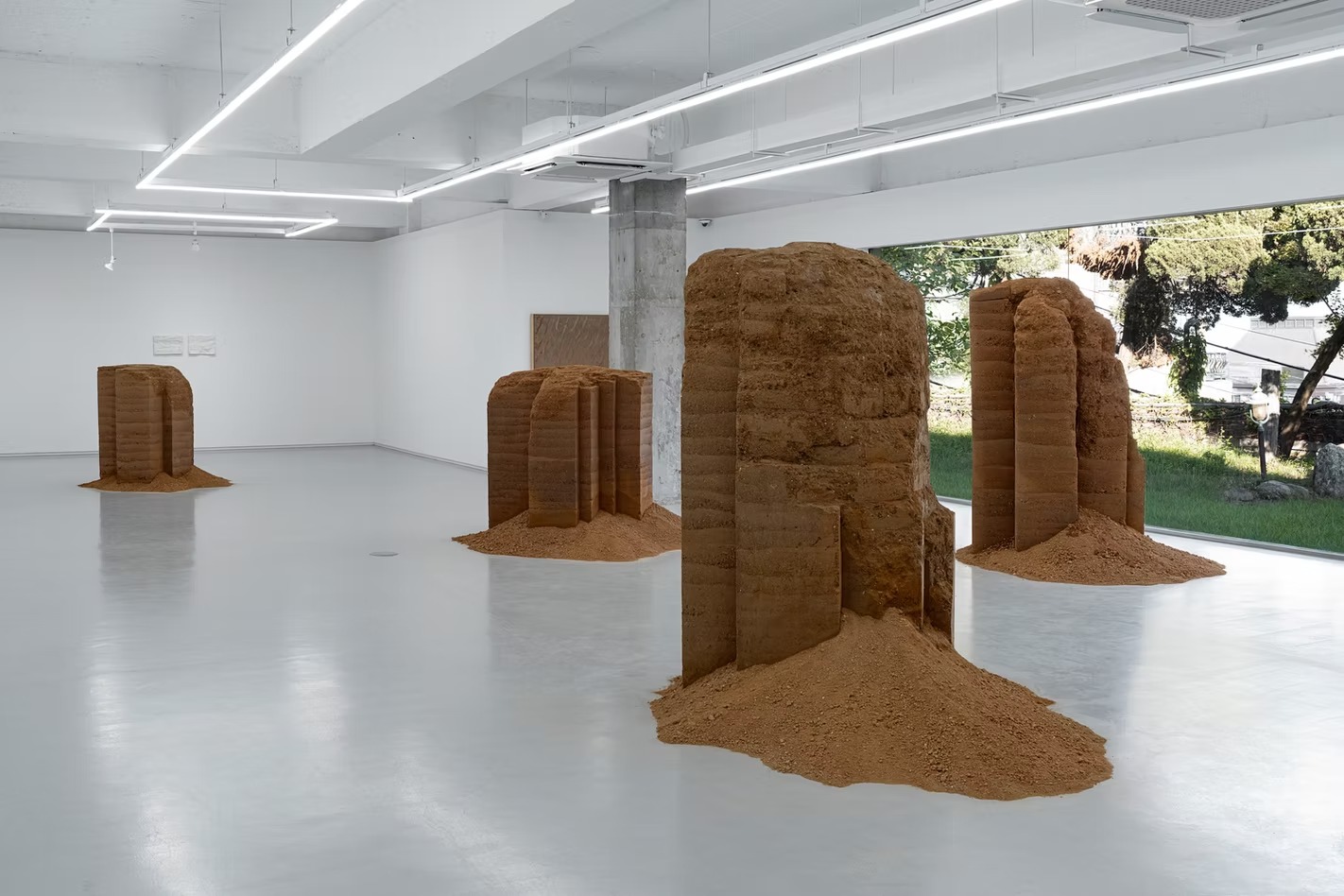
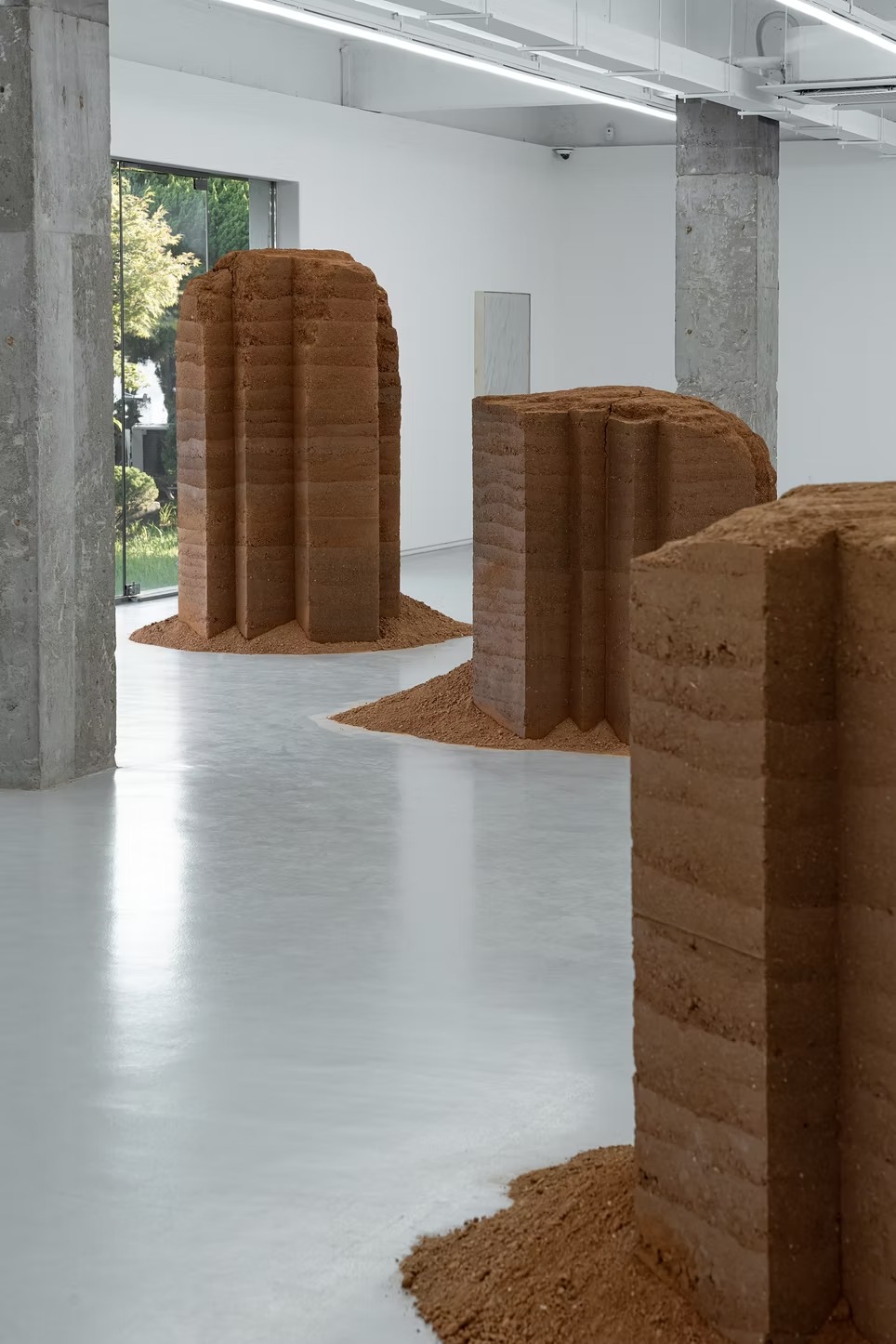
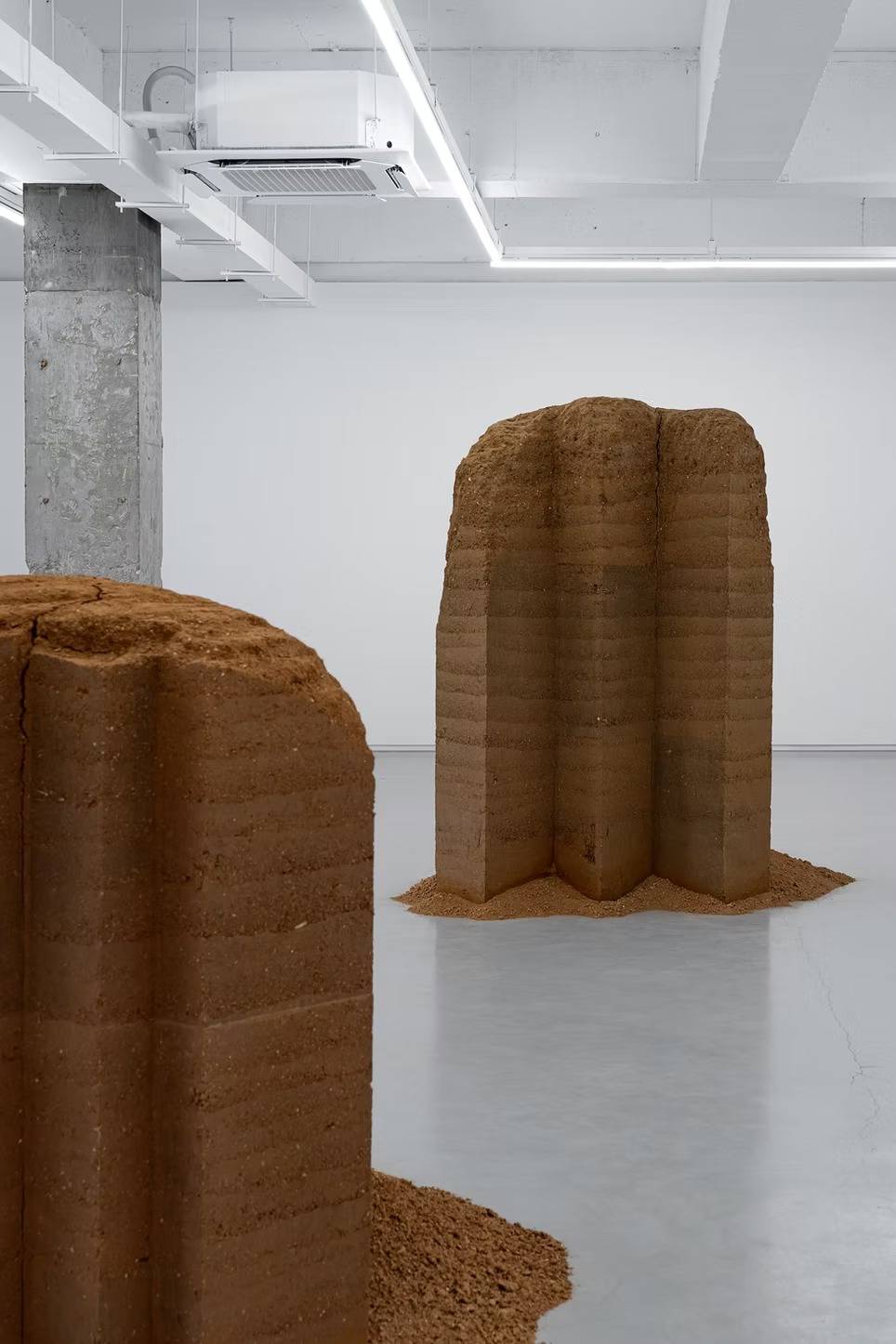
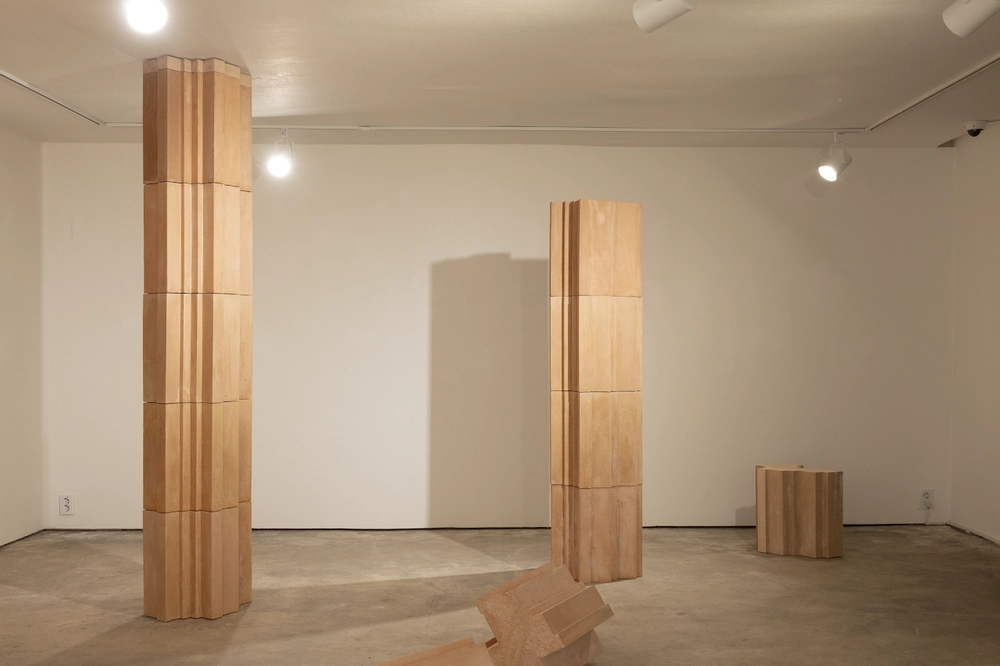
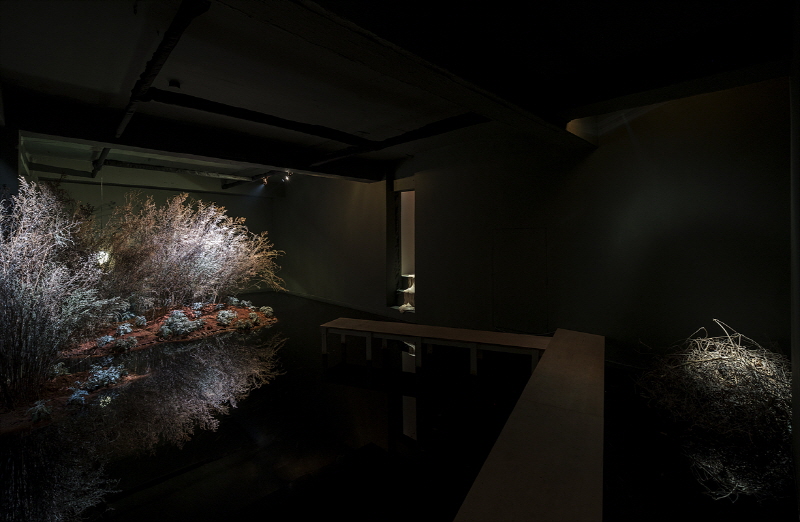
There are always reasons why they must be there. In this naturalized landscape, as in nature itself, there are no superfluous remainders. The working process is as meticulous as building a house. Some pieces are produced only after even a three-dimensional drawing has been made on the computer. The houses, destined soon to disintegrate, are constructed with near-photographic accuracy out of slabs of white clay.
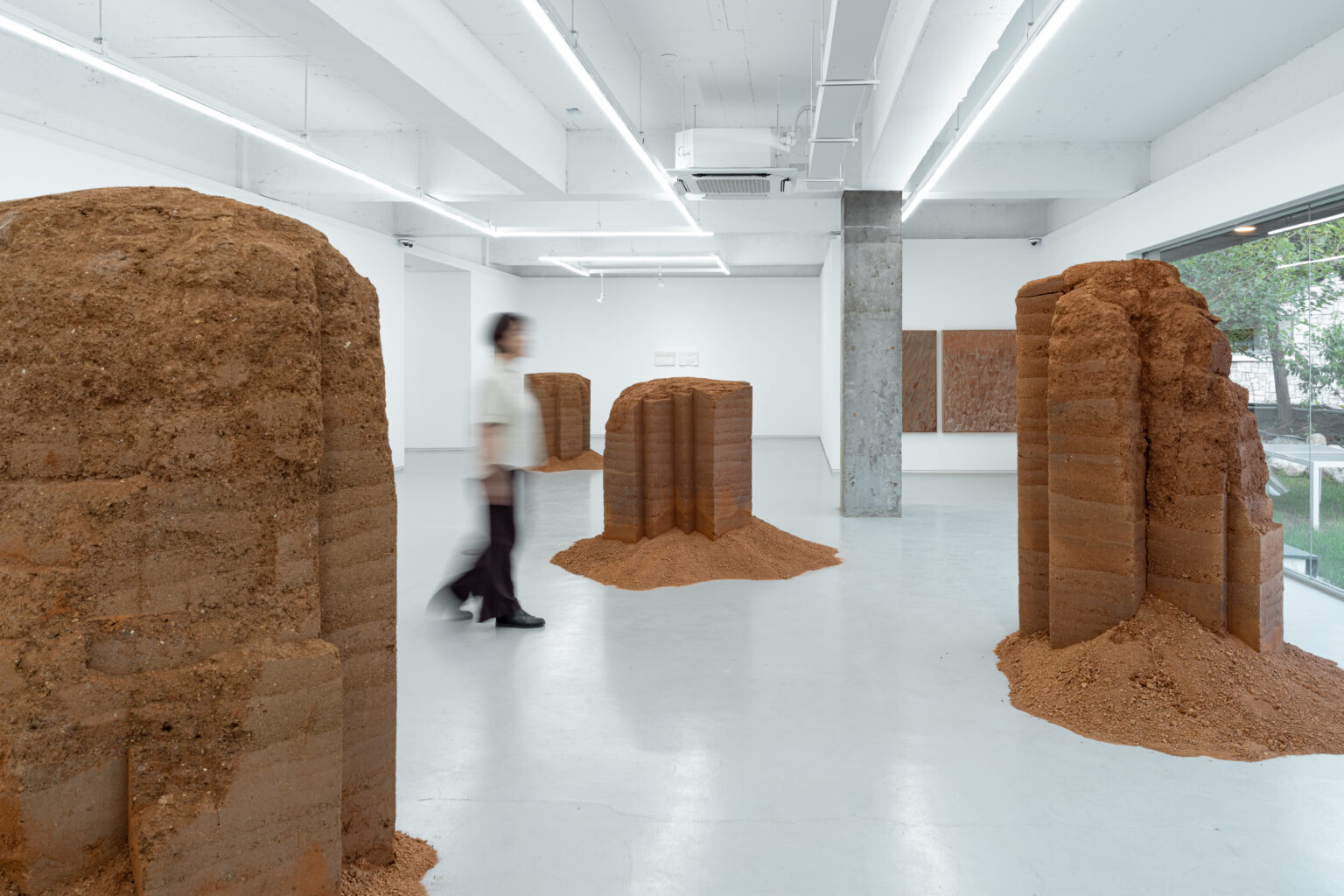
The final stage of the work is the process of pouring water over it on the opening day of the exhibition, or the day before, so that it slowly erodes from below. The degree of destruction varies according to the speed at which water and clay react. If a large amount of water is poured, the work can collapse within two or three days. Since change occurs only through water and gravity, the amount of water is adjusted according to the duration of the exhibition.
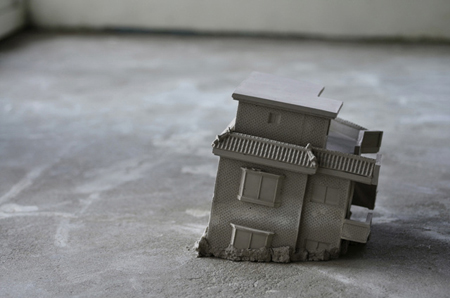
The reduced models, made of porcelain clay, reproduce the exterior exactly, but their color remains the natural color of the clay. In this way, the work reveals the inner substance of the house as it is. Some are almost completely disintegrated, leaving only the site and traces behind. They resemble contemporary archaeological ruins, retaining the marks of collapse exactly as they are.
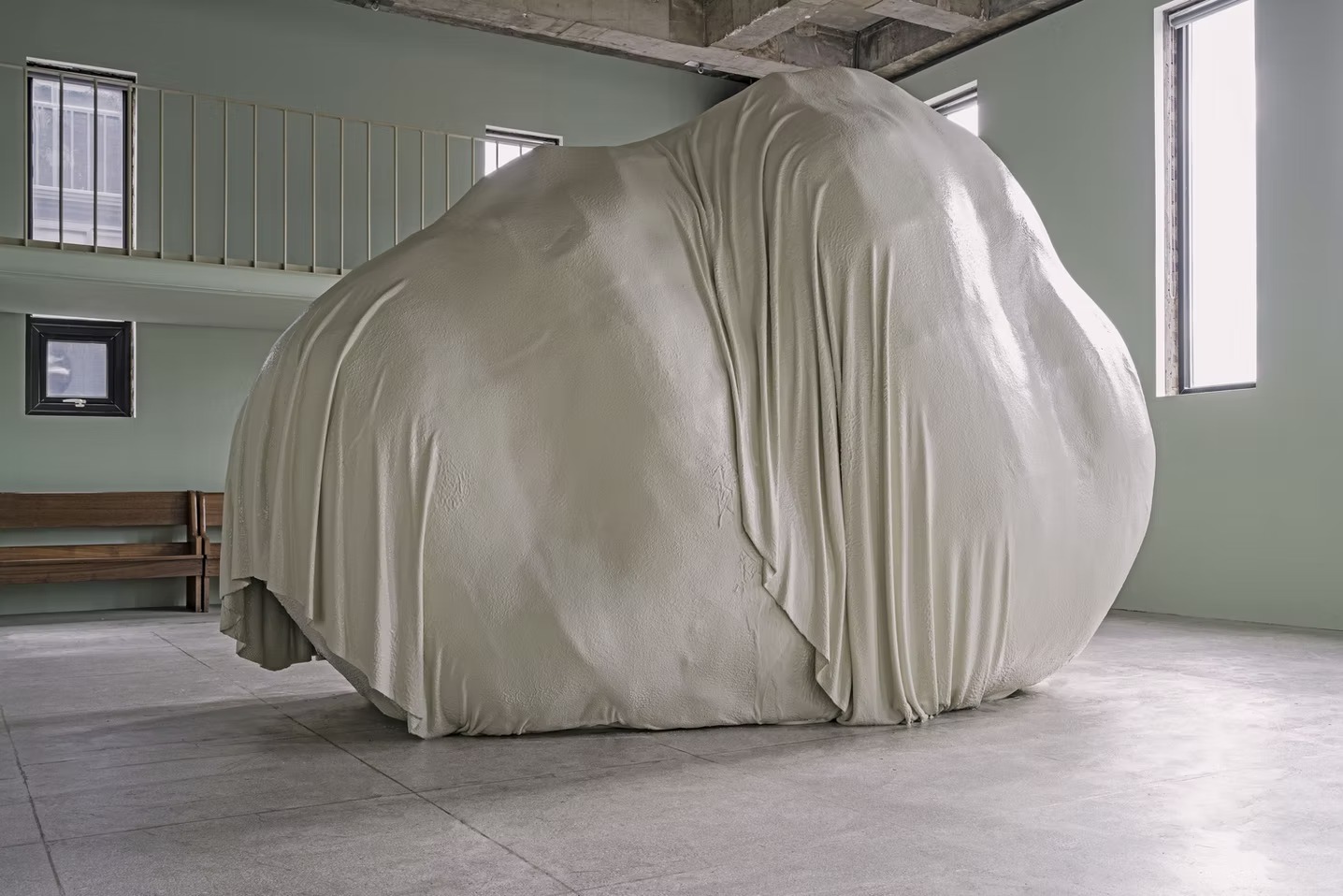
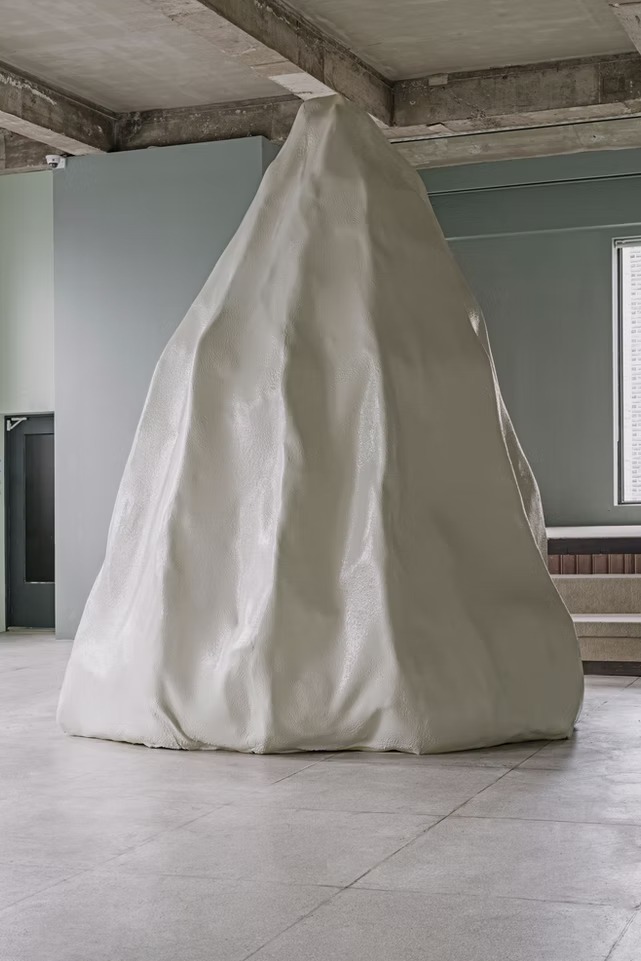
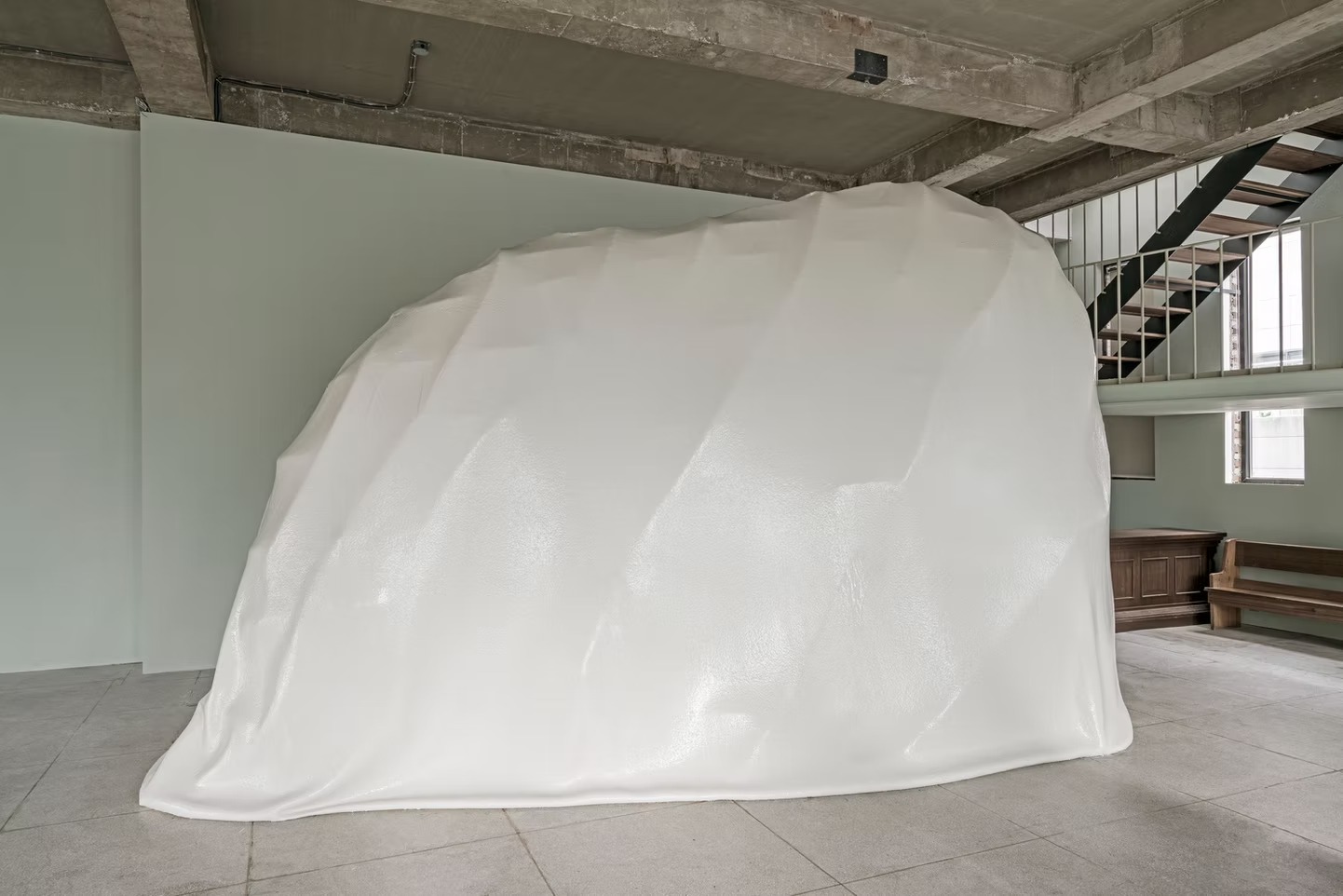
The representative work in this exhibition is a cluster of seven or eight houses attached atop a retaining wall. Similar yet slightly different, these houses share a family resemblance and are modeled on an actual building in Hannam-dong. Yet they are not exact replicas; there are also fantastical structures composed only of particular elements of buildings. A house made solely of railings, with neither entrance nor exit, or a brick house splitting apart like a decalcomania image, exemplifies the logic of proliferation.
This mode of division, like asexual reproduction, conveys a primordial yet resilient vitality. Such fantastical models, which contain the process by which individual units proliferate, do not necessarily need to be destroyed. Though they take the form of structures, they are already collapsed, or they symbolize the force that rises like a phoenix from within the fragments of ruin.
Why does the artist focus on such shabby and impoverished landscapes? It is likely because such landscapes betray the notion of a single, unique, and objective concept of time and space. The multilayered surfaces unfolding along the contours of nature or life resist the will toward a dominant power that, grounded in a single deep root and column, extends itself outward in a grid.
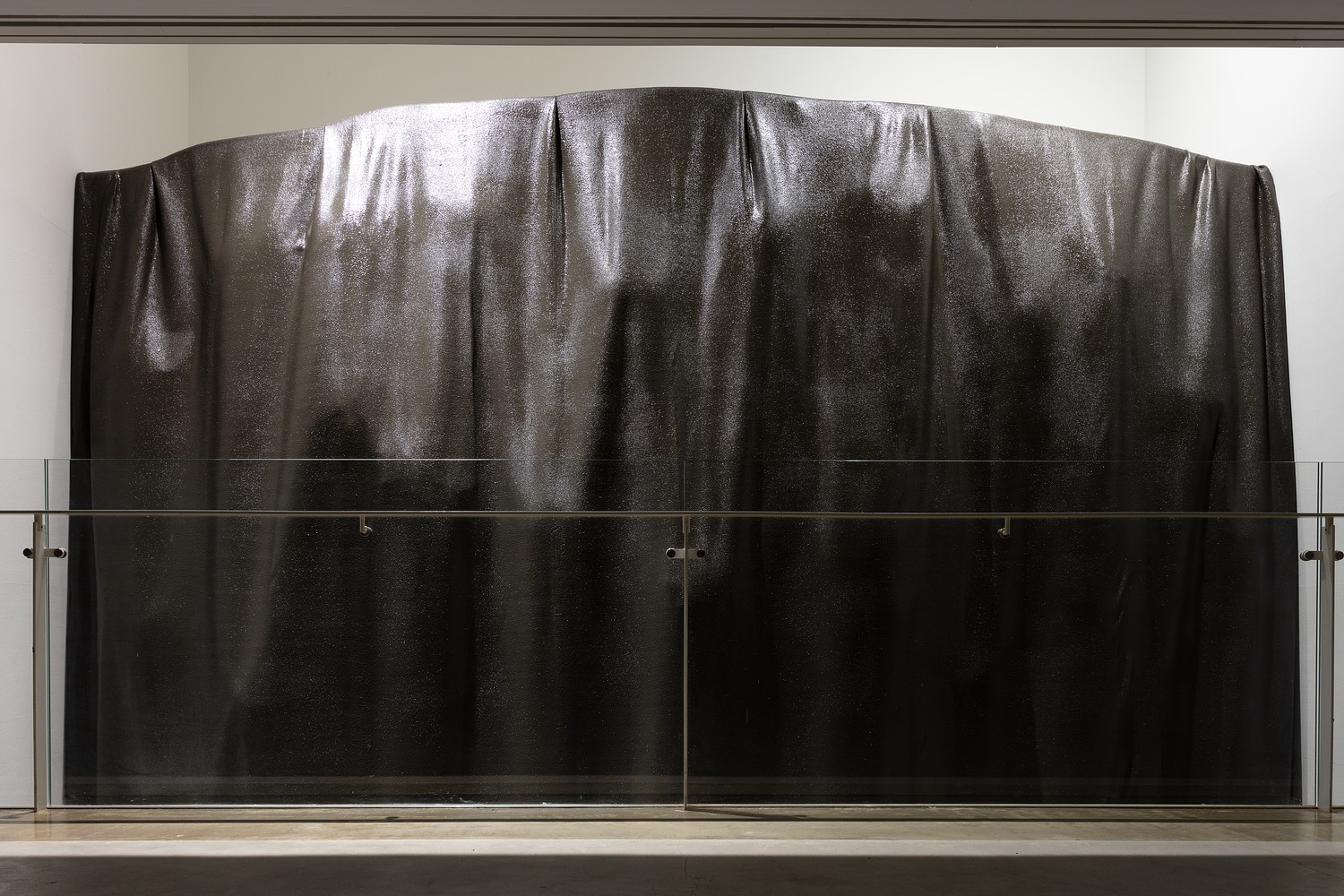
Although the fine mesh of life that has gradually spread over long periods is by no means refuse to be cleared away all at once, such structures, which contain singular experiences of time and space, are granted only a temporary life by a single force—a power that surges in like a tsunami. This resembles the violence inflicted upon art that seeks to remain a singular practice in a society where diverse values are not recognized.
Juree Kim’s work is a case of the other taking the side of the other. Is the disappearance of concrete places under the force of abstract power an inevitable process, like the increase of disorder according to the law of entropy? Yet violence that approaches with the force of nature is neither just nor inevitable. The act of accelerating natural processes by pouring water does not confine its destructive force to nature alone.
Scenes generated and extinguished solely through water and clay are not natural but social landscapes. Human society adjusts natural forces according to its own criteria. Society grants legitimacy and efficiency to only one kind of force. Kim’s work captures the disappearance of sites of life, inscribed with concrete specificity, under the pressure of abstract universality.
This abstract force is generated and intensified by the tendency of capitalism to concentrate power in the hands of a few. In The Condition of Postmodernity, the geographer David Harvey argues that capital is not a thing but a process. Capital may be understood as the process of reproducing social life through the production of commodities, and the rules internal to its operation confirm that capital is a dynamic mode of social organization that incessantly transforms society.