Choi Sujin (b. 1986) has constructed painterly spaces by layering images interwoven with memory, sensation, lived experience, and fantasy, drawn from places and moments encountered during her travels and walks. Within a single canvas, fragments of different times and places intersect to unfold strange and unfamiliar worlds, as though one were being drawn into a dream.
 
Across Choi's loosely disordered spaces of time and place, afterimages of memory and fleeting thoughts are accumulated in layered strata. By unfolding these multiple temporal and emotional layers all at once, she creates distinctive painterly spaces imbued with their own narrative structures.


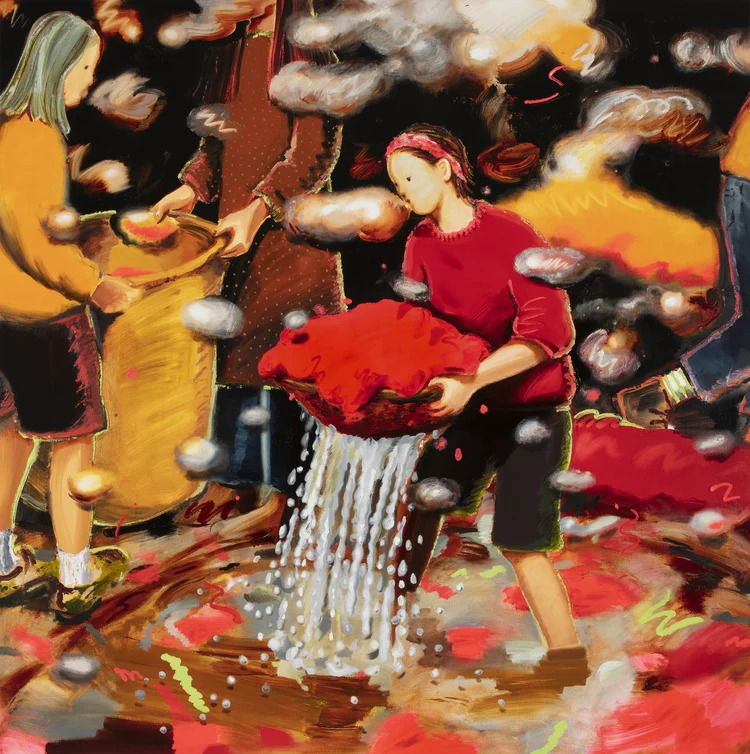
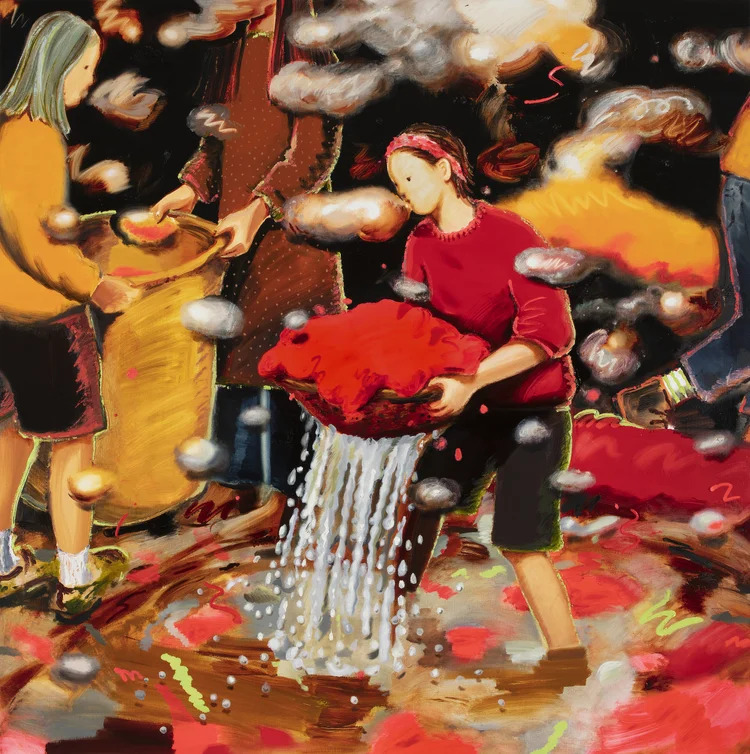
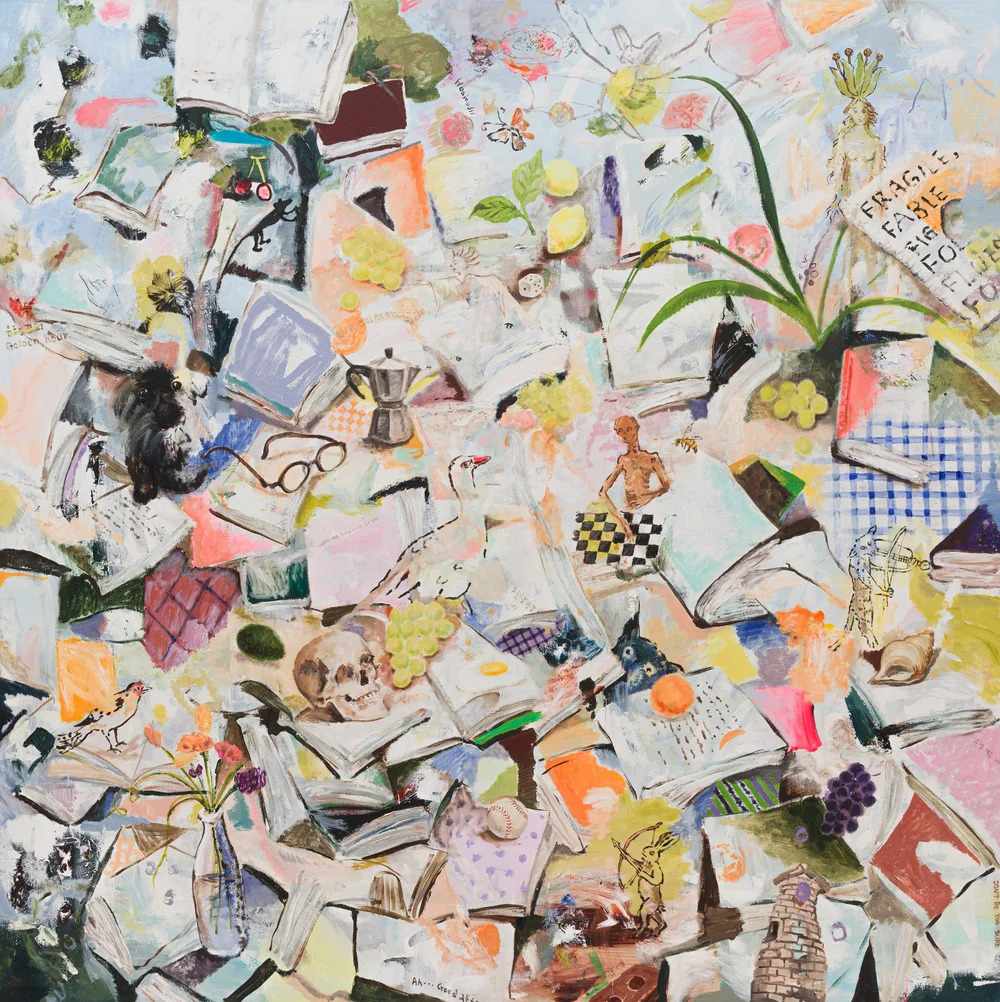
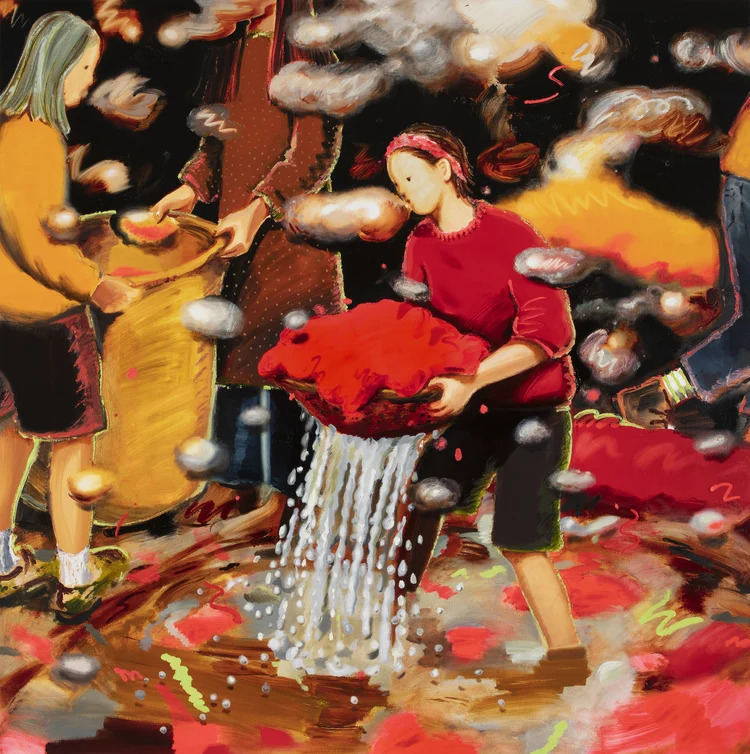
Choi Sujin, Hauling Up the Red 2021, Oil on canvas, 181.8x181.8cm © Choi Sujin

Landscapes, still lifes, and figures—at once ordinary and unfamiliar, and at times imbued with a dreamlike quality—are central motifs in Choi's practice, emerging from and reconfiguring narratives derived from her autobiographical experiences. They serve not only as the primary subjects of her paintings, but also as vehicles through which she evokes a wide range of emotional states.
 
The artist begins by recording scenes that unexpectedly strike her as strange and evocative—undulating ground, overgrown trees, stones and cairns imbued with wishes or memories, or objects casually or deliberately placed before a house—through immediate photographic documentation.
 
In the process of being translated into painting, these photographic images become catalysts that summon the memories and sensations associated with the moment they were first encountered.


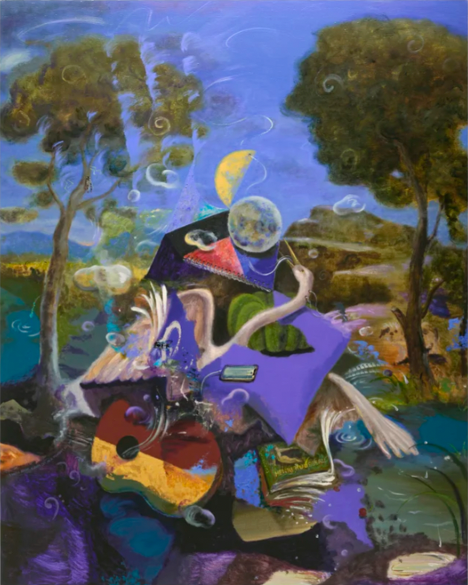
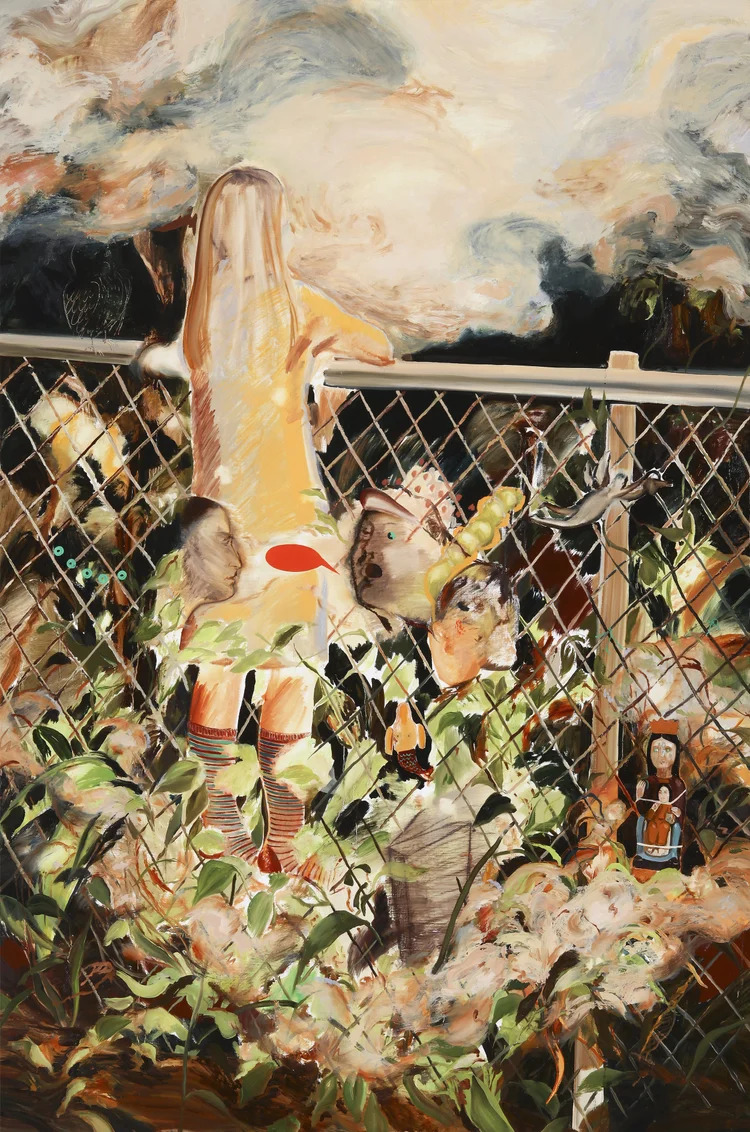
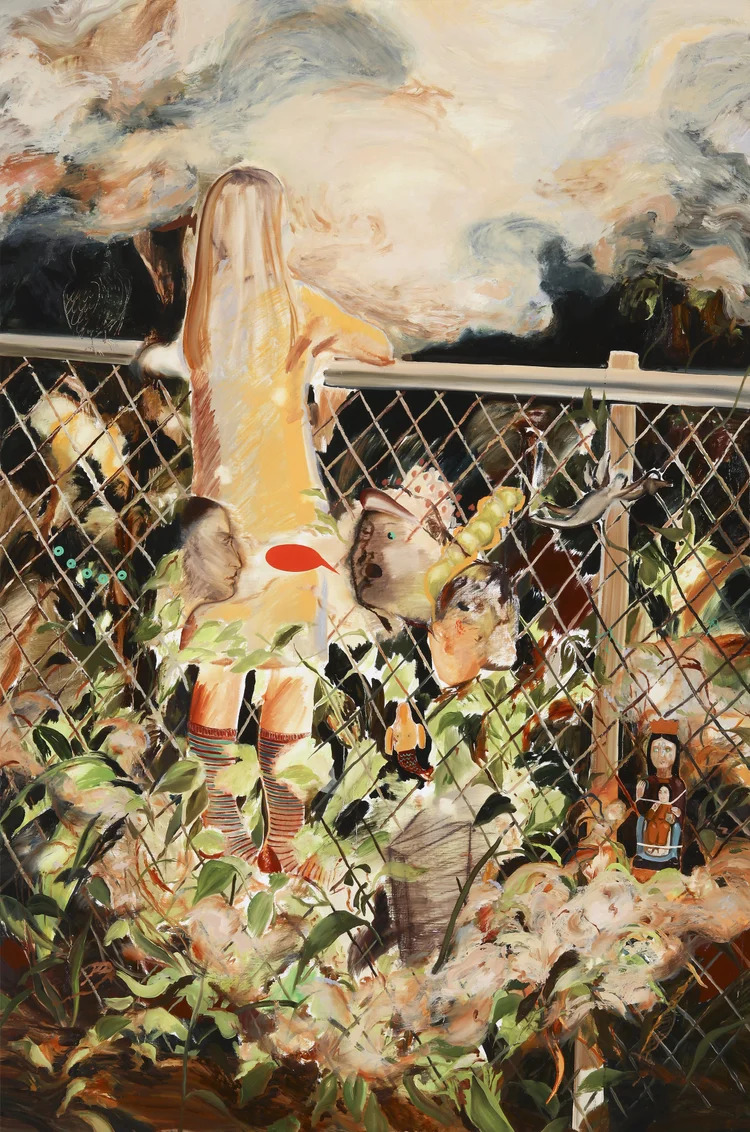
Choi Sujin, The Cloud Wire Mesh, 2011, Oil on canvas, 193.9x130.3cm © Choi Sujin

In her early works, Choi interwove dreamlike and enigmatic imaginary images that emerged from her own psychological states of anxiety, confusion, and helplessness. Composed of fragments drawn from her experiences, memories, and dreams, her paintings become allegorical spaces in which figures and objects forge new associations and meanings.
 
For instance, the layers of memory and sensation imprinted by her childhood experience of passing through a dark forest are reconfigured within her surreal pictorial worlds.
 
Likewise, gaseous forms such as clouds and mist—recurring motifs in her work—reflect the artist's impression of a world filled with uncertainty, one that, like the dark forest, continually leads us astray and ultimately resists complete interpretation.


Choi Sujin, A Song of Fear, 2011, Oil on canvas, 130.3x193.9cm © Choi Sujin

Choi describes each of her paintings—unfolding as dreamlike worlds of blurred and ambiguous forms—as part of the process of writing a novel.
 
Within these reverie-like worlds of poetic anthropomorphism, a tree and a boy embrace one another (A Man Hugging a Tree), while an insomniac is rendered in a surreal scene, lying upon the forest as though it were a bed (A Song of Fear).
 
Art critic Jung Hyun observes that Choi's work “presents a painterly world in a gaseous state, where figuration and abstraction, humanity and nature, objects and non-being delicately portray the artist's psychological fluctuations experienced in everyday life—peace, coexistence, insomnia, anxiety, ambiguity, hope, and playfulness.”


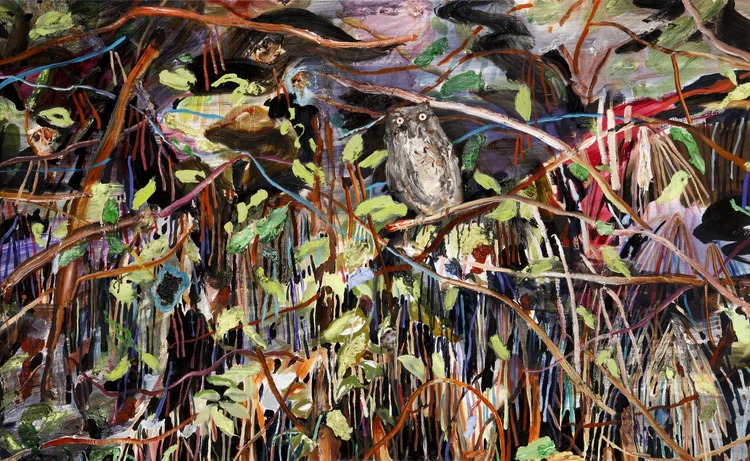
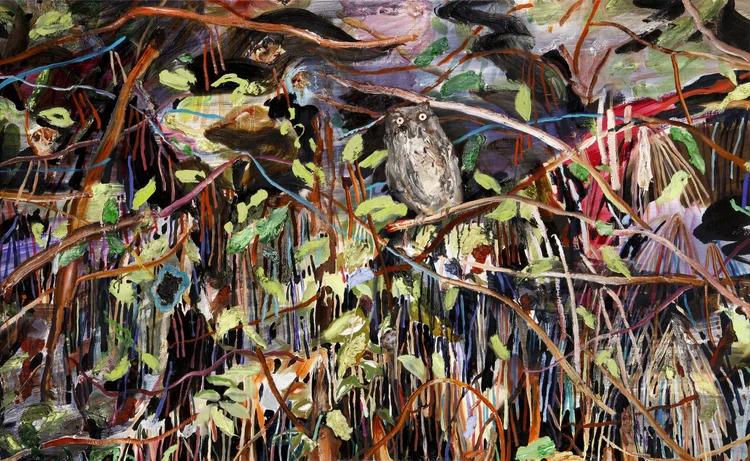
Choi Sujin, A Dust Owl, 2013, Oil on canvas, 72.7x116.8cm © Choi Sujin

Meanwhile, in works produced after 2012, one can trace the artist's gradual inner transformation as she moved beyond the realm of individual psychological states to adopt the gaze of an observer directed toward the external world and lived reality.
 
This shift is also evident in both her subject matter and painterly language. Landscapes, once relegated to the background, increasingly emerge as primary subjects, while human figures recede in prominence, giving way to animals, plants, and fictional characters—or appearing only through their traces.
 
At the same time, her paintings reveal a richer and more varied palette, alongside increasingly bold brushwork, marking a significant evolution in both motif and expression.


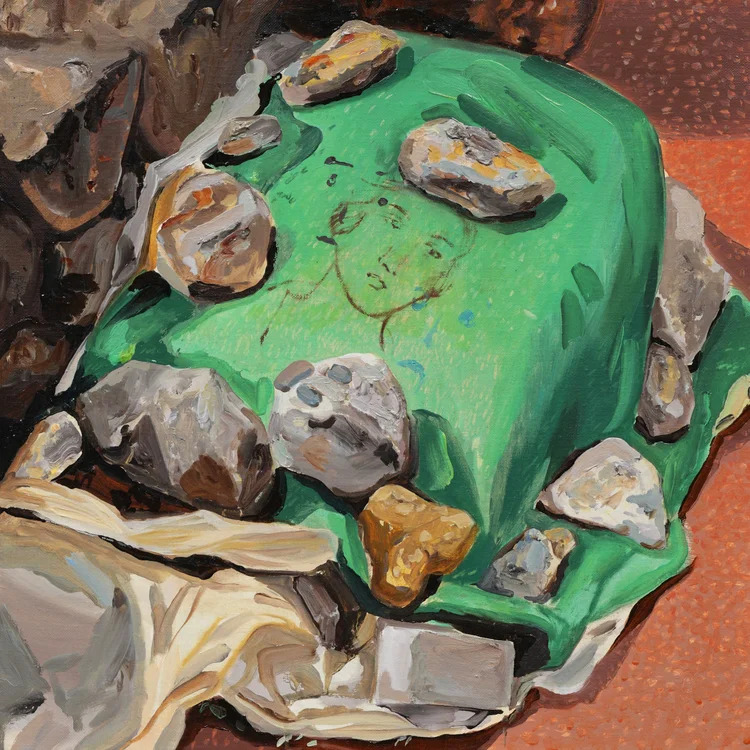
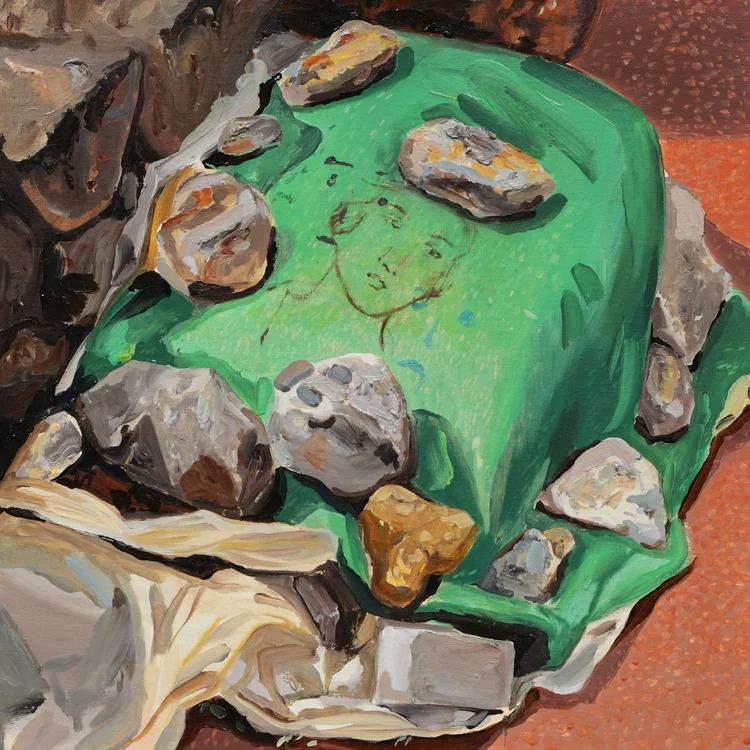
Choi Sujin, The Stones of Jeju, 2014, Oil on canvas, 50x50cm © Choi Sujin

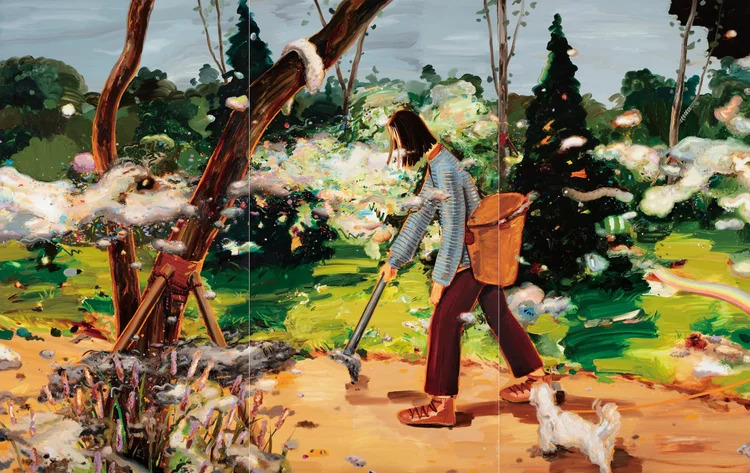
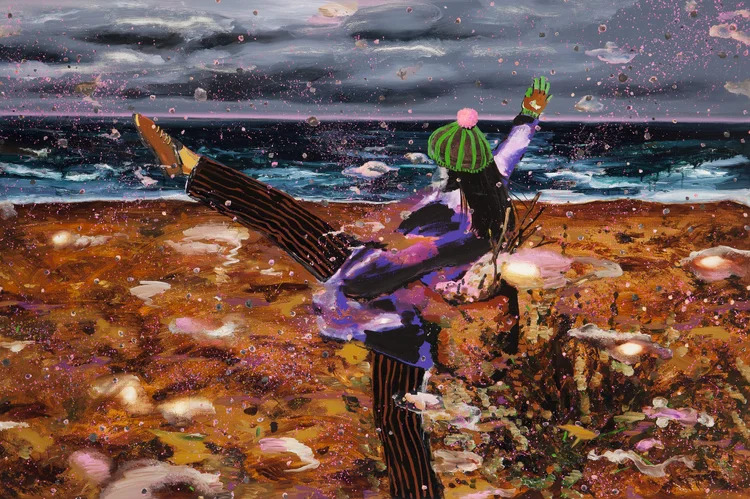
Choi translates the tactile and visual landscapes she encounters through travel and walks into painterly language, inviting viewers to experience them anew through her paintings.
 
For instance, in her third solo exhibition 《Lumpy Bumpy Ground》 (2014), she presented tactile landscapes whose undulating surfaces seem almost within reach of the hand. In her fourth solo exhibition 《Corner Walk, Rainbow Breath》, she explored landscapes encountered during walks and the relationships they form as they are transposed into different spaces.
 
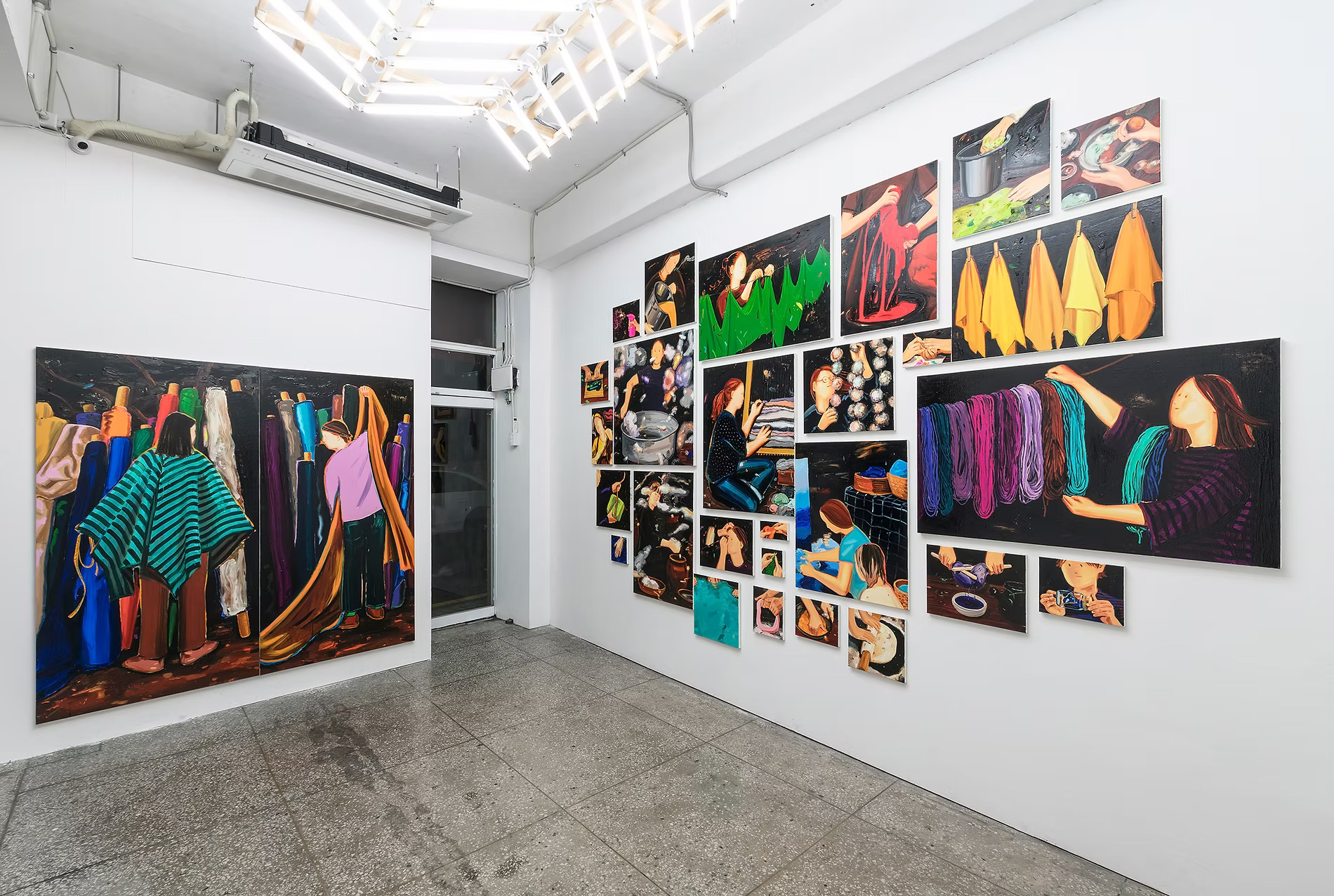
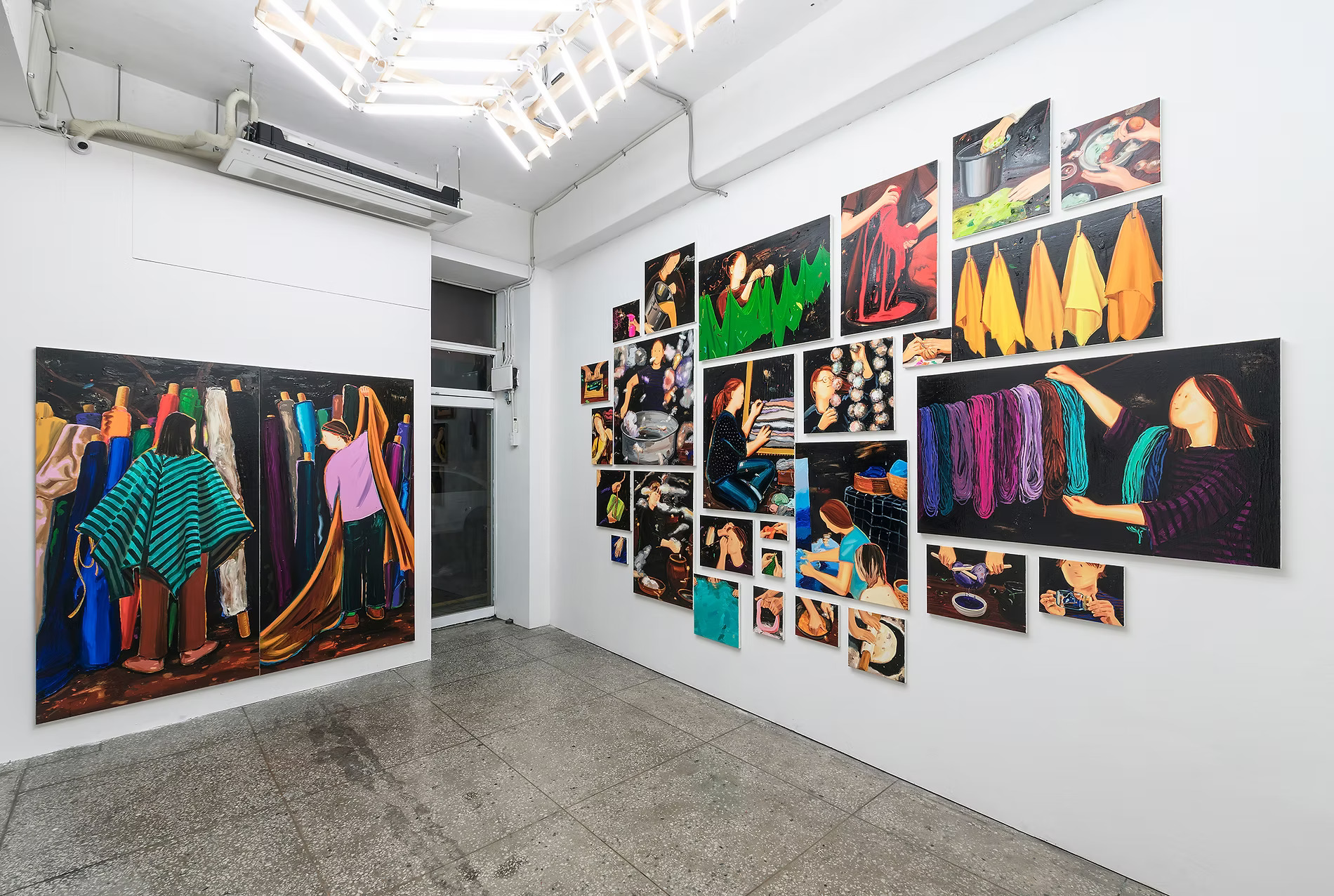
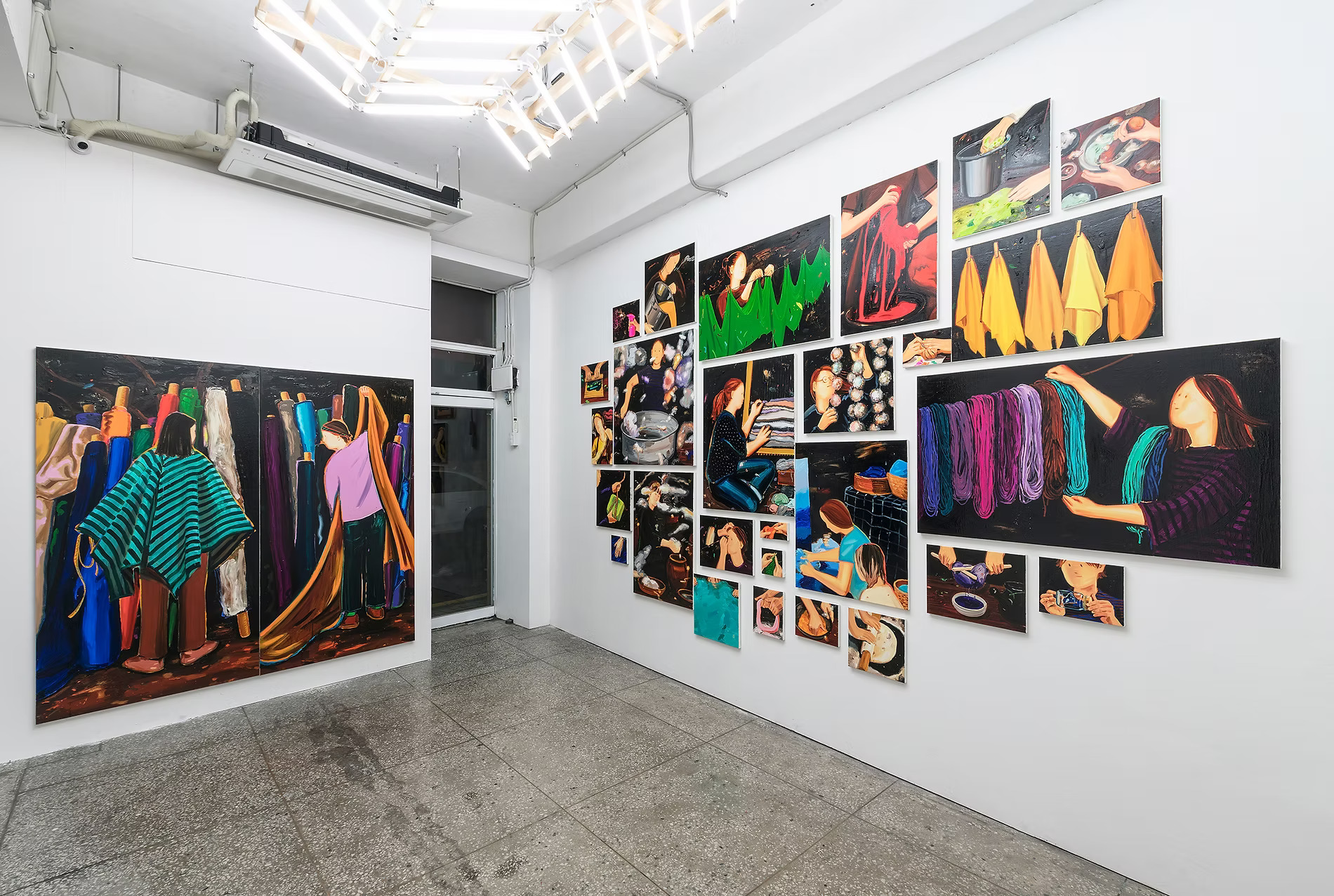
While these earlier works focused on the sensory experience of seeing and feeling landscapes, her fifth solo exhibition 《Studio Rainbow Breath》 (2017) foregrounds color itself, alongside figures busily at work against black backgrounds from which the landscape has disappeared.


Installation view of 《Studio Rainbow Breath》 (Hapjungjigu, 2017) © Hapjungjigu

True to the exhibition's title, “Studio Rainbow Breath”, these figures are each engaged in handling, mixing, and selecting colors.
 
The darkened backgrounds, rendered like theatrical stages, further heighten the viewer's awareness of color and the process of its making—or, more precisely, of the gestures through which the figures search for the right color and give form to images. At times, they subtly reveal fragments of paintings yet to be completed, creating visual and conceptual links between the works.


Choi Sujin, Sea of Pink Dust, 2015, Oil on canvas, 130.3x193.3cm © Choi Sujin

These paintings ultimately arise from more fundamental questions concerning the artist's ways of seeing and perceiving her subjects, and the process through which such perceptions are translated into images within the pictorial space.
 
While Choi's earlier paintings focused on figures and the relationships between them as their primary subjects, this exhibition turns its attention to the fleeting moment when the artist feels compelled to paint—to the very act of contemplating what it means to draw and translate a subject into painting.


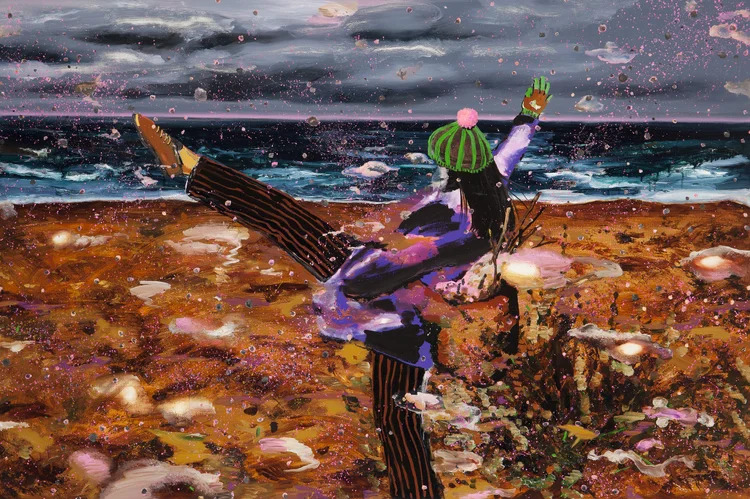
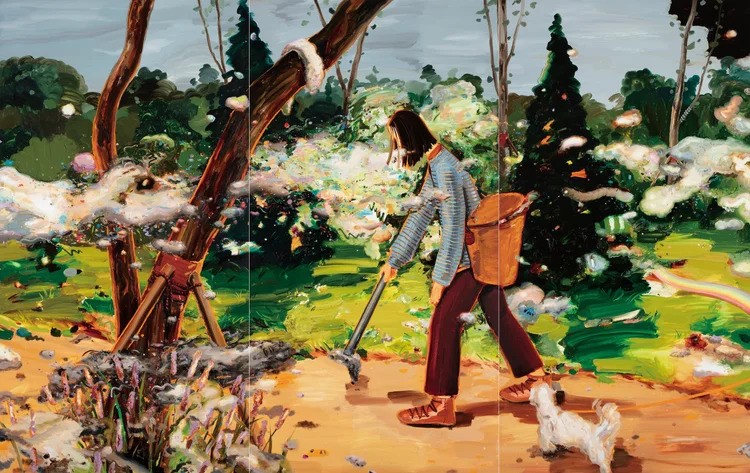
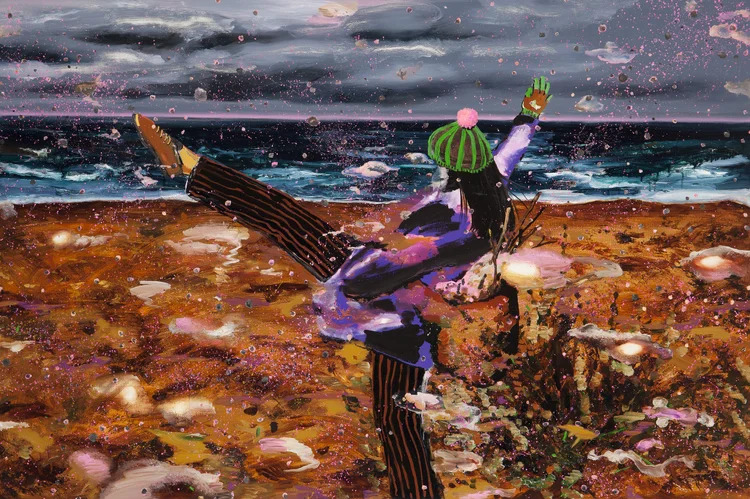
Choi Sujin, A Walk, 2017, Oil on canvas, 200x300cm © Choi Sujin

Just as breath generates the movement and flow of air, "breath" in Choi's work has metaphorically functioned as a means of expressing her subjective psychological responses to the world around her.
 
It gives rise to diverse colors and forms, rhythmic brushstrokes, and ultimately determines the material expression and textured surfaces of paint. Above all, breath signifies the instinctive and intuitive moment in which the artist perceives her subject painterly—when sensation first becomes image.
 
In the exhibition title, the “rainbow” functions as another visual manifestation of breath, both being phenomena that emerge through the movement of air. At the same time, it signifies the artist's attempt to convey her thoughts and sensations toward a subject through color.
 
In this context, “Rainbow Breath” refers to the painterly process of translating a fleeting perception of a subject into a spectrum of colors. The “Studio,” in turn, denotes the site where this process takes place—the space in which the artist's bodily perception of her subject is transformed into concrete painterly practice, and where visual metaphors are generated through the interplay of color and the diverse gestures of her figures.


Choi Sujin, Patchwork AM, 2023, Oil on canvas, 200x300cm © Choi Sujin

In her later works, Choi began to explore the accumulated mass of time—time that repeats itself yet continually moves forward—through painting. Whereas her earlier works perceived time as a succession of fleeting moments, she gradually came to understand it as something layered and embodied, a shift that has also shaped her painterly approach and material process.
 
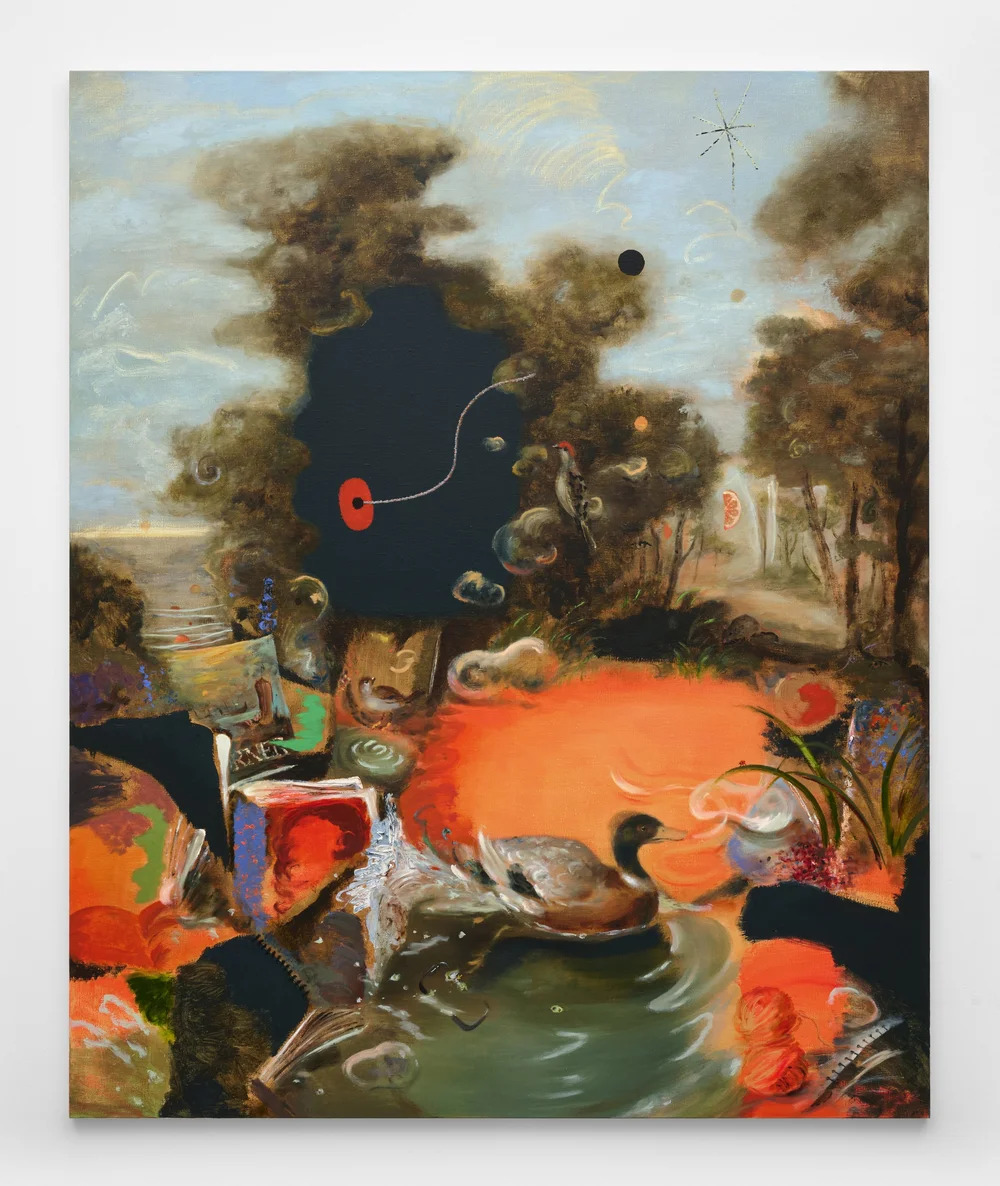
The animals that emerge as protagonists in her recent works are drawn from the birds, insects, and other creatures she encounters during her daily walks. Closely observing their movements and the rhythms of their collective trajectories, Choi has come to sense that their modes of being are not so different from our own, but are instead deeply intertwined with human life.


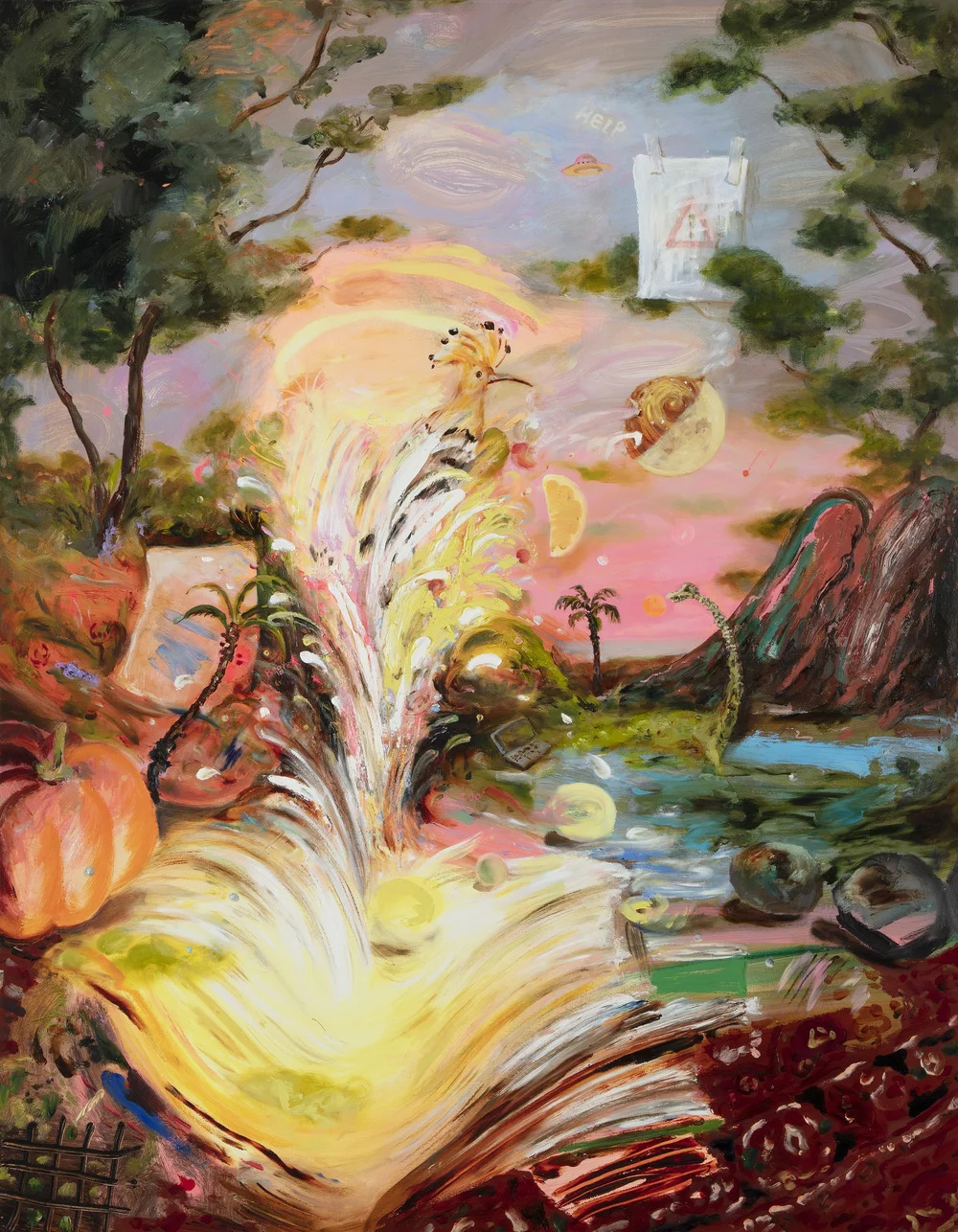
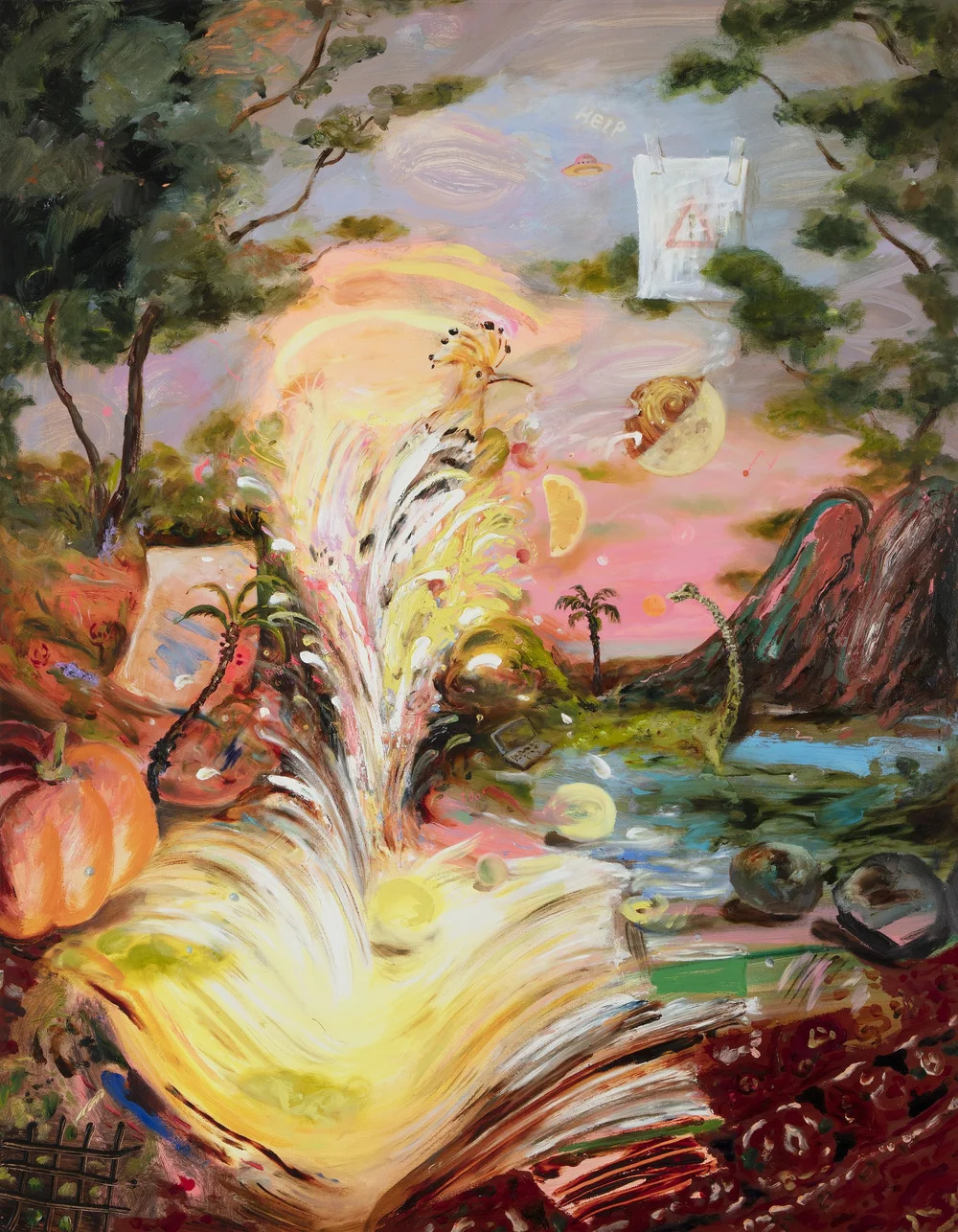
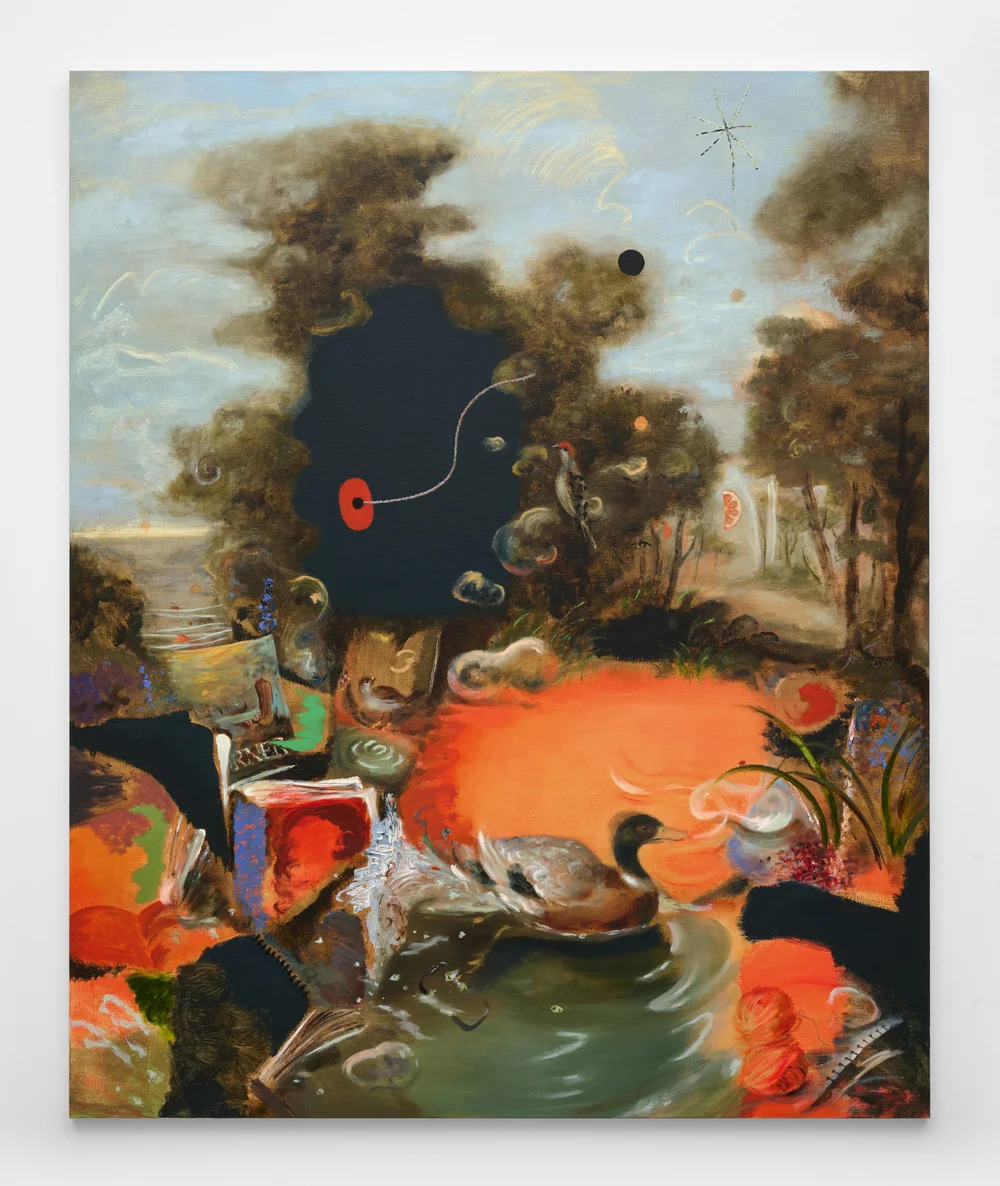
Choi Sujin, Flappy Hoo Poe, 2023, Oil on canvas, 116.8x91cm © Choi Sujin

Before beginning a painting, Choi intuitively envisions a particular color and selects from among the animals, objects, and scenes she observes in her everyday life those that resonate with it, rearranging them upon the canvas. Images born from the accumulation of everyday time are thus transformed into luminous, surreal landscapes that unfold into new narrative structures.


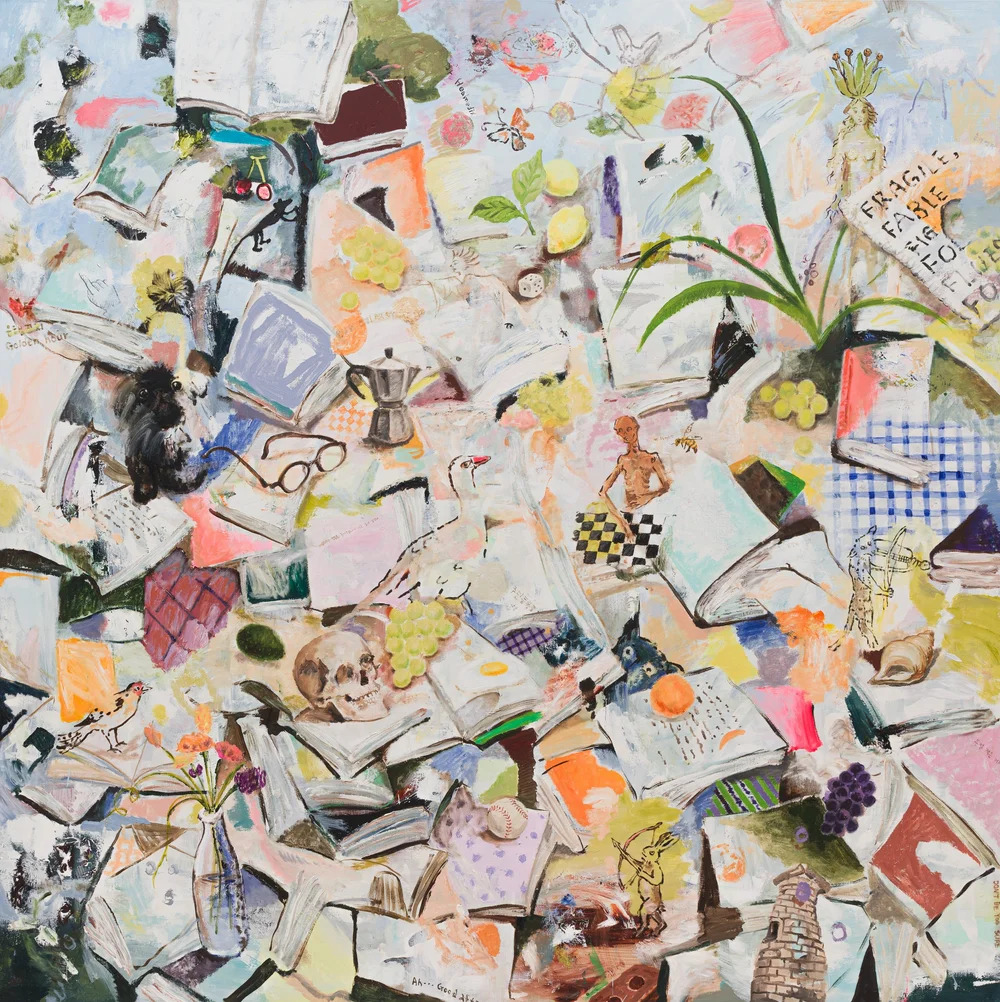
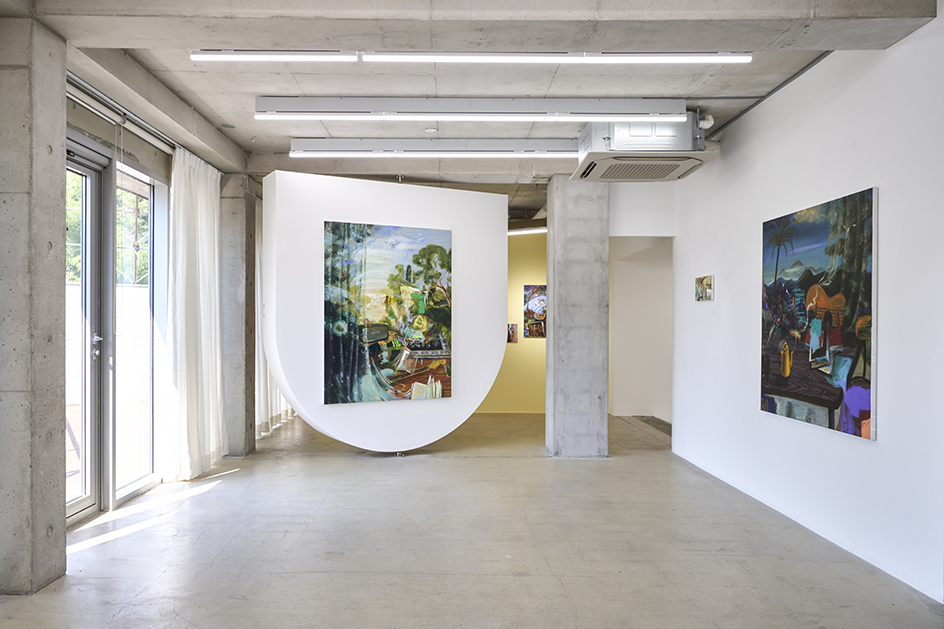
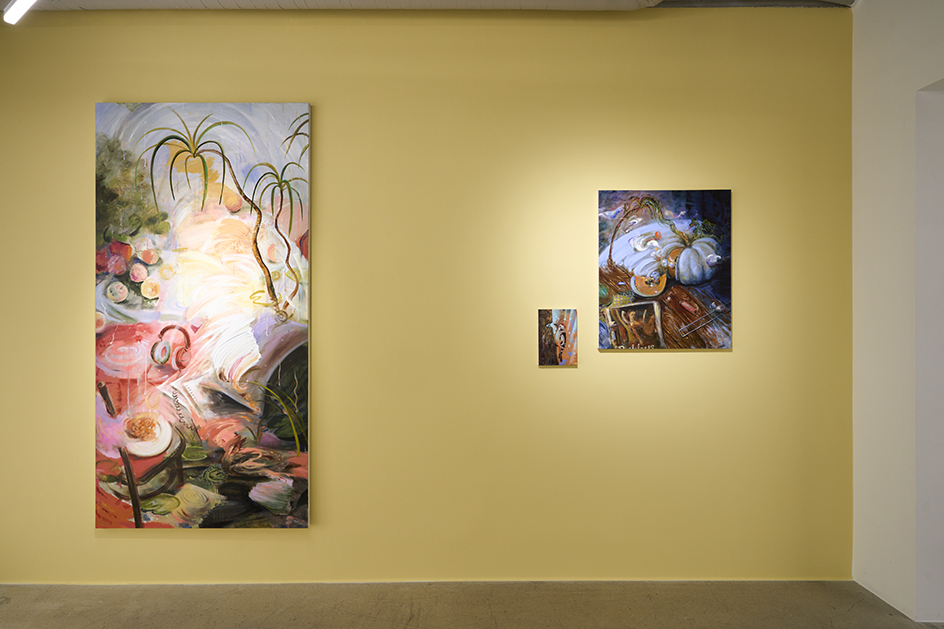
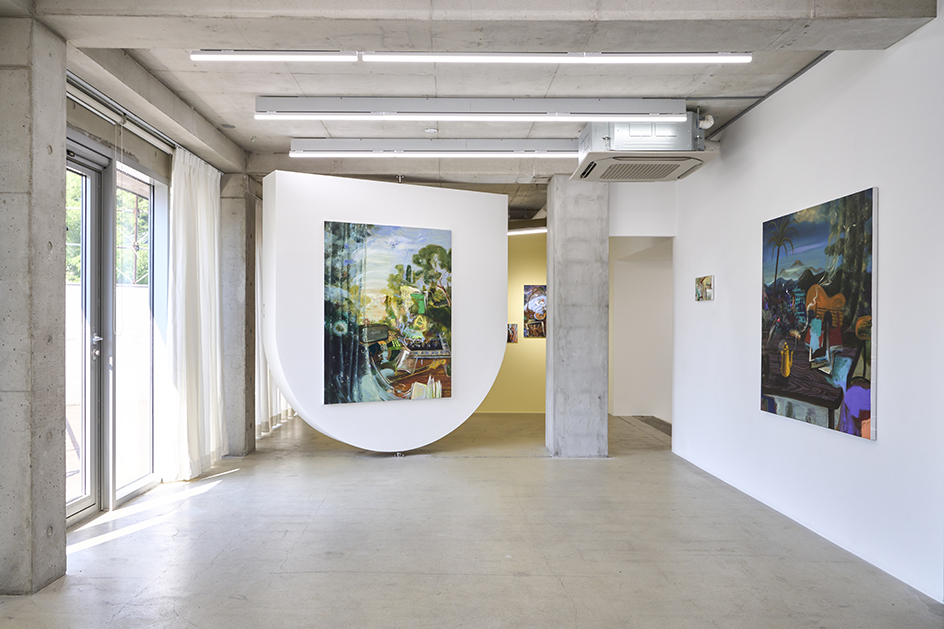
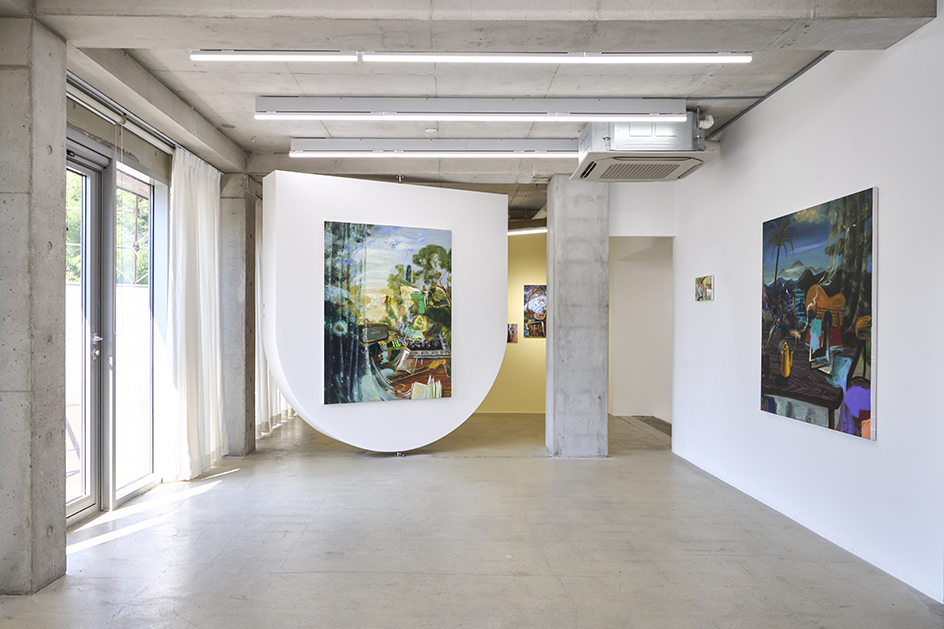
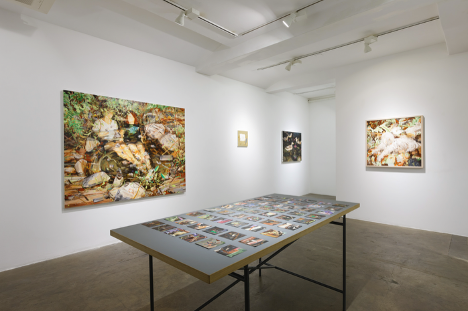
Installation view of 《Air Pages》 (A-Lounge Contemporary, 2024) © A-Lounge Contemporary

In her 2024 solo exhibition 《Air Pages》 at A-Lounge Contemporary, Choi shifted her focus away from the living creatures that had long occupied center stage, instead presenting early summer itself—the season accompanied by the sound of insects—as a contemplative, almost vacuum-like space within the pictorial field.
 
She conceives of a single day as a stage of perpetual becoming and disappearance, where mysterious creative energies quietly stir. Through painting, Choi seeks to reconfigure the memories and sensations that permeate and are projected between the folds of time.


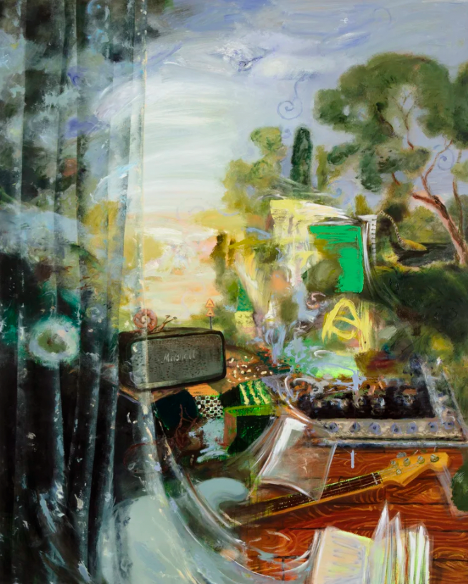
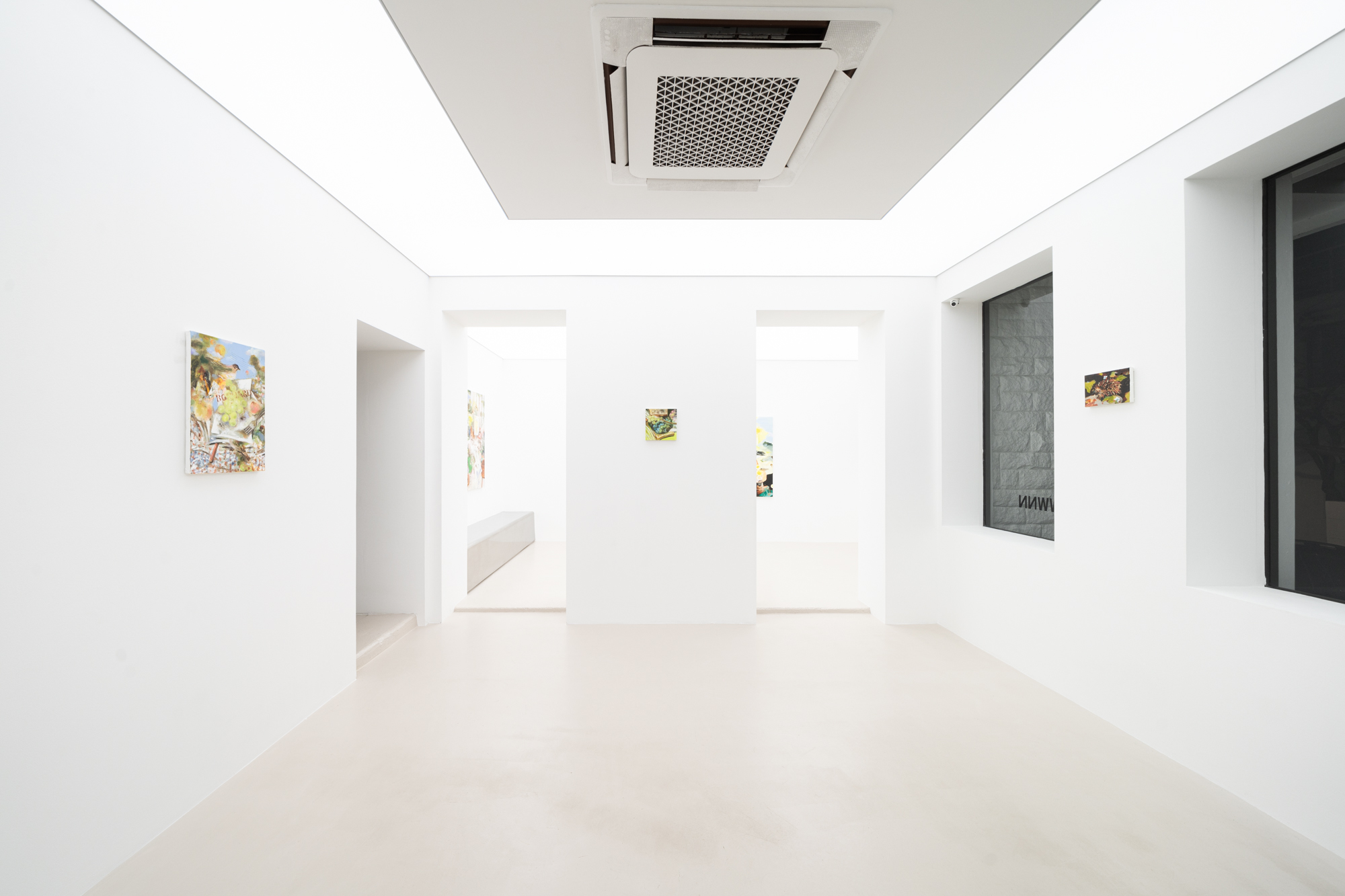
Installation view of 《Air Pages》 (A-Lounge Contemporary, 2024) © A-Lounge Contemporary

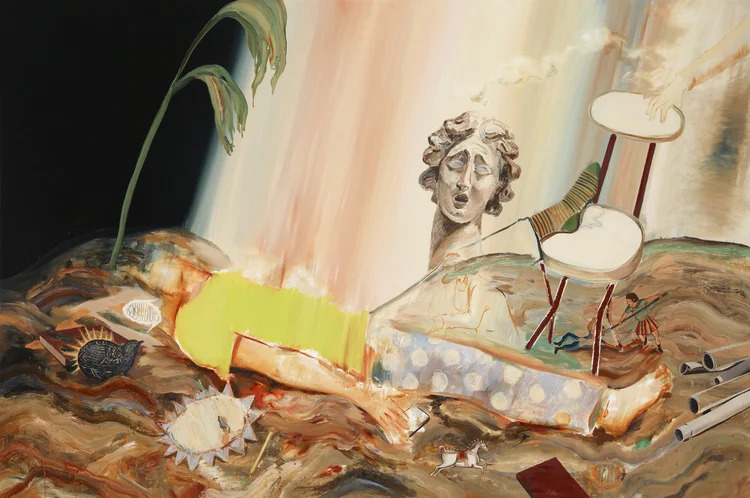
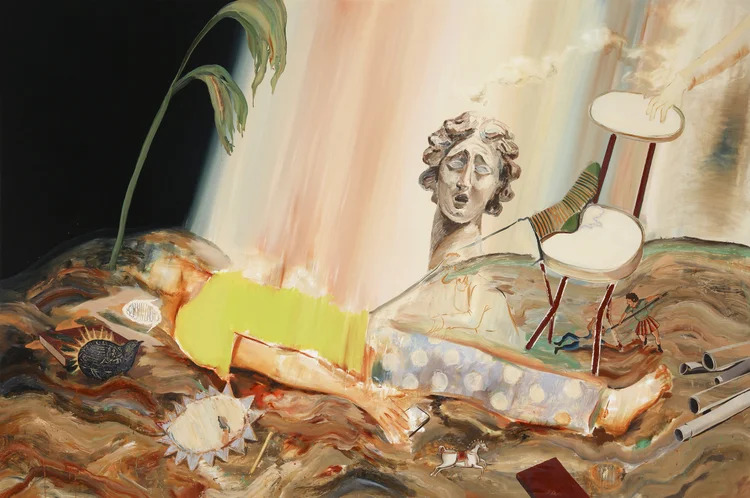
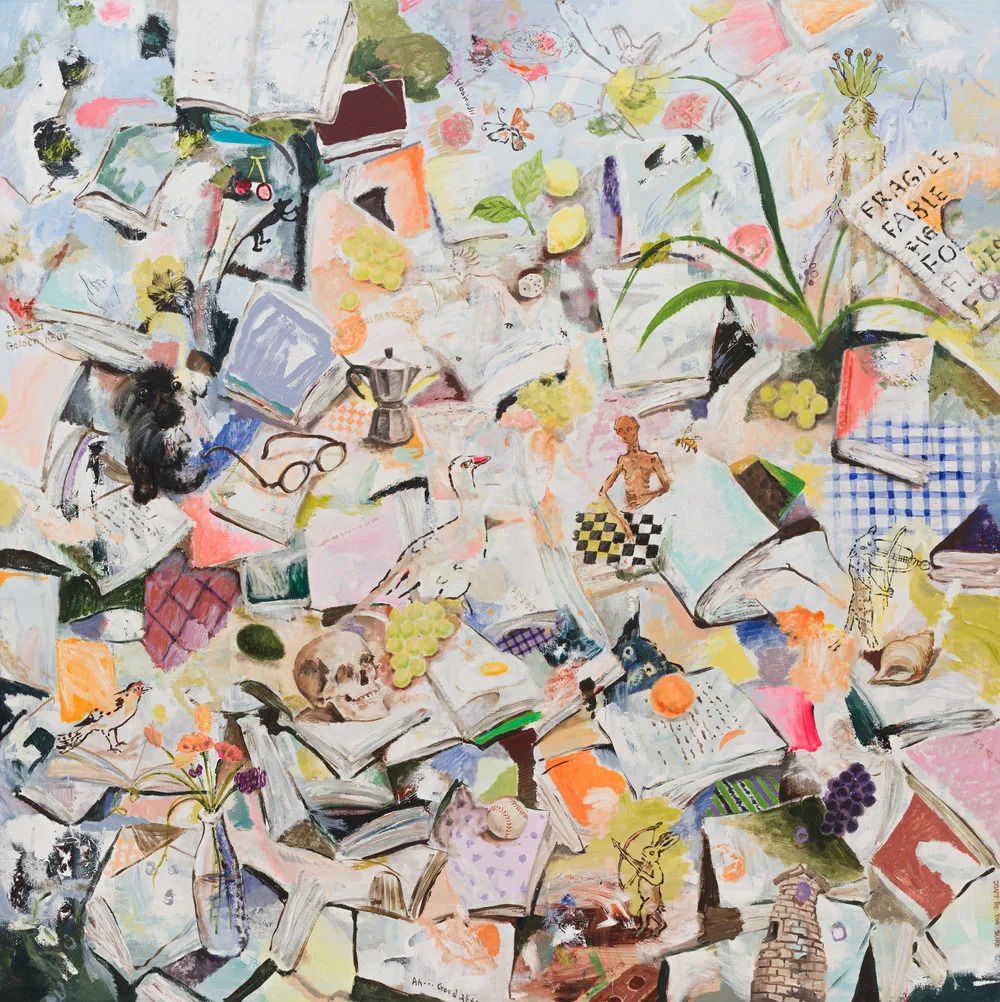
Choi begins by intuitively arranging fields of color upon a blank canvas, gradually constructing an imagined space where sky and earth—or ceiling and floor—intermingle. She then introduces everyday objects that recur in daily life, such as curtains, pillows, tables, and beds, as fundamental elements within the composition.
 
Fragments drawn from art history that resonate with her, alongside plants, animals, and insects, are layered onto these scenes, giving rise to pictorial spaces suggestive of latent and imagined narratives.
 
The artist further populates the canvas with whimsical and playful drawings, continually questioning its compositional structure while carefully attending to the balance and dominant hues of the painting through to its final stages. Rather than pursuing a perfectly resolved surface, she deliberately preserves moments of looseness and incompletion, creating works that are at once light, fluid, and open-ended.
 
Through this process, Choi interweaves the fragments of everyday life and memory that unfold through repetition like a patchwork, unfolding the embodied accumulations of time into the newly imagined space of painting.


Choi Sujin, Sunset Splash, 2025, Oil on canvas, 210x170cm © Choi Sujin

In this way, Choi Sujin's practice begins with her inner world and extends outward to the moments when everyday beings reveal themselves, as well as to the embodied sensations of particular moments accumulated through daily life, which she gathers into temporal and sensory constellations and reconfigures through the language of painting.
 
Emerging from an intuitive encounter with a particular color, her paintings weave together fragments of everyday life, afterimages of the unconscious, memories, and sensations into densely layered networks of meaning.
 
Within these pictorial spaces, viewers are invited not only to experience the artist's everyday world and the sensations that permeate it, but also to unexpectedly find themselves drifting into the landscapes of their own memories and unconscious.

“I explore the elusive point at which painting can gather together particular moments in time, sensing the hours that emerge, recur, and gradually fade with the passing of each day.” (Choi Sujin, Artist's Note)


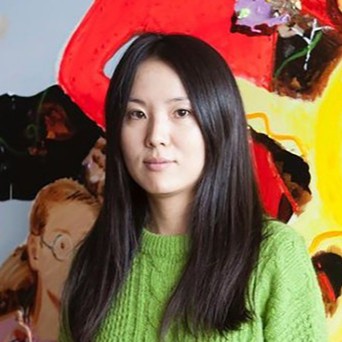
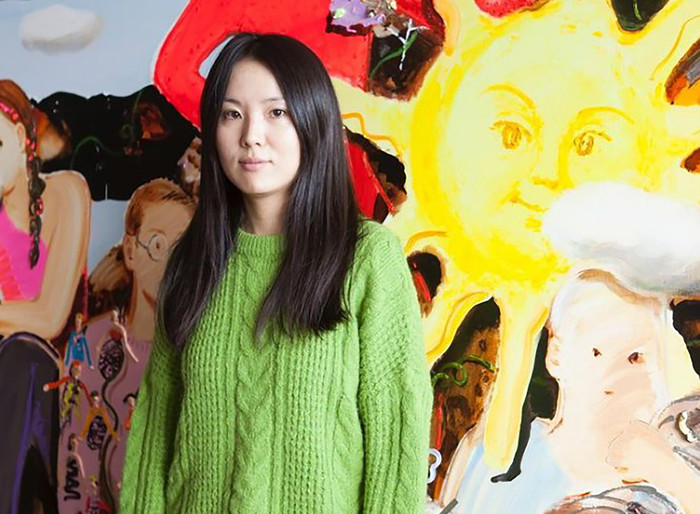
Artist Choi Sujin © Koo House Museum

Choi Sujin received her BFA in Painting and her MFA from Chung-Ang University. Her recent solo exhibitions include 《Air Pages》 (A-Lounge Contemporary, Seoul, 2024), 《Pastry Pillow》 (WWNN, Seoul, 2023), 《Rainbow Letter》 (Artmia Space, Hainan, China, 2022), and 《Fruity Buttercream》 (AIT, Seoul, 2021).
 
She has also participated in numerous group exhibitions, including 《Faisandage》 (G Gallery, Seoul, 2026), 《Dreaming by Day》 (Wooran Foundation, Seoul, 2026), 《The Mutable Line》 (G Gallery, Seoul, 2025), 《If Only Such Tenderness Existed》 (Hapjungjigu, Seoul, 2024), 《SUN ROOM》 (BB&M, Seoul, 2023), 《High, Light》 (Koo House Museum, Yangpyeong, 2022), and 《Veil of Thought》 (Ilwoo Space, Seoul, 2022).
 
Choi has participated in artist-in-residence programs at Artmia (Beijing, 2020), the Kuandu Museum of Fine Arts (Taipei, 2019), and the OCI Museum of Art (2015–2016). Her works are held in the collections of the Artmia Foundation, the Podo Museum, the Gyeonggi Museum of Modern Art, the Government Art Bank of Korea, and the POSCO Art Museum.

References