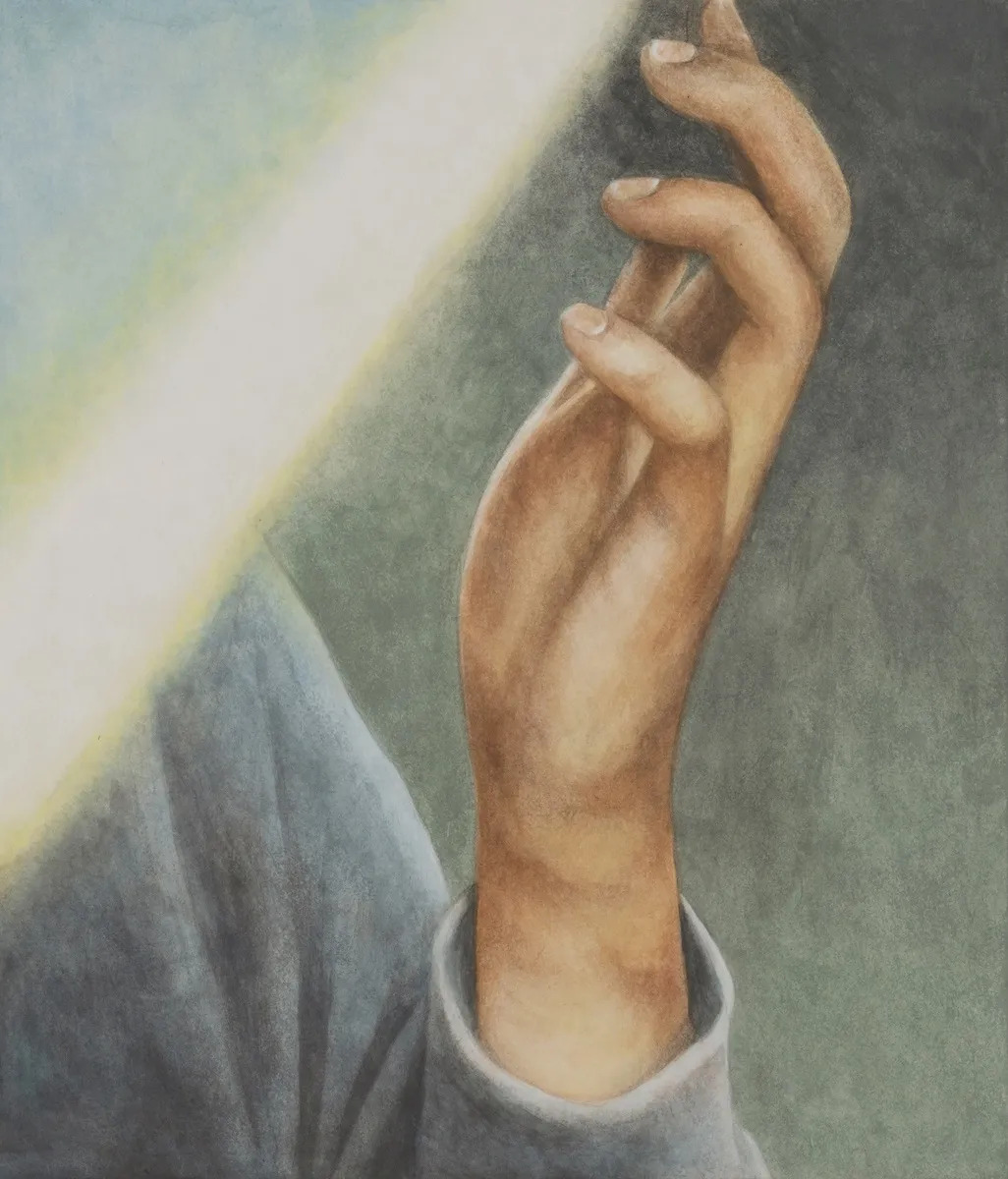
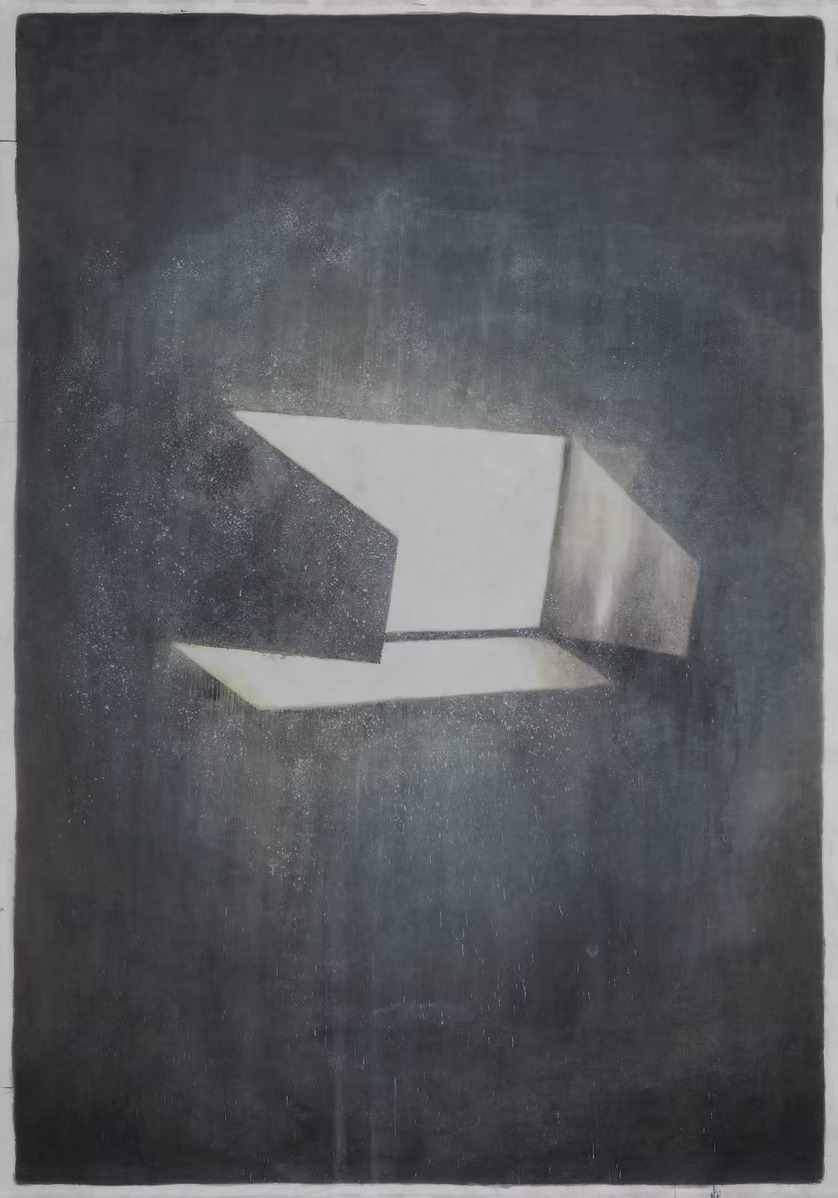
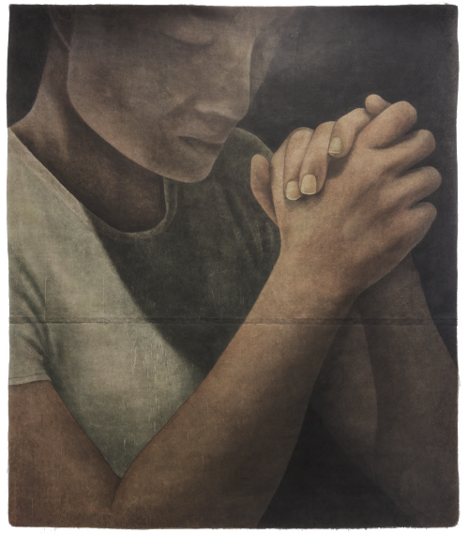
Yooyun Yang (b. 1985) has explored the unstable emotional states of contemporary individuals living within social structures through works employing jangji (Korean mulberry paper), ink, and acrylic paint. The distinctive atmosphere and enigmatic imagery of her paintings give form to the existential anxieties and solitude of individuals—the shadows that lie beneath visible phenomena.


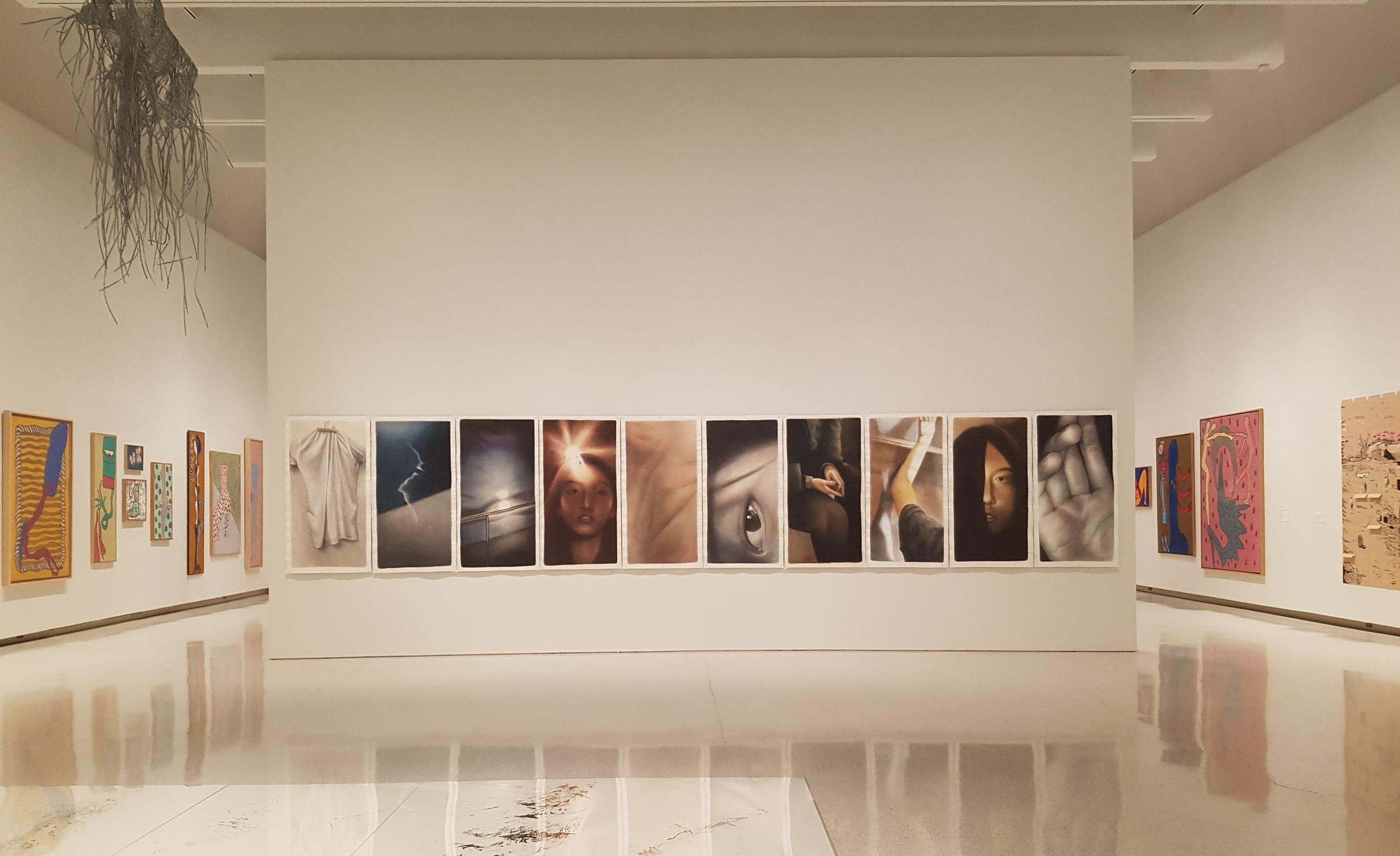
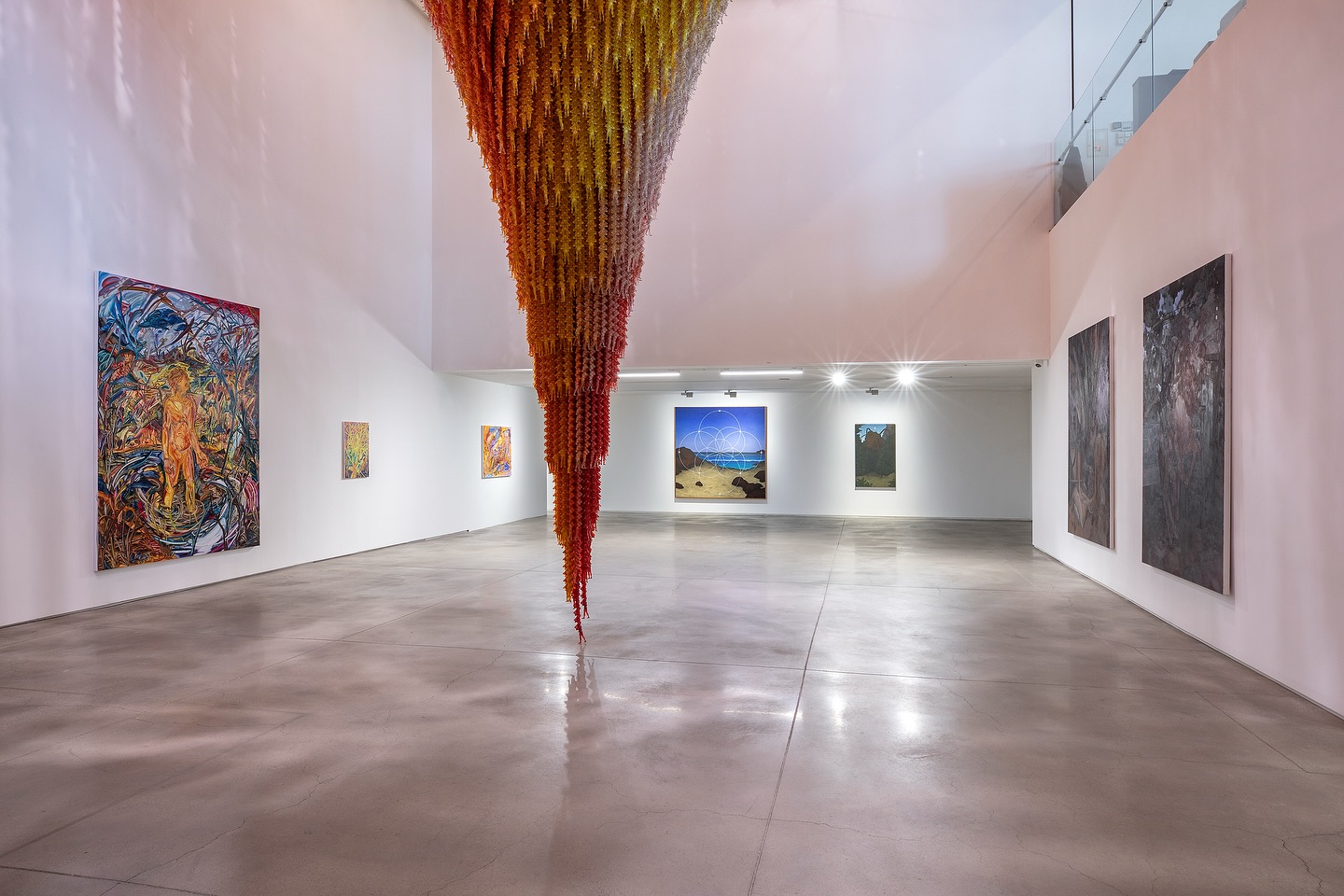
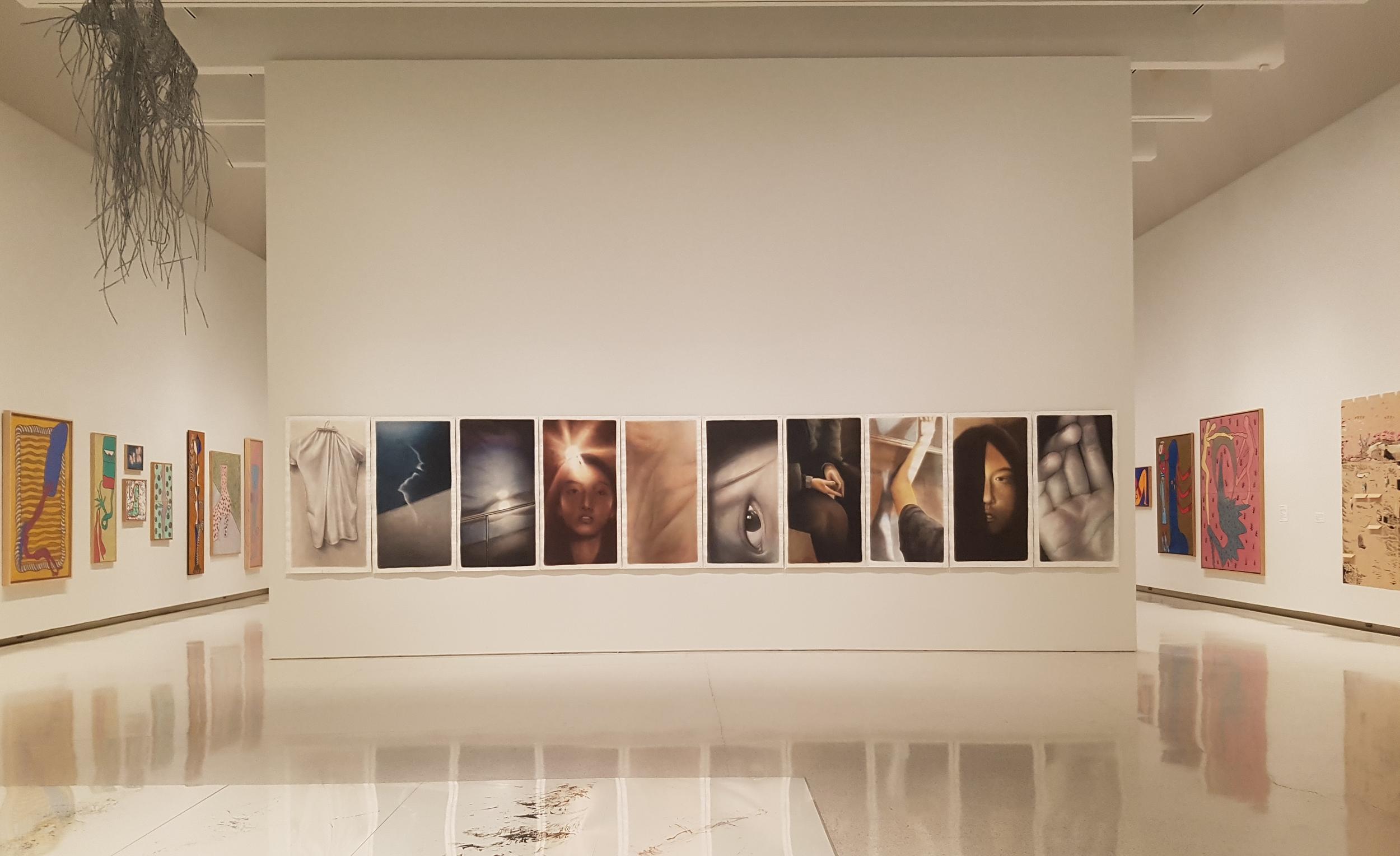
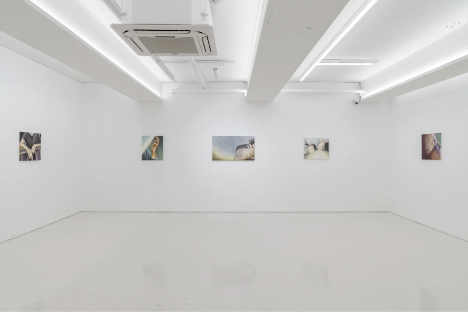
Installation view at the 58th Carnegie International (Carnegie Museum of Art, 2022-2023) © Carnegie Museum of Art

Yang employs the interplay of light and darkness to capture fragments of emotion—anxiety, alienation, and other affective states experienced by individuals living within today's unstable and uncertain reality.
 
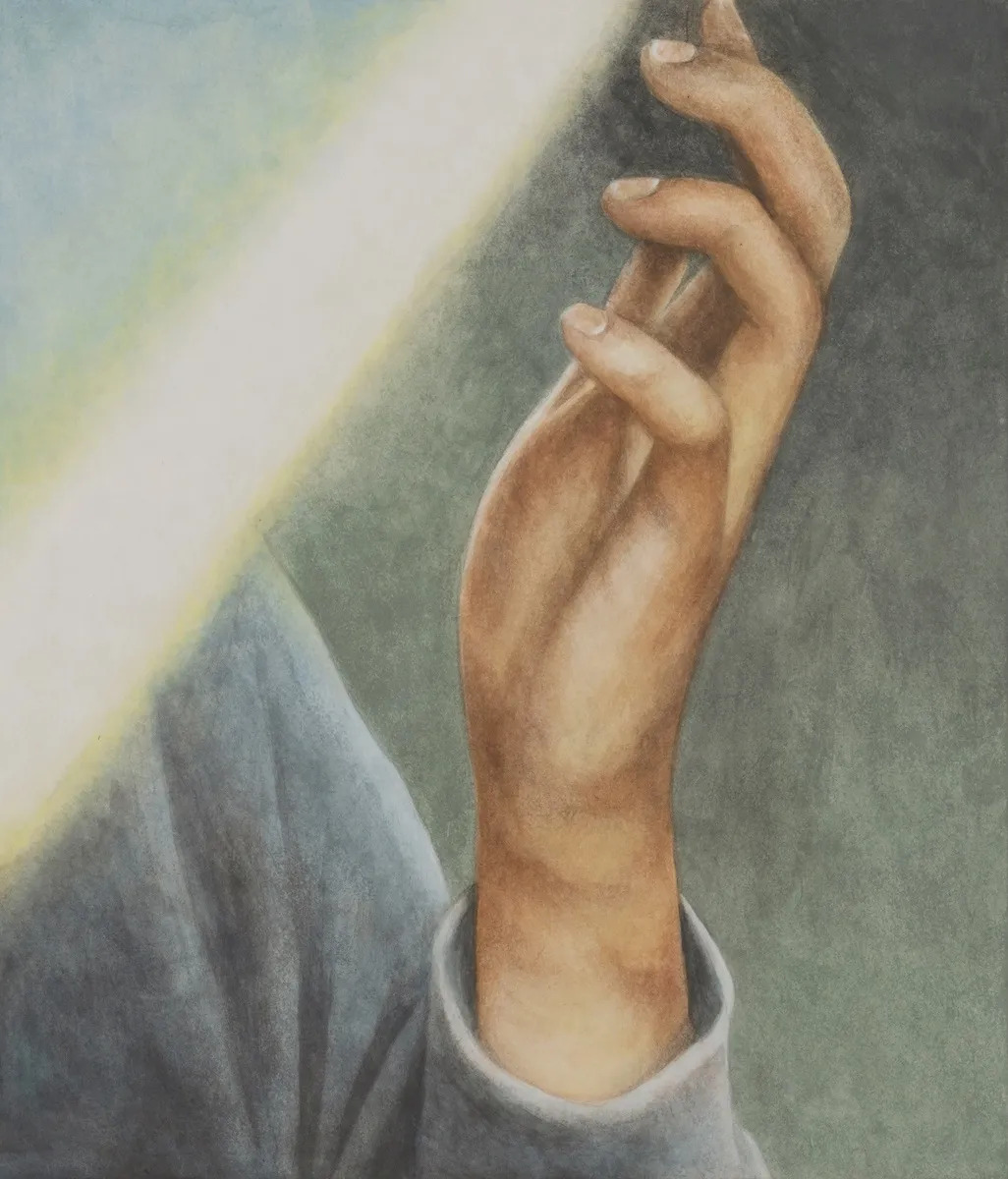
The surfaces of her paintings, created through the absorbent qualities of jangji (Korean mulberry paper) and the layering of diluted pigments, gradually reveal the subtle strata of emotions that reside deep within the self.
 
The pictorial spaces that emerge from pressing down and layering these swirling inner emotions evoke a quiet and restrained sensibility, as though the intensity of feeling has been gently held in suspension.


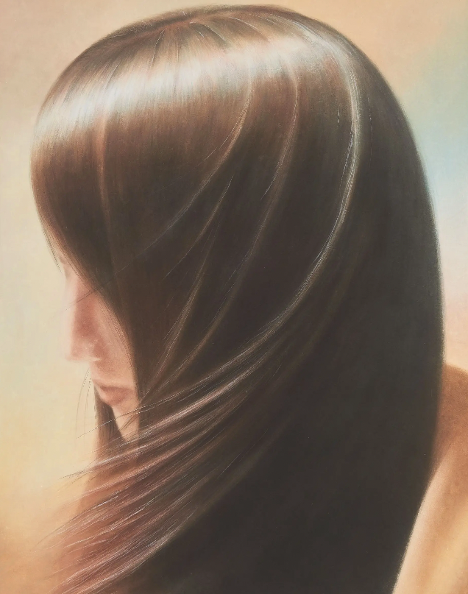
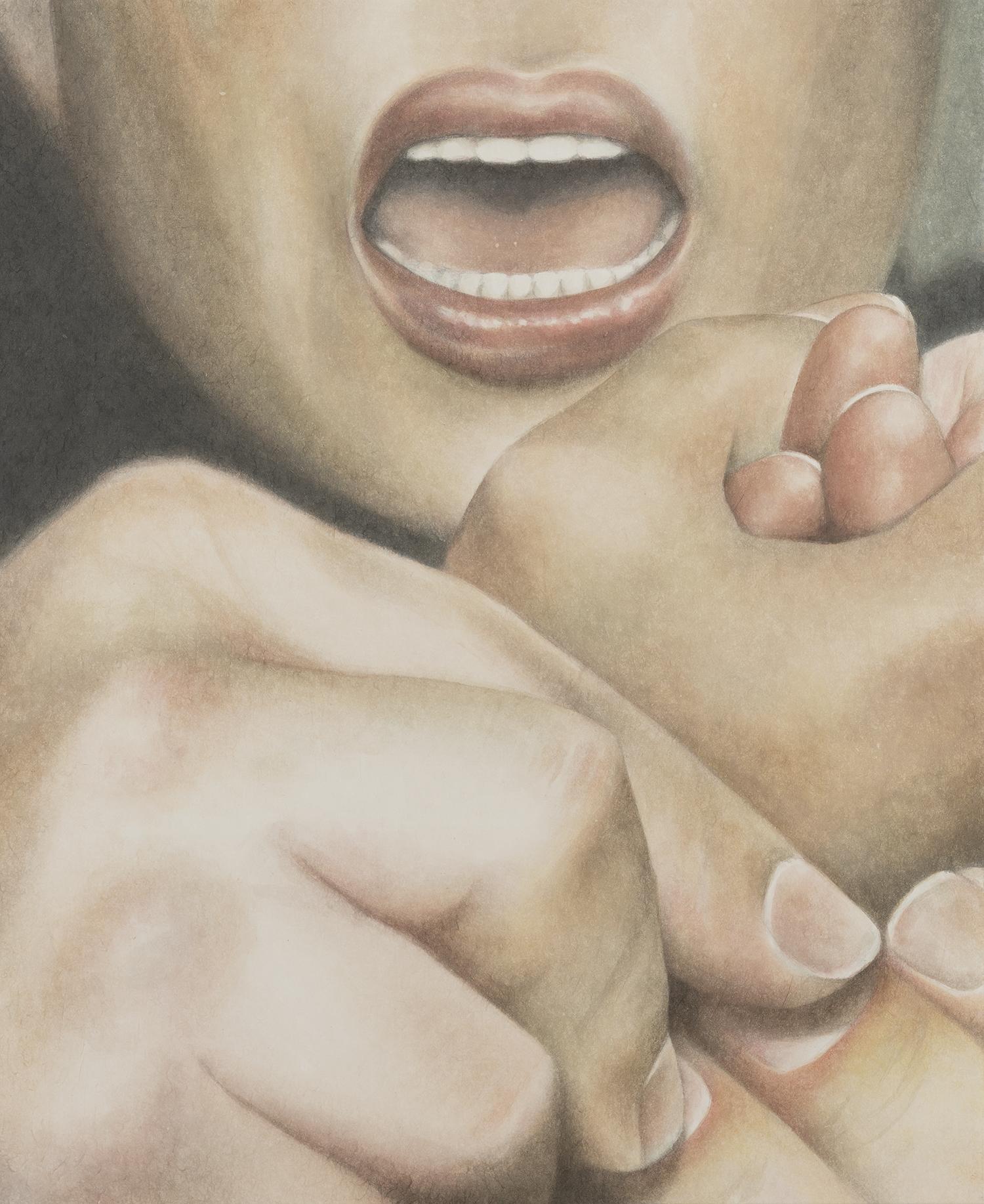
Yooyun Yang, Tangled, 2022, Acrylic on Korean paper (Jangji), 65x53cm © Stephen Friedman Gallery

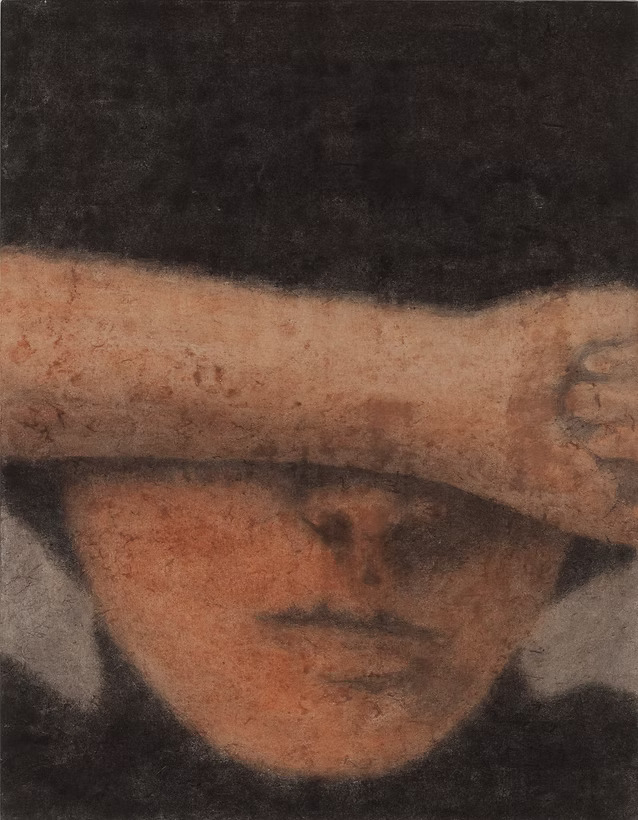
Another distinctive characteristic of Yang's work is that she never depicts the entirety of a figure or object. Instead, she isolates and magnifies only fragments of bodies and things, transforming these partial forms and surfaces into subjects of profound, weighty—even sublime—presence.


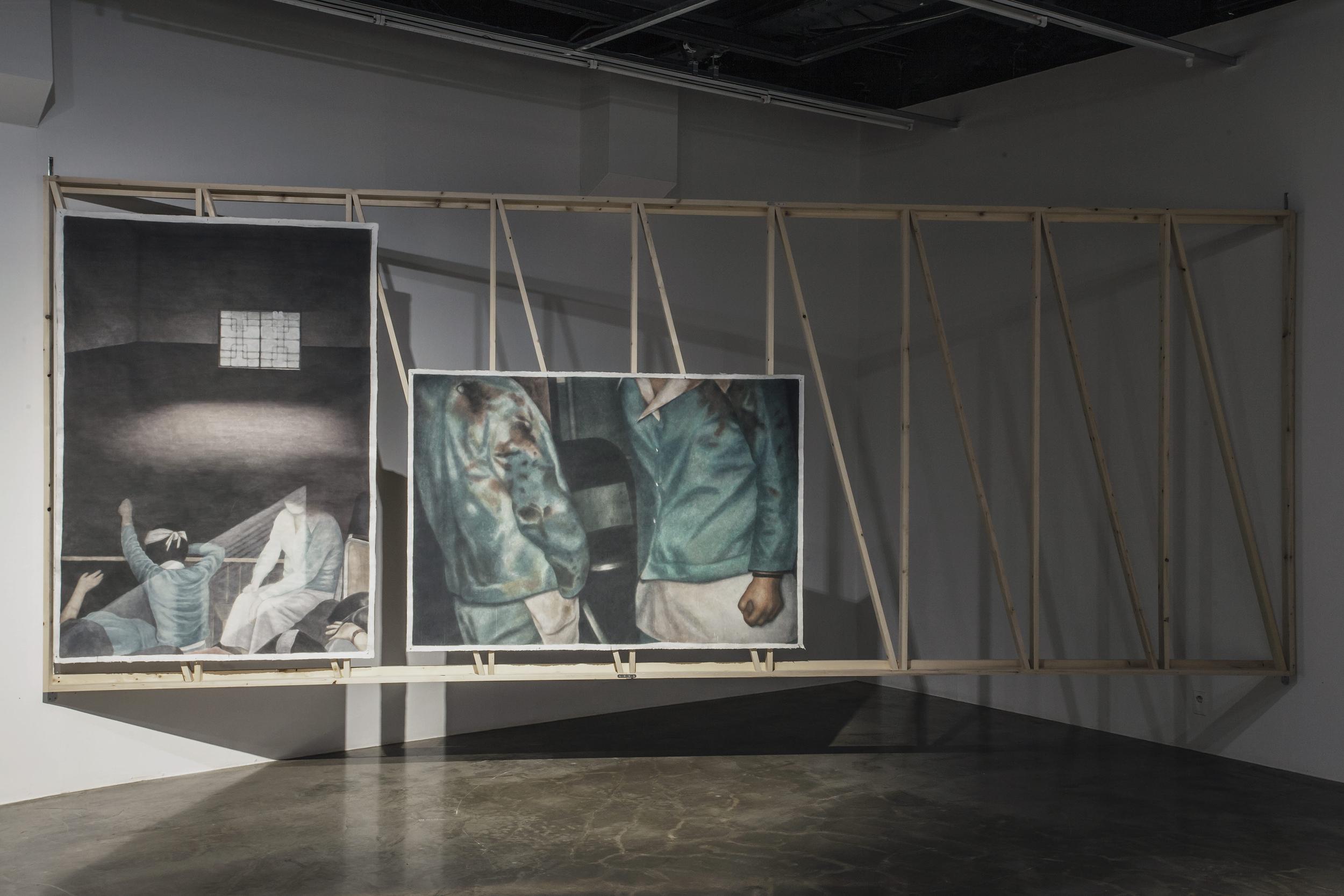
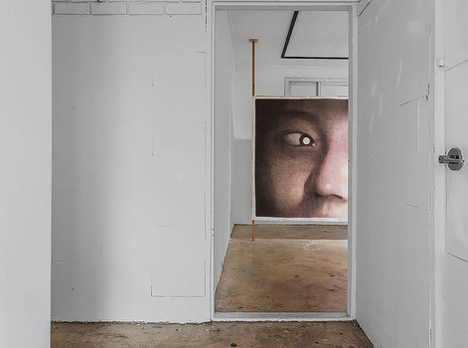
Installation view of 《October》 (ARKO Art Center, 2017-2018) © ARKO Art Center

In her early works, Yang often drew upon politically charged moments encountered through the mass media or rendered metaphorical fragments of reality based on photographs she took at sites she directly witnessed and experienced.
 
In the process, the artist deliberately transformed the original images, effacing the particularity of the figures and events they depicted and replacing them with anonymous forms.
 
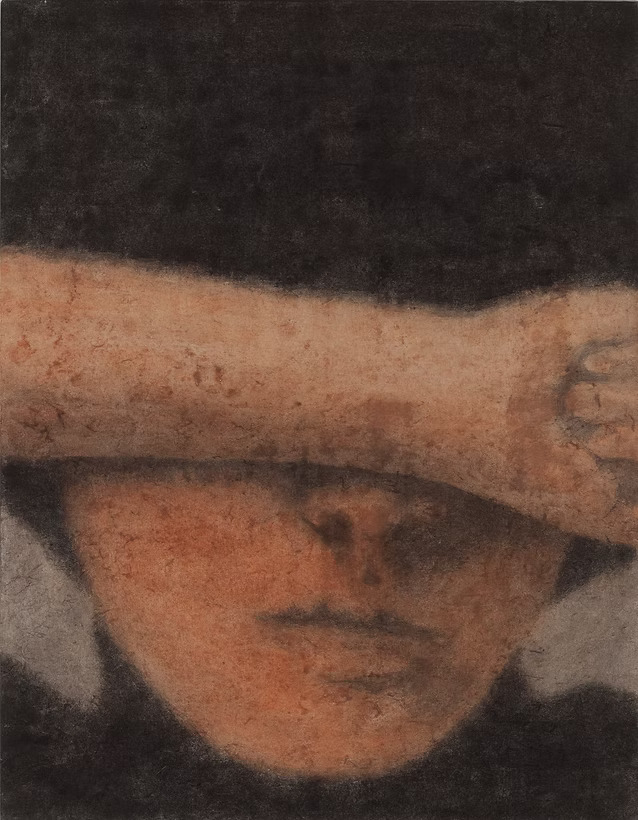
This strategy prevents the viewer from immediately associating the work with a specific event, while opening up a space for subjective interpretation—one in which new narratives may emerge through sustained looking or the circumstances of the image may be inferred through its title.


Yooyun Yang, Face 1, 2011, Color on Korean paper (Jangji), 41x32cm © Yooyun Yang

As her practice evolved, Yang came to recognize that human lives are shaped not solely by individual will, but are profoundly affected by the social environments in which they unfold. This realization naturally led her to turn her gaze toward herself as an individual living within society.
 
From this point onward, the artist began to depict what she had directly seen, felt, and experienced in her own life. In particular, she has sought to amplify feelings of solitude and helplessness—emotions that are at once deeply personal and universally engendered by social structures—within the pictorial space of her paintings.


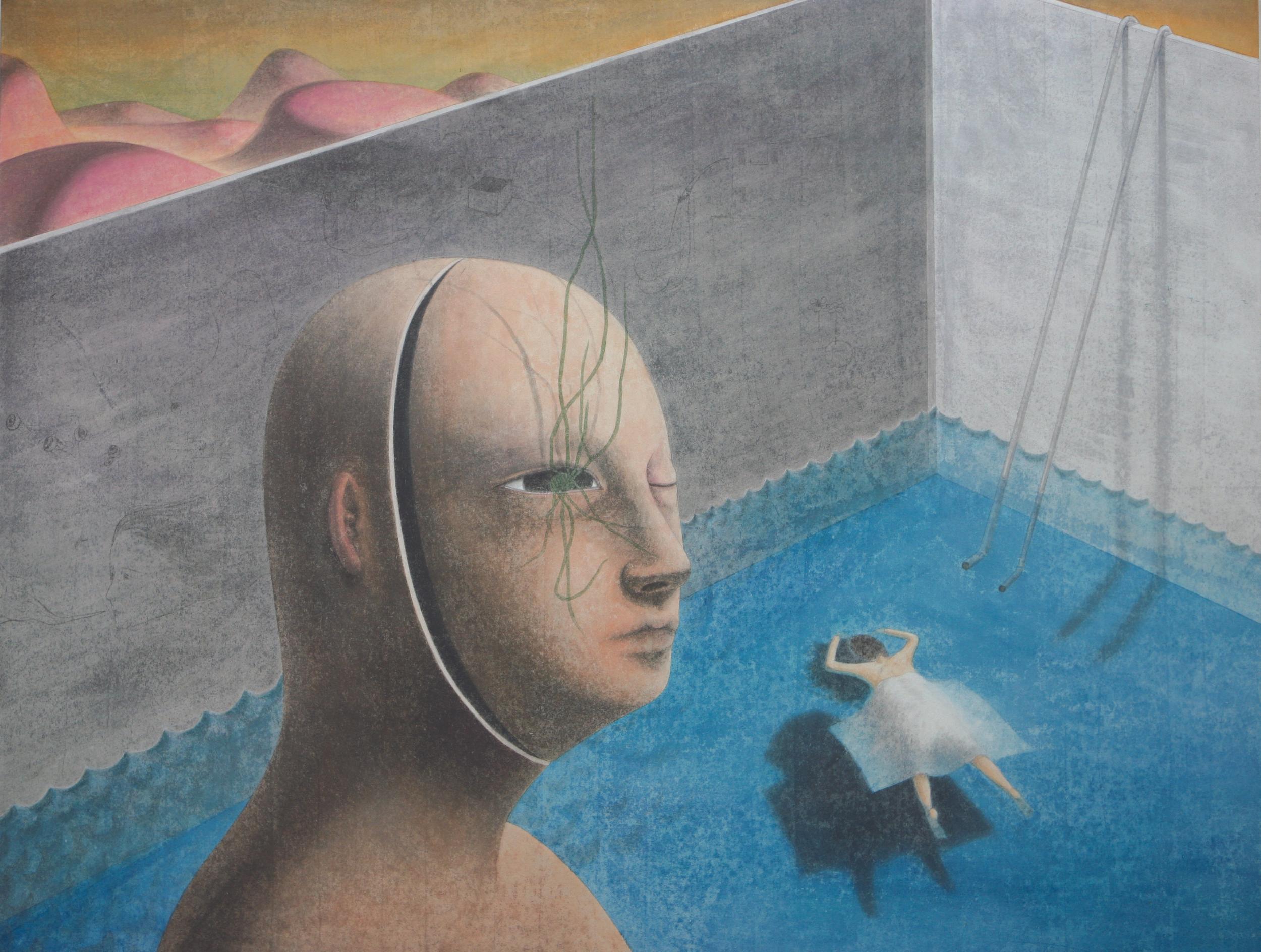
Yooyun Yang, The Afterimage of that Time, 2009, Pigment on Korean paper (Jangji), 145.5x112cm © Yooyun Yang

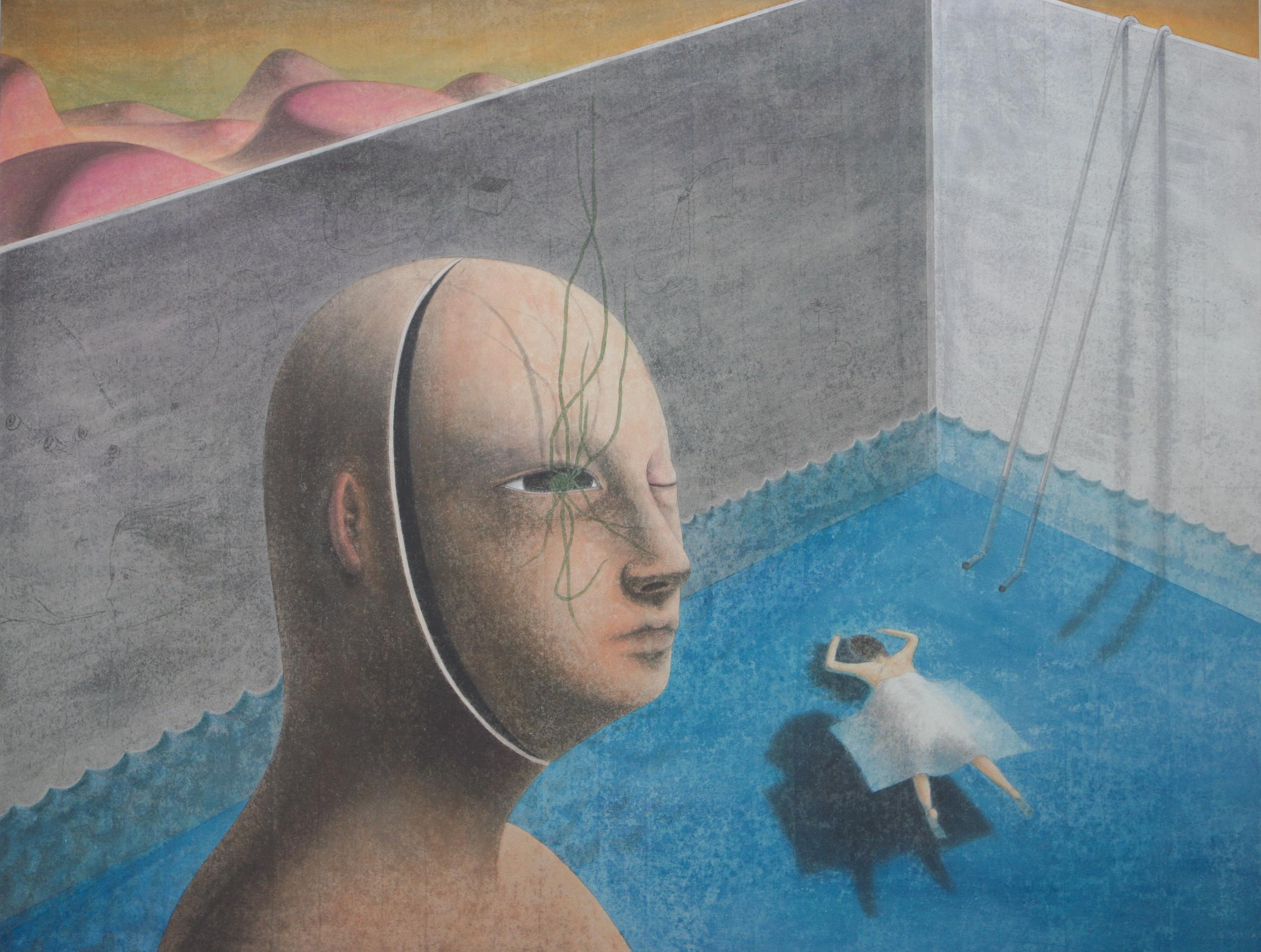
Yang's practice begins with an awareness of the history of the self. The various figures that inhabit her paintings are derived from fragments of the artist's childhood memories.
 
Suspended within desolate monochromatic spaces and imbued with a surreal atmosphere, these figures are depicted as incomplete beings—without brains, with holes in their hearts, or lying naked upon the ground.
 
At times, they conceal their faces behind long hair or appear in states of instability, with wounds and secretions flowing from their eyes and noses. In contrast to these unsettling images, the titles of the works—such as “For No Reason,” “The Afterimage of that Time,” and “Returning Home”—are presented with a detached and matter-of-fact tone.
 
This juxtaposition reflects the artist's attitude of projecting the wounds of the past onto a multitude of figures, contemplating herself from the distance of a third-person perspective, and, in doing so, coming to terms with both her memories and the reality of the present.


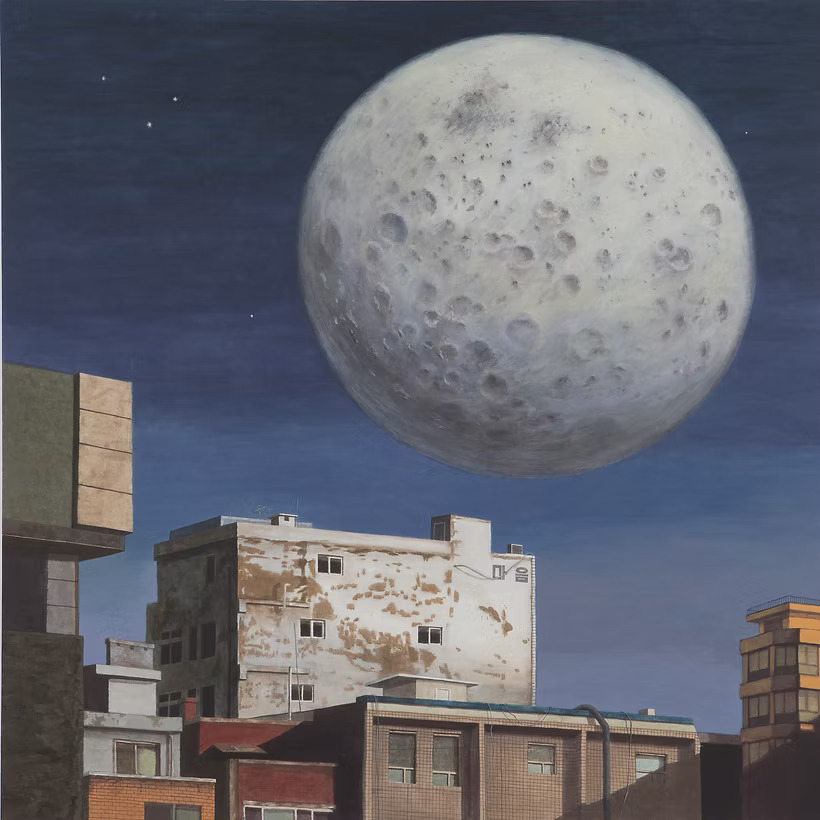
Yooyun Yang, One Day, 2012, Color on Korean paper (Jangji), 162x162cm © Yooyun Yang

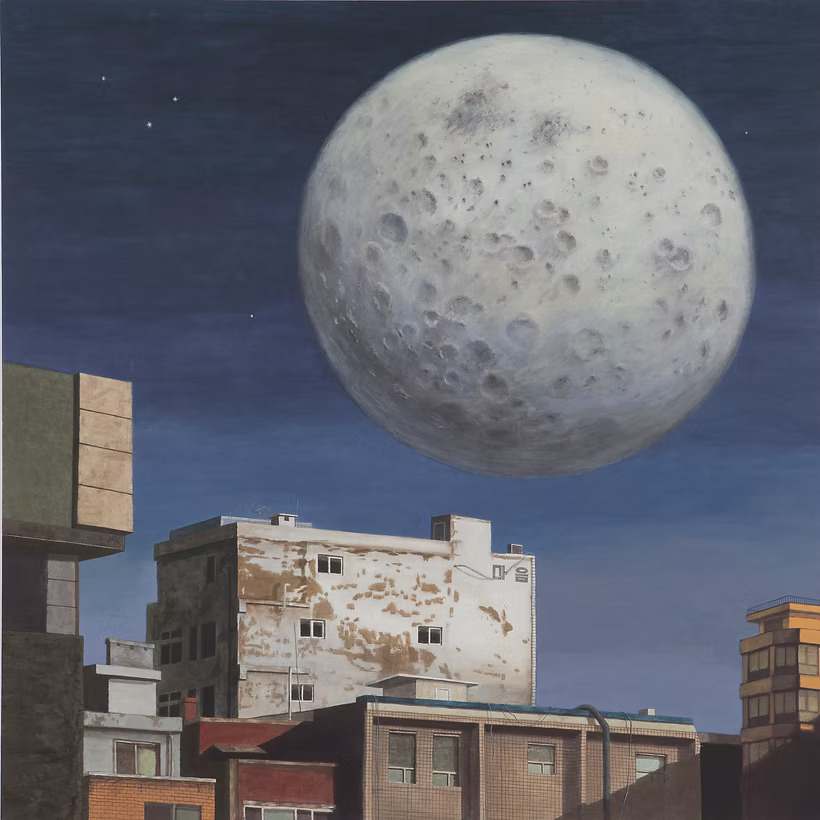
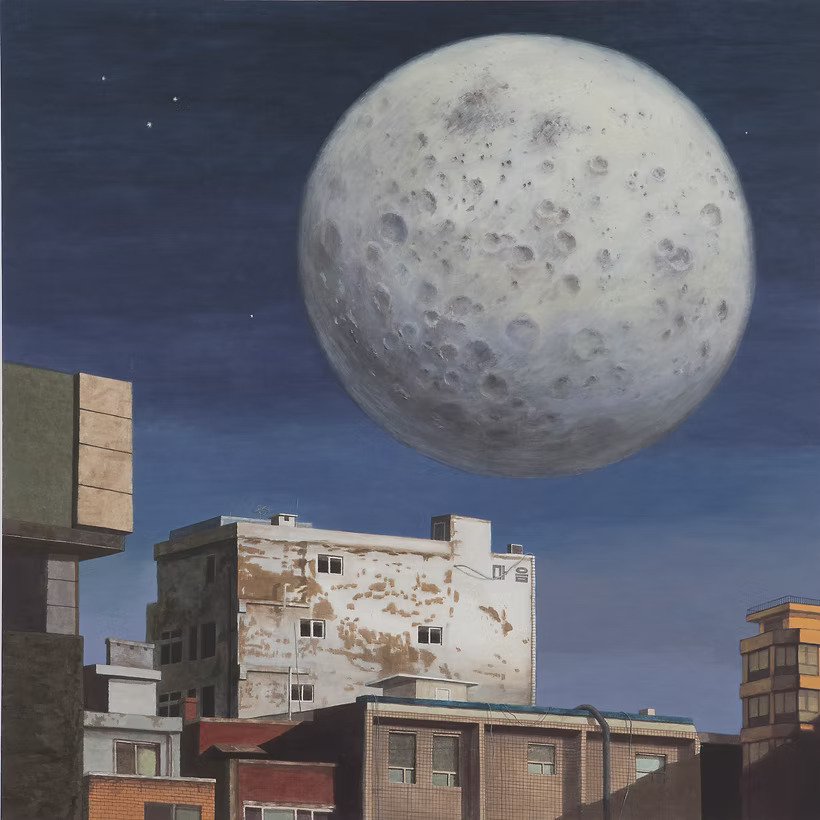
While these earlier works metaphorically revealed the artist's inner world, her 2012 solo exhibition 《Daydream》 at Gallery SoSo presented an external world onto which emotions had been projected and transposed.
 
In this exhibition, Yang depicted the moon—though hundreds of thousands of kilometers away—as an exaggerated, monumental presence that appears almost within reach, as if one could touch it simply by extending a hand from a rooftop.
 
Contrary to its familiar image as a luminous and beautiful celestial body, the moon in her paintings appears strange and even unsettling, its dark, hollowed craters evoking a sense of fear.


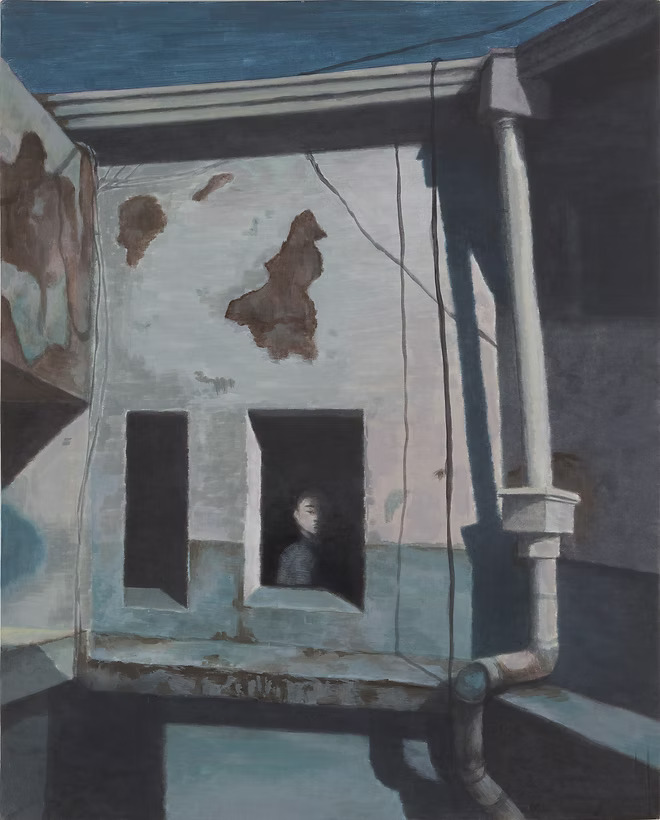
Yooyun Yang, At that Time, 2012, Color on Korean paper (Jangji), 100x80cm © Yooyun Yang

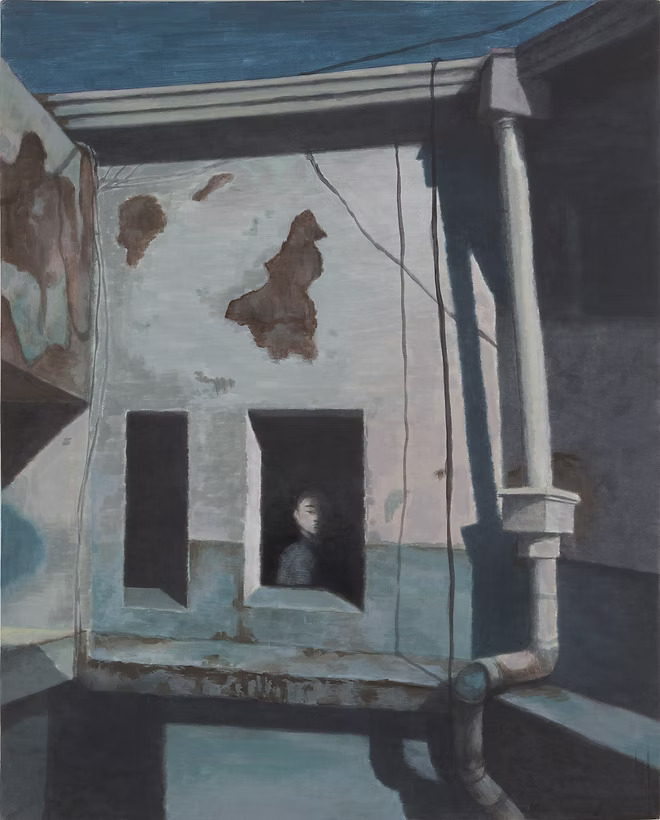
The cratered surface of the moon bears an uncanny resemblance to the aged and dilapidated buildings that surround it. Apartment complexes awaiting redevelopment—including Chungjeong Apartment, originally built during the Japanese colonial period and having served many roles over the decades—appear as though they might collapse at any moment.
 
Their faded facades and decaying surfaces, as if gnawed away by time and insects, evoke an unsettling sense of ruin.
 
By gazing upon the countless scarred landscapes of the city—weathered buildings, perforated floors, sunken walls, and black smoke rising from chimneys—Yang traces the memories of wounds buried deep within herself.
 
Her empathetic engagement with the faded exteriors and shabby interiors of these buildings may be understood as an attempt to extend her gaze beyond the self while maintaining an attitude that perceives the profoundly personal "I" as something universal.


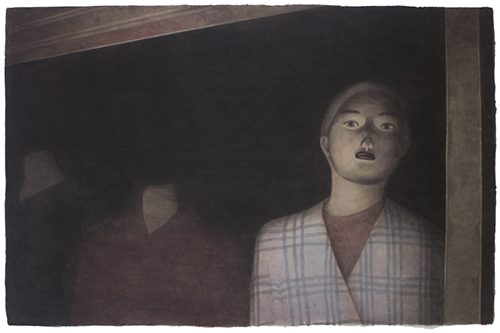
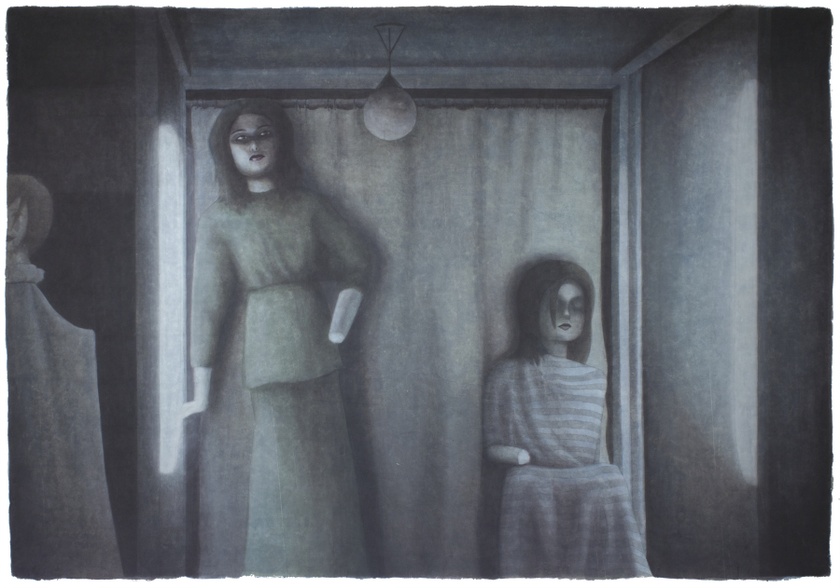
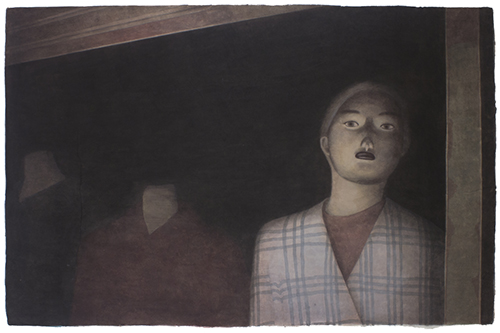
Yooyun Yang, Show window, 2015, Acrylic on Korean paper (Jangji), 150x210cm © Yooyun Yang

In this way, Yang evokes the intimate emotions that lie at the core of both herself and contemporary individuals through motifs drawn from lived reality—landscapes, figures, fragments of the body, and traces of wounds.
 
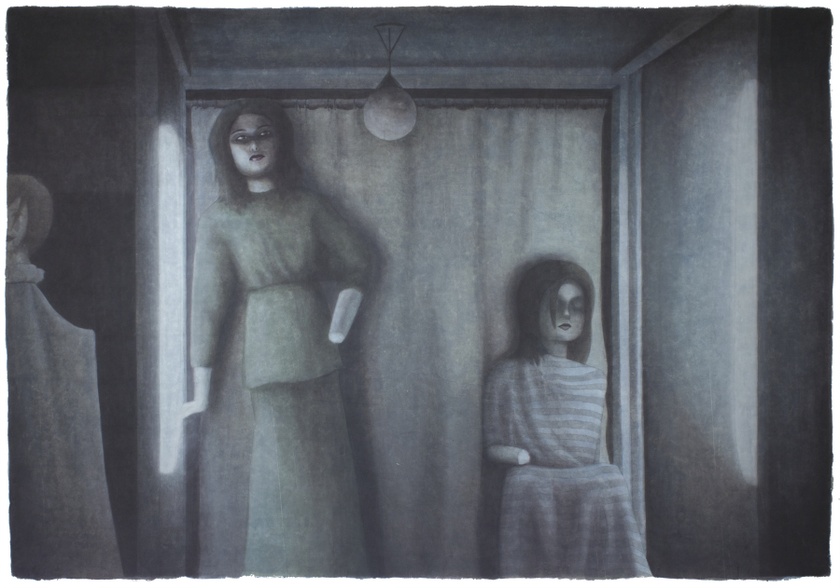
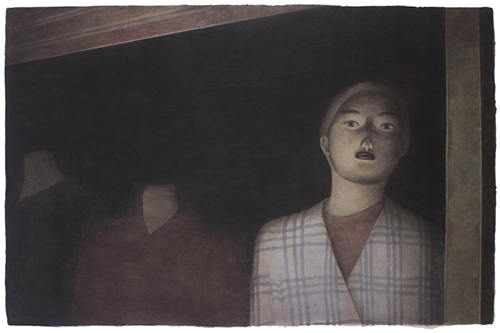
Furthermore, in her 2016 solo exhibition 《Distrust and Overtrust》 at Gallery Lux, Yang projected emotions akin to solitude—melancholy and anger—onto artificial objects such as mannequins, imbuing them with deeply human affect.


Yooyun Yang, Contrast, 2016, Acrylic on Korean paper (Jangji), 100x148cm © Yooyun Yang

Her paintings feature fragmented mannequin bodies that resemble human forms and rigid, expressionless faces that appear artificially situated within unfamiliar landscapes.
 
The artist has noted that, at the time, she was grappling with feelings of doubt and uncertainty toward people and things she believed she knew, both socially and personally.
 
Through the artificial figure of the mannequin as a surrogate for human emotion, Yang sought to give form to the bewilderment and sense of betrayal that arise when what was once trusted becomes an object of distrust, as well as the fear and uncanniness brought about by uncertainty surrounding its very identity.


Yooyun Yang, Stuck, 2016, Acrylic on Korean paper (Soonji), 136.5x98cm © Yooyun Yang

Art critic Kim Hong Ki finds in Yang's paintings “today's uncertain world, where the excess and deficiency of trust—manifested as distrust and overtrust—have failed to achieve a chemical balance and remain merely physically entangled.”
 
Kim further observes that Yang's paintings “tenaciously give form to the chaos of extremes and the ruins of uncertainty,” and “seek to suspend imposed judgments, inviting viewers instead to gaze upon and contemplate the uncertainties of our fatigued society as they are.”


Yooyun Yang, Illumination, 2019, Acrylic on Korean paper (Jangji), 210x150cm © Yooyun Yang

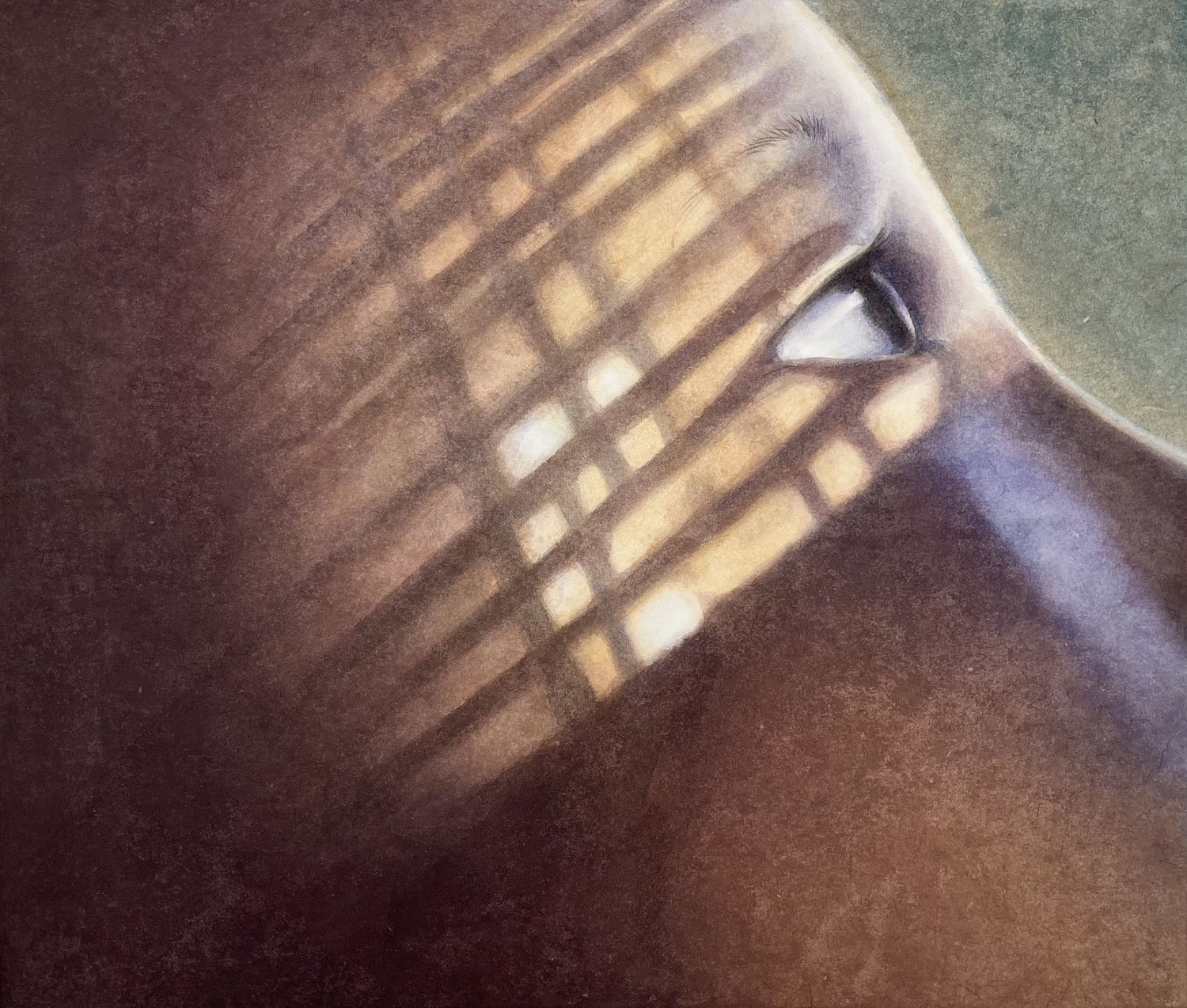
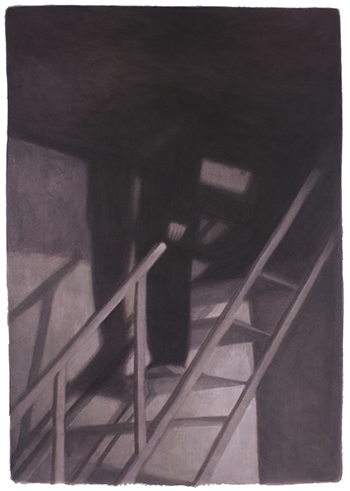
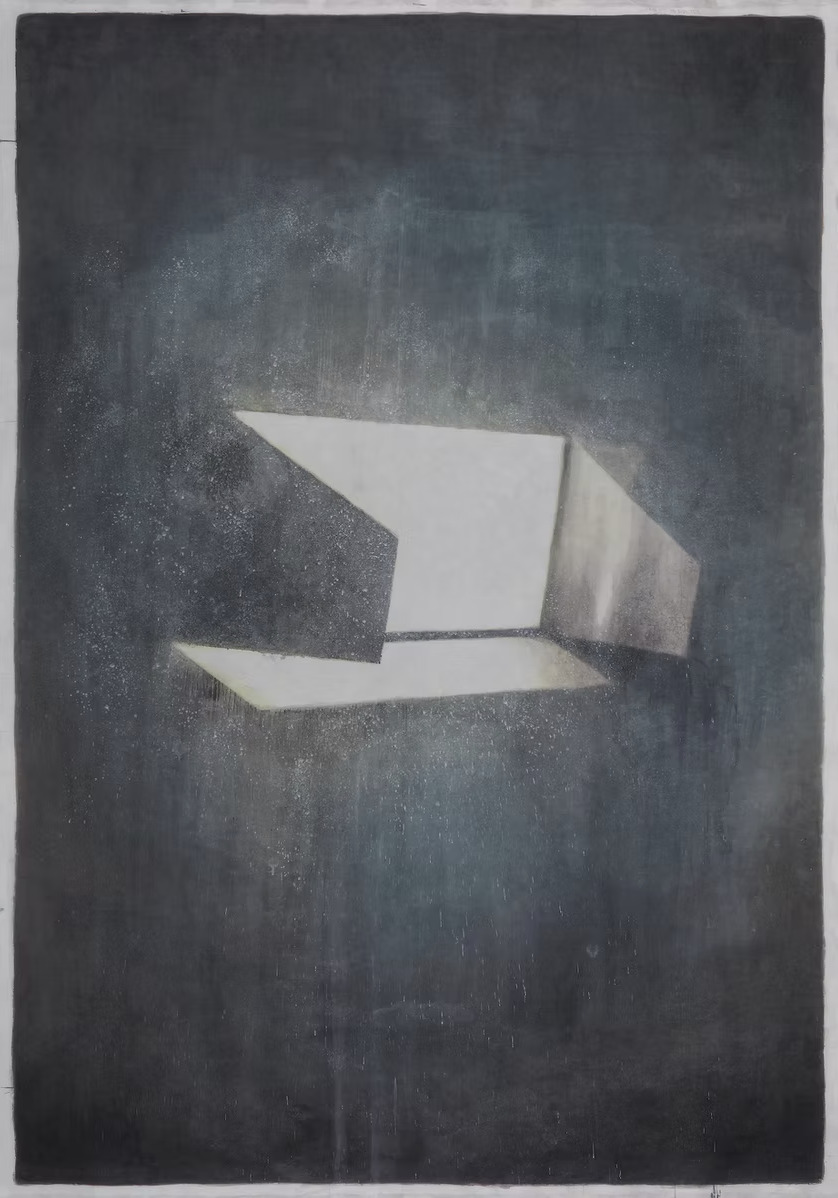
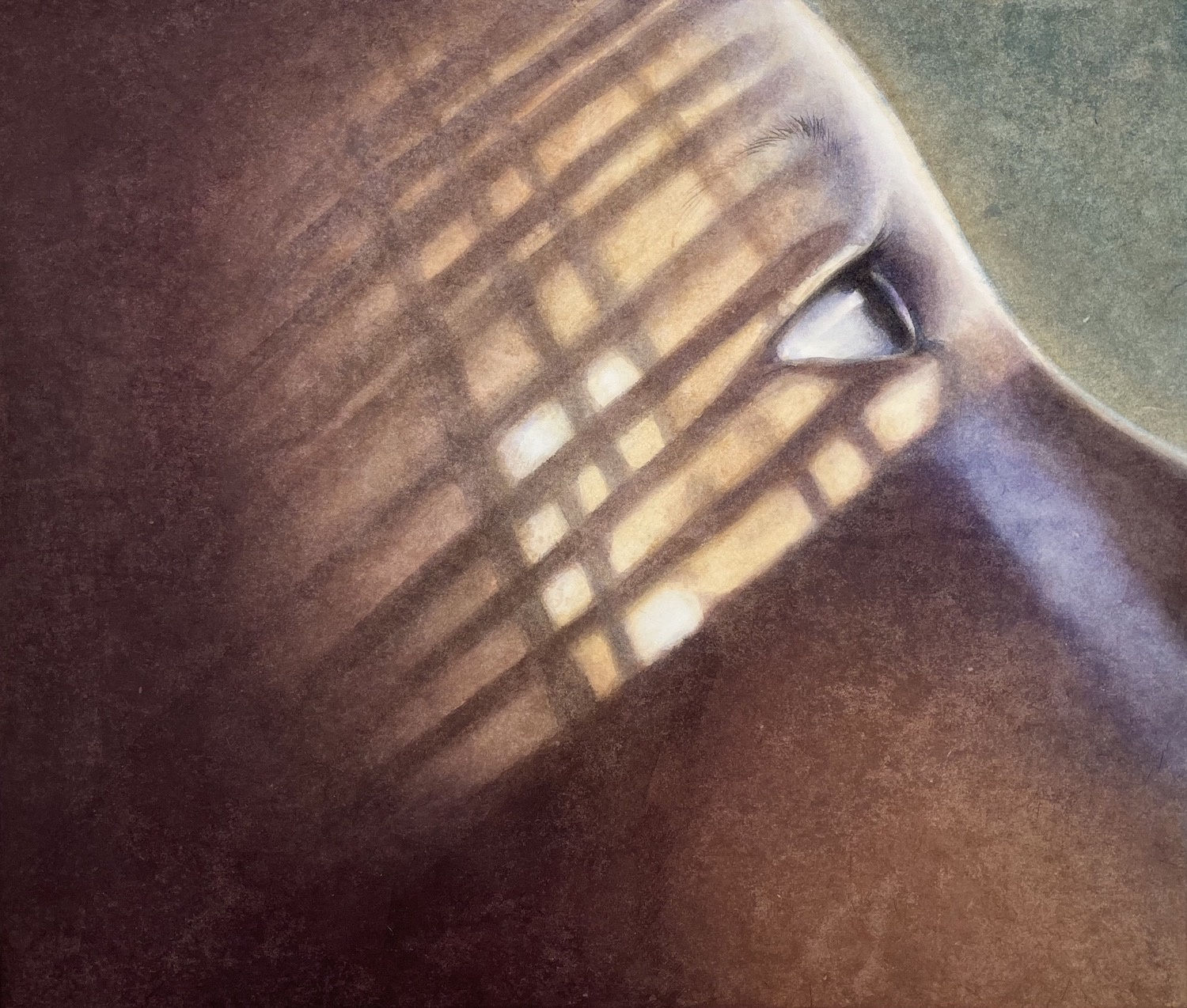
Having long explored the darkness born of anxiety, fear, and the ineffable sensations evoked by ambiguous subjects, Yang has, since her solo exhibition 《I know the day will come》 (Amado Art Space, 2022), sought to invite viewers into her inner world through painterly spaces composed of subtle gradations of light and shadow.
 
Through the absorbent qualities of jangji (Korean mulberry paper), which both takes in and holds water, and through the lingering afterimage of a “presence that illuminates the darkness”—made manifest precisely in what remains unpainted—the artist creates a tense space that exists between touch and sight, extending beyond mere visual contemplation.

Yooyun Yang, Grid, 2022, Acrylic on Korean paper (Jangji), 45x53cm © Yooyun Yang

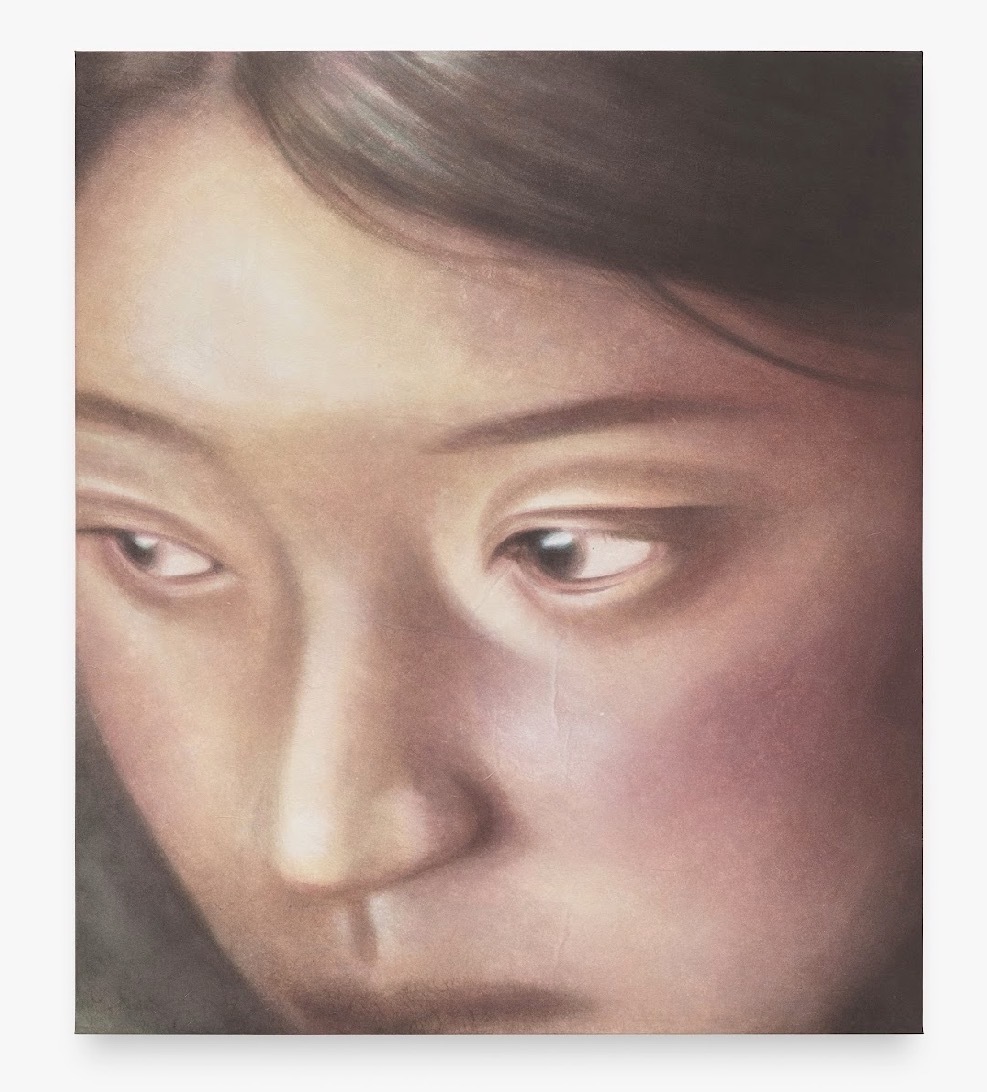
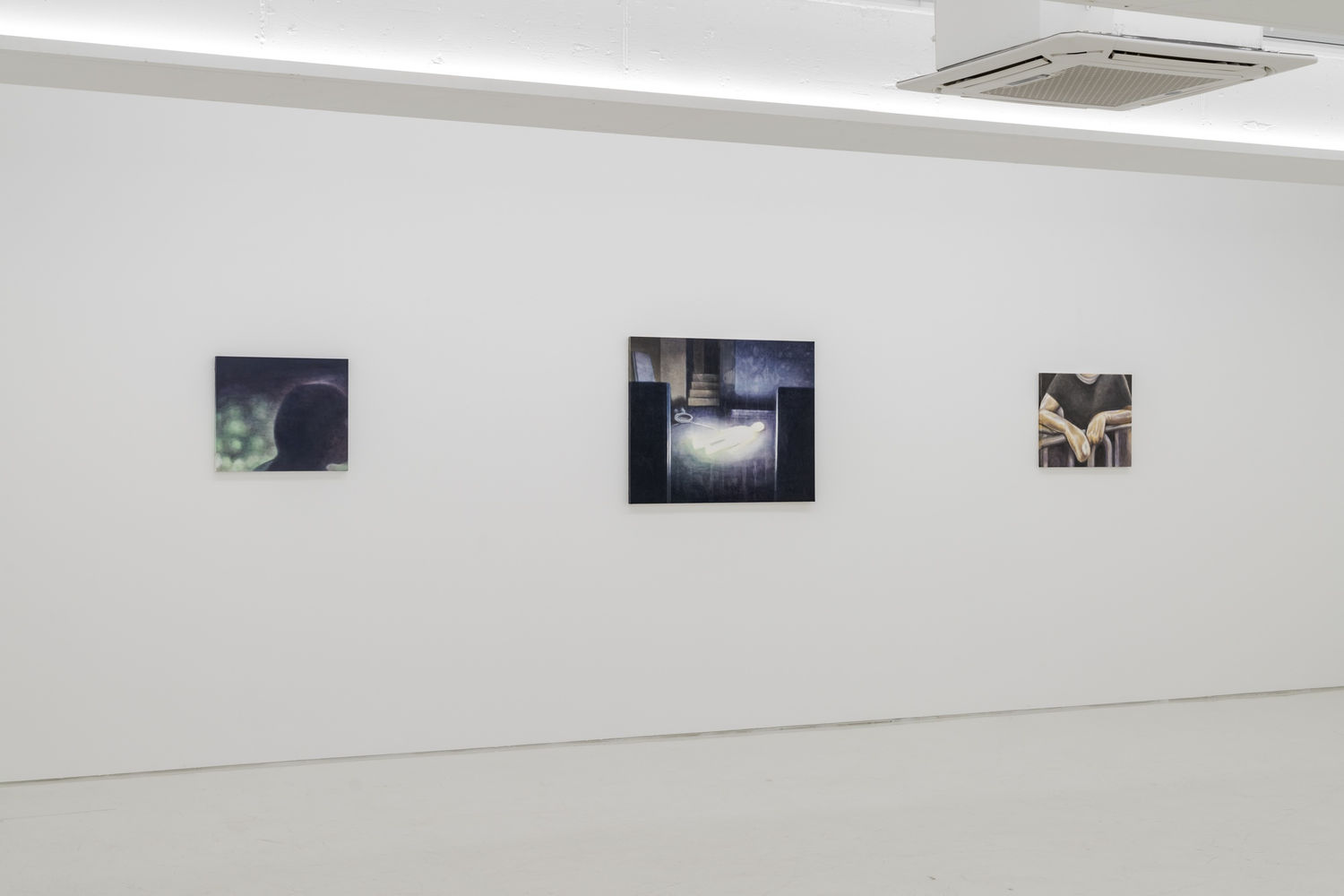
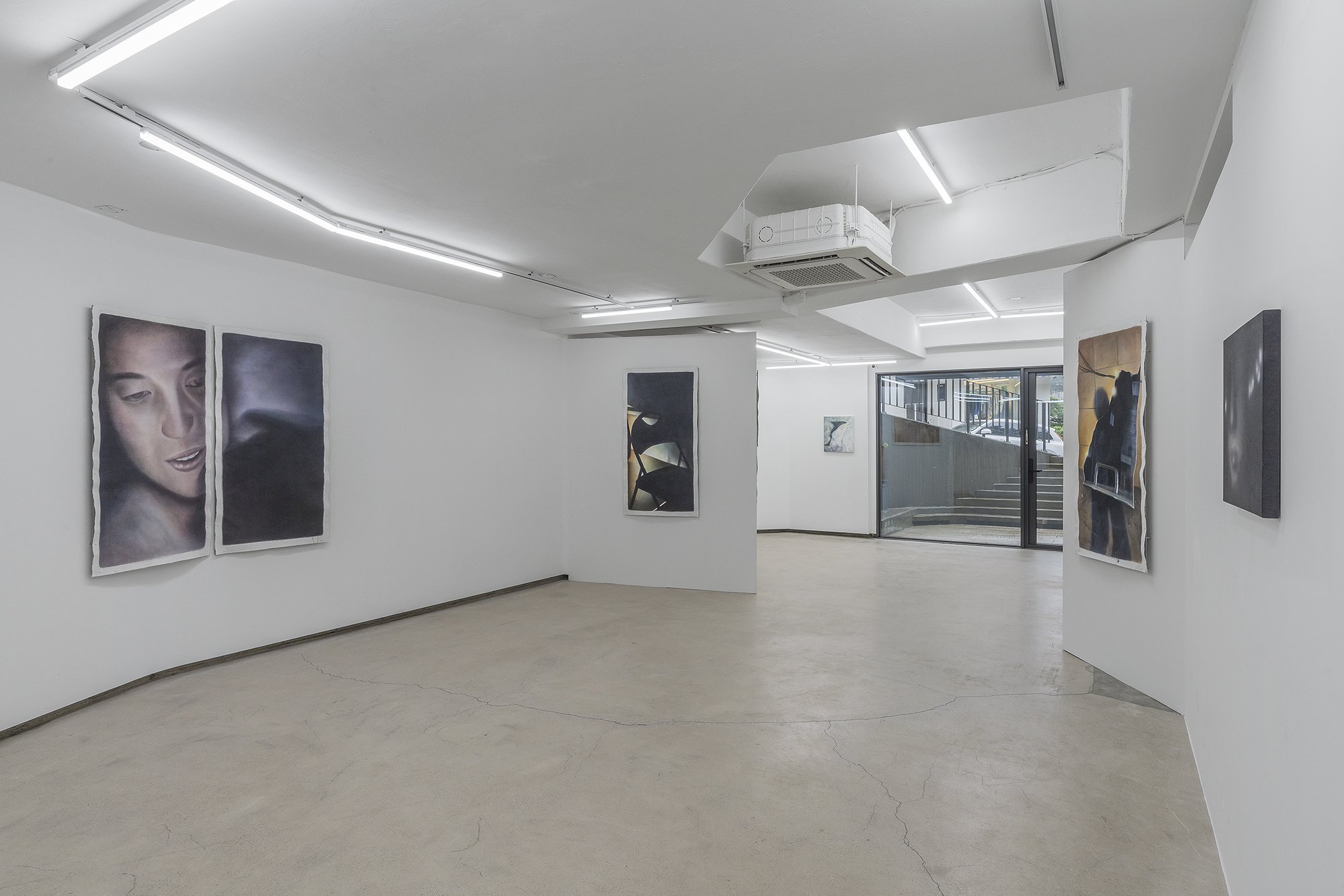
Meanwhile, in her 2022 solo exhibition 《Face》 at Chapter II, Yang employed light not as an independent subject in itself, but as a means of emphasizing or artificially exposing the central image.
 
Drawing upon her personal records and collected materials, the artist presented works centered on the theme of “familiar fear,” interweaving subjective emotions and memories.


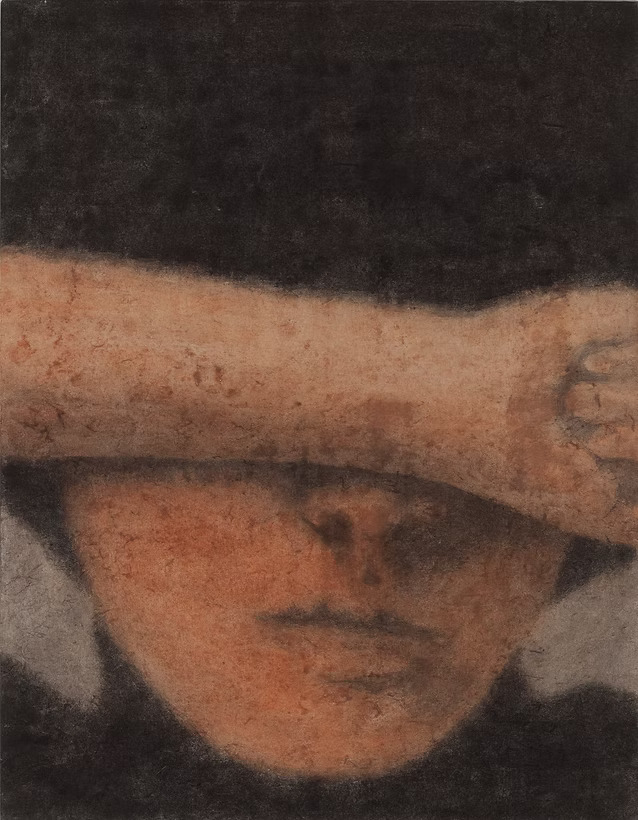
Yooyun Yang, LAY, 2022, Acrylic on Korean paper (Jangji), 53x45cm © Yooyun Yang

Despite using one of the traditional oriental media—Jangji paper, Yang’s practice still conveys universal and practical traces of the digital era, for example, motion capture and artificial lighting. Thus, the effect of capturing moments of figures seemingly preoccupied with particular behaviours gives a subtle sense of awkwardness and distance among the characters, their situations and the spectators.
 
The excessive exposure directly illuminating the subject and the aloof attitude of the painted figures who consciously avoid the light curiously evoke an extraordinary ambience overspreading her paintings.


Installation view of 《Face》 (Chapter II, 2022) © Chapter II

Meanwhile, the multiple coats of the thin paint clearly reinforce its physical traits and allow the de-saturated sections to appear, creating a chilling atmosphere. She consequently manages that the situations the painted characters encounter and their hidden emotion steadily permeate without an immediate eruption, as though the artist carefully camouflaged familiar discomforts in the works instead of temporarily displaying volatile feelings.
 
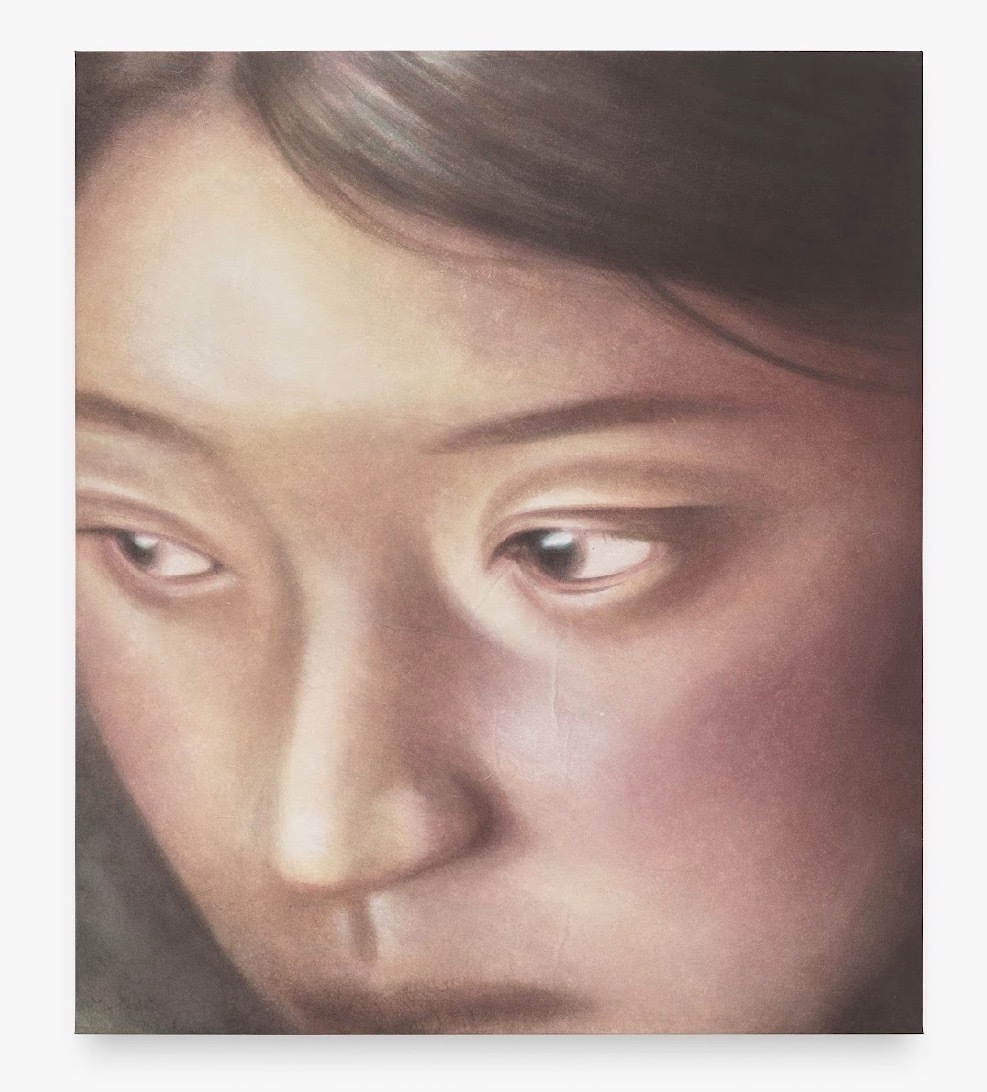
The figures in her paintings are drawn from the artist herself and those around her. Yet, by effacing the particularity of any individual and leaving them as anonymous presences, Yang seeks to capture emotions that are universally human.


Yooyun Yang, Nobody, 2026, Acrylic on Korean paper (Jangji), 53x45.5cm © Duarte Sequeira

In this way, Yooyun Yang has captured the pervasive atmosphere of anxiety that defines our time through her delicate orchestration of light and darkness and by positioning anonymous subjects at the center of her pictorial space.
 
The blurred and permeated figures and objects that inhabit her paintings do not reveal specific narratives; rather, they quietly evoke a sense of being that, though faint, persistently endures and continues to seek the place of light.
 
Yang's paintings invite viewers to linger within their depths. As they contemplate surfaces built up through the gradual layering of pigments—accumulating inner emotions and sensations one veil at a time—viewers are led to drift through the psychological landscapes they contain, each from their own perspective.

“Just as a person's life is naturally reflected in their creations, I paint all that I see and feel in everyday life.” (Yooyun Yang, Artist's Note)


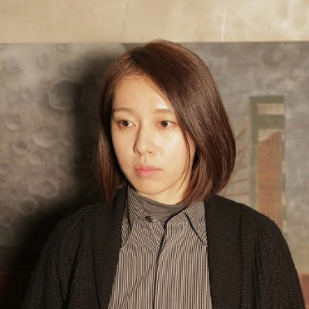
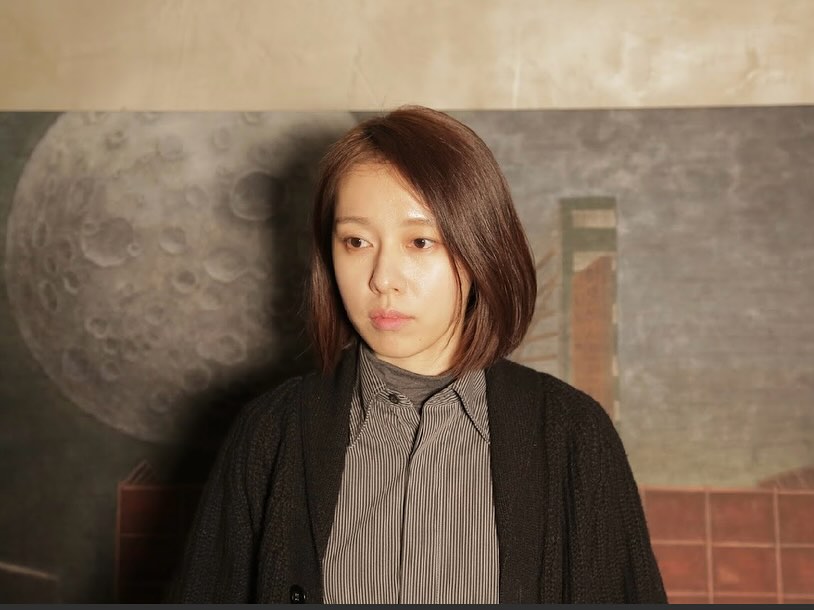
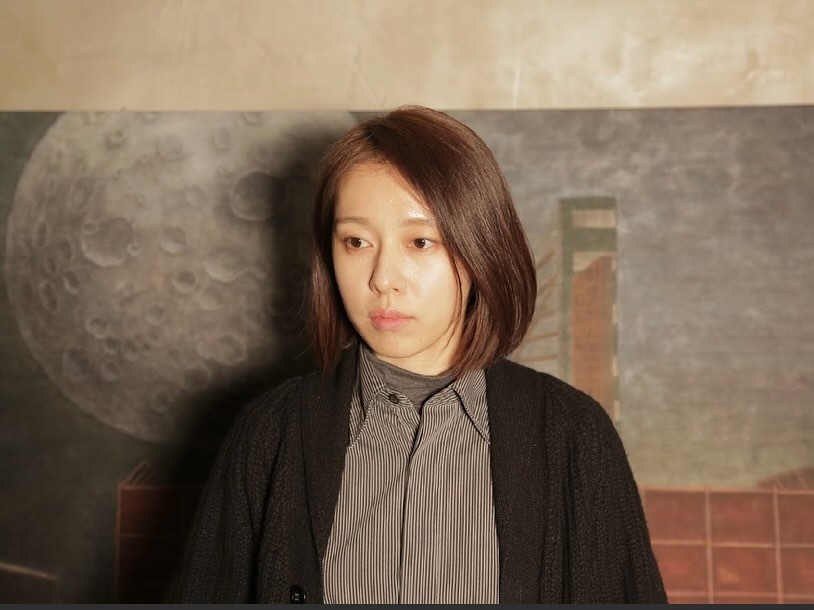
Artist Yooyun Yang © Yooyun Yang

Yooyun Yang received her BFA in Oriental Painting from Sungshin Women's University and her MFA from the university's graduate program. Her recent solo exhibitions include 《Dog-ear》 (Duarte Sequeira, Seoul, 2026), 《Uncommon Sight》 (Stephen Friedman Gallery, London, 2025), 《With Hands》 (Blindspot Gallery, Hong Kong, 2024), 《Afterglow in Between》 (Primary Practice, Seoul, 2023), and 《Face》 (Chapter II, Seoul, 2022).
 
She has also participated in numerous group exhibitions, including 《The figurative is not the exception but the rule》 (HITE Collection, Seoul, 2025), 《Nostalgics on Realities》 (Thaddaeus Ropac, Seoul, 2024), the Taipei Biennial 2023 《Small World》 (Taipei Museum, Taipei, 2023), 《Semi Art Community Project: Boogie Woogie Art Museum》 (Ulsan Art Museum, Ulsan, 2023), and 《Is It Morning for You Yet?》 (Carnegie Museum of Art, Pittsburgh, 2022).
 
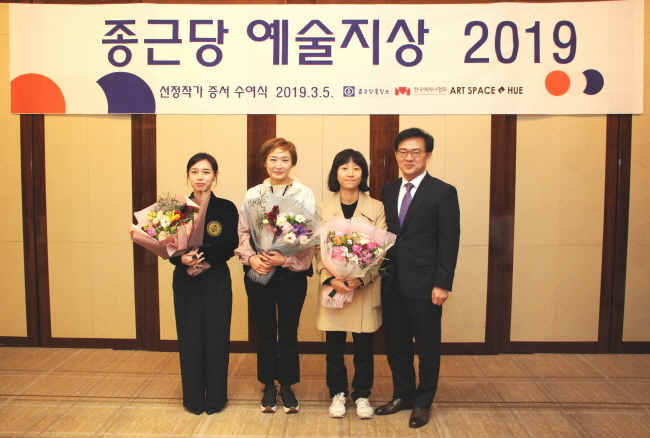
Yang was selected as a participating artist in the 58th Carnegie International (2022) and was a recipient of the Arts Council Korea's ‘Korean Artists Today 2024’ and the ‘Chongkundangkochon Yesuljisang 2019’.

References