Mackerel Safranski (b. 1984) has long been interested in the ways in which the body is perceived, drawing from her autobiographical experience of living with an eating disorder.
 
Focusing on the “second body”—a body constituted through its conjunction with bodies beyond the self and with the bodies of others—she reflects upon her own corporeality while continuing her exploration of subjectivation beyond the boundaries of the body.


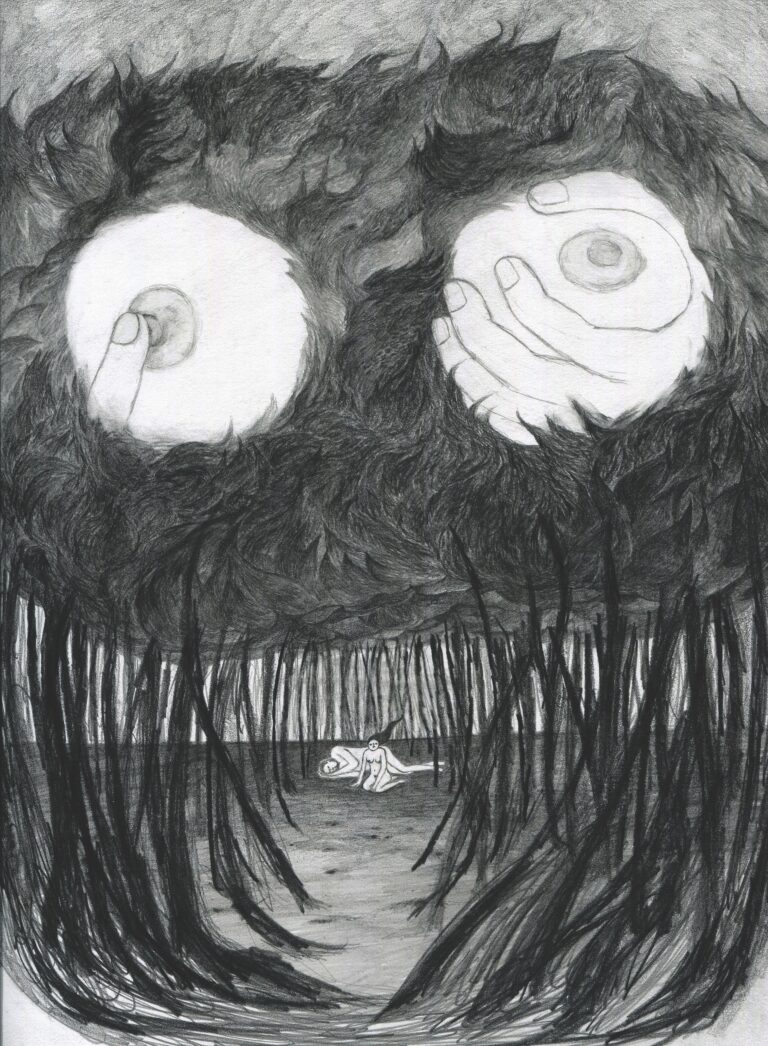
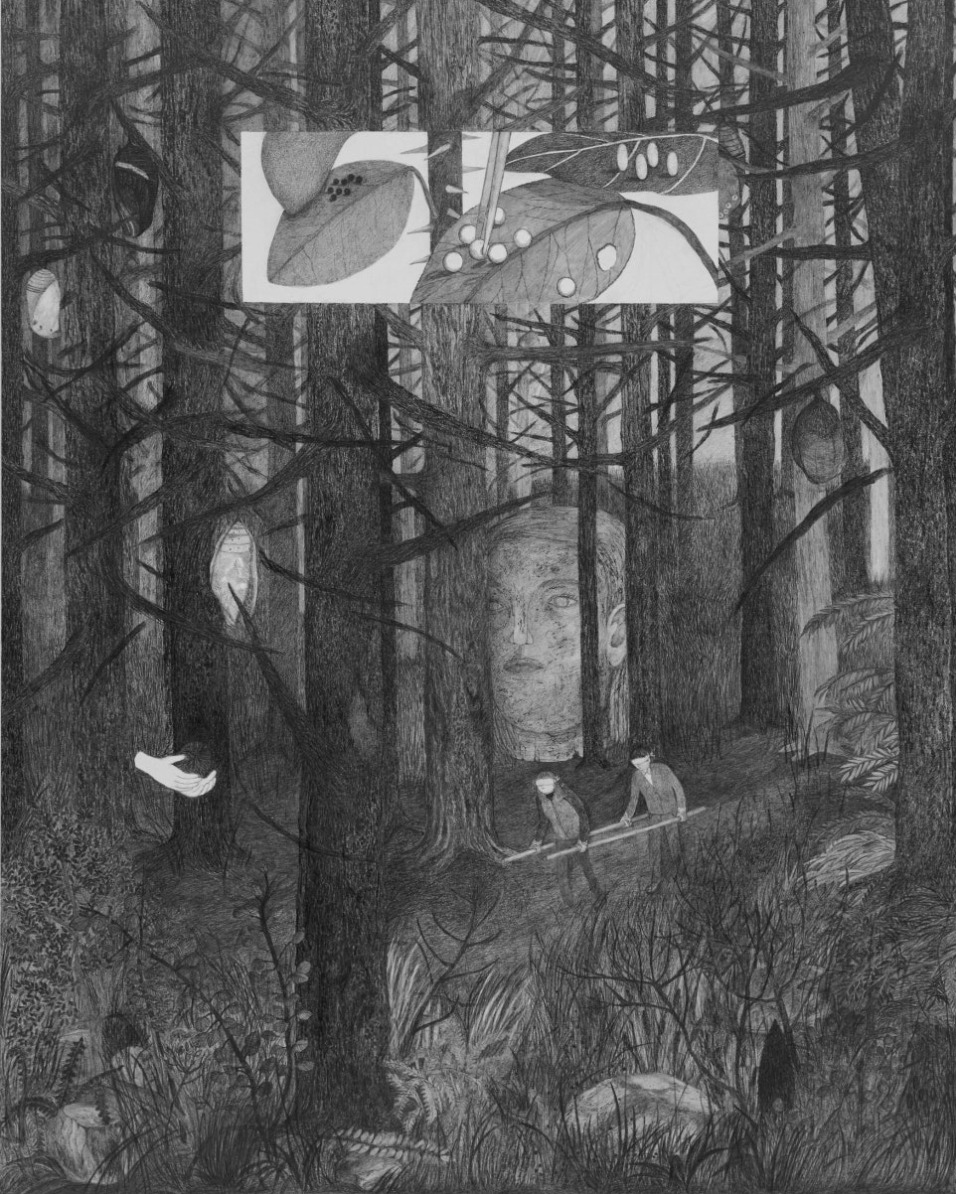
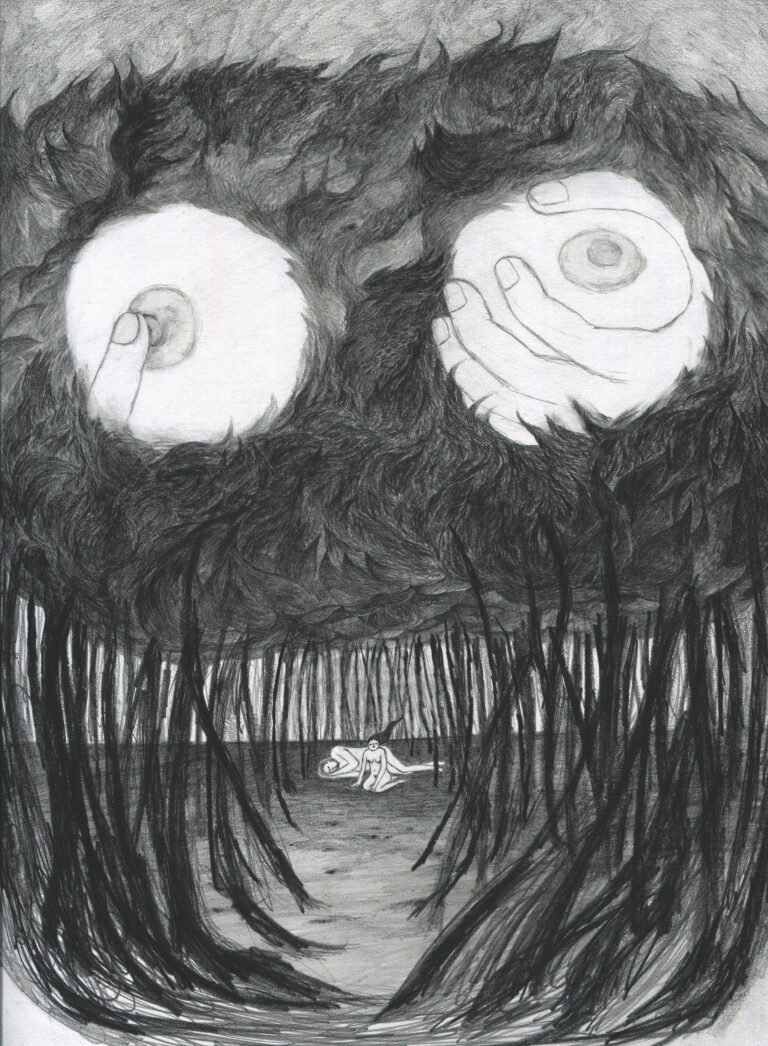
Mackerel Safranski, Body Image 28,, 2021, Pencil on paper, 70x56cm © Mackerel Safranski

She draws from literature, news, and daily observations to construct the stories and images of the figures in her paintings. Ambiguous objects and fragmented scenes often appear in her work, creating a mysterious, uncanny atmosphere—as if something is on the verge of happening.
 
The narratives within her work, which subtly hint at themes of migration, labor, violence, desire, relationships, and isolation, reflect her interest in exploring the “external body” as something we perceive and respond to within social structures.


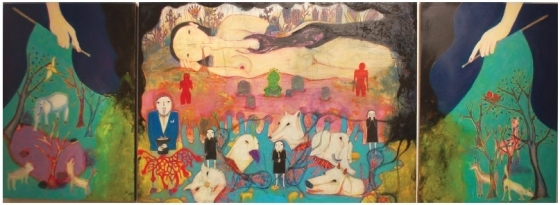
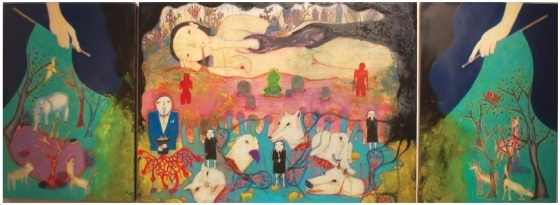
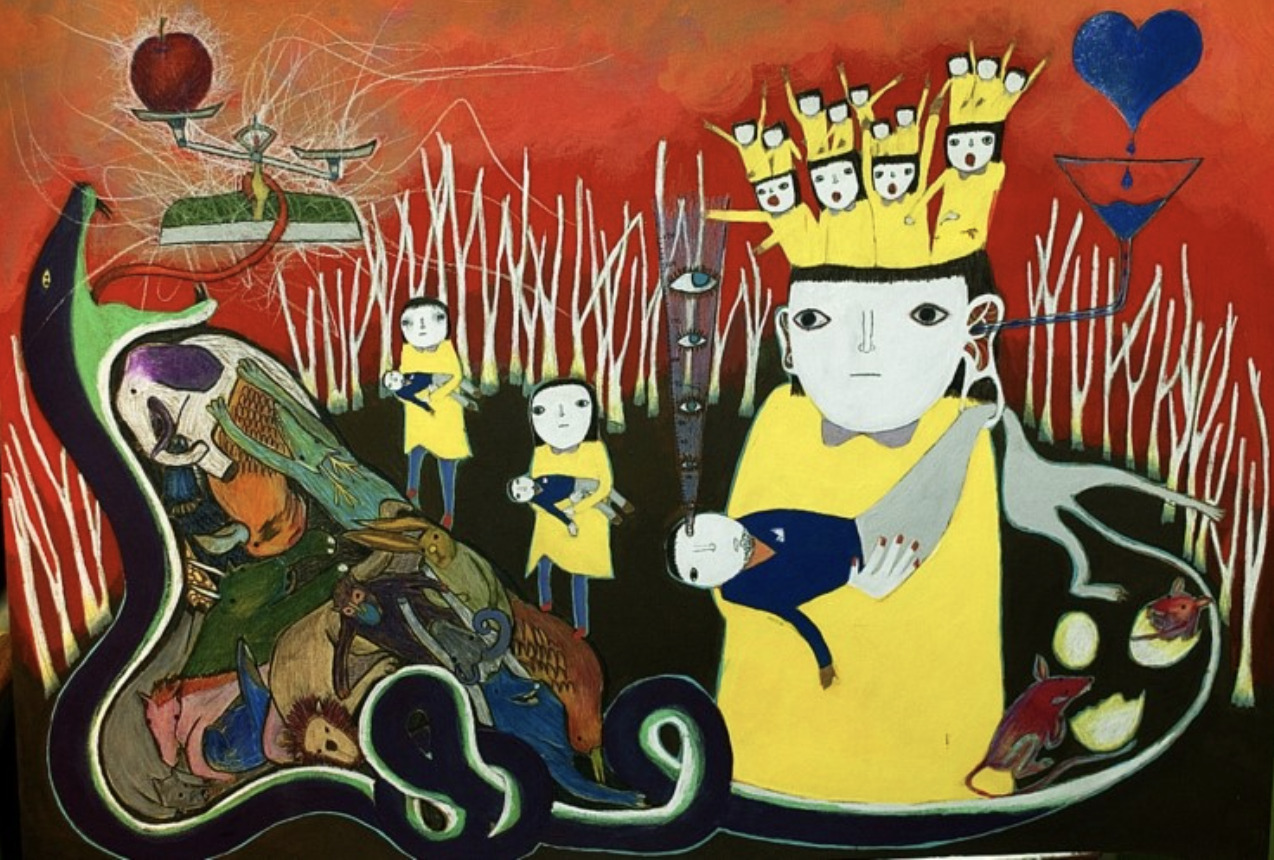
Mackerel Safranski, Olympia's vomiting,, 2008, Acrylic, colored pencil, and alcohol on paper, 59.4x168cm © Mackerel Safranski

Mackerel Safranski began painting as a means of coping with an eating disorder marked by cycles of binge eating and self-starvation brought on by anxiety and stress. Her early works, which emerged from this therapeutic impulse, bear traces of the pain and suffering she experienced while living with the disorder.
 
Olympia's Vomiting (2008), the work that marked the beginning of Safranski's artistic career, draws its motif from Édouard Manet's Olympia to express the anxiety she experienced through anorexia. As in Manet's original, the painting depicts a reclining nude woman. Here, however, the woman is shown bringing her hand to her mouth, as if inducing vomiting.
 
A suited man also appears in the composition. Rather than representing a particular individual, he symbolizes the masculine forces embedded within the social structures we inhabit, or the rationality that seeks to dominate nature.


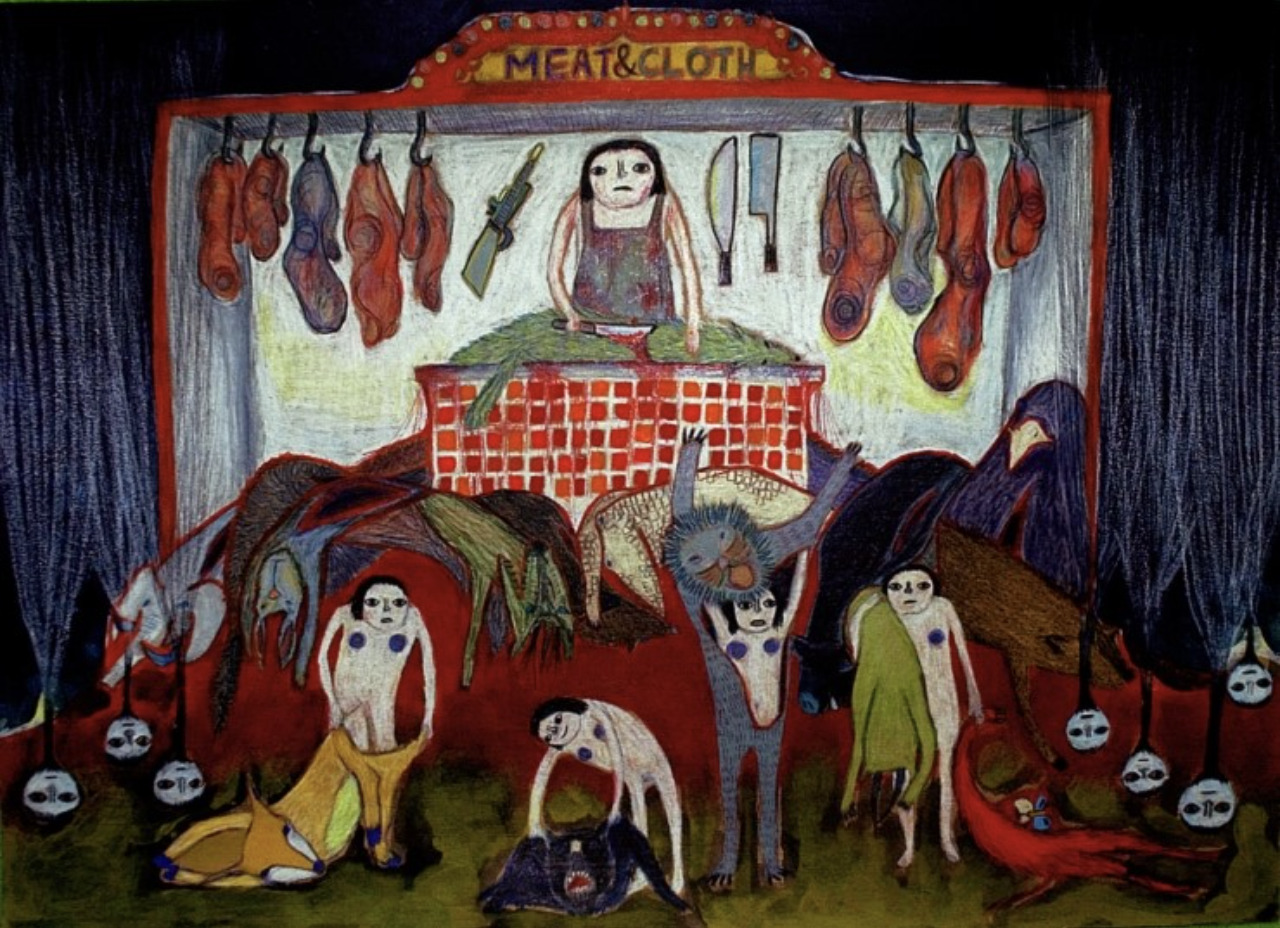
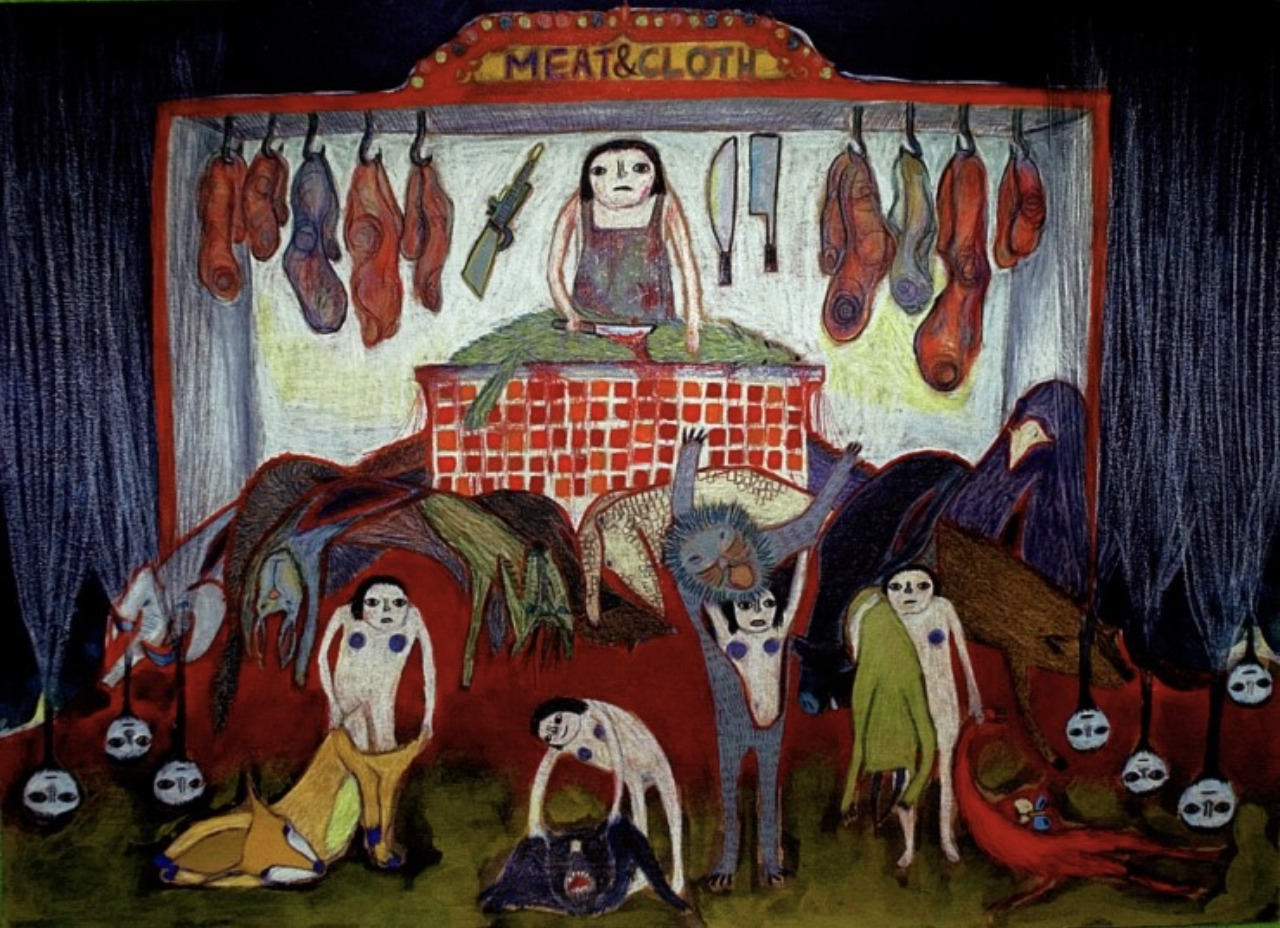
Mackerel Safranski, Meat & Clothes,, 2008, Acrylic, colored pencil on paper, 42x59.4cm © Mackerel Safranski

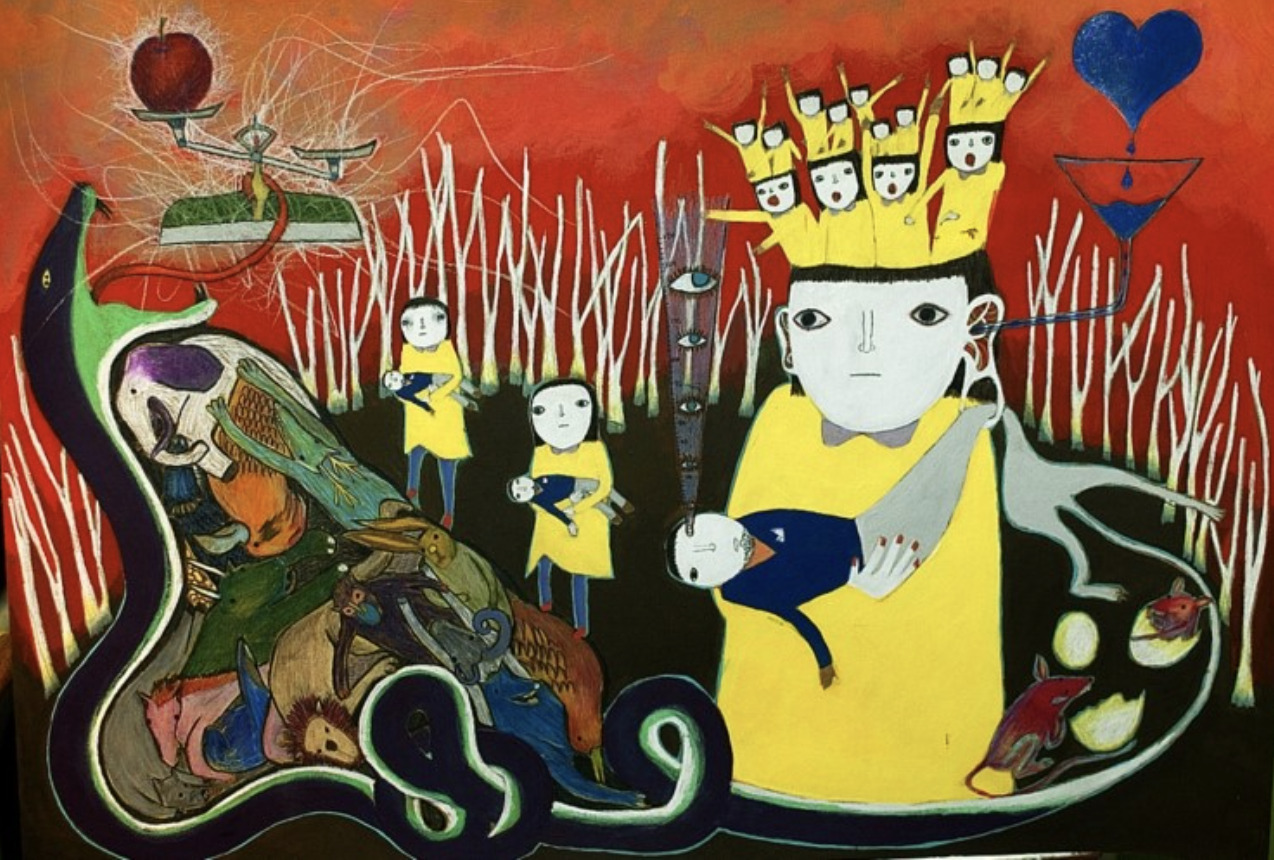
The women in Safranski's paintings are imagined as undergrown girls situated within social structures governed by such masculine forces. Bearing faces and bodies that remain ambiguously poised between male and female, these girls wander through forests created by the man in the blue suit.
 
At times, they struggle to preserve their own sense of comfort with expressions as though possessed by something unseen; at others, they extinguish their instincts altogether.


Mackerel Safranski, When Adam gives himself to Adam,, 2008, Mixed media, 59.4x84cm © Mackerel Safranski

Meanwhile, another figure that appears in her paintings—a goddess-like woman—gradually transforms the forest of the man in the blue suit through the quiet yet gentle force of her own femininity.
 
The man in the blue suit thus represents all those forces that wield power within social structures and seek to preserve it through violence or domination. The undergrown girls, by contrast, stand for all of us who have lost our own language within such structures and wander in uncertainty, unable to discern where we ought to go.
 
The goddess-like figure reflects the artist's hope that the world can be transformed if each of us finds our own language and moves toward the light.


Mackerel Safranski, Accident of Flesh,, 2017, Pencil on paper, 30.5x23cm © Mackerel Safranski

In her subsequent works, Safranski turned her attention to the body as it is lived and experienced by the self, and to the anxieties it bears, exploring these themes through two fundamental human acts: labor and sex.
 
For example, ‘Labor Song’ (2014) takes as its subject the artist's own work as a waitress while pursuing her artistic practice. Through the landscapes of workers' survival, the project reflects on the realities of the social structures in which we live.
 
While ‘Labor Song’ focused on the laboring body, her solo exhibition 《Accident of Flesh》 (2017), held at the Seoul Olympic Museum of Art (SOMA), explored the relational body. The body bears the traces of every event we experience—traces left by time, objects, and other bodies, as well as by our encounters and relationships with them.
 
Safranski was particularly interested in the events of sex and fighting, moments in which two bodies experience one another with the greatest intensity. By generating a new skin inscribed with moments of pain and pleasure, she sought to give form to a third body—one that exists beyond the binary of “I” and “you.”


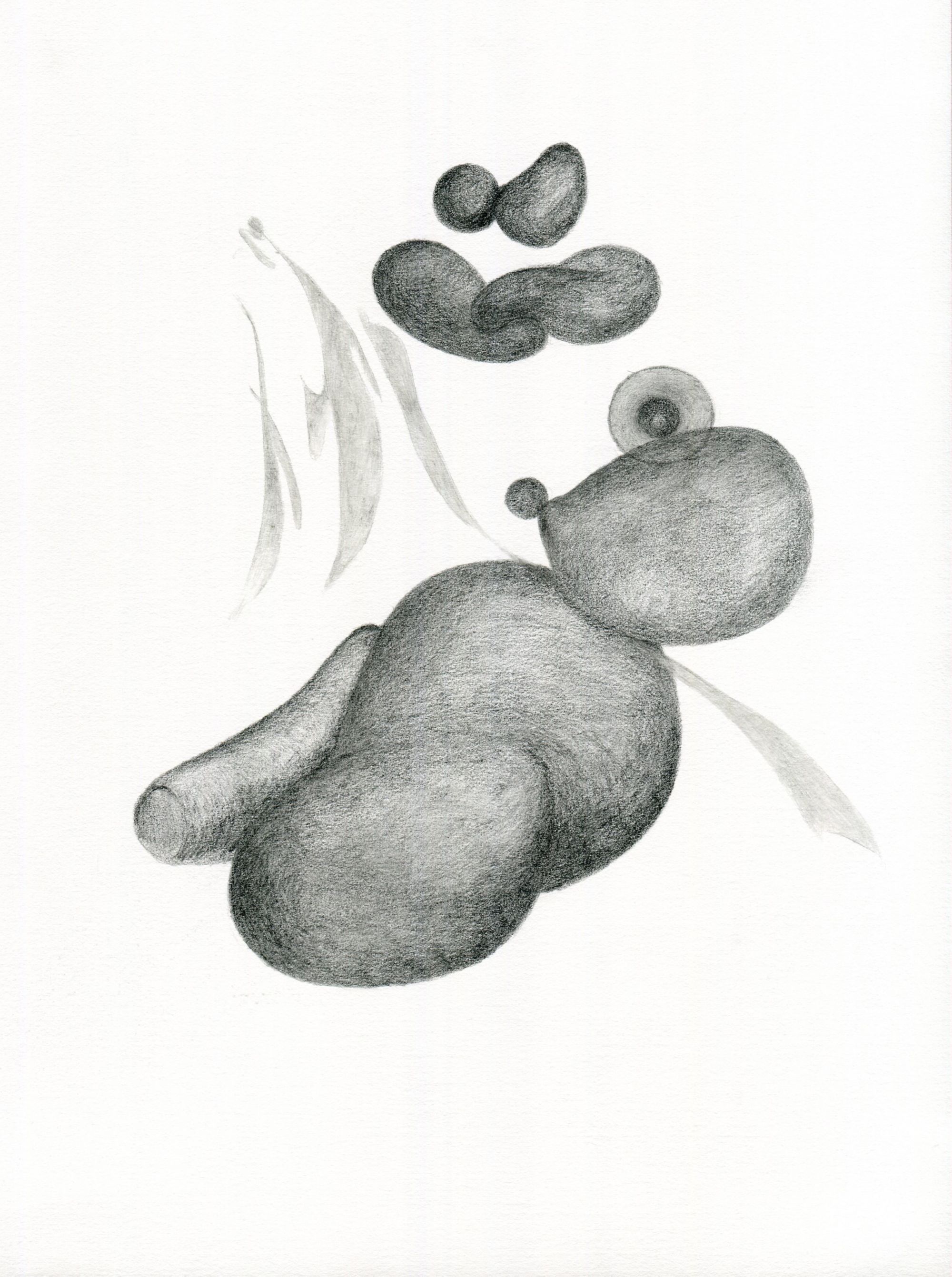
Mackerel Safranski, Pencil drawing for body of tomorrow,, 2017, Pencil on paper © Mackerel Safranski

The exhibition was broadly divided into three bodies of work: ‘Accident of Flesh,’ ‘The Body of Tomorrow,’ and ‘Distorted Body.’
 
‘The Event of Skin’ reconstructs moments of love and affection drawn from memory through drawing. Relationships of affection allow us to experience, in their most intense form, both our own bodies and those of others.
 
At the same time, however, they give rise to profound anxiety, opening up the possibility for the birth of another body—not “I” or “you,” but a body yet to come: ‘The Body of Tomorrow.’


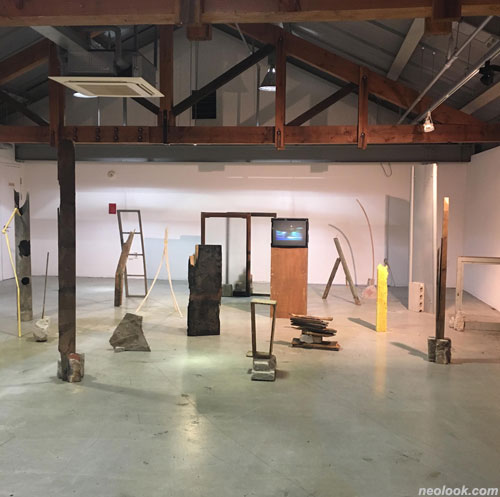
Mackerel Safranski, Perfect Body,, 2017, Debris from a demolished house, Dimensions variable © Mackerel Safranski

‘The Body of Tomorrow’ begins with drawings of sexual encounters between a man and a woman. Safranski then redraws the points at which the two bodies come into contact, giving corporeal form to the shapes that emerge from their encounter.
 
According to the artist, the conditions that allow something to become a body are the gaze and verticality. This series of drawings is further extended into the installation work Perfect Body.
 
Perfect Body begins by identifying the house we inhabit with the body itself. Bringing fragments and discarded materials from a demolished house into the exhibition space, Safranski endows them with the conditions of gaze and verticality, revealing the process through which they become embodied as bodies.


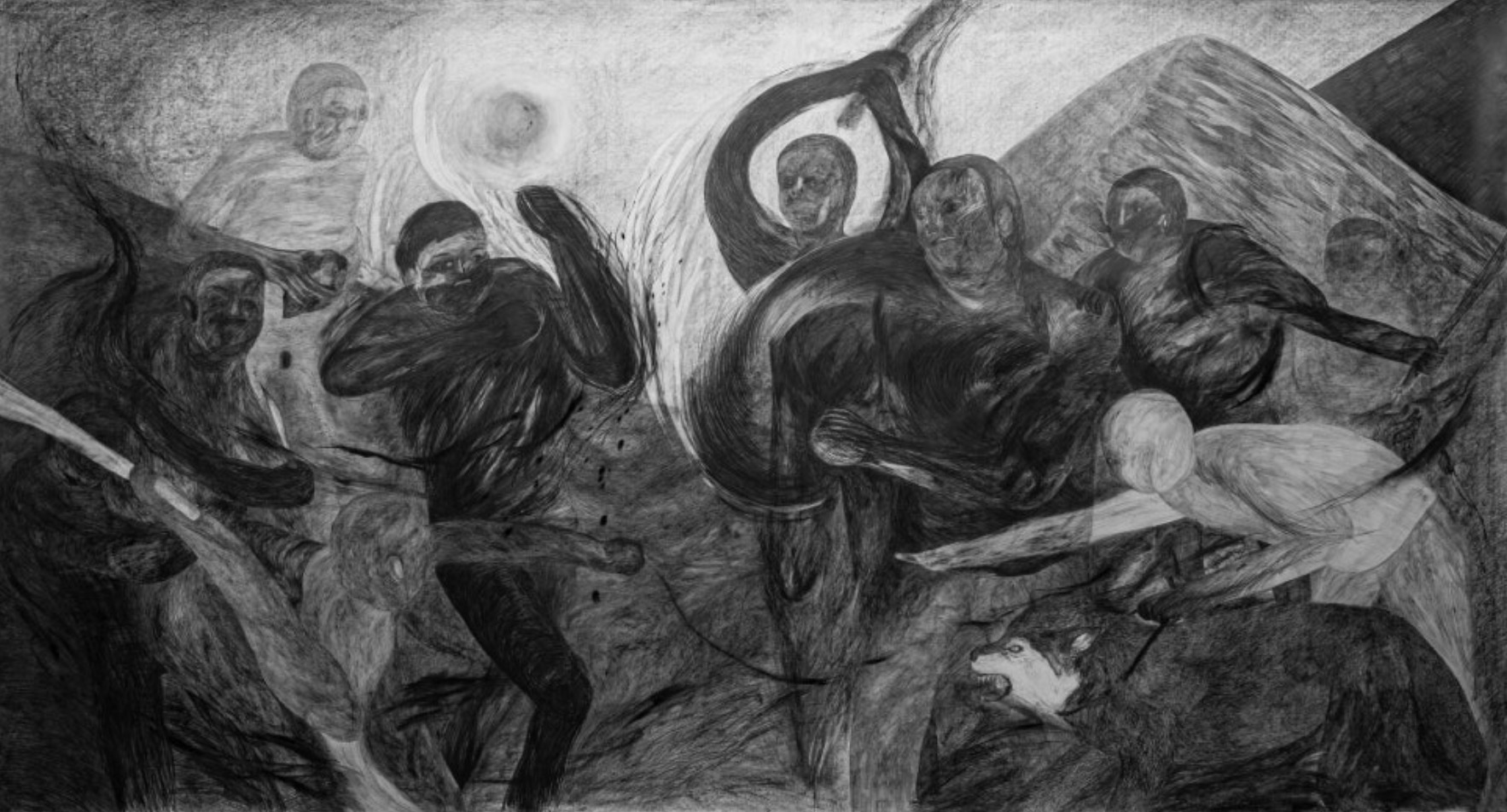
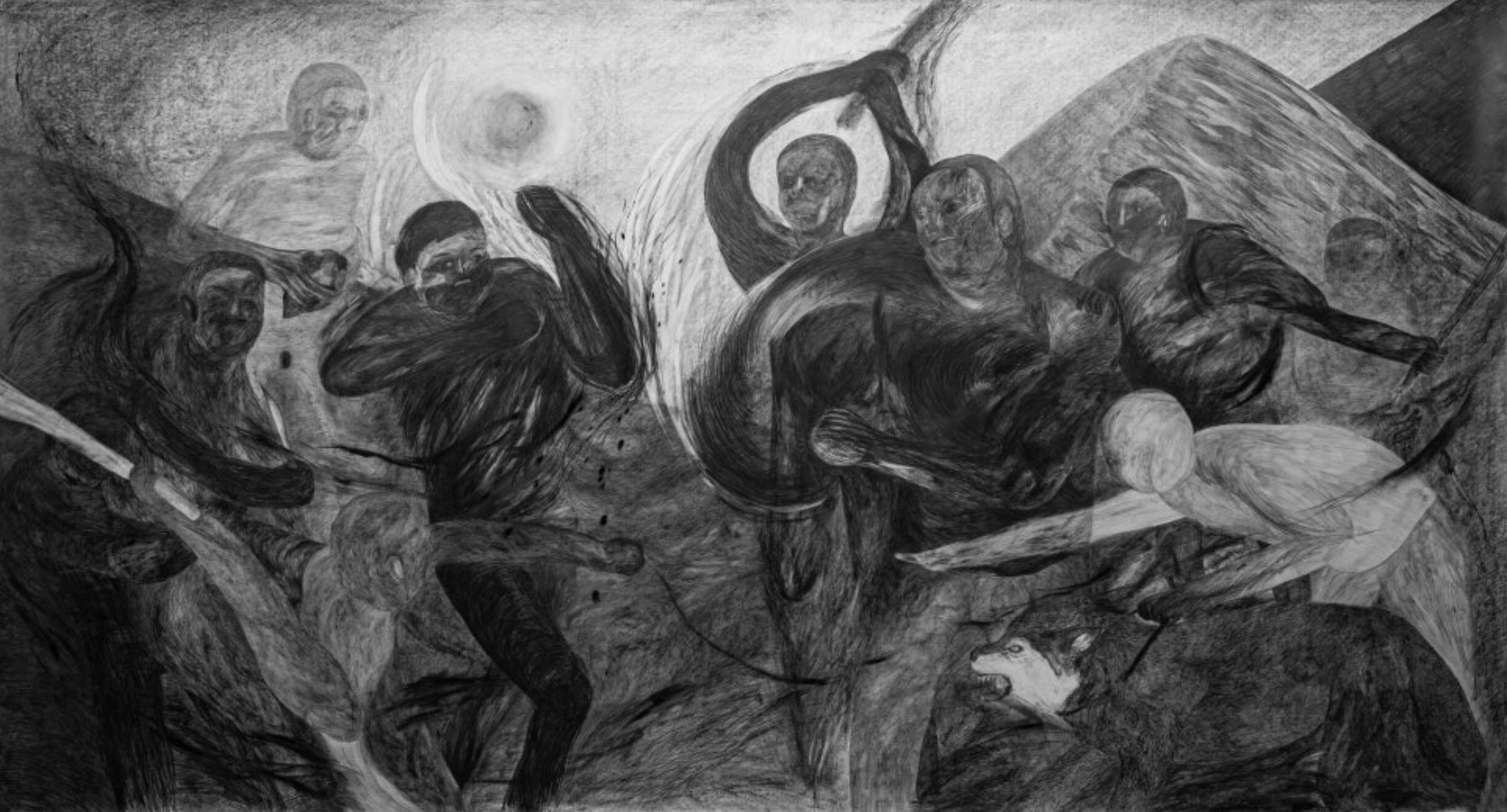
Mackerel Safranski, Struggle 120,, 2017, Pencil on paper, 140x260cm © Mackerel Safranski

Finally, in ‘Distorted Body,’ Safranski's notion of the relational body moves beyond the intimate act of sex to encompass social relations. The artist believes that “the body living within a social structure is continually transformed by the gaze grounded in the ideas and prejudices embedded within that structure” (from the artist's note).
 
Struggle, a large-scale pencil drawing based on scenes of forced evictions carried out by hired security personnel and the physical clashes of protestors, presents bodies covered with skins transformed by social gazes, including acts of physical violence.
 
Through this body of work, Safranski envisions a perfect body—one that stands upright against the collapse brought about by anxiety and is composed of resilient skin.


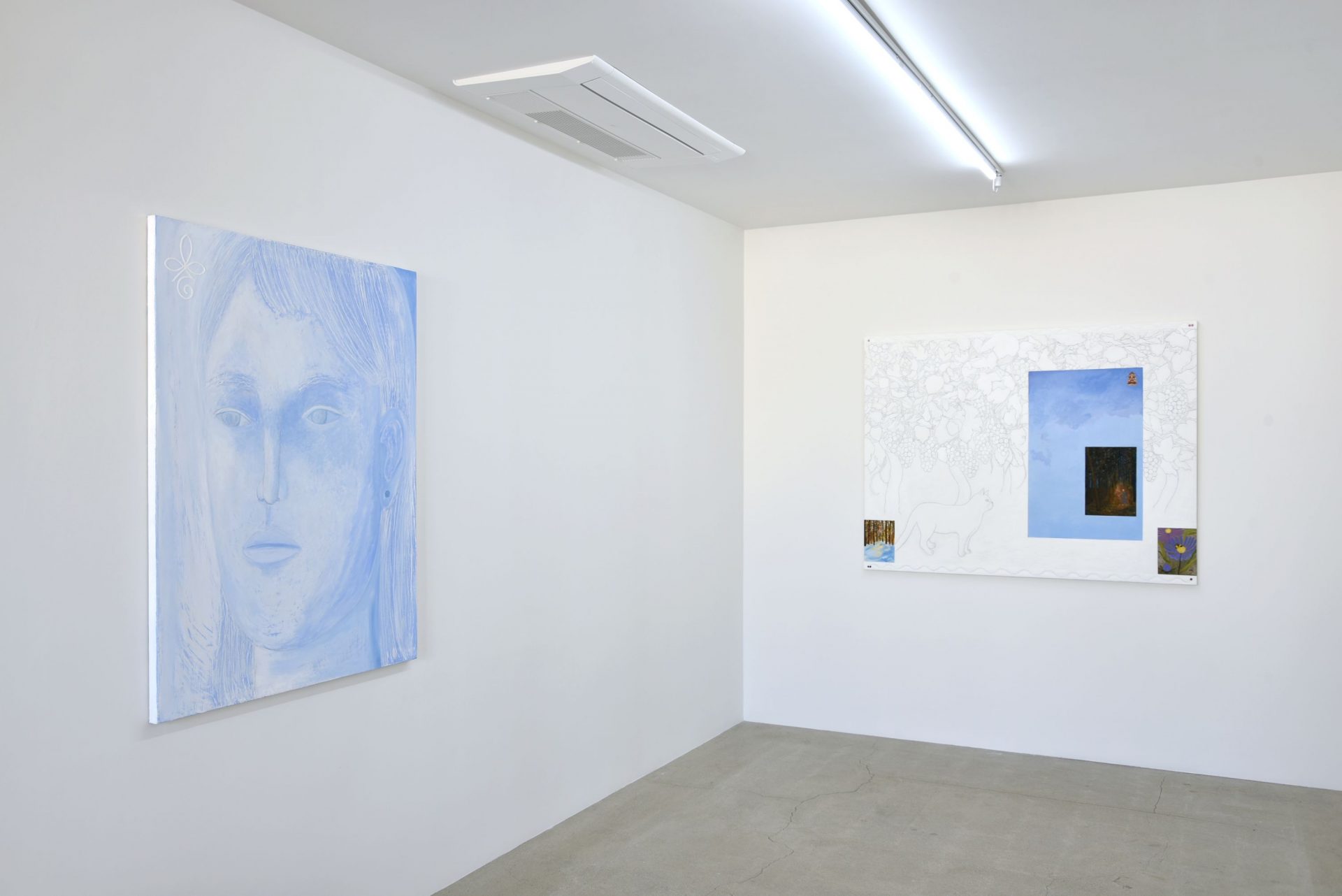
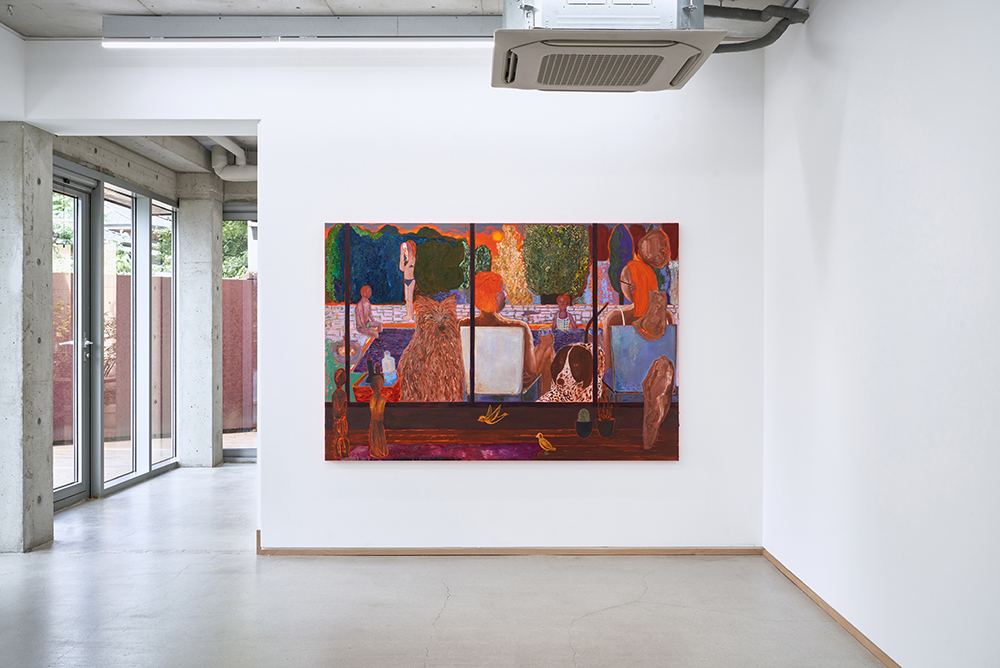
Installation view of 《The hours, 3 lights》 (A-Lounge Contemporary, 2021) © A-Lounge Contemporary

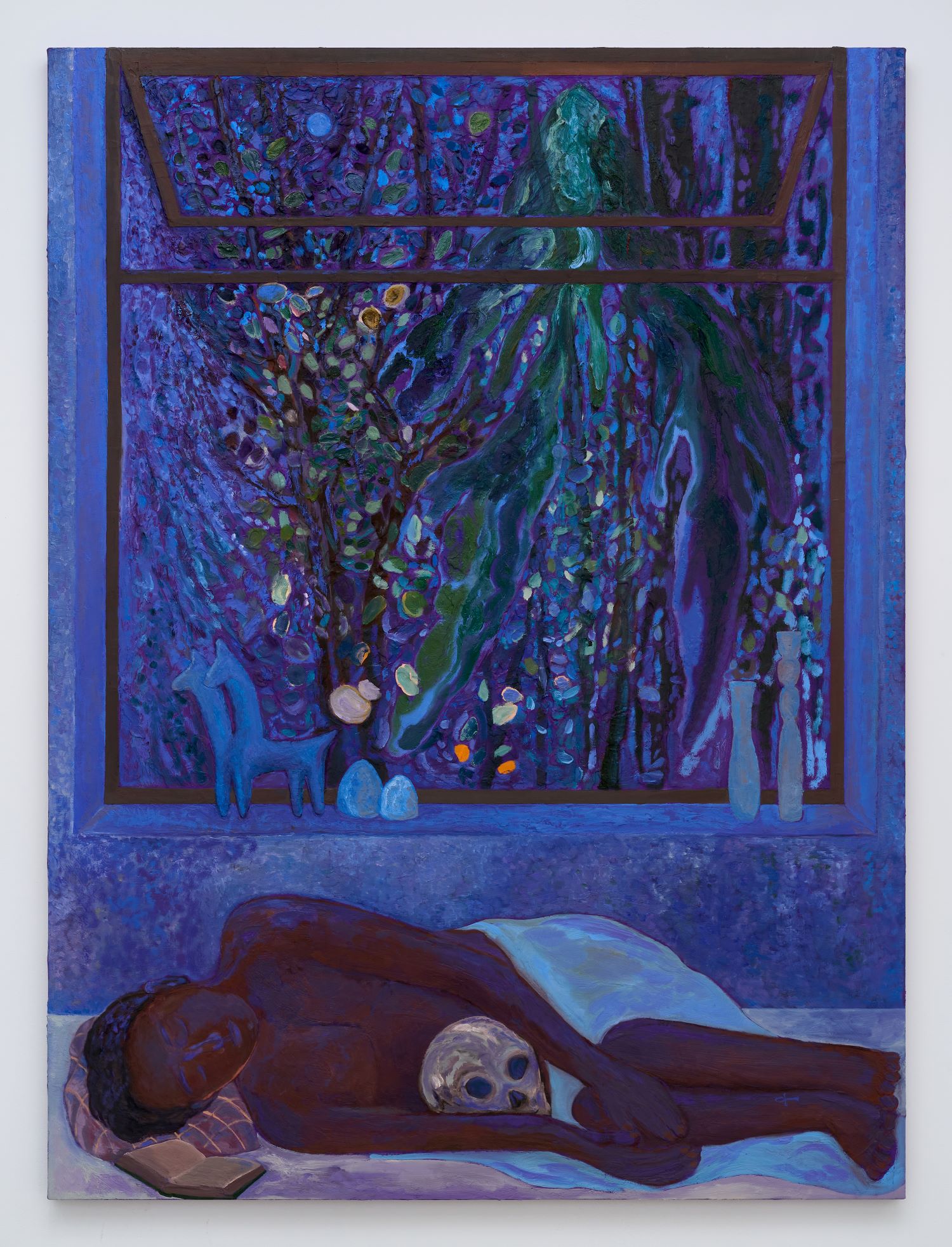
Meanwhile, 《The hours, 3 lights》, her 2021 solo exhibition at A-Lounge Contemporary, marked a shift from the drawing practice that had long defined her work to oil painting as a new medium. Whereas her earlier works were structured around narrative, this exhibition dismantled narrative in favor of painterly elements, filling the pictorial space with images that emerged intuitively through color.
 
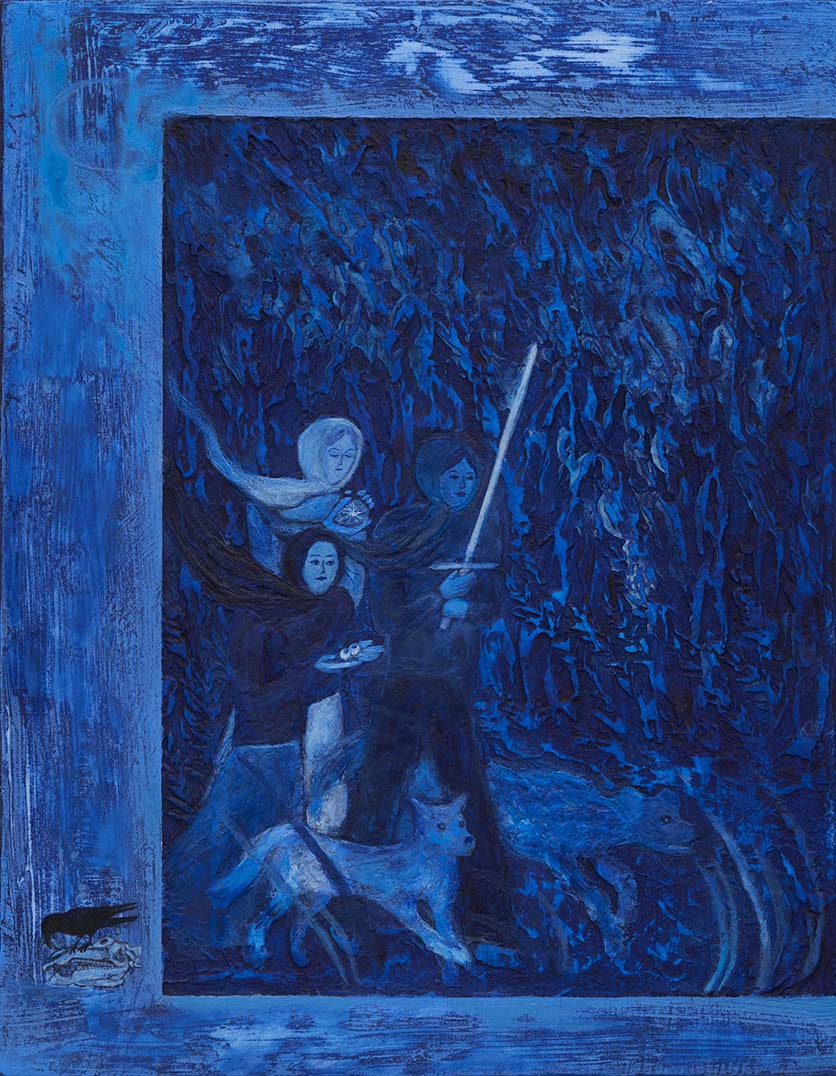
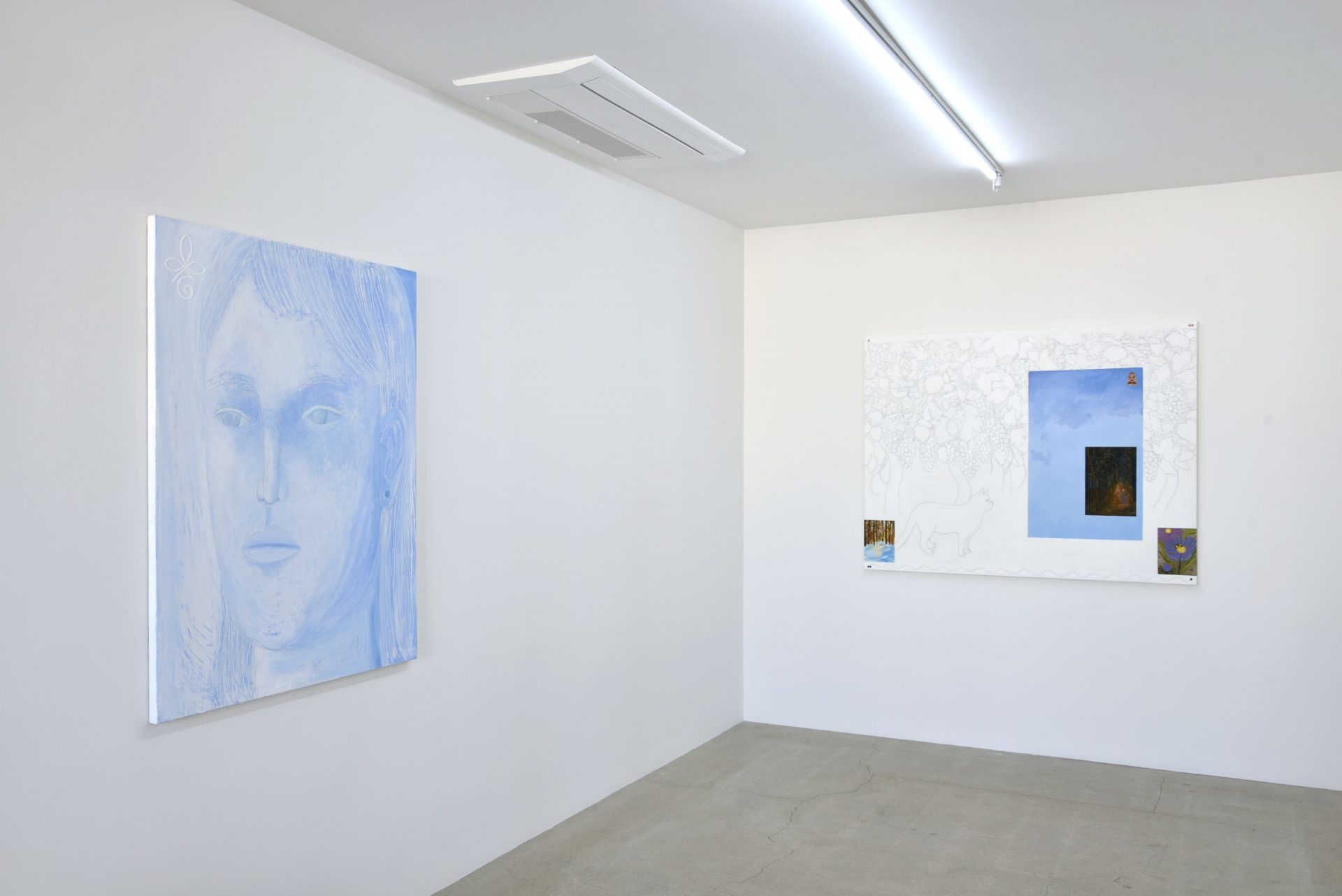
Rather than foregrounding any particular hue, her paintings evoke an intimate atmosphere in which light and air intertwine to form a sense of ambience. What the artist seeks to capture is not the blueness of an object itself, but the bluish light of the atmosphere—the elusive mood conjured by the mist of dawn.


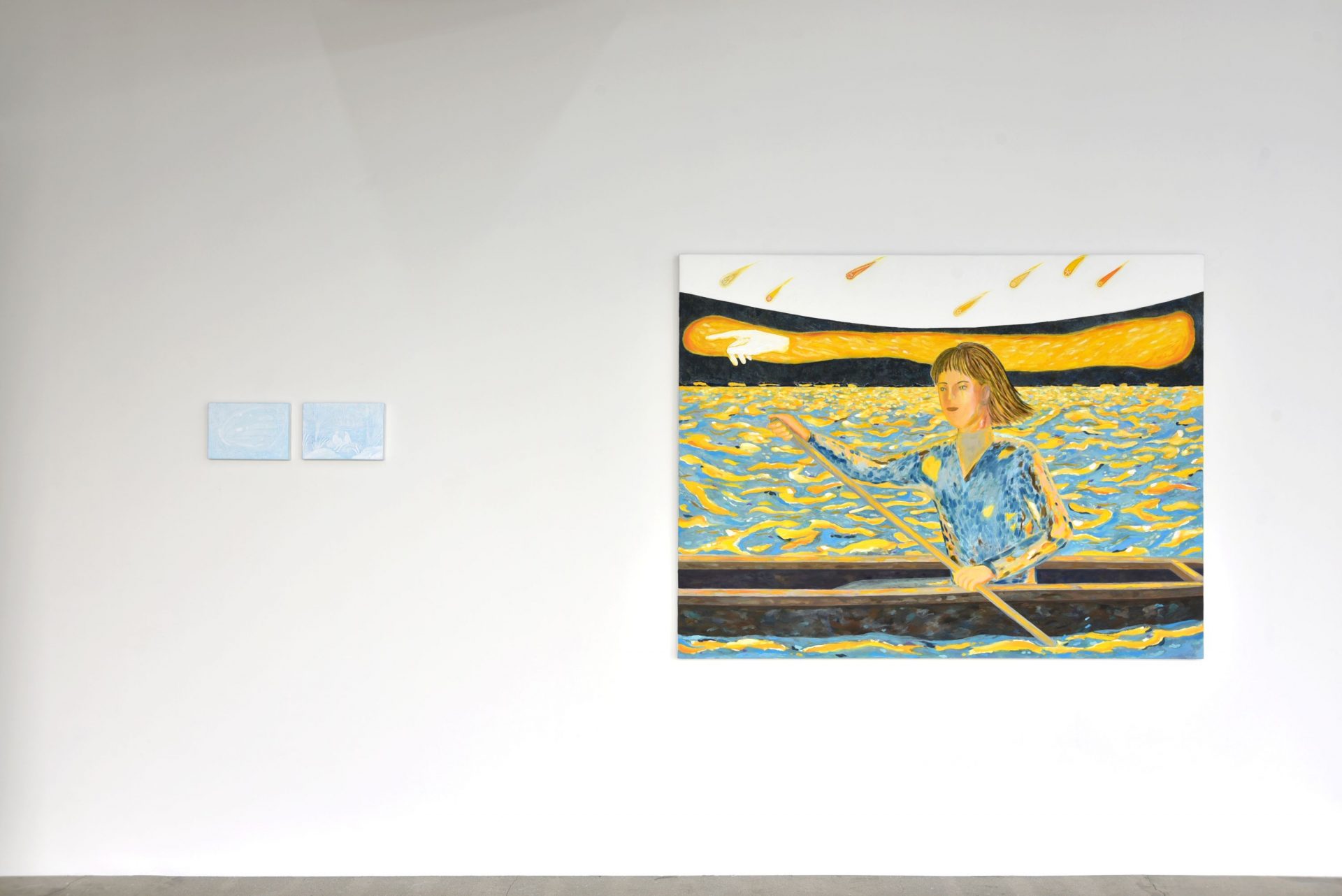
Installation view of 《The hours, 3 lights》 (A-Lounge Contemporary, 2021) © A-Lounge Contemporary

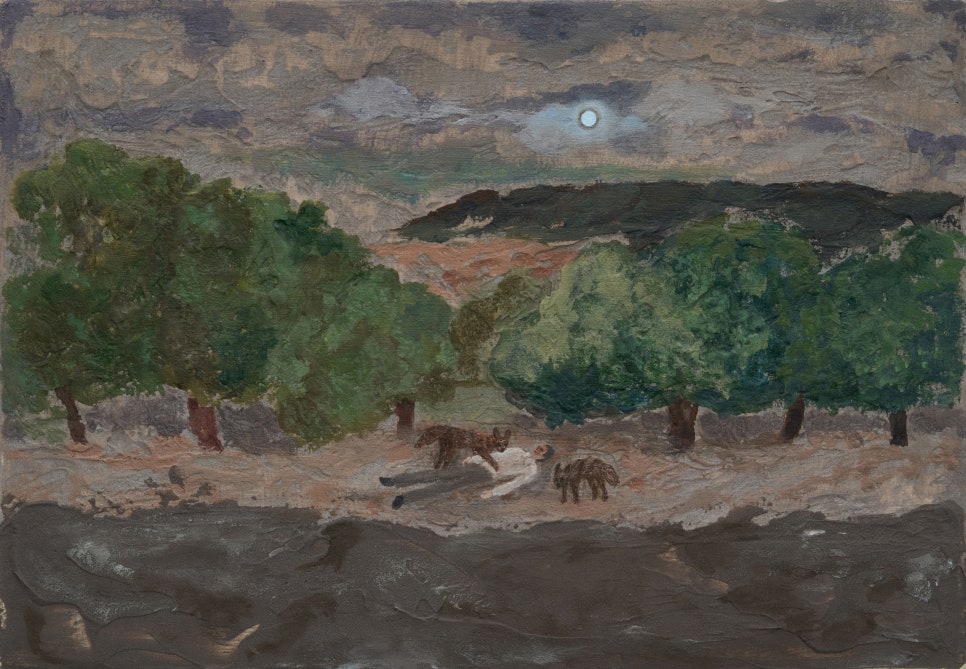
In 《The hours, 3 lights》, Mackerel Safranski worked with three chromatic motifs: yellow, blue, and white. These colors take the form of the golden light of the evening sun, the bluish glow of moonlight, and white forms whose colors have been bleached away under an intense light.
 
In her paintings, subjects are rendered yellow in the fading light of sunset, blue beneath the moonlight, and white as though submerged in the beam of a searchlight. Through these three lights—the evening sun, the moon at dawn, and the white of a soliloquy—the artist reveals how the texture and direction of an event are transformed through color.


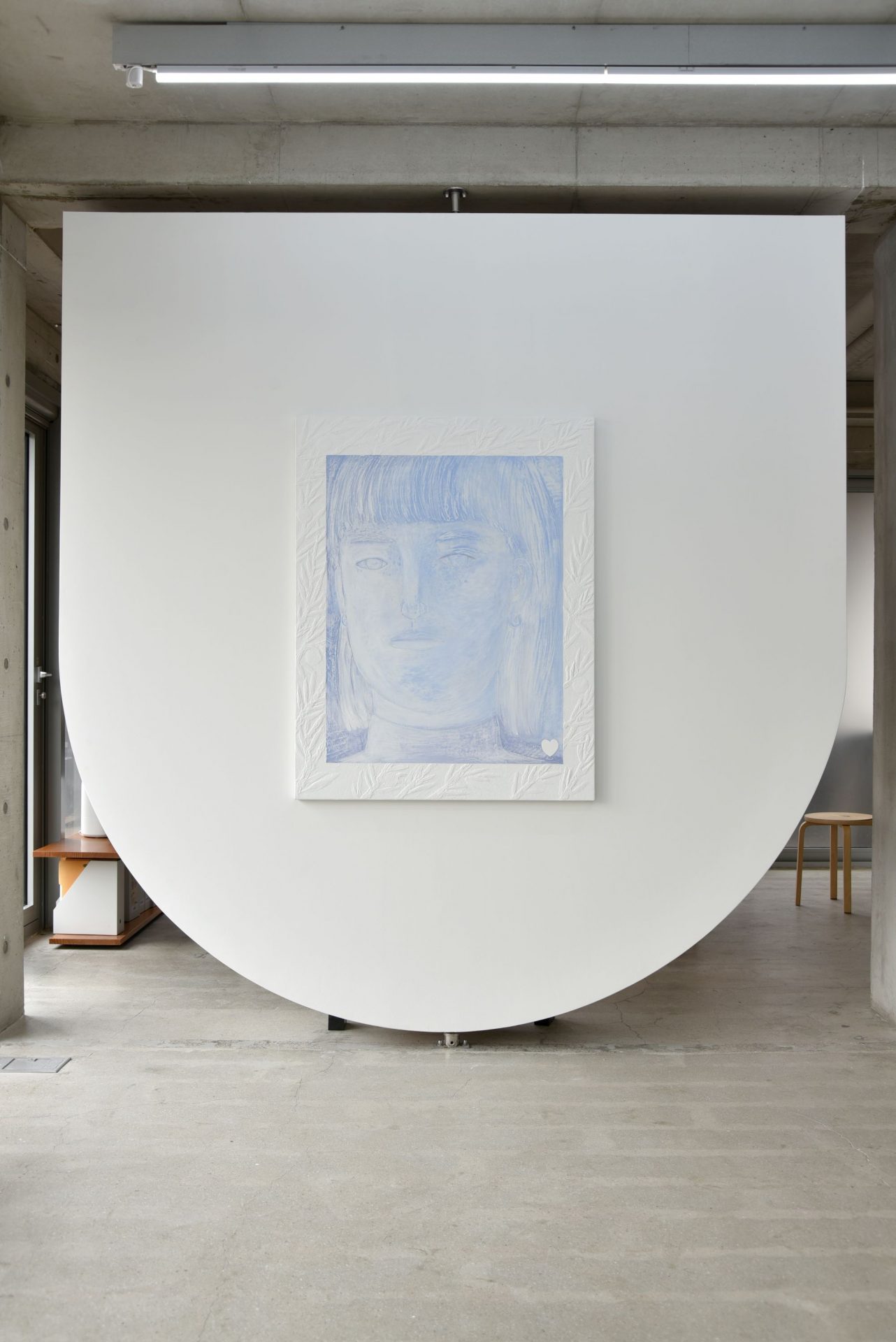
Installation view of 《The hours, 3 lights》 (A-Lounge Contemporary, 2021) © A-Lounge Contemporary

To evoke the white of a soliloquy, Safranski does not paint through brushstrokes so much as she builds up layers of medium. Repeatedly applying, rubbing, and scraping away oil paint, she creates surfaces that resemble relief sculptures.
 
The white produced through these performative gestures assumes, as the artist intended, the appearance of forms whose colors have been “bleached away” or “evaporated” under the intense beam of a spotlight.
 
The artist remarks that “light plays differently upon every skin,” and that “it is different for every person, every moon, and every day.” Reflecting this sensibility, her paintings invite viewers to contemplate their own light, perspectives, and ways of seeing the world—much like narratives that reveal themselves differently according to shifts in light and color.


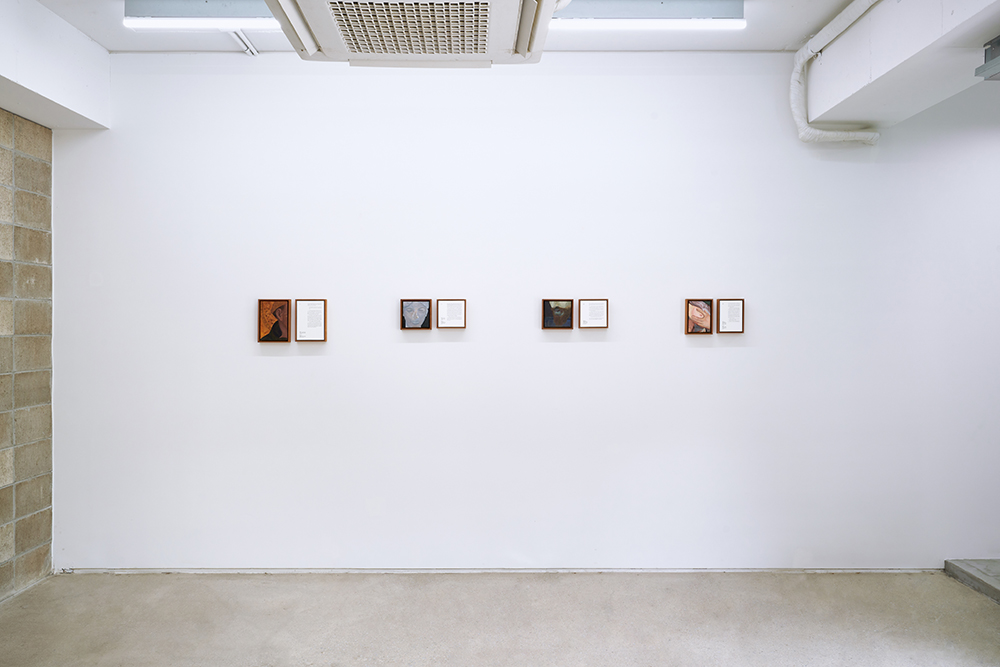
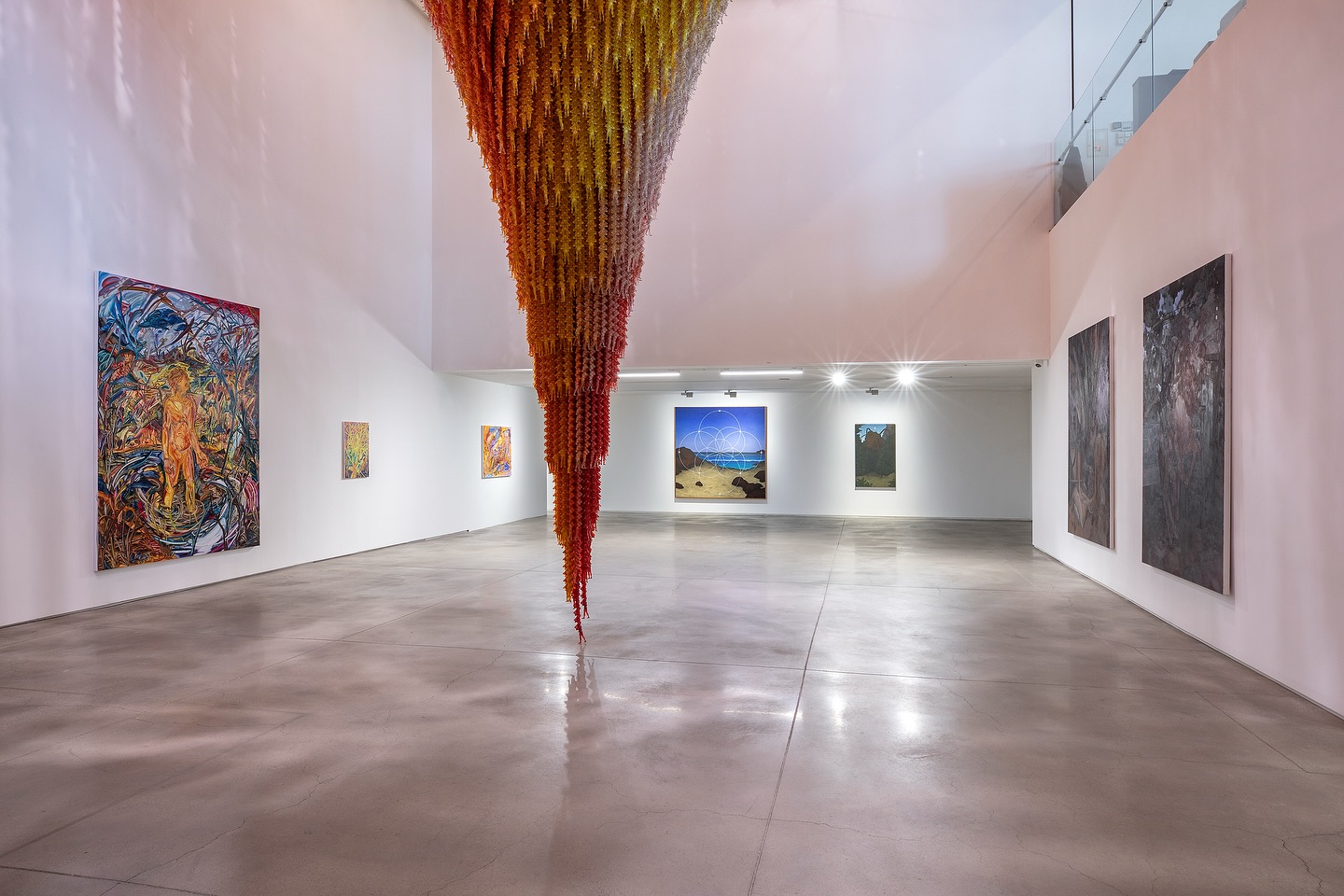
Installation view of 《Room Tone: room, stain and sounds for the sequence》 (A-Lounge Contemporary, 2024) © A-Lounge Contemporary

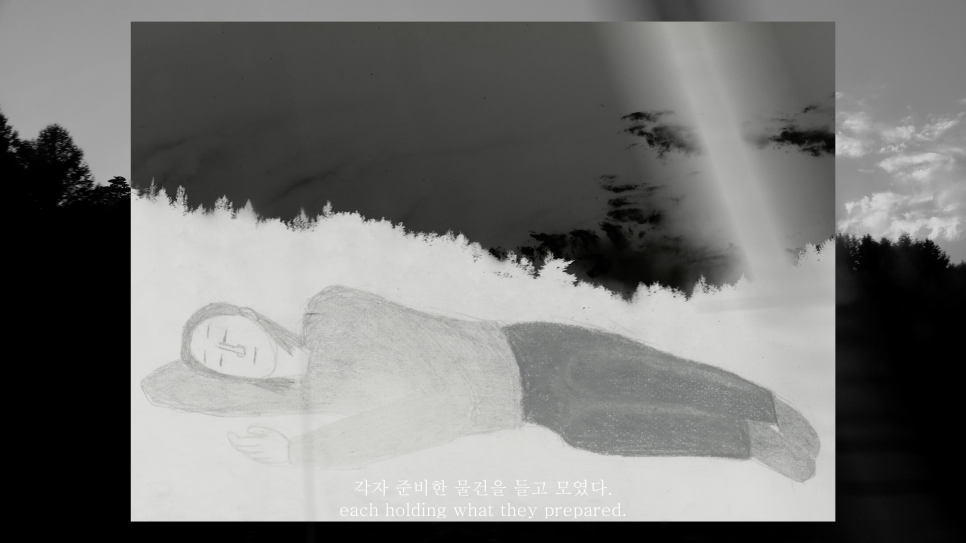
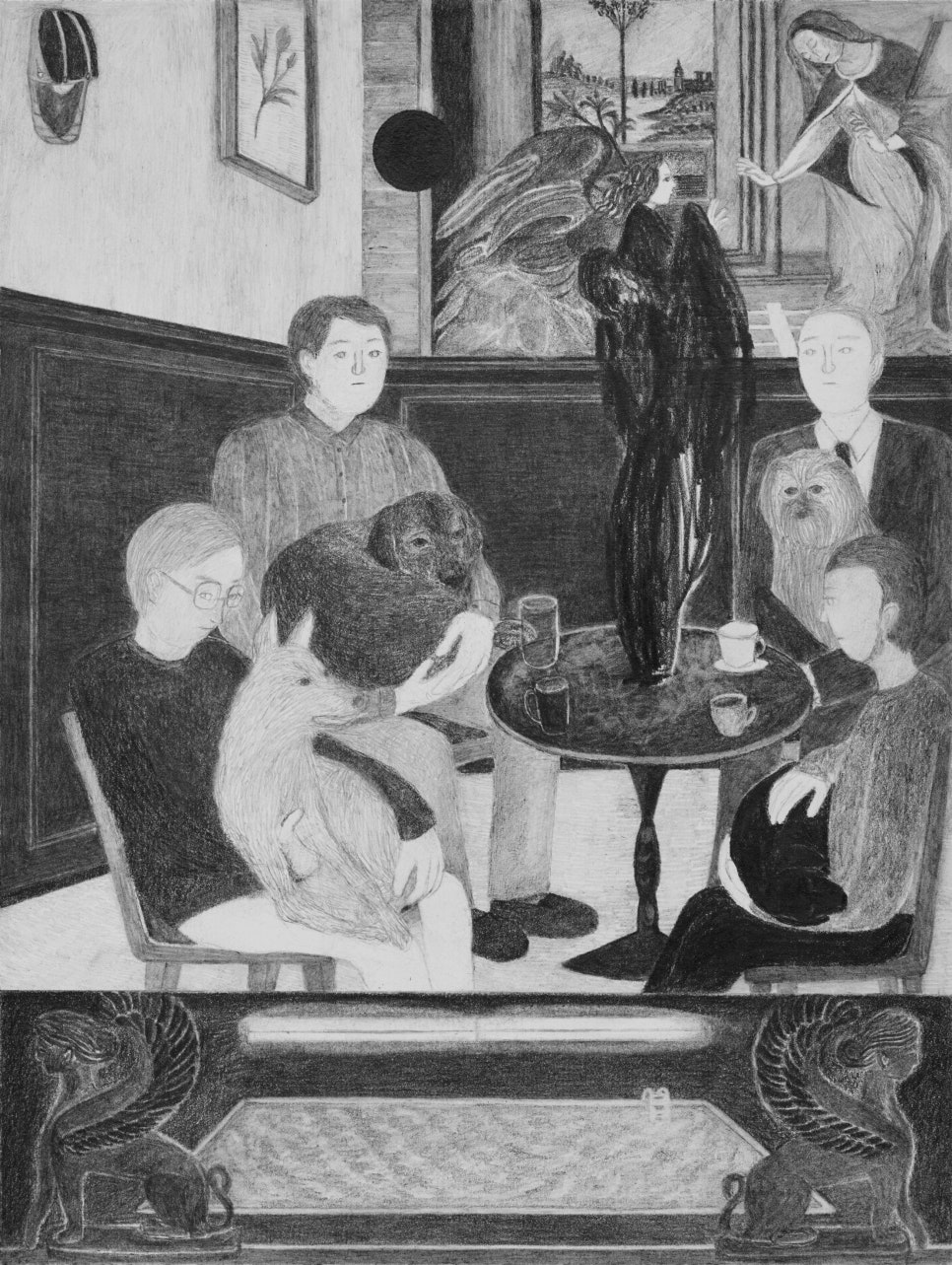
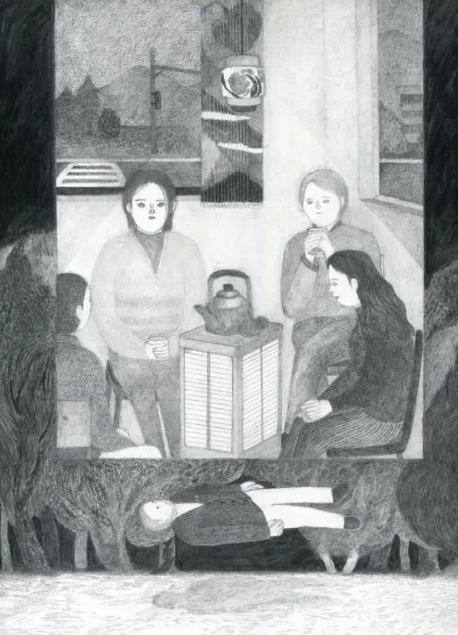
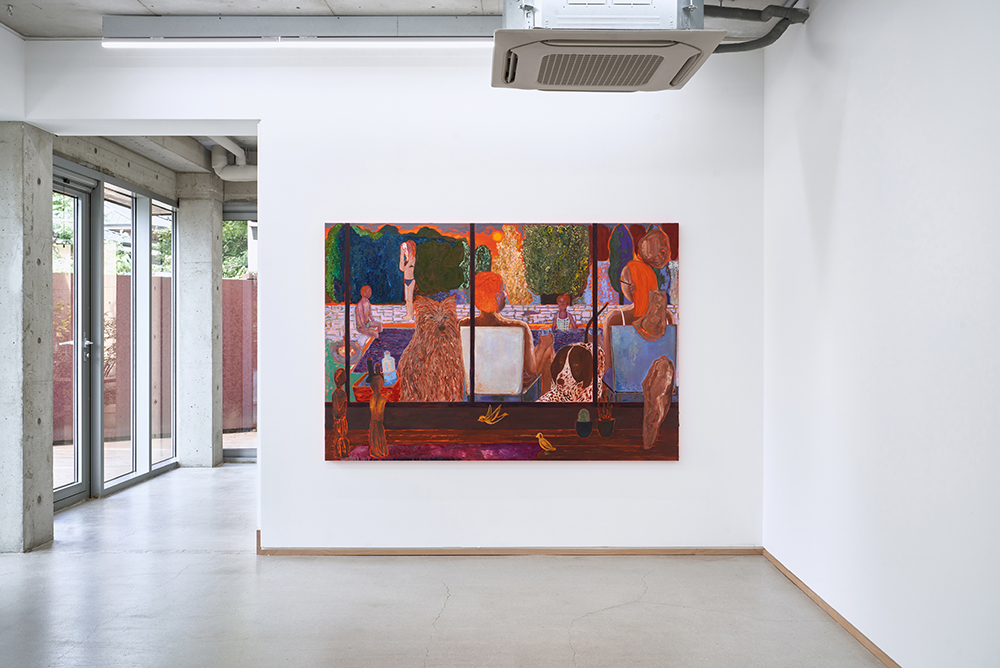
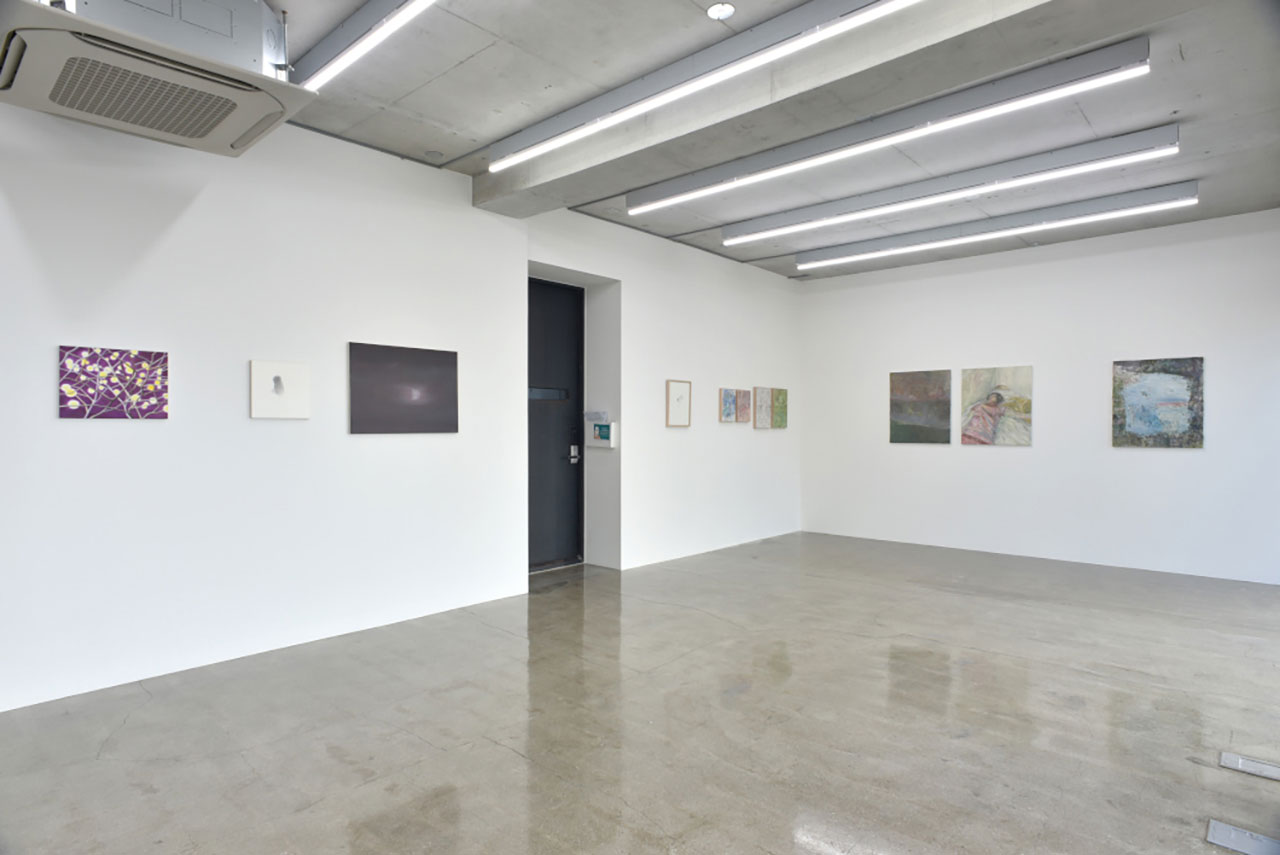
More recently, in her solo exhibition 《Room Tone: room, stain and sounds for the sequence》 (A-Lounge Contemporary, 2024), she brought together painting, writing, drawing, and sound to construct a sequence of bodily images unfolding within the space of a room. Comprising twenty-six works in total, the exhibition was organized into three groups: works paired with texts, paintings, and sequences.
 
The works paired with texts were created by enlarging and cropping images of biblical scenes collected from Google Arts & Culture and museum websites, which were then painstakingly redrawn by the artist. Viewers were invited to weave together text and image, reading anew the narrative centered on a figure named Claire as it unfolds through the artist's writings.
 
In the paintings, bodily images and texts give form to the tensions and anxieties, memories, and meditations on death that the artist experiences within the room—the most intimate and personal of inner spaces.


Installation view of 《Room Tone: room, stain and sounds for the sequence》 (A-Lounge Contemporary, 2024) © A-Lounge Contemporary

The Sequence works are based on the photographic studies of hysteria conducted by Jean-Martin Charcot and Albert Londe, a photographer known for his contributions to Charcot's research. In their attempts to document hysteria, Charcot and Londe employed chronophotography—a photographic technique that captures twelve consecutive frames in sequence. Yet despite their efforts, they were unable to obtain the images they sought for their typological studies of hysterical symptoms.
 
In the Sequence series, Safranski imagines the images that were omitted and never presented because they failed to adequately represent hysterical symptoms. At the same time, she imagines what the women standing before the camera might have been thinking. Through drawing, she gives form to those absent images and unrecorded interiorities.


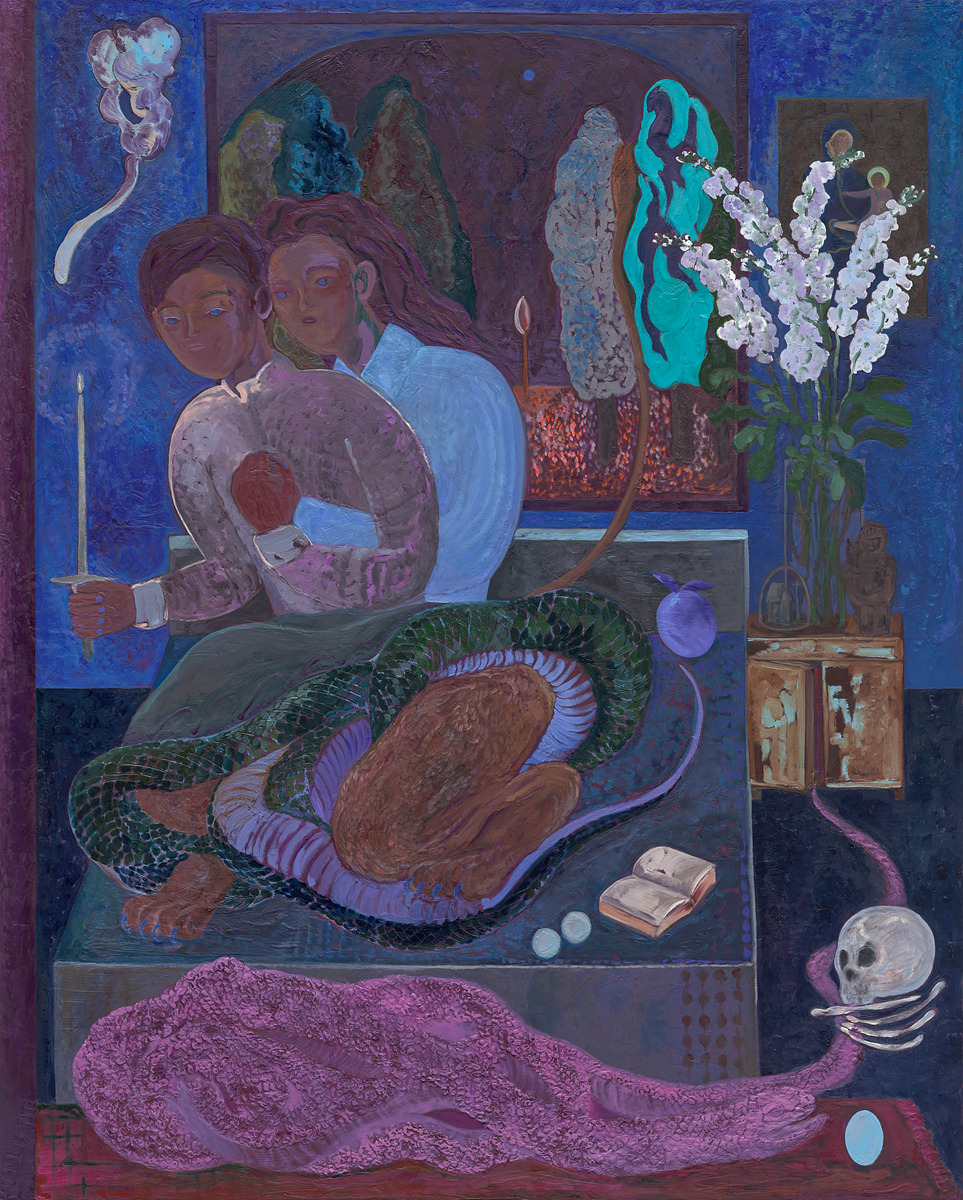
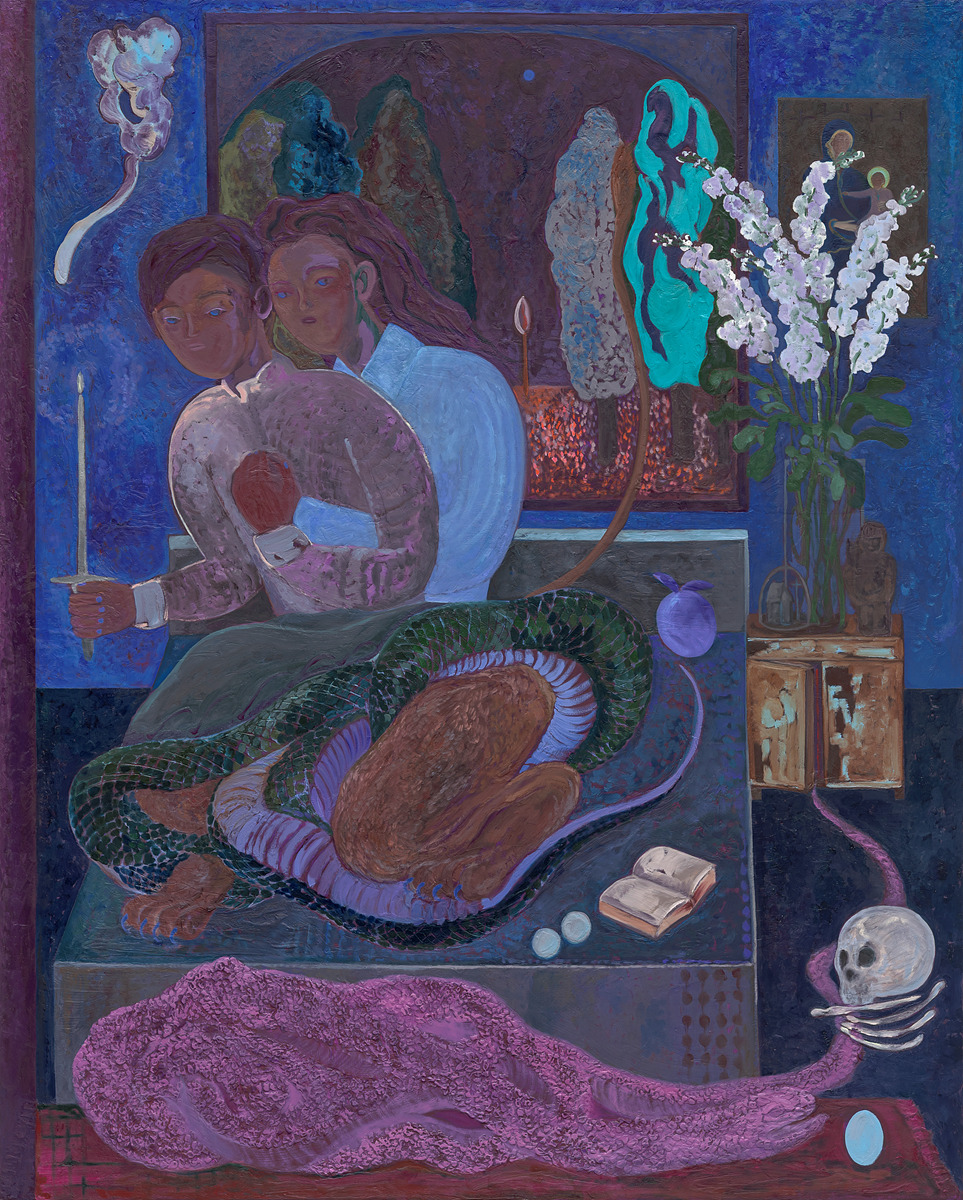
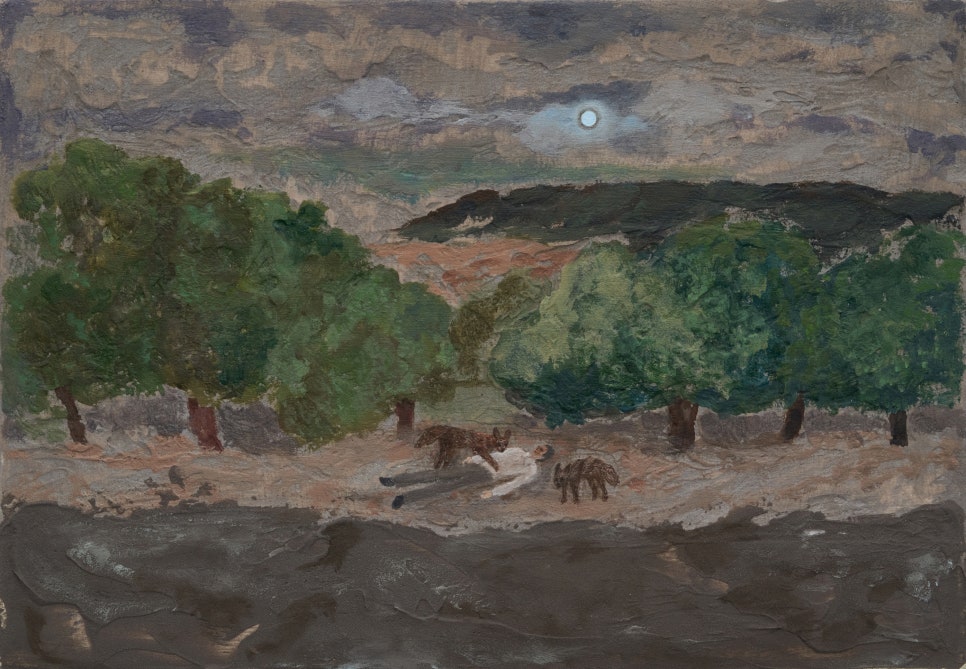
Mackerel Safranski, Room tone_The snake shed its skin,, 2025, Oil on canvas, 162.2x130.3cm © Kukje Gallery

In this way, Mackerel Safranski's practice, which began with personal experiences of the body, has continued its visual and material explorations as a process of reclaiming her own corporeality.
 
By reflecting on how anxiety, the body, and the boundaries between the self and the other are constituted through their relations, and by speaking of the external body, she seeks the possibility of genuine subjectivation.

“By speaking of the body that feels anxiety, I seek to explore the possibility of subjectivation grounded in an ontology of the body.” (Mackerel Safranski, Artist's Note)


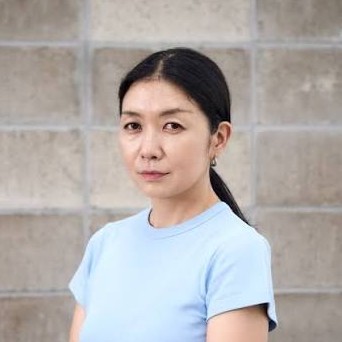
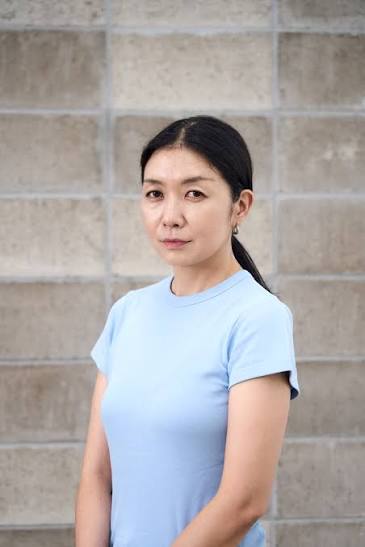
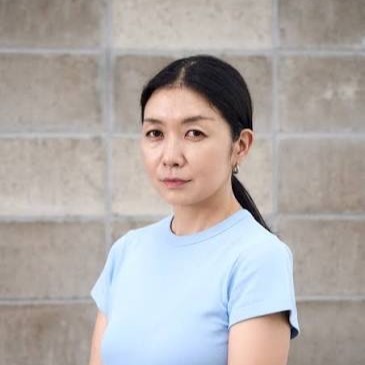
Artist Mackerel Safranski © Artue

Mackerel Safranski received her B.A. in German Language and Literature from Sookmyung Women's University and began her artistic career after being selected for 《Young Korean Artists 2008》 at the National Museum of Modern and Contemporary Art, Korea (MMCA).
 
Her recent solo exhibitions include 《Room Tone: room, stain and sounds for the sequence》 (A-Lounge Contemporary, Seoul, 2024), 《The hours, 3 lights》 (A-Lounge Contemporary, Seoul, 2021), and 《Accident of Flesh》 (SOMA Drawing Center, Seoul, 2017).
 
She has also participated in numerous group exhibitions, including 《8 Chapters》 (Everyart, Seoul, 2025), 《Unboxing Project: Reading》 (New Spring Project, Seoul, 2025), 《Next Painting: As We Are》 (Kukje Gallery, Seoul, 2025), 《Weaving Relations》 (Nam-Seoul Museum of Art, Seoul, 2024), 《This Is Not Just Local: Tactical Practices》 (MOCA Busan, Busan, 2024), 《Walkie Talkie Shaking》 (Art Space Boan, Seoul, 2022), and the Seoul Mediacity Biennale 《One Escape at a Time》 (Seoul Museum of Art, Seoul, 2021).
 
Safranski has participated in residency programs at Seoul Art Space Geumcheon (2023), Nanji Residency (2021), and Incheon Art Platform (2016–2017). Her works are held in the collections of the MMCA, the MMCA Art Bank, and the Seoul Museum of Art.

References