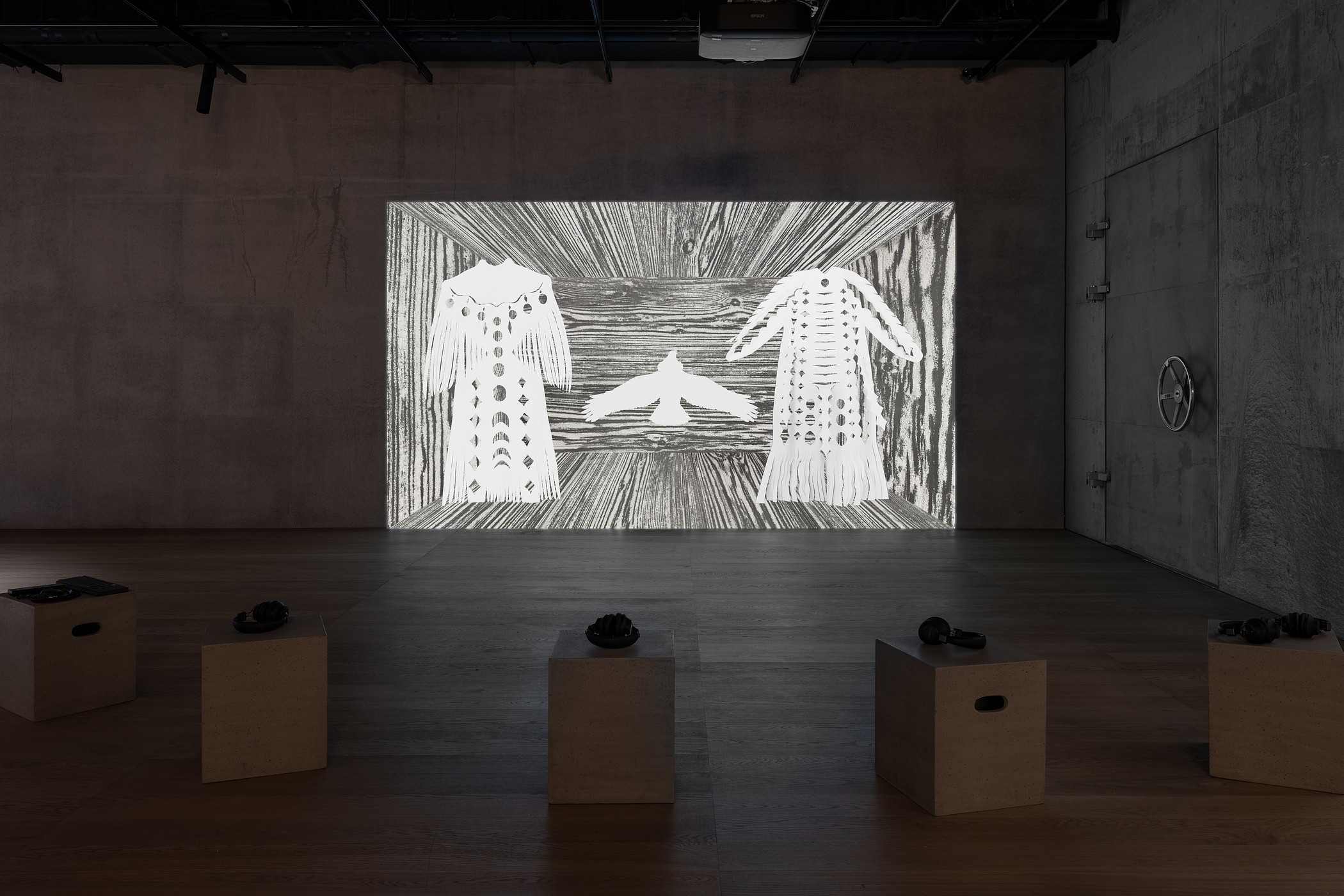
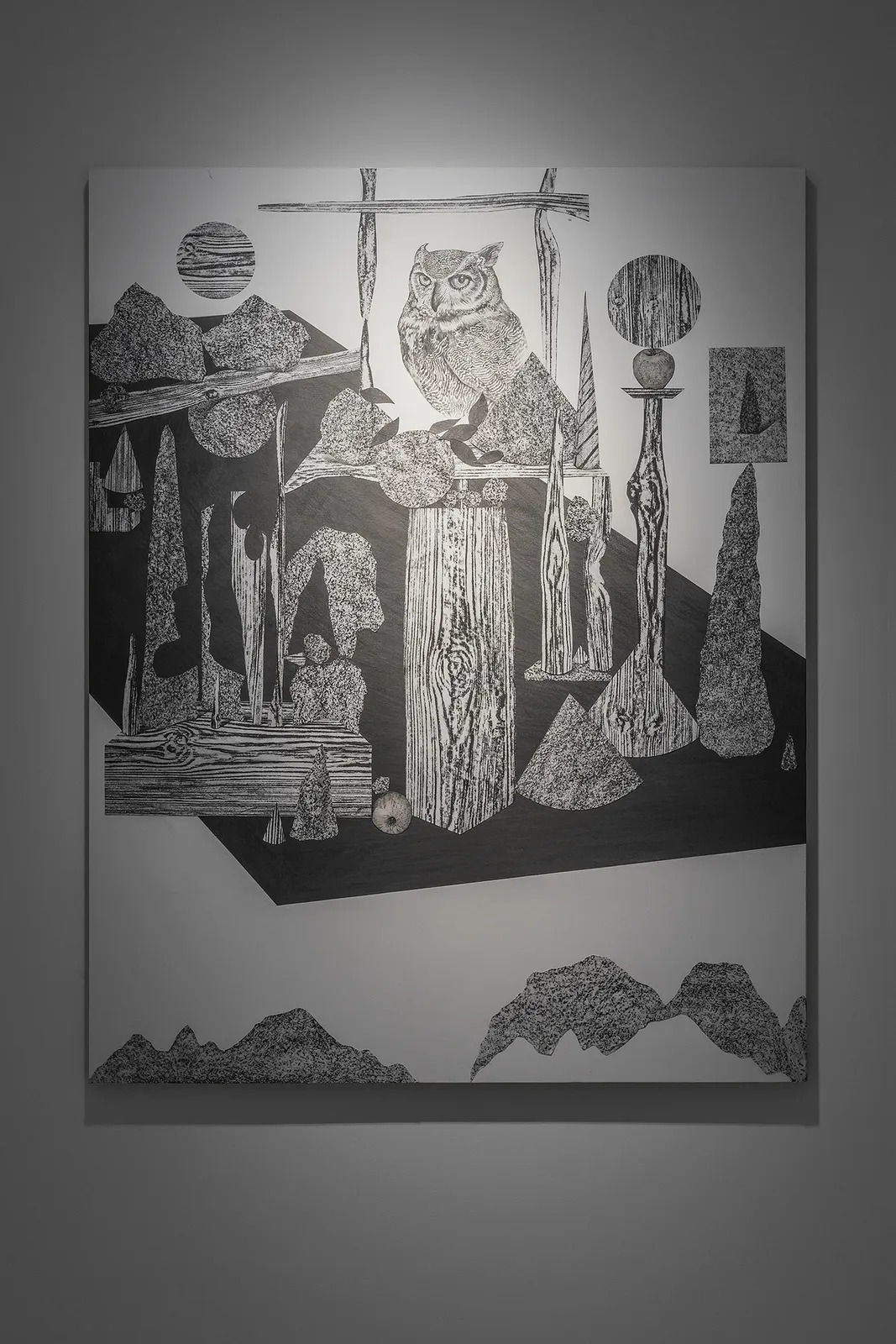
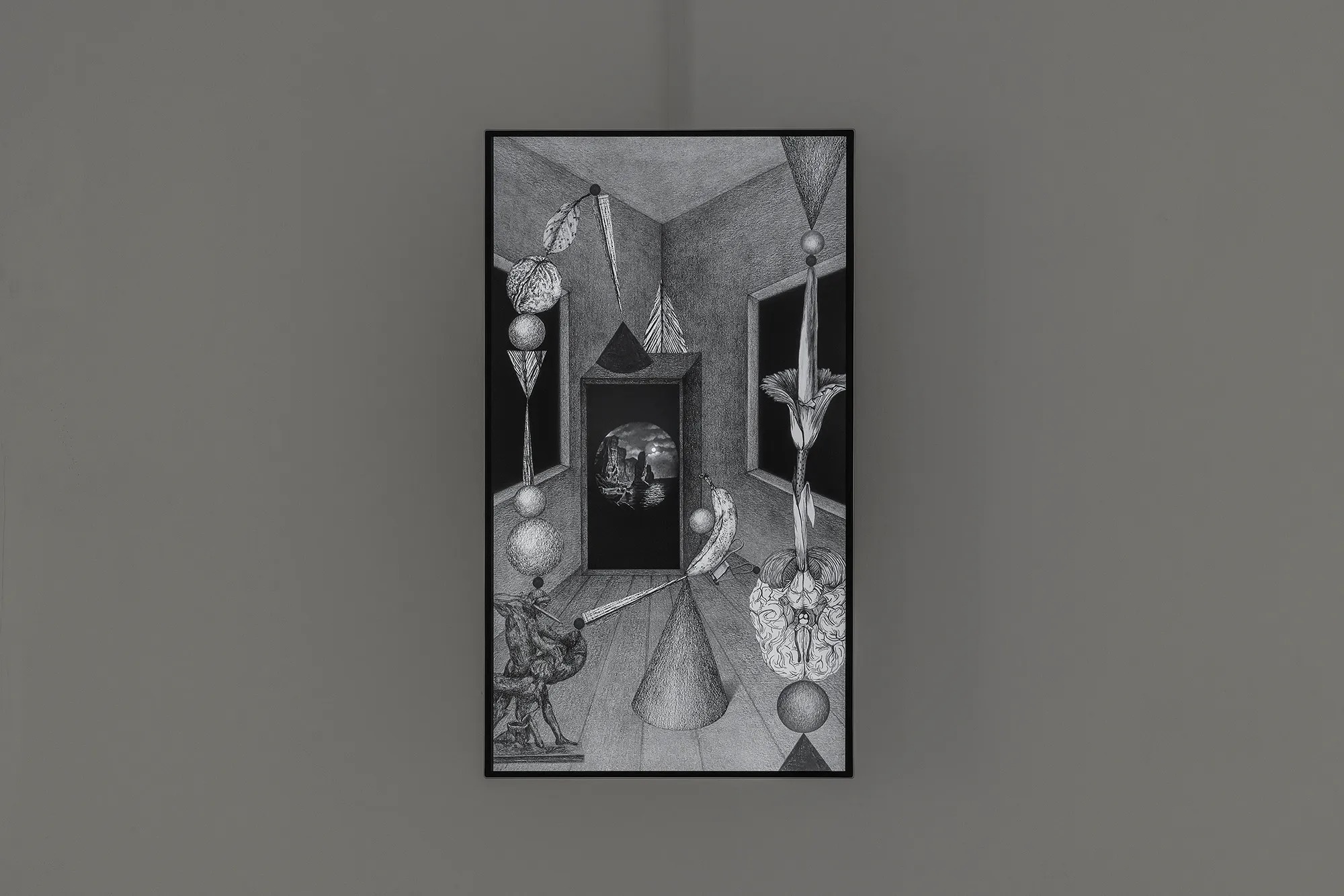
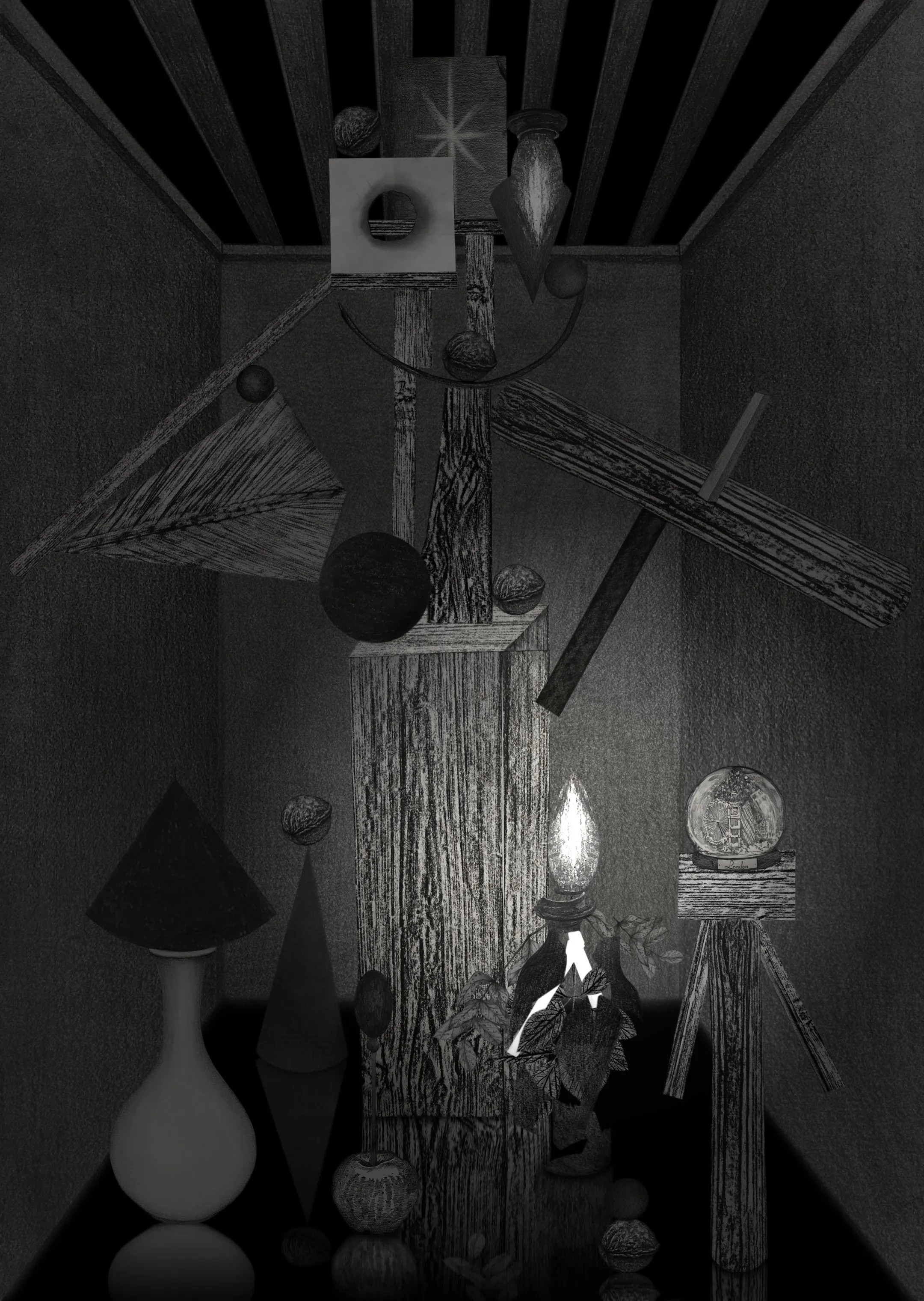
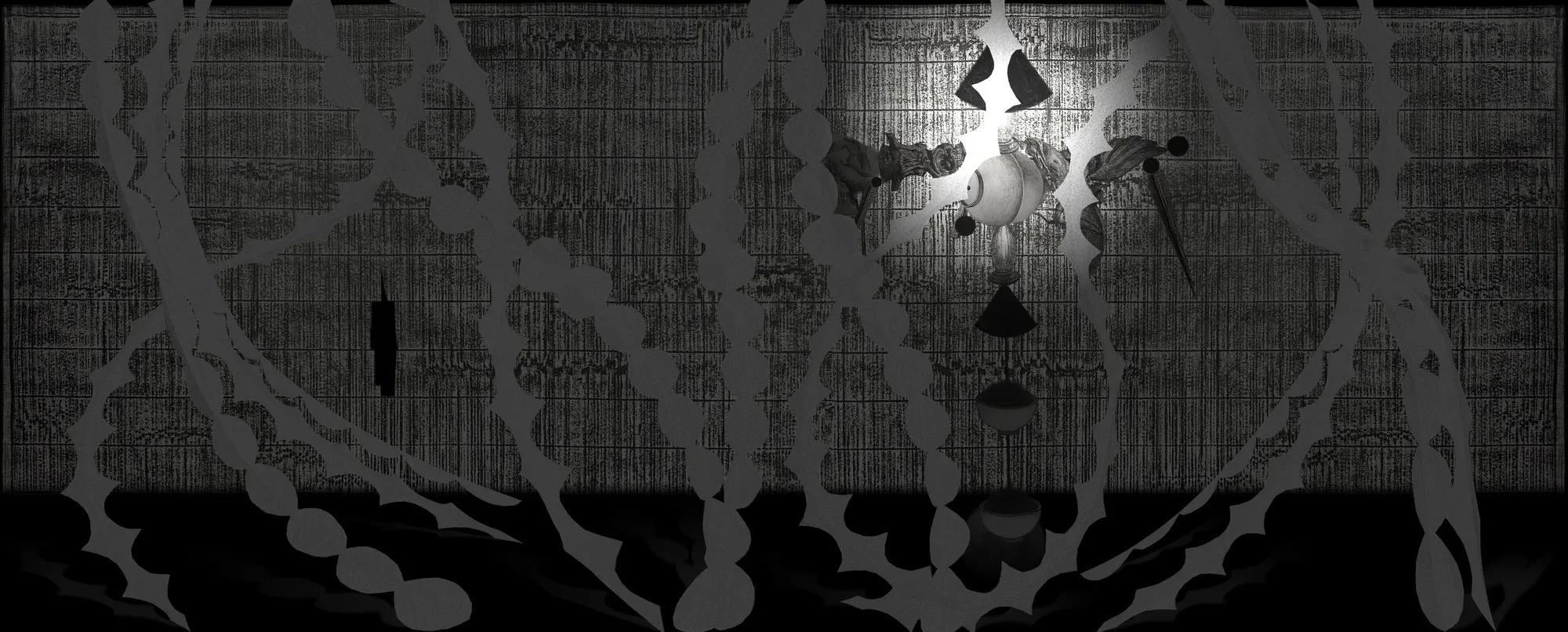
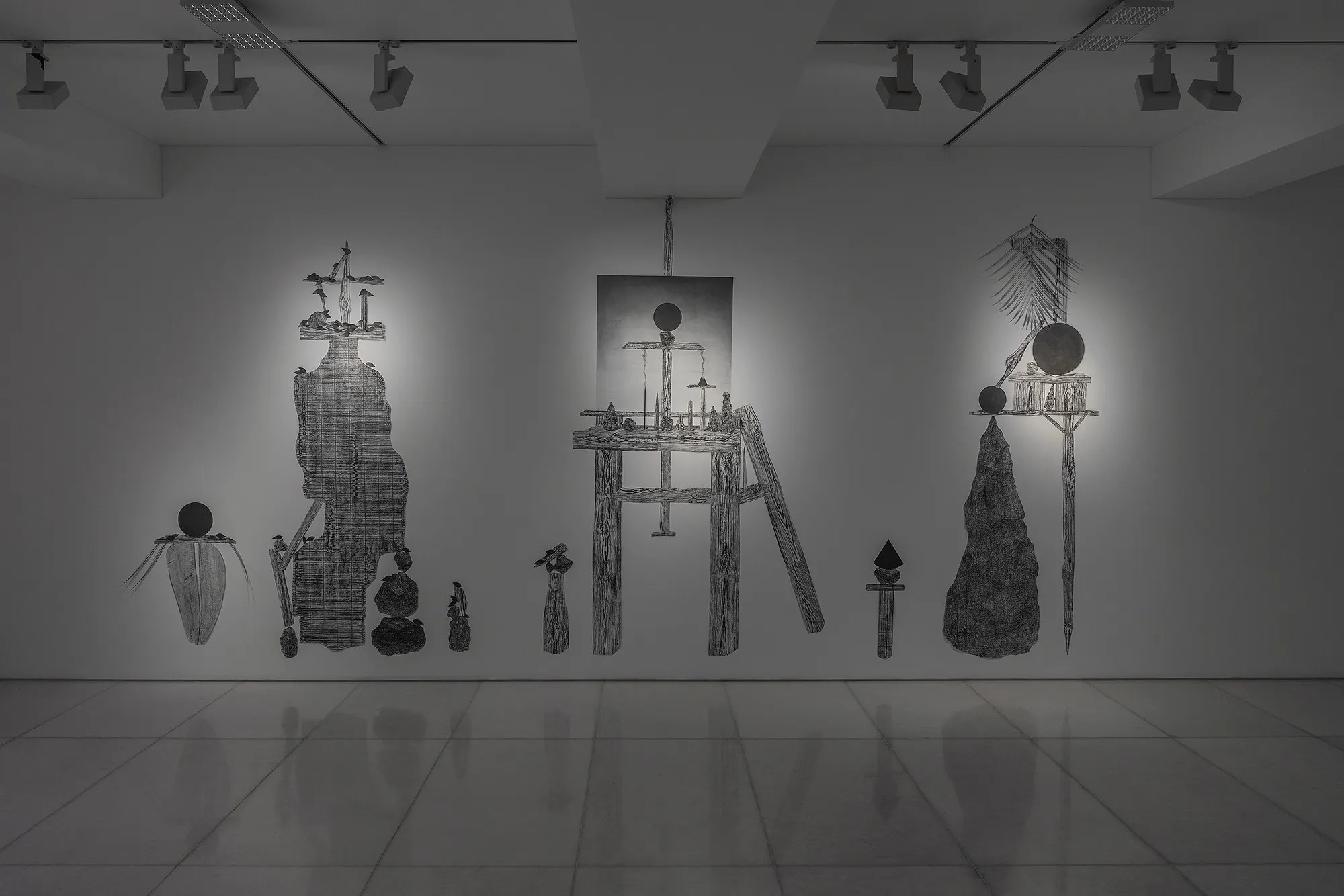
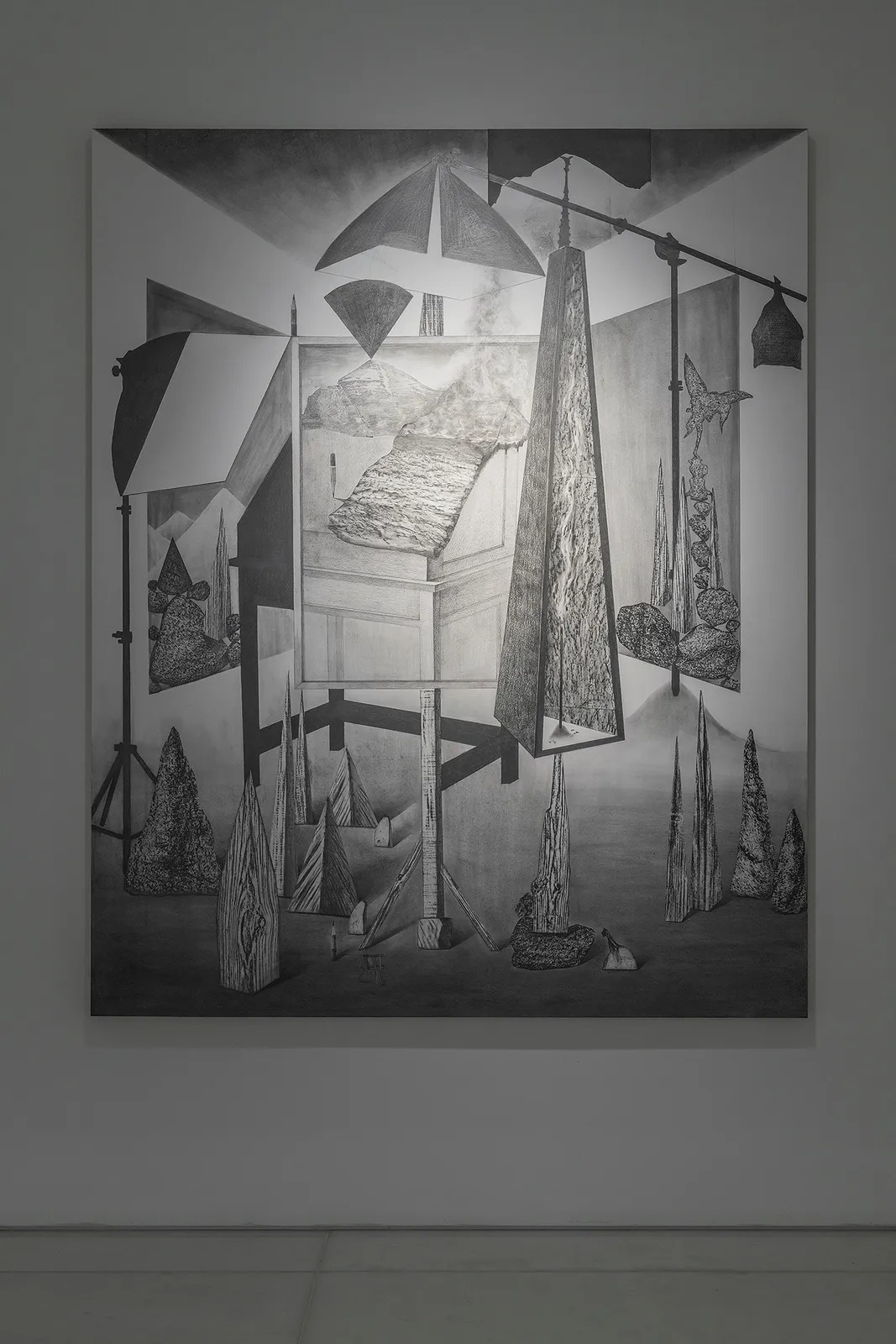
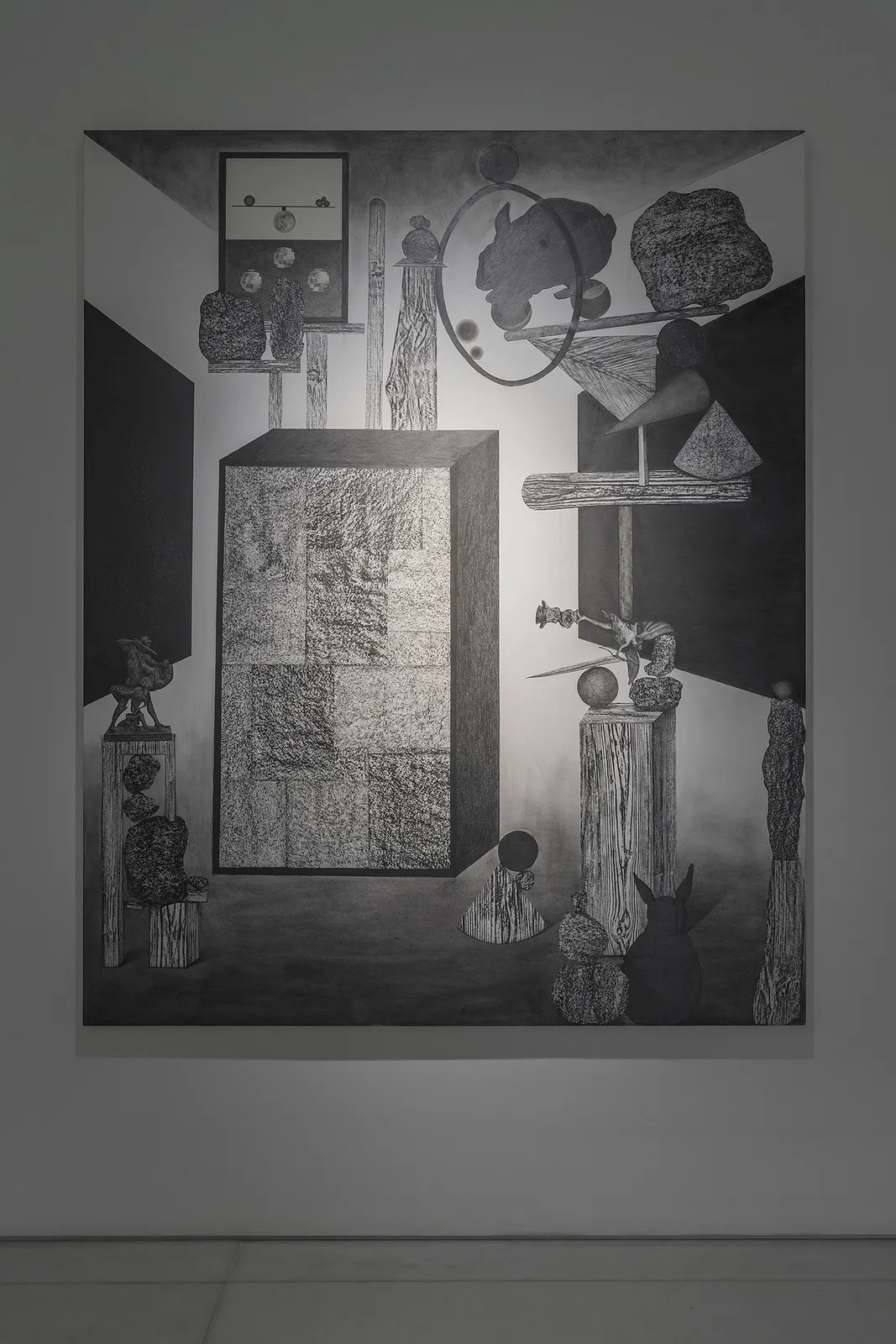
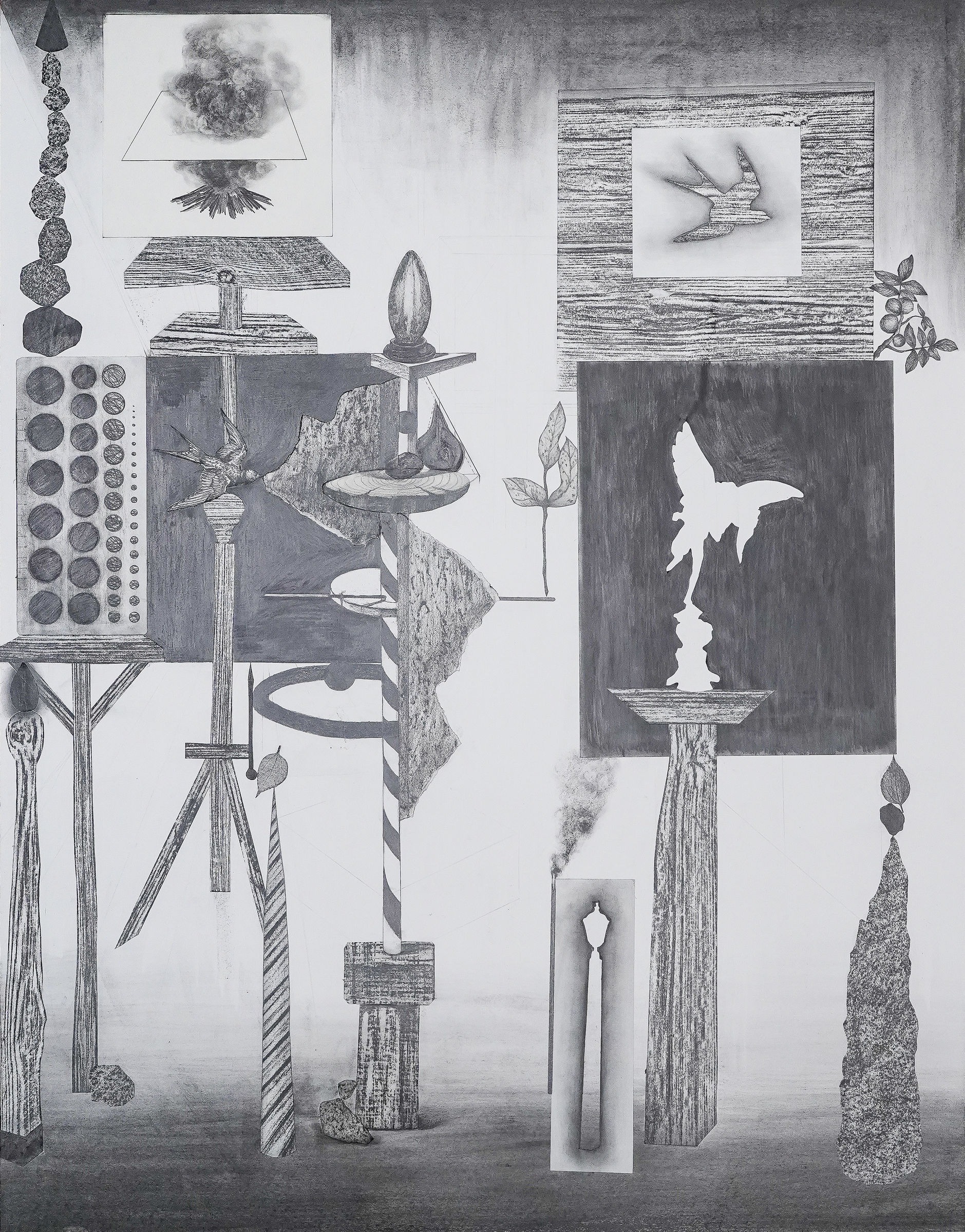
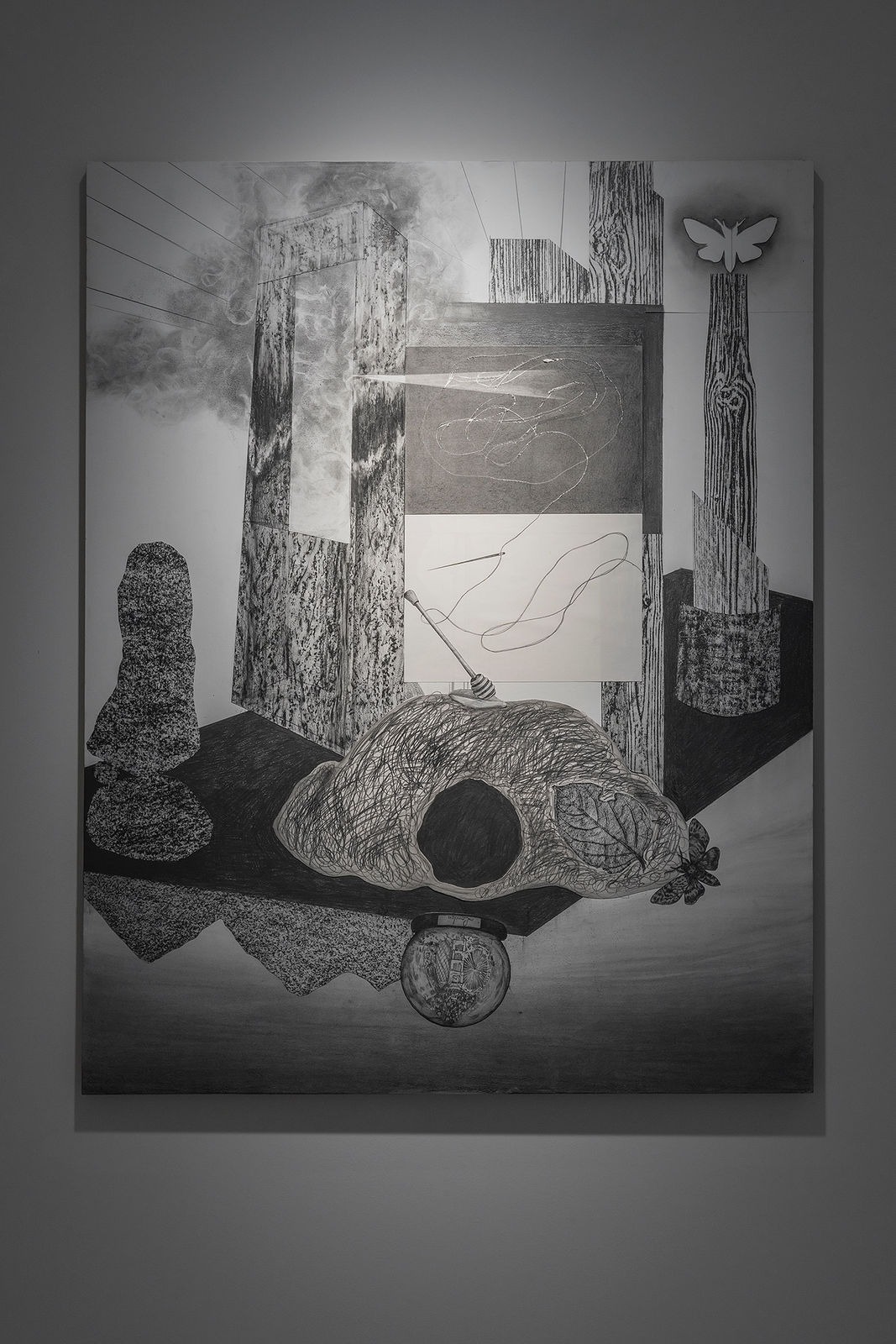
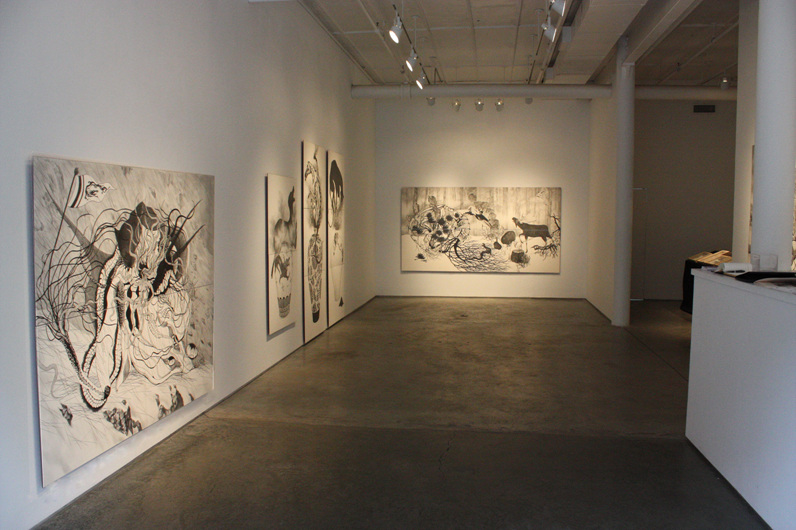
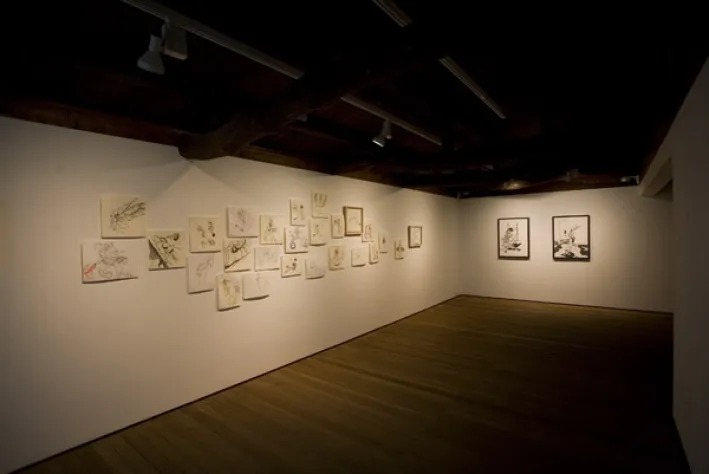
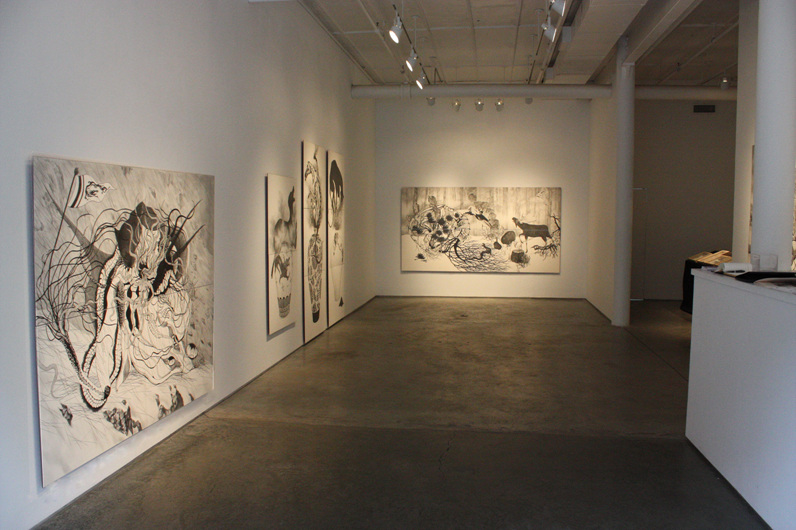
Painter Seung Ae Lee takes up the “weakest” of tools—the pencil—and confronts the world. To stand against those who spread sorrow throughout it, she draws monsters. Though unfamiliar in appearance, these monsters serve the deeply classical function of “coping with sorrow.”

These unprecedented creatures inhabit sorrow’s extraterritorial zone, a region of pain within the cells of the human body where neither reason nor gravity can reach, and exist as benevolent beings that battle sorrow. In her monsters, plants and animals merge, while society and the inner spaces of the individual intersect and accumulate.

The pencil races freely across the white paper before coming to a halt, subsiding into infinite softness and then springing back like steel to convey the monsters’ force. Thus begins the story of monsters created through the encounter between the frailest of tools and an artist exceptionally sensitive to the sorrows of the world.


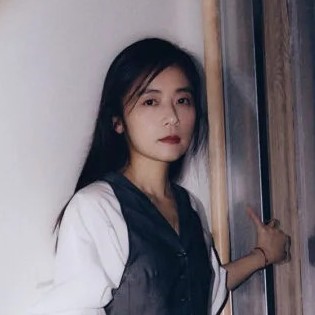
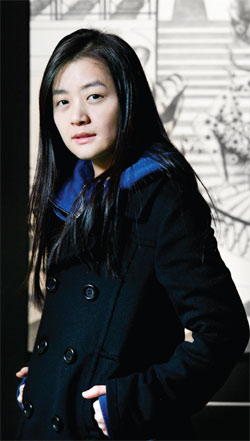
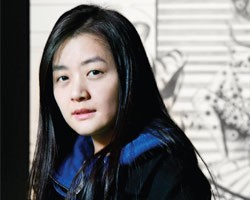
The Artist © Seung Ae Lee

People imagine paradise as a place where everything is abundant and filled with happiness. Yet in such a place, where everyone is freed from the sufferings of birth, aging, illness, and death and lives in harmony, certain people would inevitably become unemployed: doctors, undertakers, police officers, judges and prosecutors, politicians, and artists. Surprised to find artists on this list?

The reason is simple. In paradise, everything is already beautiful and harmonious, so there is no need for anything to become more beautiful; everyone is already perfectly happy, so there is no need for anyone to become happier. Anything resembling art might amount to little more than entertainment.

Does a paradise without music, art, literature, or film seem unbearably dull? Then perhaps it is right to endure life here and now, in a place that resembles hell more than paradise.

Adorno described art as “weeping without tears.” According to him, art seeks to “present reconciliation with society by bearing witness to what remains unreconciled within it, and through this paradox to propose a ‘reconciliation’ that is impossible in reality.” Of course, one hundred thousand novels, one million paintings, and ten million songs cannot directly resolve the conflicts of the world.

Yet this powerless act of salvation—this attempt to “propose an impossible reconciliation”—is precisely what gives art its reason for being. Paradoxically, art finds the grounds for its existence in a sorrowful world filled with what cannot be reconciled.

To cope with the sorrows of the world, painter Seung Ae Lee draws monsters. Her paintings are not about sorrow; they are paintings that confront it.
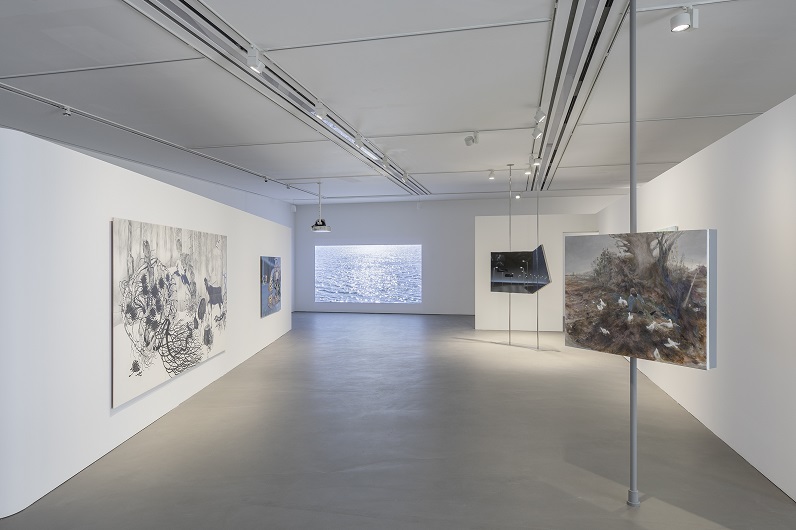
“I am one of the weak. There are absolute powers in the world, forces too overwhelming to bear, yet I cannot help or change them. I may not possess great power, but there are still things I can say about the world.”


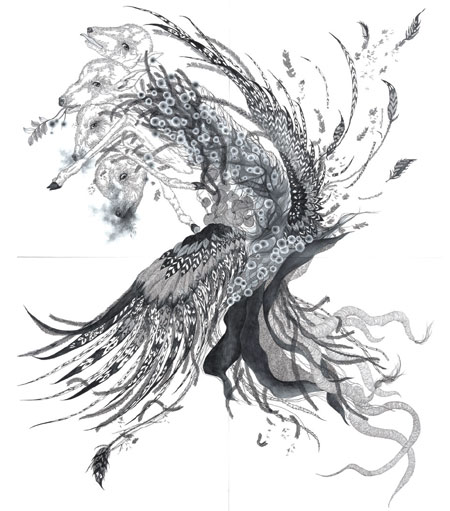
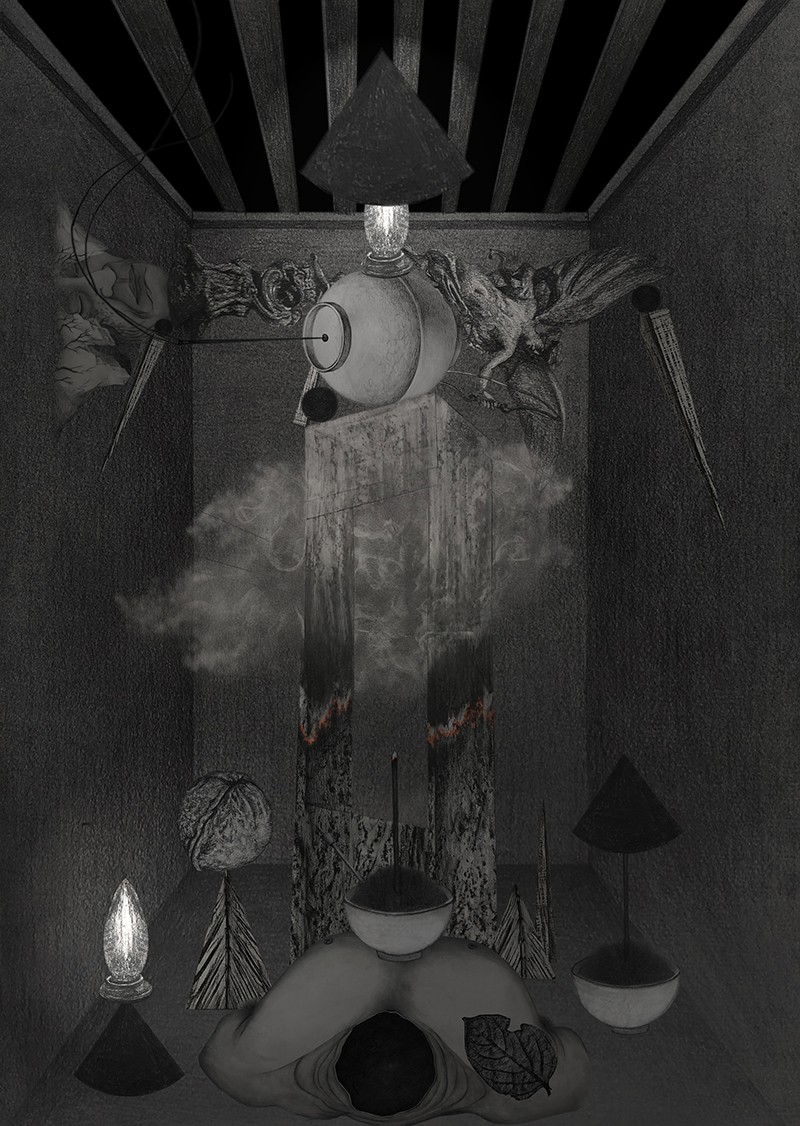
Seung Ae Lee, Brothers of Moon (Fear series II), 2008, Pencil on paperboard, 210 x 170 cm © Seung Ae Lee

Her paintings are chronicles of resistance against sorrow and wounds. The monsters she creates are warriors who confront and heal human sorrow and injury. They divide their principal and subsidiary duties among defense, production, healing, transformation, and communication.


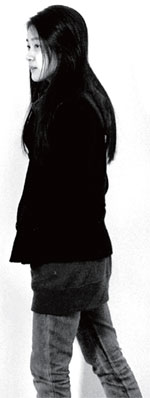
The Artist © Seung Ae Lee

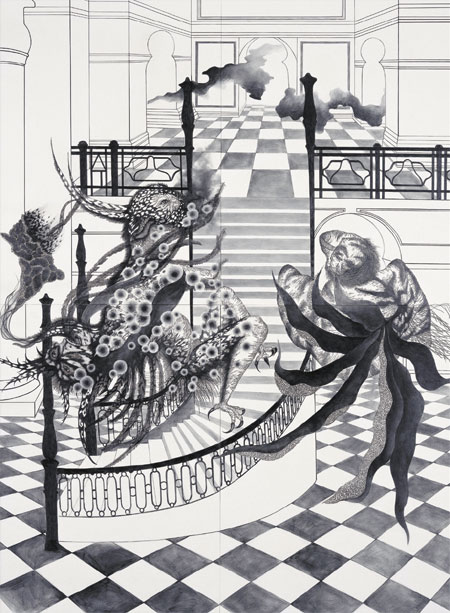
The monster named Hwon is the central figure in the painting and is responsible for defense. “Damage to the heart” too overwhelming to bear becomes a black thorn lodged deep within the soul. Hwon battles these black thorns embedded in the soul.

He fights tirelessly so that the trauma caused by wounds will no longer torment us and can instead become a “good dream.” His subsidiary duty is transformation. He is also tasked with transforming the wounds we have suffered into energy that enables us to endure life.

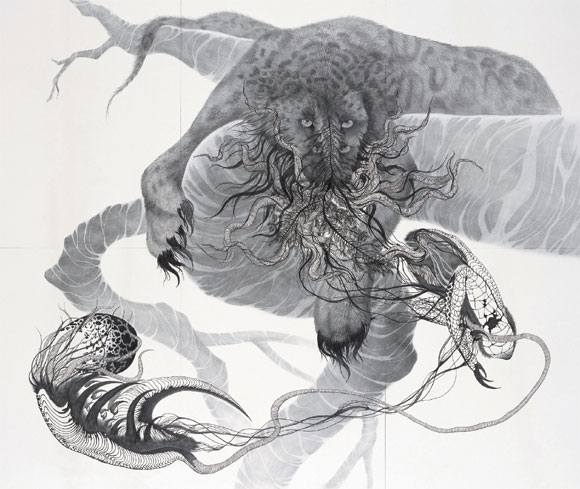
The monsters are unfamiliar beings because they do not exist within our visible world. Brothers of Moon, which possesses the power of healing, has four ram’s heads, the ornate feathers of a peacock, and a tail resembling a flatworm. The comparatively recognizable Green Eyes takes the basic form of a leopard with four eyes, yet unidentified flatworm-like creatures and fern-like growths emerge from around its mouth.

These monsters, unlike anything ever seen before, sometimes take the form of symbiotic combinations of animals and plants. The plant and animal encyclopedias that Lee studied closely as a child are freely recombined in her paintings to form entirely new beings.

The monsters are fear and unfamiliar emotions given concrete form and clothed in narrative.

Yet although Seung Ae Lee’s monsters are unfamiliar, they do not appear frightening or horrifying. The claws of Green Eyes, a monster charged with healing, should be sharp but are instead made of infinitely soft fur. Green Eyes exacts revenge upon those who have inflicted the most extreme wounds, but this revenge contains not only “retribution” but also an element of “forgiveness.”


Seung Ae Lee, Enemy at the Gate (Fear series I), 2008, Pencil on paperboard, 210 x 170 cm © Seung Ae Lee

The dragon-like Mother offers up her own body for countless young creatures. The physiology of Seung Ae Lee’s monsters is thoroughly altruistic. They are beings that “affirm that the absolute law of their world is to live in harmony without harming other lives for the sake of their own sustenance.” What we should truly fear is not Seung Ae Lee’s monsters, but the injustices of the world that gave birth to them.


Seung Ae Lee, Green Eyes (Revenge series I), 2008, Pencil on paperboard, 220 x 225 cm © Seung Ae Lee

Seung Ae Lee’s World Is Made Entirely of Pencil and Paper

“I like the weakness of the pencil. I like its smell, and I like the way it does not appear flamboyant or strong. The pencil is weak, like me. Perhaps if the two of us join forces and come together in the studio, we might gain great strength.”

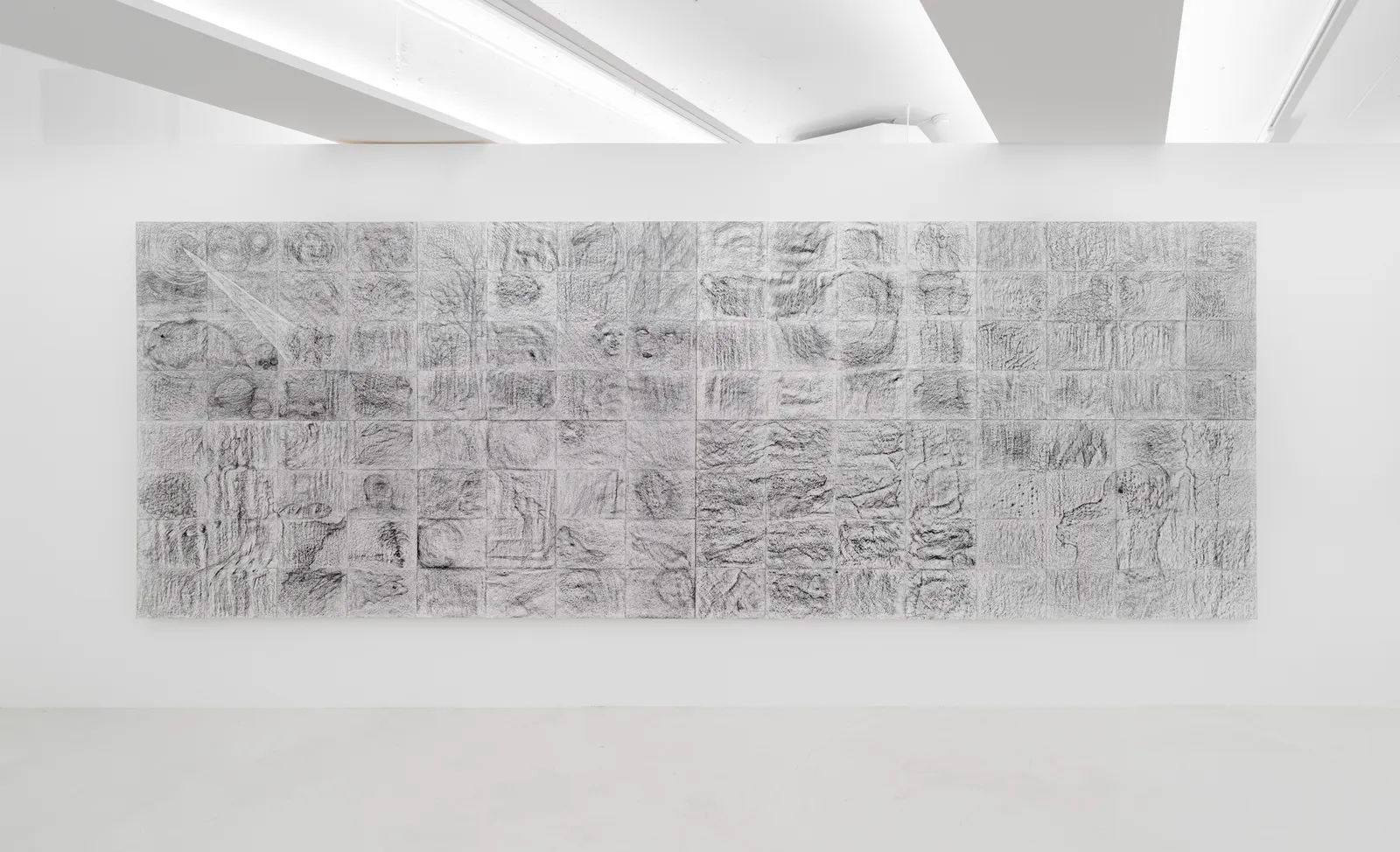
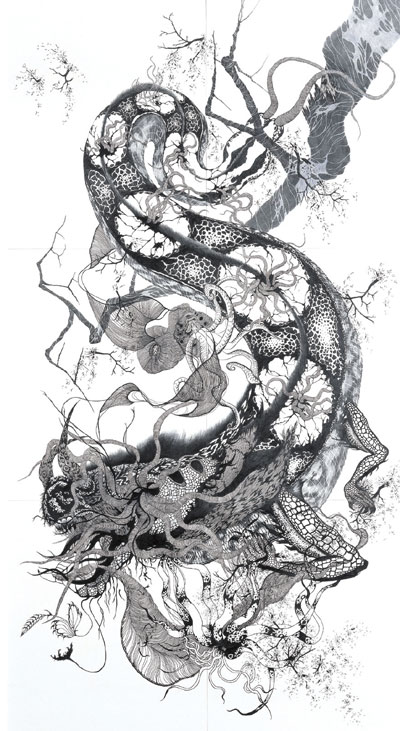
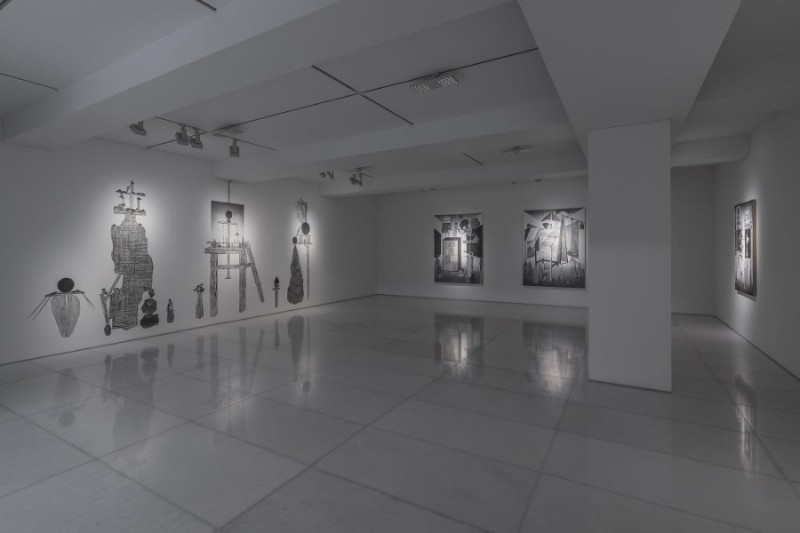
Even the large drawing made by joining together four full sheets of paper was created entirely in pencil. Within the system of painting, pencil is generally assigned the most basic role of preliminary sketching, only to be covered by materials such as oil paint or watercolor and disappear from sight.
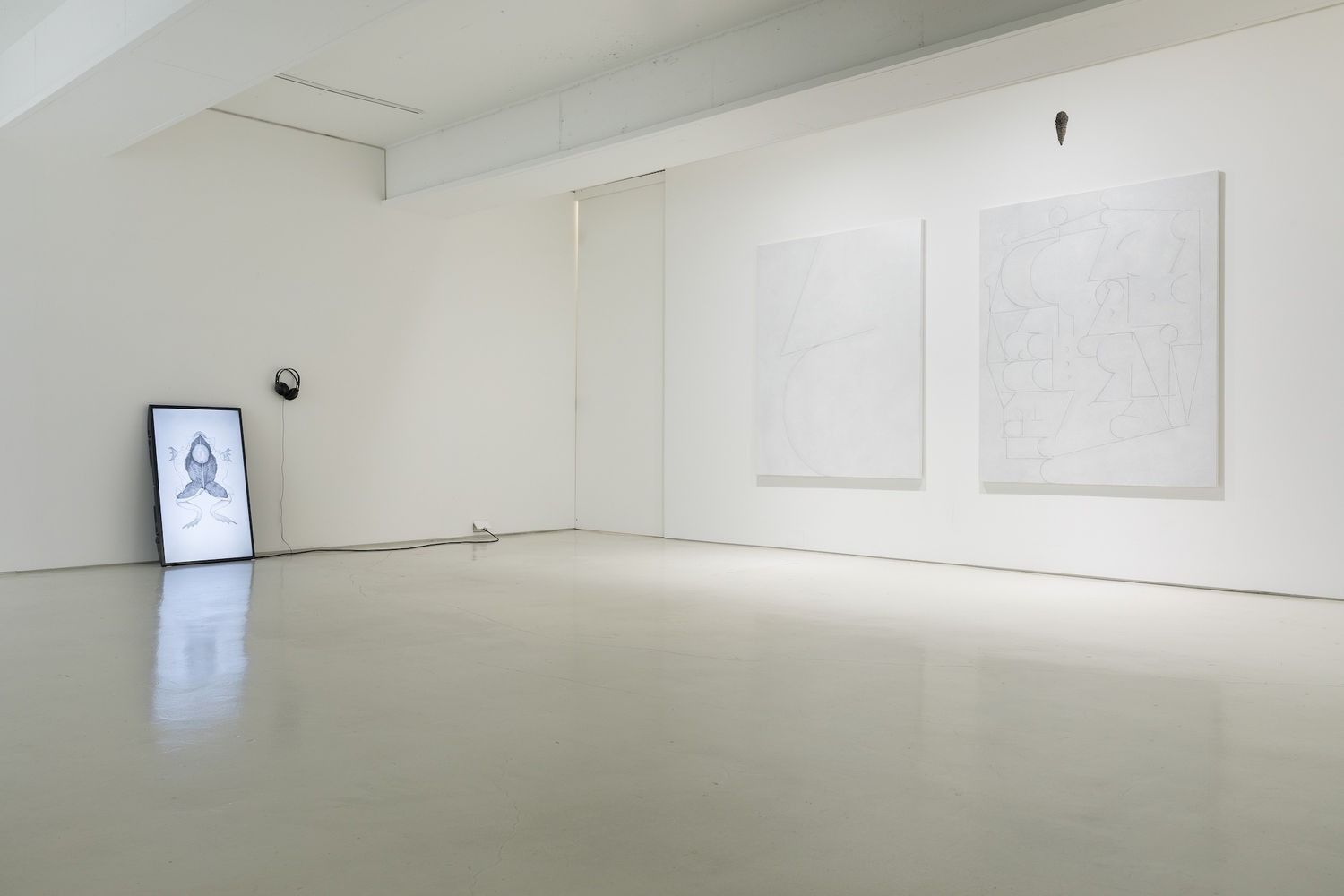
In Seung Ae Lee’s drawings, however, the pencil is not “weak.” It is a medium with infinite expressive potential. At times it becomes endlessly soft, delicate, and faint, yet at others it springs forth with the force of steel. Just as her imagination is boundless, so too is the power of the pencil.
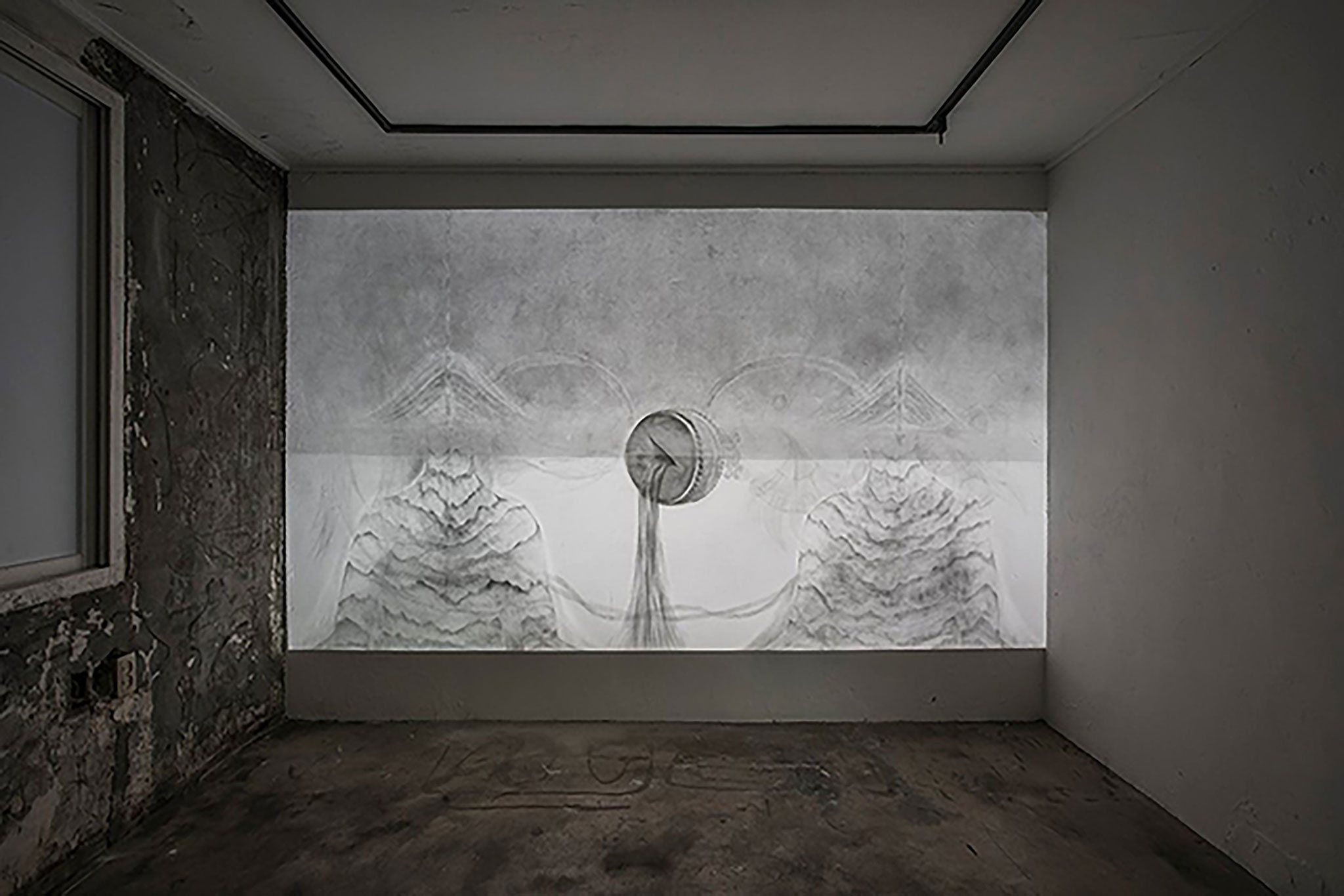

Seung Ae Lee, Nice Dream (Victory series I), 2008, Pencil on paperboard, 255 x 105 cm © Seung Ae Lee

“Perhaps those who speak out against injustice are holding on to a single strand of hope. Might quietly letting things pass be a form of resignation? I believe that preserving that sharpness is the most important attitude for an artist. I want to do the same.”

With the appearance of a delicate young girl, she speaks in a quiet voice. Seung Ae Lee takes up the “weakest” of tools—the pencil—and confronts the world. Yet as long as she continues to draw monsters that stand against the sorrows of the world, she is not weak. When sorrow deepens, it too becomes a source of strength.

References