





Solo Exhibitions (Brief)
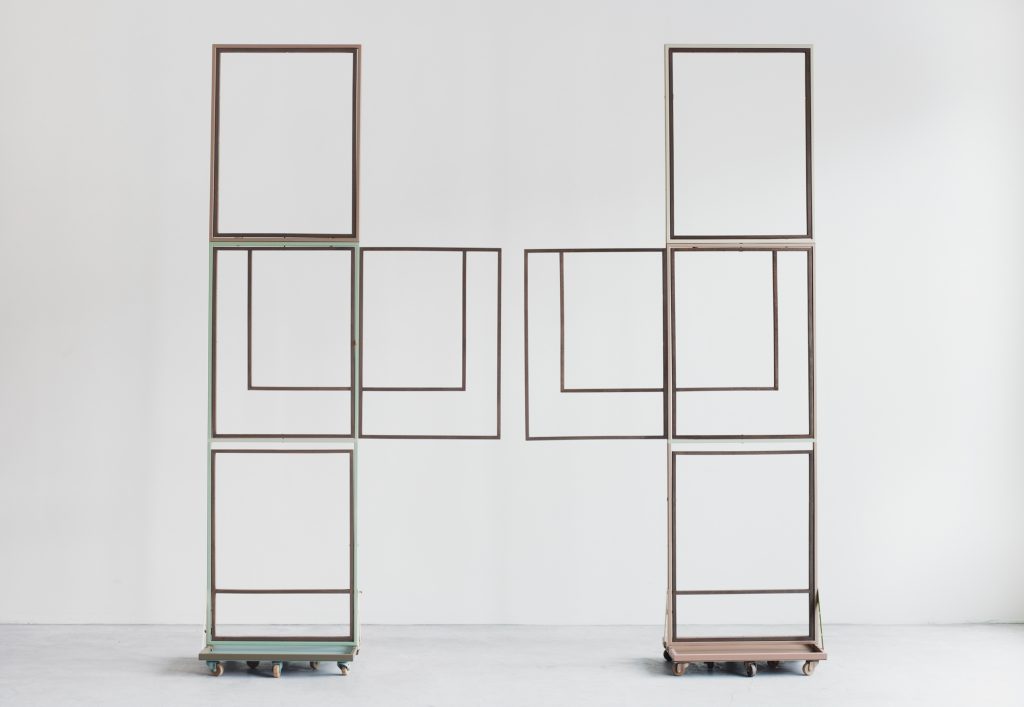
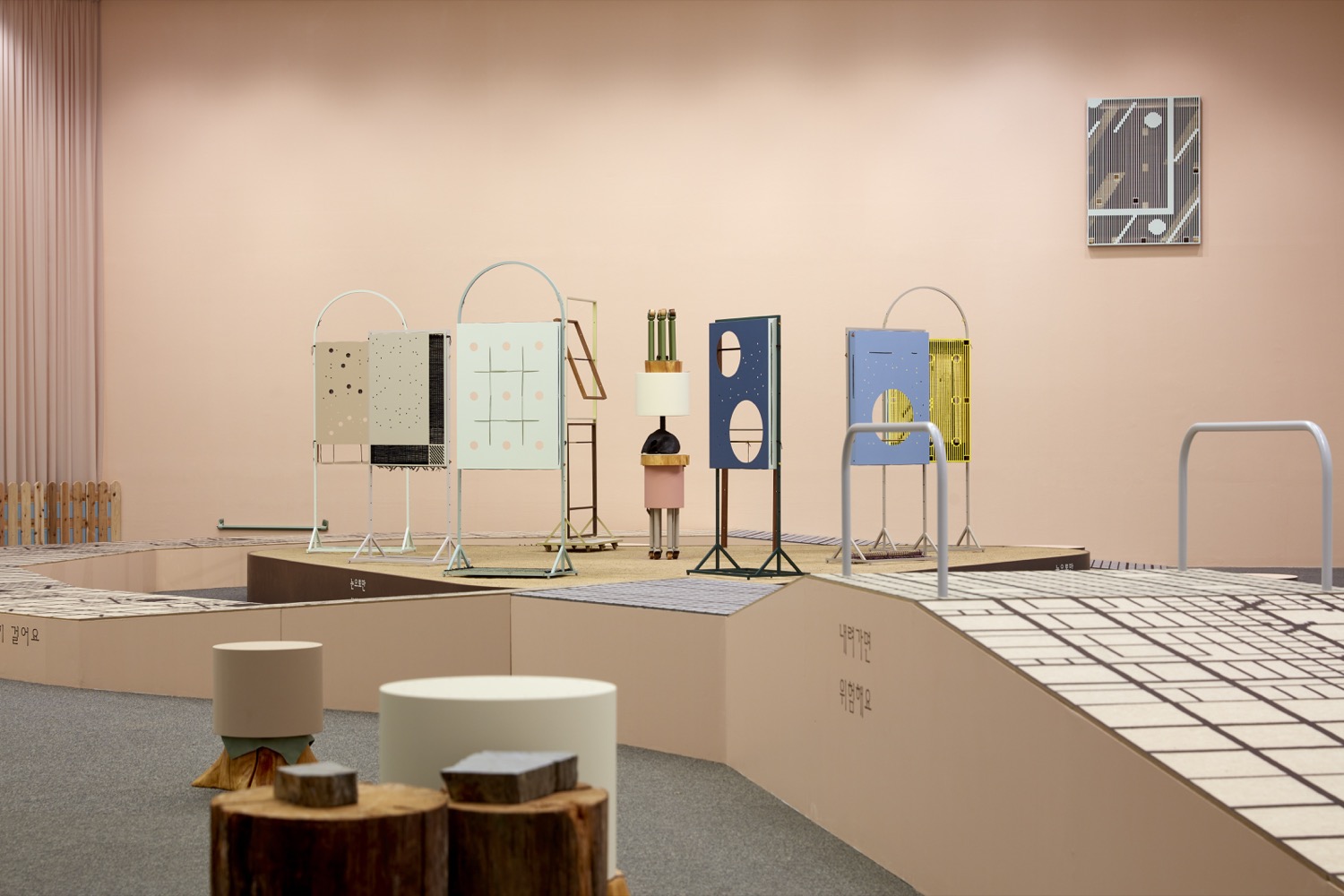
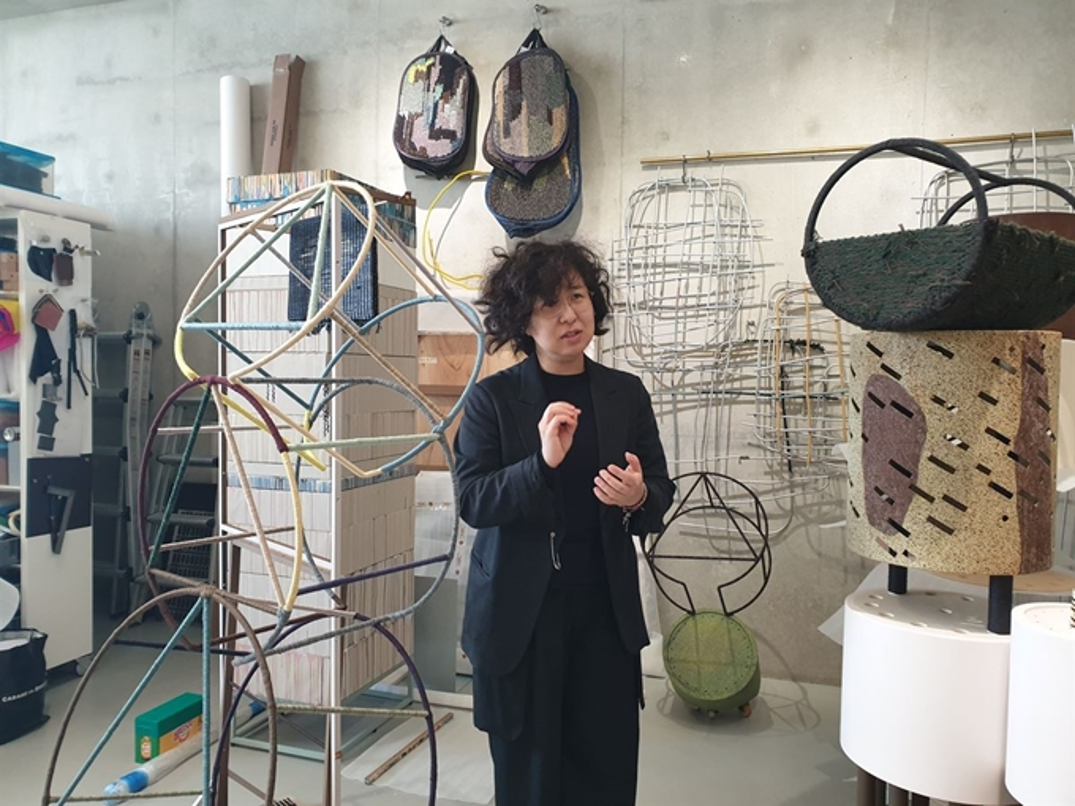
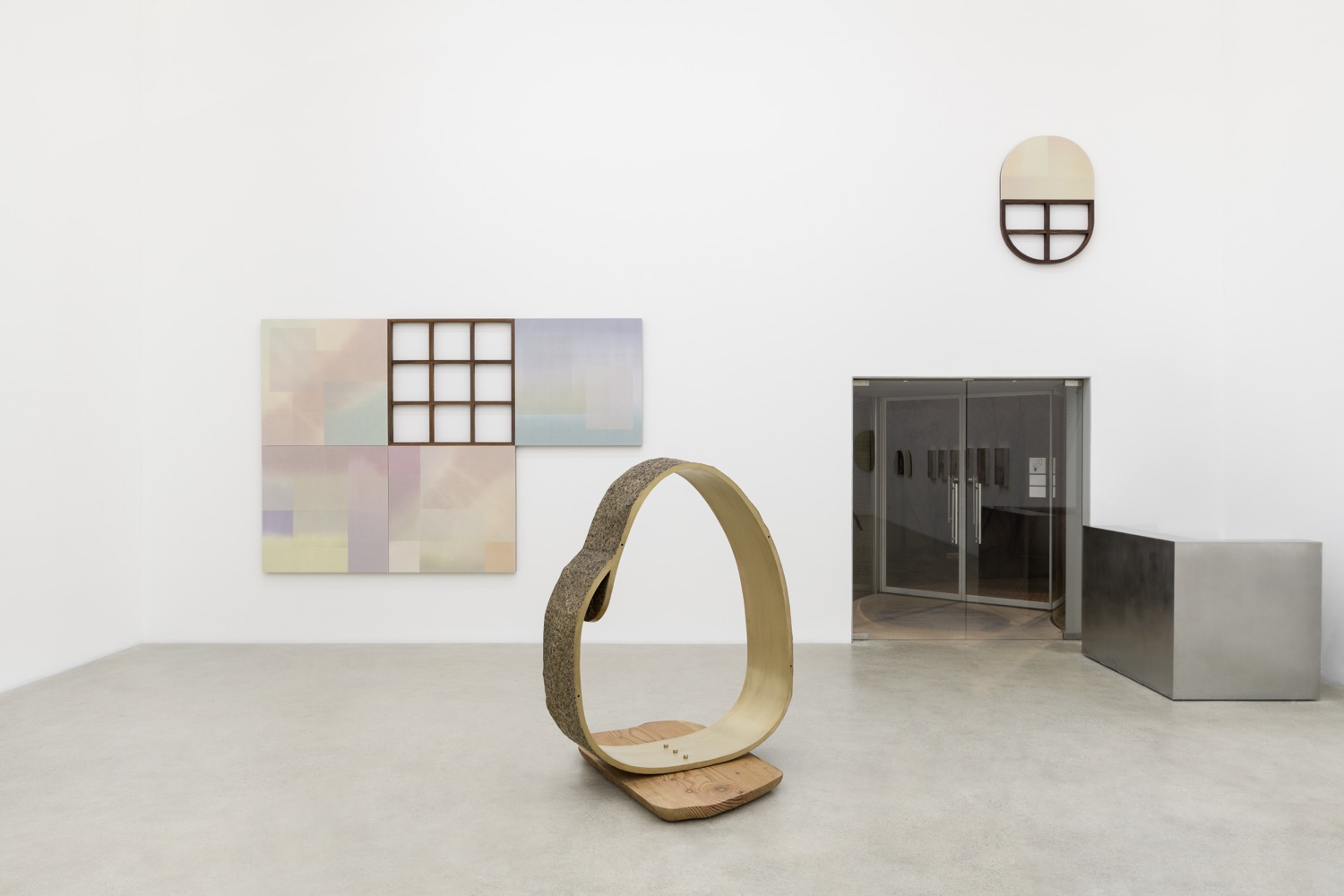
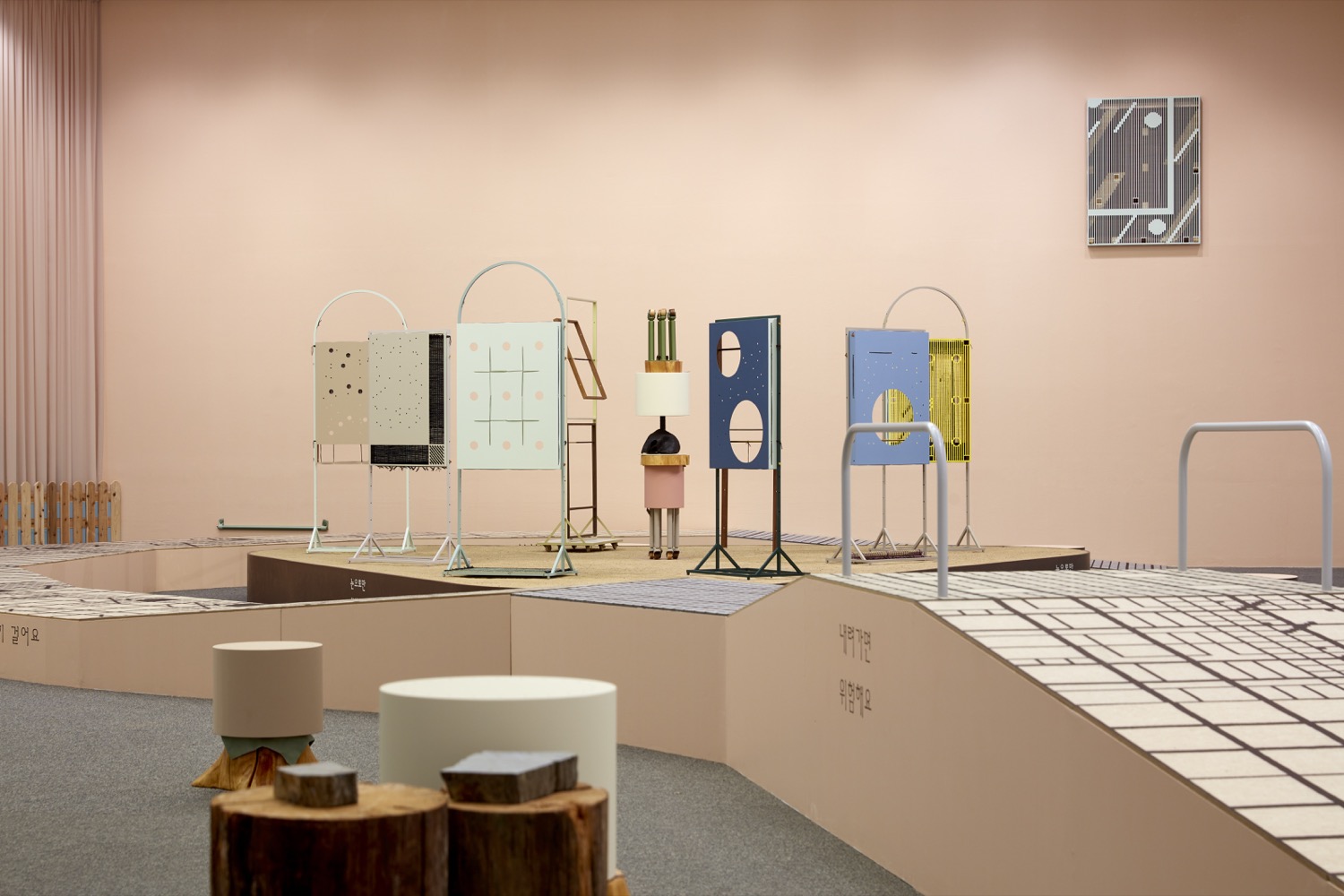
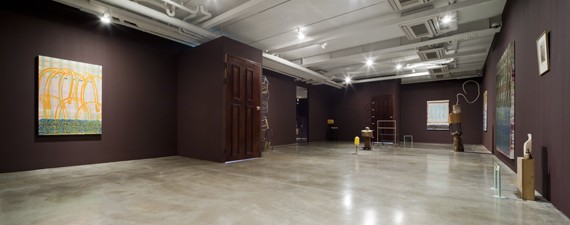
Recent Suki Seokyeong Kang’s solo exhibitions include 《MARCH》(2024, Kukje Gallery, Seoul, Korea), 《Willow Drum Oriole》(2023, Leeum Museum of Art, Seoul, Korea), 《Square See Triangle》(2019, Buk-Seoul Museum of Art, Seoul, Korea), 《Black Mat Oriole》(2018, Institute of Contemporary Art, Philadelphia, USA), 《Foot and Moon》(2015, Audiovisual Pavilion, Seoul, Korea), 《Polite Owl in the Valley 鴟鴞鴟鴞》(2013, Gallery Factory, Seoul, Korea), and 《GRANDMOTHER TOWER》(2013, Old House, Space Can, Seoul, Korea).
Group Exhibitions (Brief)
Recent
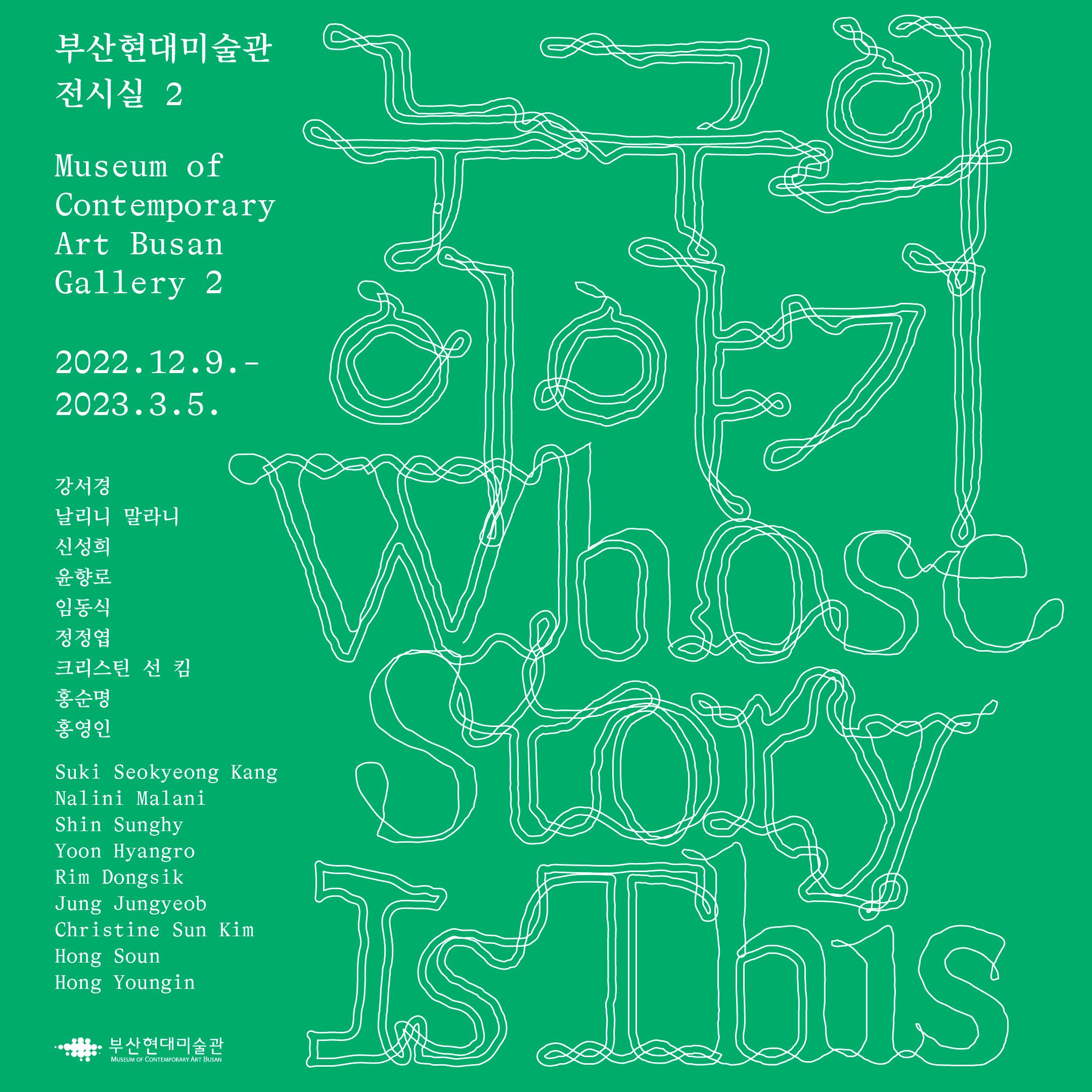
group exhibitions include 《The Shape of Time: Korean Art after 1989》(2023, Philadelphia Museum of Art, Philadelphia, USA), 《Whose Story Is This》(2022, Museum of
Contemporary Art Busan, Busan, Korea), 《Scoring the Words》(2022, Seoul Museum of Art, Seoul, Korea), 《The
Brilliant Days》(2022, Ulsan Art Museum, Ulsan, Korea), 《Hiding in Plain Sight》(2021, PACE Gallery,
New York, USA), 《Dependent Objects》(2021, Museum of Contemporary Art Chicago, Chicago, USA), 《Interlaced》(2020, OCI Museum, Seoul, Korea),
《Unclosed Bricks》(2018, Arko
Art Center, Seoul, Korea), 《As the Moon Waxes and Wanes》(2016, National Museum of Modern and Contemporary Art, Gwacheon,
Korea), and 《Groupe Mobile》(2016,
Villa Vassilieff, Paris, France).
Additionally,
she has participated in major international biennials, including the Venice
Biennale (2019), Shanghai Biennale (2018), Liverpool Biennial (2018), and
Gwangju Biennale (2018, 2016).
Awards (Selected)
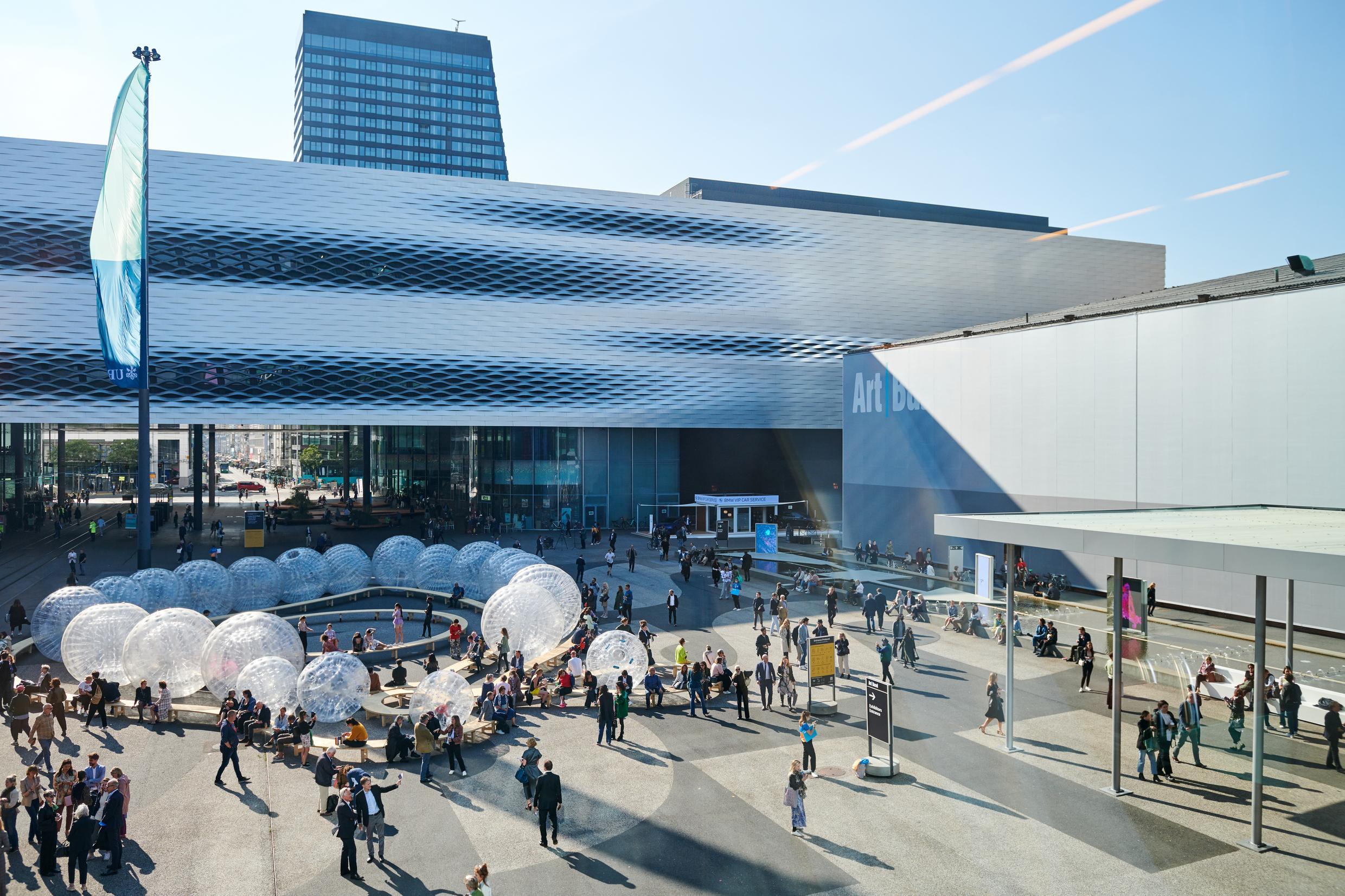
In 2018, she was awarded the Baloise Art Prize at Art Basel, and in 2013, she received the Excellence Prize at the 13th SongEun Art Award.
Collections (Selected)
Suki Seokyeong Kang’s works are housed in the collections of major institutions, including MMCA(National Museum of Modern and Contemporary Art)(Korea), Seoul Museum of Art(Korea), Leeum Museum of Art(Korea), Arario Museum(Korea), Ulsan Art Museum(Korea), Los Angeles County Museum(USA), San Francisco Museum of Modern Art(USA), Walker Art Center(USA), Museum Of Contemporary Art Chicago(USA), Princeton Museum(USA), Booth Collection-University of Chicago(USA) etc.