# Observation 1.
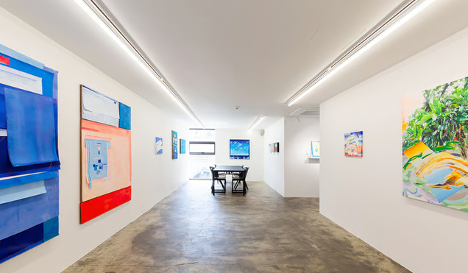
There are two writers who are quite different in appearance. The only thing they have in common is that they are painters, but it is not easy to find a common denominator in various aspects. Both in terms of the subject matter and in terms of pictorial language, they are working while looking at very different places.
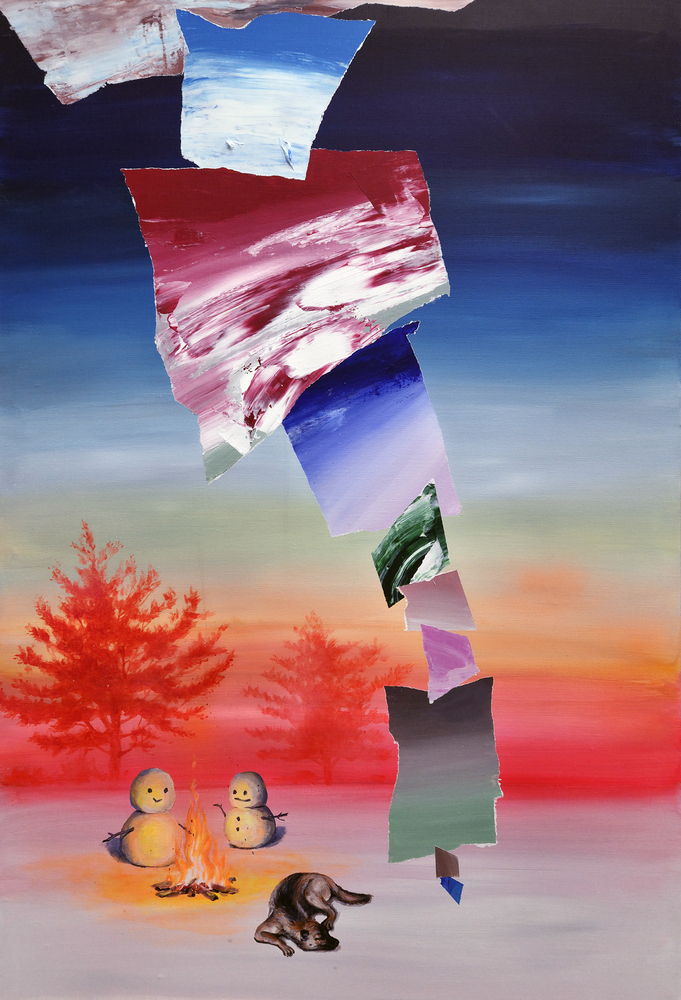
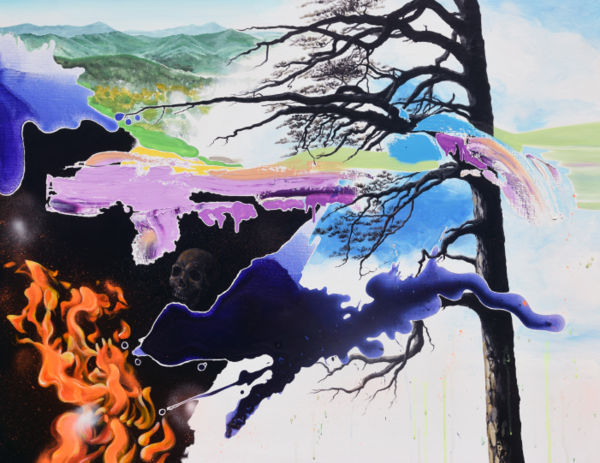
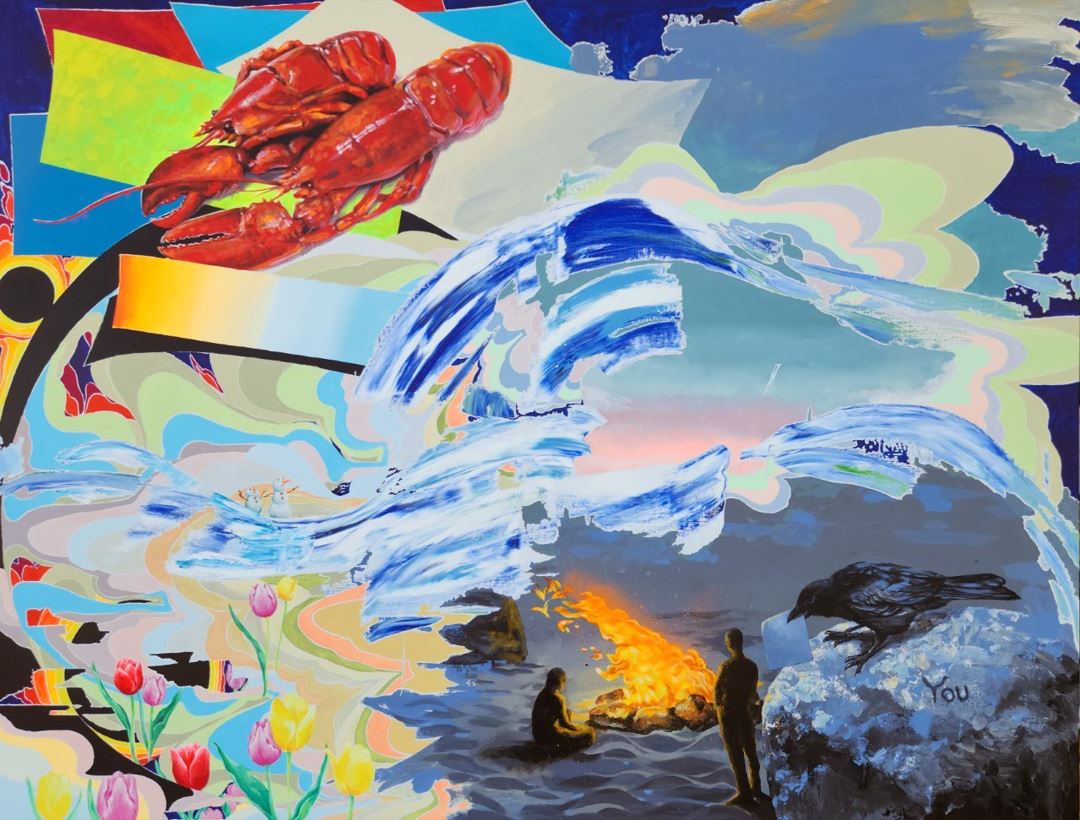
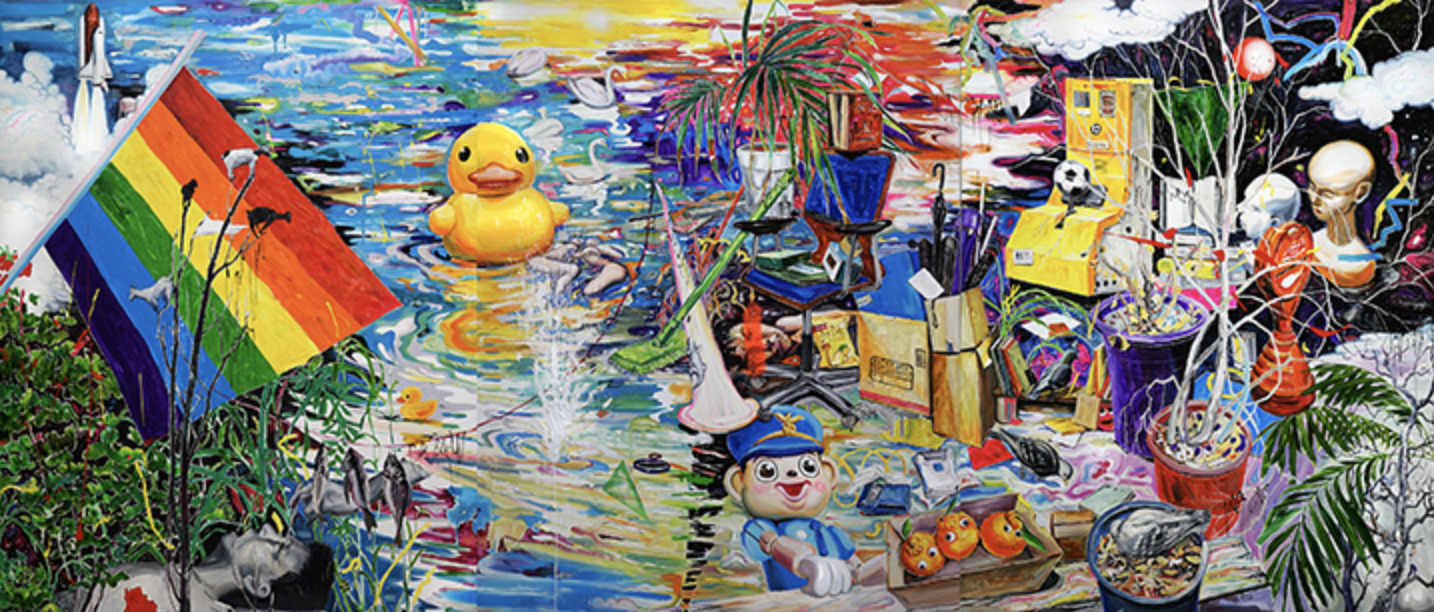
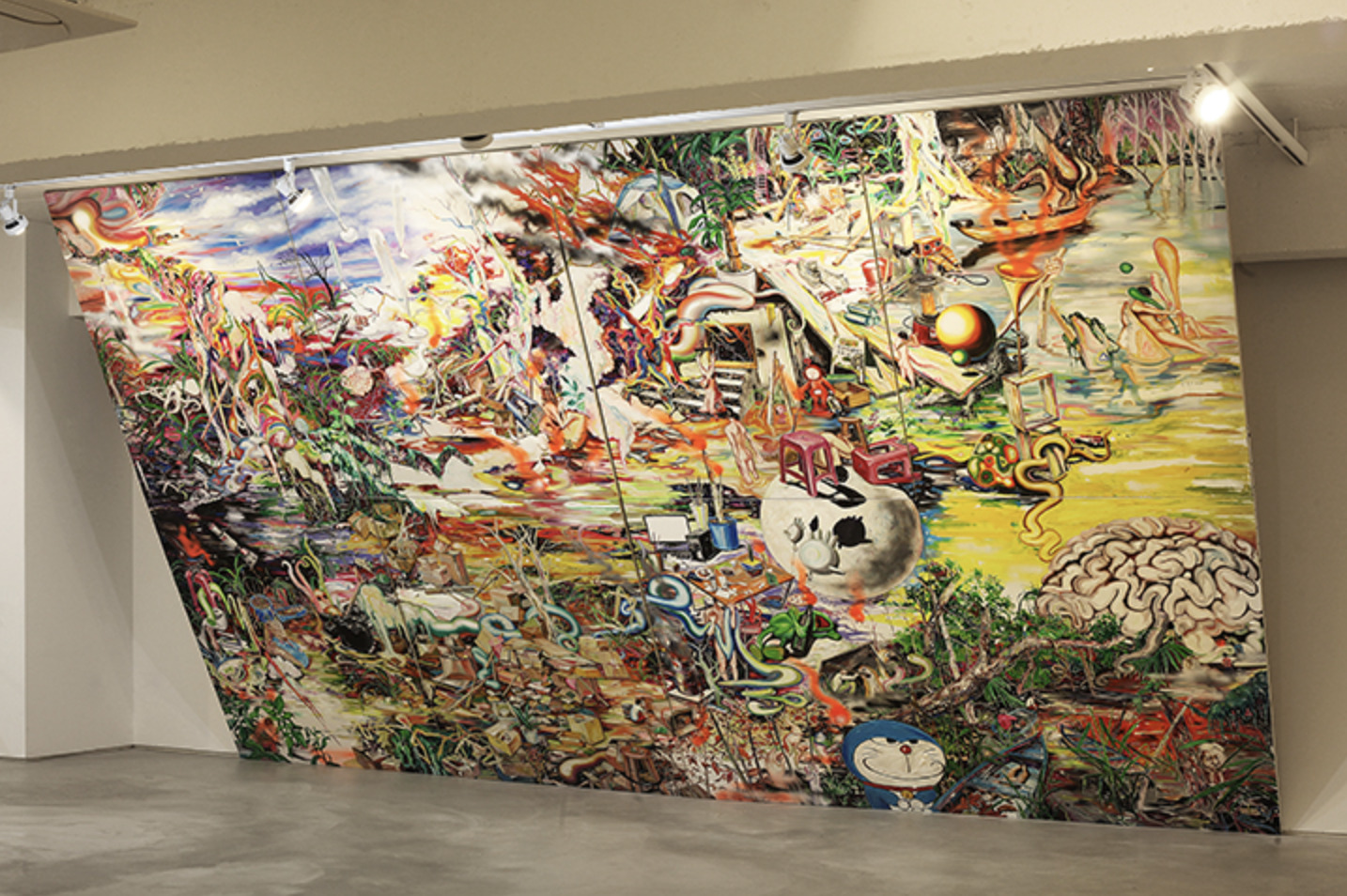
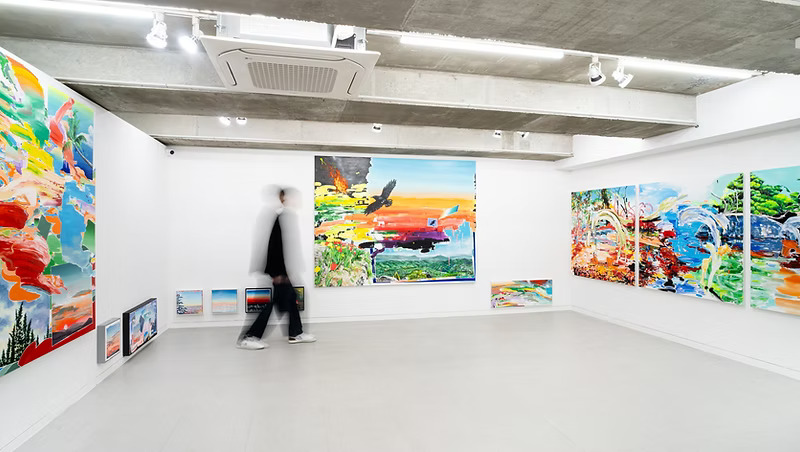
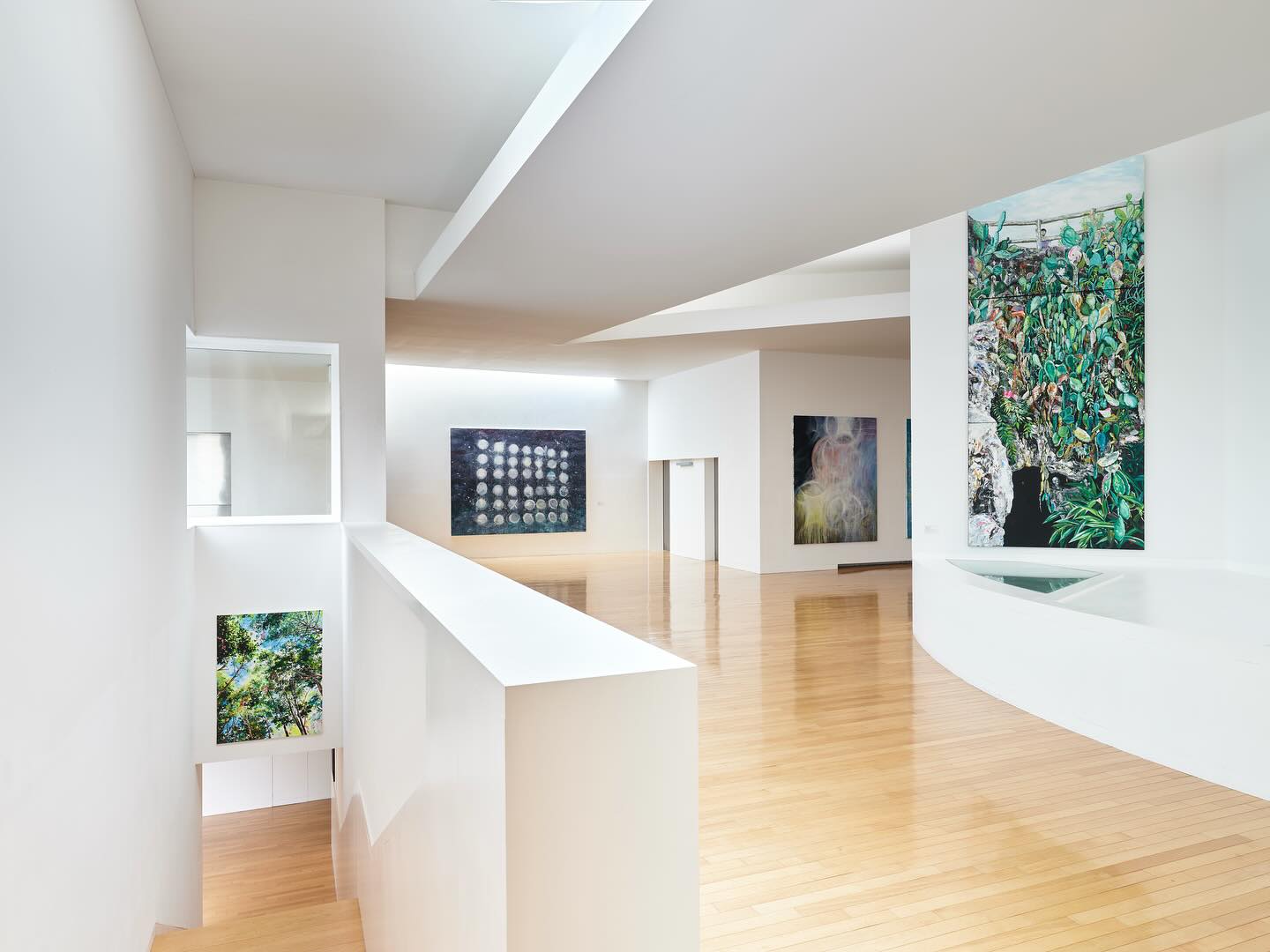
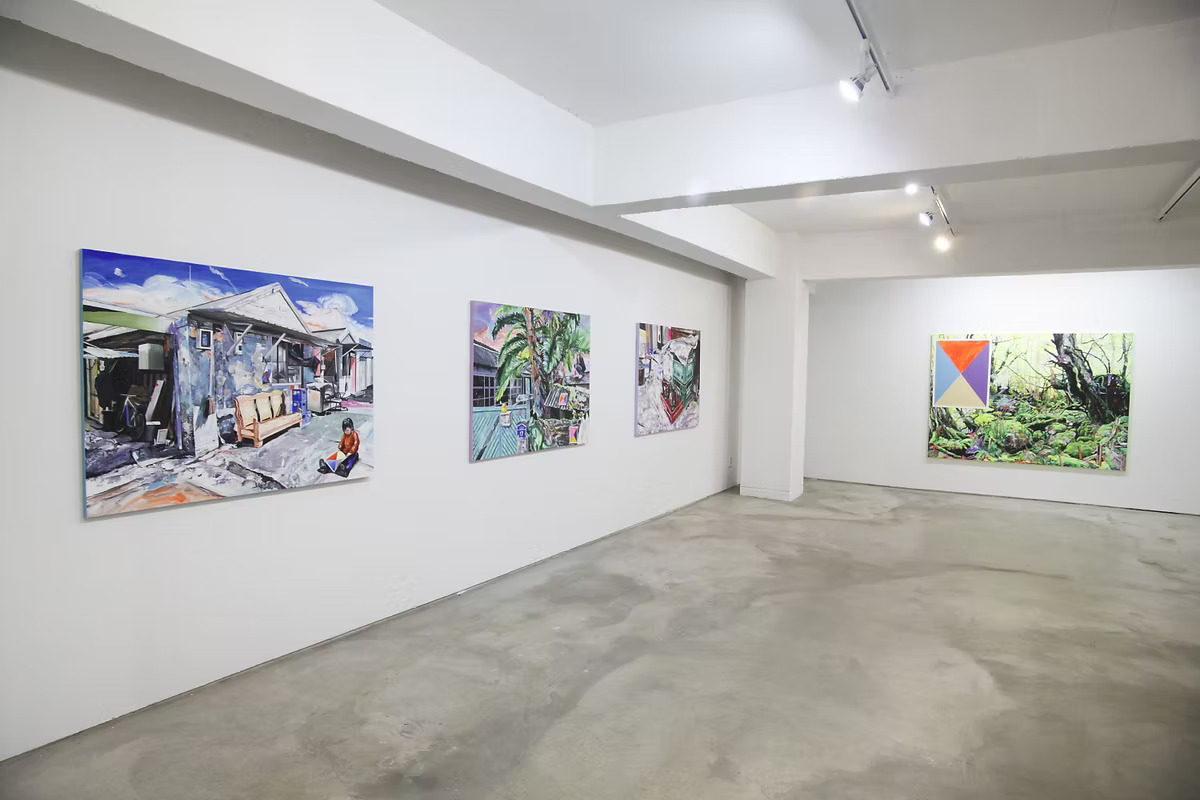
In the case of artist Sejun Lee, the screen he draws faces the inside of the frame. In other words, Sejun Lee hypothesizes some kind of world inside the frame. Each brushstroke he draws makes his own presence clear, and constitutes the world inside the canvas as an individual entity. All strokes, furthermore, images are arranged in parallel, occupying their own distinct positions, starting from the meaning of the minimum unit of matter called paint.
For example, the images of birds, trees, dolls, etc. on the screen are variations on the shape taken by the material called paint, and at the same time the expression of brush strokes. what is wrapped around Thus, one gesture originating from paint – from stroke to image – derives another gesture from the surroundings.
Even the very wide spectrum of colors that exists on one screen (Sejun Lee constructively uses very bright fluorescent colors, primary colors, and black colors that are difficult to see in other paintings within his own logic) is occupied by objects on the screen. By further emphasizing the presence and depth of the world in the frame that the artist talks about, it doubles the depth and dimension, and some kind of narrative begins to urge in the schizophrenic spread of visuality.
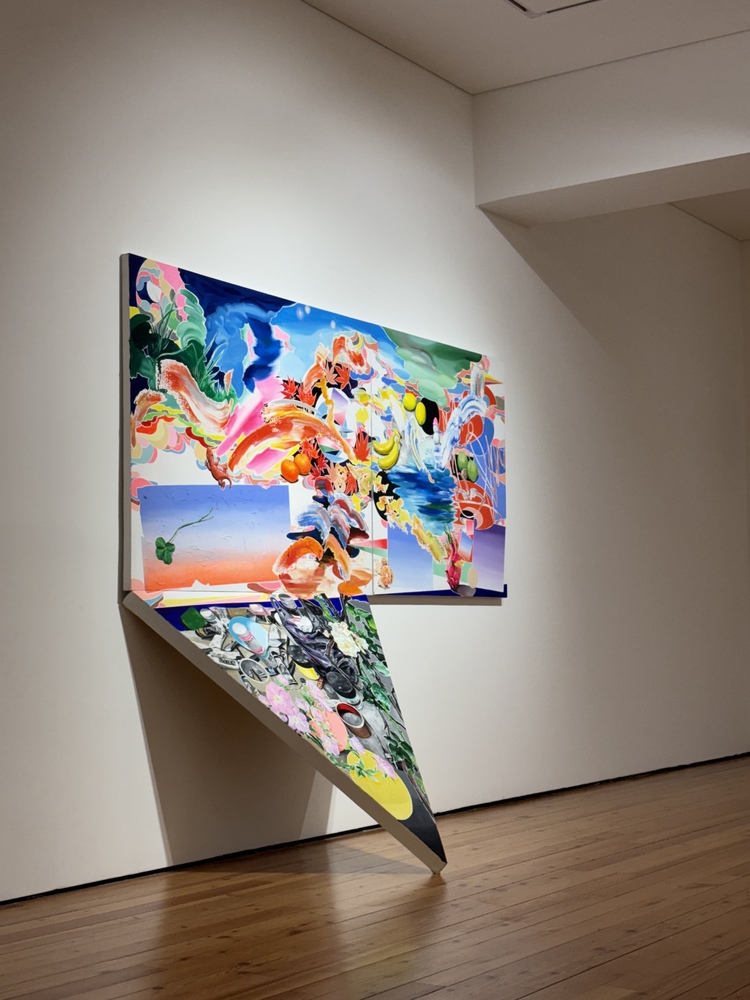
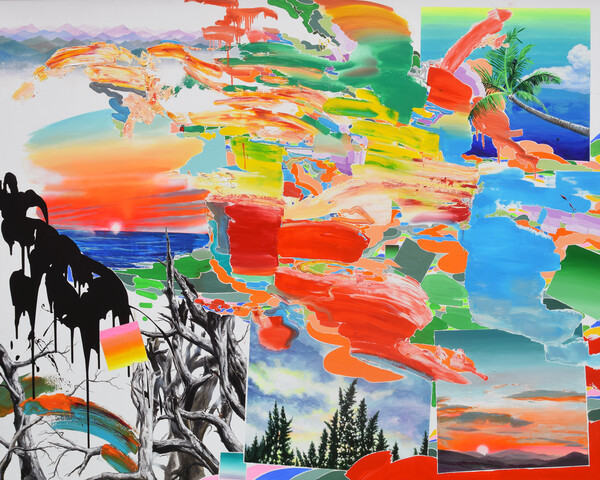
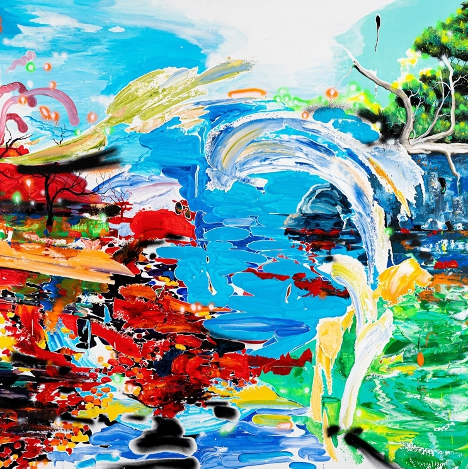
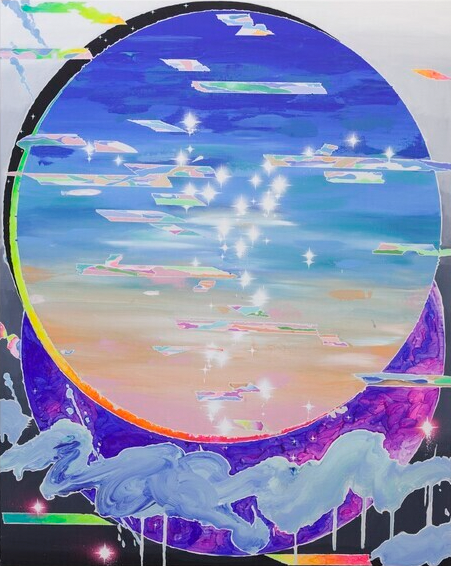
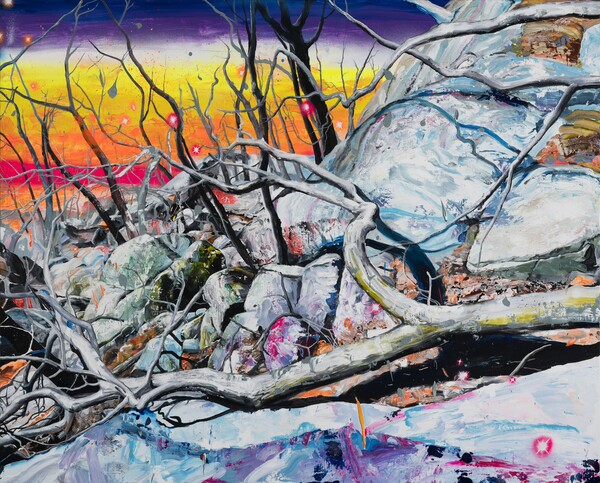
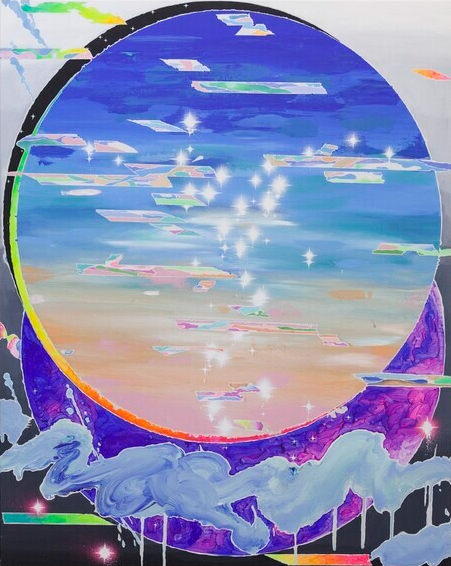
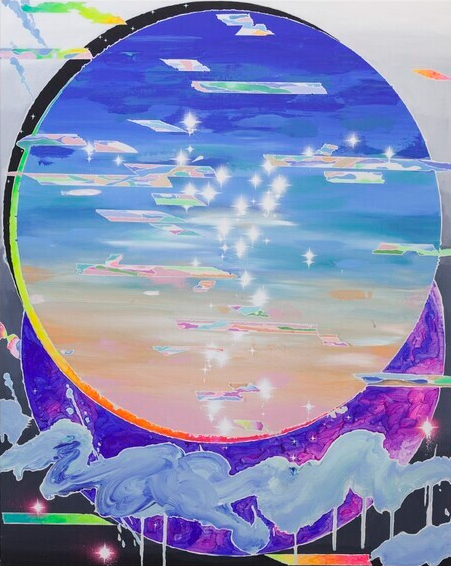
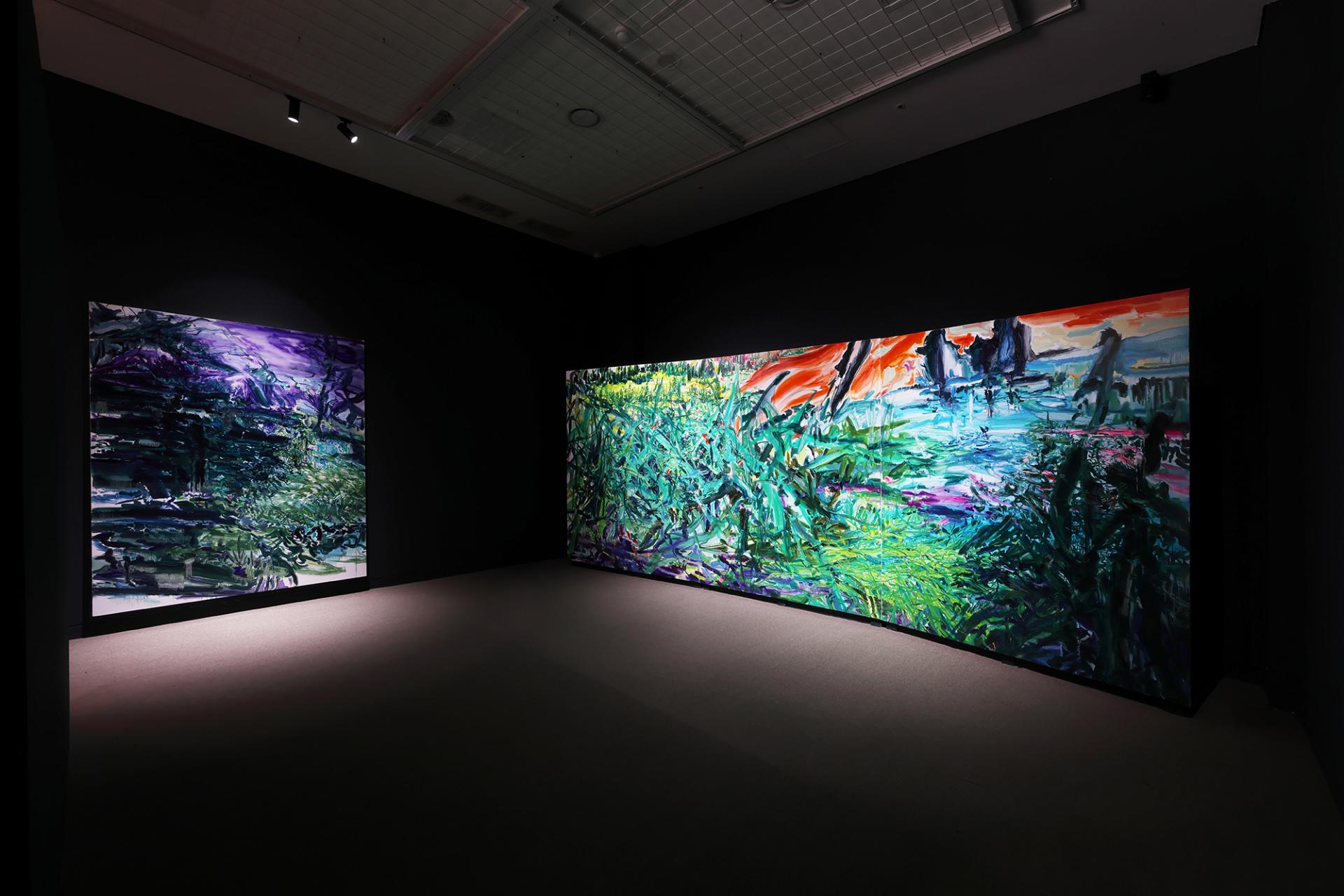
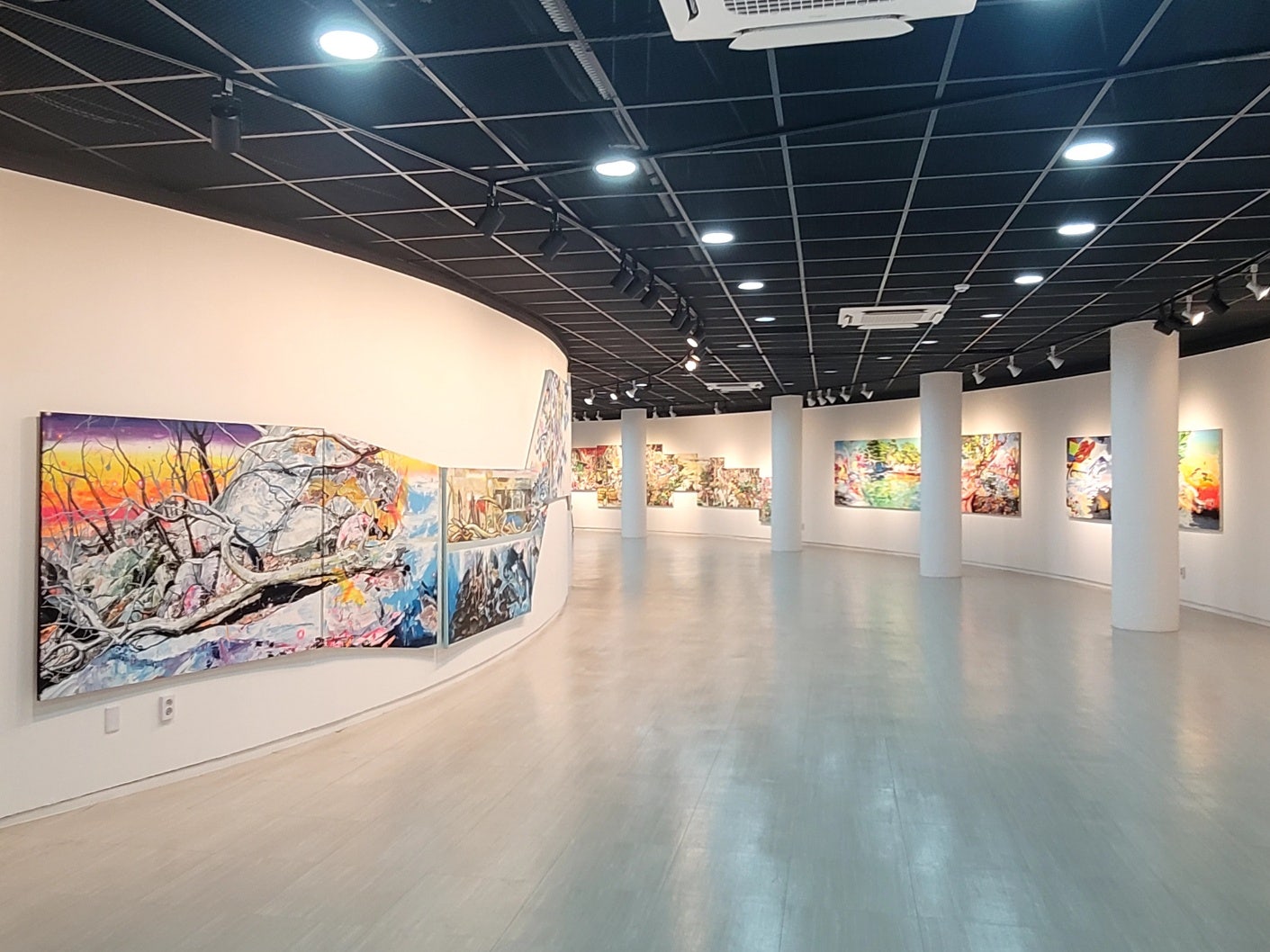
On the other hand, Jung Hyun Doo's work faces the outside of the frame. First of all, his paintings, which do not convey specific images or clear narratives on individual screens, capture the sensuous moment that occurs in the process of applying paint and covering it again, unlike Sejun Lee.
These senses often expand to the spatial dimension, that is, the narrative expands in conjunction with the image in another frame that exists outside the individual frame, and the senses linked in the spatial dimension expand and transfer to the senses of the audience facing them. It's an expression. In the process of mixing, erasing, and constructing a new substance called paint, (unlike Sejun Lee), his speech method, which hides the individual meaning of the action and is reluctant to speak clearly, is difficult to see in an open structure because it cannot be defined in language.
It leads to the truth of the senses that lead. The moment he saw, heard, experienced, and imagined is translated into a system of senses and emotions that stand on the other side of the system of clear language, and the density and saturation provided by the thick layers of paint and the movement of brush strokes are reflected in the square. opens up a certain space-time farther outside the frame of
As such, to mention the pictorial attitude of each artist in addition to the seemingly different works, one is quite logical (Sejun Lee), and the other is very intuitive (Jung Hyun Doo). Compared to Sejun Lee, who prioritizes 'why' and 'how' in terms of brush direction, stroke length, color and density of paint, Jung Hyun Doo uses his own emotional response to the outside world as the artist's unique sense and improvisation. It is mobilized and displayed as a situation or state of collision and harmony created by the color and application of paint.
Sejun Lee's painting, which composes the screen by keeping individual brushstrokes and images intact, strikes the inside of a certain world-frame that crosses figuration and abstraction within its own logic, but exists as a result of the overlapping of paints overlapping and adding them. The painting of Jung evokes abstract imagery based on perfect senses and connects with the space outside the frame.
# Observation 2.
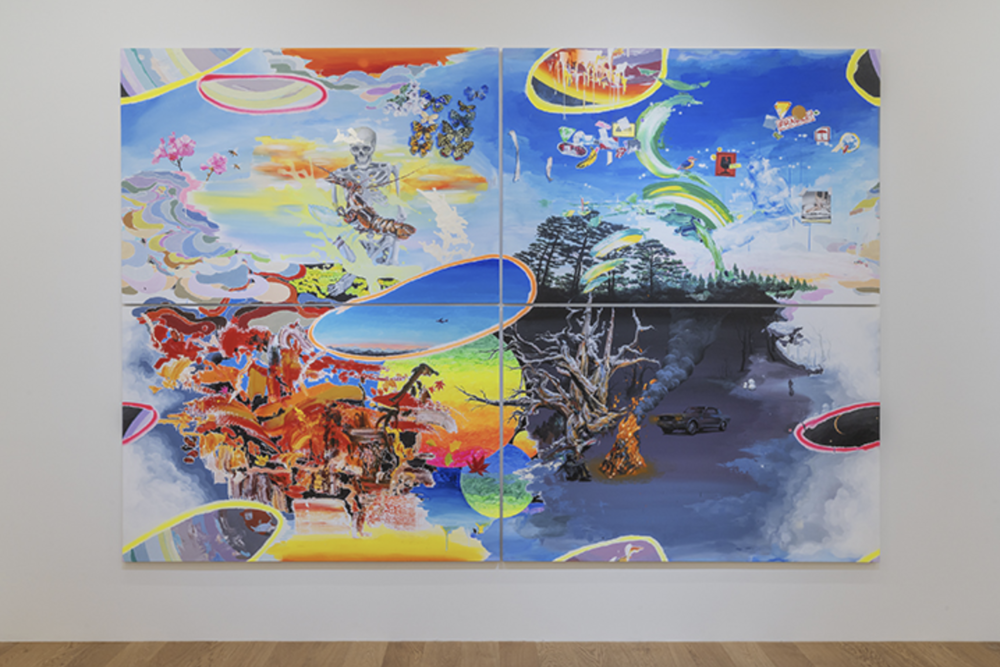
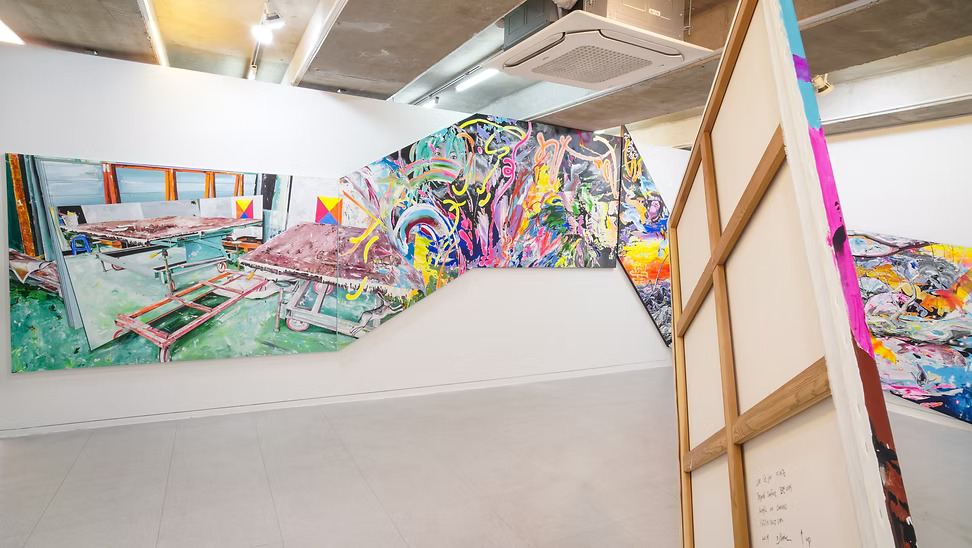
This is my (you) painting (not) is meaningful in that it is a dialectical painting, in other words, questioning each other's work under the rule of antithesis and trying to learn something from it. This exhibition, which started from the idea of artist Sejun Lee, takes the same method as a pen pal.
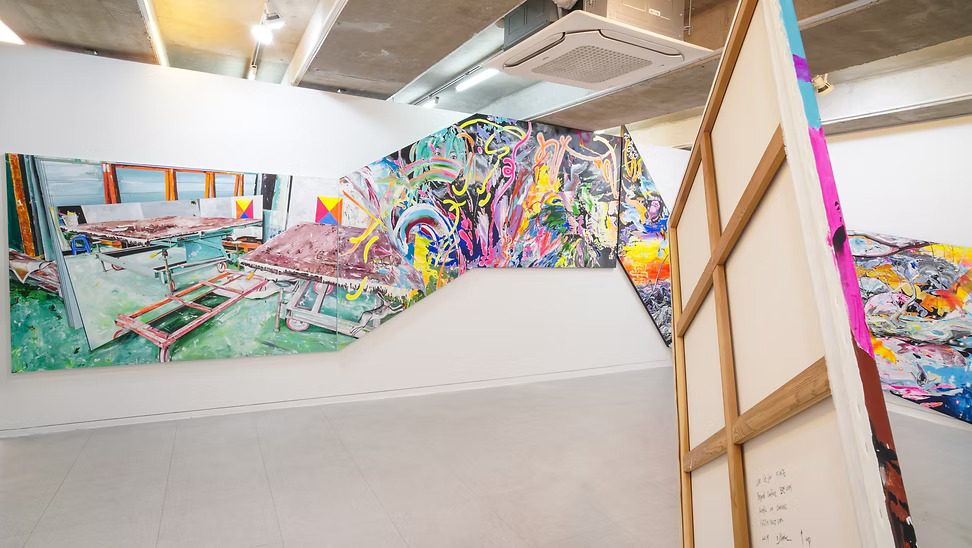
In other words, the act of sharing each other's brush strokes as painters, as if exchanging letters, and the experiments of those named 'Brush-pal' accept each other's painting methodology as a more intimate level, that is, their own creative methodology, and provide feedback. It is an attempt to explore an unknown territory that cannot be imagined alone on the wide horizon of painting through active exchange.
Taking the form of 'copying' by referring to each other's specific paintings, this is the same as paying attention to each person's painting theory and the process of creation that builds an image as a result. It does not involve a process-oriented co-creation process like the existing collaboration system, but it can be said that it is an individual's own pictorial style, such as the attitude and practice aspects that precede the result of the work, such as the color chart of the paint used or the difference in brush strokes.
The study of the lawful mechanism rather replaces the inherent 'process' with an object of creation, while keeping a distance from the image he had previously created.
As the two are different from each other, these attempts secure the moment of 'transition'. Here, 'conversion' is a useful concept for proposing a logic of autonomous and heteronomous development. Transformation, otherwise referred to as the process of change, is either intrinsic or extrinsic, or often includes both aspects.
In other words, conversion is effective in terms of imploding fixed conditions or stagnant states. In the end, this methodology of exchange can be said to be a dynamic experiment that faces and accepts the inevitable factors of conformity and non-compliance, compromise and denial among both intrinsic and extrinsic factors.
The formal/independent language that he took for granted in his work acts as a kind of limitation. A flexible attitude is essential, and the pictorial achievements achieved in the past become the current task facing oneself, and in the process of copying the work of others, one has to diagnose one's own work.
For such a process of gradual development, one must be willing to accept the methodology of others, and be willing to acknowledge the styles of others that collide with one's naturally developed pictorial methodology. Referring to each other's work, this experiment of carefully examining and interrogating each other's pictorial language rather enables a distance of gaze that has never been experienced in one's own work, and is based on one's own pictorial conditions and rules established so far.
Make you question In fact, just as Jung Hyun Doo's copying of Sejun Lee transforms the images and materials that existed within the screen into beings that add unprecedented vibration to the frame that seemed rather solid, or Sejun Lee's copying was linked to another frame outside of Jung Hyun Doo's frame, Just as it is arranged in an orderly manner inside a single plane of a square, this process of copying inevitably produces questions that go against the rules he has previously established.
# Observation 3.
As is the case with all works, the genre of painting in particular tends to be limited to the artist's individual gaze. It is because it is to face the canvas entirely from a first-person point of view in order to reproduce the object and to reach beyond the representation. And at all such points of view, desire as the subject of gaze exists. It points to a certain point below the point of view built by the individual.
The same goes for those who carry the same yoke of painting. The universal vanishing point disappears and converges to different vanishing points imagined by each individual. However, Sejun Lee and Jung Hyun Doo are willing to distance themselves from the existing point of view by prioritizing the process of indulging their own things. In this way, it became almost impossible for anyone other than the two artists to identify whose painting they copied belonged to.
However, what is interesting is that the two of them say that the imitations they follow each other are very different from their original work. In fact, from here, the observer's point of view disappears as it becomes rarer to infiltrate deeper. It is probably because the act itself before the result is a mysterious and secret realm for the curator who regards the produced image as an object of reading.
Although various materials and tools related to painting can be presented as a basis to support the meaning of the constructed image, it may be because the understanding of 'painting' itself is insufficient to enter into the way of relating to it as a creator. This may be an area that is only allowed for creators who have undergone academic learning for a long time and have undergone solitary training.
And my gaze, which was to take another viewpoint of desire under the pretext of 'observation', was disallowed at some stage. Nonetheless, what can be affirmed is that this experiment produced quite interesting images.
If we call the screen of painting a skin, then there are certain beings floating on the surface of the skin and the world built with them (Sejun Lee), and the screen under the surface layer of the skin where the senses of time and space that cannot be captured by language are vivid (Jung Hyun Doo). This kind of area that intersects, that is, these screens acquired by copying each other do not stop at just imitating the other person.
Artist Sejun Lee described his work as painting the surface of the skin, and artist Jung Hyun Doo's work as drawing something under the skin. Rather, in the process of resisting and questioning the rules and conditions of each person's pictorial language accumulated so far, they are reflecting their own pictorial attitude and language extremely clearly.