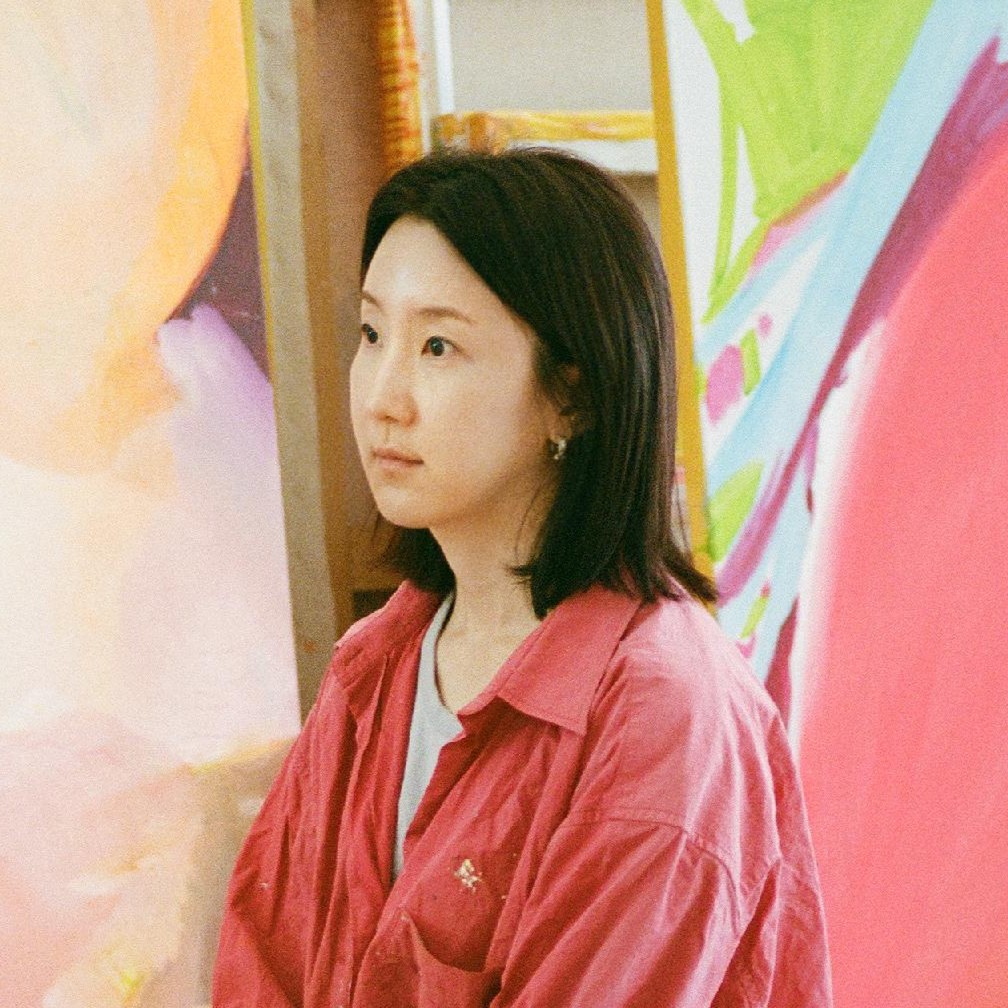
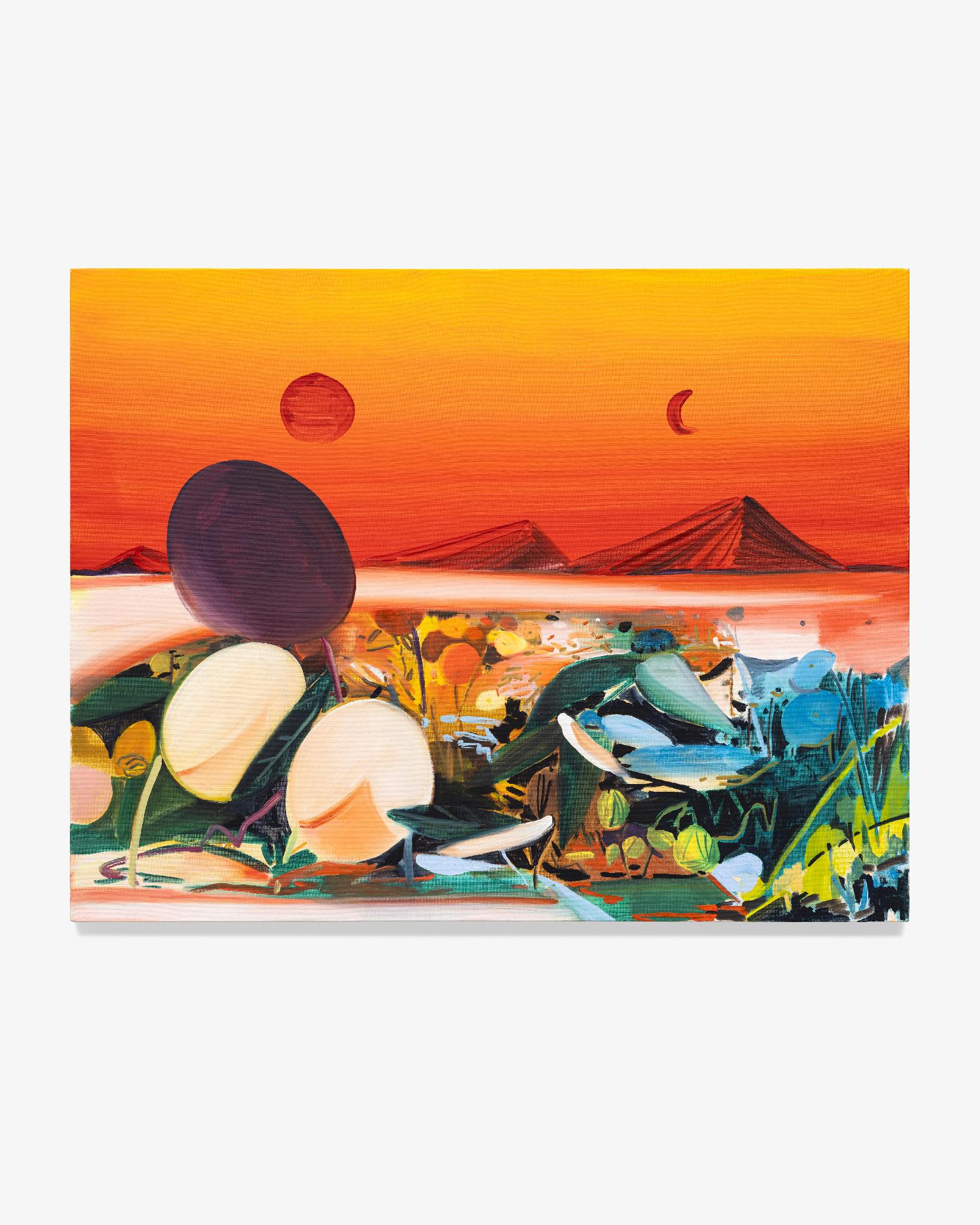
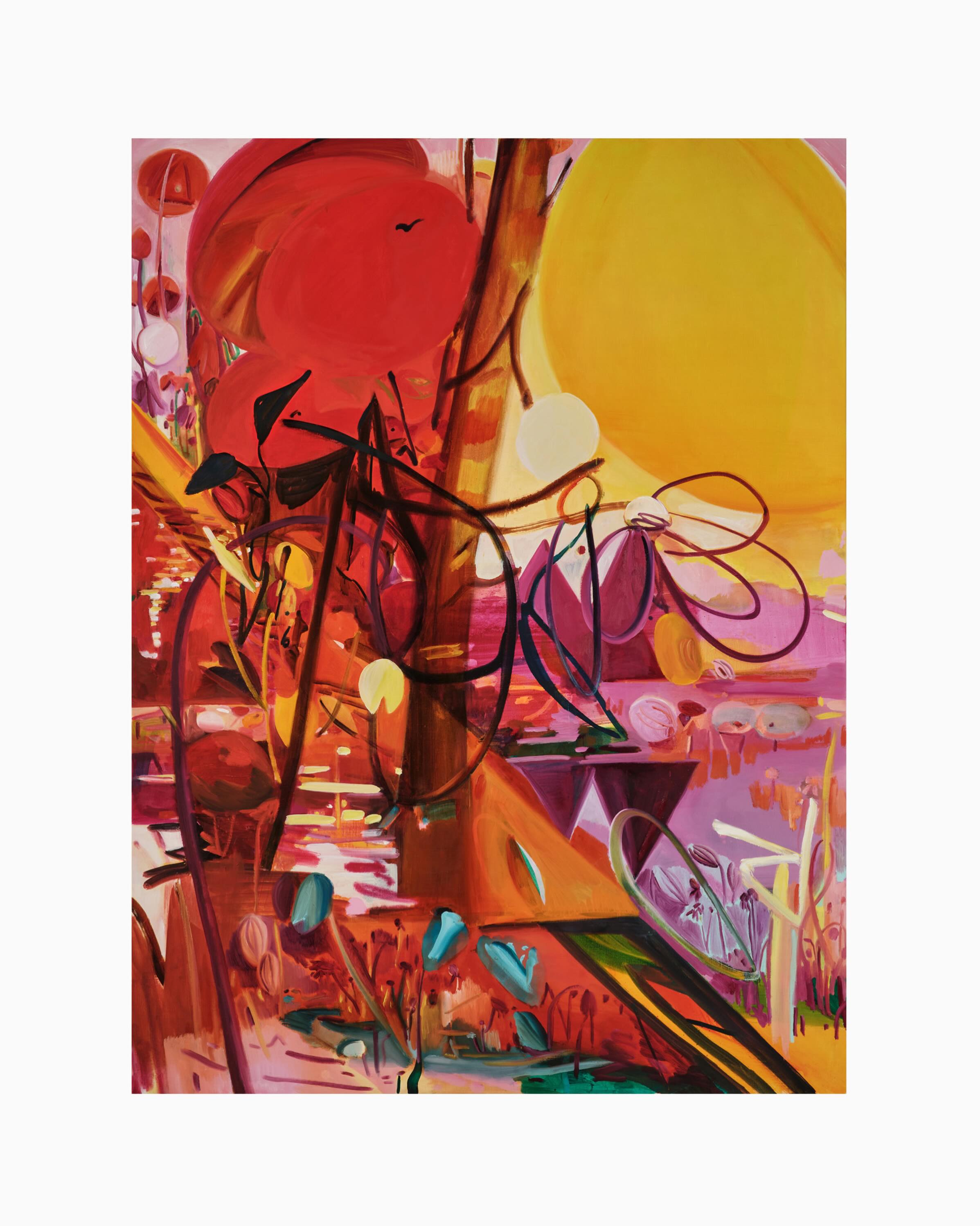
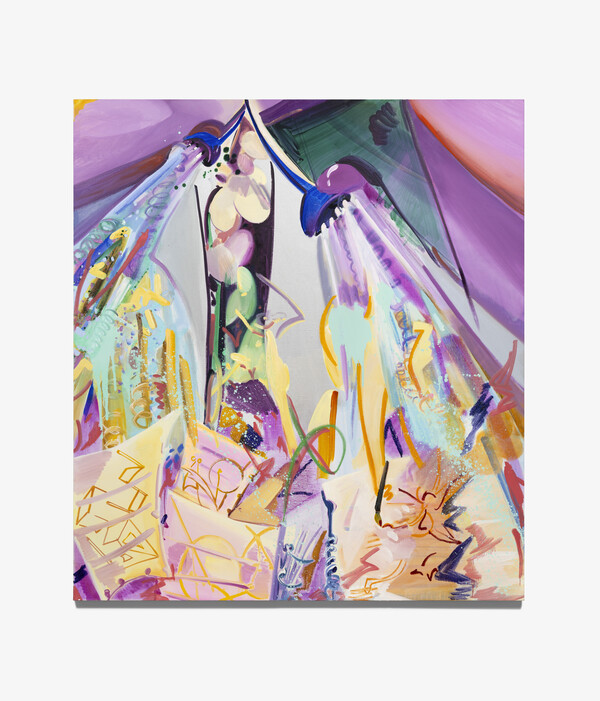
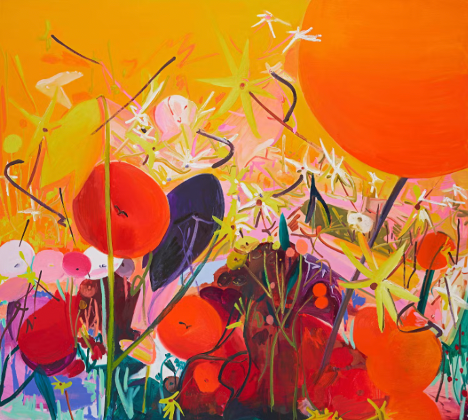
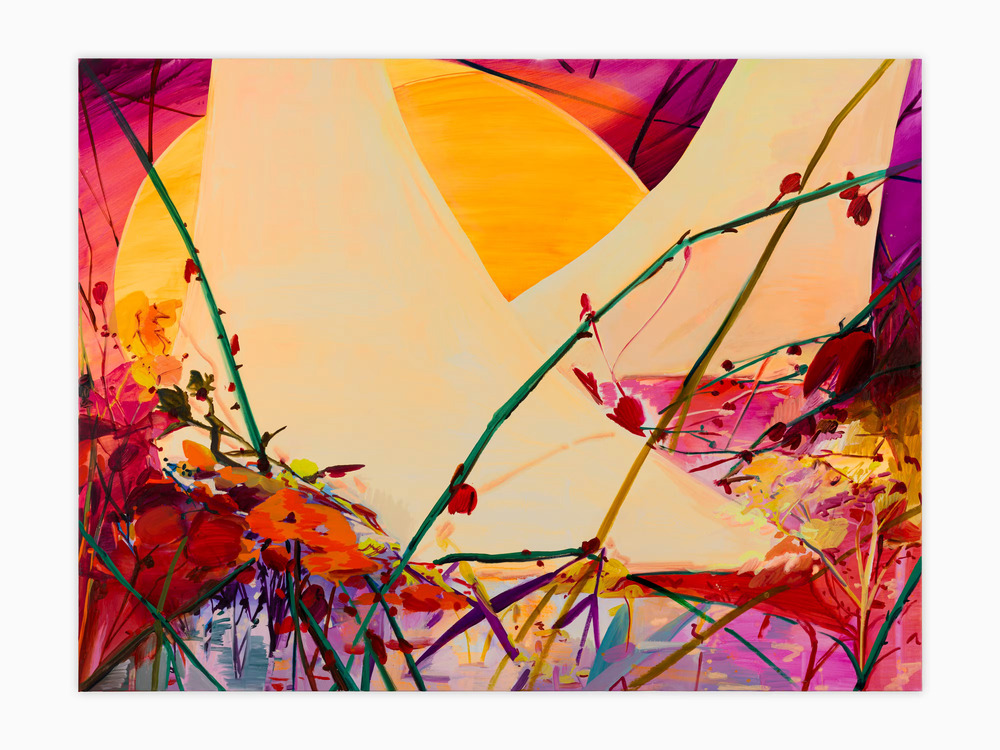
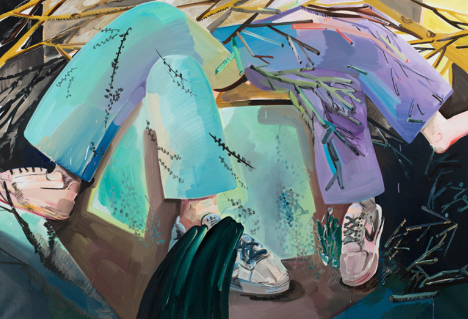
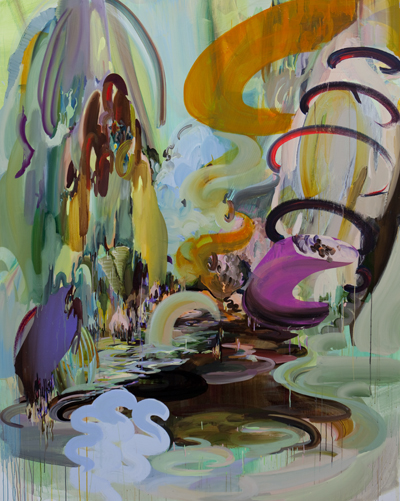
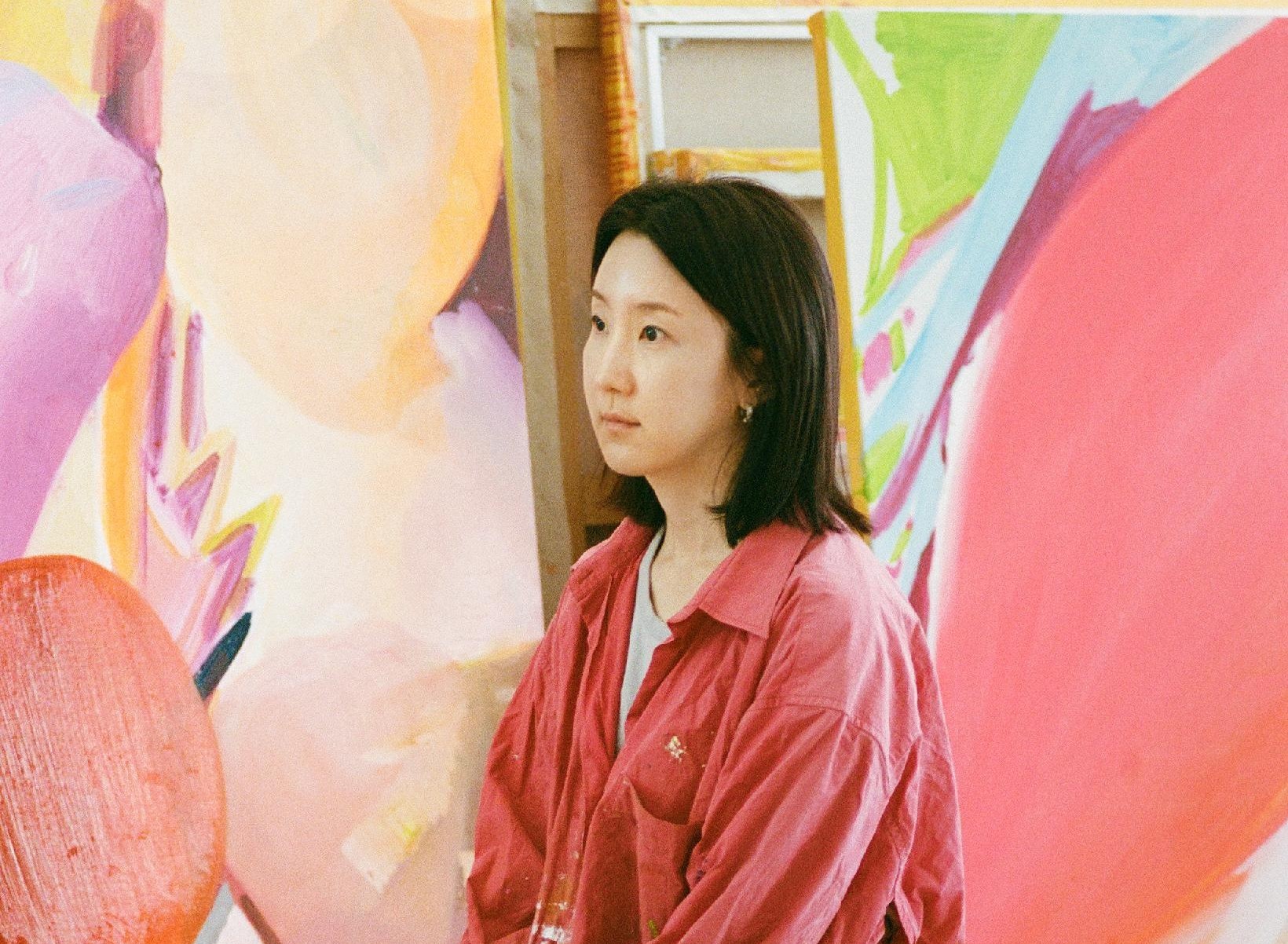
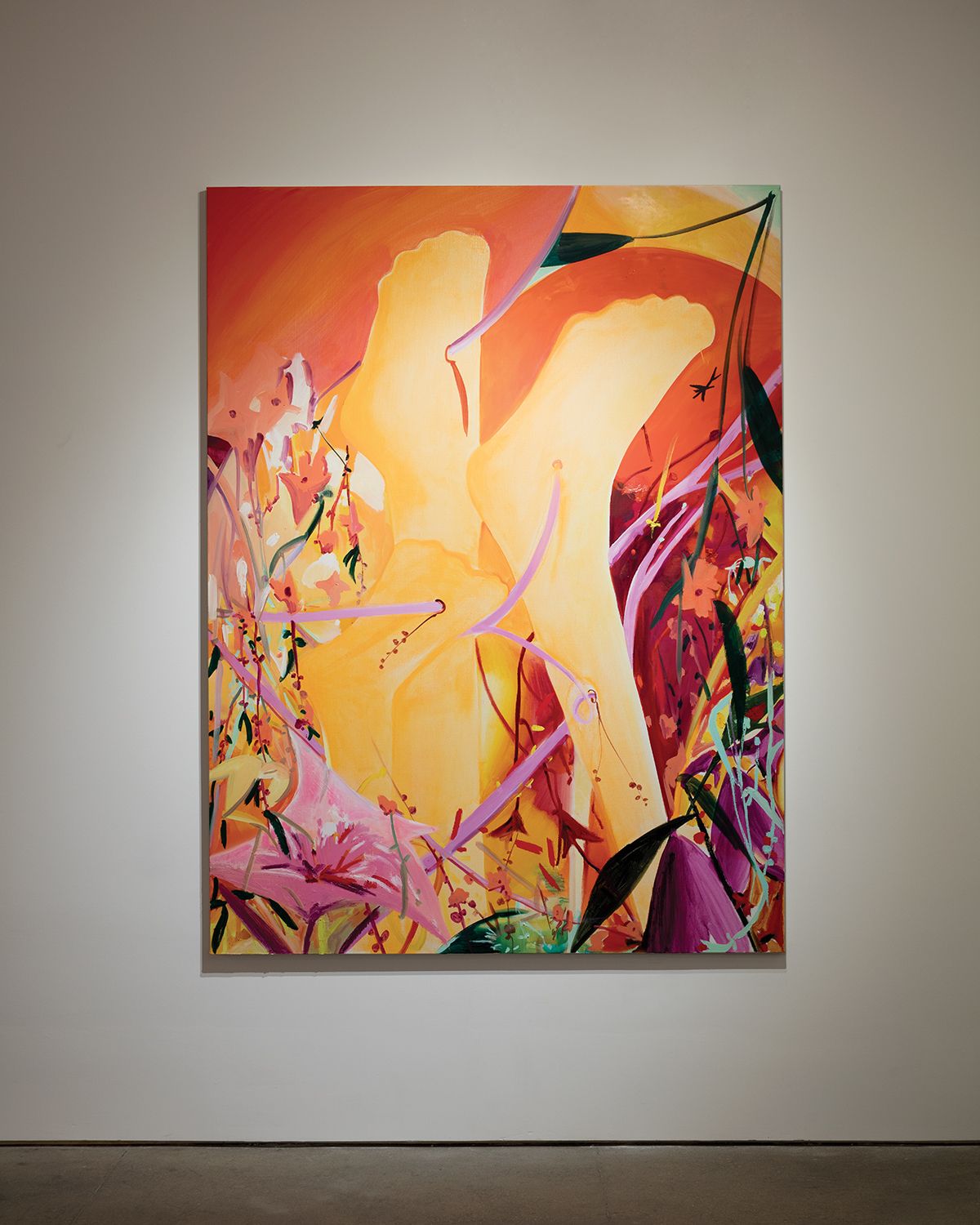
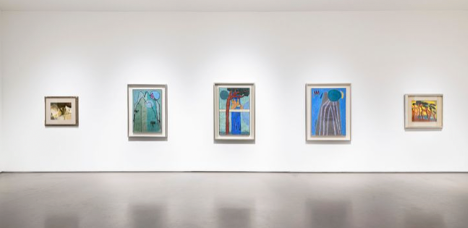
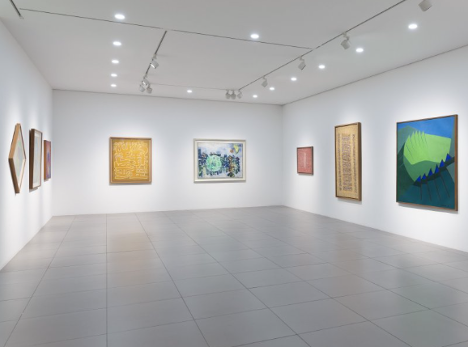
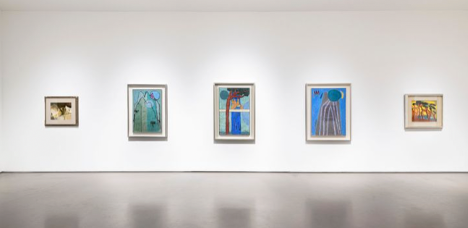
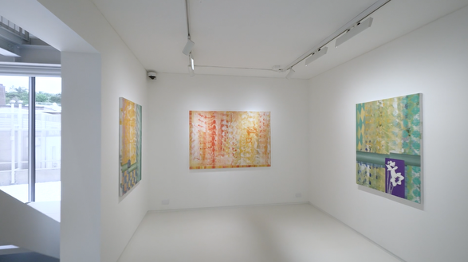
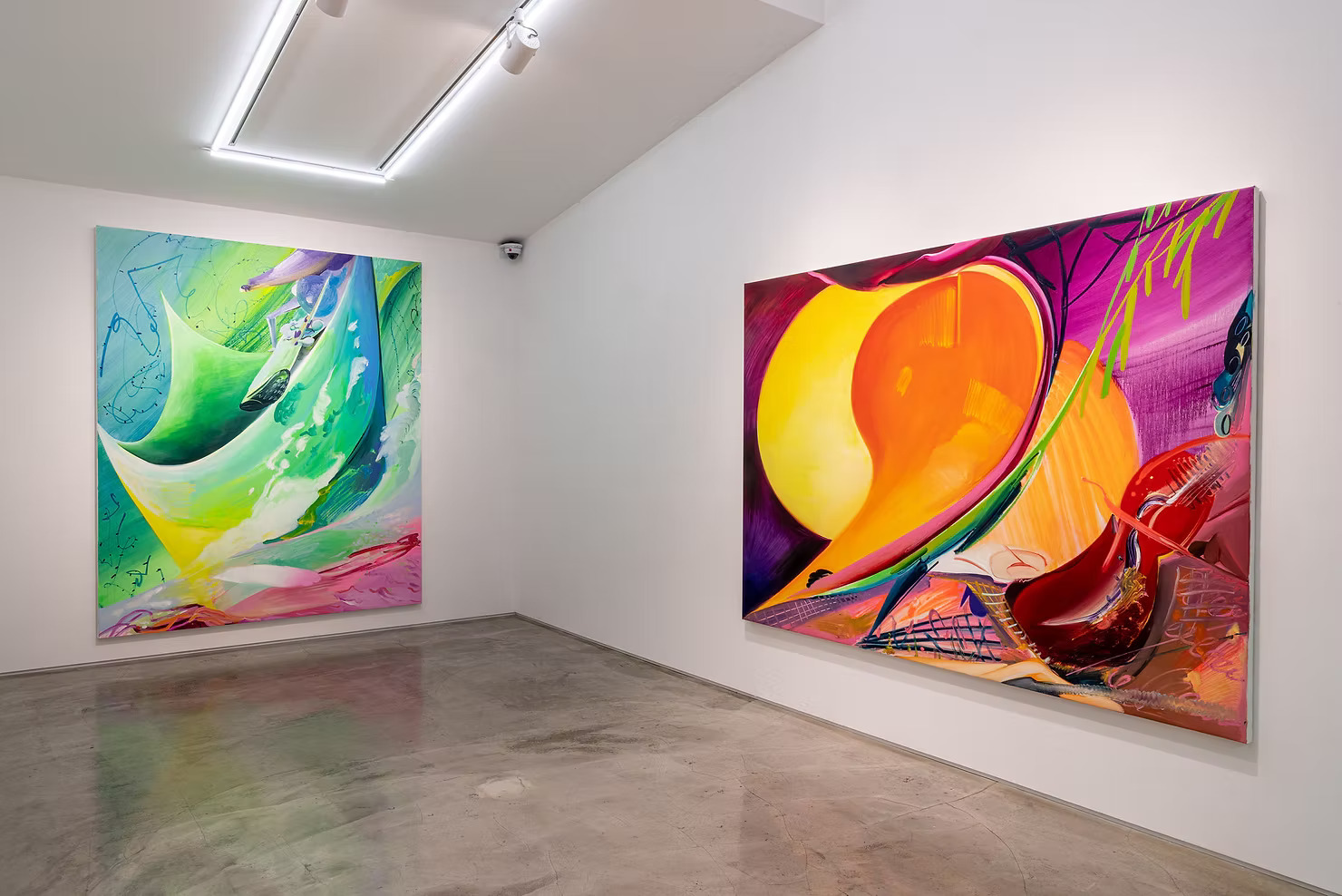
Yoo Hee-Young is a painter who continued to create distinctive abstract paintings by producing smooth surfaces with delicate, analog-like brushwork on picture planes divided by lines, applying colors often used in Pop Art. Shim Moon-Seup participated in Korea’s experimental art movement of the 1970s and has worked on minimal three-dimensional works in the forms of sculpture and installation.
John Pai is an unprecedented figure in Korean art history: he moved to the United States as a teenager, served as an art professor at Pratt Institute from 1963, and, while keenly grasping the currents of the American art world, established his own flexible world of iron sculpture through his own methodology. Maintaining a long relationship with Gallery Hyundai, he expanded the scope of Korean abstraction and engaged deeply with numerous Korean artists who passed through New York, including Kim Whanki.
Part 1 at Gallery Hyundai’s new building primarily presented artists representing Vice Chairman Doh Hyung-teh’s “Revisiting Korean Experimental Artists” project, as well as diaspora artists with whom Doh formed connections from his time at New York University through his study period in Paris. Part 2 presents the diverse contexts and programs through which Gallery Hyundai views the present and future of Korean contemporary art.
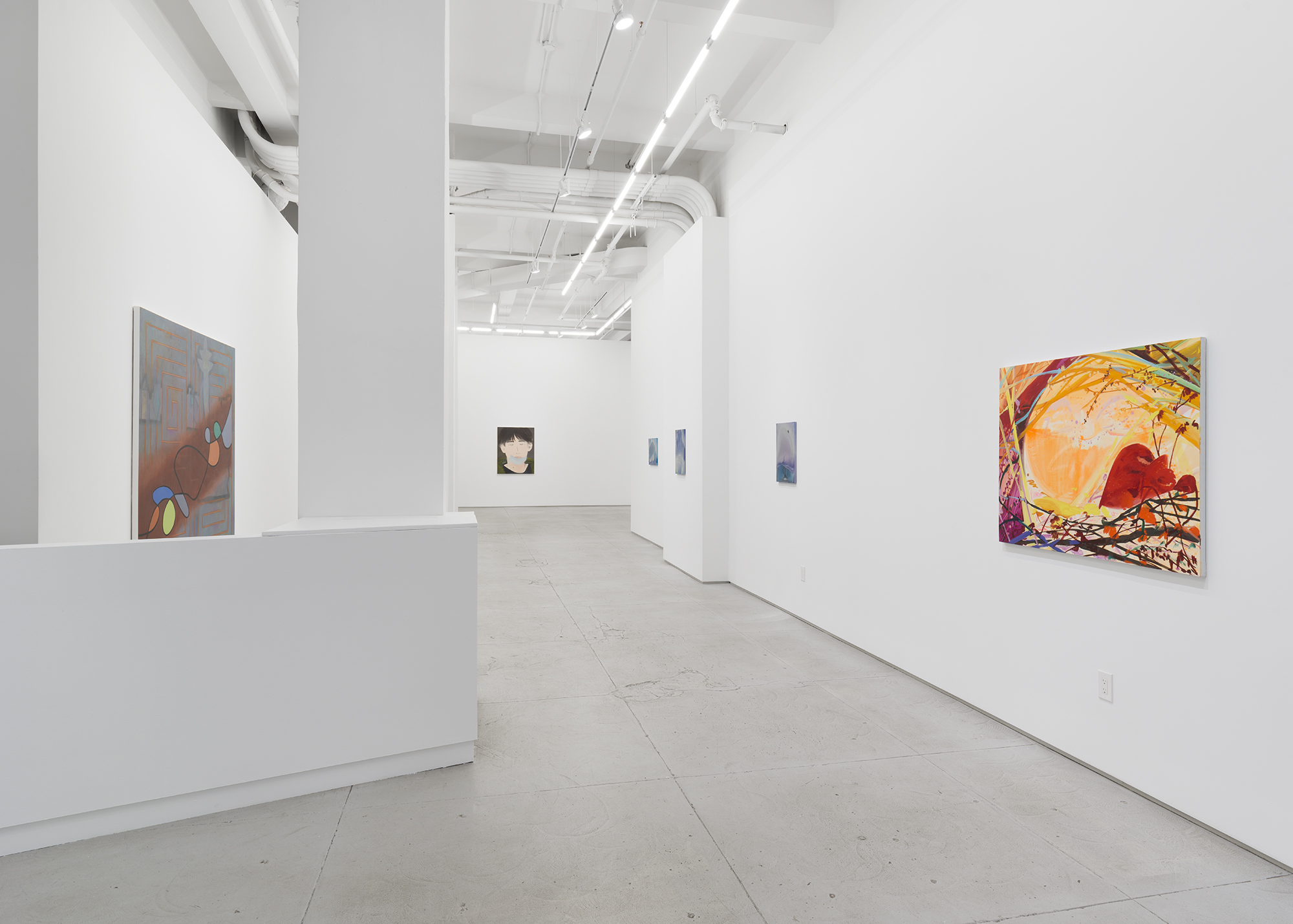
Viewers can examine works of figurative painting constructed in singular ways, paintings distinguished by unique abstract languages, works with original languages that combine Korean identity with the formal language of global art, works by artists moving across various media with a focus on media art, works by Korean artists living abroad and actively working both domestically and internationally, and works that move between the boundaries of painting and photography through the medium of photography.
The exhibition presents works by Kim Bohee, Choi Minhwa, Park Minjun, Lee Woo Sung, and Kim Sungyoon, each of whom unfolds a distinctive world through figurative picture planes. Kim Bohee successfully presented a solo booth at Art Busan 2025 and began working with Gallery Hyundai. This exhibition presents two new works from her representative series ‘Towards’(2010–2025).
In recent works, the artist freely mixes powdered pigment, water, glue, and acrylic on canvas cloth and hanji without limiting materials, preserving the characteristics of Korean painting in which paint seeps in and colors are built up layer by layer.
Choi Minhwa, known as a representative artist of Minjung art in Korean contemporary art history, presents works from the 2000s that contain images of youth as seen by the artist in his fifties, showing complex emotions in which affection and longing, wandering and drifting, as well as distance and regret are intertwined.
The exhibition also presents two new paintings by Park Minjun, who creates original works containing a directly invented mythological narrative worldview within traditional classical painting formats, as well as works from Lee Woo Sung’s ‘On the Way Home’ series, ahead of his first solo exhibition at Gallery Hyundai this October.
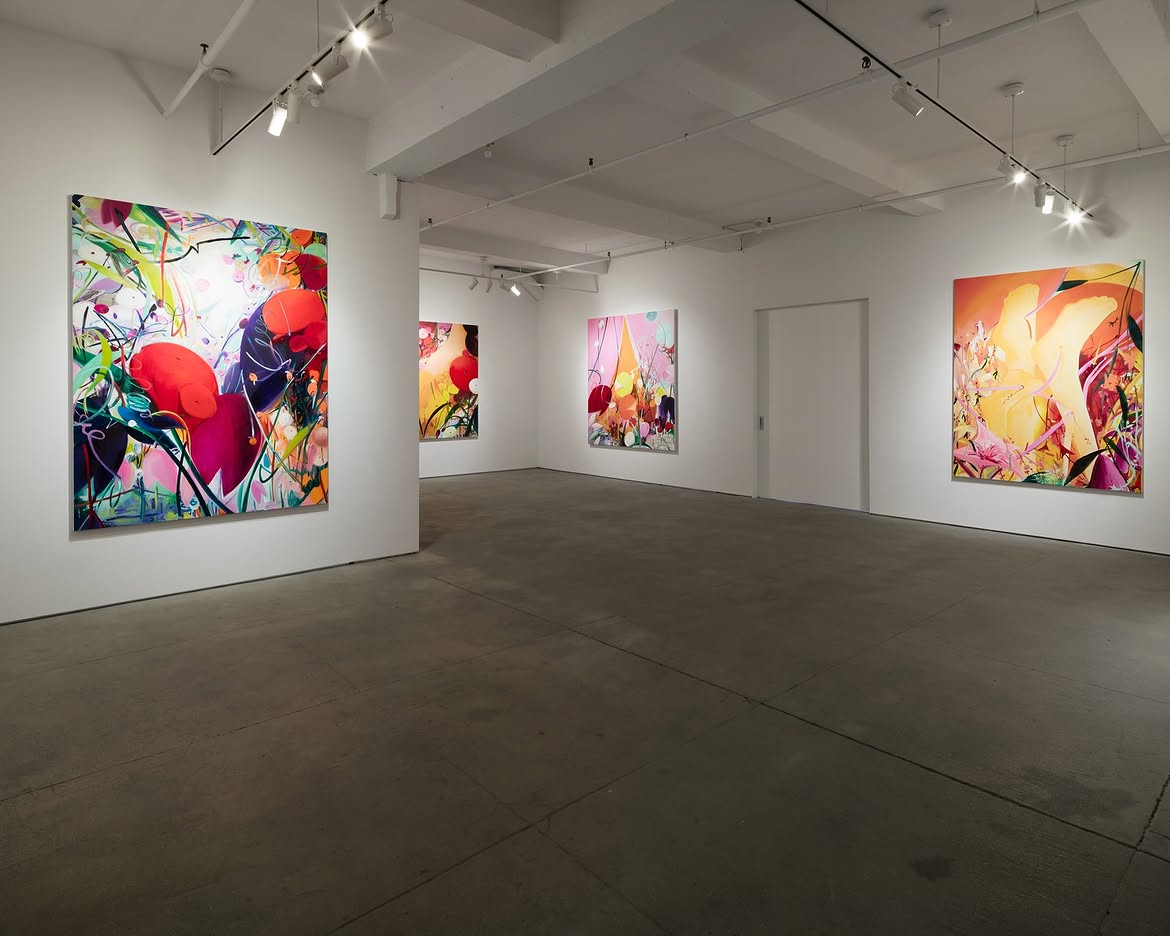
Lee Woo Sung is an artist who experiments with the meaning of the act of drawing and the expressive possibilities of painting through various media such as drawing, painting, and animation under the theme of “life and art.” Also introduced are two works from Kim Sungyoon’s ‘Flower Still Life’ series, in which the artist reconstructs art-historical backgrounds, actual images, and digital images on figurative picture planes, layering them to construct original time and space.
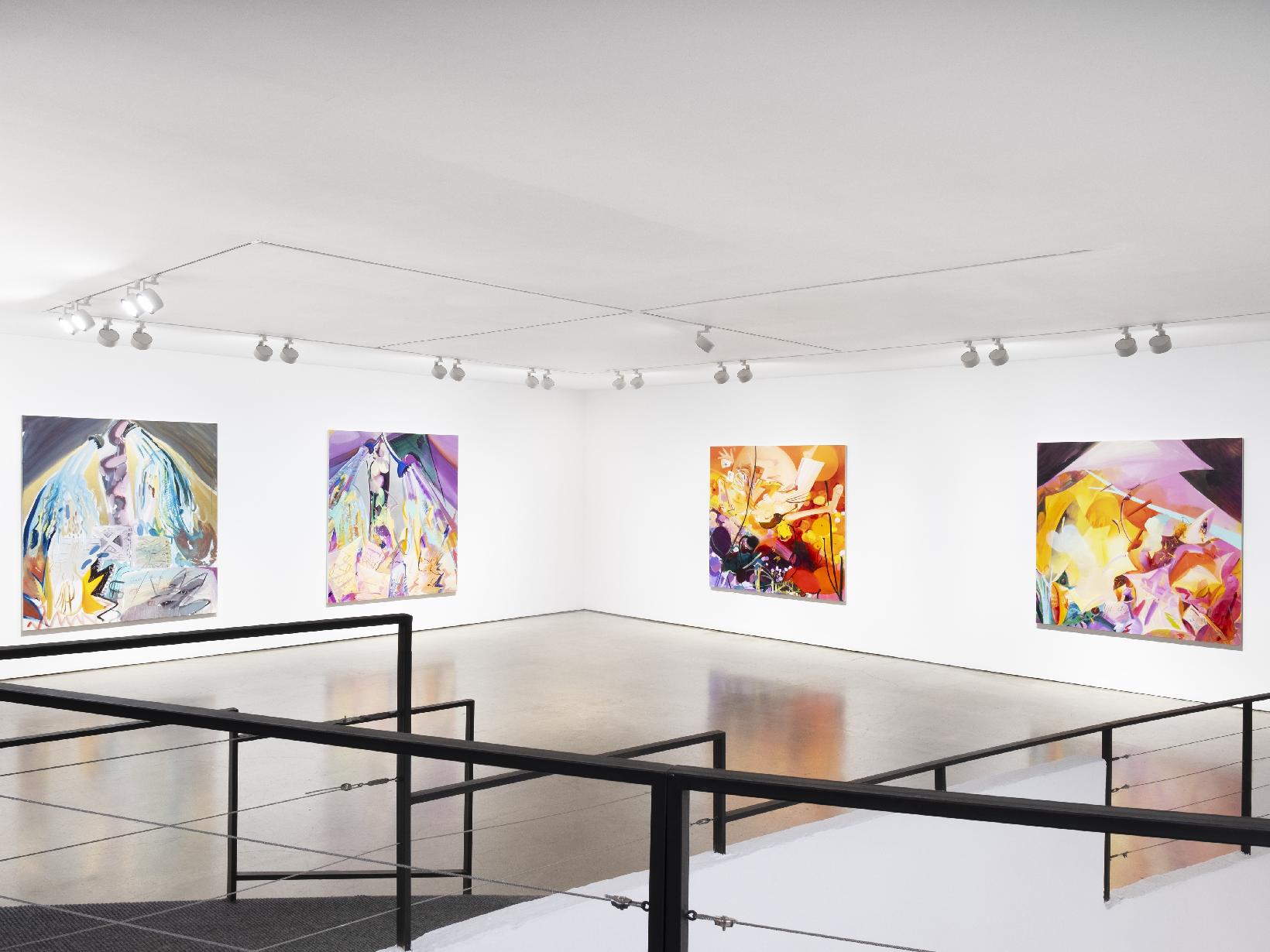
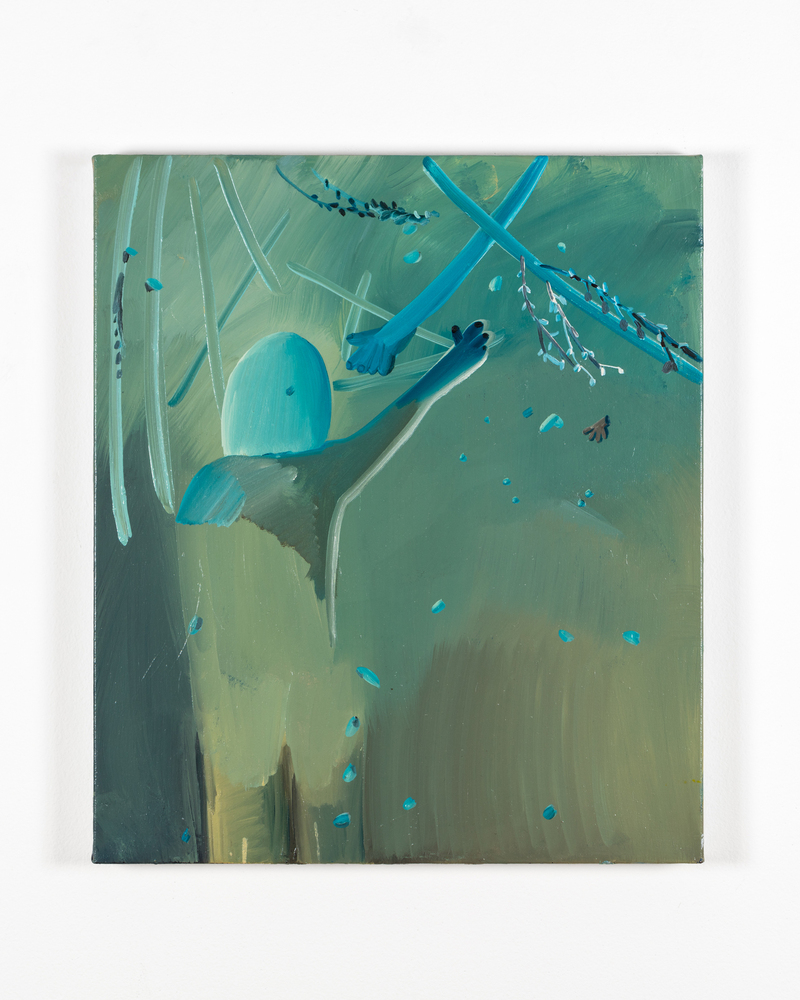
Doyunhee, Chung Jooyoung, and Jin Han Lee are female artists who fill the picture plane with their own abstract languages and show independent worlds. As expressed in the statement, “Abstraction is not fantasy. It is not something like fantasy, dream, or imagination, but something that begins from perception. Perceiving reality. And making it metaphorically richer!” Doyunhee’s abstract picture planes capture the reality beyond the visible through diverse colors.
The exhibition presents four works from Chung Jooyoung’s series ‘Bukhansan No.38’, which from the mid-1990s to the present has contained mountain landscapes on canvas, questioning our attitude toward landscape and exploring the primordial senses inherent within it. Works by Jin Han Lee, whose solo exhibition is being held at Gallery Hyundai New York Project Space through June 7, draw out “untranslatable” moments into a language that only painting can convey, filling the picture plane as if interpreting dreams.
Ik-Joong Kang, Minjung Kim, and Yoo Geun-Taek have built original worlds of work by combining Korean or East Asian spirit, symbols, and identity with the formal language of global art. Ik-Joong Kang, who often makes the “moon” and “moon jar” into works, has contained messages of hope for the near future in his works by bringing together and connecting different cultures, languages, and environments. Minjung Kim has, over the past 30 years, expanded the traditions of East Asian calligraphy and ink painting into the compositional vocabulary of contemporary abstraction.
In particular, she uses Korea’s traditional paper, hanji, ink, and fire as her most fundamental materials, and all of her works contain meditative processes of repetition and restraint. Yoo Geun-Taek uses traditional materials of Asian painting such as hanji, ink, and white pigment mixed with heterogeneous materials such as acrylic and oil paint. His works, completed by mounting thick hanji in several layers, drawing and coloring on it, then wetting the entire surface with water and raising the surface with a wire brush, fully contain the artist’s labor-intensive bodily actions.
Myoung Ho Lee’s two works from the ‘Heritage #7’ series, which explore the connections and boundaries between photography and painting through the medium of photography and show a poetic world moving between them, were made by producing a large canvas around the pagoda tree at the center of the Seonwonjeon site, where King Gojong walked during the Korea royal refuge at the Russian legation. These works go beyond research into the mediality of photography and painting, containing layers of history and multilayered time.
Vice Chairman Doh Hyung-teh often recalls his relationship with Nam June Paik, which began in the 1980s, and frequently speaks of the importance of media art and, further, the art of the future. Moon Kyungwon, Jeon Joonho, and Ayoung Kim are artists active on the global stage, moving across various media with media work at the center. Moon Kyungwon and Jeon Joonho were invited to the 13th documenta in Kassel, the first Korean artists in 20 years to do so, where they first presented News from Nowhere(2012–2021).
Moon Kyungwon presented a solo booth of landscape paintings at Frieze New York 2025, while Jeon Joonho presented a solo booth of installation and sculpture works at Frieze Seoul 2024, both receiving acclaim in the international art world. Photographic works from the 2000s by Ayoung Kim, an artist attracting global attention after successfully holding a solo exhibition this February at Hamburger Bahnhof, Germany’s representative national museum of contemporary art, receiving the LG Guggenheim Award, and with a solo exhibition scheduled for November at MoMA PS1 in New York, are also presented.
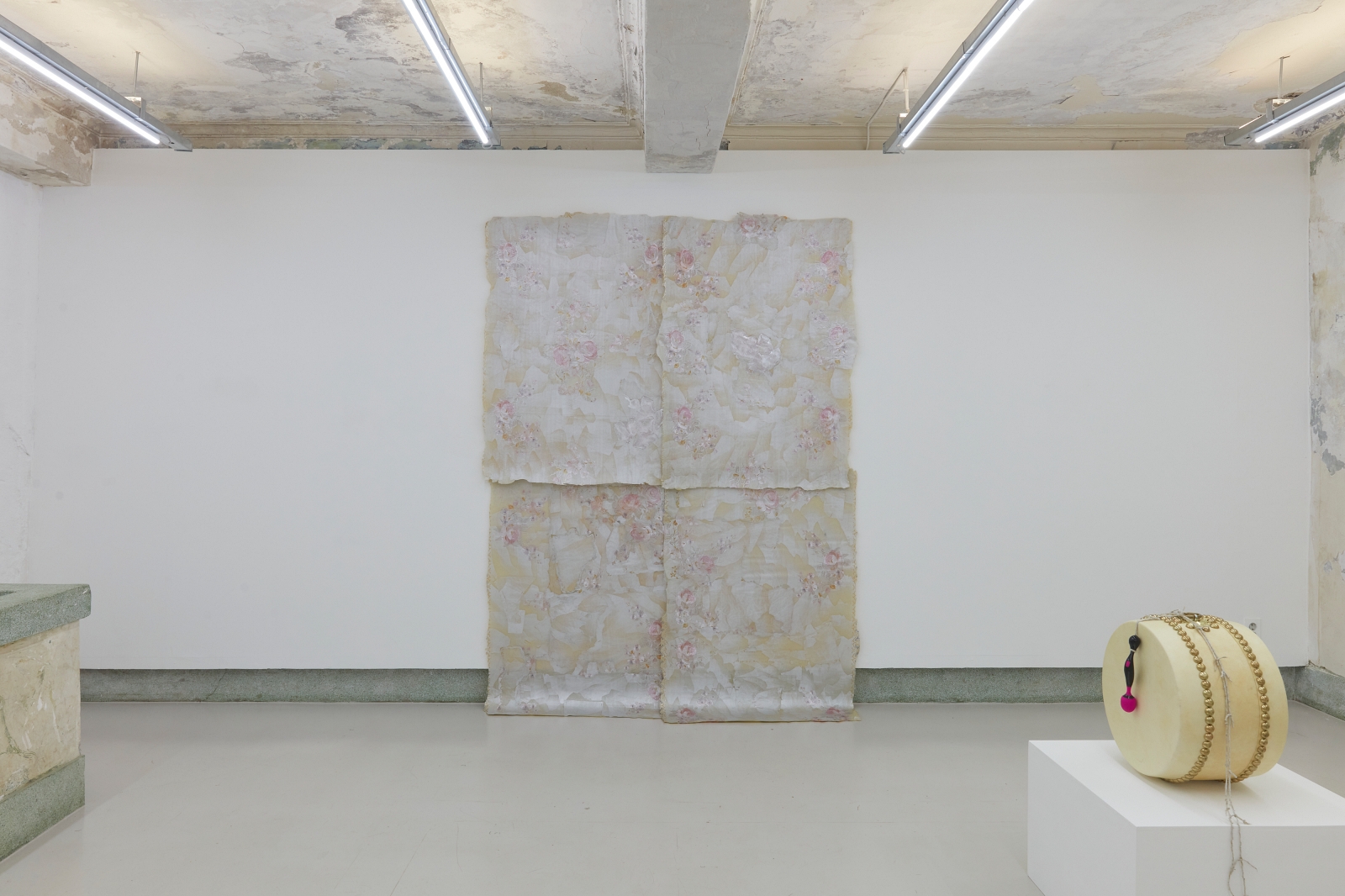
Works by Korean artists living abroad and actively working both domestically and internationally can also be encountered. Seulgi Lee, based in France, begins from anthropological interests and connects her interest in diverse cultures and traditions around the world to her world of work. She presents a varied body of work including everyday objects and language, as well as sculptures and installations emphasizing the fundamental forms and plasticity of nature.
Kang Seung Lee, based in Los Angeles, challenges mainstream history narrated from a First World-white-male-heterosexual perspective through various media, and has developed works that newly uncover and visualize the narratives of minorities excluded from that history. Beginning with his relationship with Gallery Hyundai through the 2021 solo exhibition 《Briefly Gorgeous》, the artist presented work in the main exhibition of the 2024 Venice Biennale and received international acclaim.
Christine Sun Kim is a Korean American artist based in Berlin. Her works, which raise fundamental questions about existing perceptions of sound, voice, and communication, are being introduced at Gallery Hyundai for the first time. The exhibition introduces major narratives and currents of Korean contemporary art while also presenting Gallery Hyundai’s 55-year history.