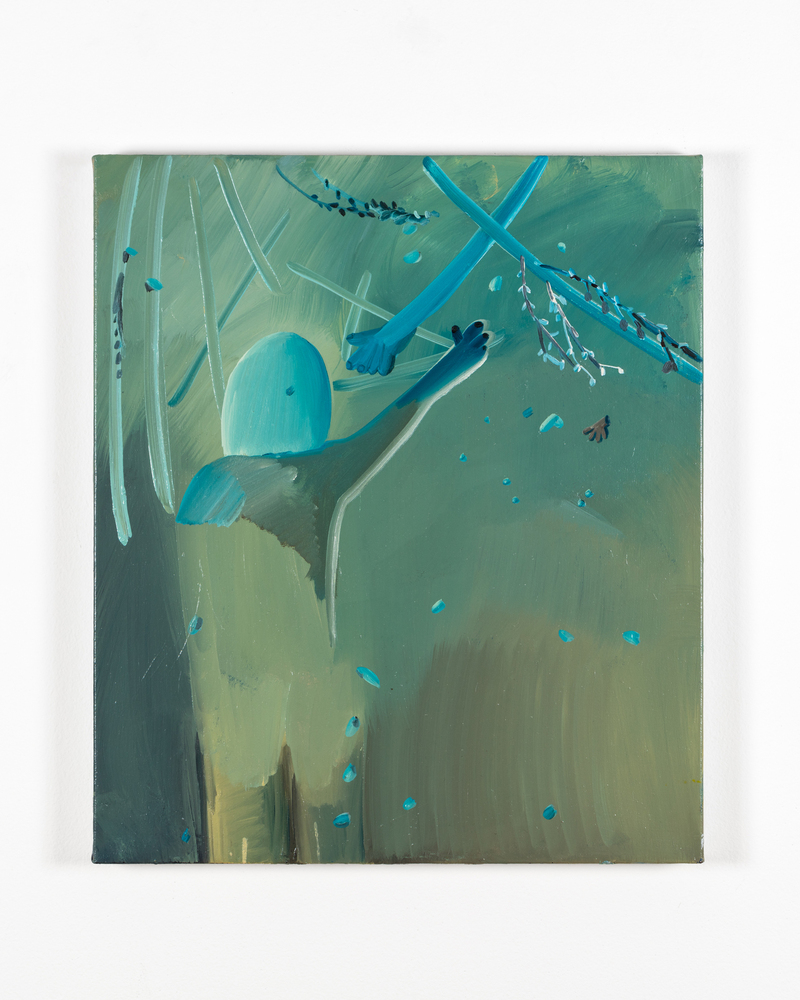
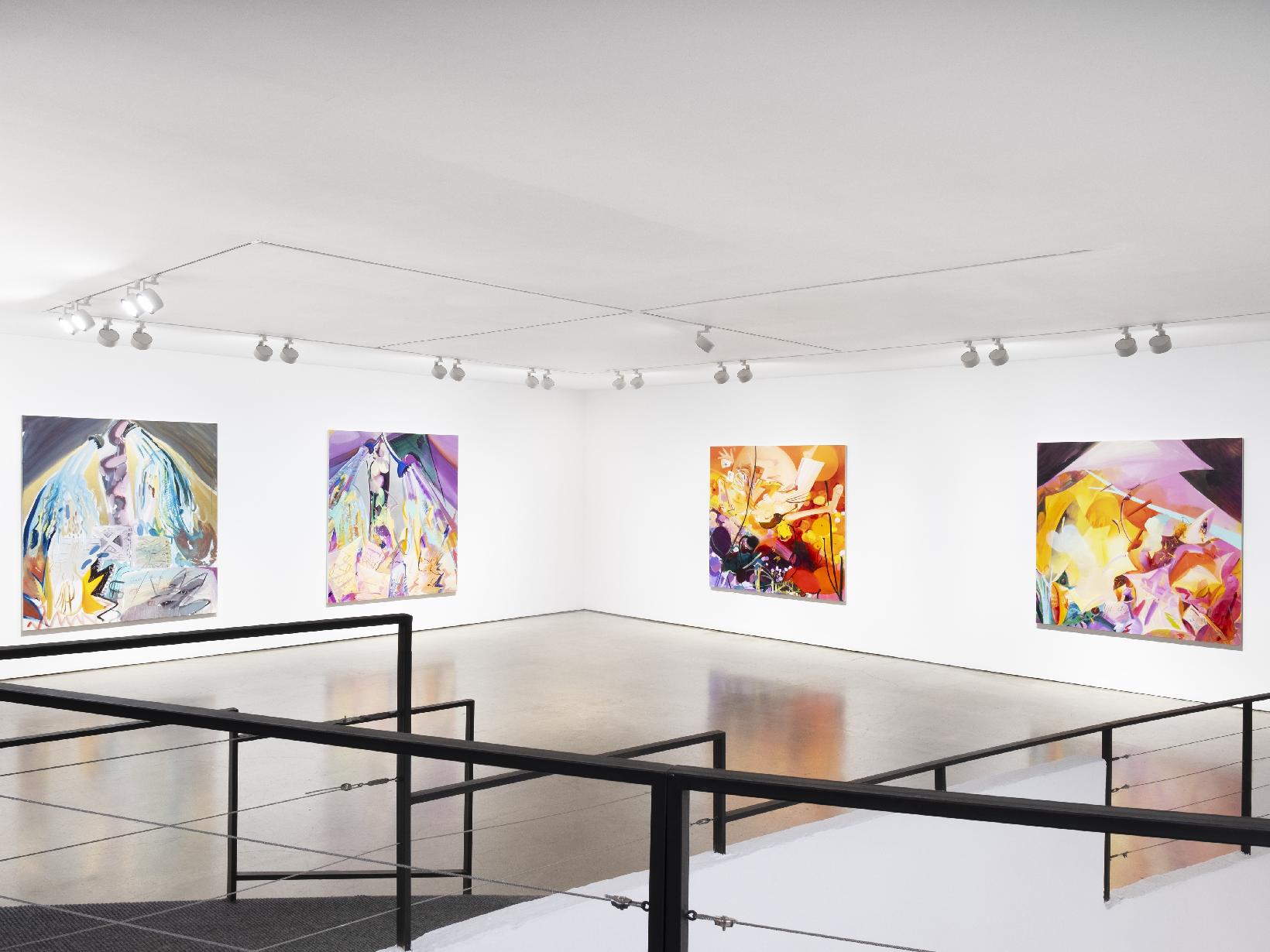
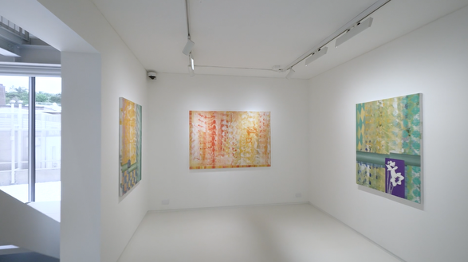
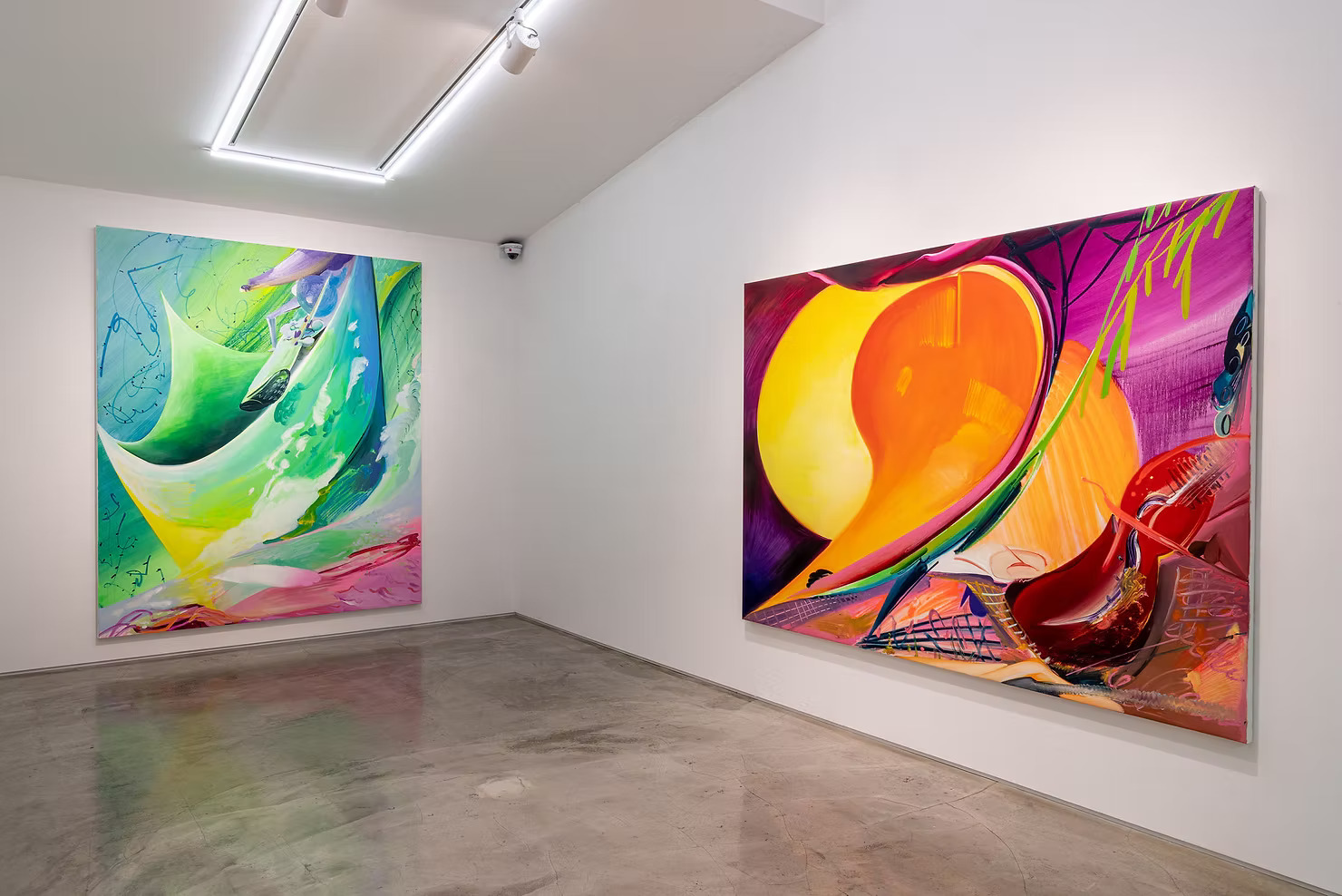
Working between Seoul and London, Jin Han Lee (b. 1982) creates lively paintings that cut across the abstract and figurative to channel ideas and senses that escape language, such as the feeling of alienation in a foreign country, parting from a lover, and intimacy shared through warmth across bodies.


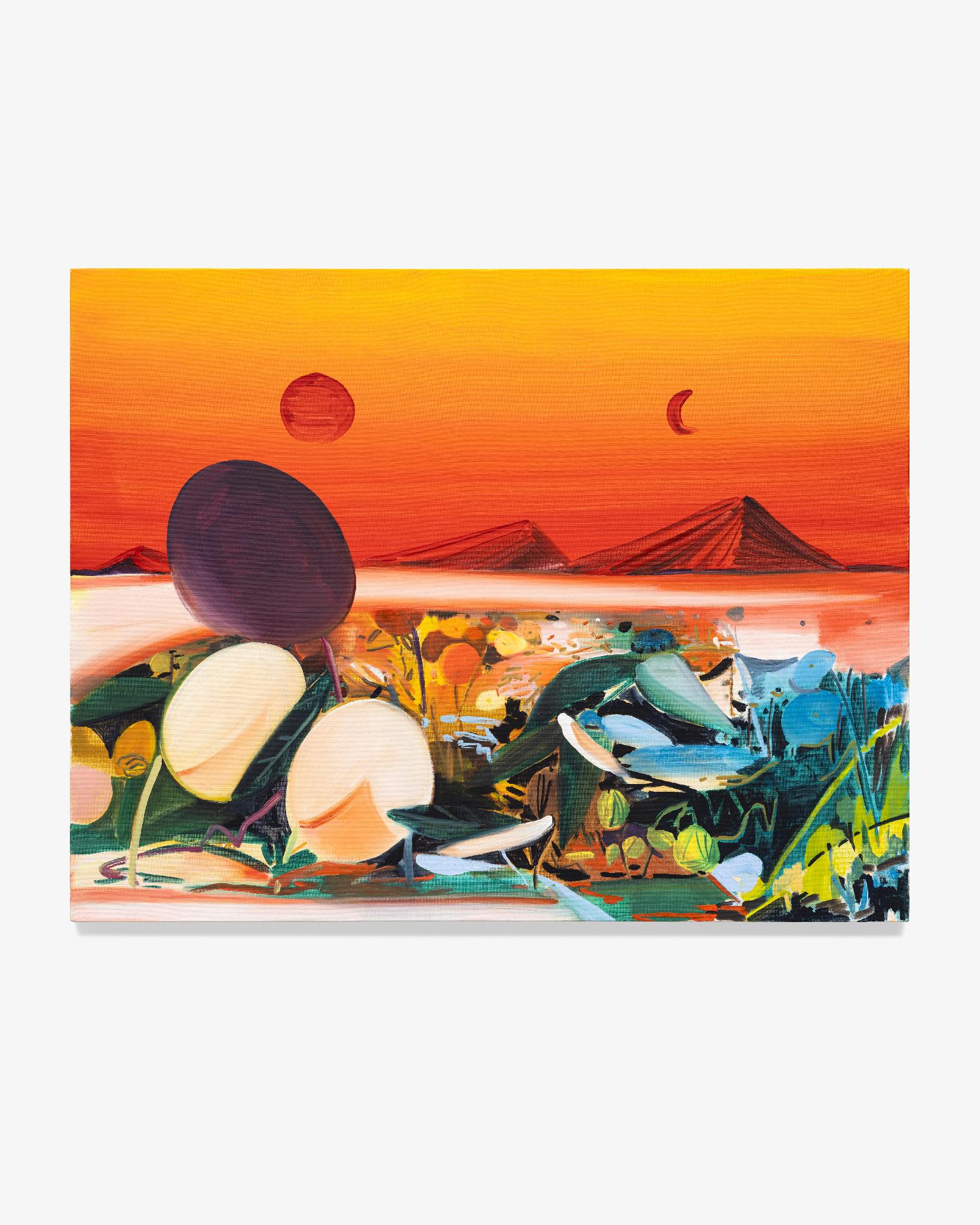
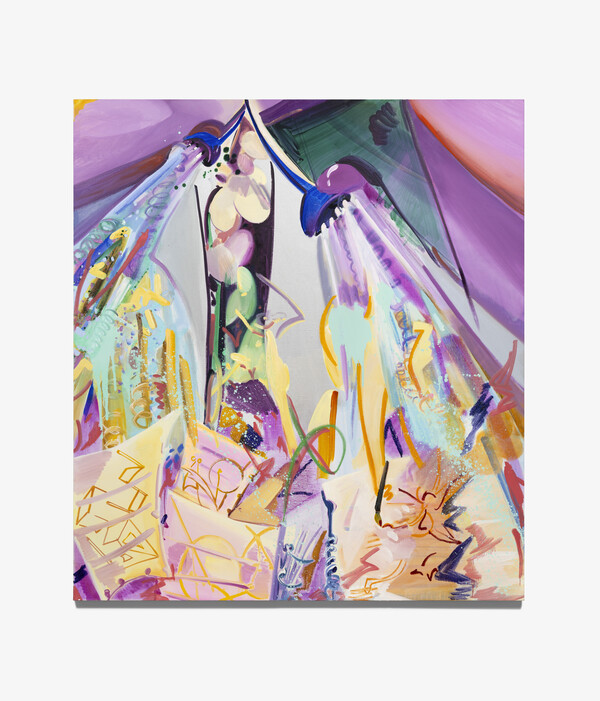
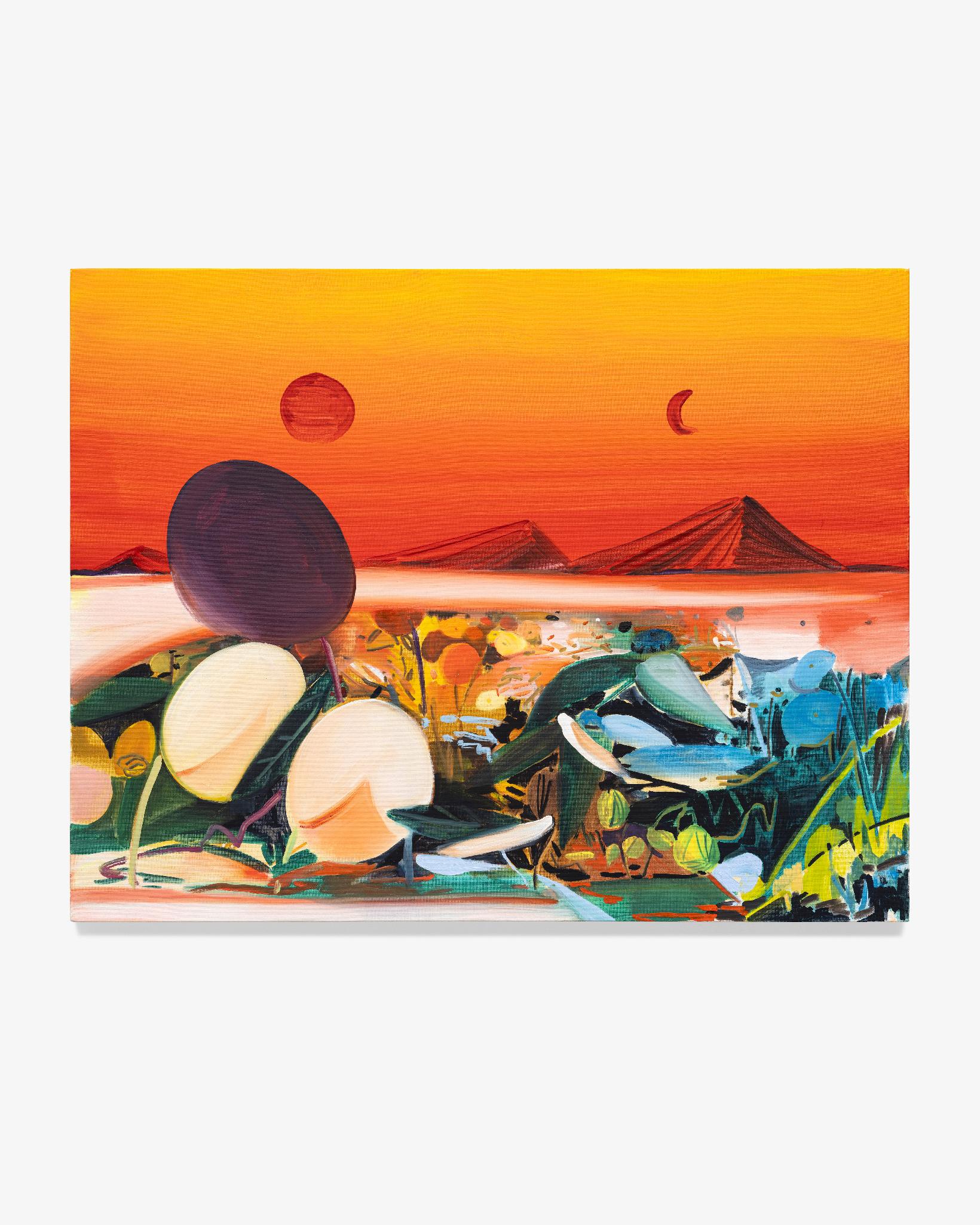
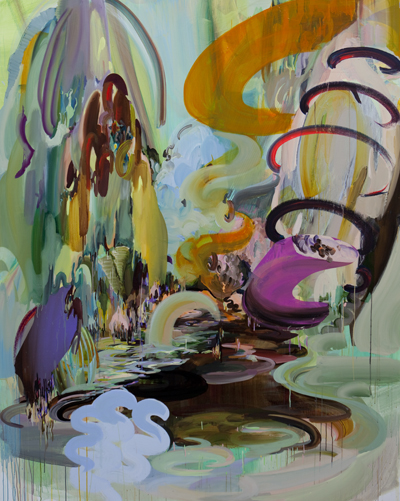
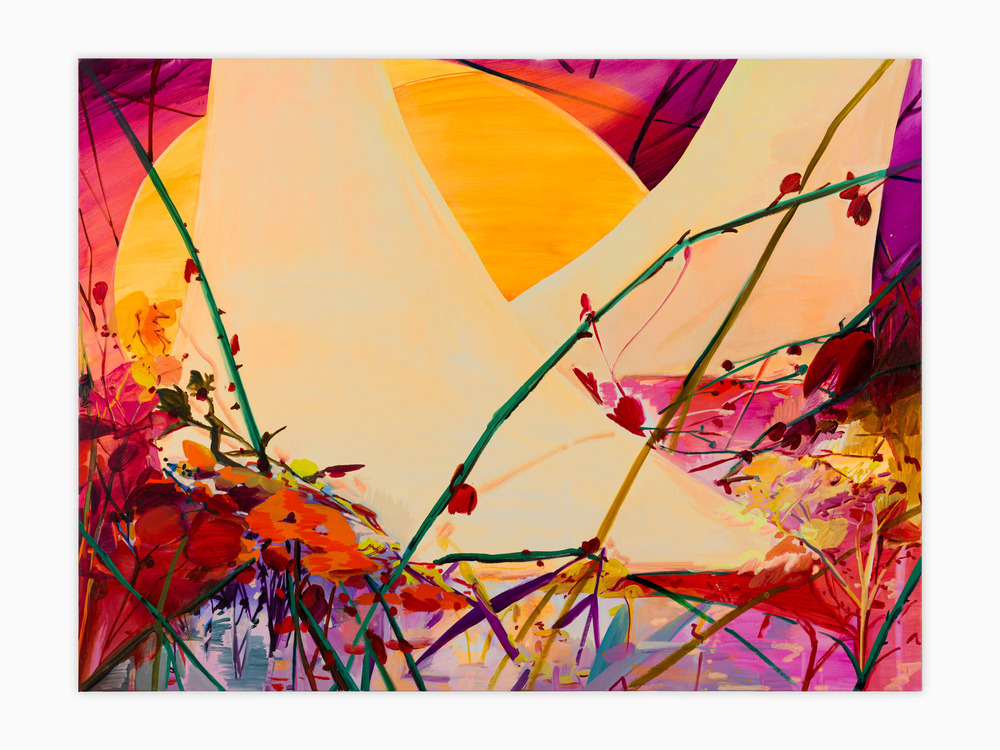
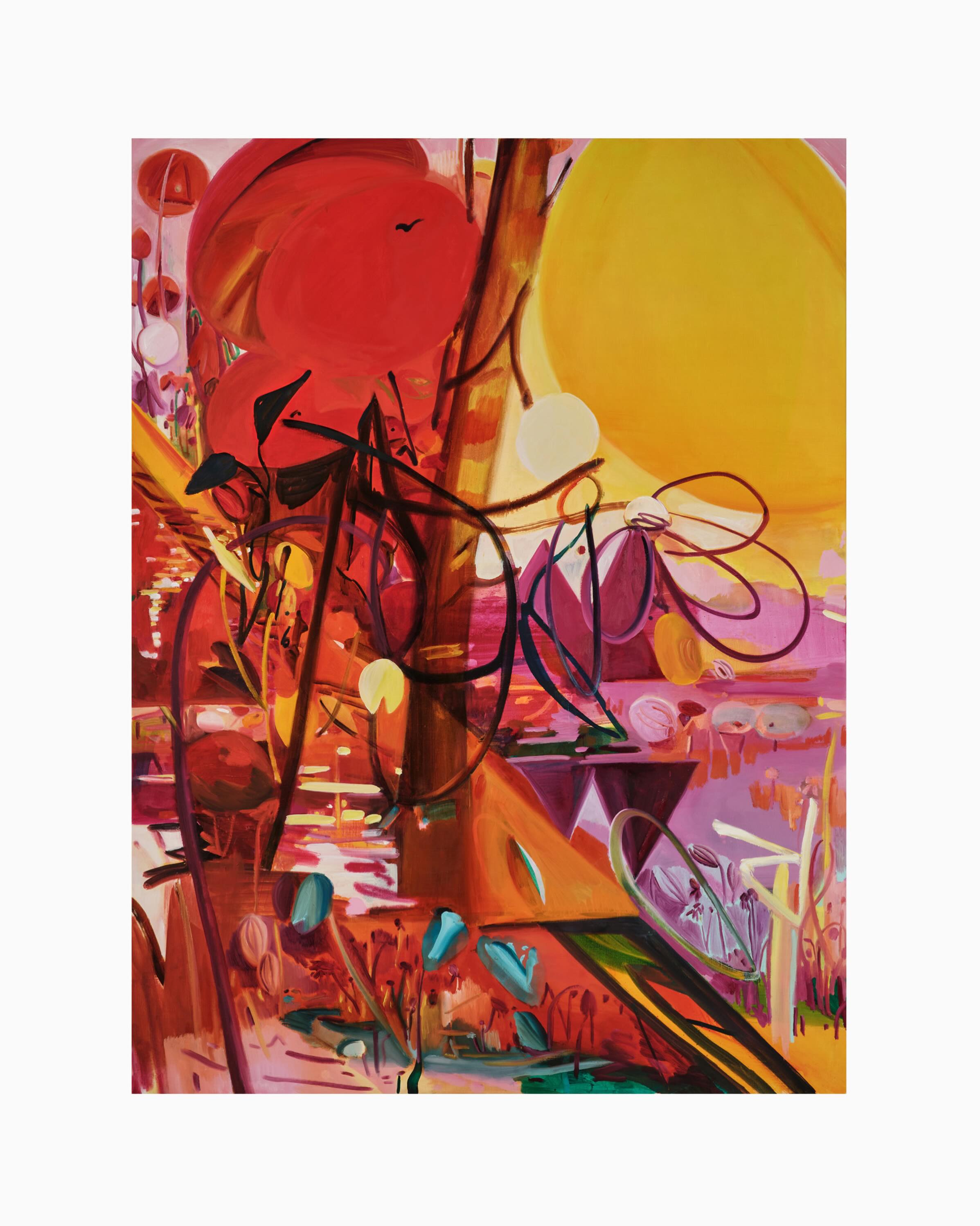
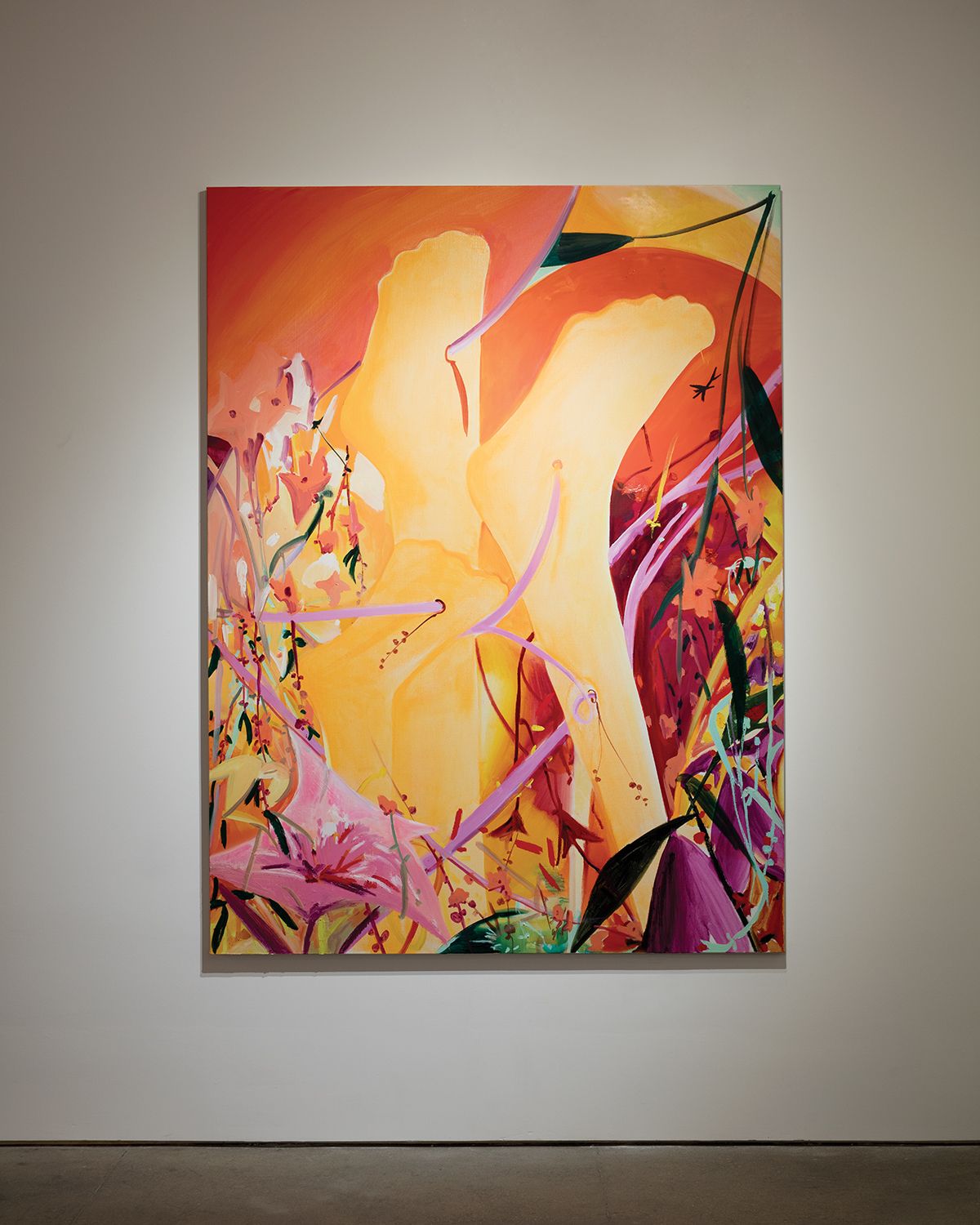
Jin Han Lee, Yesterday and Today Meet, 2026, Oil on linen, 91x117cm © Gallery Hyundai

Jin Han Lee's artistic practice began to take shape in earnest after she relocated to London in 2007. Her early works were driven by the loneliness and sorrow of separation from loved ones, as well as by the sense of alienation that accompanied living in a foreign language.
 
From moving to London in 2007 where she started her career to returning to Korea after fifteen years in the UK, Lee captures "untranslatable" moments that only painting can articulate from fissures between individual and language, between cultures, and between each painting.


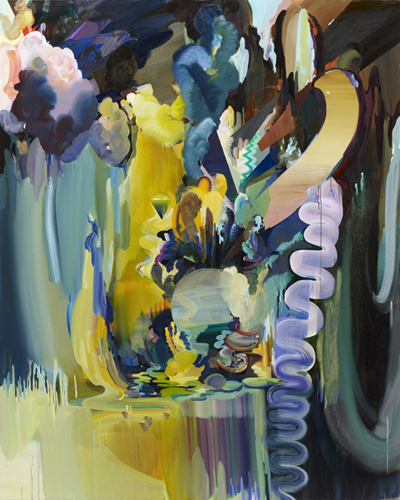
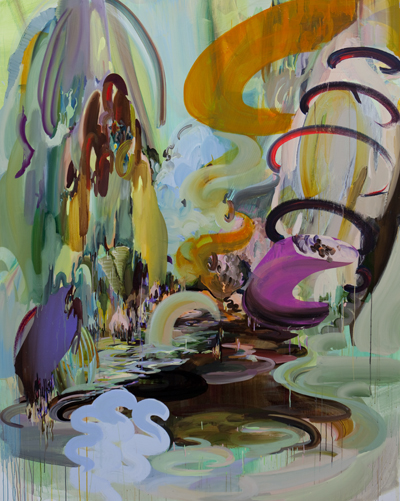
Jin Han Lee, Landscape with a Spiderman #3.3, 2011, Oil, acrylic on linen, 227x182cm © Jin Han Lee

Lee's artistic journey began with her initial experiment in the Renaissance perspective that converges at a vanishing point, a signature of traditional painting. By 2010, her paintings evolved into heterogeneous spaces that amalgamate traditional perspective with elements of modernism.
 
For example, Lee's 2012 solo exhibition 《Postmodernism of the Beholder – Landscape of the Concept》 at Alternative Space LOOP brought together paintings in which Renaissance perspective coexisted with the formal properties of modernist abstraction.


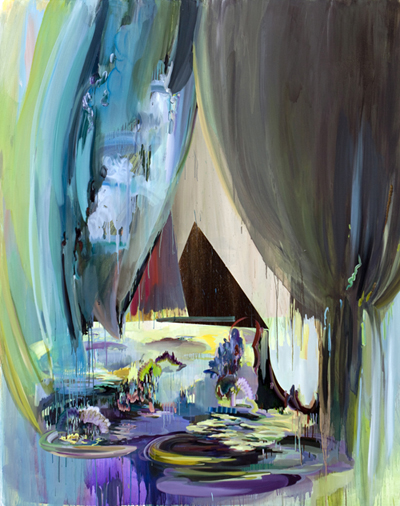
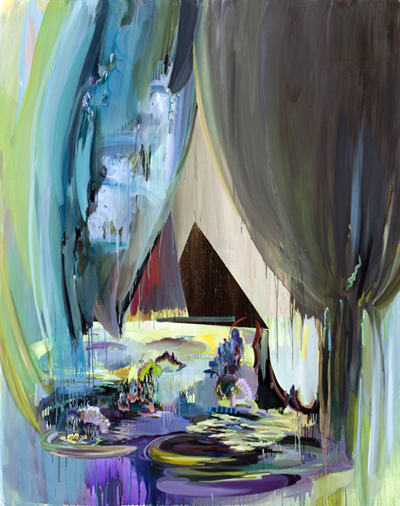
Jin Han Lee, Landscape without Super Mario, 2011, Oil, acrylic, gouache, glitter on canvas, 250x200cm © Jin Han Lee

At the time, Lee focused on investigating the uneasy and heterogeneous relationships between pictorial layers. The friction and collisions that arise between these layers stem from the coexistence of disparate elements within what is conventionally understood as a unified space (the canvas) and a singular time (the present).
 
Accordingly, her paintings reveal the coexistence of one heterogeneous layer alongside another, while past, present, and future—equally heterogeneous temporalities—are brought into horizontal relation within a single pictorial field.
 
Throughout her work, Lee also deliberately incorporates devices that generate and reconcile these heterogeneous elements, allowing seemingly incompatible spatial and temporal systems to coexist in productive tension.


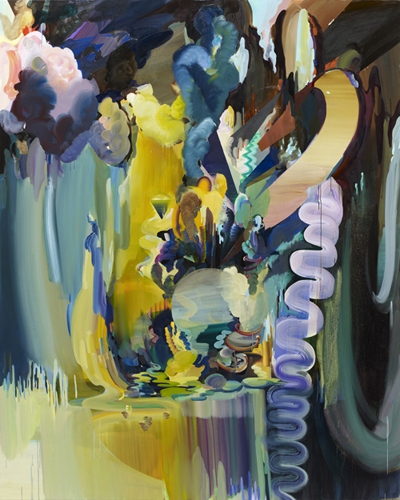
Jin Han Lee, Supersaturation, 2011, Oil, acrylic, gouache, glitter and masking tape on canvas, 250x200cm © Jin Han Lee

In one painting, the artist has covered the background with masking tape, painted over it, and removed it to make the background stand out and encompass the other objects at the same time. In another piece, she has made an extensive use of the “drip style” often employed by surrealist painters in the past.
 
In the exhibition preface, curator Jihye Kim stated: “She has created an array of physical layers using this technique and allowed each layer of paint drippings to form accidental relations with another. Disparate spaces generated on the painting work to wade through frictions and conflicts, recognize and understand each other’s existence, and finally arrive at the stage of reinforcing their presence through mutual relations.”


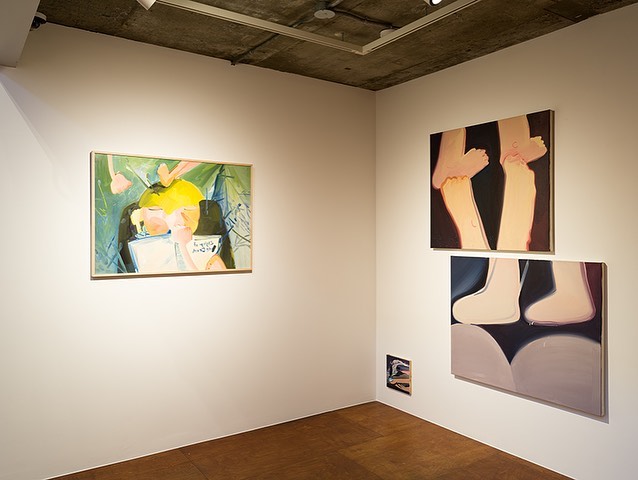
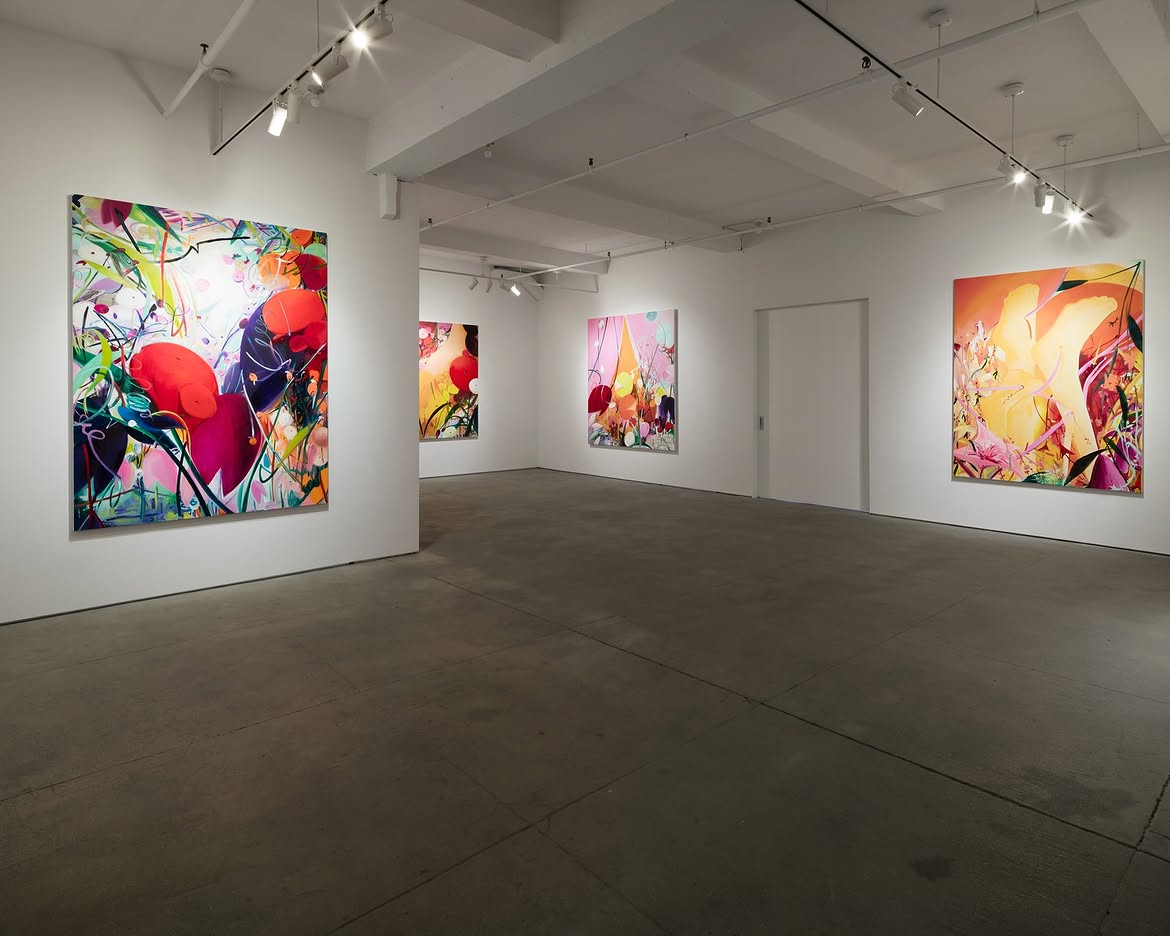
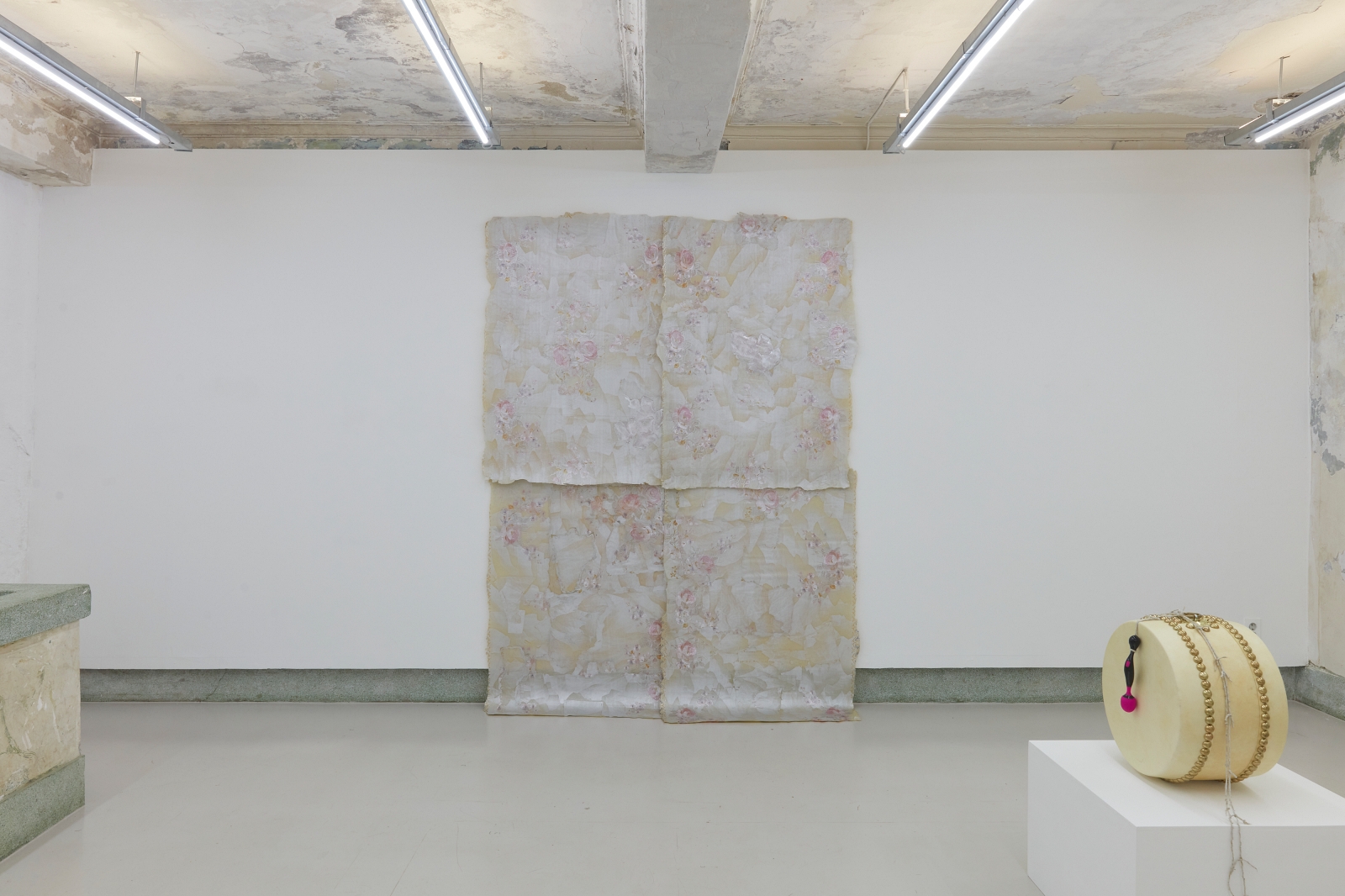
Installation view of 《Hi, Bye and Hi》 ((together)(together), 2023) © (together)(together)

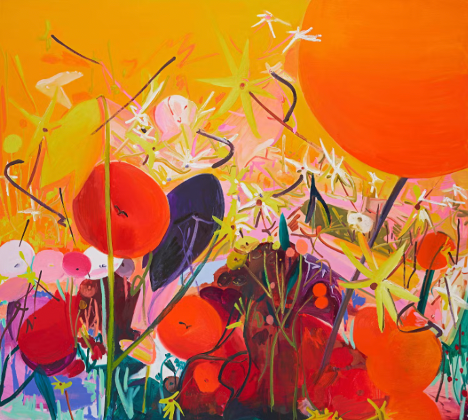
The recurring motifs that appear throughout Lee's practice—including feet, the sun and moon, and flowers—constitute one of the defining features of her work. Constantly transformed and reinterpreted, these motifs move in tandem with language, human relationships, and memory, remaining as vital and dynamic as life itself.
 
In works produced in the United Kingdom between approximately 2008 and 2021, the artist's encounters with the language and culture of a foreign country unfold as a relationship between one other and another.


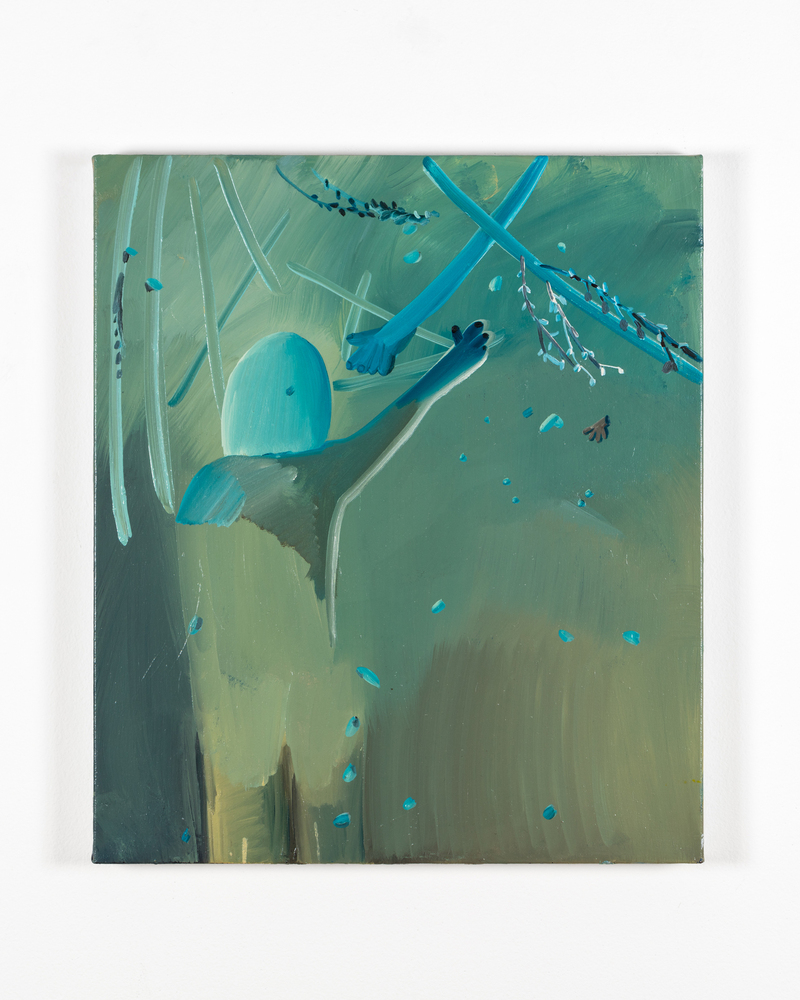
Jin Han Lee, Hi, Bye, 2016, Oil on linen, 70x60cm © Jin Han Lee

For example, in Hi, Bye (2016), Lee employs the motif of cherry blossoms to evoke the emotions that defy language—the fleeting sadness she experienced while living in the United Kingdom, where brief greetings with foreign friends on the street were often immediately followed by parting.
 
The melancholy of encountering something that cannot be held onto, felt in the instant when "hi" is almost immediately followed by "bye," is overlaid with the image of cherry blossoms, whose brilliant bloom is as ephemeral as its swift fall.
 
Reflecting on this work, the artist explains: "The painting layers my lingering sense of loss over relationships and moments that pass too quickly to hold onto. It moves between foreign language and mother tongue, thought and emotion, text and image, seeking to express complex and elusive feelings with simplicity."


Installation view of 《Hi, Bye and Hi》 ((together)(together), 2023) © (together)(together)

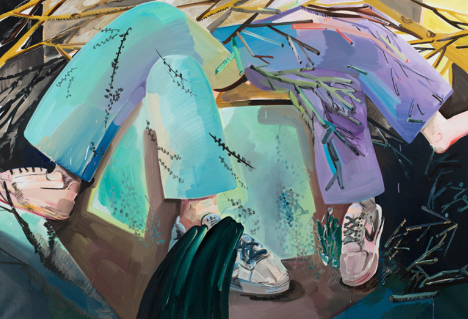
The recurring motifs of bare feet and flowers, which continue to appear throughout Lee's practice, also originate in memories of her childhood.
 
Raised in a multigenerational household spanning four generations, Lee grew up watching her mother carefully avoid exposing her bare feet to others. This memory shaped her perception of the foot as an intimate bodily boundary, one reserved for only the closest of relationships. Consequently, the foot came to function in her work as a painterly language that communicates the sensation of love rather than expressing it directly.
 
Over time, the motif of the foot has undergone a gradual process of abstraction, its form becoming increasingly simplified and refined. It has evolved beyond a recognizable motif into a symbolic pictorial space through which intimacy, memory, and affect are articulated.


Jin Han Lee, Heatwave, 2023, Oil, acrylic on linen, 150x200cm © Union Pacific

Another recurring motif in Lee's recent work, the flower, reflects her experience of growing up within a patriarchal family structure. Raised in a household where clear expectations were placed on what a daughter should be, and as the second of three daughters, Lee has spoken of seeing herself as a withering flower.
 
This personal history is reflected in the chromatic language of her paintings, where flowers rarely appear in bright pastel hues but instead take on faded or muted, darker tones. In this sense, the artist transforms a self-perception shaped by patriarchal norms and familial expectations into the image of a flower that has lost its vitality or is gradually withering.
 
Through this motif, Lee metaphorically reveals the social roles imposed upon women and the emotions that have been internalized through those experiences.


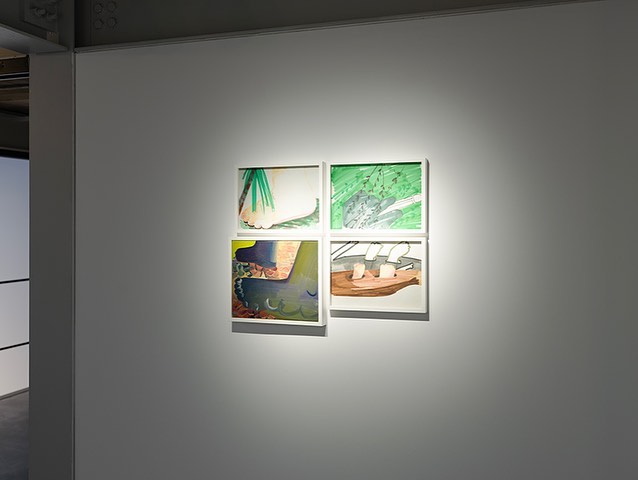
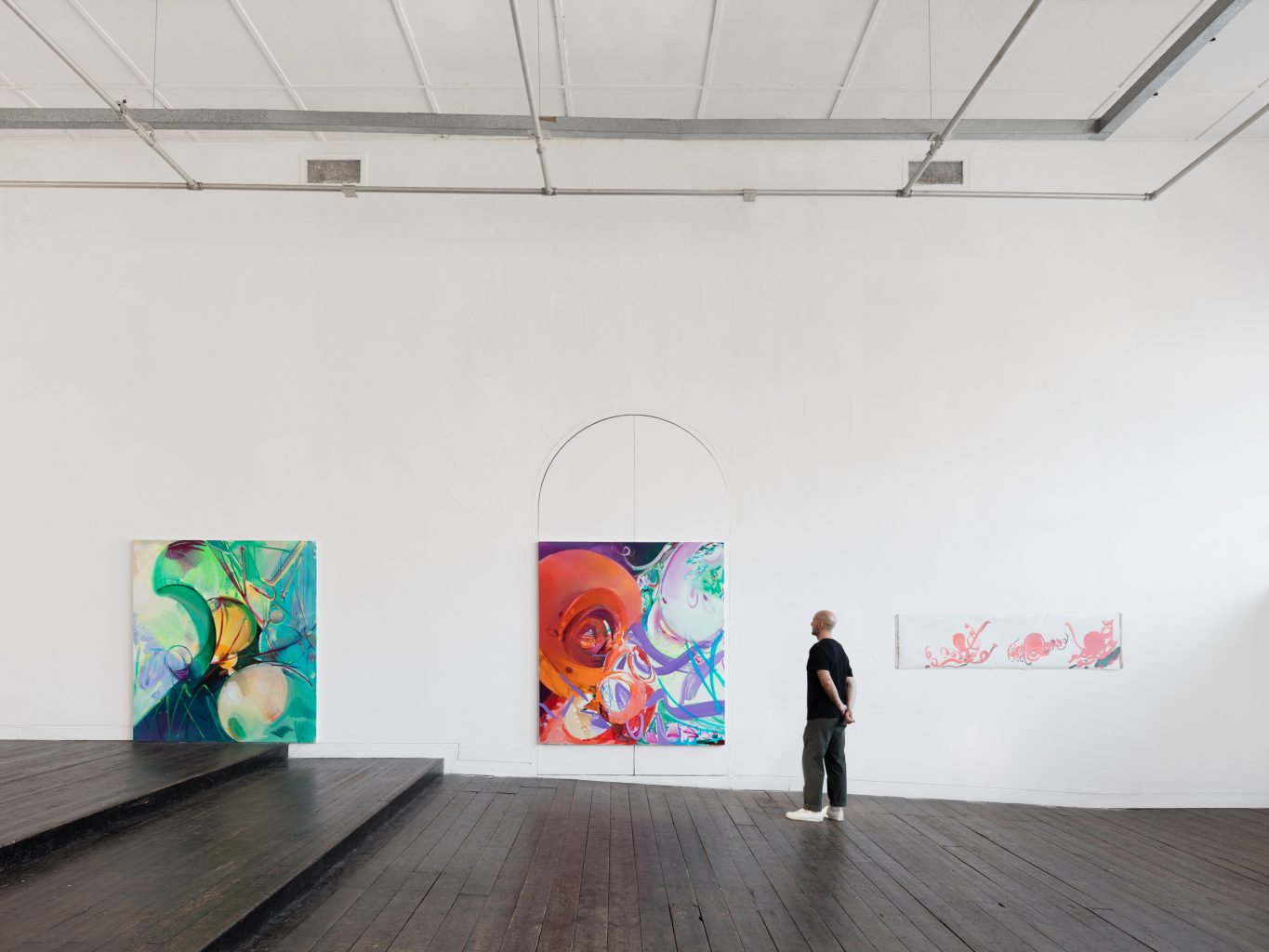
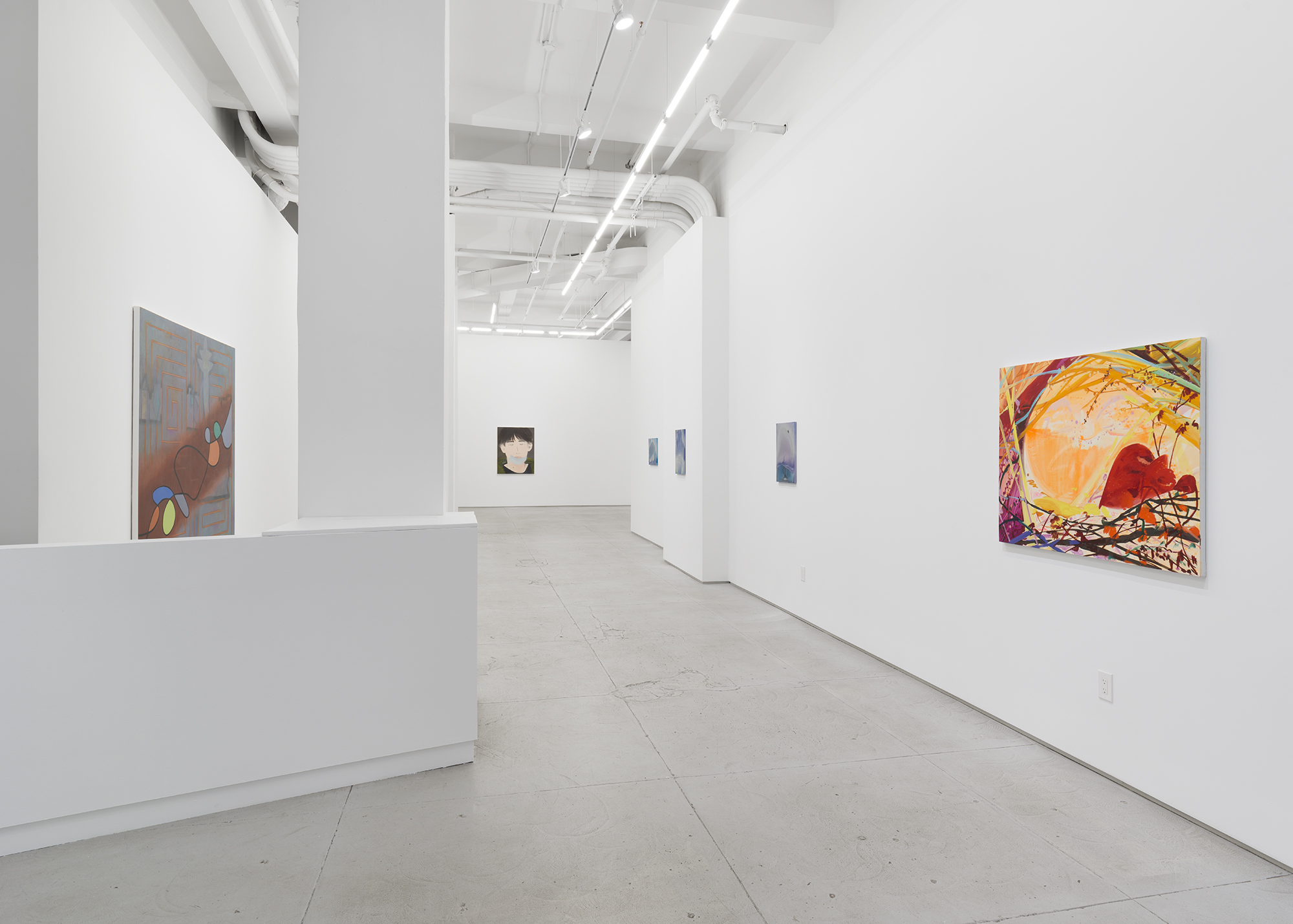
Installation view of 《EXTENDED REALITIES》 (Beaconsfield, 2021) © Beaconsfield

Recently, the artist's explorations in VR (virtual reality) during an artist residency in 2021 kindled her reflection on the essential language of painting, leading to works with an innovative sense of three-dimensional spatiality through brushstrokes that "pull" outwards and echo traditions of East Asian calligraphy.
 
Lee's paintings are firmly rooted in the particular-daringly honest landscapes of her own inner life. The artist uses energetic brushstrokes to grasp this landscape but does not forget to step back and take a slow look at her own canvas.


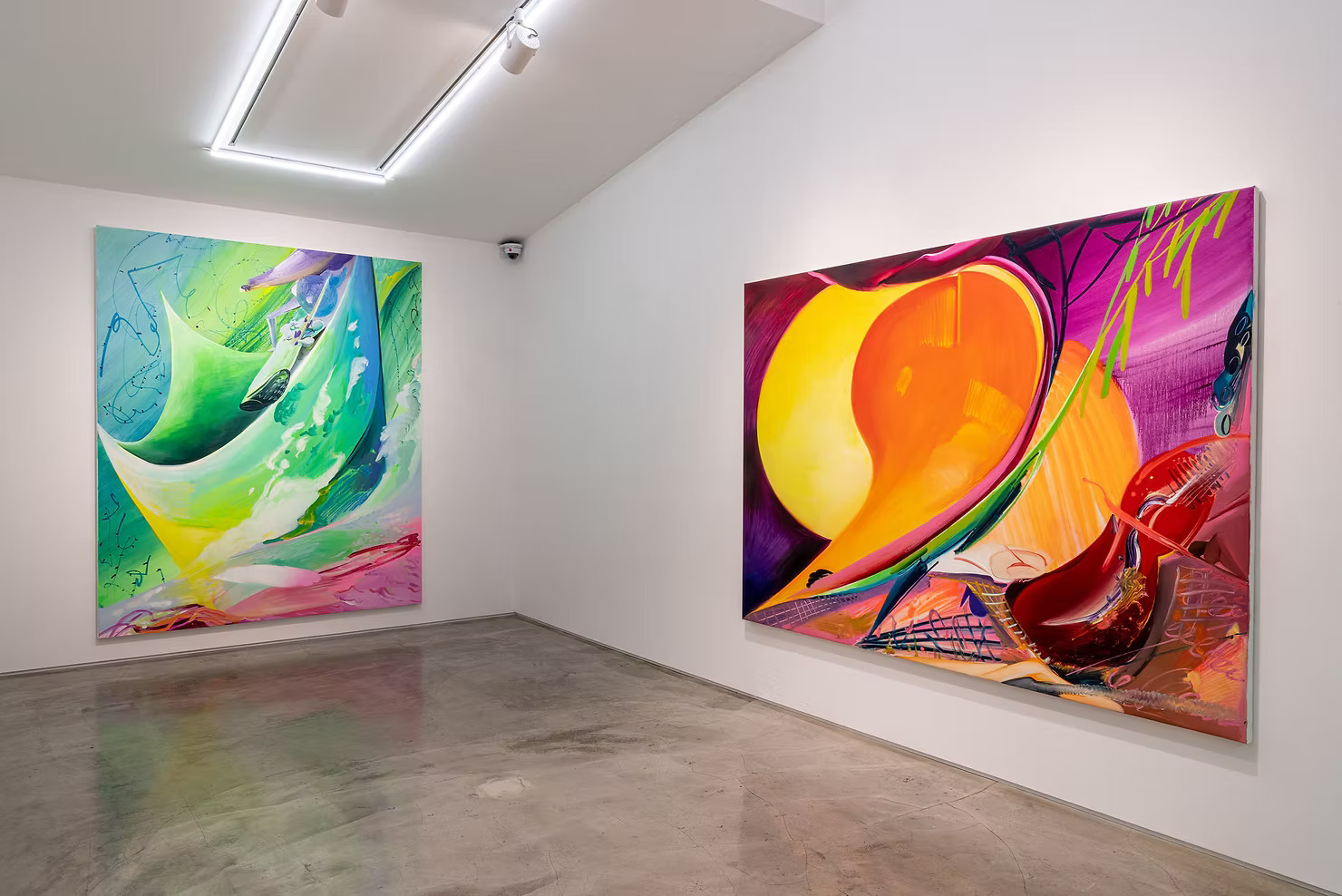
Installation view of 《Martha’s Rumour》 (Nook Gallery, 2021) © Nook Gallery

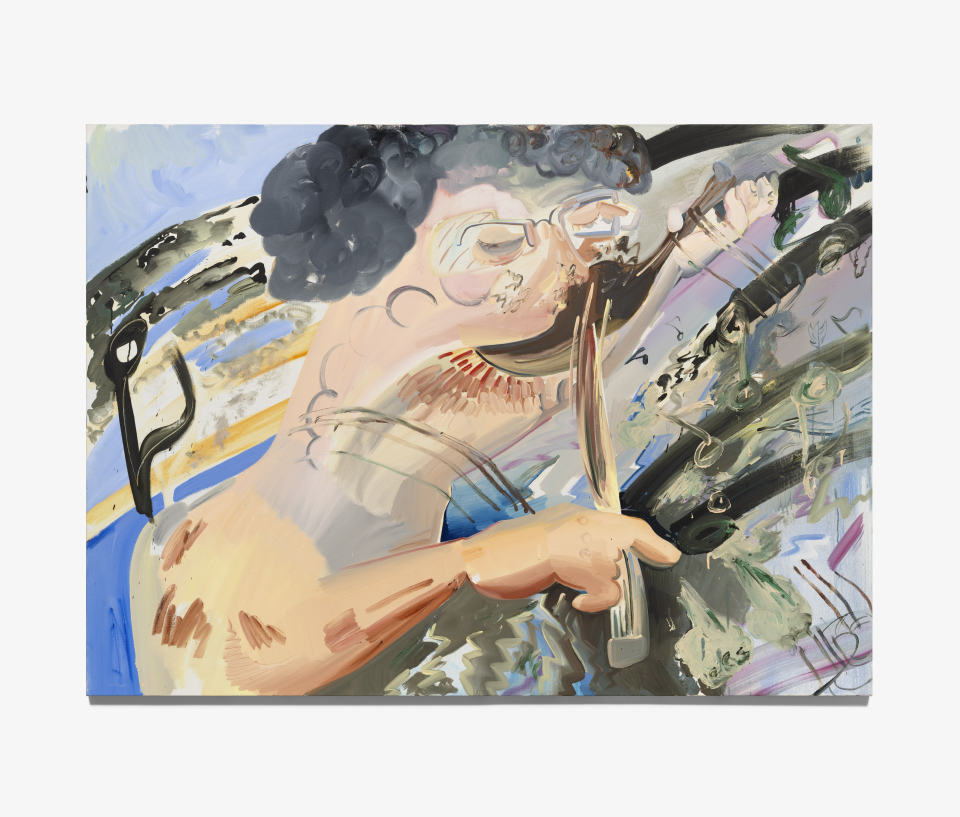
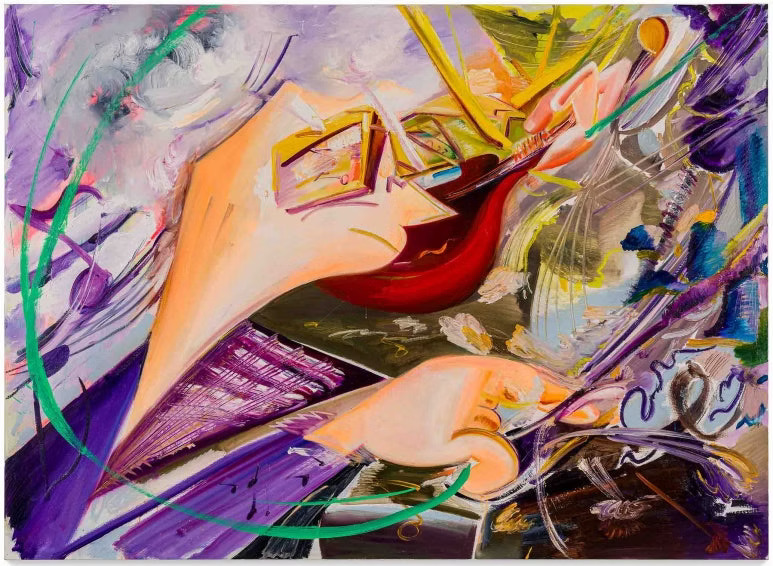
In her 2021 solo exhibition 《Martha's Rumour》 at Nook Gallery, Lee explored the question of whether painting can assume the role of language through a body of work inspired by an episode involving the American conceptual artist Martha Rosler.
 
Throughout the exhibition, the recurring image of a woman playing the violin served as its central motif. This figure originated from an ambiguous joke Rosler made during a symposium in 2015, which Lee attended.
 
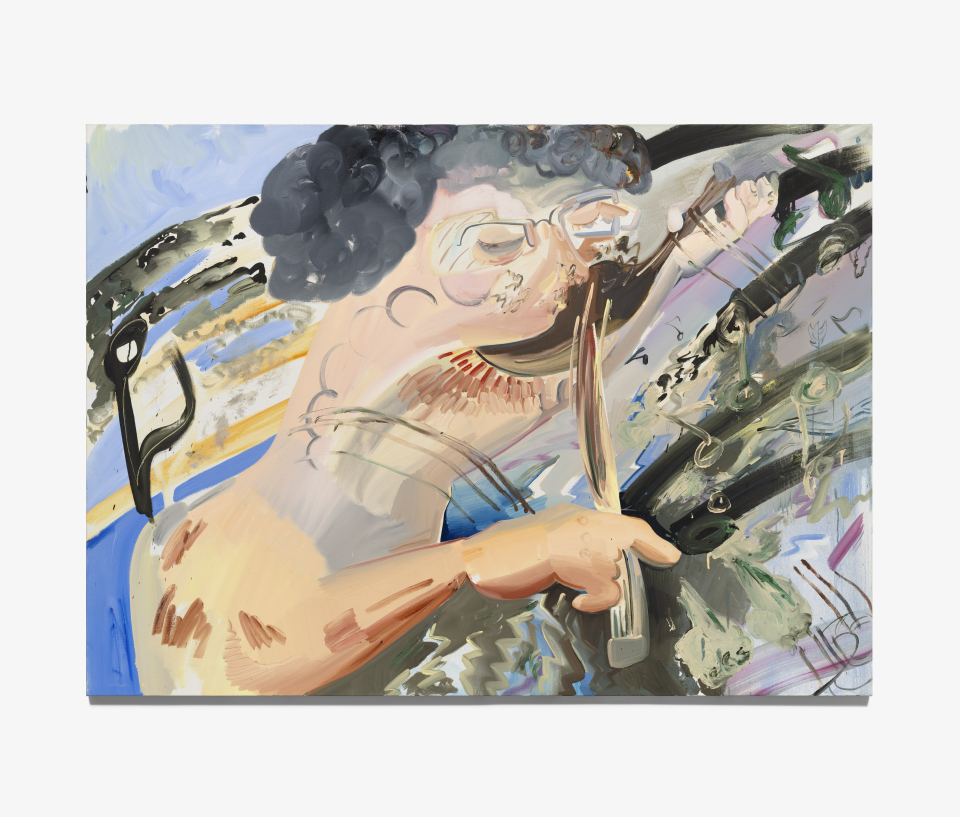
In response to an audience member who commented, "Conceptual art is all well and good, but I want to feel something in the work," Rosler made the gesture of "playing a tiny violin."
 
Lee has continued to revisit that fleeting moment in her paintings: the renowned artist miming an imaginary violin in midair, delivering a gesture that hovered ambiguously between irony and warmth. Neither entirely sarcastic nor wholly compassionate, the scene lingered in the artist's memory, becoming the catalyst for an ongoing exploration of those subtle emotions that resist definitive interpretation.


Jin Han Lee, Martha Playing Her Tiniest Violin, 2015, Oil on linen, 160x220cm © Gallery Hyundai

The gesture, however, is in fact an English-language idiom used to mock someone perceived as excessively complaining or self-pitying. Only later did Lee discover its conventional meaning through her own research, and in doing so she became aware of a striking discrepancy between the gesture's established cultural connotations and the warm, positive response she had witnessed among those present.
 
Rosler's gesture was met with laughter from the audience, and Lee understood it not as an act of rudeness but as a form of hospitality that invited shared participation.
 
This experience marked a turning point in Lee's artistic practice. Prior to this, she had often incorporated neologisms and K-pop lyrics into her work as a way of negotiating the sense of linguistic alienation she experienced while living abroad.
 
The encounter, however, prompted her to embrace a more affirmative understanding of the inherently subjective nature of language and gesture, leading her to explore the untranslatable meanings that emerge through interpretation rather than fixed definition.


Jin Han Lee, Martha’s Red Violin, 2021, Oil, acrylic on linen, 160x220cm © Nook Gallery

Rather than interpreting Rosler's gesture and the audience's response as an incomprehensible exchange of words and actions, Lee came to understand them as expressions rooted in friendship and mutual rapport.
 
This experience prompted her to consider the possibility that meaning in communication may arise not only from the original or intended significance of words and gestures, but also from what is experienced and felt within a particular moment.
 
Building on this realization, Lee's solo exhibition 《Martha's Rumour》 constructs its pictorial space through expressive brushwork and vibrant color. Yet beyond what is visibly represented, the artist emphasizes "not what has been painted, but what remains unpainted—not only what is visible on the surface of the canvas, but also the countless unseen presences that exist beyond it."


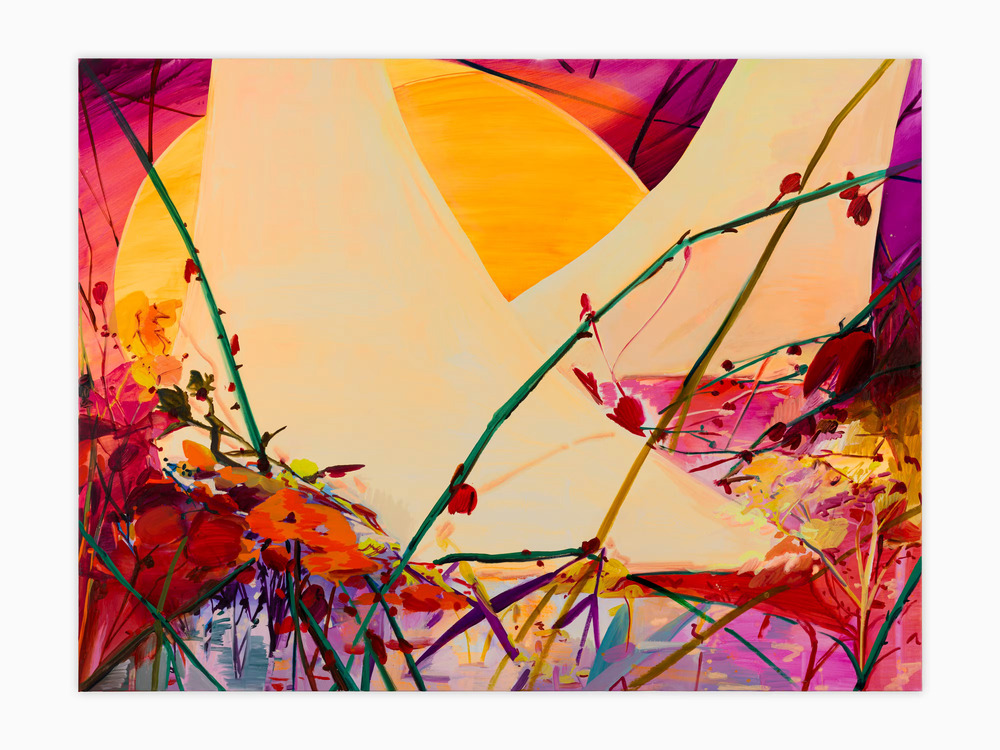
Jin Han Lee, Light Night, 2025, Oil, acrylic on linen, 150x200cm © Union Pacific

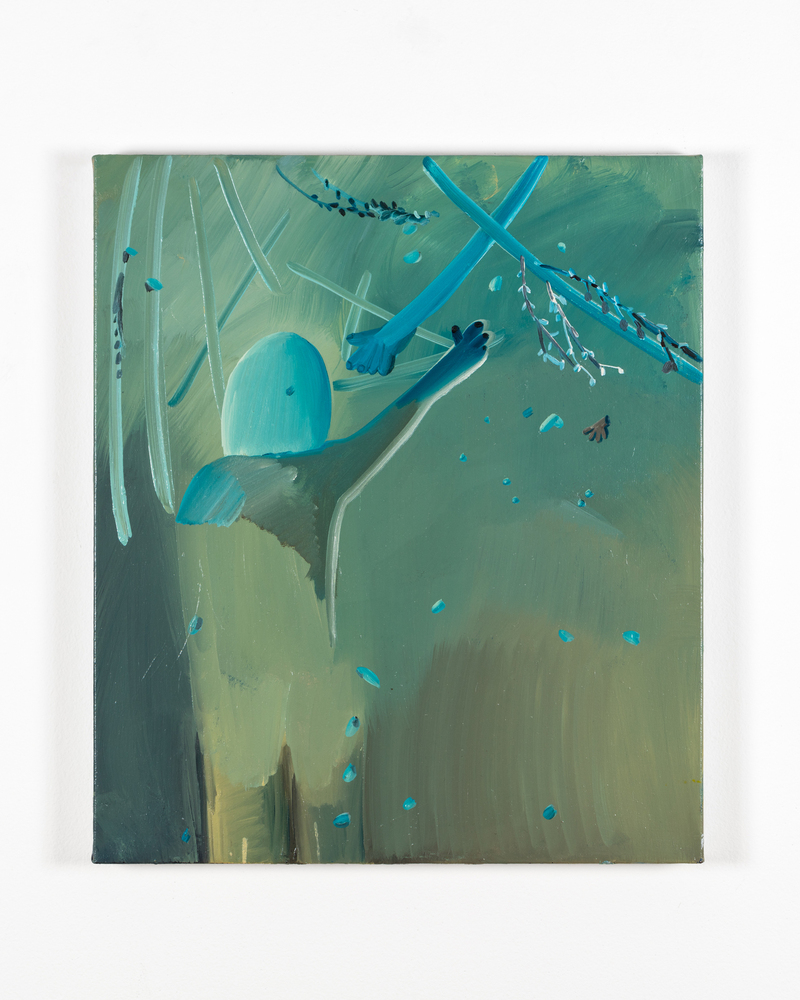
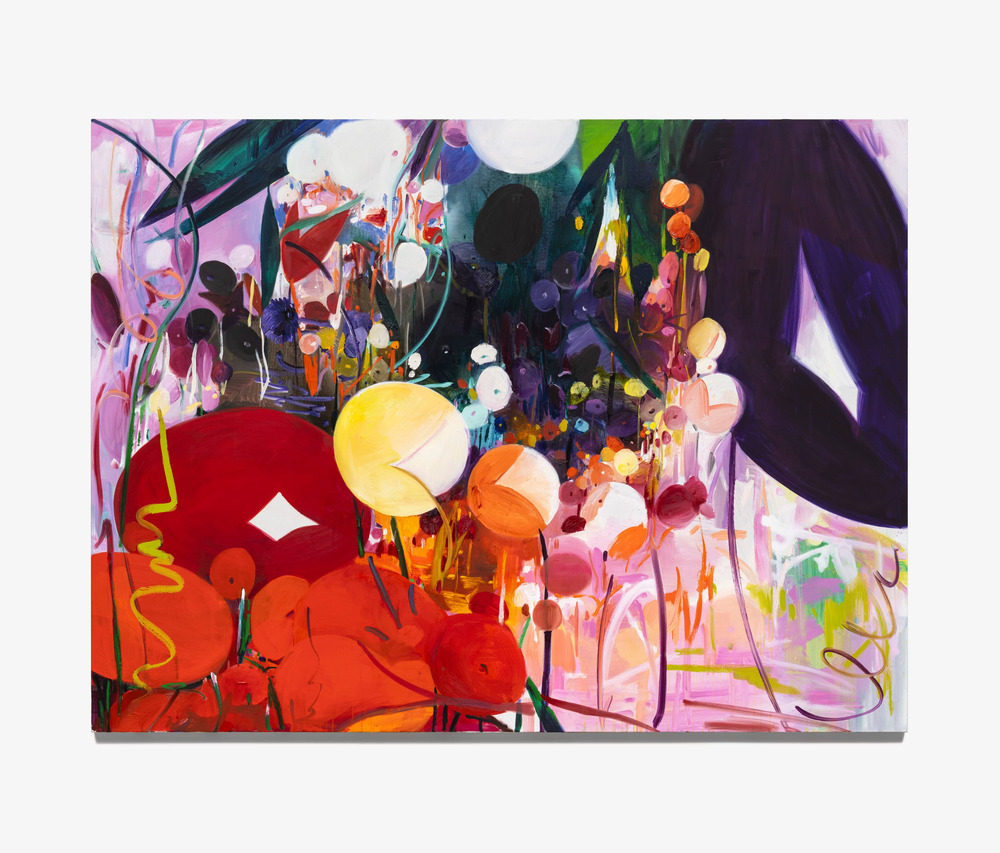
Meanwhile, in her recent work, Lee has begun to bring together both recurring and newly introduced motifs within a single pictorial field, constructing compositions in which they form distinctive rhythms and narrative connections.
 
The surreal landscapes and ecosystems of metaphors in Lee’s paintings have their own way of surely but quietly permeating the viewer’s senses. Notably in her recent works, motifs densely accumulate and organically intertwine into a ceaselessly metastasizing chain of associations, symbols, metaphors, and substitutions.


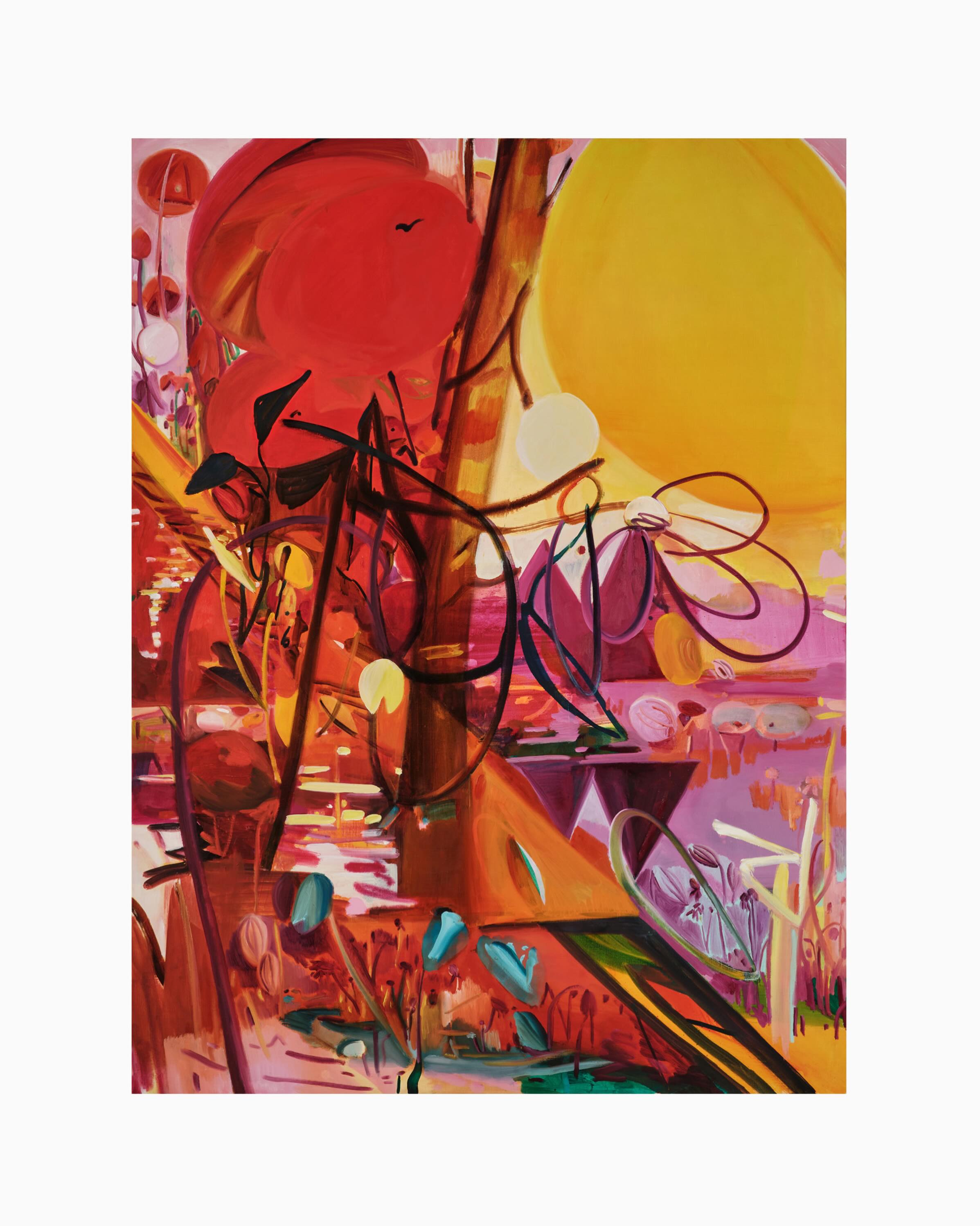
Jin Han Lee, The Glitch in the Garden, 2026, Oil on linen, 150x200cm © Union Pacific

In this way, Lee has developed a distinctive painterly language to give form to thoughts and emotions that cannot be fully captured by words—what she describes as the "untranslatable." As the artist explains, her paintings become "a space where the artist's private language collides with the language of the world."
 
By experimenting with painting as an alternative language capable of expressing what conventional linguistic systems cannot, Lee transforms the tensions and failed experiences of communication that arise at the intersections of East and West, native and foreign languages, thought and emotion, and text and image into hallucinatory, dreamlike landscapes.

”I constantly reflect on my work and life experiences, such as failures in love. The answers to these questions may vary for each artist, but for me, painting exists as a medium that makes the impossible possible.” (Jin Han Lee, Artist’s Note)


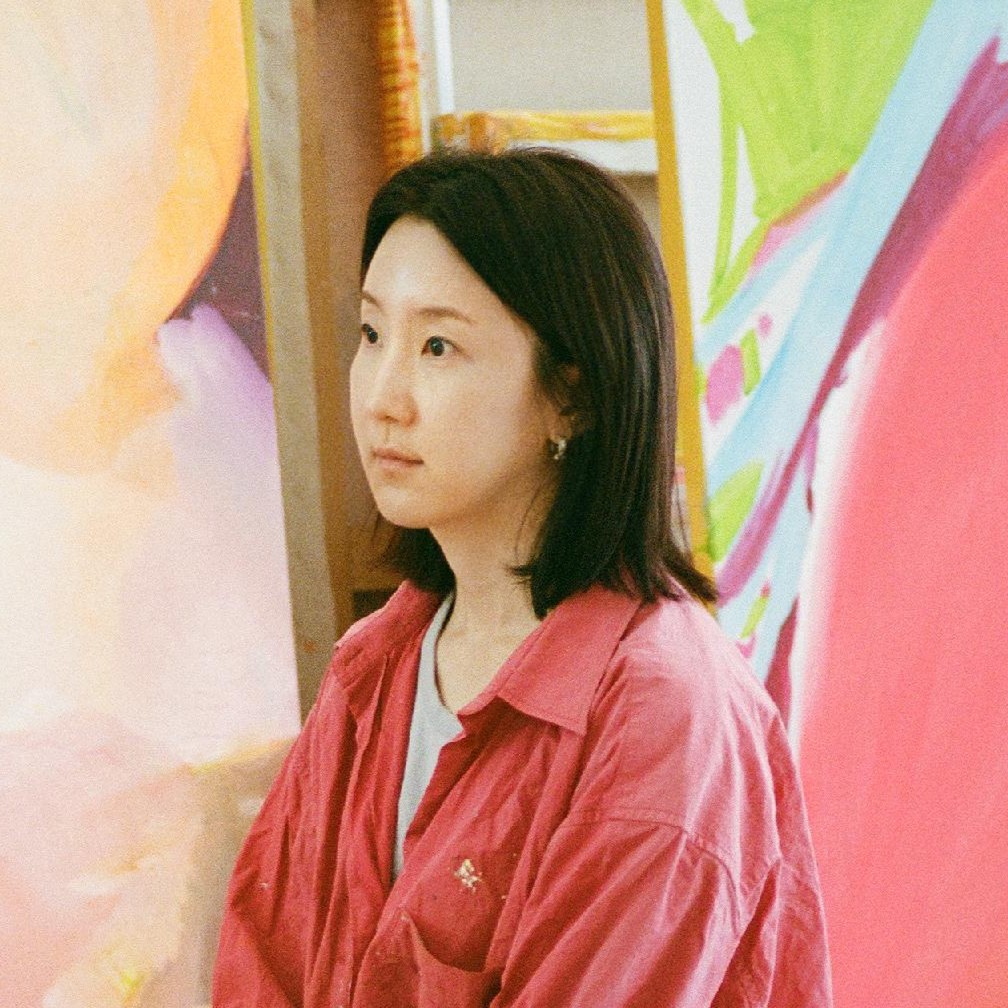
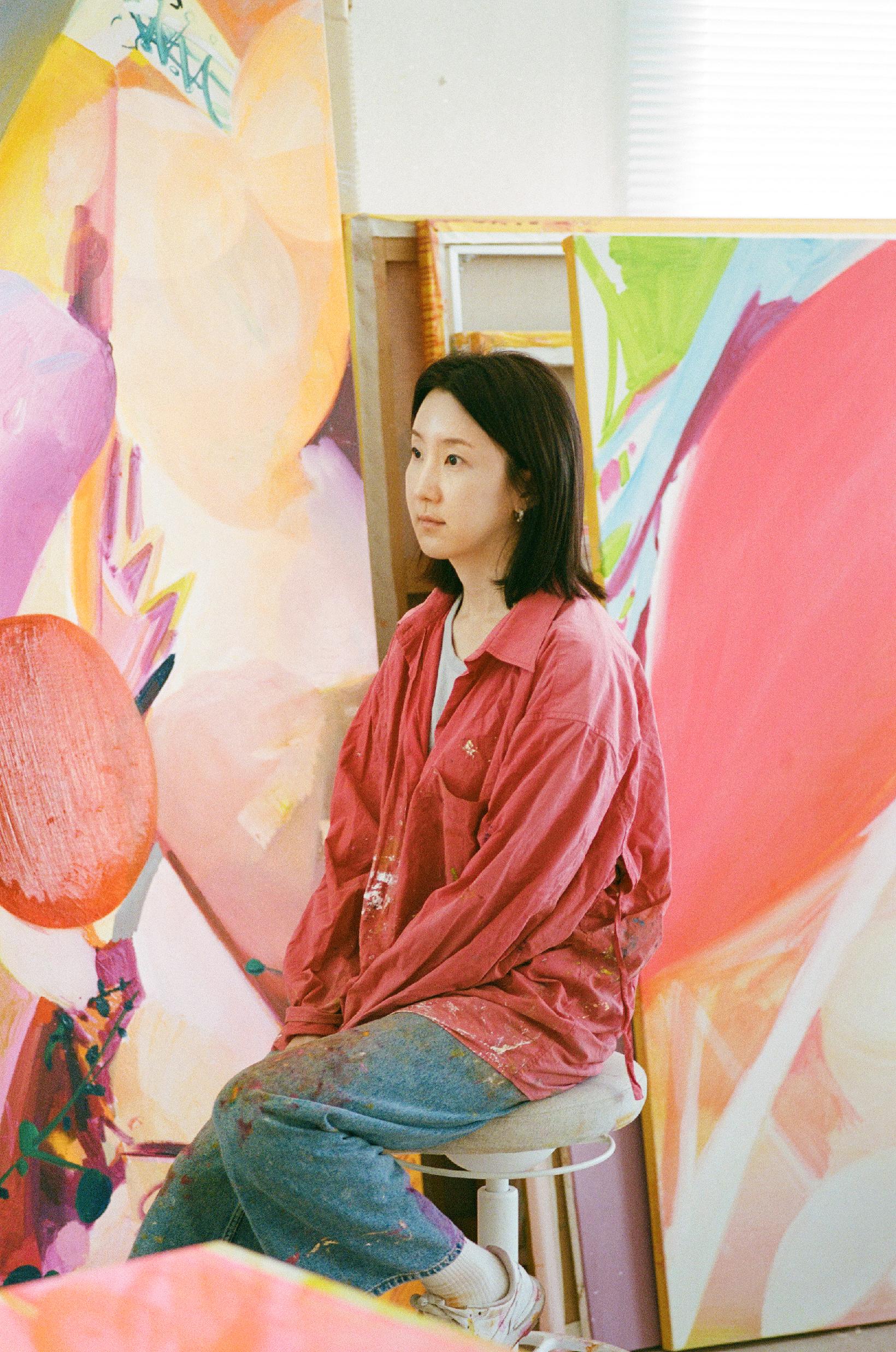
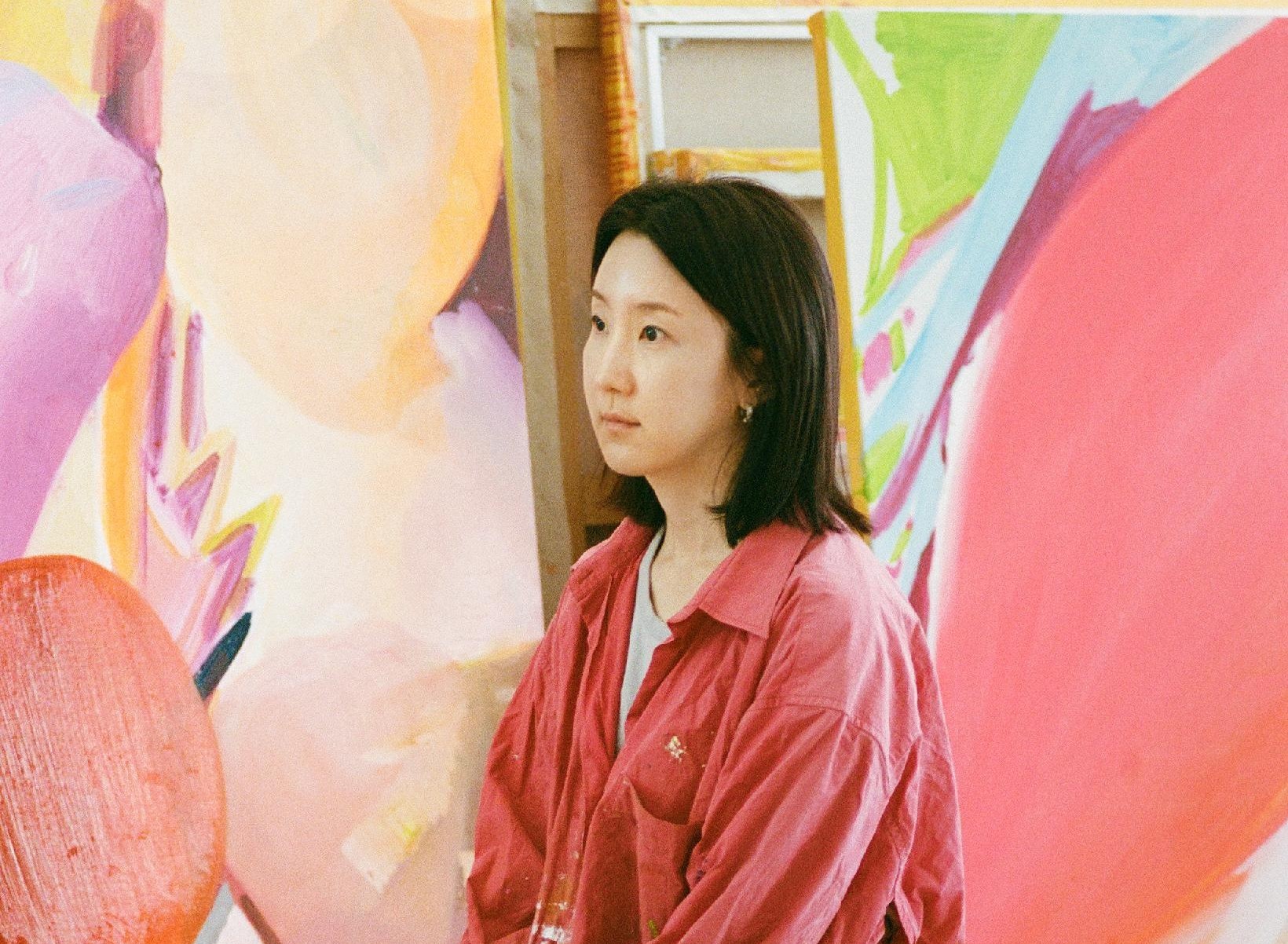
Artist Jin Han Lee © Gallery Hyundai

Jin Han Lee graduated from Hongik University, and received her MFA from Central Saint Martins, University of Arts London and Goldsmiths, University of London. She then completed her PhD at the Slade School of Fine Art, University College London.
 
Her recent solo exhibitions include 《Whispers》 (Gallery Hyundai New York Project Space, New York, USA, 2025), 《Lucid Dreams》 (Gallery Hyundai, Seoul, 2024), 《Hi, Bye》(Space ISU, Seoul, 2023), 《Martha’s Rumour》 (Nook Gallery, Seoul, 2021), among others.
 
Lee has also participated in numerous group exhibitions, including 《Vampire Problem?》 (N/A, Seoul, 2024), 《Drop Scene》 (Chapter NY, New York, 2024), 《Alone Time》 (Union Pacific, London, 2023), 《Magnetic Fields》 (BB&M, Seoul, 2022), and 《The Day in the Evening》 (Space K, Gwacheon, 2018).
 
She has been selected for the Beaconsfield Residency (2021), Windsor and Newton Elephant Lab Residency (2019), The Lee Alexander McQueen Foundation Residency (2015), Bloomberg New Contemporary (2015), and Saatchi Gallery New Sensation (2012). Her works are included in the collections of the Institute of Contemporary Art, Miami, HSBC London, Hyundai Capital, JoongAng Ilbo, Sarabande: The Lee Alexander McQueen Foundation, and Soho House Barcelona, among others.

References