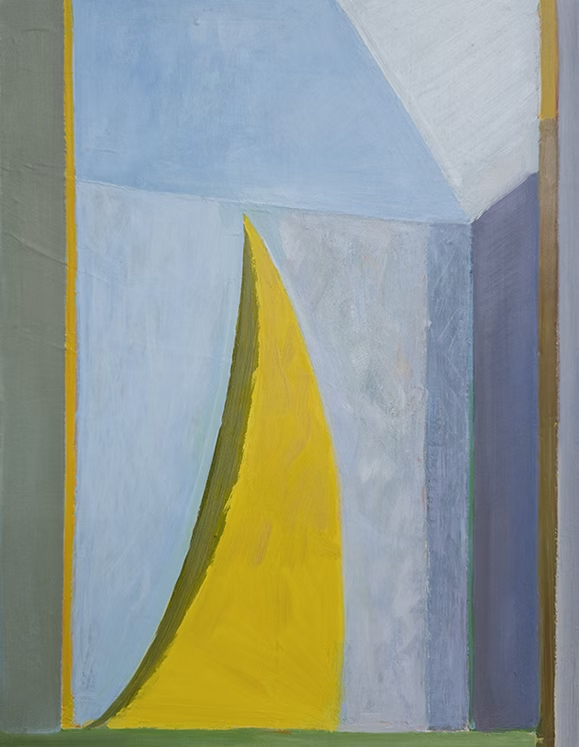
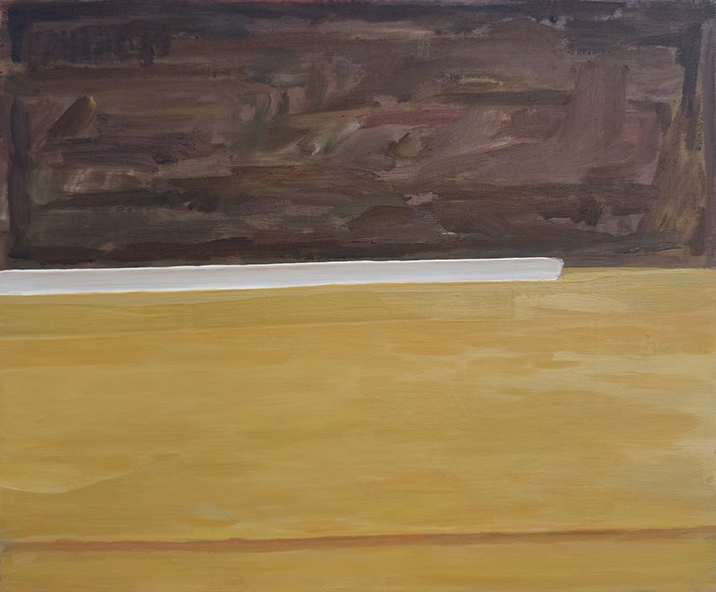
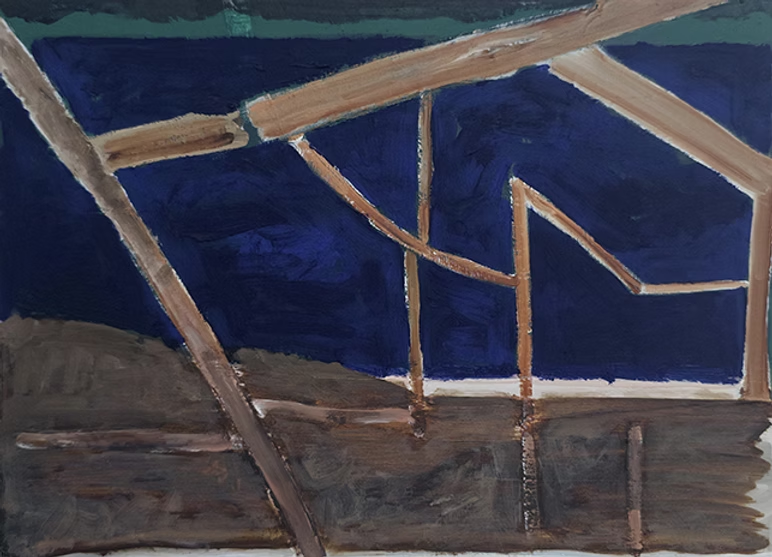
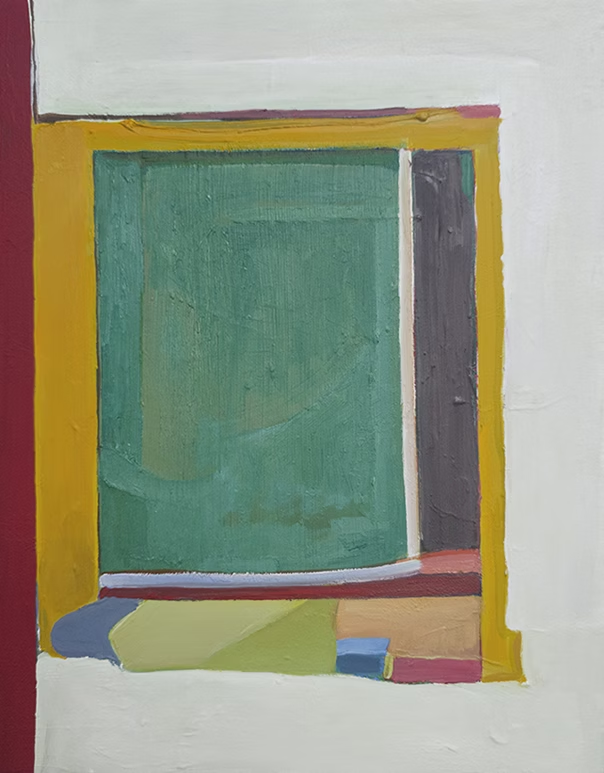
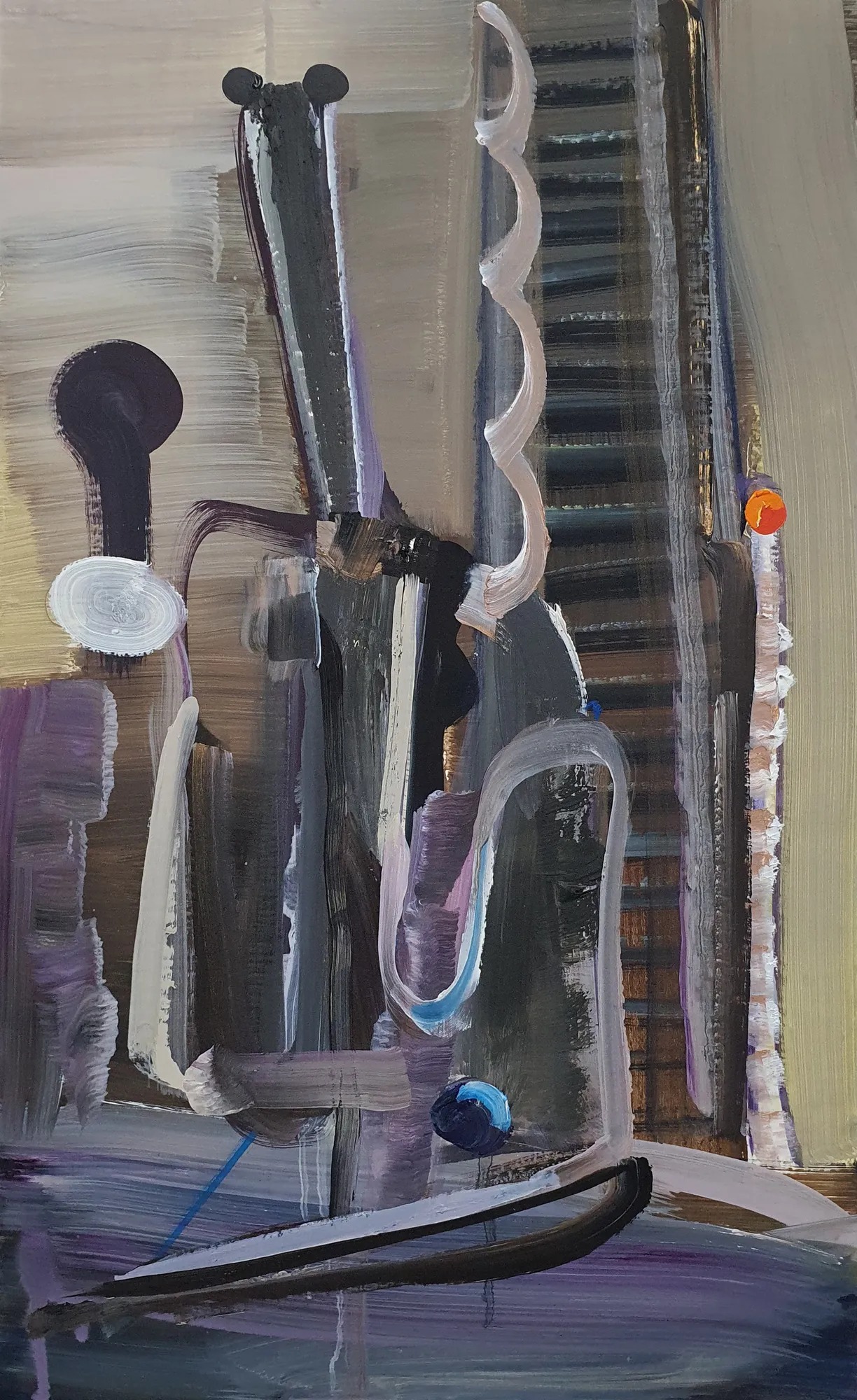
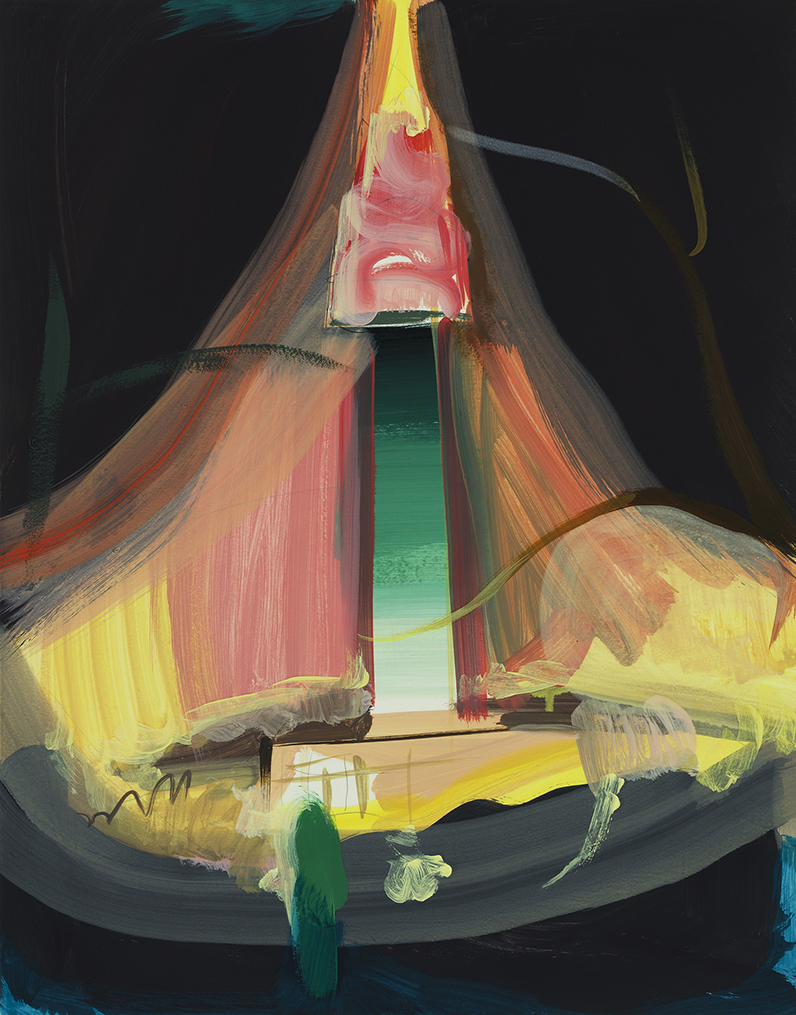
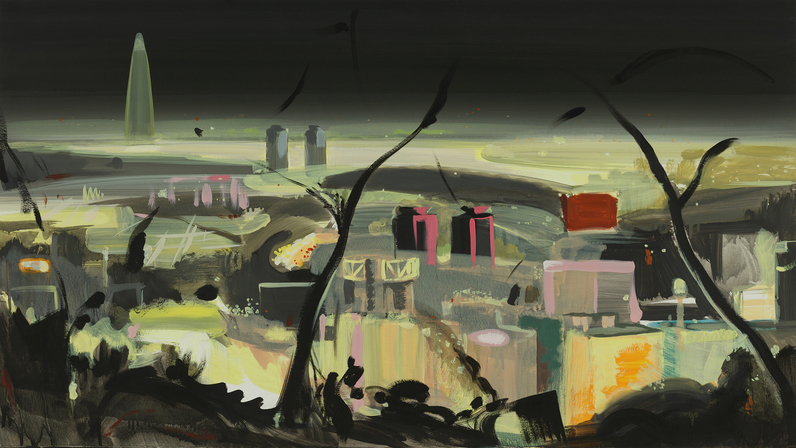
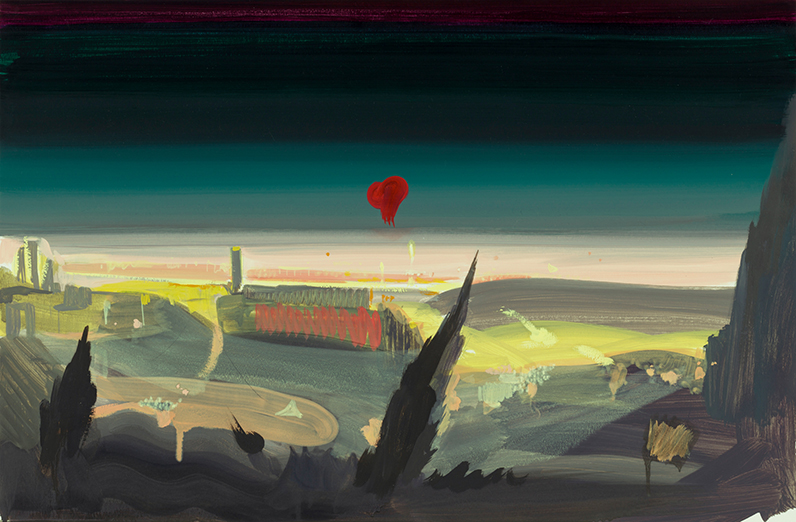
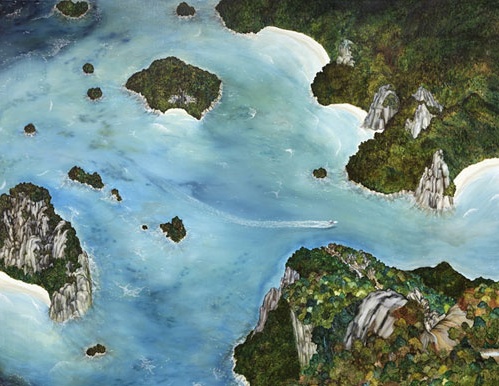
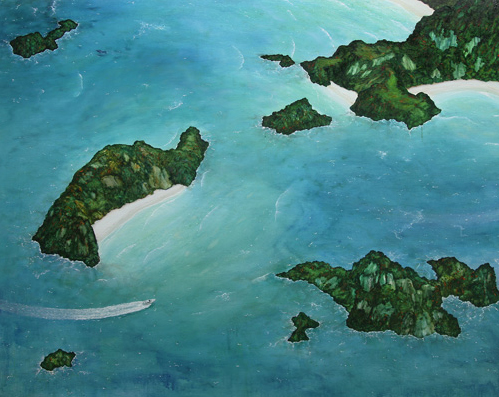
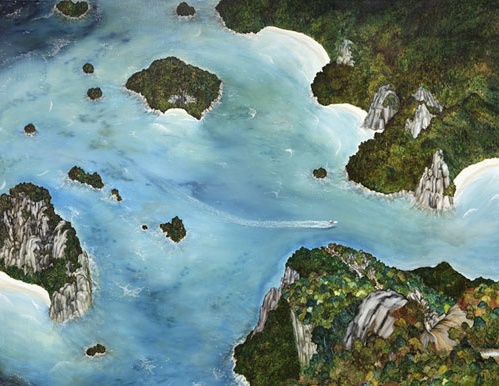
Hoin Lee’s practice centers on the relationship between nature and humanity. He focuses on the condition in which humans have separated themselves from the natural world and translates the resulting sense of estrangement and loss into landscape painting. His early works featured islands, seas, and forests where human presence appeared almost absent, expressing a longing for primordial nature.
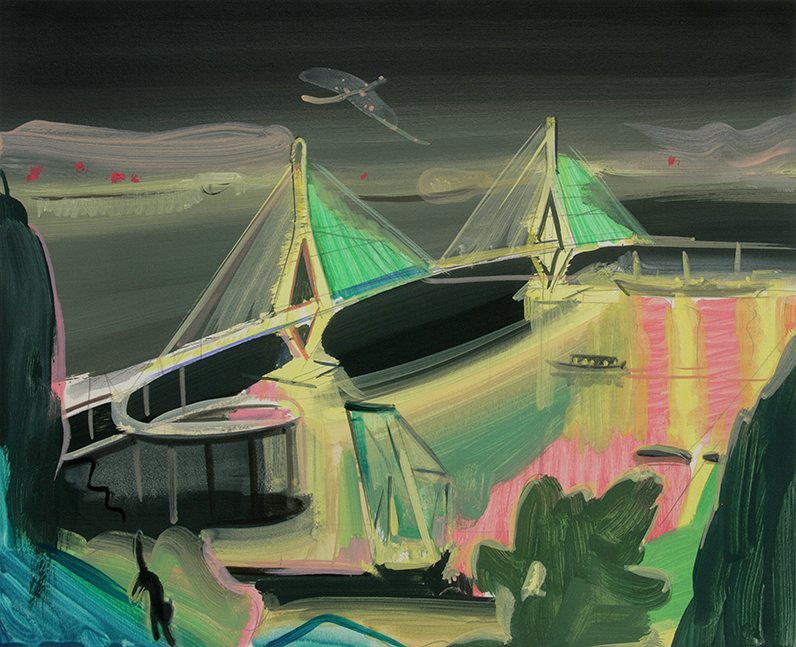
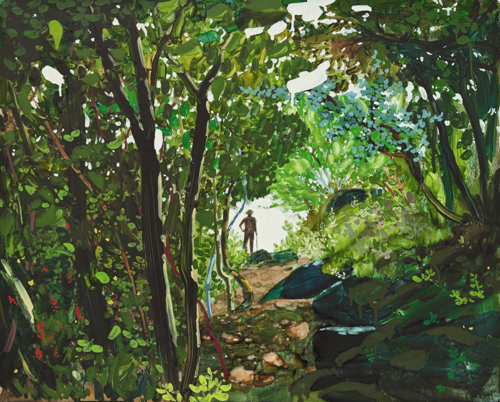
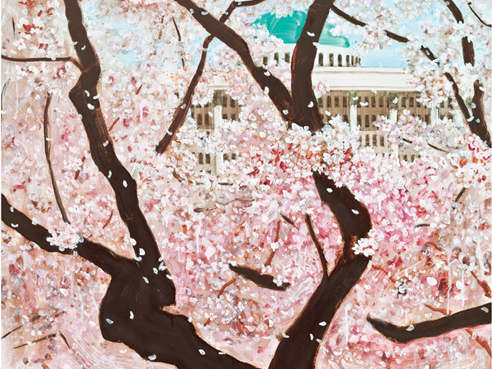
Yet these landscapes never remain images of an untouched paradise. Boats, buildings, hikers, roads, and artificial lights continually intrude upon the scenes, exposing both the human desire for nature and the impulse to possess and transform it.
For Lee, landscape serves as both an observation of the external world and a site for reflecting on his own existence. His interest in broad concepts such as the universe, the Earth, nature, humanity, love, and freedom develops into questions including: Where do we come from, and where are we going? What is truly valuable in life?
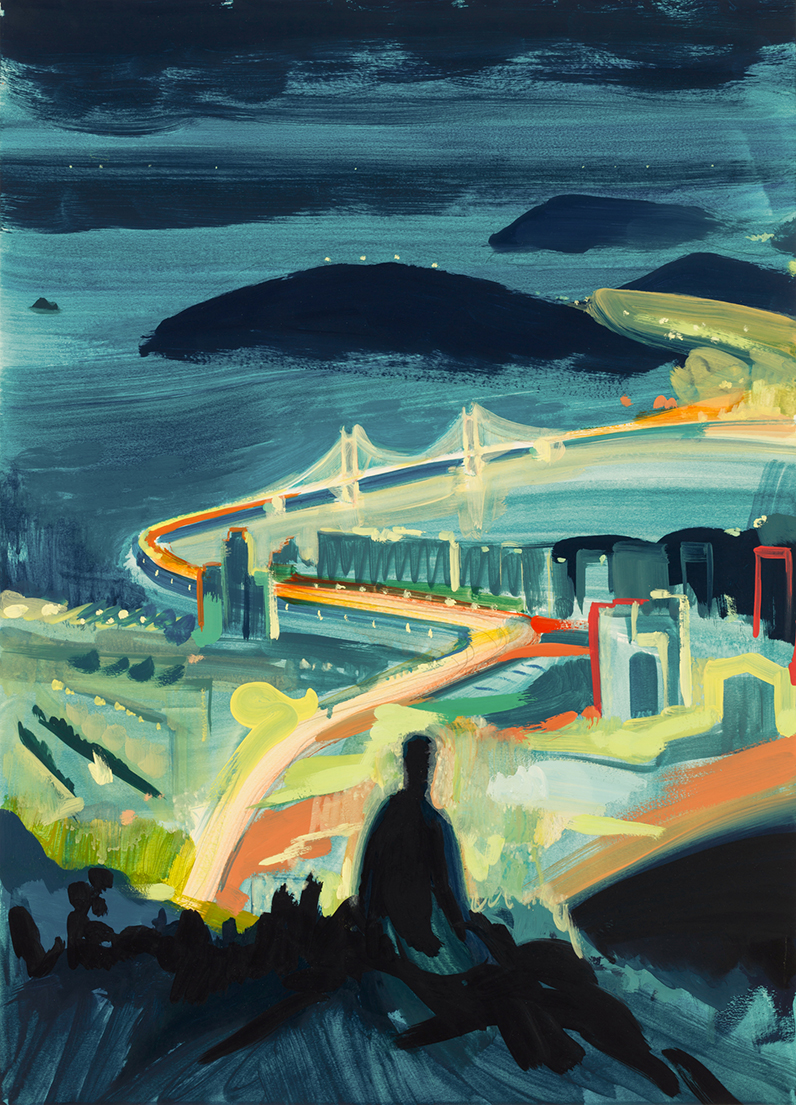
The small human figures placed within immense natural environments invite reflection on anthropocentric ways of thinking while simultaneously conveying fear and awe before the world. Nature thus becomes both a source of consolation and an overwhelming force that reveals the vulnerability of human existence.
Compassion is another central emotion running throughout Lee’s work. For the artist, compassion is not limited to sorrow or sympathy; it encompasses frustration, discomfort, hope, and love. A deer staring anxiously from its habitat, a building barely visible behind dense trees, and fragile vegetation overwhelmed by urban light all evoke this complex emotional state.
Lee has described his practice as an effort to communicate to others the compassion and love for humanity that he experiences in confronting the world. His landscapes therefore operate not only as representations of beautiful scenery but also as ethical reflections on the incomplete and often troubled relationship between humans and their surroundings.
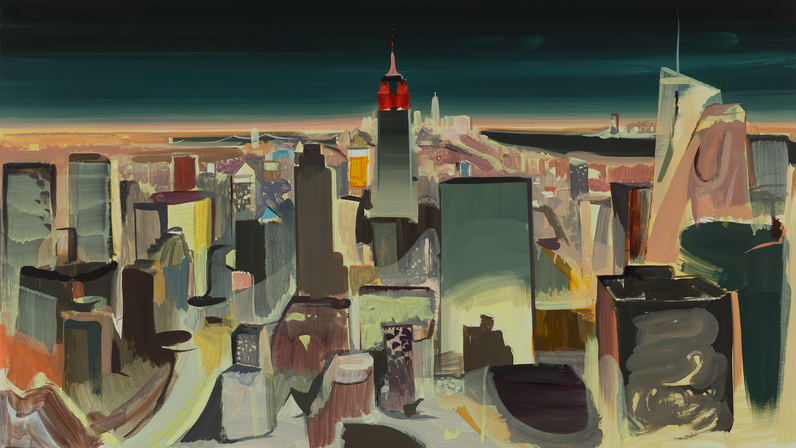
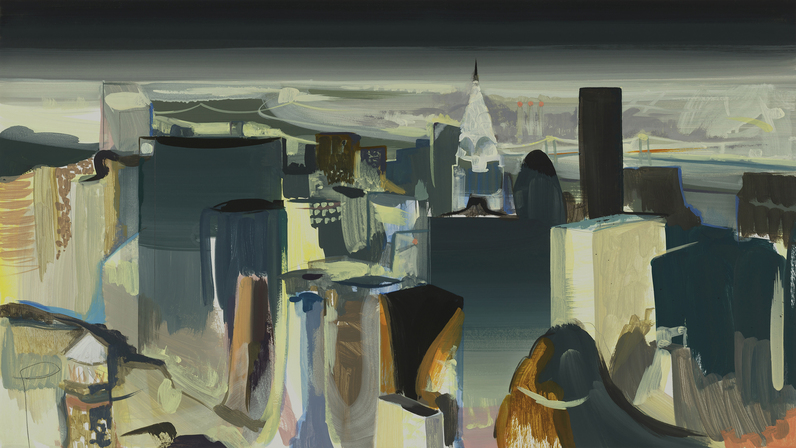
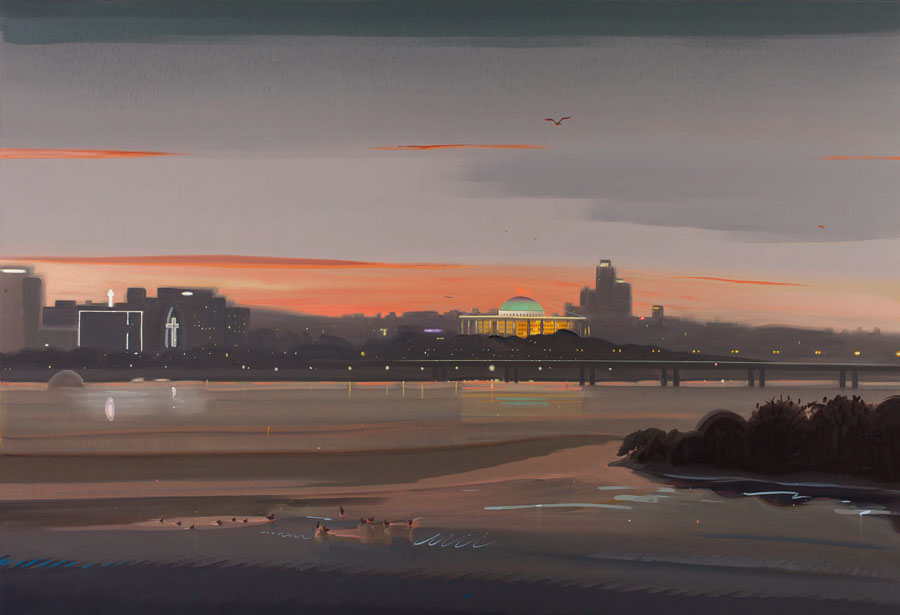
This concern continues in his more recent paintings of urban nightscapes. Whereas artificial traces once appeared small within vast natural settings, the city now dominates the composition, while nature is buried in darkness or reduced to a surface reflecting artificial light. This shift is more than a change in subject matter; it reveals the altered balance of power between human construction and the natural environment.
Lee does not present nature and the city as two entirely separate realms. Instead, he examines how they invade, reshape, and depend upon one another. Across his practice, landscape ultimately becomes a means of asking where humanity belongs within the world and how it might continue to live within it.