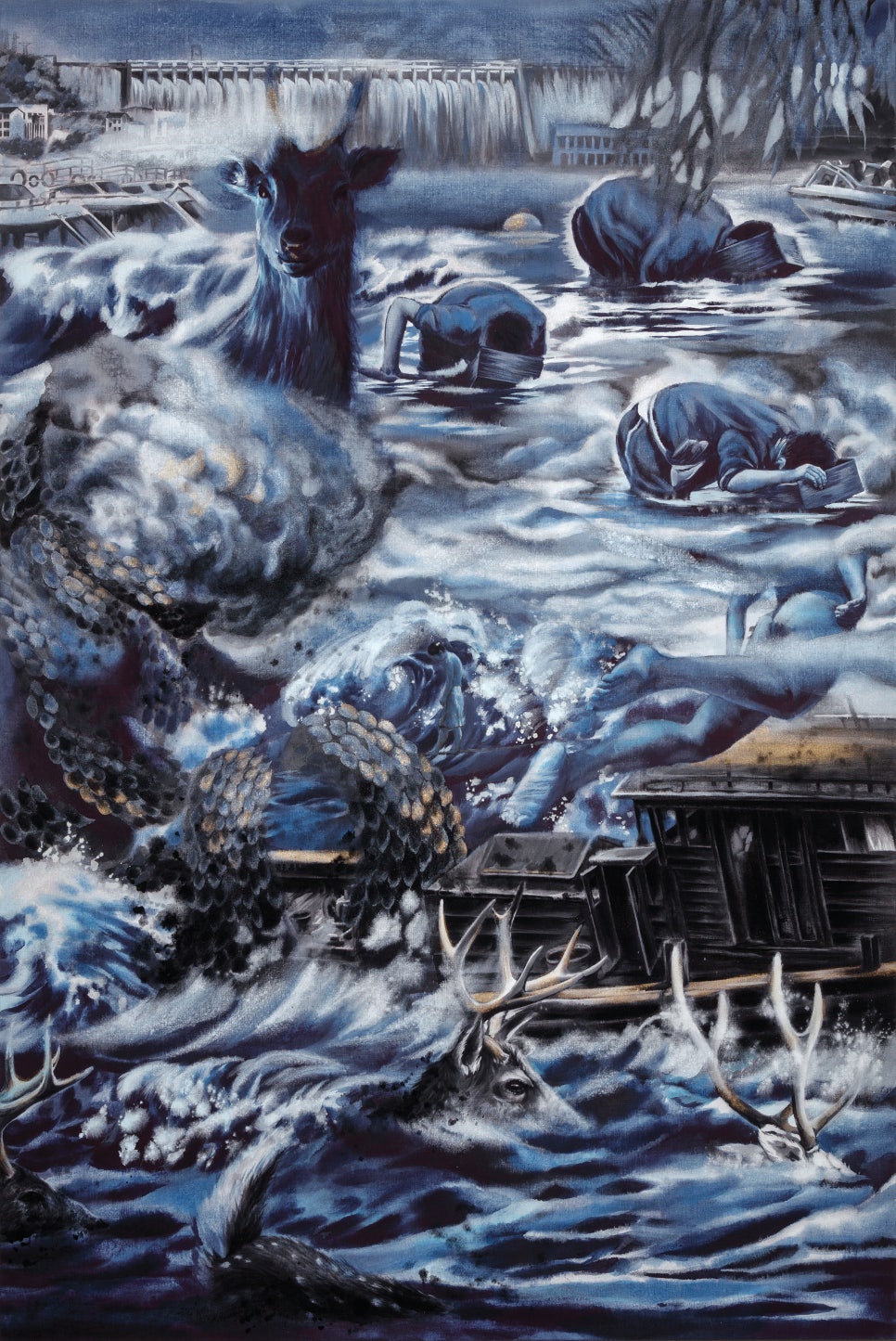
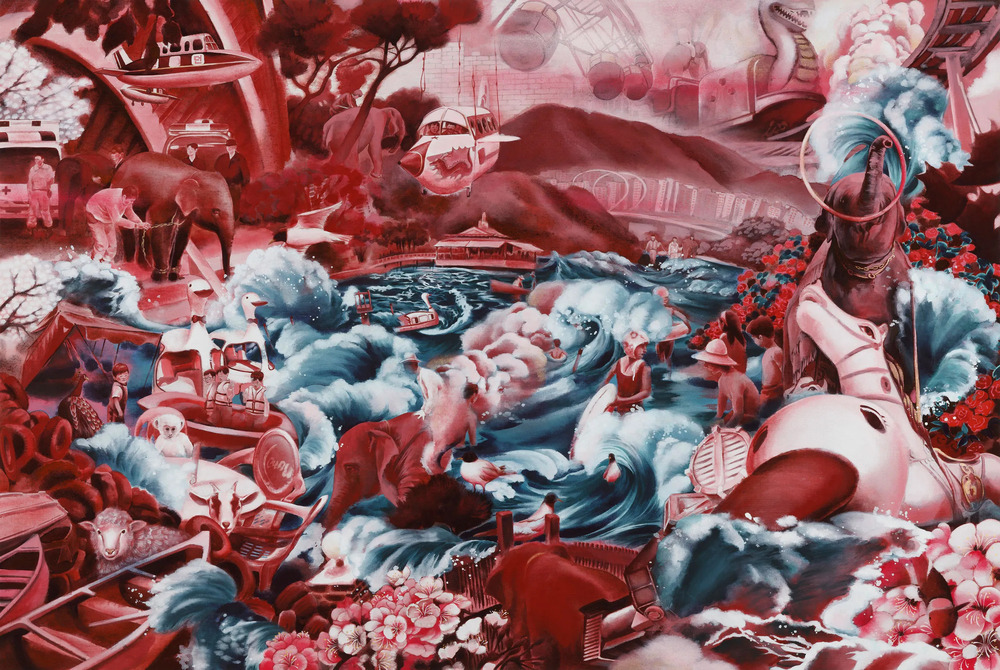
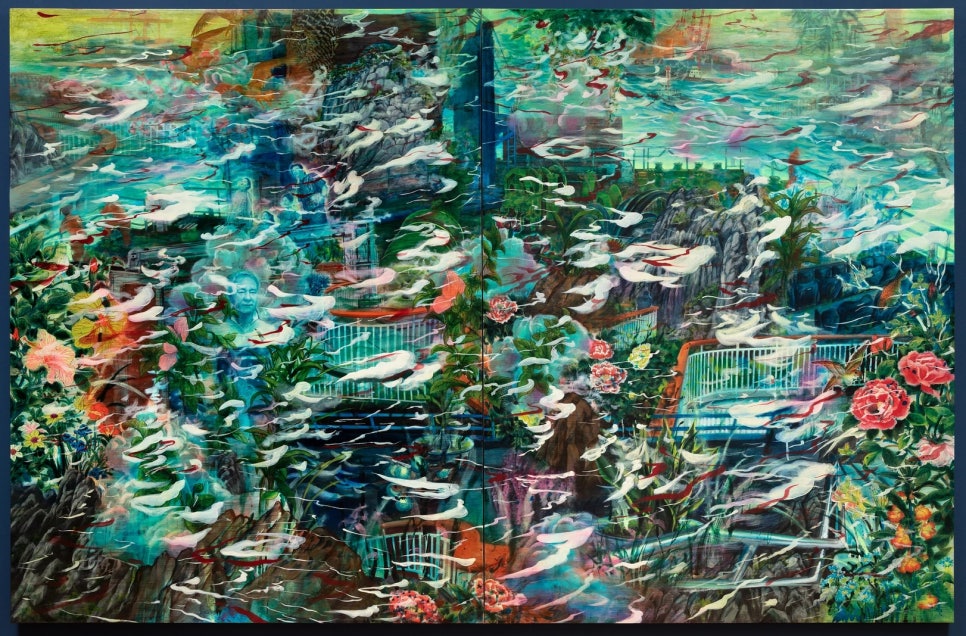
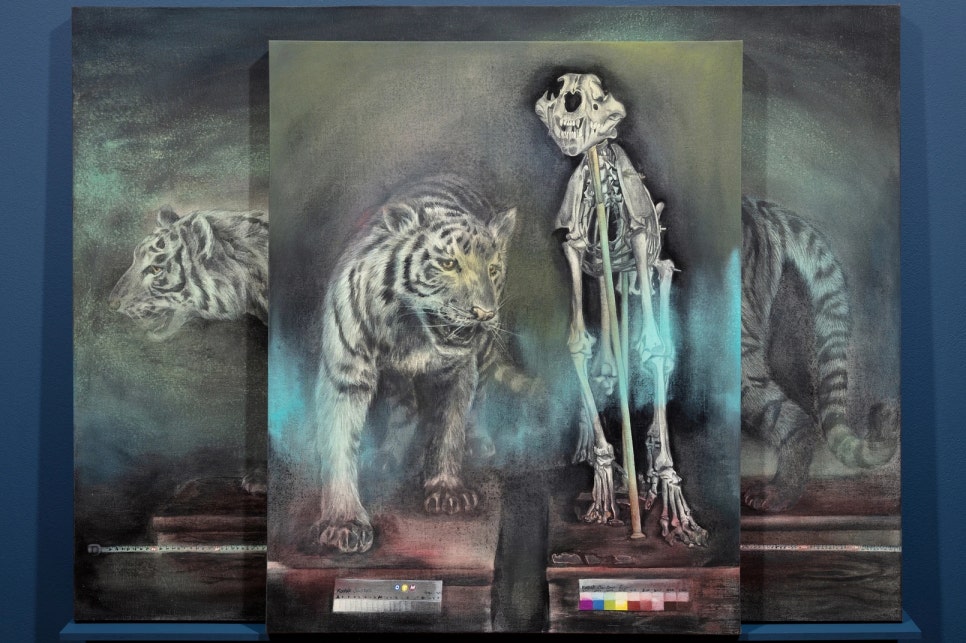
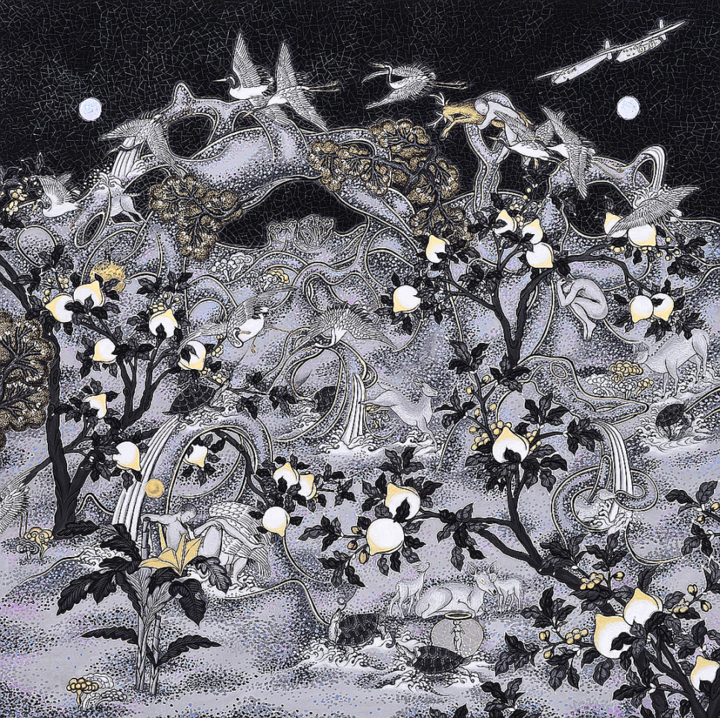
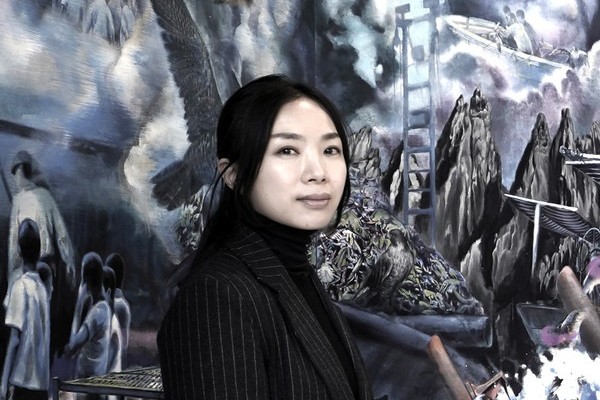
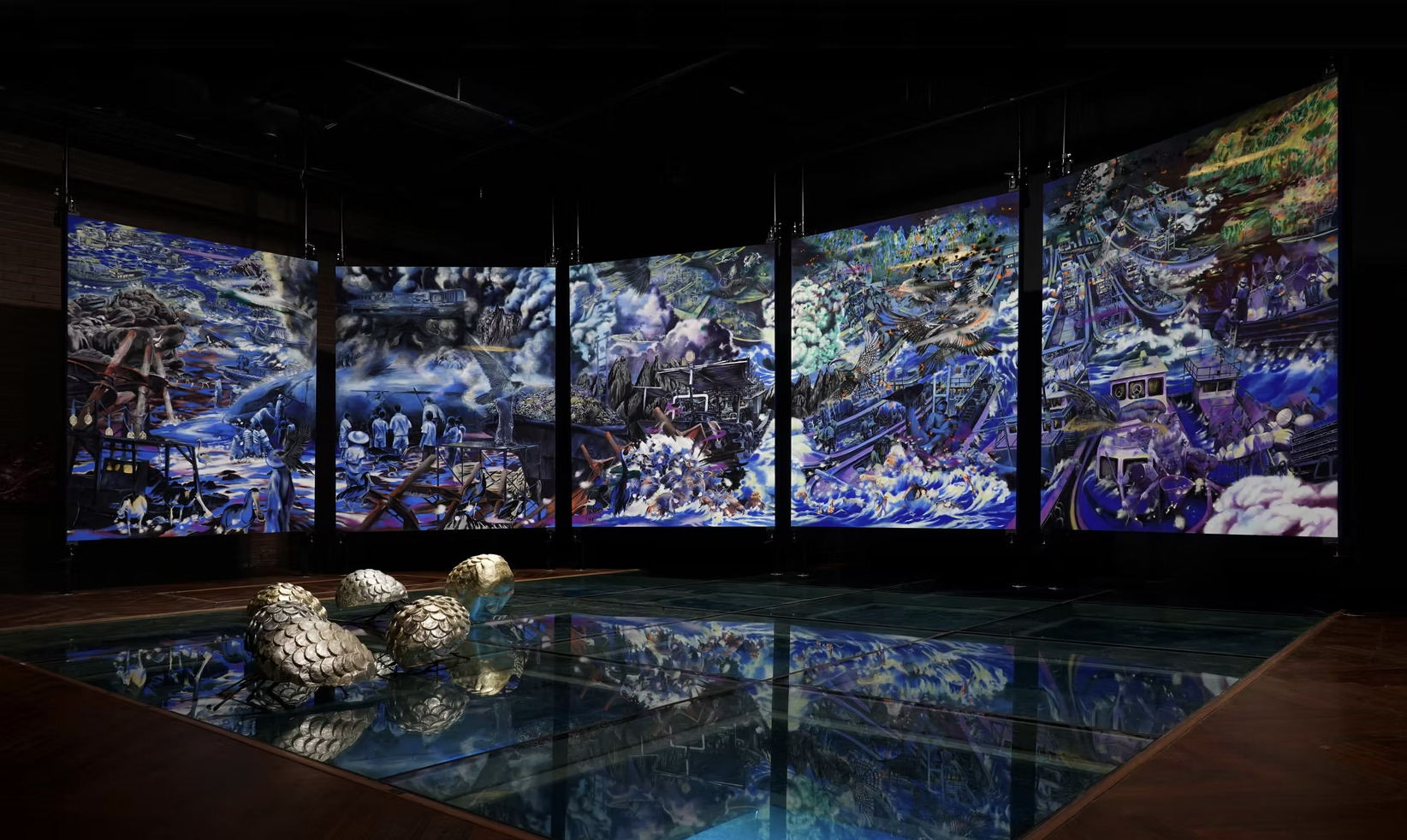
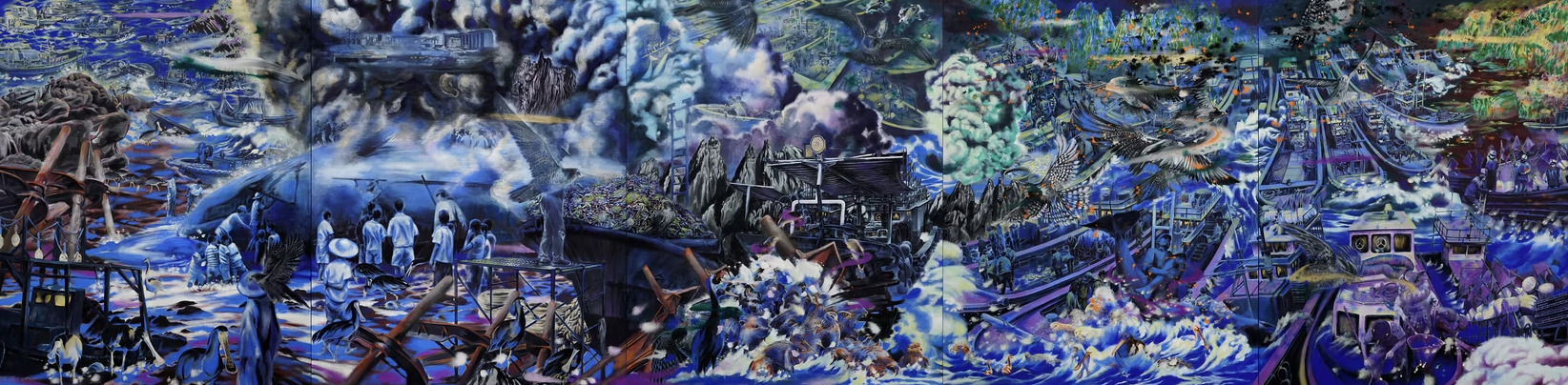
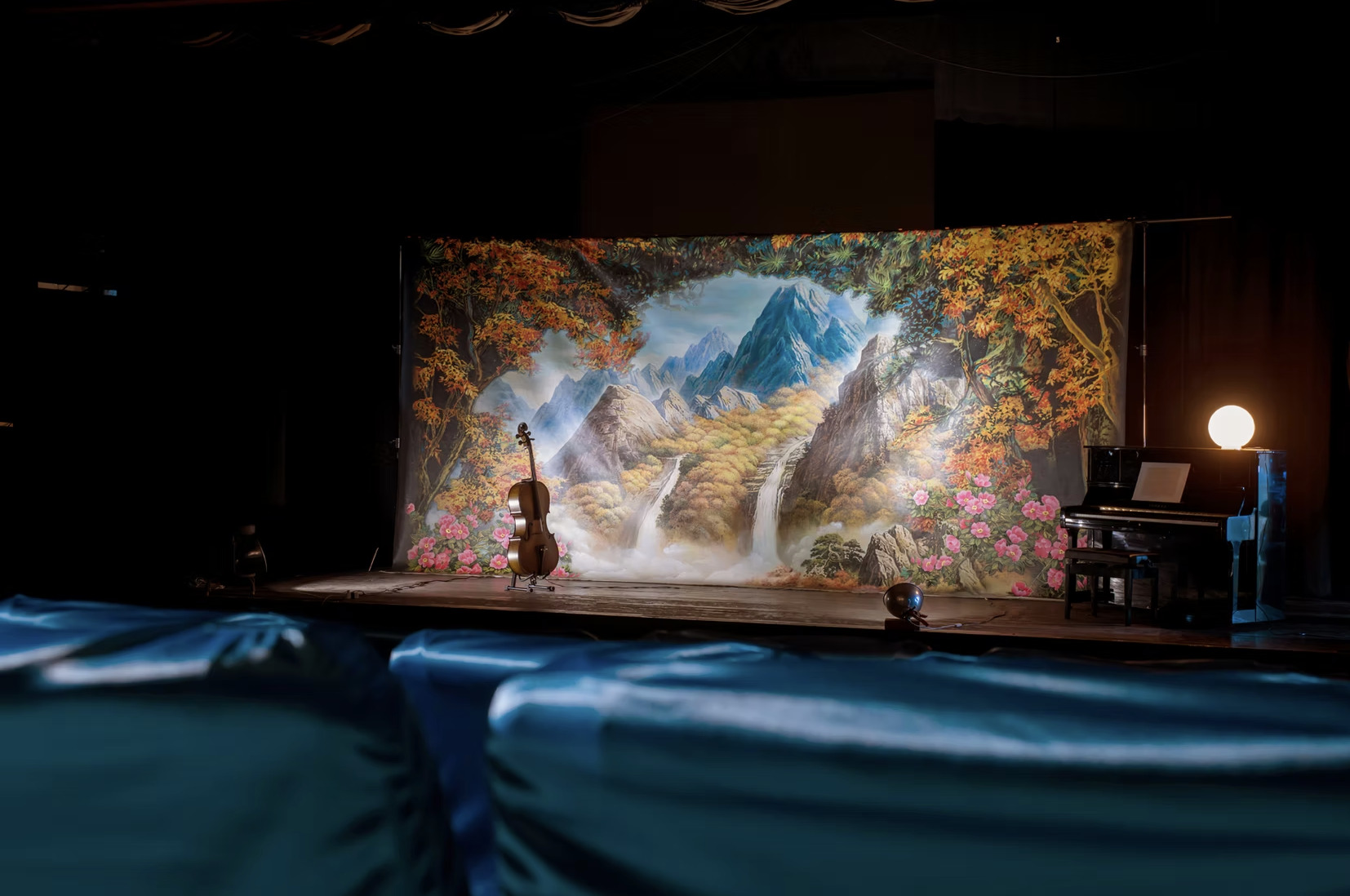
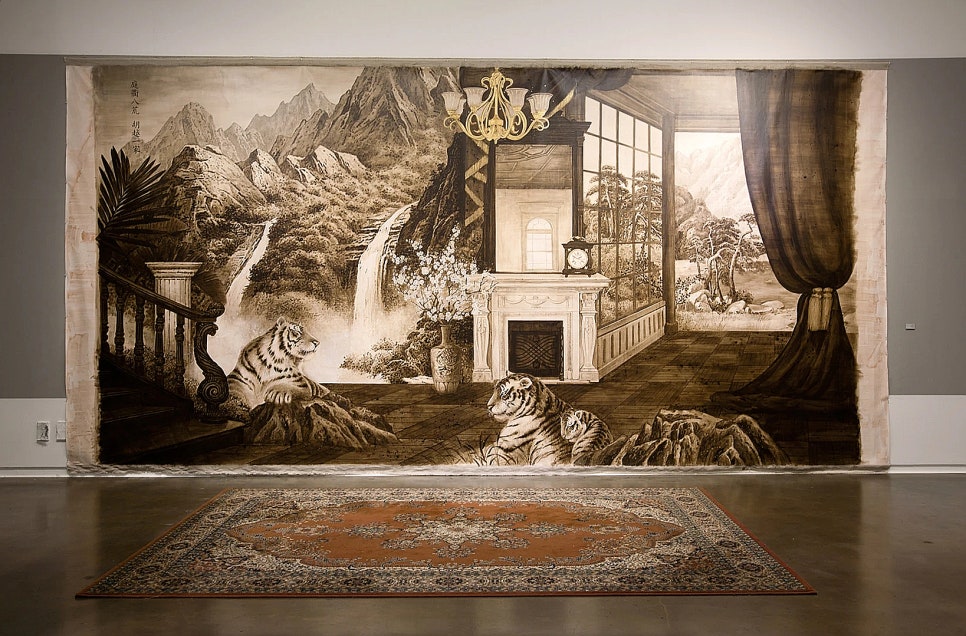
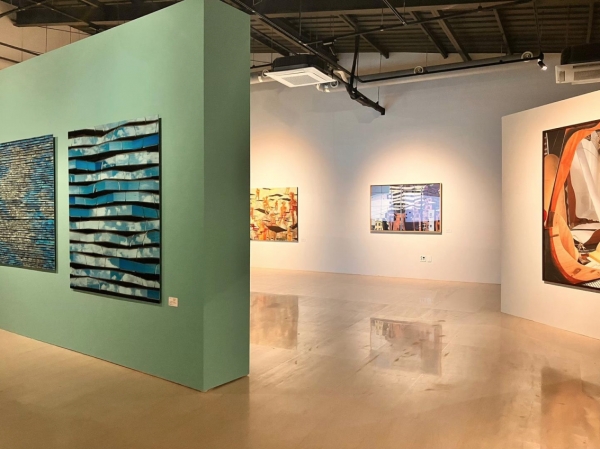
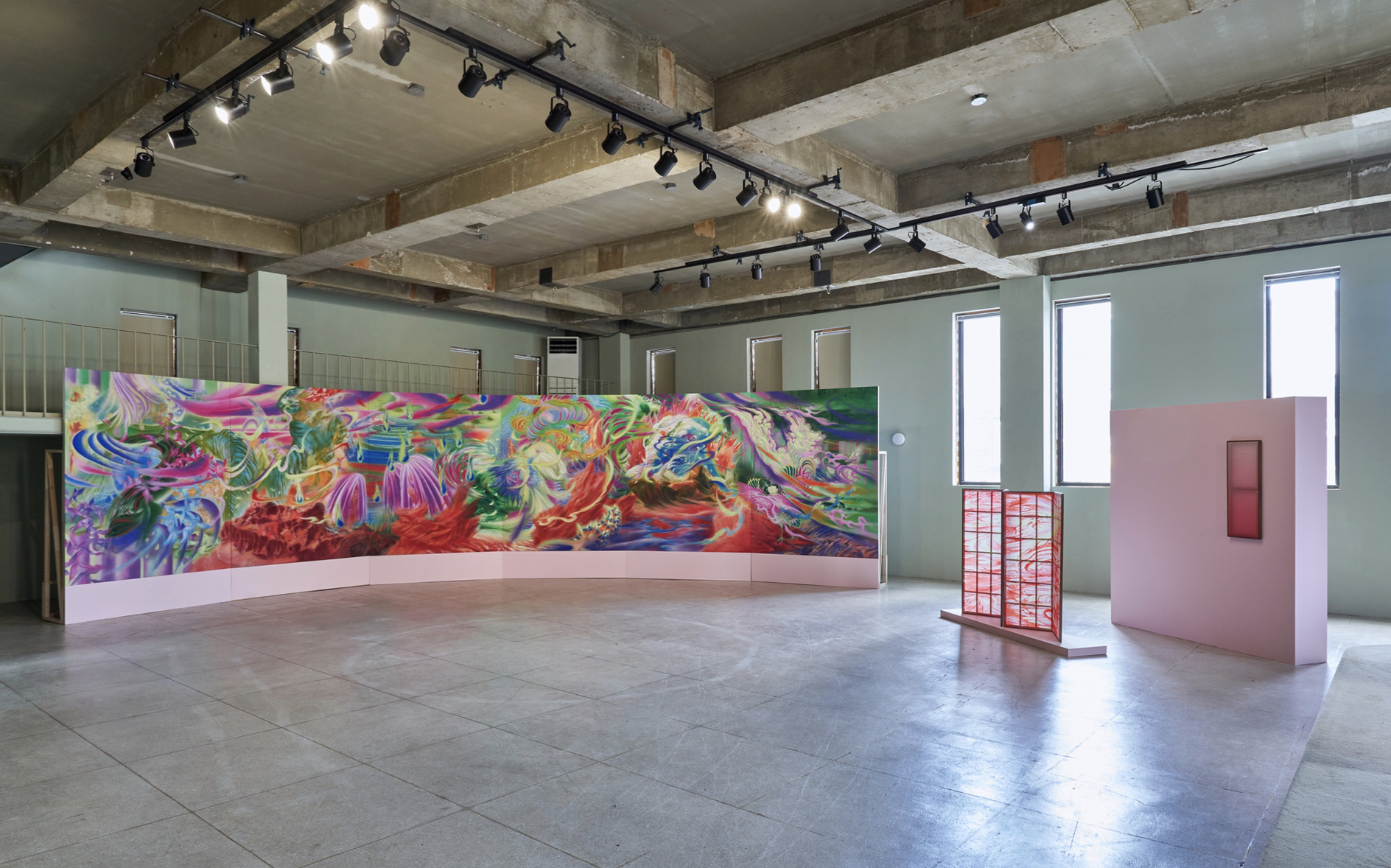
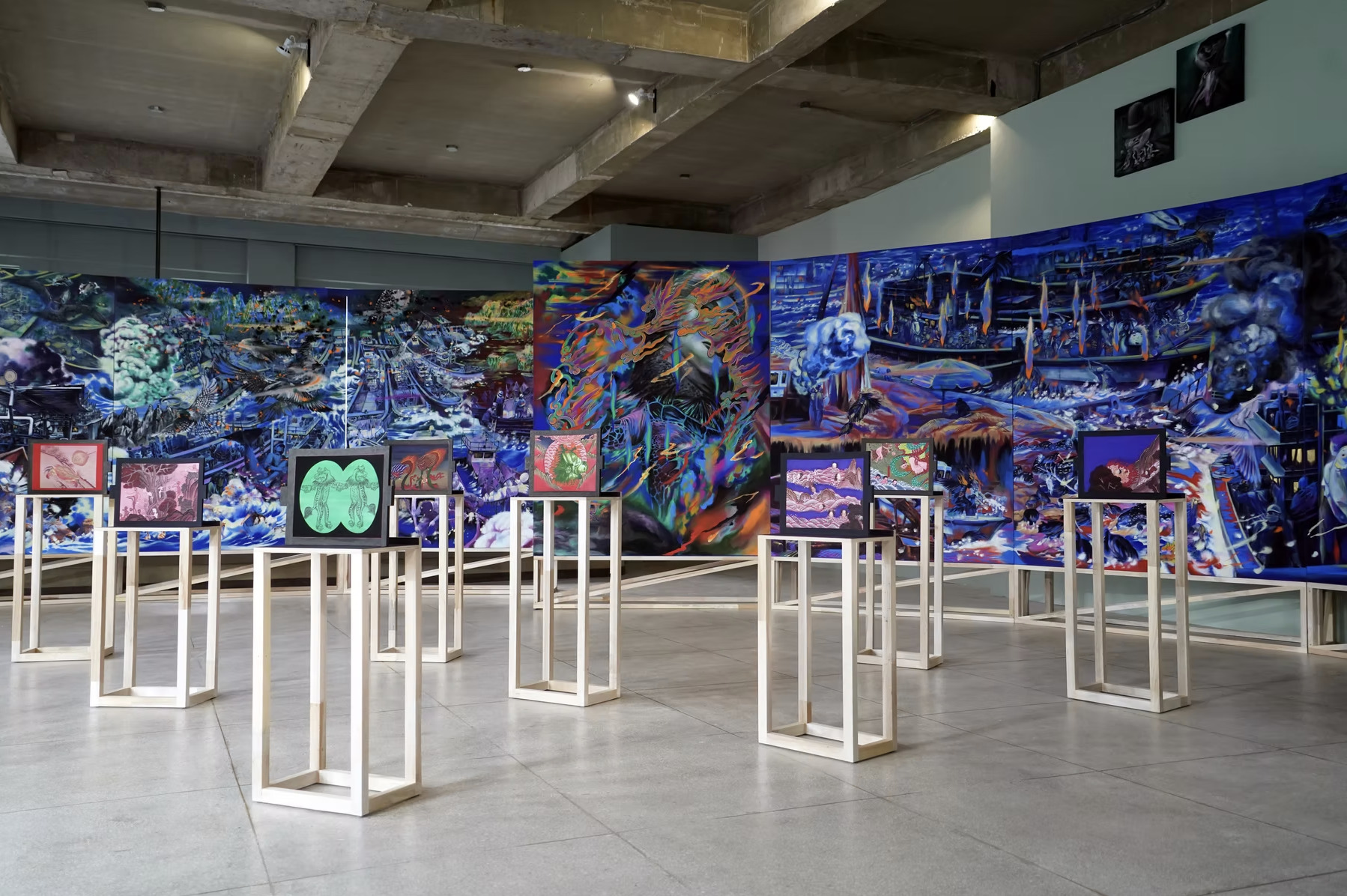
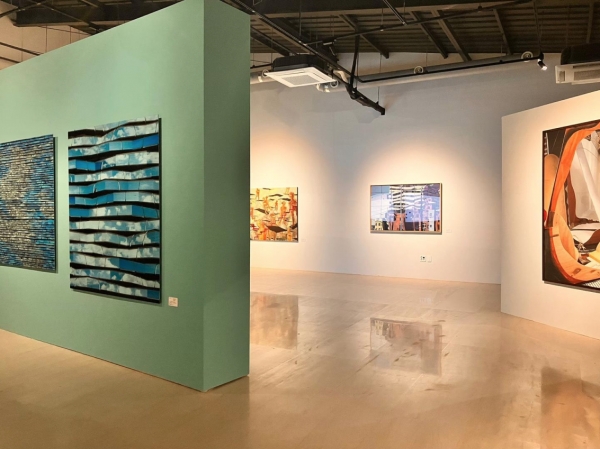
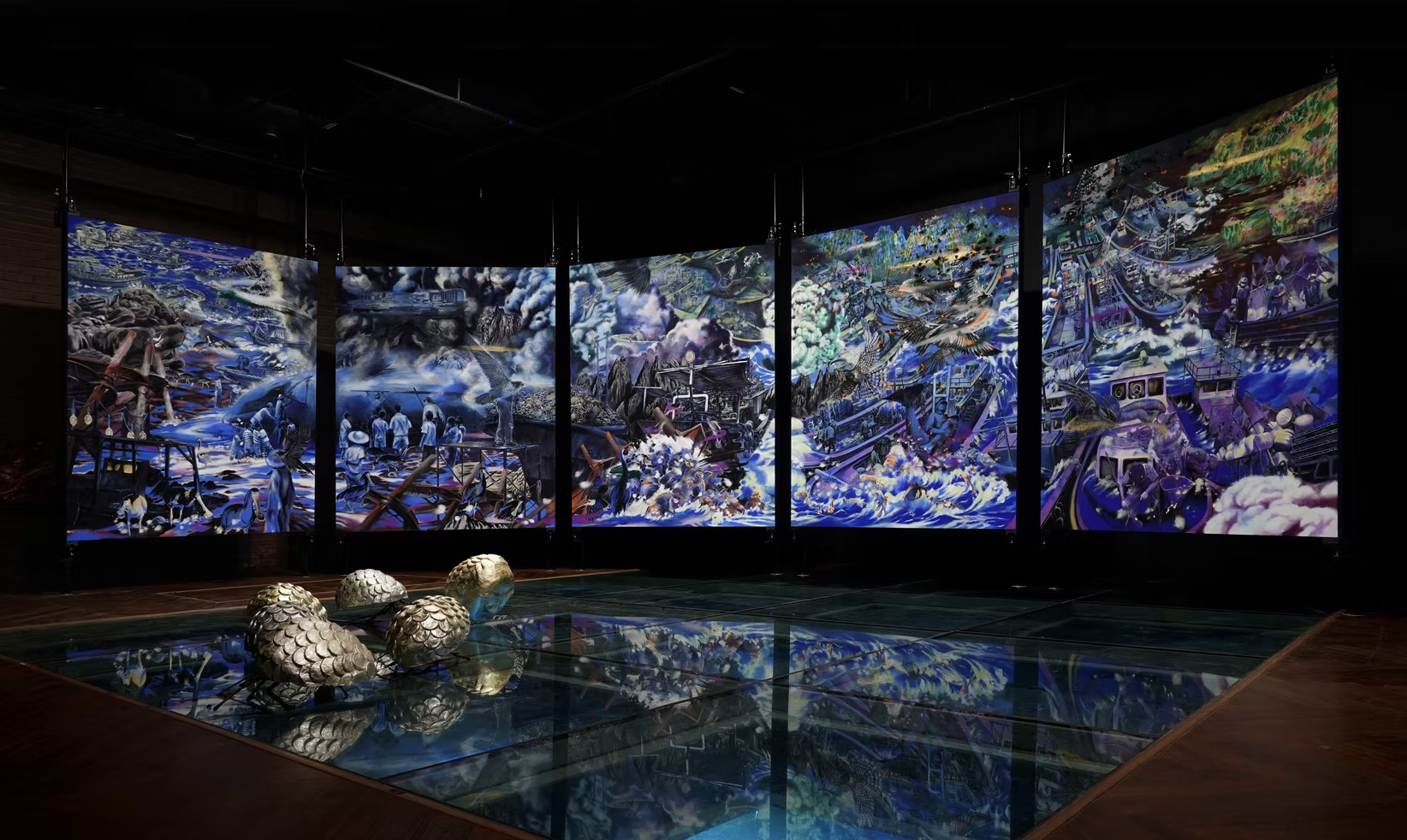
《Extra Contrast: Porshe and Dump Truck》 is a story about ‘collision.’ Yeonsu is a place where Songdo International City, called ‘the tool’ (gonggu), the first-stage new town, called ‘the complex’ (danji), and the old town center, called ‘the village’ (maeul), each assert their own sense of place and ‘collide’ with one another — yet within the vast signifier that is Yeonsu, the collision between these heterogeneous places, people, and cultures loses its voice.
This is because the signifier of ‘region’ foregrounds a political rhetoric of integration, harmony, and concord rather than collision, attempting to conceal the collision of heterogeneous things as something that ‘exists yet does not exist.’
《Extra Contrast: Porshe and Dump Truck》(Artplug Yeonsu, 2023), a curated exhibition, seeks to reveal the aesthetic potential of collision. Art has always spoken, in its own language, of the flow and change of the times, and through this has offered a perspective through which to understand and look into individual lives and the culture of a community.
The point of collision is a vantage point where the shape of an era is revealed. New aesthetic possibilities tend to sprout not from the stillness of harmony but from the noise of collision.
Drawing out the collision of heterogeneous things that the rhetoric of integration seeks to erase, and making it collide with our gaze; thereby making it collide with our own hardened preconceptions; and, through this, drawing out a new awareness — this is precisely the reason for art's own existence, as art has proven throughout history.
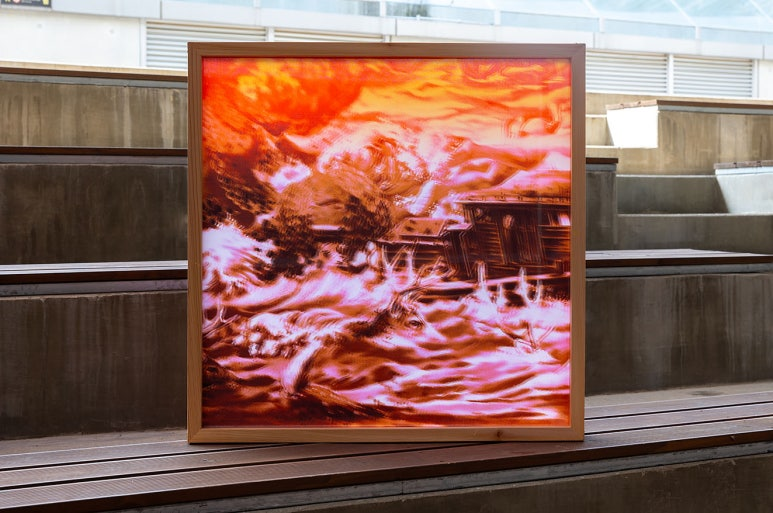
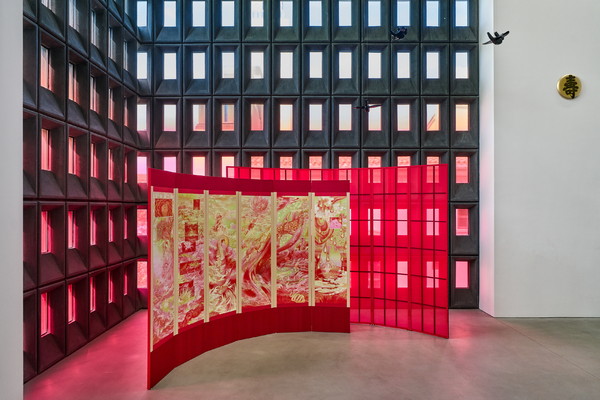
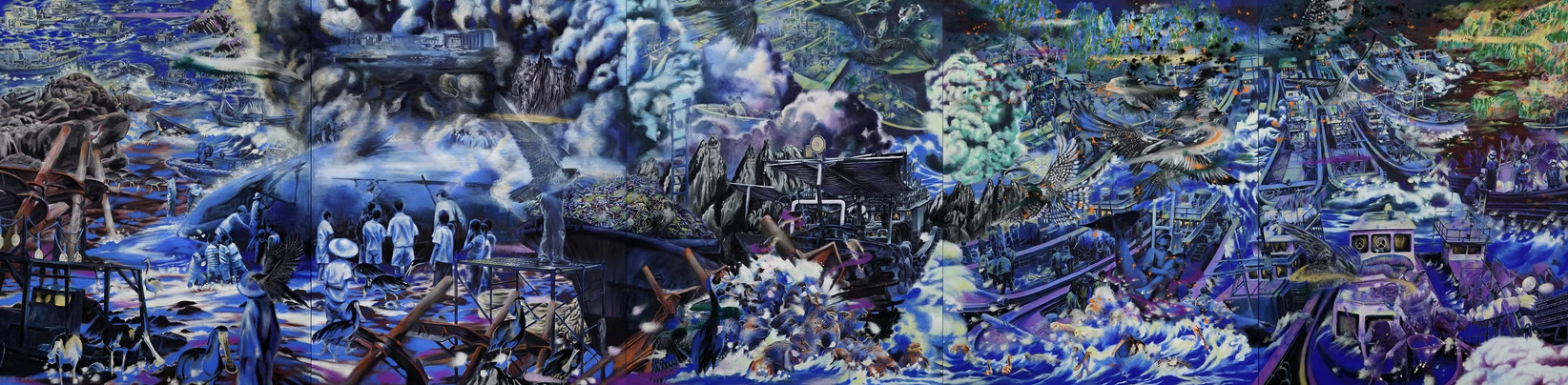
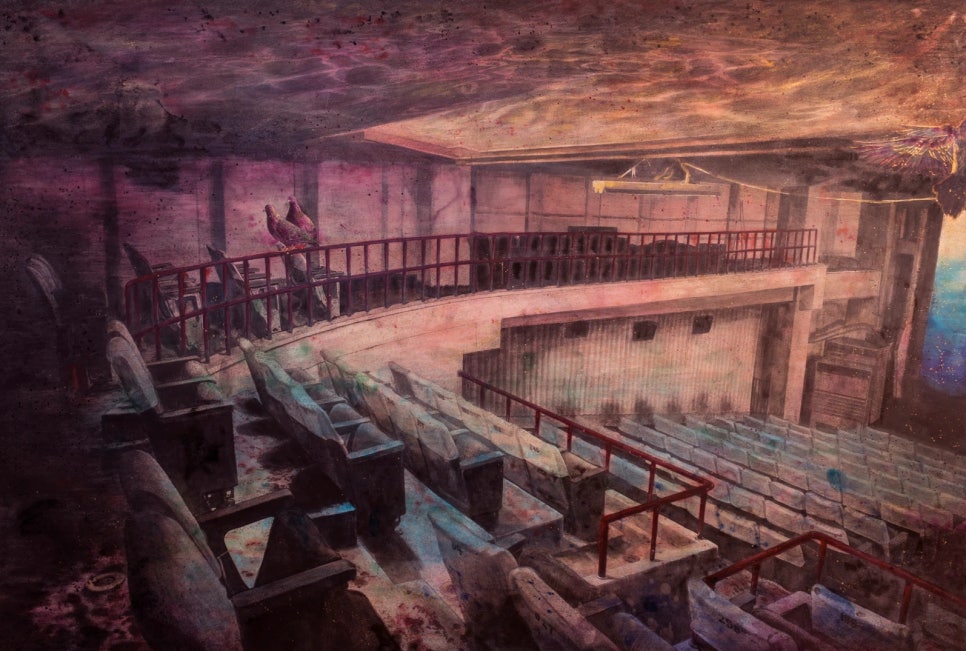
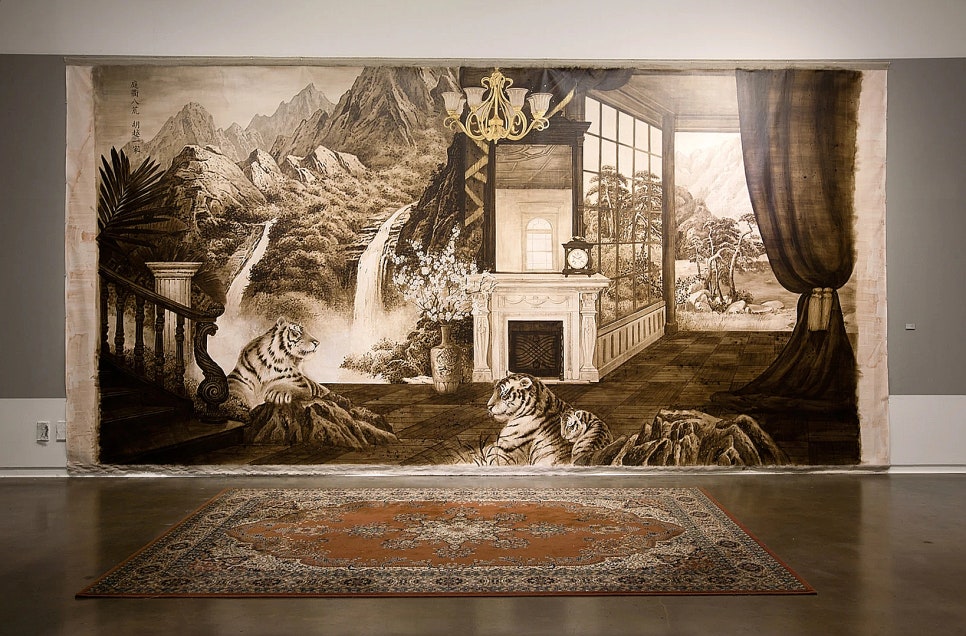
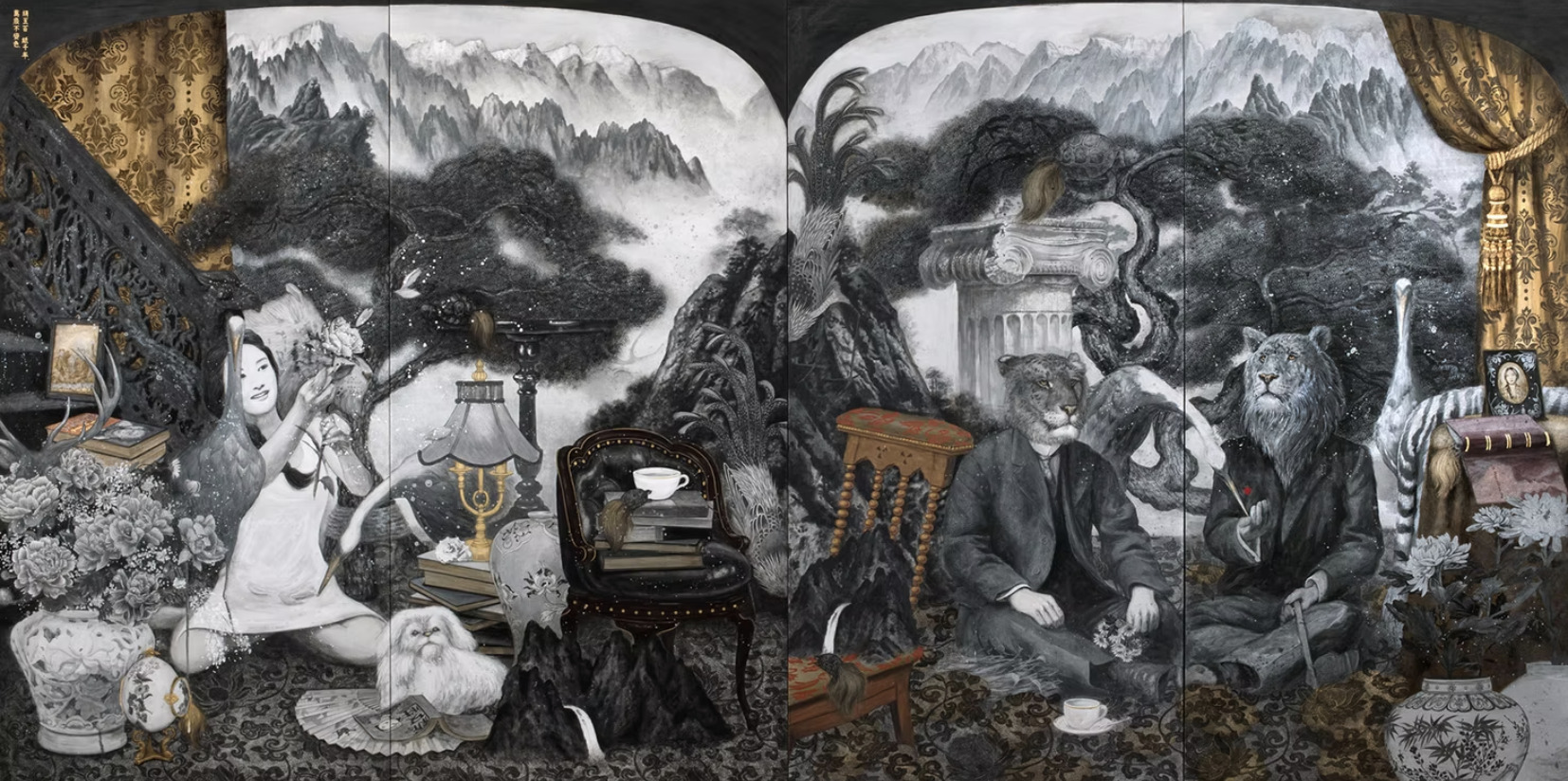
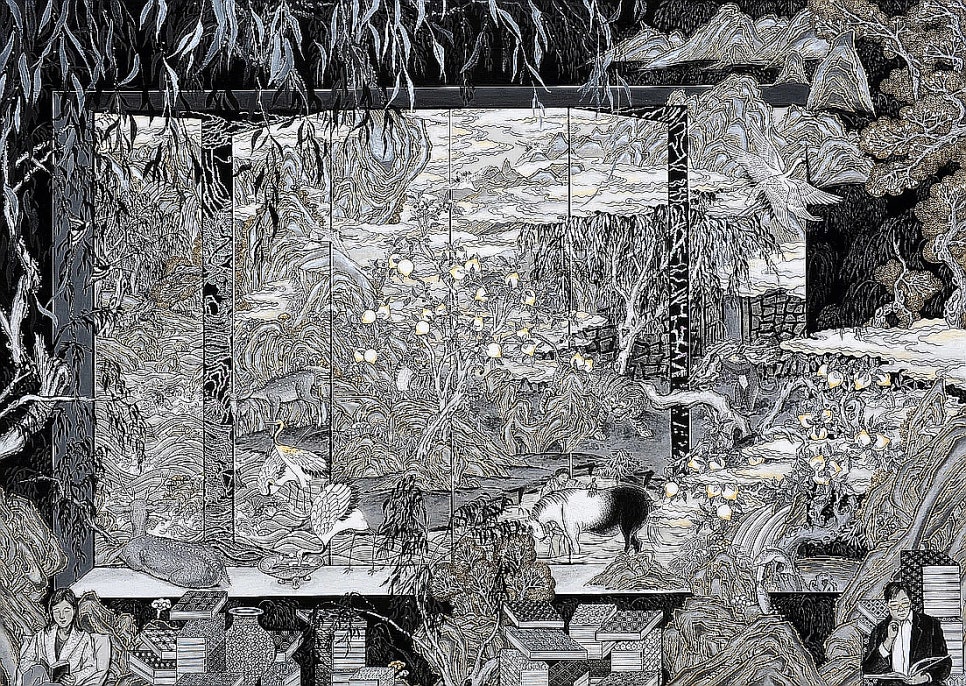
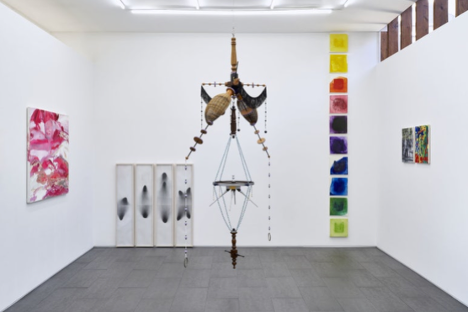
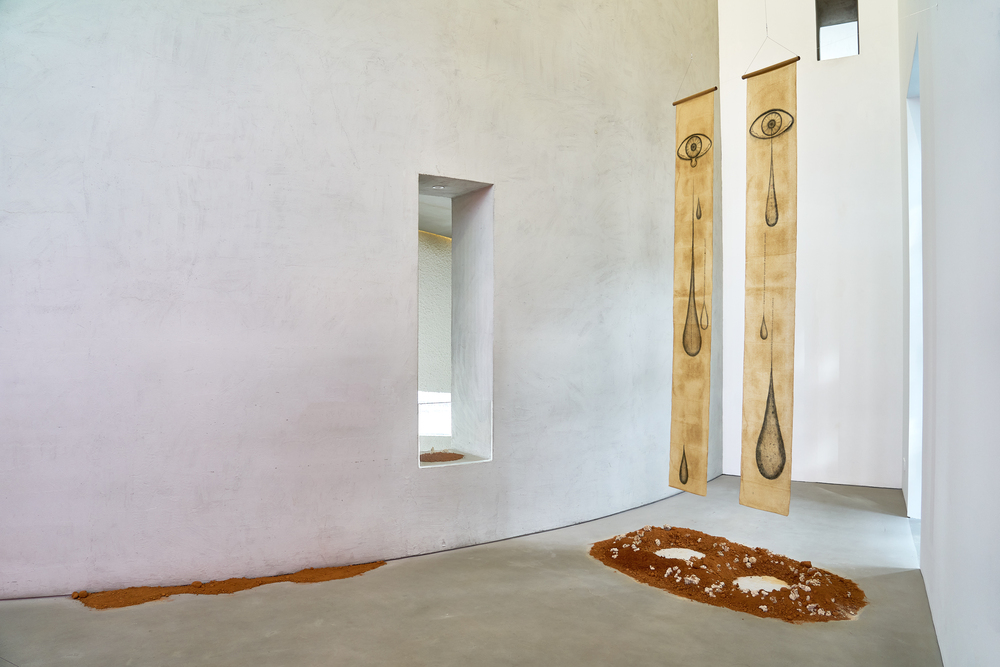
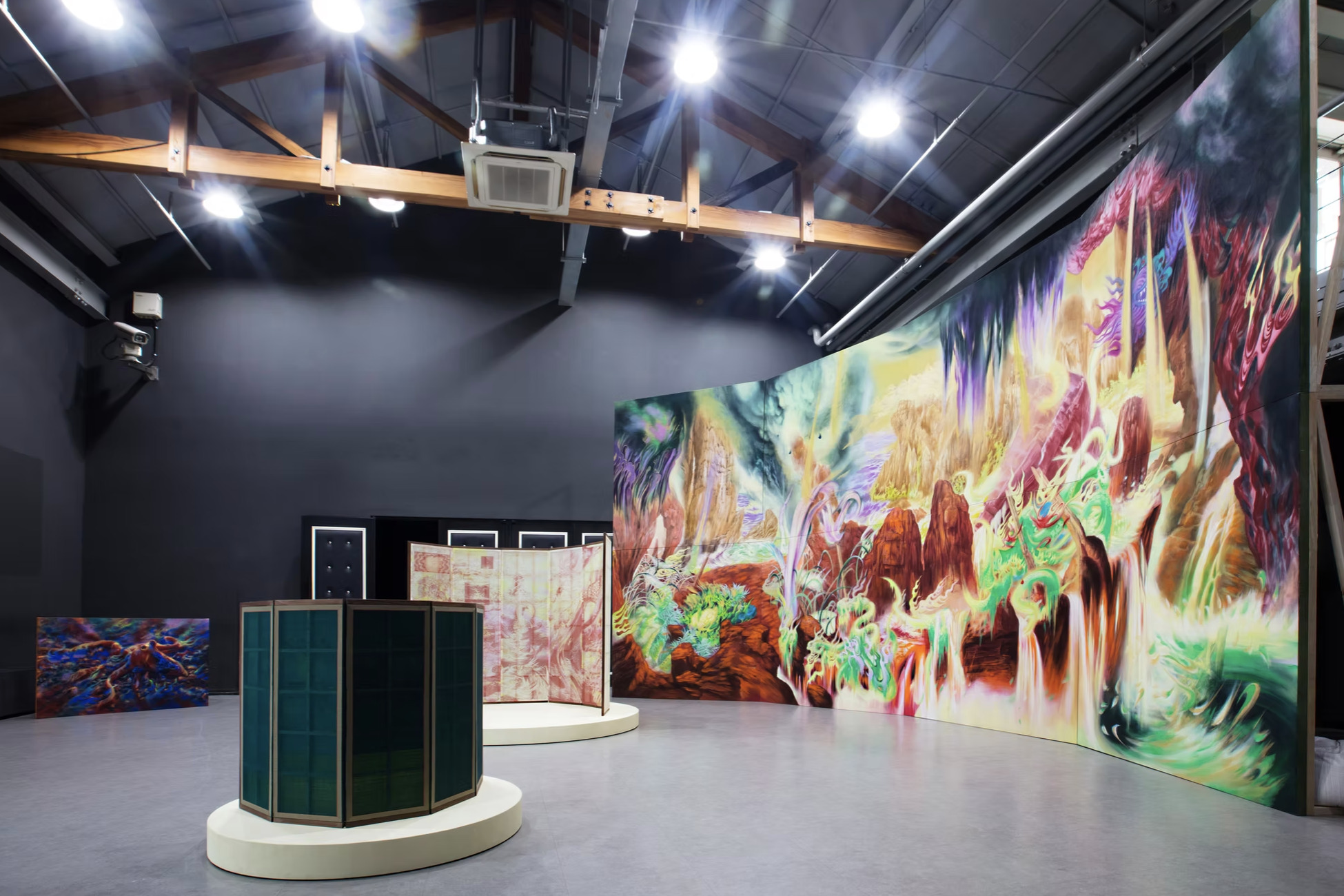
《Extra Contrast: Porshe and Dump Truck》 is composed of 22 works from the collection of the National Museum of Modern and Contemporary Art's Art Bank, together with works by six artists from the Yeonsu region and invited artists; these works are divided across two thematic sections for exhibition — ‘IN BETWEEN,’ which explores the various aesthetic possibilities held within collision, and ‘EXTRA CONTRAST,’ which crosses through the local to gaze upon the residue of collision inherent in the regionality of Yeonsu.
Through this exhibition, it is hoped that by viewing the various forms of aesthetic and social collision in connection with individual experience, this will become an occasion to explore new modes of aesthetic and performative practice arising at the boundary of difference, discord, and clash.
IN BETWEEN: The Memory, Aesthetics, and Reconstruction of Collision
‘A flower blooms at every boundary.’ So says the poet Ham Min-bok. ‘IN BETWEEN’ is a garden of flowers blooming at the boundary of heterogeneous things. The boundary, that is, the ‘in-between space,’ is where heterogeneous things creak and crack, where discord speaks to the viewer, and where a taut struggle unfolds between life and non-life, the figurative and the abstract, the real and the virtual. This is precisely why the point of collision is a place where aesthetic experimentation blooms.
IN BETWEEN is exhibited divided into ‘The Memory of Collision,’ ‘The Aesthetics of Collision,’ and ‘The Reconstruction of Collision.’
#Memory: If, on one side, there is the public history of development and progress, and of integration and harmony, then on the other side lies a private memory that cannot be reconciled with it.
This section looks at the artistic expressions born of the division, conflict, and collision that arise in the ‘in-between space’ between public history and private memory, as well as at attempts to revive, through the power of one's own memory and record, groups of figures that public history has stuffed and mounted as abstract concepts.
#Aesthetics: The aesthetics of collision is not a smooth plane. Heterogeneous things twist typicality and clash with the familiarity of cliché. The aesthetics of collision is thus closer to a combination of crooked, irregular things.
This section introduces works that, by experimenting with a variety of materials, media, and forms, orient themselves toward unfamiliarity rather than familiarity and toward ambiguity rather than linear interpretation, sounding out new aesthetic possibilities.
#Reconstruction: Contradiction is not an answer but a question. Absence and presence, an existing virtuality, a performance composed of rests, death that completes a life — the contradictory nature of collision is, in itself, a question. If this question belongs to the artist (or the work), then the reconstruction of thought should belong to the viewer who confronts that question.
In this way, the viewer becomes the subject of reconstruction. May we confront the question of contradiction without the protective shell — like a carapace (甲殼) — of institutions and conventions.