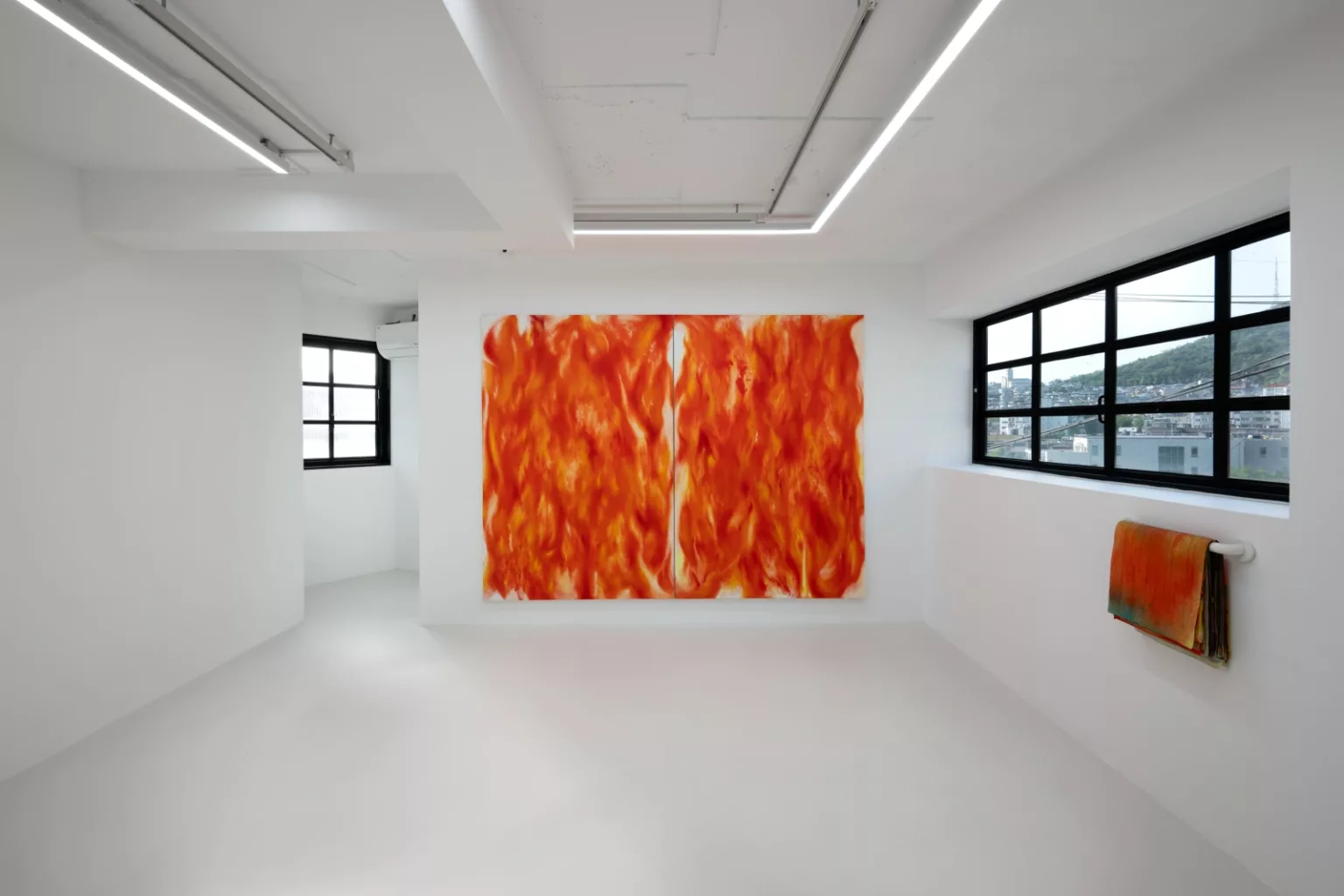
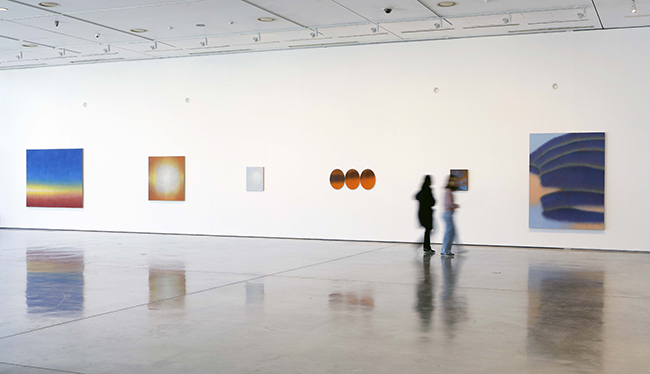
In painting today, the destiny of having to repudiate and renew oneself is often accepted willingly. The great paintings of history have shared examples of painters sustaining the discourse of painting through contradictory actions of negating oneself. It is said that there is nothing new under the sun, but painting is constantly being renewed by painting itself.
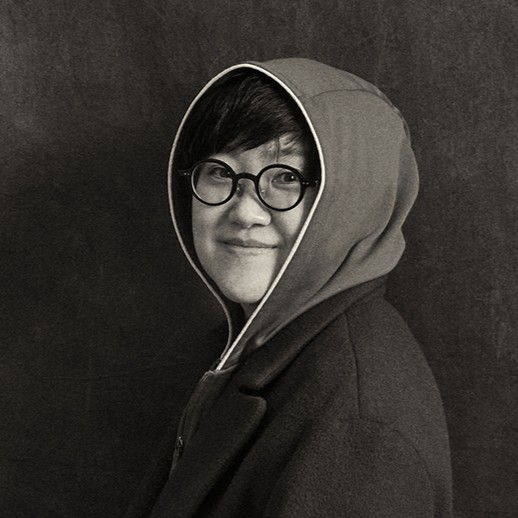
The work of Leehaiminsun is important in the way it does not attempt to follow the established bearings and commonplace role models created by previous paintings.
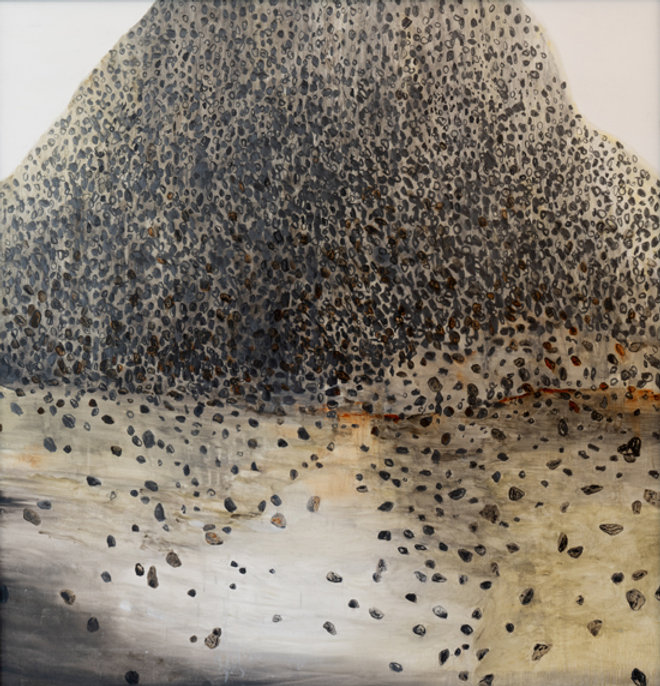
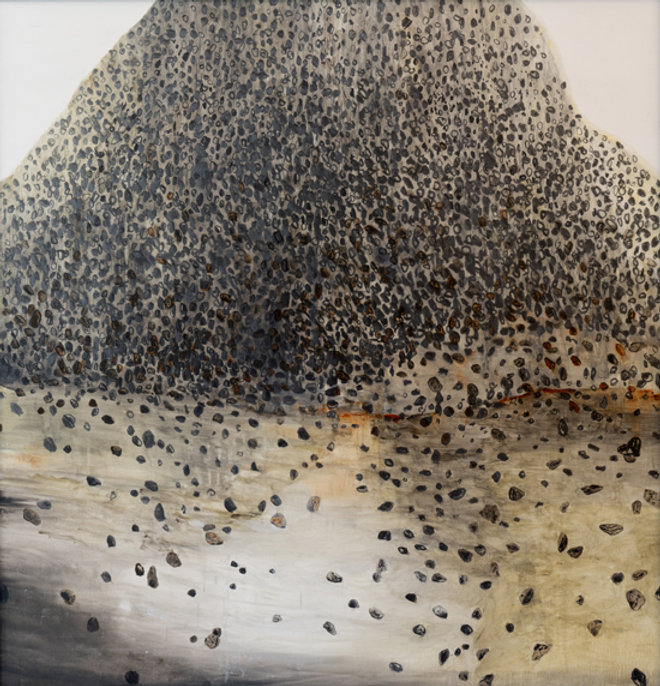
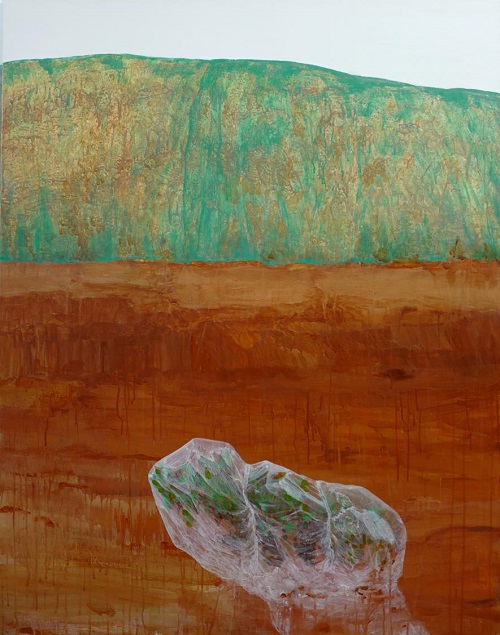
The artist’s work was proceeded through series such as ‘Half Dead Things’, which examined how anthropocentric perspectives dictate issues of coexistence between the natural and artificial in the larger context of urbanization; ‘Water and Steamed Rice’, which focuses on the forms of contact, connection, and solidarity that exist among the component of surrounding landscapes discovered through actions such as walking through neighborhoods; ‘The Weight of the Skin’, which consists of images of undeveloped land and desolate landscapes, with chemically dissolved photographs used as its pigments; and the later The Mass and Outside, which contemplate the nature of life through objects discovered in landscapes that are closer to wastelands.
While Leehaiminsun’s previous works focused chiefly on the boundaries and connections between objects and non-objects in landscapes shaped by presence, her recent creations are the products of her wrestling over the past two to three years with powerful states that cannot be defined simply in terms of “objects.” In that sense, they are poised to represent a new turning point in her artistic journey.
In her new work, Leehaiminsun attempts to interpret the still life as a literally “still” life. There may be no artistic term that matches “still life” in terms of the diversity of meanings generated by the subjective interpretations of individual artists. Historically, the still life has often expressed a message about the evanescence of life, bearing associations with stopping, death, and especially the “memento mori.”
Yet Leehaiminsun’s ways of viewing objects represents not a perspective having to do with a state where time has eternally stopped to create something equivalent to death, but rather one relating to a material world where all things are finally equal. To the artist, objects unquestionably exist as material, and the marks left by their presence do not connote absence but attest to presence, having been formed by the accumulation of moments associated with them.
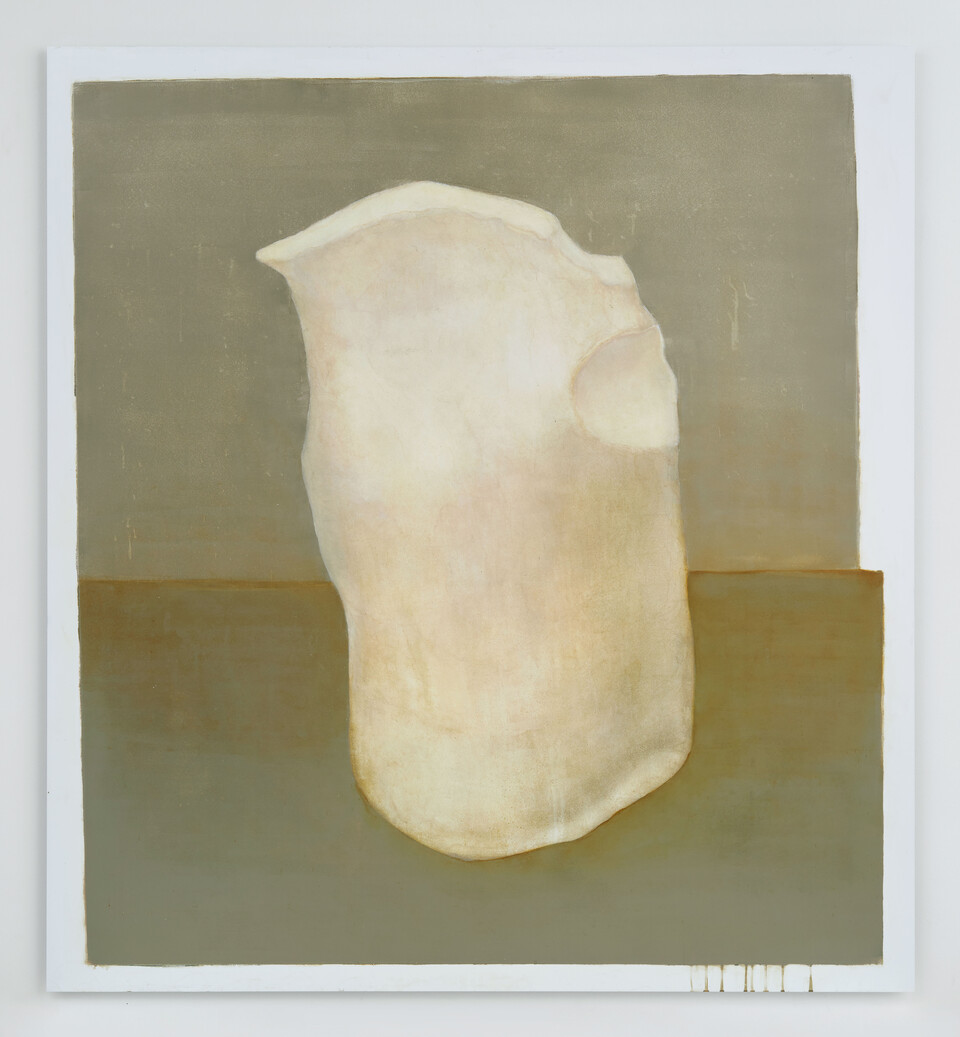
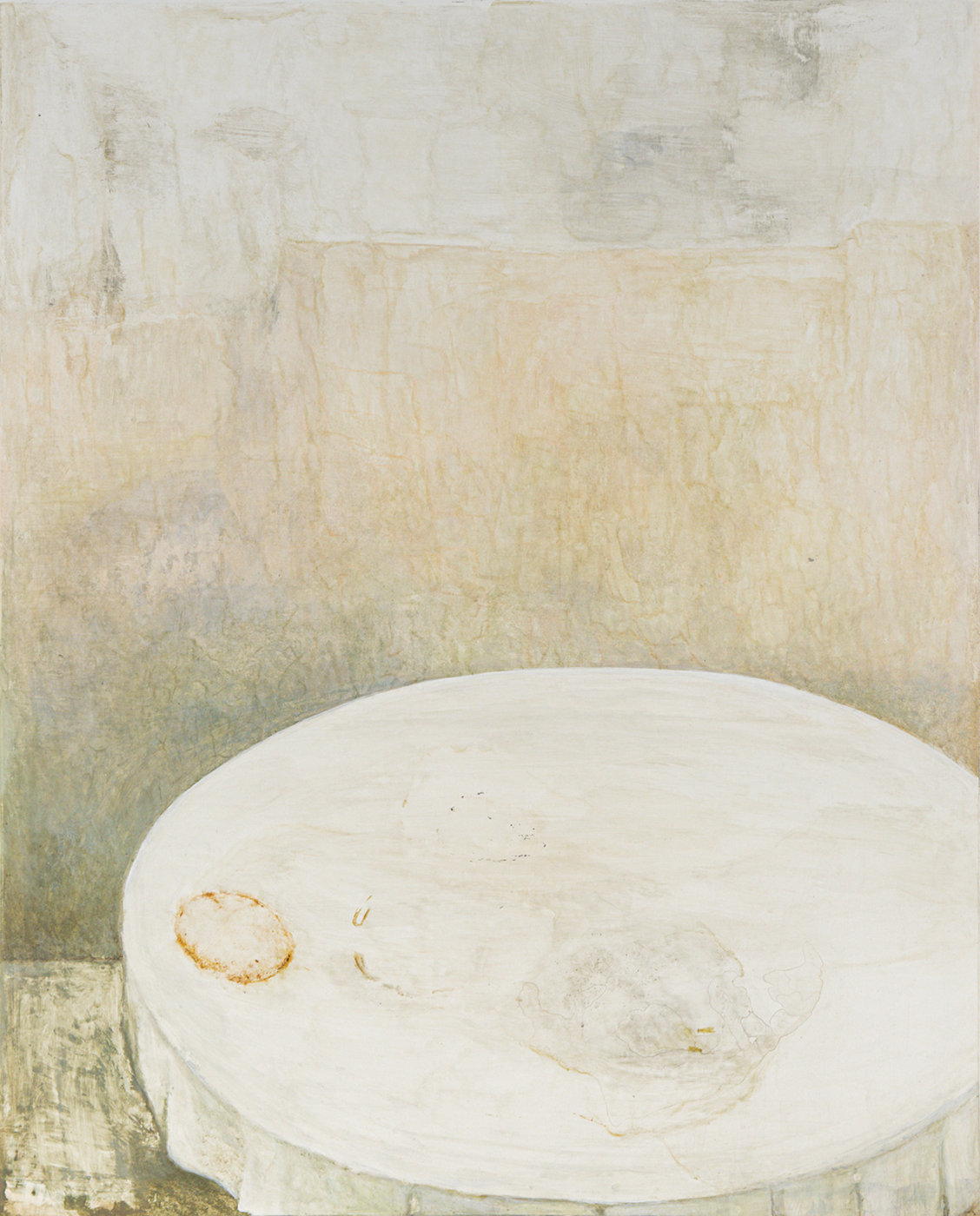
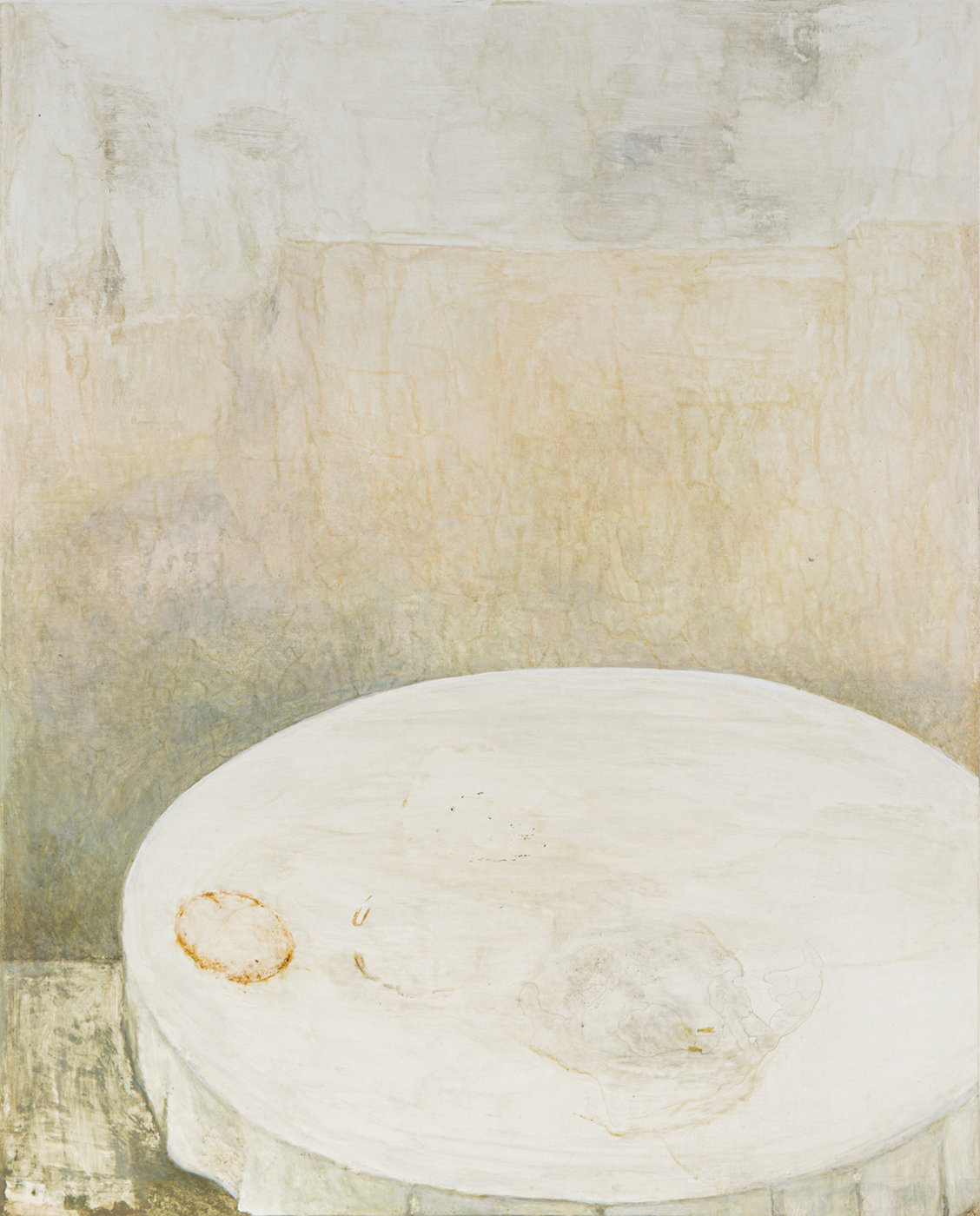
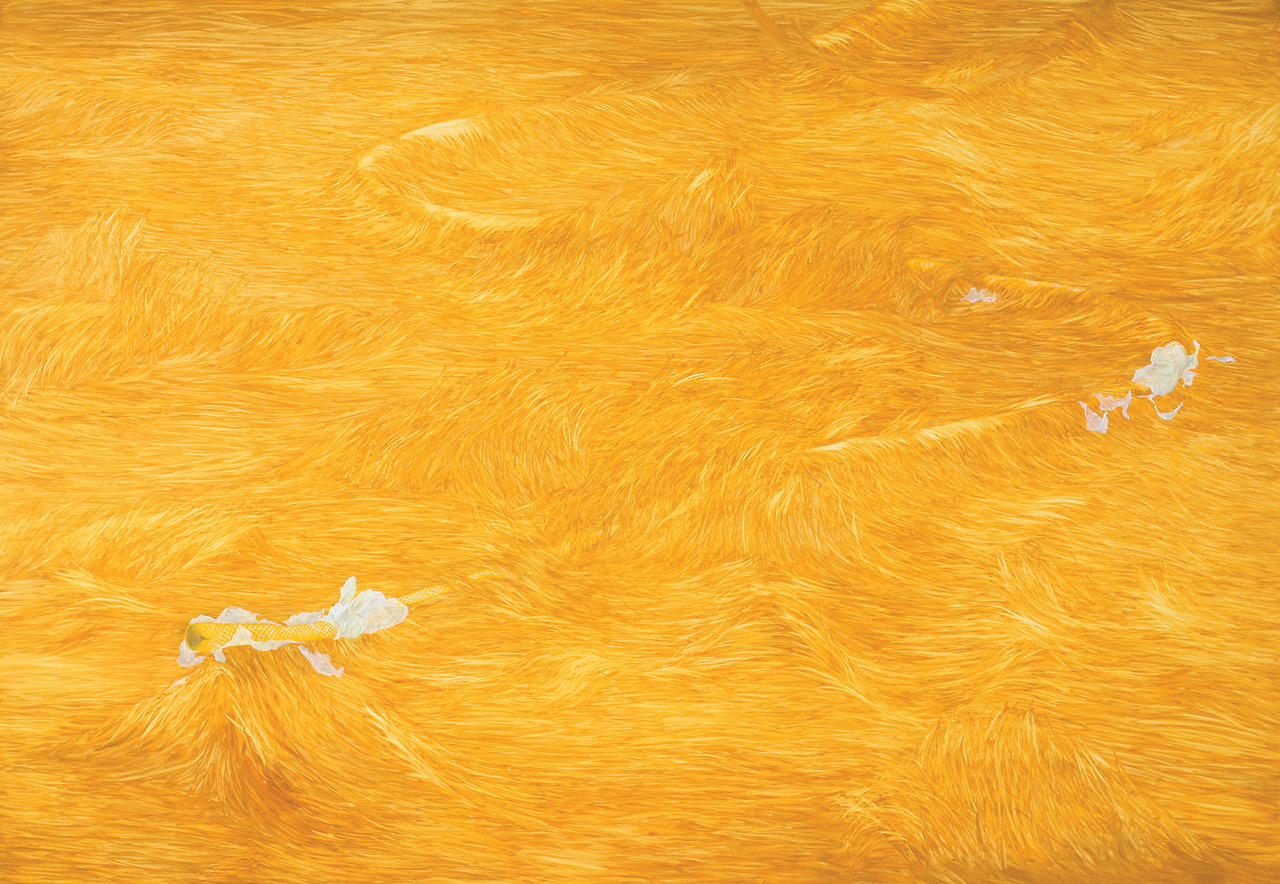
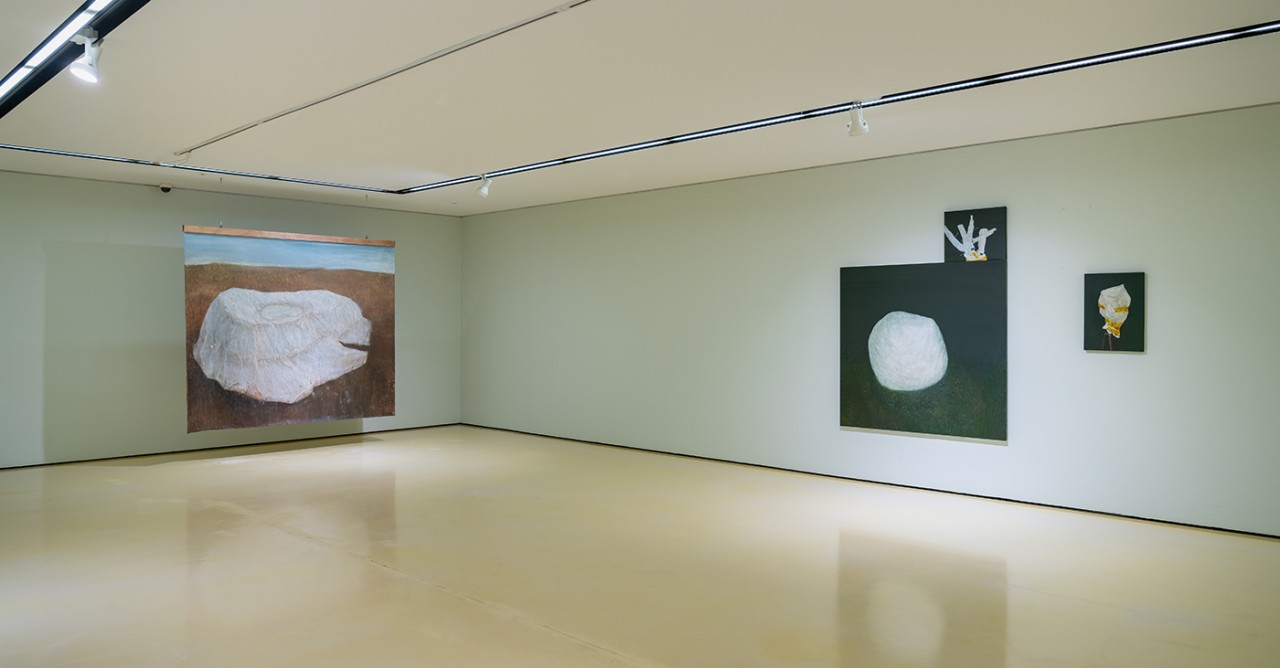
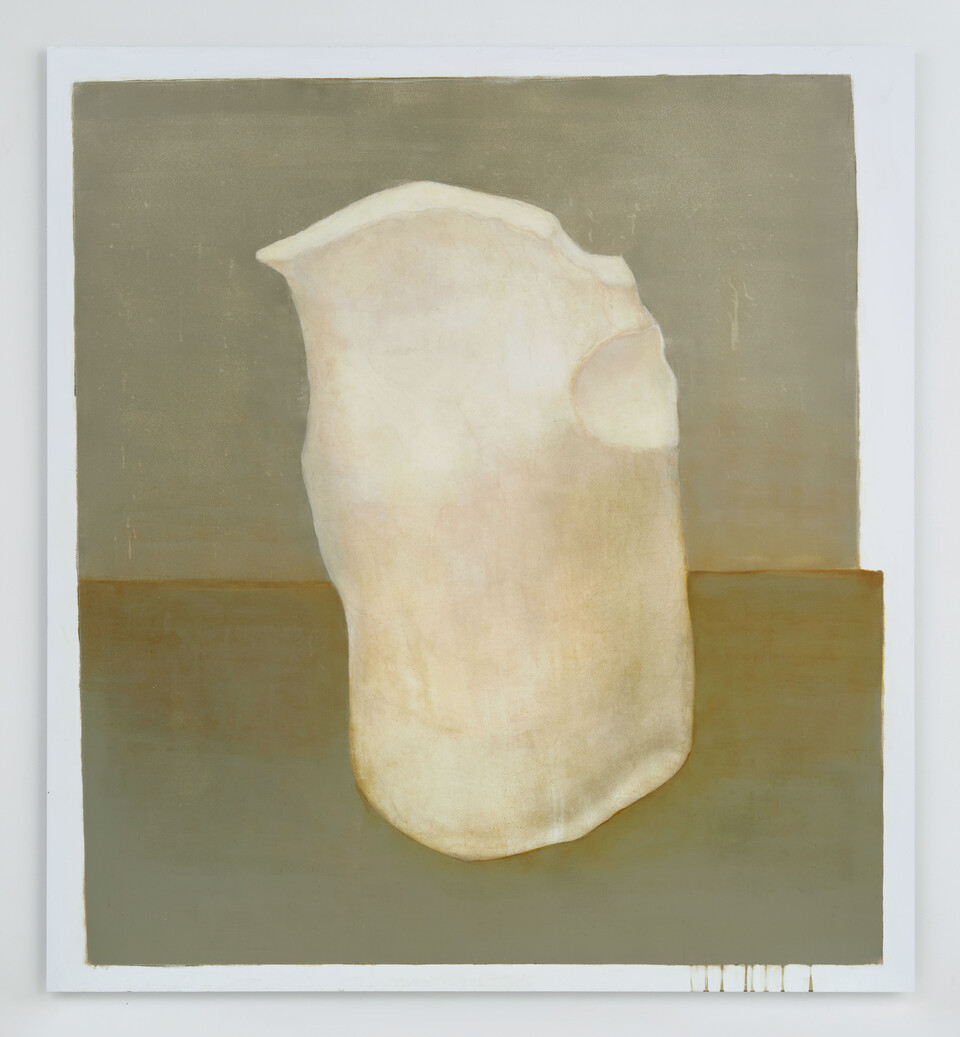
Her new work Still Life: Deposit (2023) offers an excellent illustration of this. In it, she shows the marks left behind by the vanishing of a flower pot that had sat upon a table for a long time. Instead of viewing the pot’s marks as indicating an object’s absence, she treats the deposit itself as an object; this, she explains, is why she chose to use the term “deposit” rather than “mark.”
She also draws an analogy between the deposit and the “still moments of settling after the end of some dynamic activity.” This reflects both the material sense and the temporal sense that gives Leehaimunsun such a keen eye for viewing objects. When considering the time associated with objects, she thinks both of the moments of contact—where one object relates to another—and of the moments of transformation.
In the case of Still Life: Deposit, the formation of a relationship through contact between the table and flower pot has given rise to a different “object” in the form of a deposit ; for the artist, this material is a meaningful way of remembering the time associated with an absent object. Leehaiminsun’s approach to observing objects emphasizes the combinations, unity, and relationships among them.
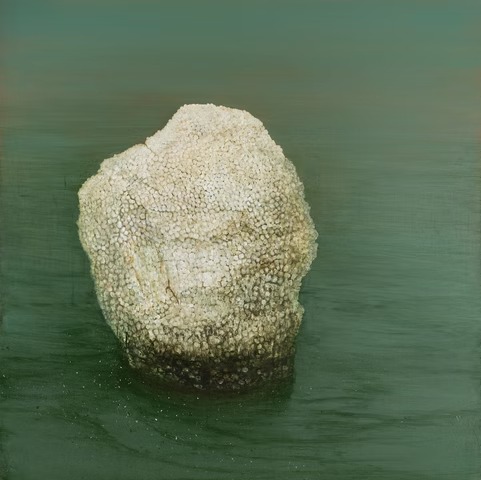
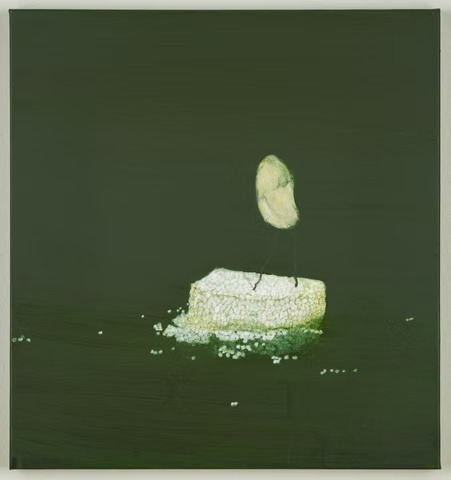
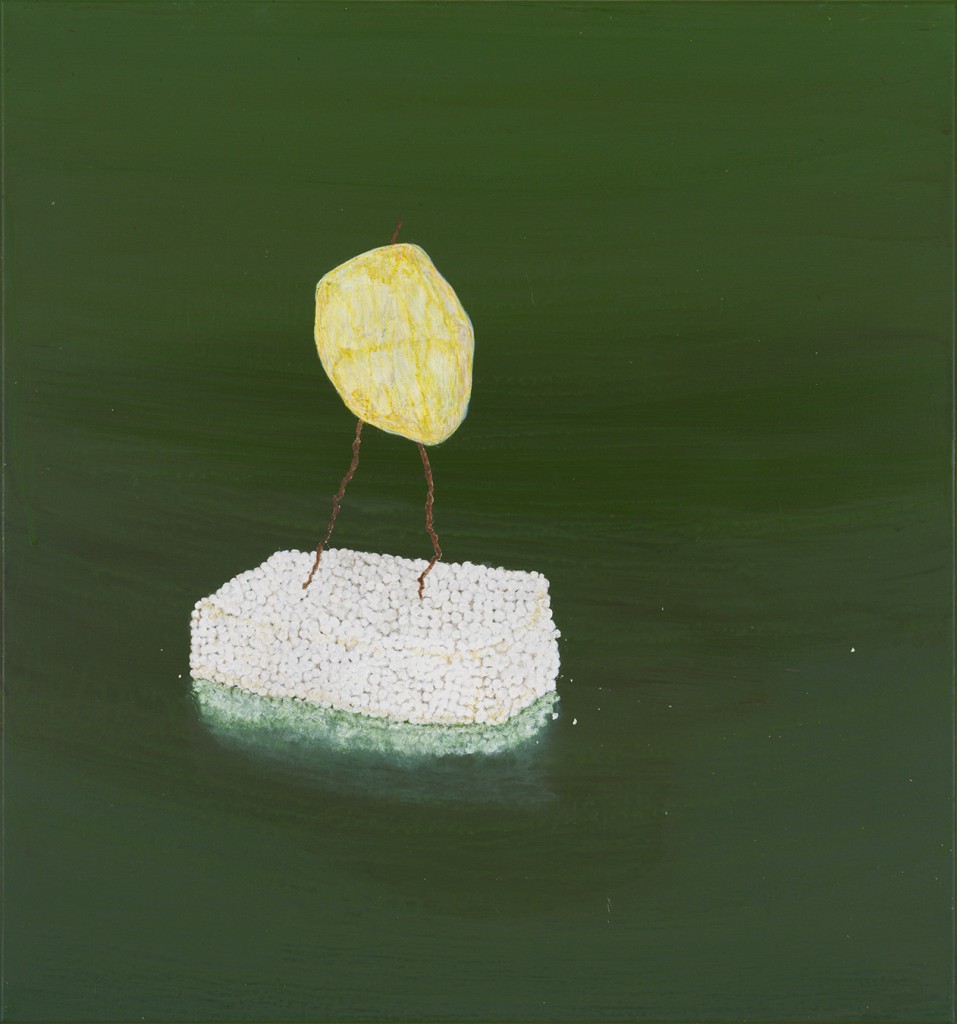
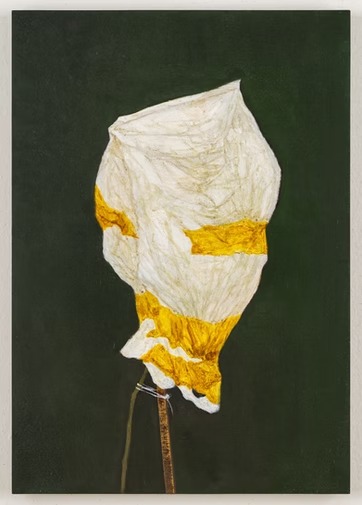
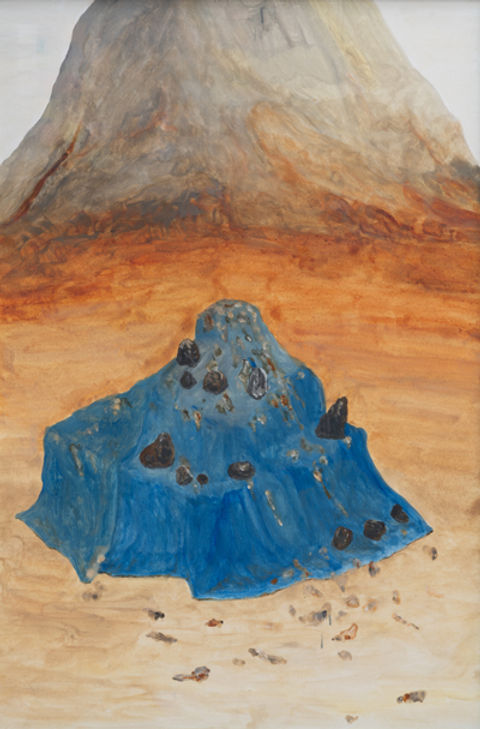
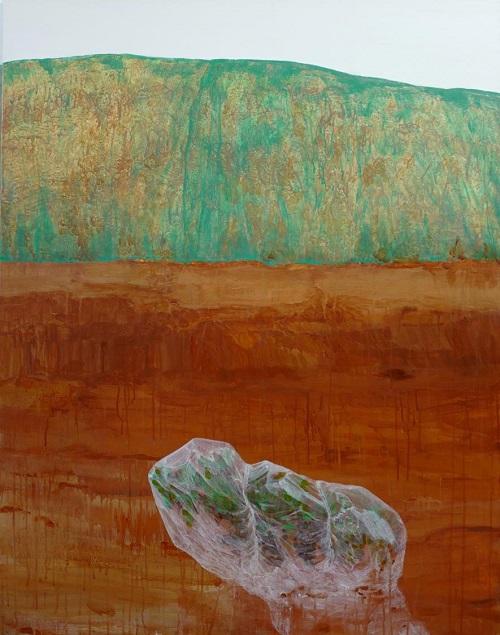
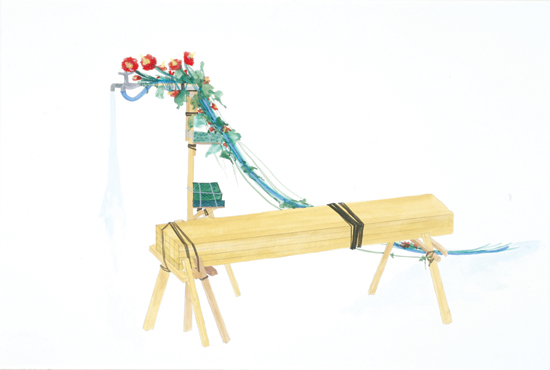
She often directs her perspective toward things that are disregarded as old and useless. Examples include the Styrofoam used as an interior material; remnants of cement and rebar left behind after the collapse of a building in the process of demolition; and plastic mats used to cover up stacked items.
As industrial materials, these things are very useful to people’s lives—but once they have lived out their useful life, they become scattered remnants all around us, worn and crumbling and torn. The artist’s reflections extend from the timeframes possessed by the objects (today and into the past) to the heat and warmth that once existed in and around them.
We find examples of this in Still Life: Interior Materials (2023), which presents splayed sections of discarded Styrofoam gathered over a long period from a demolition site, and Residential Object (2023), which shows the interior of a building undergoing demolition as seen while passing through a neighborhood.
The site of the cement wall’s collapse is the setting for a different form of objectification, and the artist’s perspective on the things strewn about a setting that is transforming into a ruin leads her thoughts to the warmth that they once harbored when they were performing their role. At the same time, she has also drawn associations between states such as thawing, heavy snow, and heatwaves and the concepts used to interpret images.
In particular, she has observed the landscape of a river freezing over and thawing during the winter, reflecting on the relationship between the frozen river and the melted one. To her, the frozen river was perceived as a photographic state where an image has been fixed in place, while the melting river was interpreted as the dissolving of a photograph or the interpretation of a photographic image.
In the past, Leehaiminsun has used chemicals to dissolve printed photographs to use as paints to create a different image. While observing the freezing and thawing of the river, she often found herself thinking of the “perceptions of working with a dissolved photographic surface.” This led her to the idea that “if a photograph is the freezing of what we see into an image, does that not mean that the surface melts when we encounter the individual signifié within the photograph?”
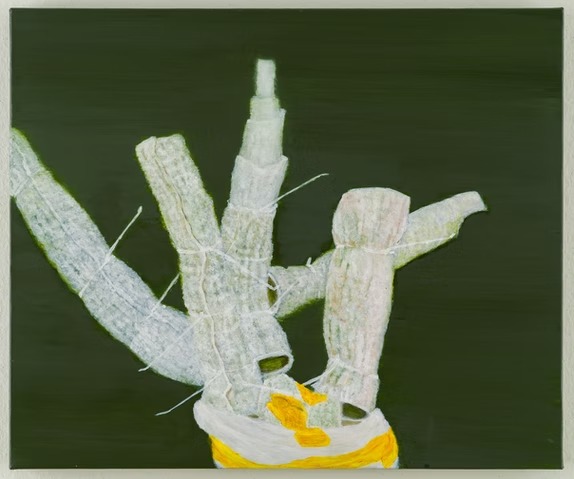
The relationships among objects that Leehaiminsun focuses on are things discovered in landscapes on the boundaries. Indeed, she has long focused her attention on the moments when individual entities come into contact and the boundaries where they interact. In her solo exhibition 《Water and Steamed Rice》 (Amado Art Space, 2013), material such as twine and wire served as crucial means of linking the assembled objects that served to create her work.
Through the use of materials that connected the items without altering their properties when they came into physical contact with other items, she sought to show how the ordinary, frail things present in everyday life formed unity through mutual respect. Leehaiminsun also makes extensive use of contact methods such as frottage and casting not only when contemplating the relationships among objects but also when creating images for her work.
Her series ‘Trees Along the Street’ (2017) consists of portrait works, with the addition of drawings made by pressing paper against the trunk of a roadside tree and rubbing with pencil. In the rugged surfaces of the tree trunks, the artist saw the same arid passage of time captured in the face of an elderly person. In this way, she has often spied the nature of the world in the surfaces of objects.
Here, her paintings are not consumed with merely showing the illusory nature of things. While the images she creates depict concrete objects, the things that she represents on her canvases are not the outer forms of things perceived from an optical perspective—they are the true essence of the objects, their way of relating to the world as understood through the artist’s act of continued observation.
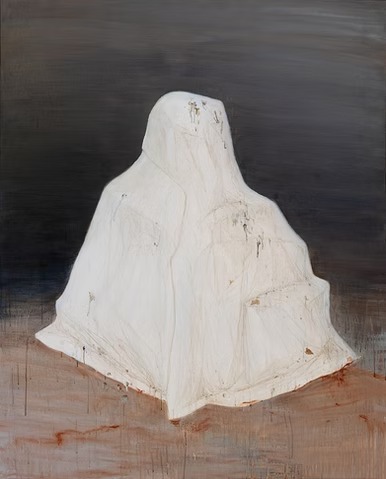
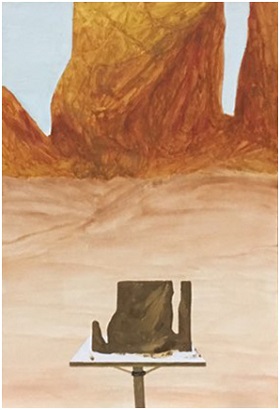
Her consideration of the object’s essence extends throughout the entire process of a work’s creation, from the paper to the canvas, paint, and brush, as well as the nature of all materials that are put to use. Her recent works, which were inspired by the plaster casts removed from the bodies of injured people, represented a powerful event for the artist.
These casts that once encased part of the body bore the traces of others, which were clear, if without detail. In this context, Leehaiminsun was forced to confront a powerful sense of the boundary between life and object. The very act of observing the assembled casts was an event for her, which compelled her to reexamine her way of viewing them.
For the trio exhibition 《Walkie-talkie-shaking》 (Boan 1942) in 2022, she directly observed and painted casts, and she has also deliberately made use of awkward postures and a tool (roller) that is difficult to operate delicately in order to texturally show her perception of the objects. In addition to visual observation, she has made her own plaster casts as part of her explorations into the essence of objects, watching the process unfold as the plaster heated, cooled, and hardened after contact with water.
For her, the plaster seemed like something that was only perceived as an object once the heat had dissipated. Incomplete Objects (2023) emerged out of a meditation on this process, referring to the state of “becoming” an object rather than “being” one.
Another aspect of Leehaiminsun’s recent work is the choice to use semimatte photographic paper rather than a cloth canvas. Explaining her preference for avoiding the use of a framed fabric canvas, she has drawn an analogy between the elasticity sensed when painting on it and the feeling of a “void.” For her latest work, she painted on photographic paper that was affixed to a hard, sleek surface.
In some respects, that paper seems to be a reflection of her beliefs with regard to painting. Photographic paper is an object with considerable materiality in its own right—aspects that brutally quash any hopes for painters’ typical aim of using the rich materiality of paint and various pictorial gestures to generate the illusion of an image.
Instead, Leehaiminsun produces faint images by layering dilute acrylic paint dozens of times with a stiff brush on semimatte photographic paper. As if reacting to the artist’s body, the paper coldly repels the brushstrokes, as the paint settles inorganically on the surface without readily forming the illusion of an object.
It is as though the theme that the artist has focused on in the past—the relationships among things—is manifesting on the paper as the relationship between an image and its support structure. While the original role of photographic paper is to fix a photographic image firmly in place, it proves reluctant to secure a robust image here.
Yet it is this very paper that puts into practice the artist’s repeated statements about a “material world where all things are equal,” “summoning an object on the canvas and awaiting its existence there as both image and object,” and “materials being substance rather than mere tools.” In this way, it has bitterly resisted her brushstrokes and rejected oneness with the paints.
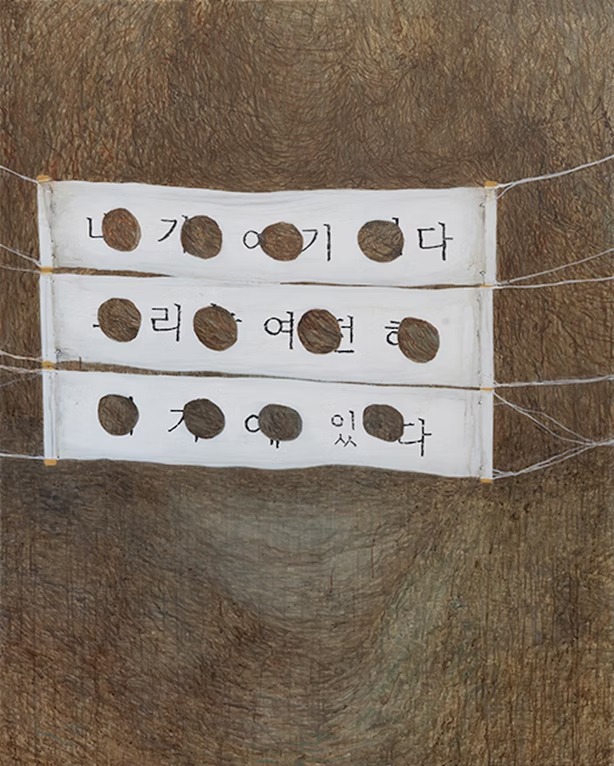
Much like a banner declining “I am here,” her images reflect her battle against the paper’s materiality. In the past, the question of a painting’s support structure was regarded as a crucial issue—almost an ideology of the medium. Today, it has been reduced to a matter of an individual painter’s experimentation or convictions.
It cannot be denied that it is the fate of painting to create the illusion of an image—even in the case of abstract art. Yet Leehaiminsun’s use of photographic paper still encourages reflection on what the nature of the image is. Even as she pursues the essence of the object over the illusion of the image, her work strives constantly to ensure that the illusion does not erase the essence on her canvas.
At the same time, it remains a crucial point that her way of viewing objects is always oriented toward the real world and existence. Originating as images of the material world rather than immaterial images, her paintings exist as substance in the material world.