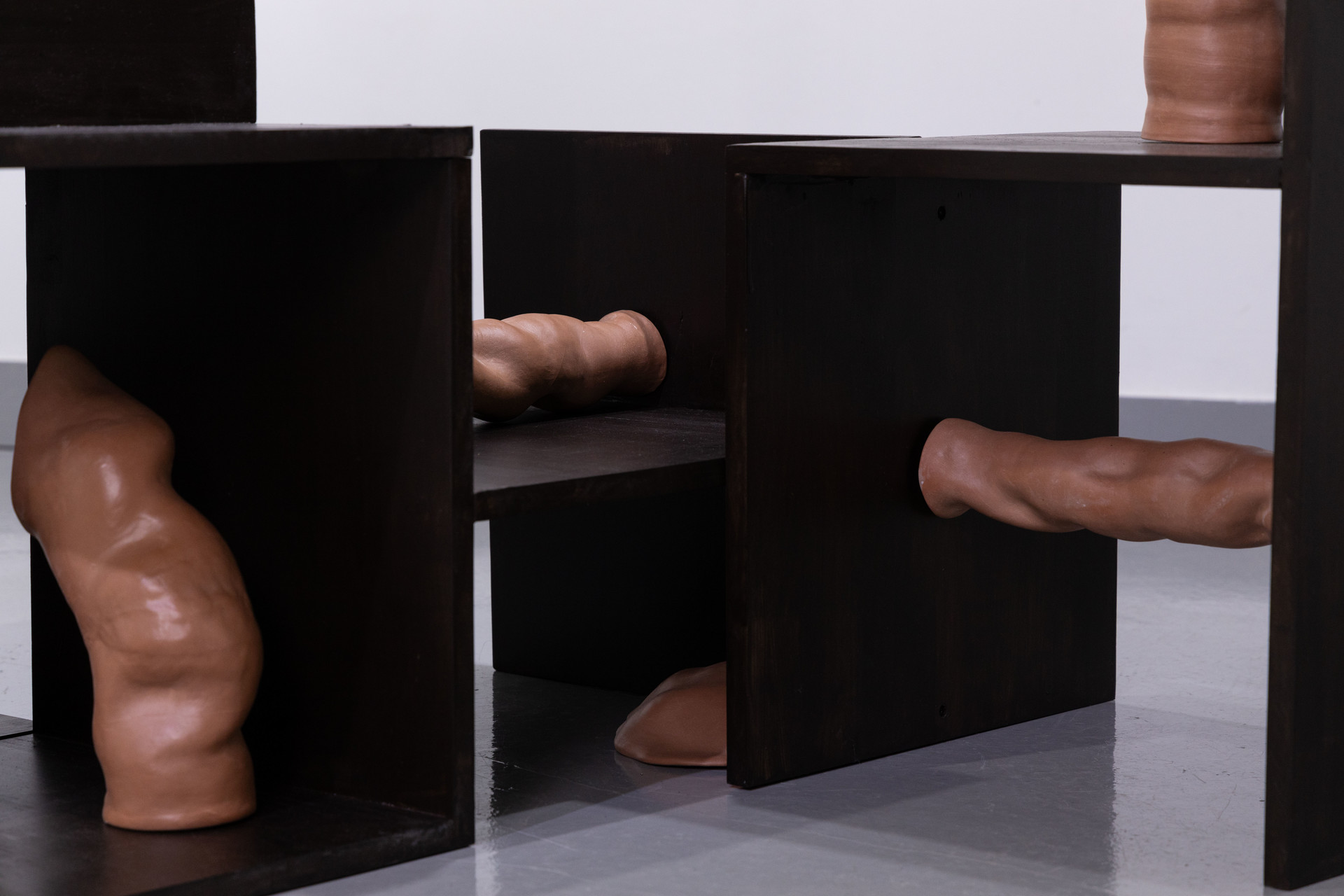
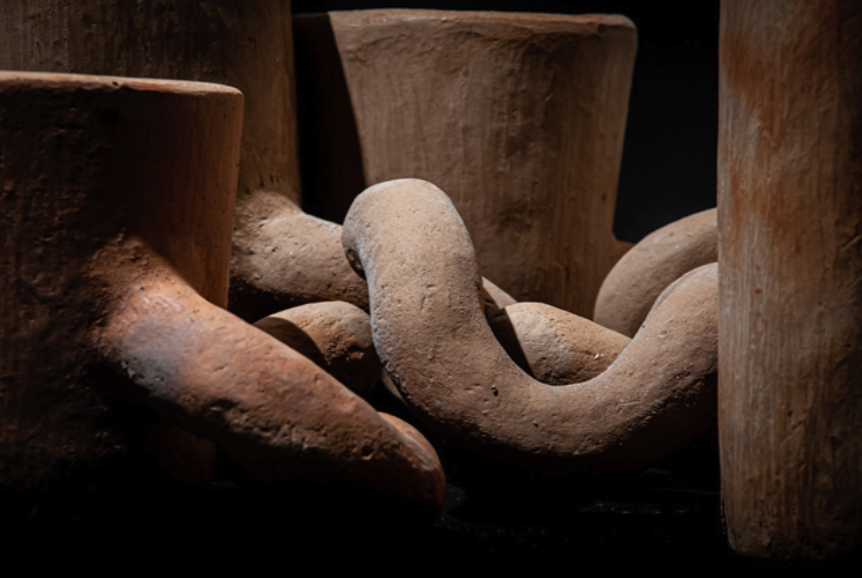
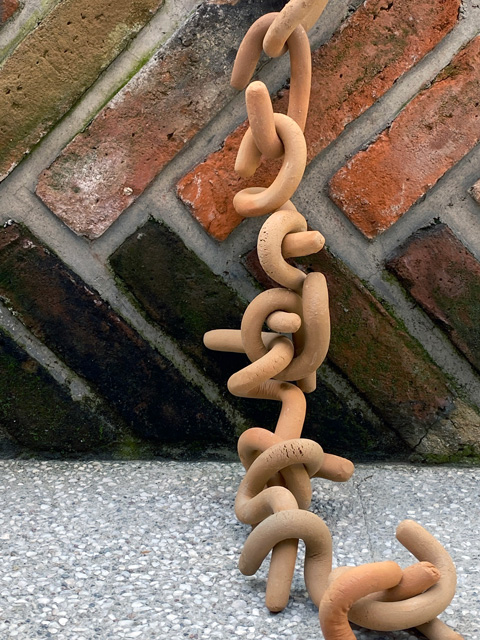
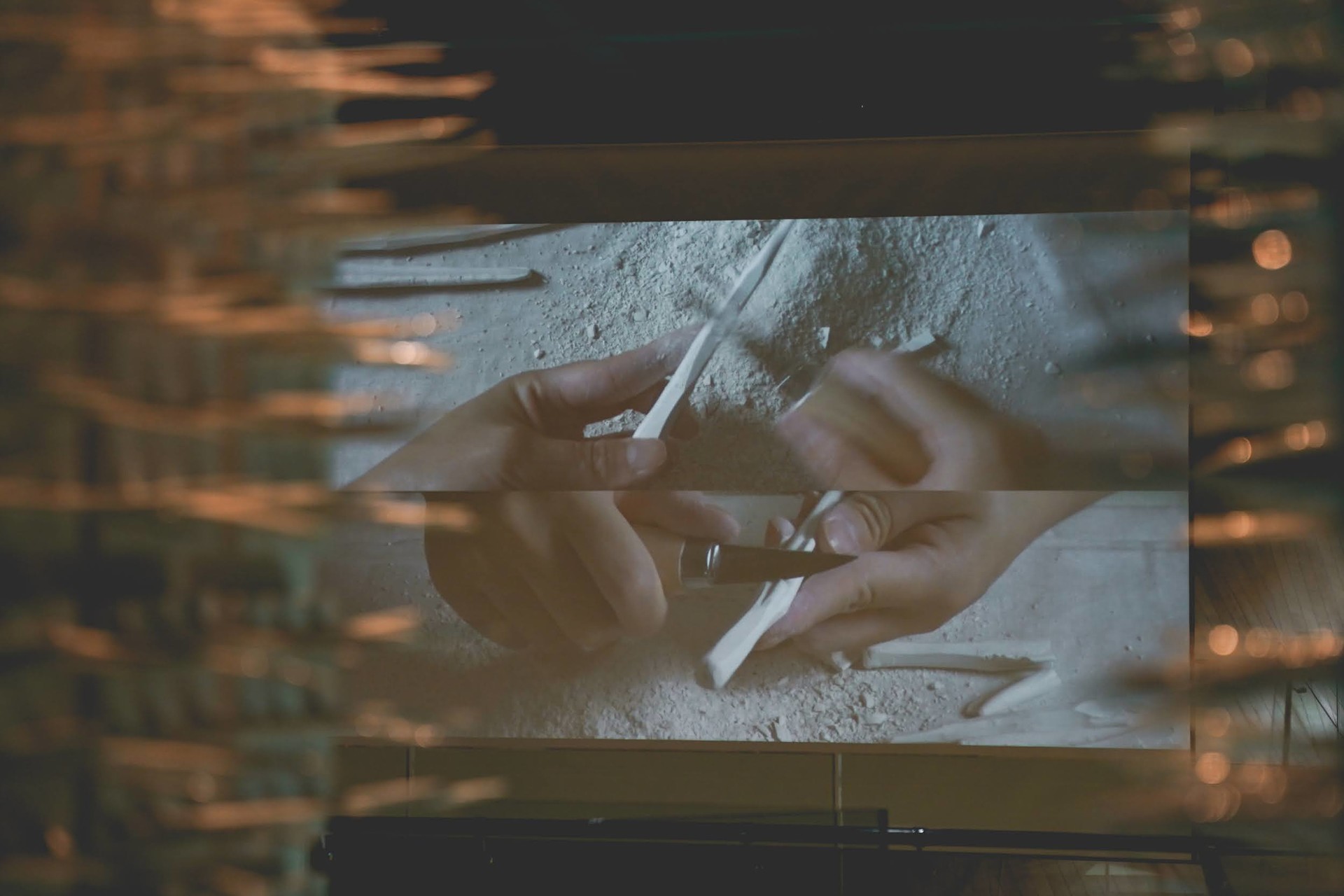
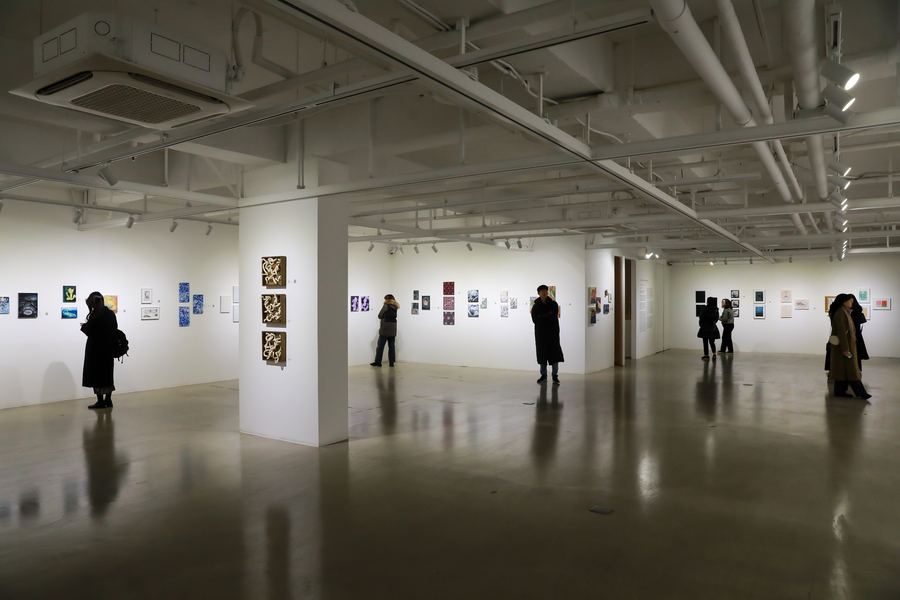
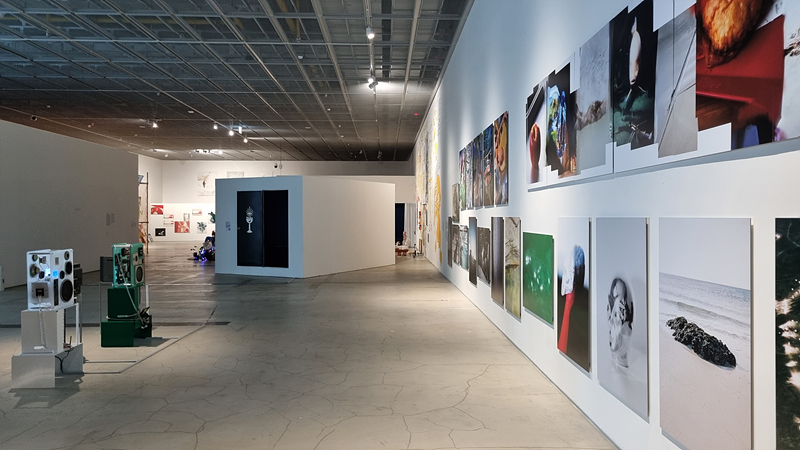
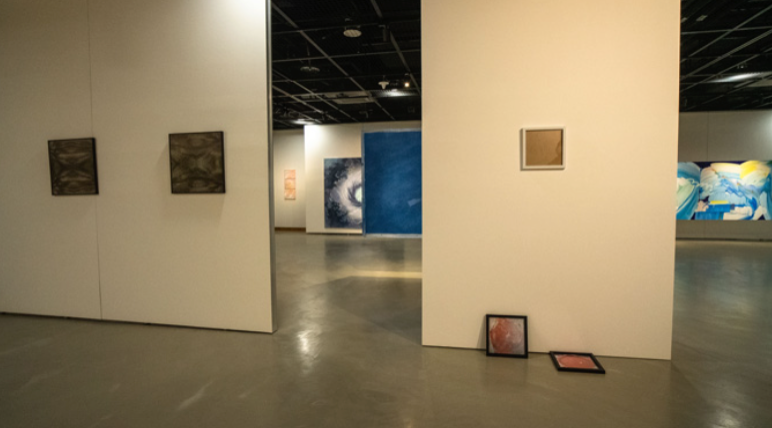
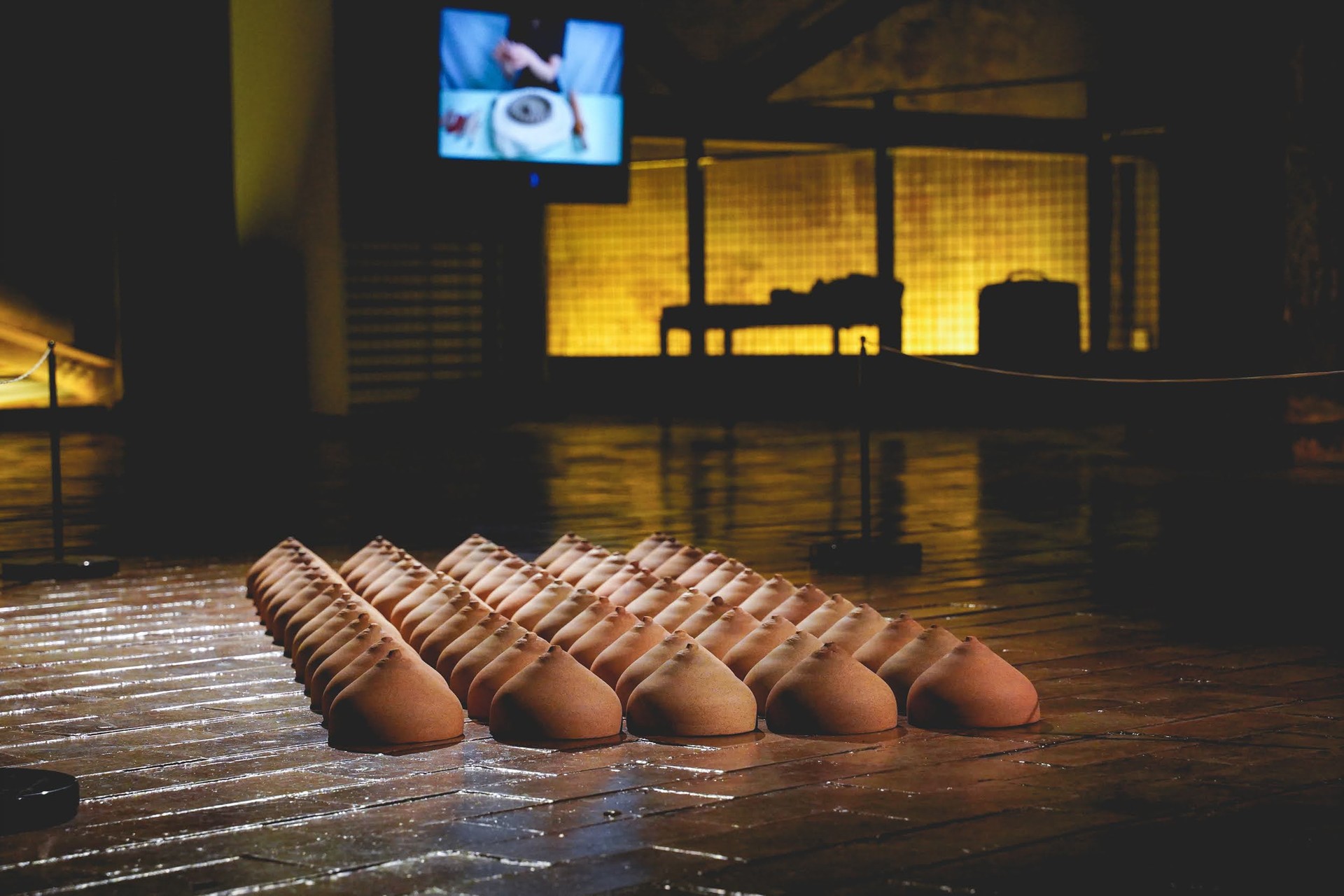
Soyoung Lee (b. 1989) creates abstract sculptures and site-responsive installations that interrogate space and identity through a feminist lens. Mapping the trajectories of bodies dispersed across fixed terrain, she translates touch, sound, repetition, and performance into a material vocabulary that renders traces of existence visible.


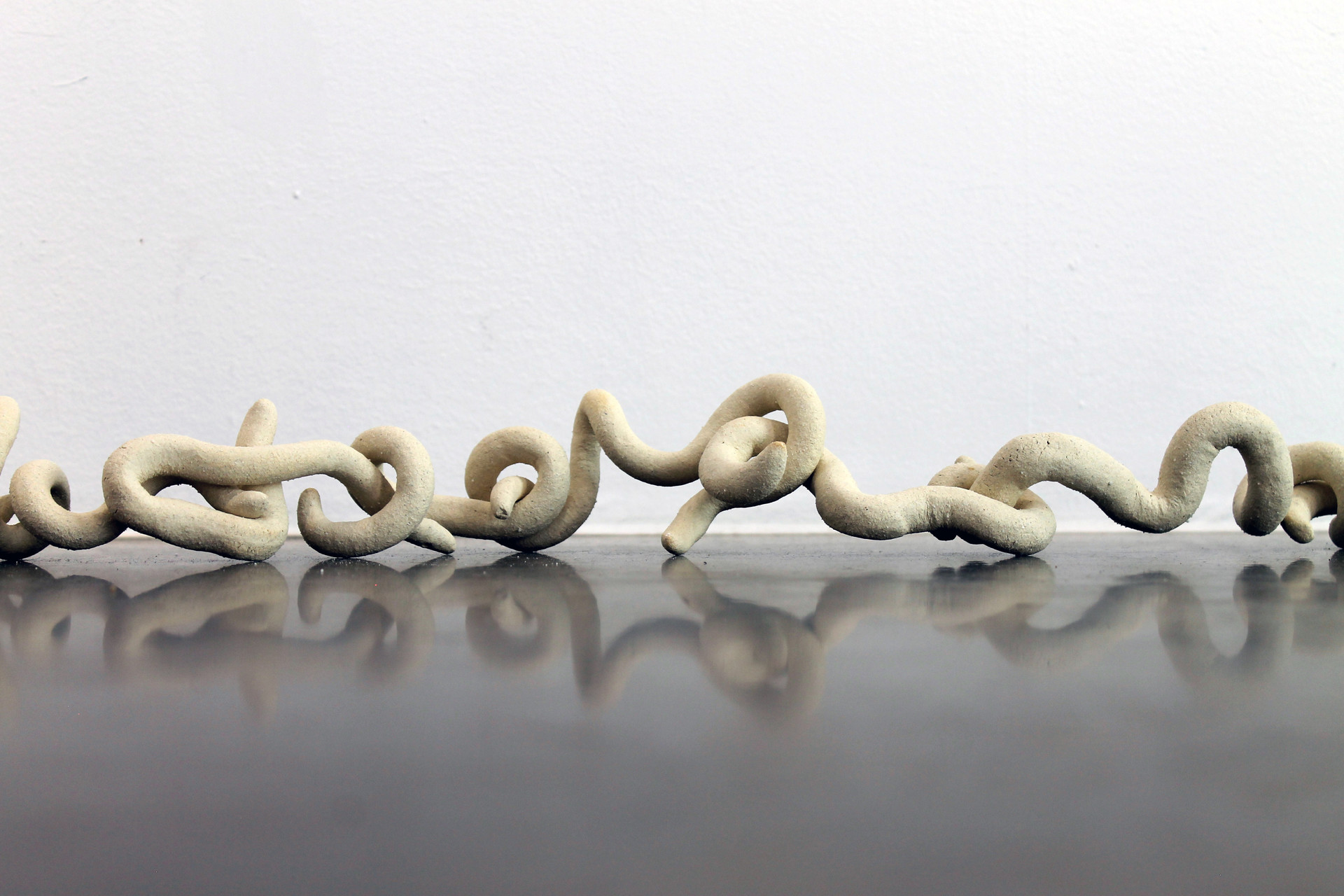
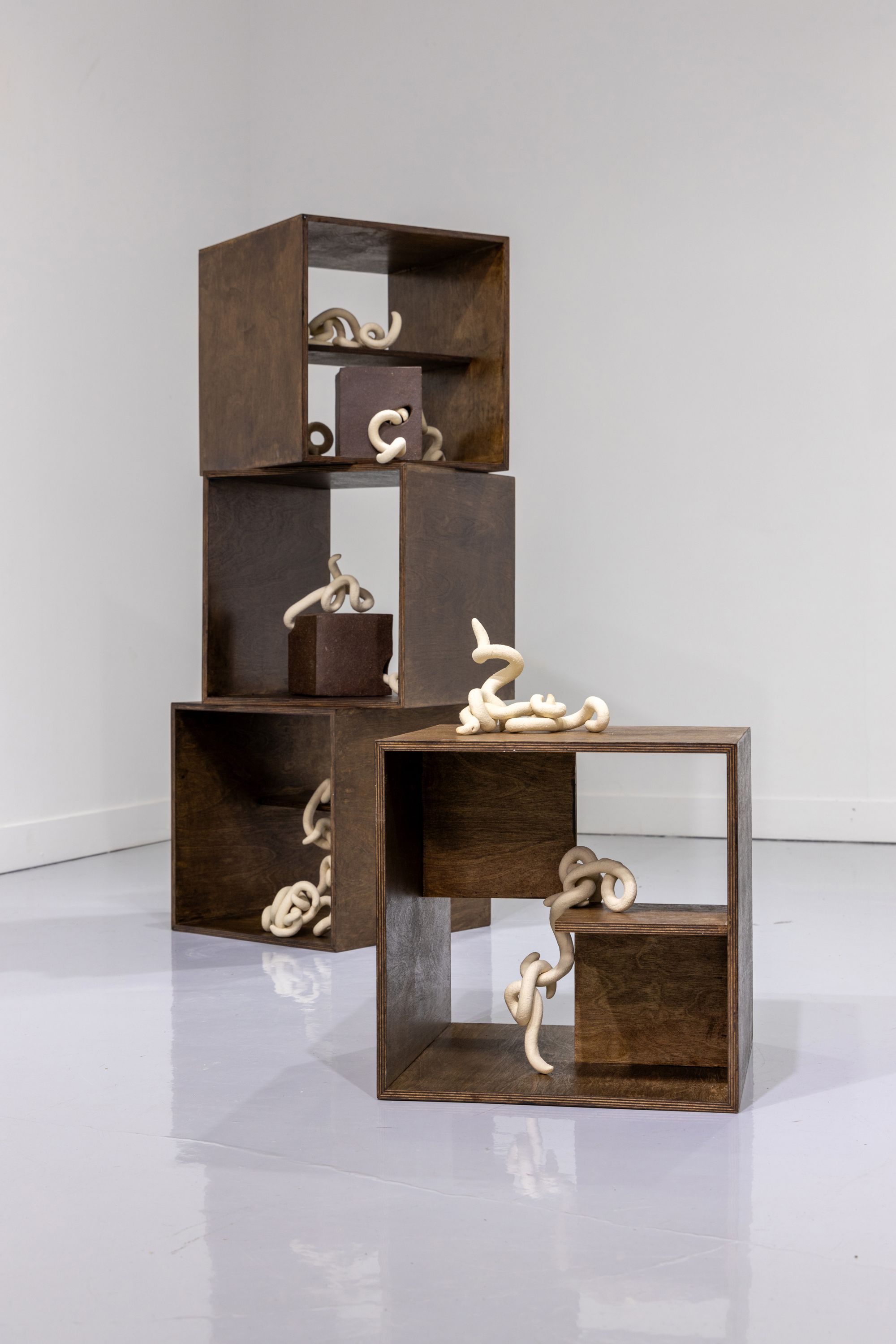
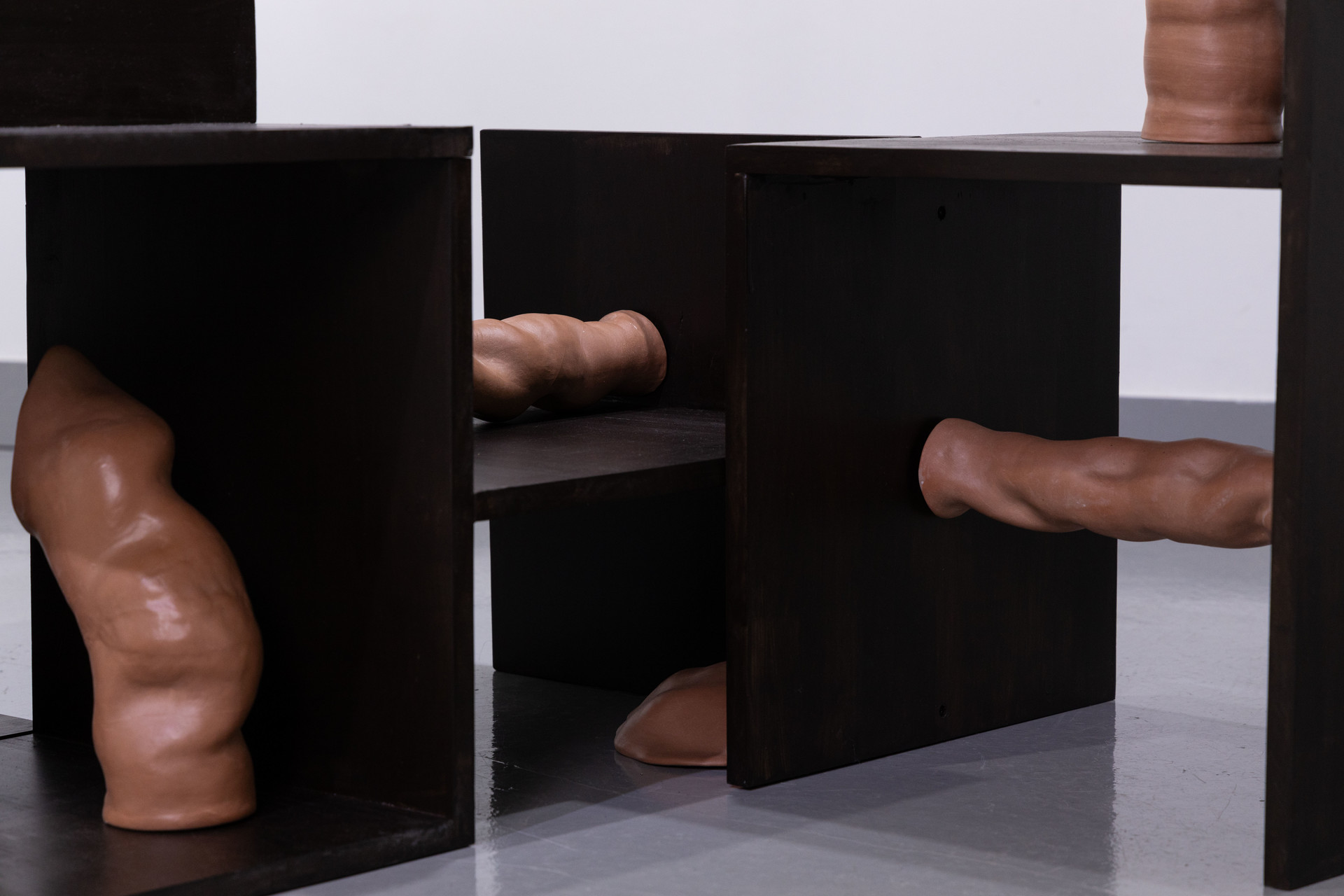
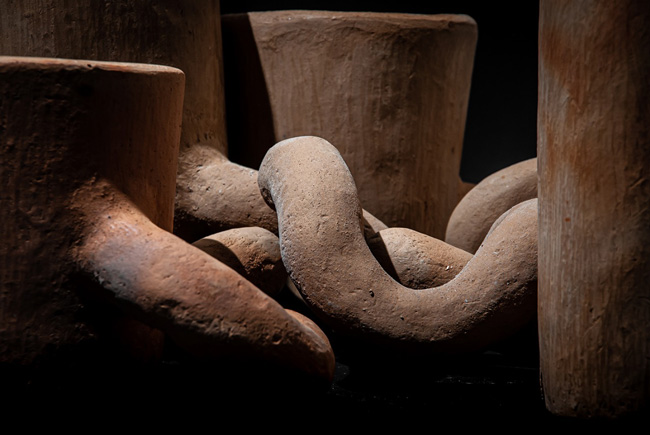
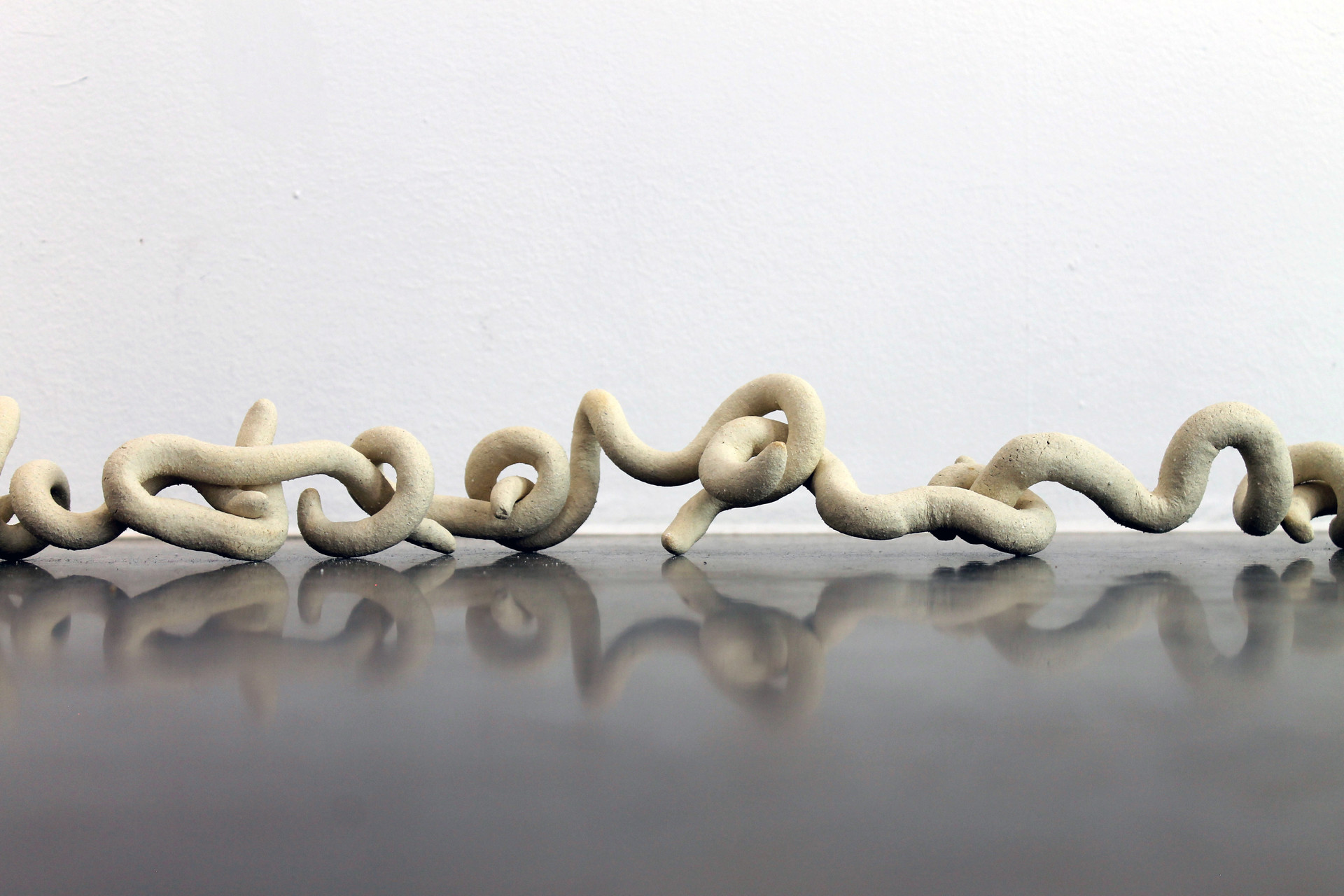
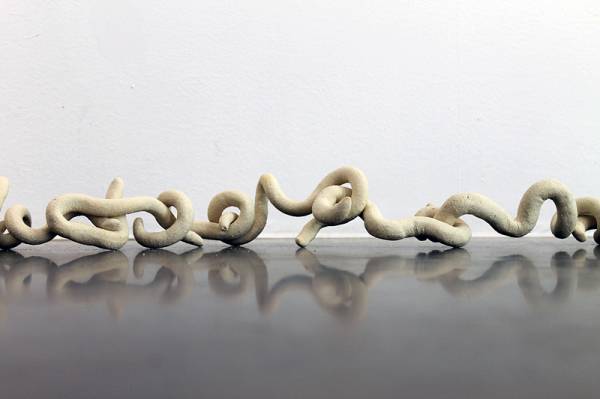
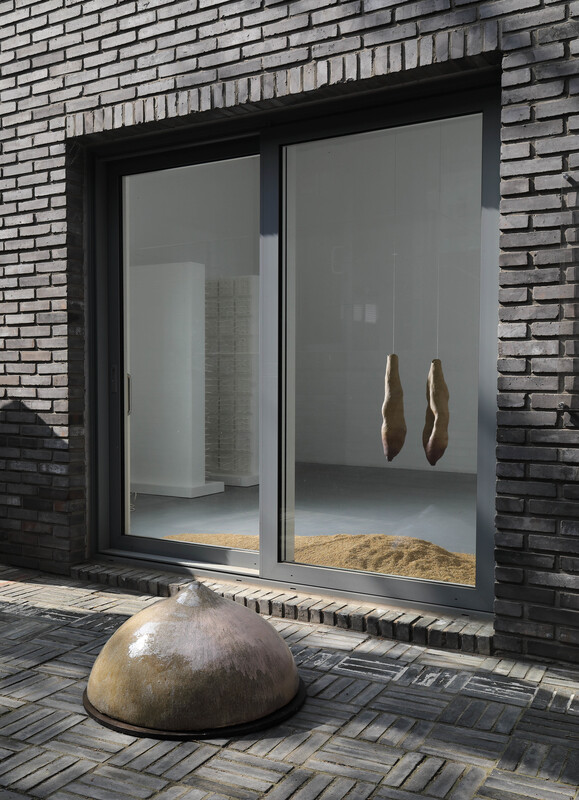
Soyoung Lee, Maze, 2022, Stone-based clay, wood, Variable installation © Soyoung Lee

Lee’s practice begins with a fundamental question about the spaces in which we take root. In a world where physical and virtual spaces increasingly overlap, the artist asks whether a “fixed place” for the subject still exists.
 
Through her work, she explores the movements and trajectories of beings that continually oscillate between settlement and mobility, inhabiting and departing from places in an ongoing process of negotiation.


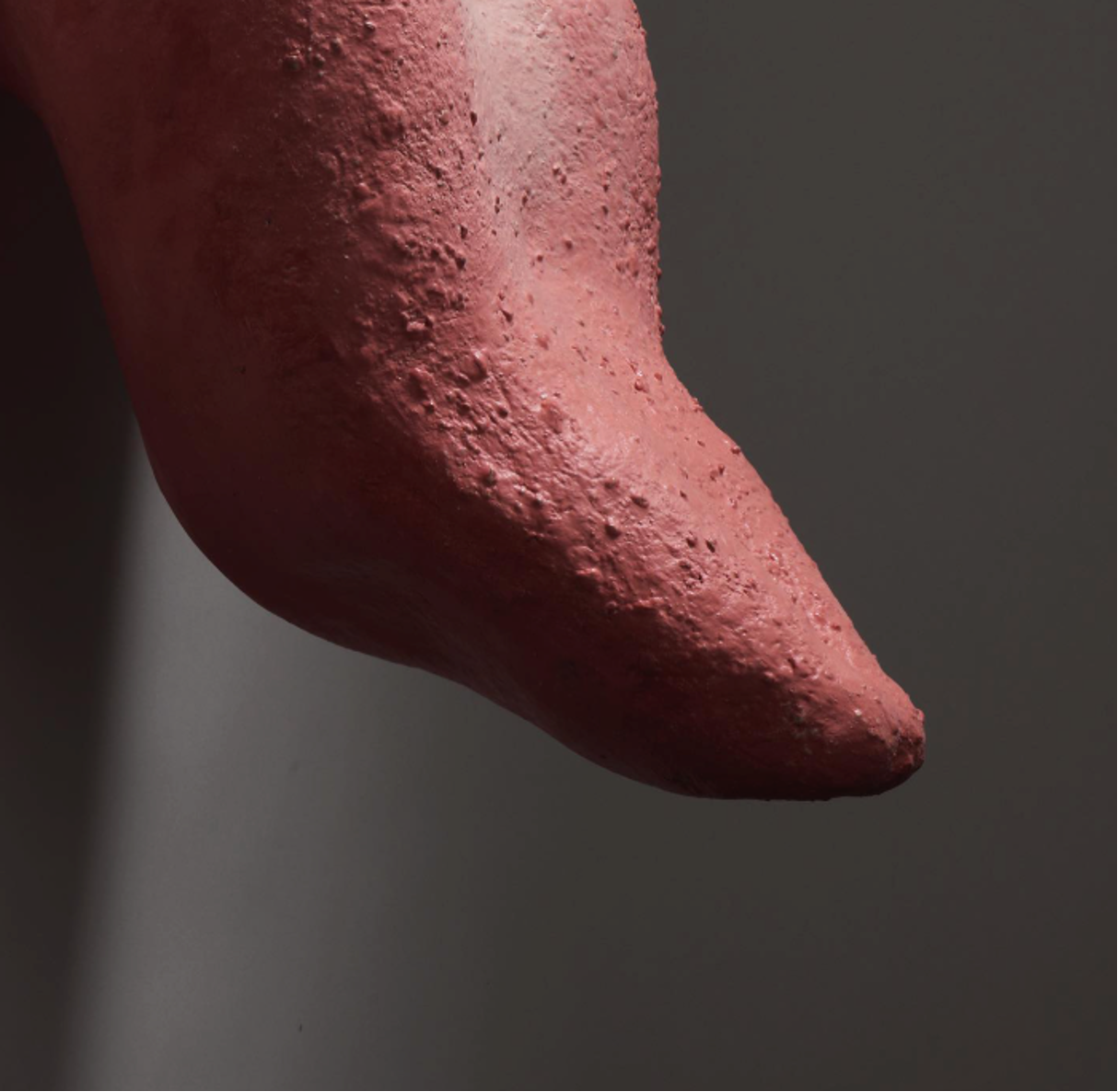
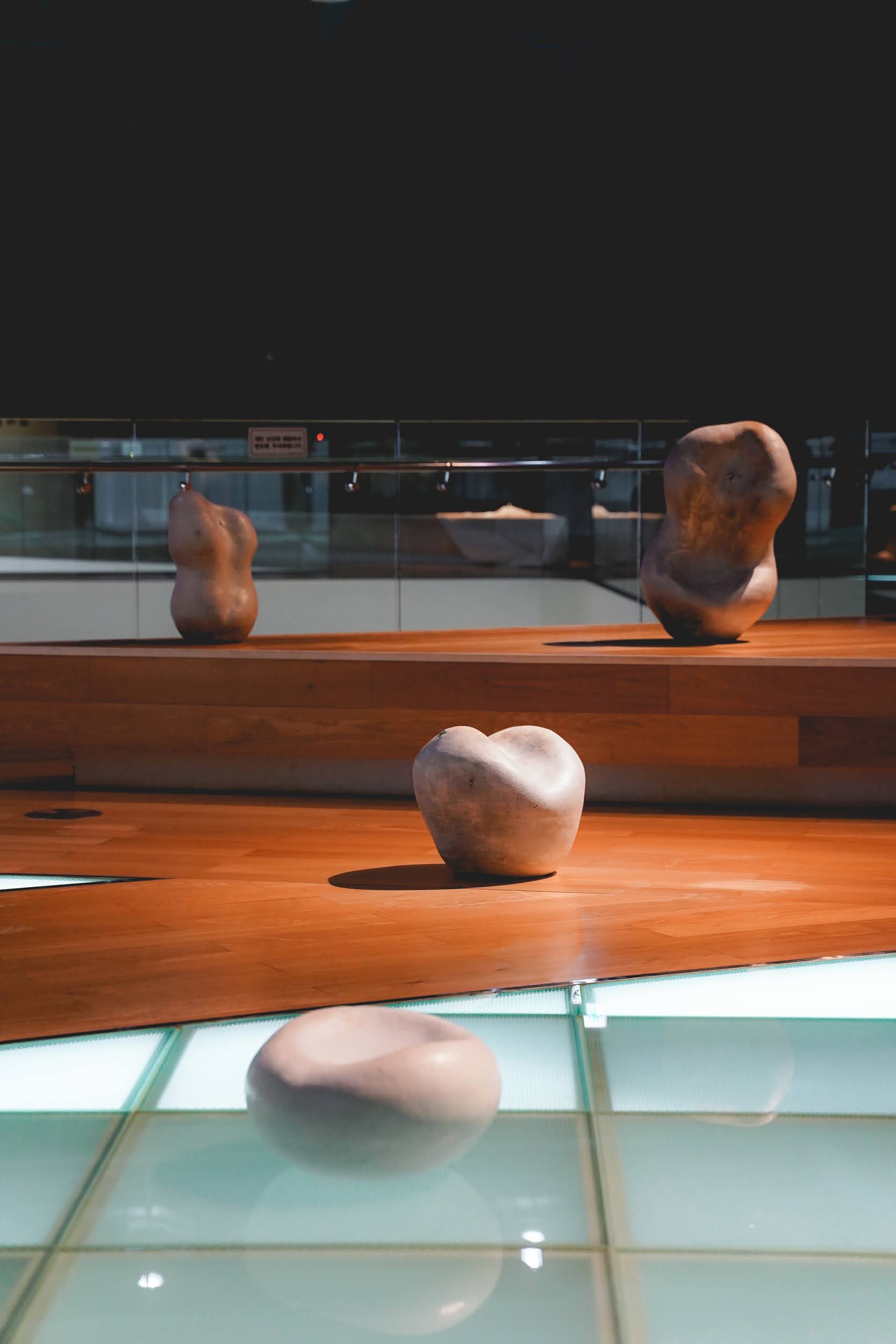
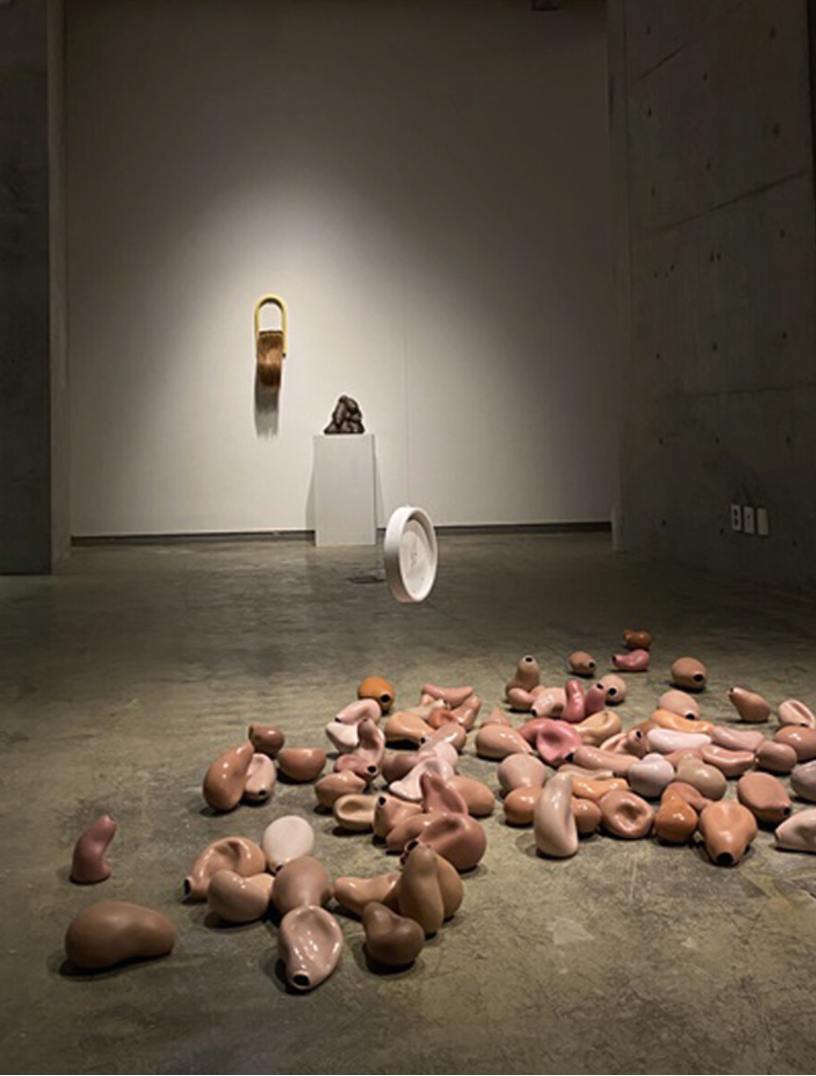
Installation view of 《Return to Chora》 (Kimsechoong Museum, 2019) © Soyoung Lee

In her solo exhibition 《Return to Chora》 (2019) at the Kimsechoong Museum, Lee explored questions of personal identity through the concept of chora, a feminine space.
 
Through works that deconstruct and expand conventional notions of femininity, Lee sought to confront the compulsions and social expectations that shape individual identity. The femininity articulated through her artistic process of fragmenting and destabilizing fixed meanings emerges as a new perspective and conceptual framework.


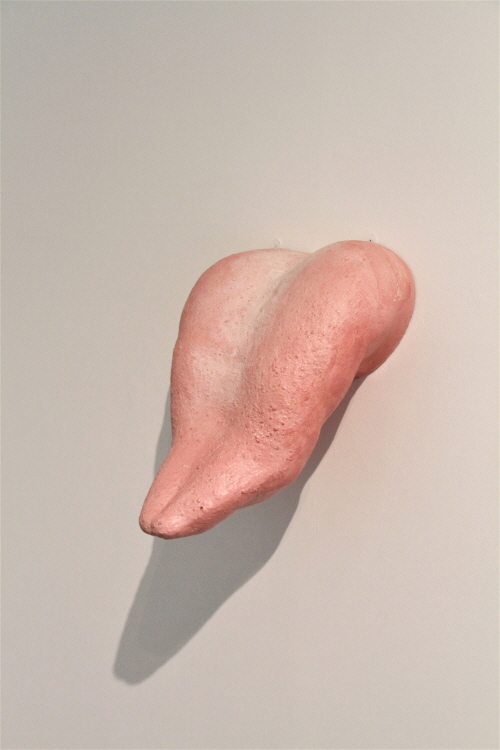
Installation view of 《Return to Chora》 (Kimsechoong Museum, 2019) © Soyoung Lee

Here, chora, presented as a feminine space, is a concept developed by the French philosopher Julia Kristeva, referring to a primordial space that precedes the formation of clear boundaries of identity. Just as a mother’s womb provides a temporary ground for the emergence and growth of the fetus, chora is a receptive and fluid site of becoming.
 
Lee reinterprets this feminine space of chora as a force through which the subject’s primordial condition is reenacted, a space where fixed identities are dissolved, and a mode of intersubjective existence in which one mingles with others who appear different while simultaneously negotiating and maintaining difference.
 
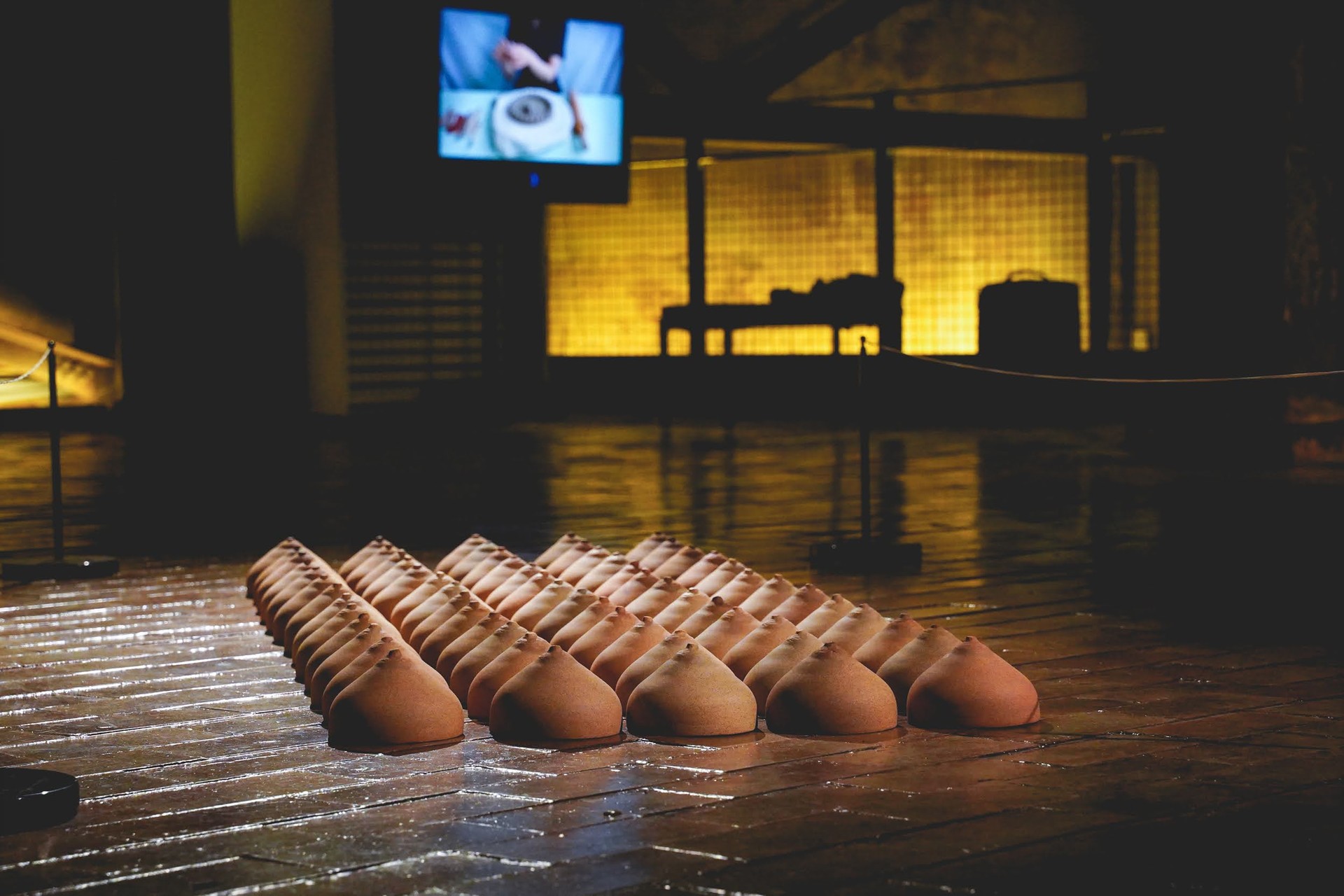
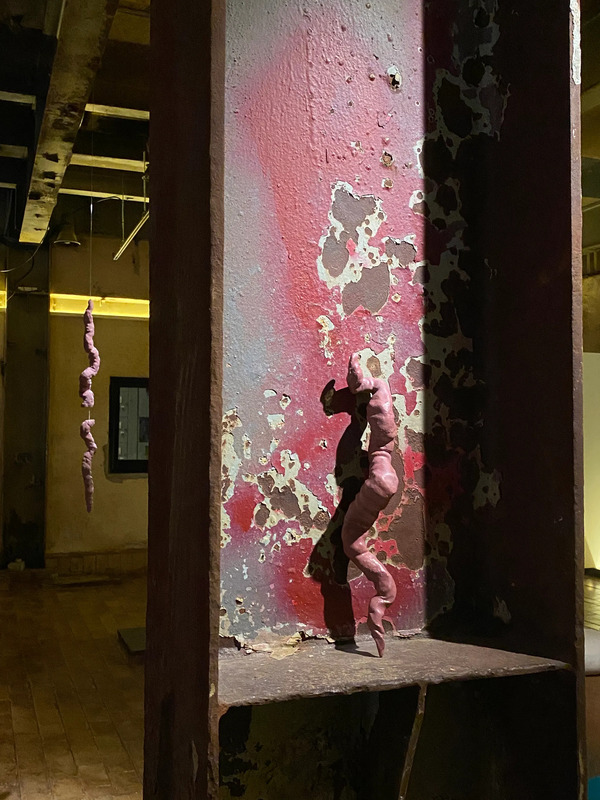
The sculptures that emerged from these reflections took the form of shapes reminiscent of umbilical cords, navels, and a mother’s breasts. They are also the result of repeated encounters between the artist’s body and clay—a material separated from the earth, itself another primordial space.


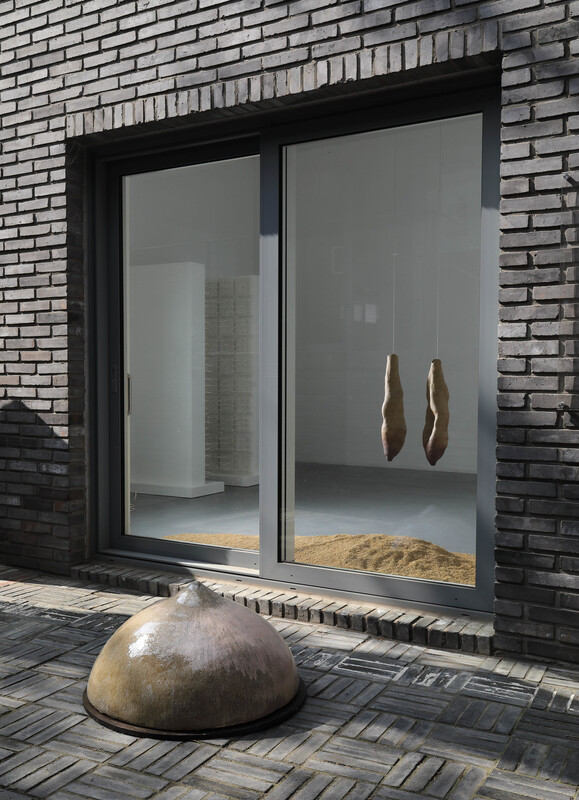
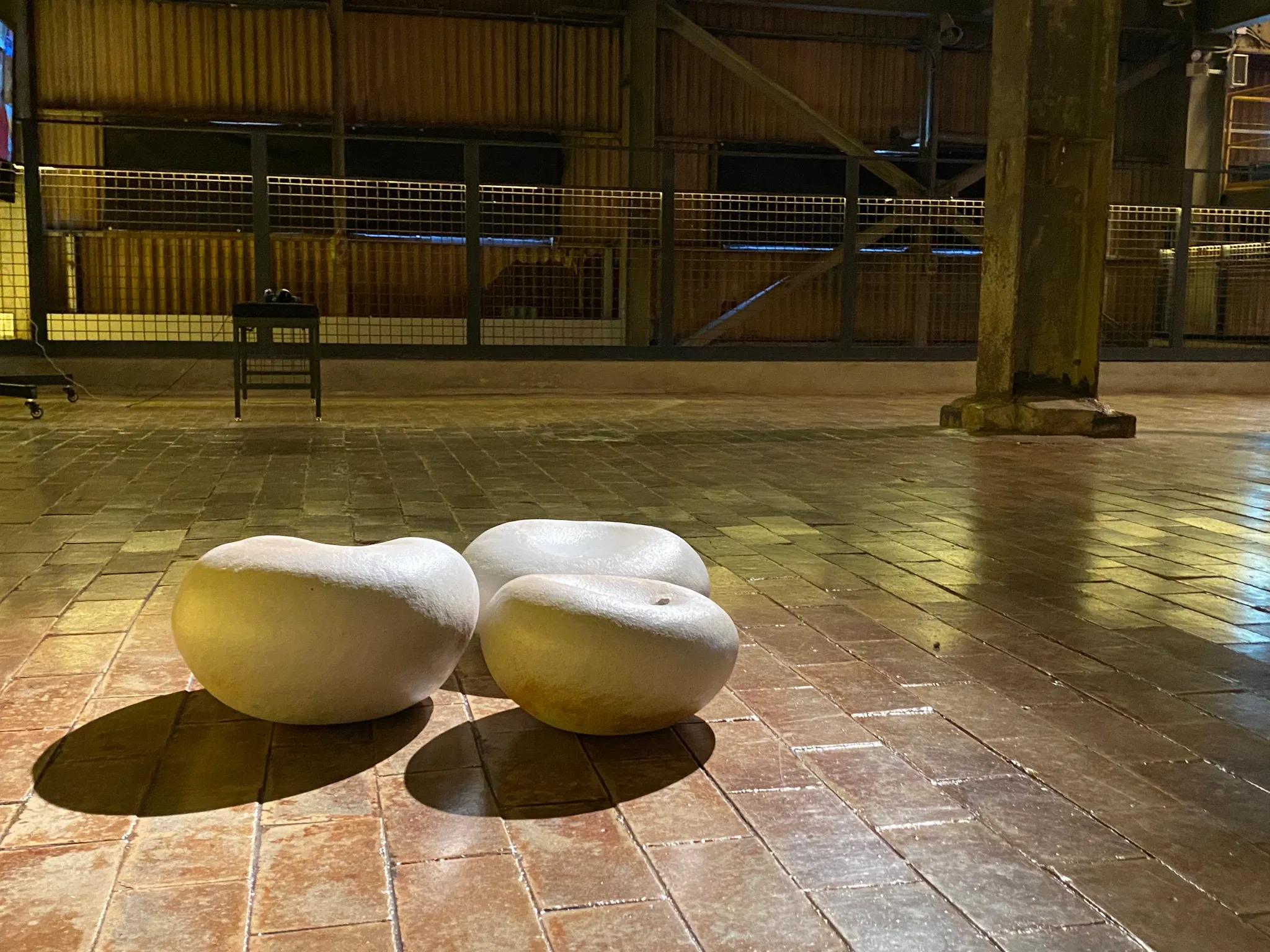
Installation view of 《Navel-Space: A Record of Place》 (CoSMo40, 2020) © Soyoung Lee

In her solo exhibition 《Navel-Space: A Record of Place》, held the following year, Lee turned her attention to the neighborhood in which she lived and the people whose identities were grounded in that place, representing them through the visual motif of the “navel.”
 
Within Korean society, the notion of “we” has long functioned as a significant social and cultural framework. Yet as the physical and psychological distances between individuals continue to widen, the idea of “we” can no longer be embraced in the same way it once was.
 
Against this backdrop, Lee recognized that both society and its members were confronting new questions about community amid the rapid transformations of everyday life. As a result, she became interested in how new forms of relationships and belonging might be imagined and cultivated.


Installation view of 《Navel-Space: A Record of Place》 (CoSMo40, 2020) © CoSMo40

Prompted by questions such as, “If ‘we’ were to exist in dispersed and fragmented forms, could it still be understood as a community? Would a fluid and fractured community offer genuine freedom to individuals, or would it simply become another mechanism for subsuming them into a collective identity?” 《Navel-Space: A Record of Place》 set out to document the transformations and lived experiences of people whose sense of self is rooted in the place they call their neighborhood.


Installation view of 《Navel-Space: A Record of Place》 (CoSMo40, 2020) © CoSMo40

Inscribed upon the body from the very beginning is the navel—a trace that originates from another. Like the navel, which remains after separation from the other from whom it came, the distance between “we” subtly dissolves yet can never fully merge into one. Through the intertwined motifs of body and space, Lee sought to reflect on this condition.
 
Bringing together narratives about the relationship between the collective identity of “we” and the individual identity of “I” within a shared spatial framework, while simultaneously transforming the part of the body in which femininity is most pronounced into an object.
 
Through this, she sought to provide a renewed perspective on the seemingly fixed relationships between the city, the community, and individual identity.


Installation view of 《Navel-Space: Uncertainty of “Us”》 (Tribowl Art Space, 2020) © Soyoung Lee

Lee explains that her use of the female body as a motif can be understood as part of what is known in French feminist philosophy and literature as écriture féminine (“feminine writing”). Feminine writing refers to a mode of rewriting the fixed structures of society and language.
 
For the artist, the female body as represented in her work transcends its conventional meanings and becomes a kind of device that opens up the systems of thought that bind us, allowing them to be reconsidered more freely.
 
Through this feminist perspective, Lee presents works that dismantle fixed meanings and blur established boundaries, seeking to create possibilities for personal identity to be understood and imagined beyond existing frameworks.


Soyoung Lee, Unrooted Pots_1, 2021, Ceramic, Each 8x8x20cm (2 pieces), 7x7x10cm (2 pieces), Variable installation © Soyoung Lee

Furthermore, in her 2021 solo exhibition 《Unrooted》, Lee explored the relationship between the spaces in which we take root and the formation of identity through the everyday object of the flowerpot.
 
The sense of place is experienced differently by each individual. Today, the places we inhabit no longer refer solely to physical locations, but rather to complex and multifaceted spaces shaped by geographical, environmental, and sociocultural factors. Such places become meaningful through the subject’s experiences, emotions, and sense of existence.


Soyoung Lee, Unrooted_2, 2021, Ceramic, Each 7x7x5cm, Variable installation © Soyoung Lee

Lee understood the places in which we take root not as objective, physical locations, but as spaces that shift and transform according to the meanings through which subjects understand their own existence.
 
Building on this perspective, the exhibition 《Unrooted》 employed the flowerpot—an everyday object that enables plants to be moved and take root in different locations—as a vehicle for liberating the foundations of existential meaning from fixed points of origin.


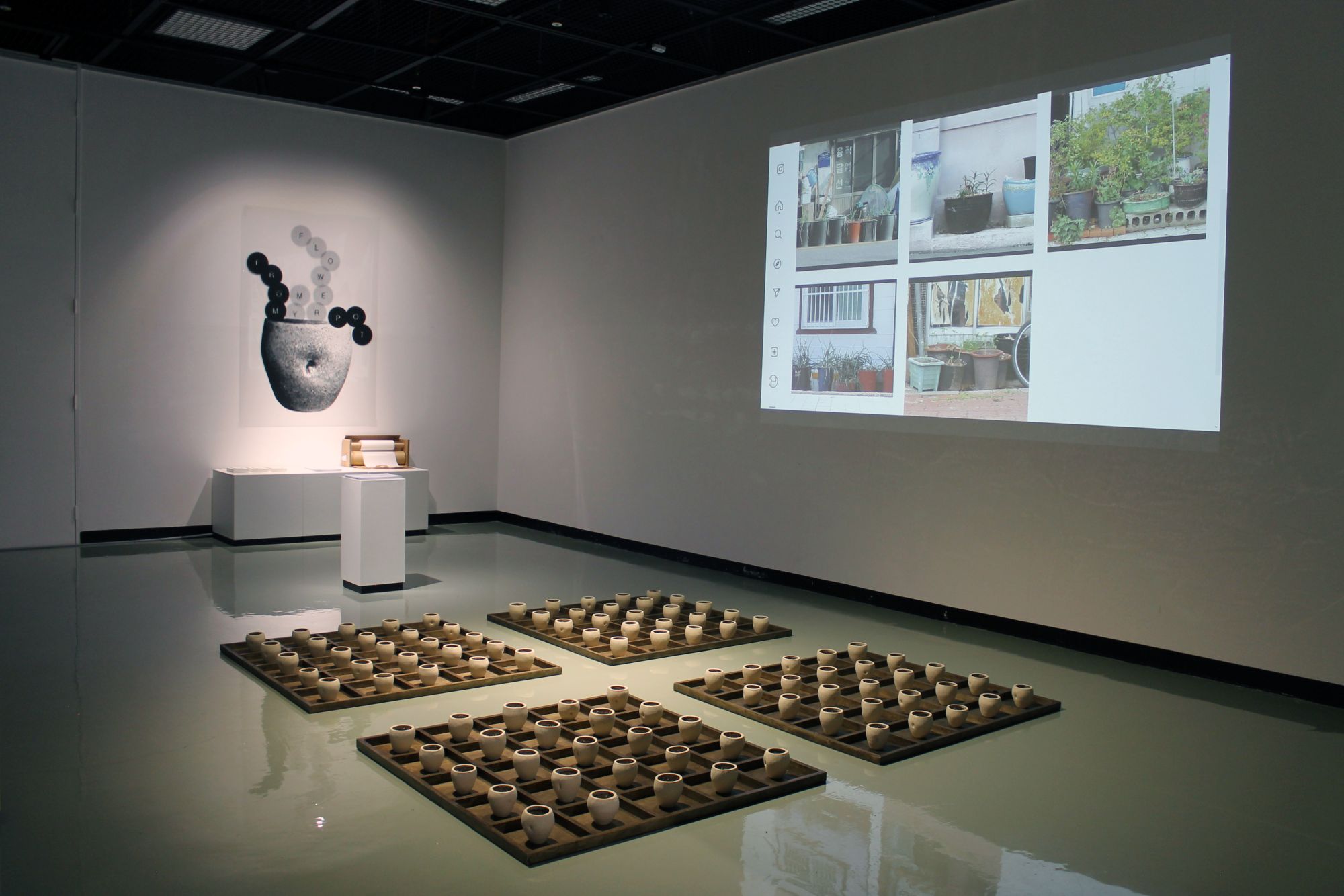
Installation view of 《From My Flowerpot》 (Seo-gu Cultural Center, Art Gallery, 2022) © Soyoung Lee

Here, the flowerpot functions as an object that revisualizes the coordinates through which existence is situated, proposing an active perspective in which one can choose where to take root. Through this, Lee raises the question of how we might create the places in which we choose to establish our own roots.
 
Furthermore, the flowerpot works first introduced in 《Unrooted》 were later expanded into the ‘Unrooted’ Project (2022), in which the pots were distributed to people from diverse backgrounds. The project documented and collected photographs of the works as they became integrated into participants’ everyday living environments.


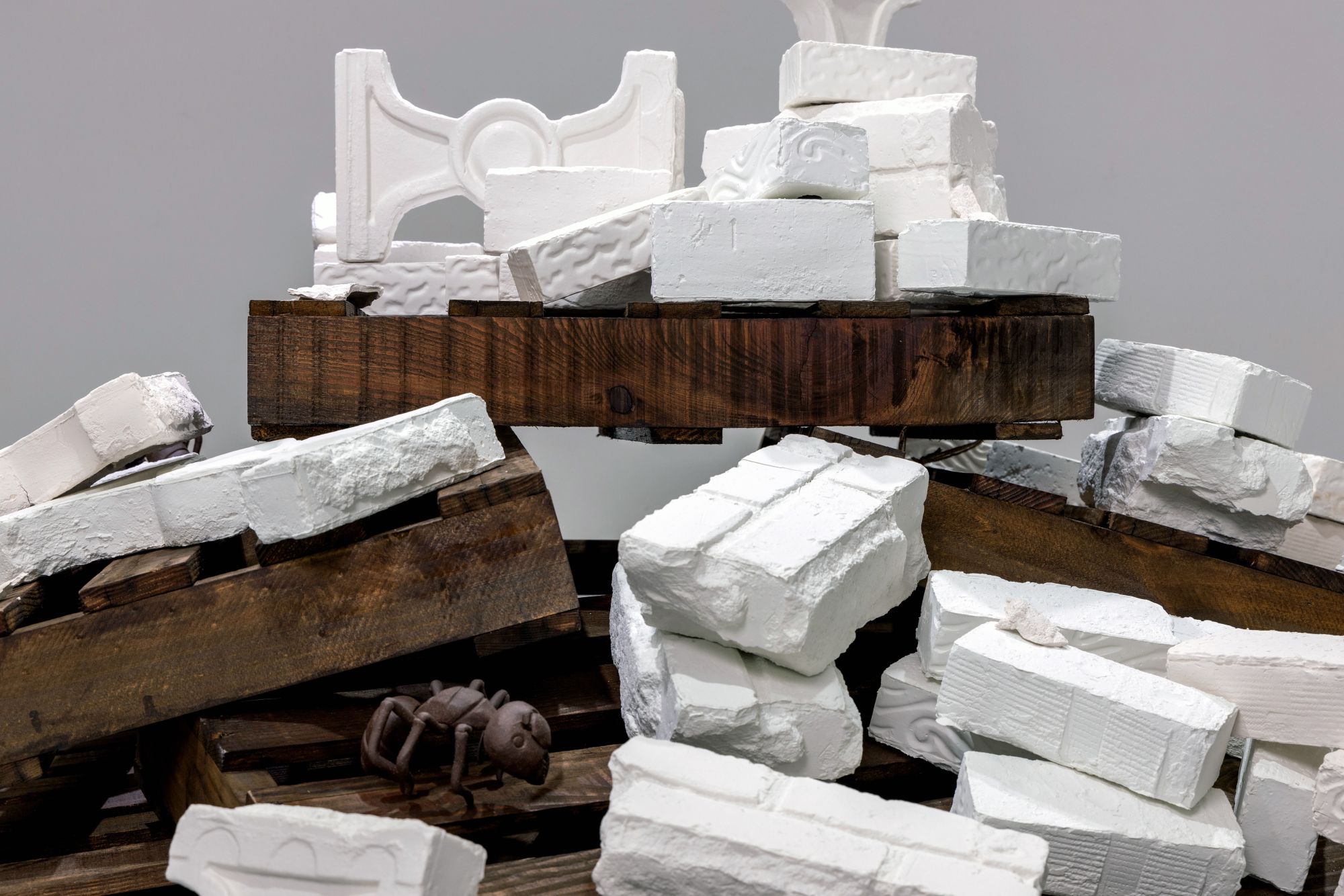
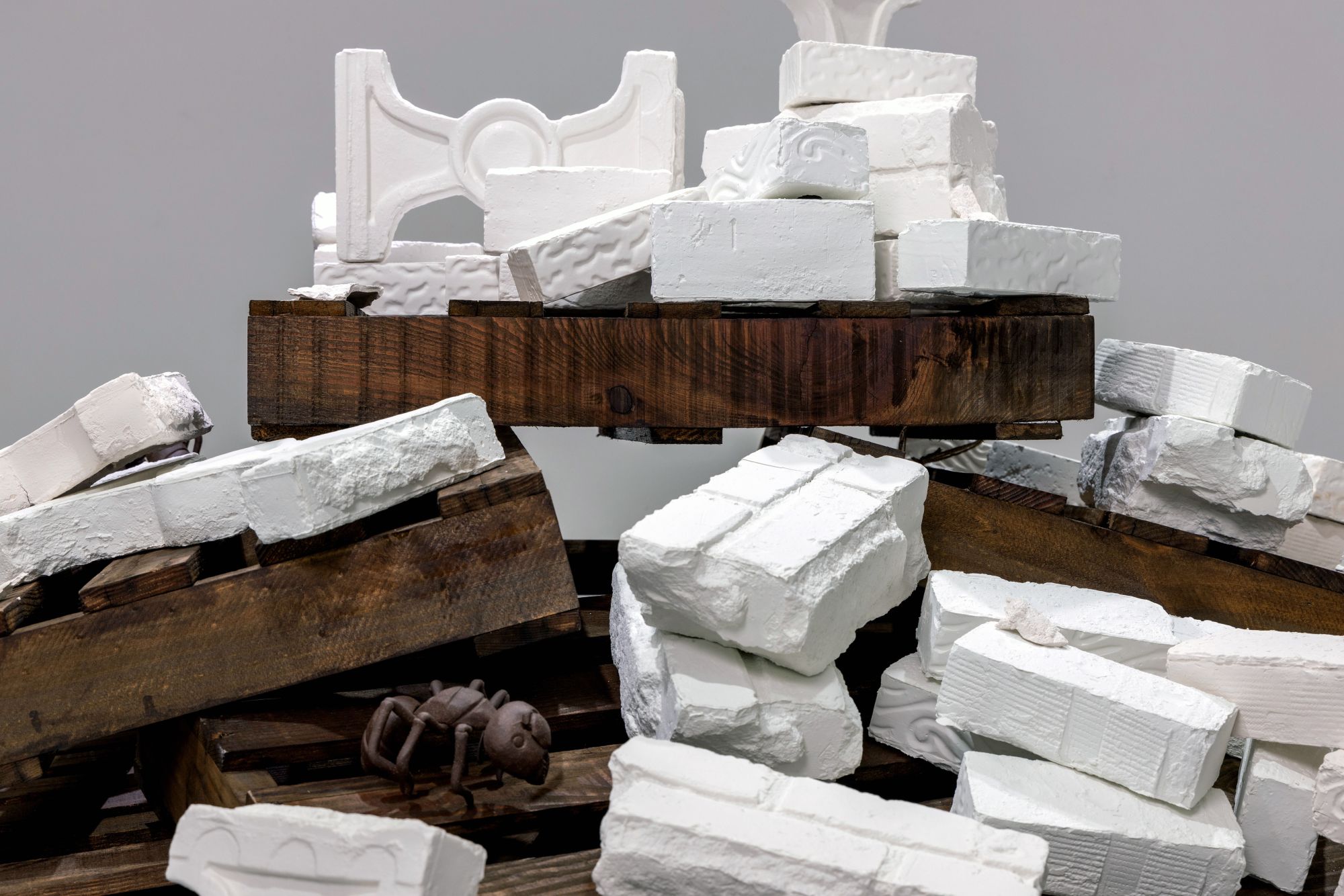
Soyoung Lee, Fragile City 1, 2023, Porcelain, stoneware, wooden pallet, Variable installation © Soyoung Lee

Meanwhile, in her solo exhibition 《Fragile City》 (Art Space Bullmoji, 2023), Lee sought to express the processes of transformation and circulation that shape the contemporary city through sculptural works made of clay.
 
Today’s cities often appear dazzling and solid, as though they were built to last forever. Yet within the relentless cycle of redevelopment, existing buildings are repeatedly demolished and rebuilt. Those who once made their homes there are likewise compelled to move, their lives shaped by this continual cycle of disappearance and emergence.


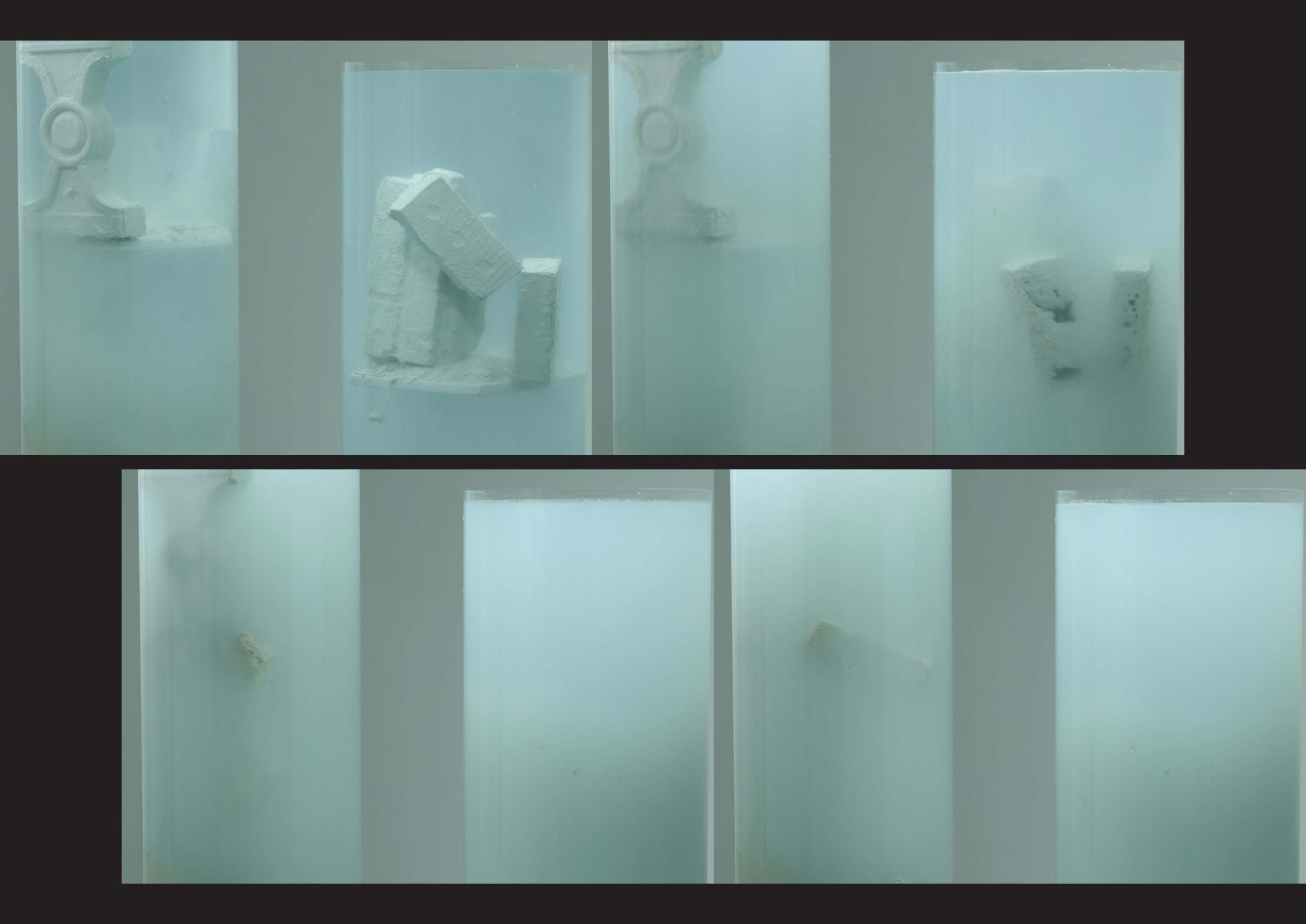
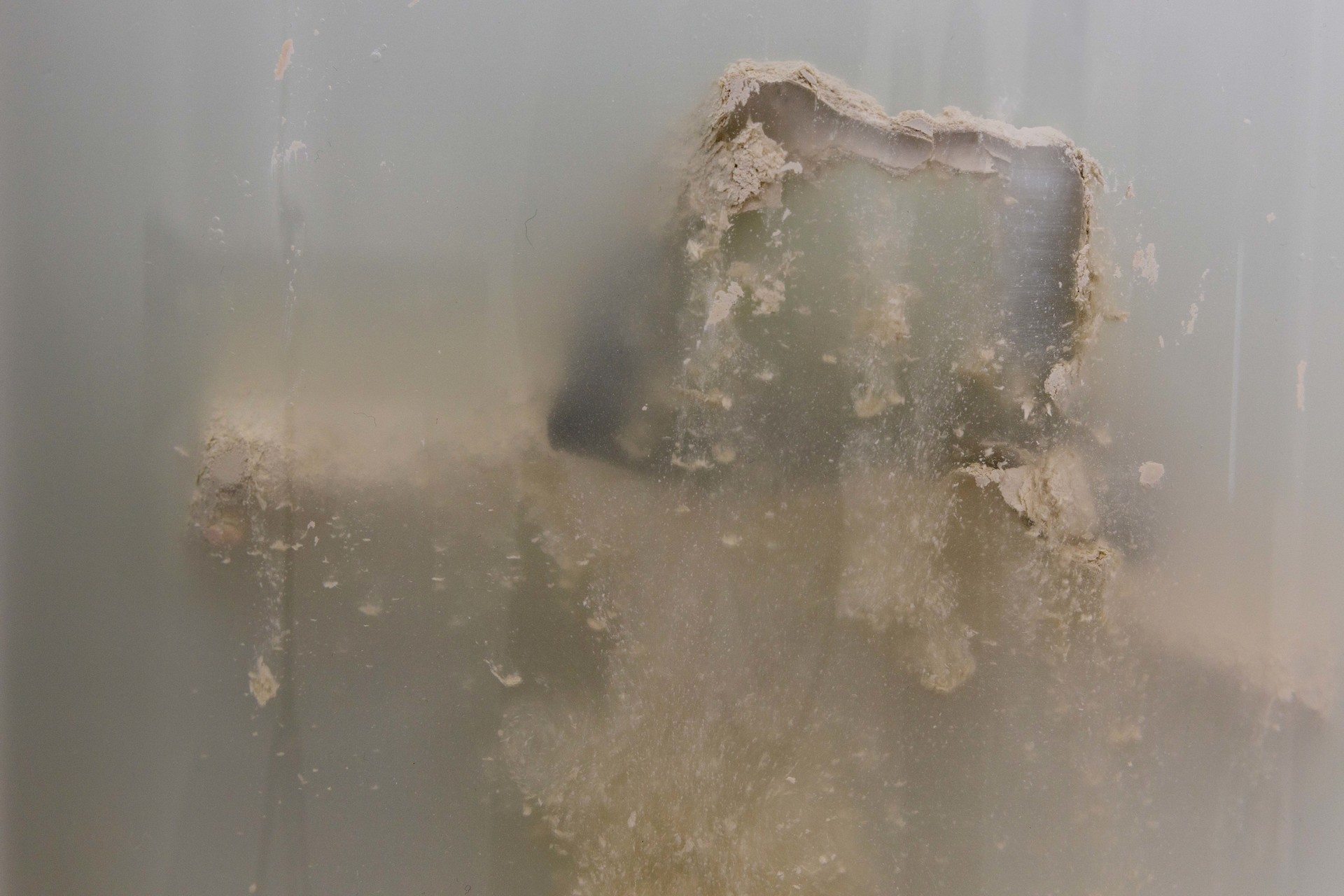
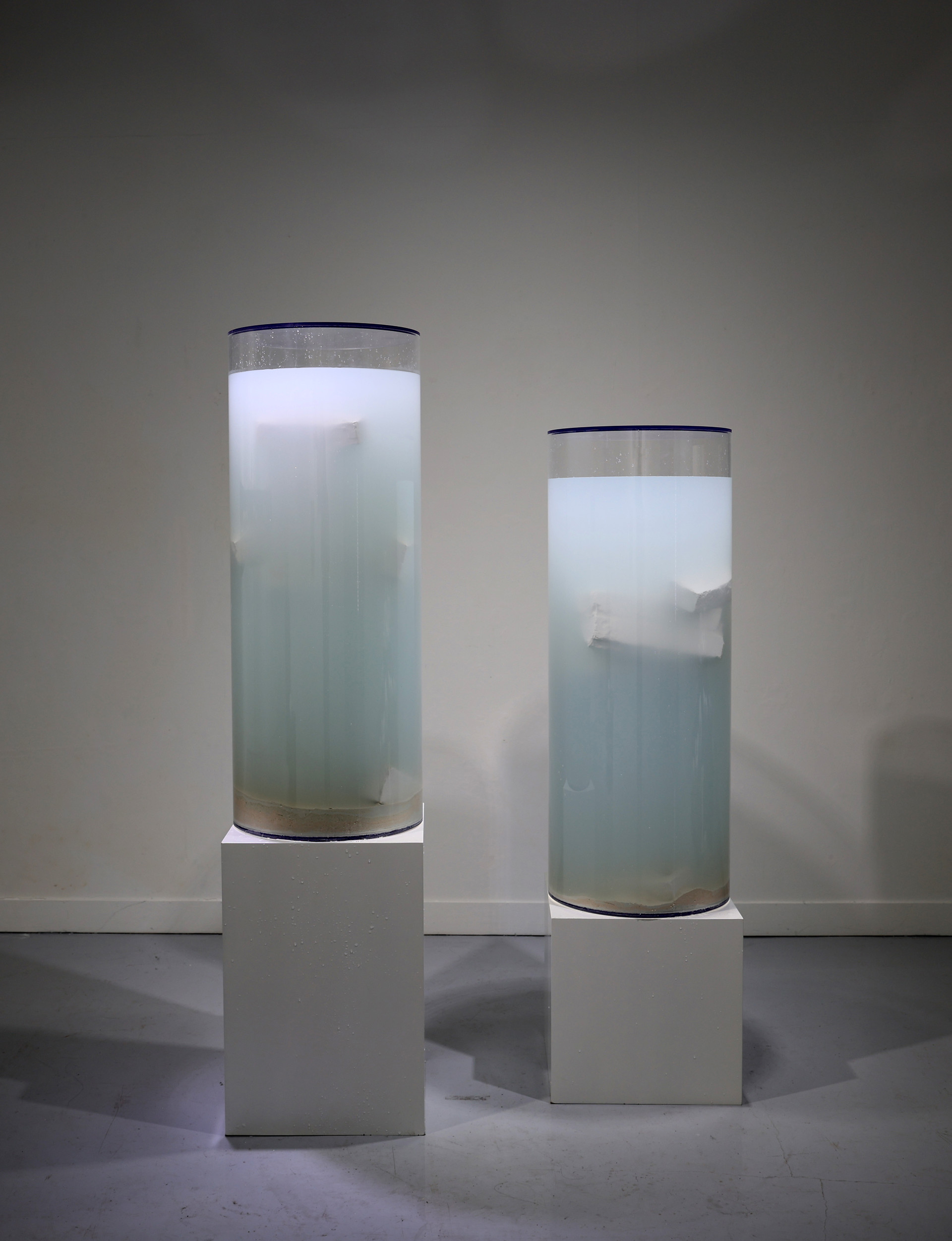
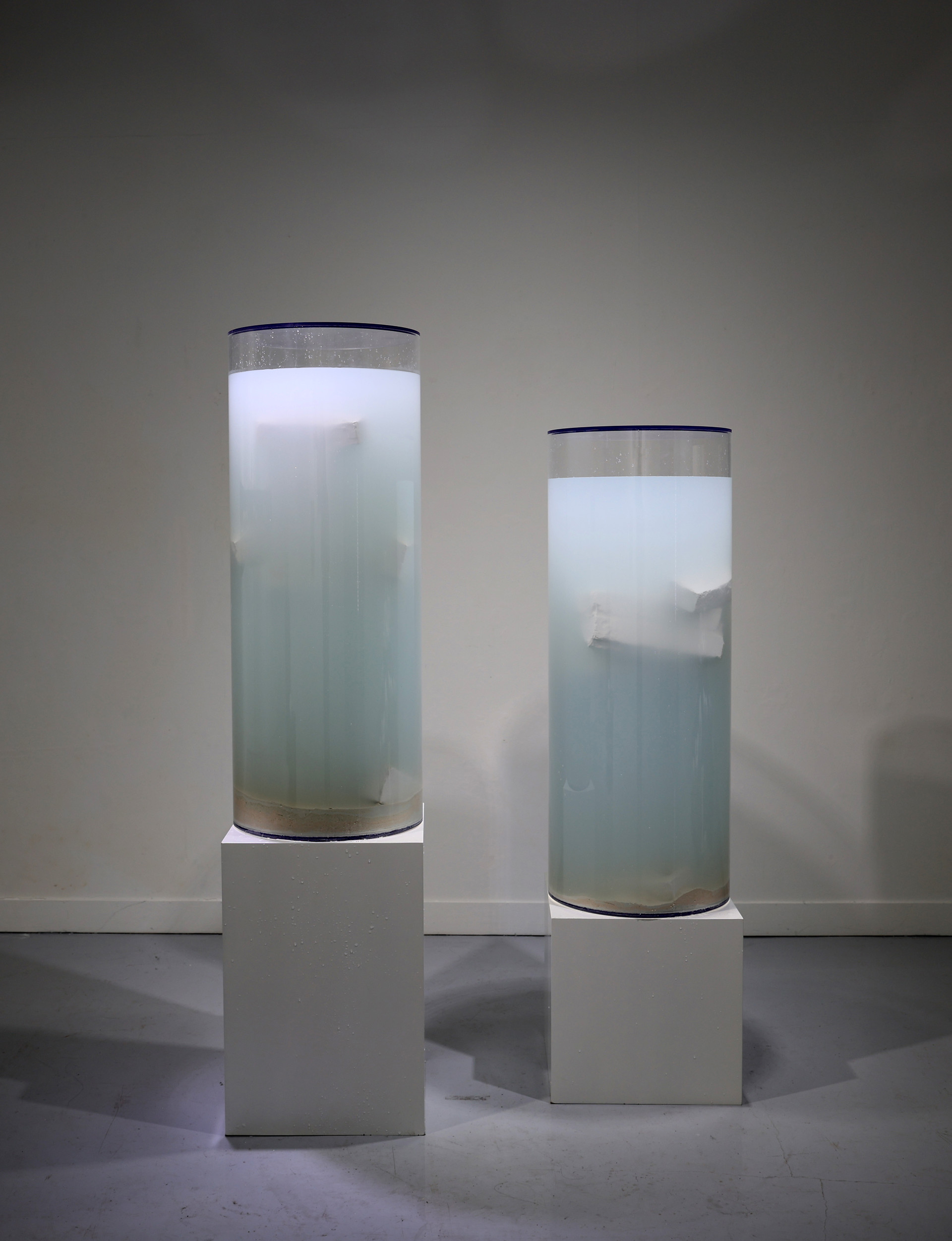
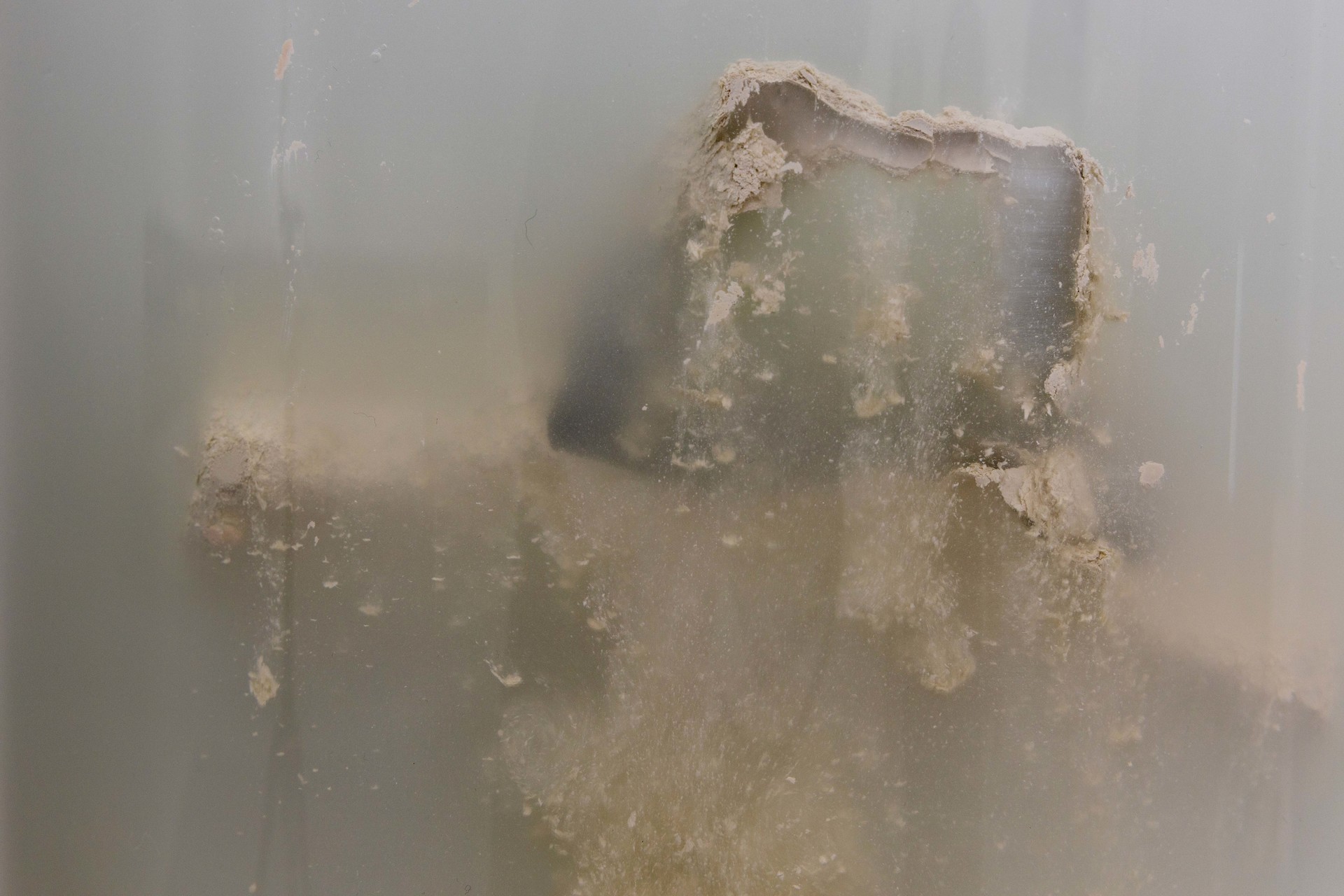
Soyoung Lee, Fragile City 2, 2023, White clay, acrylic tank, 400∅ x 120(h) cm © Soyoung Lee

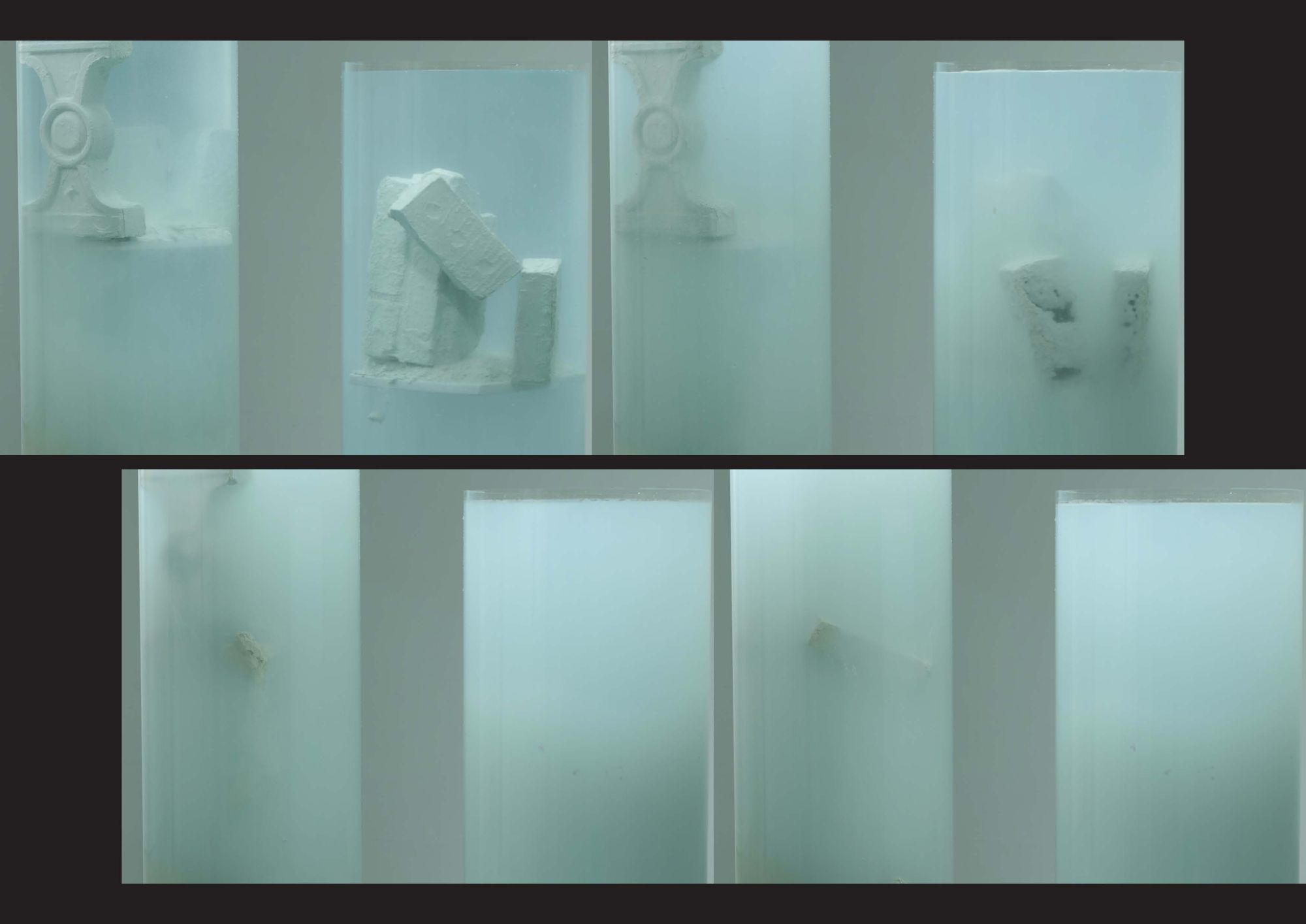
Lee drew attention to the circulation of earth—the material that constitutes both ourselves and our surroundings—to reveal the fragility of the city and the beings who inhabit it. For example, she recreated architectural elements such as bricks in clay, stacking them into structures only to break them apart and return them to their original state.
 
In contrast to the traditional sculptural ideal of permanent and enduring form, Lee’s clay works bring time and disappearance to the center of sculpture. Rather than emphasizing fixed forms, they direct attention to the traces of movement that remain in the interval between collapse and re-formation, as forms break down and come together once again.


Soyoung Lee, Fragile City 2_progress_5, 2023, White clay, acrylic tank, 400∅ x 120(h) cm © Soyoung Lee

This exploration of forms caught within processes of transformation was further expanded during her residency at Incheon Art Platform in 2025.
 
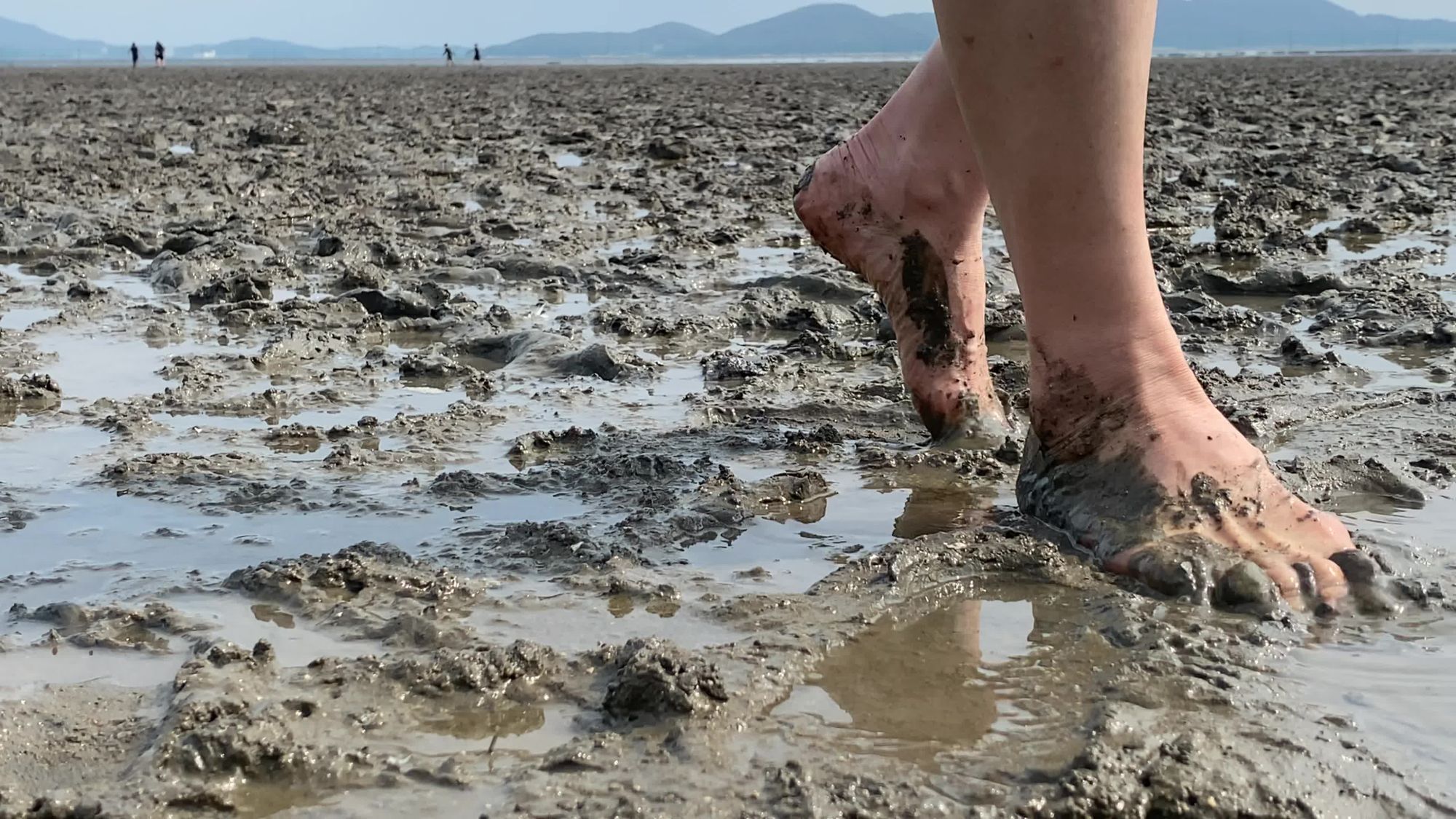
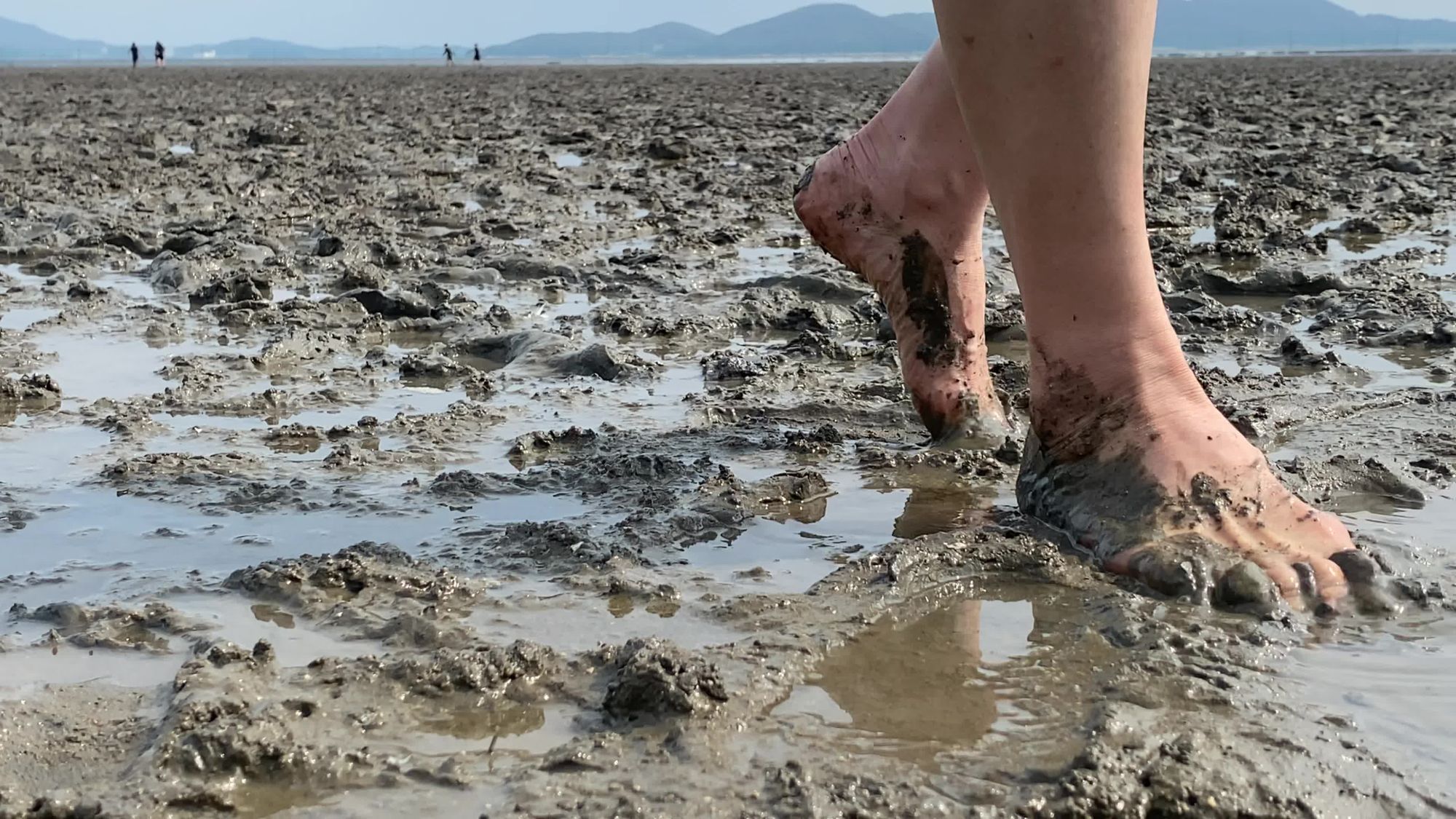
As part of this development, her solo exhibition 《Making the Ended Road》 (Space Beam, 2025) captured the movements and rhythms of forms discovered while exploring the boundary zones of Incheon—including dead-end roads, ports, embankments, and tidal flats—translating them into a sculptural language.
 
Lee collected architectural elements embedded in Incheon’s landscapes and everyday objects, using them as the basis for clay sculptures. Through the repeated acts of constructing, breaking, and rebuilding these sculptures, she sought to reveal forms in a state prior to their stabilization—the movements and forces that precede fixed shape.


Soyoung Lee, Fragile City 3, 2024, Video, 10min. © Soyoung Lee

In these works, sculpture exists not as a finished object but as a medium that reveals the very process through which clay undergoes cycles of formation and disappearance, destruction and reconstruction. Cracking and erosion, collapse and recombination—the material movements themselves become the content of the work, extending beyond the realm of form alone.
 
Through this approach, Lee repeatedly returns the image of the “ended road” to a state prior to its formation, drawing attention to the movements and rhythms of process, as well as to the temporality of becoming itself.


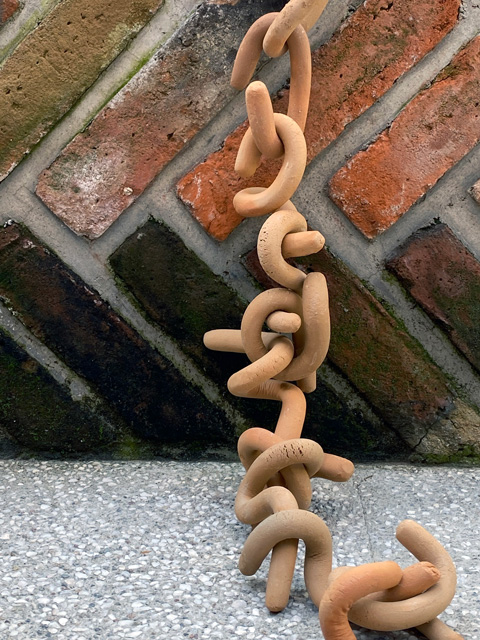
Soyoung Lee, Let Me Go Somewhere, 2023, Stoneware, Variable installation © Soyoung Lee

Through a feminist perspective that seeks to dismantle existing systems and open them to new modes of thought, Soyoung Lee examines the relationships between the spaces we inhabit, the communities that share and negotiate their boundaries, and the formation of individual identity.
 
Developed through the repetitive contact and friction between material and body, her practice captures encounters and collisions with countless others within the spaces of everyday life and society, as well as the movements of relationships that are continually formed and dissolved through these interactions.
 
In doing so, Lee proposes the subject not as a complete or fixed entity, but as a fluid condition that is constantly generated and transformed through relationships and lived experience.

“Our lives are in constant flight and movement, continually tracing new paths. Because the paths that life draws are named not as routes toward a particular goal or destination, but as movement in its most primordial sense, they often lead us to question whether the fundamental spaces in which we take root truly exist upon a sublime and immutable ground.” (Soyoung Lee, Artist’s Note)


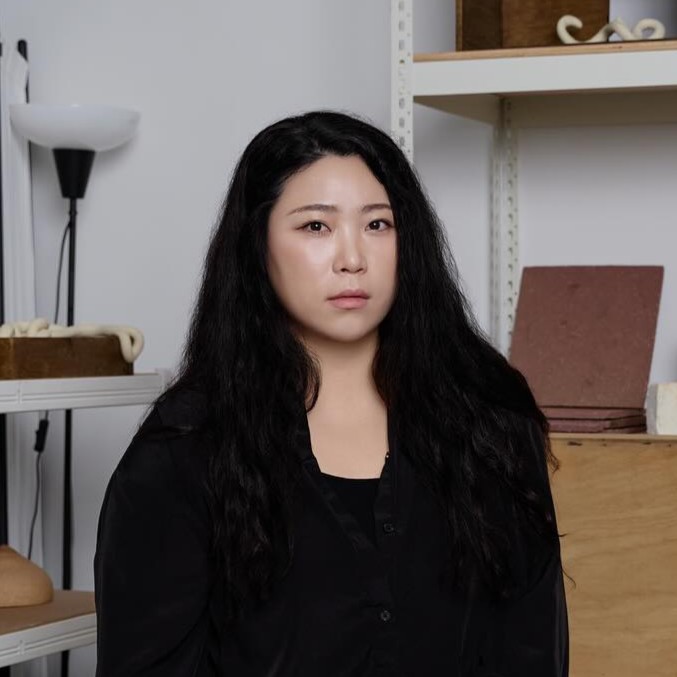
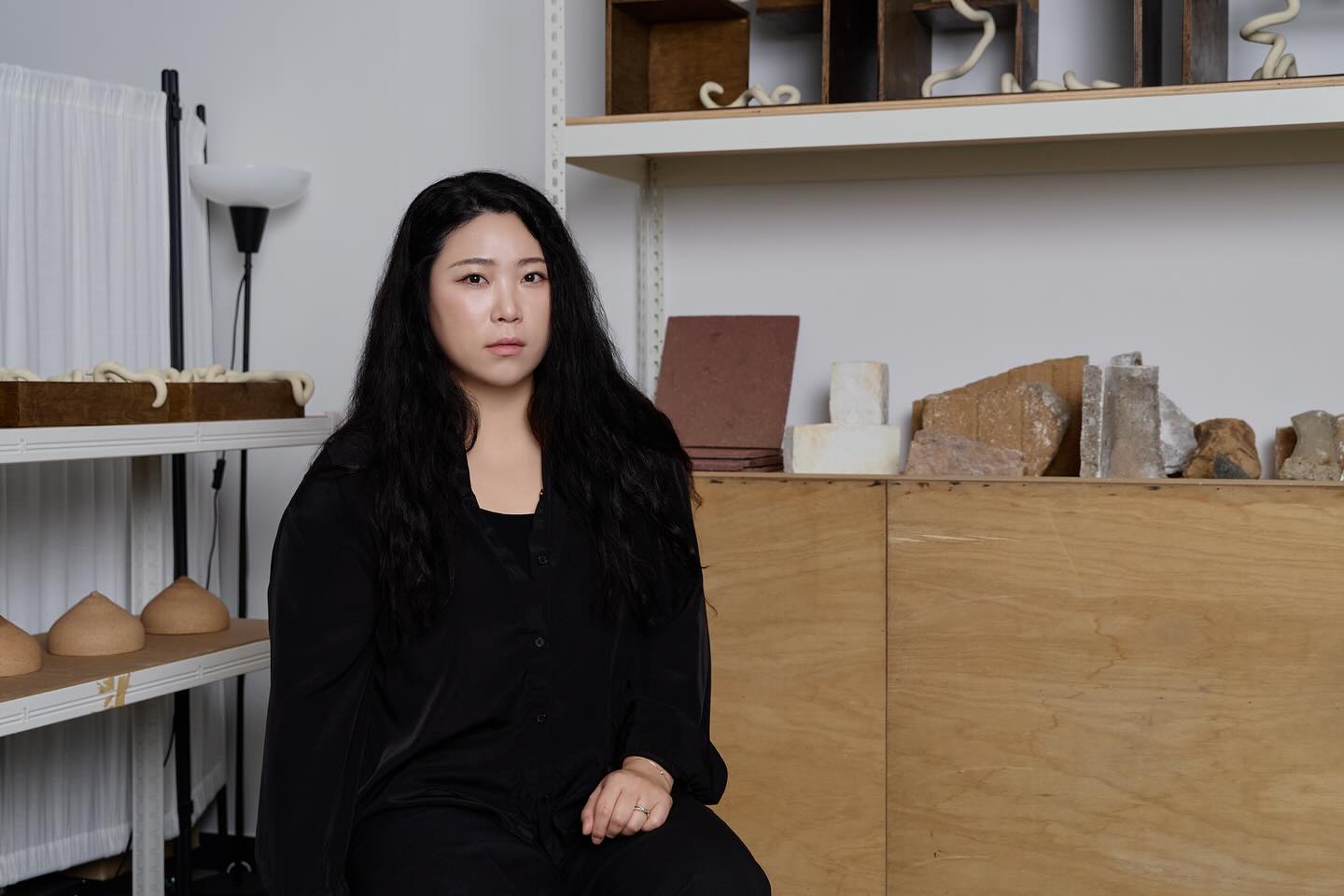
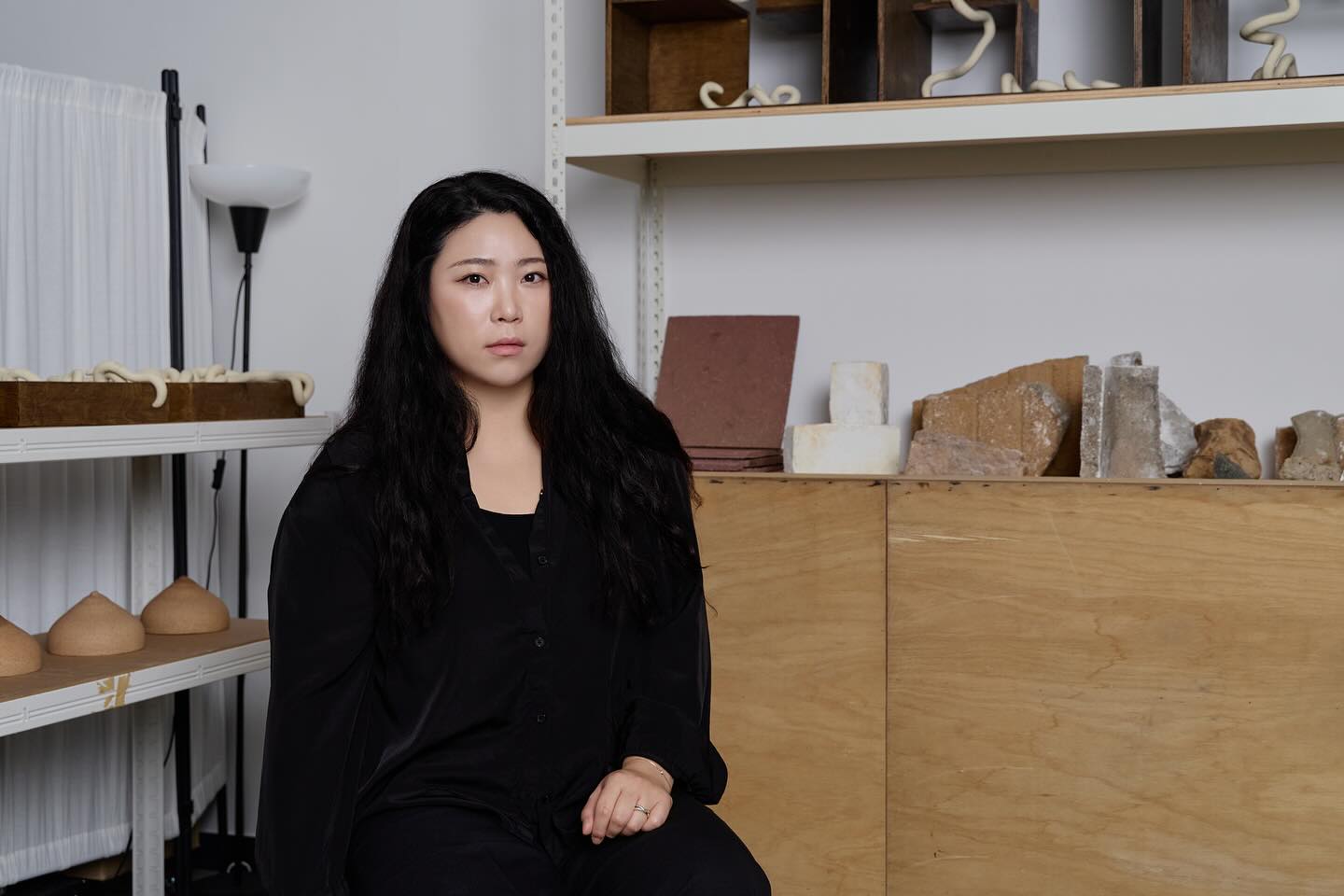
Artist Soyoung Lee © Soyoung Lee

Soyoung Lee received her B.F.A. in Ceramic Art and her M.F.A. in Ceramic Art from Ewha Womans University. Her solo exhibitions include 《Making the Ended Road》 (Space Beam, Incheon, 2025), 《Fragile City》 (Art Space Bullmoji, Incheon, 2023), 《From My Flowerpot》 (Incheon Seo-gu Culture & Arts Center, Incheon, 2022), and 《Unrooted》 (Cheongna Blue Nova Hall, Incheon, 2022).
 
She has also participated in numerous group exhibitions, including 《Glass: Beyond the Window》 (Gallery Meilan, Seoul, 2025), 《Pieces of Us》 (Doing Art Gallery, Seoul, 2024), 《Boogie Woogie Museum》 (Ulsan Museum of Art, Ulsan, 2023), 《Foot of the Perpendicular》 (Gallery aHsh, Paju, 2020), and the 《Craft Competition: Cheongju International Craft Biennale》 (Cheongju International Craft Biennale, Cheongju, 2019).
 
Lee has been selected for a number of residency programs, including New Taipei City Yingge Ceramics Museum (Taiwan, 2026), Incheon Art Platform (Incheon, 2025), and Art Naru Residency (Incheon, 2024). Her works are held in the collections of Yanggu Porcelain Museum and the Cheongju International Craft Biennale, among others.

References