Eum Kixung (b. 1988) has developed a sculptural practice that translates the inner states revealed when personal memories and sensory experiences collide with physical boundaries into a distinct visual language.
 
In particular, he explores the sensations and traces left behind among objects and places that have been excluded, abandoned, or are disappearing within imperfect spaces—such as redevelopment zones, sites awaiting demolition, old urban districts, and marginal areas of the city. Through processes of deconstruction and restoration, he investigates what remains in the wake of transformation and loss.

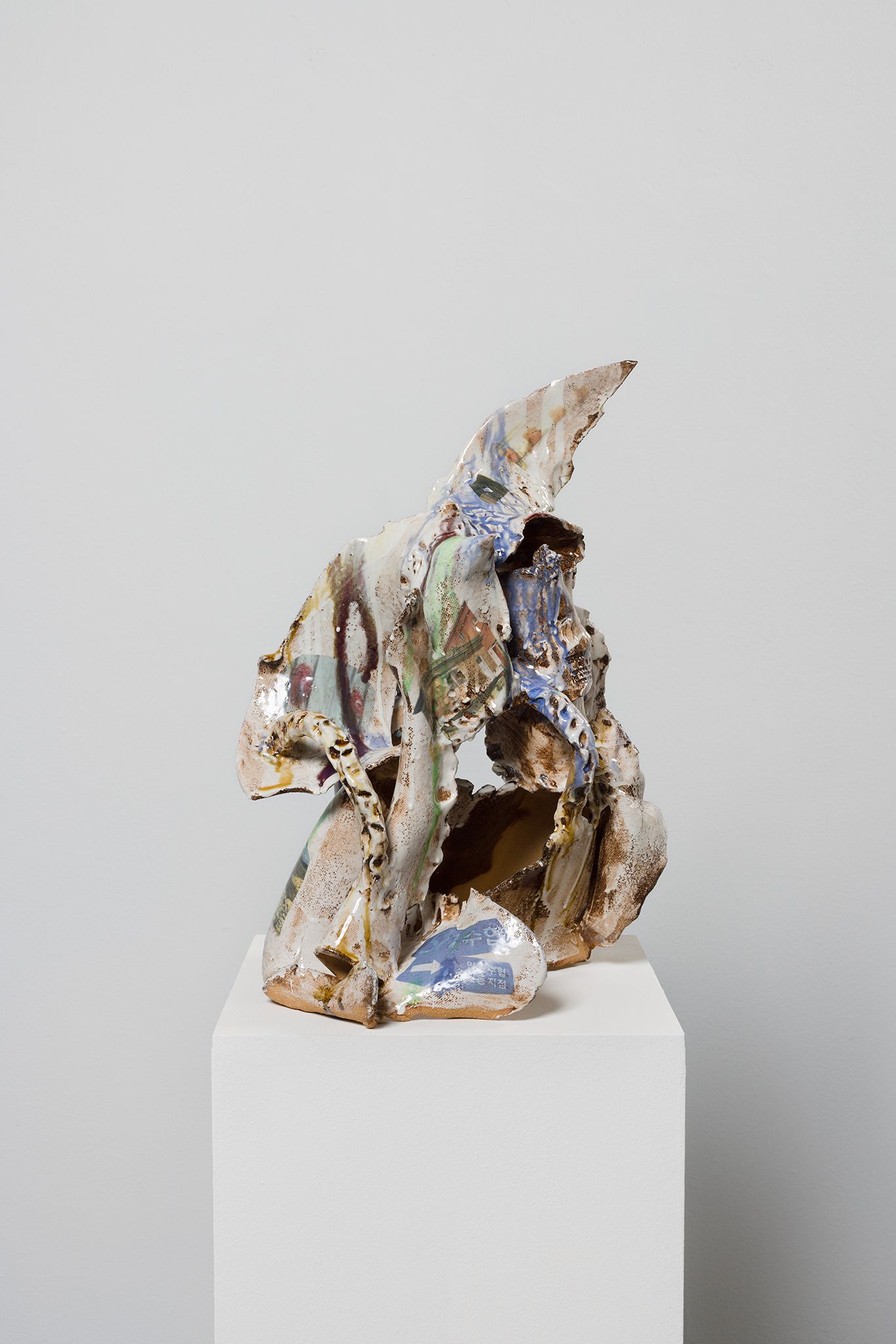
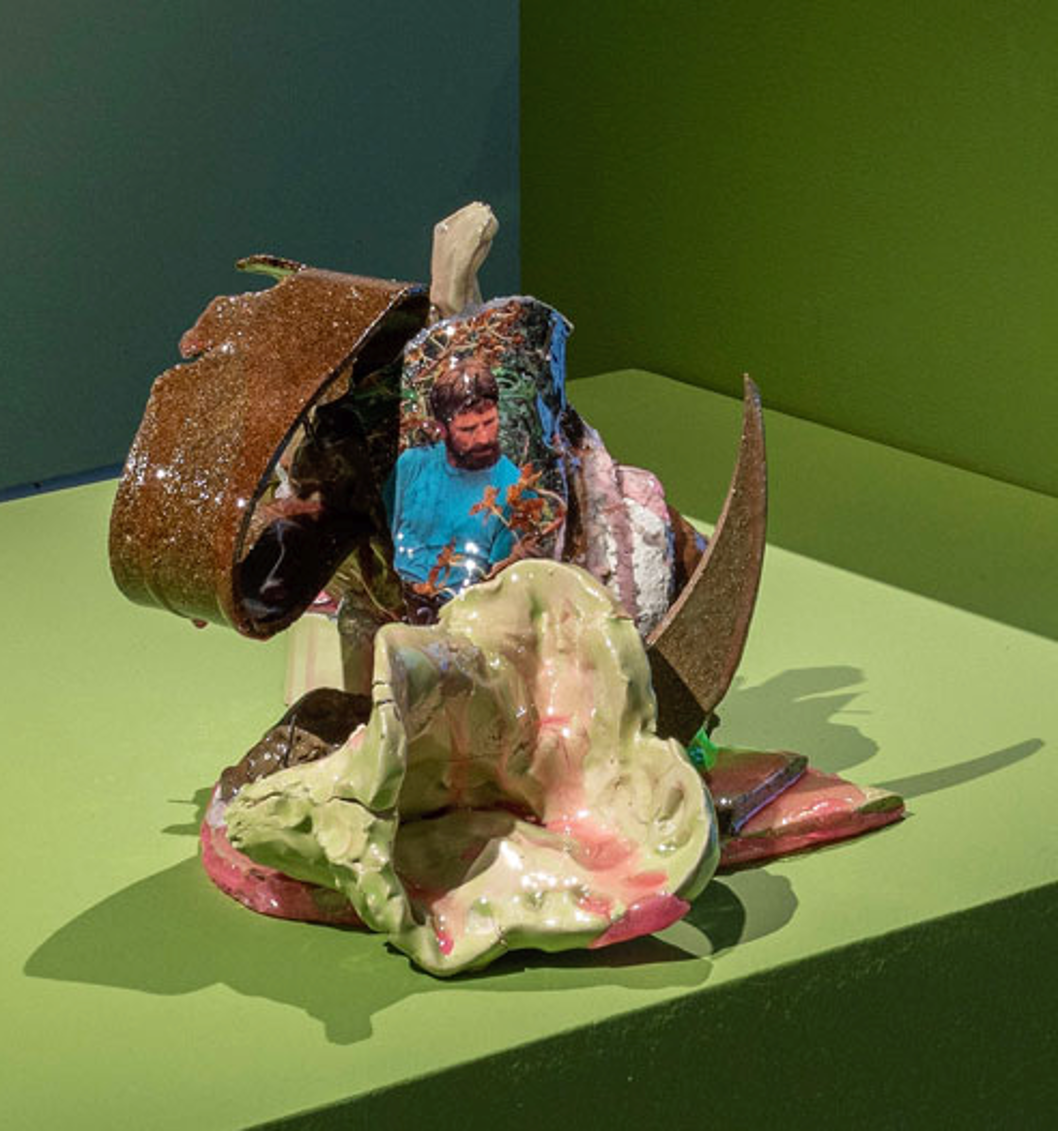
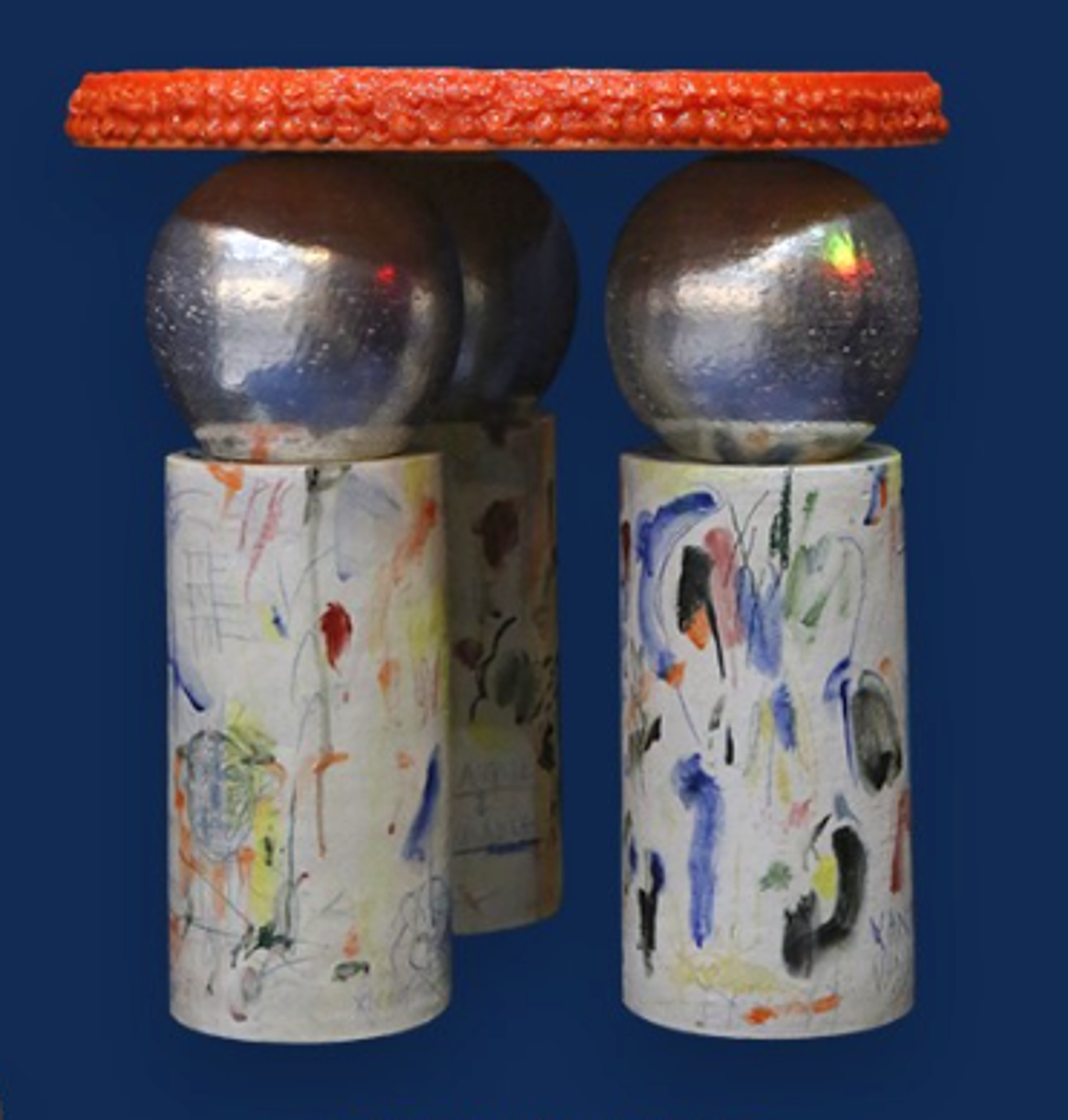
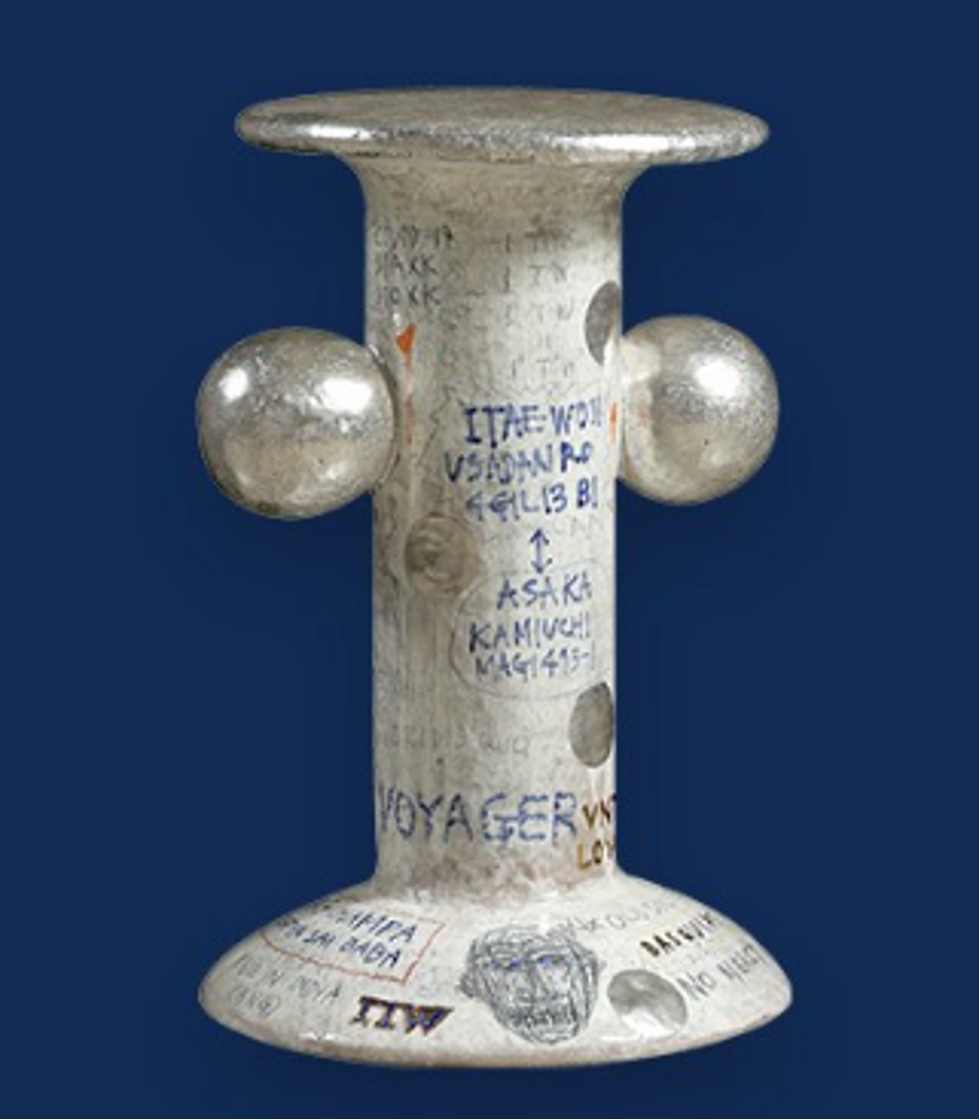
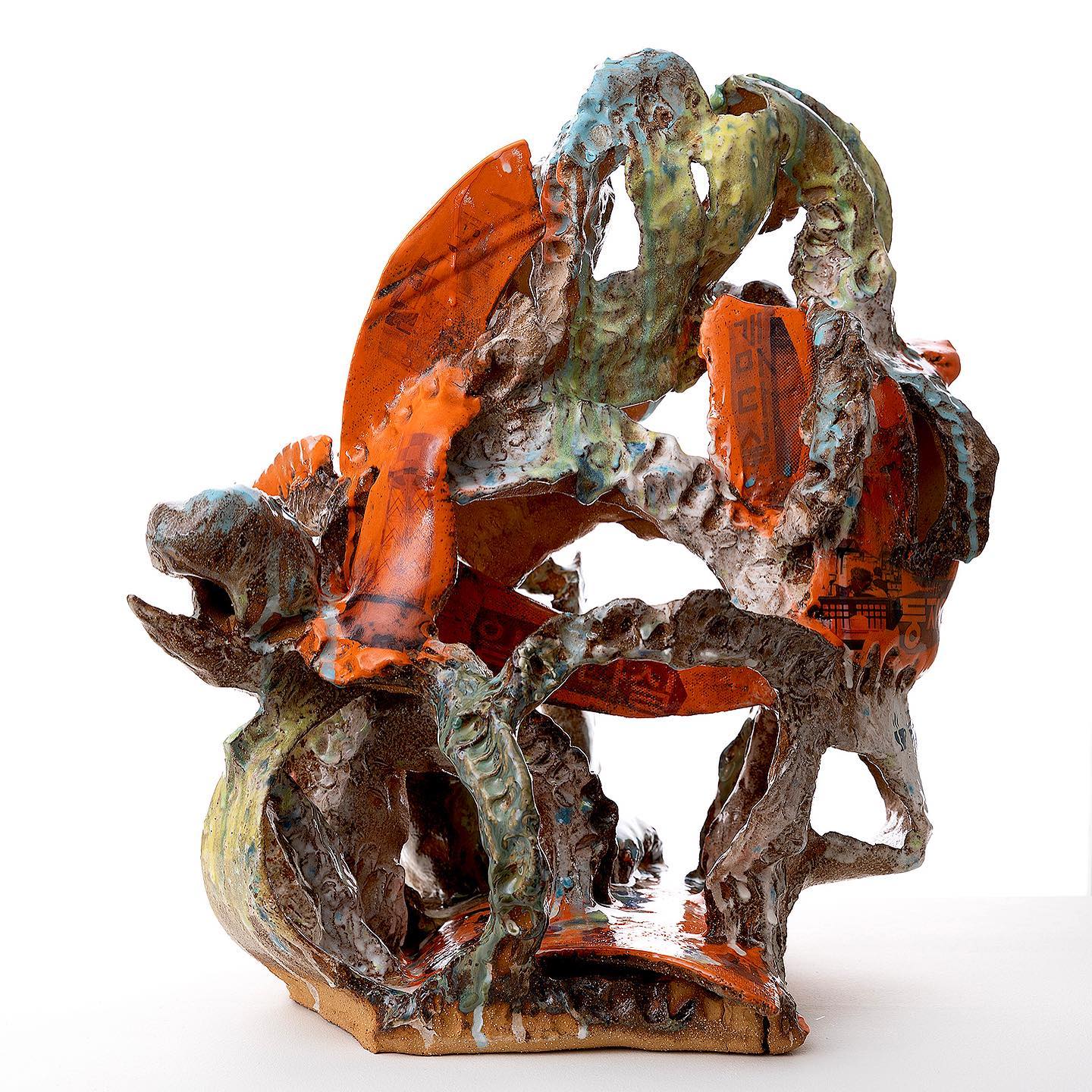
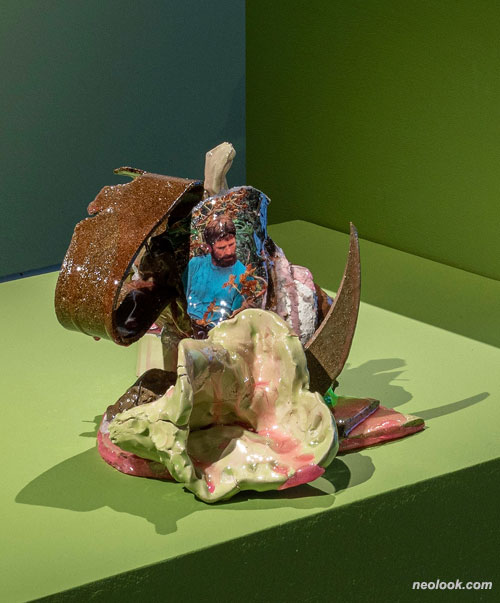
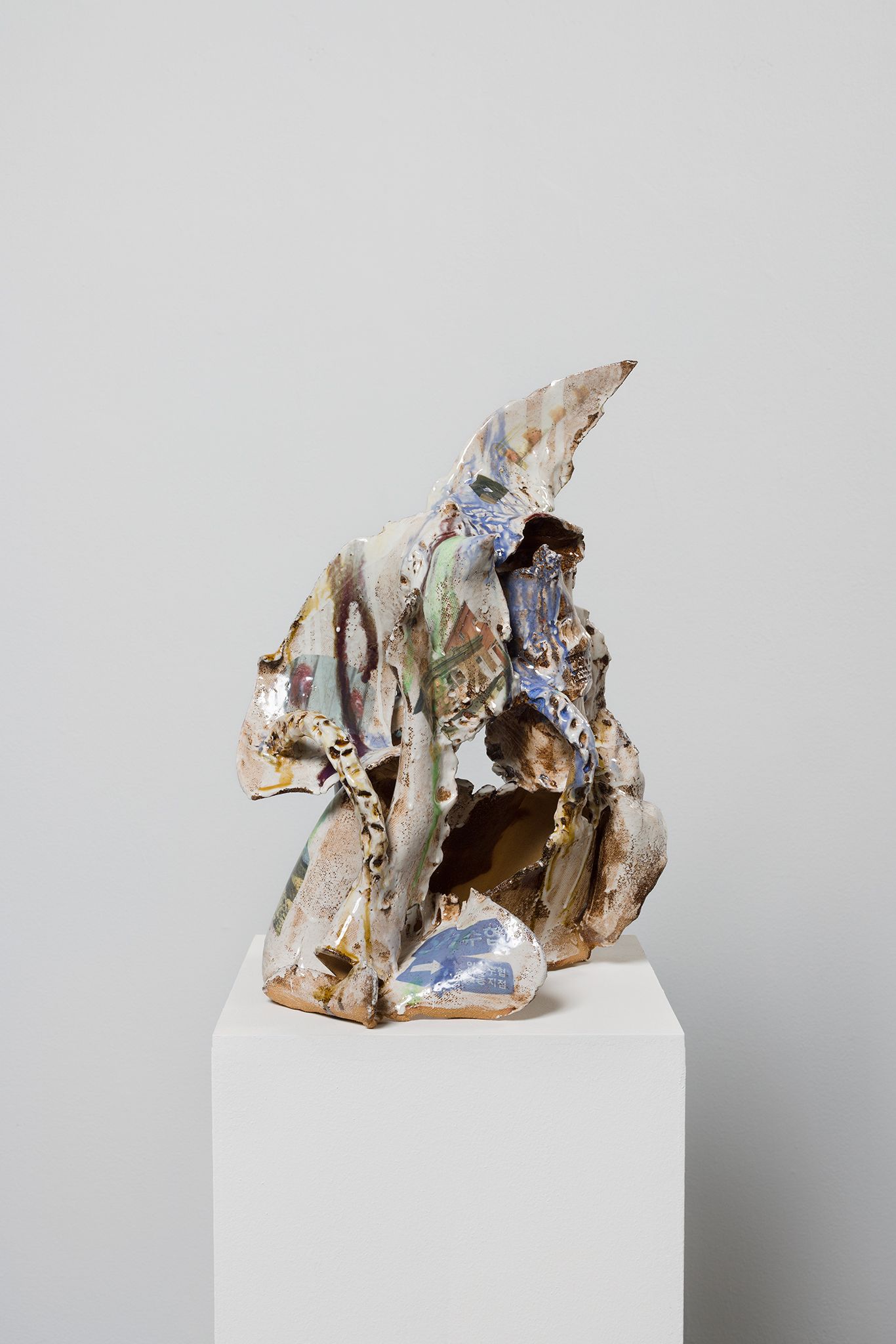
Eum Kixung, Collected Story Pieces - The Chuncheon Tea Room Network, 2024, Ceramics, 46x34x49cm © Eum Kixung

Eum’s practice begins with the act of collecting imperfect images. Drawing from the incomplete impressions he encounters in everyday life—things he feels, experiences, sees, and hears—he combines them with his own sensibility to develop sculptural works.
 
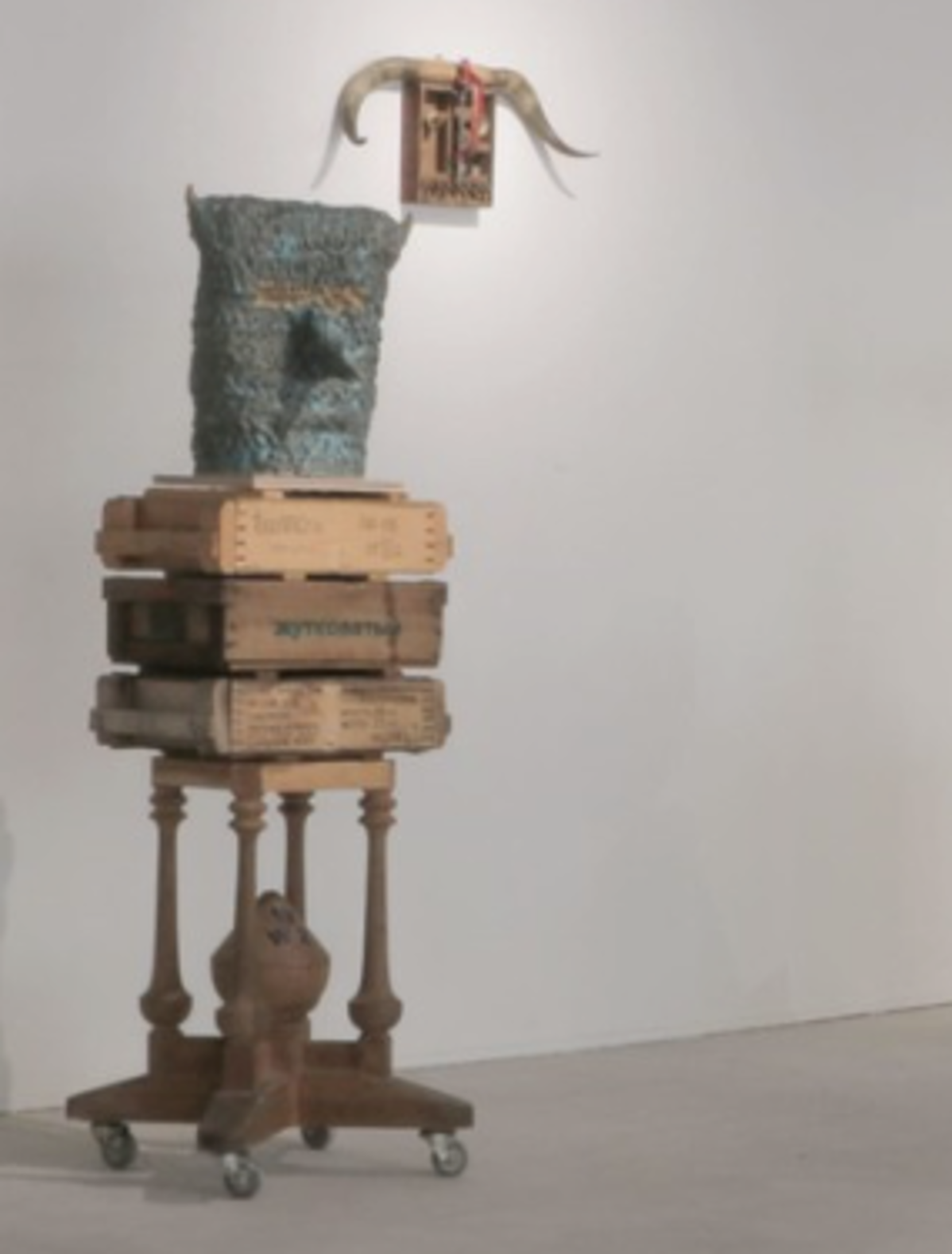
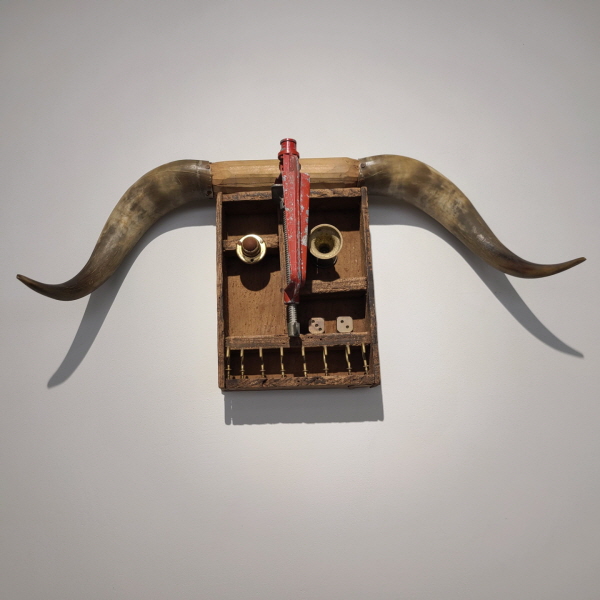
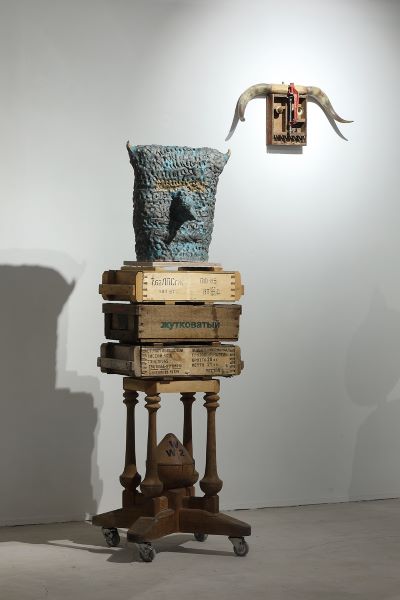
For example, in his early works, Eum collected discarded objects and vintage items and incorporated his background in ceramics to transform them into new artworks. Through this process, he explored the boundaries between past and present, the discarded and the new, and object and art.


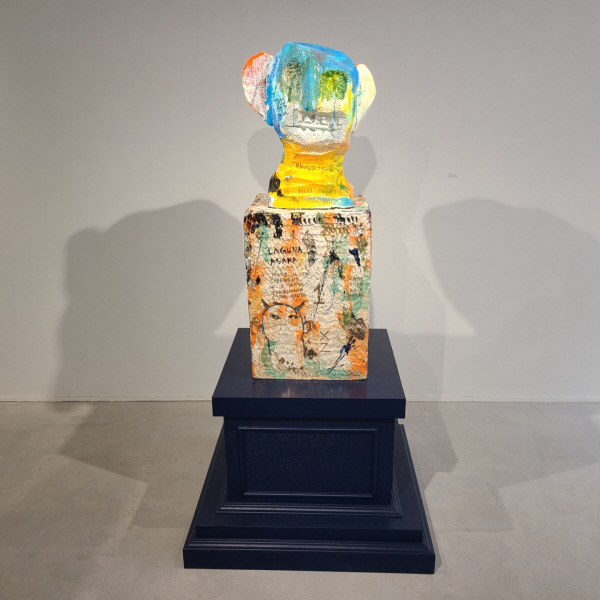
Eum Kixung, TERRIBLE Hybrid , 2021, Mixed media, 52x35x153cm © Eum Kixung

This effort to move beyond the conventional framework of ceramics defined by utility and function, and to connect his own sensibility with surrounding environments and objects, became more fully developed in his 2021 solo exhibition 《Incomplete Harmony》.
 
For this exhibition, Eum combined ceramics with materials selected according to his personal sensibility, ranging from everyday items commonly found around us—such as household waste, Styrofoam, stainless steel, synthetic resin, and toys—to more luxurious materials including neon lights, gold, and silver. These materials were either incorporated into ceramic forms or added as decorative elements.
 
By combining discarded everyday objects with ceramics and employing both ornate embellishments and popular materials, Eum’s works demonstrate his commitment to expanding ceramics beyond the material limitations and established conventions of traditional clay-based practice, developing it into a distinct artistic language of his own.


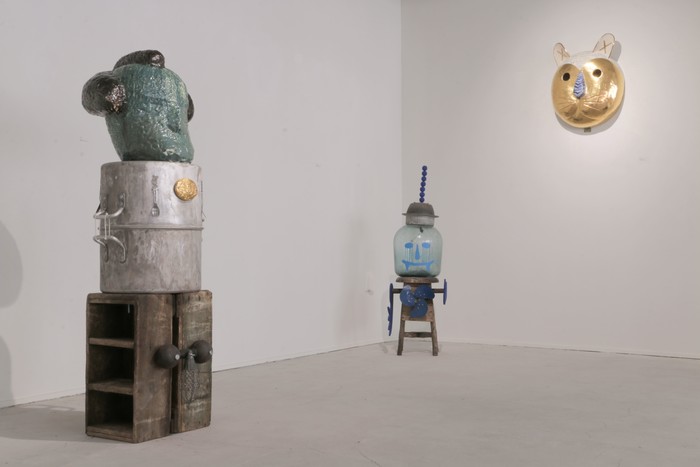
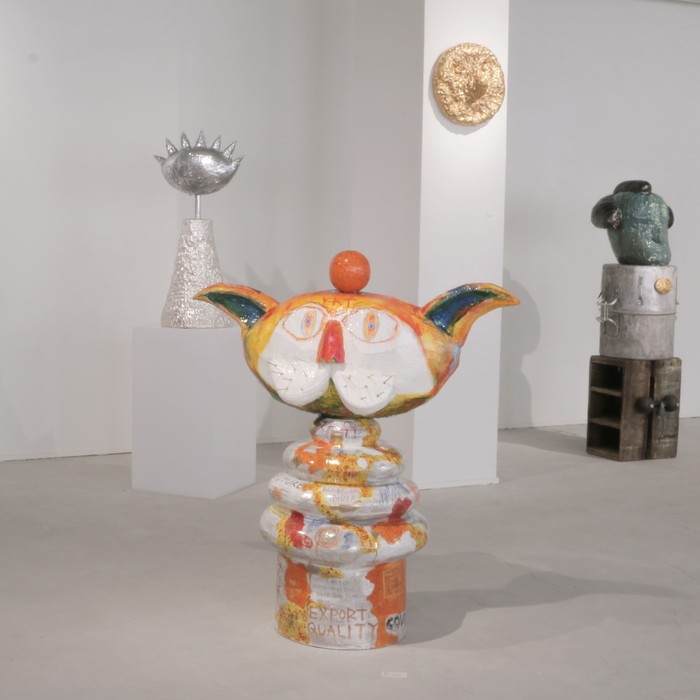
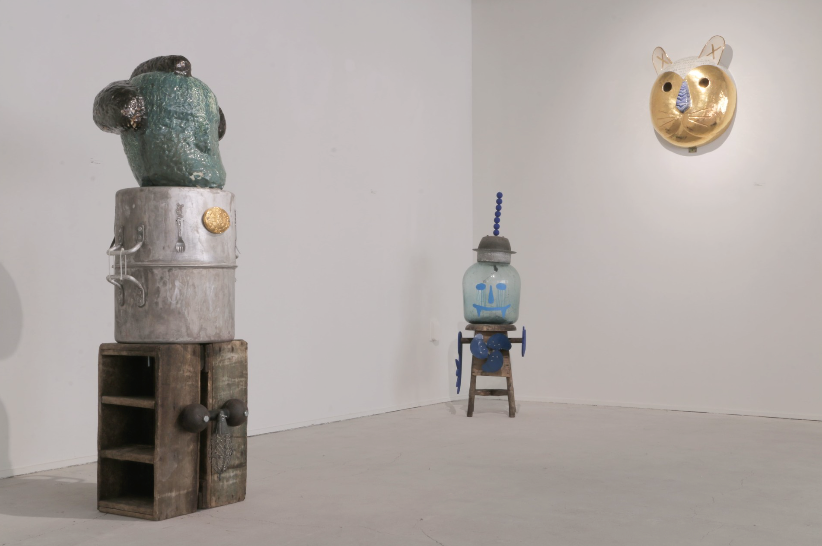
Installation view of 《Incomplete Harmony》 (Art Soombi Center, 2021) © Eum Kixung

The exhibition featured a range of works that presented diverse forms and inventive approaches to contemporary ceramics in an accessible manner, including ceramic furniture, sculptural objects combining ceramics with contemporary materials, and mask-inspired objects.
 
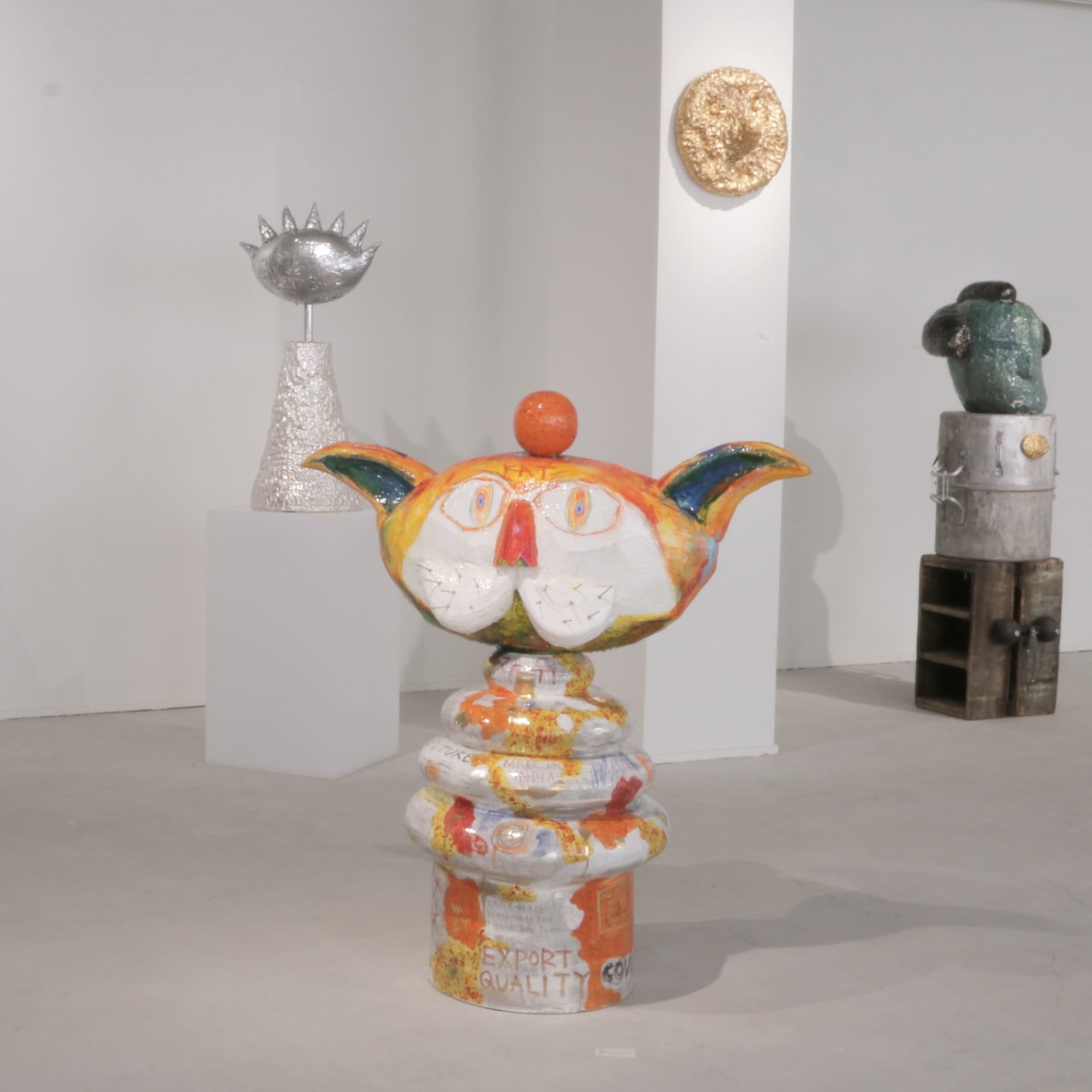
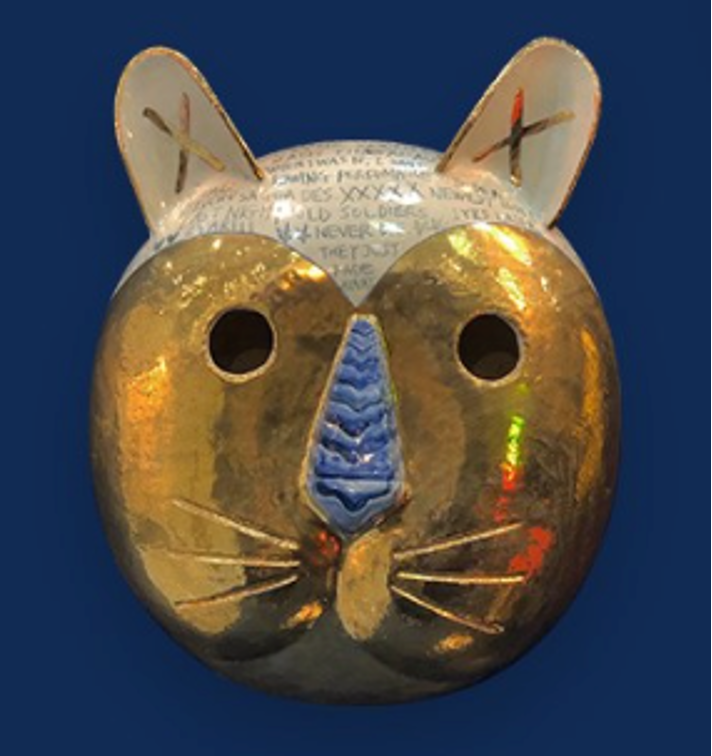
Among them, KAT (2021) was developed as an extension of TAL (NEO SCULPTURE) (2020). In this work, Eum experiments with new visual forms by combining the material qualities of ceramics—heavy and characterized by the glossy sheen of glaze—with those of Styrofoam, which is lightweight yet capable of conveying a strong sense of mass and volume.


Eum Kixung, KAT , 2021, Mixed media, 98x45x108cm © Eum Kixung

Building upon TAL (NEO SCULPTURE), in which he explored how details and color could vary within the same sense of mass through the contrasting materials of ceramics and Styrofoam, Eum expanded his sculptural inquiry in KAT by using the specific image of a cat as a vehicle for investigating new formal possibilities.


Eum Kixung, Collected image pieces – Only mountains, 2023, Ceramics, resin, paper, wire, epoxy, 25x26x22cm © Eum Kixung

In his subsequent works, Eum continued to pursue sculptural experiments that translated his psychological anxieties and the range of emotions arising from new experiences into material form.
 
For instance, in the group exhibition 《Capturing Everyday Life》 (2024) at the Clayarch Gimhae Museum, the artist rendered on ceramic surfaces the contrasting landscapes of Seoul, where he permanently resides, and Jillye in Gimhae, where he was living temporarily, alongside the personal images and emotions these places evoked.


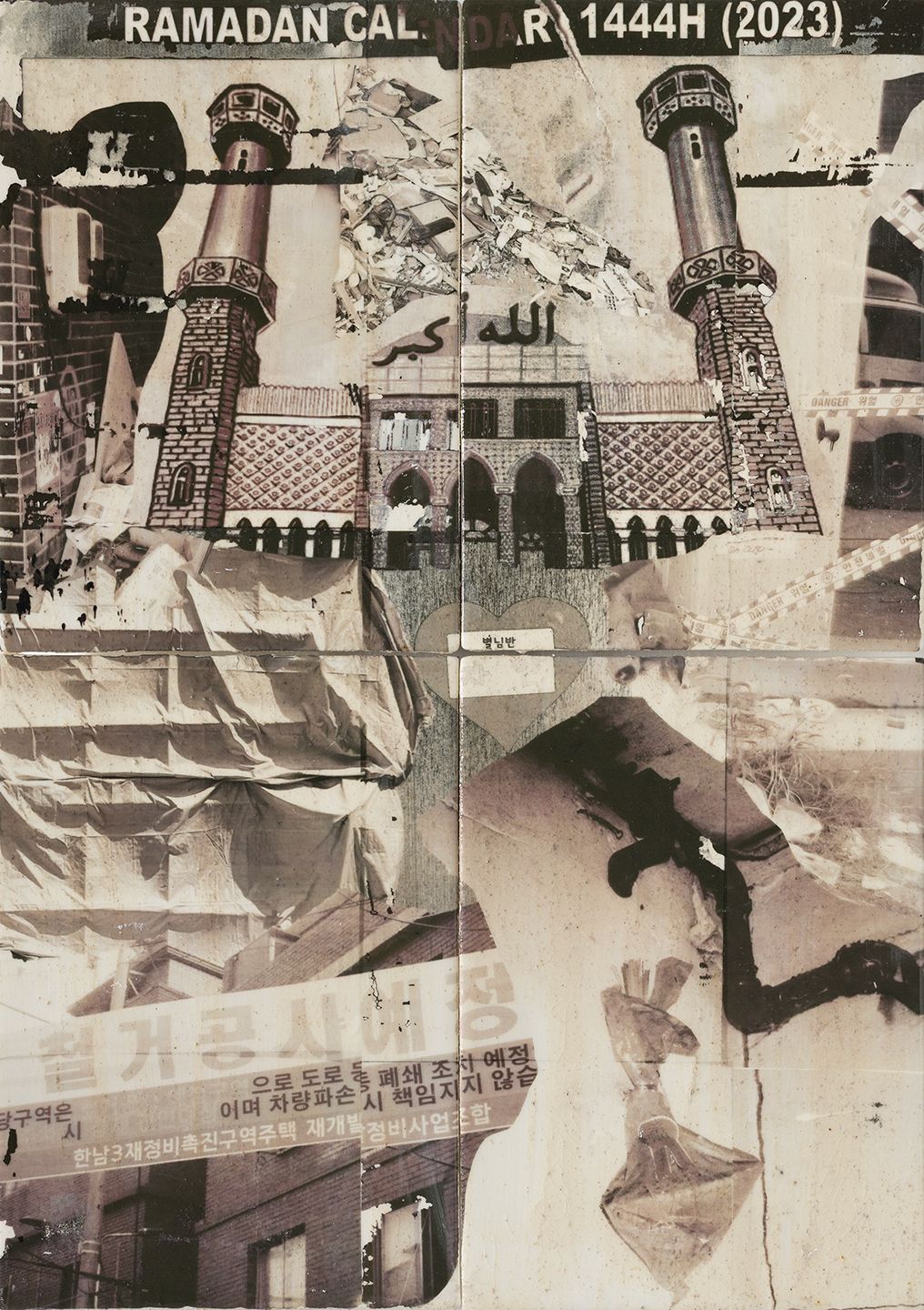
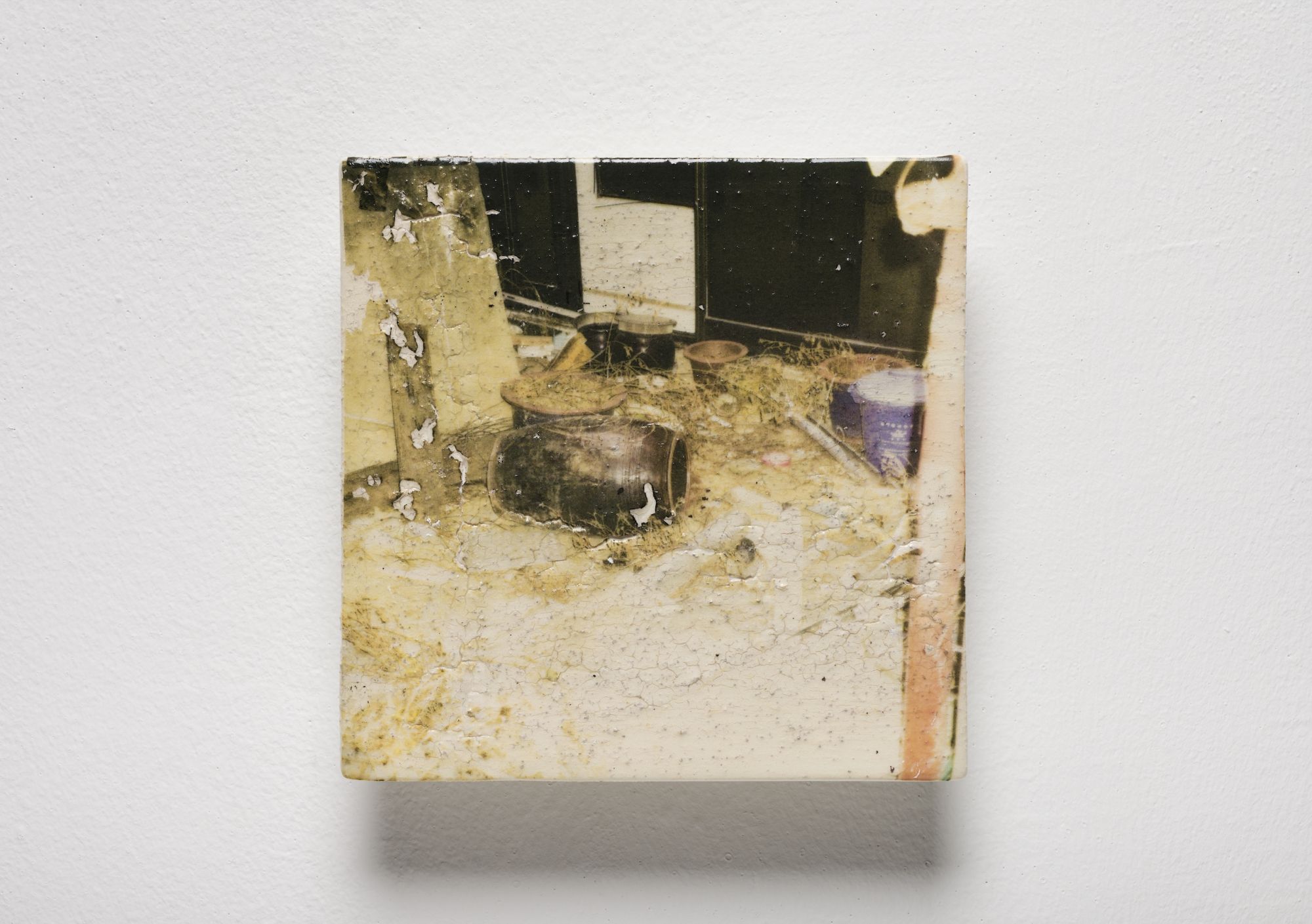
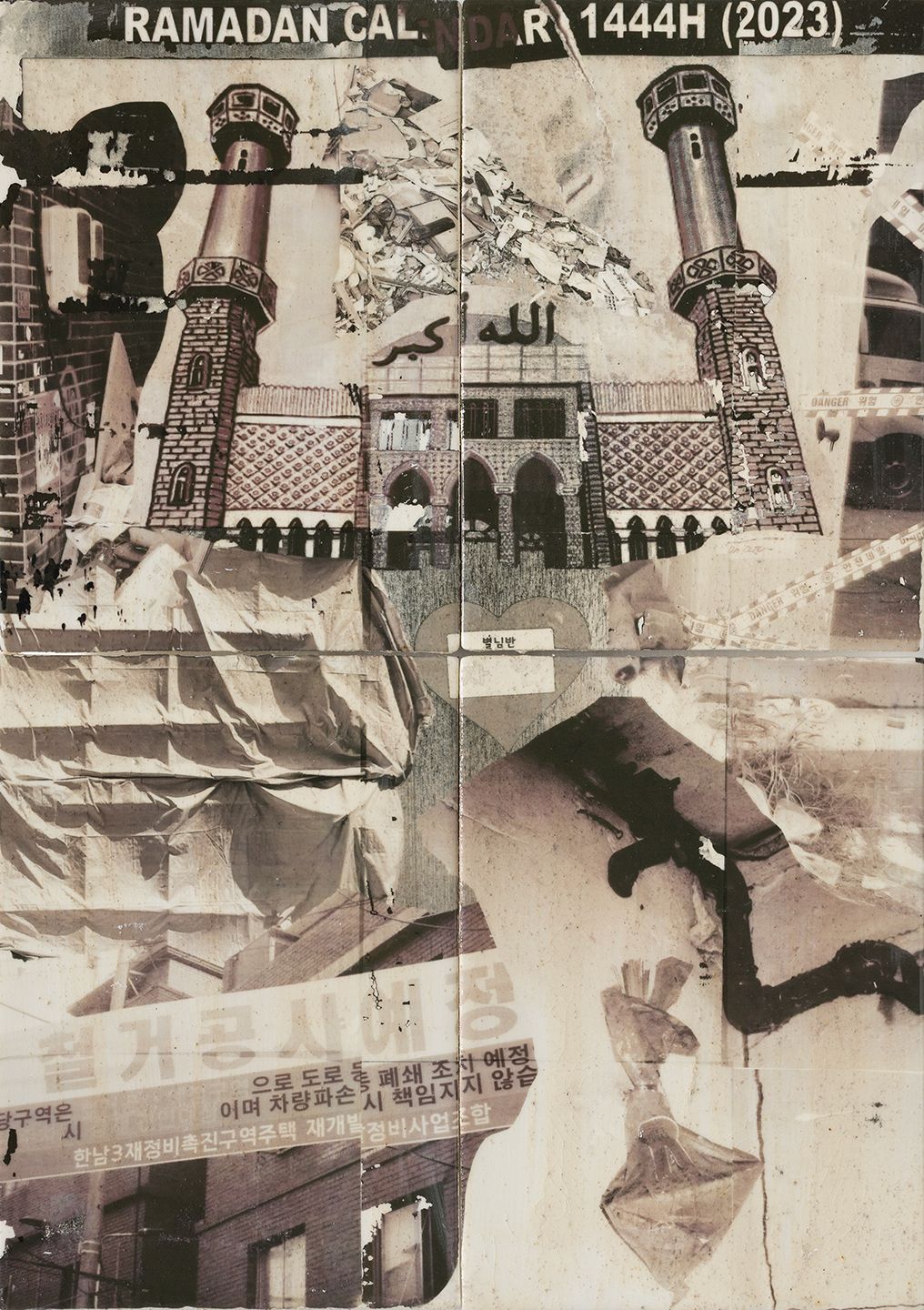
Eum Kixung, Ruined Civilization – Hannam District 3, 2025, Ceramics, Digital ceramic decal, 21x21cm © Eum Kixung

In 2025, while participating in the residency program at Incheon Art Platform, Eum began tracing the faint sensations and traces left behind in landscapes that were being demolished, overwritten, and transformed under the name of “redevelopment.”
 
Exploring Incheon’s old urban districts, redevelopment sites, and temporary spaces in transitional states, the artist collected physical remnants of accumulated time and drifting traces embedded within these environments through a process of rubbing.
 
Through the process of reconfiguring these collected impressions into sculptural forms, he sought to investigate points where past and present, imagination and reality, collide and intersect.


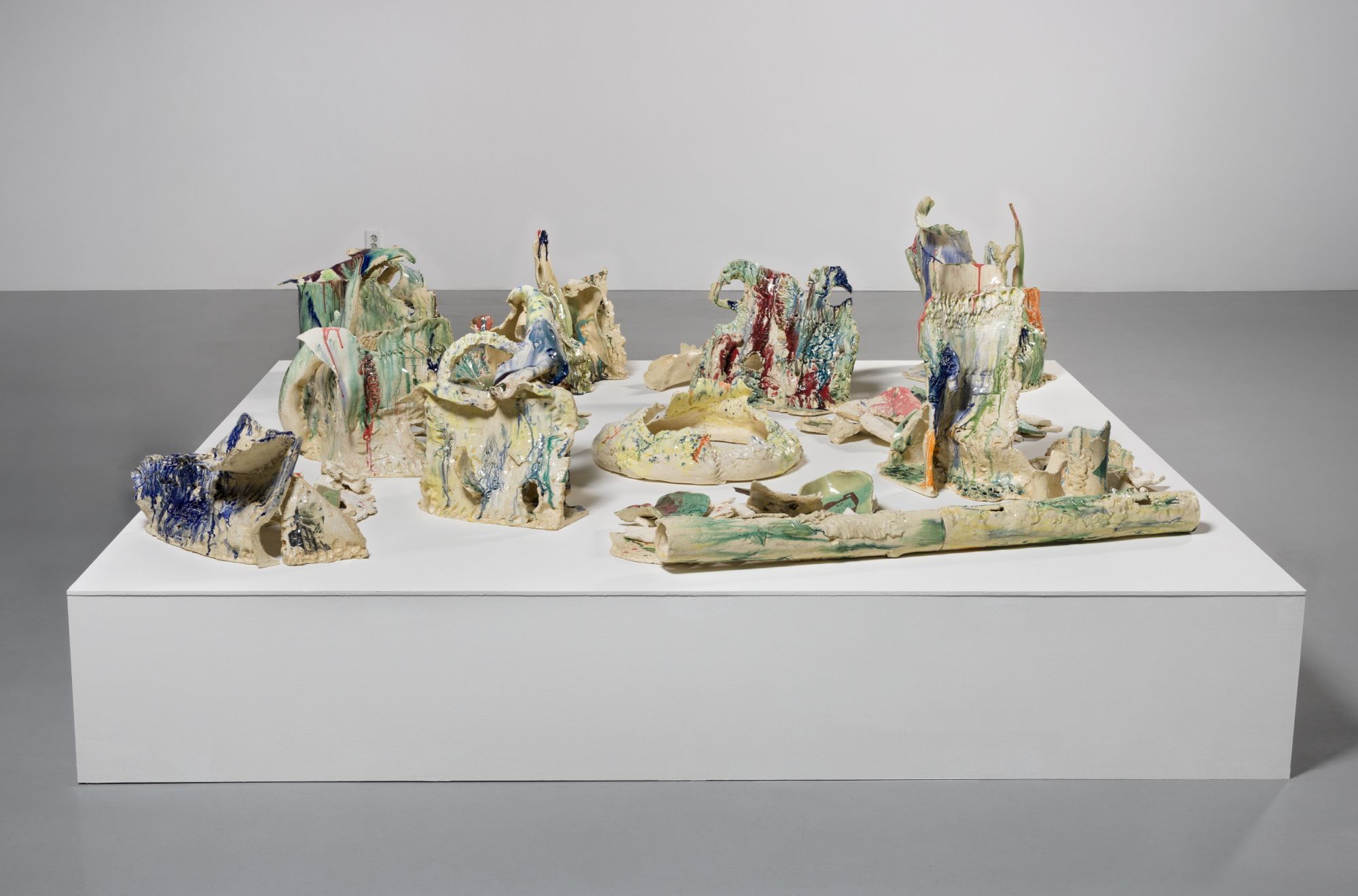
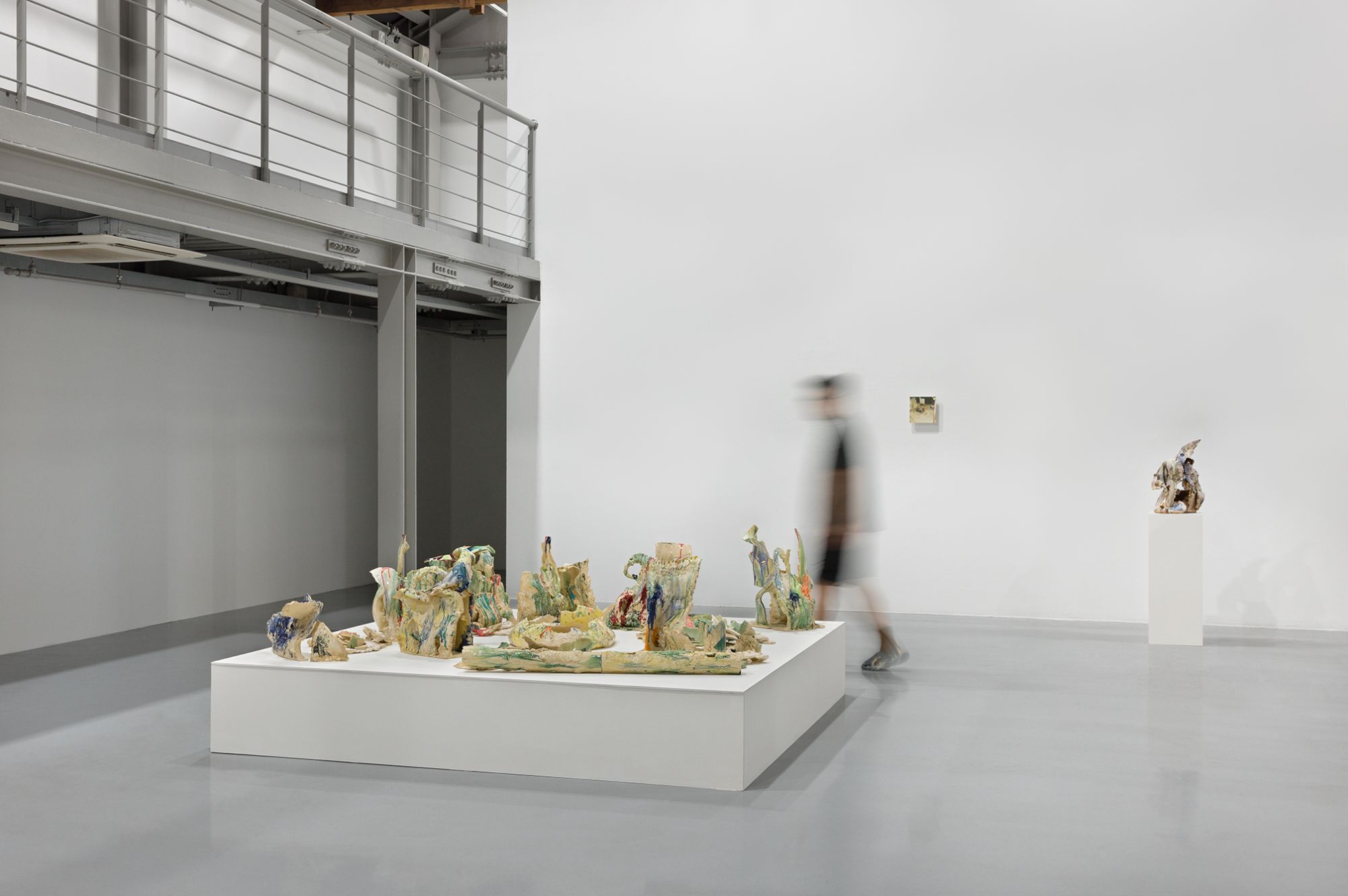
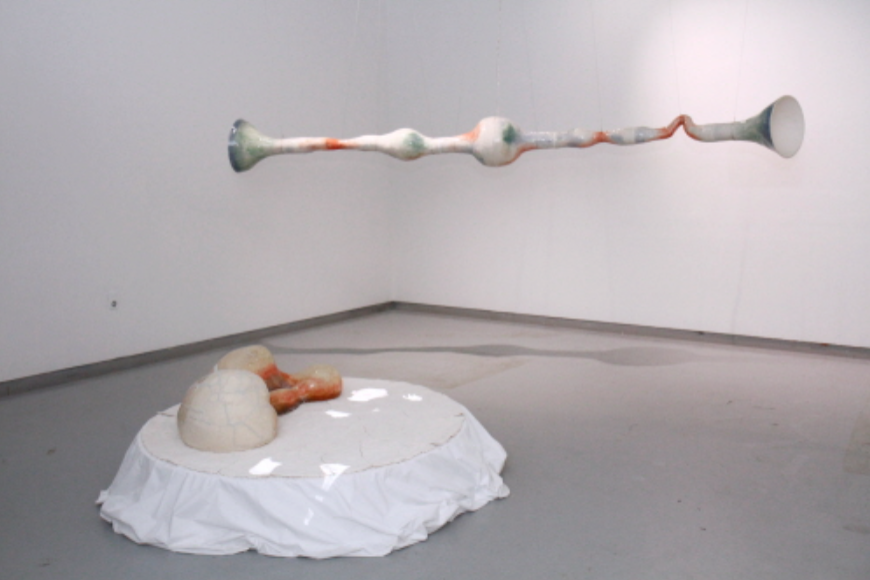
Installation view of 《Afterimages of Blurred Boundaries》 (Incheon Art Platform, 2025) © Incheon Art Platform

The resulting solo exhibition, 《Afterimages of Blurred Boundaries》 (Incheon Art Platform, 2025), was composed of fragments of time discovered while wandering through a ruined landscape—among demolished walls, collapsed structures, scattered debris, and the gaps left behind by vanished pathways.


Eum Kixung, The Fantasy of Songwol-dong, 2025, Ceramics, Digital ceramic decal, 36x31x52cm © Eum Kixung

Eum pursued sculpture as a concrete methodology for compressing the many layers of experiences and traces he had collected. In his words, clay becomes “the skin of perception that holds all of these afterimages.”
 
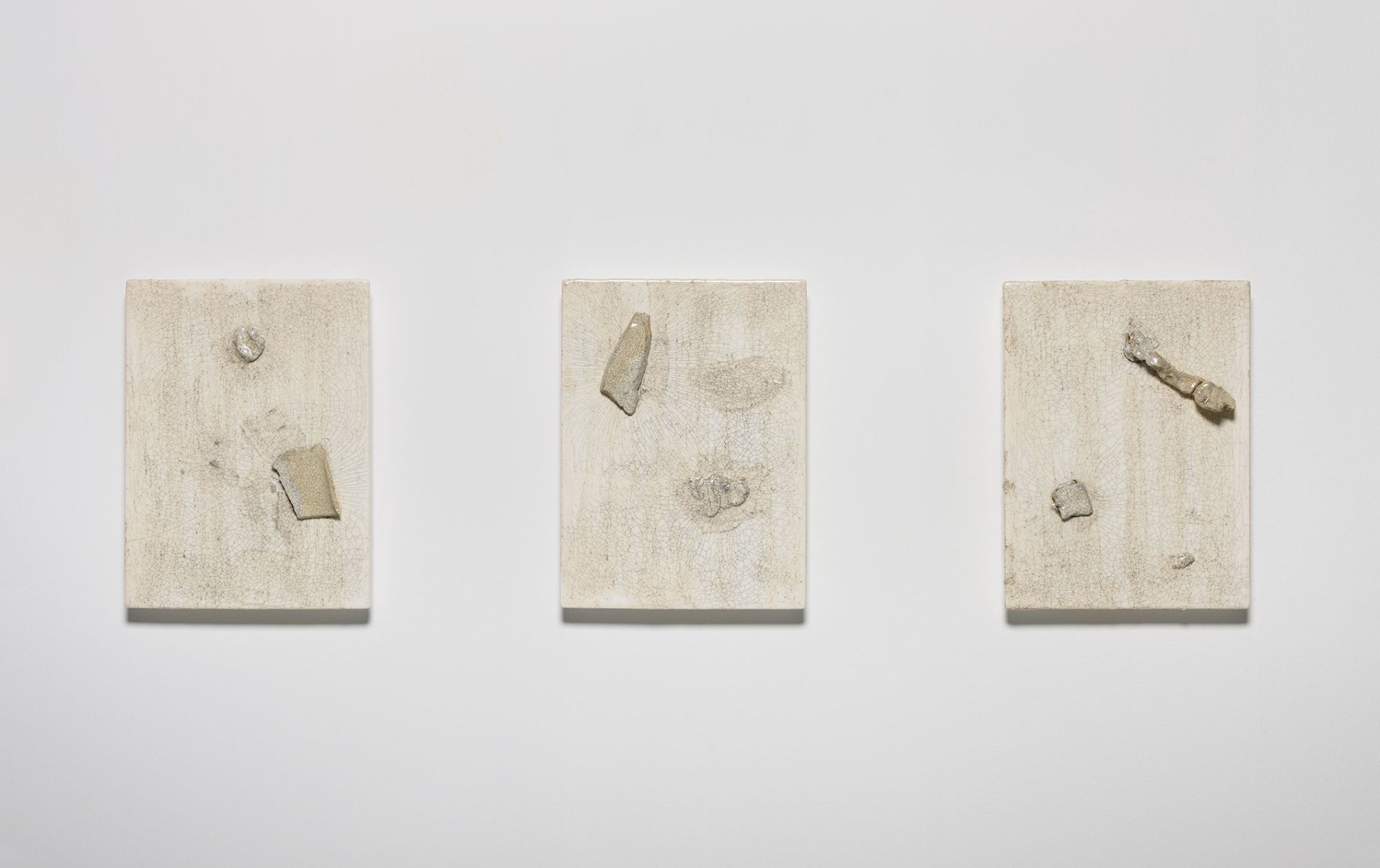
Taking advantage of clay’s material properties—its ability to absorb and preserve both the pressure of the hand and the accumulation of time—his sculptures retain surfaces marked by cracks, folds, bends, and drips.


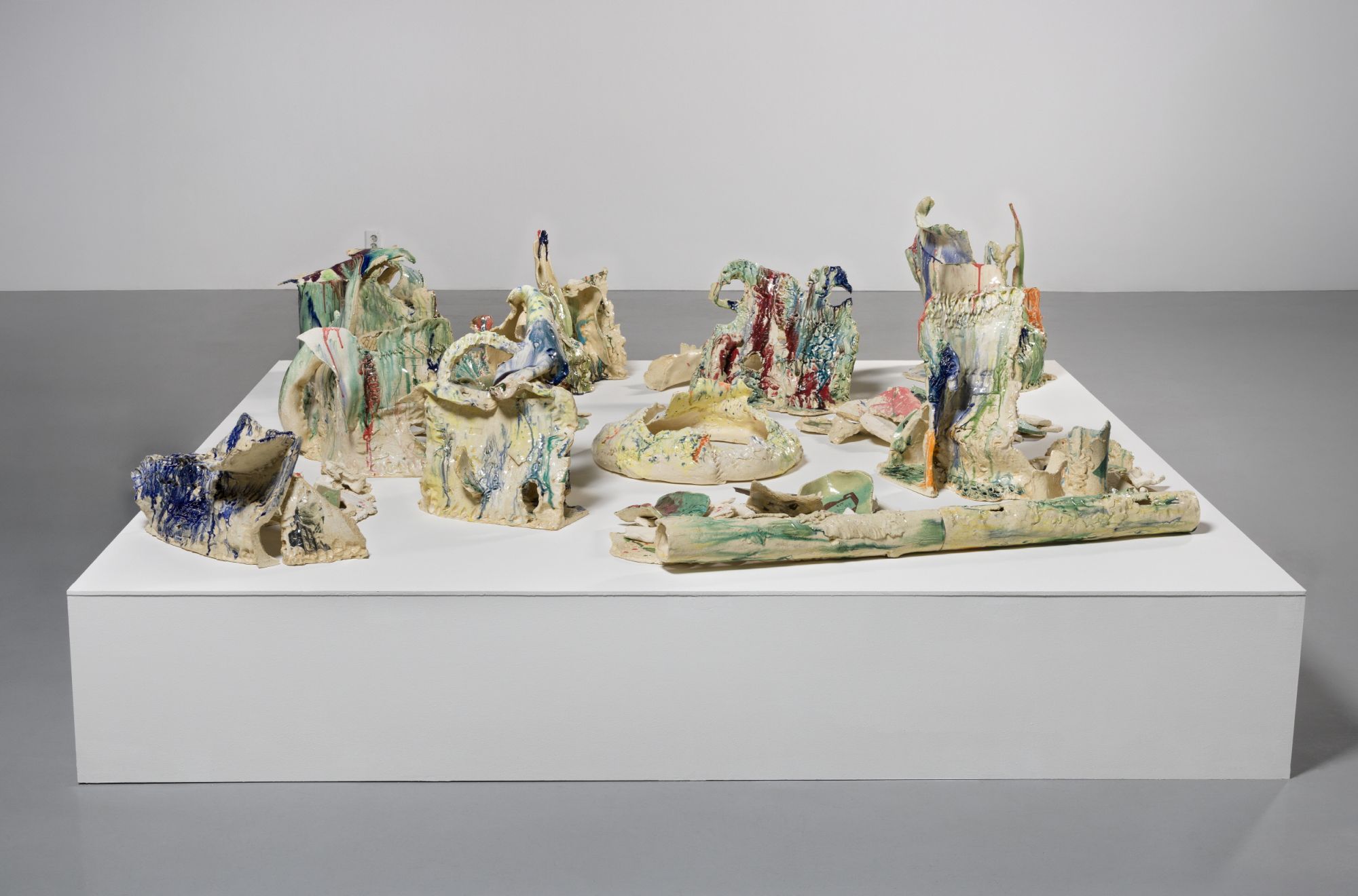
Eum Kixung, The Colors of a Ruined Civilization – Hannam District 3, 2025, Ceramics, Digital ceramic decal, Dimensions variable © Eum Kixung

These imperfect surfaces evoke the physical memories and sensory traces of cities suspended in a state of in-betweenness. Rather than pursuing formal completion, Eum’s sculptures reveal a process of gradual disappearance, existing in a temporary and mutable state.
 
In doing so, they embody the artist’s poignant affection for things that fade away before they can be fully defined—the presence of a space, the temperature of a memory, and fragments of a fractured existence.


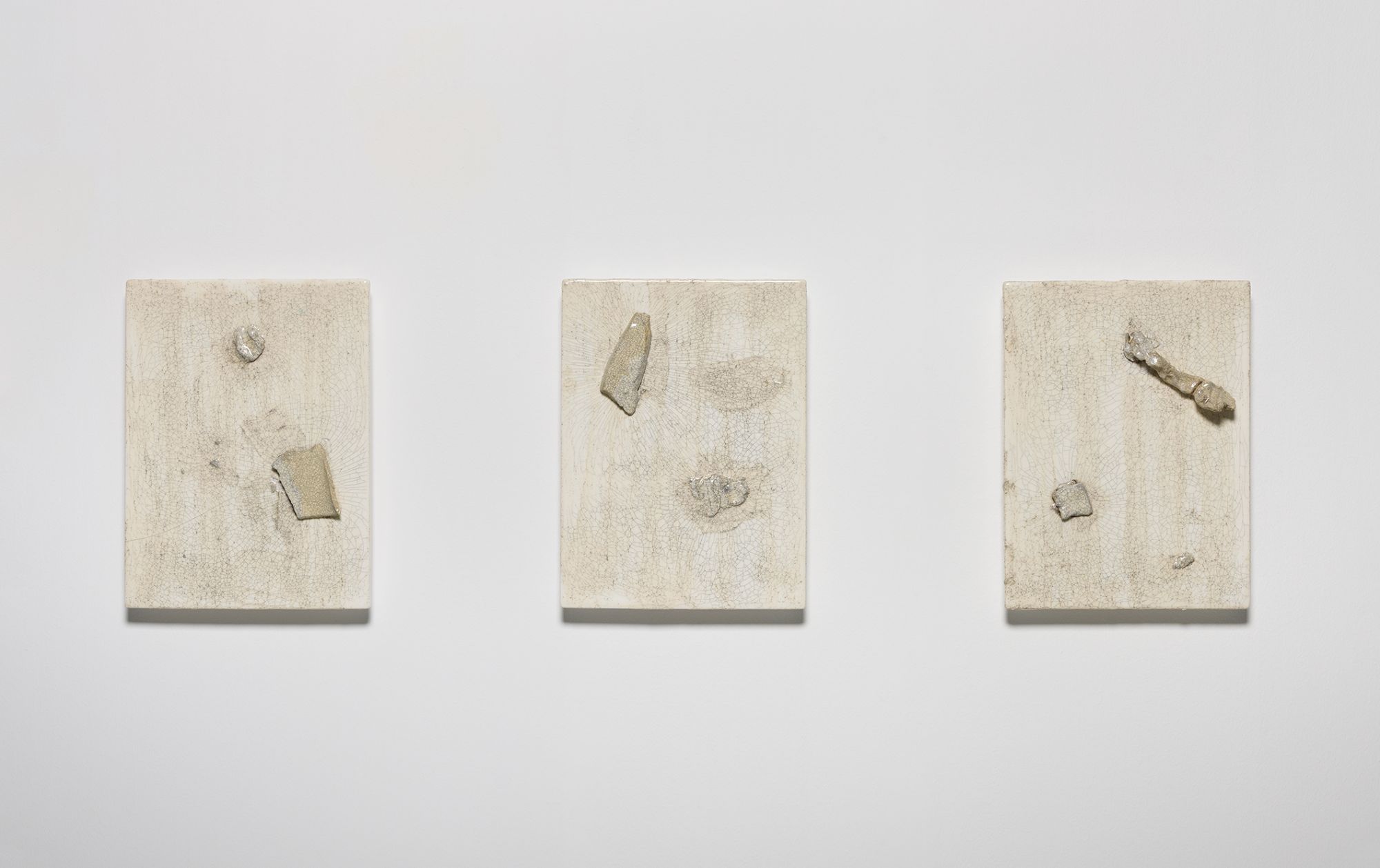
Eum Kixung, Cracked surface, 2025, Ceramics, Each 33x43cm © Eum Kixung

Within these spaces, Eum reflects on the invisible boundaries between memory and forgetting, presence and absence, personal experience and social structures. As a means of grasping the fragments of sensation and memory that drift along these boundaries, he devised a new sculptural experiment based on the technique of rubbing.
 
Through the process of filling the gaps left by traces and reconfiguring them into new forms, Eum has continued to explore the boundaries between past and present, two-dimensionality and three-dimensionality, imagination and reality.
 
Through this sculptural inquiry, the artist poses a series of questions: “Which boundaries do we remember, and which have we forgotten? And in what ways do the afterimages of those vanished boundaries remain within our bodies and senses today?”


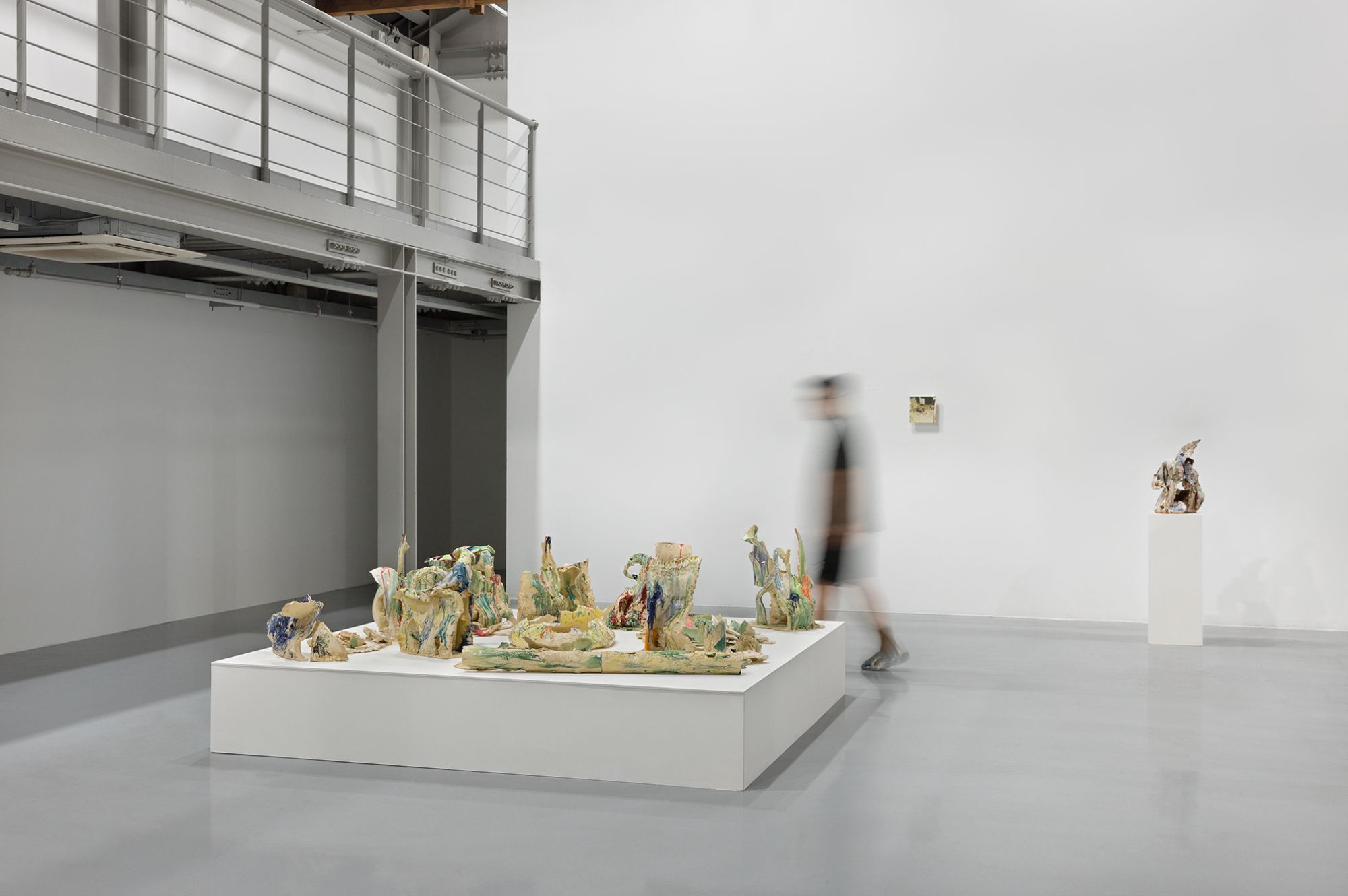
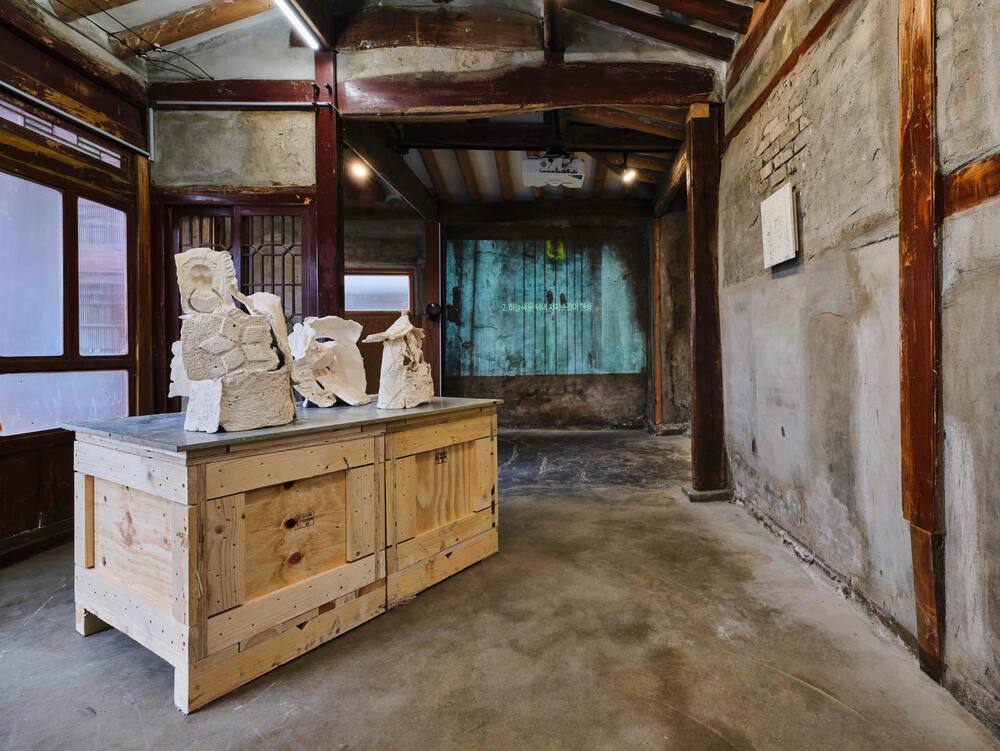
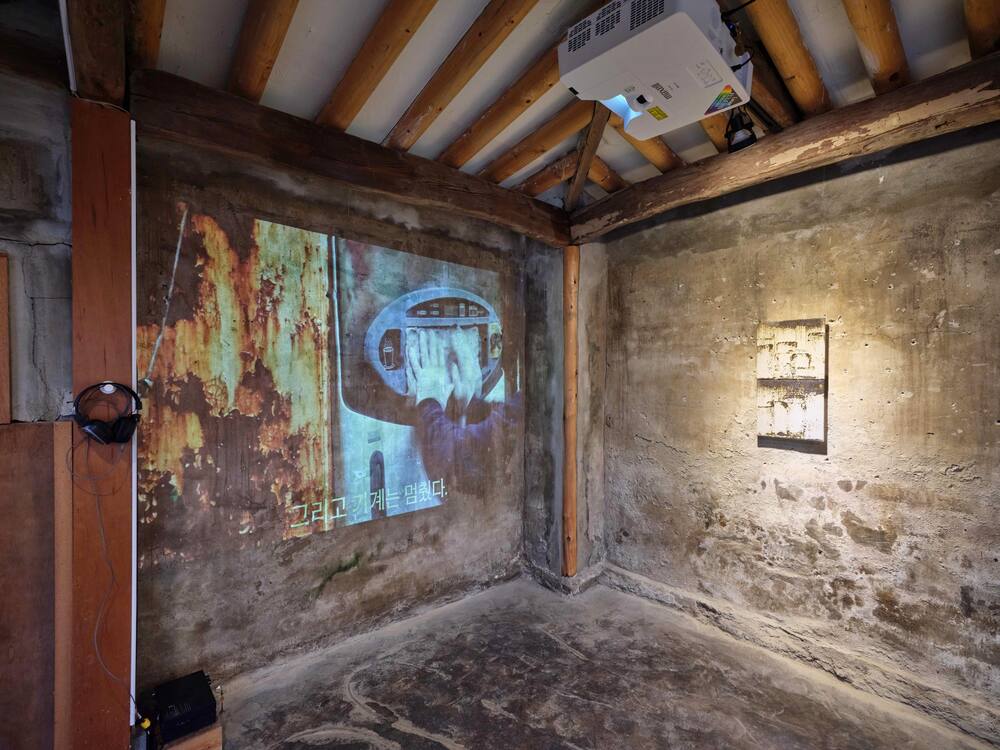
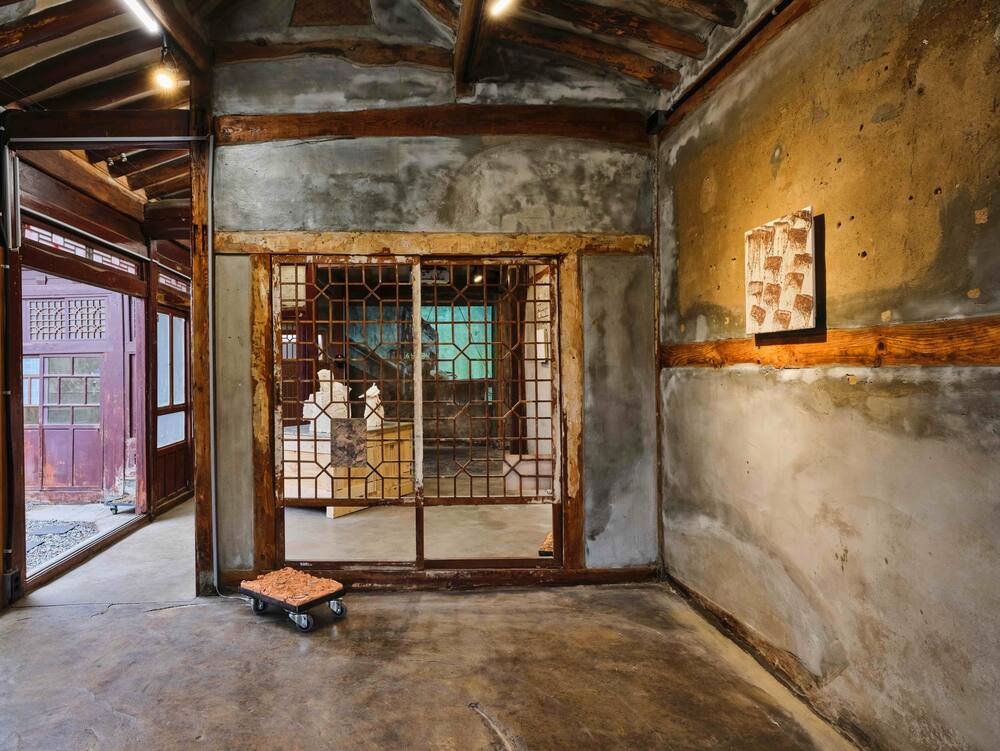
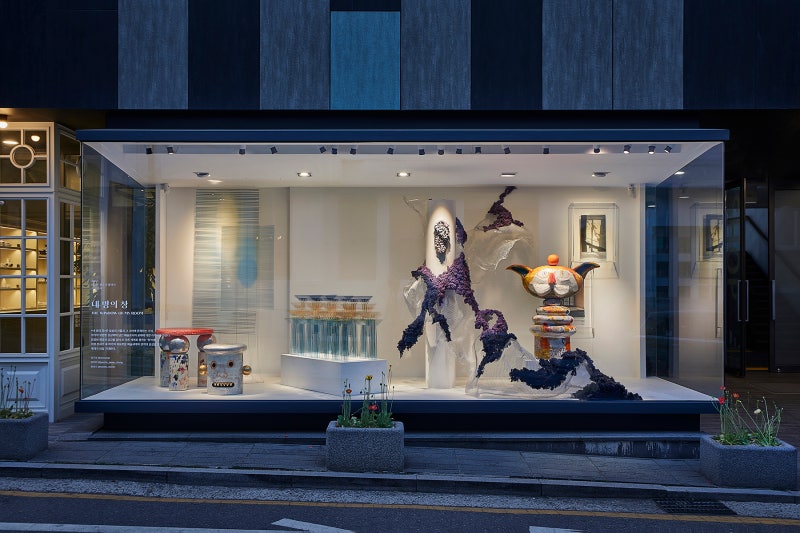
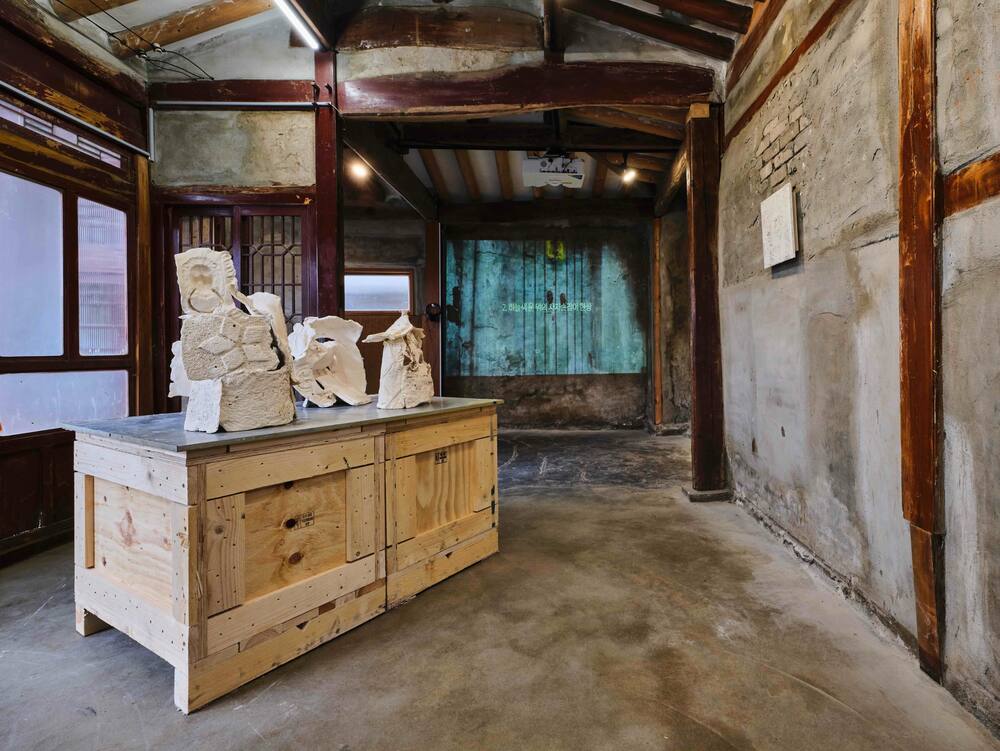
Installation view of 《Takvonsuzip Project 01 - Site Records》 (Buyeon, 2026) © Eum Kixung. Photo: Choi Chul Lim.

Along these blurred and unstable boundaries, Eum traces sensations that resist clear form and the quiet voices of things that are disappearing. His works function both as material monuments to what is vanishing and as sculptural acts of resistance against forgetting.
 
Extending this line of inquiry, his solo exhibition 《Takvonsuzip Project 01 – Site Records》 (Buyeon, 2026) presented the outcomes of the ‘Takvonsuzip Project,’ in which rubbing was employed as an archaeological act of archiving.
 
By bringing the artist’s body into direct contact with the surfaces of disappearing places, the project sought to recover their traces as layered forms of material existence.


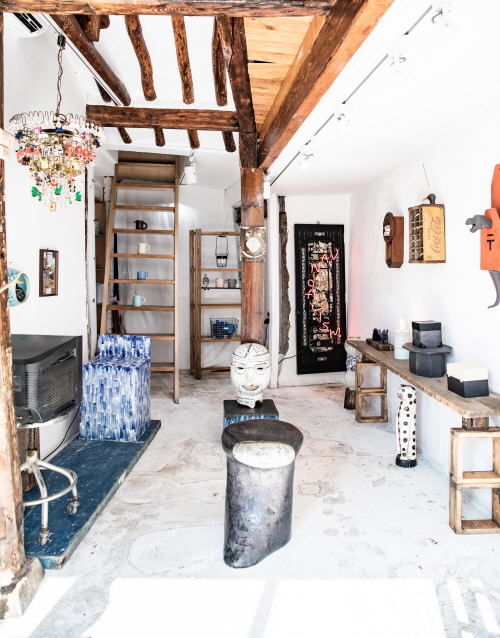
Installation view of 《Takvonsuzip Project 01 - Site Records》 (Buyeon, 2026) © Eum Kixung. Photo: Choi Chul Lim.

In this project, Eum does not treat rubbing as a merely instrumental means of visually reproducing or restating a particular site or object. According to the artist, rubbing is not a final outcome that fixes its subject in place, but rather an initial medium that physically awakens and activates the lives and histories embedded within a place.


Installation view of 《Takvonsuzip Project 01 - Site Records》 (Buyeon, 2026) © Eum Kixung. Photo: Choi Chul Lim.

The exhibition 《Takvonsuzip Project 01 – Site Records》 brought together works in a variety of forms, ranging from archival videos documenting the process of collecting rubbings in redevelopment zones, to two-dimensional series that translated geological samples into planar compositions through material analysis, and mixed-media works tracing the displacement of site-specificity as places are detached from their original contexts and relocated into other spatiotemporal frameworks.
 
Taken together, these works redefine geographical markers through the lens of disappearing places and reveal, in new sensory forms, the ontological journeys of materials as they traverse time and space.


Eum Kixung, Reconstructed Landscape – Hannam District 3, 2025, Ceramics, Digital ceramic decal, 50x71cm © Eum Kixung

In this way, Eum’s practice has evolved from experimenting with the boundaries between tradition and contemporaneity, the discarded and the useful—through the combination of ceramics and everyday objects—to a broader sculptural inquiry into the invisible boundaries embedded within the places we inhabit today.
 
Tracing the sensations and traces left behind in imperfect objects through the embodied acts of sculpting and rubbing, the artist continually asks what disappears and what newly emerges within the ambiguous processes through which physical and conceptual boundaries become blurred.

“Along these blurred and unstable boundaries, I seek to trace sensations that resist clear form and the quiet voices of things that are disappearing. Perhaps this work is ultimately a material monument to what is vanishing, and a sculptural act of resistance against forgetting.” (Eum Kixung, Artist’s Note)


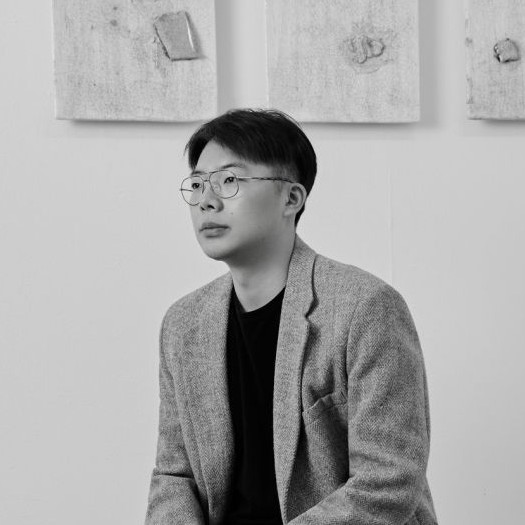
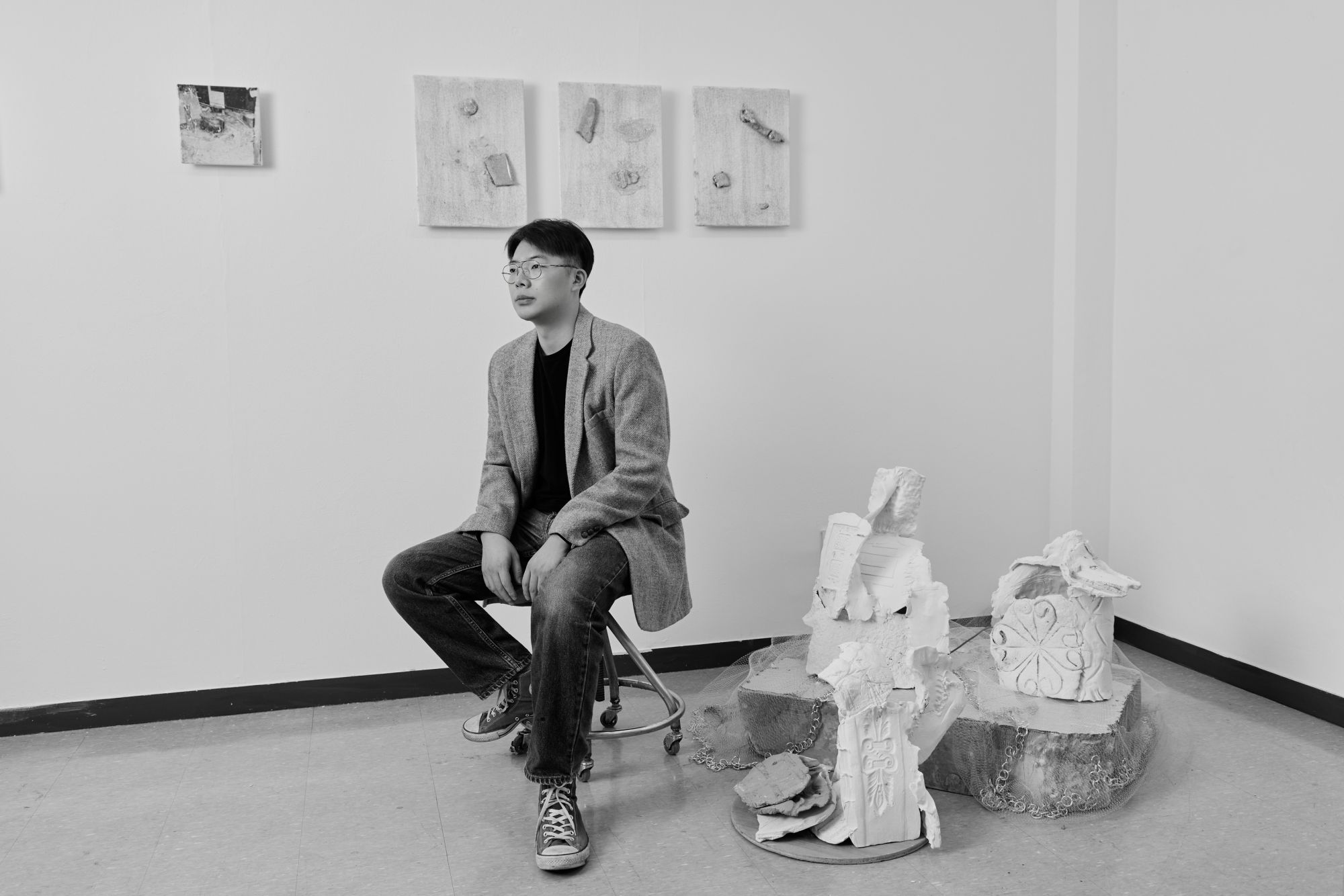
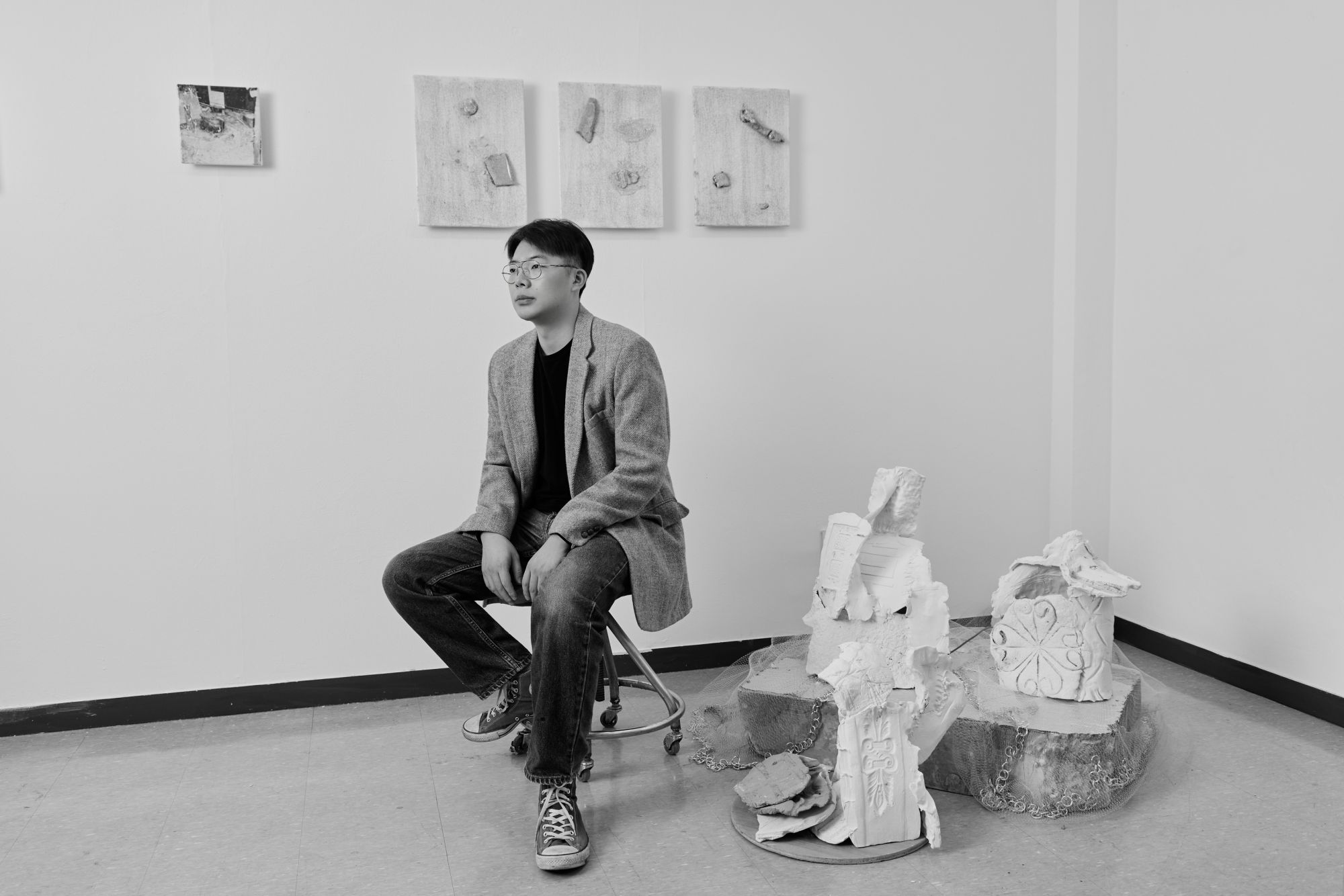
Artist Eum Kixung © Incheon Art Platform

Eum Kixung graduated from the Department of Ceramic Design at Sangmyung University and received an MFA in Ceramics from Kookmin University. His solo exhibitions include 《Takvonsuzip Project 01 – Site Records》 (Buyeon, Busan, 2026), 《Afterimages of Blurred Boundaries》 (Incheon Art Platform, Incheon, 2025), 《Incomplete Harmony》 (Art Soombi Center, Seoul, 2021), and 《Unbalanced Harmony》 (Marunuma Art-park, Asaka, Japan, 2019).
 
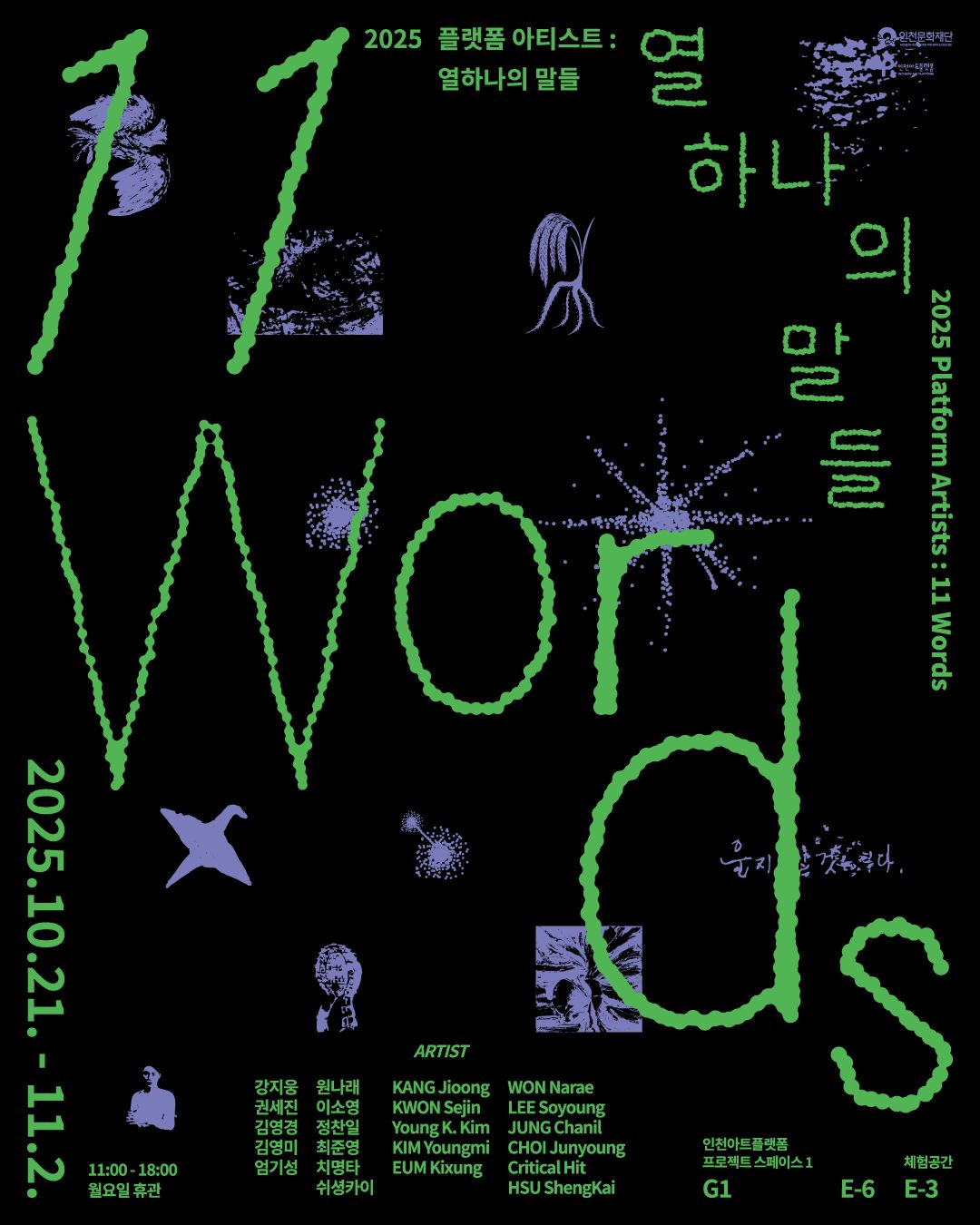
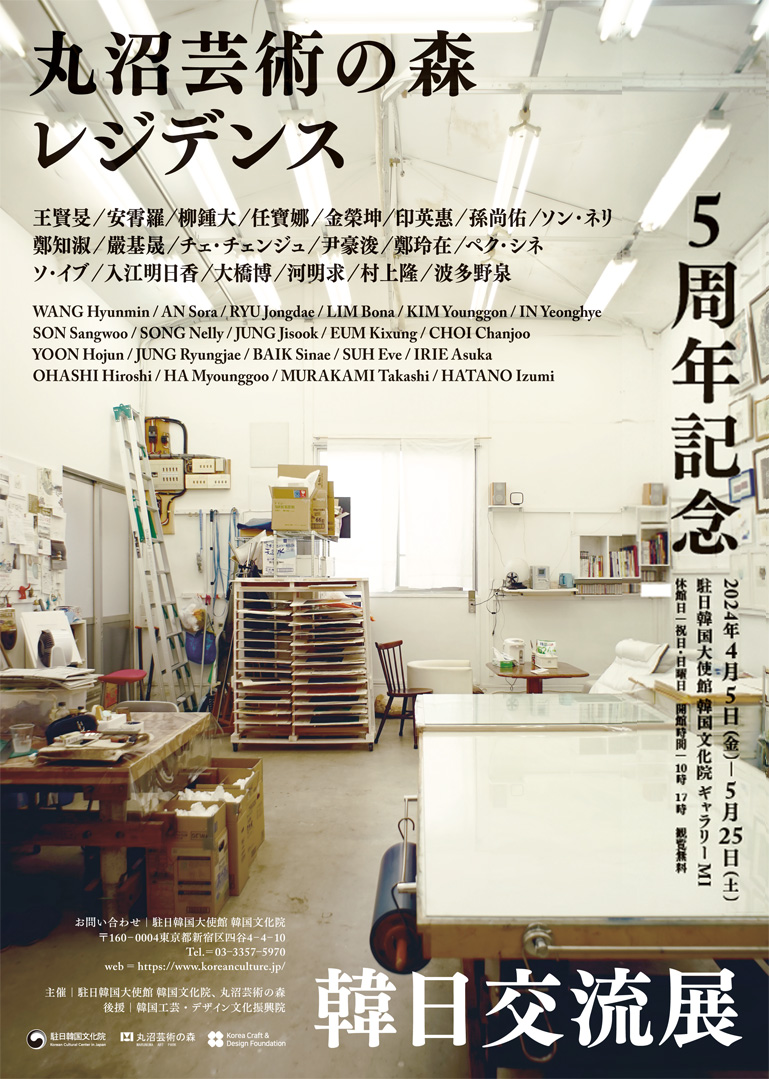
He has also participated in numerous group exhibitions, including 《Evidence from the Field: Three Tenses》 (Space Imsi, Incheon, 2026), 《2025 Platform Artists: 11 Words》 (Incheon Art Platform, Incheon, 2025), 《Marunuma Art-Park Artist in Residency Exchange Exhibition Between Korean and Japanese Artists》 (Korean Cultural Center Korean Embassy in Japan, Tokyo, 2024), 《Capturing Everyday Life》 (Clayarch Gimhae Museum, Gimhae, 2023), and 《The Window of My Room》 (KCDF Window Gallery, Seoul, 2022).
 
Eum has also participated as a resident artist in residency programs at Incheon Art Platform (Incheon, 2025), Chuncheon Art Village (Chuncheon, 2024), Clayarch Gimhae Museum (Gimhae, 2023), and Marunuma Art-park (Asaka, Japan, 2019).

References