Serin Oh (b. 1987) explores the boundaries within seemingly binary categories—such as original and copy, reality and virtuality, and the new and the discarded—revealing points where competing systems of value collide through craft, objects, video, and text-based works.
 
Her practice questions the perceptions and assumptions that underpin everyday life and social structures, often staging ironic situations within exhibition spaces.


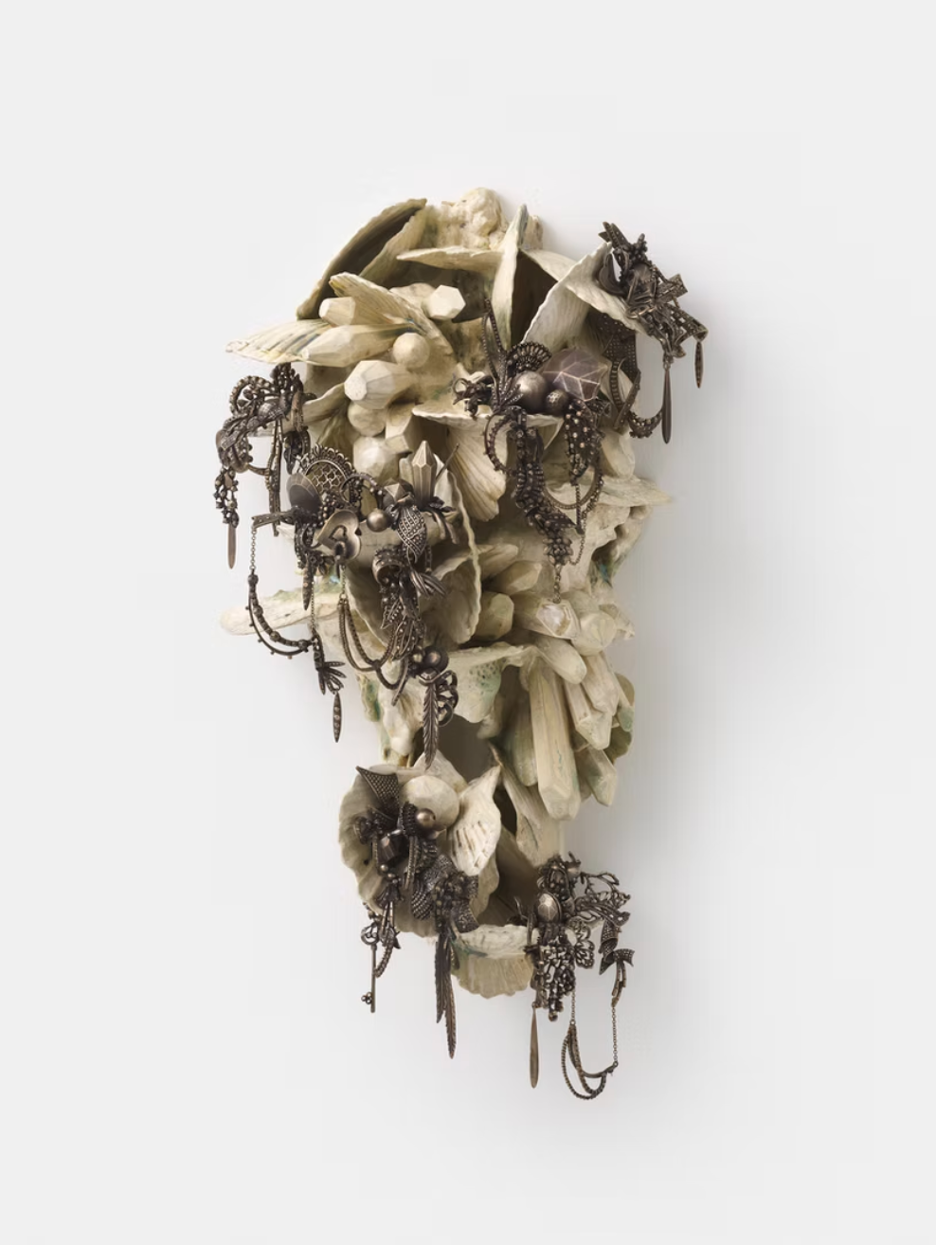
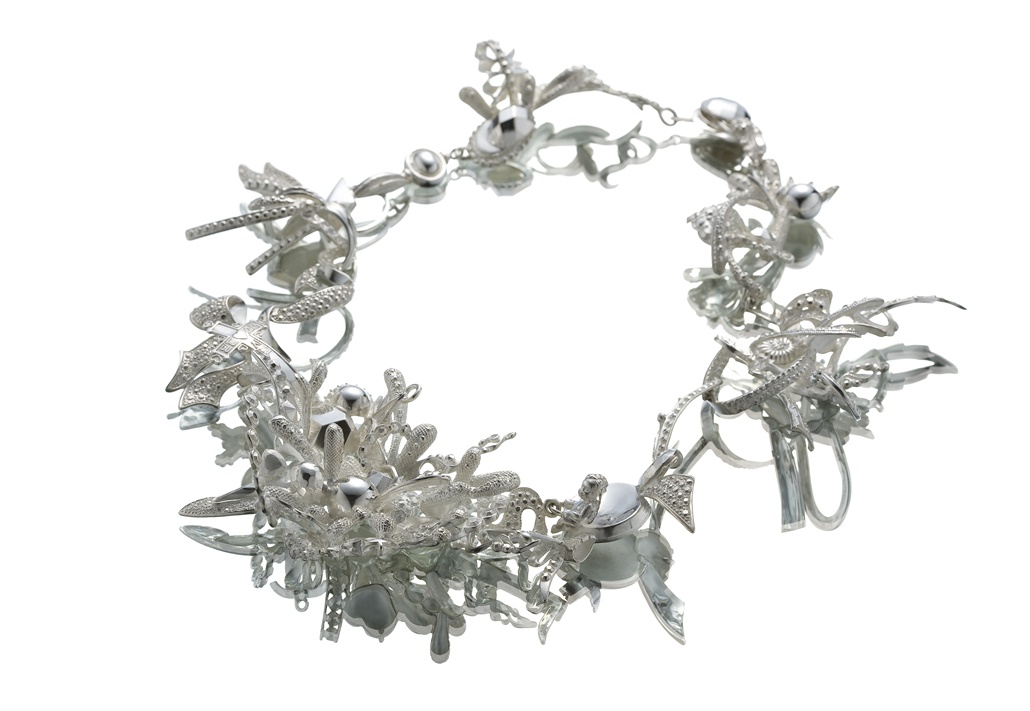
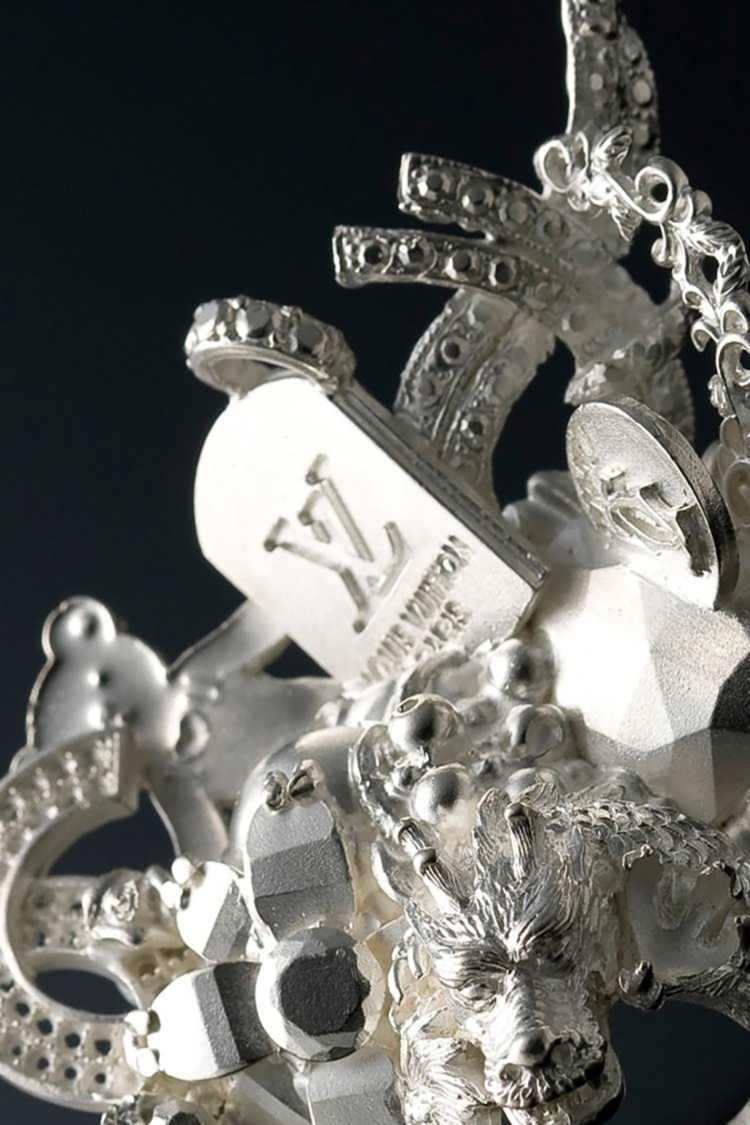
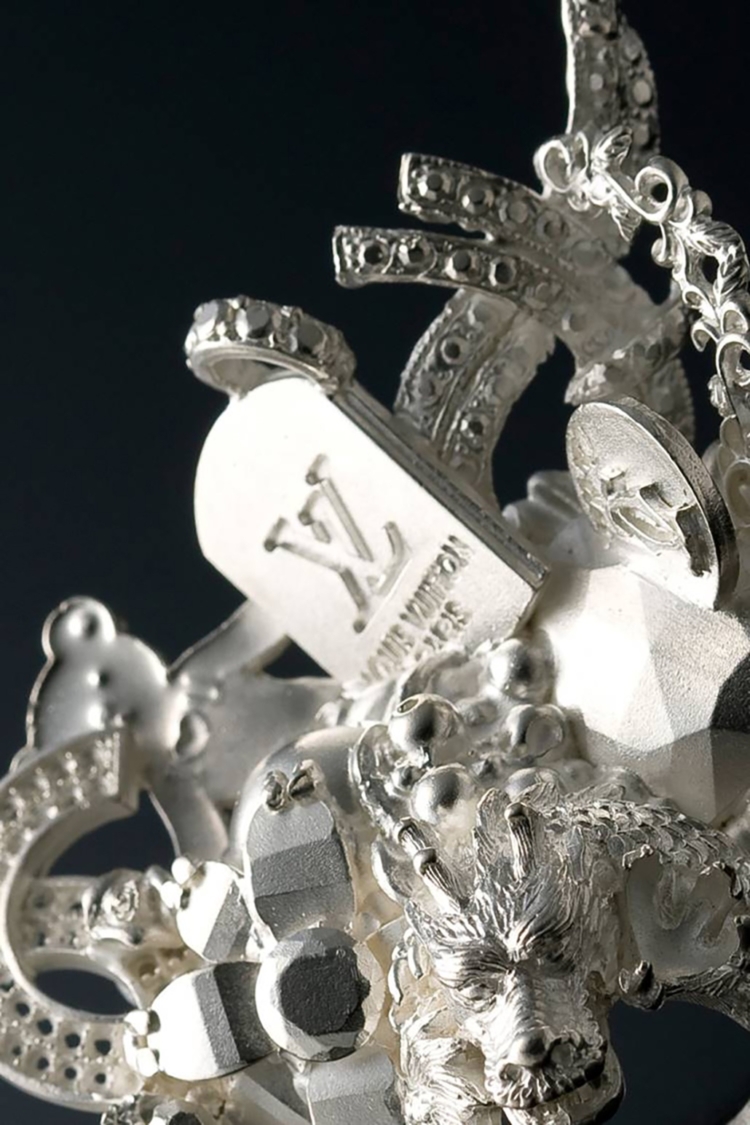
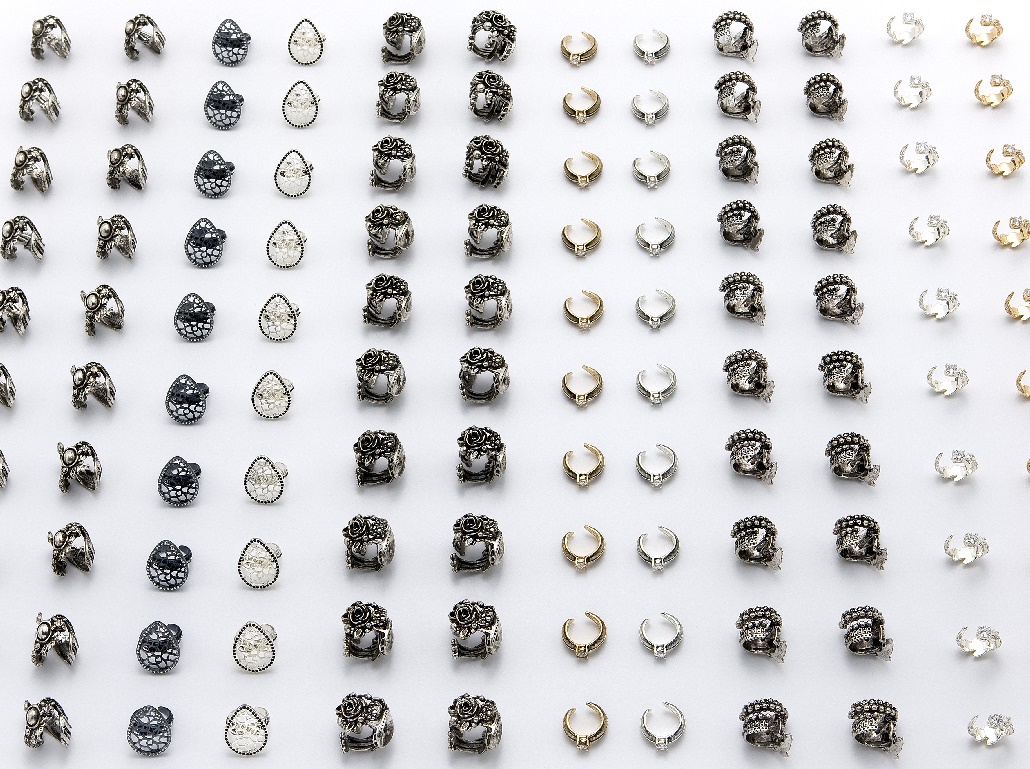
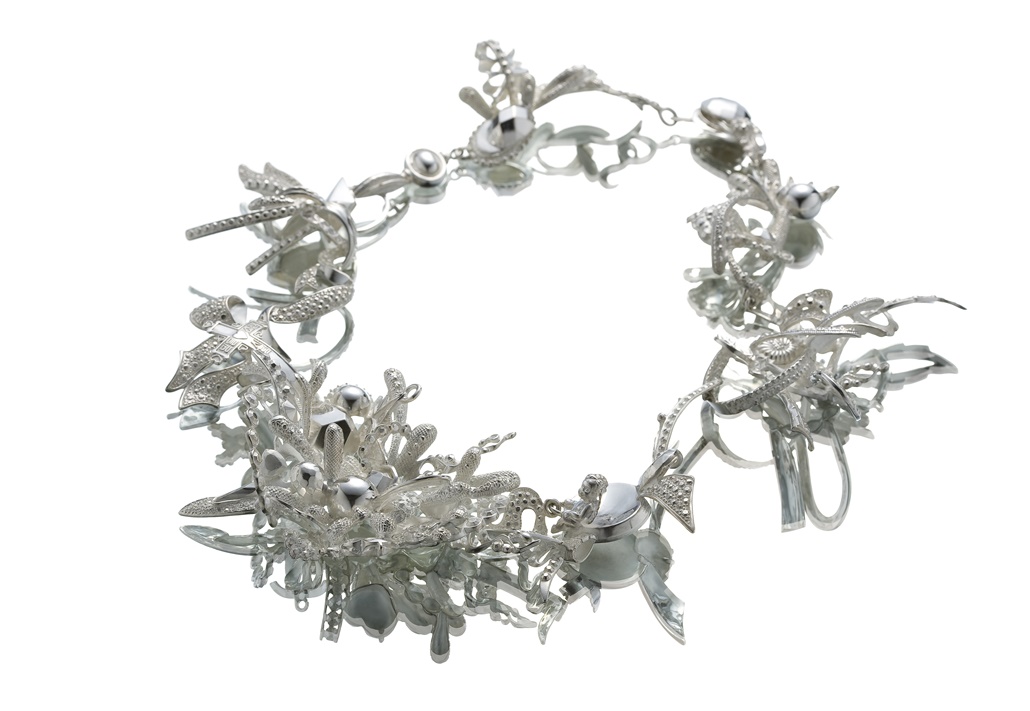
Serin Oh, Imitation & Deception No.2009-16 (detail), 2009, 925silver, 4.6x7.4x6.7cm © Serin Oh

Oh’s early works emerged from a period of self-reflection that began while studying metal craft at university. Contemporary low-cost accessories often respond rapidly to shifting trends, with many reproducing the designs of luxury brands.
 
Observing these mass-produced replicas that are quickly consumed by the public, the artist began to move away from the conventional craft-based pursuit of painstakingly creating unique, one-of-a-kind objects. Instead, she sought to develop a practice that more directly reflects the realities of contemporary consumer society.


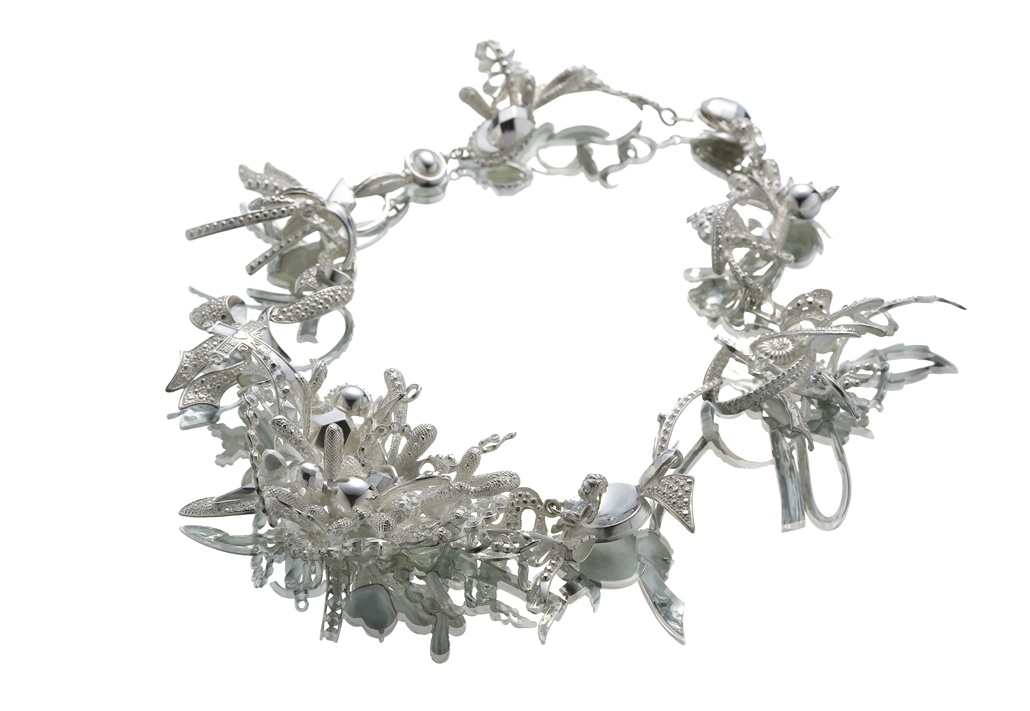
Serin Oh, Imitation & Deception No.2011-25, 2011, 925silver, 16x22.5x2.5cm © Serin Oh

The series ‘Imitation & Deception’ (2009–2012), which emerged from these concerns, experiments with the boundary between the authentic and the counterfeit by conferring artistic value and authority upon inexpensive replicas that reflect the public’s desire for display and status.
 
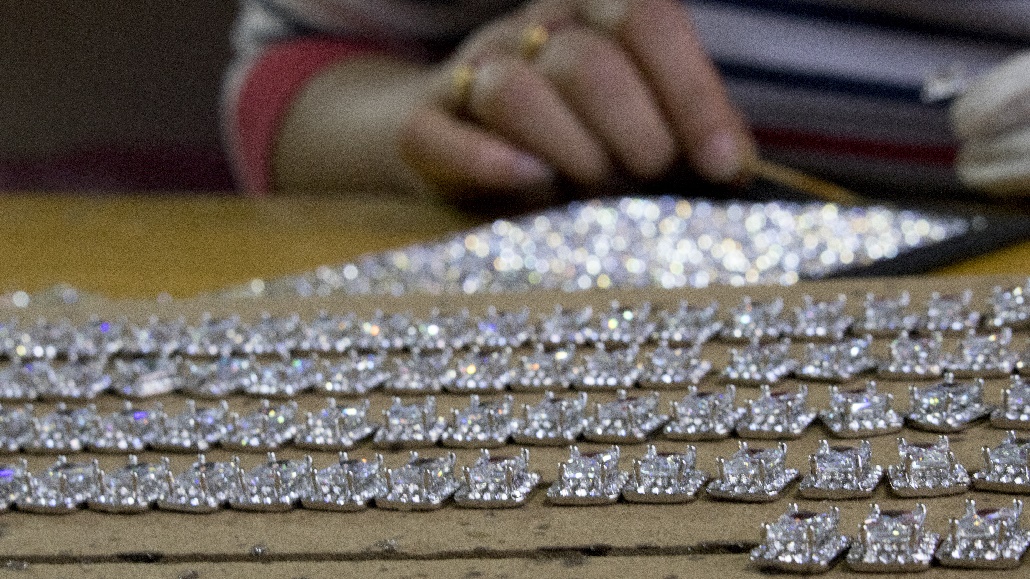
For this body of work, Oh collected counterfeit accessories available on the market, reproduced them dozens of times using silicone molds, and then reassembled the copies into unique brooches and rings—objects that exist as one-of-a-kind pieces.
 
According to the artist, the process was about “creating something neither real nor fake, neither authentic nor imitation, in order to escape the dichotomy between chasing after sameness and fleeing conformity to be different.”


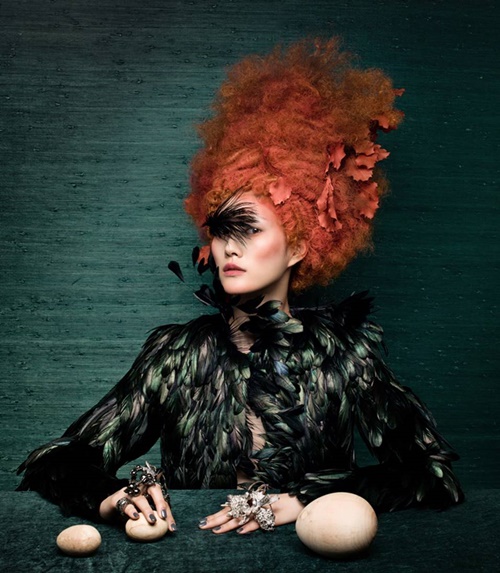
Serin Oh's work featured on the cover of Vogue Korea, August 2018. © Serin Oh

Occupying a liminal space between the authentic and the counterfeit, art and non-art, Oh’s works gained recognition for their originality and gradually entered the circulation networks of the contemporary art world.
 
They appeared on the covers of prominent fashion magazines such as Vogue, while fashion photographs featuring the works were subsequently exhibited in public museums and displayed in the showcases of luxury department stores.
 
Passing through museums, department stores, fashion magazines, and collectors, Oh’s works—composed of counterfeit replicas—became expensive artworks, creating the ironic situation in which people came to believe them to be genuine.


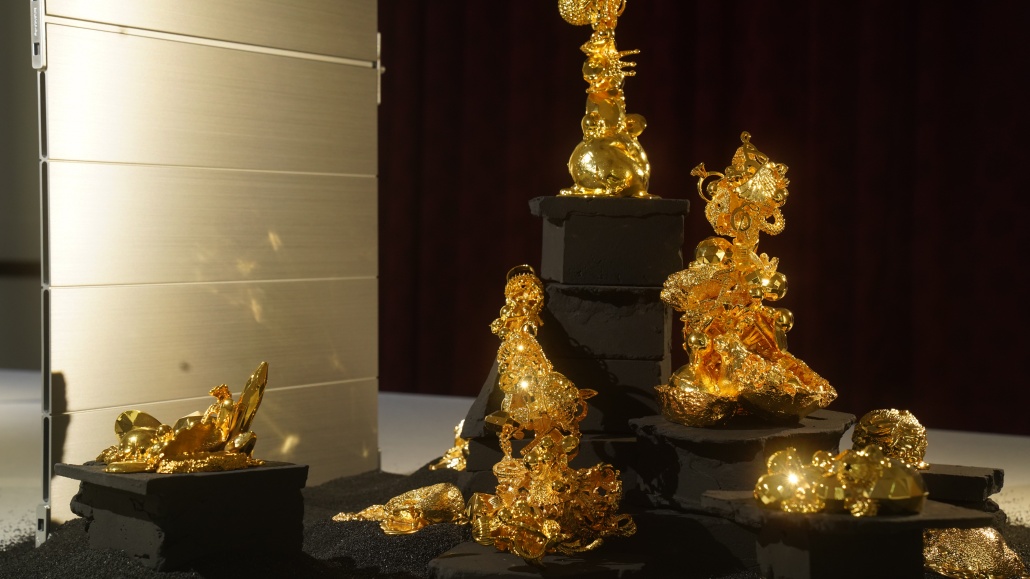
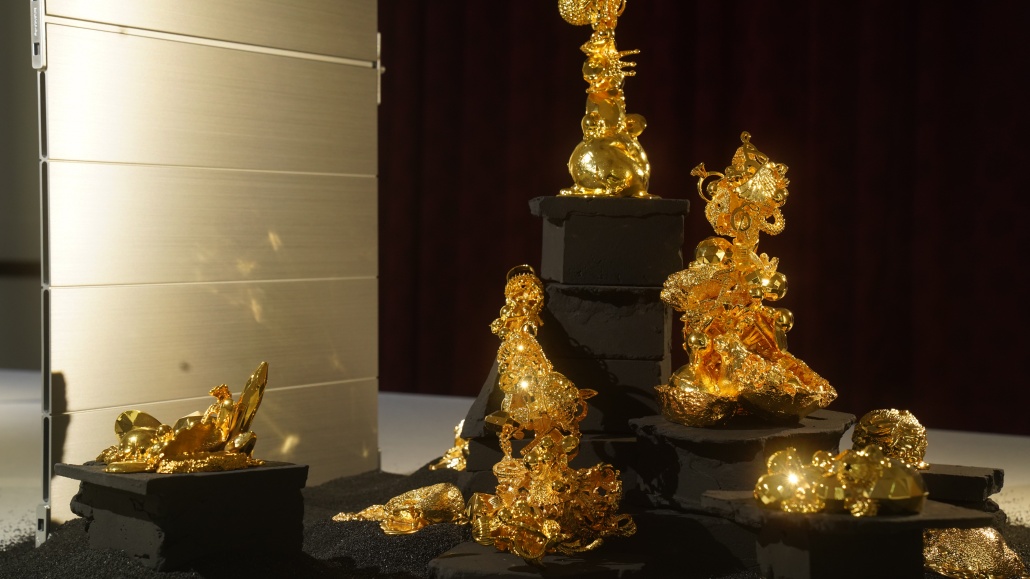
Serin Oh, All that glitters is not gold, 2011-2021, Brass plated with 24k gold © Serin Oh

Regarding this, independent curator Somi Sim remarked, “The journey of inexpensive replicas, repeatedly circulated and dressed up as high art without suspicion, recalls the successful self-mythologization of capitalism. It is driven by a structure of capital that transforms even the fake into the real.”


Serin Oh, ‘Accessory Travel’ Series, 2016, Pigment print, 42x29cm © Serin Oh

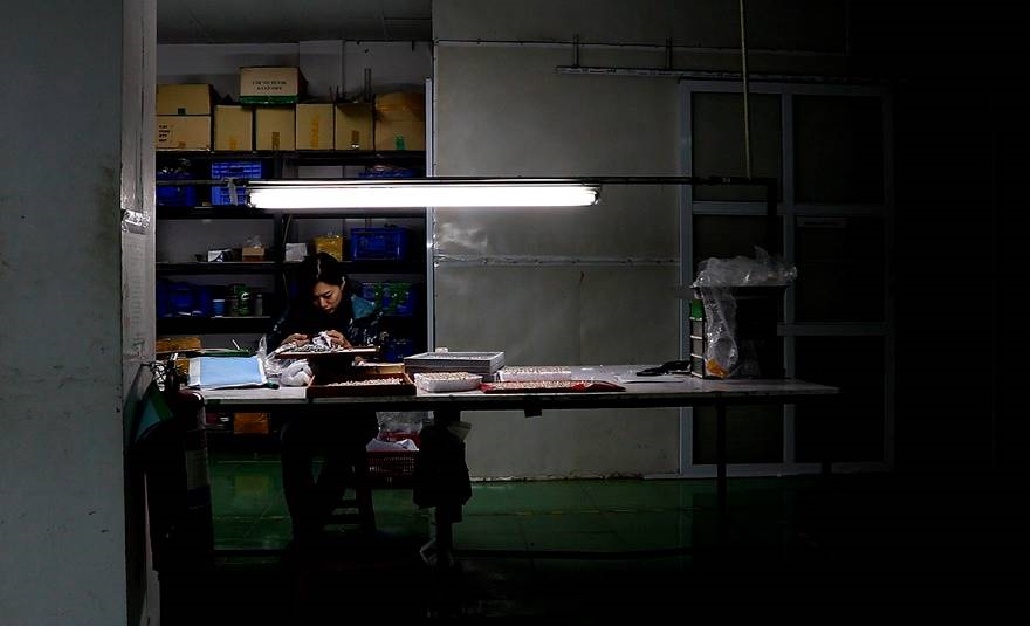
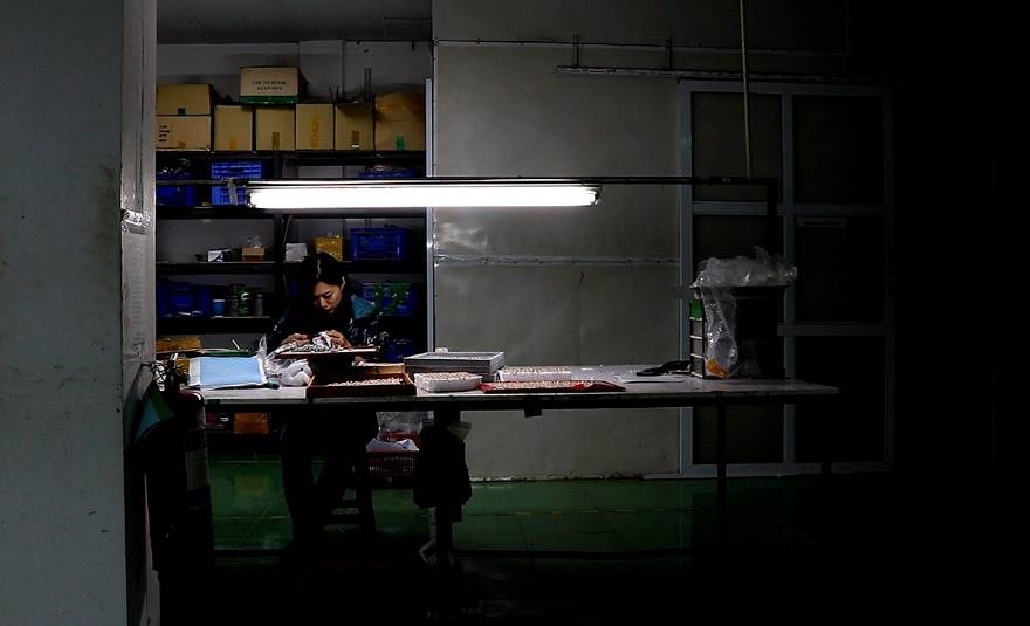
Subsequently, Oh visited the luxury shopping districts of Shanghai and Hong Kong, where famous brands are consumed, as well as industrial complexes in Vietnam and China, where low-cost accessories distributed around the world are produced.
 
Confronted with this extreme gap, she reflected on the role of the artist and documented the sites and the workers there through her camera.
 
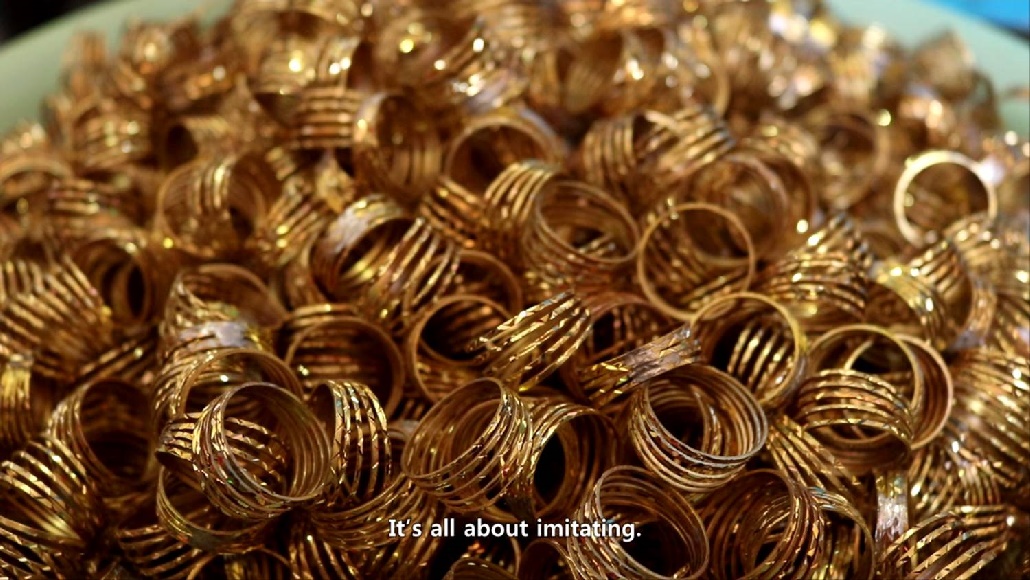
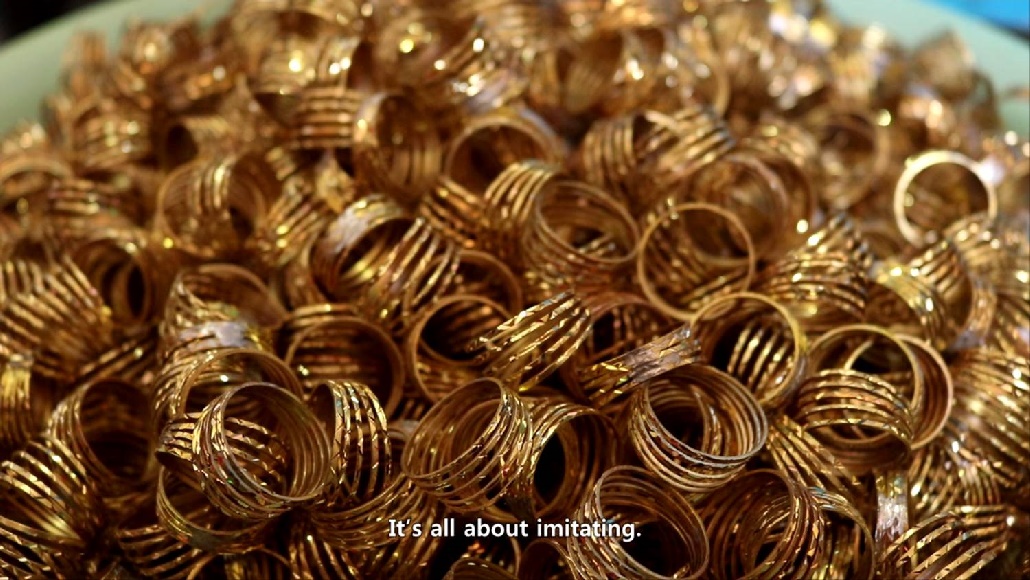
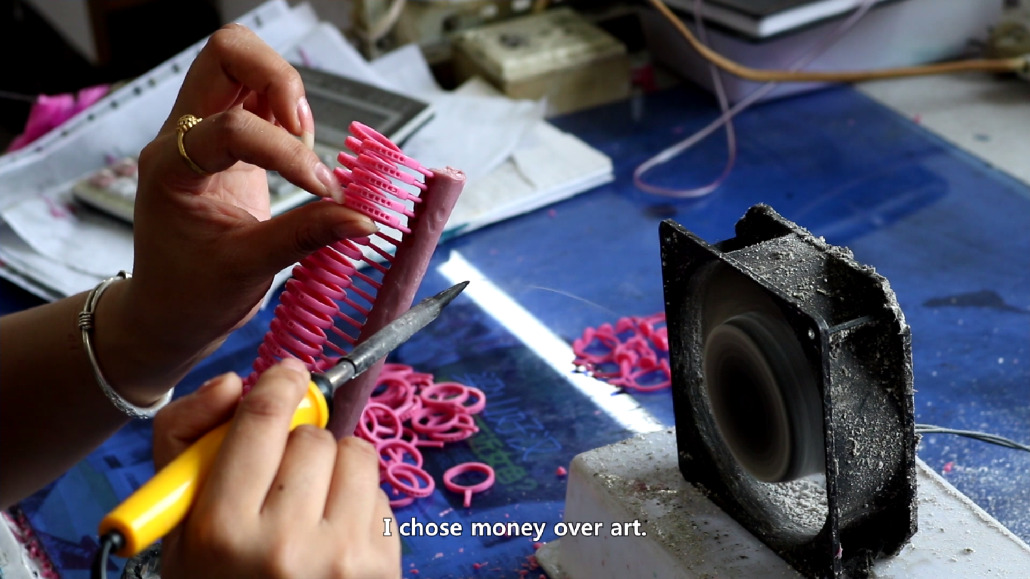
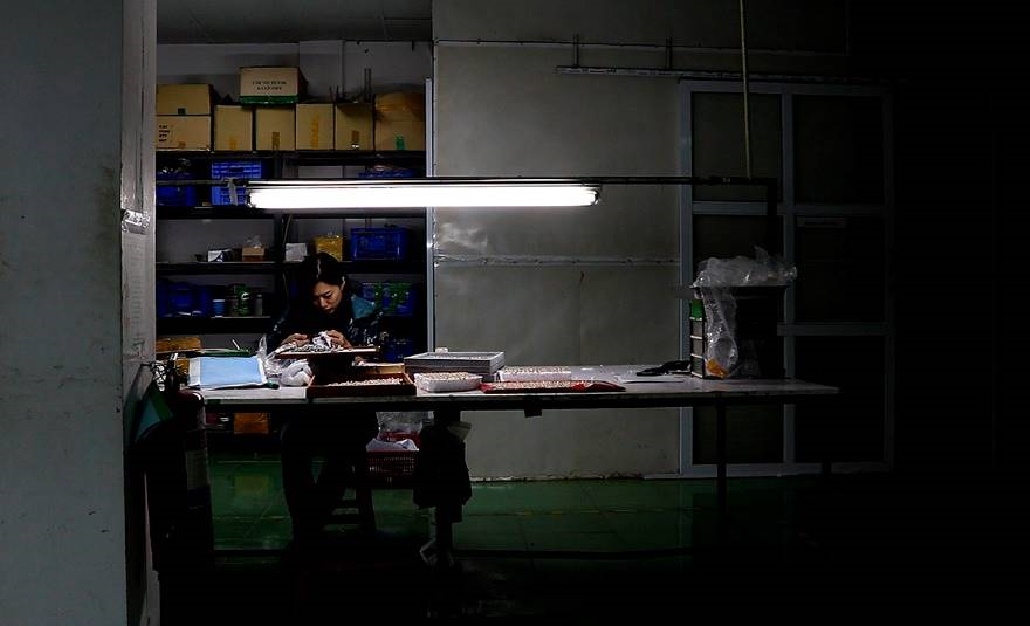
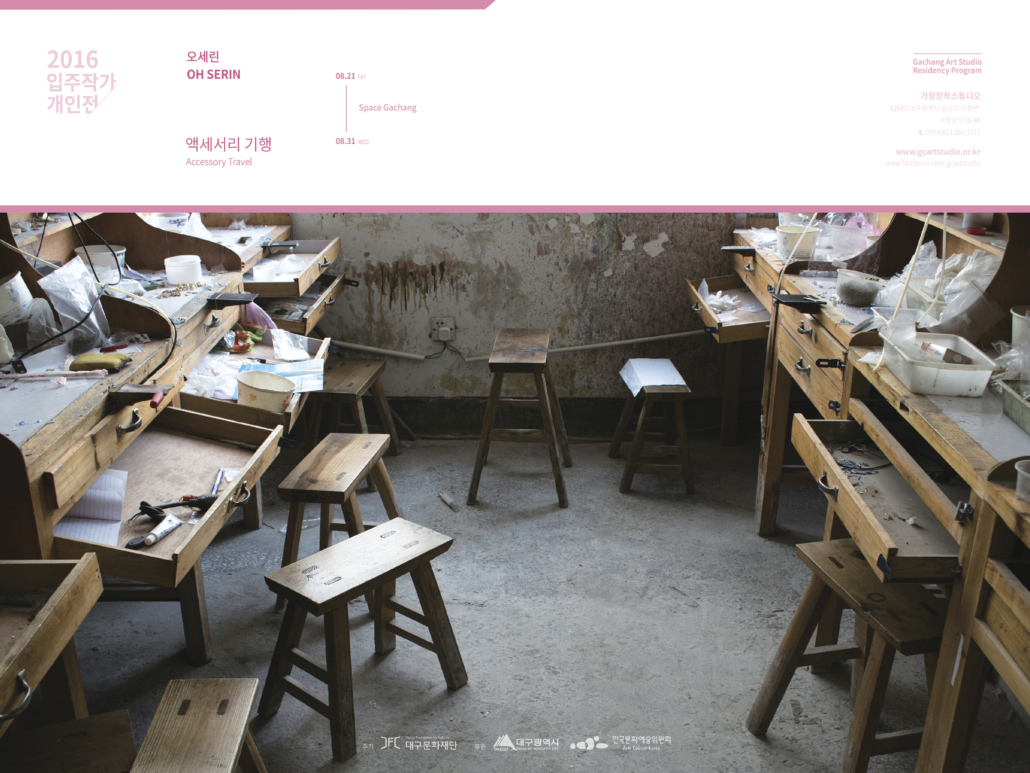
The resulting photographic series ‘Accessory Travel’ (2016) and the video work The Birds Trashed Their Heads to Fly (2016–2018) depict scenes in which factory machines and human hands move incessantly as if they were a single mechanism, mass-producing and replicating accessories of the same design.


Serin Oh, The birds trashed their heads to fly (still image), 2016-2018, Single-channel video, 10min 35sec. © Serin Oh

As the process of accessory production unfolds across the screen, a male voice guides the narrative of the video.
 
The speaker is the owner of a factory who was once an accessory designer himself and is now a successful businessman operating factories in China and Vietnam and exporting products around the world. In the video, he states, “The high-end market controls only one percent, but it is the low-end market that can control everything,” revealing the workings of today’s capitalist distribution system.
 
His voice, which speaks candidly about social systems, conveys not only the desires of an individual striving to survive within capitalism, but also the reality of contemporary capitalism, which has come to dominate the surface of our lives and desires more convincingly than reality itself.


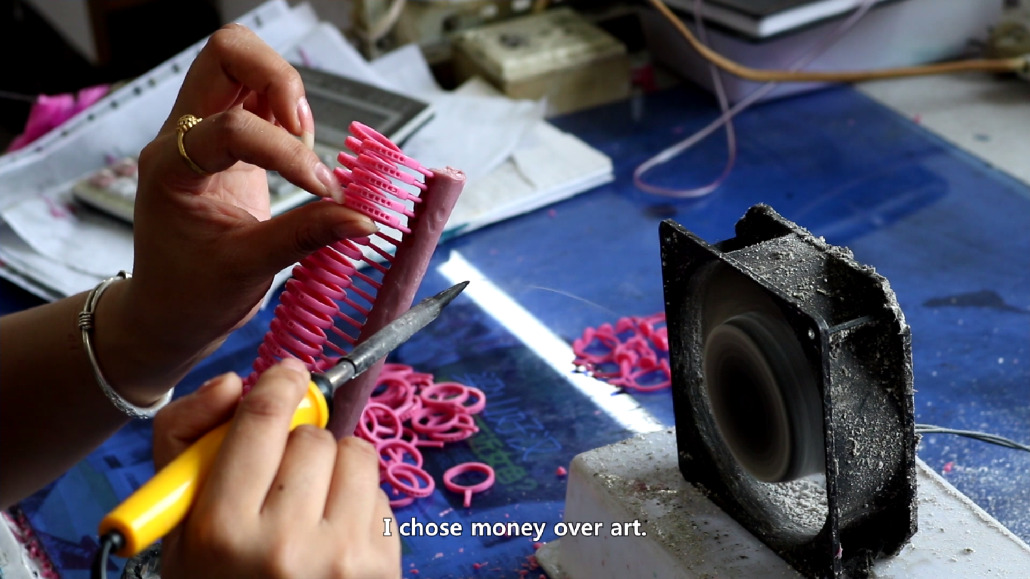
Serin Oh, The birds trashed their heads to fly (still image), 2016-2018, Single-channel video, 10min 35sec. © Serin Oh

As she contemplated the role of the artist within this vast system linking producers, sellers, and consumers, Oh began to engage with a social structure in which the fake becomes real through production, and production itself becomes a form of consumption.
 
The inexpensive accessories she works with are products of contemporary fantasies surrounding consumption, ownership, and power. At the same time, the countless hands of factory workers that appear in the video almost as components of a machine reveal, beneath this illusion, a reality alienated from capital.


Serin Oh, Vietnam Project: making film (still image), 2018, Single-channel video, 5min 4sec. © Serin Oh

In 2018, while traveling between factories in China and Vietnam and asking the people there the question, “What is the ‘real’?”, Oh received an unexpected proposal from the owner of an accessory factory: in exchange for providing the factory with a “unique” design, she would be allowed to use all of its facilities and labor free of charge.
 
This became the starting point for the ‘Vietnam Project’ (2018), which was carried out in the Đồng Văn Industrial Park, where factories producing some of the world’s cheapest accessories are concentrated. Some of these factories specialize in what they call “copycats”—the replication of original products—and are capable of mass-producing imitations of virtually any branded item within a week.


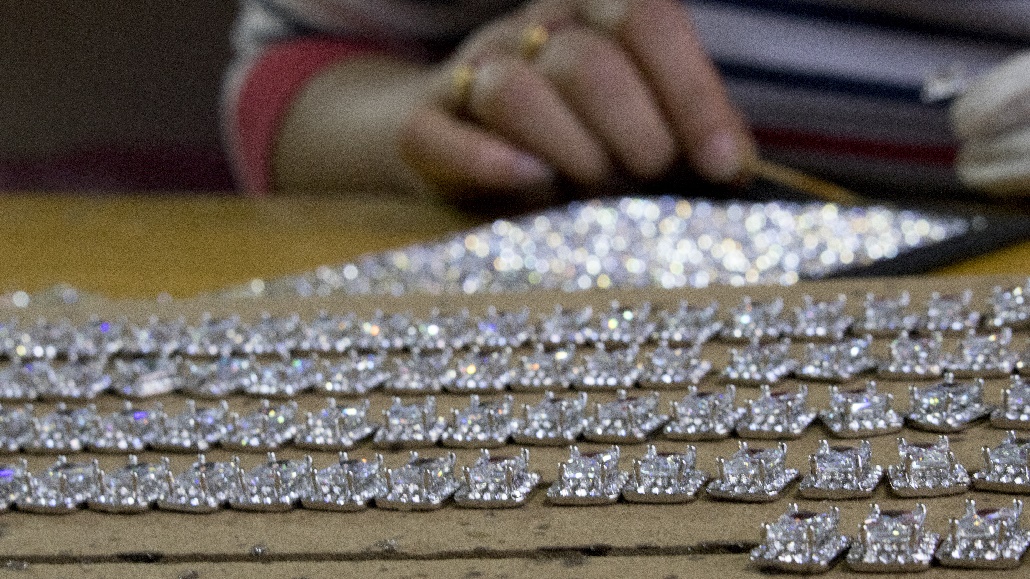
Serin Oh, Vietnam Project made in Vietnam (01-06), 2018, Brass, zinc, artificial diamond © Serin Oh

Having long explored the boundary between the fake and the real, Oh prepared an original design of her own and observed how it would be transformed within a system of mass production.
 
In this process, the artist intentionally widened the gap between the original and the final product. For example, while creating the original, she borrowed diamonds, pearls, and colored gemstones from an art collector and set them in 18K gold.
 
At the factory in Vietnam, these materials were replaced with imitation cubic stones and epoxy that resembled the original gemstones. The six commercial samples produced at the factory were exhibited alongside the original works in Oh’s solo exhibition 《How to Arrange Glitter and Gold》 (Seum Art Space, 2018), while some of the samples were left behind at the factory.


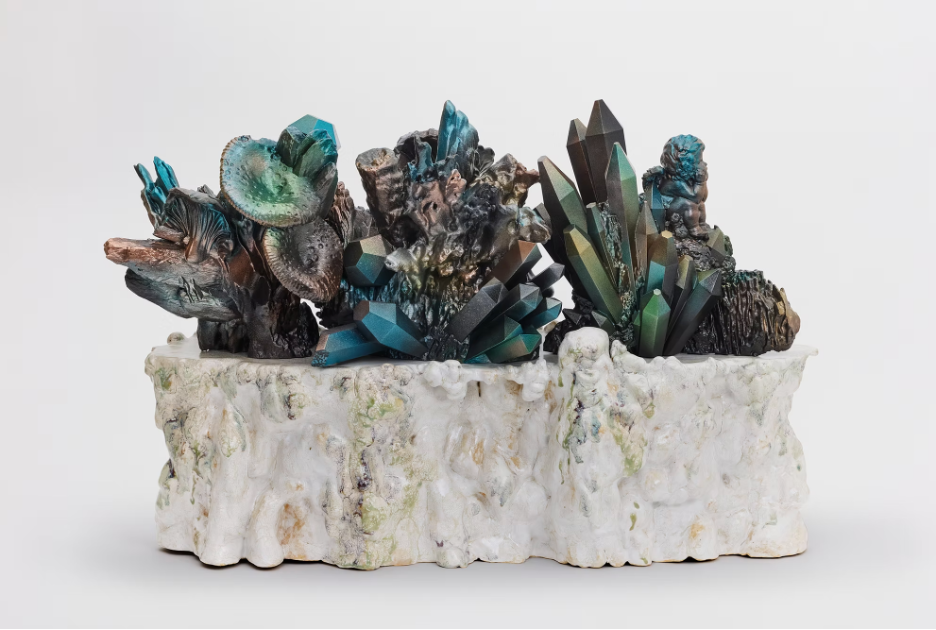
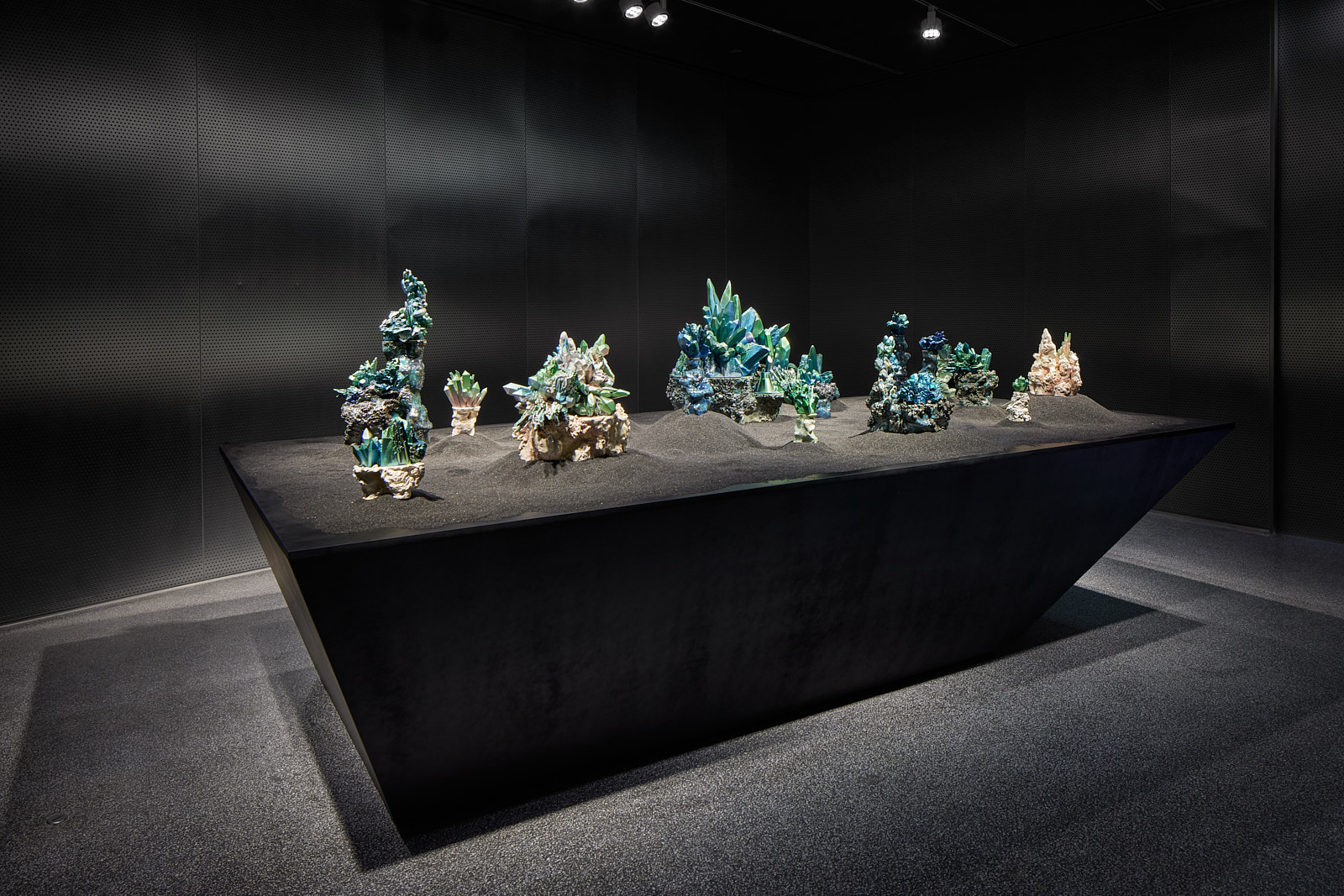
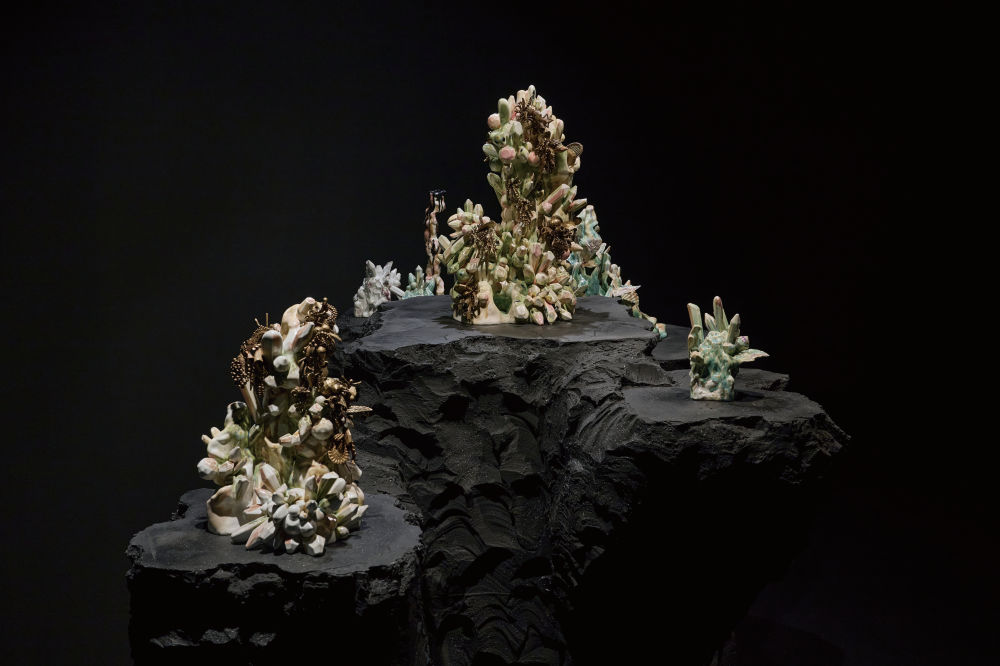
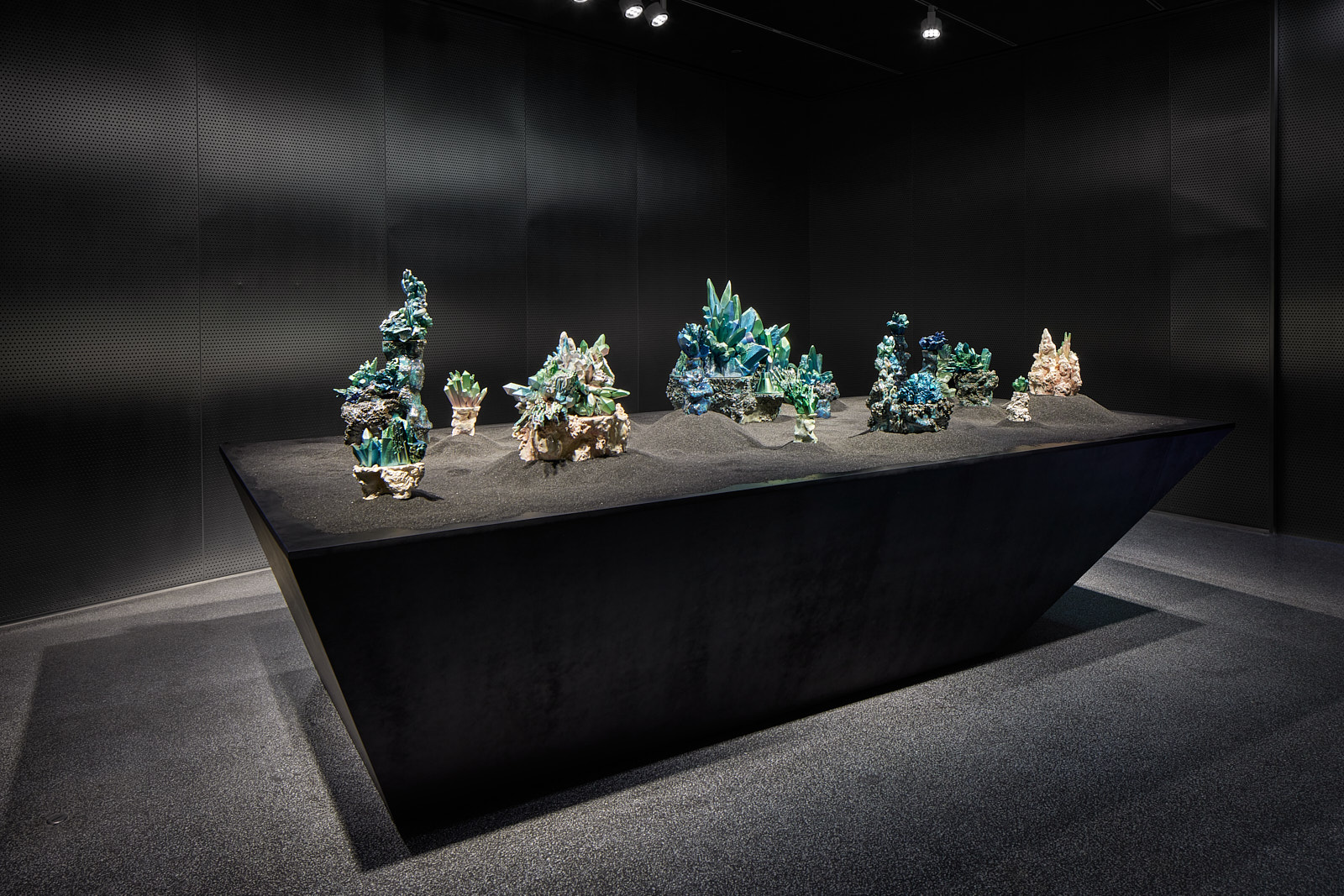
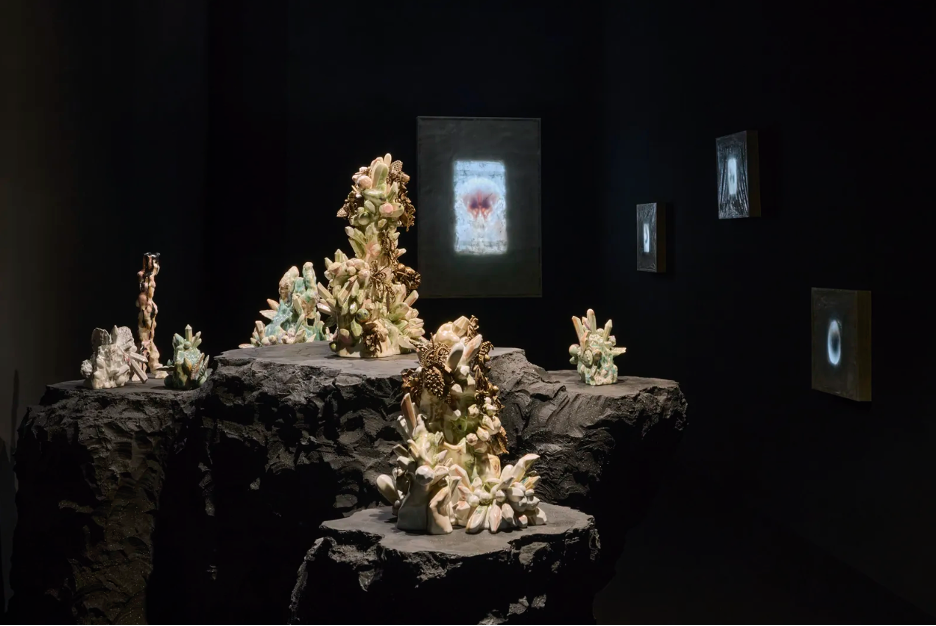
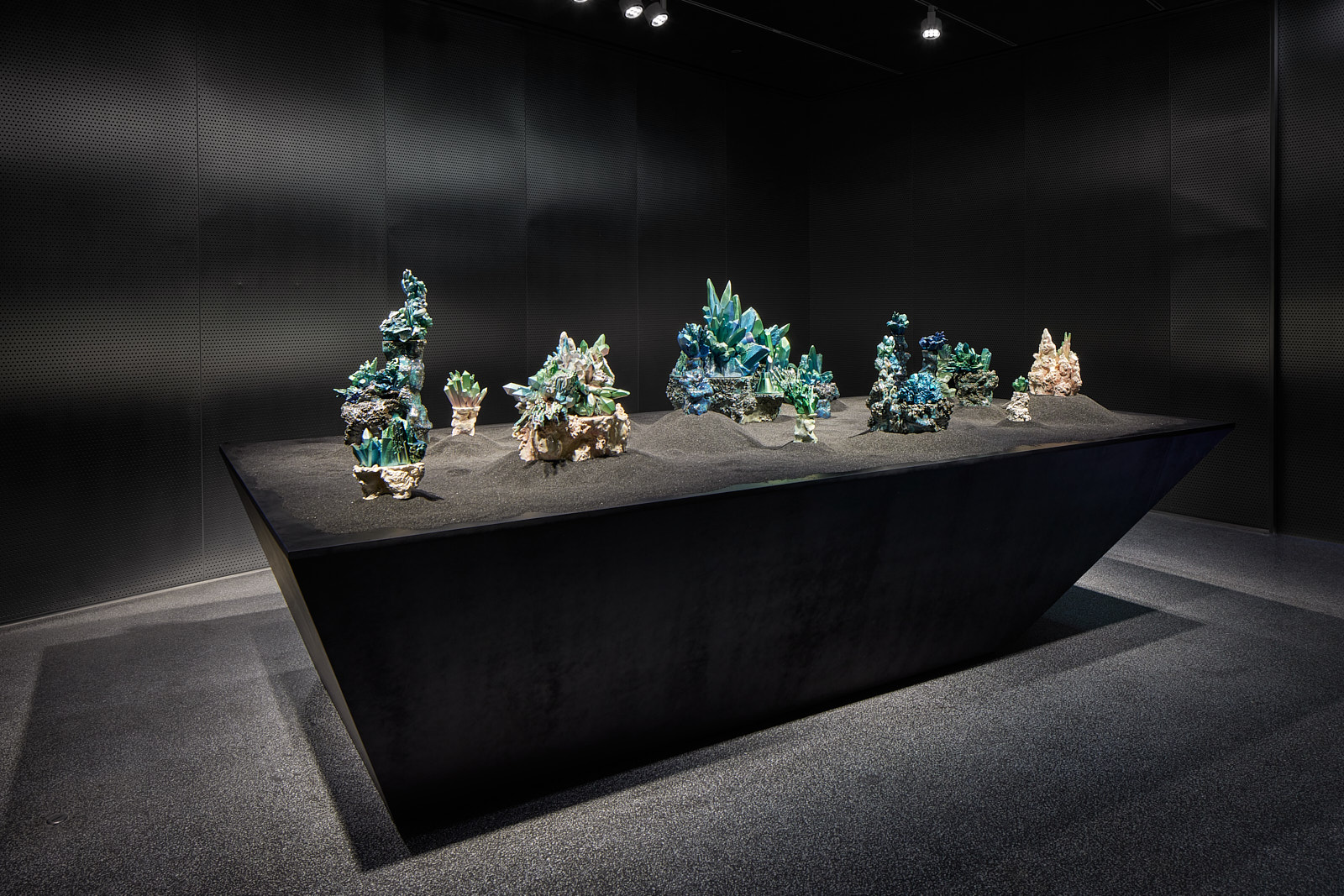
Installation view of 《Forest Temperature Bunker》 (BYFOUNDRY, 2022) © FOUNDRY SEOUL. Photo: : Kyung Roh.

In her 2022 solo exhibition 《Forest Temperature Bunker》 at BYFOUNDRY, Oh translated her imagination—freely drifting between reality and fantasy and inspired by stories of a zinc mine and lenok trout—into sculptures made through ceramics and 3D printing.
 
This body of work began after a research trip in 2020 to Bonghwa County, North Gyeongsang Province, where the artist encountered stories of lenok trout in the Nakdong River that intersected with the rise and decline of the region’s zinc mining industry.


Installation view of 《Forest Temperature Bunker》 (BYFOUNDRY, 2022) © FOUNDRY SEOUL. Photo: : Kyung Roh.

The Nakdong lenok went extinct due to environmental pollution and habitat destruction from mining development, leading to a seemingly successful multi-year restoration project reintroducing Han River lenok into the Nakdong. Yet the lenok found in the river today are not the released Han River lenok, but the Nakdong lenok thought to have disappeared long ago.
 
Following this story of the human intentions and desires surrounding resource development and ecological restoration, and the concluding twist that nullifies such human efforts, the artist wonders, “Maybe the lenok are actually living at their own pace and in their own way, and human eyes just can’t reach that world.”


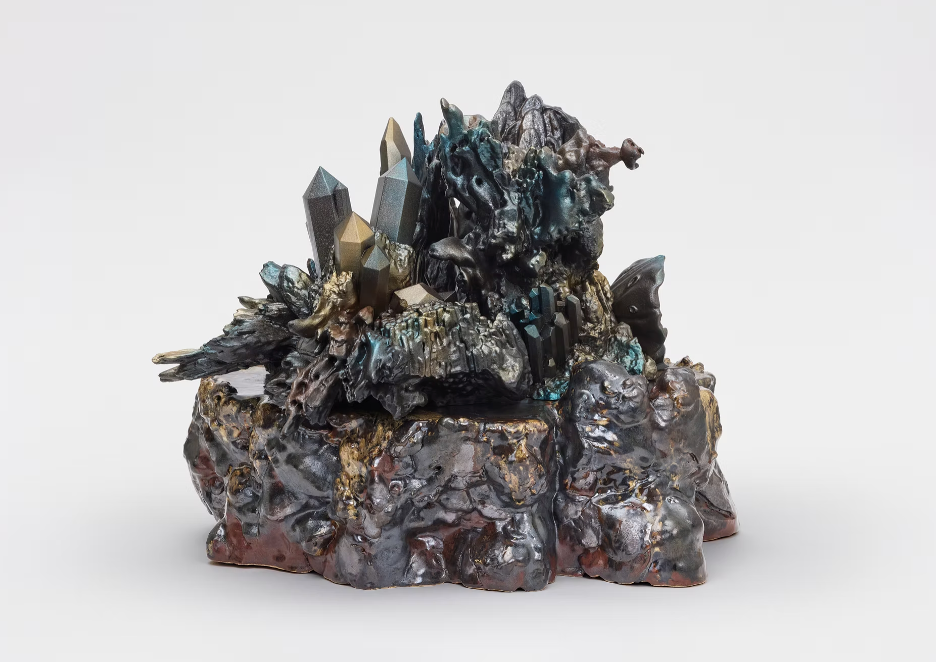
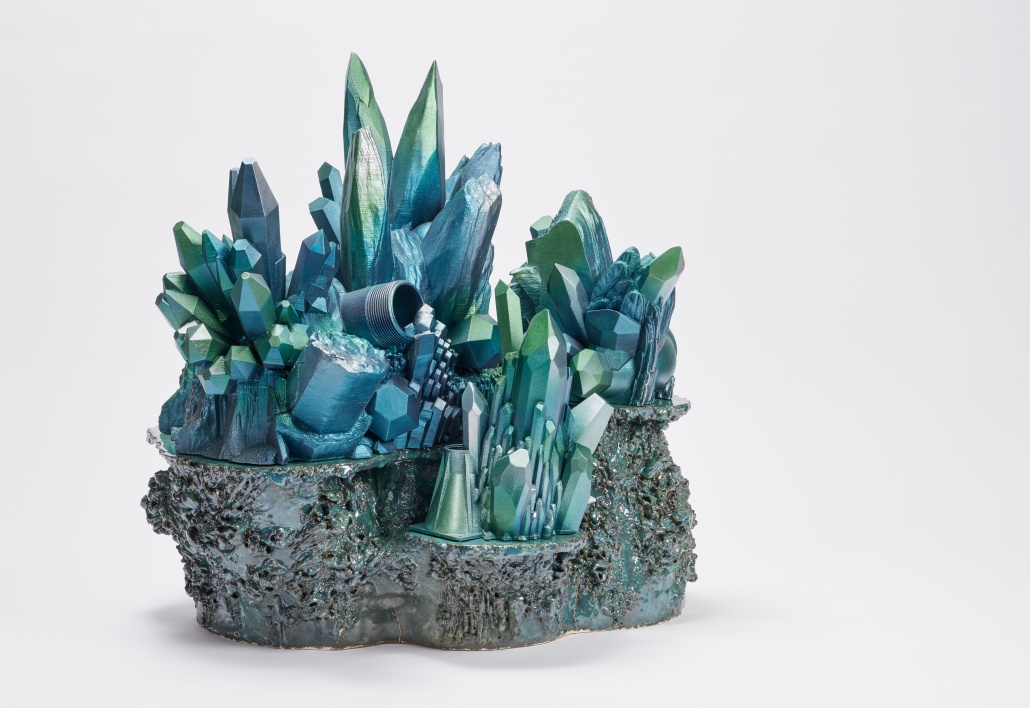
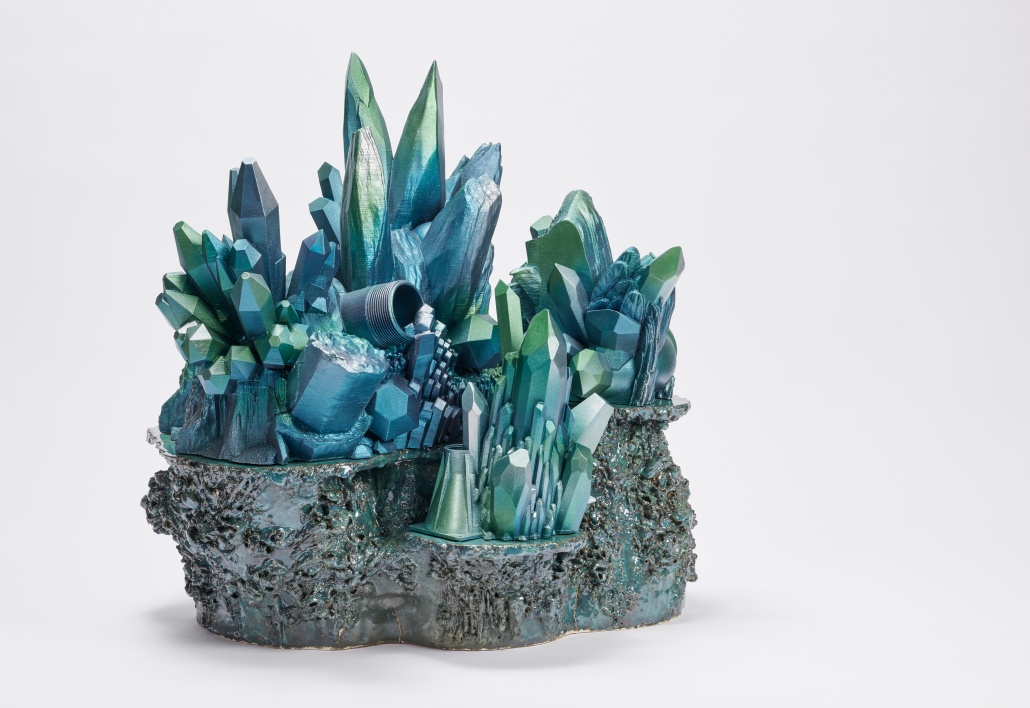
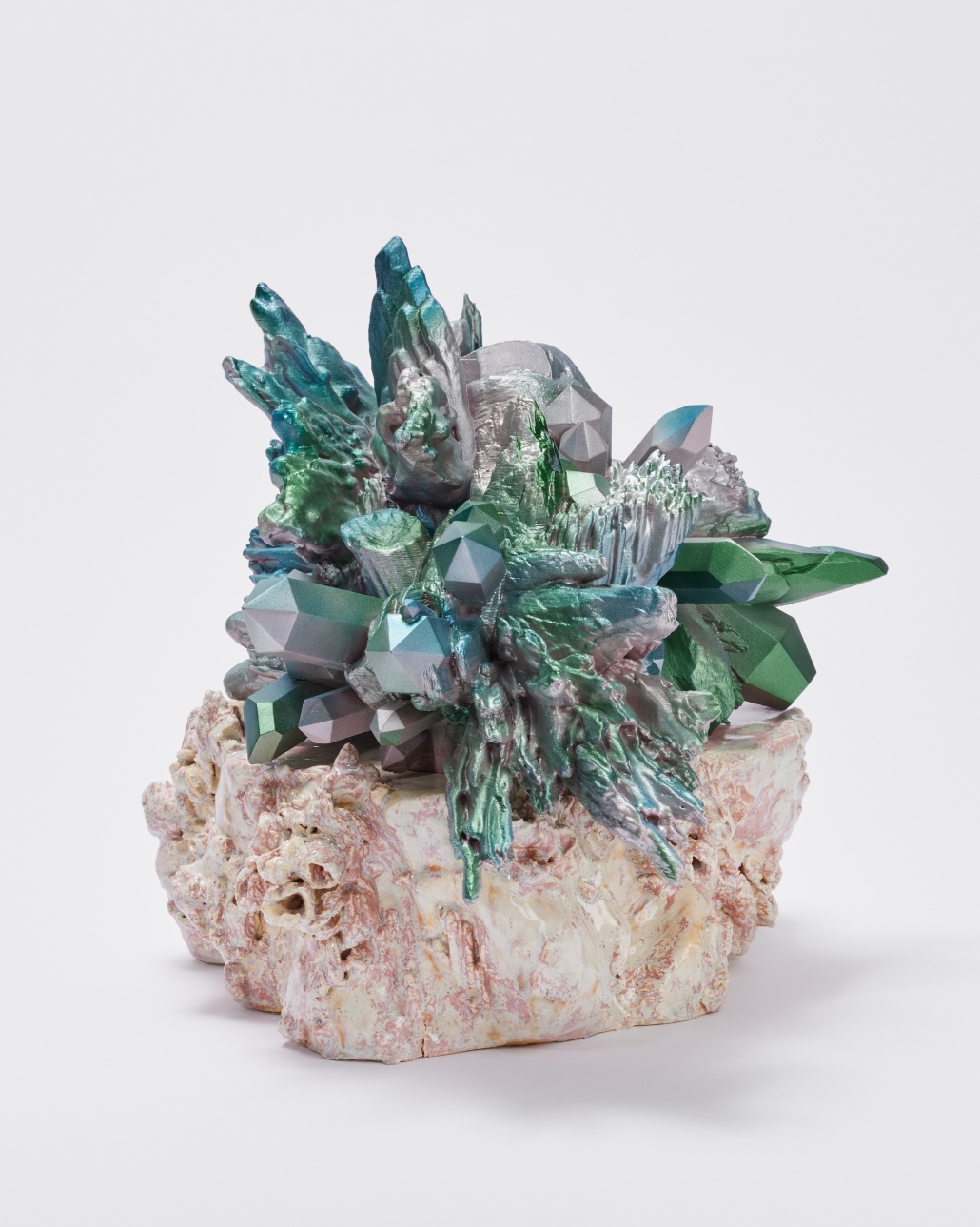
Serin Oh, Melting Point of the Mountain, 2022, PLA, acrylic paint, glazed ceramic, 58x56x52cm © Serin Oh. Photo: Kyung Roh.

In the exhibition, Serin Oh begins with this hypothesis and then goes one step further. The artist imagines “some corner” where the Nakdong lenok hid themselves away until the deep forest and cool temperatures necessary for their survival returned to the mountain streams, and where the Han River lenok that were unknowingly uprooted by humans might be living now. She realizes this imagined place in sculptures that combine ceramics and 3D printing.
 
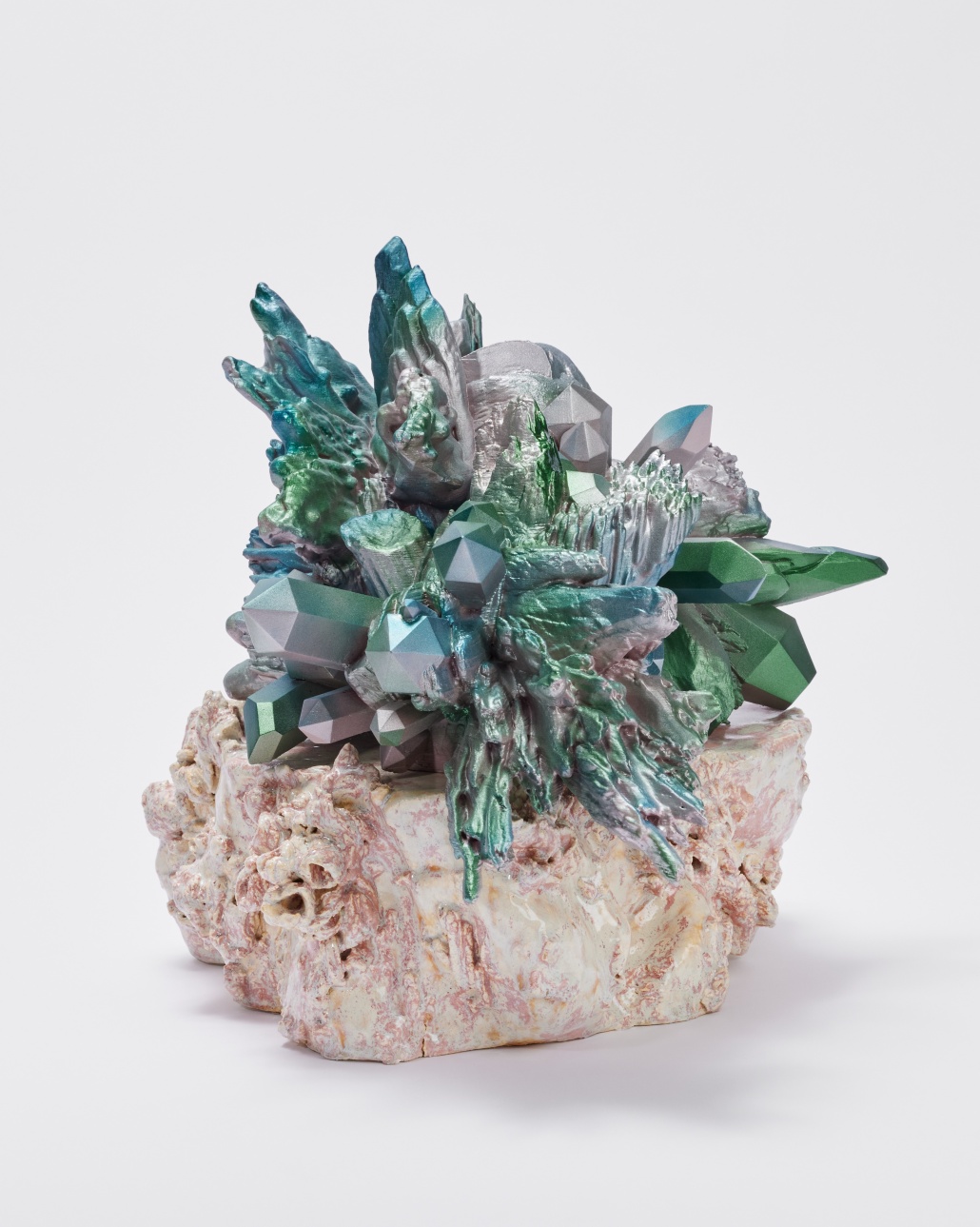
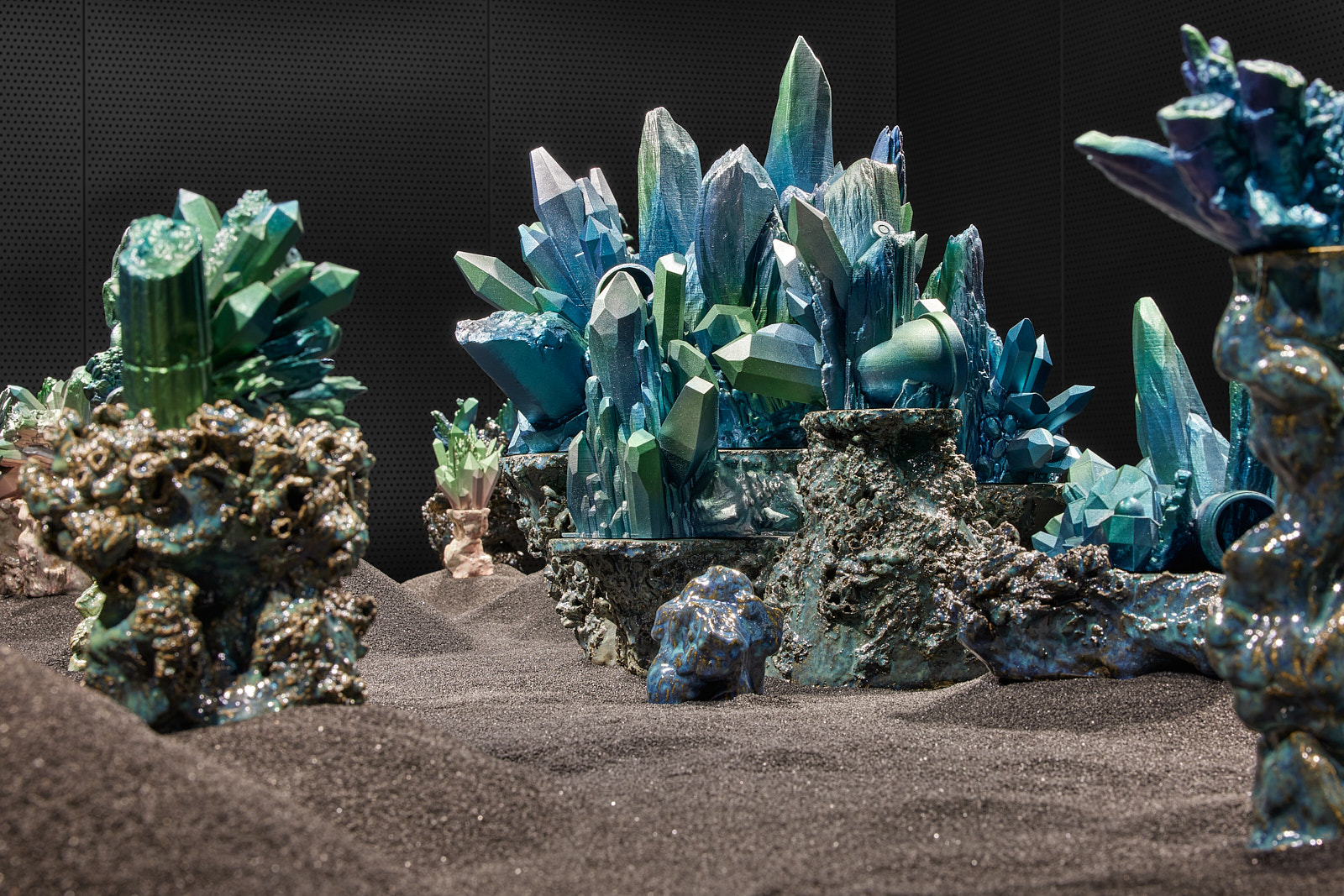
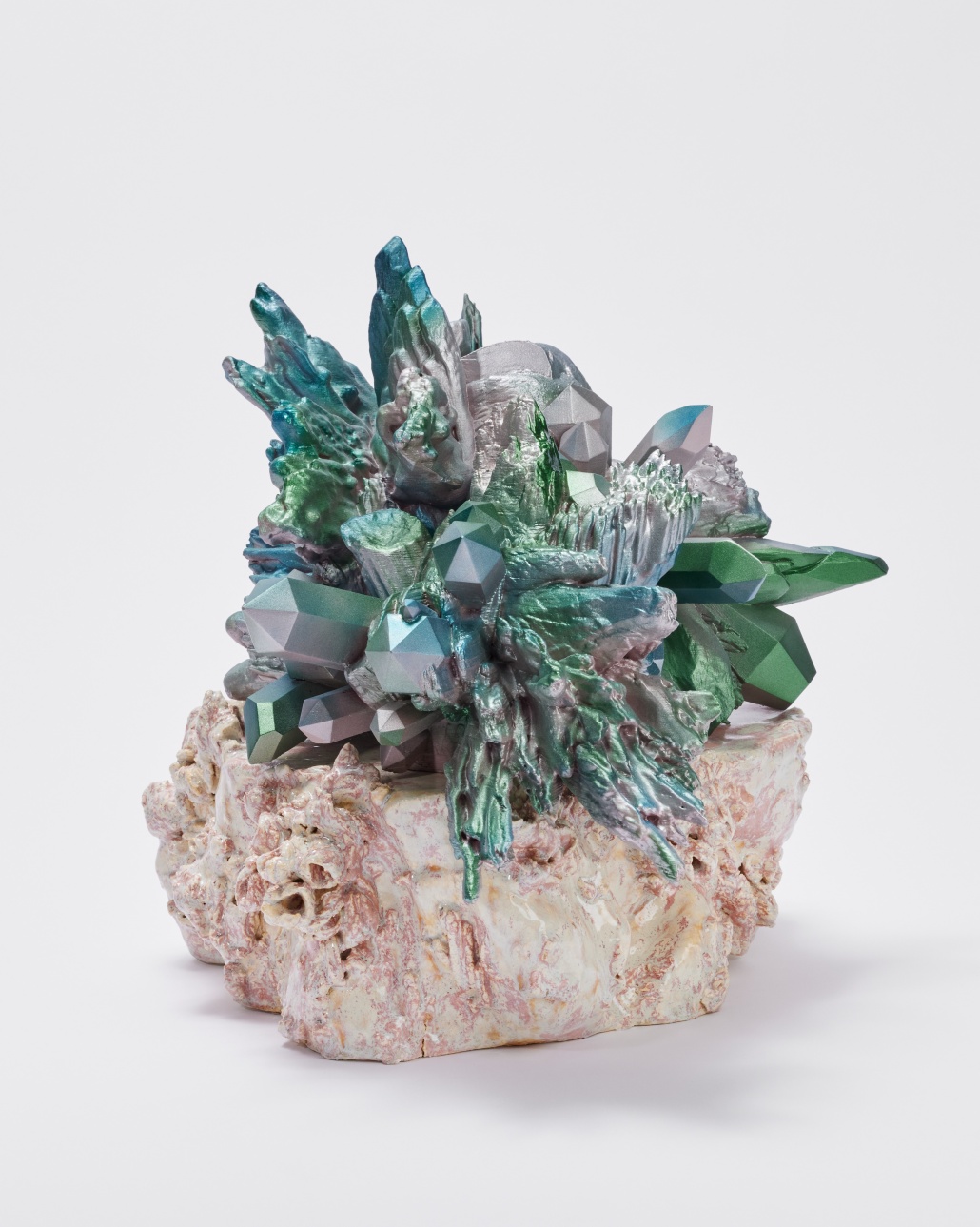
The artist creates these sculptures by connecting two parts made with different materials and methods. The lower portion of the piece is a ceramic sculpture of irregular shape, while the upper portion consists of a 3D printing mass created from open-source data used in movies and games, which the artist collected, combined, and altered.


Serin Oh, Flowing Forest, 2022, PLA, acrylic paint, glazed ceramic, 35x44x35cm © Serin Oh. Photo: Kyung Roh.

Natural and artificial materials, organic and linear forms, the smooth luster of glaze and the crunchy sparkle of pigment particles collide and coexist within each piece. These disparate elements produce an unfamiliar and mysterious sensory impression, while also creating a multidimensional reflection of the artist’s imagination as it unfolds through nature and artifice, past and present, the visible and the hidden.


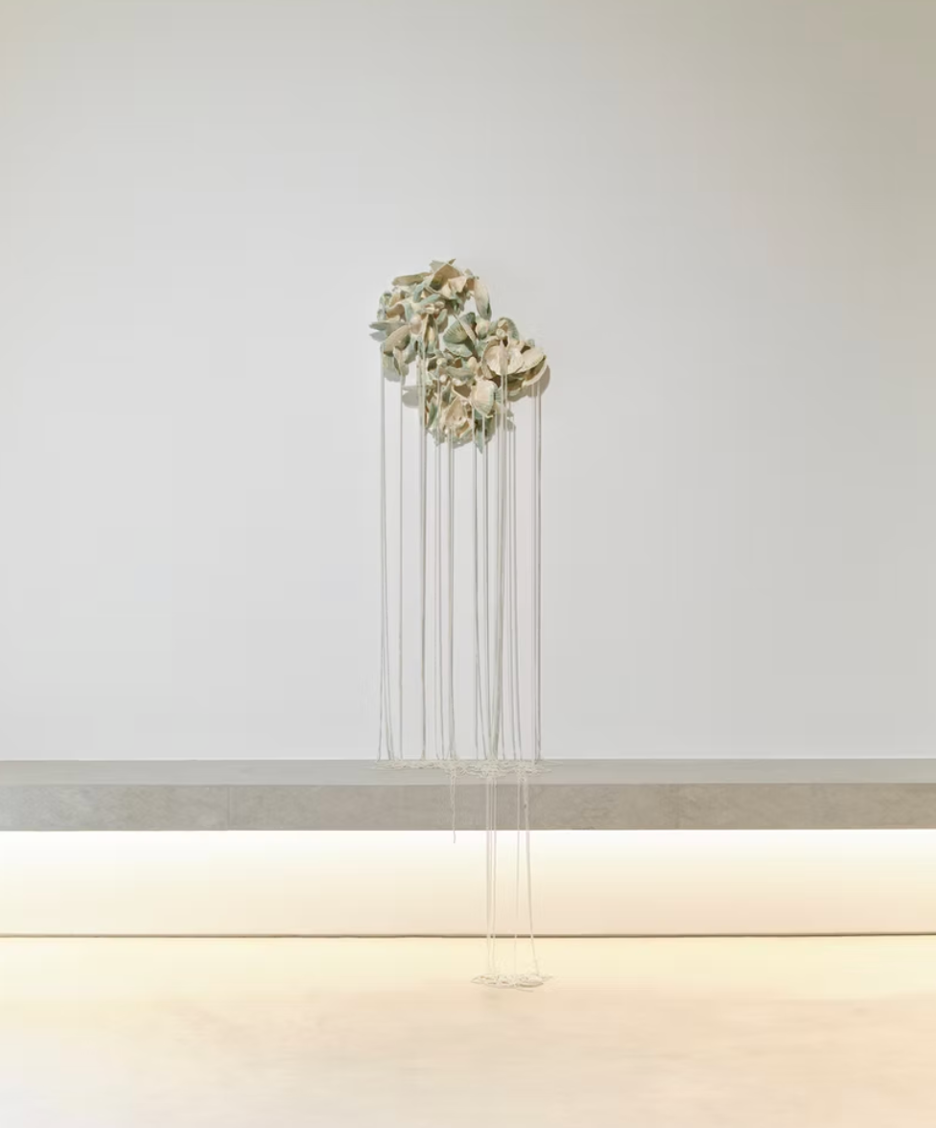
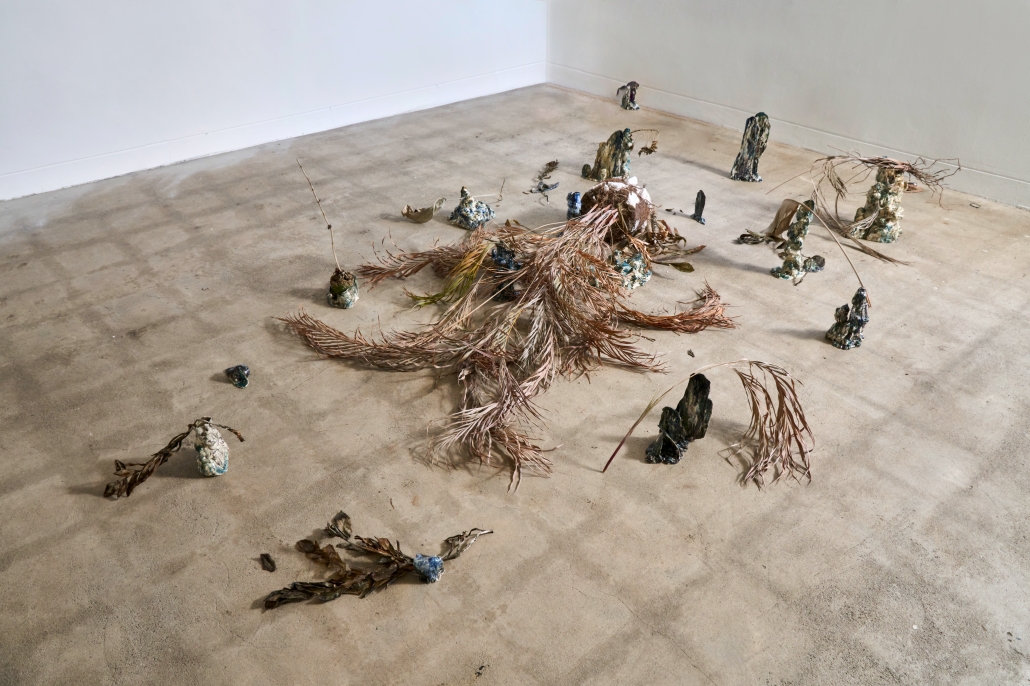
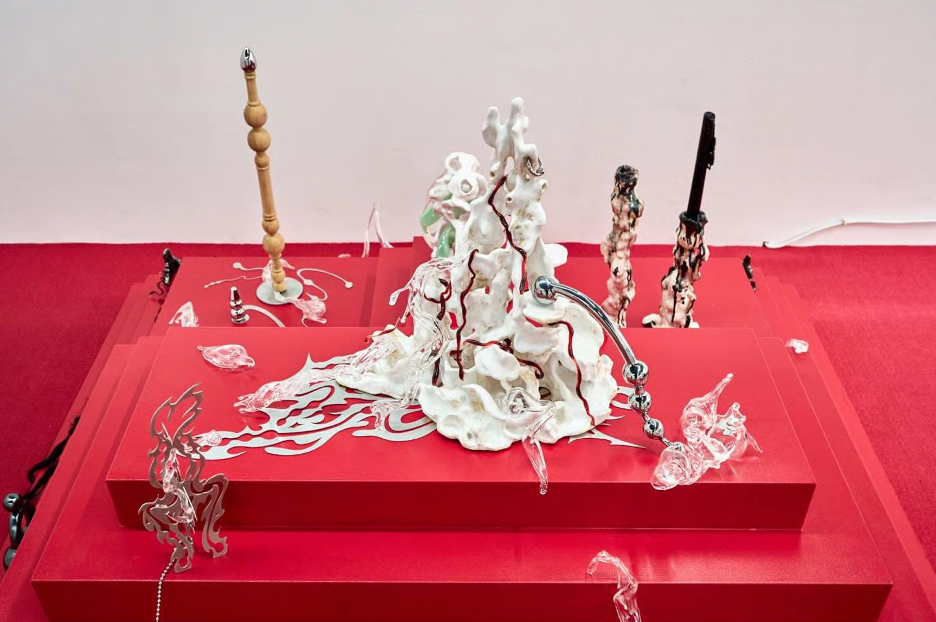
Installation view of 《Neo-Animism》 (THE THIRD, 2026) © THE THIRD

Drawing on site-based research, Serin Oh has developed a practice that employs video, photography, and text alongside a wide range of materials—including metal, clay, wax, and 3D printing—to observe and reconfigure established assumptions.
 
Beginning with the everyday objects and systems that surround us, her work dismantles familiar subjects from existing frameworks of perception and reconstructs them, prompting viewers to reconsider social standards and binary categories.
 
Built upon the dismantling of rigid dichotomies, Oh’s works reveal the questions and hidden meanings concealed within the gaps between them, confronting viewers with the realities that lie behind the surface of “glitter.”

“I become aware that the objects around us move across different places and periods, entangled with various desires. Within that complexity, I try to collect the stories that collide with one another and identify points where I, as an artist, can intervene.” (Serin Oh, from an interview with the Seoul Foundation for Arts and Culture)


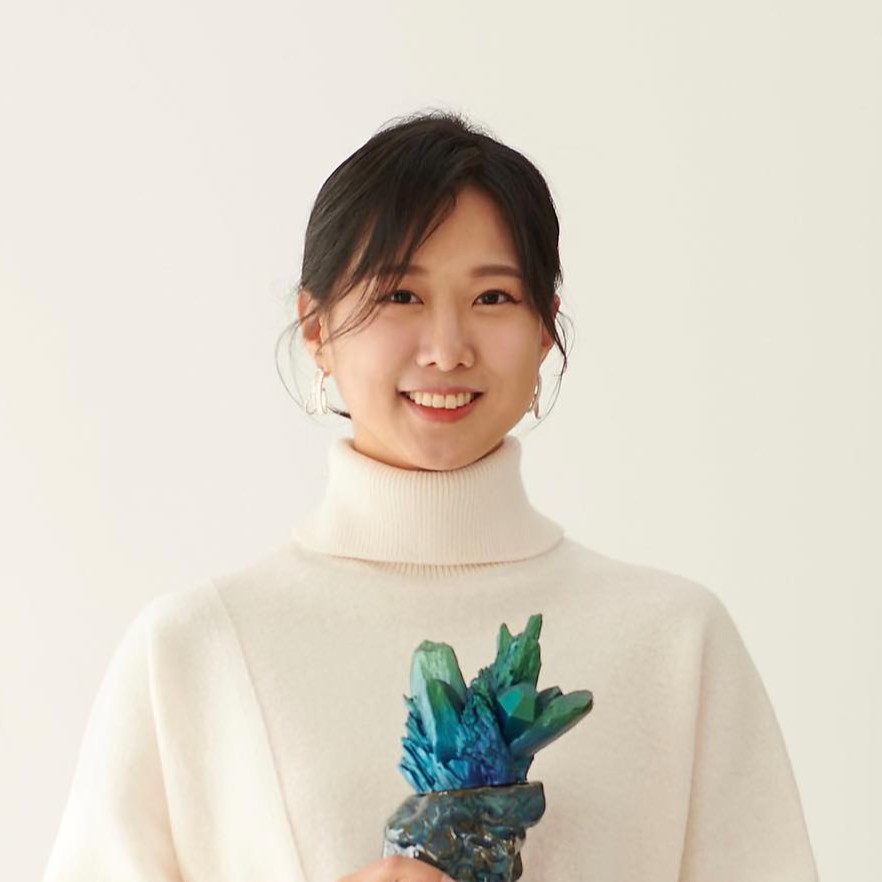
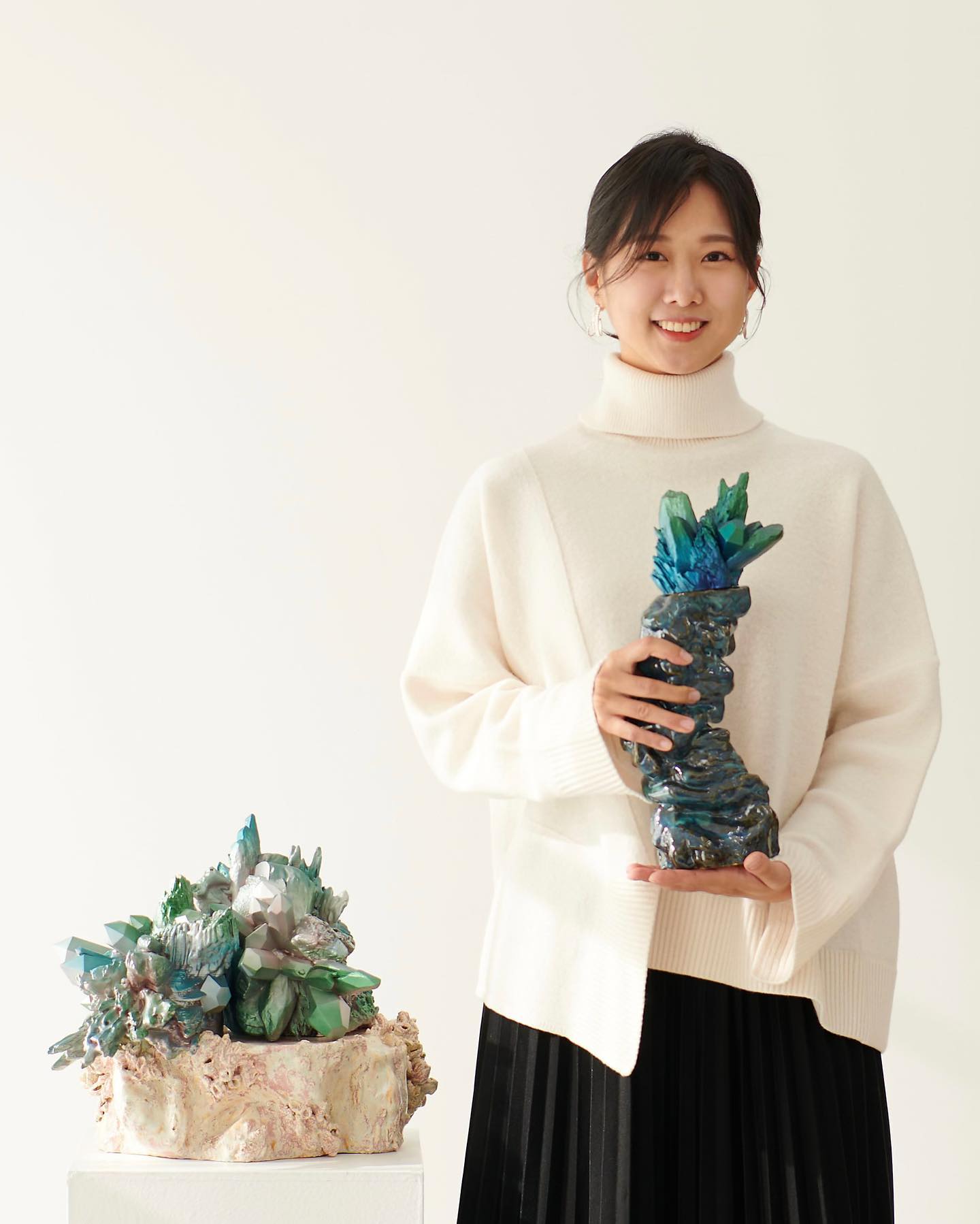
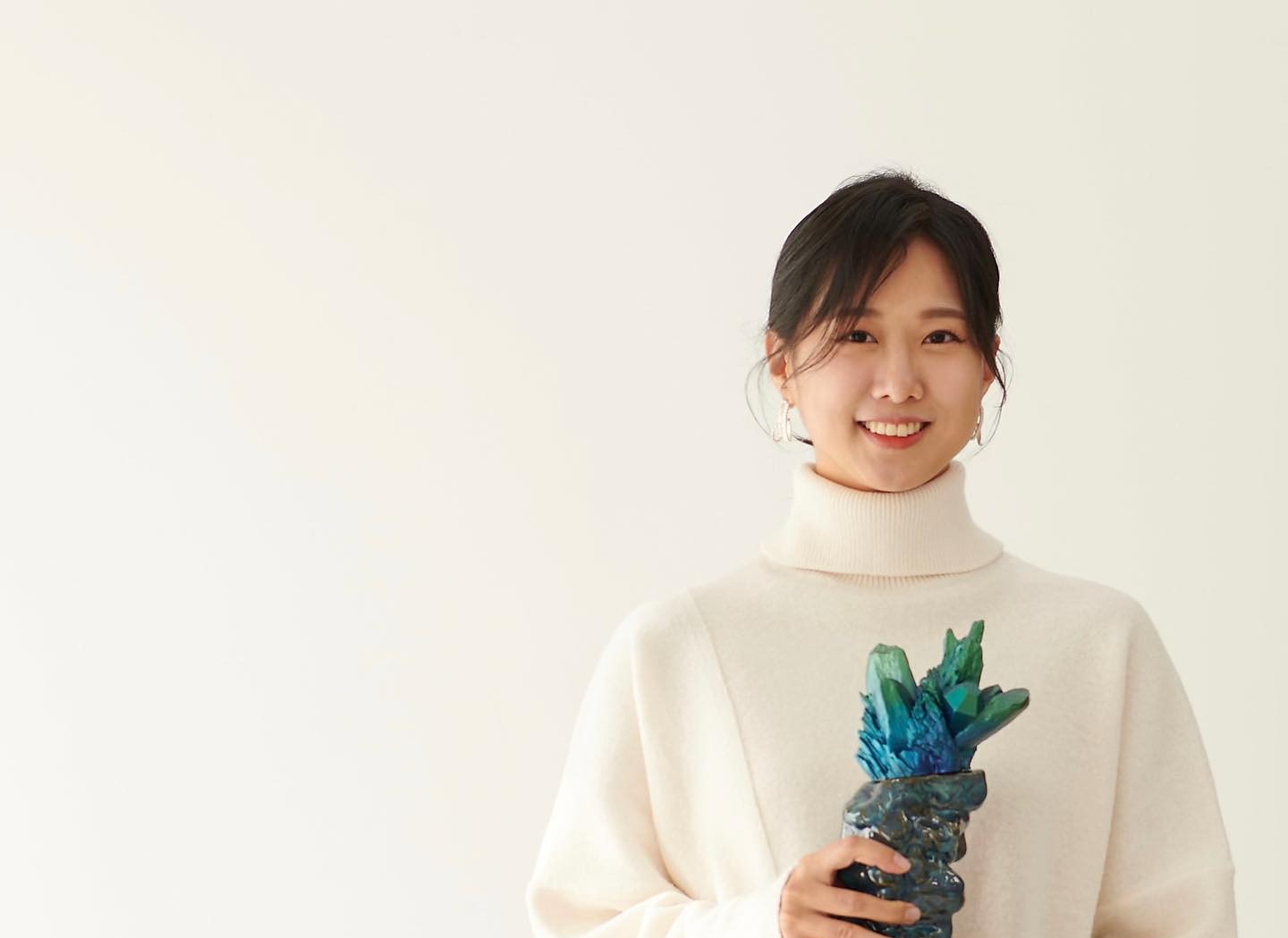
Artist Serin Oh © Monthly Ceramic Art

Serin Oh received her BFA in Oriental Painting and Metalwork and Jewelry from the College of Fine Arts and the College of Design at Seoul National University, and completed her MFA in Metalwork and Jewelry at the same institution. Her solo exhibitions include 《Forest Temperature Bunker》 (BYFOUNDRY, Seoul, 2022), 《How to Arrange Glitter and Gold》 (Seum Art Space, Seoul, 2018), and 《Single Channel Video – Serin Oh》 (Gyeongnam Art Museum, Changwon, 2017).
 
She has also participated in numerous group exhibitions, including 《Neo-Animism》 (THE THIRD, Seoul, 2026), 《Dark Factory》 (MMCA Changdong Residency, Seoul, 2025), 《Unfolding the Dynamics of Modern Ceramics in Korea》 (MMCA, Gwacheon, 2024), 《Beyond Adornment》 (Seoul Museum of Craft Art, Seoul, 2024), and 《Asia Craft Residency Archive: Indonesia Yogyakarta》 (Asia Culture Center, Gwangju, 2023).
 
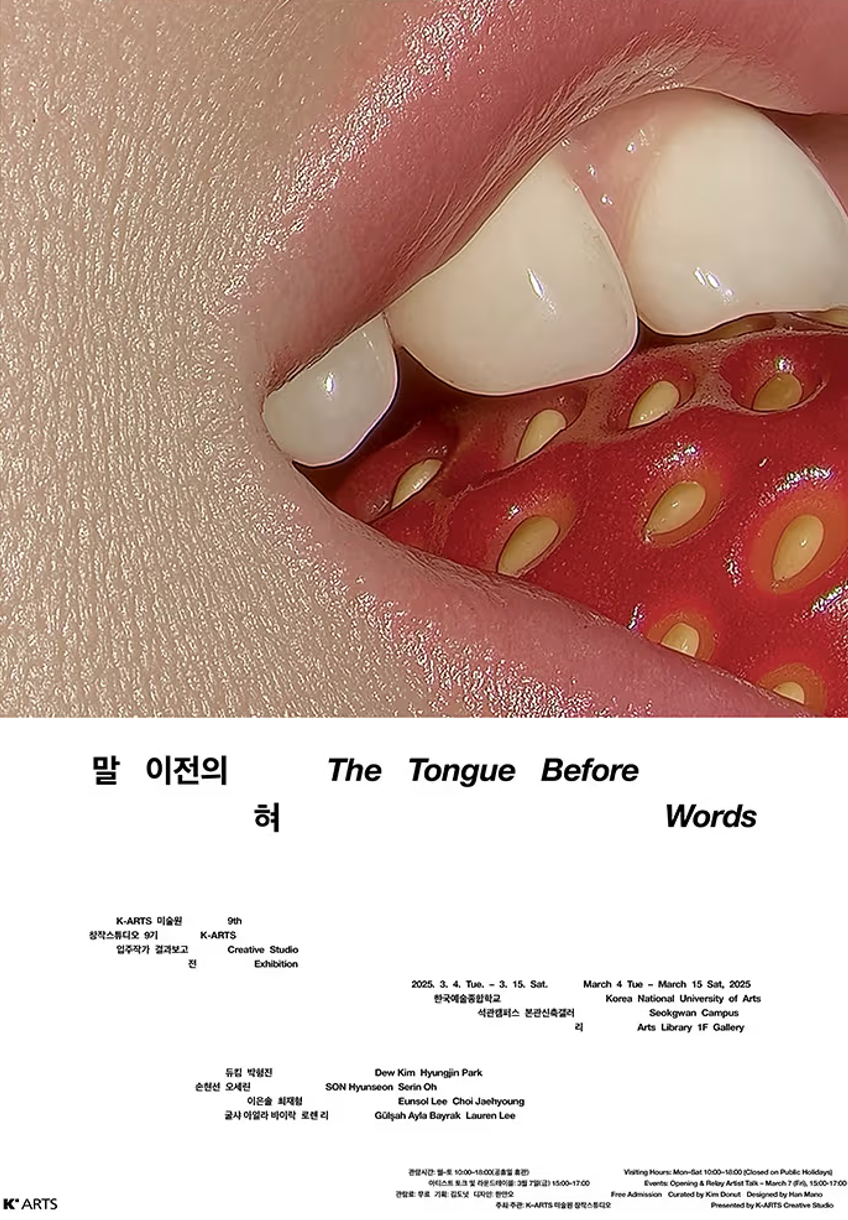
Oh has participated in a number of residency programs, including Taoxichuan Art Center (Jingdezhen, China, 2025), Korea National University of Arts K-Arts Creative Studio (Seoul, 2024), Babaran Segaragunung Culture House (Yogyakarta, Indonesia, 2023), and Phoenix Creative in China Academy of Art (Hangzhou, China, 2016).
 
Her works are held in the collections of the MMCA, Taoxichuan Art Center, and the Pureun Culture Foundation, among others.

References