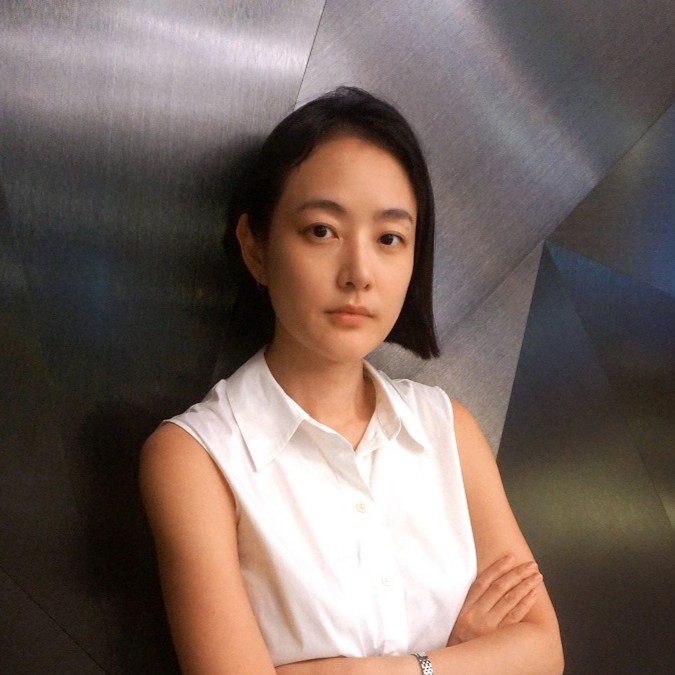
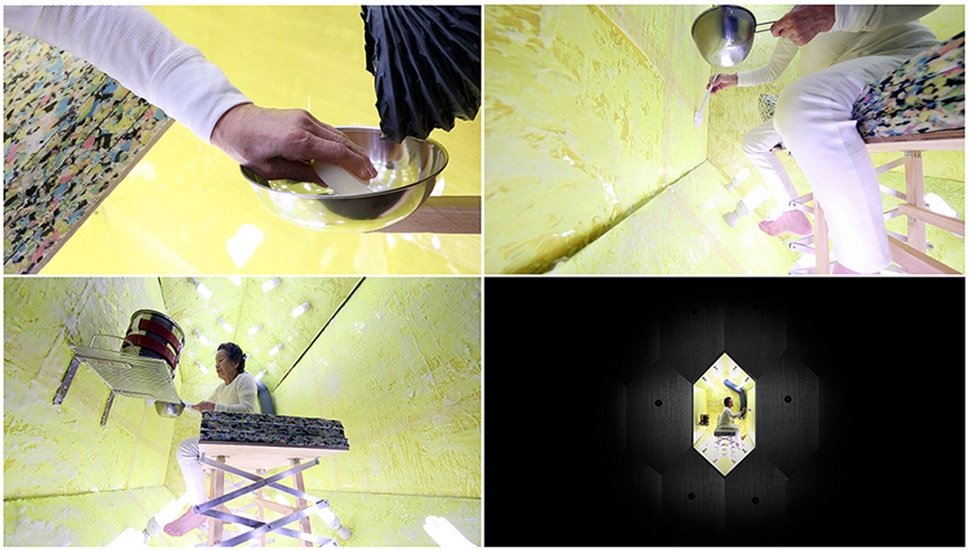
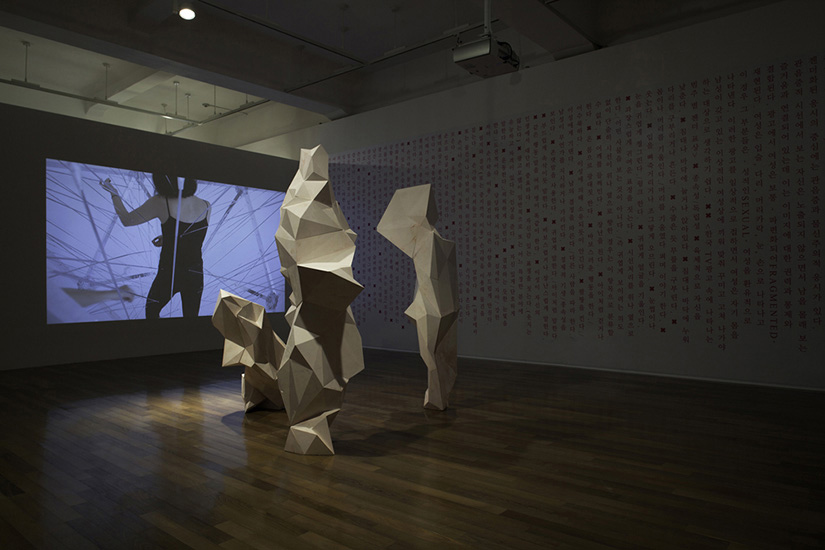
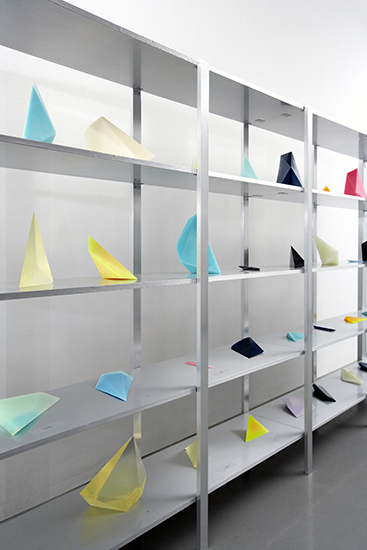
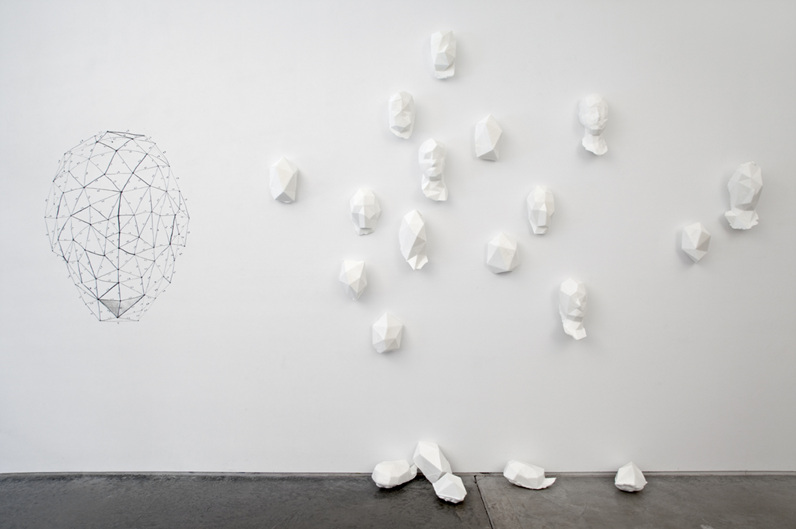
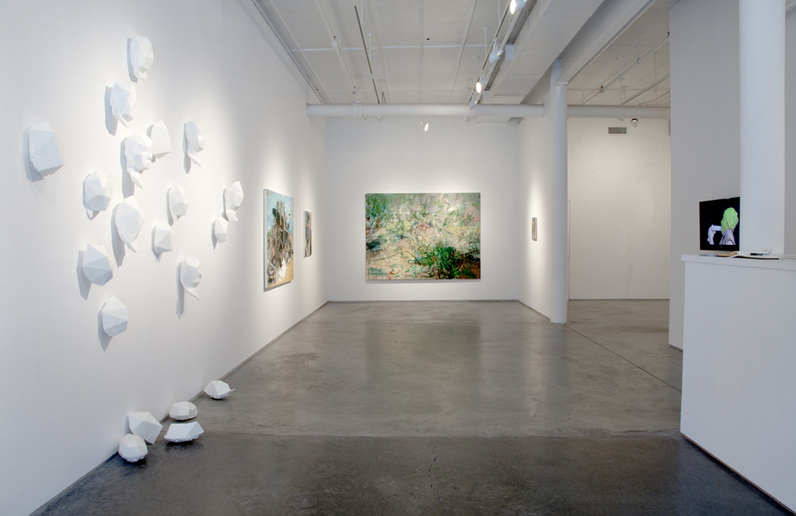
Gyung Jin Shin's practice extends beyond the use of technology as a medium or tool. Her primary concern lies in how technological systems organize and reconfigure human life, affect, labour, and memory.
Beginning with a background in sculpture and new media, she has actively employed physical computing, programming, data, and algorithms while critically examining the power structures and epistemological frameworks that underlie technological progress, as well as the changing conditions of human existence within technical milieus.
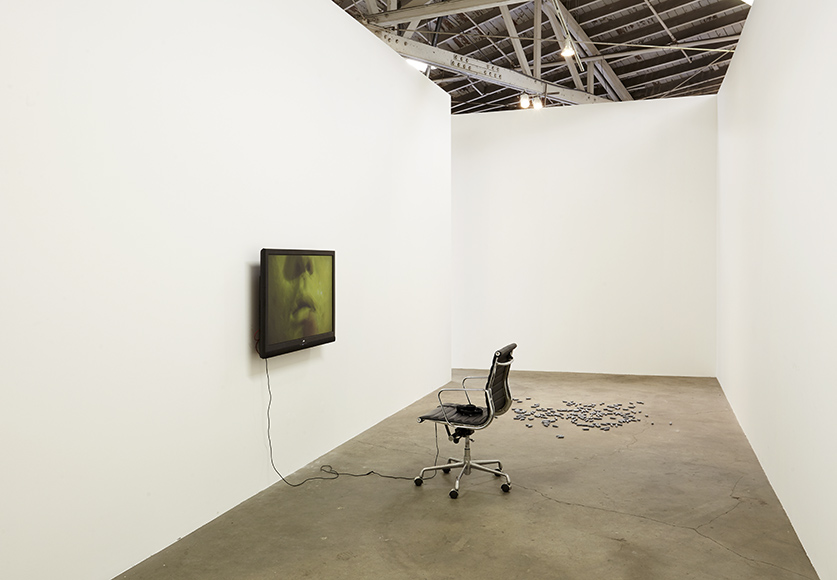
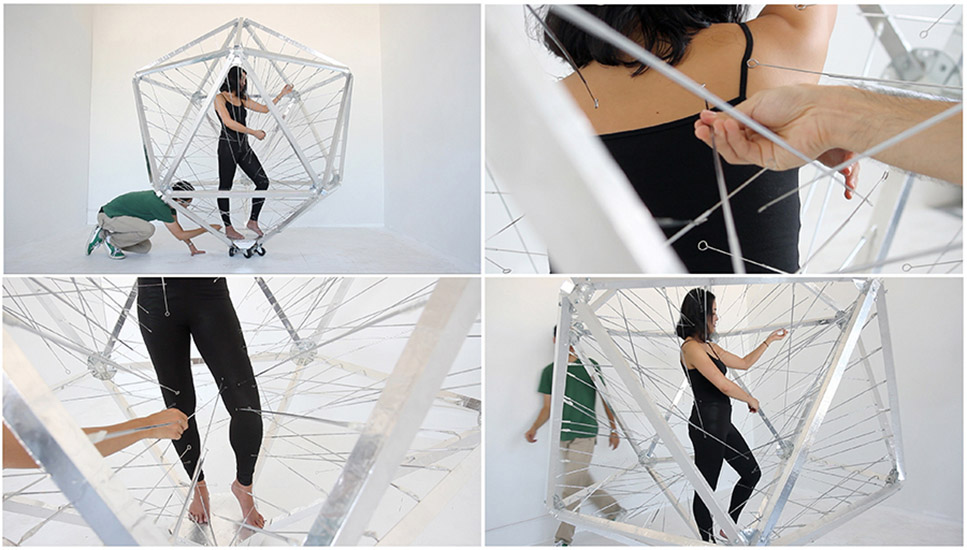
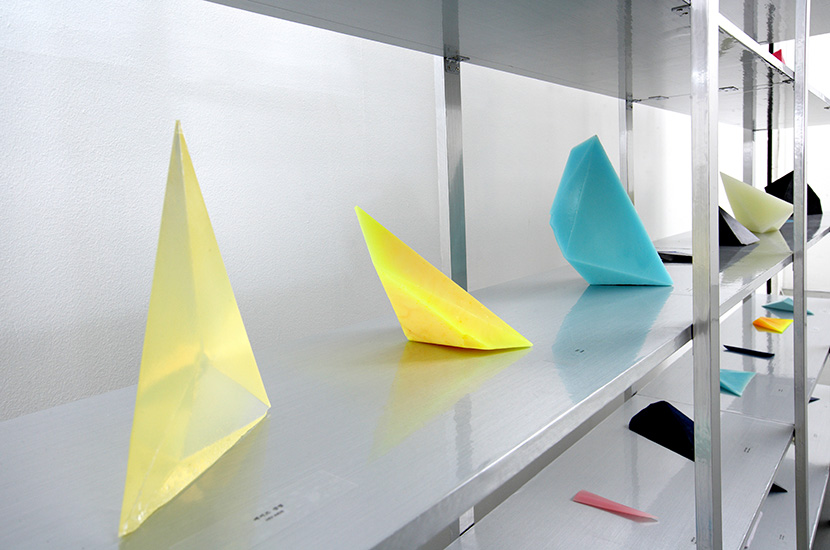
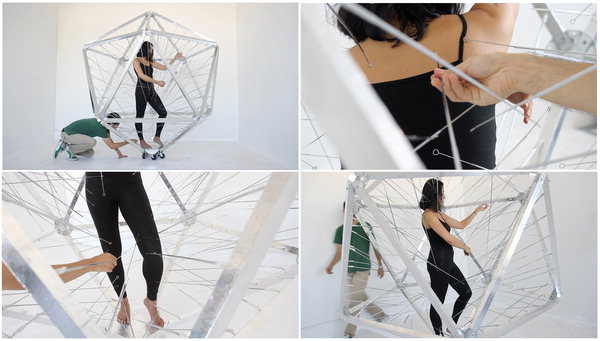
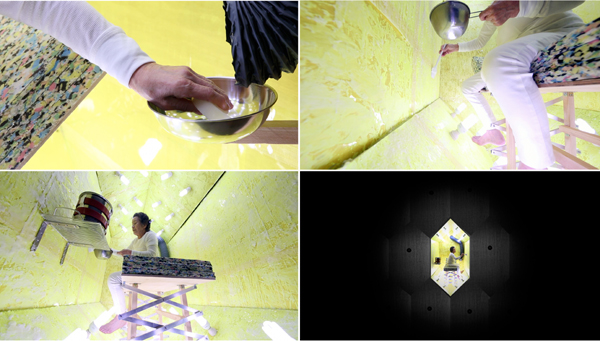
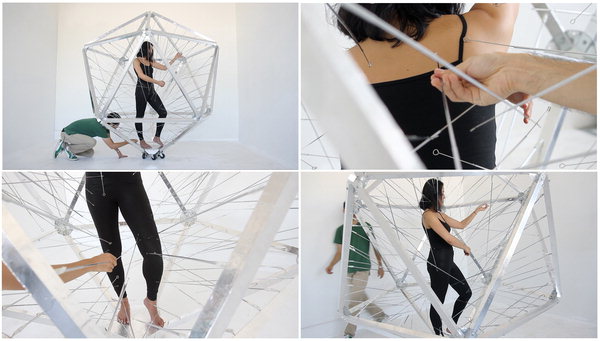
A persistent question throughout her practice concerns the ways in which human subjectivity is constituted within technological environments. Early works such as Mimicking Venus, Pyramid Project, and Specimens of the Globe experimentally investigate how modern systems of measurement, classification, statistics, and rules shape both the human body and the world.
The gap between measurable variables and unpredictable outcomes forms a central thread in her practice. While adopting scientific methodologies, Shin does not seek to affirm scientific objectivity or complete predictability; instead, she focuses on how errors, contingencies, and irrationalities expose the fissures within established systems.
In recent years, these concerns have expanded toward more explicitly political and social dimensions. Shin has turned her attention to the ways in which human emotions and experiences themselves have become objects of extraction in an era when data functions as a primary resource of capitalism.
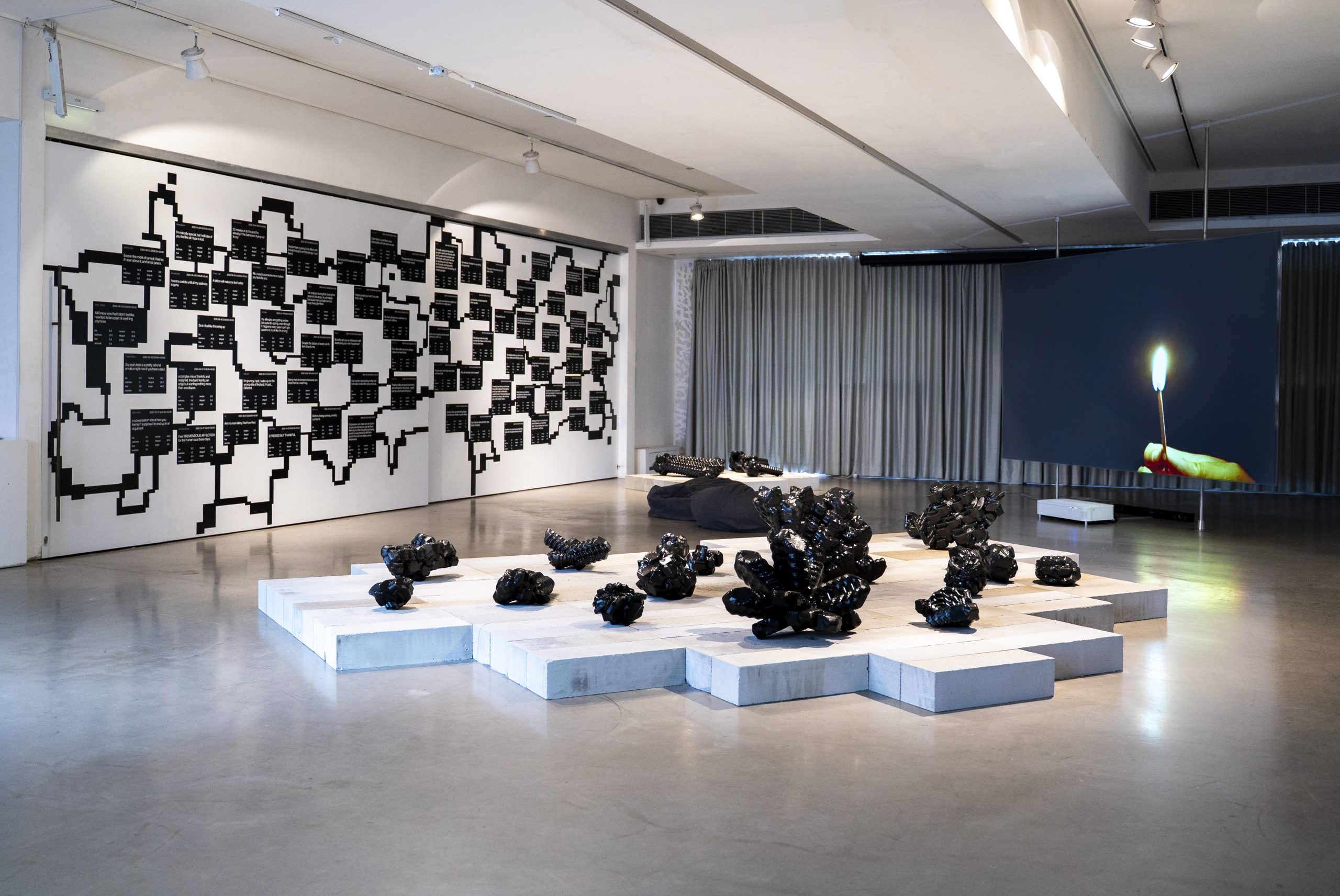
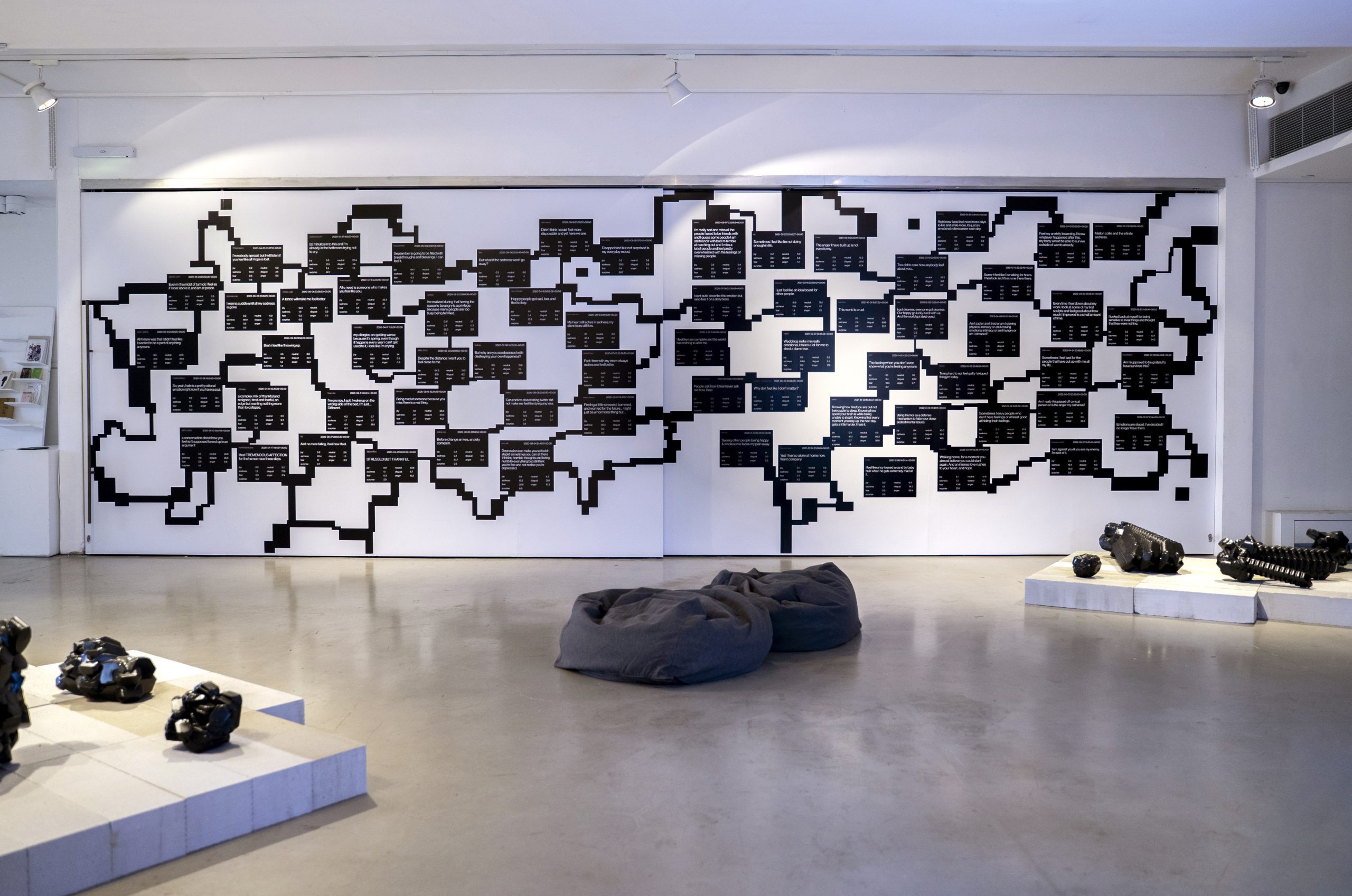
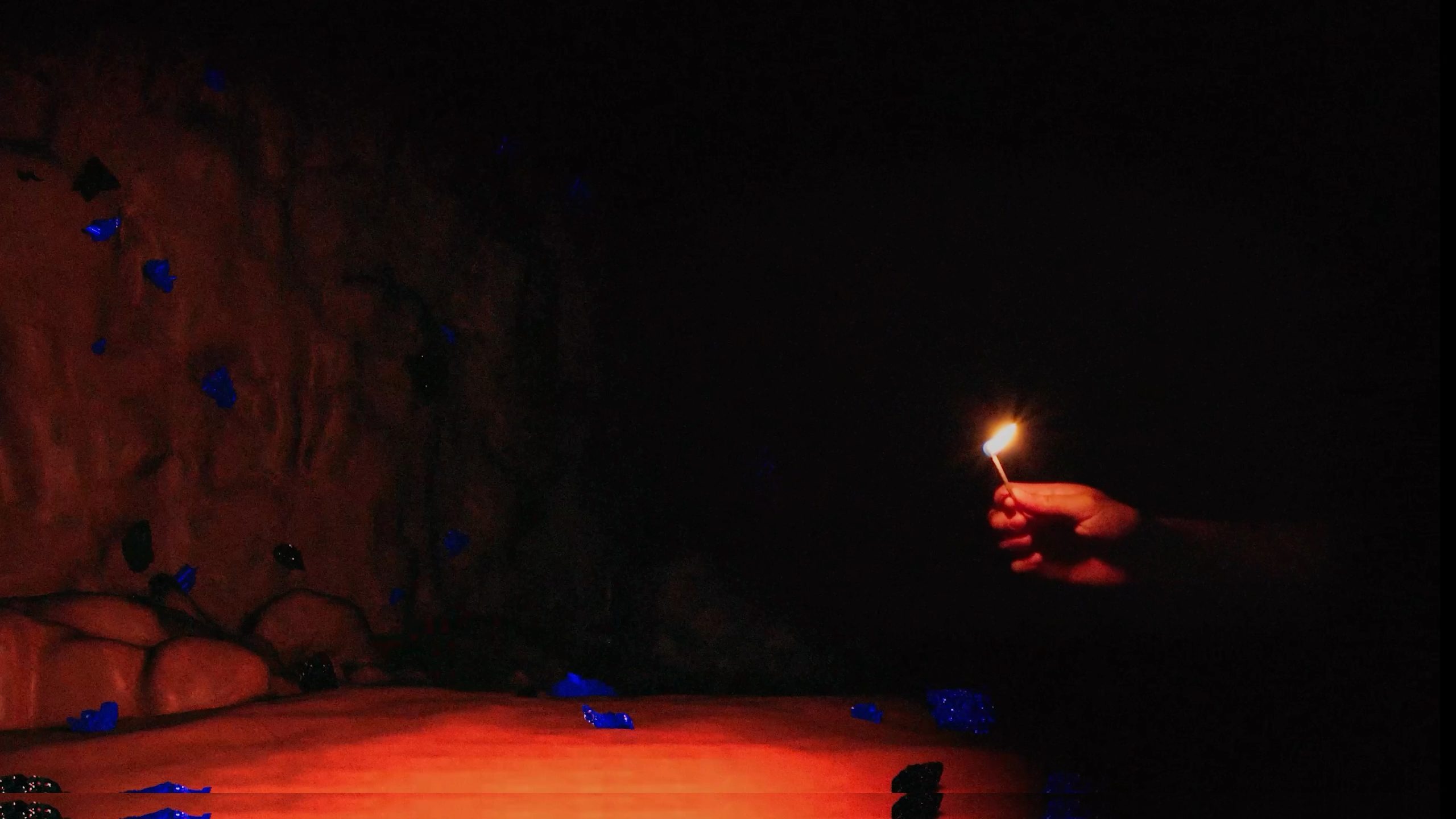
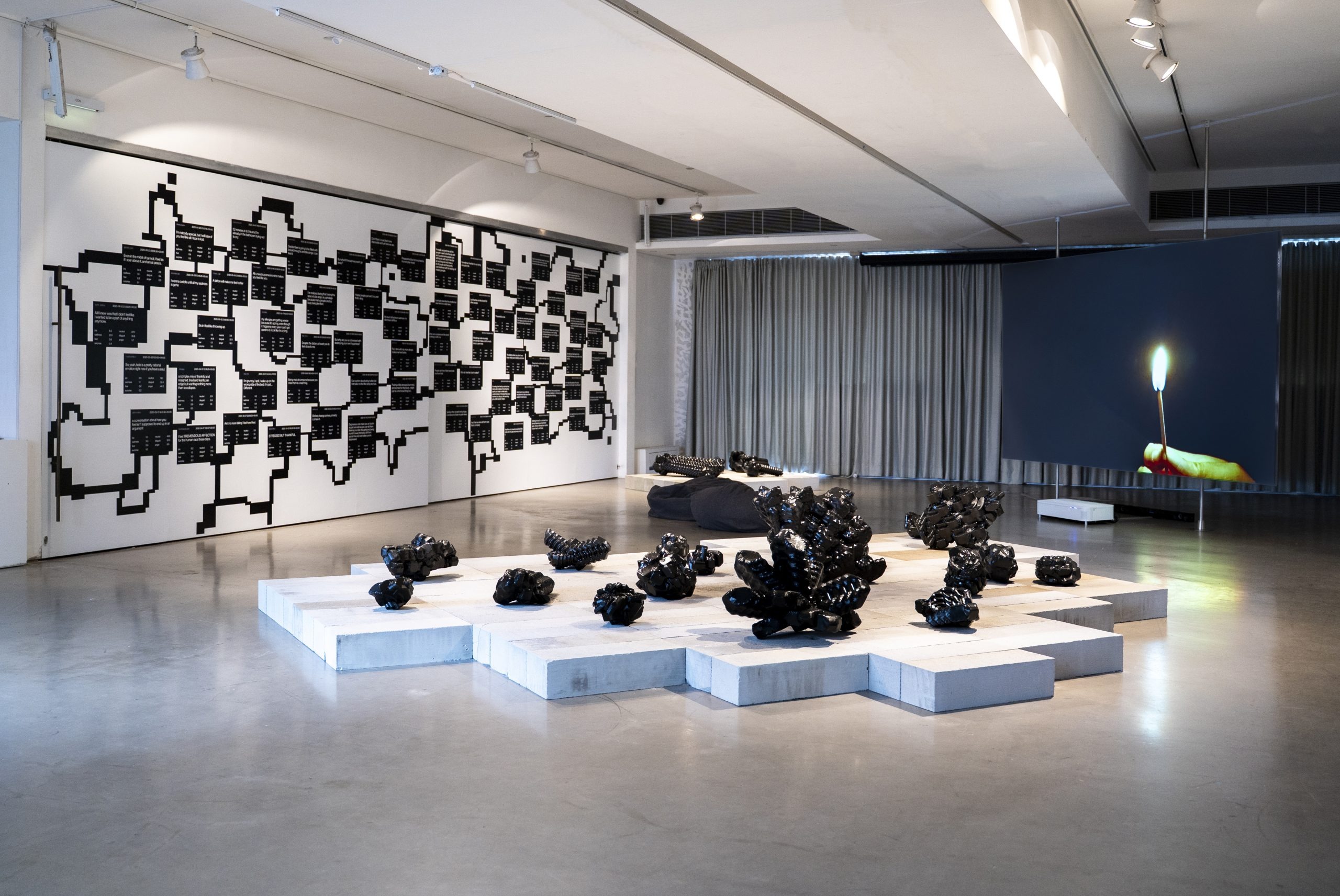
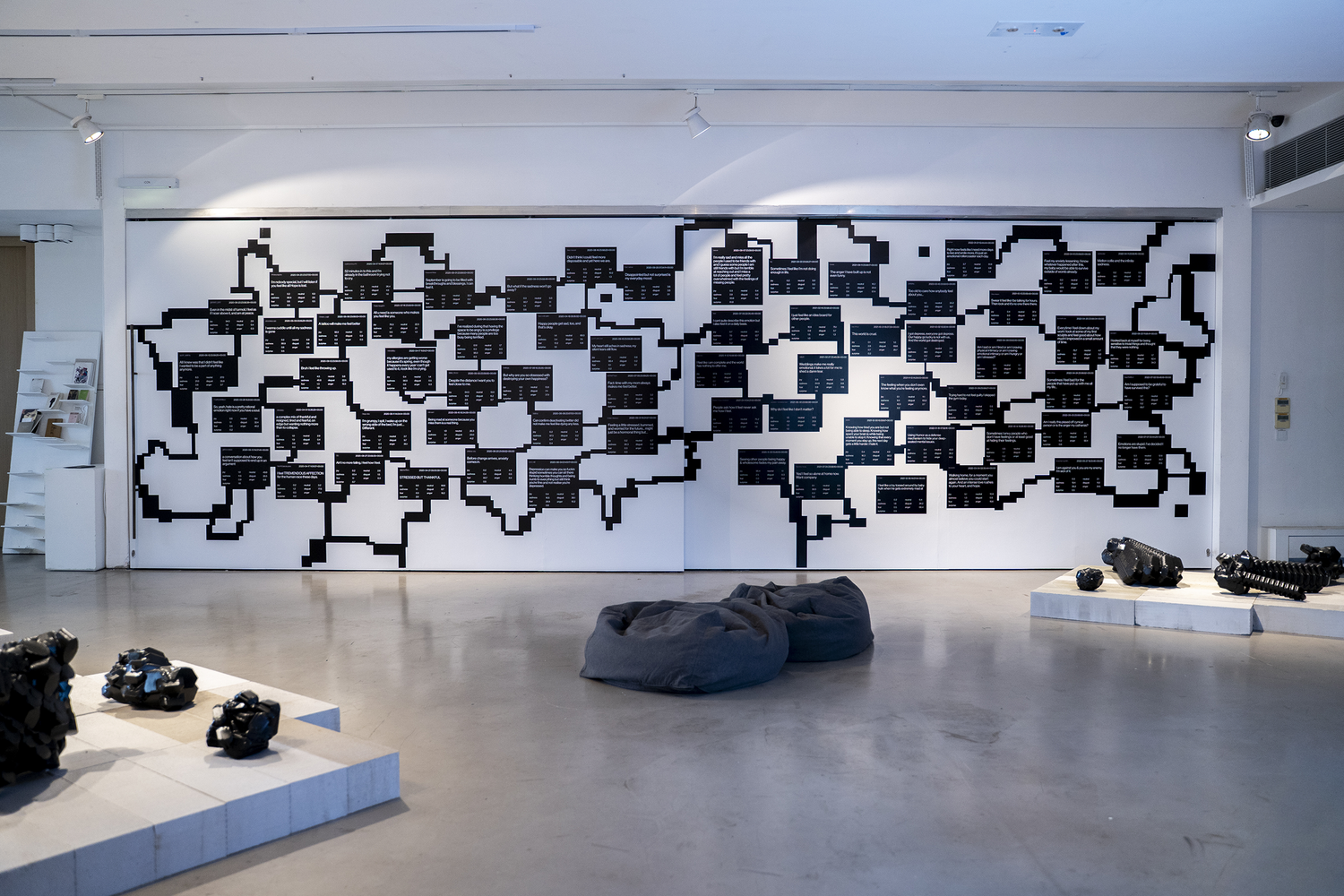
Her ongoing project 《The Unmined》 interweaves digital labour, data colonialism, affective computing, and generative algorithms to examine how emotions are measured, quantified, and commodified. By collecting and visualizing sentiments that are often dismissed as unproductive or valueless within capitalist regimes of value, her work reveals the hidden operations of data capitalism while attempting to reclaim the excess and indeterminacy of human experience.
Shin occupies neither a techno-utopian nor a techno-dystopian position. For her, technology is simultaneously an object of critique and a condition that generates new forms of imagination and thought. Sculpture, moving image, data, algorithms, and theoretical inquiry are closely intertwined within her practice, where artistic production and scholarly research function as an integrated methodology.
Ultimately, her work asks how human affect, embodiment, labour, and social relations are being reshaped within contemporary technological environments, while exploring the possibilities of subjectivity and new forms of collectivity in the present.