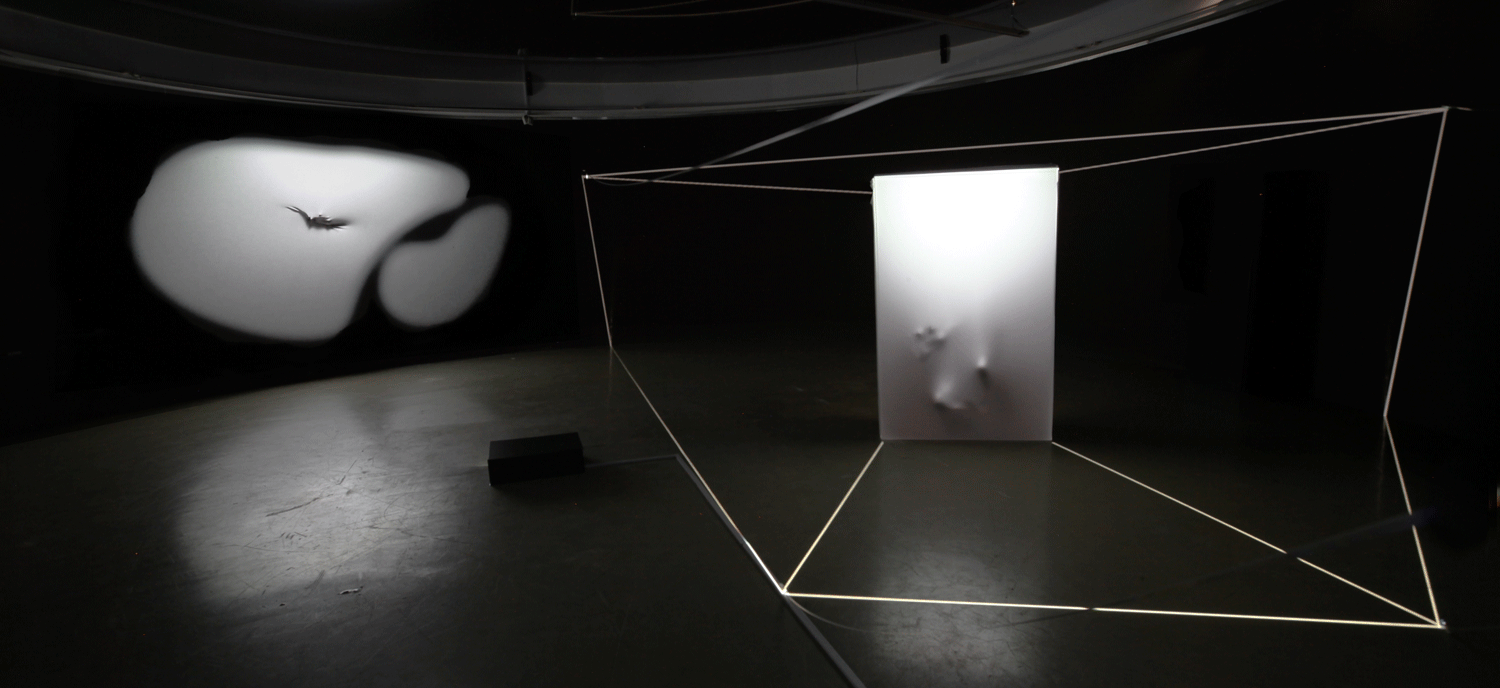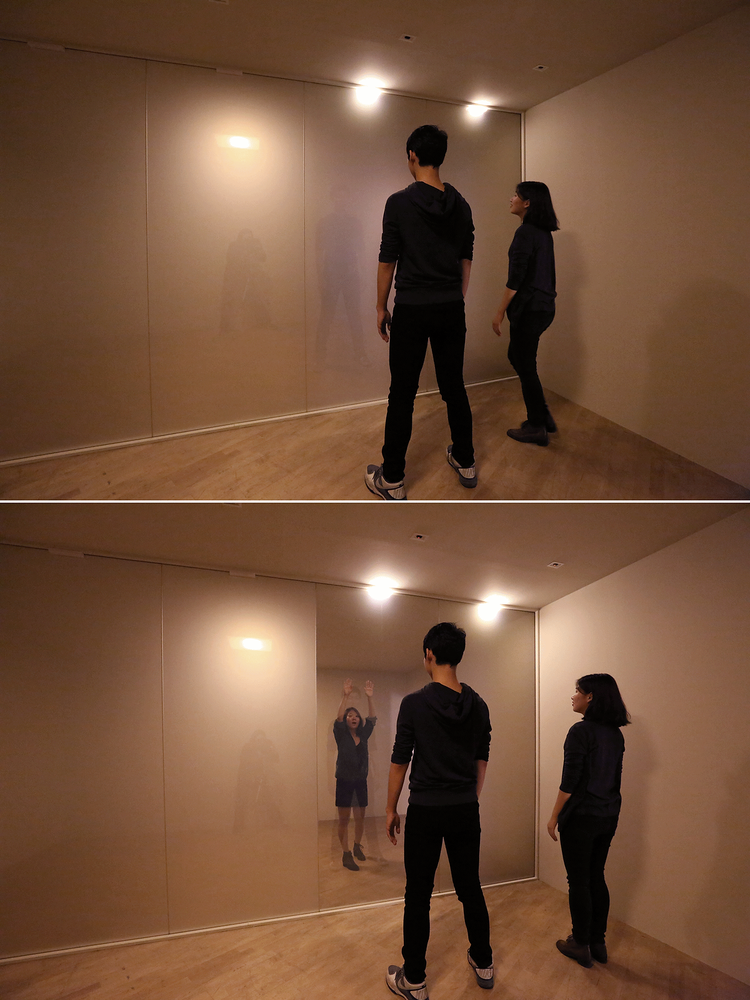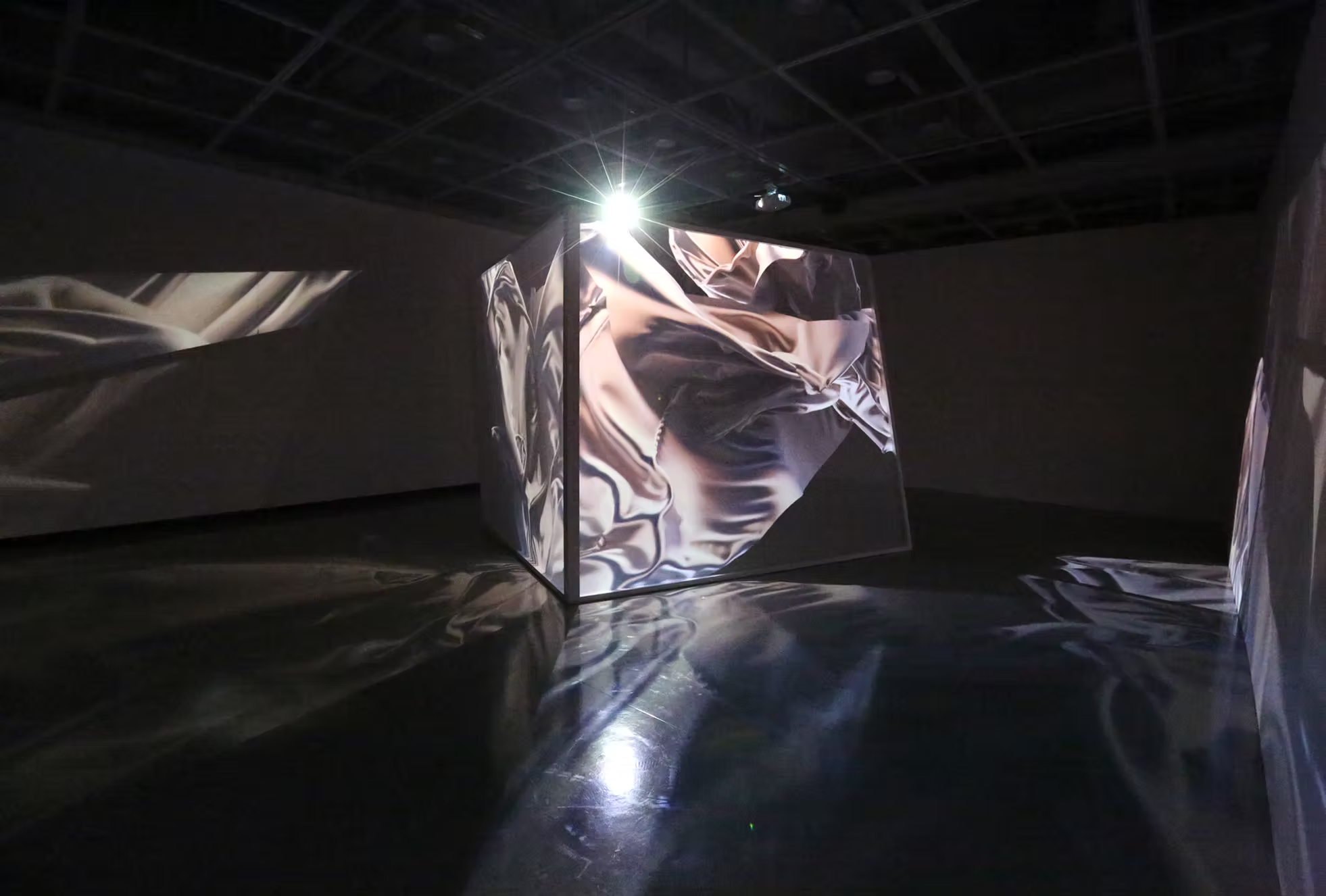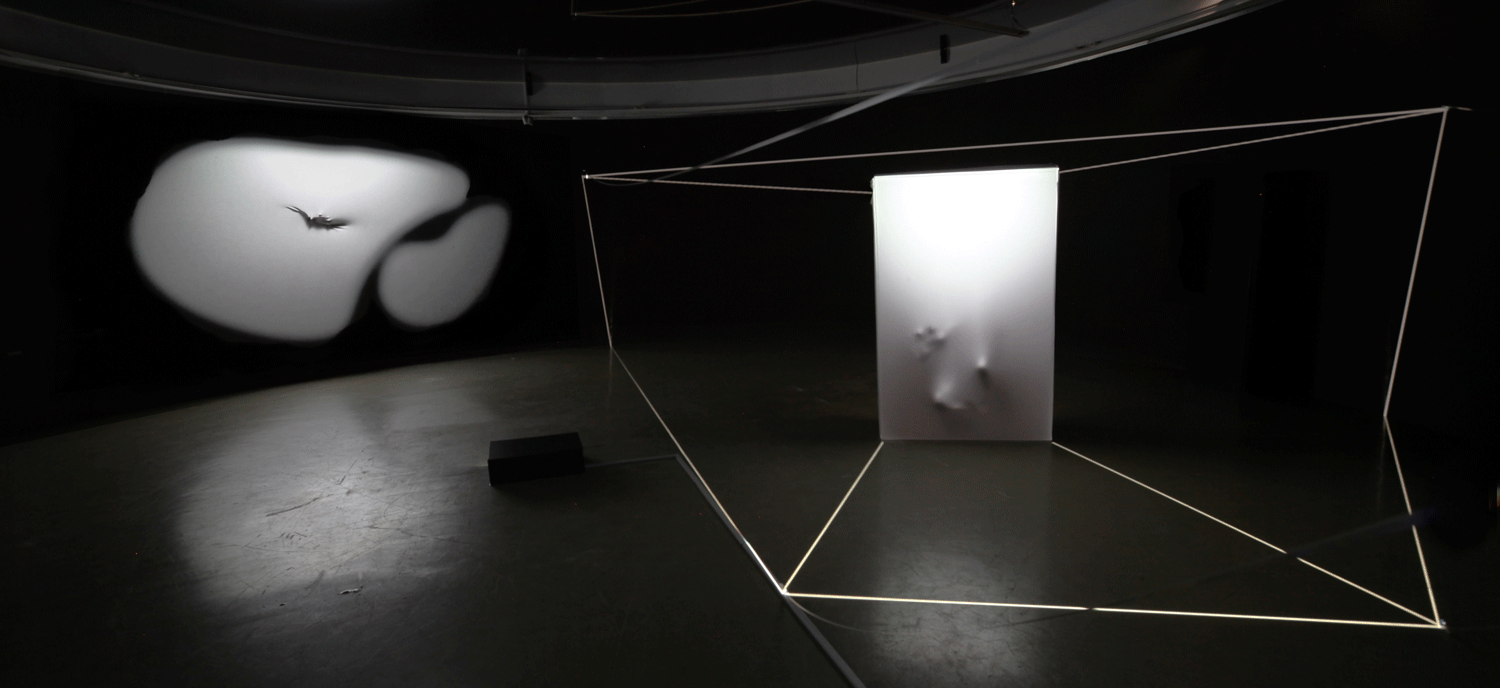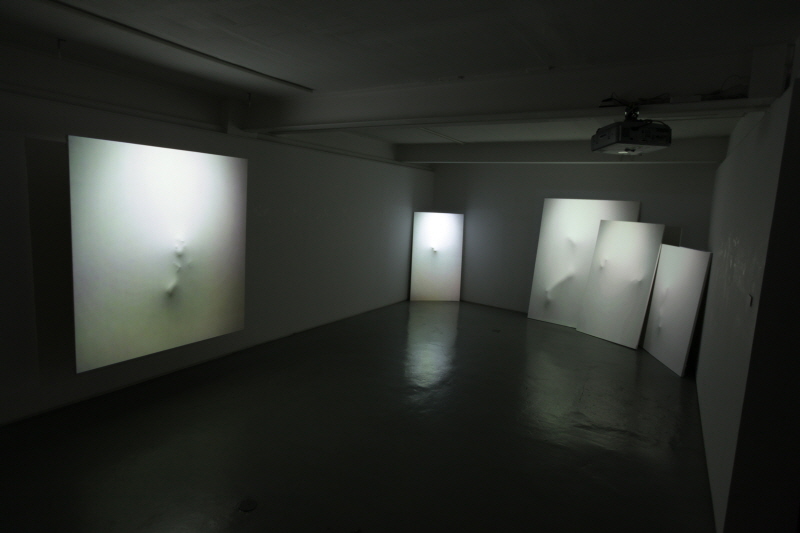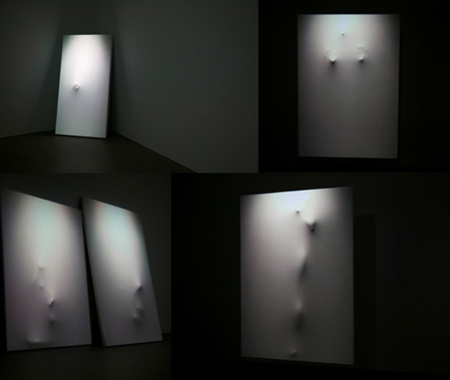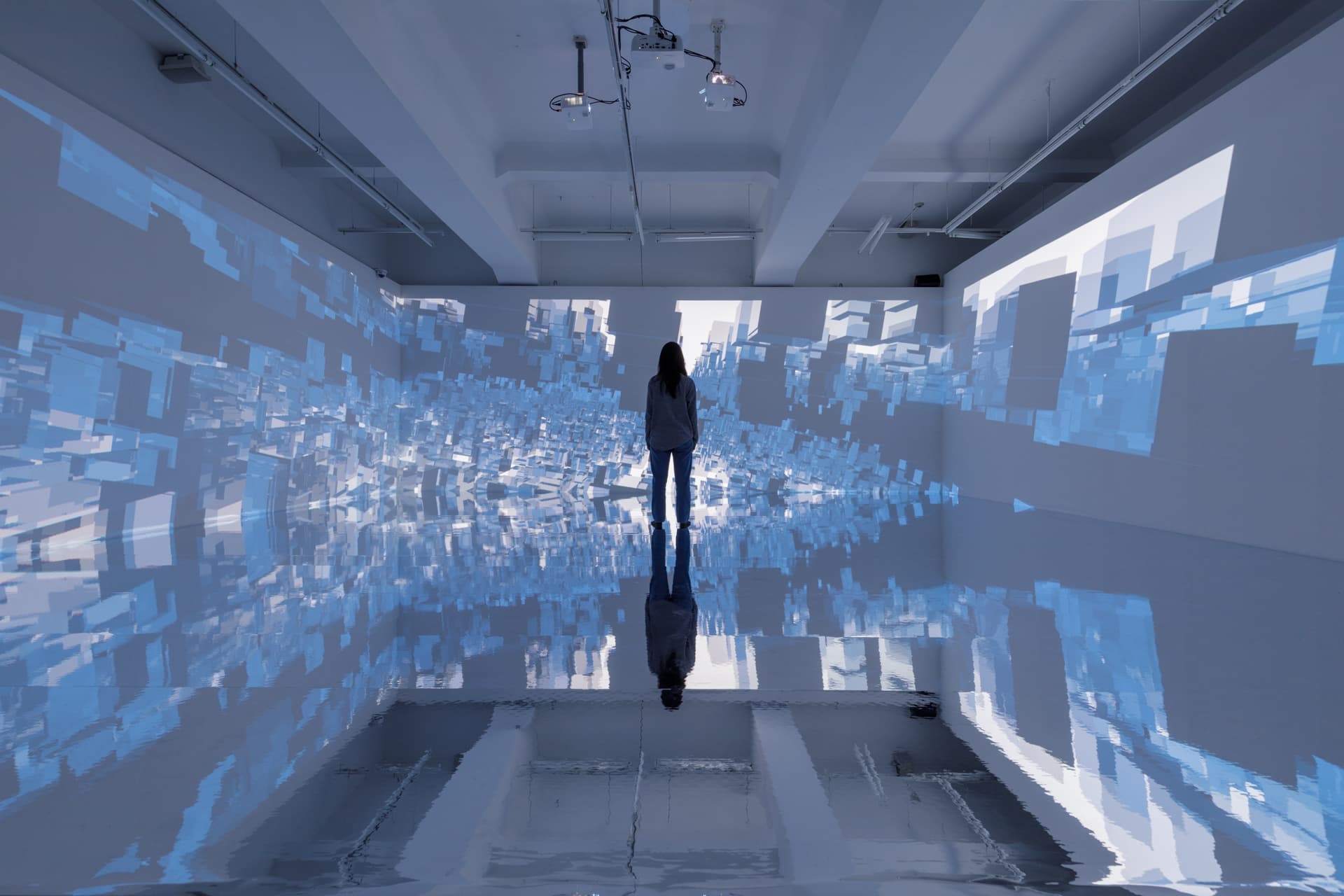


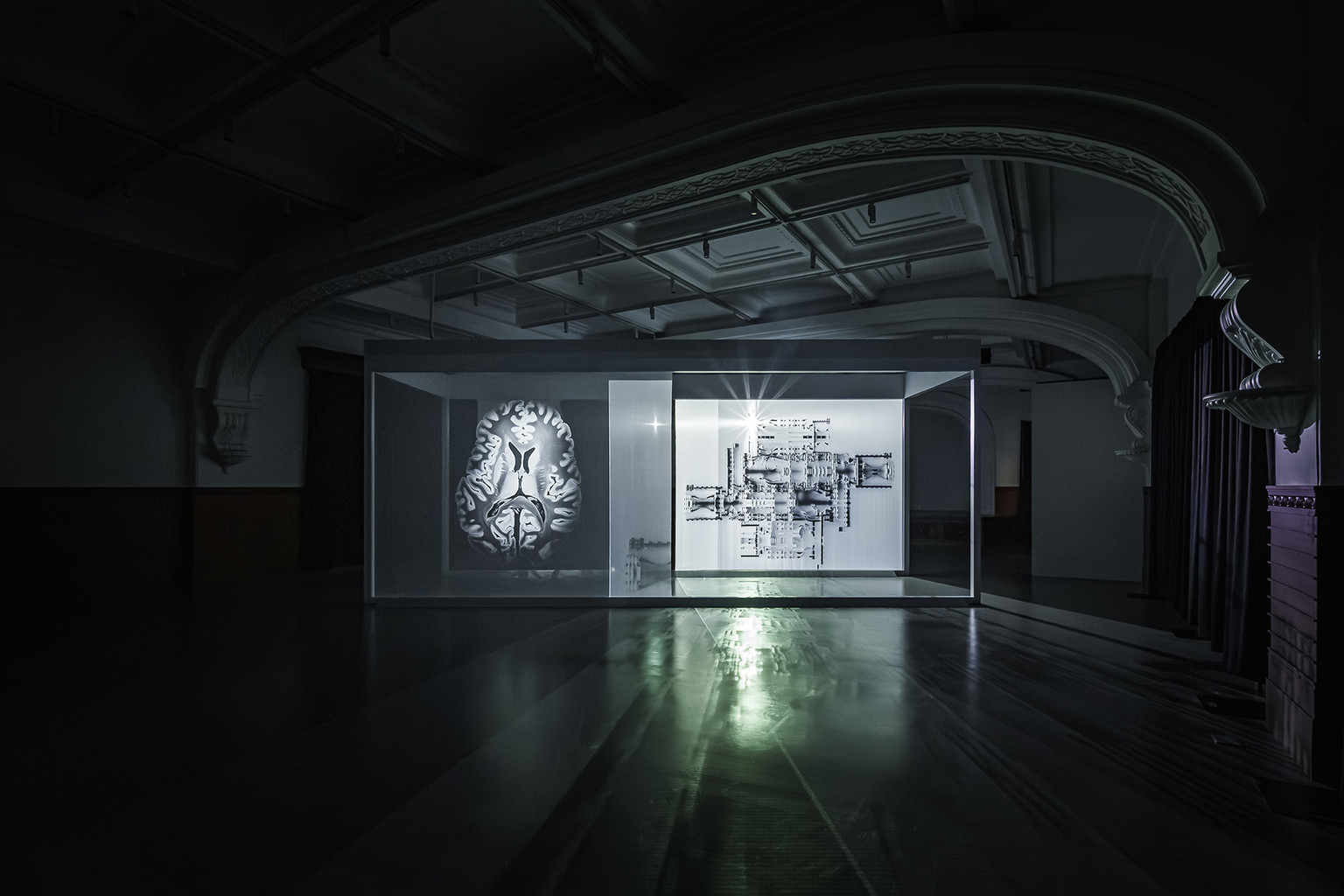
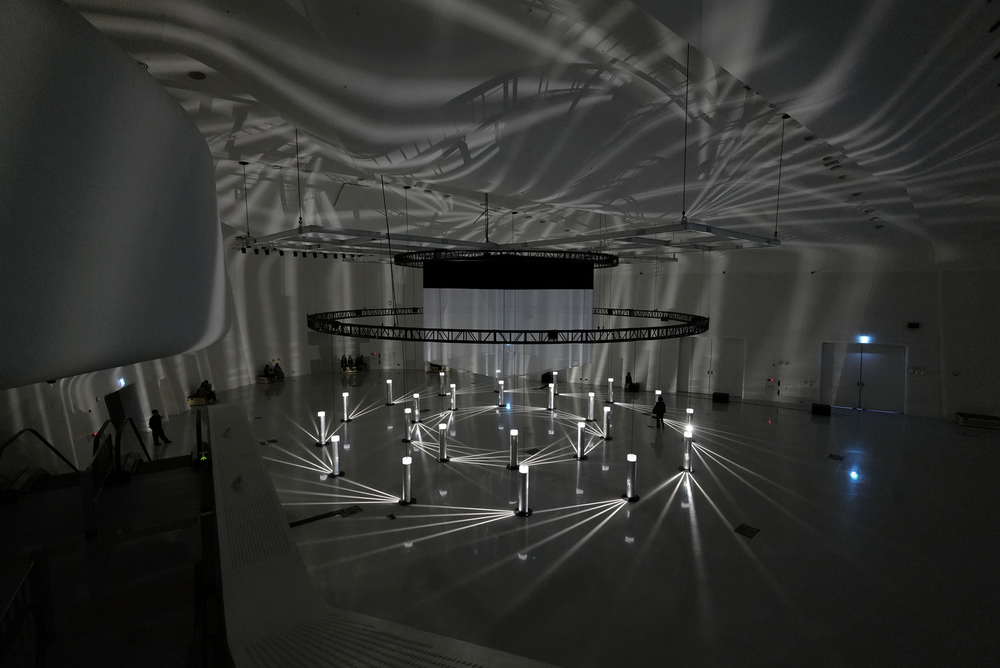
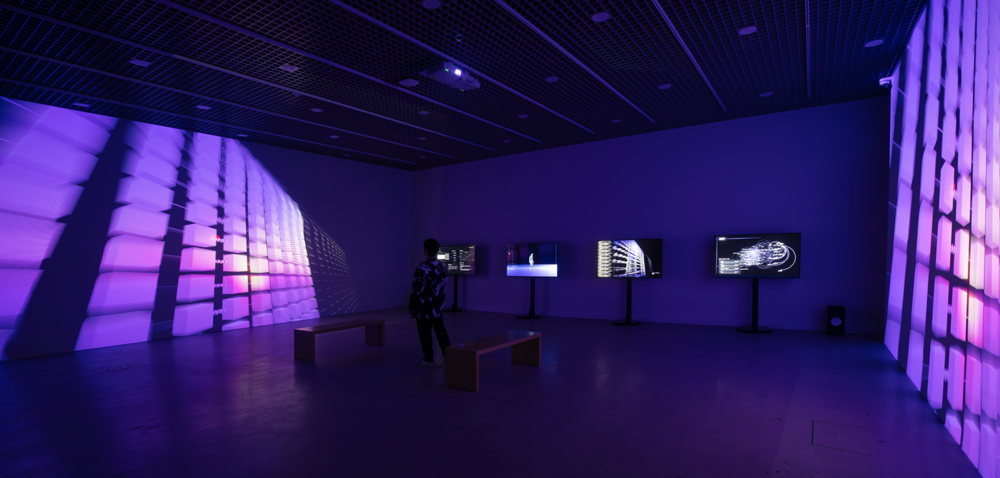
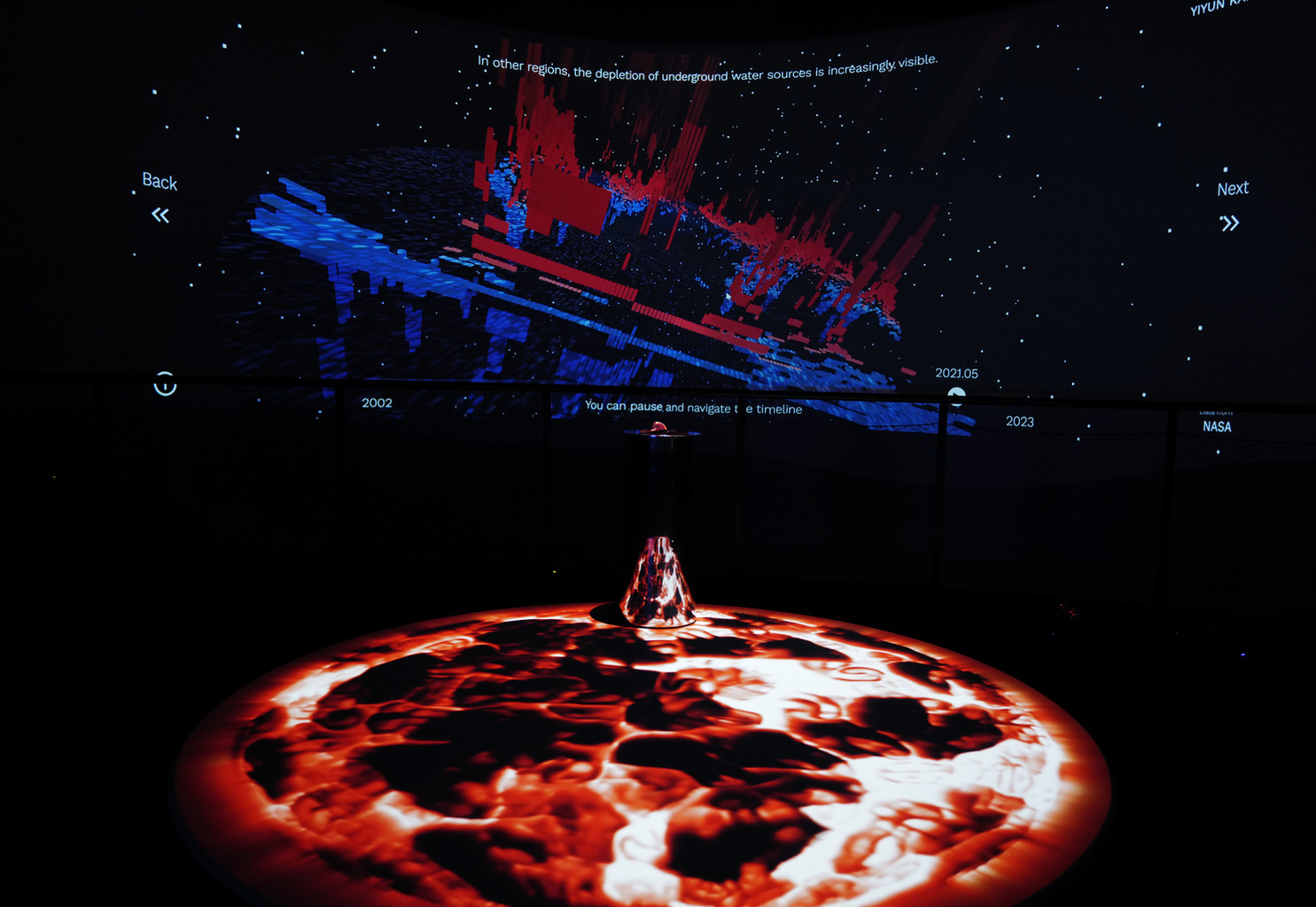
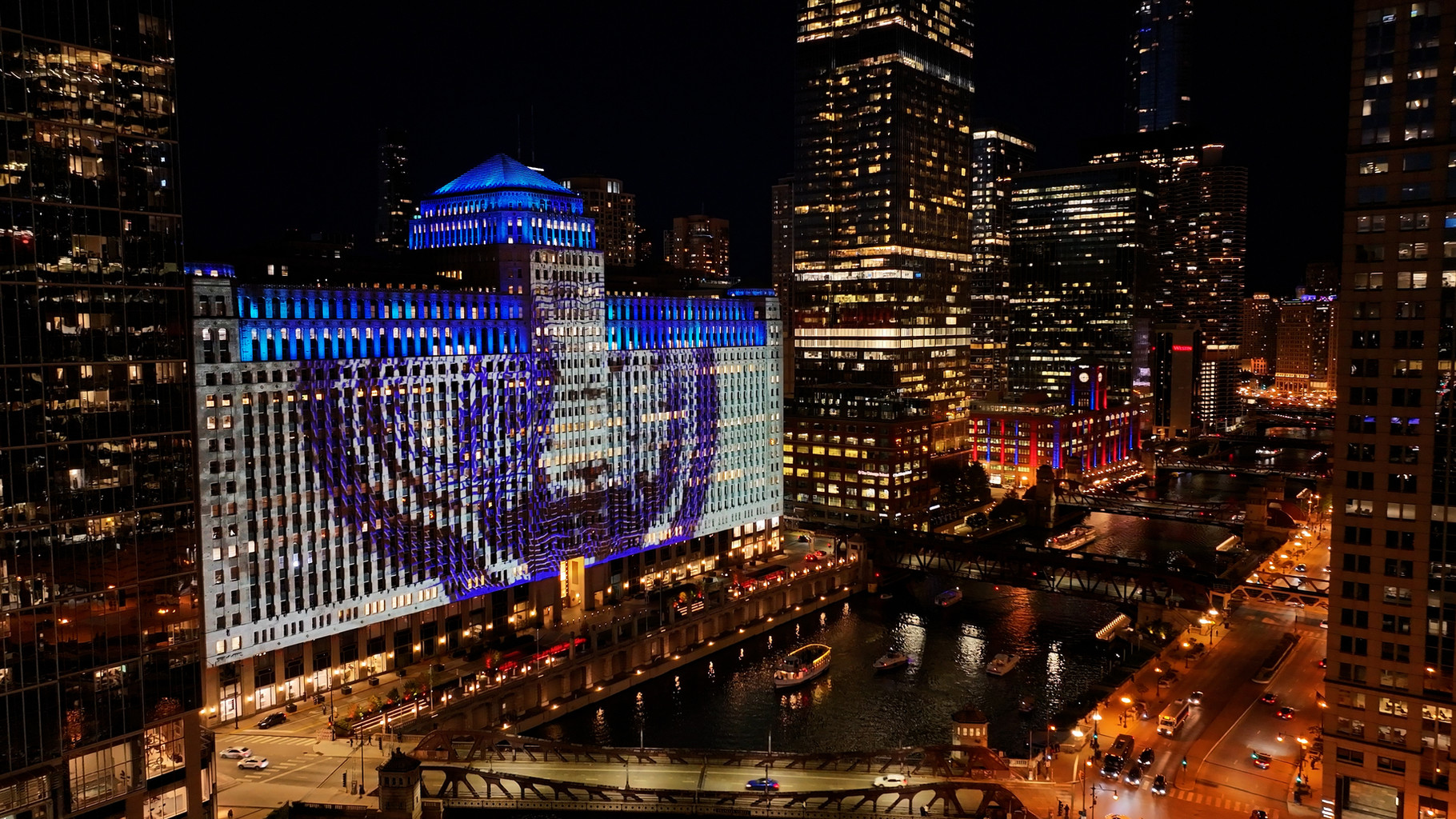
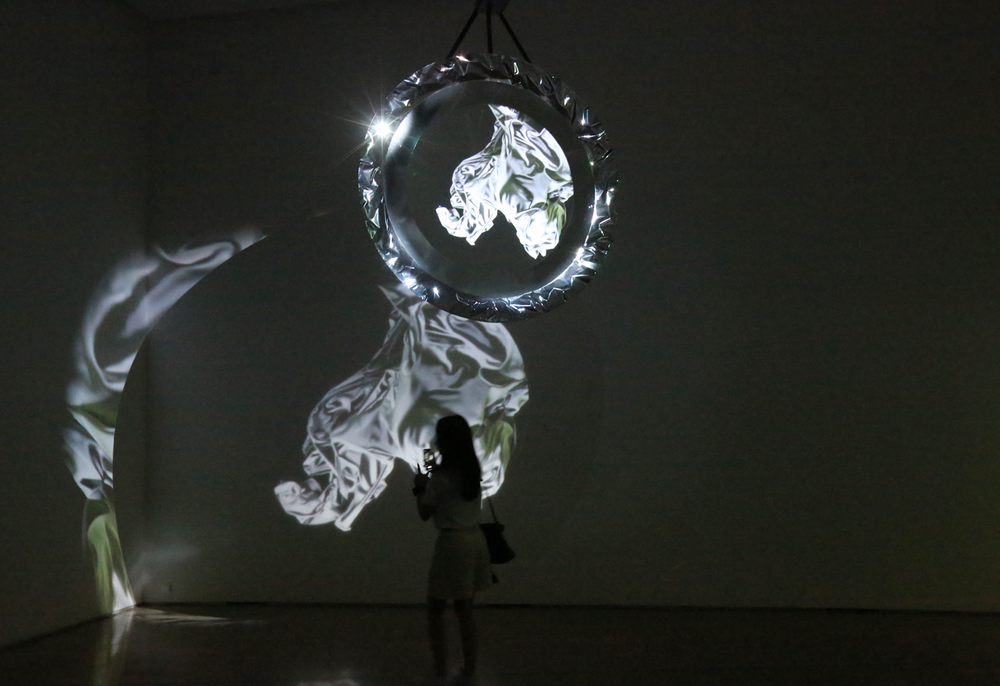
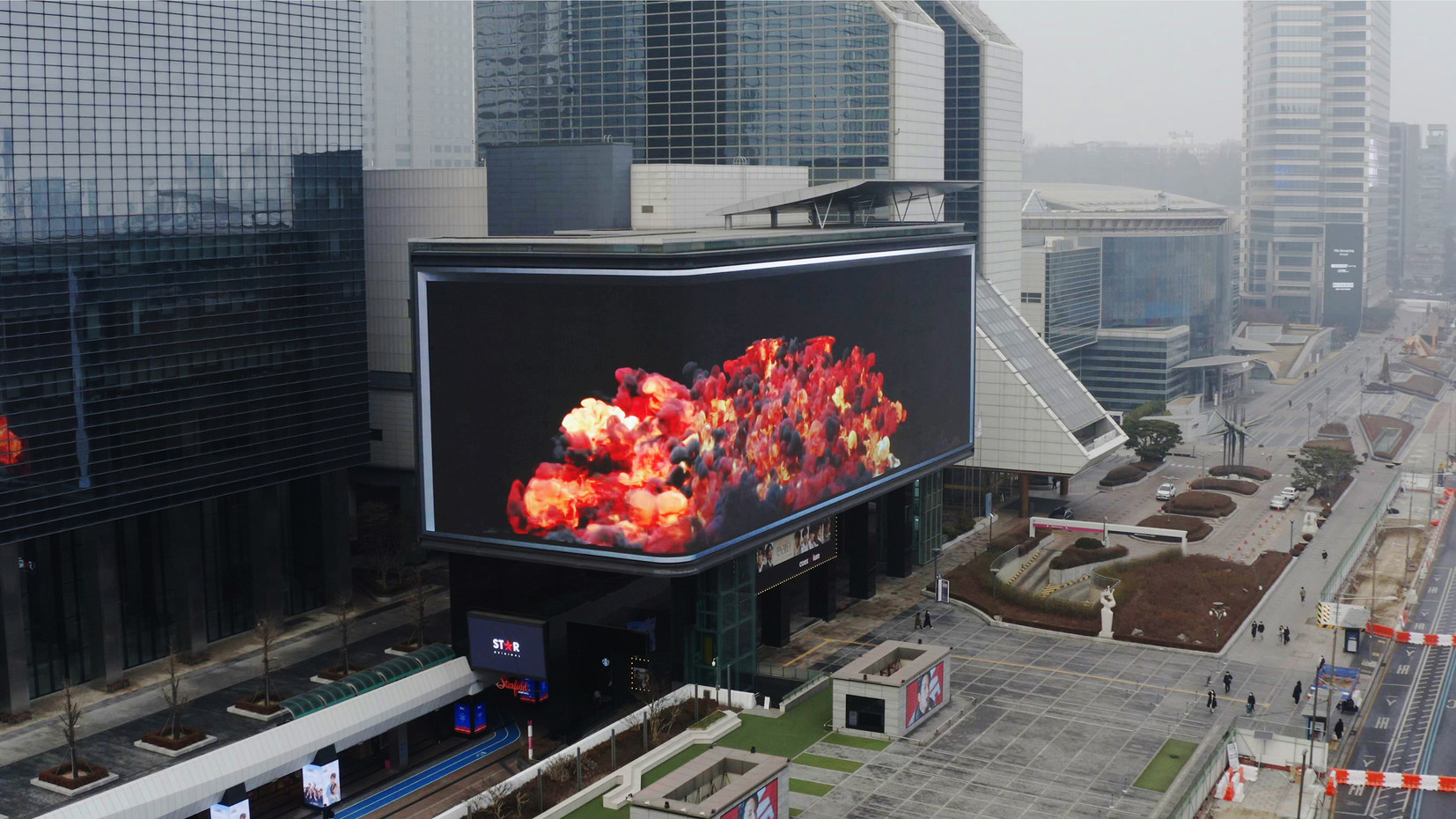
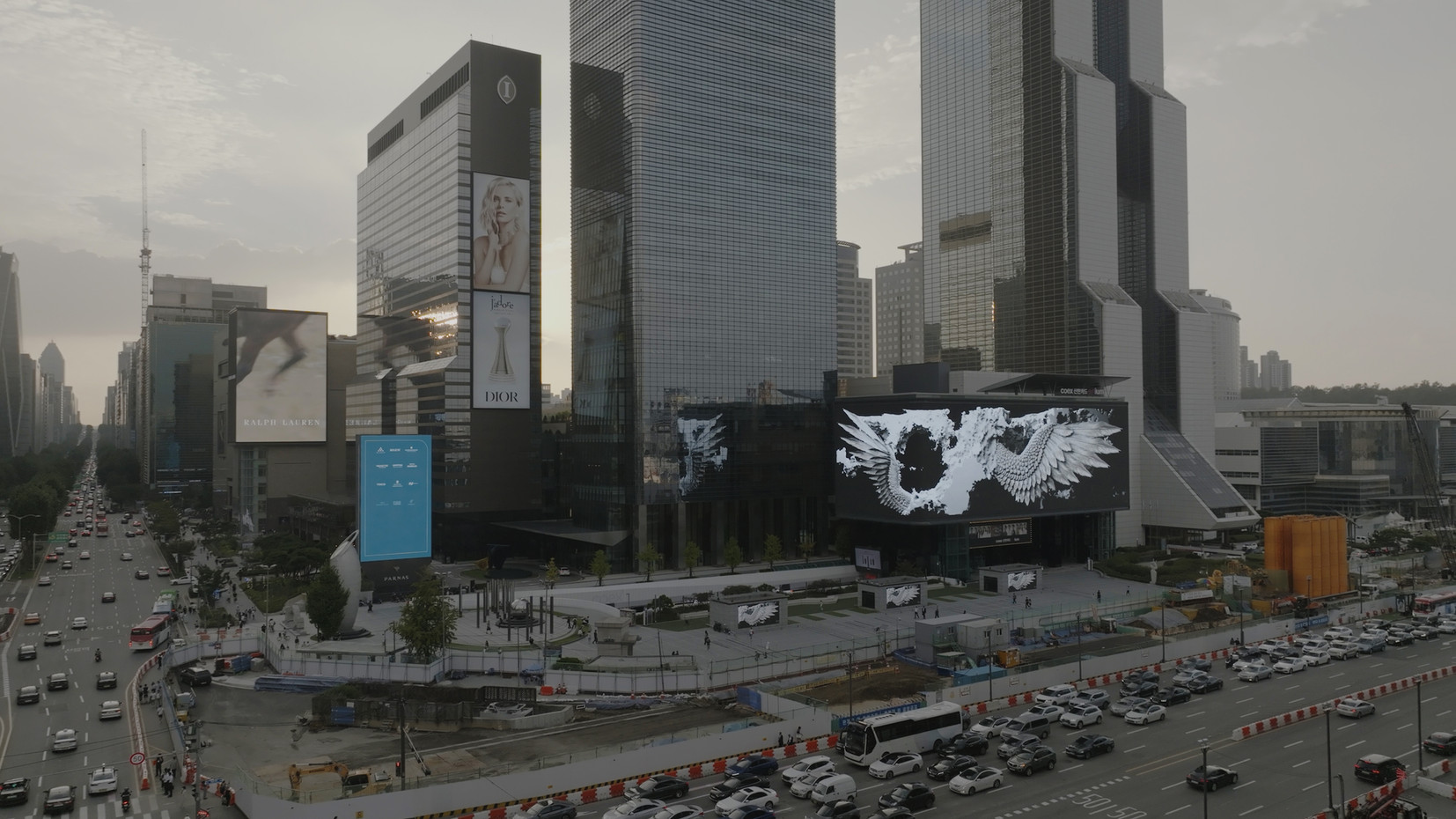
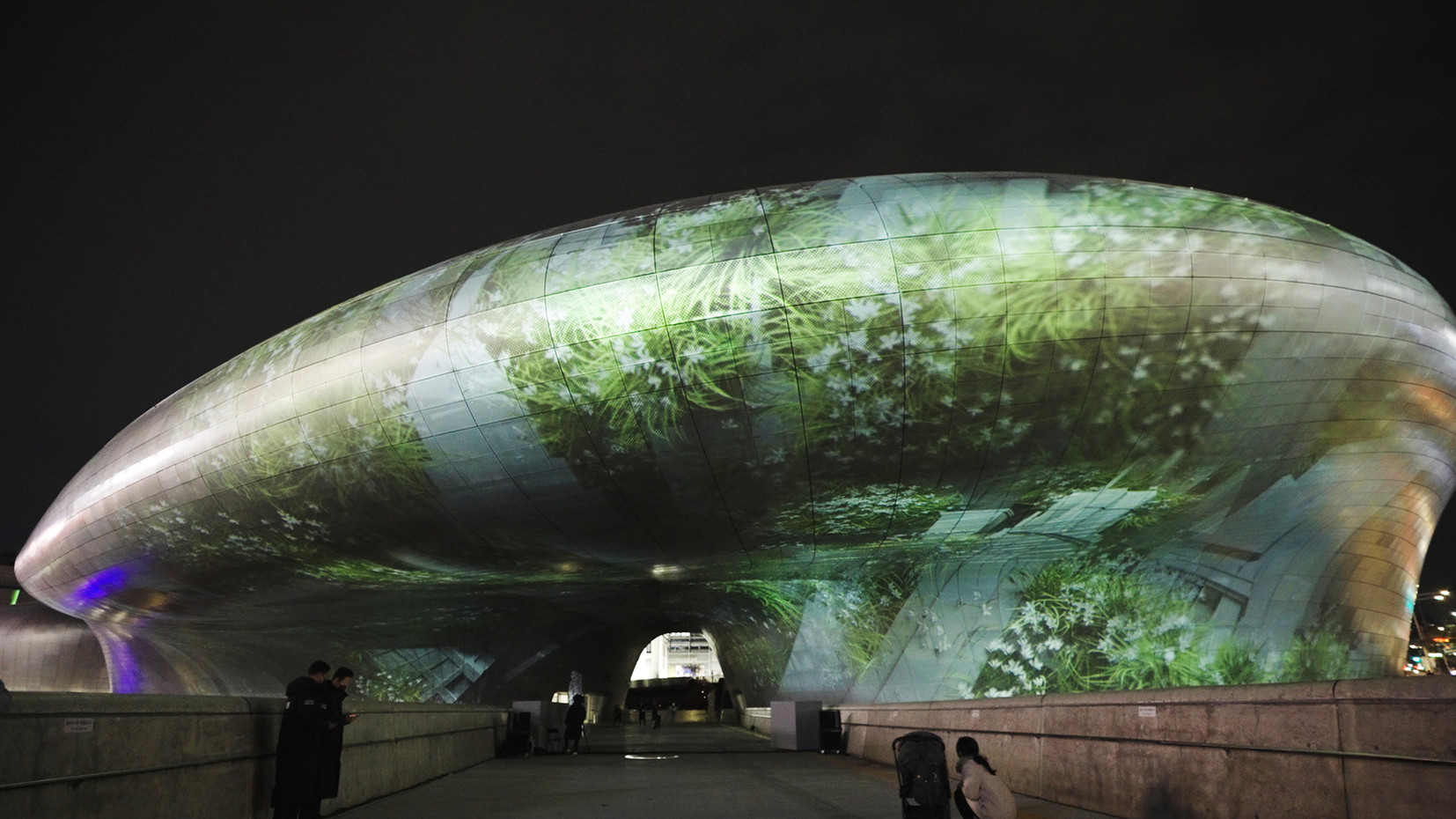
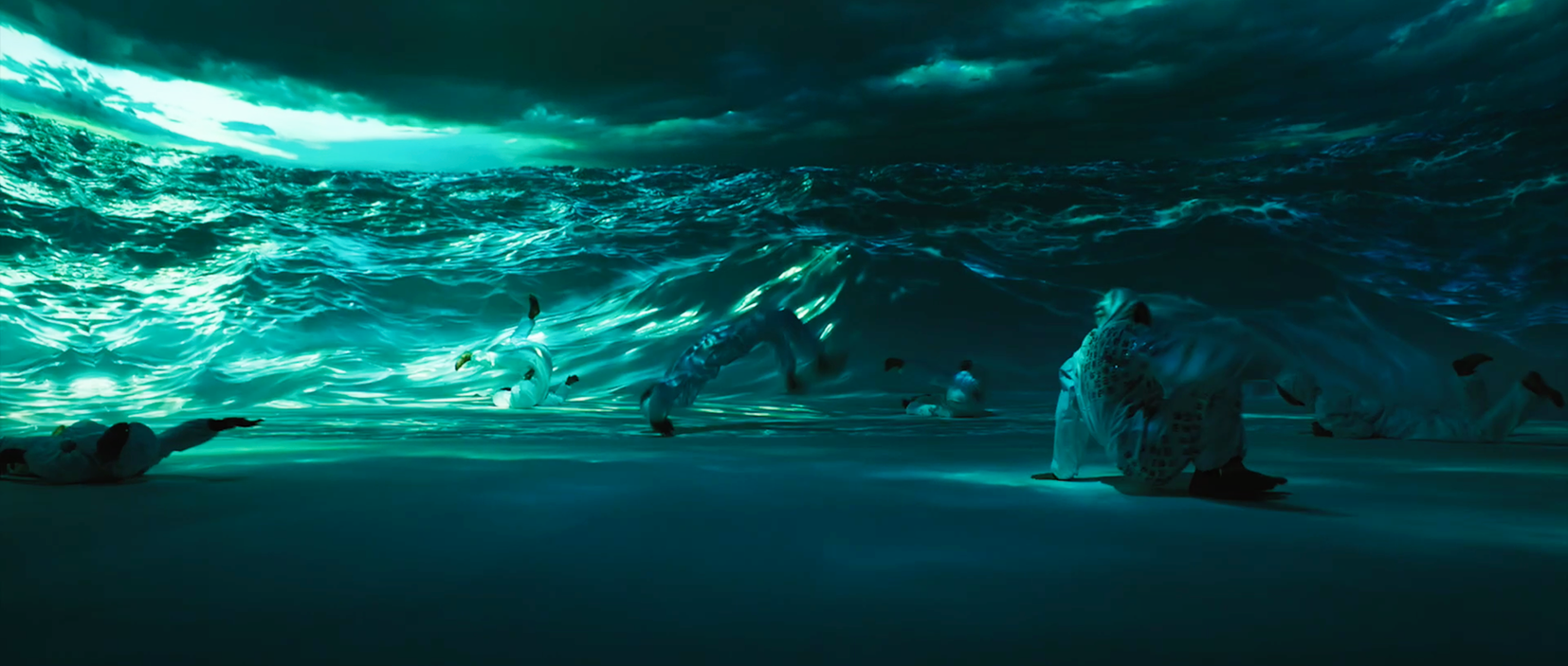
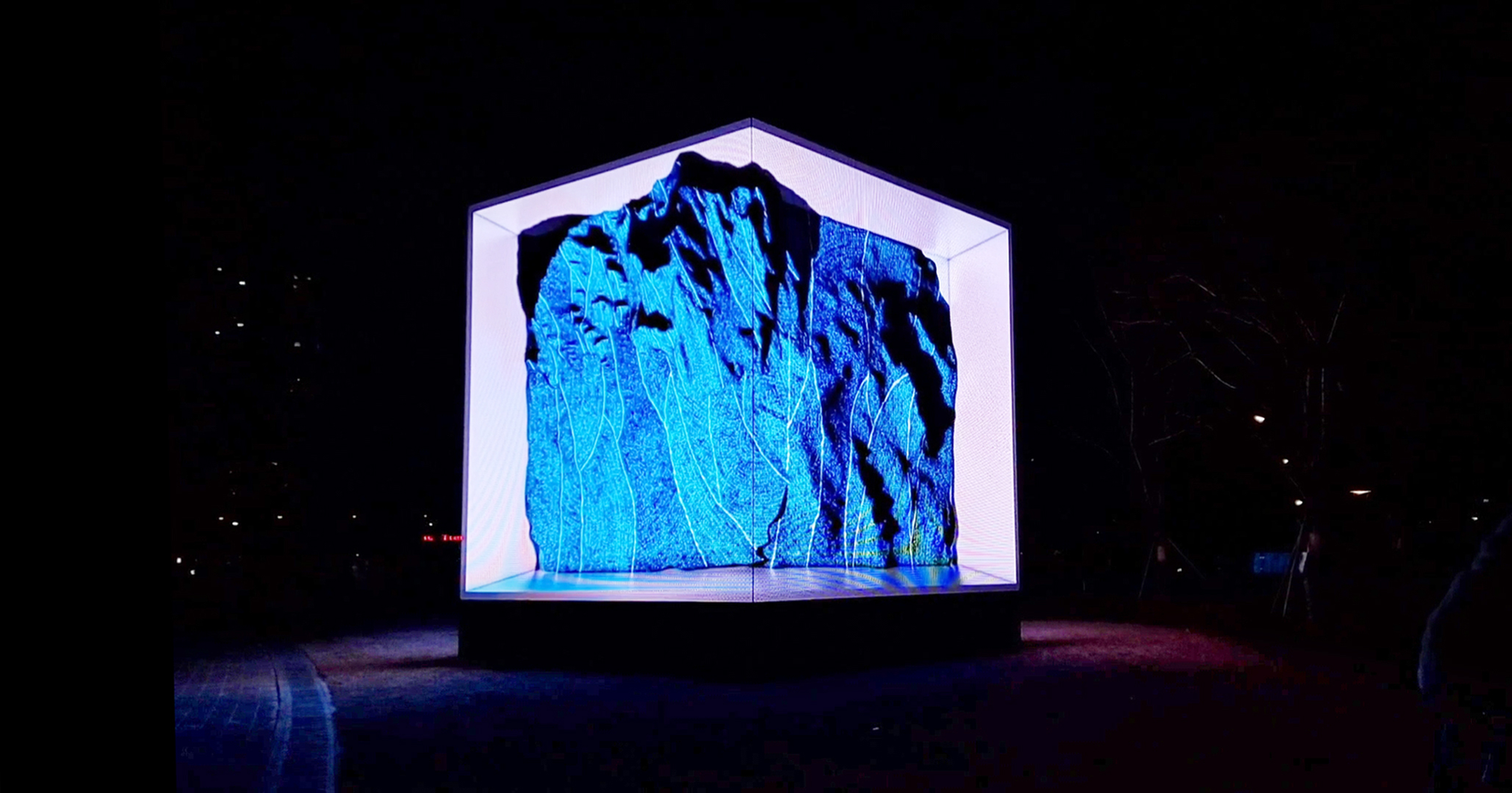
Yiyun Kang, Can’t Reach You, Unveiled 02, 2012, Projection mapping installation, Dimensions variable © Yiyun Kang

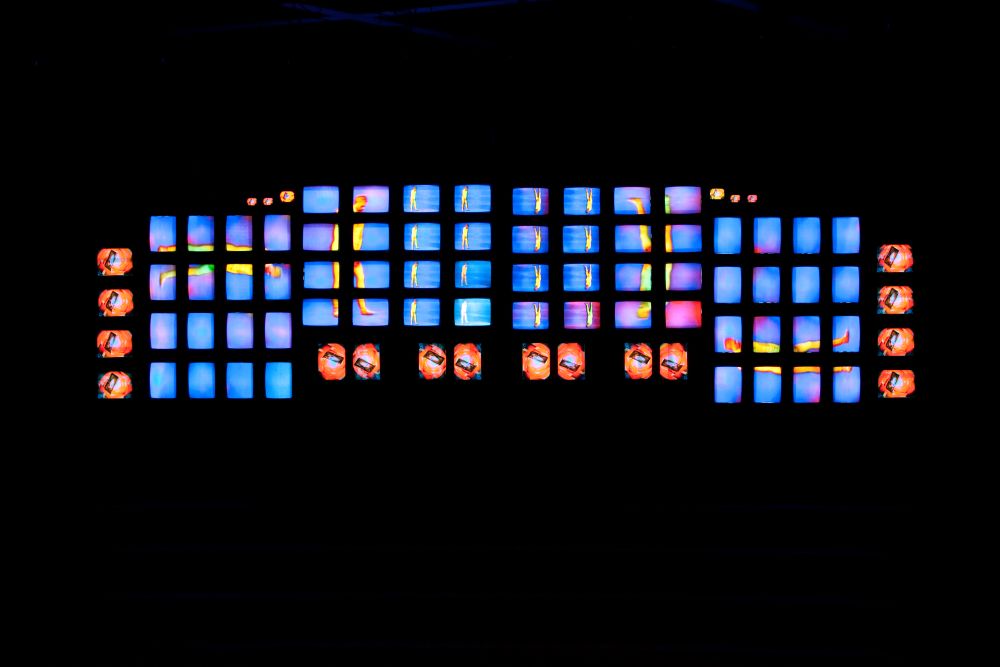
Duchamp’s act of exhibiting a urinal was a radical gesture that questioned the authority of the artwork and sought to dismantle the boundaries of the museum. For him, the distinction between the work of art and the readymade was a wall that had to be torn down. The Fluxus movement, of which Nam June Paik was a part, however, did not seek to abolish the boundary between art and everyday life.

Rather, as its name suggests, it sought to drift fluidly between the two realms, freely traversing their boundaries. The conscious desire to destroy a boundary ultimately reveals that one is not free from it. Instead of forcibly demolishing boundaries, when one moves freely across them and between different domains, the boundary ceases to be a wall and becomes a path of communication.

For Nam June Paik, the television was an ordinary object—a “fool's box”—yet at the same time it could become a new means of expression. Without boundaries, Fluxus itself—the act of crossing over—could not exist.

A violin or a cello may be an artistic instrument that produces artificial sounds prescribed by musical notation, but it can also be an object that generates the everyday sounds—or noises—of physical pain or joy. Such acts of crossing do not destroy the boundary itself; rather, they transform its function. A boundary may be an obstacle dividing two realms, yet it may also be a communicative threshold, like a door.

Yiyun Kang's work does not so much demonstrate the Fluxus movement of traversing boundaries as it reveals the dual nature of boundaries themselves. In other words, her work objectifies the very ambiguity of boundaries—the fact that they can become walls and, at the same time, gateways to communication.

This is why her practice cannot be simply reduced either to the avant-garde gesture of seeking to destroy boundaries or to the Fluxus act of moving fluidly across them. Her work contains both possibilities and, more importantly, makes those possibilities themselves its subject.

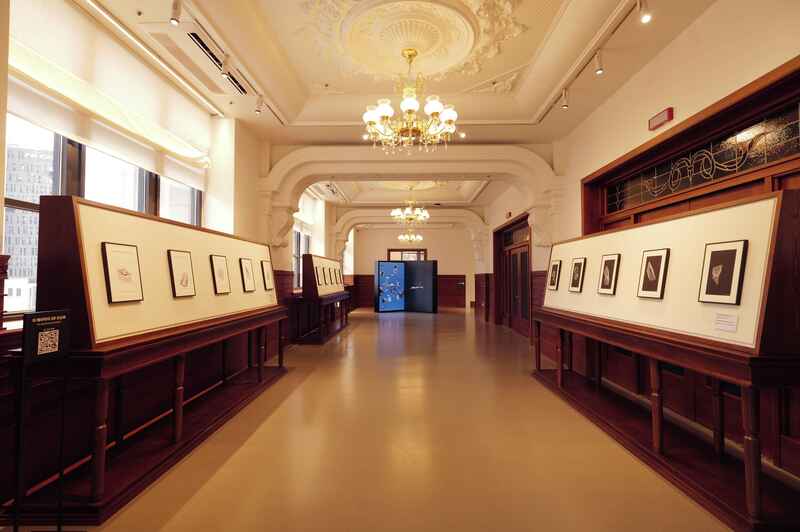
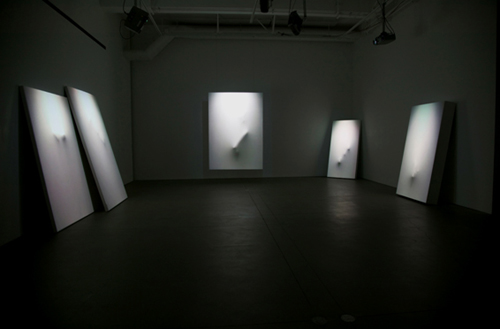
Above all, these characteristics become particularly pronounced when viewed from an iconographic perspective. In the Between series, the canvas is clearly a space of expression. The empty canvas functions for the artist both as a medium of communication and as a frame capable of containing what she wishes to express. Yet the images that fill this canvas are uncanny gestures that reflect movements of struggle.

These writhing gestures behind the canvas seem as though they are trying to tear through the surface and burst outward. At this moment, however, the canvas assumes the role of a frame that obstructs such liberation and escape. The canvas is a space for communication and expression, but at the same time it is also a space that impedes that very communication and expression.

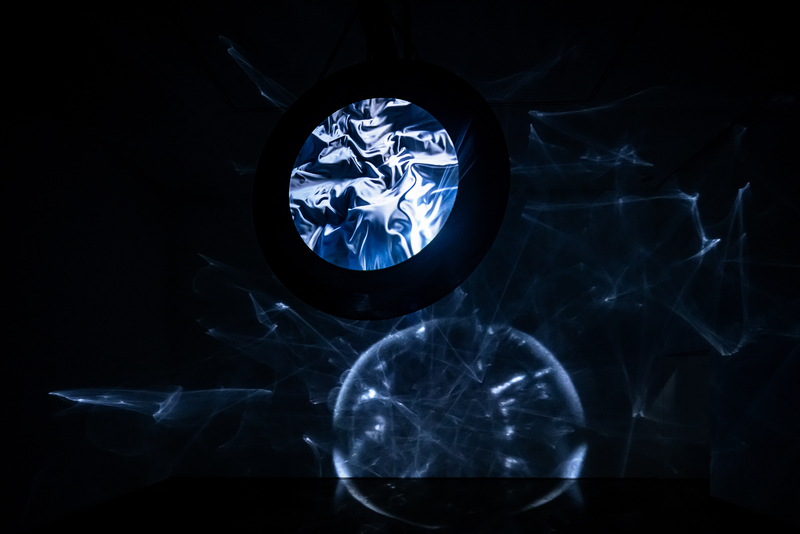
This characteristic also becomes evident when approaching Warmth from an iconographic standpoint. Resembling a floating flower, the work is activated by sensors that illuminate it with a warm light as viewers approach. It is a gesture of welcome and, as its title suggests, evokes feelings of comfort and warmth. Such warmth is undoubtedly a sign of communication.

It is only natural that people feel warmth at the moment they become convinced of a connection with the other. Yet, quite intriguingly, the closer one comes to the work, the more one realizes that the strands resembling flower petals are in fact extremely sharp and sensitive. The nearer one approaches, the more one discovers a presence that is unsettling and piercing.

Once the viewer enters a certain threshold, the sensor is activated and appears to welcome them with a warm glow, but at precisely that moment, unlike the illusion perceived from afar, a sharpness emerges that allows no further approach. Here, the boundary reveals its dual nature: it is simultaneously a site of communication and of separation.


Yiyun Kang, Chance We Meet, 2012, Interactive spatial installation, 600 × 500 × 250 cm © Yiyun Kang

This characteristic appears even more directly in the artist's early work Scene 1/2/3. Three digital frames mounted on the wall contain virtual images created in Maya.

In order to examine these images more closely, viewers naturally move toward the frames, but as they approach, sensors cause the illumination to dim, making the images increasingly difficult to see. In this work, the artist reveals the dual nature of the frame in a more explicit manner.

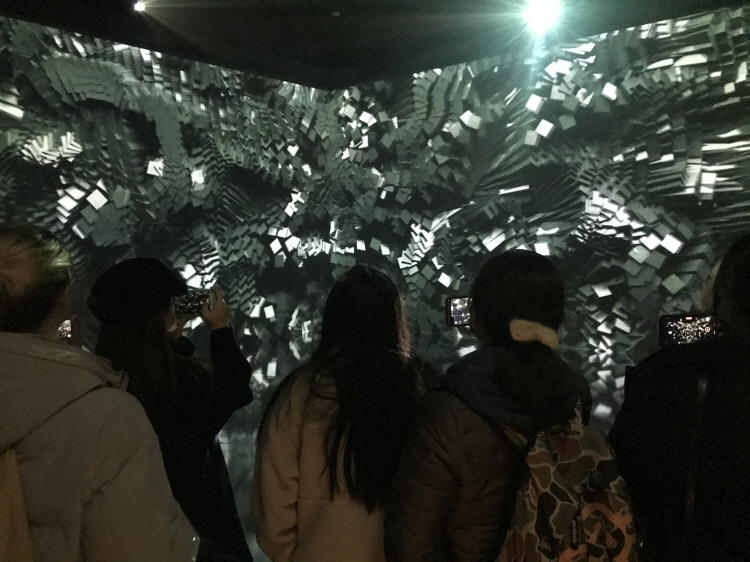
Yet the artist's work does not disclose this duality of boundaries solely on the iconographic level. The work itself embodies this ambiguity. For example, Can't Reach You from the ‘between’ series projects virtual images onto a canvas with remarkable precision. The images cast onto the canvas are also meticulously processed through Maya. These images are, in fact, refined recordings of hands touching an actual canvas.

The artist's use of 3D tools appears to have been primarily for mapping onto live-action footage. As is well known, mapping involves applying surface textures to a model in three-dimensional space and is therefore chiefly concerned with the visual. Traditionally, the canvas is both a tool and a frame for generating visual images.

Paradoxically, however, this sophisticated visual mapping produces not so much a visual effect as a sensation of force—as though a living being behind the canvas were actually touching it. Such a sense of force or threat is by no means a visual experience. The visual framework of the canvas thus becomes a framework for something that can never be perceived visually: force itself.

The moment the artist exposes the fictional process through which the visual illusion of the canvas is constructed in Unveiled and invites the viewer's body to intervene, this duality is intensified even further—perhaps even beyond the artist's original intentions.

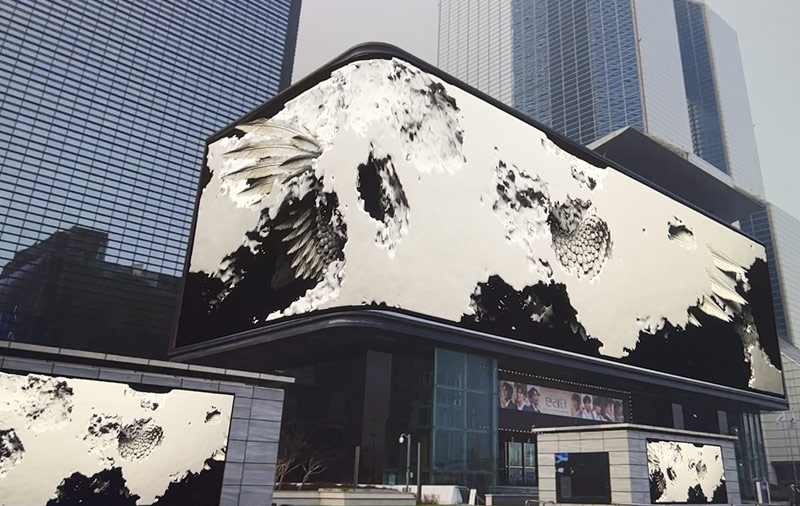
Although the artist's work undoubtedly objectifies this dual nature of boundaries, it simultaneously reveals a desire to move freely across them. For example, Scene Series 05 is a work rendered in a 3D program depicting a capsule-like object falling onto a table with a coffee cup. Interestingly, despite possessing the characteristics of a solid object, the falling capsule fails entirely to behave like one.

Its texture is solid, but the properties of its movement do not correspond to those of a solid body. Through this discrepancy, the artist freely traverses the boundaries of materiality.

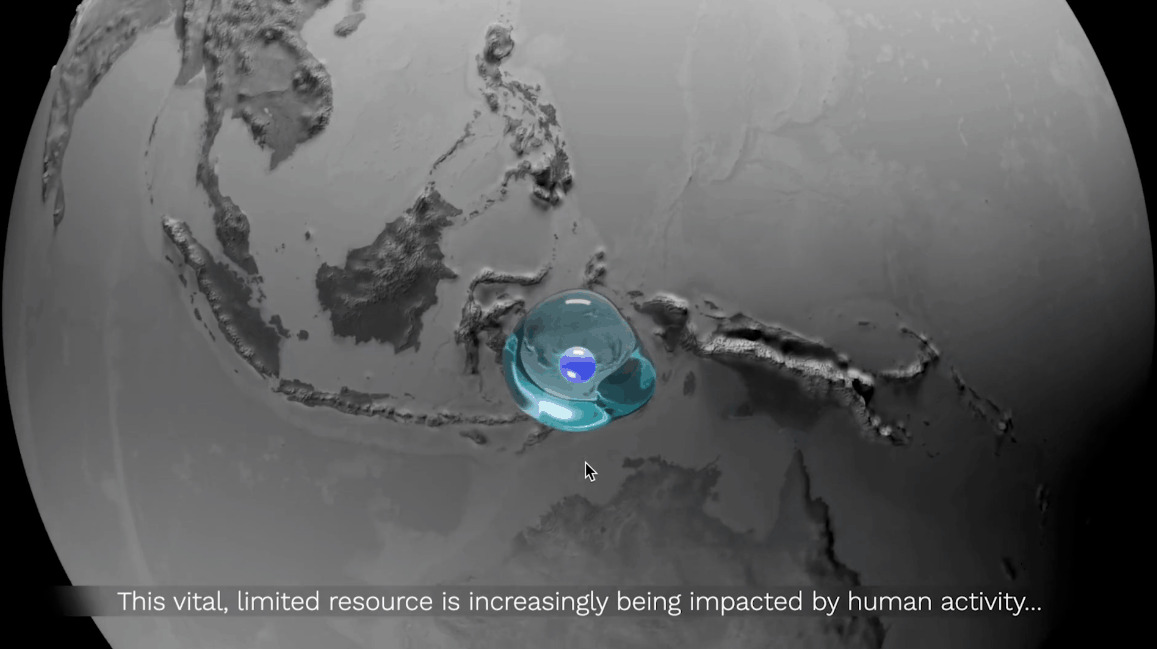
Metamorphosis is also a moving image rendered through a 3D program. It presents what appears to be a virtual object—at times resembling a droplet, at others a solid form—as if filmed by a camera positioned at an extreme close-up and then gradually tracking outward.

At close range, the object appears like a highly viscous gel; as the viewpoint recedes, it transforms into the ripples of a sea or lake, then gradually into a droplet, and finally into an indeterminate object. The work virtually demonstrates how the same object can be perceived as having entirely different surface textures depending on the distance of the viewer's gaze.

Here, a single object is shown as being perceptible as a gel, a liquid, or a solid according to the distance from which it is seen. In doing so, the object escapes any fixed attribute and moves freely across the boundaries of material states. Of course, this is nothing more than a virtual image generated through a digital program.

In this respect, digital media is not merely a means of expression for the artist. It is a tool for reinterpreting and traversing existing frames. For a media artist, therefore, becoming free from technology paradoxically means becoming ever more deeply immersed in it. In other words, the extent of the artist's knowledge and mastery of technology directly expands the scope of what can be expressed.

For the media artist, technology is both a frame that enables expression and a frame that constrains it. The artistic refinement found in Kang's work stems precisely from her efforts to move across these boundaries.

Thus, the artist demonstrates a simple yet fundamental truth: the freedom to traverse the boundaries between technology and art and to express one's intentions can only be achieved through an artist's continual engagement with domains outside of art itself—namely, the realm of technology.

References