Yun
Taejun’s work moves across photography, printed matter, installation, objects,
digital screens, 3D graphics, and video, yet at its center remains the question
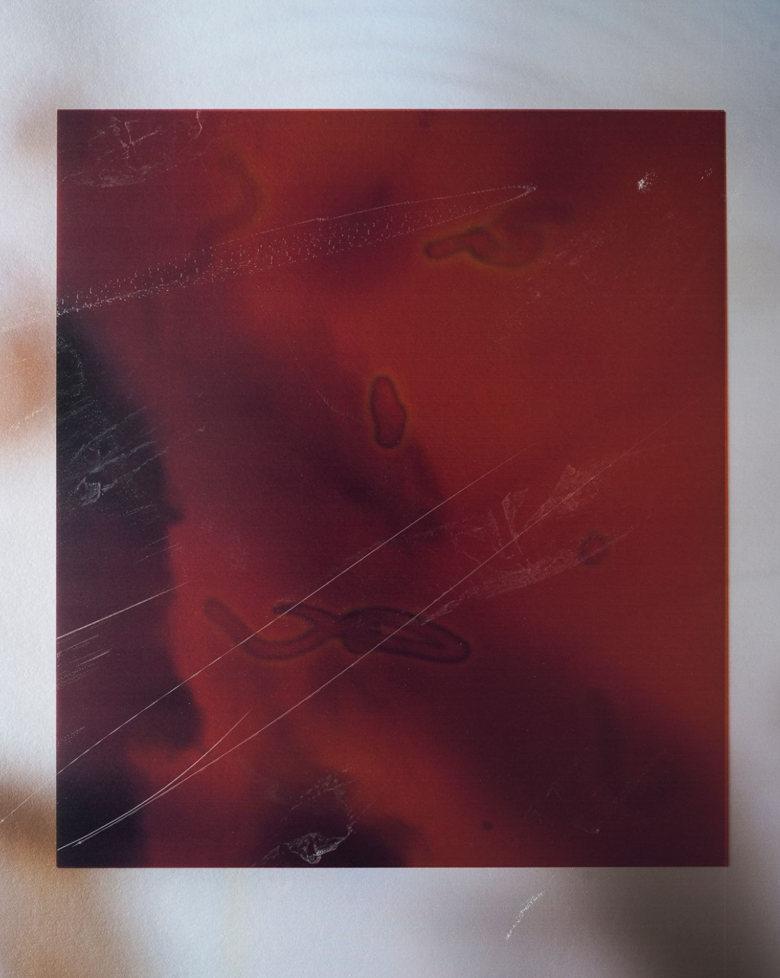
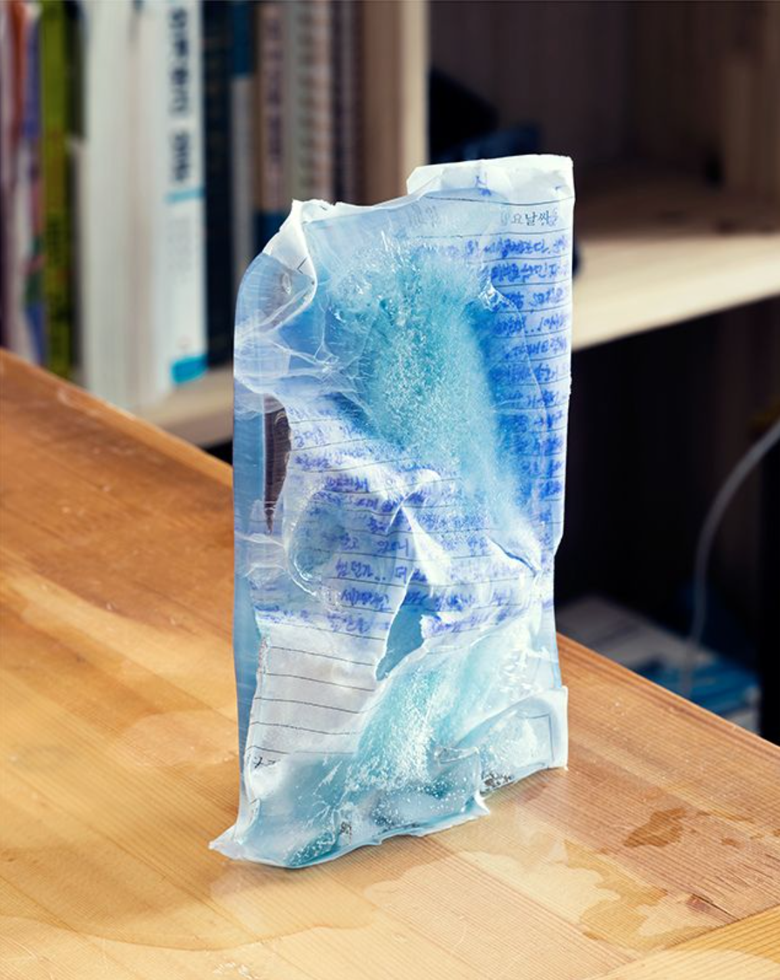
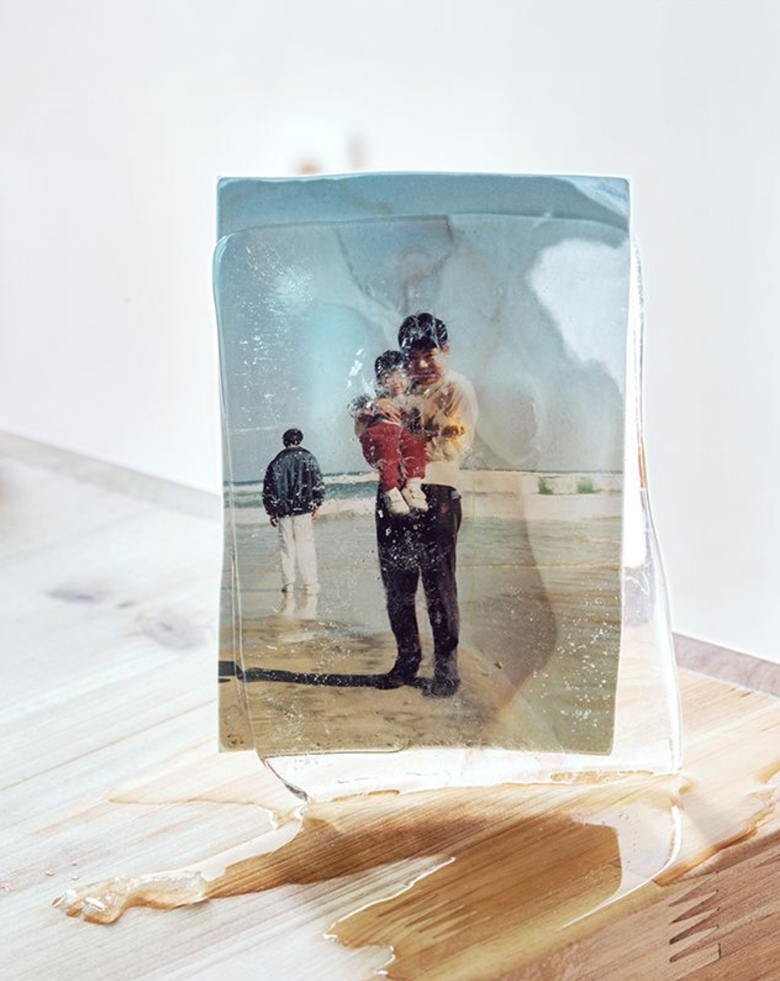
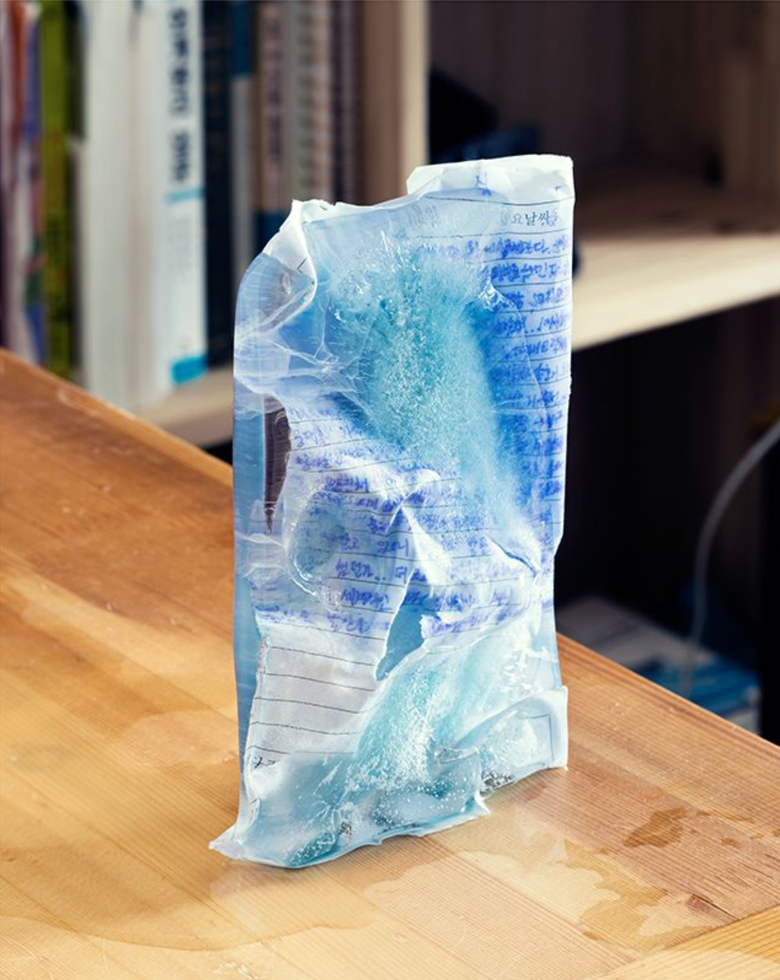
of how photography transforms objects and sensation. In the 'Weight of Remorse'
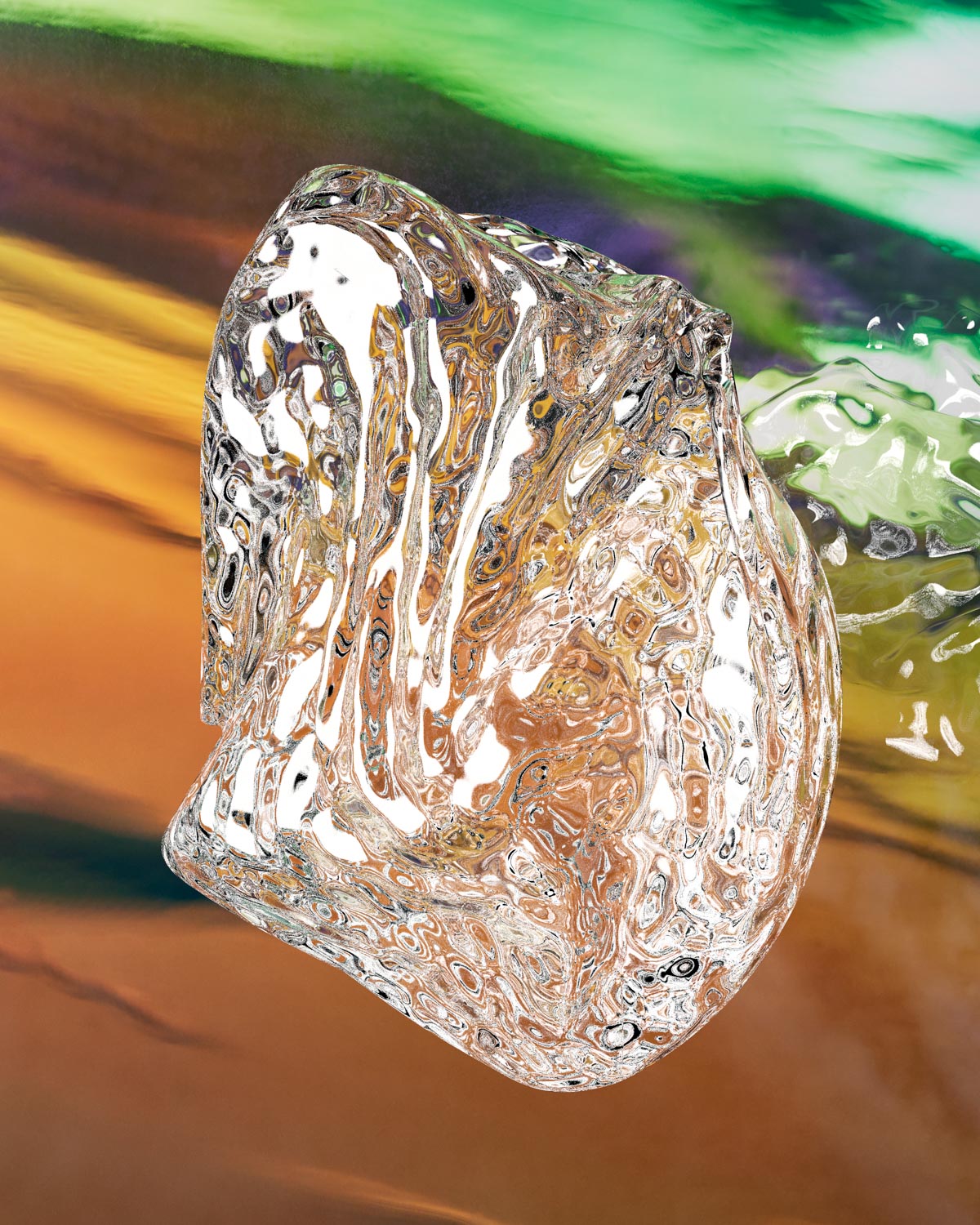
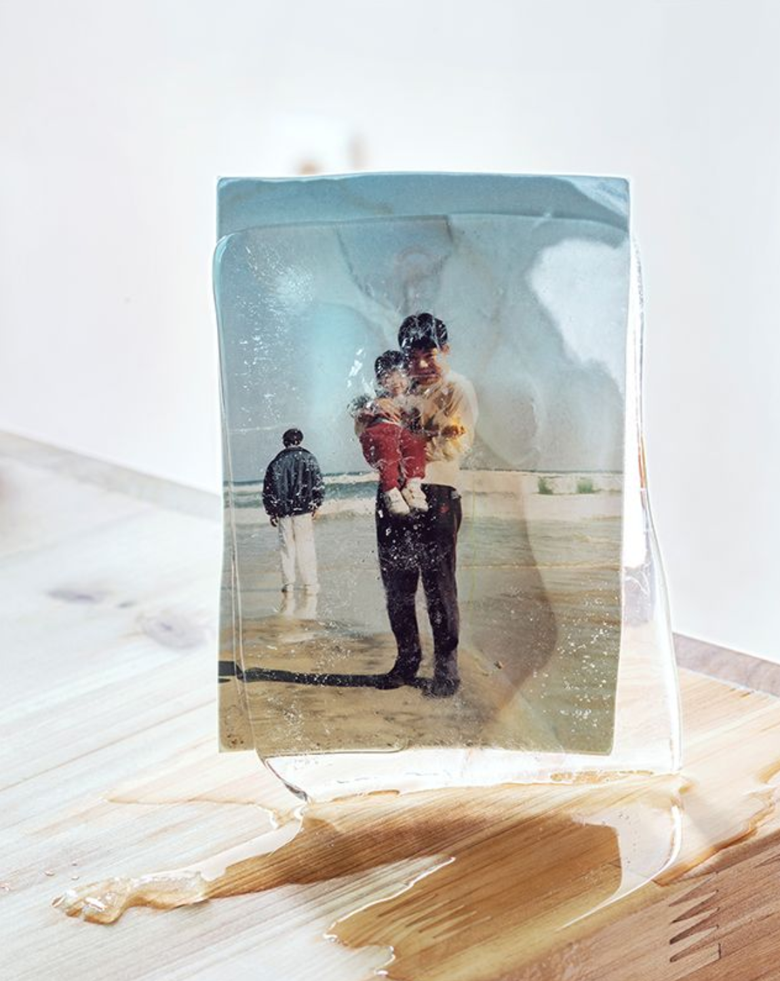
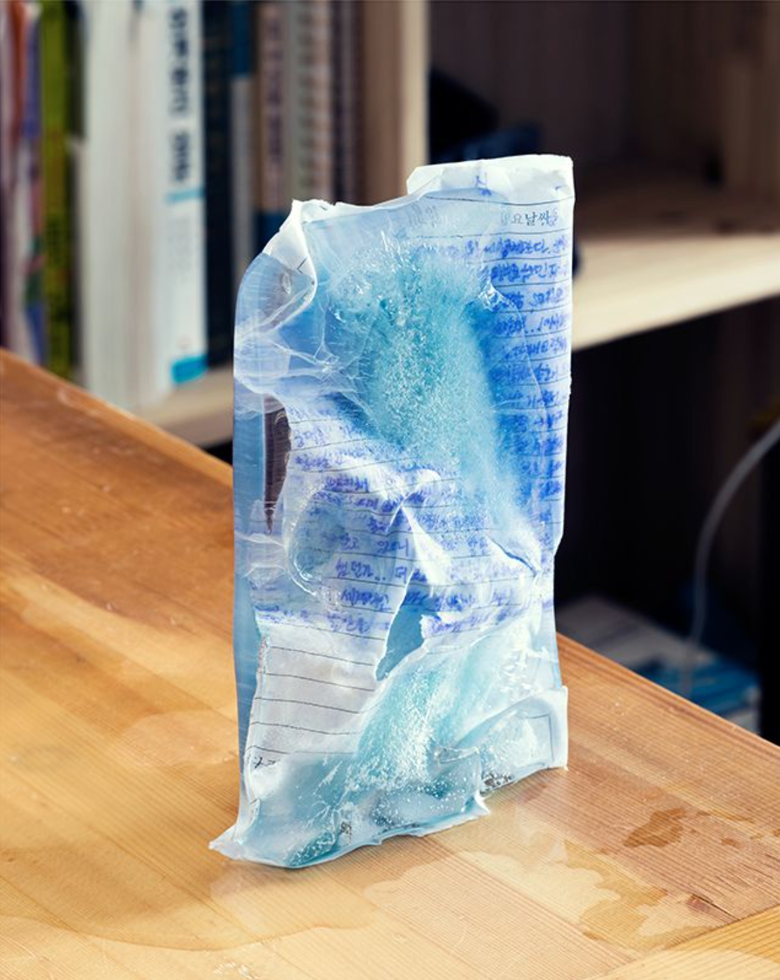
series, personal objects connected to memory—diaries, photographs, letters,
clocks, name tags, and stones—were photographed while enclosed in ice.
In this
work, photography clearly presents objects while the thawing of ice,
discoloration, and the flow of water reveal that preservation is always bound
to fail. The documentary function of photography is not treated as stable
evidence, but as something entangled with the unstable condition of memory
within the passage of time.
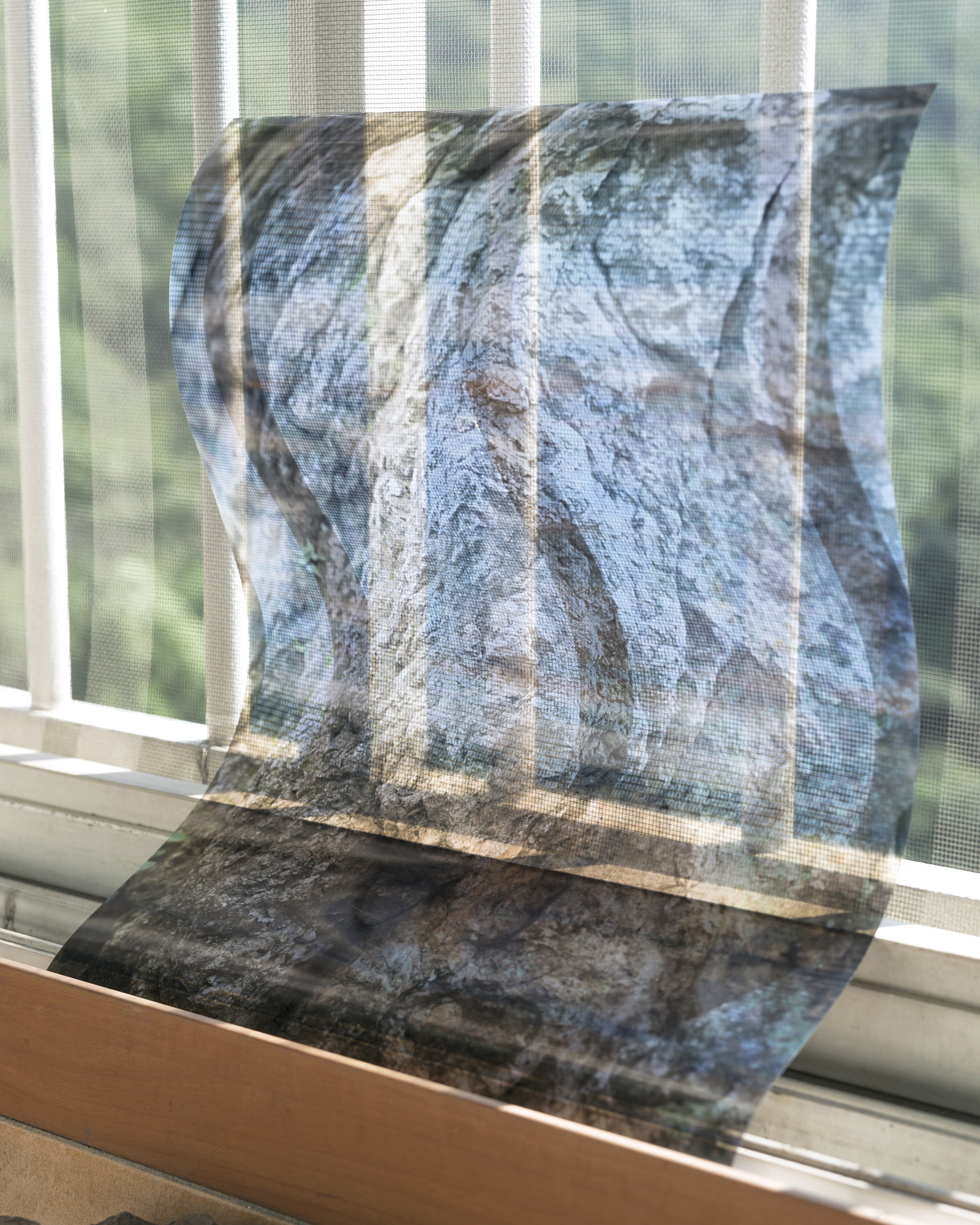
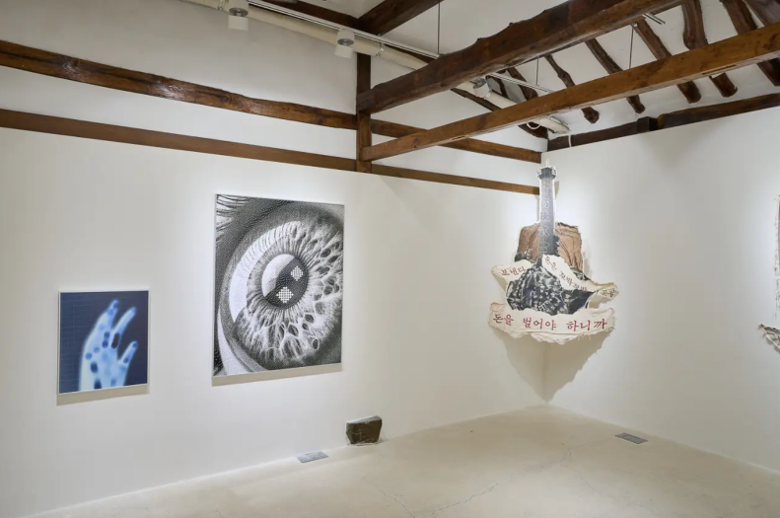
The 'Illusion Stair' series combines photography, installation, performance,
and halftone imagery, translating non-existent subjects into objects with
physical form. Figures found in archival records, graves on Choansan Mountain,
hollows in ginkgo trees, and traces of ritual are reconstructed through
photographic images and spatial devices, blurring the boundaries between past
and present, reality and fiction.
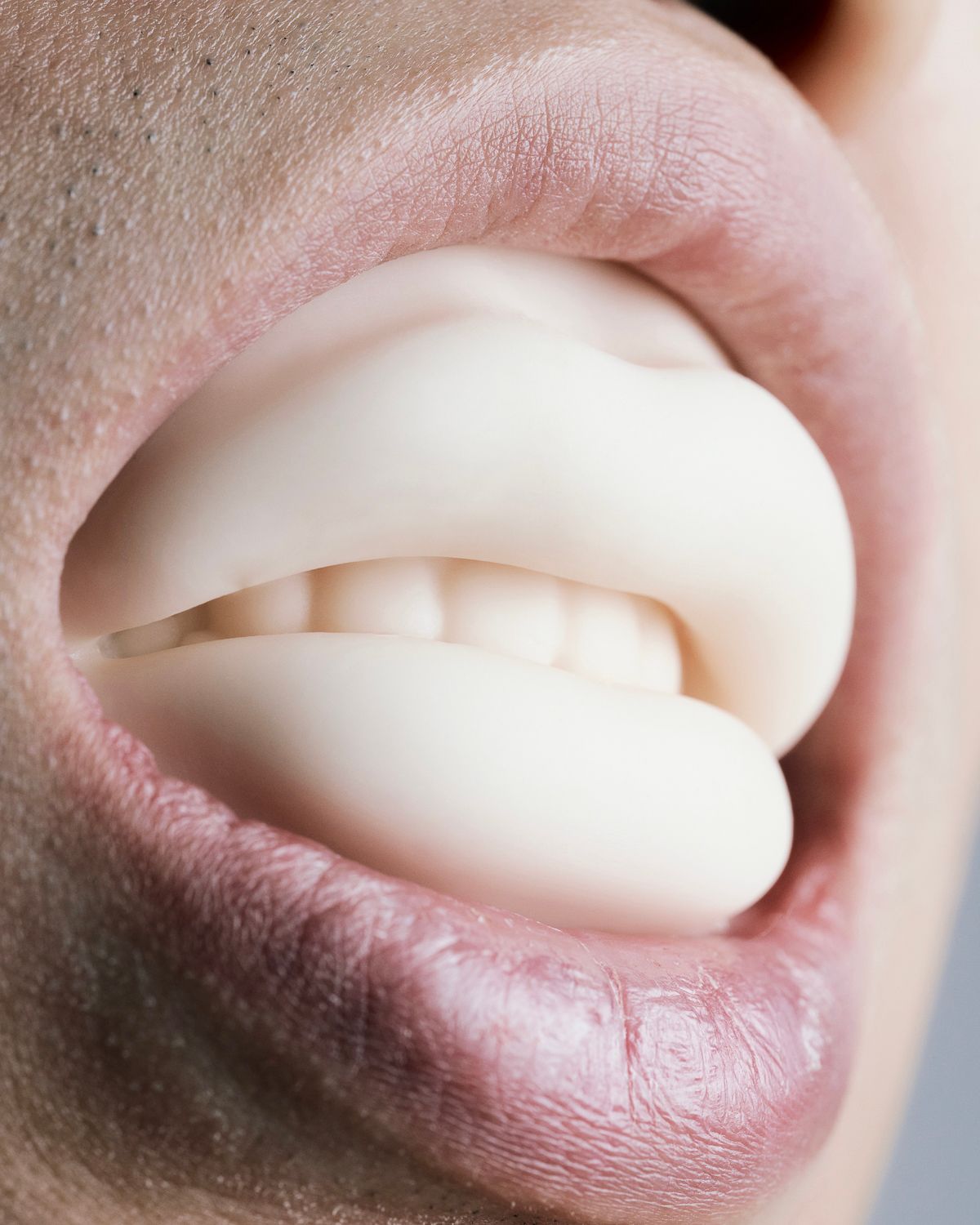
In this work, the halftone images resembling
soap bubbles suggest presences that have disappeared or been marginalized
within the city. Photography becomes not the record of a single scene, but a
thin membrane and temporary surface through which invisible presences briefly
emerge.
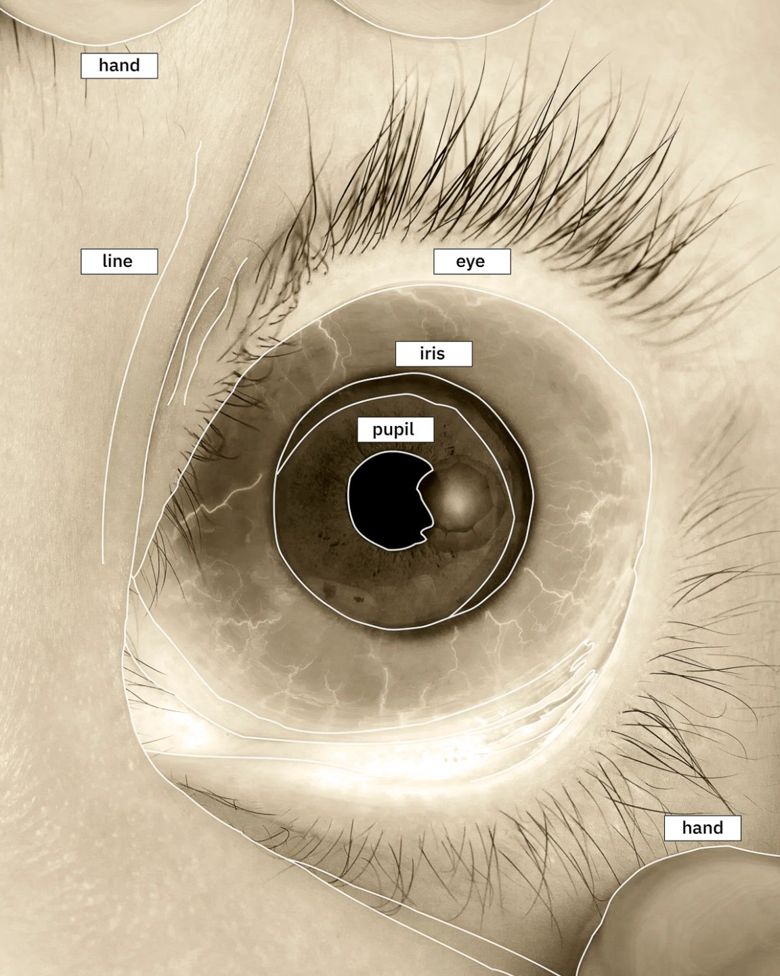
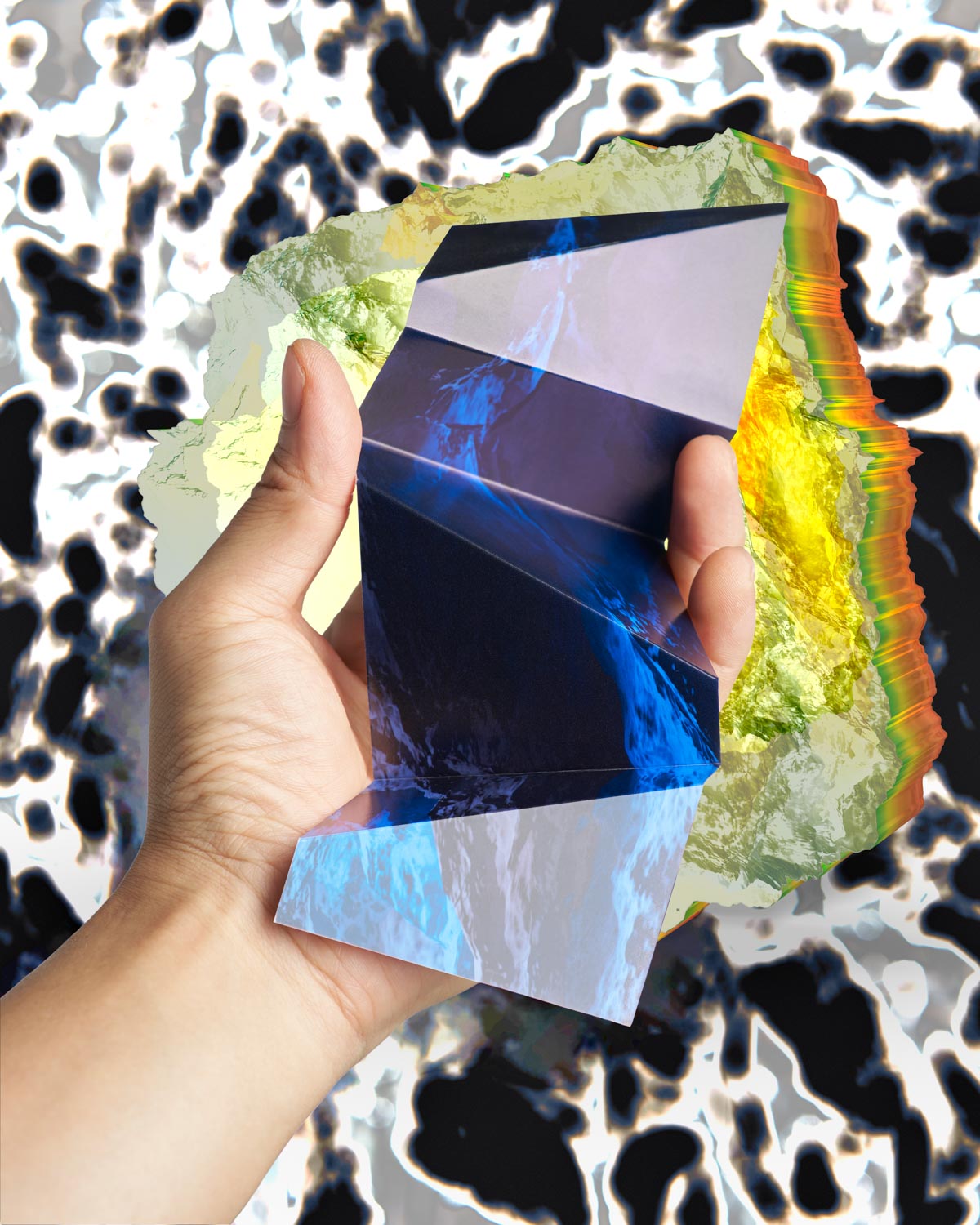
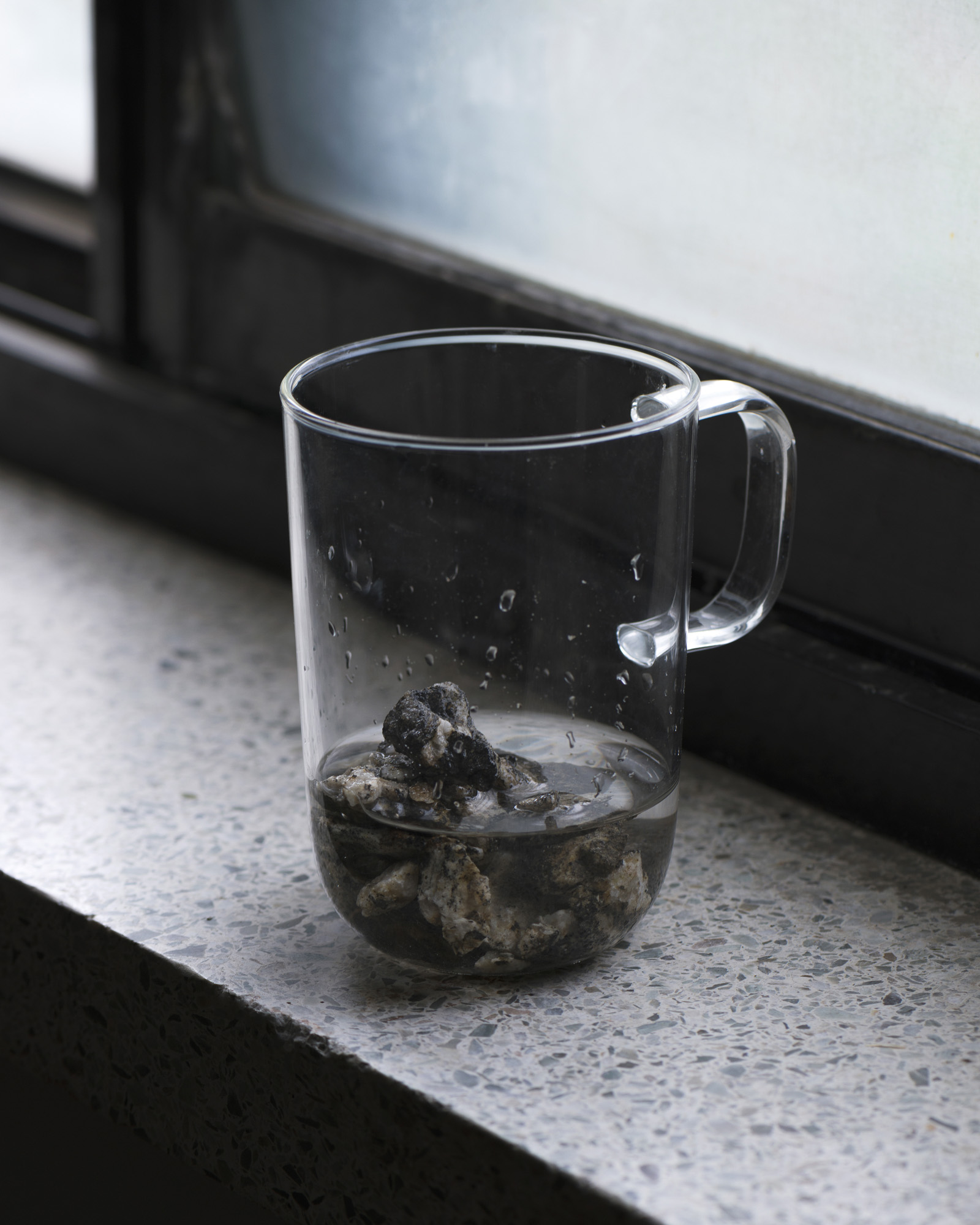
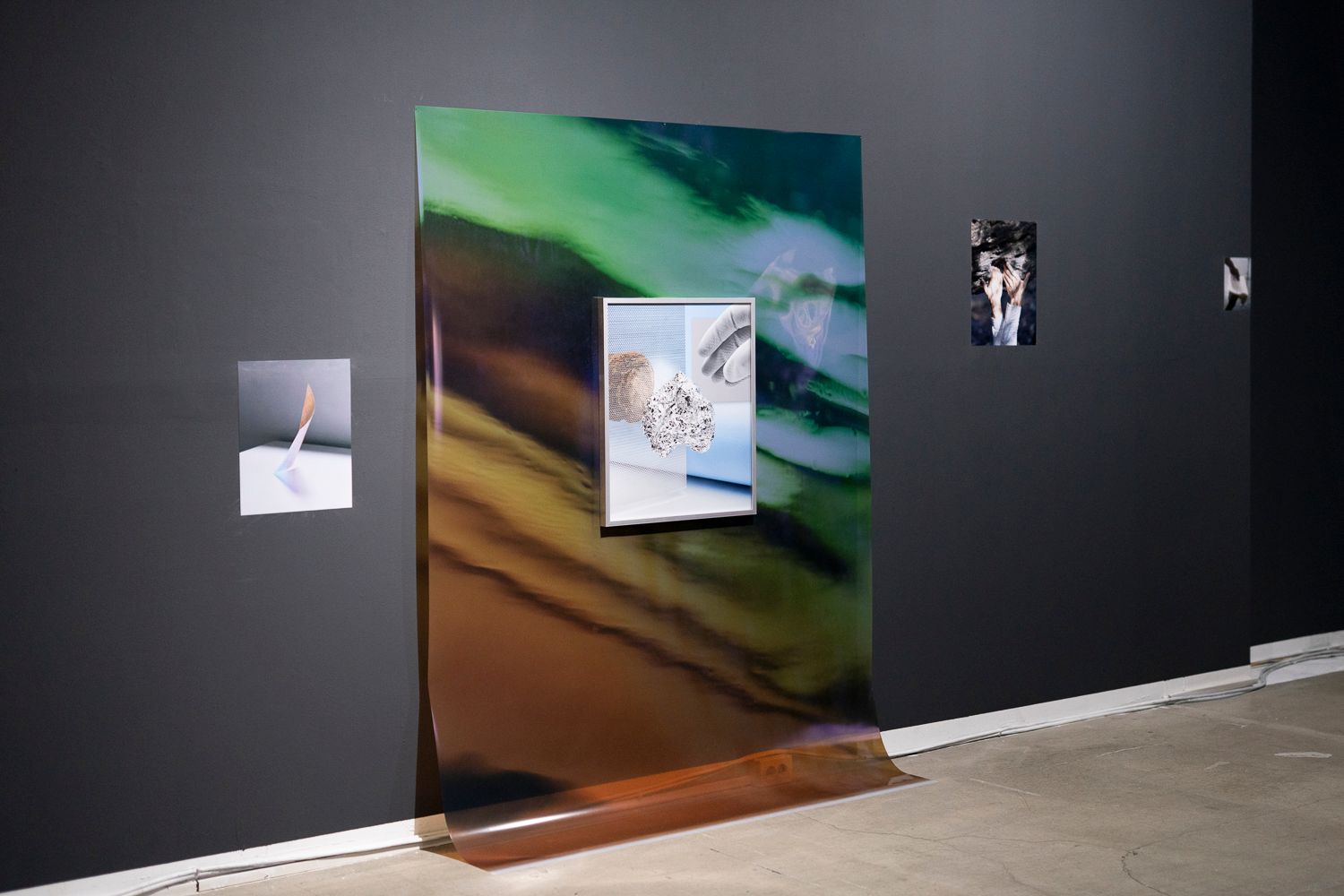
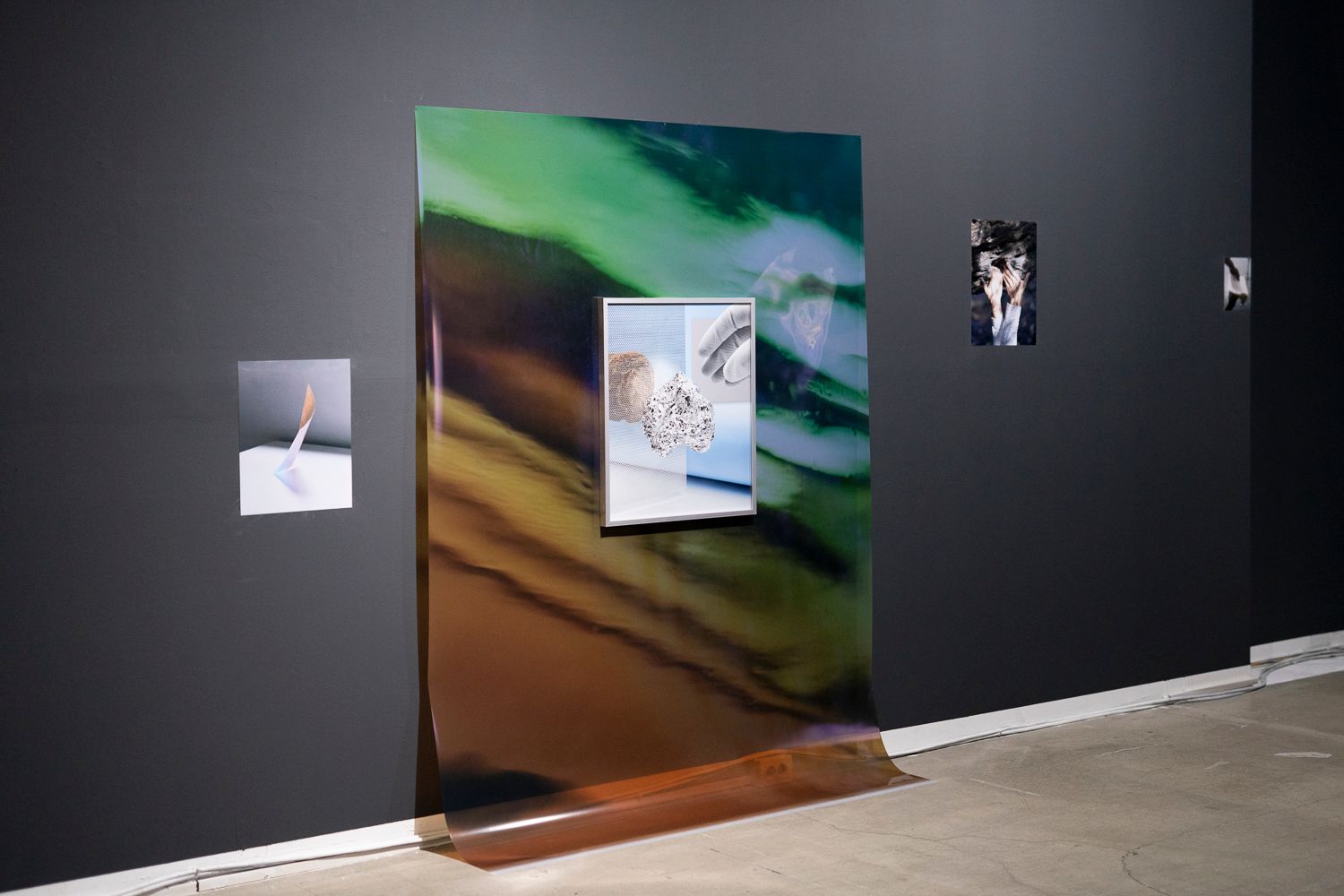
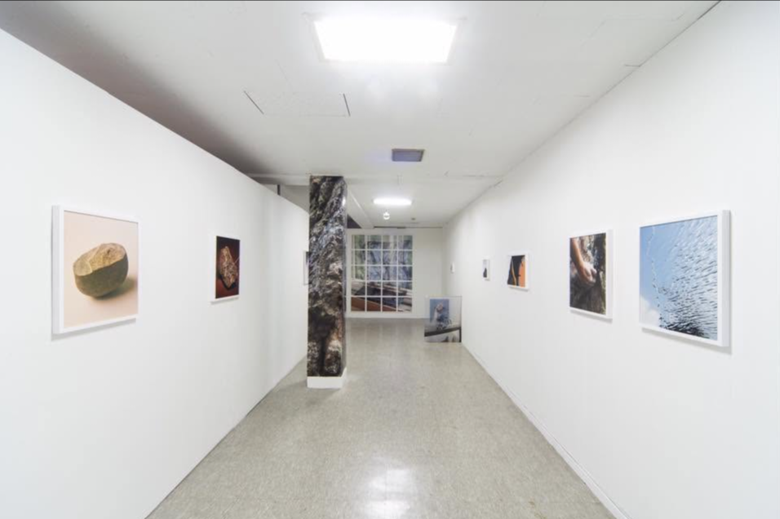
In the 'Low, Quickdraw' and 'Middle Turn' series, the artist actively uses the
flatness of photography and the manipulability of digital images. Images of
stones are transformed within 2D and 3D graphic software, and photographs
become solid backgrounds with depth or surfaces of virtual objects.
Actual
stones and virtual objects resembling stones collide with and substitute one
another, placing viewers in a state where it becomes difficult to determine
whether the object in the photograph is a flat image, a digital graphic, or a
trace of a material object. Through this process, photography becomes not the
result of representation, but the very process through which materiality and
sensation are newly assembled.
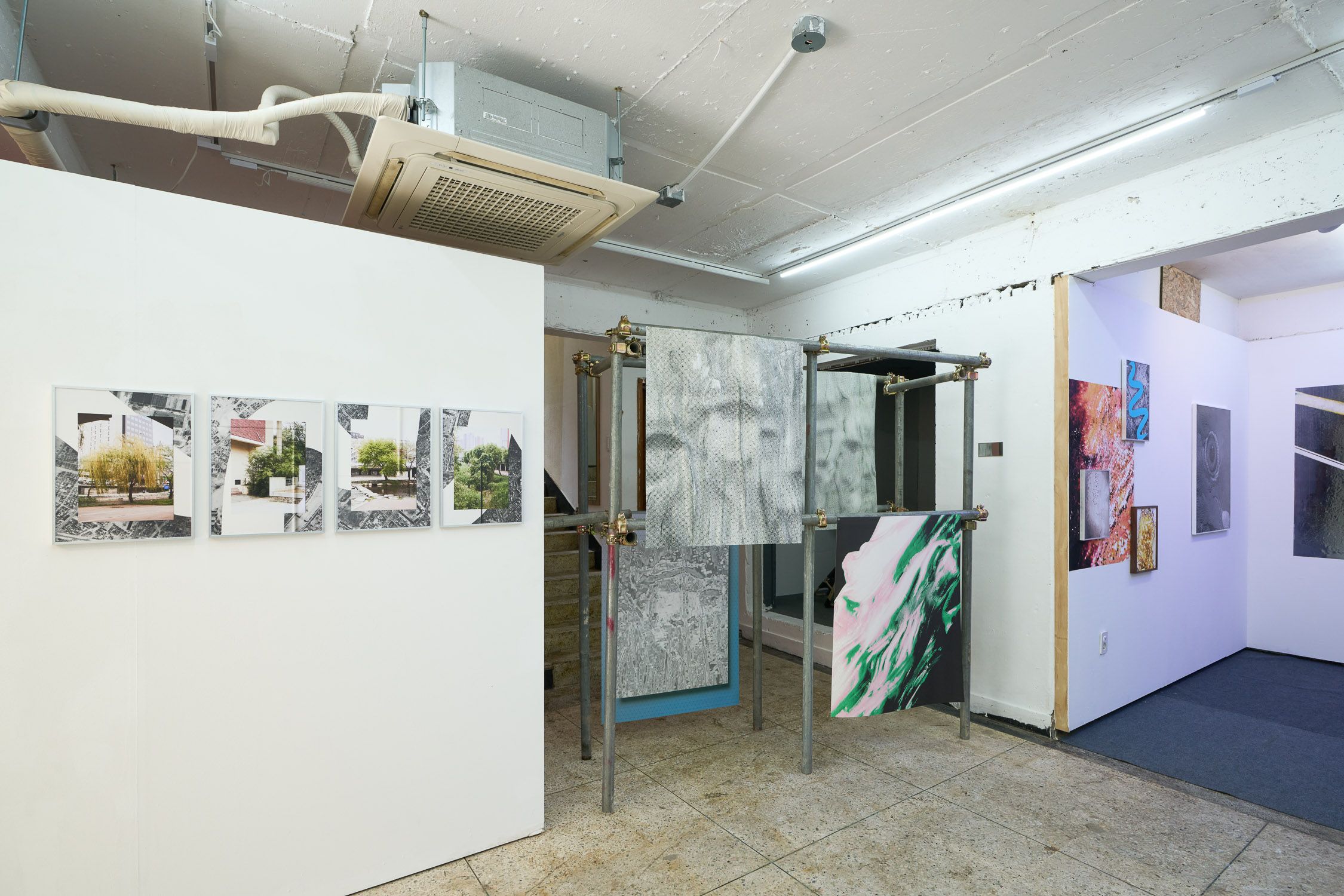
Recent works such as Firefly, Water
Photoautomat, and the 'Transmitter to the Object' series extend
photography into printed media, digital devices, video, and installation
structures. In 《Water
Photoautomat》(Space DDF, 2024), the artist gathered
traces of those who have disappeared through photography and reorganized those
fragments into present images.
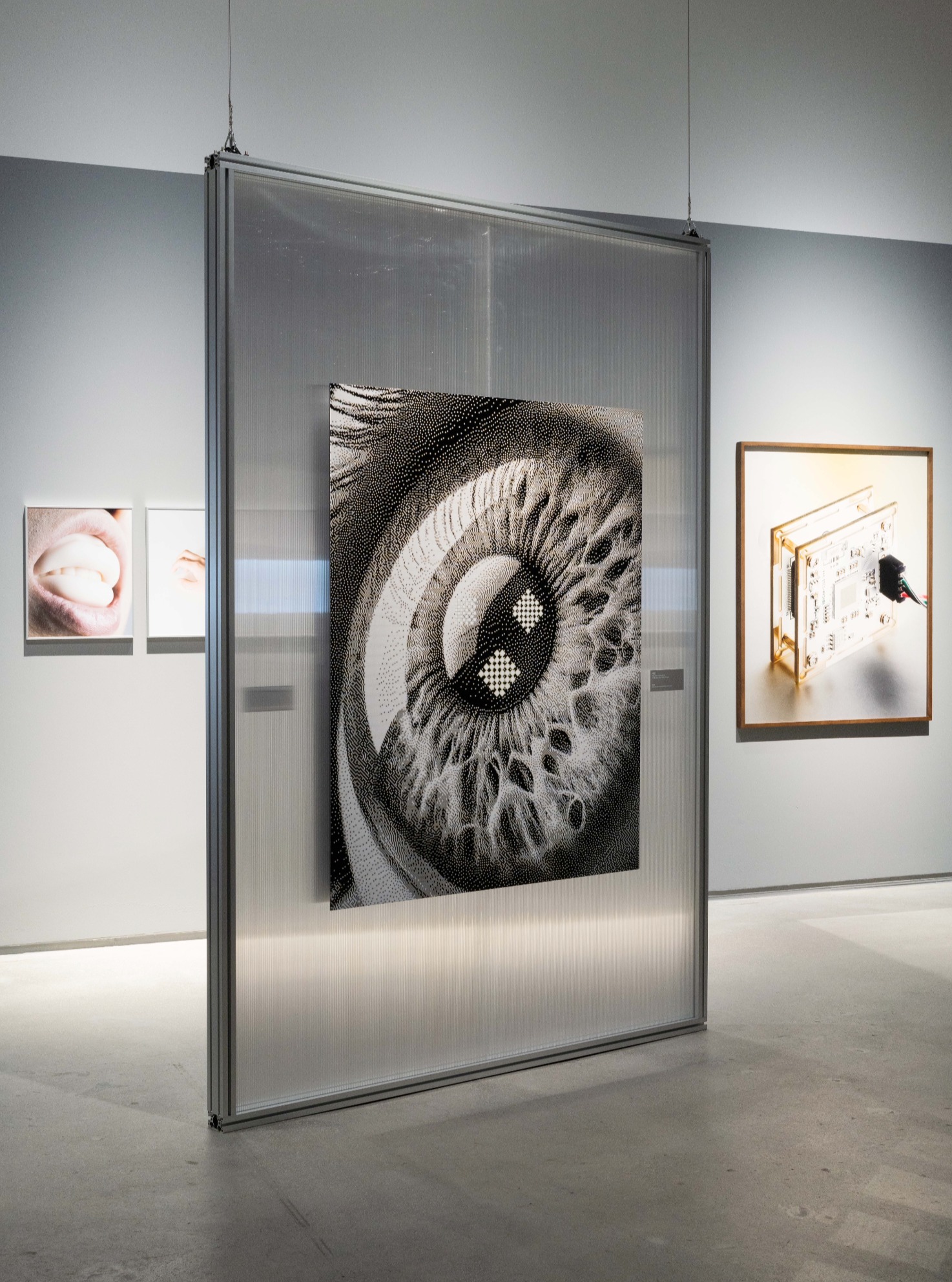
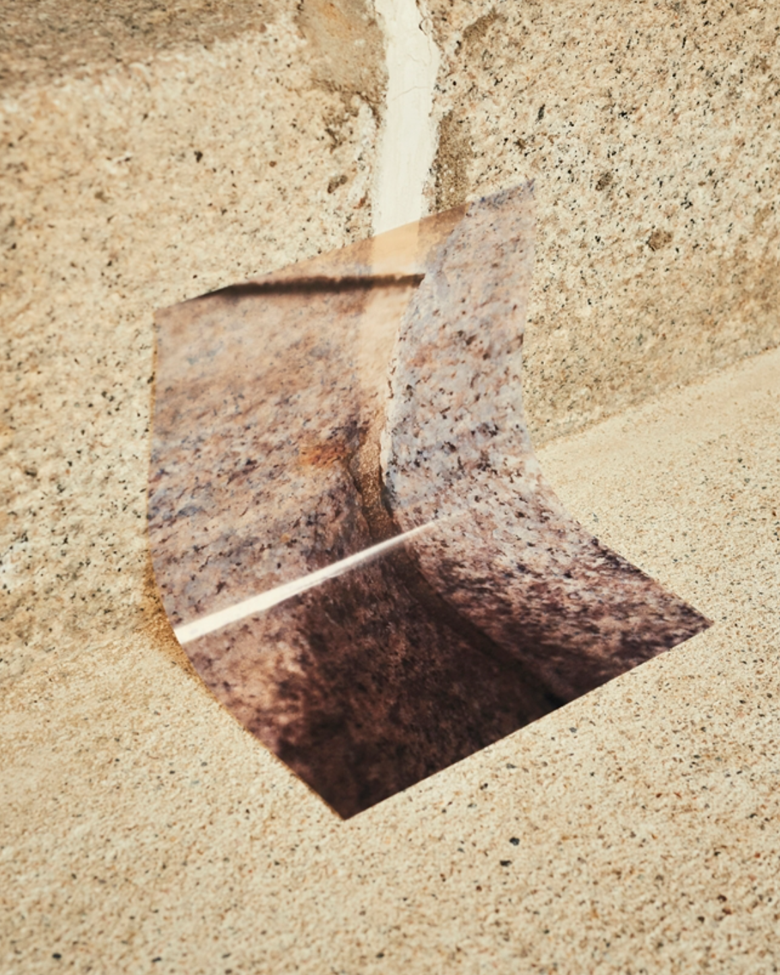
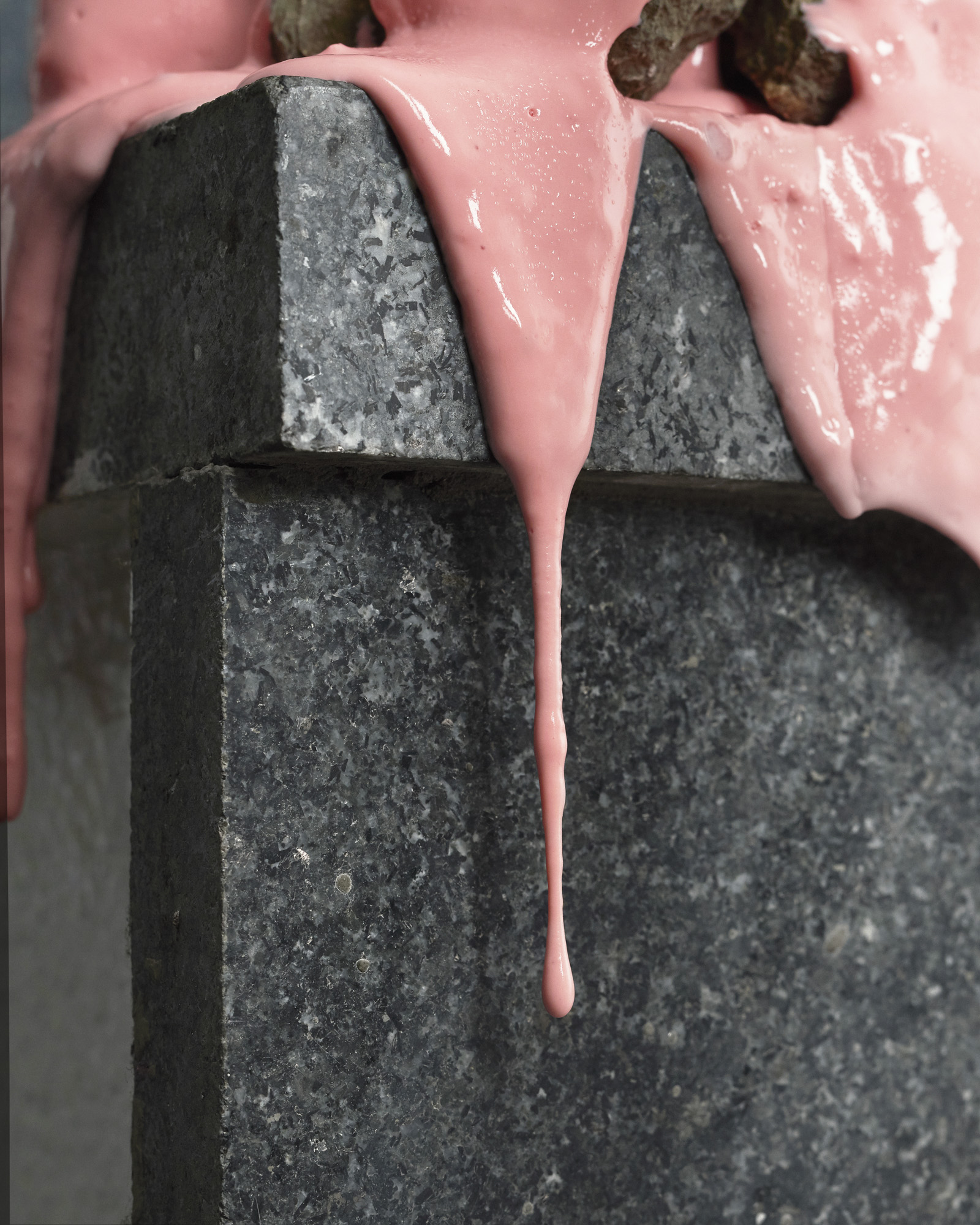
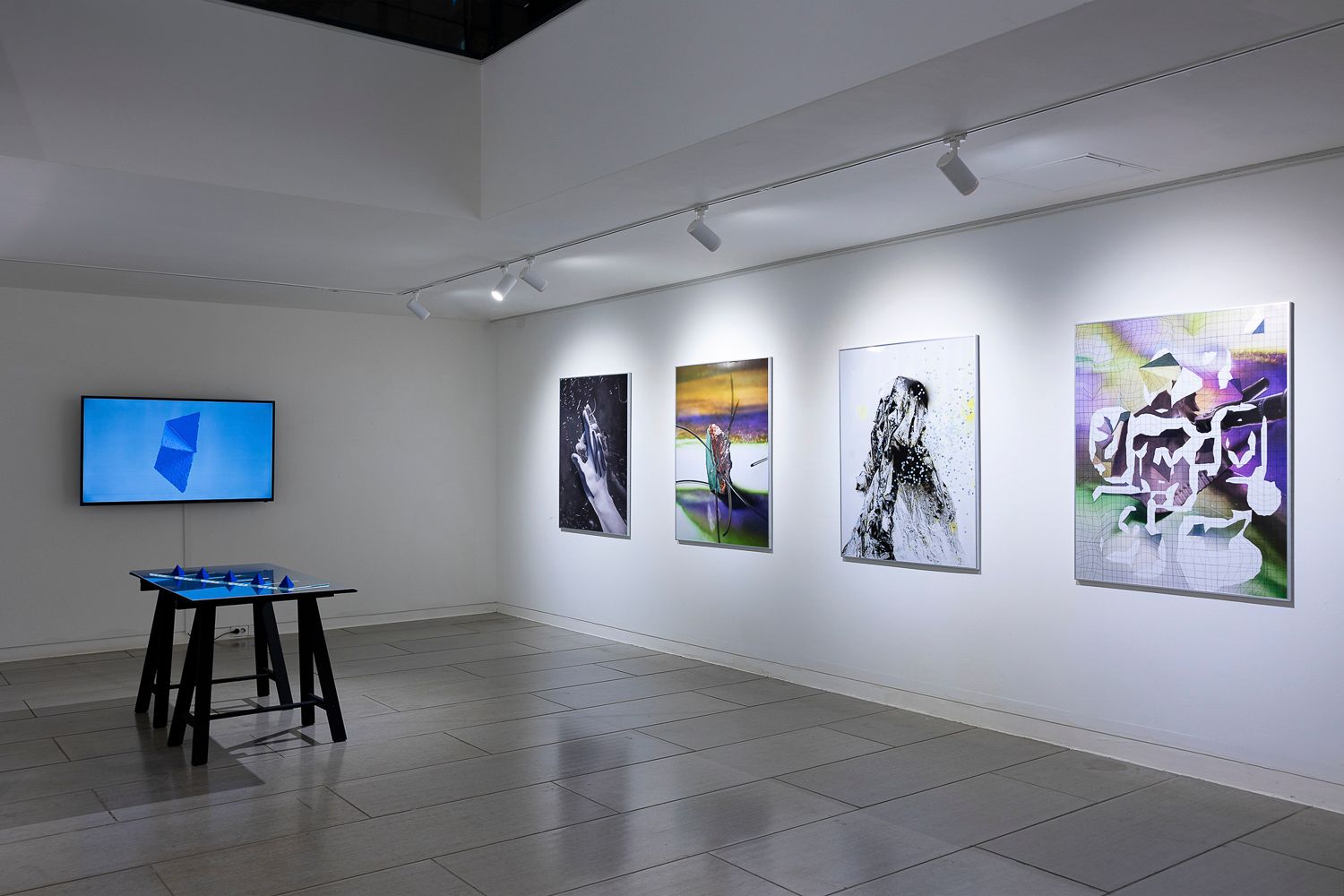
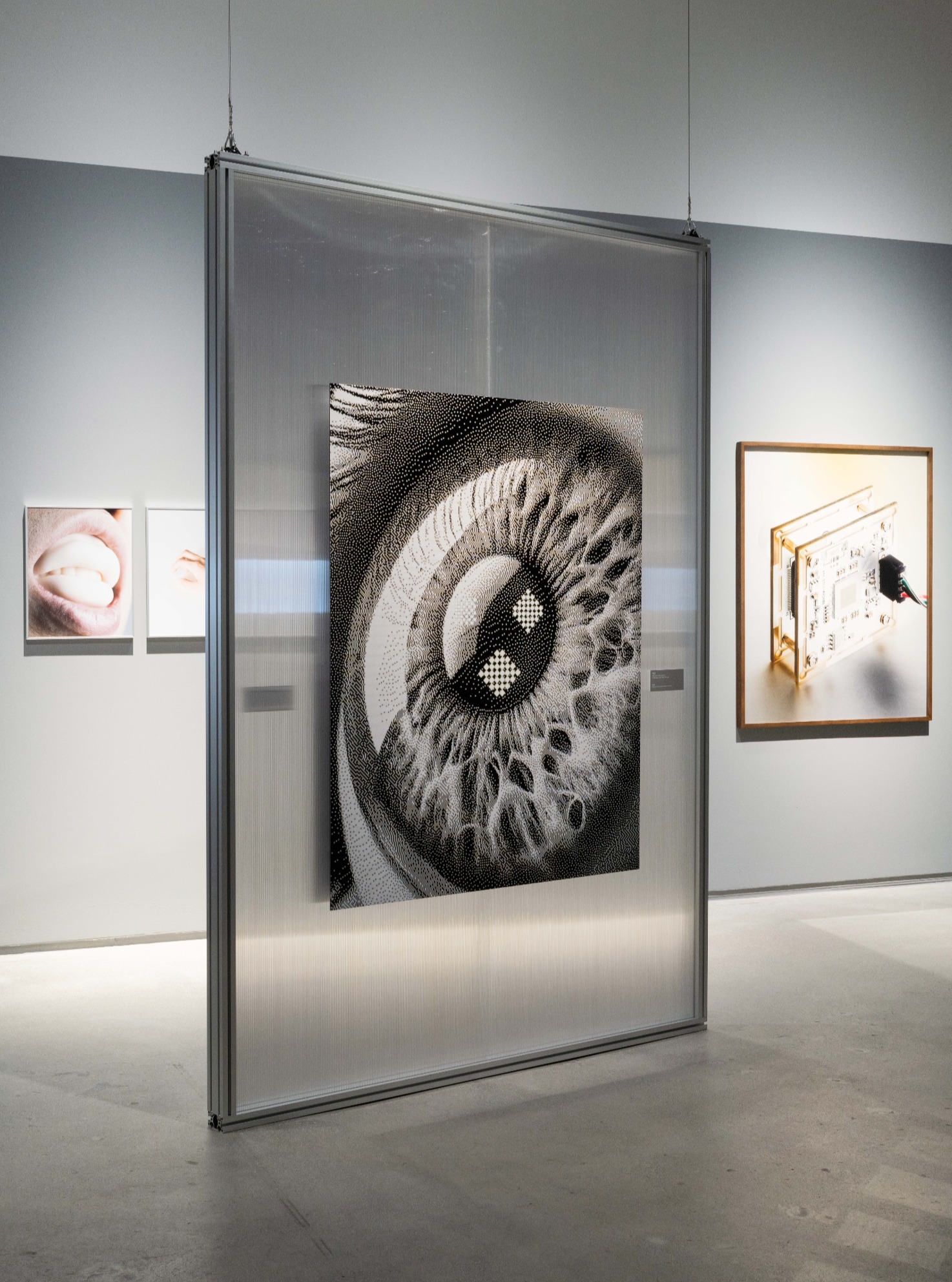
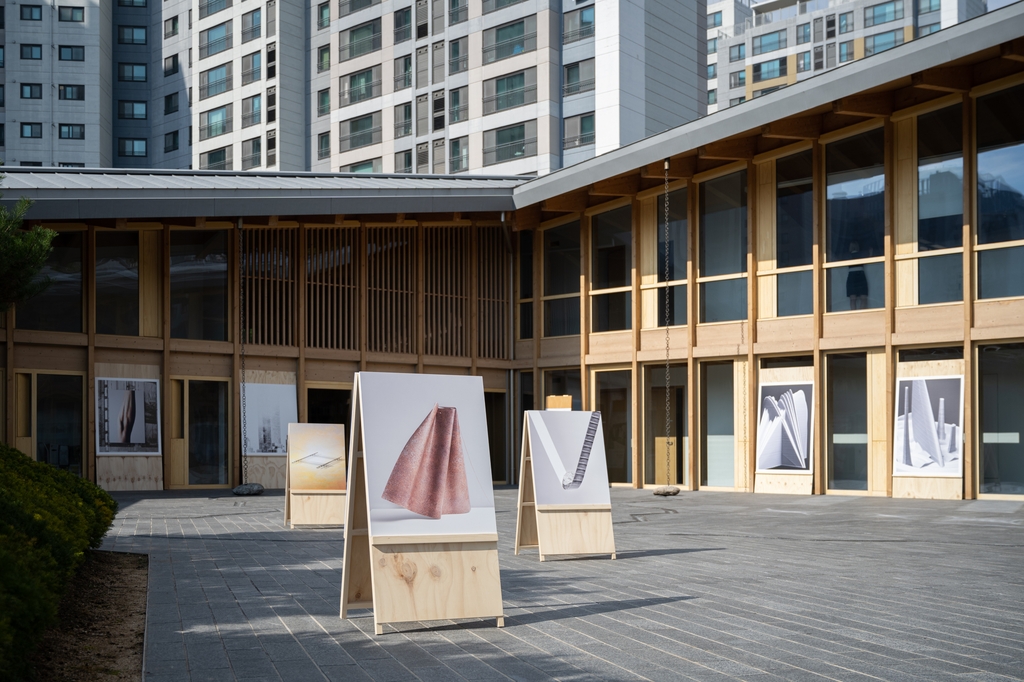
The 'Transmitter to the Object' series, presented
at the 2026 Seoul Photo Festival exhibition 《Come Back
Home》(Photography Seoul Museum of Art, 2026), gives
volume and physical tension to flat images through materials such as Dibond
panels, inkjet prints, polycarbonate, and aluminum profiles. In this way, Yun’s
photography passes through layers of printed surface, screen, structure, and
data, extending the act of looking into the tactile sense of the hand and the
perception of the body.