“The post-representational turn suggests that, within hybrid contexts—in the illusion between the potentiality and reality of what is different and irreducible—something remains and rises again.”
— Vilém Flusser
Perhaps painting is a copy that begins from what is visible, while photography is a history that begins from what one wants to see. If the flat image of visual imitation and record undergoes a transformation of its nature, then the necessity of photography, which originated in the “phenomenon of delayed light,” is “related to the desire to see.”
From the optical device once encapsulated by the camera obscura, to the advancement into the chemical device converging in the daguerreotype, and onward even to outer space, the human desire to see and photography share a vast and inseparable history. Therefore, even if one follows the old metaphor of “a dwarf on the shoulders of a giant,” photography today is inevitably compelled to think, at the end of that long history, about “where are we now?”
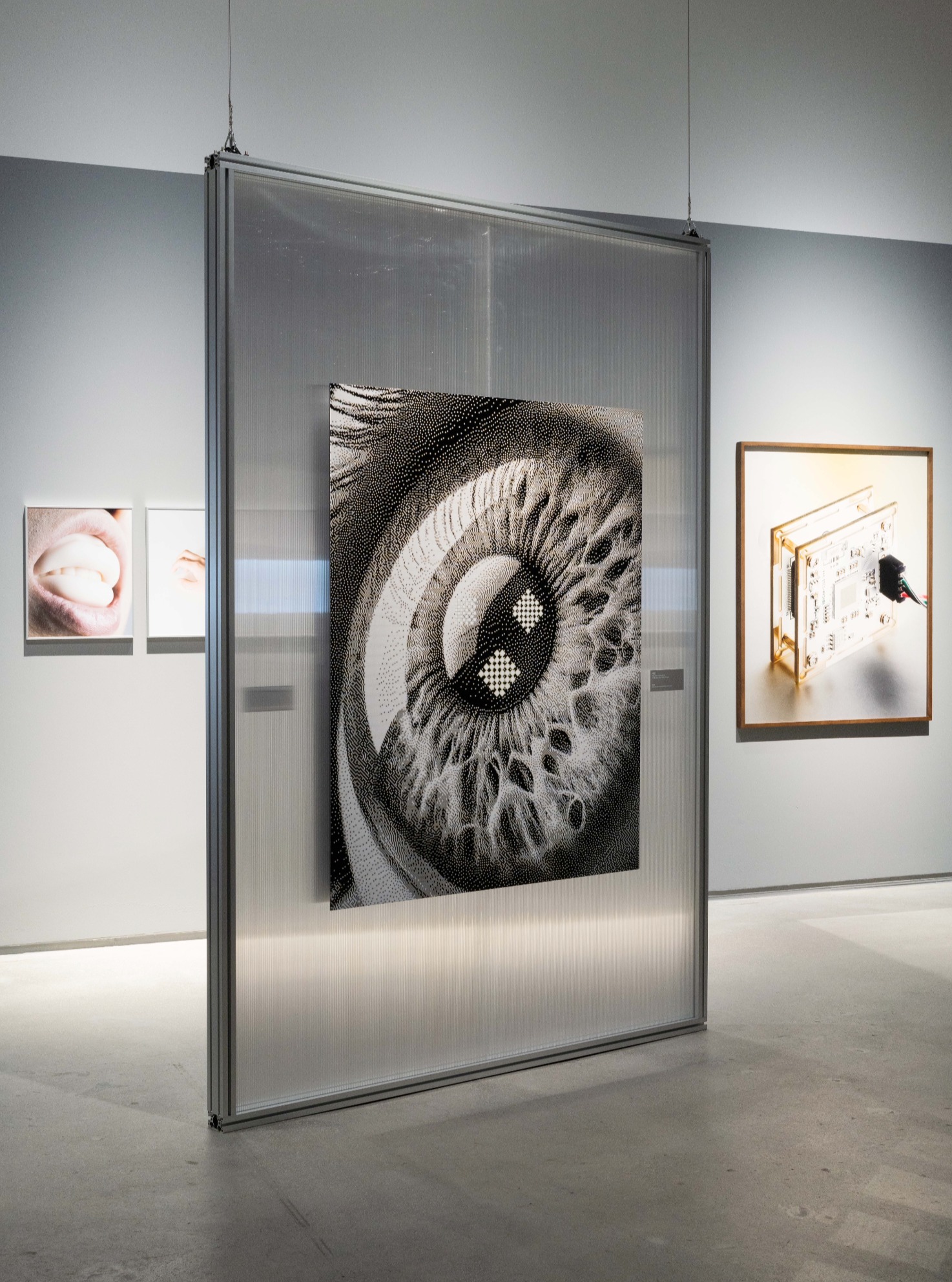
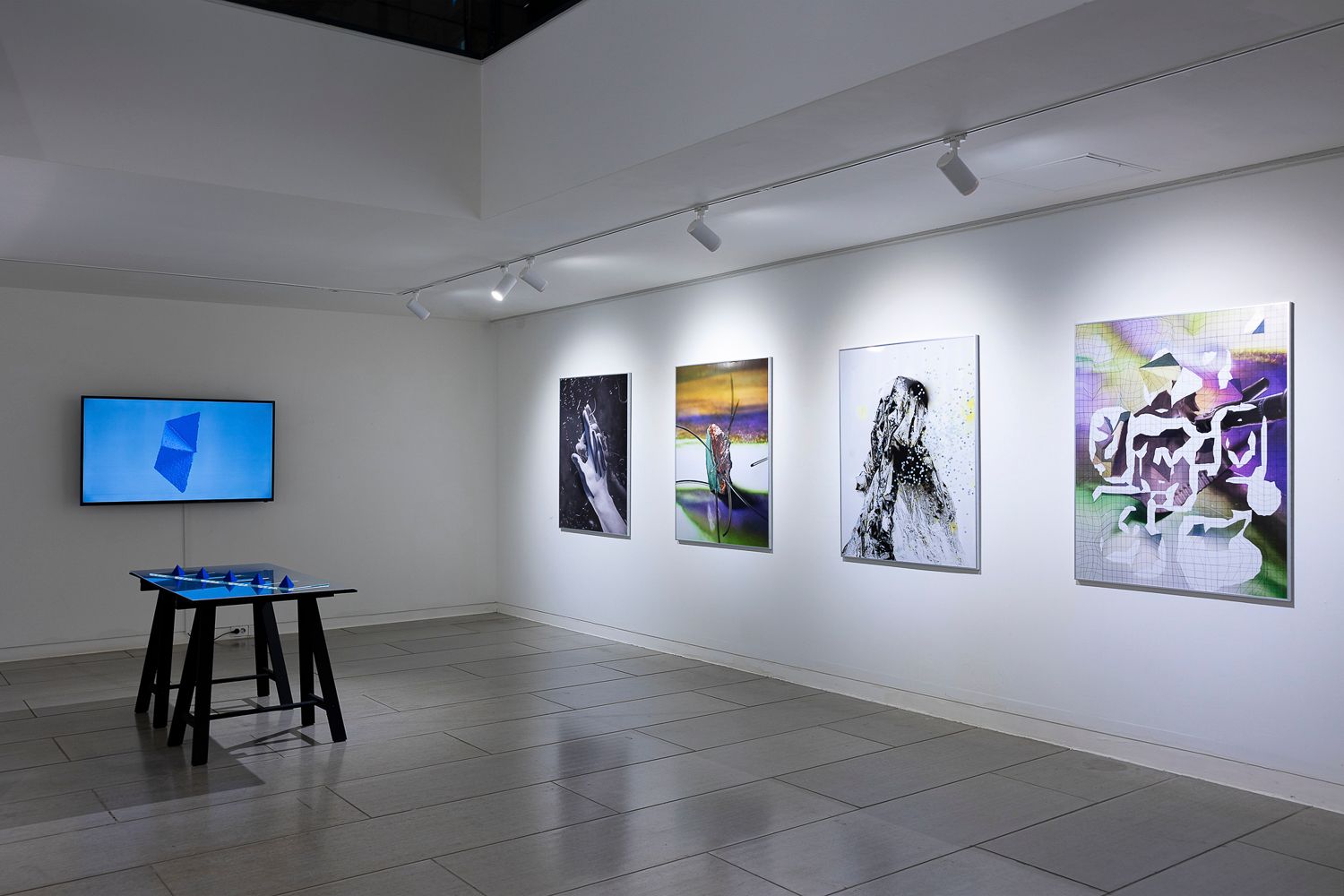
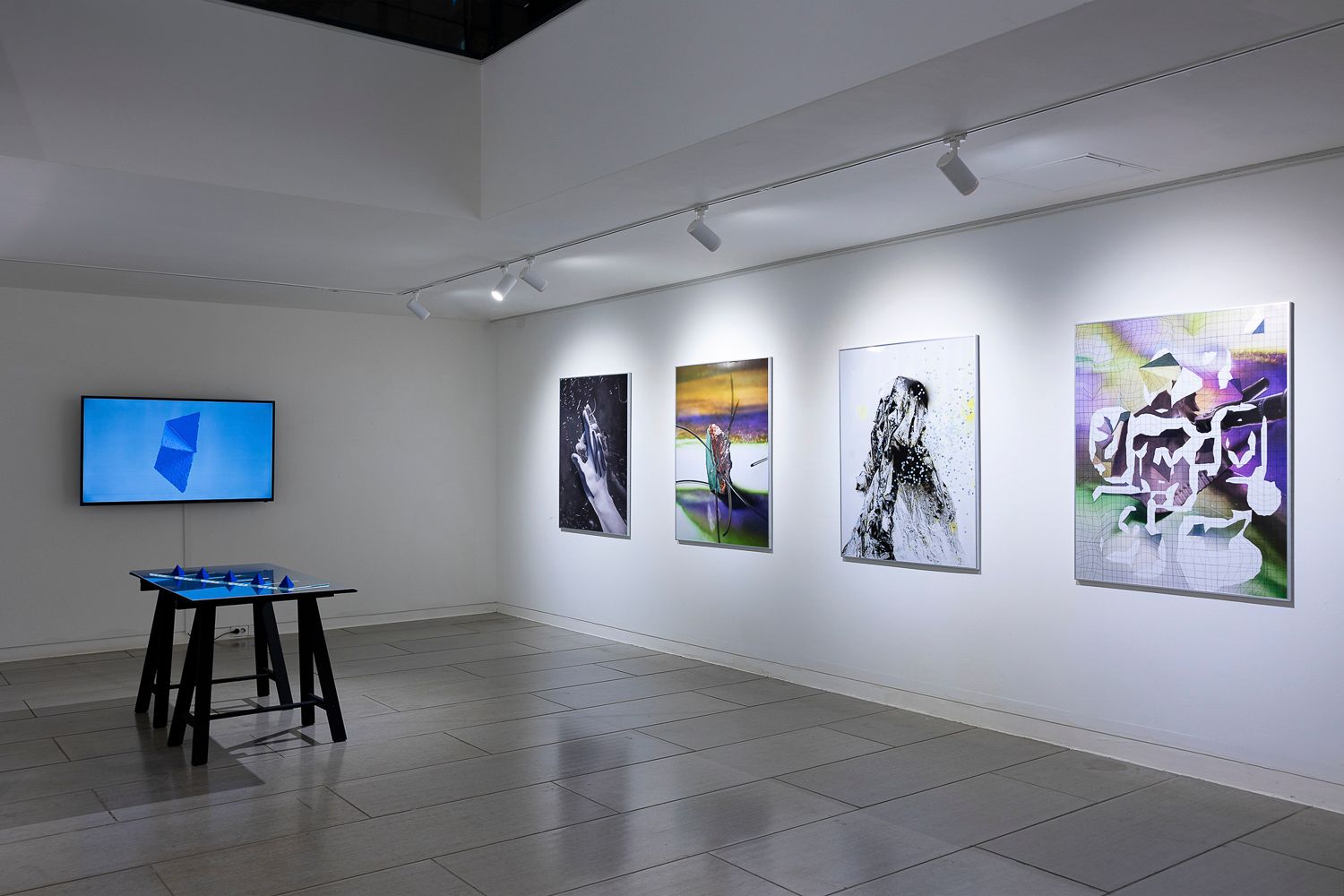
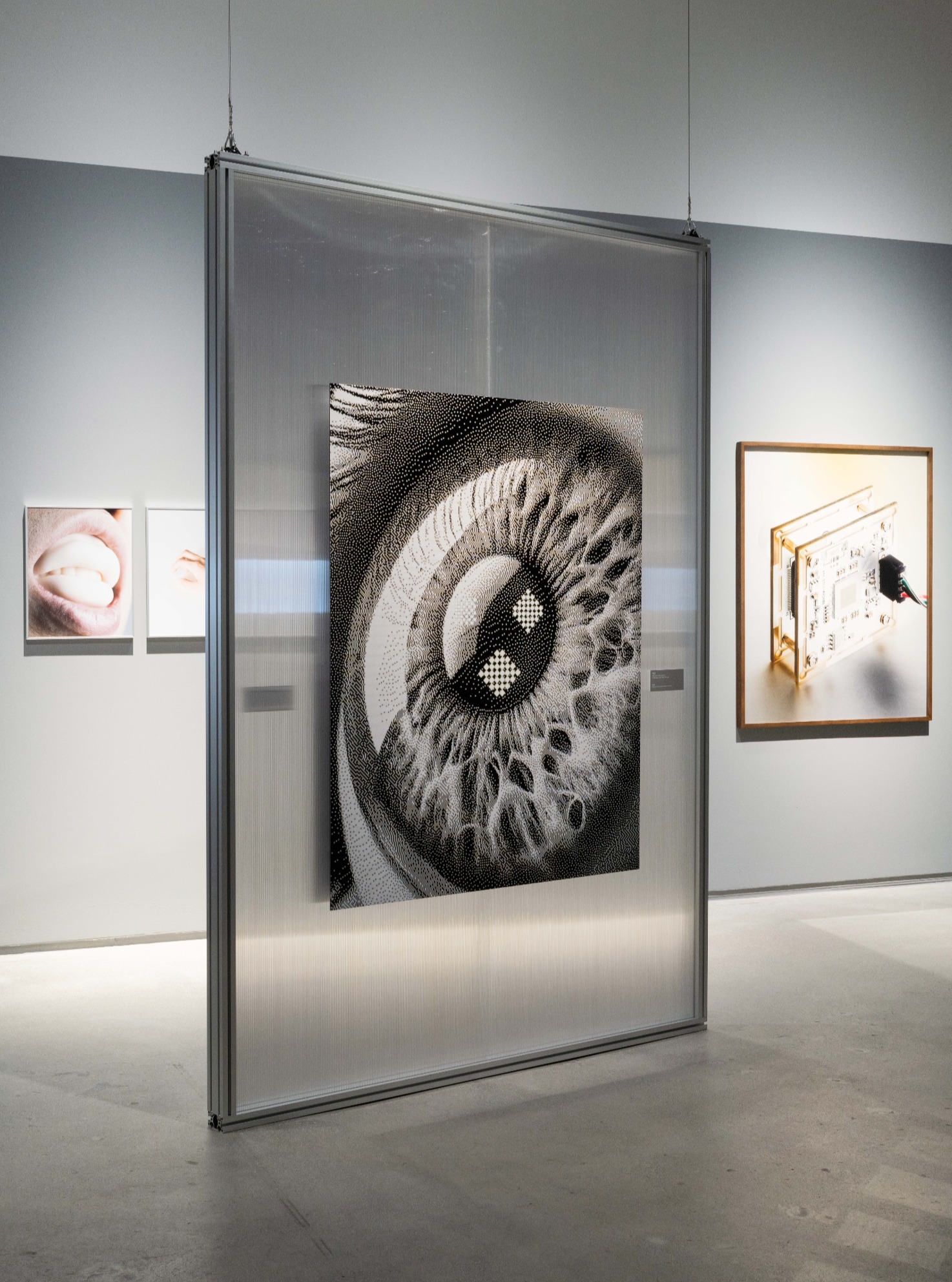
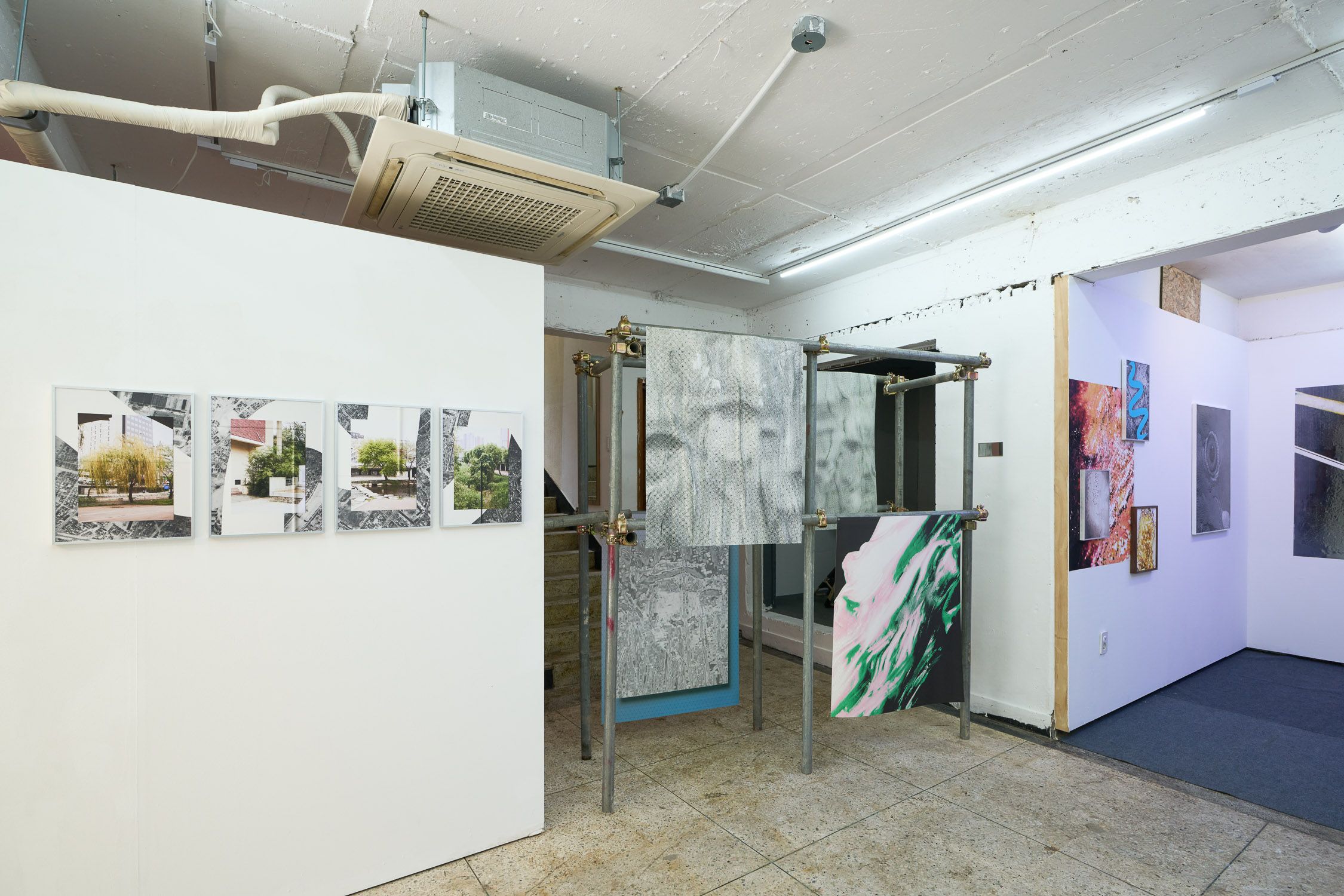
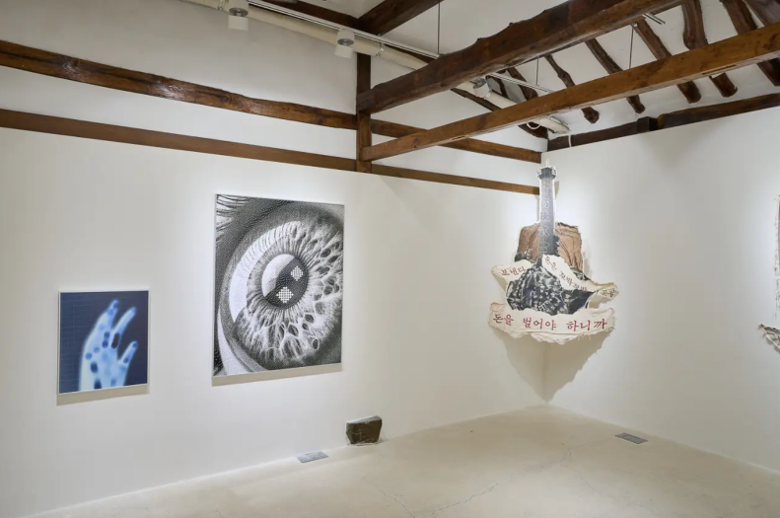
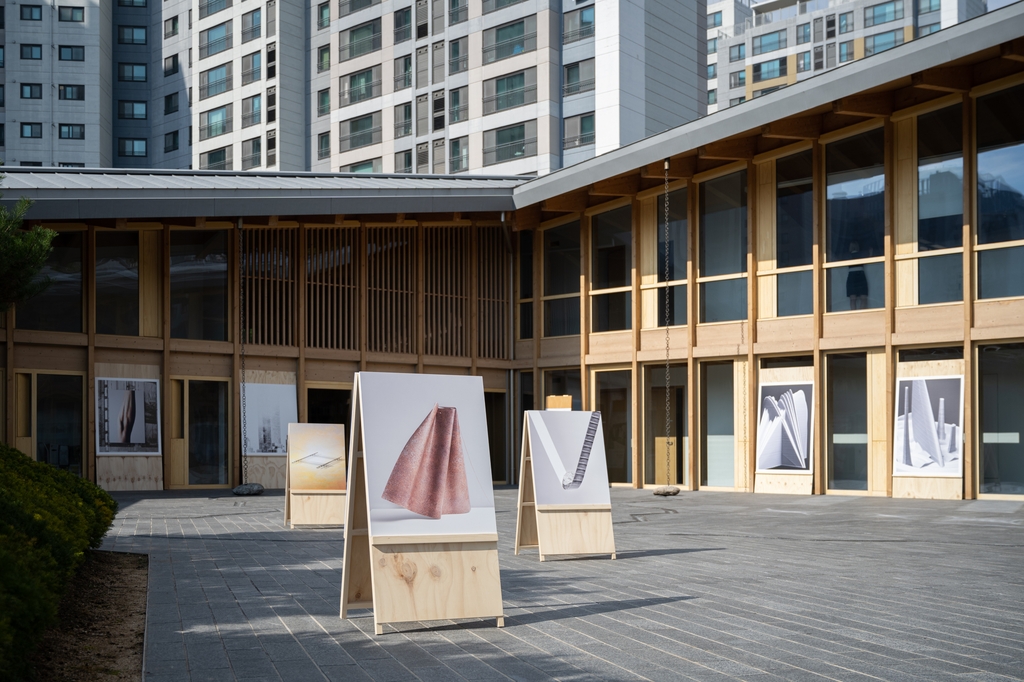
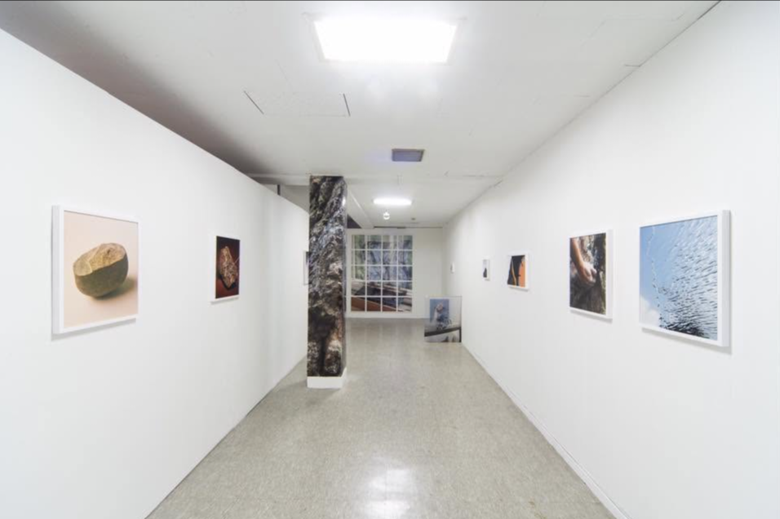
An exhibition containing the concerns and experiments of young artists regarding this question was held at Sungkok Art Museum under the title 《Where Are We Now?》. This exhibition is organized around three axes of critical inquiry concerning photography. The question “where” refers to the problem of space, the question “now” to the problem of time, and “we” to the problem of generation.
These three questions are further structured through six artists, expanding into responses and answers to what photography is for them and to the experiences of artists who live today while practicing photography.
All of the artists in this exhibition can be described as millennials, a post-Internet generation and a generation of image natives, or digital natives. The point at which they differ most clearly from previous generations is the duality of space-time that emerged after informatization. Natural and traditional physical space-time and an artificial, virtual, technocultural world have come to coexist in their everyday lives.
Moreover, the conceptual transformation of photography has been a powerful implication of the medium of photography itself. This is because the expansion of photography’s possibilities has accelerated through the process by which images change through informatization and symbolization. Therefore, the experience of new photography functions as highly important interpretive material for the artists in this exhibition.
They reflect on themselves by dealing with spatial networks, the instability of sensation according to digital technological structures, virtual modeling, the fragmented nature of projected images, the gap between photographic images and reality, and the relationship between traditional senses and technologies through which the world is perceived.
In other words, photography attends to the gap between space and virtual image space, and to that very gap itself. This transformation of space is also inevitably tied to the problem of the era called “now.” For these artists, photography reconfirms the spaces they experience and represents contemporaneity, while their relationship with photography is also connected to the medium’s distinctive temporality.
This concerns photography’s relationship to the subject that once existed as a material medium, and to the temporal properties that photography had as a material entity in the past. It also concerns the temporal properties possessed by the photographic image itself.
This refers to a transformation of what Vilém Flusser called the “philosophical gesture” of the photographer and the act of photography—that is, a change in what had “formally” produced “complex observation,” brought about by a transformation in the medium-specific characteristics of photography.
The medium-specific and technological changes and expansions of photography bring about a change in photography’s philosophical gesture, and this, in turn, leads to the generation of artists in this exhibition forming a mode of sensing representational reality.
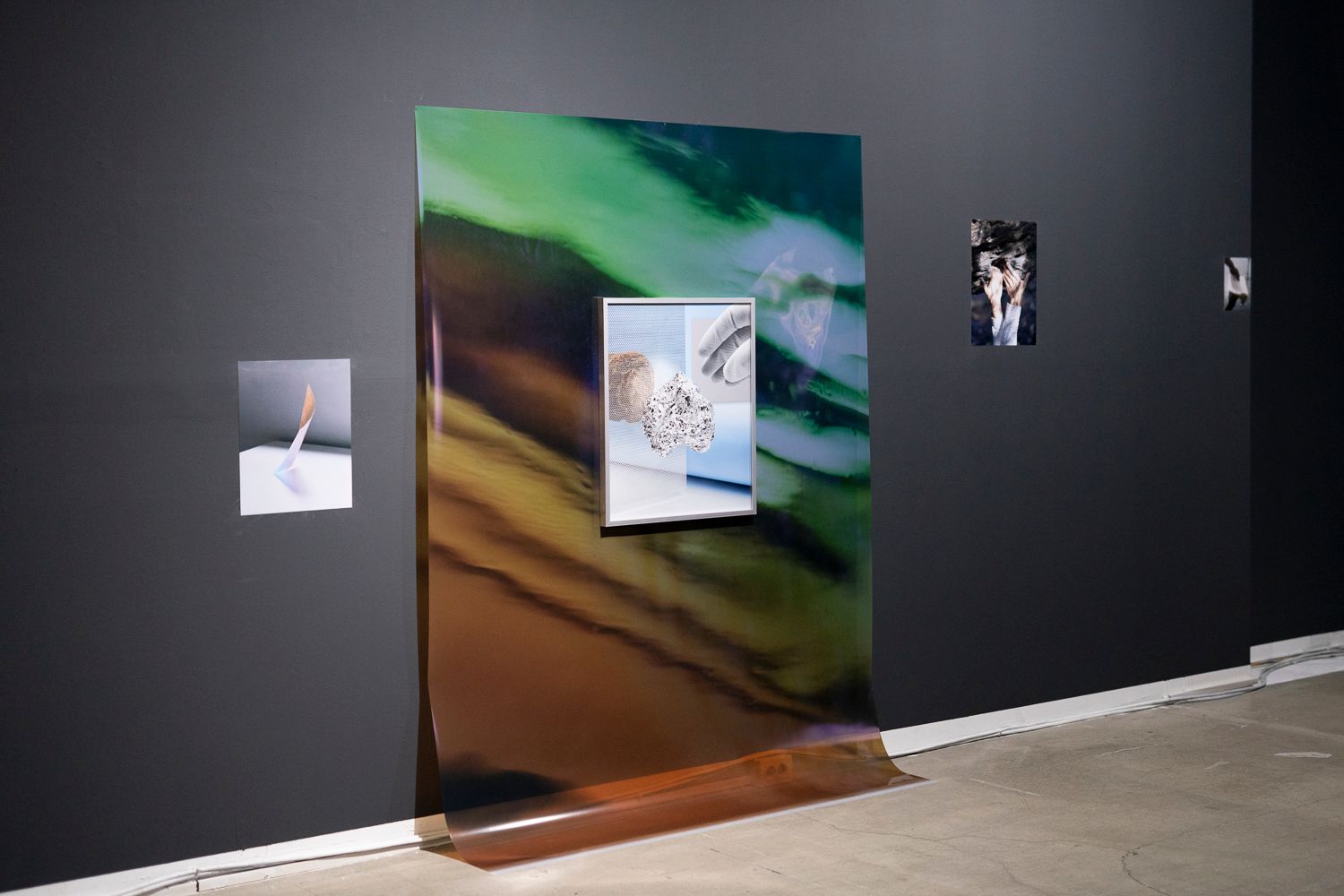
First, Yun Taejun’s 'Network' series shows a state in which the vision of the body is absorbed into sensation as actually photographed subjects and virtual images are composited, transformed into digital code, and networked. For example, when we move a finger across a touchpad, tactility speaks of a sensation between the material and the immaterial.
The shape of the hand commonly used when enlarging something on a digital device, droplets of water on a smooth black screen, and the strange phenomenon flowing over that hand are a sensory visualization of the way images are experienced today, while also referring to the ambiguity of the body and shadow, the virtual and the actual, and the act of seeing.
In the process by which traditional sensation is vaporized and fragmented upon the noble web called the network, the image is “concentrated as a visualization of sensations that have lost objecthood.”
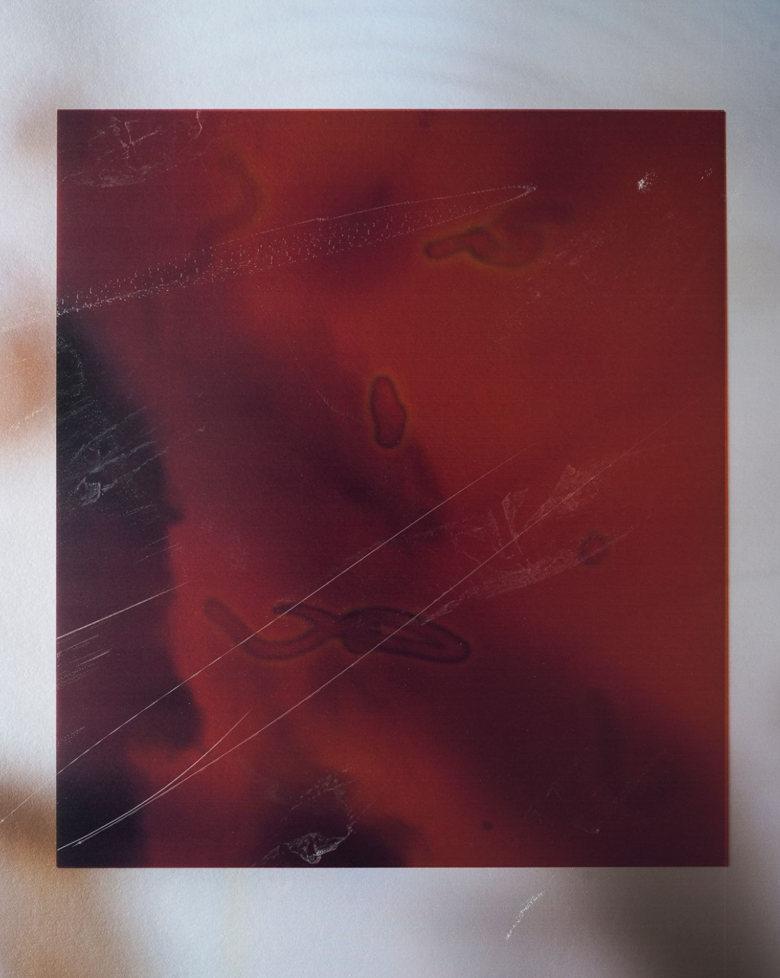
Christian Doeller’s Replay(Pyramid) presents the transformations that appear when the geometric form of the pyramid moves toward digital virtuality and realism, and it measures the possibilities of the form of the image itself. He prints a digital image onto a pyramid form, outputs it with a 3D printer, scans it again in 3D to transform it into a digital image, and outputs it once more.
Through this repetition, he shows the amplified transformations in five subtly different pyramid forms and in video. This process, which could also be called a “repetition of errors,” rather implies the possibility of images through unpredictable technological transformation. Here, the viewer comes to attend not to the formal result of the image itself, but to the “possibility of subtle image transformation” that emerges through this working method. The content of the work coincides with the technological form itself.
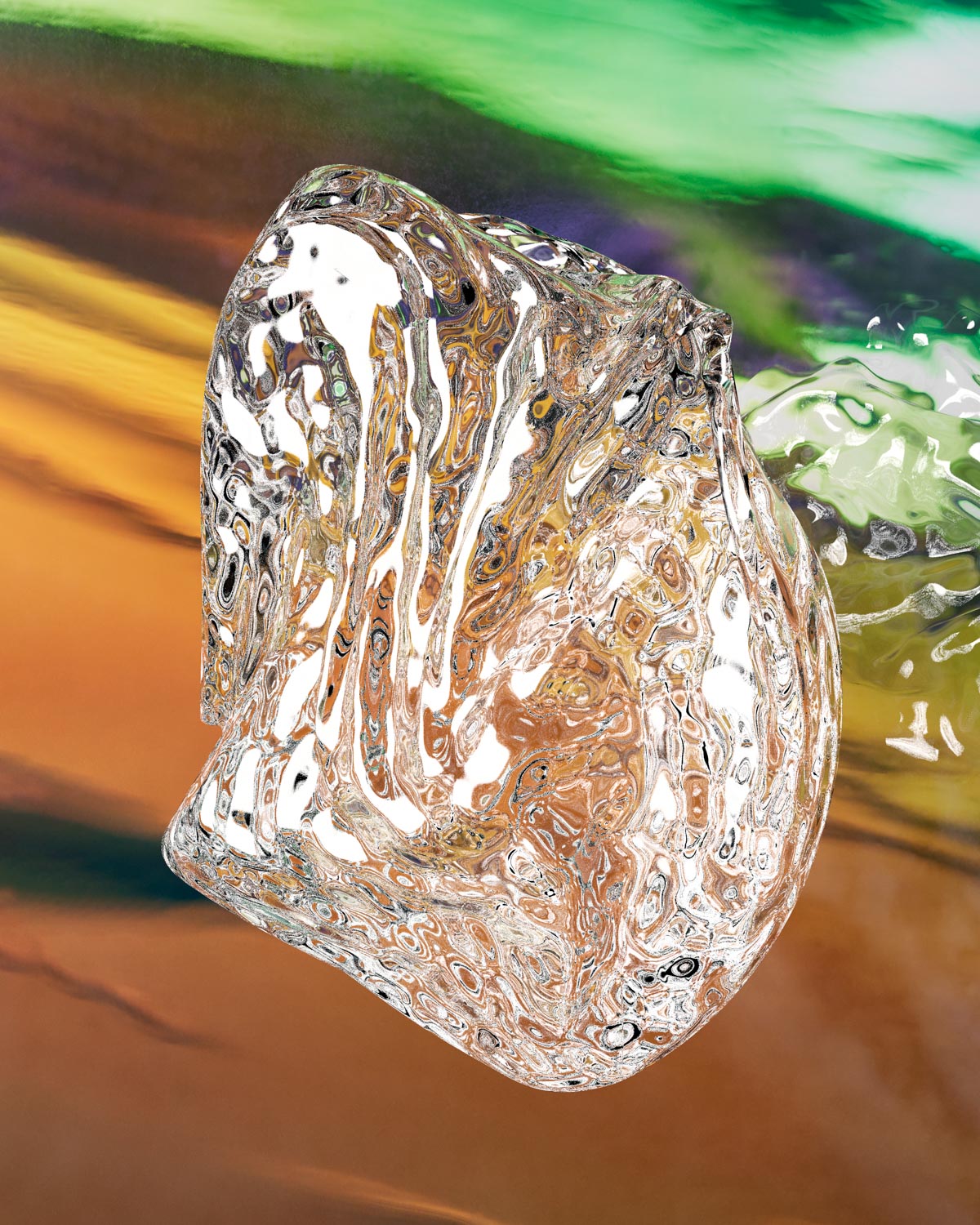
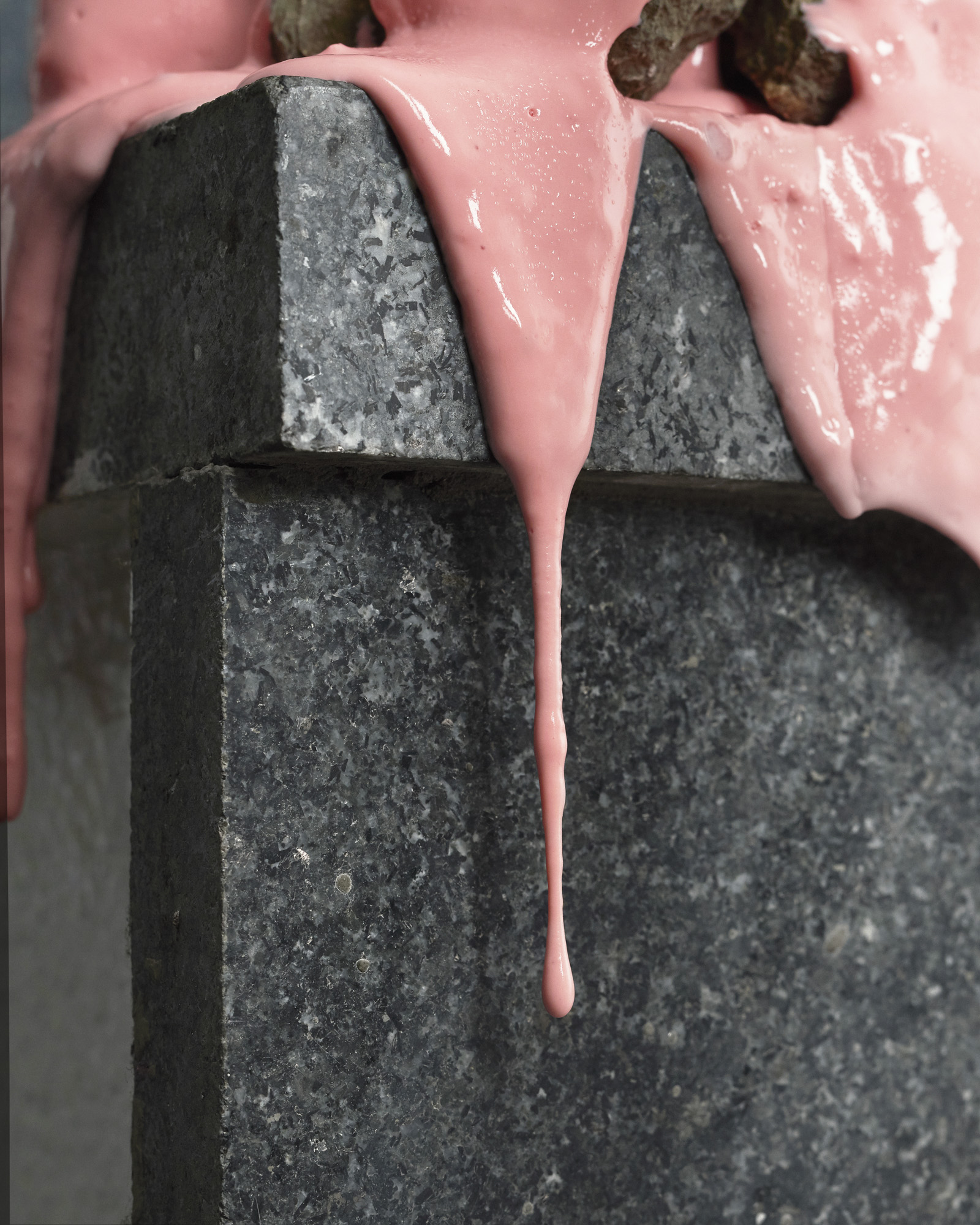
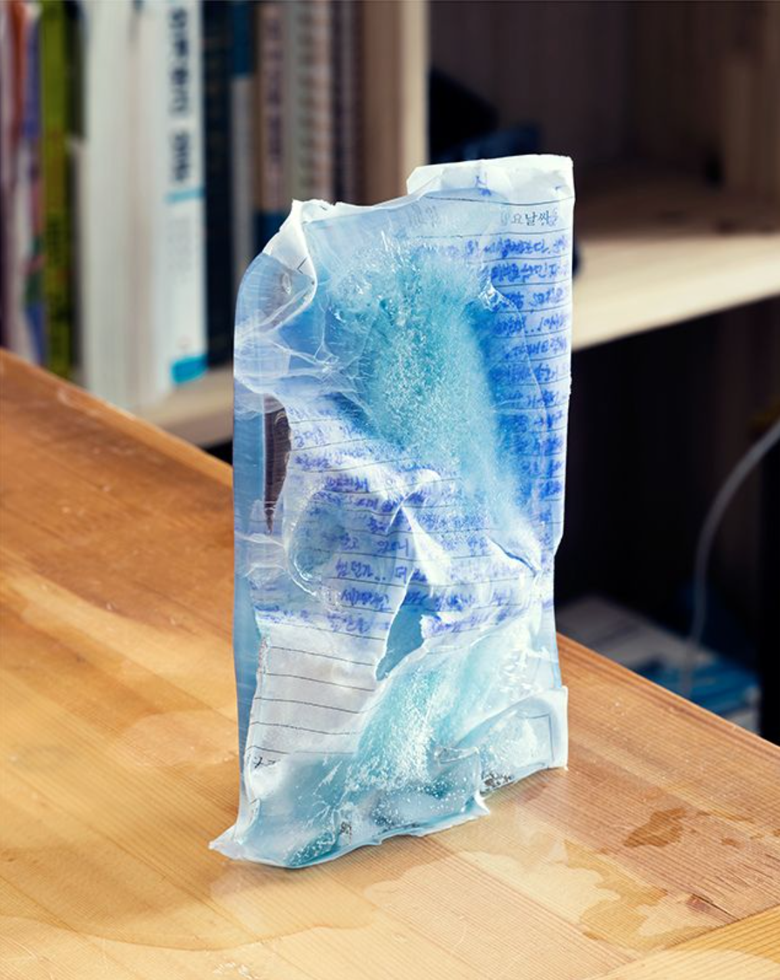
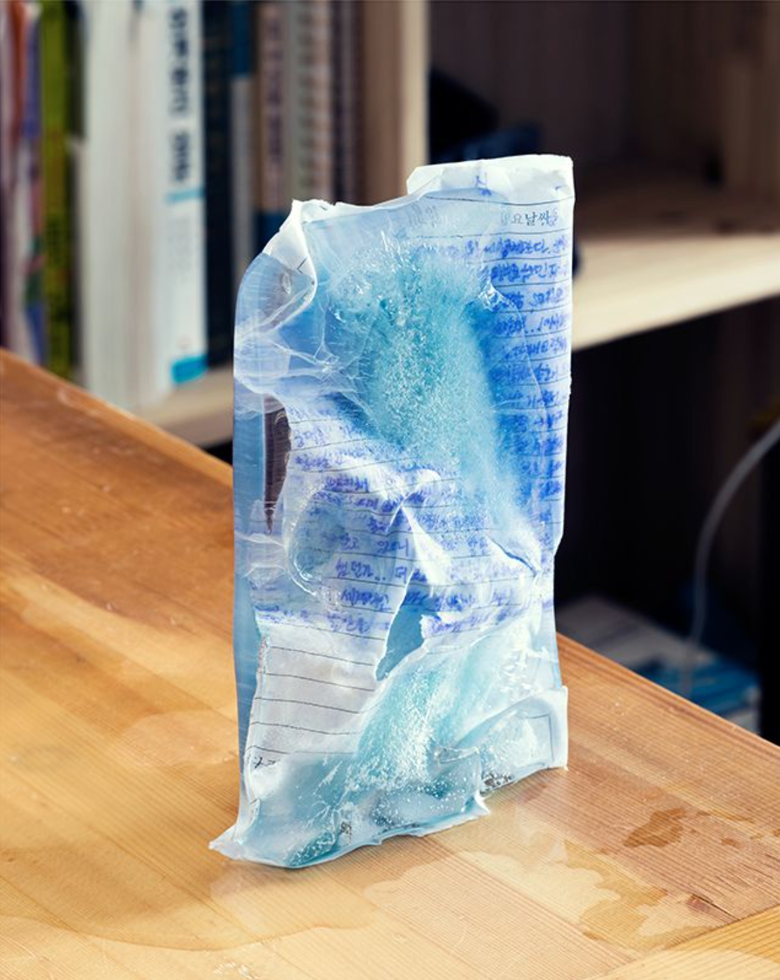
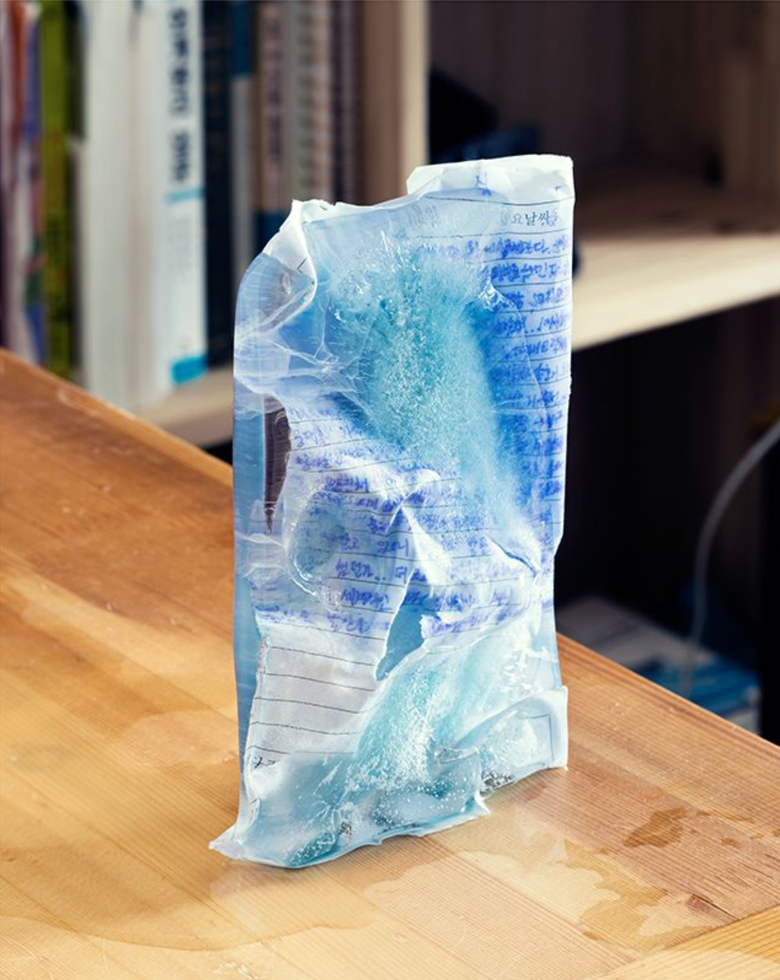
In this way, Jung Youngho’s work asks how one might intervene in the form and logic of technology and, through this, conduct “new experiments” with images. One sensory branching point in this inquiry is his 'Unphotographable Cases' series, which is the result of an irregular and incomplete working method: extracting online experiences of an event or sign as data, converting them into graphs, transforming them again into sculptural forms, physically materializing them with a 3D printer, and then photographing them.
Jung Youngho has said that, rather than “representing, as a crossing, the genealogical boundary” between an event being perceived as an object with an opaque volume in reality and as a flat image, these sculptures leave an afterimage as though one were looking at a material object that has deviated from the two-dimensional images guiding our appreciation or from the three-dimensional physical differences of objects with physical substance.
His work, which feels almost like looking at sculpture, is also a question about the background of the universal way of perceiving the world as image, and about what, indeed, constitutes a clear, clear visual image.
The complex structure of sensation that unfolds in the joining of reality and image comes into contact with the artist’s ontological question, which arises from aesthetic conjunction. The notion that “the room one has experienced is the place photographed, and therefore the place where the photograph exists”—from Vilém Flusser’s Toward a Philosophy of Photography—means that the photographed subject is precisely the place where it is now located.
As in the title “the room one has experienced,” the space existing inside and outside the photograph is captured as the material of the image and, at the same time, is cast and preserved as an object in real space. And here, it is “a time that is not any one thing.”
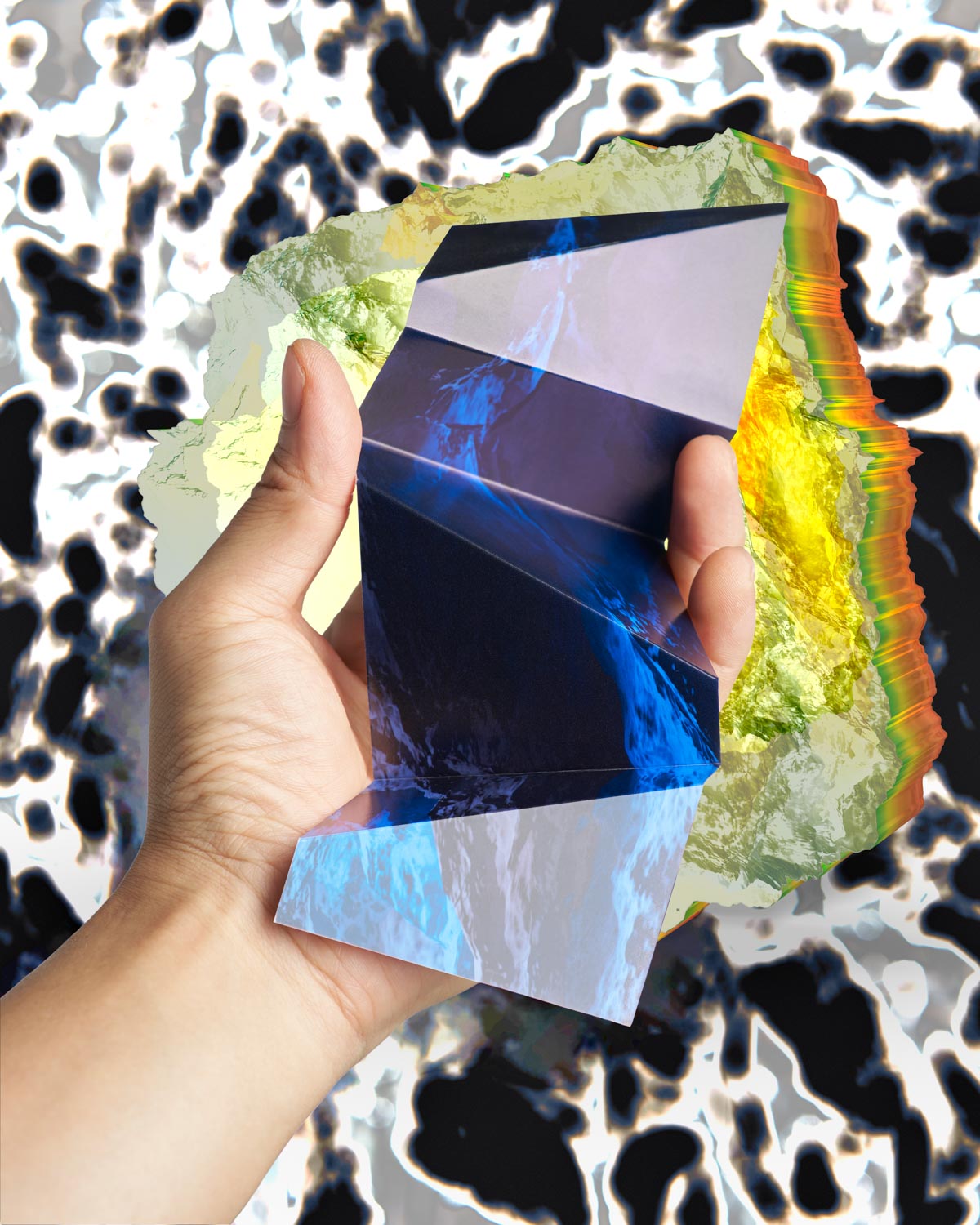
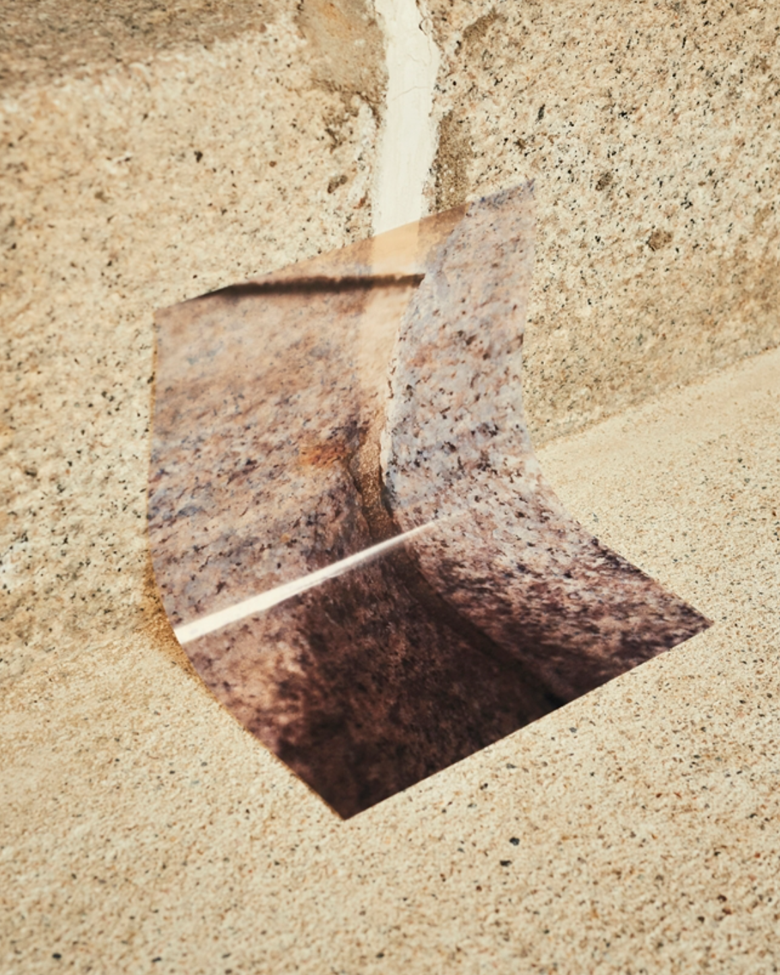
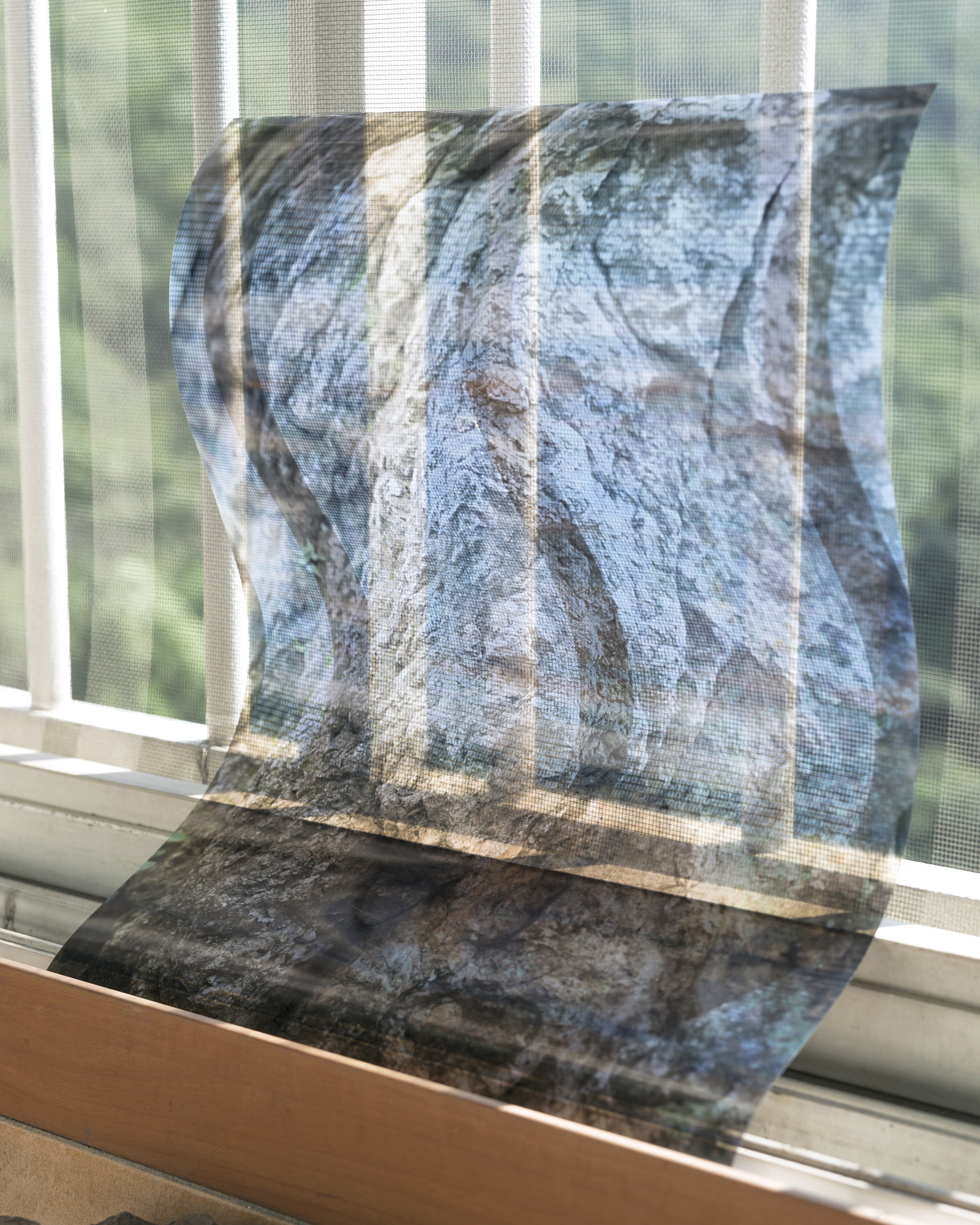
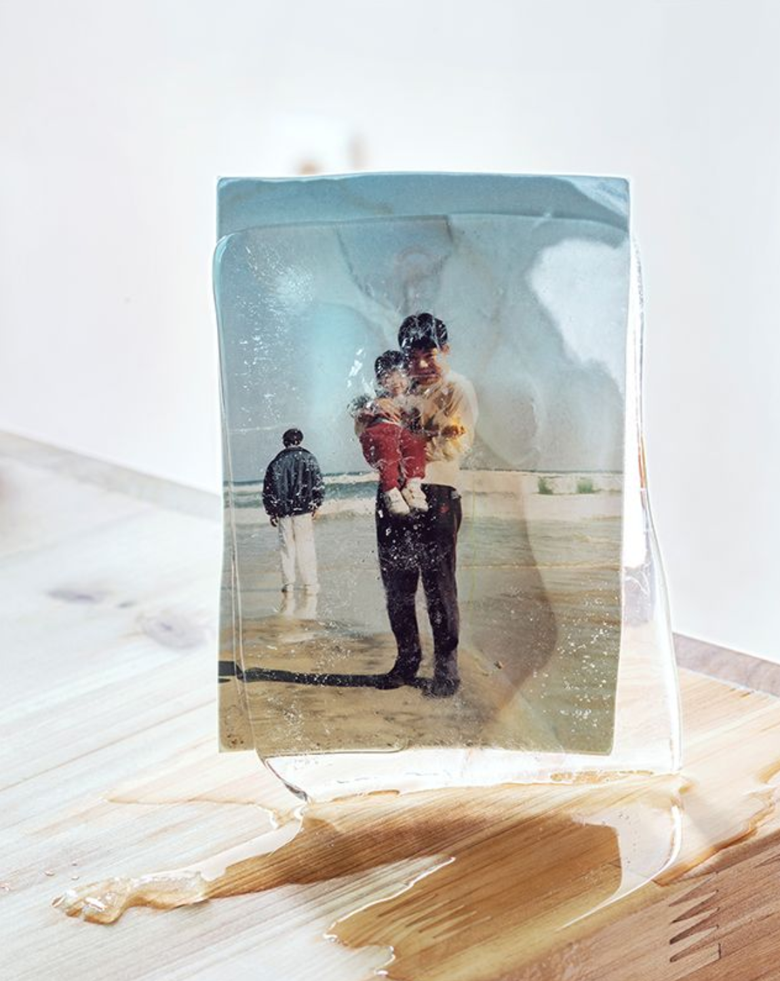
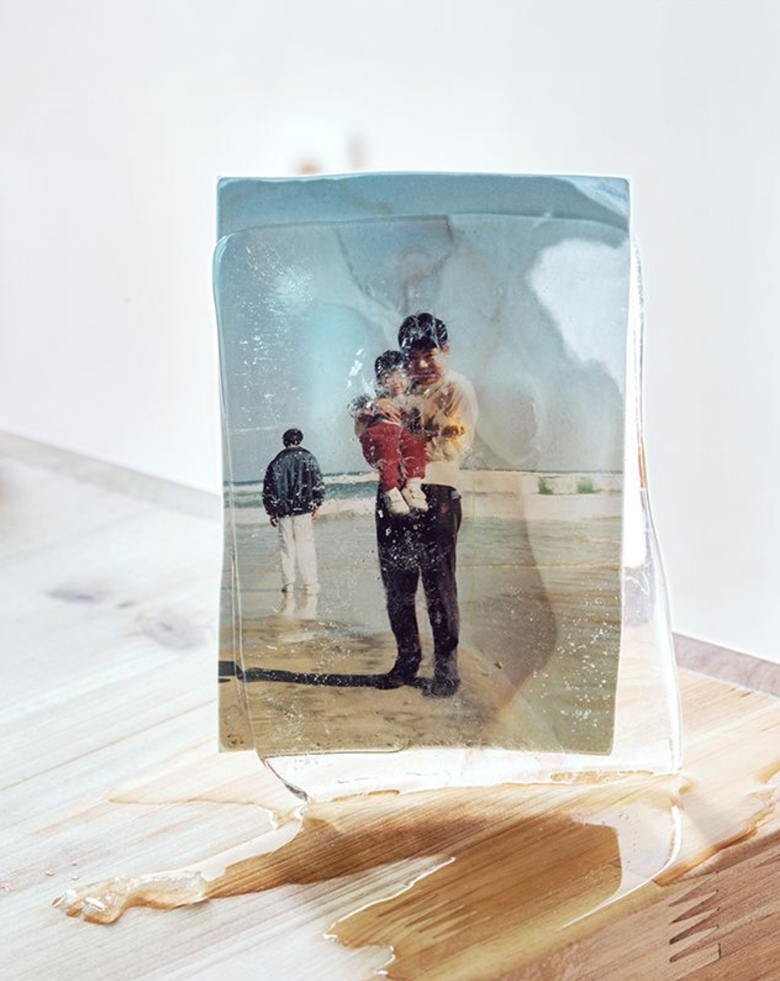
Lee Hyunwoo’s Overlayer symbolically combines images of the changes in the city where he lived with video images that function as indices of those changes, and by projecting them onto photographs, shows the relationship between space and time.
In his photographs, the boundary between sea and land—extending from the artist’s personal sensations and the hidden history of places to ecological and environmental changes through which the sea became land—is placed as something real within the image. His work attends to the boundary between sea and land, that is, to the “movement” of time and space within the image.
The result of Jung Youngho’s 'Unphotographable Cases' series—an irregular and incomplete working method that extracts online experiences of an event or sign as data, converts them into graphs, transforms them again into sculptural forms, physically materializes them with a 3D printer, and then photographs them—seems, in itself, to address the “stifling nature of traditional consideration” regarding photography for the generation of artists in this exhibition after a fundamental “technological change” appeared in the relationship between photography and video.
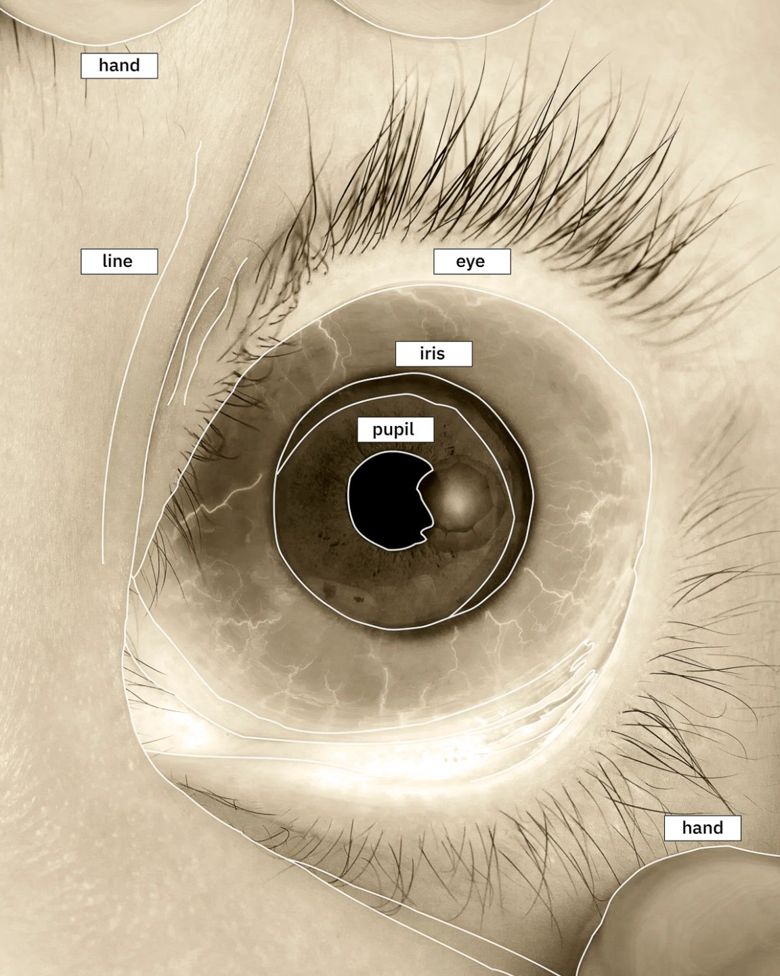
Regardless of whether the object is present or absent, for these artists, “the flatness of the image and the subject are, in the technological structure of themselves, a transformative question mark.” This point begins from the question Jung Sungyoon had while looking head-on, through a monitor, at images taken by an image-searching robot in Territorializing.
In other words, within the category of photography, what is flat and what is three-dimensional? If the flat image taken by the robot is seen as the ground, the dilemma remains as to whether one should erase the concrete form that has been representationally realized, or erase reality itself.
Jung Sungyoon’s Territorializing examines the dynamic relationship that appears between the flatness of information extracted online and time in order to seek an answer to the dilemma of “whether one should erase the concrete form, or erase reality itself.” The deep concern over how something irregular, such as an object or concept, can be photographed approaches direct back pressure through “being represented entirely as an expansion of expressed keywords, physically visualizing that, and photographing it.”
This is then connected to the “hybrid process” of contemporary photography, in which bodily sensation is converted into digital code without passing through an indoor object, with only the eraser removed, intervening between reality and photography.
In this way, the exhibition seems to have the six artists each answer the question “where are we now?” in relation to the medium-specific characteristics of the space and time they experience, posing questions about the “anxiety and solitude” emitted by incomplete and unstable individuals/humans within the process of photography’s medium-specific transformation, and attempting and explaining these “quiet and incomplete individual/human concerns” through their works. What they see is connected to the basic essence of the “infinite variations” produced by media within today’s technological environment.
Photography is “a visual apparatus more complex and sensitive than any other medium,” and it requires ontological reflection distinctive to its “mode of representing time and space.” This is something that “anyone” comes into contact with, and also a critical awareness that one must inevitably undergo; in itself, it can also be said to be close to a “solid camera.”
In 《Where Are We Now?》, beyond a consideration of the medium-specific characteristics of photography, viewers can observe the present of the generation called “we.” Although these artists imperfectly represent “reality,” they attempt and explain through their works that quiet and incomplete “individual/human question” that remains our only hope.
They see the “occurrence” of photography, even “within today’s technological environment,” as beginning from a lack in the body and mind, and as being connected to the essence of a medium that gives rise to “infinite variations.”