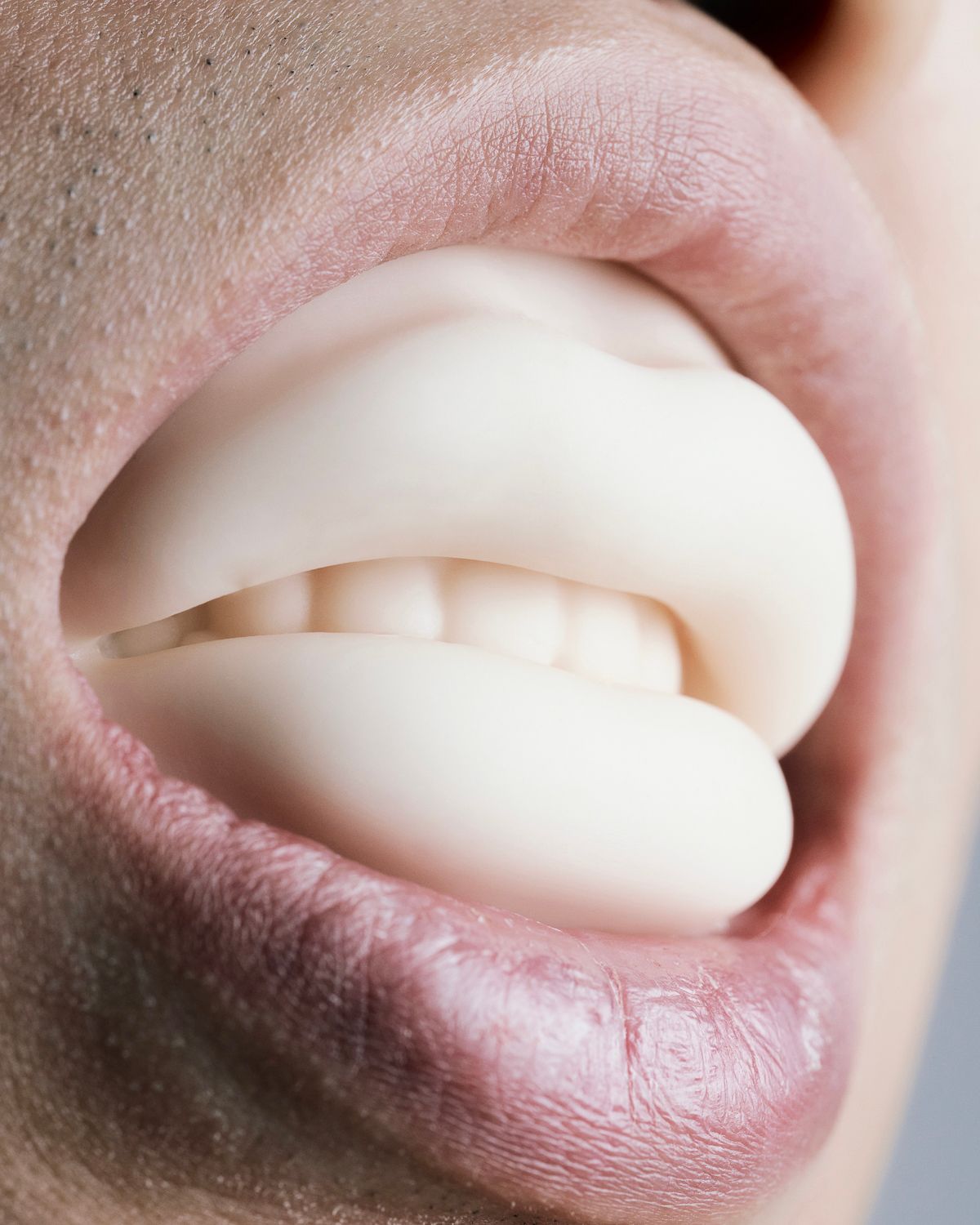
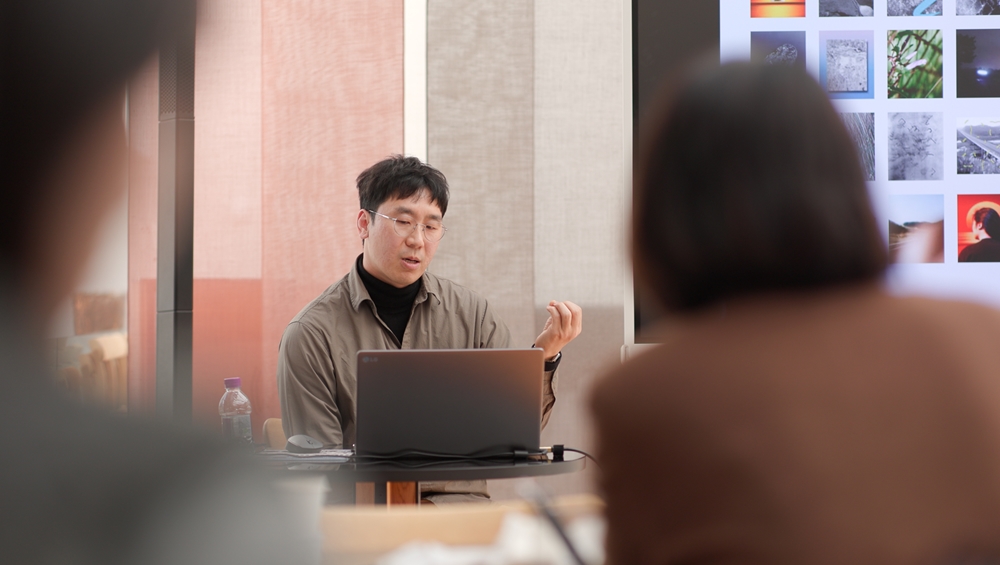
Yun Taejun (b. 1987) has employed photography as a tool for reconfiguring the ways bodies and objects are perceived, exploring the gap between materiality and immateriality. Attentive to how advances in optical technologies are transforming modes of perception, he proposes new sensory experiences that connect physical reality and the digital world through his work.

Yun Taejun’s work begins with an examination of how the relationship between the body and objects has evolved alongside the development of photographic technology.
 
While objects were once perceived primarily through direct bodily experience, today media such as photography and digital screens increasingly mediate the process of perception, expanding the layers of experience and redefining the relationship between objects and the body.
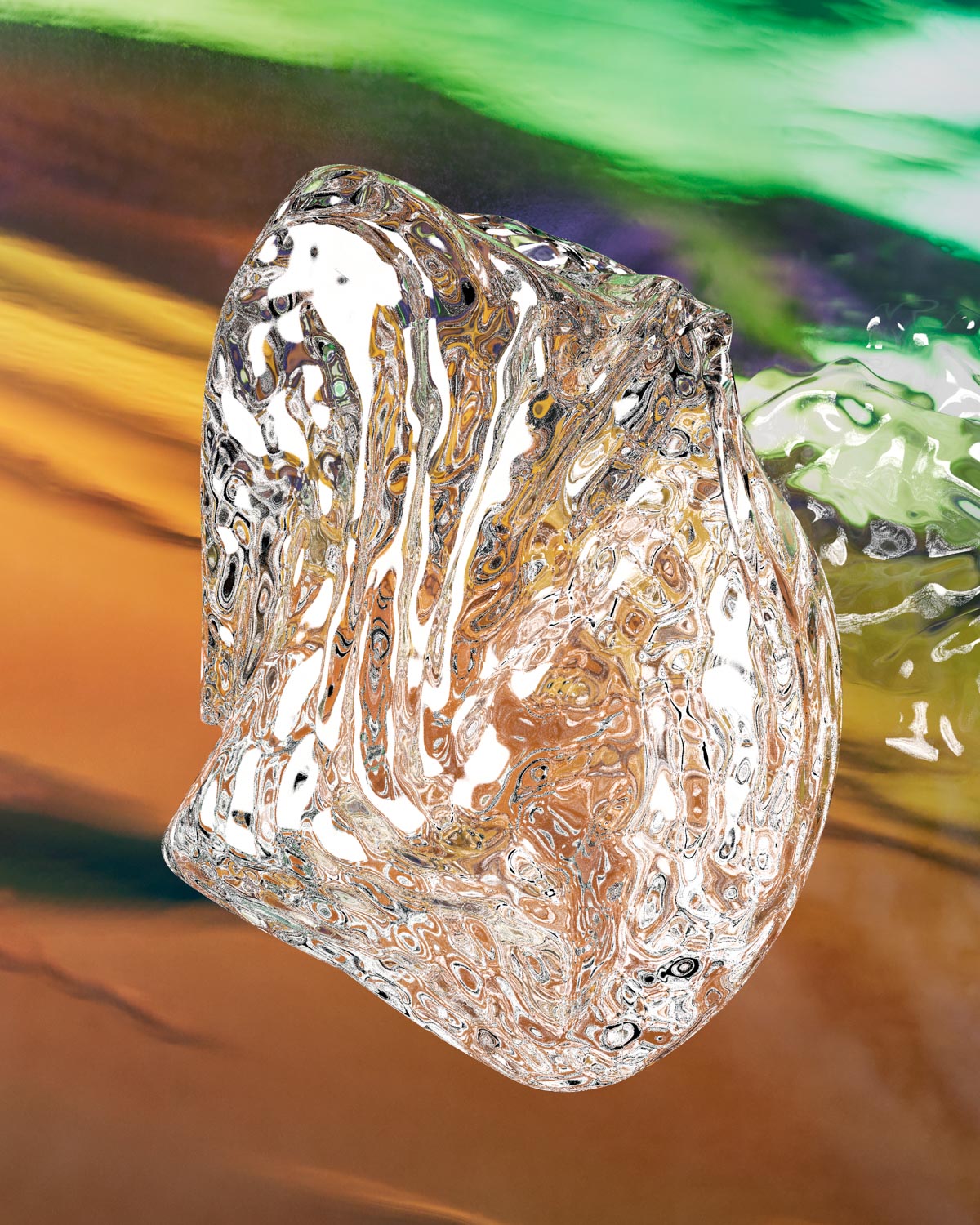
Accordingly, the artist regards photography not merely as a tool for representing reality, but as a transformative apparatus that blends and alters objects and bodily sensations.
 
Drawing on photography’s ability to transform objects into data and then render them perceptible once again as material presences, Yun Taejun’s work blurs the physical boundaries between objects and the body.
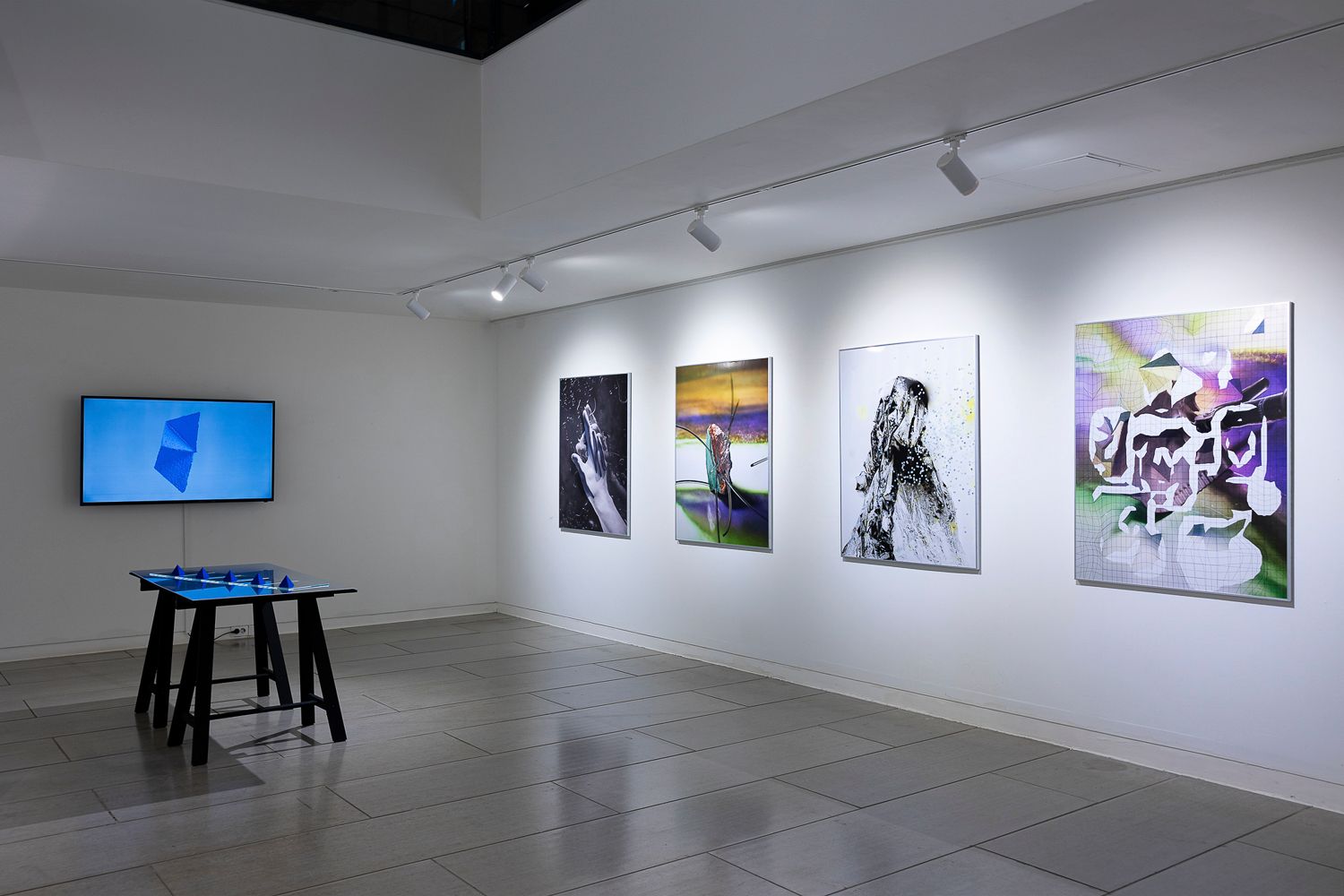
 
Within digital environments, his practice reveals the body’s fragility, softness, and apparent freedom from gravity, while prompting viewers to imagine new forms of physicality and alternative material conditions.


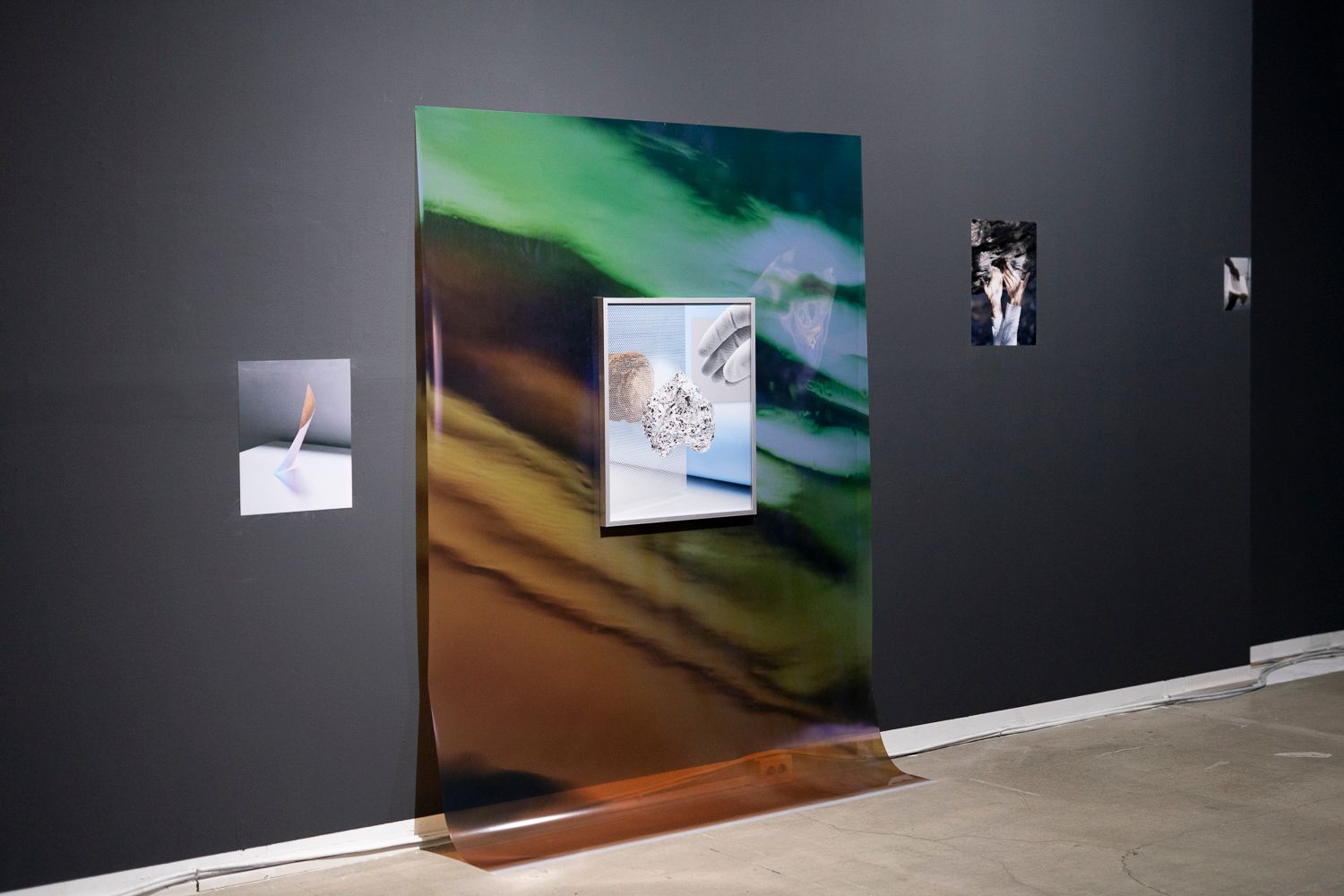
Installation view of 《Spaceless + 60 Photobooks》 at the Swiss Pavilion, the 14th Gwangju Biennale. © Yun Taejun

Building on this perspective, Yun Taejun’s practice explores the gap that emerges between the seamless representational capacity of digital media and the materiality of the physical world.
 
Through the intersection of bodily sensation and data, as well as traditional objects and contemporary modes of representation, he experimentally expands both the possibilities and limitations of photography.
 
His work engages in processes of visual transformation and reinterpretation through photography, objects, digital screens, and a variety of print-based media.

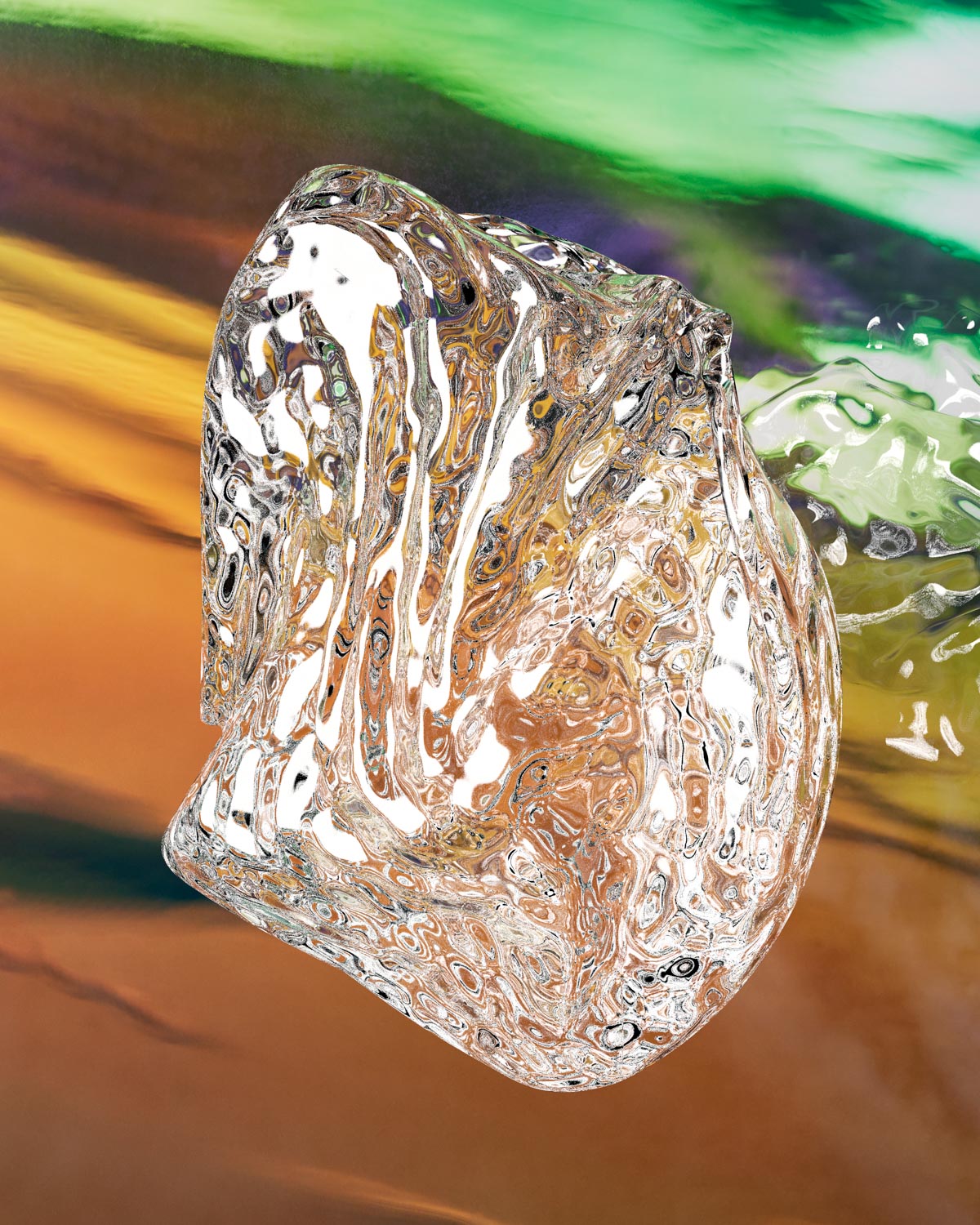
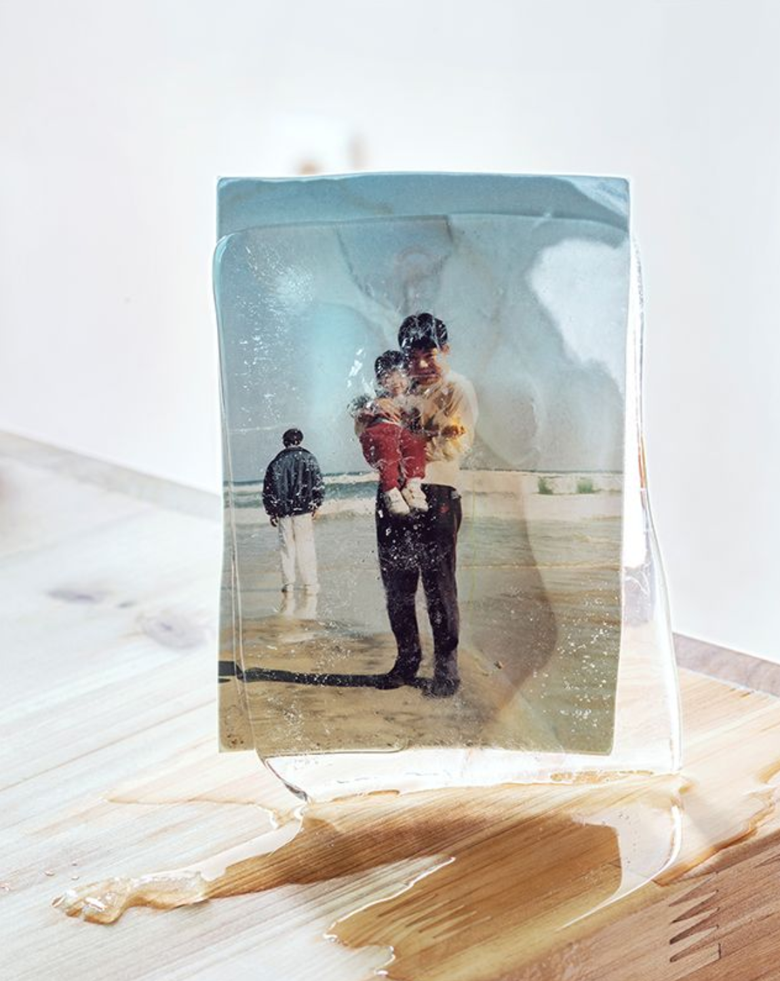
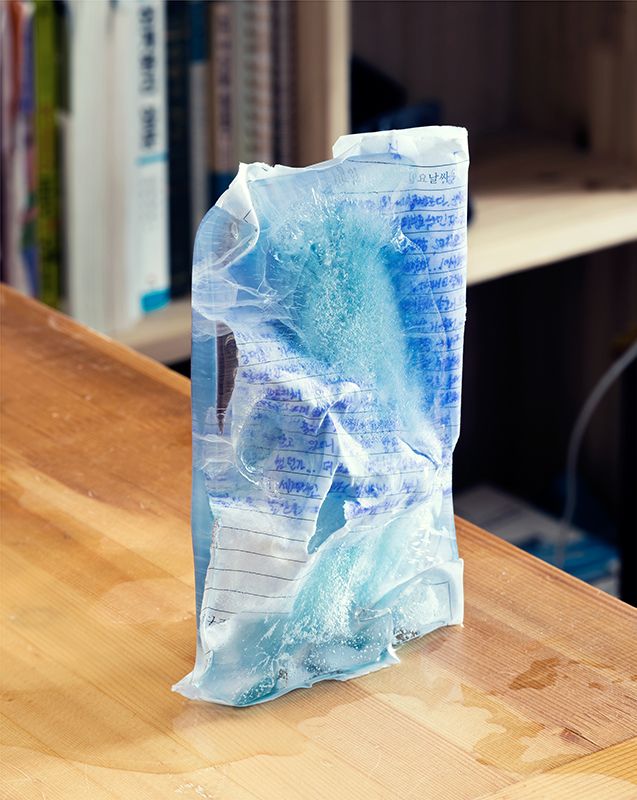
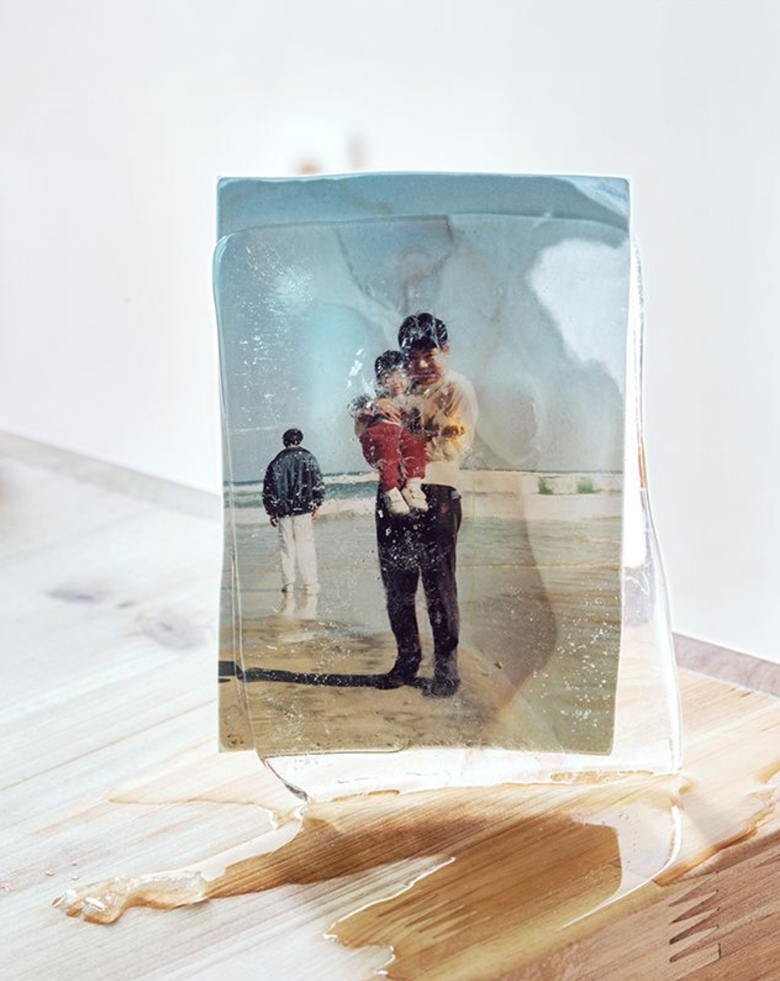
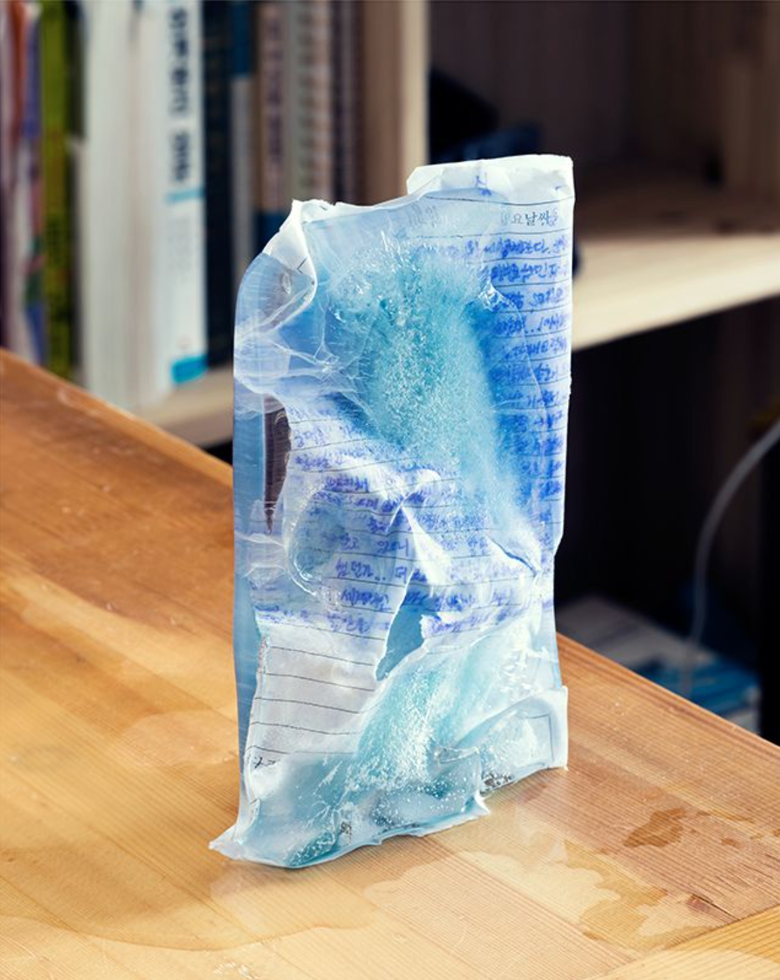
Yun Taejun, Weight of Remorse #03, 2014, Print on paper, Dimensions variable © Yun Taejun

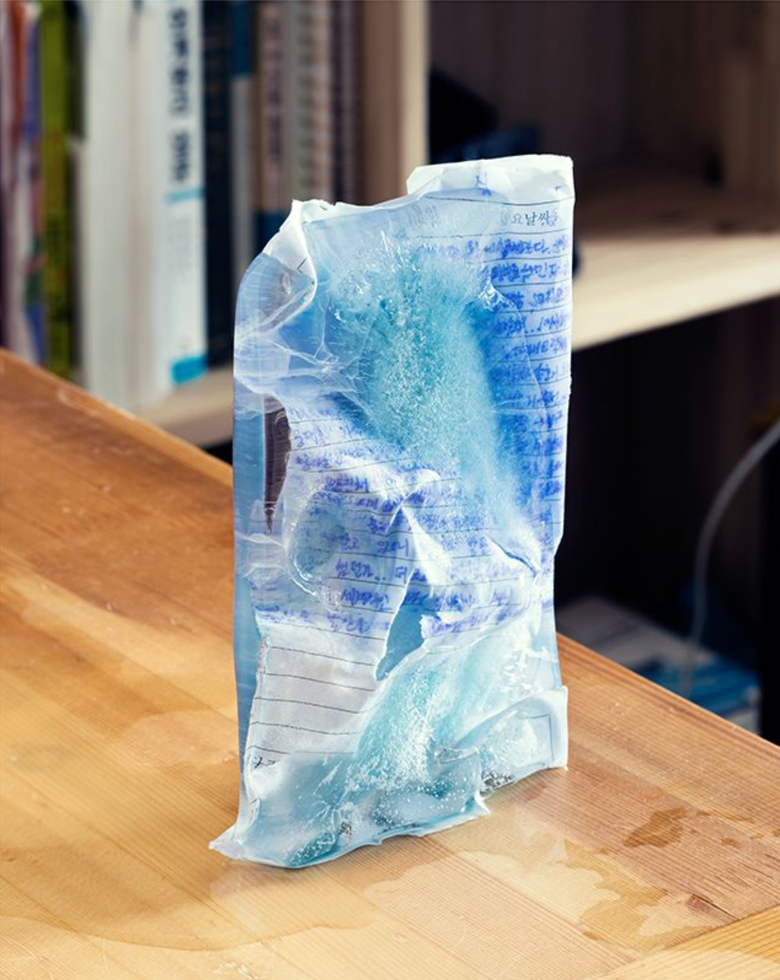
Meanwhile, Yun Taejun’s early series ‘Weight of Remorse’ (2013–2014) explores memory and time through the medium of photography.
 
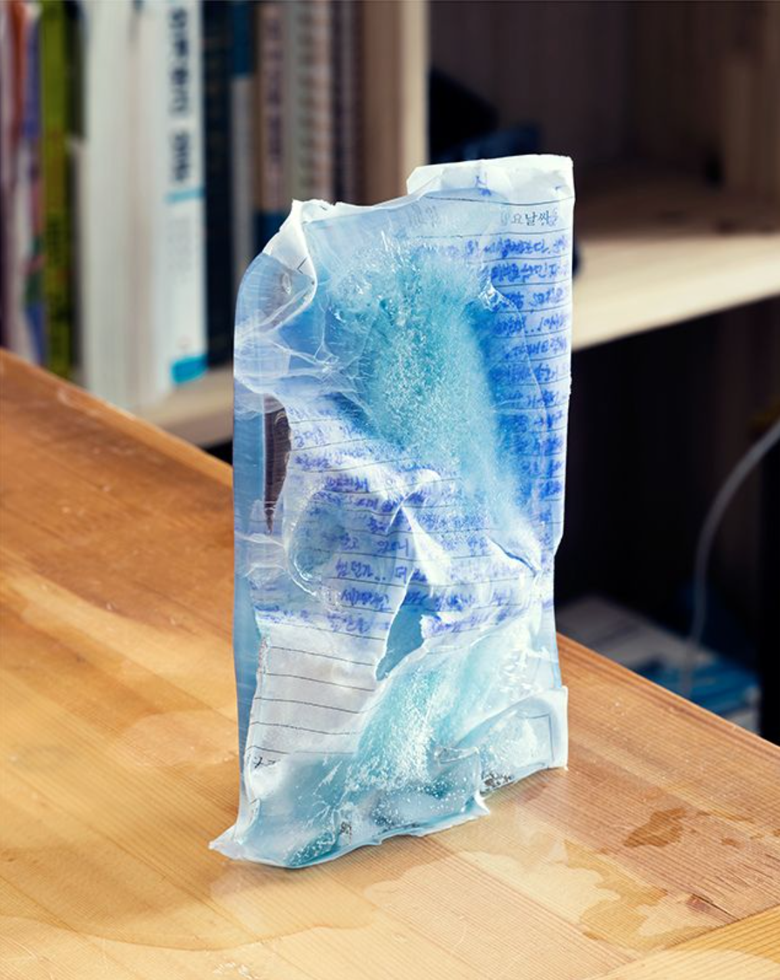
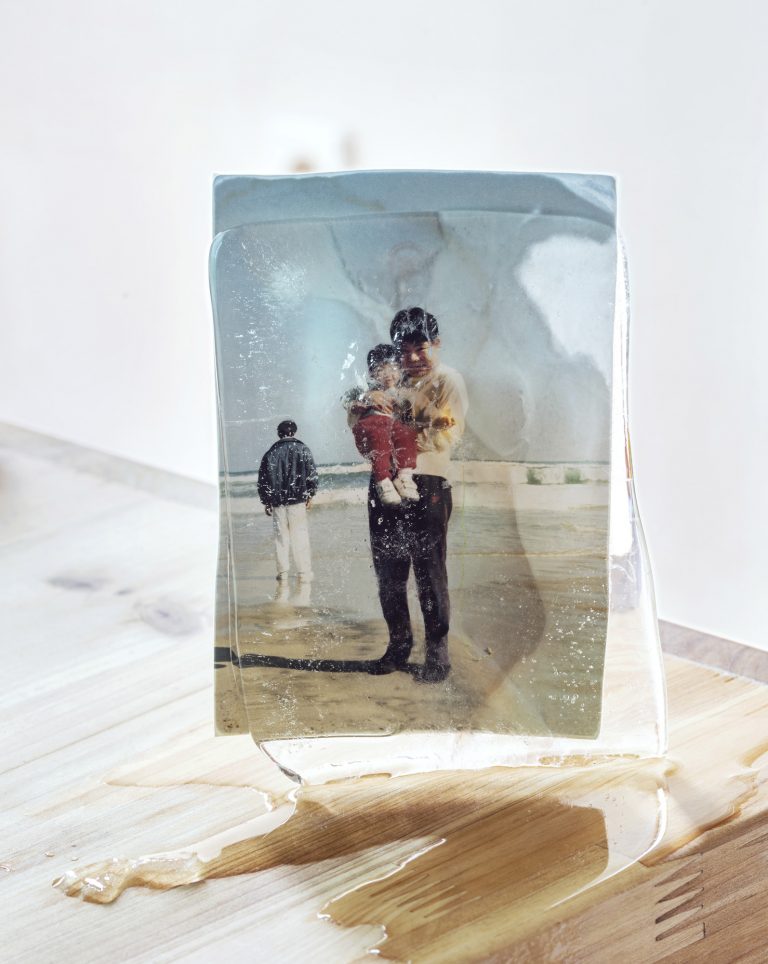
Drawing on photography’s ability to capture a fleeting moment and suspend it within a frame, the artist encased objects associated with significant memories in blocks of ice, freezing and preserving them as though arresting time itself.


Yun Taejun, Weight of Remorse #11, 2014, Print on paper, Dimensions variable © Yun Taejun

However, ice, as an imperfect storage medium, alters and transforms the original form of the objects it contains through repeated cycles of freezing and thawing. The changing appearance of these objects within the ice visualizes the nature of memory as something that moves with the passage of time and is continually reshaped and reconstructed.
 
The artist views memories of the past not as fixed within a particular moment, but as living entities that continue to evolve within the flow of time. In this sense, ‘Weight of Remorse’ serves as an expression of memories that remain alive within the artist, constantly shifting and in flux.


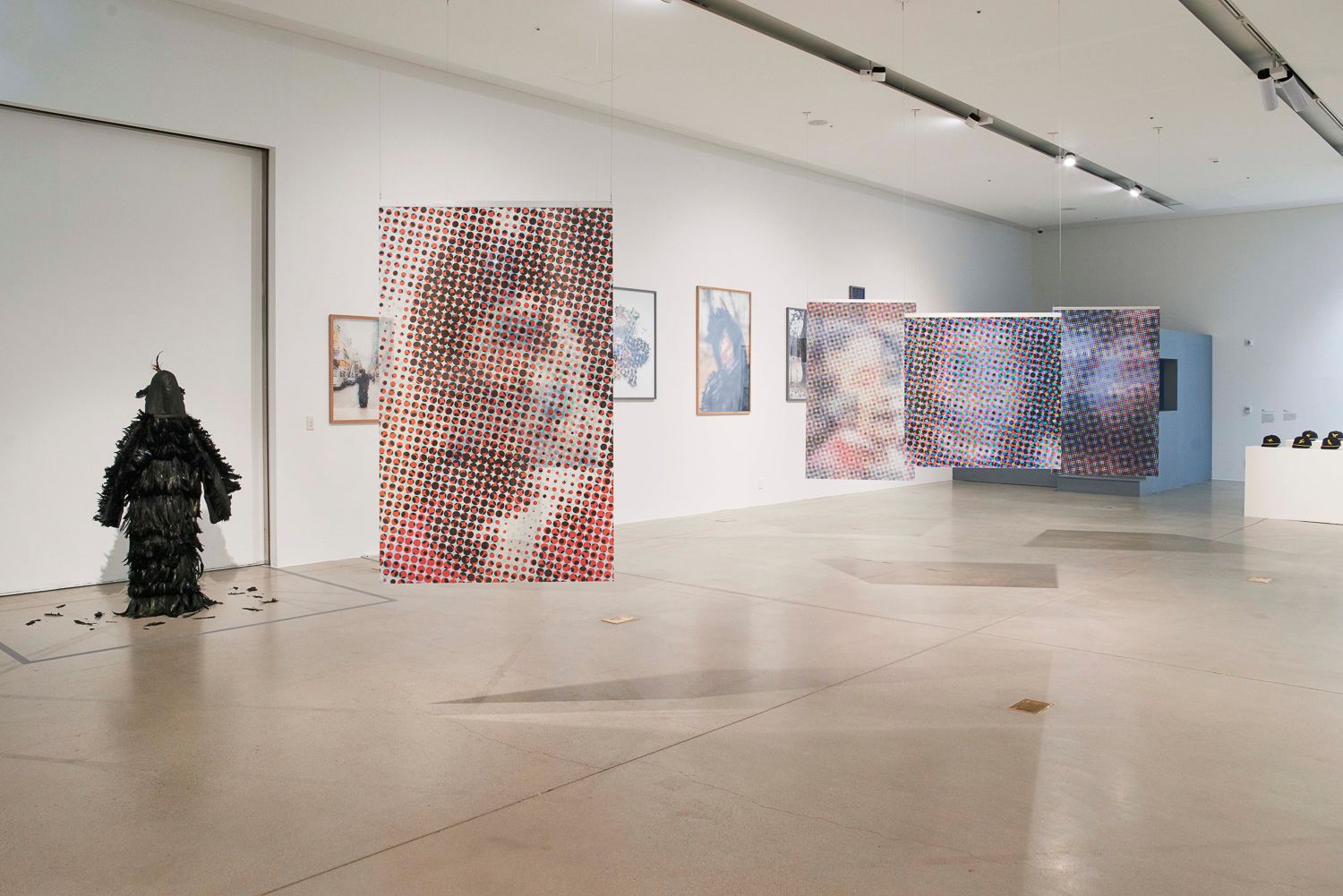
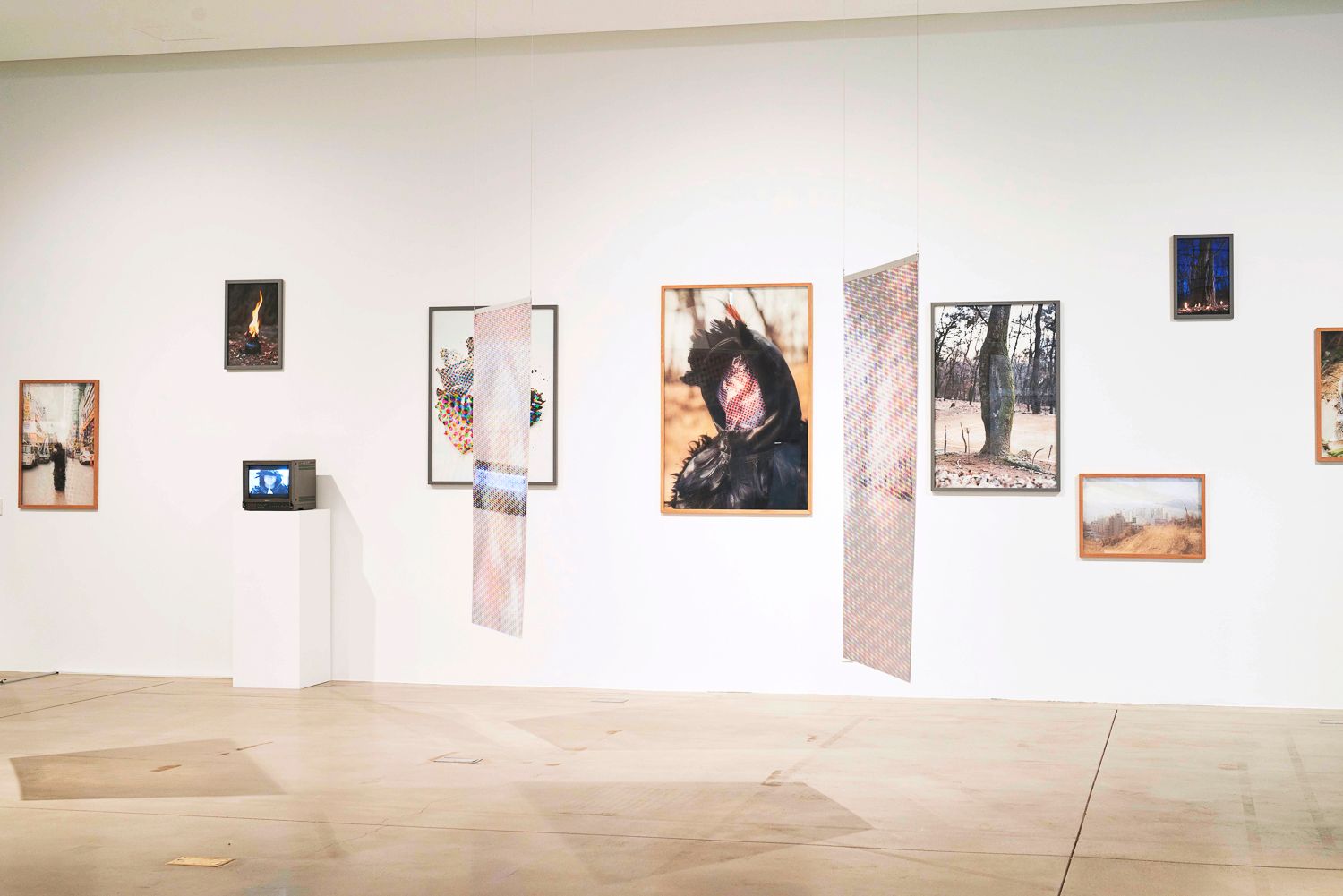
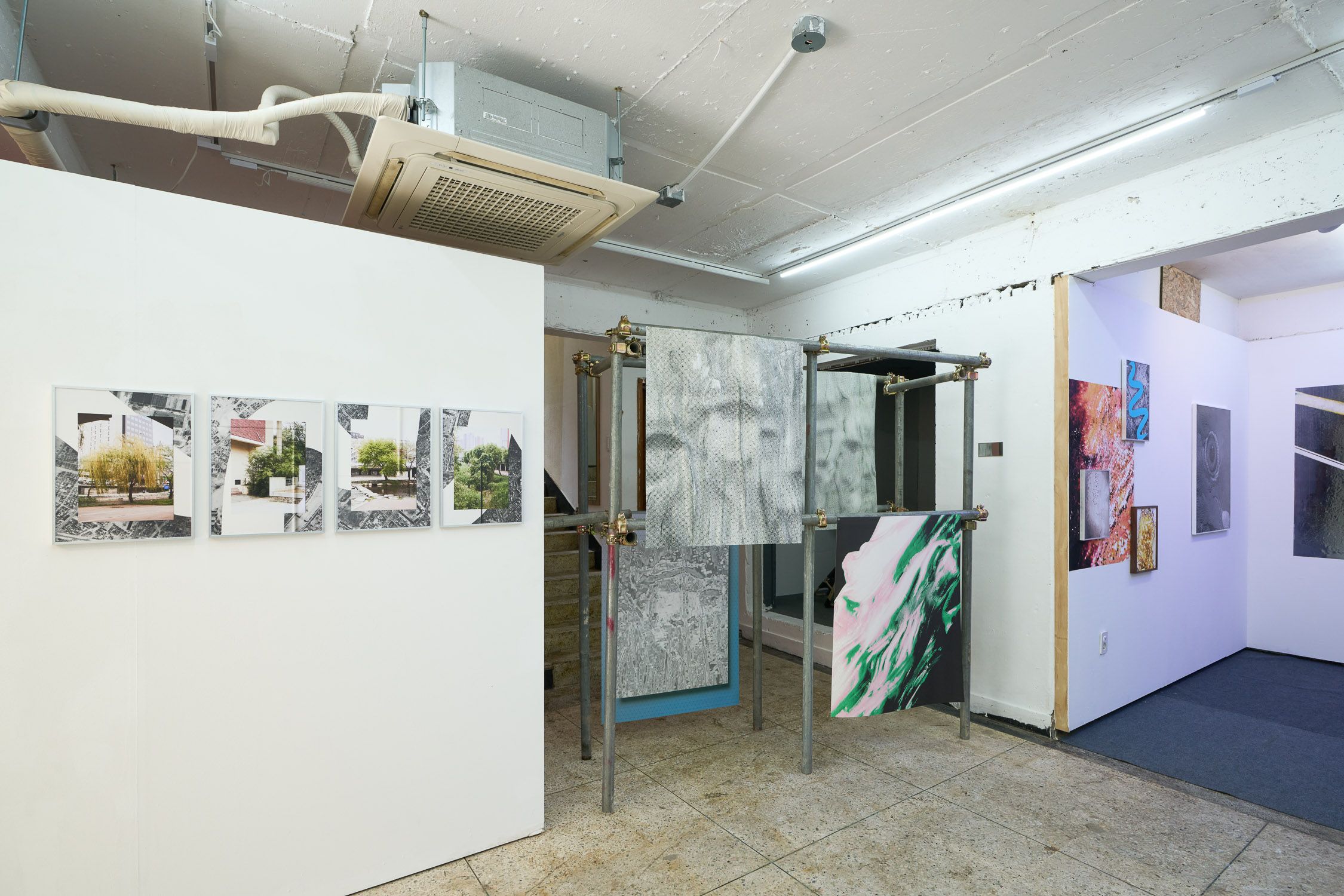
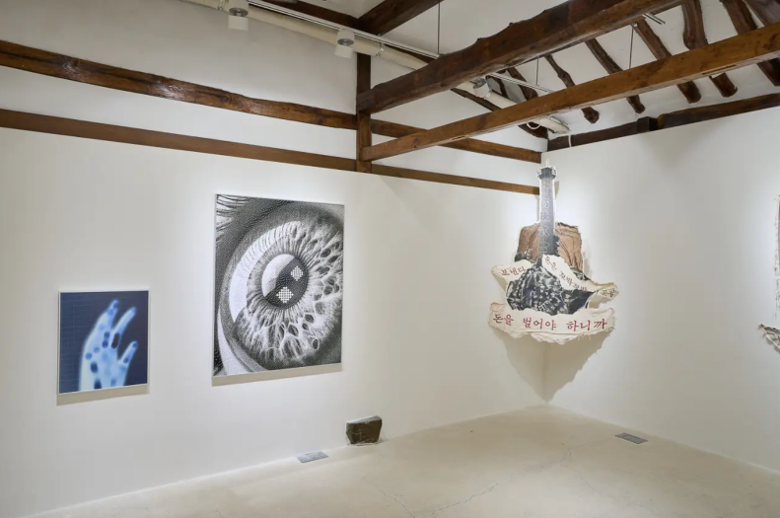
Yun Taejun, ‘Illusion Stair’ Series, 2017. Installation view of 《2017 Community Art: Annyeonghaseyo》 (Buk-Seoul Museum of Art, 2017) © Yun Taejun

Subsequently, Yun Taejun expanded his practice by reflecting on the fluid and mutable nature of memory, as well as the intertwined truthfulness and fictionality of photography.

For example, in his 2017 series ‘Illusion Stair,’ the artist investigated the historical context of the mountains surrounding Seongbuk District 5 and archival materials related to Choansan Mountain. 

Through this research, he became particularly interested in the mountain’s unique history, where the graves of middle-class officials, eunuchs, and commoners coexist. He also discovered a local tradition in which rituals were performed at hollows formed in the trunks of old ginkgo trees on Choansan.


Yun Taejun, ‘Illusion Stair’ Series, 2017. Installation view of 《2017 Community Art: Annyeonghaseyo》 (Buk-Seoul Museum of Art, 2017) © Yun Taejun

Based on this research, the artist reinterpreted the historical figures found in archival records as “vanished beings” and natural elements as spiritual entities. He conceived a consolatory performance in which rituals would summon these figures from the past into the present.
 
Extending this idea to the contemporary city, he represented forgotten or marginalized presences through halftone images resembling soap bubbles, evoking those who have faded from visibility yet continue to linger within the social landscape.
 
By translating non-existent or absent subjects into tangible objects with physical form, the work blurs the boundaries between past and present, reality and illusion, presence and absence.


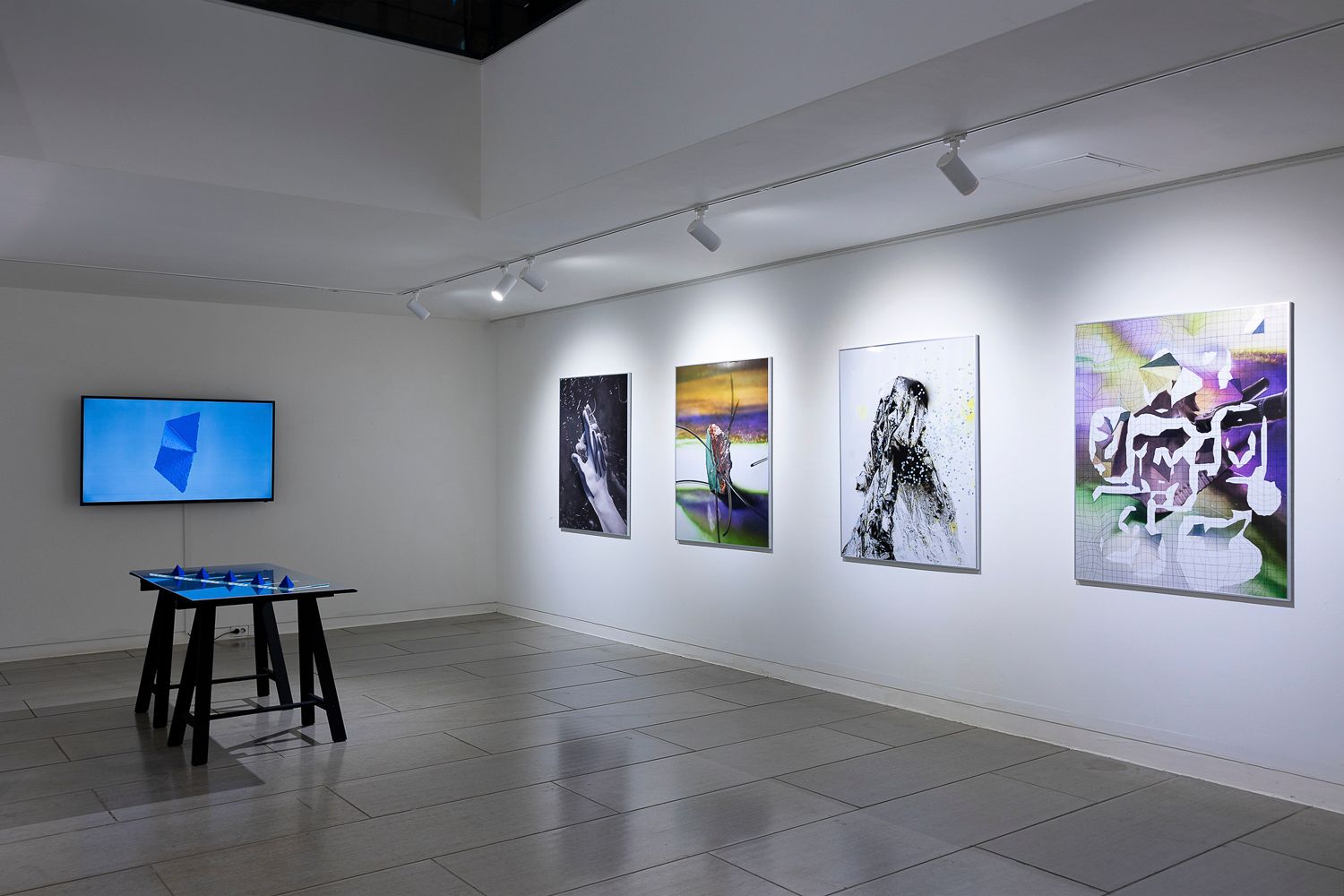
Yun Taejun, ‘Low, Quickdraw’ Series, 2019-2020. Installation view of 《Interro-gative Sentence》 (CAN Foundation, 2020) © Yun Taejun

Beginning in 2019, Yun Taejun’s practice increasingly explored the convergence of photography and digital technology. Whereas conventional photography transformed three-dimensional objects into two-dimensional images, stripping away their individual material qualities and leaving only visual information, digital technologies further dismantle the inherent properties of matter through processes of compositing, extraction, simulation, and transformation.

This shift toward digital media prompted the artist to question the reality of representation itself. Within digital environments, concepts such as originality, permanence, and immutability are no longer stable or self-evident.


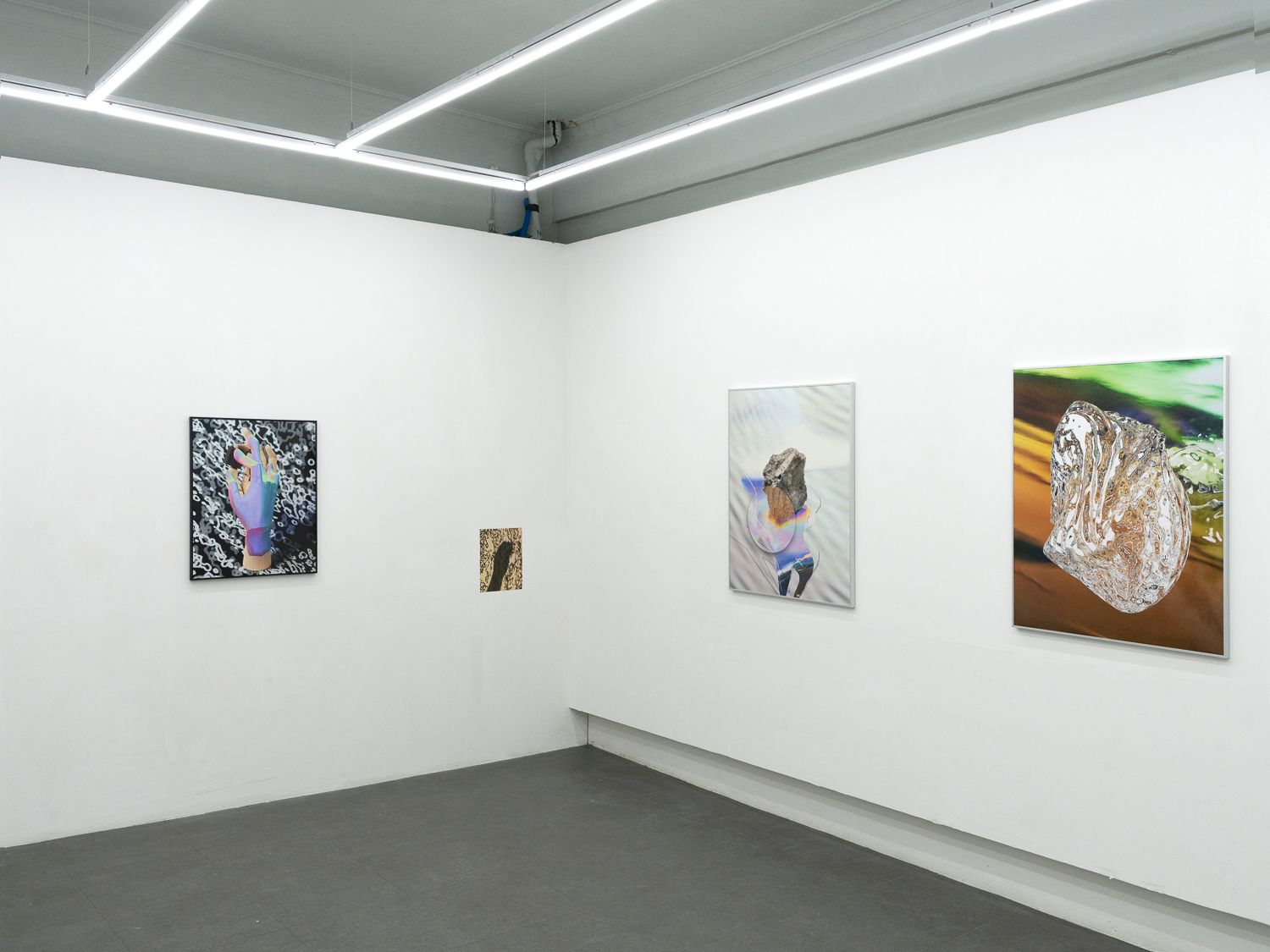
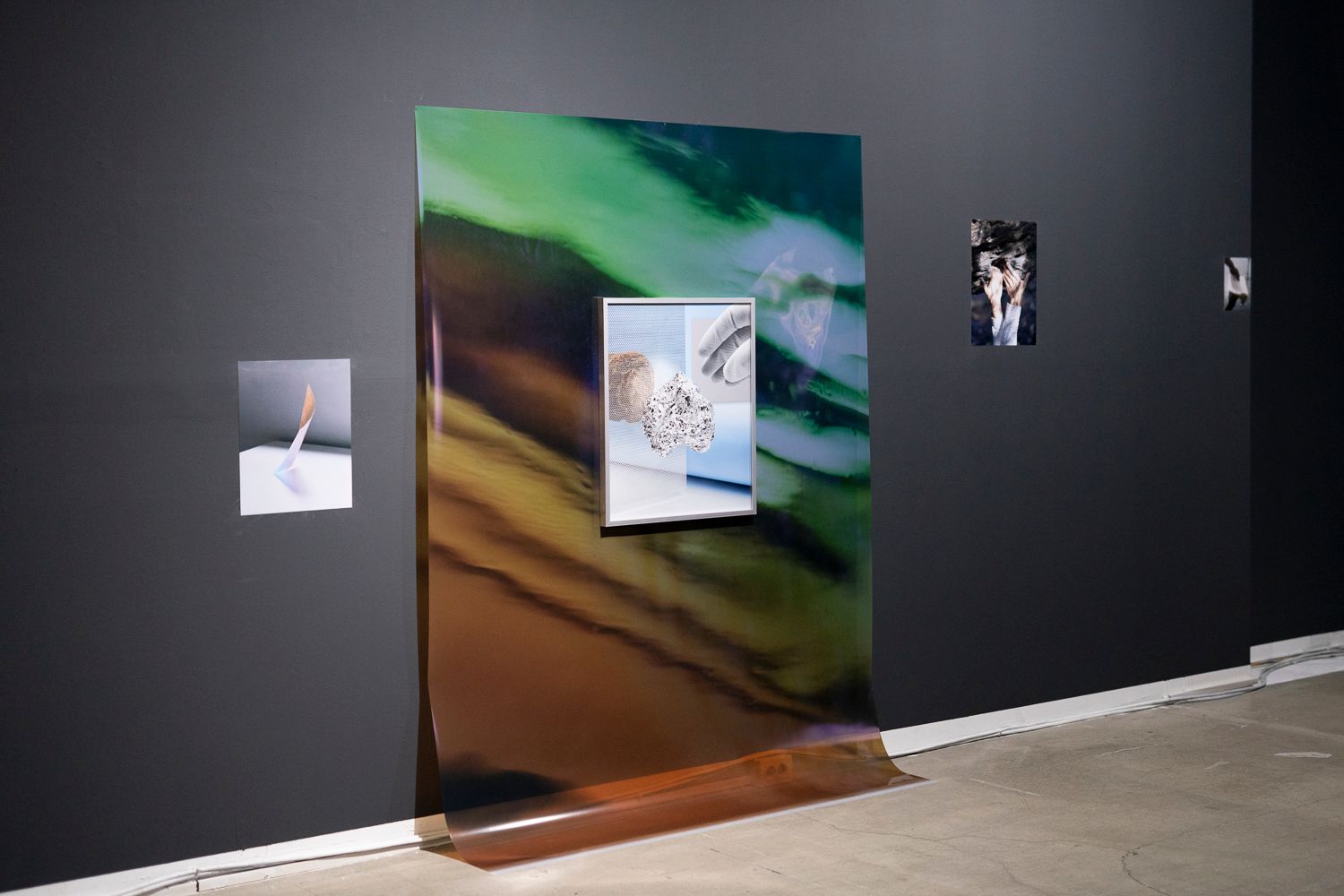
Installation view of 《Middle Turn》 (Space X Shift, 2021) © Yun Taejun

Reflecting on photography in the age of “post-photography” ushered in by digital technology, Yun Taejun began to conceive works that connect two seemingly disparate realms: the physical and the digital, materiality and sensation.

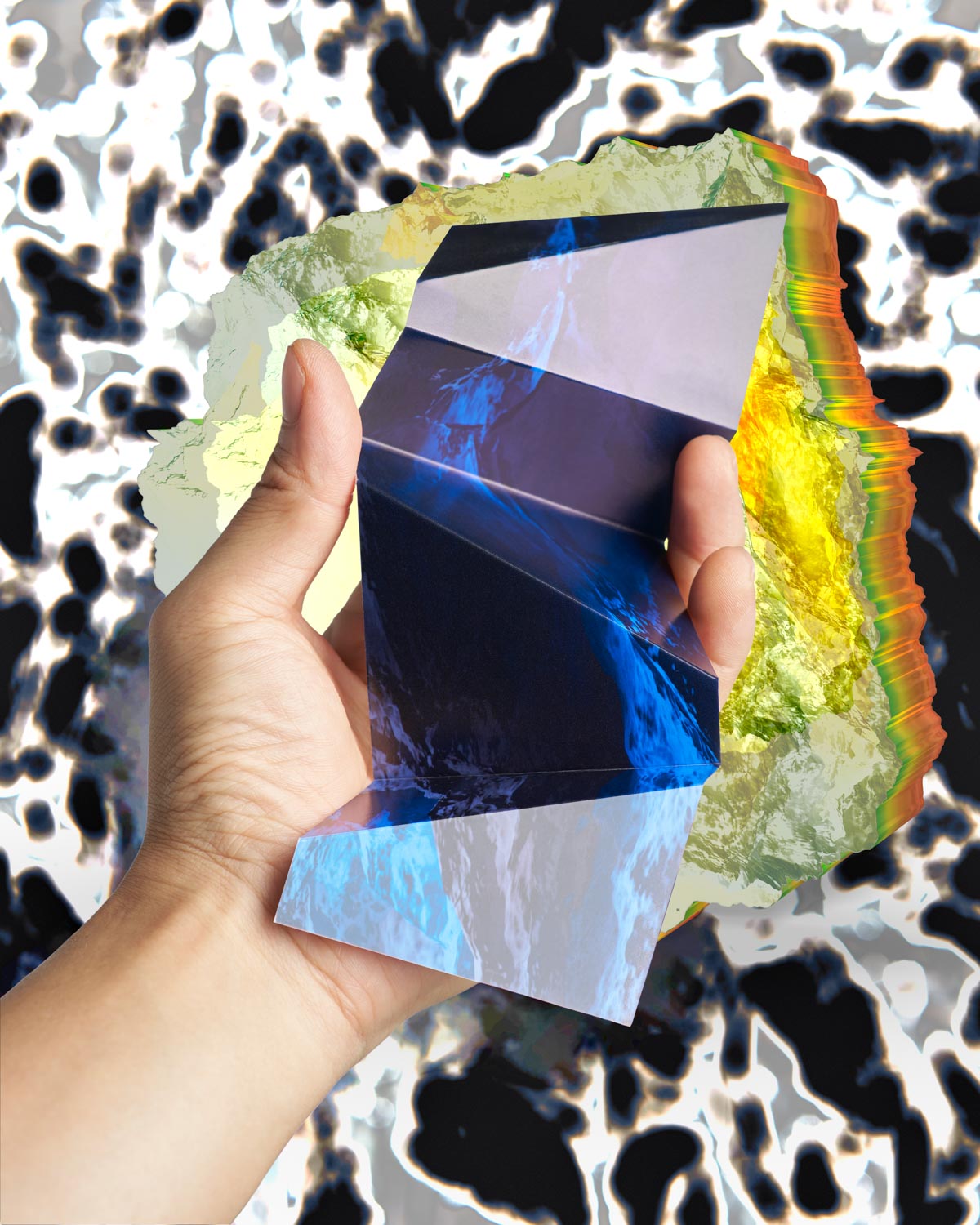
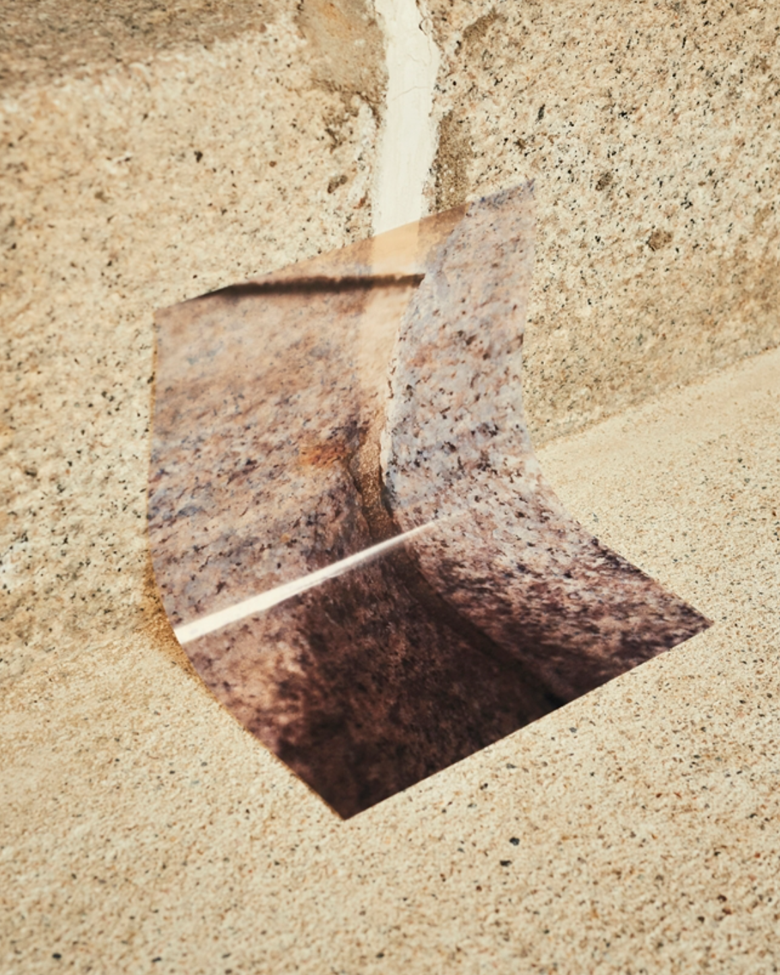
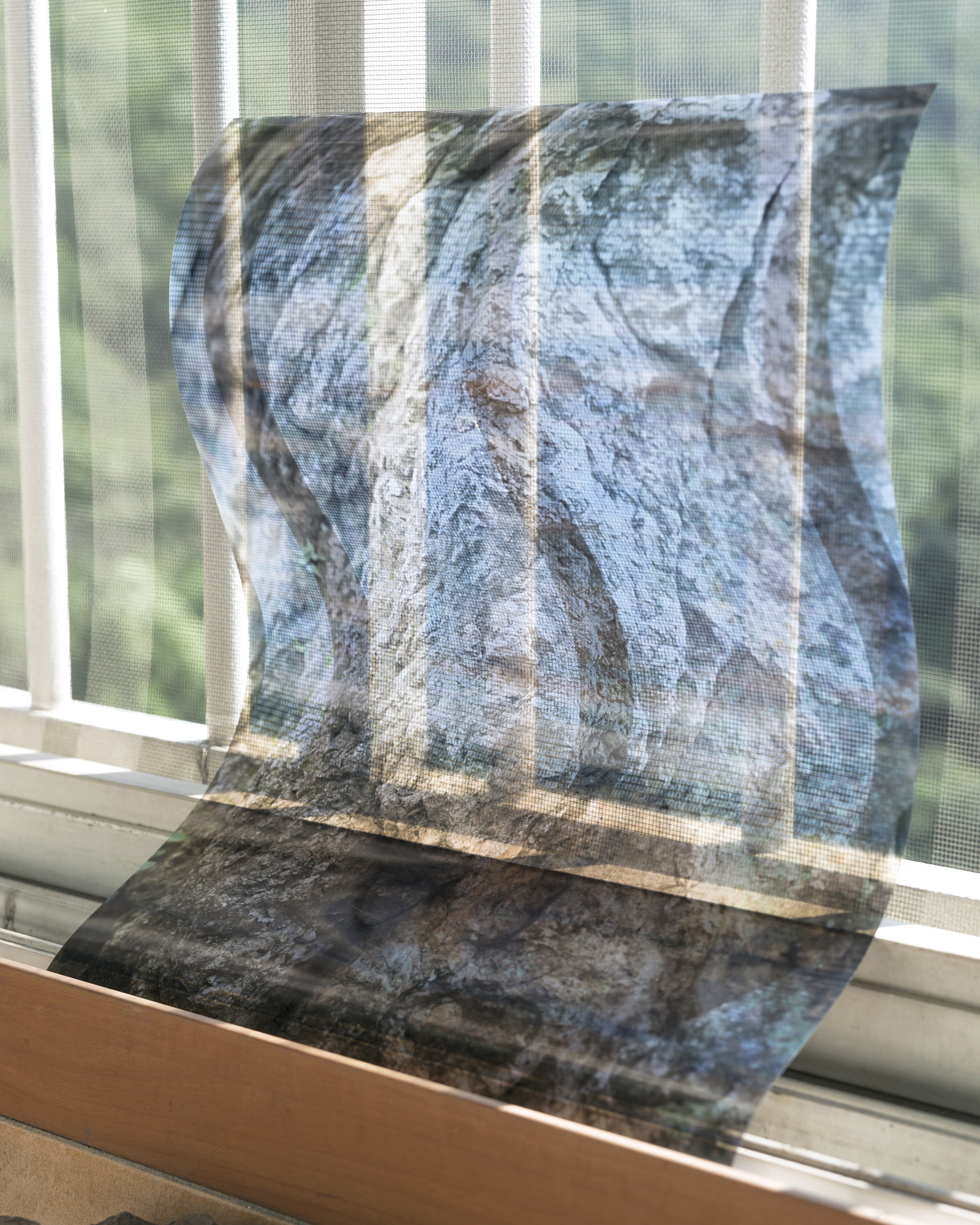
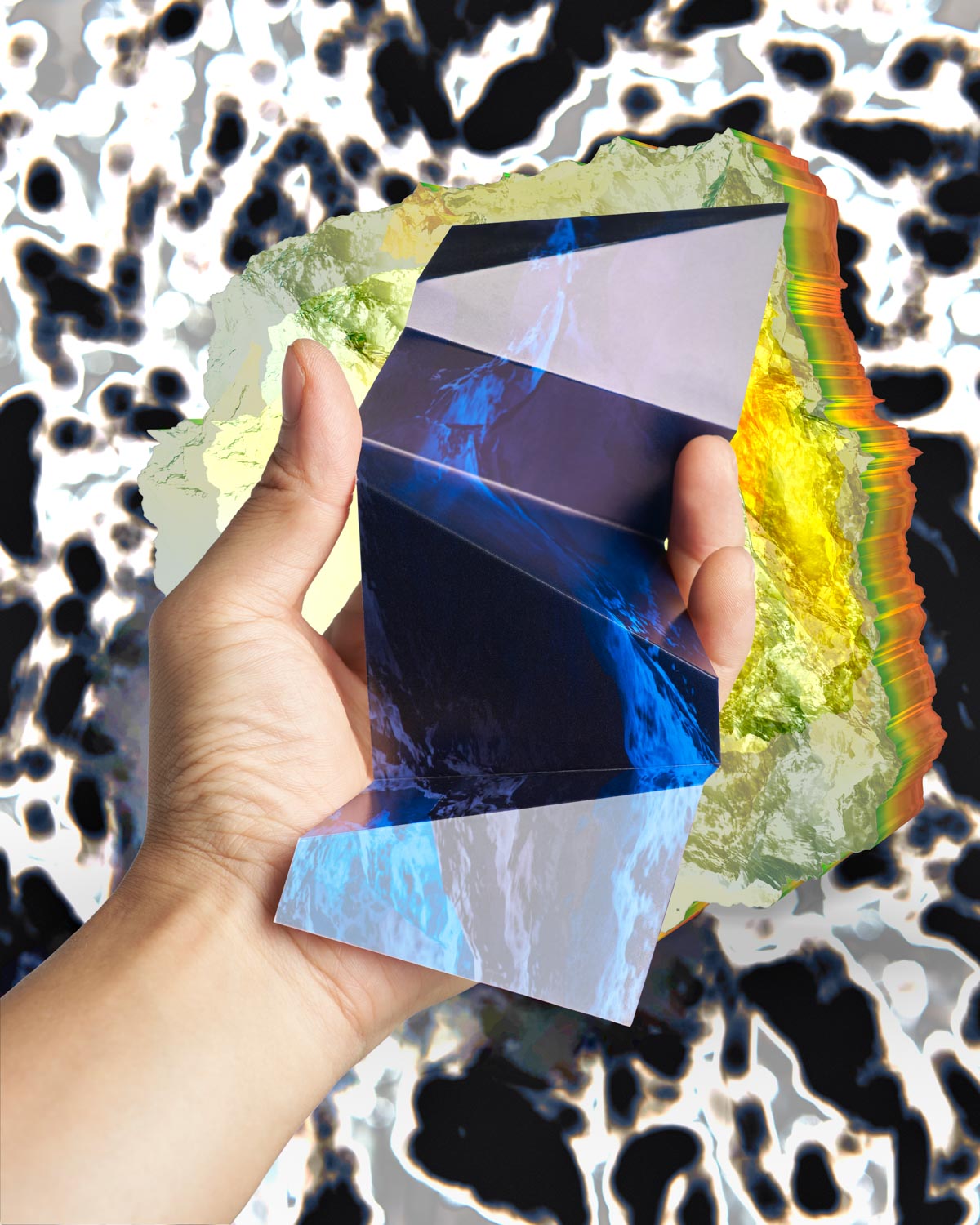
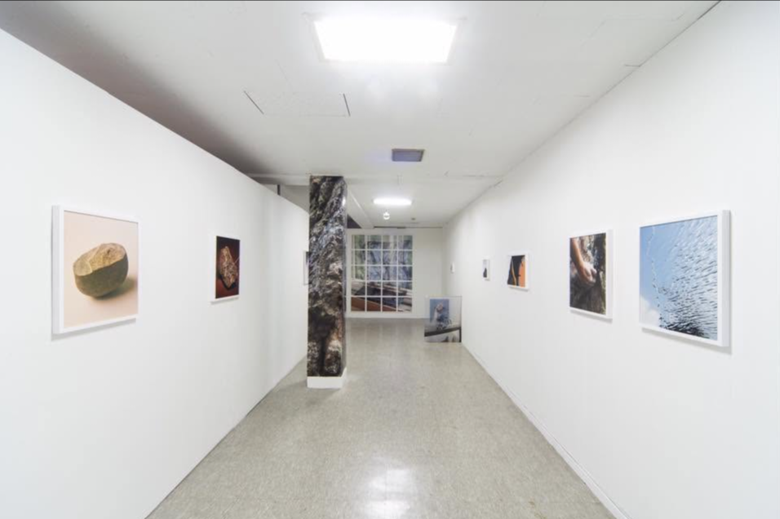
For example, the ‘Middle Turn’ series (2020–2022) combines photographs produced through optical image-making processes with digitally generated 3D sources to create new hybrid images. Through this process, the artist explores how photographic and computational modes of representation intersect, overlap, and generate new visual possibilities.


Yun Taejun, Twist, 2020, Print on paper, Inkjet print, 120x150cm © Yun Taejun

Within 3D graphic software, photographs are transformed into solid backgrounds with depth or disguised as the surfaces of virtual objects. The artist then collides virtual forms with photographic images, assigns them new properties, and combines multiple photographic fragments into a single composition.

By rendering these constructed virtual scenes as photographic images, he produces photographs of forms that could never exist in reality.


Yun Taejun, Reflection, 2021, Print on paper, Inkjet print, 100x125cm © Yun Taejun

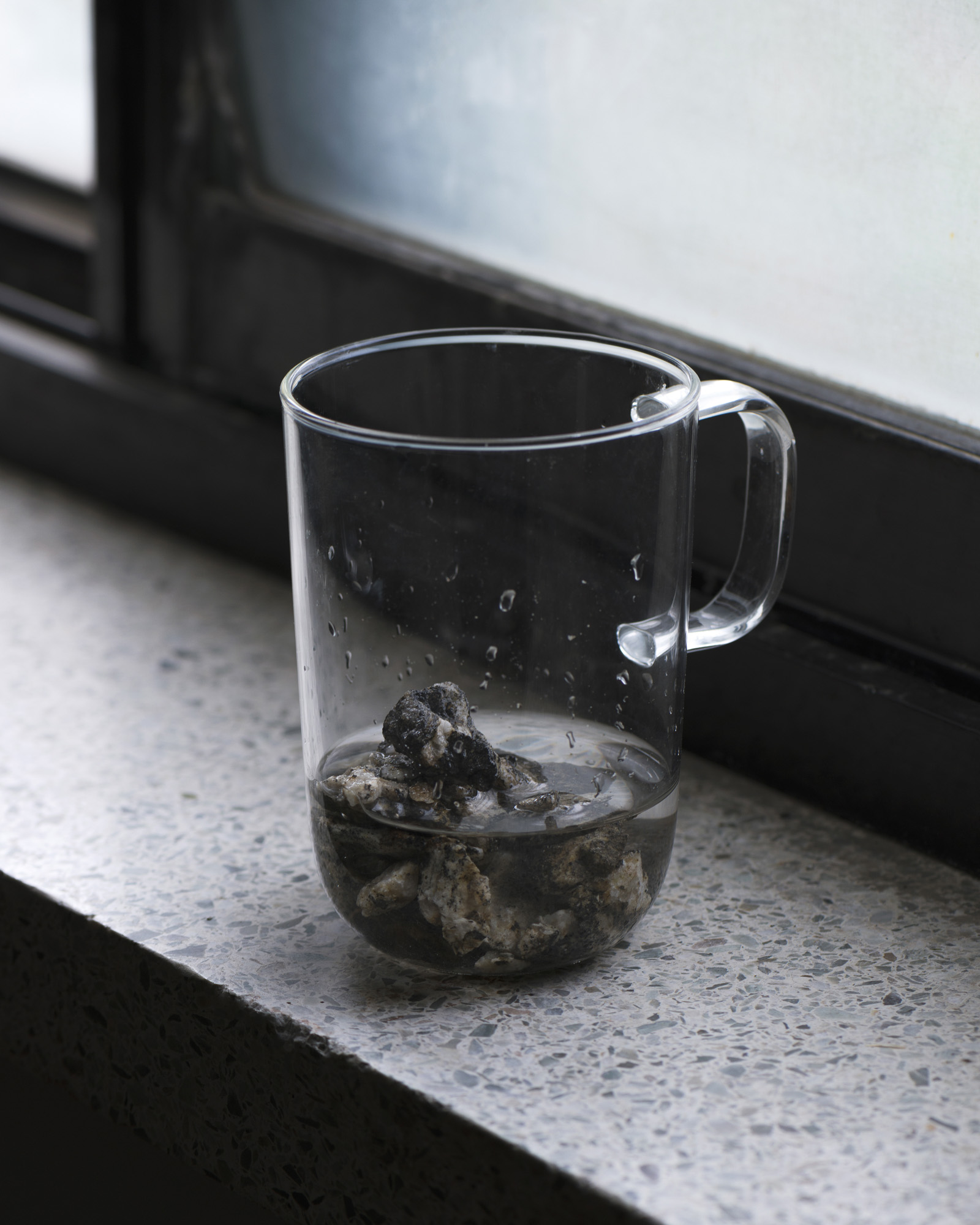
A central motif in the series is the stone and virtual objects that assume the form of stone. We perceive objects through the body, particularly through the hand. The solidity that fills the palm, the weight, and the rough texture of a surface all contribute to our mental construction of what a stone is. A similar perceptual process occurs even when we encounter a flat photographic image of a stone.

In this work, the artist reveals, through photography, a process of perception in which the qualities of actual stones are mixed with or substituted by virtual objects that merely resemble them. 

Through this exploration, Yun Taejun questions the ways in which we perceive and sense both virtual and real objects, while also raising broader ontological questions about the nature and status of images in the contemporary era.


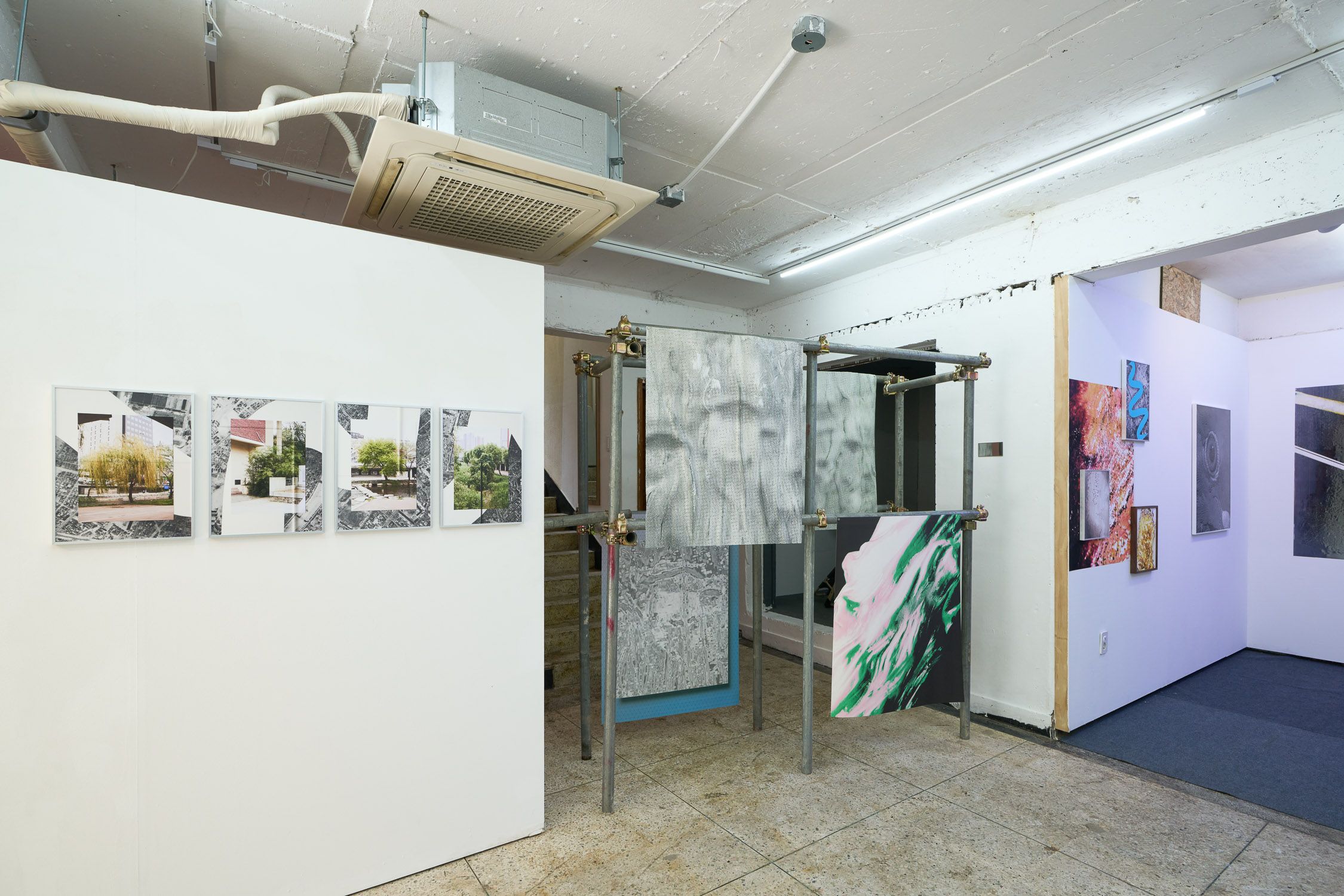
Yun Taejun, ‘Network’ Series, 2022. Installation view of 《Where Are We Now?》 (Sungkok Art Museum, 2022) © Yun Taejun

Building on these explorations, Yun Taejun has continued to investigate the sensory possibilities opened up by digital processes, moving beyond photography’s conventional association with objective representation.

For example, in the ‘Network’ series presented in the exhibition 《Where Are We Now?》 at Sungkok Art Museum in 2022, the artist examines a condition in which visual experience becomes absorbed into broader sensory perception within a visual environment transformed into digital code. 

Through the compositing of photographed subjects and virtual images, the work explores how perception is reshaped as reality and simulation increasingly converge.


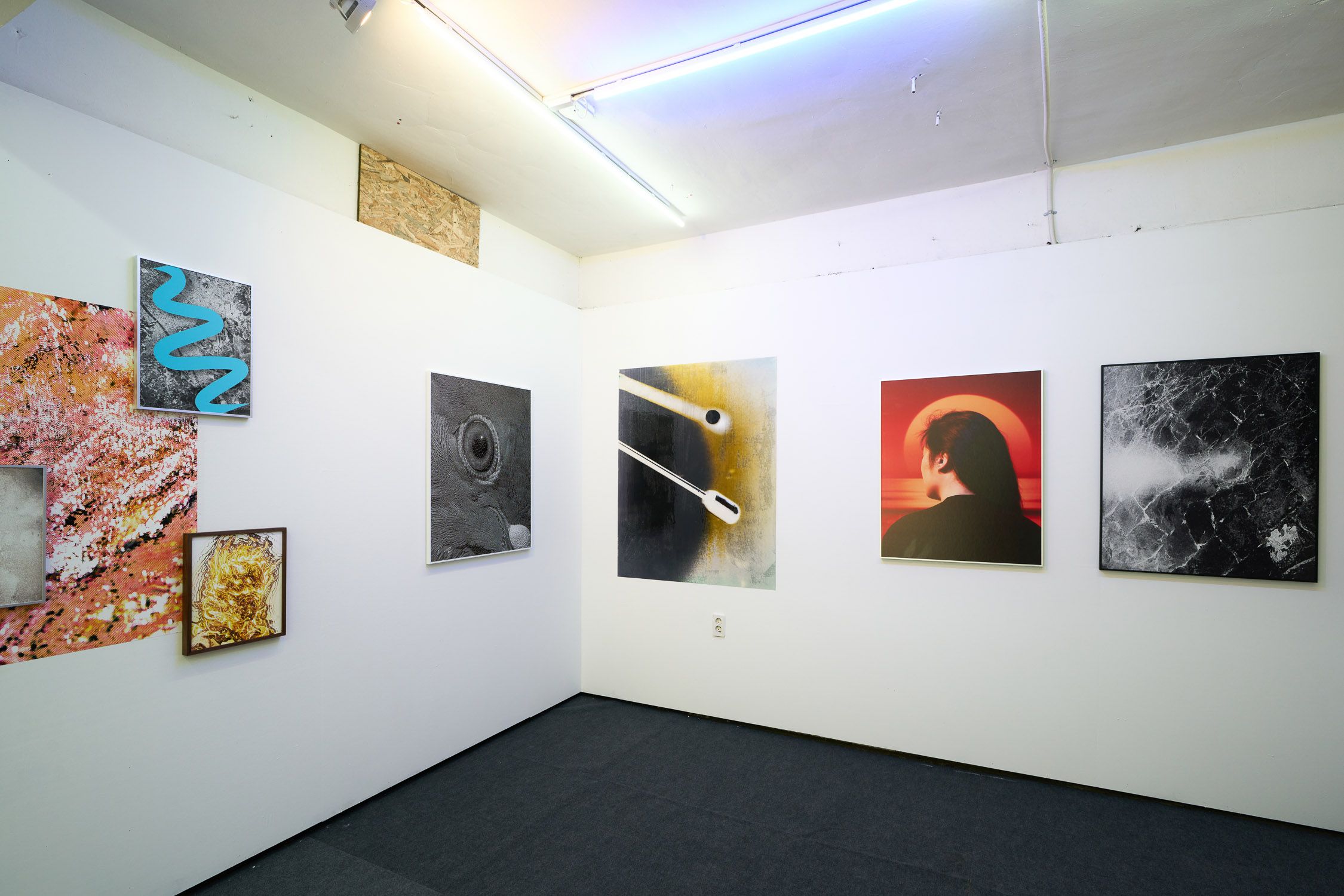
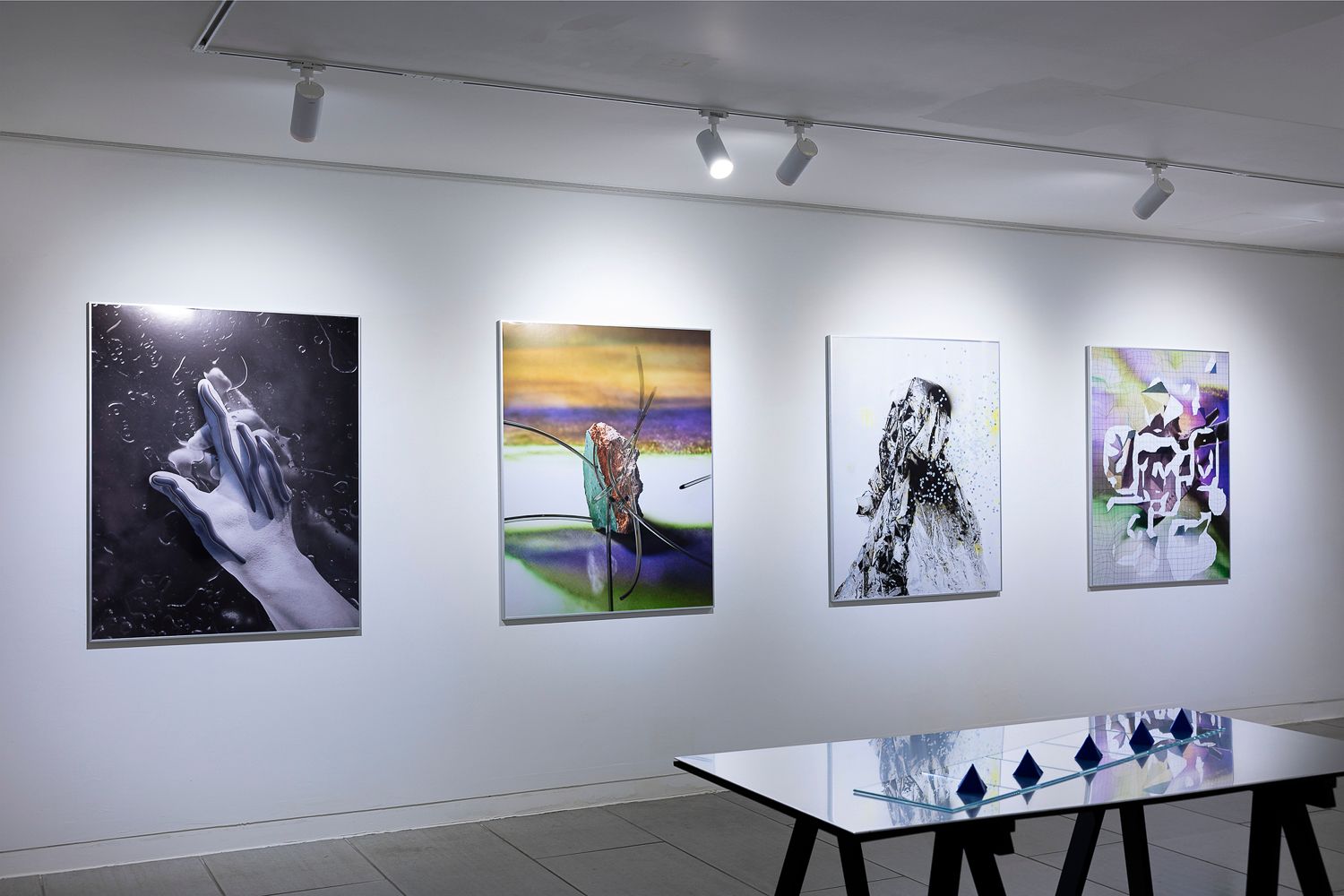
Yun Taejun, ‘Network’ Series, 2022. Installation view of 《Where Are We Now?》 (Sungkok Art Museum, 2022) © Yun Taejun

Fingers moving across a touchpad, droplets resting on a dark screen, and unfamiliar forms flowing across its surface reveal sensory experiences that move between materiality and immateriality, reality and virtuality.

Through these images, the artist visualizes the process by which traditional modes of perception are dispersed and reconfigured within networked environments, demonstrating that the image no longer serves merely to represent an object, but has become a medium through which sensation itself is made manifest.


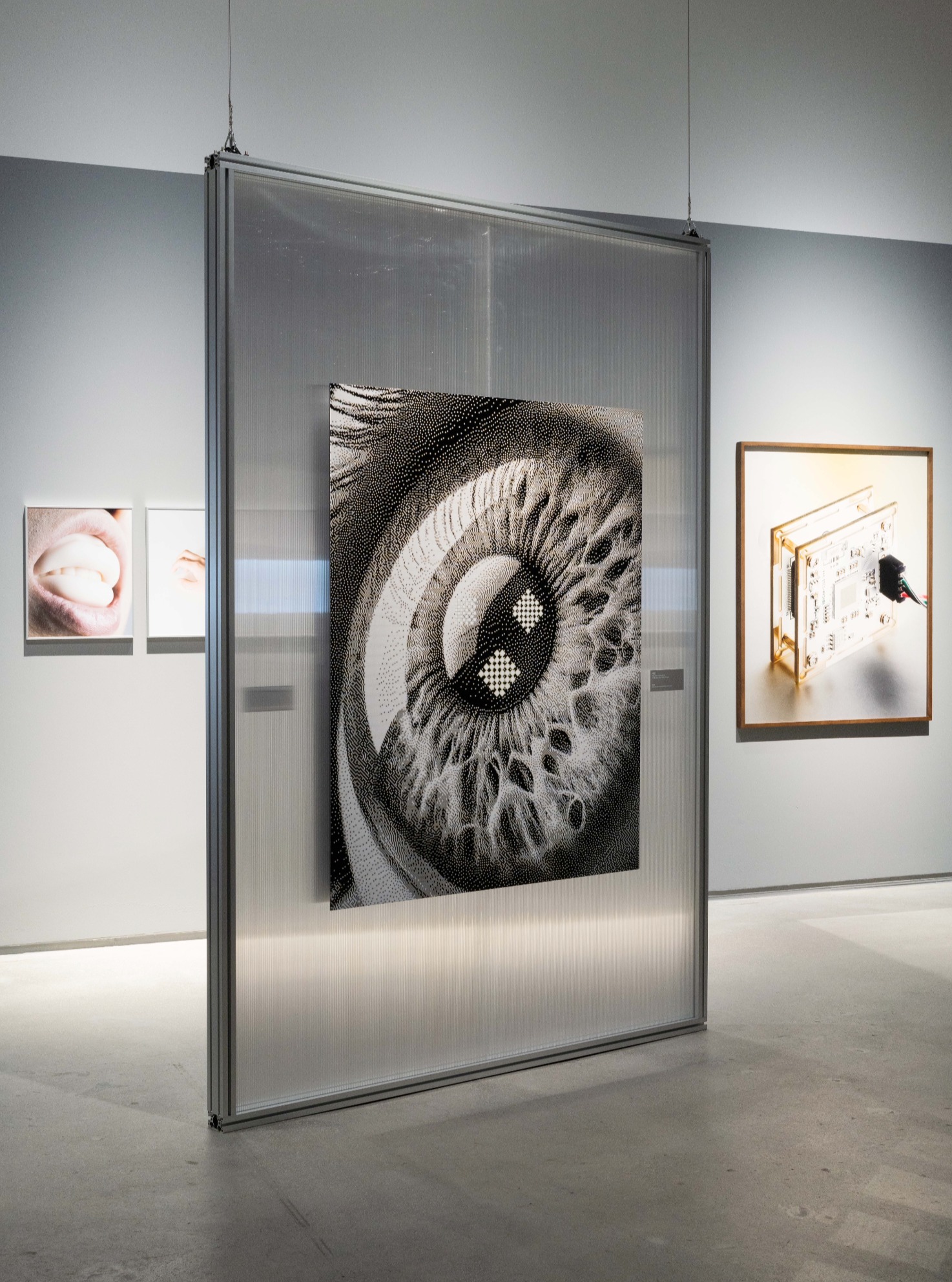
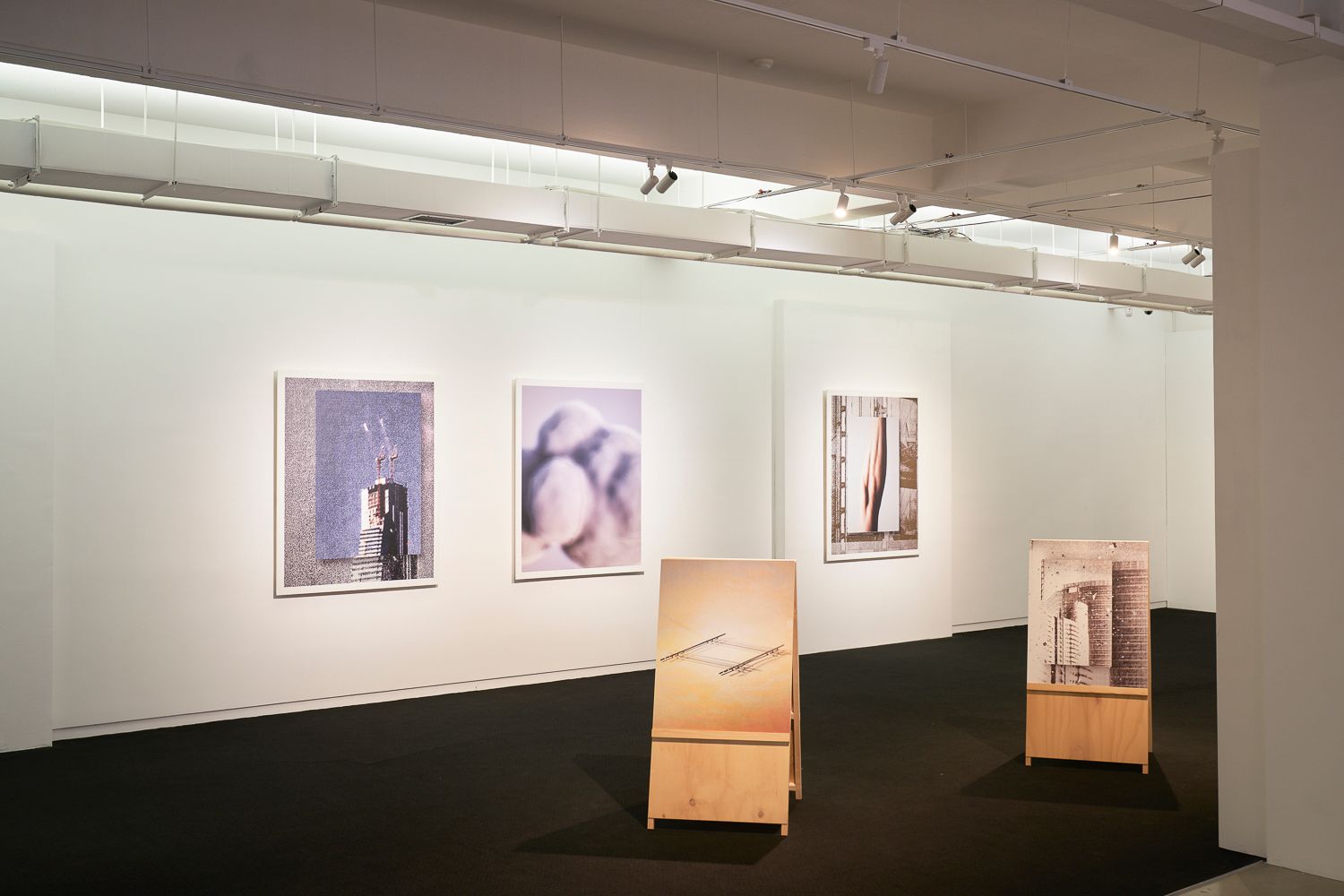
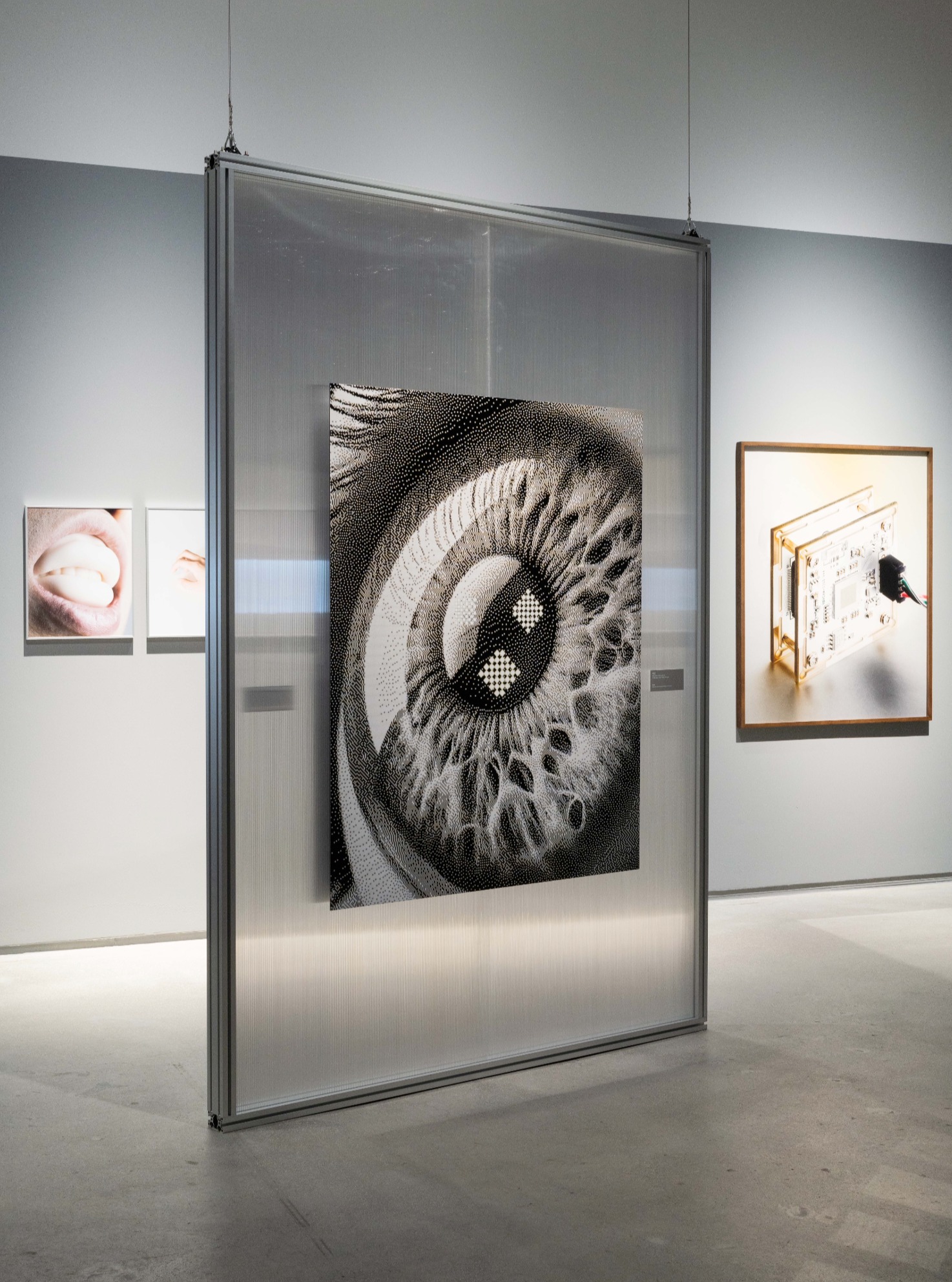
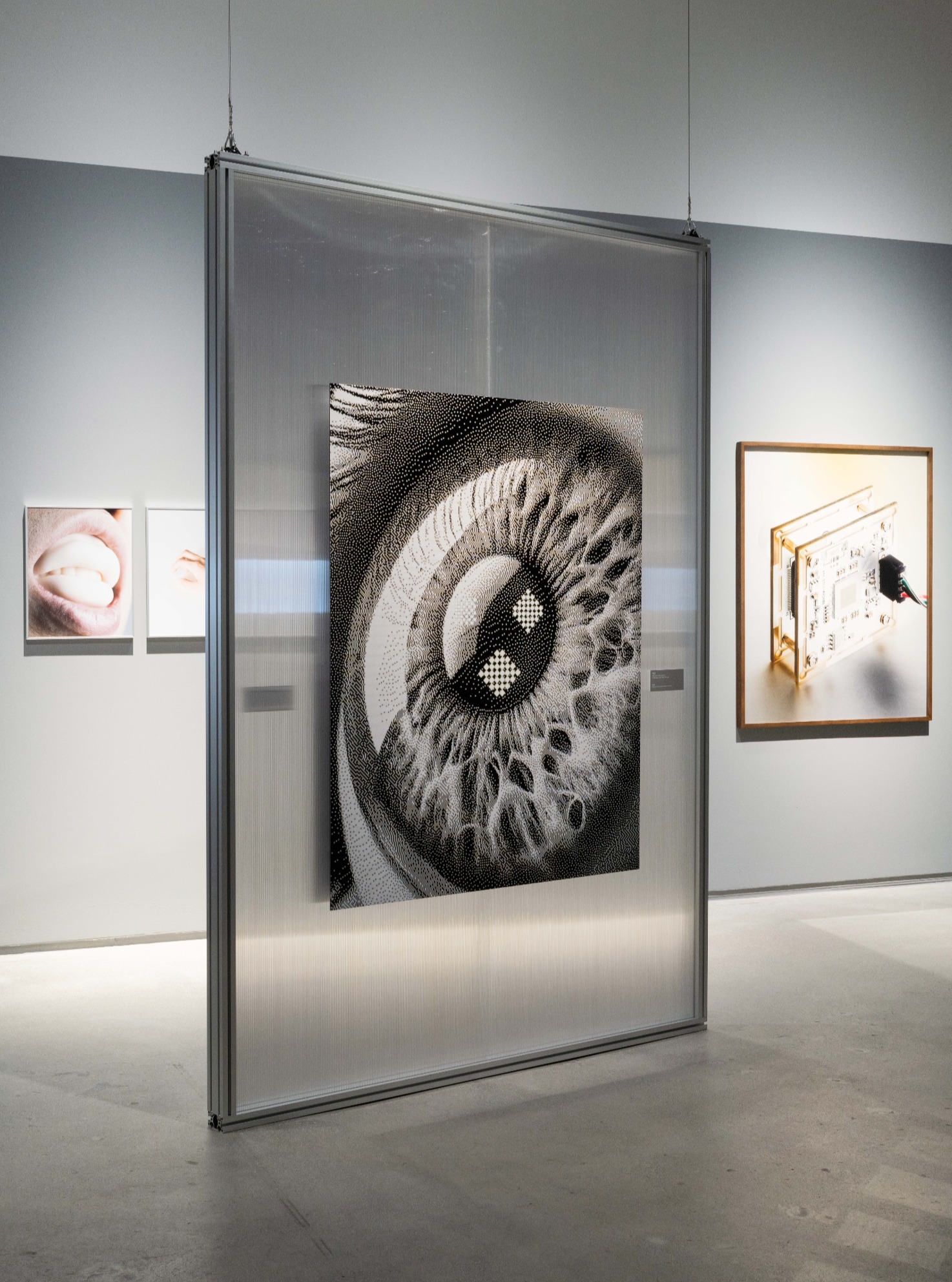
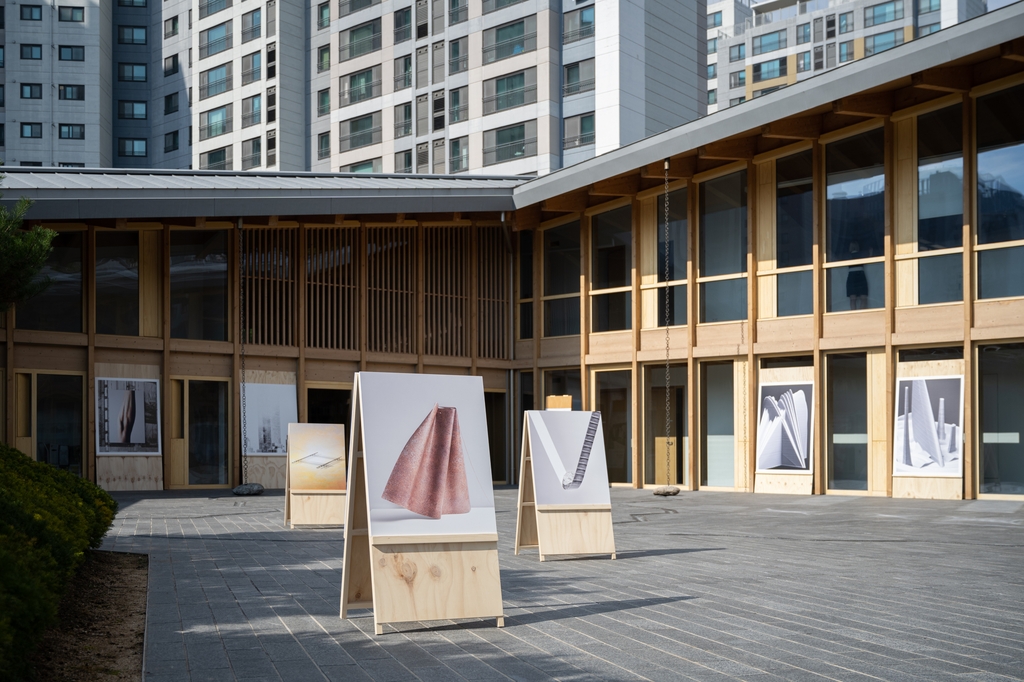
Yun Taejun, Gaze, 2025, Inkjet print on Dibond panel, installed with polycarbonate and aluminum profile. Installation view of 2026 SePF 《Come Back Home》 (Photography Seoul Museum of Art, 2026) © Yun Taejun

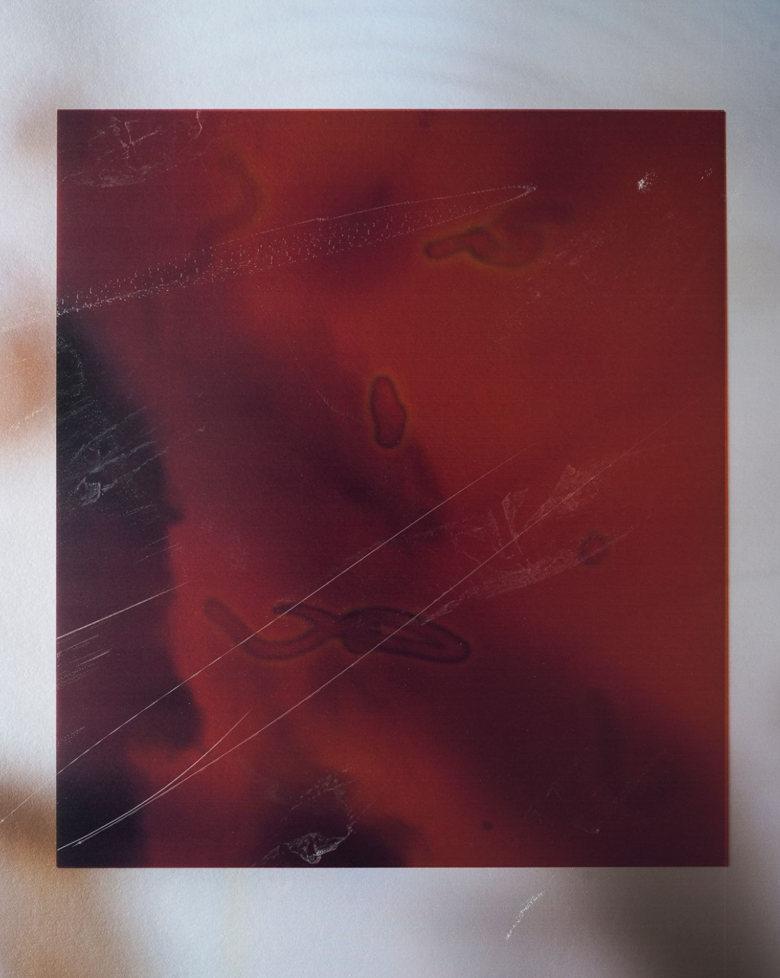
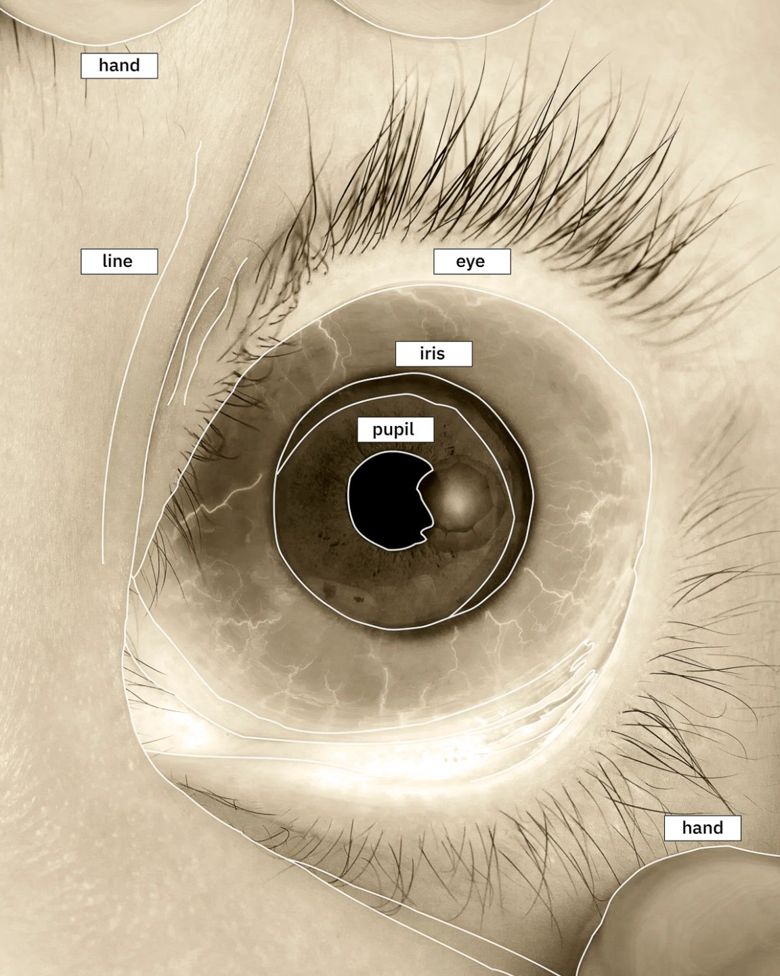
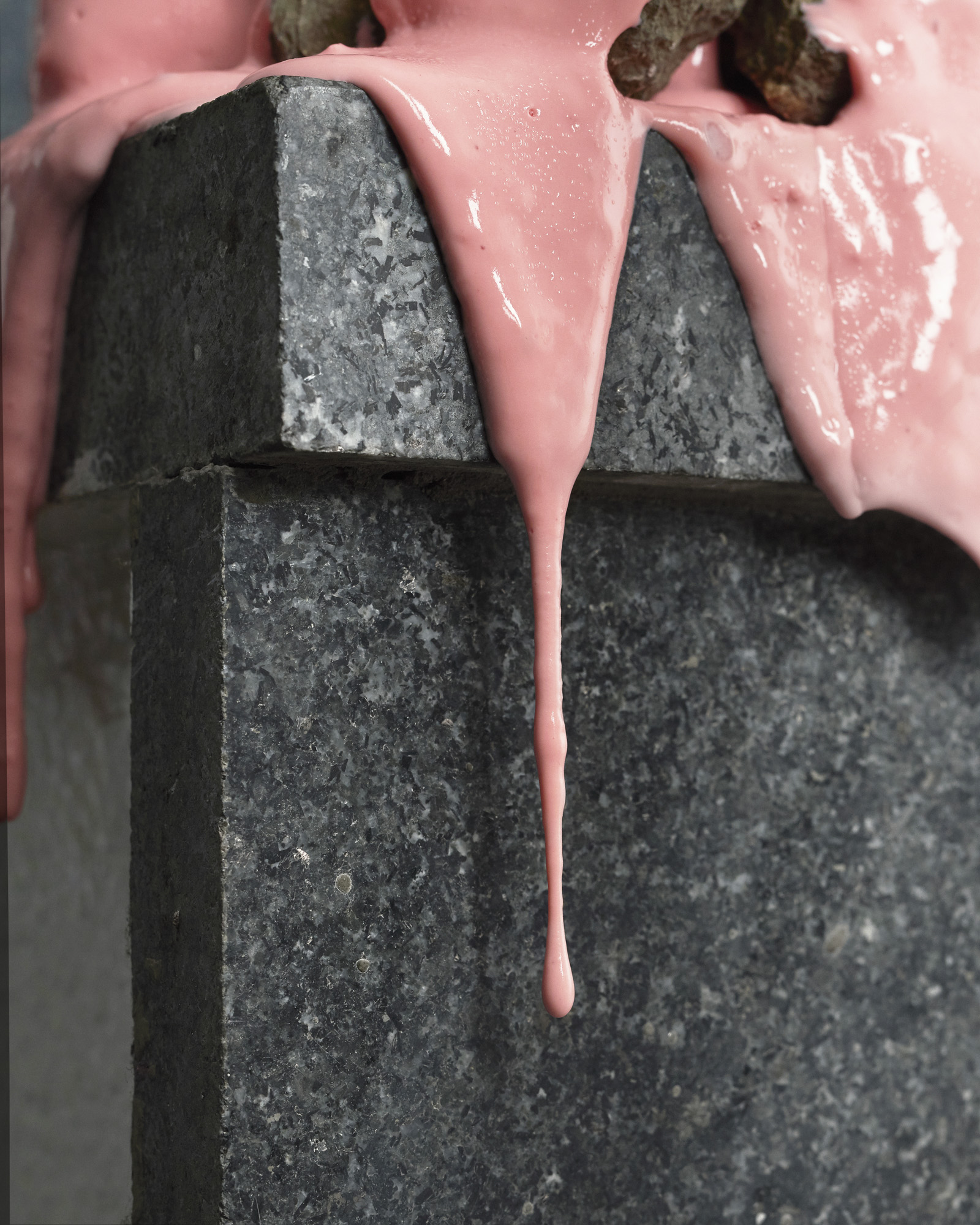
Furthermore, in ‘Transmitter to the Object’ (2025–), presented in the 2026 Seoul Photo Festival exhibition 《Come Back Home》, the artist explores how invisible signals and data can be transformed into solid, object-like forms.

Using computer scanning technologies and precision mechanical devices, he imbues images confined to flat screens with volume and texture. As a result, viewers are encouraged to perceive digital images not merely as lightweight information, but as entities deeply connected to the body, sensation, and lived reality.

The artist also draws attention to the fact that even the most mundane actions—looking at a monitor or clicking a mouse—are continuously recorded as data. Through photography, he reveals how deeply intertwined our bodies have already become with digital technologies.


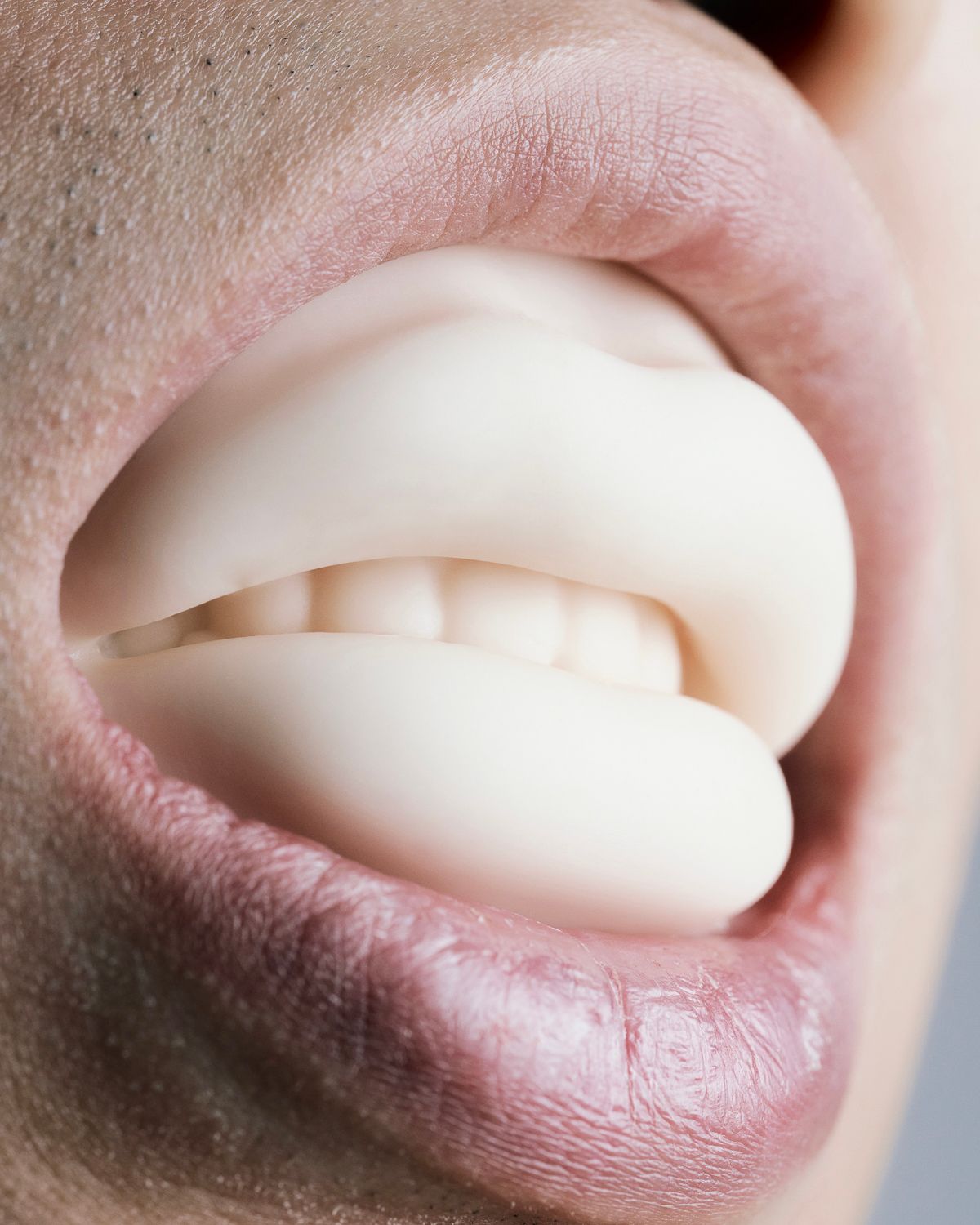
Yun Taejun, Unspeakable, 2025 © Yun Taejun

Thus, Yun Taejun’s work reveals how the images that proliferate within today’s digital environment are generated and circulated at the boundary between reality and virtuality, while also examining the modes of perception and sensation that operate through these processes.

Traversing the boundaries between reality and illusion, materiality and immateriality, and the body and the digital world, his practice proposes new sensory experiences that connect physical reality with digital space.

“Photography is no longer a physically completed and fixed object; it is now stored as fluid data awaiting assembly and alteration. If images in the age of film were photographs that served as evidence of truth, images in the digital age must be understood as information, data, and material for manipulation.

We should no longer read contemporary photographs as manifestations of truth. Rather, they should be understood as collections of data that merely perform visual resemblance—a ‘dense mirage’ floating without substance.” (Yun Taejun, Artist’s Note)


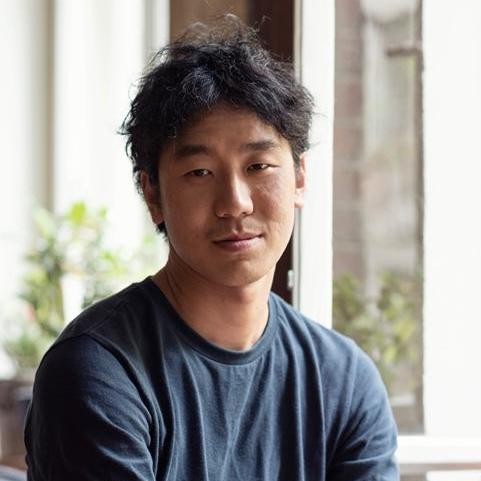
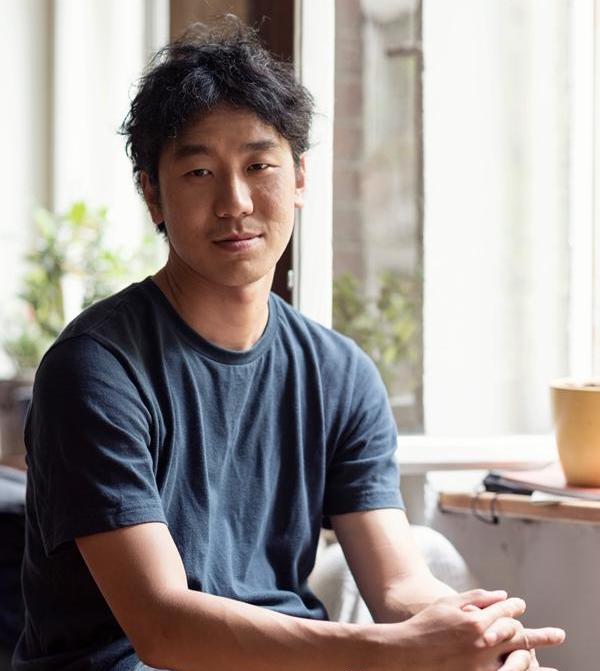
Artist Yun Taejun © Yun Taejun

Yun Taejun studied Photography at Chung-Ang University and received his MFA in Fine Art Photography at its graduate school. His solo exhibitions include 《Water Photoautomat》 (Space DDF, Gwangju, 2024), 《Middle Turn》 (Space X Shift, Seoul, 2021), and 《Will We Live on Stones in the Future?》 (Ilhyun Museum Eulji Space, Seoul, 2018).

He has also participated in numerous group exhibitions, including 2026 SePF 《Come Back Home》 (Photography Seoul Museum of Art, Seoul, 2026), 《Technically Speaking》 (Space DDF, Gwangju, 2025), the 14th Gwangju Biennale (Swiss Pavilion, Gwangju, 2023), 《Where Are We Now?》 (Sungkok Art Museum, Seoul, 2022), 《Calling》 (d/p, Seoul, 2021), 《Interro-gative Sentence》 (CAN Foundation, Seoul, 2020), and 《2017 Community Art: Annyeonghaseyo》 (Buk-Seoul Museum of Art, Seoul, 2017).

Yun Taejun was selected as a finalist for the 26/27 MH Talent Portfolio organized by the Museum Hanmi and currently serves as a professor in the Department of Photography at Gwangju University.

References