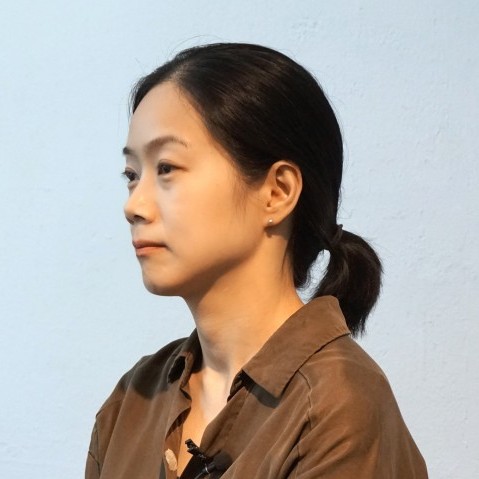
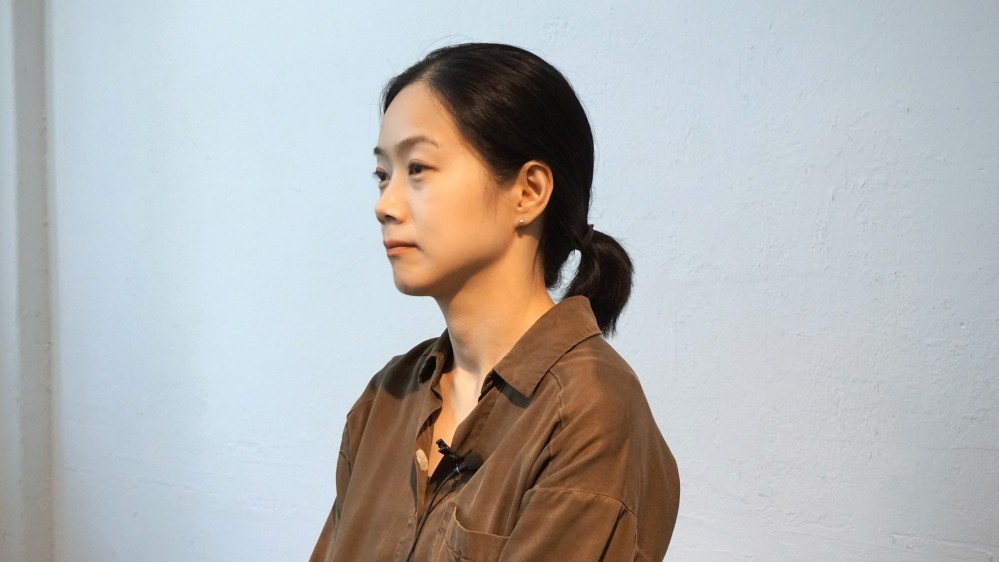
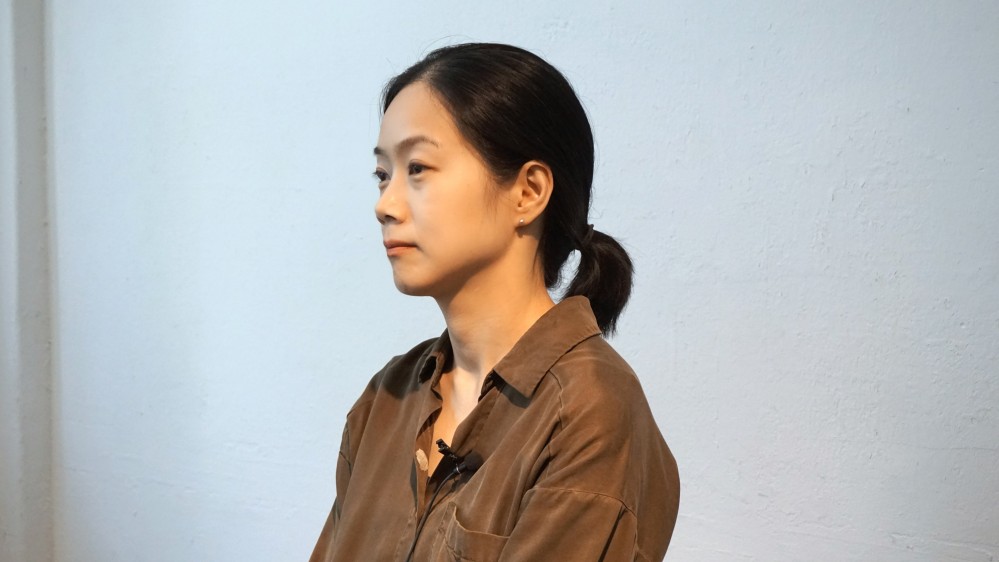
The Artist © Boyun Jang

Everything moves toward disappearance. Human beings are no exception. As if preparing for the inevitable moment when we, too, will vanish, we constantly leave records behind. Though our existence is undeniable, we seem anxious to prove it—we take photographs, keep diaries, and post on social media in order to remember.

Yet even these proofs of existence are discarded, forgotten, or at times distorted, whether intentionally or not. Nothing remains forever in its original form.

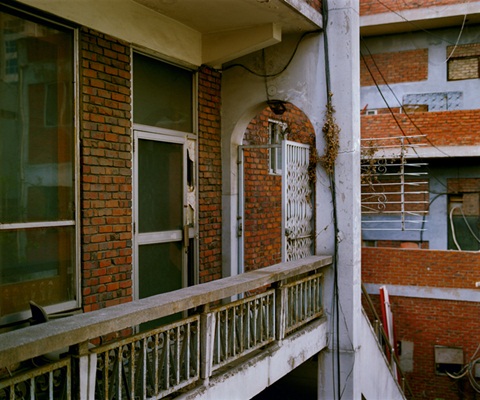
Boyun Jang's work is concerned with disappearance, transience, and the transformations brought about by time. Using photography as her primary medium, she reconstructs these processes of change. The "disappearing things" that interest her begin in the memories of others, only to move subtly back and forth between their memories and her own, where they are reproduced anew.

Intriguingly, the discarded memories she collects accumulate over time to construct fresh narratives of existence. That existence may become the artist herself, or it may become you, the reader of this text. Memories that once belonged to no one in particular are transformed through Boyun Jang's hands into shared memories, simultaneously bearing witness to the existence of us all.

Summoning the Absence of Existence into the Present

Who I am today is composed of countless versions of my past self. Yet none of those past selves exists in the present. While the person I am now is undeniably the result of that past, it would be impossible to claim that my present self is identical to it. Is this not the paradox shared by everything that exists? Perhaps this is why we continually record our lives—through photographs, diaries, and notes.

It seems that Boyun Jang recognized precisely this point. She persistently searches for traces of a lost past that no longer exists, calling them back into the present.

"It all began when I started photographing abandoned houses. I think that was when I first began following the memories of others. As I photographed every corner of spaces that had been left empty for years, I found myself constantly imagining the people who had once recorded their own present there, and I found that fascinating."

Not long afterward, while wandering through redevelopment districts, she came across discarded rolls of film, abandoned diaries, and slide films. By overlaying these images with new memories of her own, Boyun Jang brings forgotten—or abandoned—existences back into the present, allowing them to inhabit the contemporary moment once again.


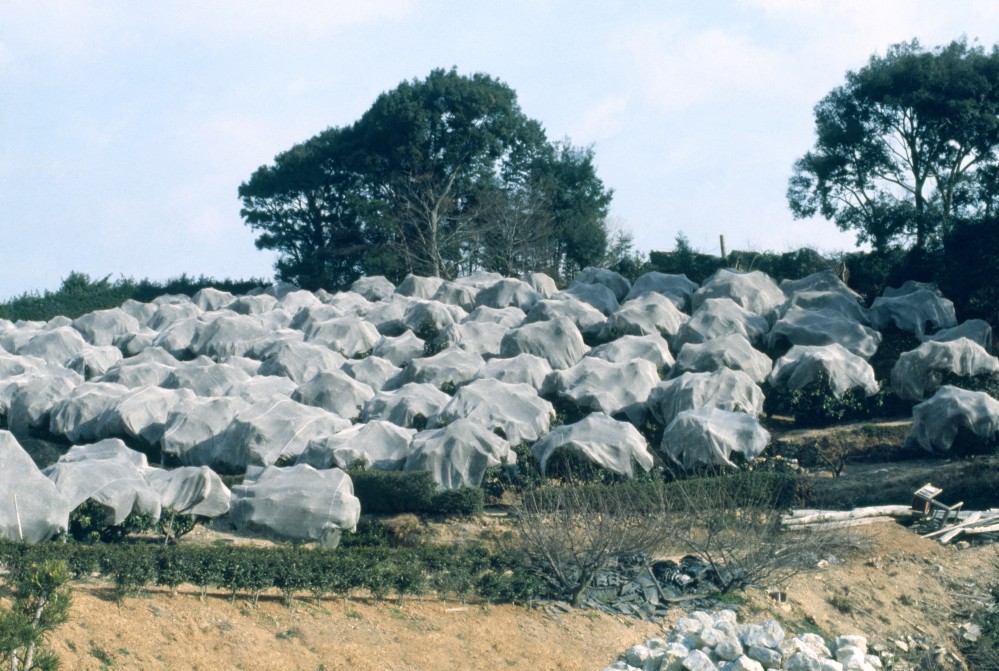
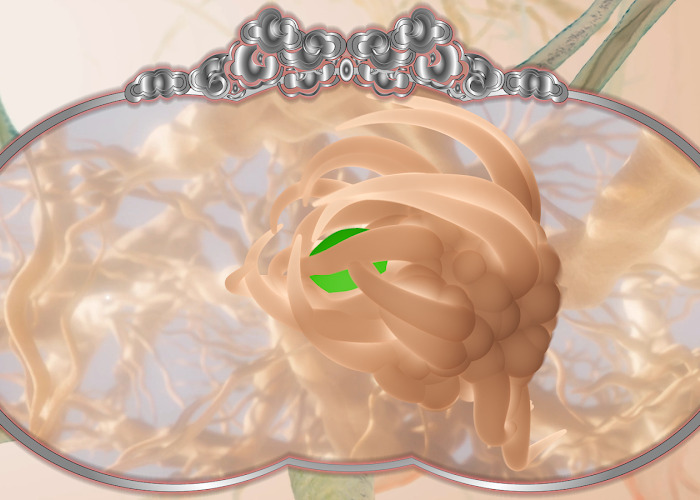
Boyun Jang, Gentle Journey, 2009, Inkjet print, 64 x 43 cm © Boyun Jang

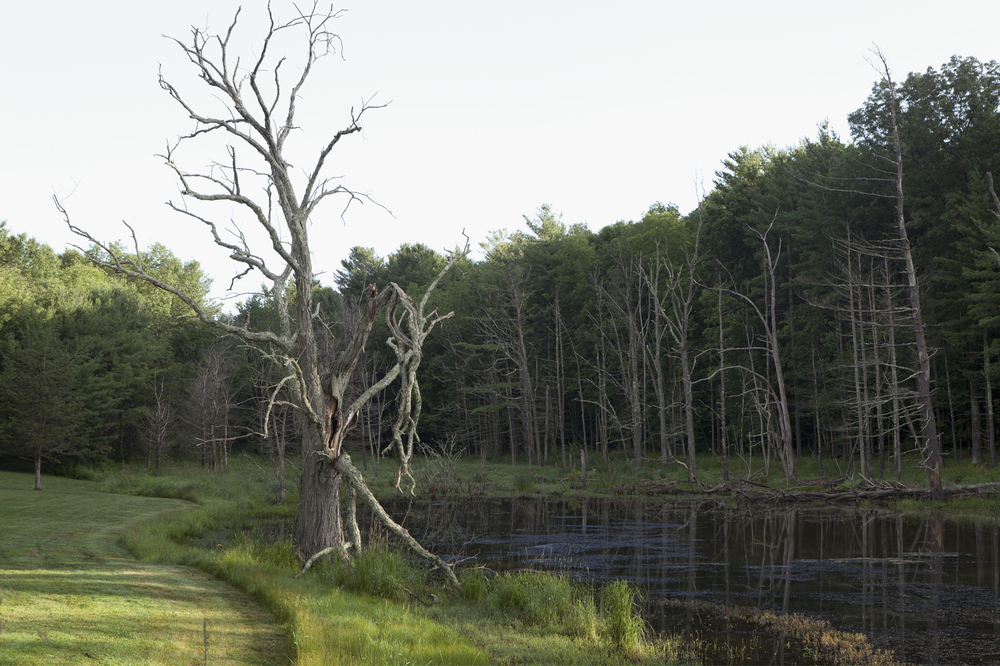
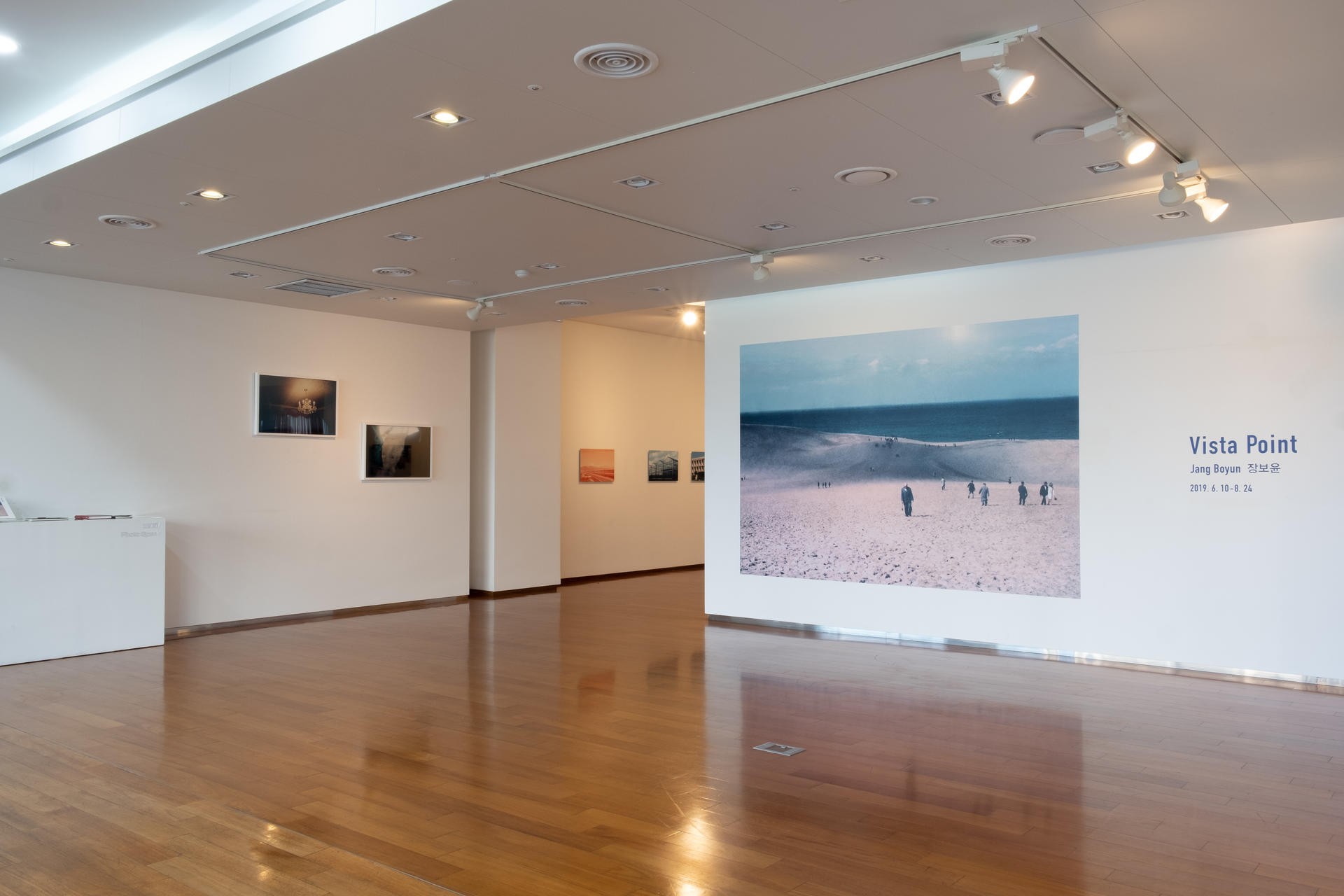
Book of Memory: K's Slides is a representative example. After discovering a collection of photographic slides left behind by a man—presumed to have been a civil servant—who had traveled throughout Japan between 1968 and 1978, Boyun Jang followed the dates and locations recorded on the slides, boldly entering another person's memories by retracing his journey.

"It was a record left by someone who had traveled to Japan regularly. I spread out a map of Japan and marked all of the places recorded in the slides. He had covered an incredible distance. I was fascinated by the old, faded images, and I became curious about the person behind them, so I visited a couple of those places myself. While I was there, I looked at the places from K's perspective, wrote texts and kept a diary, and eventually brought all of those experiences together into the work."

Jang even sent faxes to her own home, deliberately inserting her present self into the narrative. In doing so, she creates a peculiar coexistence in which the past that once existed and the present that now exists occupy the same temporal space.

The Impossible Coexistence of Past and Present

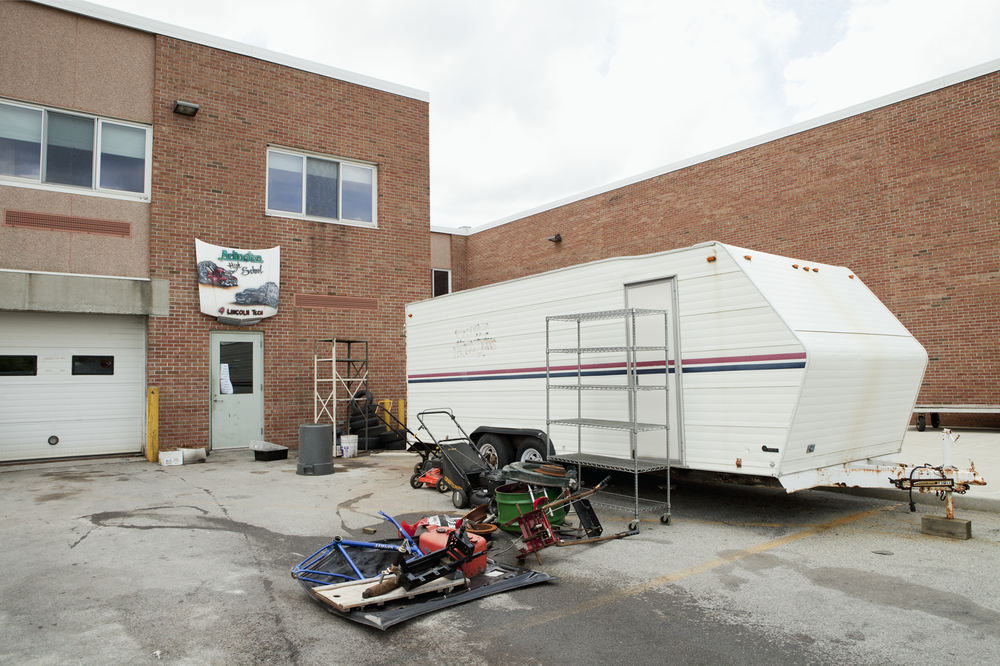
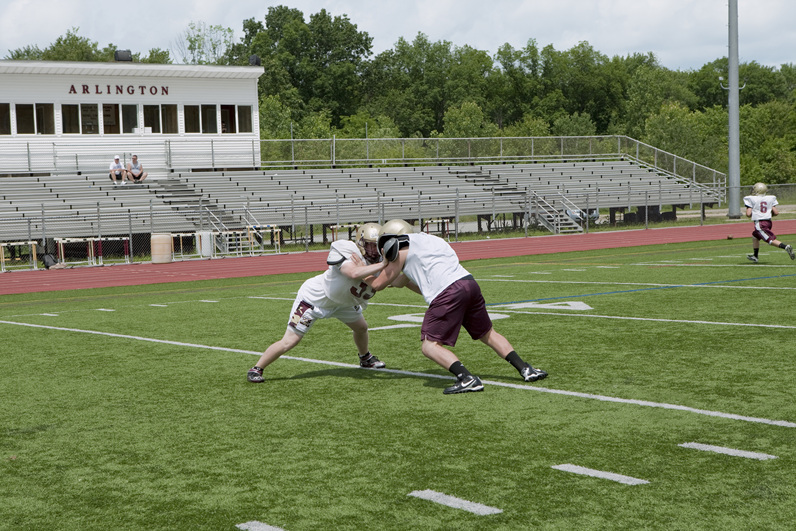
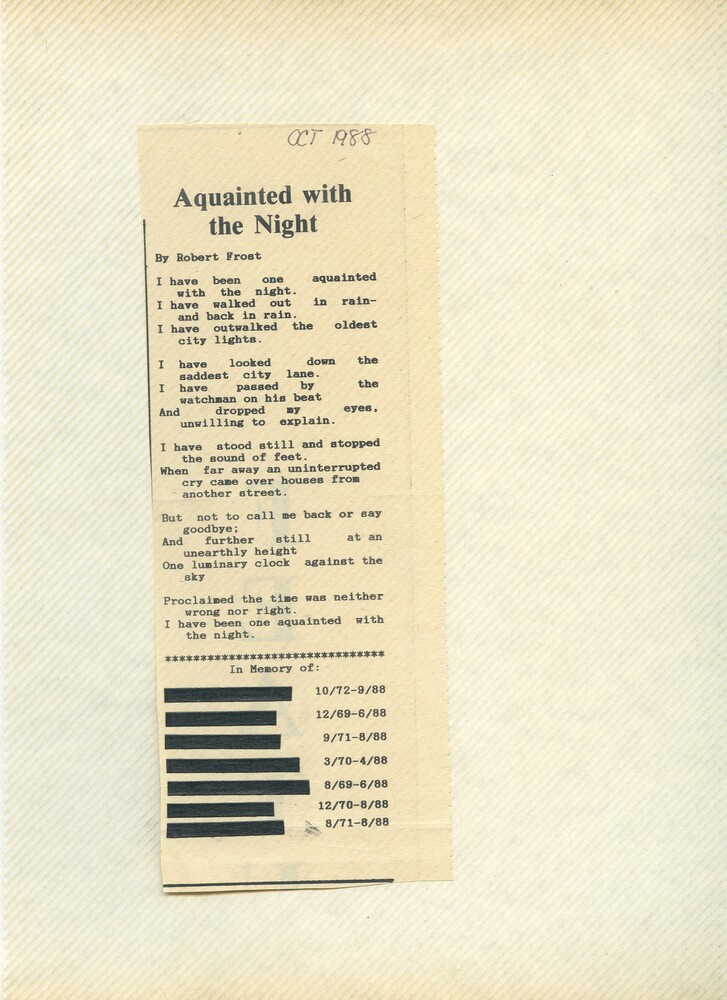
Her works often begin with discarded photographs. This is true not only of the work retracing K's memories, but also of Acquainted with the Night and Your First Year, both based on the photo albums of a girl given the pseudonym Lisa.
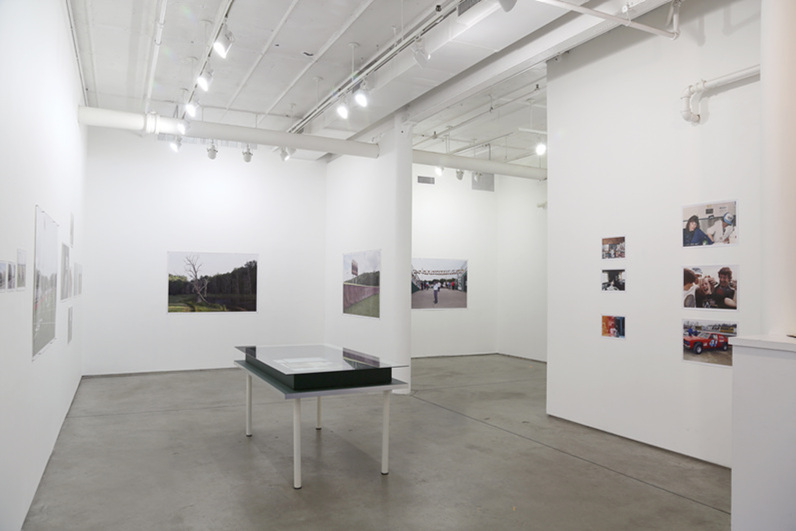
"On the last day of my residency in the United States, an elderly man I had often met told me that he found my work interesting and gave me three photo albums. They documented the life of a young girl—from her birth through every stage of loss she experienced. That led me to revisit the places shown in the photographs and develop the work from there."

Boyun Jang's fascination with things that exist and yet no longer exist eventually extends to the city of Gyeongju.

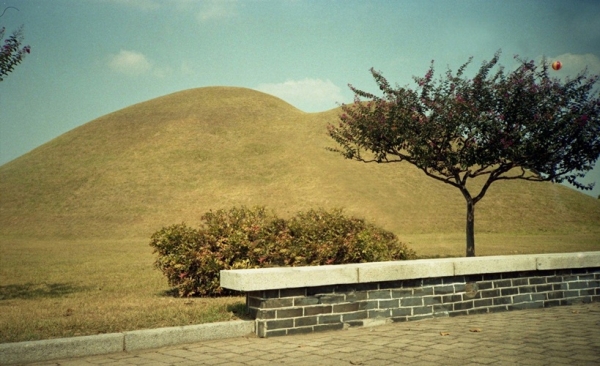
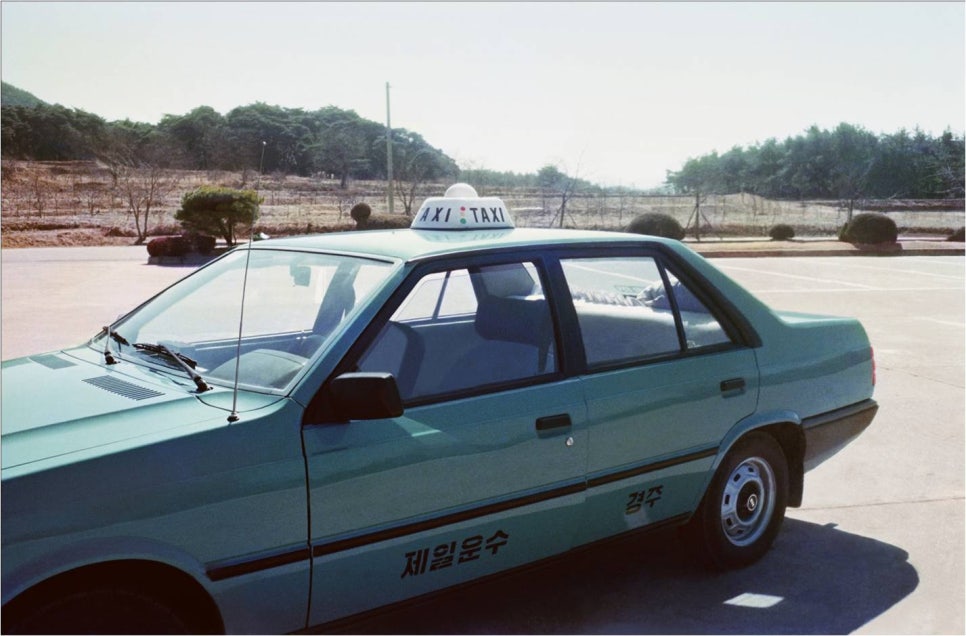
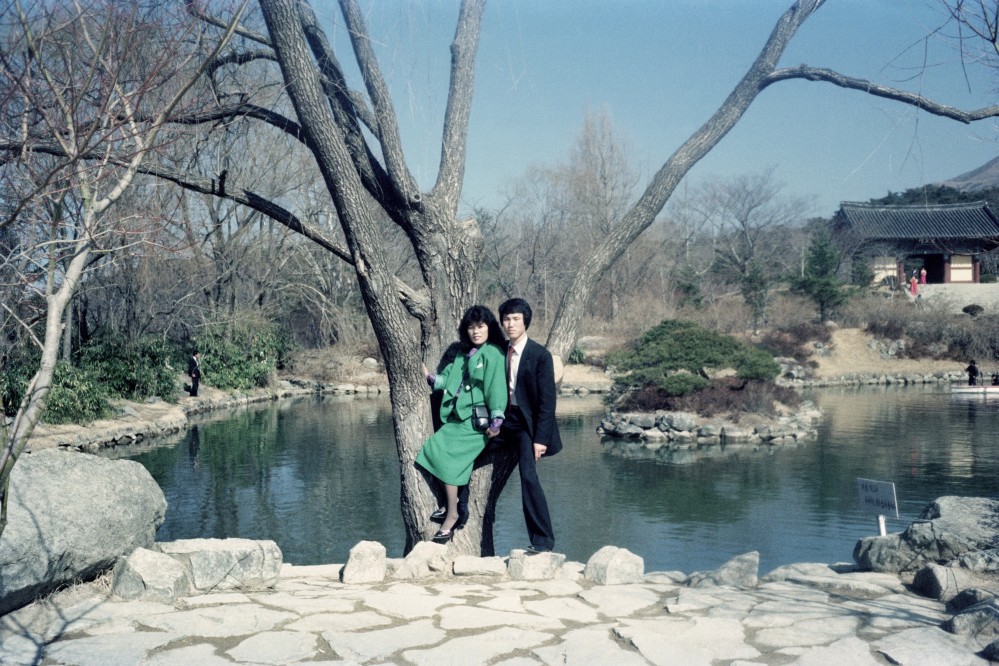
"For some people it's remembered as a destination for school excursions, for others as a honeymoon destination. Gyeongju is an extremely familiar tourist city to Koreans. But twenty-first-century Gyeongju continues to change. The splendor of the thousand-year-old capital and Korea's iconic tourist destination has faded, leaving behind simply another city struggling to sustain everyday life."

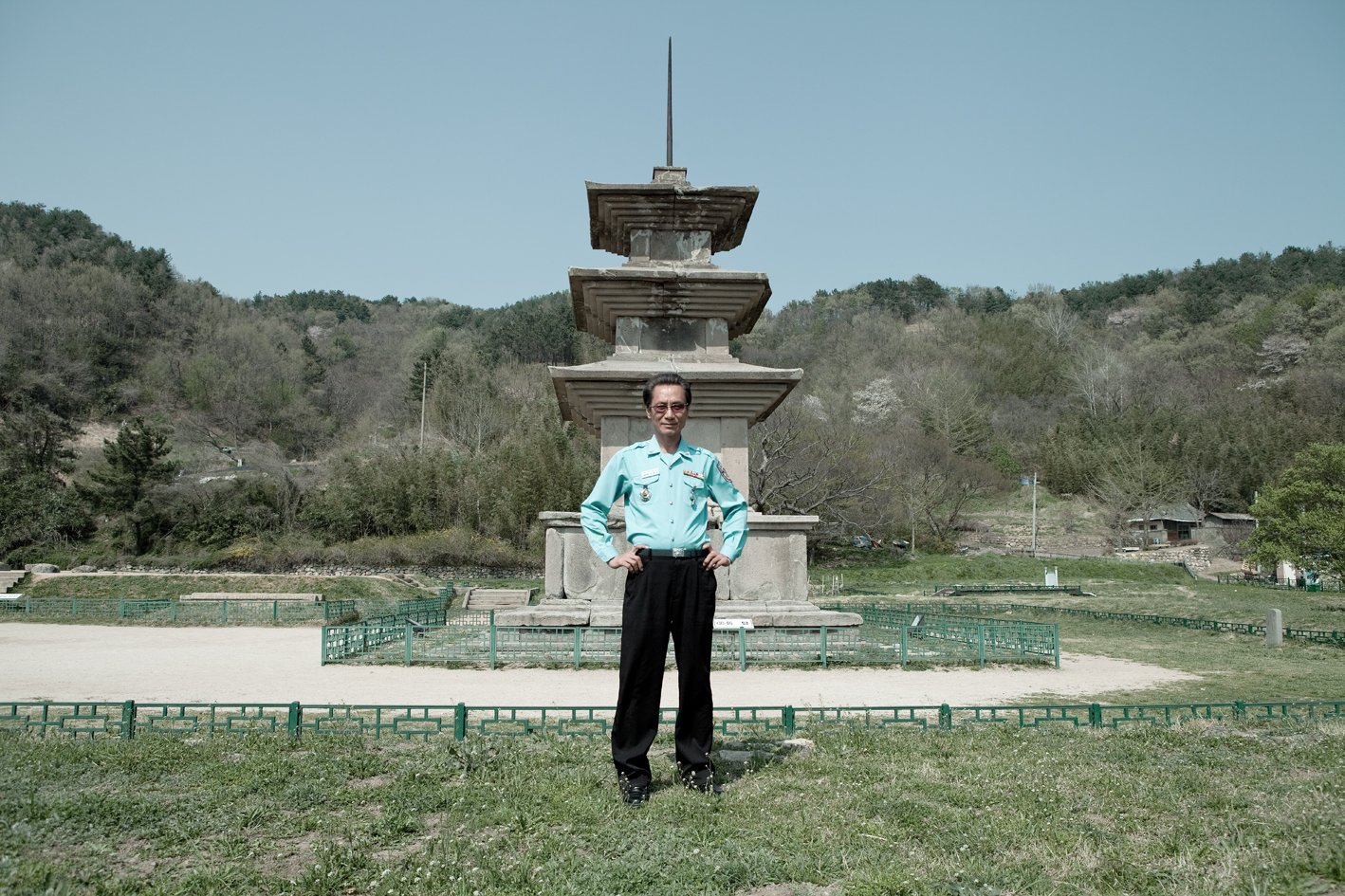
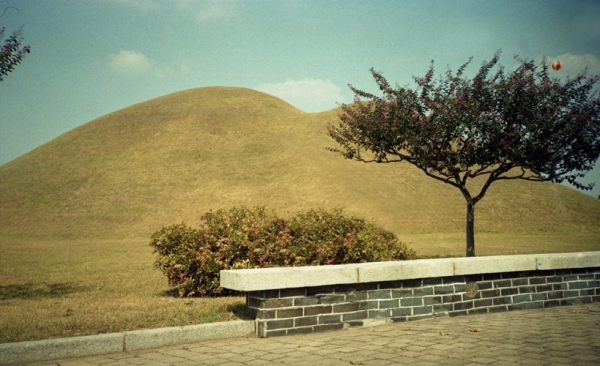
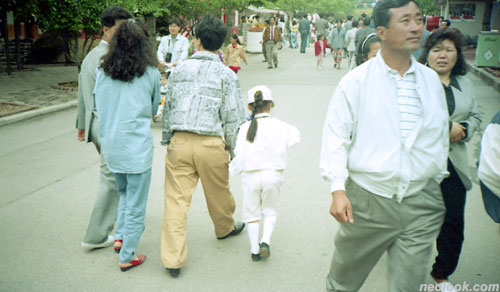
As she explains, while the major historical sites remain, what surrounds them is a lonely Gyeongju that few people visit anymore. Through A Capital City of Thousand Years, she portrays a Gyeongju that exists both in the collective memory of countless people and as a contemporary city, yet is never the same place for any two individuals. This exploration subsequently develops into Back Here Again: Mount Analogue.


Boyun Jang, Bulguksa Temple, March of 1988, 2016, Digital pigment print, 80 x 120 cm © Boyun Jang

Endlessly Stepping Toward the Unreachable

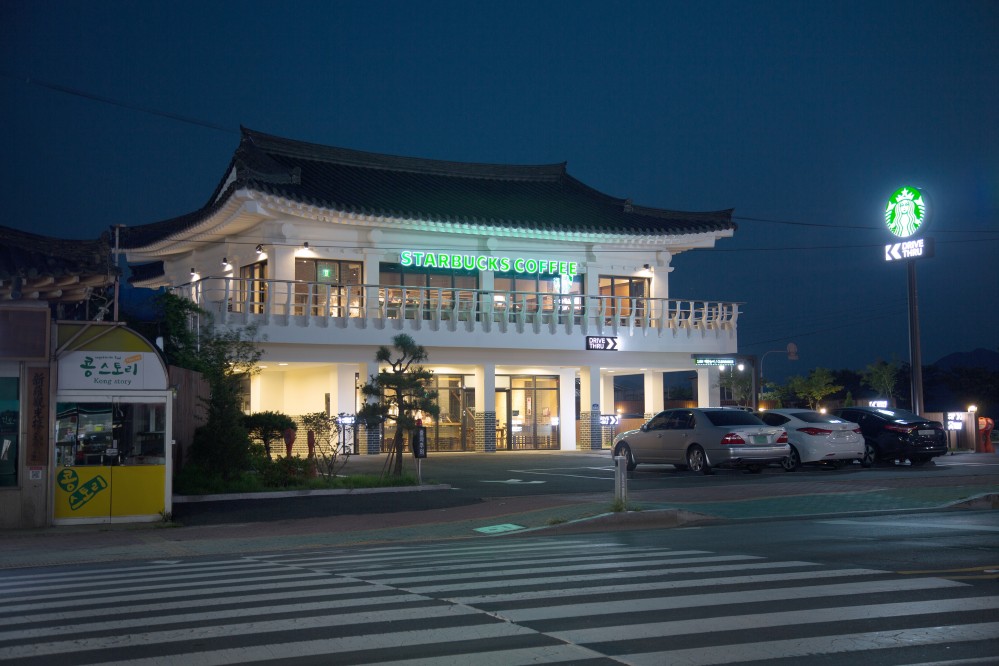
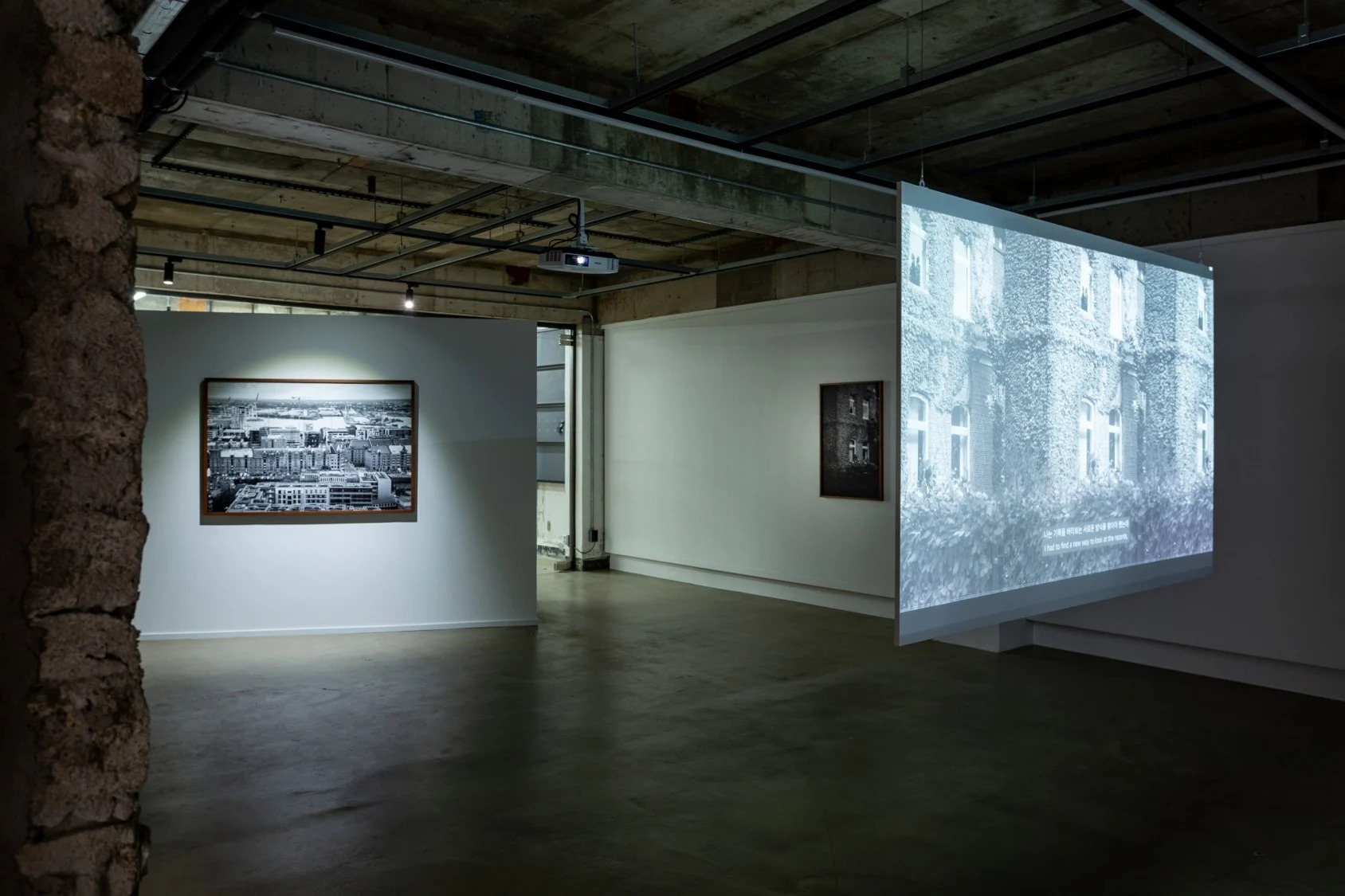
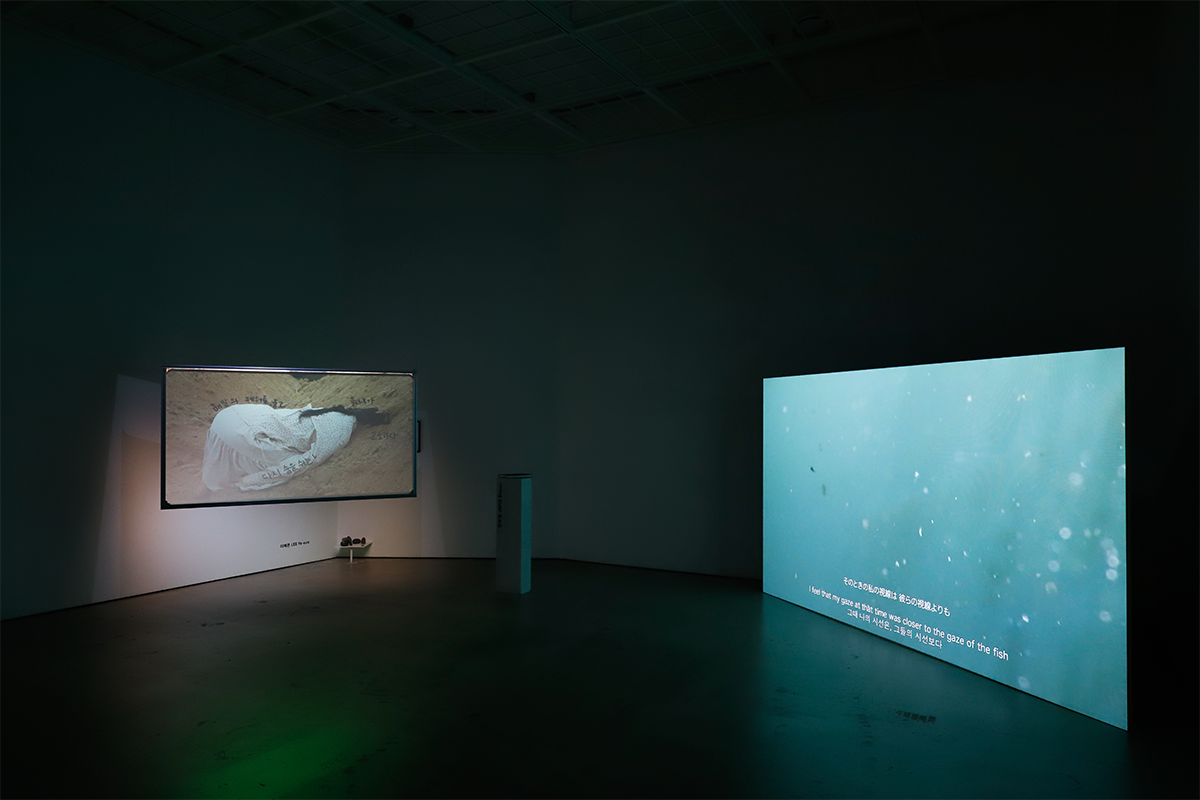
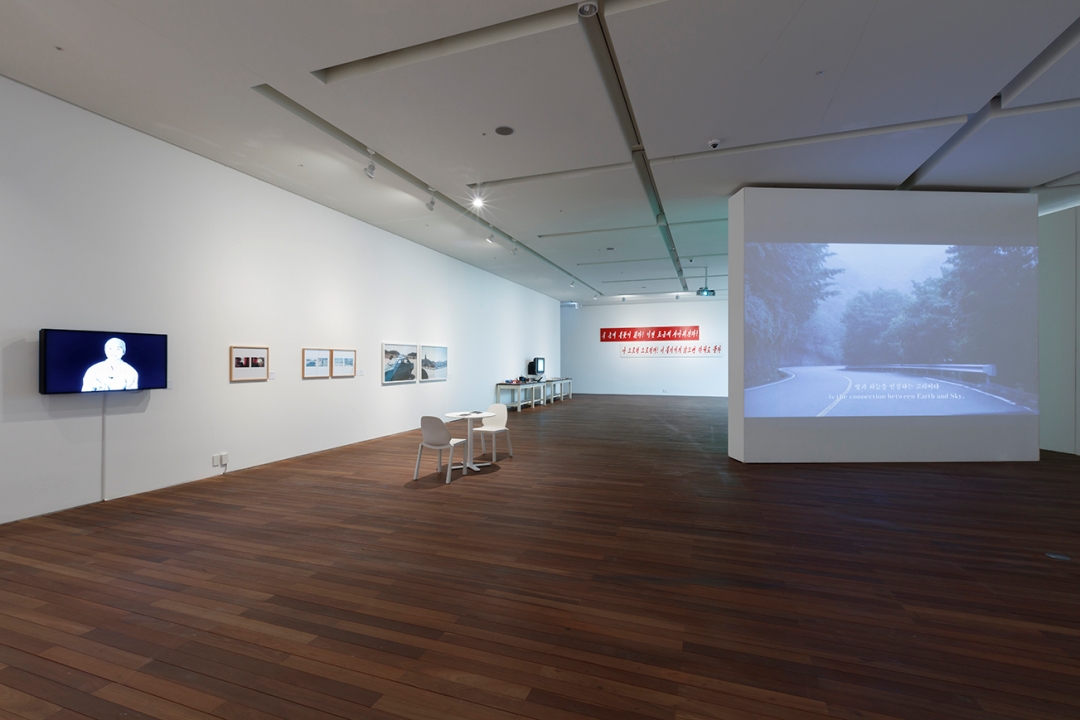
In her most recent work, Back Here Again: Mount Analogue, Boyun Jang brings together the central concerns that have consistently shaped her practice: the act of bearing witness to those who exist and yet no longer exist.


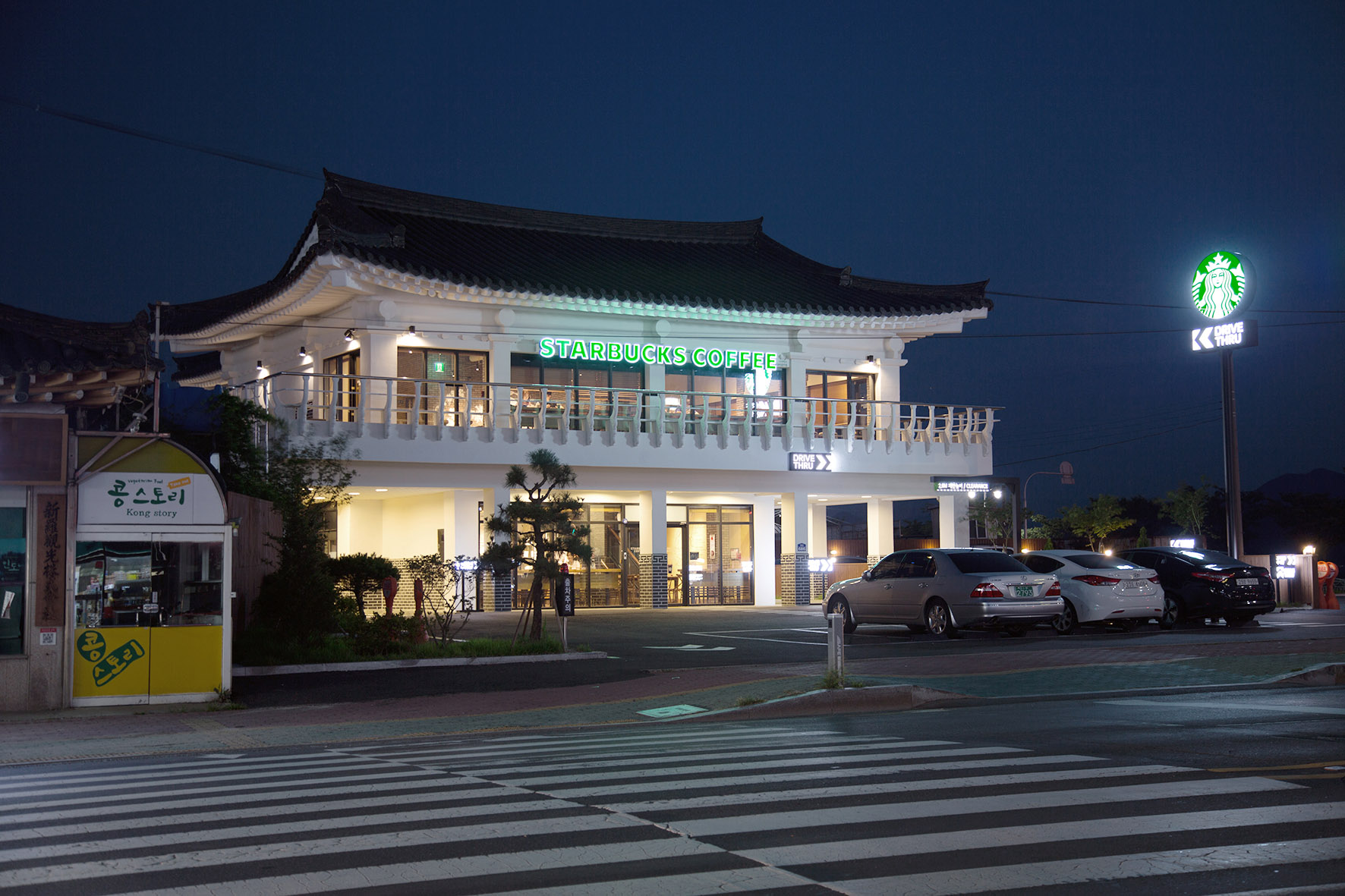
Boyun Jang, Starbucks in front of Gyeongju Intercity Bus Terminal, July 2016, 2016, Digital pigment print, 80 x 120 cm © Boyun Jang

"The work was inspired by René Daumal's unfinished novel Mount Analogue. The novel follows a journey to climb a mountain that exists but can never be reached. From a realistic perspective, it is an impossible premise—a journey toward a mountain that exists, yet no one has ever been able to reach. To me, Gyeongju felt like the Mount Analogue of the novel, a place that can never truly be arrived at.

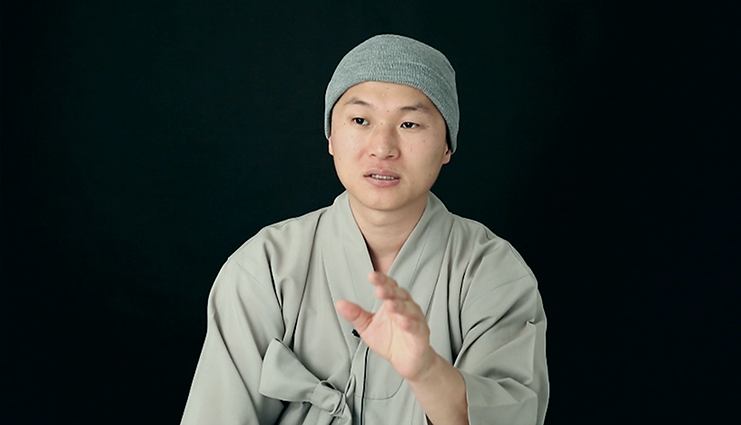
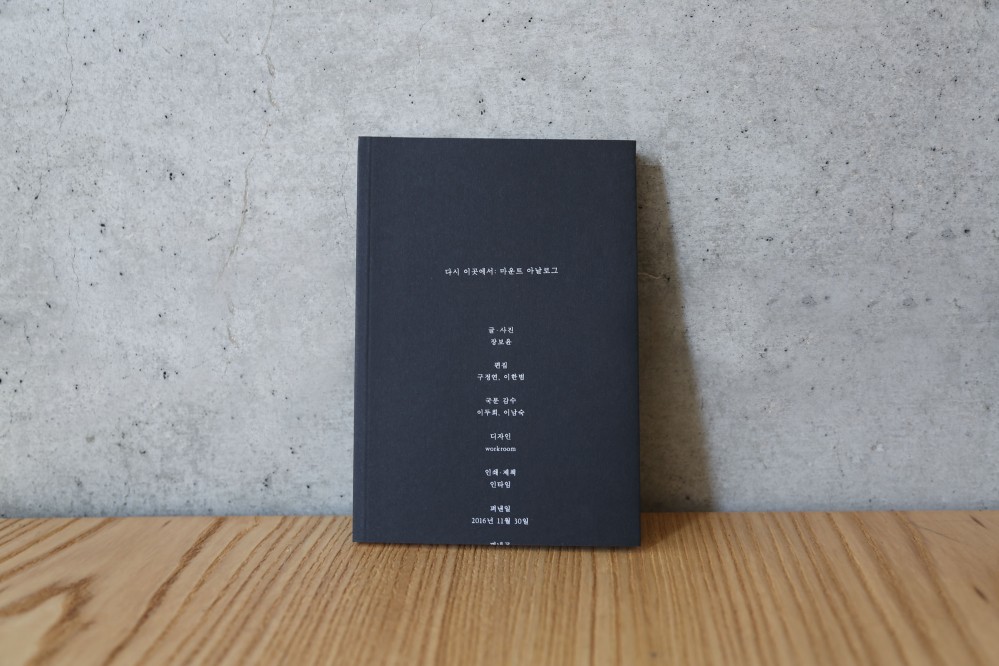
It is a place we remember and commemorate through our past, yet Gyeongju itself continues to change and transform. That is why I combined the works from A Capital City of Thousand Years, Memory Devices, and several additional interview-based video works to create Back Here Again: Mount Analogue. The aspects that could not be fully contained within the exhibition were instead brought together in the form of a book."

Within every individual's narrative, there are elements that are shared. Even if, as the lyrics of a popular song suggest, "memories are written differently," it is through these shared points that human beings achieve empathy. Perhaps Boyun Jang's Mount Analogue is an attempt to reveal precisely this point of intersection, using Gyeongju as its metaphor.


Boyun Jang, The Essay Book of Mount Analog, 2016, Book © Boyun Jang

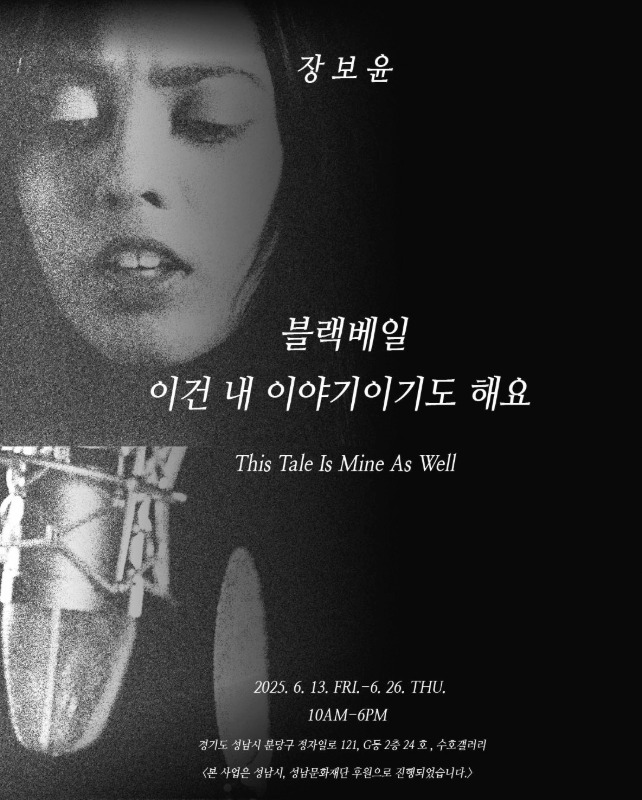
These days, Jang is contemplating a new direction for her practice. While continuing to explore the same central themes, she seeks to transform the way in which those stories are told. In many ways, she has arrived at a turning point in her artistic journey.

"In my earlier works, I collected discarded memories left behind by others and built narratives from them. Now, I want to create images centered on the people who actively seek to prove their own existence.

More specifically, I'm interested in the stories of people who carry the weight of their own lives. I hope my work can prompt people to recall images they had forgotten, or perhaps encourage them to look once again at things that continue to exist but have faded from their awareness."

Although trained in Western painting, Boyun Jang chose the demanding path of working with photography simply because it was the medium best suited to expressing the ideas she wished to pursue. What new images will the narratives of memory she has accumulated—and will continue to accumulate—create as they bear witness to our existence?

References