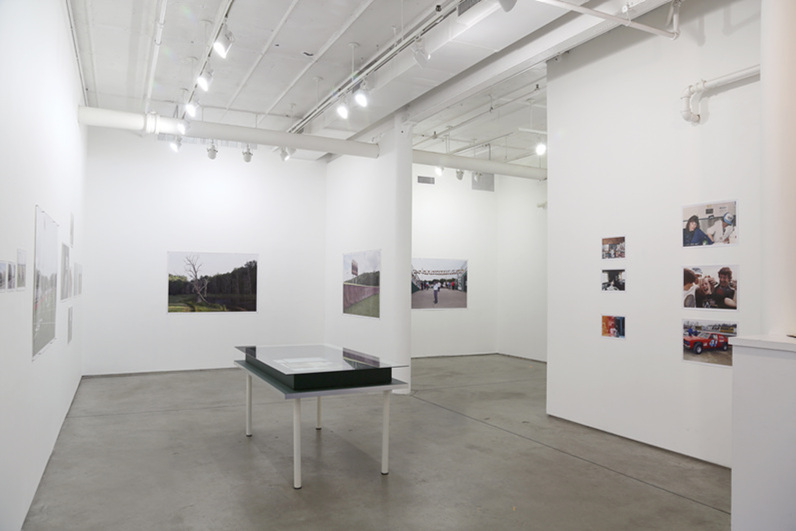
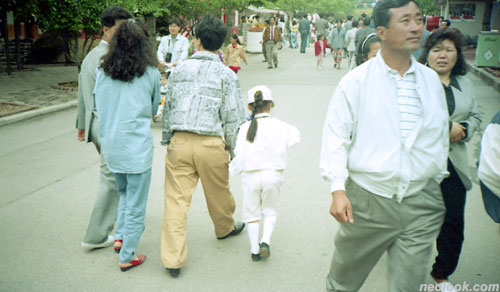
A discarded roll of film came into Boyun Jang's possession sometime in the autumn of 2006. At the time, she had been wandering through abandoned houses in a neighborhood undergoing extensive redevelopment, observing objects that signified the absence of human presence. Among these objects—silent evidence that "no one is here"—she happened upon a roll of film and decided to have it developed.

The resulting photographs revealed, in chronological sequence, fragments of a family's life from the past, leaving an impression entirely different from that of the objects found in the empty houses. Standing before these images—documents of events that had undeniably taken place and visual manifestations of lives that had unquestionably existed—she experienced confusion, fear, and sorrow.

These emotions did not arise simply from the atmosphere of the photographs, but from the revelation of existence itself. Ultimately, in order to confront the nature of the emotions that had unexpectedly come upon her, she resolved to set out on a journey.

Her destination was the point of origin of the photographs—the very place where the subjects that had left her with such emotional wounds had once existed. At that moment, she seemed not yet to realize the deceptive nature of photography, which endlessly postpones any true encounter with reality.


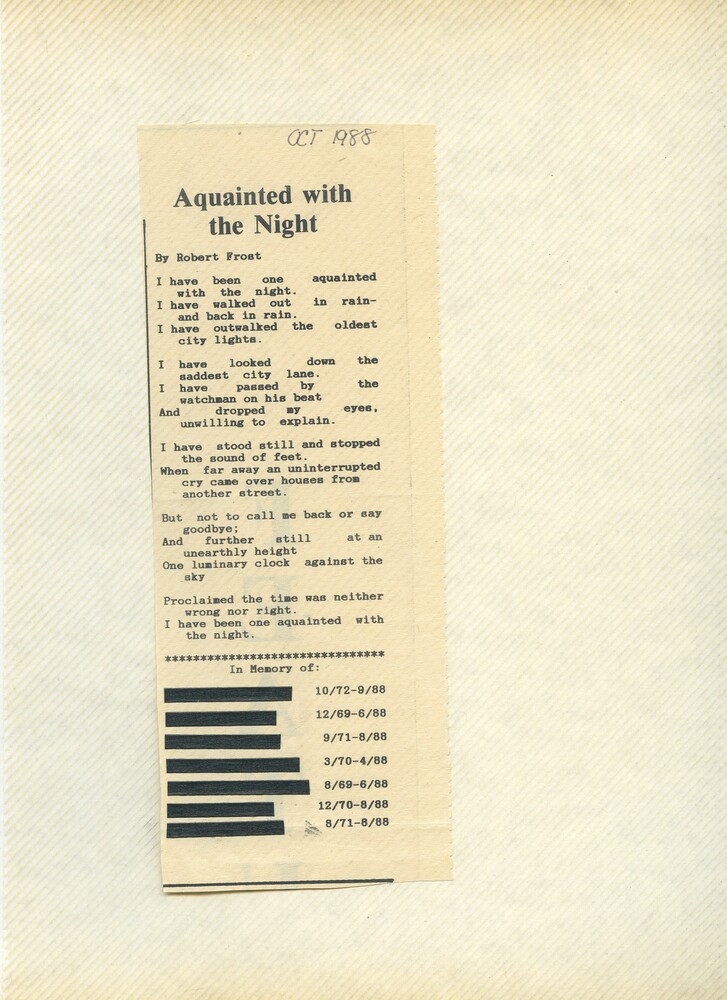
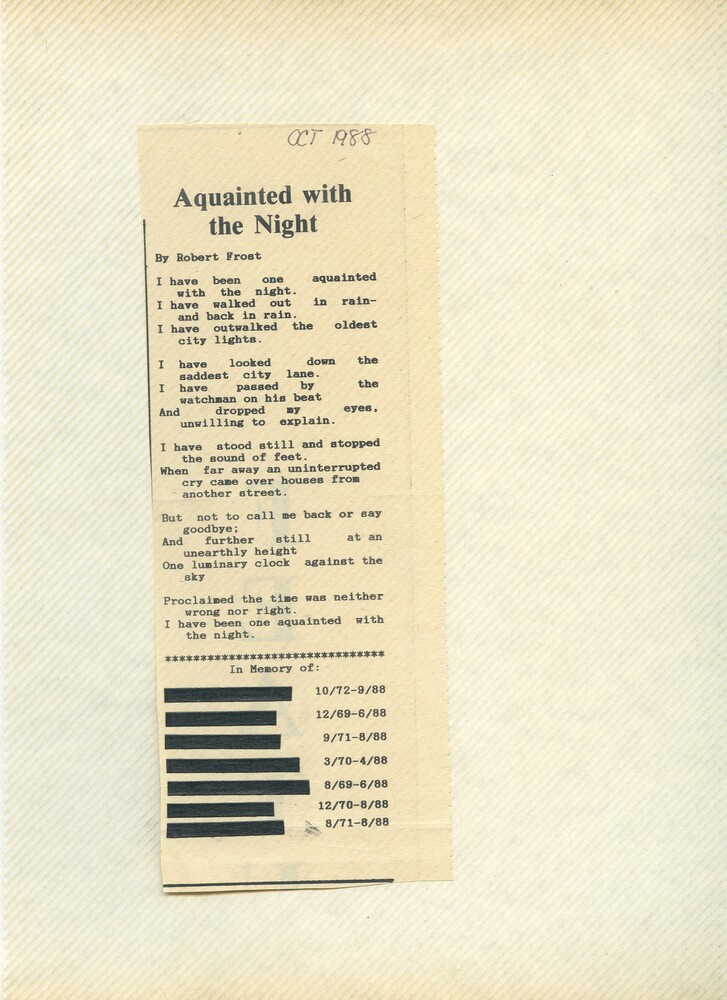
Boyun Jang, Lisa's Newspaper Clipping of 1988, 2011, Newspaper, 6.7 x 26.5 cm © Boyun Jang

Presence / Absence

The beginning of this journey signified that the artist could no longer remain solely in the position of a third-person observer. Between 2006, when she first found the roll of film, and 2007, when she embarked on her journey in earnest, there was a gap of approximately one year.

During this period, she repeatedly came across photographs belonging to strangers, sometimes by chance and sometimes through acquaintances who handed over photographs they had found or kept themselves. Initially content simply to look at these images, she gradually found herself wanting to verify the events experienced by their subjects, the places where those events had occurred, and the objects that had once occupied those spaces.

When she first began photographing the objects left behind in abandoned houses in 2005, at the outset of her artistic practice, she clearly maintained the position of an observer, implicitly acknowledging the absence of the individuals who had once been connected to those objects.

Photographs, however, were different. Rather than revealing absence, they disclosed the condition of presence through the places once inhabited and the objects once touched by specific individuals.

This distinction led Boyun Jang not only to travel as an action, but also through empathy—entering the photographs from the perspective of a first-person protagonist. Her second travel-based project, Acquainted with the Night, records without reservation the shifts in perspective she experienced as she physically intervened in the places depicted in the photographs.

While participating in the Art Omi Residency in New York in 2010, the artist received three photo albums belonging to a high school girl, given the pseudonym Lisa, from an elderly man. The albums contained photographs documenting Lisa's birth in the 1970s and her life as a high school student during the 1980s.

As Jang immersed herself in the life of Lisa, who was simultaneously the recorder and the subject of the photographs, she became increasingly absorbed in the major and minor events that had shaped her life.

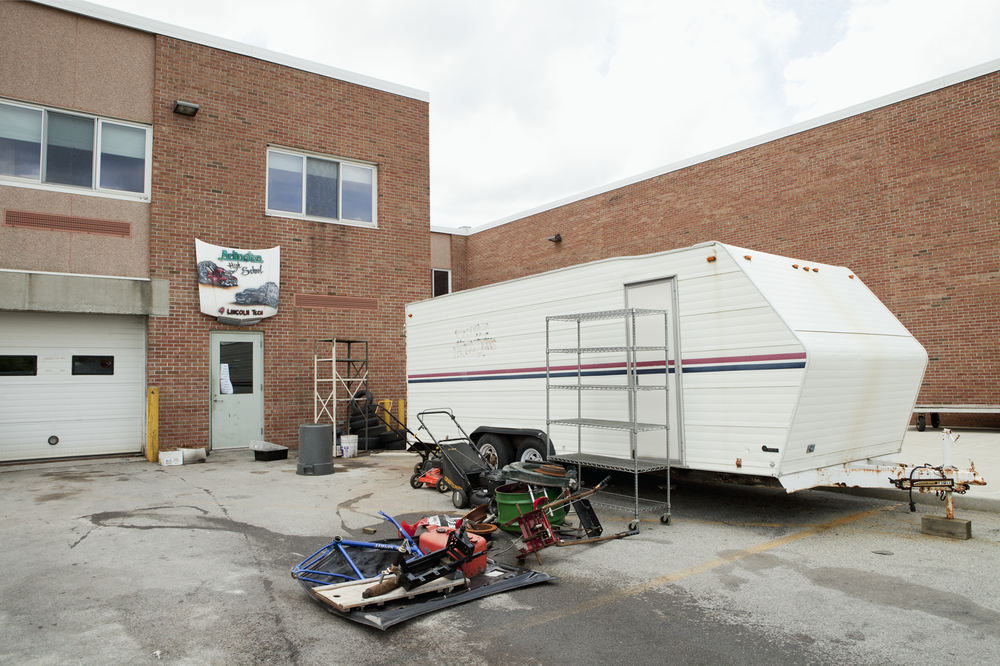
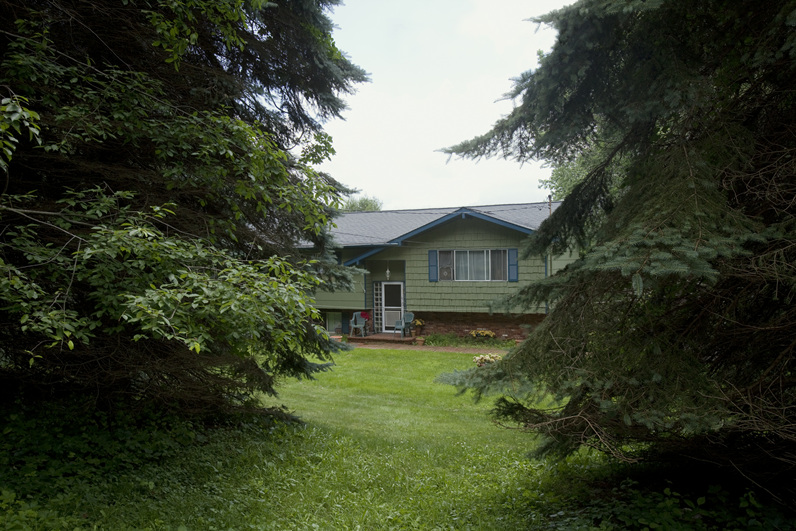
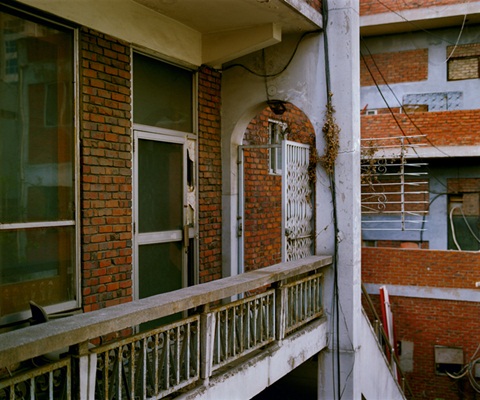
Before long, she set out to visit the actual locations where those events had taken place: Vassar Brothers Medical Center, where Lisa was born; the Still Road house where she had lived; Route 22, where her boyfriend died; and Horn & Thomes Funeral Home. A publication produced as part of the project documents, over the course of more than one hundred pages, the artist's gradual insertion of herself into Lisa's point of view.

What is particularly intriguing, however, is that the more physically and emotionally she intervenes in another person's life, the more acutely she becomes aware of her own exclusion from it. What Boyun Jang is ultimately permitted is only to experience the places and objects identified by the photographs as a kind of déjà vu.


Boyun Jang, On the Still Road 01, 2011, Digital print, 60 x 40 cm © Boyun Jang

The memories and recollections contained in Lisa's photo albums... create scenes of the most ordinary moments in everyday life, only to disappear once again.

These repeated situations continually call Lisa's time back to mind, while confronting me with the fact that those moments can slip away at any time.

Moments in which people and objects continuously vanish in this way inevitably give rise to an overwhelming sense of loss. To overcome this feeling, Jang shifts her position from the first-person perspective of the protagonist (Lisa, the Other) to that of the first-person observer (herself in the present).

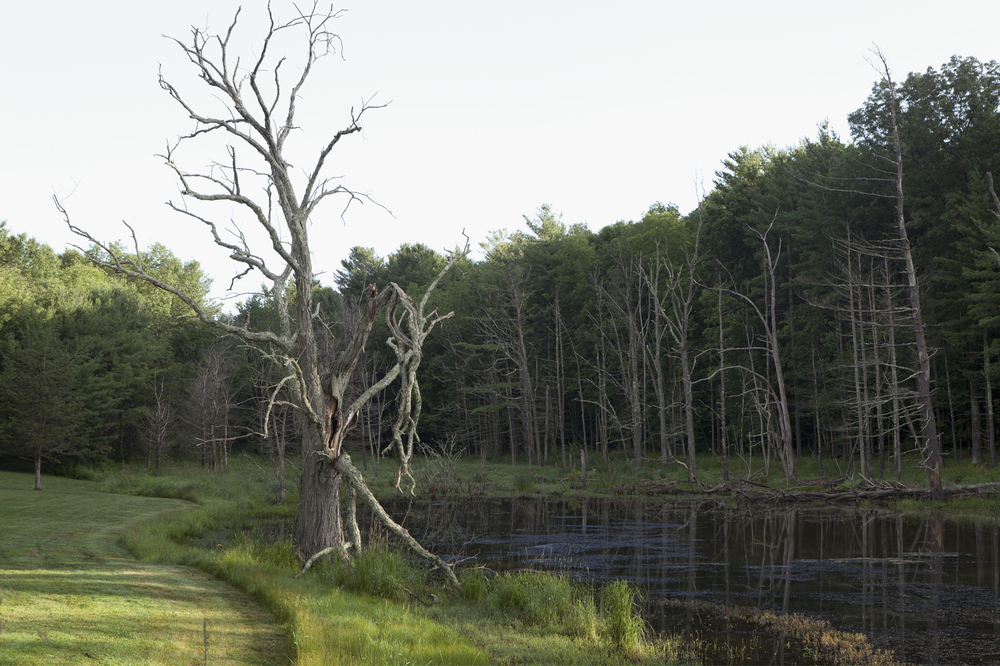
Returning to the position of the artist as subject rather than Lisa, she begins to carry out acts that rescue reality from death: photographing the lake Lisa frequently visited, filming a memorial ceremony at the high school she attended, and collecting the remnants of her own journey—tickets, newspapers, maps, and other traces.

These actions function as self-protective gestures, attempts to hold onto an Other who momentarily appears before her only to shatter, disappear, and retreat beyond the possibility of any lasting encounter.

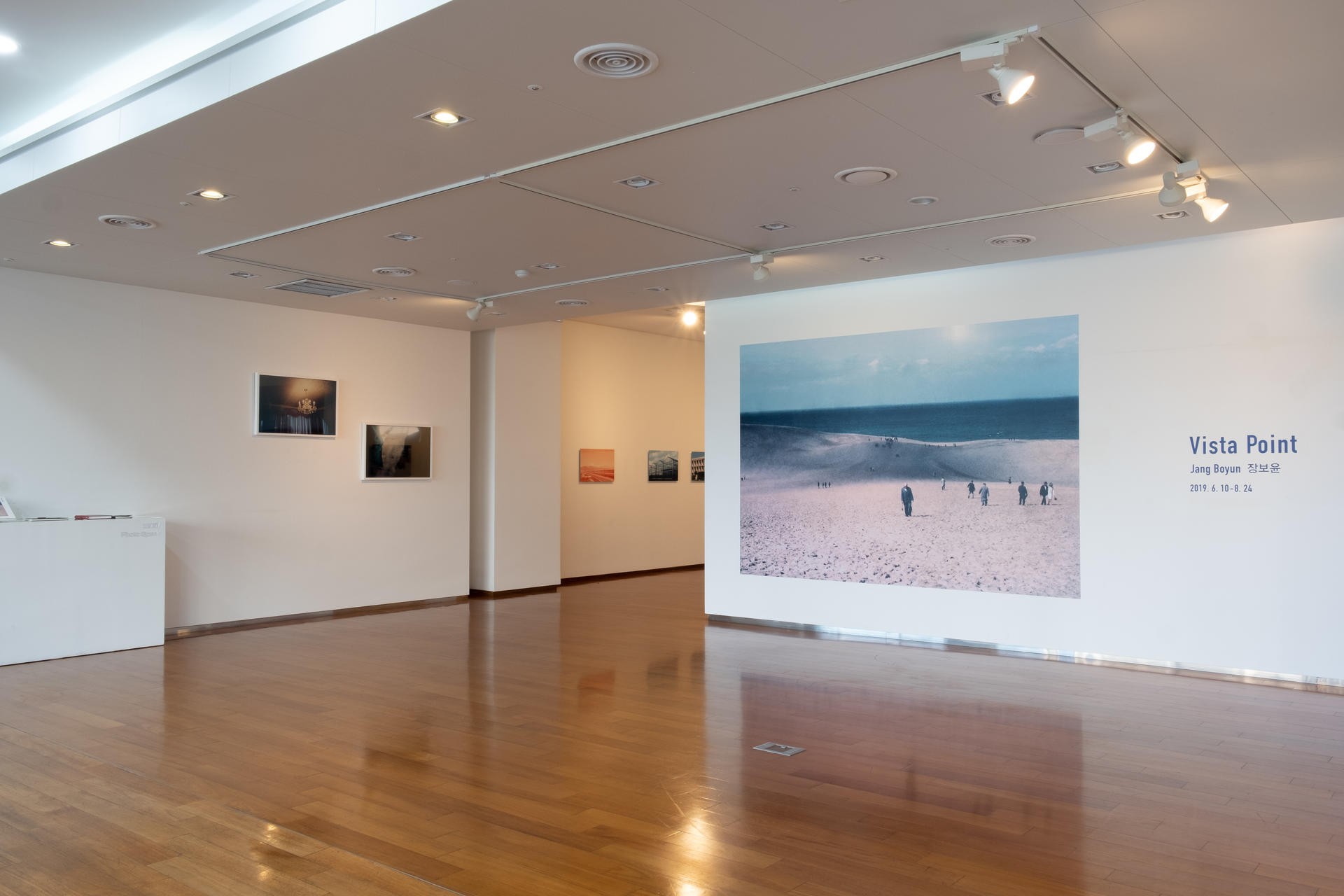
This desire to replace the death of reality with its substitutes can already be found in her first travel project, Preface of Memory: K's Slides. The work is based on a collection of slides documenting a man's travels through Japan between 1968 and 1978. Following the dates and locations recorded on the slides, Jang retraces the man's journey, only to realize that an encounter with the person depicted in the photographs is ultimately impossible.

This awakening to absence manifests itself through gestures such as photographing landscapes in which the settings remain but the people have disappeared, or deliberately erasing the figure from the slides themselves. At the same time, however, her longing for reality persists, as evidenced by the transformation of the individual endlessly suggested by the photographs into a fabricated counterpart.

Jang invents a fictional character named "K" as the owner of the slides, reconstructs a room in which he might once have stayed, and stages the arrival of fabricated letters from K via fax. Through the creation of such substitute figures and fictional events, she reveals the burden borne by an artist caught between the two opposing conditions of "being" and "non-being."


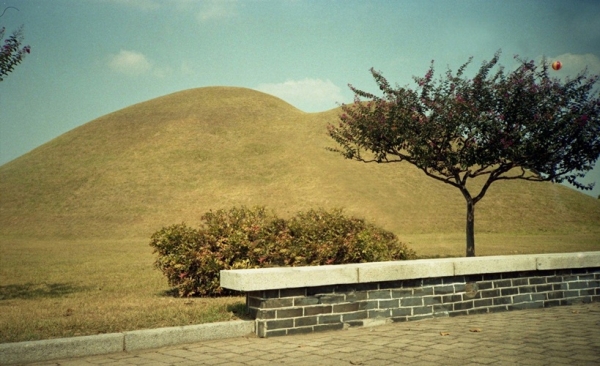
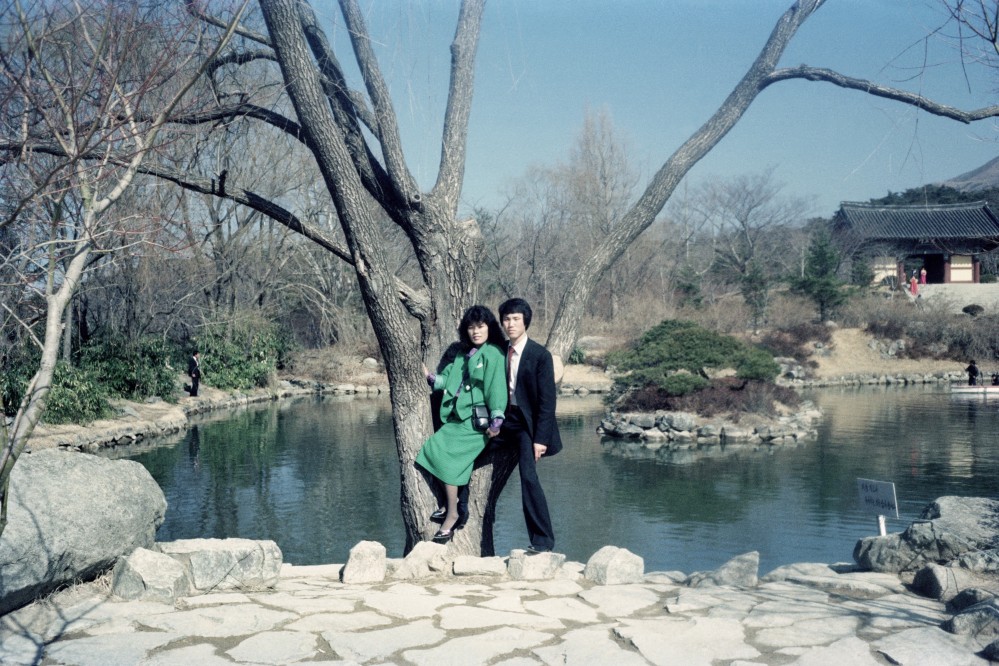
Boyun Jang, Bulguksa Temple, March of 1988, 2016, Digital pigment print, 80 x 120 cm © Boyun Jang

Having-Been

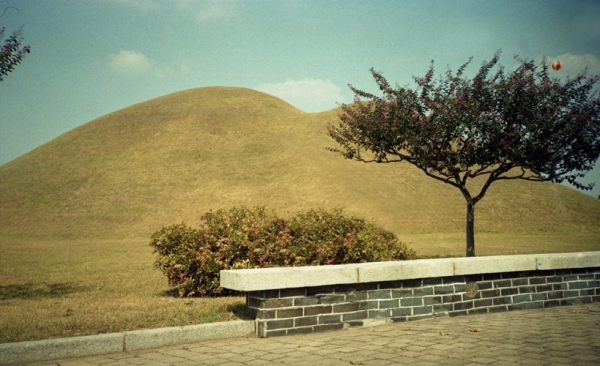
In recent years, Boyun Jang has turned her attention to Gyeongju, the thousand-year-old capital of the Silla Kingdom, as yet another site for confirming absence. Since 2006, approximately 3,500 photographs have come into the artist's possession. Among them, what particularly drew her attention was the repeated appearance of landscapes from Gyeongju across otherwise unrelated images.

Even the family photo album that directly prompted this journey documented three separate visits to Gyeongju—for a honeymoon, a family trip, and a school excursion. In fact, Gyeongju is a place so familiar to Koreans that it appears repeatedly in photographs belonging to entirely different individuals and groups.

Home to numerous historical sites and cultural relics, it was elevated during the formation of the modern nation-state as both the spiritual and physical origin of the Korean people, and before the liberalization of overseas travel in 1989, it was regarded as one of the country's foremost tourist destinations.

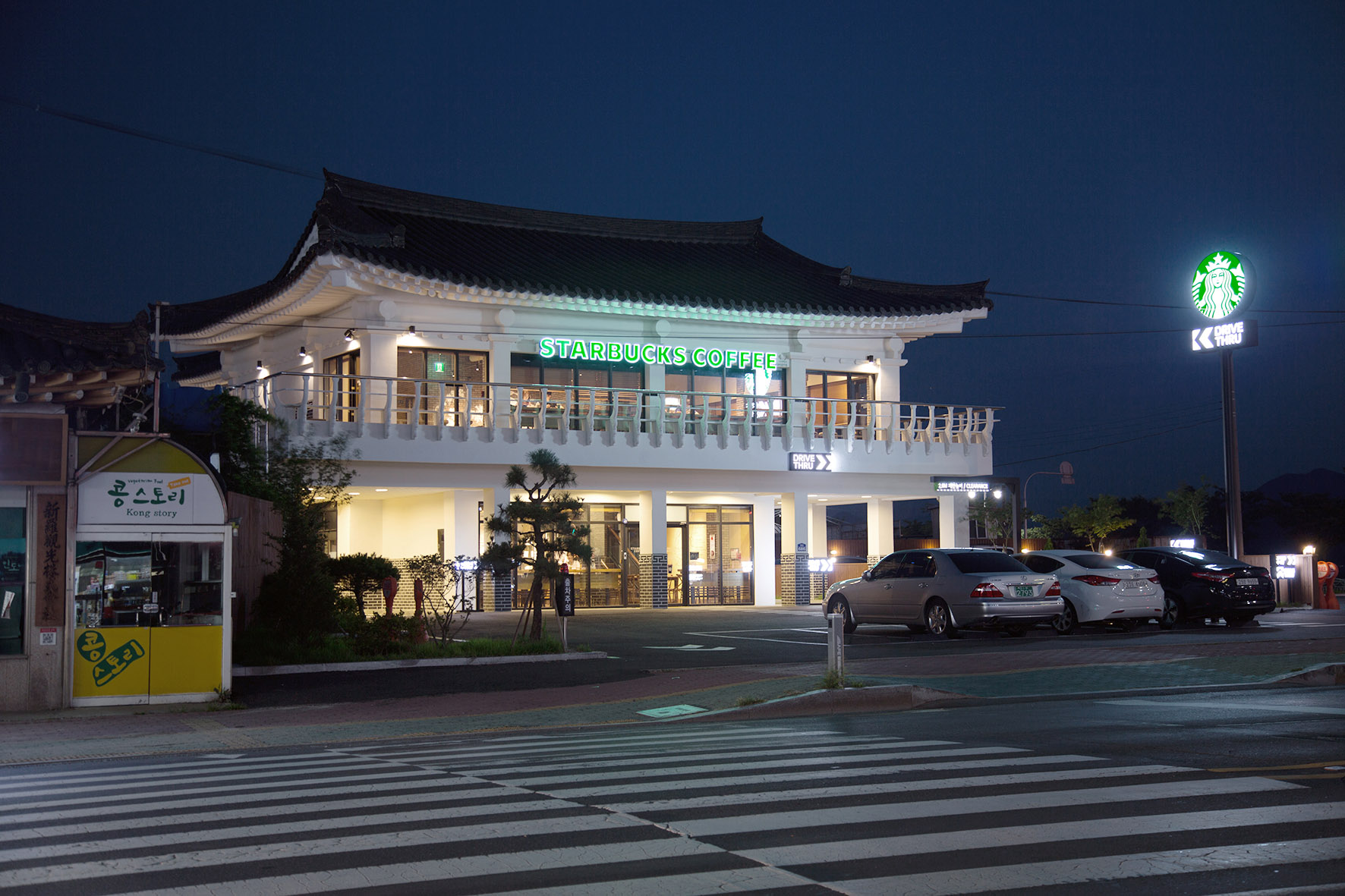
Today, however, Gyeongju has lost the prestige it once enjoyed as a producer of modern national fantasies, gradually becoming a neglected and abandoned city. Though its historic landmarks remain intact, it is no longer a place where the dreams of newlyweds or the aspirations of youth take root. Like an old photo album, the city has been pushed to the margins of memory and life itself, becoming "a place that no one visits anymore—or ever will."

Jang's journey to Gyeongju begins precisely because of this temporality, suspended in the past. She perceives Gyeongju as a city in which countless anonymous people and events exist only in the past tense, and therefore as a place where an encounter with reality has been impossible from the outset. This understanding distinguishes A Capital City of Thousand Years from her earlier works.

As discussed above, her previous journeys unfolded as continual crossings between presence and absence, driven by the desire to verify the reality of another person. The journey to Gyeongju, by contrast, follows a path shaped by the awareness of a noema of "having-been"—a condition in which something unquestionably existed in the past, yet whose present existence can no longer be verified.[2]

"Having-been" encapsulates two conditions simultaneously: the past tense and the absence of the subject from the present site. These two conditions operate together throughout the work.


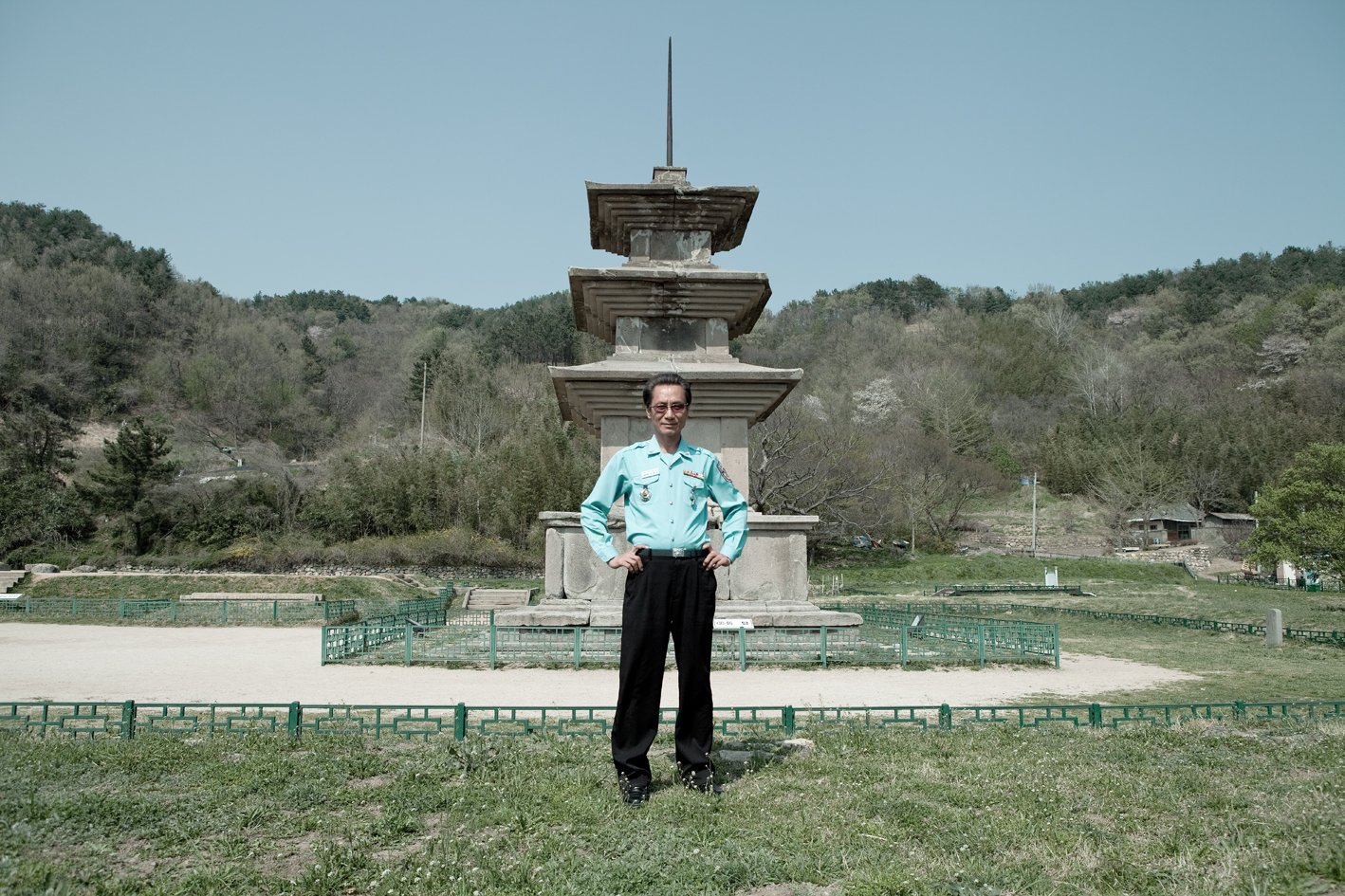
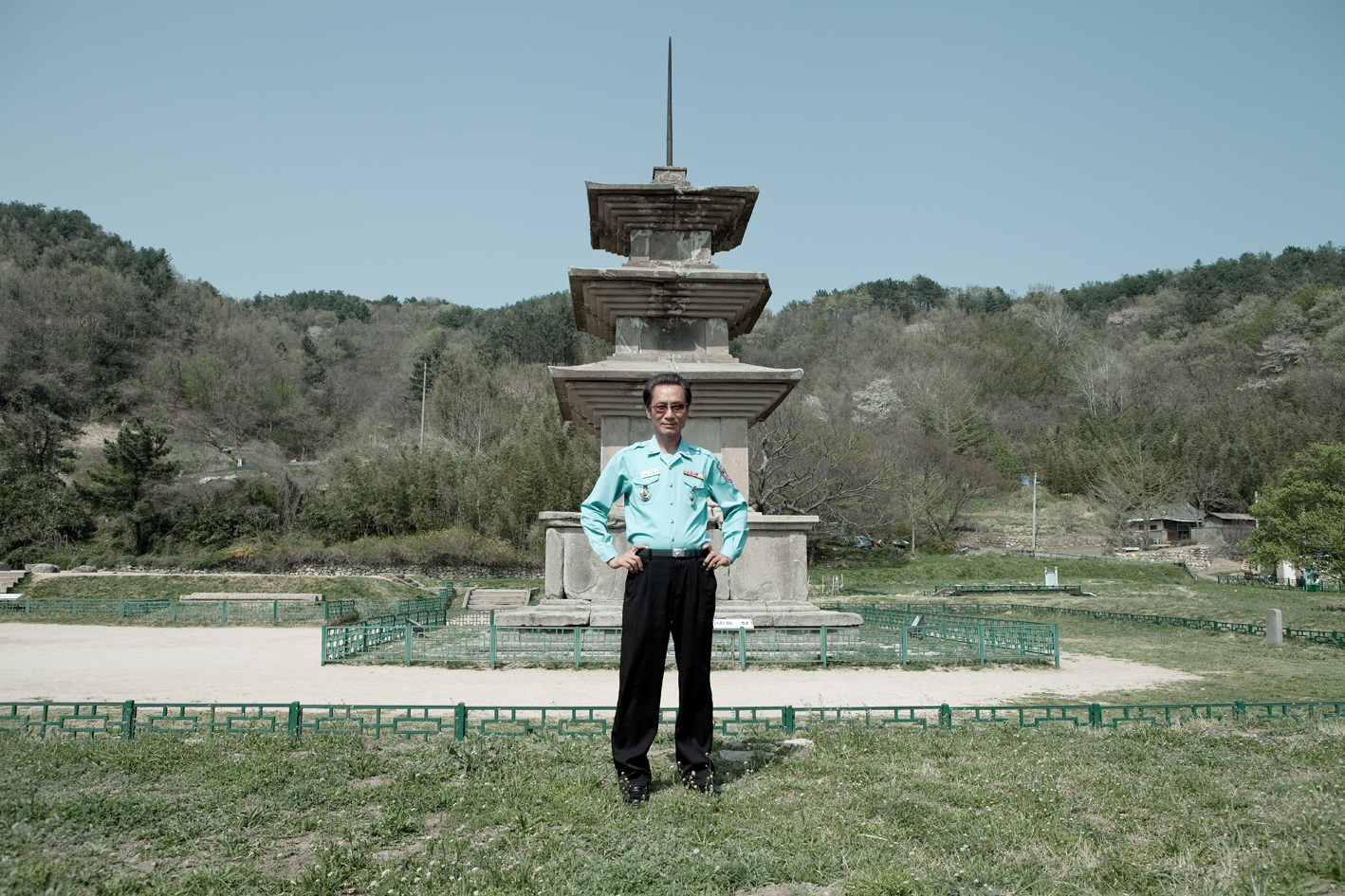
Boyun Jang, Taxi Driver Choi Gwangsik, 2012, Digital C-Print, 120 x 80 cm © Boyun Jang

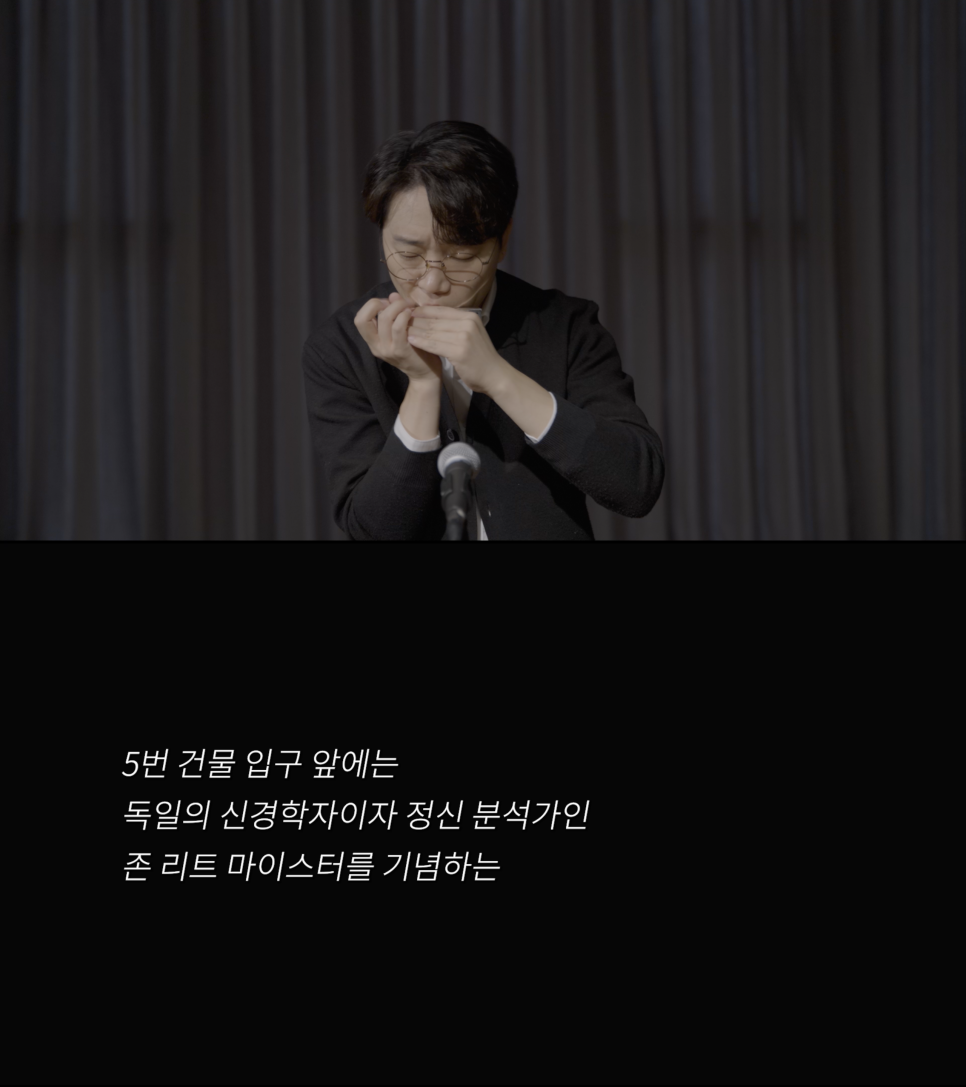
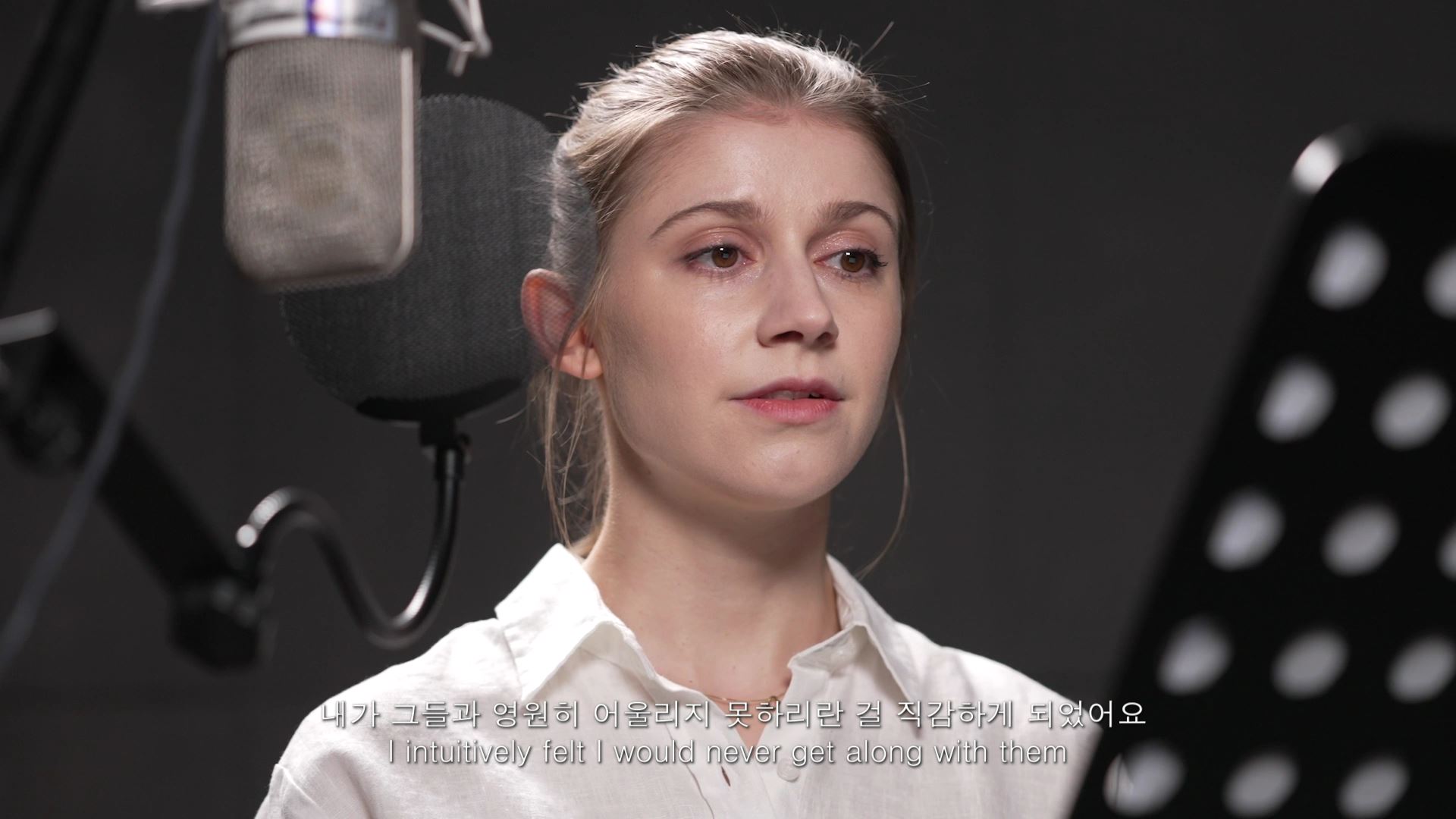
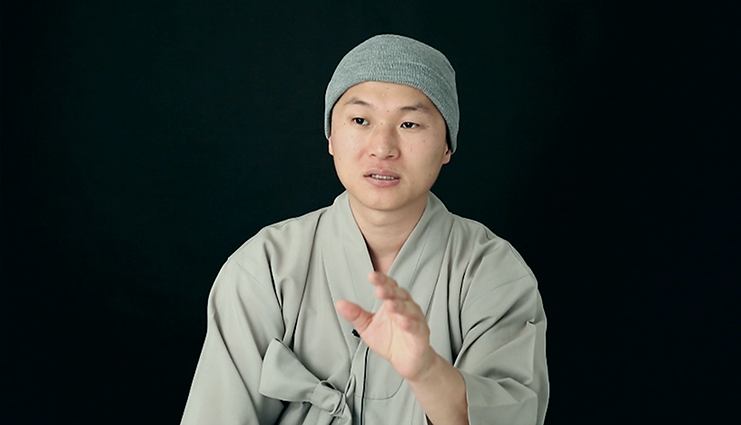
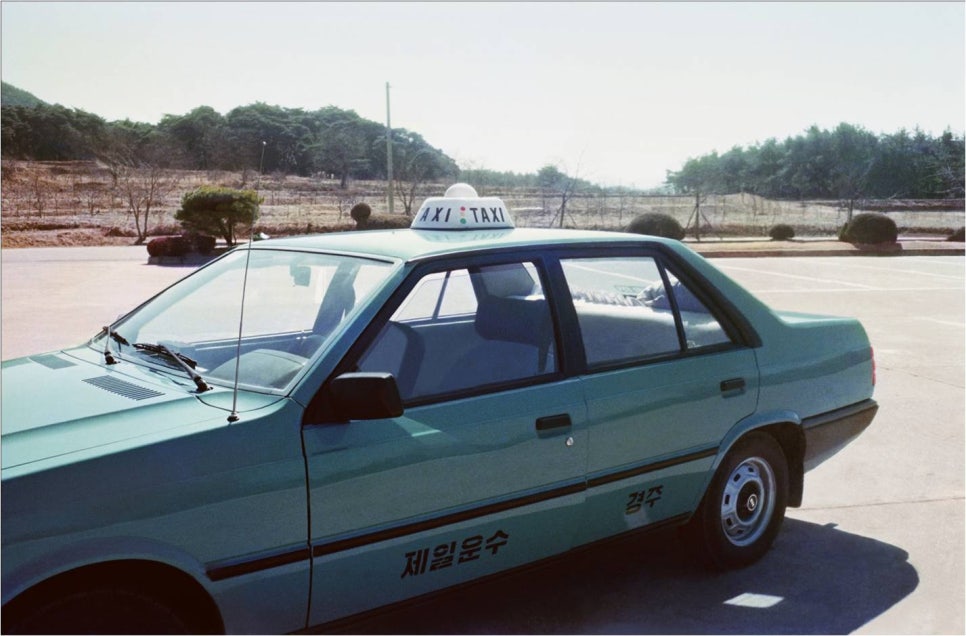
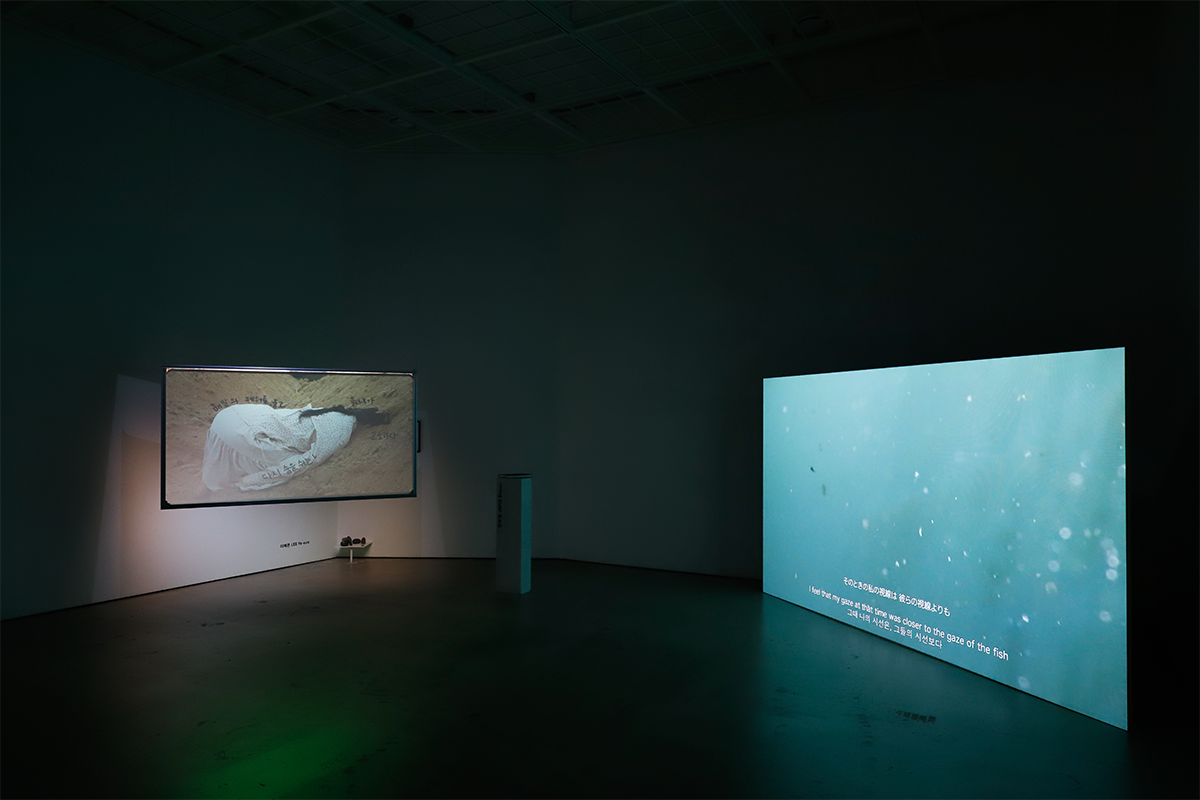
Jang first assigns a past-tense temporality to Gyeongju through two video works. A taxi driver who worked in the city for thirty-five years recalls the people who passed through Gyeongju and the events that happened to them, emphasizing that the destination the artist seeks exists only in the past. Likewise, blurry YouTube footage accompanied by the song Moonlit Night of Silla continually evokes Gyeongju as a city belonging to another time, distancing it from the present.

By summoning memories associated with Gyeongju in an irregular, fragmentary manner, Jang disrupts any linear pursuit of her subject and endlessly postpones an encounter with reality. She further emphasizes absence by refusing to trace a single individual, instead pursuing multiple subjects simultaneously.

While following the honeymoon route remembered by the taxi driver, she suddenly shifts to the perspective of a high school girl visiting on a school excursion, or simply records the Gyeongju unfolding before her own eyes. Unlike her earlier works, which pursued a single point of view, the journey through Gyeongju unfolds through fragmented and multiple perspectives.

Even in the writing of the accompanying texts, she combines the voices of an adolescent girl and a newly married woman, allowing different stories to coexist. Although this use of multiple viewpoints and contrapuntal structure appears to acknowledge every individual and event that once inhabited the city, it ultimately blocks any attempt to reduce them to a single, unique, or definitive existence.

In short, Boyun Jang presents the past of Gyeongju in a non-linear manner in order to reveal a condition in which a place exists within everyone's memory, yet the substance of that memory remains forever beyond direct encounter. Paradoxically, however, as what once existed comes to be signified through its substitutes, the past and the present, presence and absence, the collective and the individual become woven together.

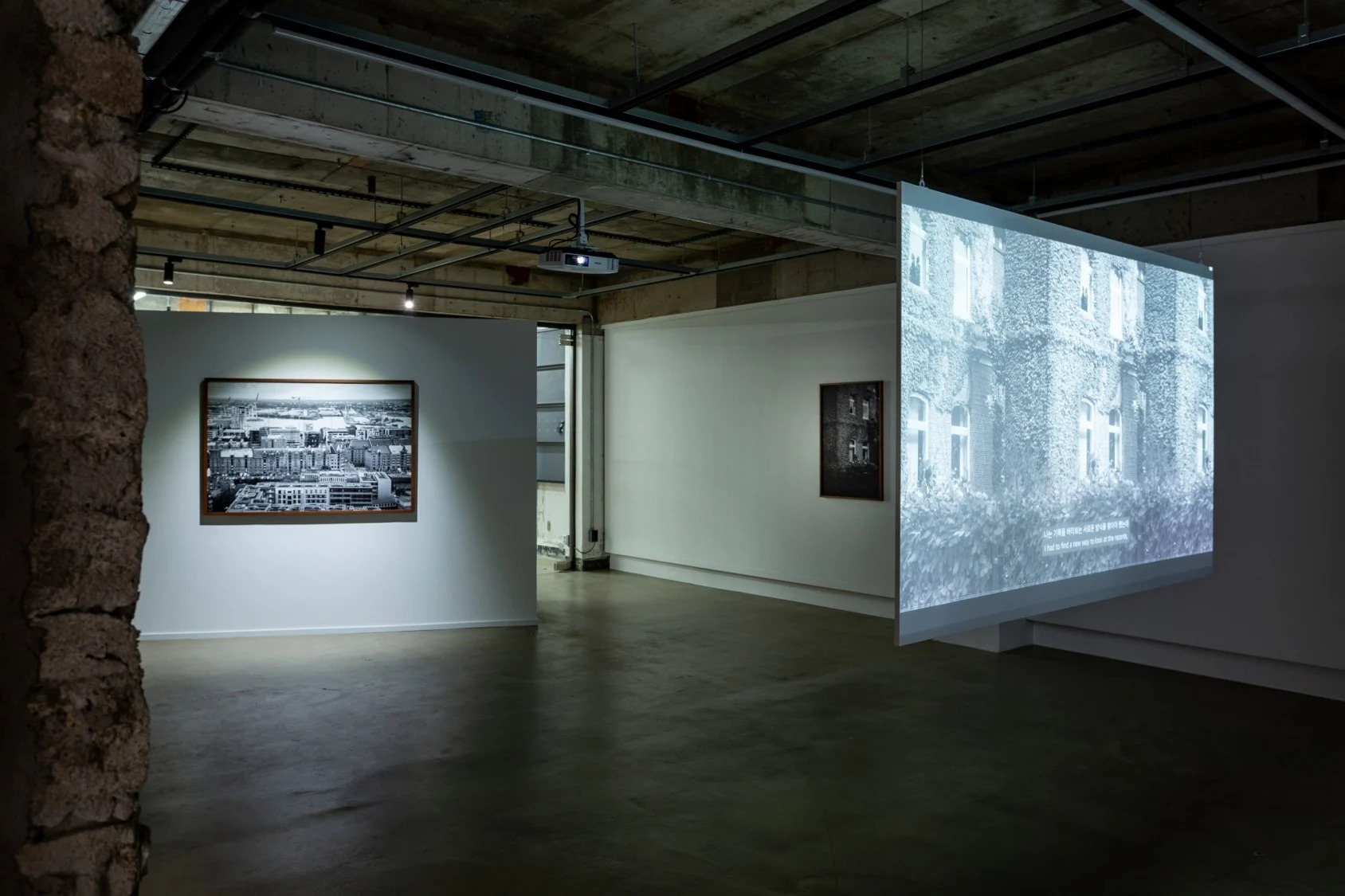
Standing before works in which archival photographs from the past are intermingled with Jang's own images, we can no longer distinguish between two temporalities, two perspectives, or two modes of existence. Through this act of weaving, she appears to transform a fossilized place into a site where countless events may continually emerge, converting a history that has been severed from the present into one that remains vividly alive.
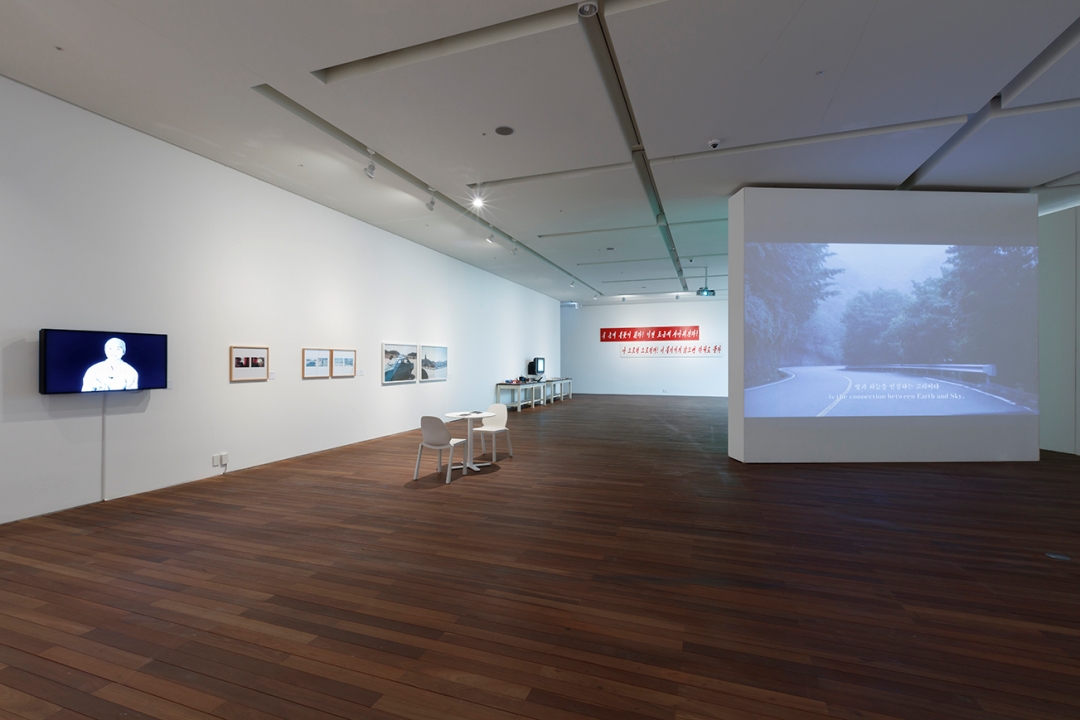
Jang's journeys generally begin with tangible evidence of existence—photographs, slides, diaries, and other traces that testify to lives once lived. Yet despite such evidence, each journey ultimately concludes by permitting only a belated encounter with reality. The artist has once remarked that whenever she completes a project, she is left with a profound sense of sorrow over the loss of existence and a feeling of despair as an artist.
Her acts of representation—photographing, drawing, and writing—can thus be understood as attempts to overcome this despair. Moreover, these performative practices return as a kind of "compensation that is not quite compensation" for loss. As past events are recalled and the absence of others is provisionally restored through substitutes, different times and spaces are opened simultaneously, generating multilayered modes of perception.

Reality itself may have disappeared, but the traces it leaves behind remain available for endless engagement. This is the fertile journey that Boyun Jang proposes—a journey in which absence continually gives rise to new possibilities.

References