In this era full of artificial man-made things, seeking more natural forms seems to make sense. On many food shows on television today chefs are passionate about finding quality ingredients, and from them bringing out their natural flavor. Chefs prepare the ingredients with their skilled hands, balancing its taste and imparting health and savoriness.
A painter, whose process is not unlike that of these chefs, also struggles to find the best materials for painting (like fine fabric, wood, nails, priming materials and paint). A painting is completed through the process of finding natural materials, through attaining a state of relaxation, and then naturally uniting brush, paint, fabric and the body of the artist.
Through the memory of meeting Park Kyung Ryul in the studio on one hot summer day, I have come to contemplate the meaning of ‘naturalness’ she emphasizes.
In painting: creating a new temporality
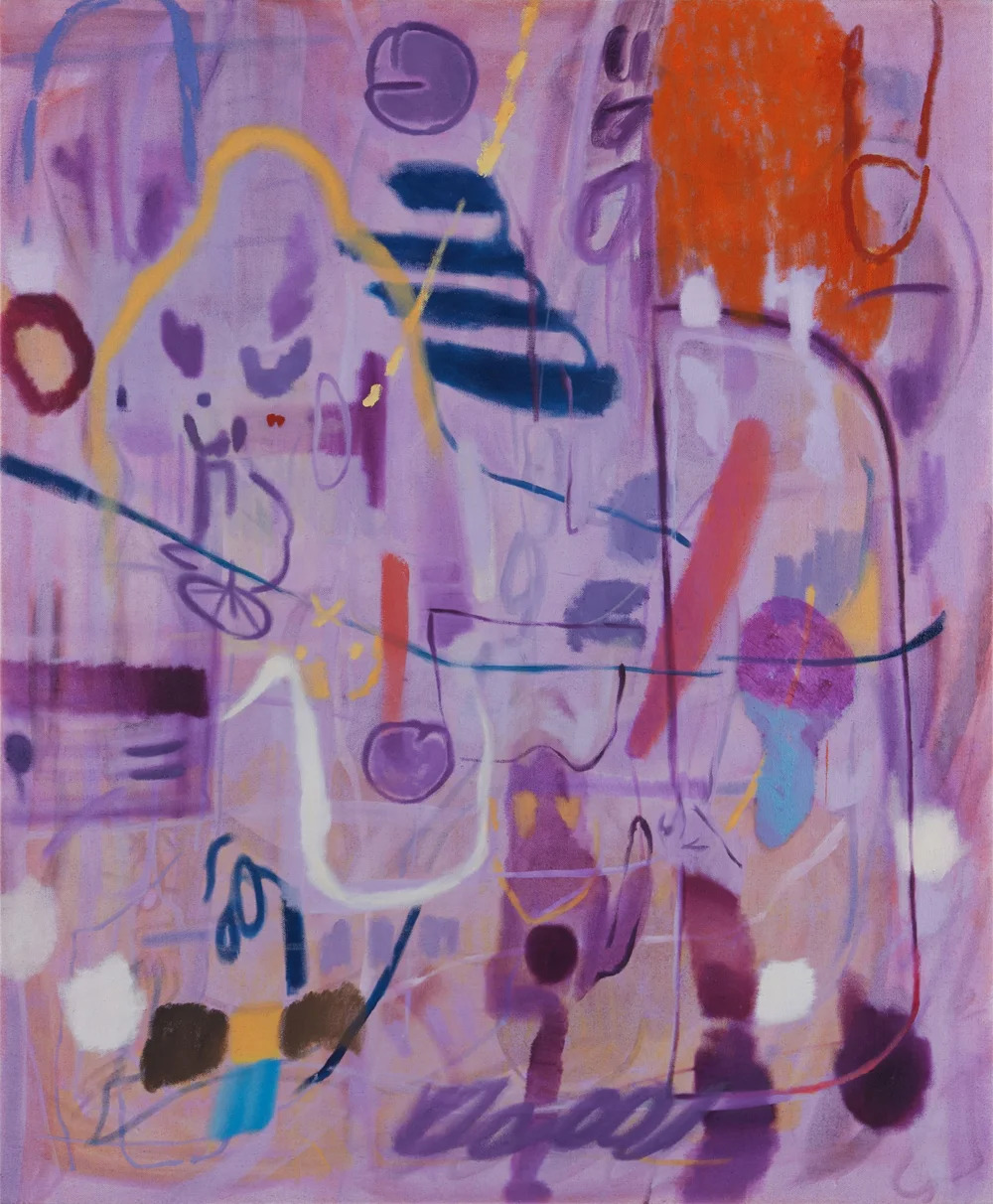
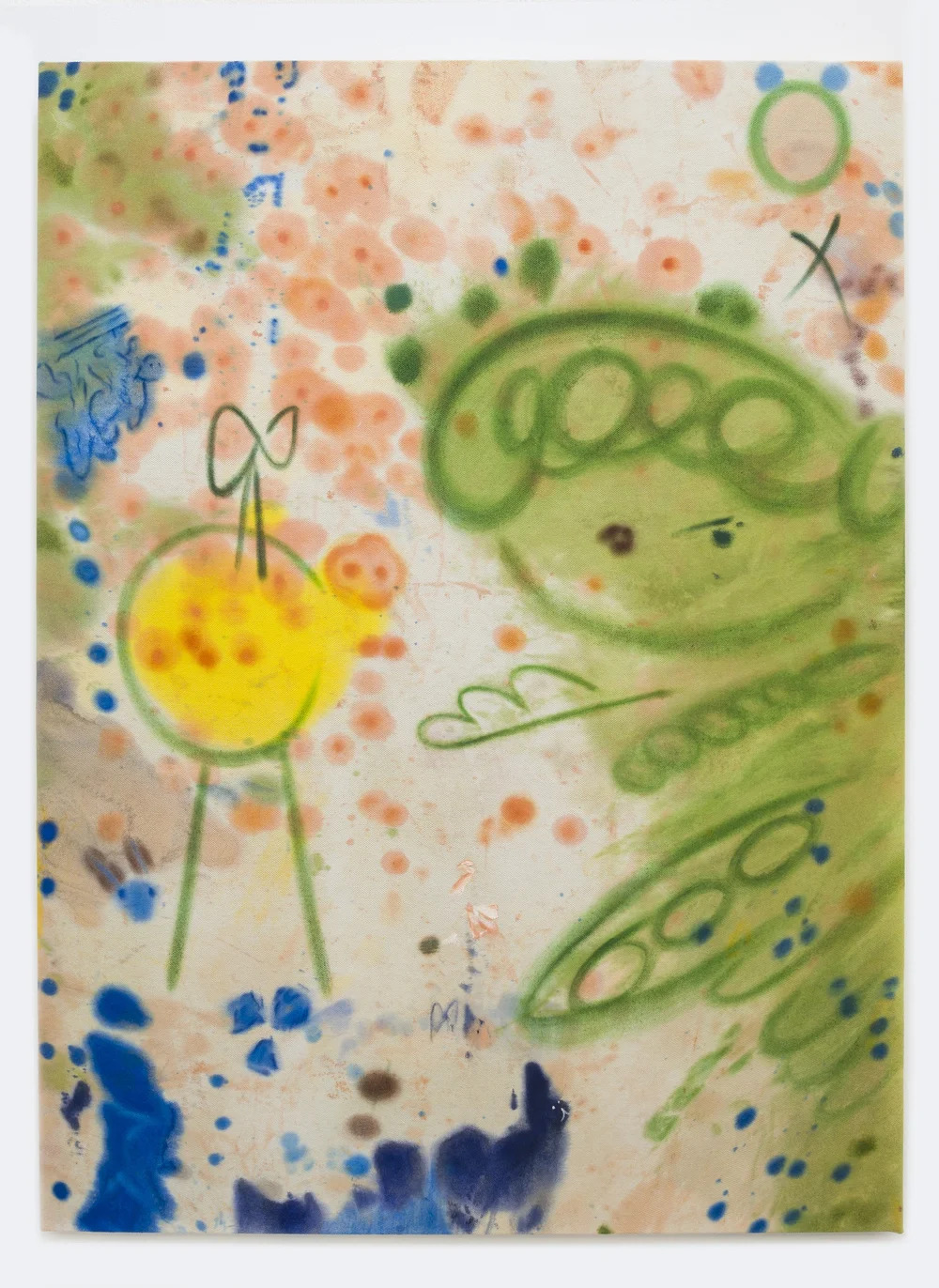
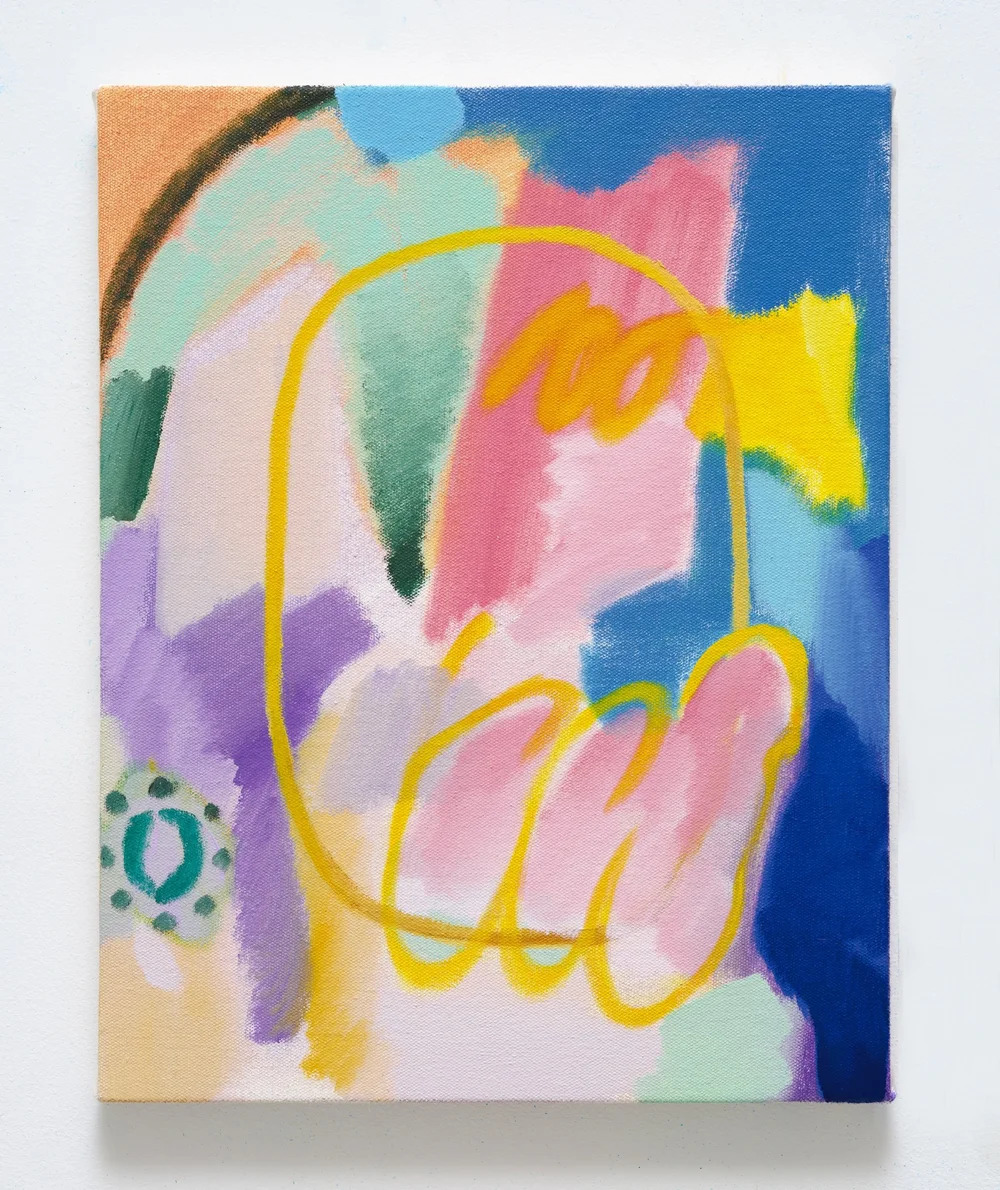
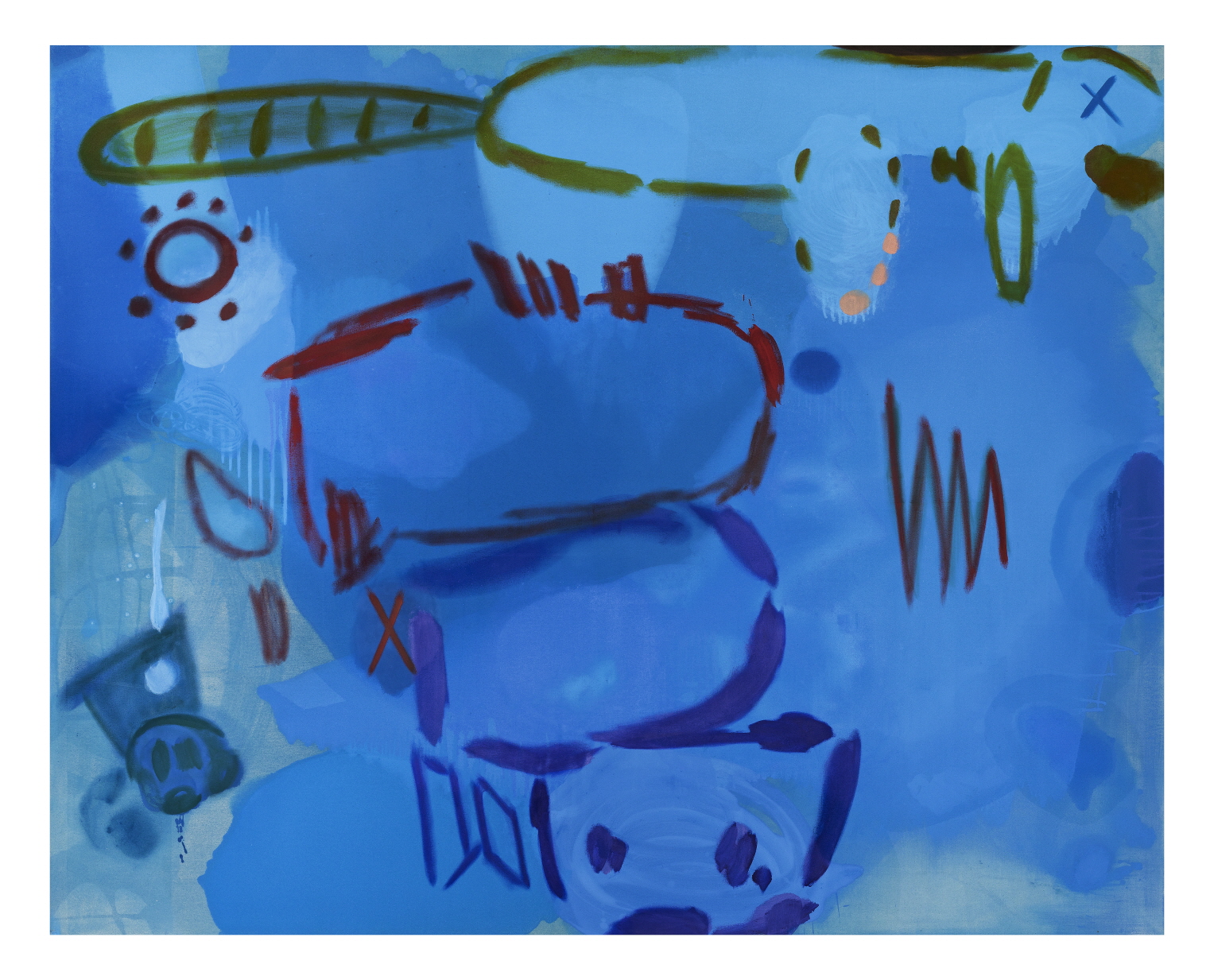
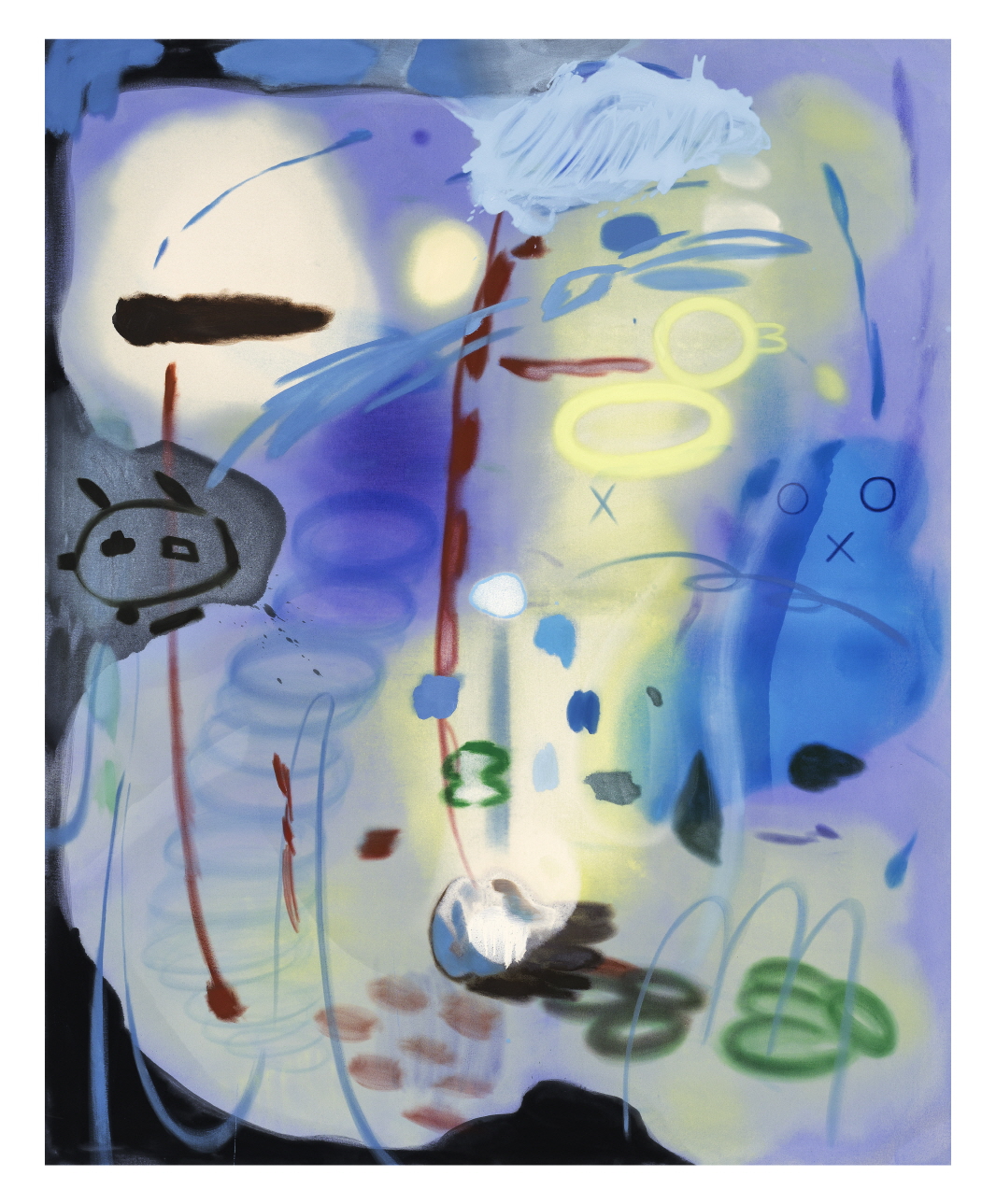
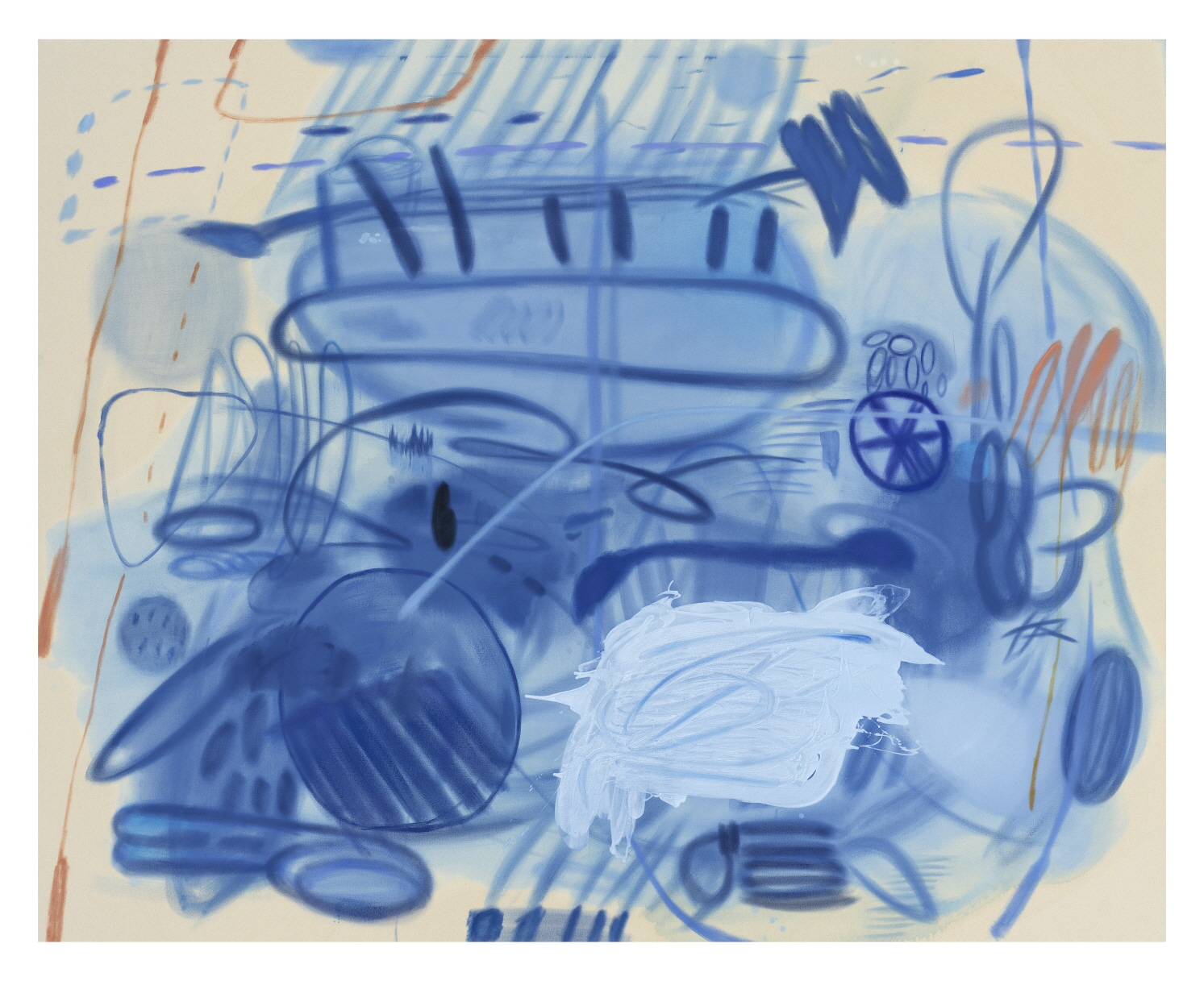
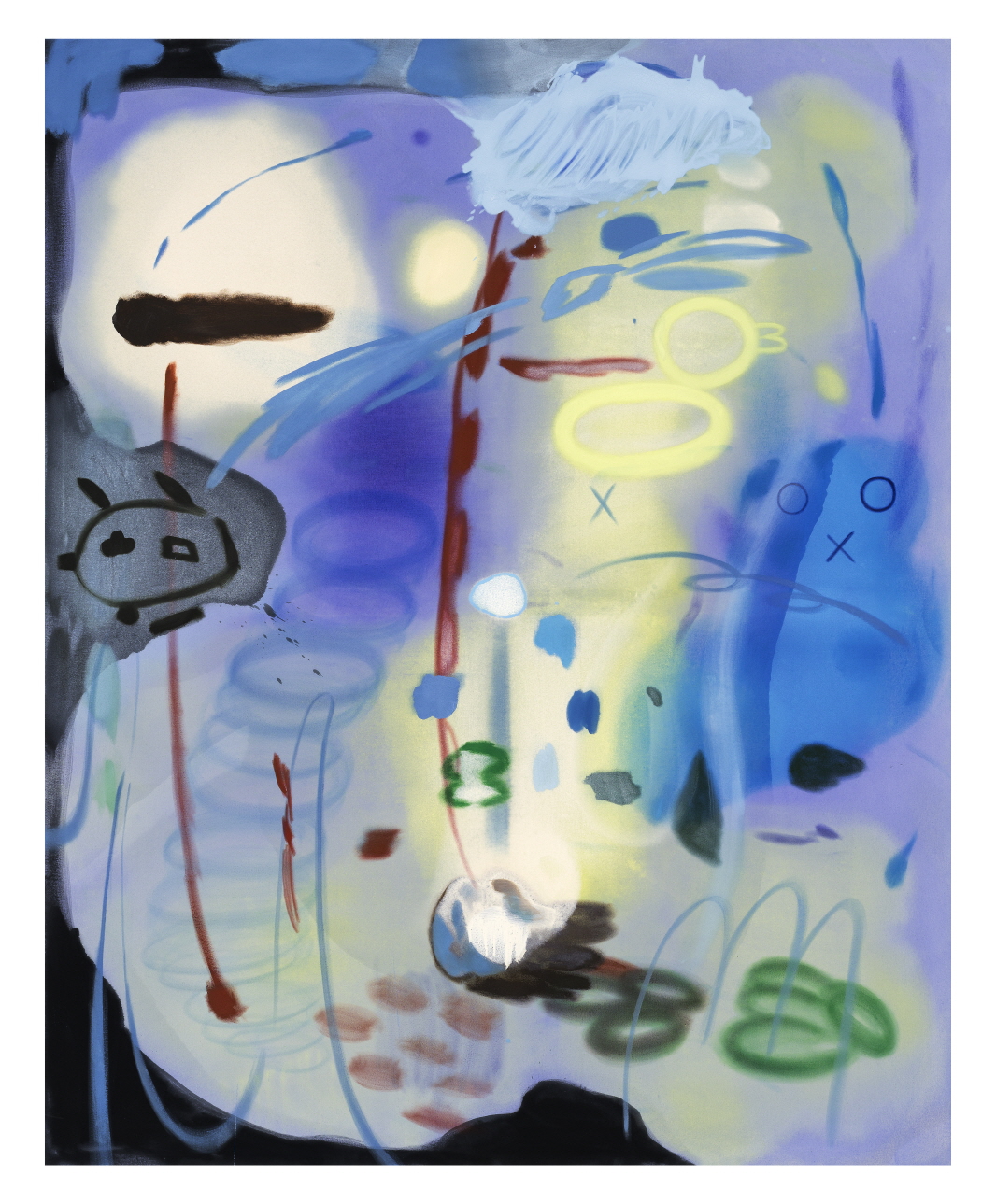
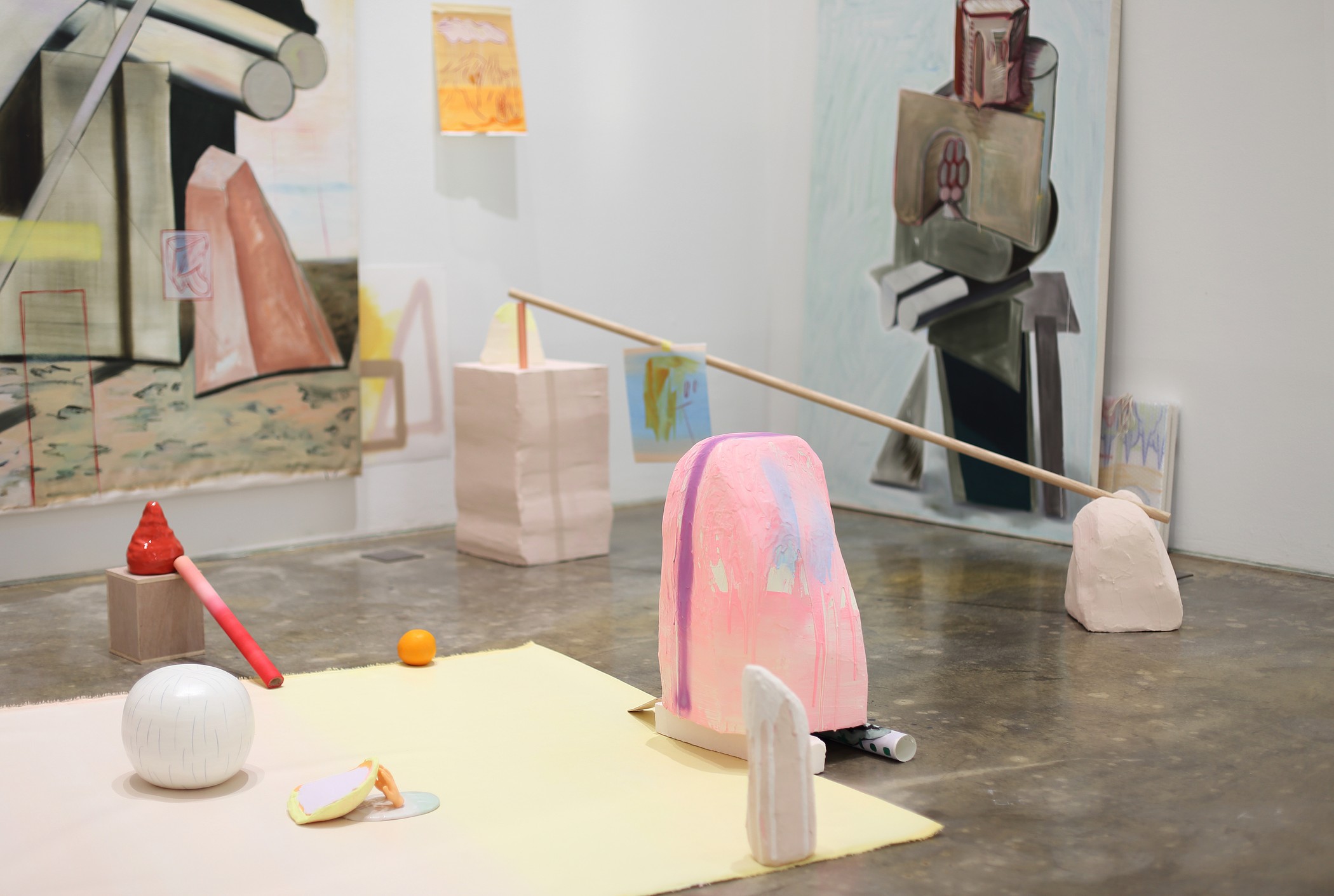
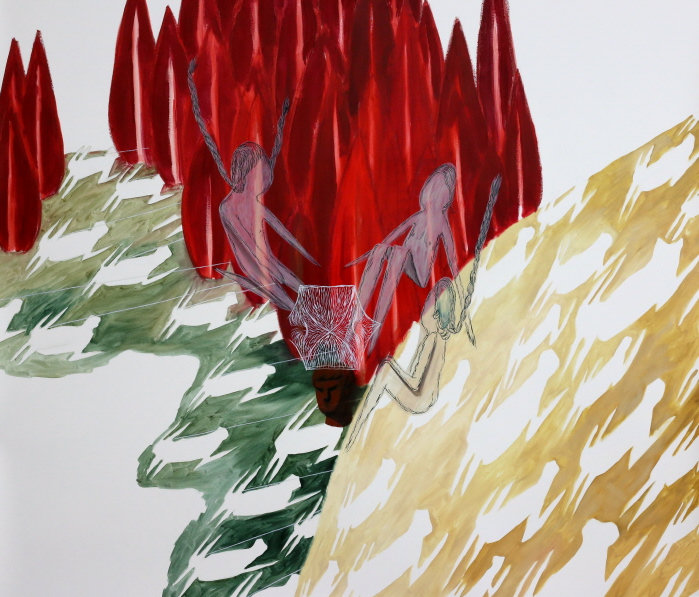
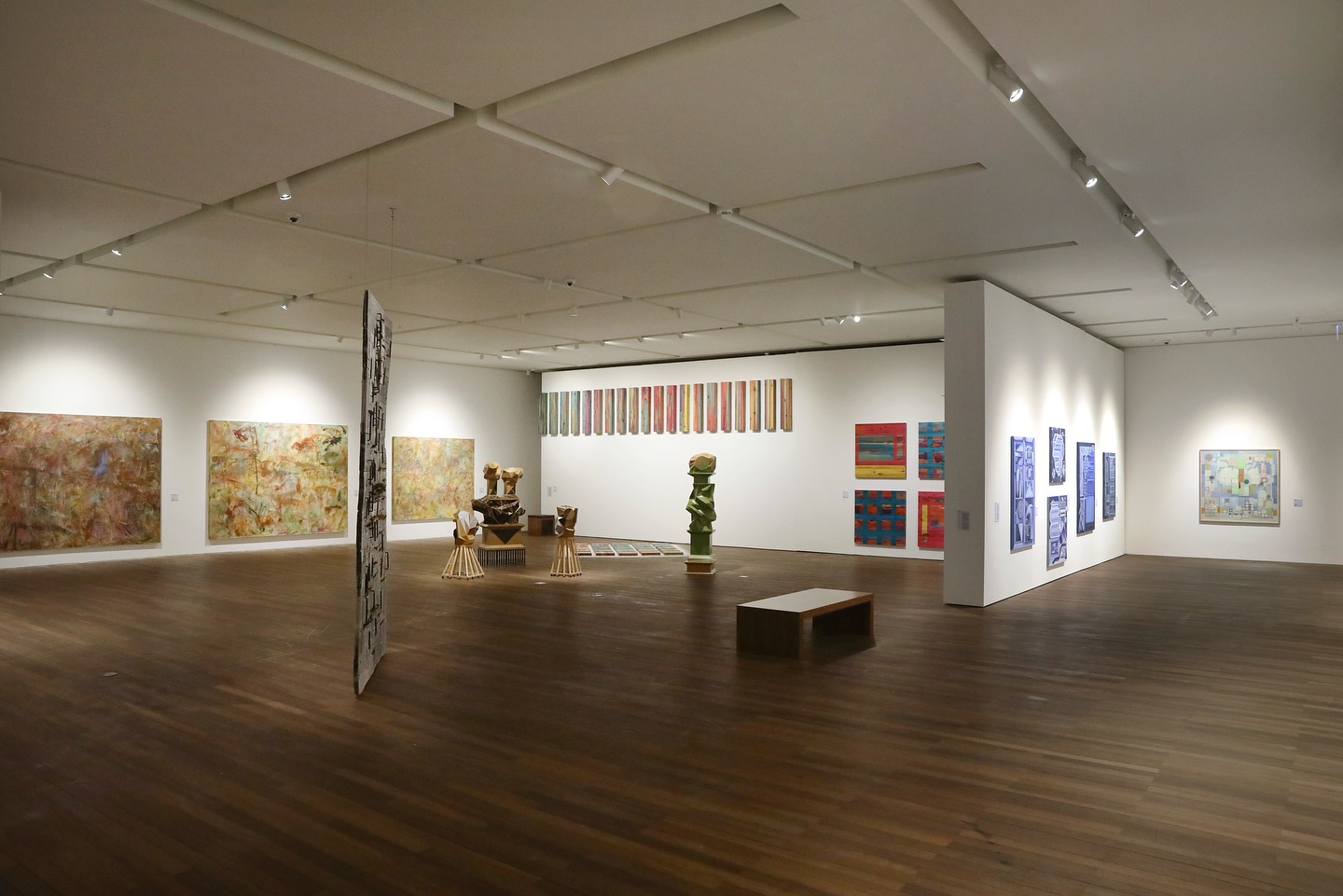
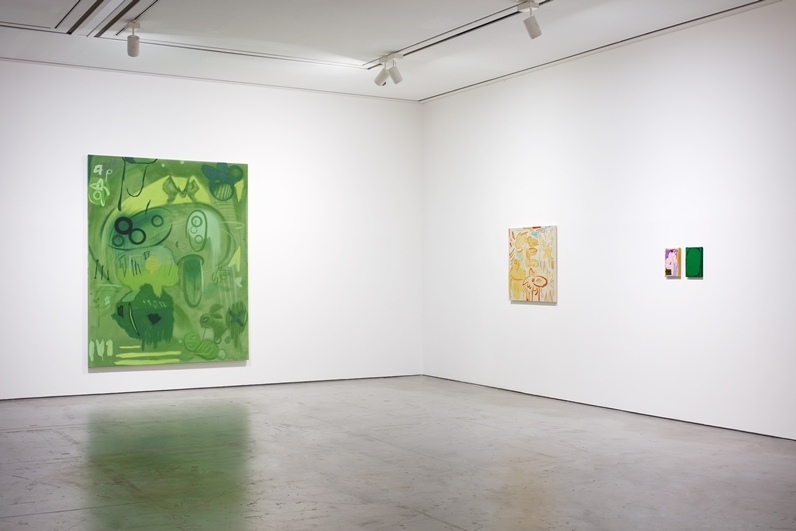
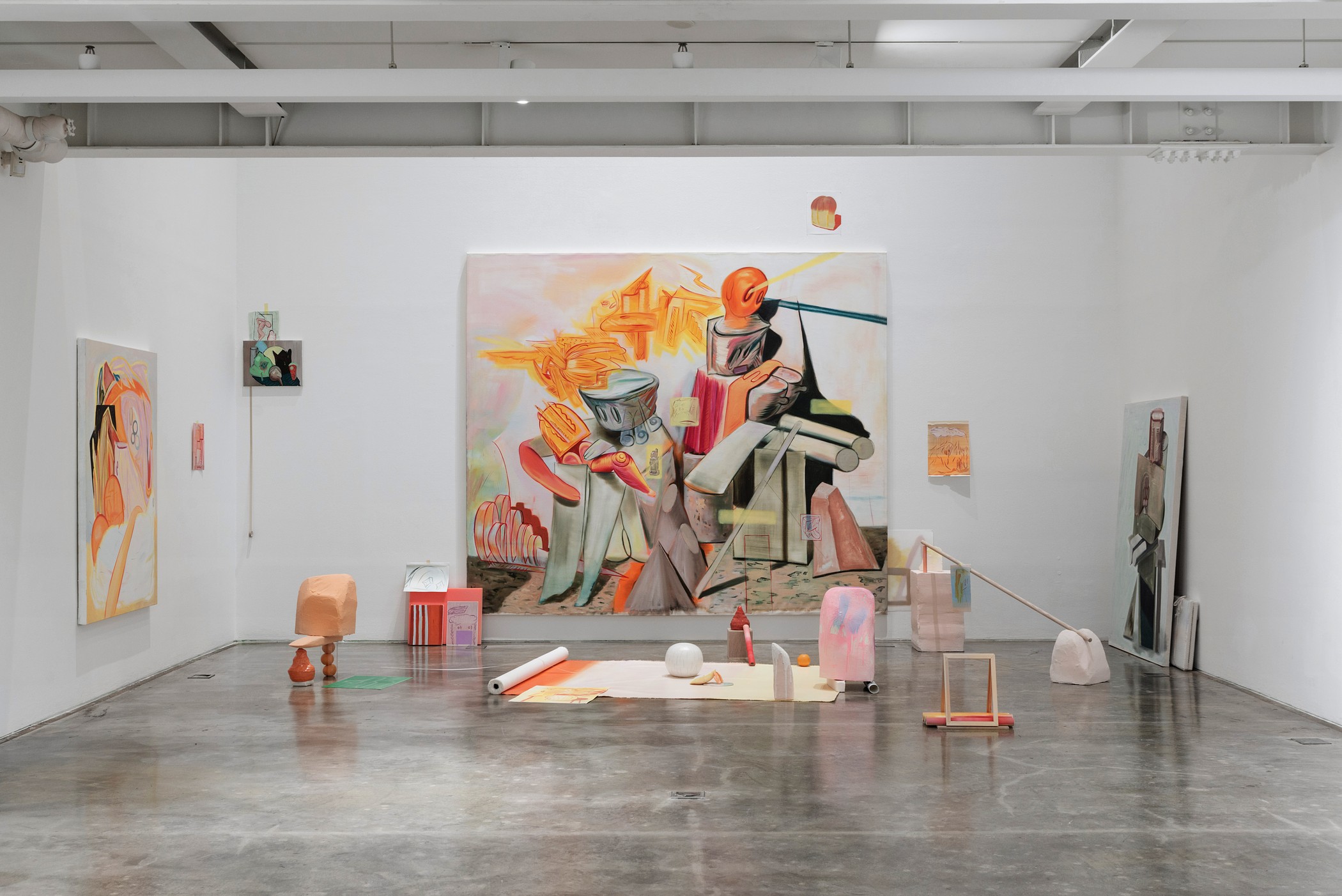
Reviewing Park Kyung Ryul’s work in chronological order, I realize she constantly changes almost every aspect of her work, like in her composition of the picture frame, her coloring techniques and the color itself. Instead of establishing a unique signature style that merely repeats itself, she chooses to give herself to her surrounding environment, its people and places and flows like running water.
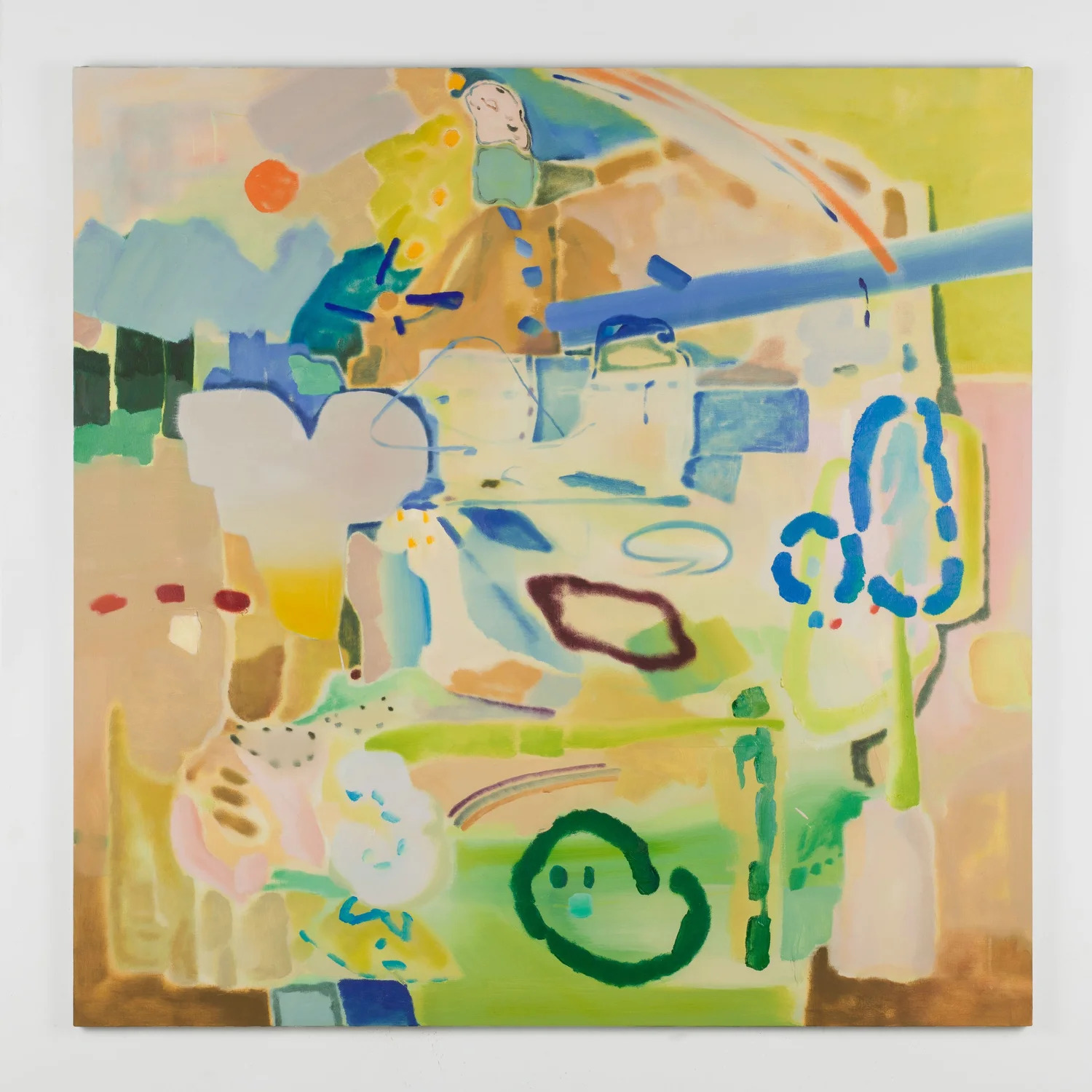
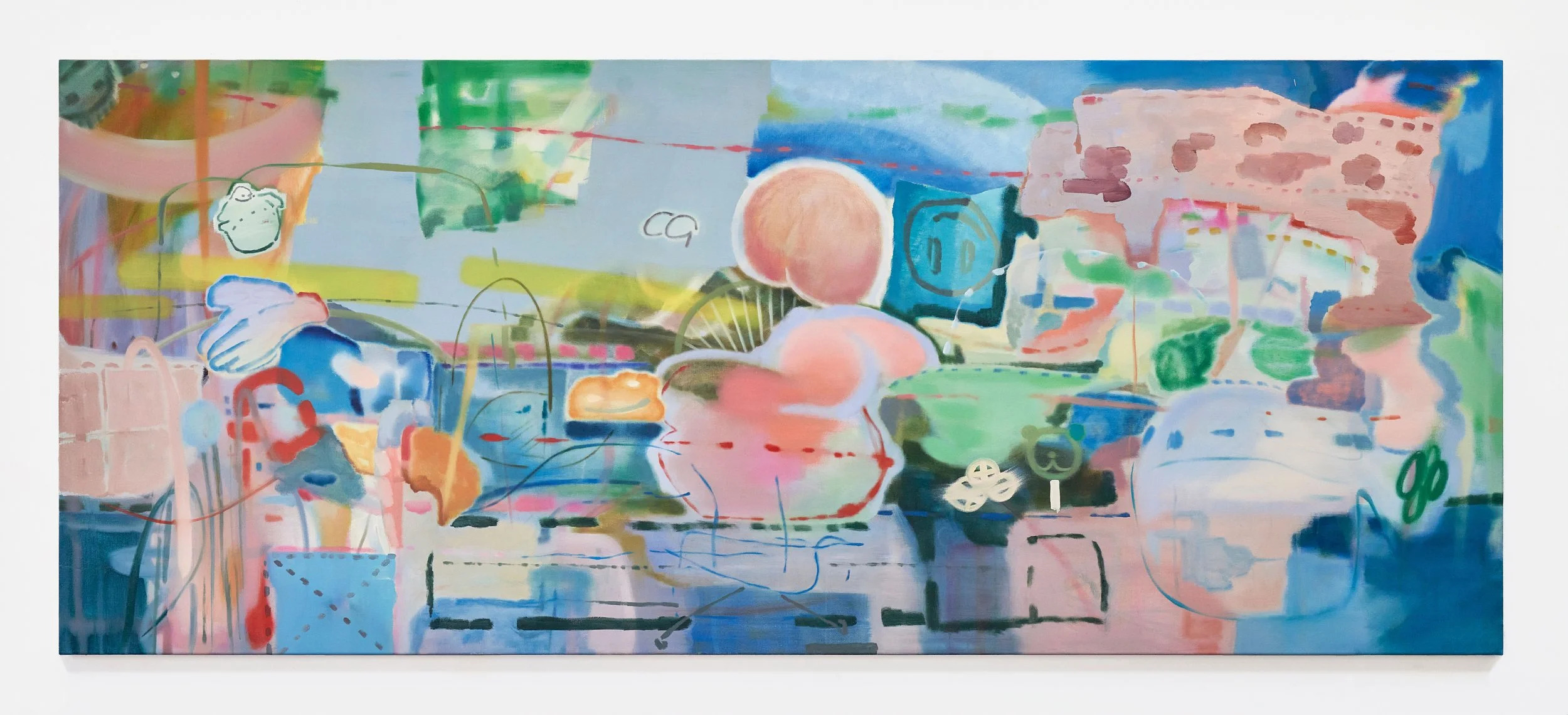
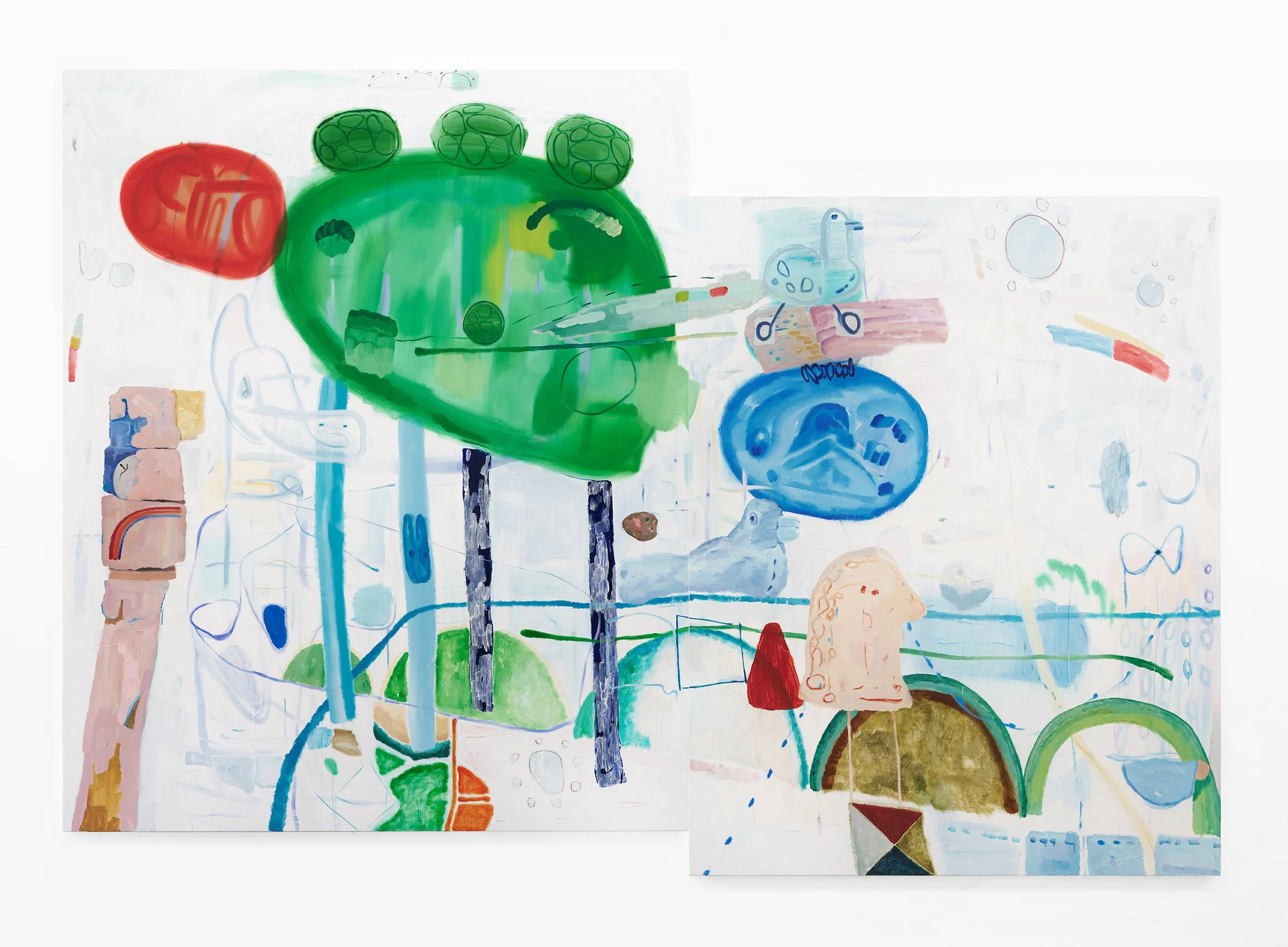
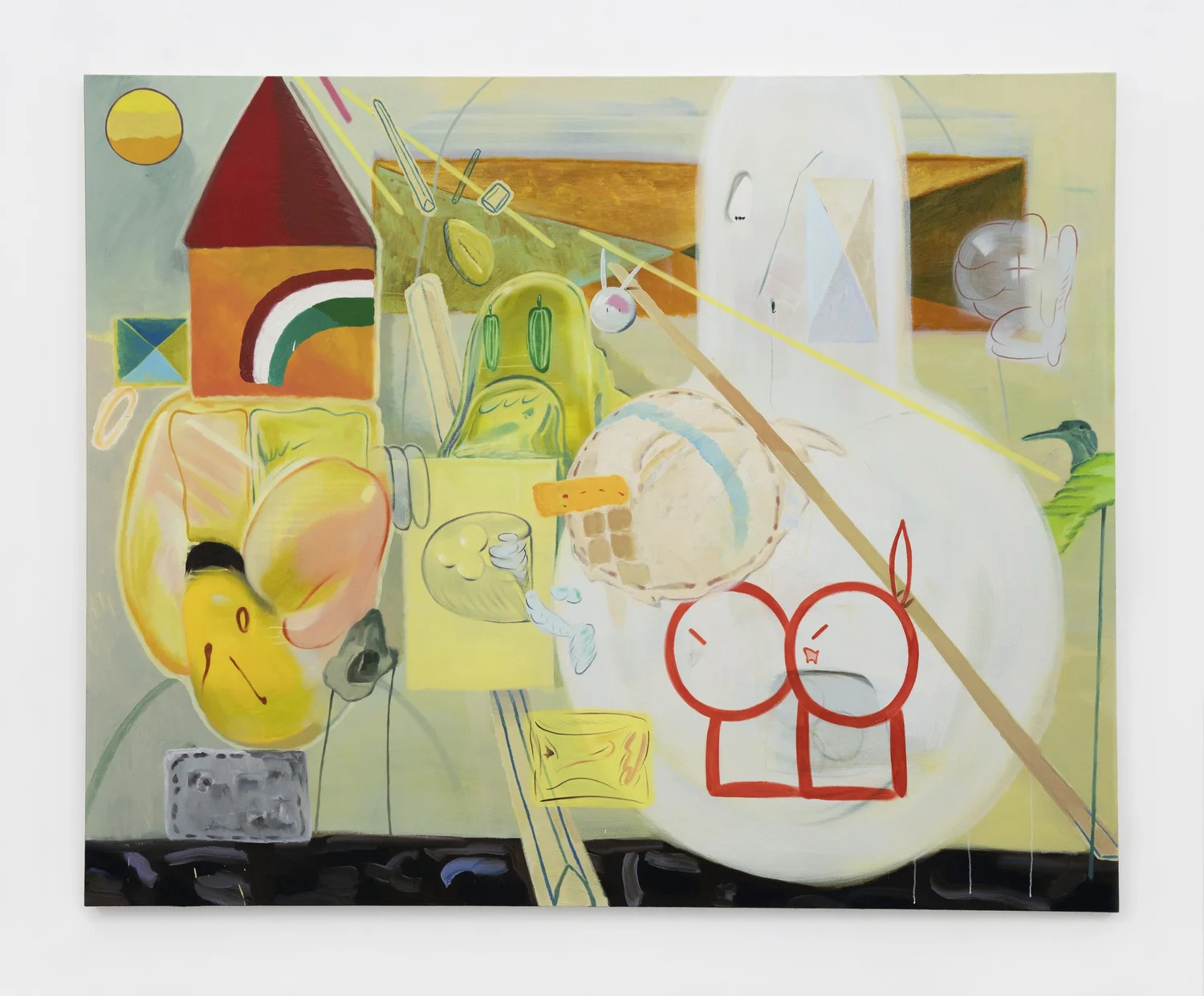
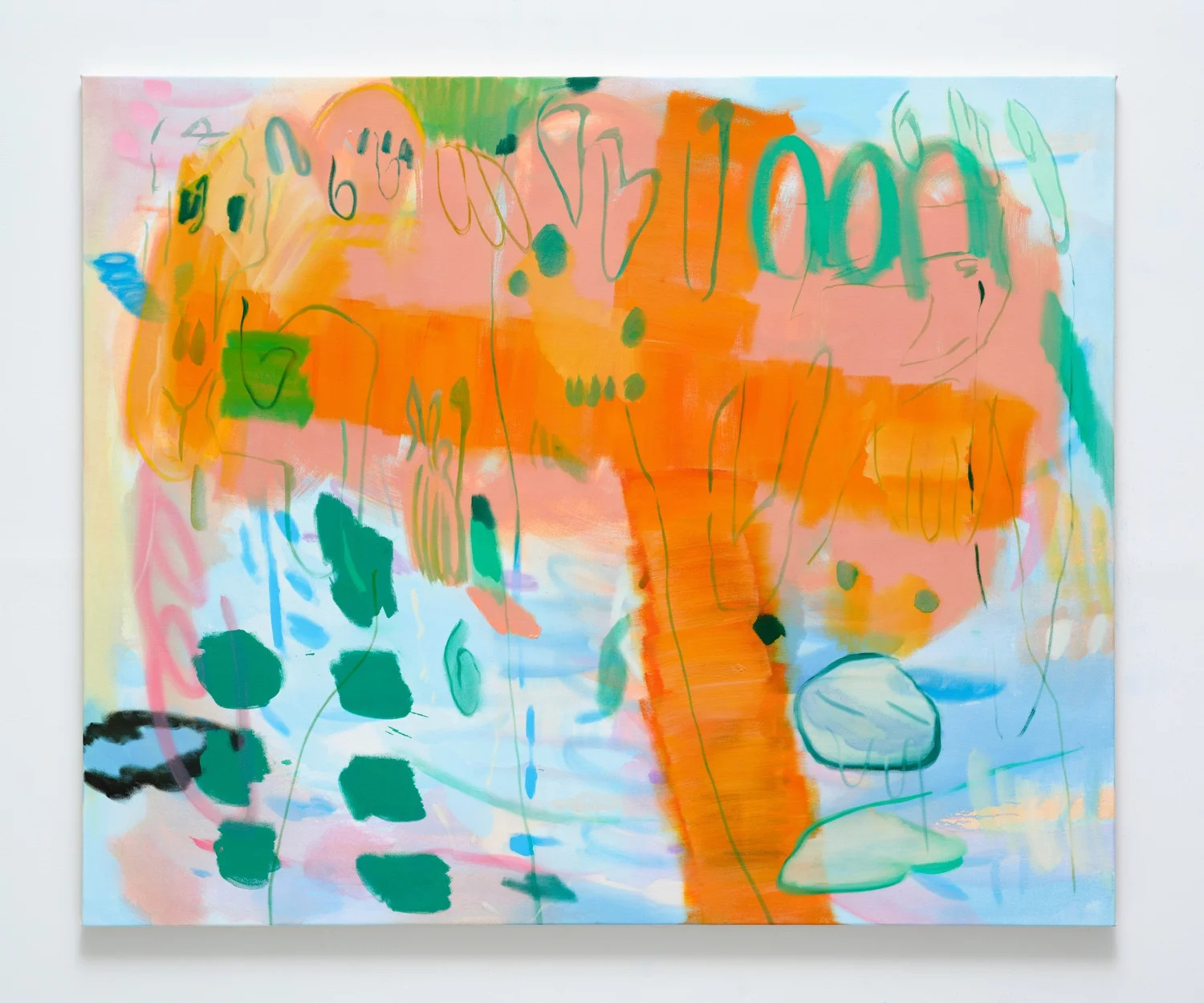
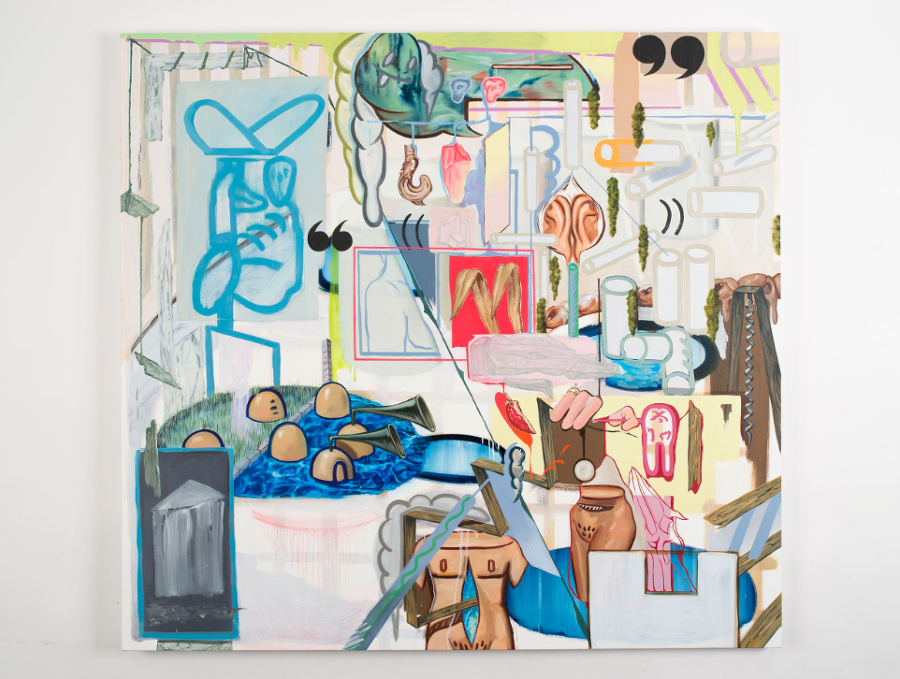
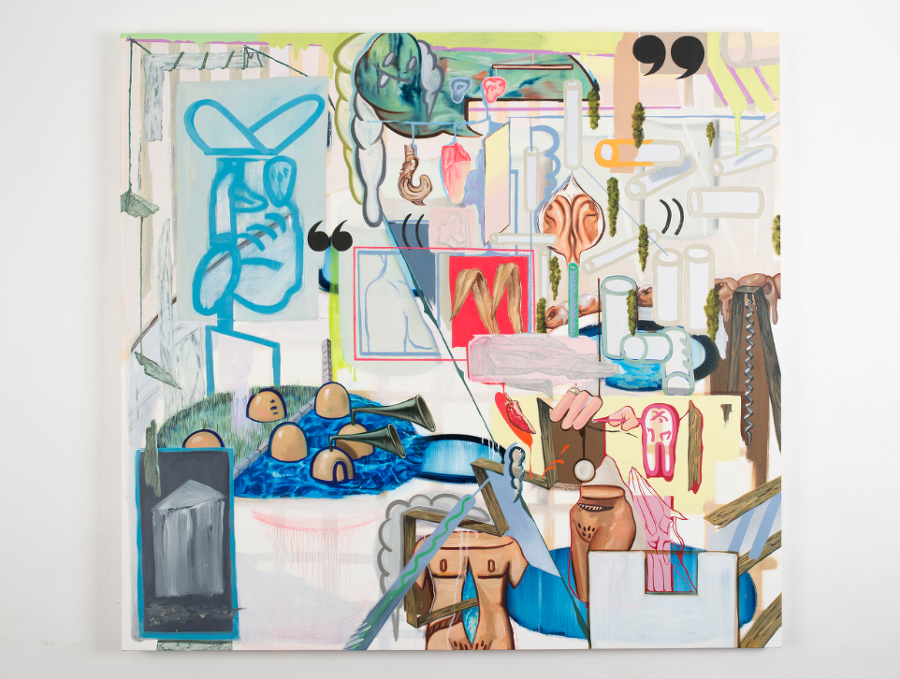
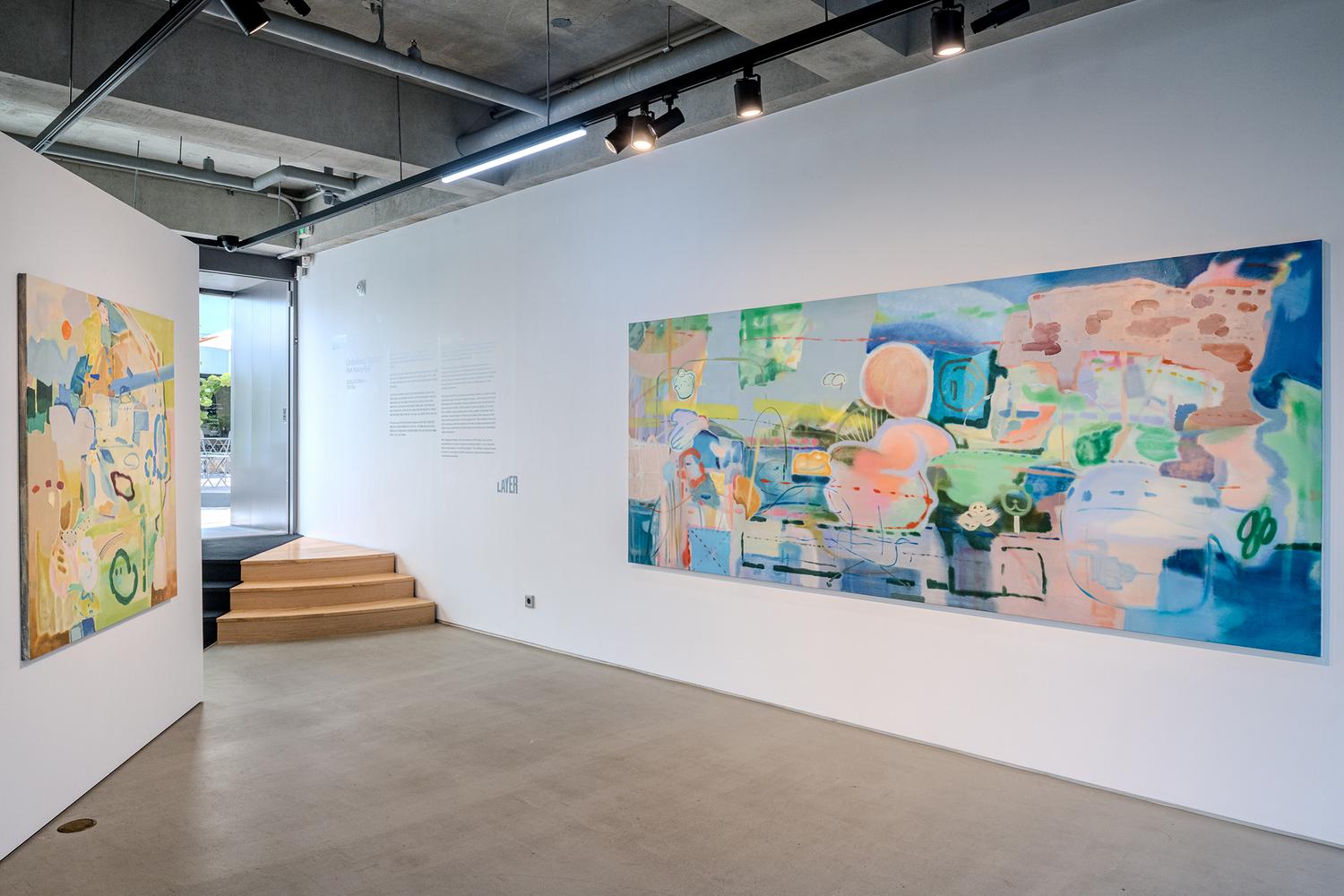
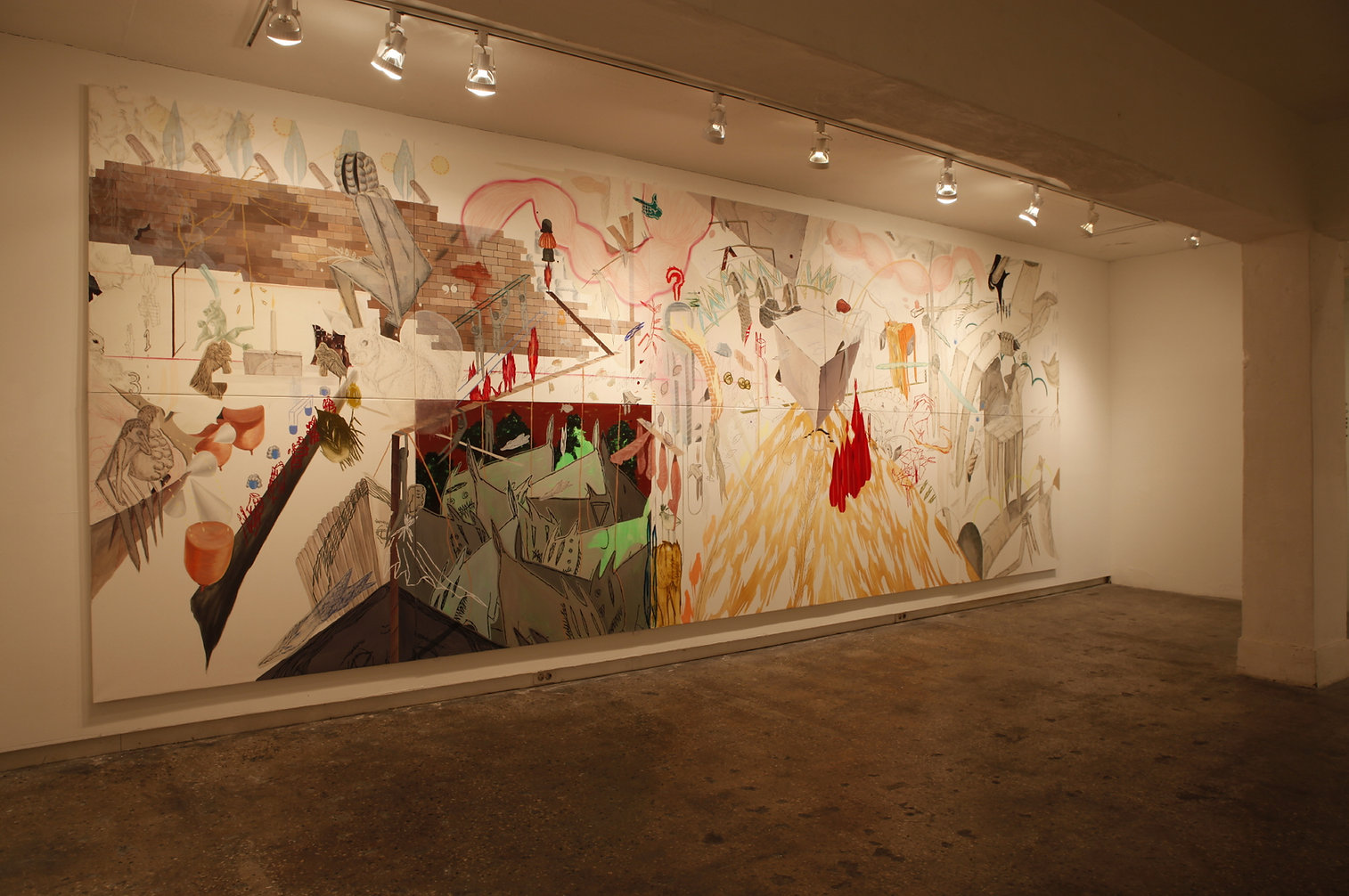
While her early works are in one complete, closed structure that clearly divides the background and object through precise depictions and coloring, her current works are quite the opposite. For example, the work For You Who Do Not Listen to Me (2017) interlaces various layers between background and object, making them hardly distinguishable.
It seems impossible to find an actual method for ‘reading’ this painting because there is no complete narrative. In this work rather than one long narrative, fragmented scenes are connected like an omnibus. The reason why the work appears to take on an omnibus structure is that the type of her objects andexpressivetechniques are all quite different.
Different categories of images like a severed body or quotation mark on a computer keyboard co-existinside the picture. This applies not only in the objects she paints but also in her modes ofexpression, whichinclude mixed techniques indiverse styles of different times. Some images are executed in realist detail while other parts are expressed in graphic lines.
The concept of time revealed in this work resembles the time we experience through the internet. The world we encounter via monitor easily mixes past, present, and future, surpassing the notion of consecutive time. When searching online for Johann Strauss II’s ‘Voices of Spring,’Ho Chi Minh Symphony Orchestra, Yiruma, and a cover play by an amateur musician are listed up together on the same screen.
Travelling across time and space through the flow of individual consciousness is possible today. Now, instead of one voice of power, hundreds and thousands of diverse opinions coexist and connect through online networks. In this situation Park Kyung Ryul also freely accesses and utilizes many resources that have existed throughout the history of art, unfolding new temporalities that corresponds with the present situation in her works.