Top issues related with art, covered by the news articles looking back on the eventful year of 2018, address the explosive growth of the art auction market and too many indistinctive art biennales.
Above all, the most popular key words selected for this year were Minjung Art(a social and political art movement emerged in Korea in 1980s), neo feminism and fourth industrial revolution. However, for most young artists based in Korea, such review of the press is a faraway story.
They believe that the field of art is comparable to a vast square where they can voice their ideas and raise fundamentally aesthetic questions as artists, to promote communication, but the reality is a closed, confined room filled with empty echoes without any confrontation whatsoever.
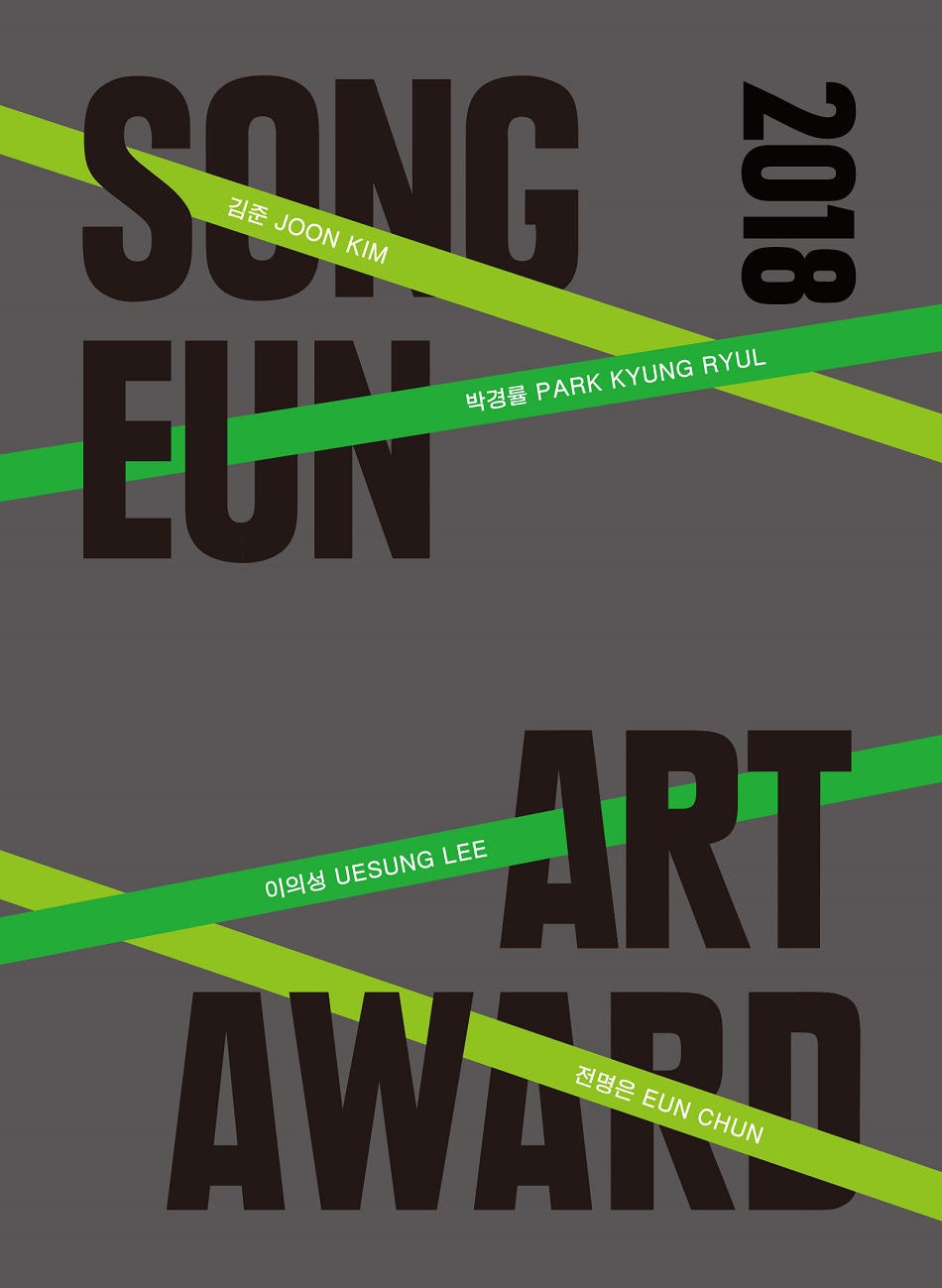
The SongEun Art Award, celebrating its 18th edition, stands at the core of addressing this gap that had existed for so long in the Korean art circles. The true meaning of an art award today does not lie in its role to nurture one promising talented artist, but to leverage its form of an award to build a strong platform through which artists in solitary confinement can seek solidarity and communicate with the local, global art circles and the public.
Another significant role of an award is to make artists undergo the evaluation and competition process to further refine and display their narratives and aesthetic styles, ultimately suggesting key words that are highly relevant to contemporary art.
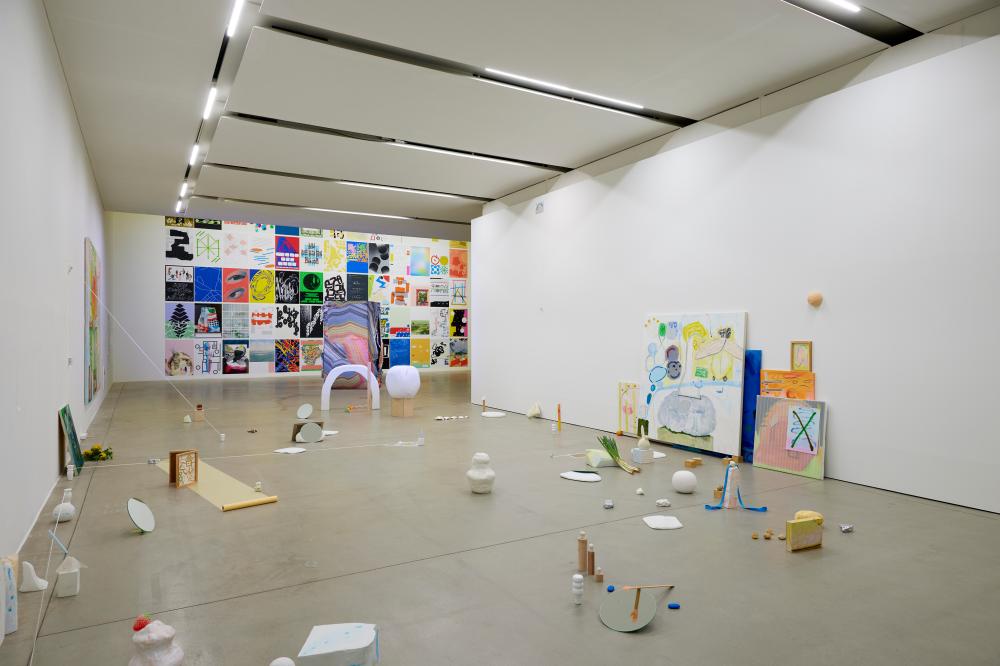
The SongEun ArtAward will perform the final evaluation of the four finalists, acting as an important platform for helping grow the art culture and artists to serve as an important benchmark in shifting the current tides of contemporary art.
Each and every SongEun ArtAward applicant was thoroughly evaluated during the first, second and third rounds throughout the year. Therefore, it was, from the outset, impossible to synthesize or speak on behalf of all eleven jury members with this brief comment paper. Only if this paper can represent the position of individual jury members on a 1:n basis, would it be able to serve the initial goal of evaluation designed to focus on the process rather than outcome.
During the one year evaluation, the projects of the four finalists having gone through each step of the competition, have evolved into an unpredictable state, and the results were announced in a structure that can in no way reflect the personal tastes of individual jury member or their collective ideologies.
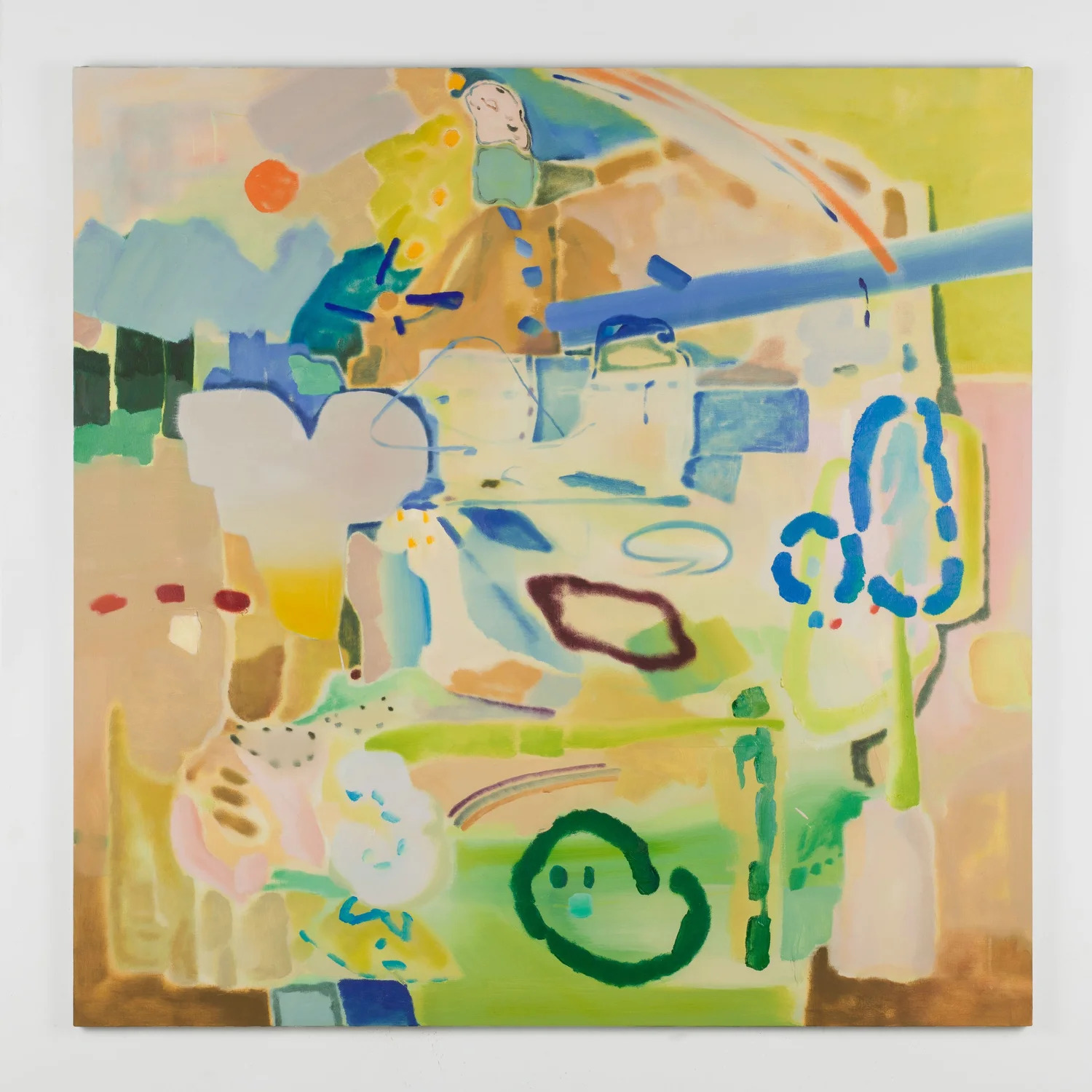
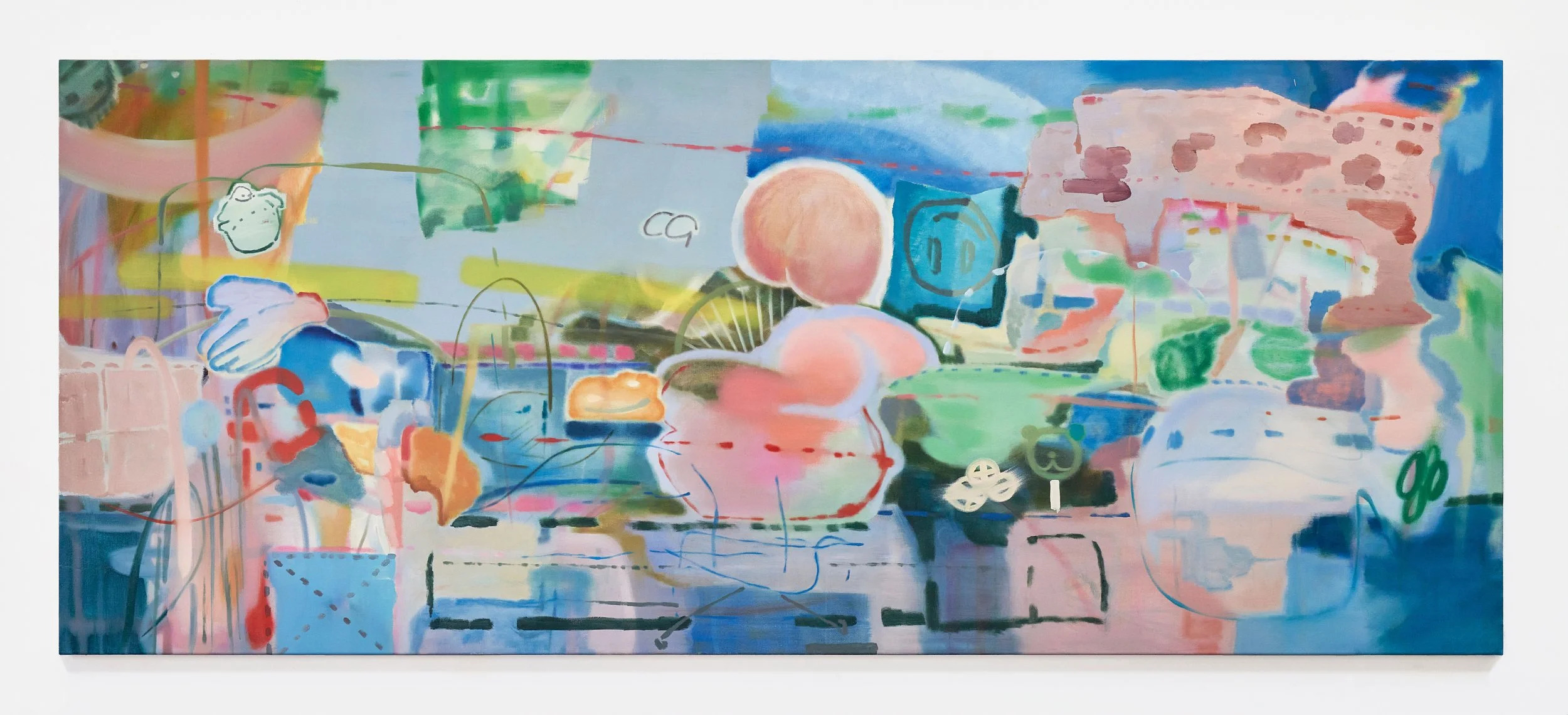
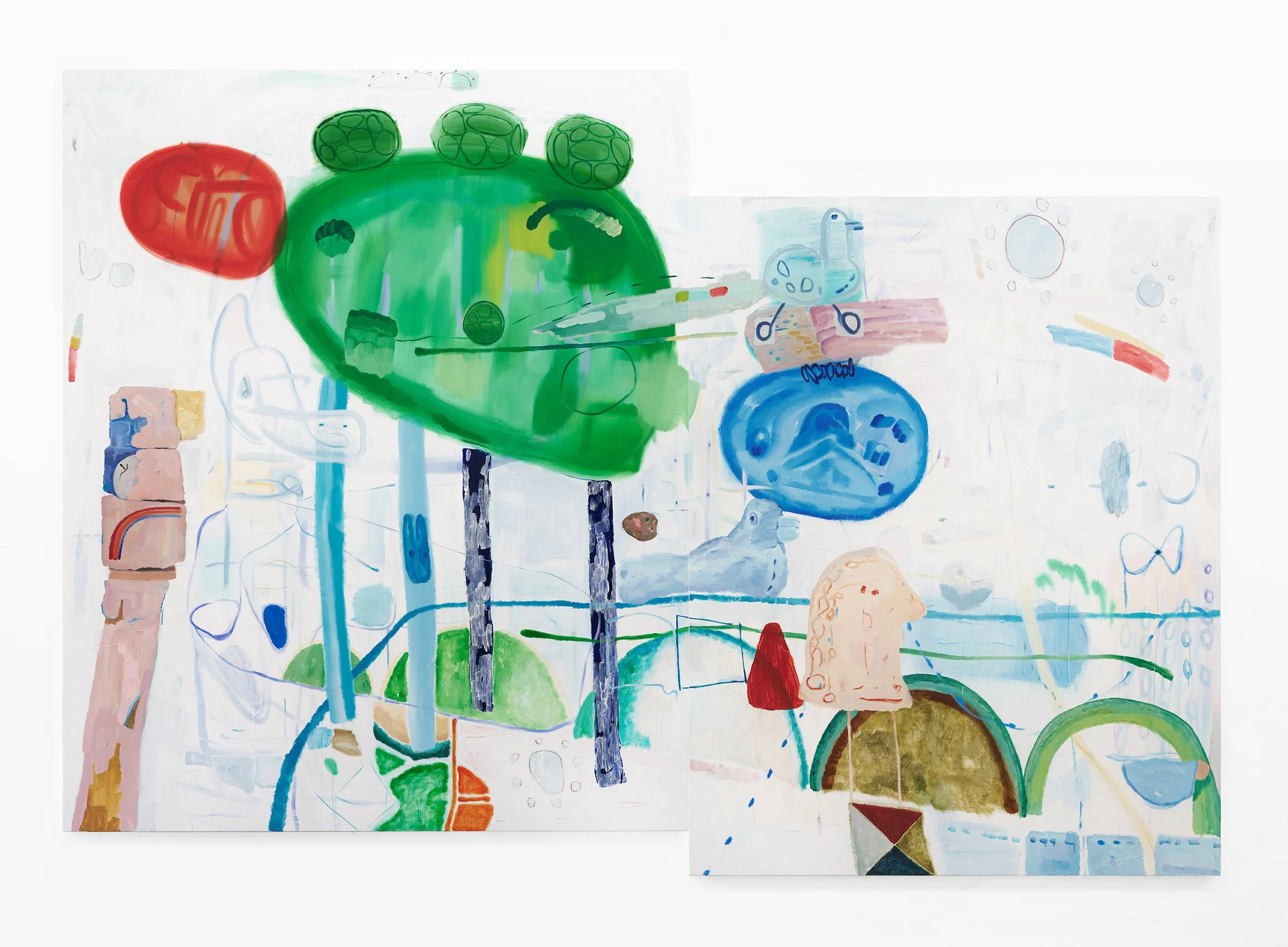
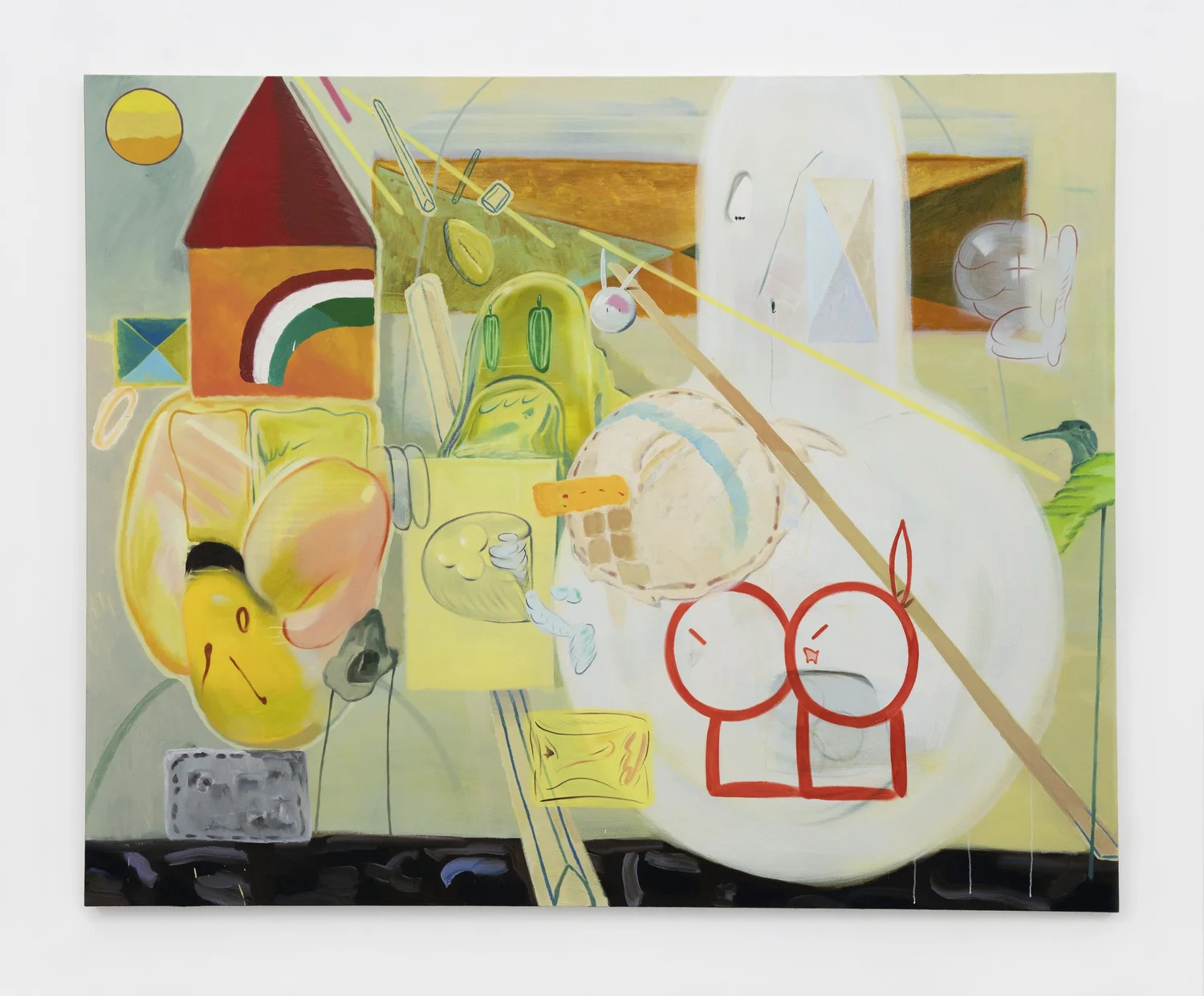
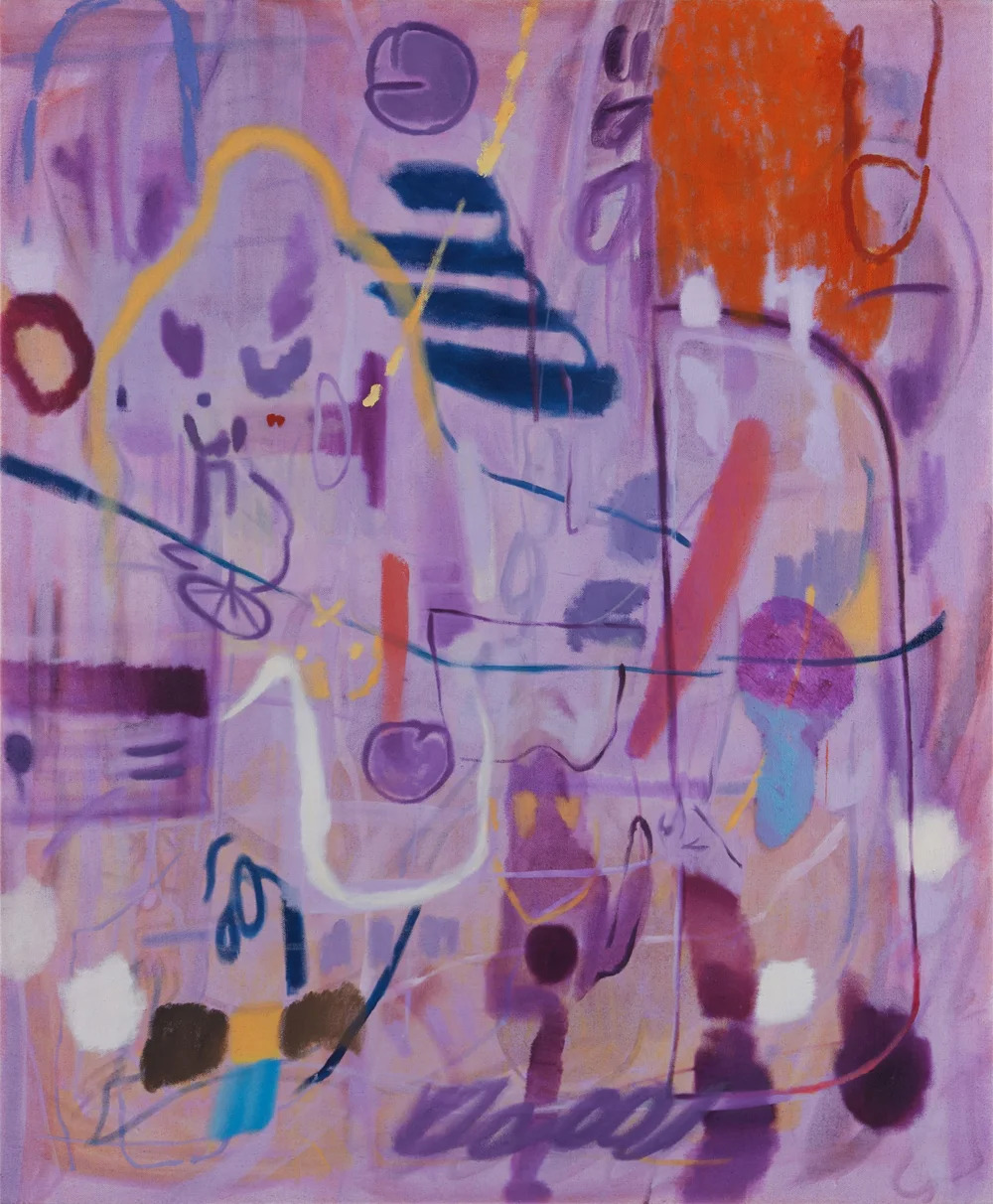
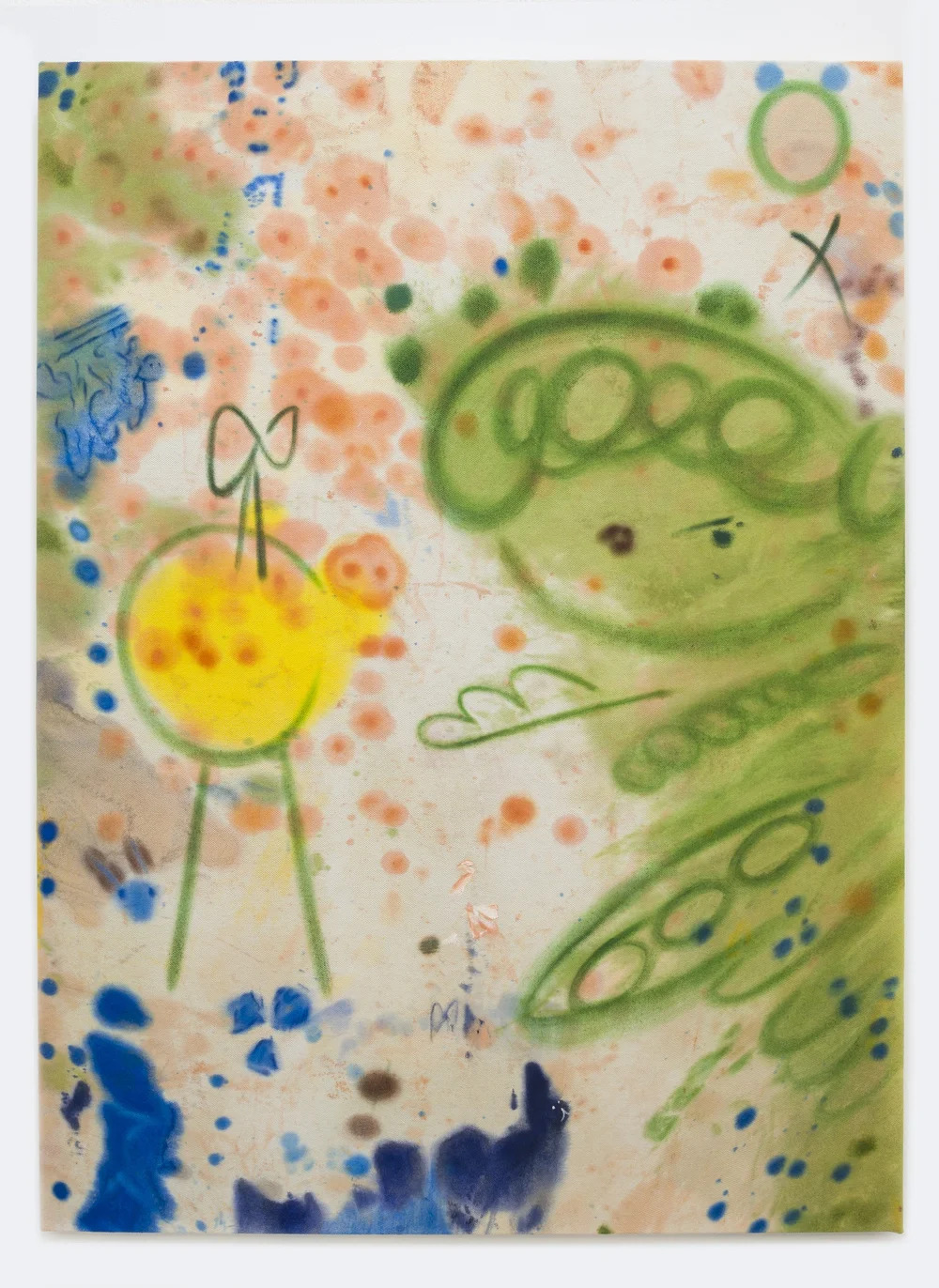
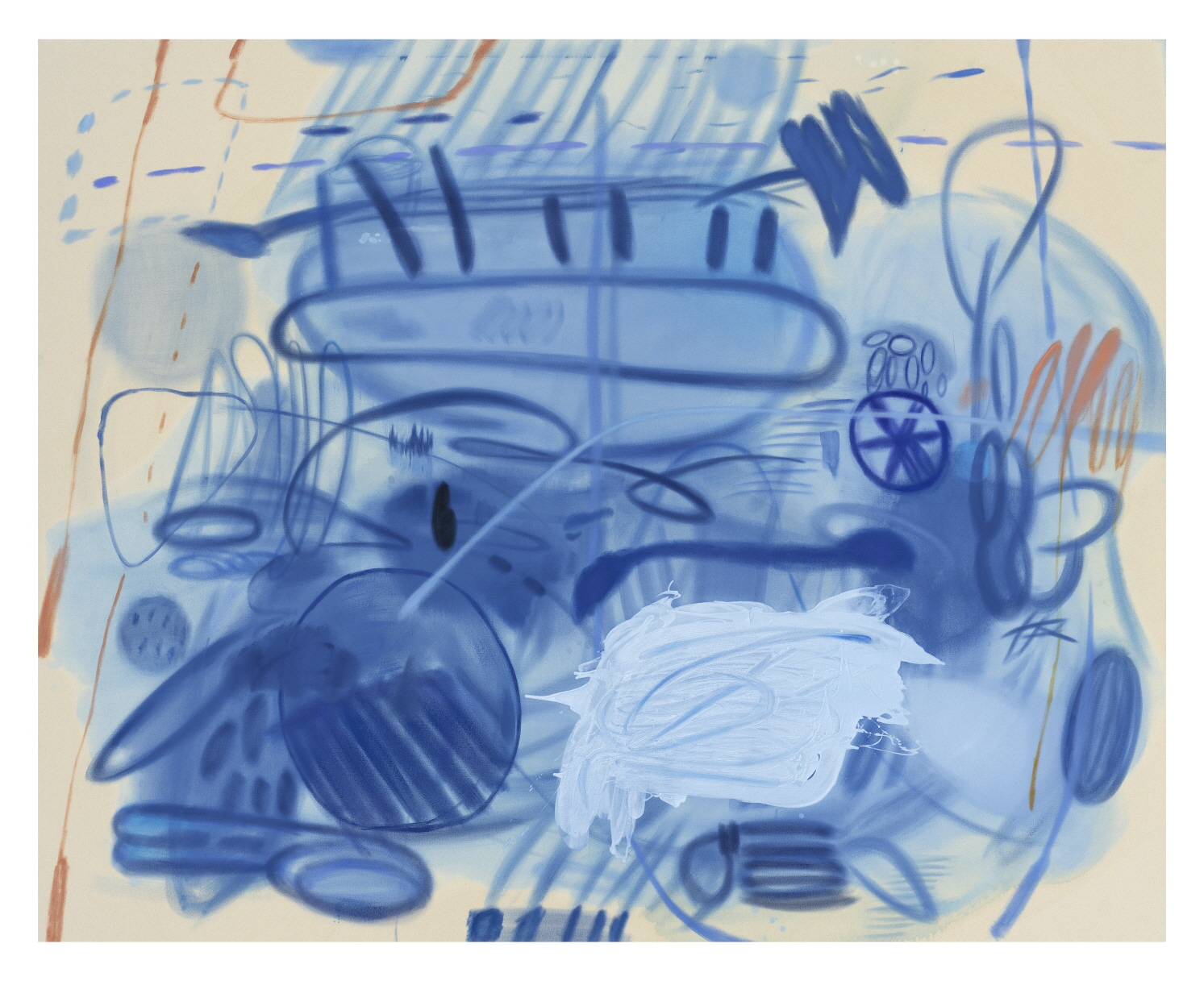
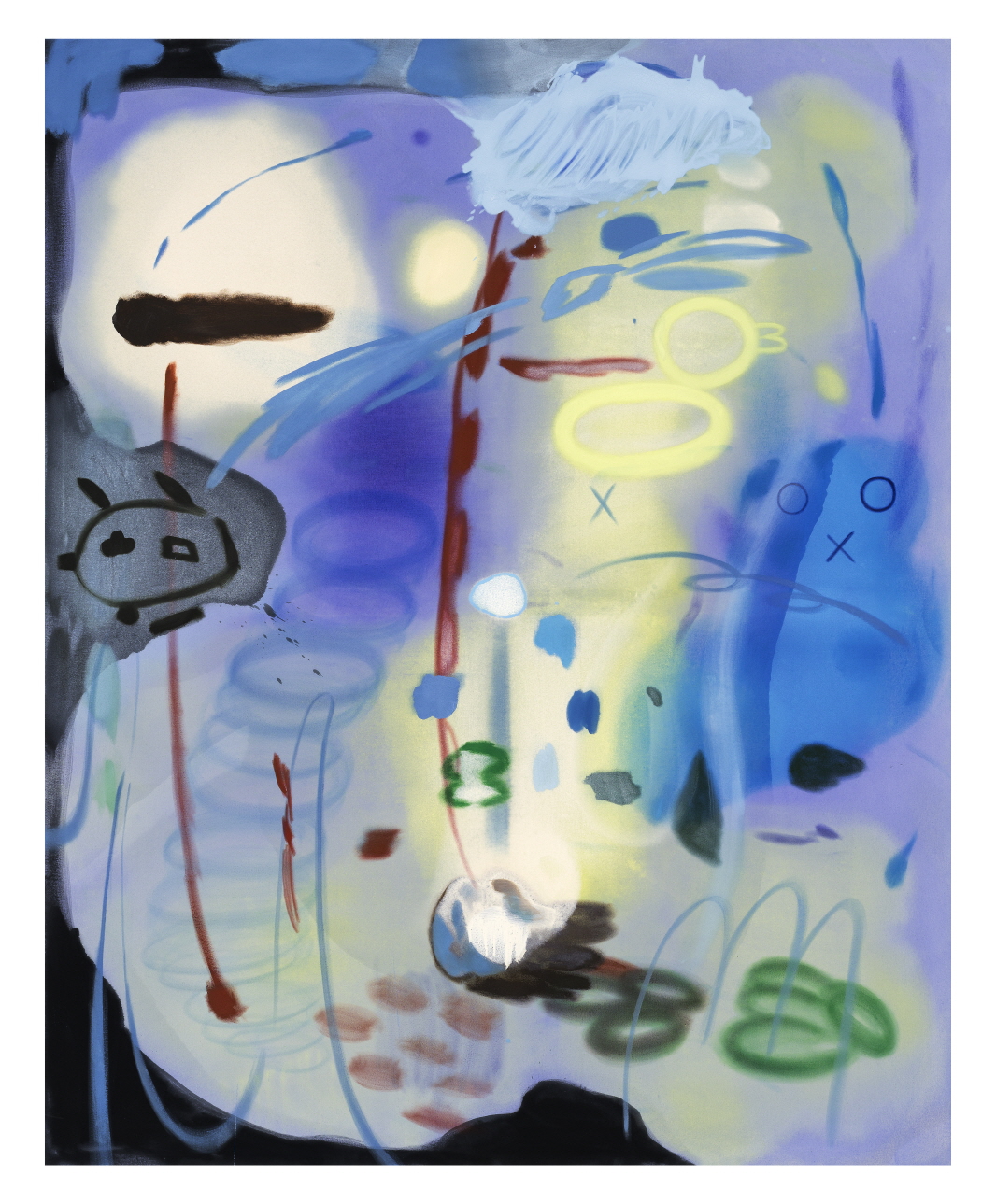
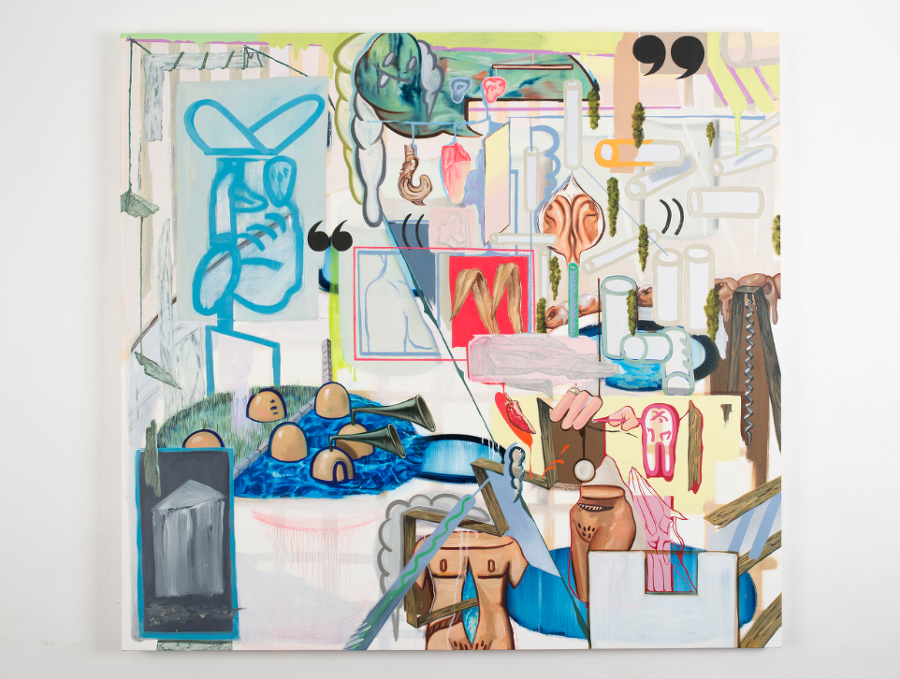
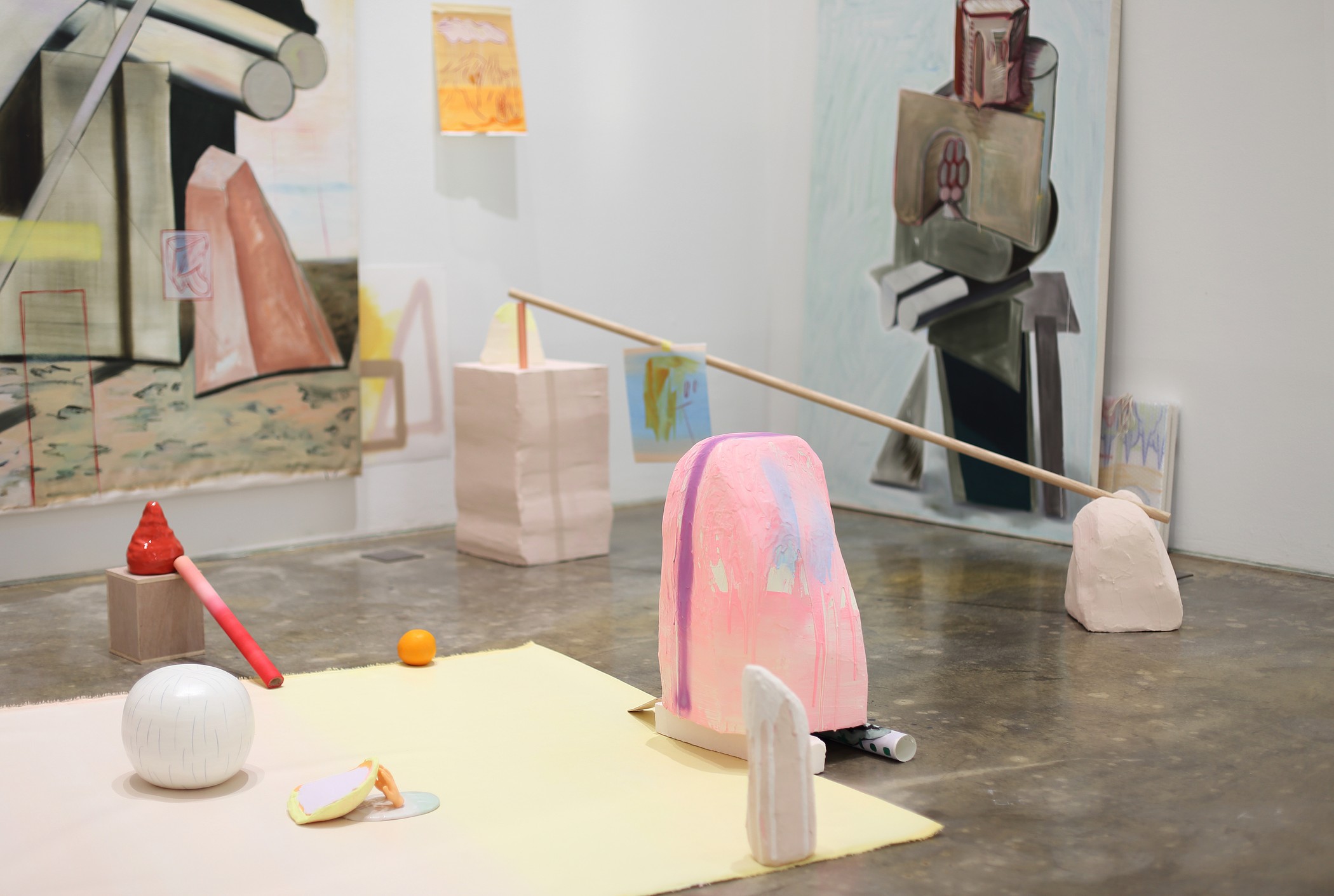
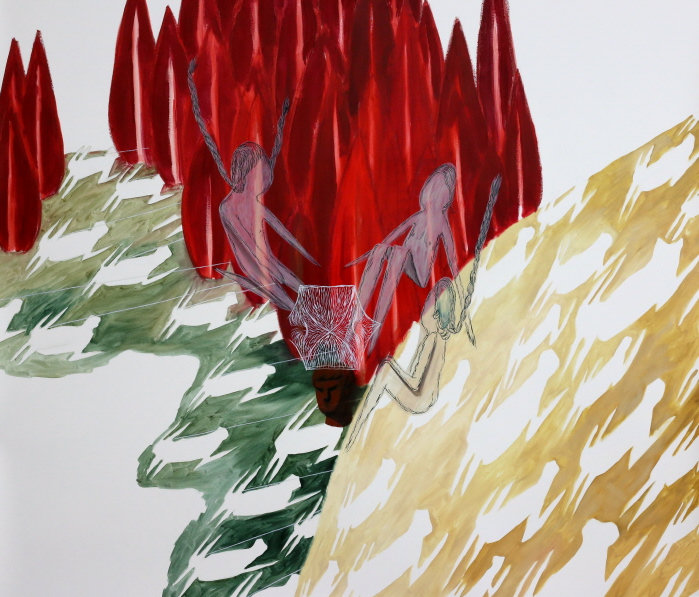
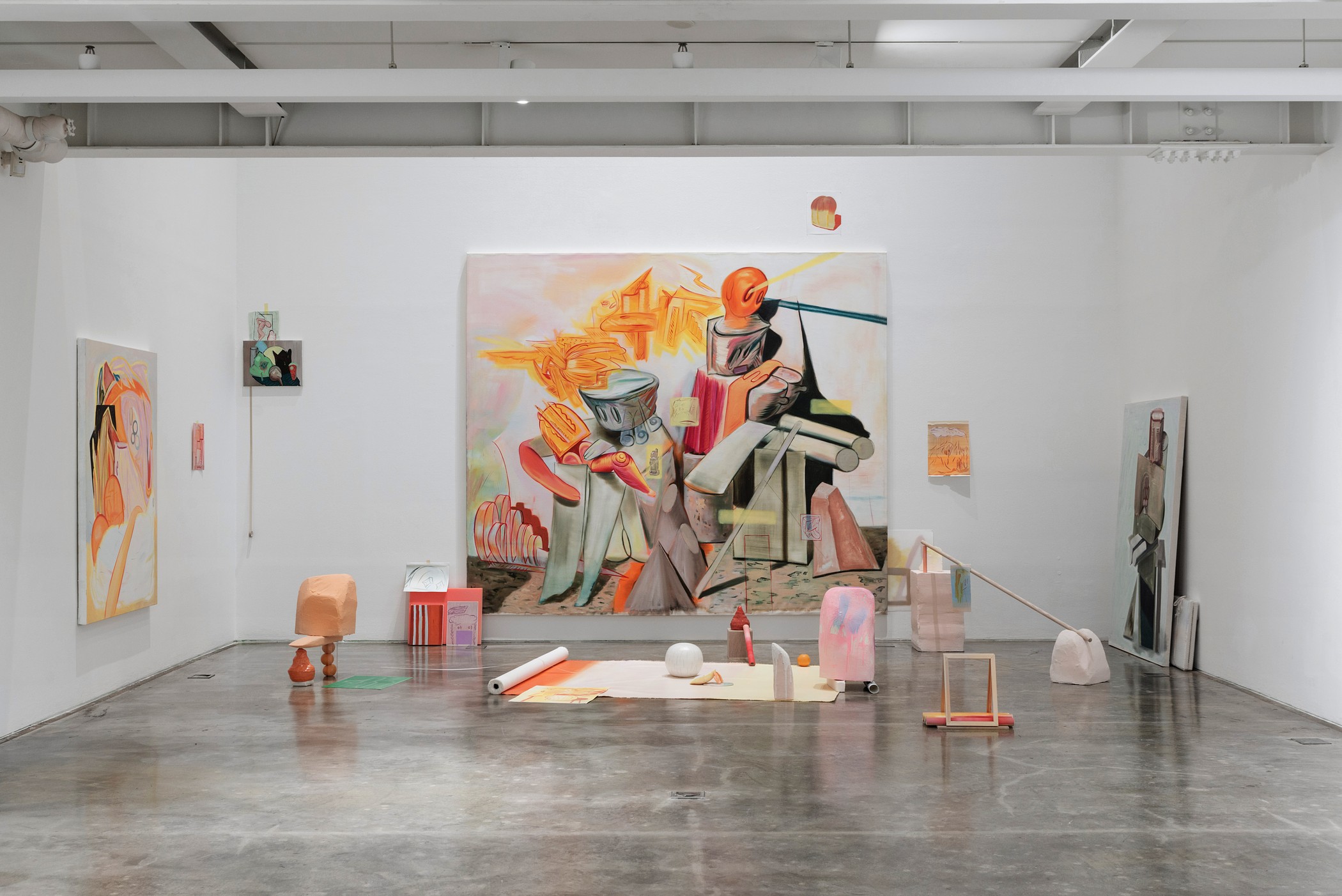
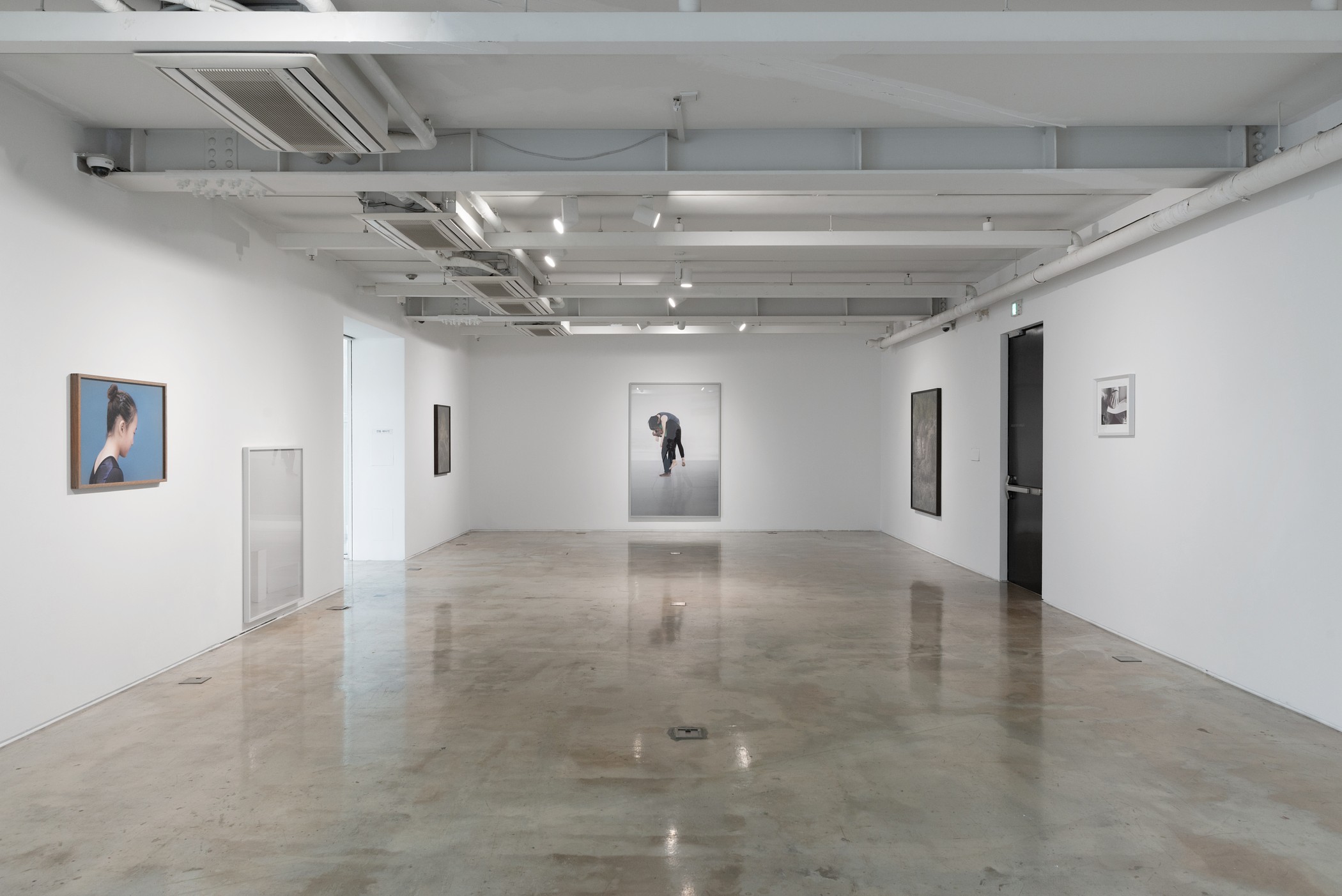
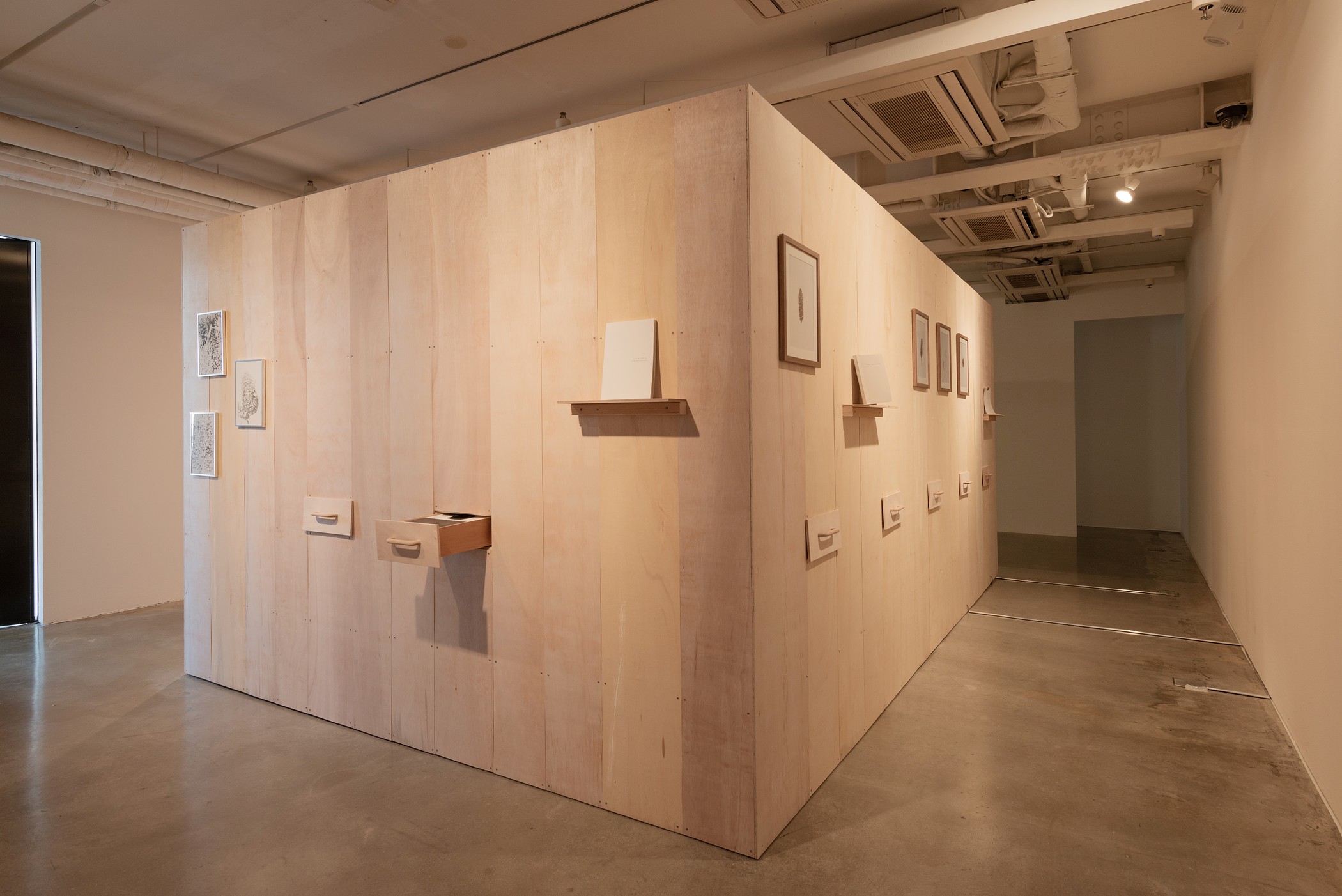
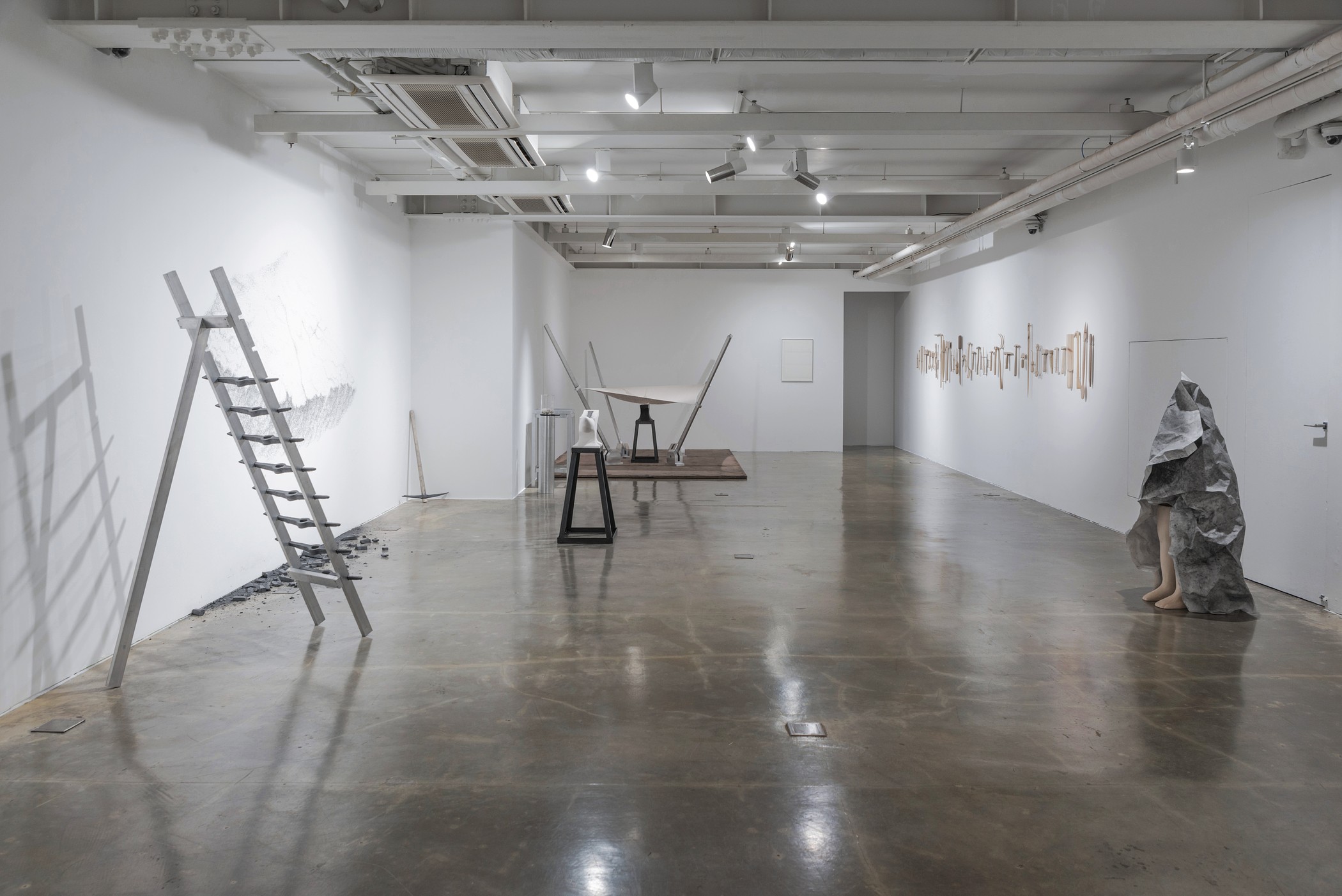
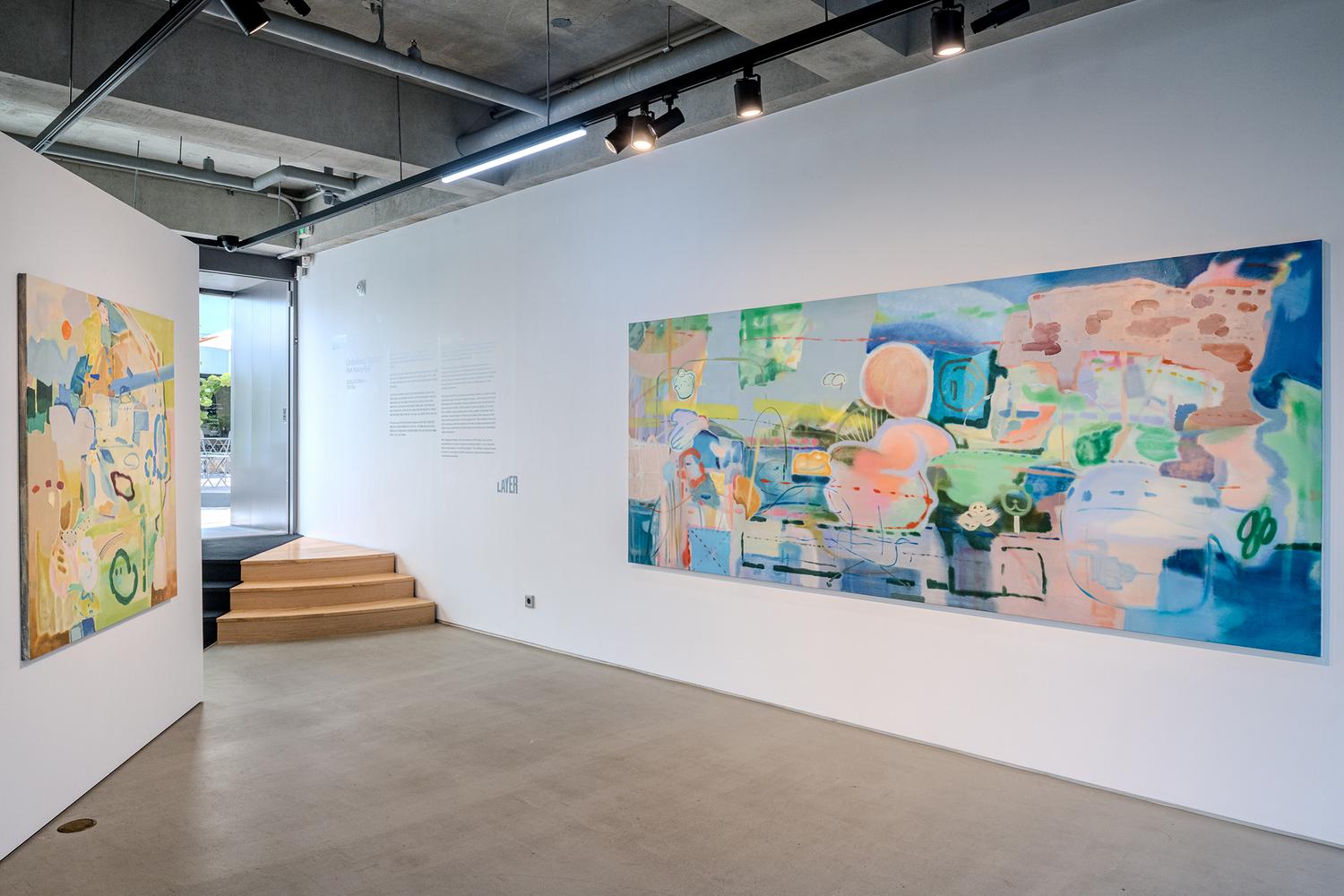
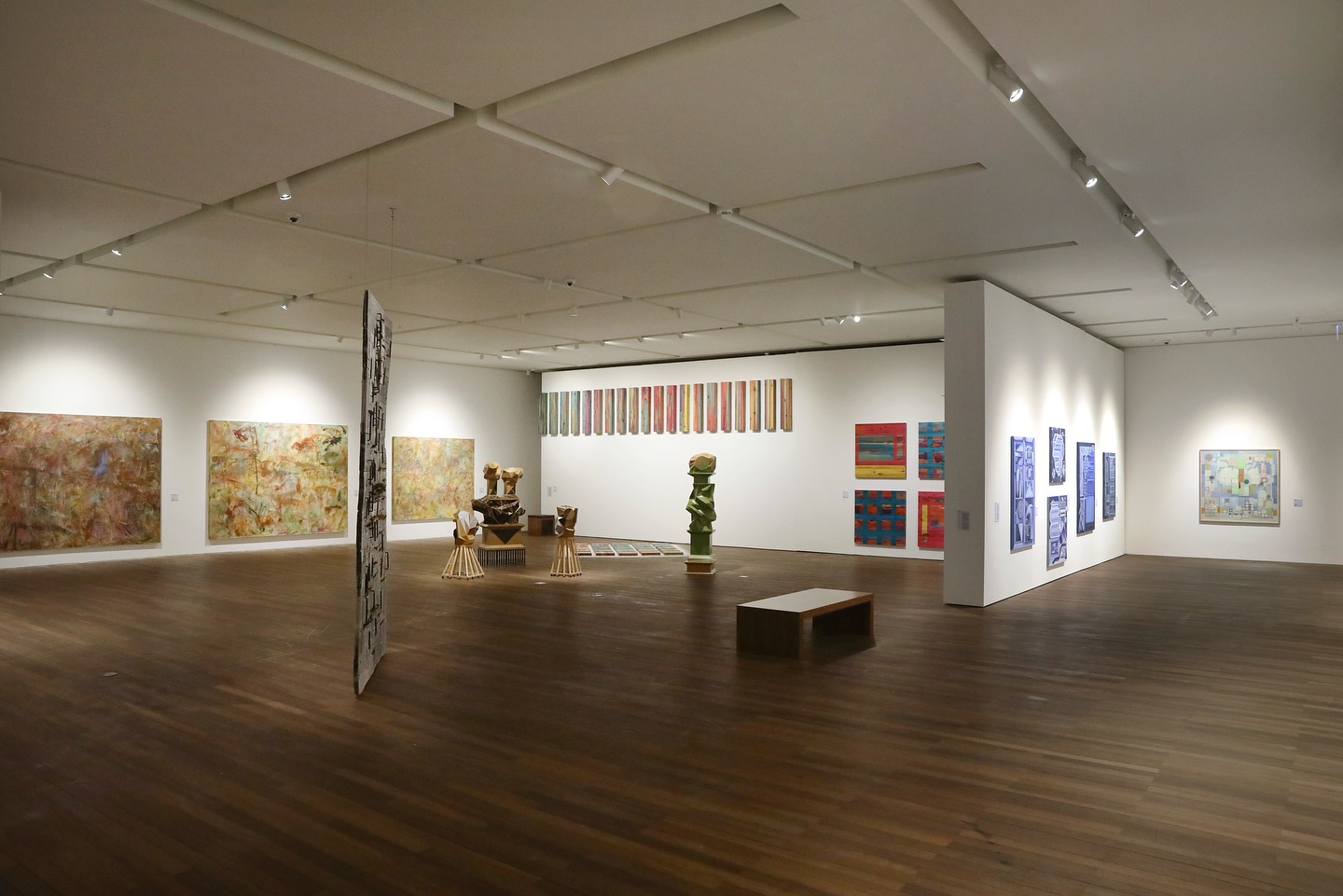
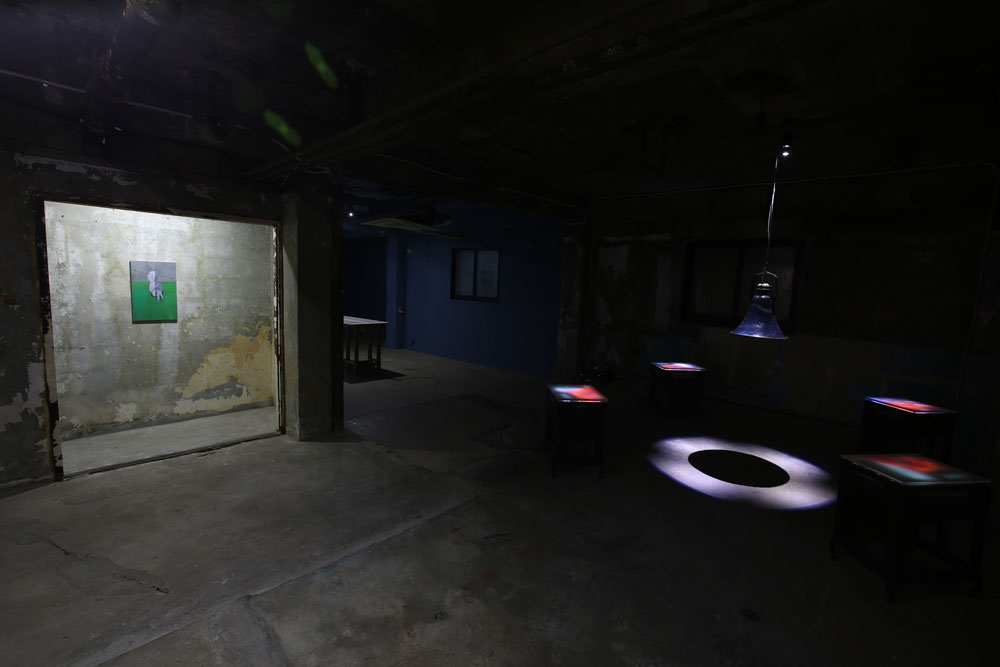
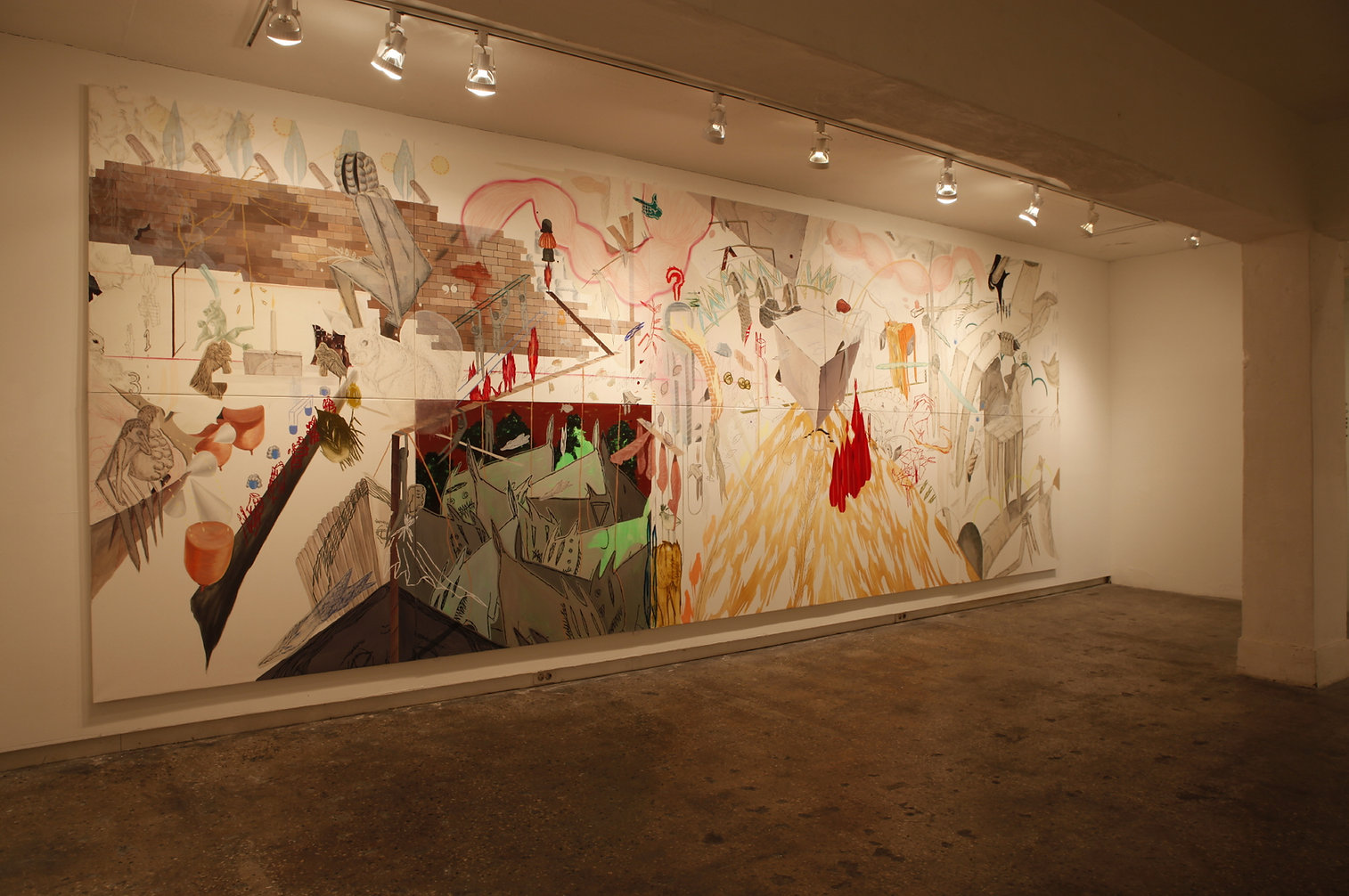
Maybe that is why, the works of the four finalists this year - Park Kyung Ryul, Eun Chun, Joon Kim, and Uesung Lee - do not overlap at all with the forementioned 2018 key words in terms of theme, content and formality. I believe that they deserve spotlight for they do not merely follow art trends or depend on specific genre or theme, but continue to raise questions about the social irregularities and artistic ecosystem surrounding them, while inventing their unique formative language.
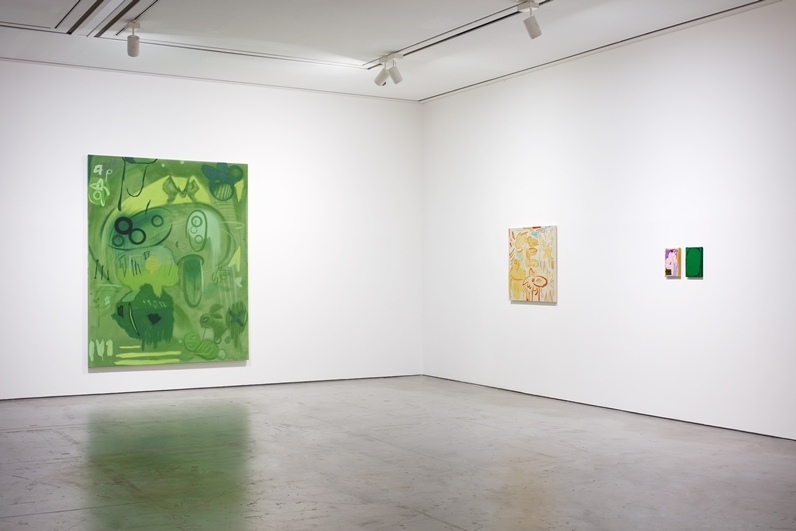
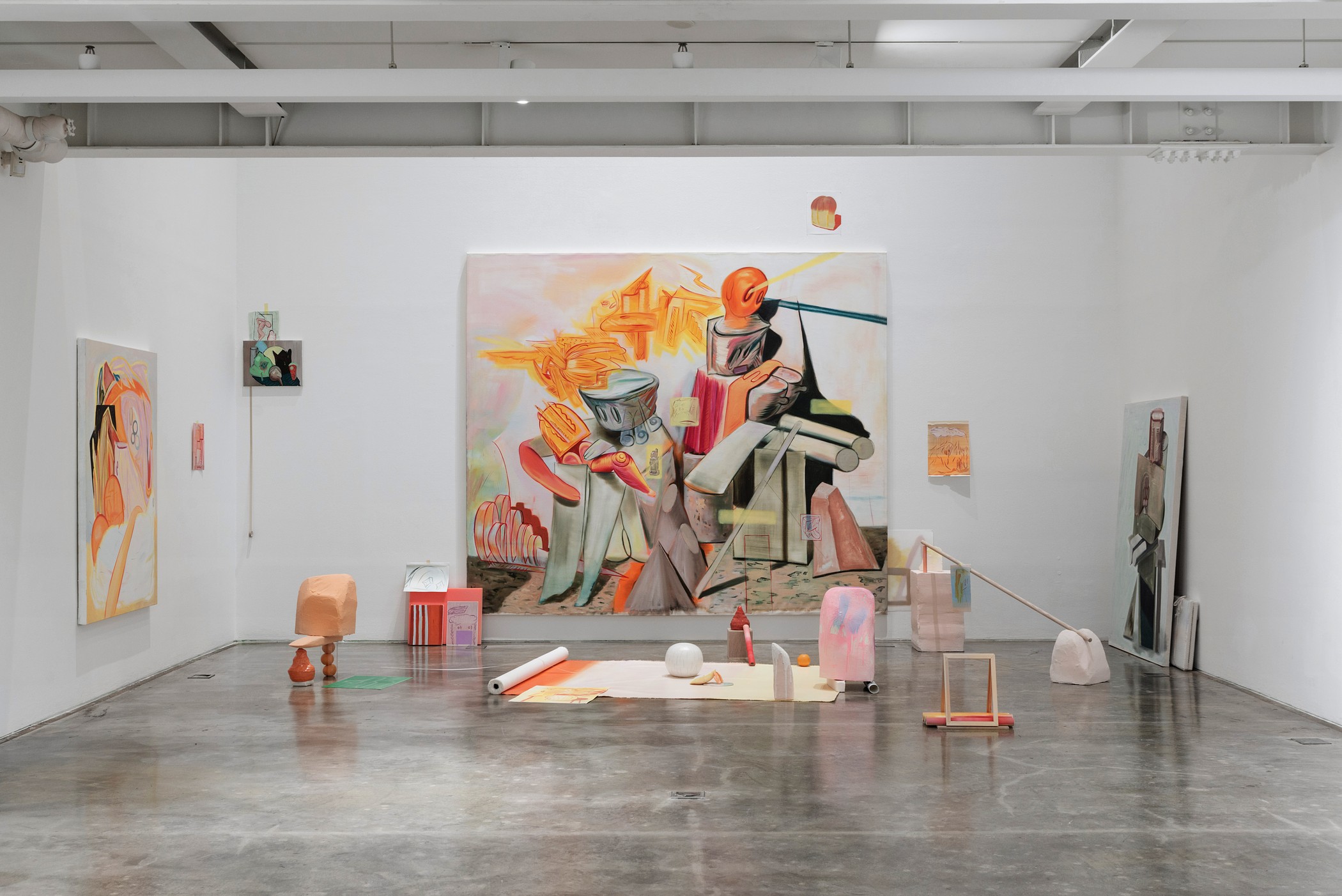
One commonality that cuts through all finalists maybe that, they dismantle the boundaries or fields of conventional art genres like painting, photography, installation, and sound art and focus on formative experiments seeking a shift of paradigm with regards to producing, consuming, distributing and enjoying art works. Nevertheless, the works exhibited in the final exhibition are not completely out of their comfort zone, which leaves room for more creativity, innovation.