Inside and Out
In the work of Jiyoung Yoon, two different horizons intersect with
equal weight. One is a critical thematic stance that originates with her
personal experiences and awareness and that connects with social attitudes. The
other involves conceptual ideas about material that arise from her
understanding and interpretation of sculpture’s visual aspects. The work that results from this shows no direct
indicators of social or political incidents. At their simplest level, we see
objects designed in sensory ways; at a more complex level, we find what appears
to be a meta-discourse on the sculpture medium. Often, this is where the
interpretation of her work stops. Indeed, the history of modern art is one in
which medium-related discourse has taken place autonomously. Contemporary art
in a context in which art has separately emerged as a form of social practice
that is not afraid to intervene. When things exist in between or outside the
two, they can often be regarded as personal or abstract. Turning attention back
to Jiyoung Yoon’s work, we see how it attempts to
transcend this either-or approach to art’s social
nature. The personal is presented as something social rather than strictly
private, and interdependent structures emerge in the seemingly autonomous.
In her process of considering the invisible structures of
incidents and the relationship between their inner and outer aspects, Yoon has
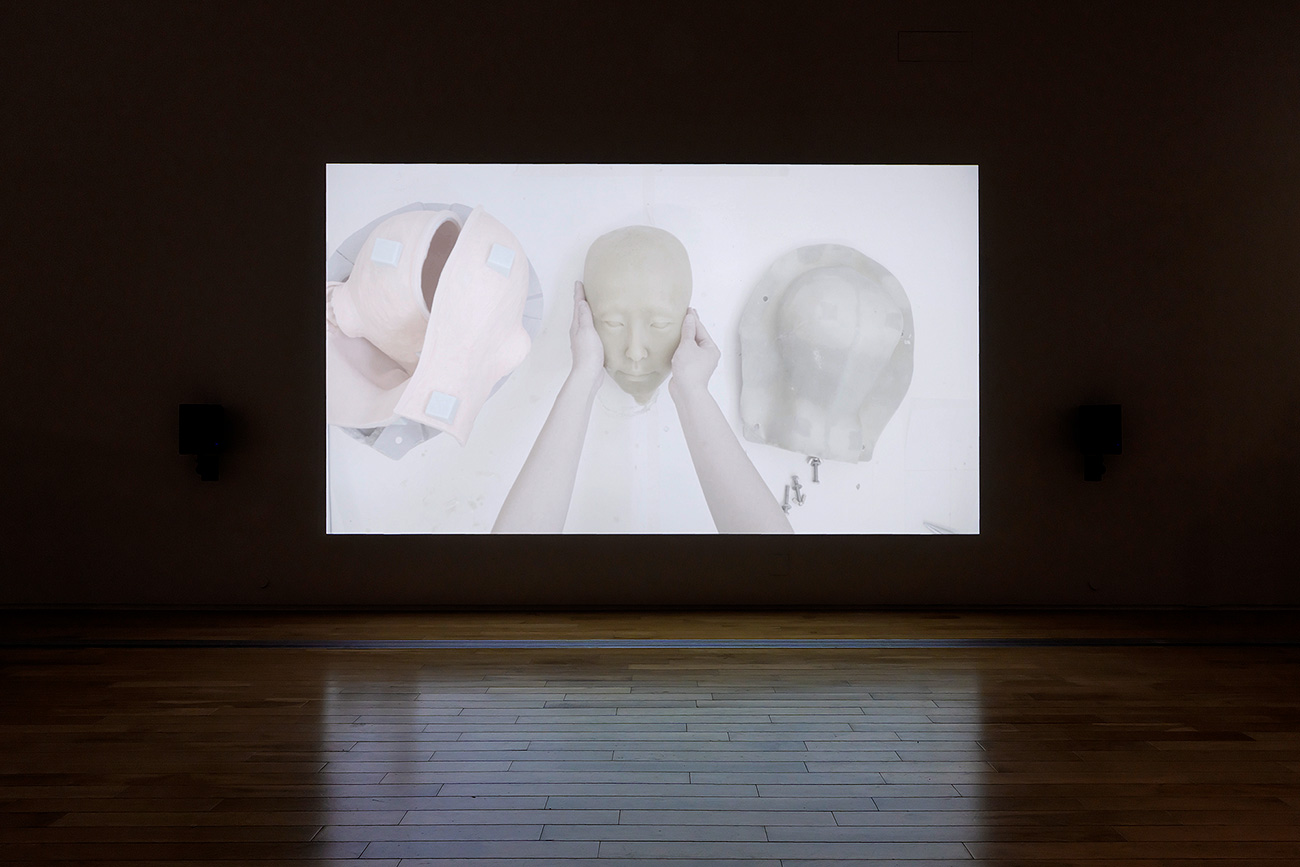
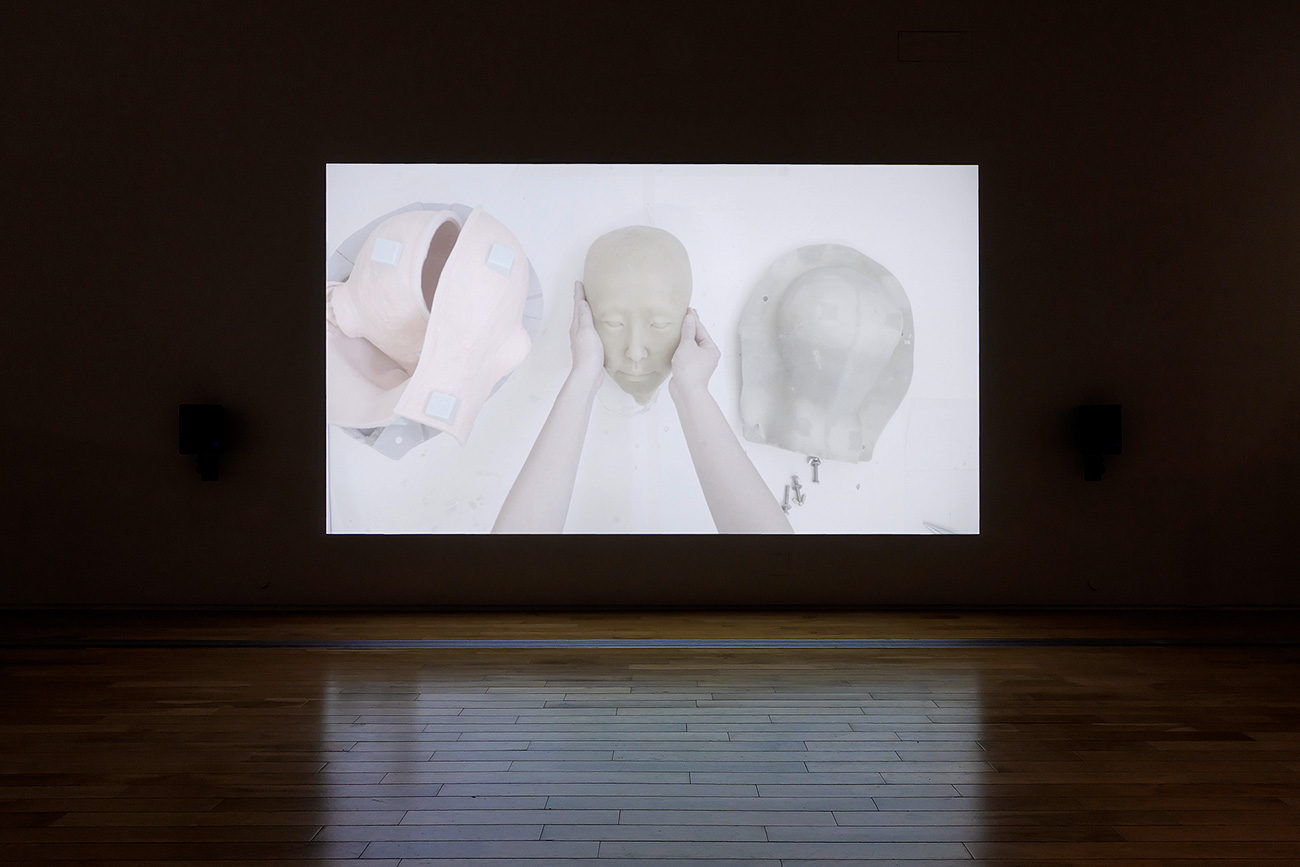
appropriated mold-making as a crucial element of sculpture. A single concrete
scene: in 2014, an incident occurred in Korea that was tragic enough to alter
the very structure of people’s minds. It was
only after undergoing a painful change lasting for a few years after the Sewol
ferry sinking that she was able to address a social catastrophe that seemed to
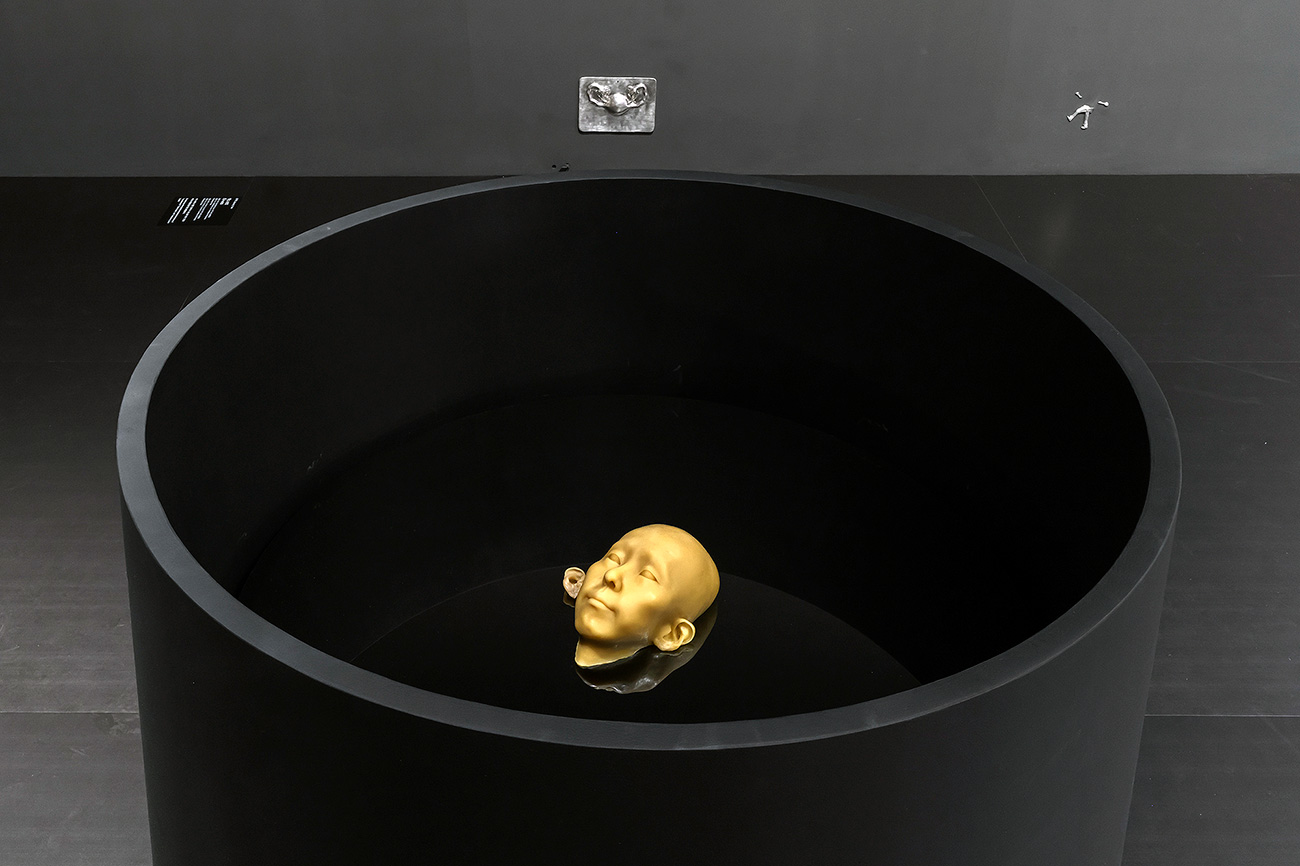
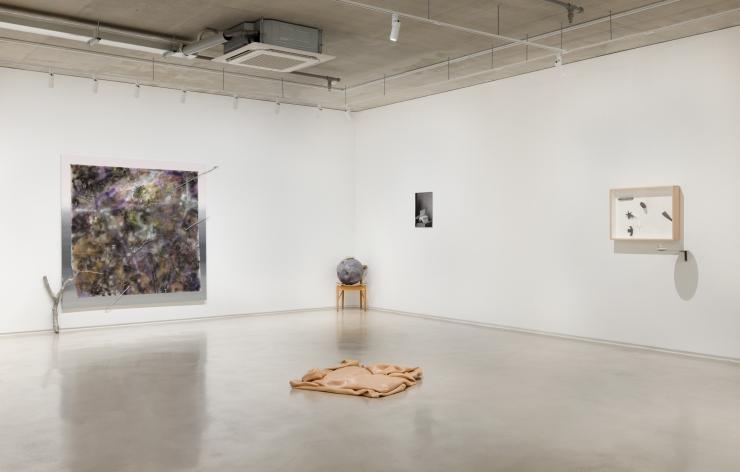
overwhelm her both personally and artistically. In No Planar
Figure of Sphere_Allegedly Matt(2018), Yoon shows the planar figure
of a human form, together with a sculpture component of silicone skin. Like the
“sphere” referred to in the
title, the human form incorporated into the work is concrete rather than an
abstract shape. The human form used in the work was adapted from physical data
for a man named Matt, which were purchased from a Canadian 3D scanning company.
In A Letter to Matt (2018), the artist explains
that it is “difficult to make a planar figure of a
human body, just as it is impossible to spread a sphere out due to its curves.” Nonetheless, she adds that she has “done my
best to make silicone skin to place on the gallery floor.” The 3D scanning data of the body is not enough to fully grasp the
human shape; realizing it as a physical sculpture is an even more impossible
task. The result presented in the work is a shell without internal structure,
unprepossessingly pressing against the ground.
In many industry areas, 3D graphic images are often used to show
things that are not actually present or to explain things that cannot be shown
in a particular place and time. The same is true with disaster reporting in the
media. Even when the photographs and videos showing the ship upside-down
underwater are vividly realistic, no one viewing them can truly understand the
situation. During the attempts to grasp the tragic particulars of the incident
as they gradually came to light, 3D simulation images began appearing in the
media to analyze the process of the ship capsizing and the passengers losing
their lives. In this case, abstract 3D images become metonyms for the human
body. But as Yoon’s work No
Planar Figure of Sphere_Allegedly Matt shows, the shapes cloaked in human
bodies do not actually represent anything; they convey very little about the
person behind the shell. Reduced to a shell, understanding crumbles to the
ground, unable to stand on its feet. Very often, the pain evoked by real-world
irrationality and overwhelming violence seems enough to make art into something
very small and private. Sometimes we can only succumb to feelings of
self-deprecation, helplessness, and shame, or seek comfort in fleeting moments
from an insular world. Amid all this, Jiyoung Yoon stifles her screams and
confronts her endless questions as she attempts with difficulty to speak out.
She comments on the concealed aspects of the world, the shock that comes with
their revelation, and occasions for turning subjective perceptions and lives on
their head. She makes us ask why and how we are looking at certain aspects of
what we are viewing.
Sculpture is the body. As seen with the minimalist sculpture of
the past, abstract sculptures with the same dimensions as the body can evoke a
sense of phenomenological presence in the viewer in front of them. Jiyoung Yoon
has drawn both implicit and explicit comparisons between elements of sculpture
and the human body. Instead of using the same cold, anonymous industrial
materials as minimalist sculpture, however, she prefers working with amorphous,
fleshy materials such as latex and silicone. Rather than delving into the
externally visible surfaces, she seems to want to stimulate tactile sensations
by imagining what exists beyond the flesh, as well as the narrative thinking
that arises from that. Like physical symptoms, the sensations of the skin
resemble photographic paper upon which the hidden inner workings are
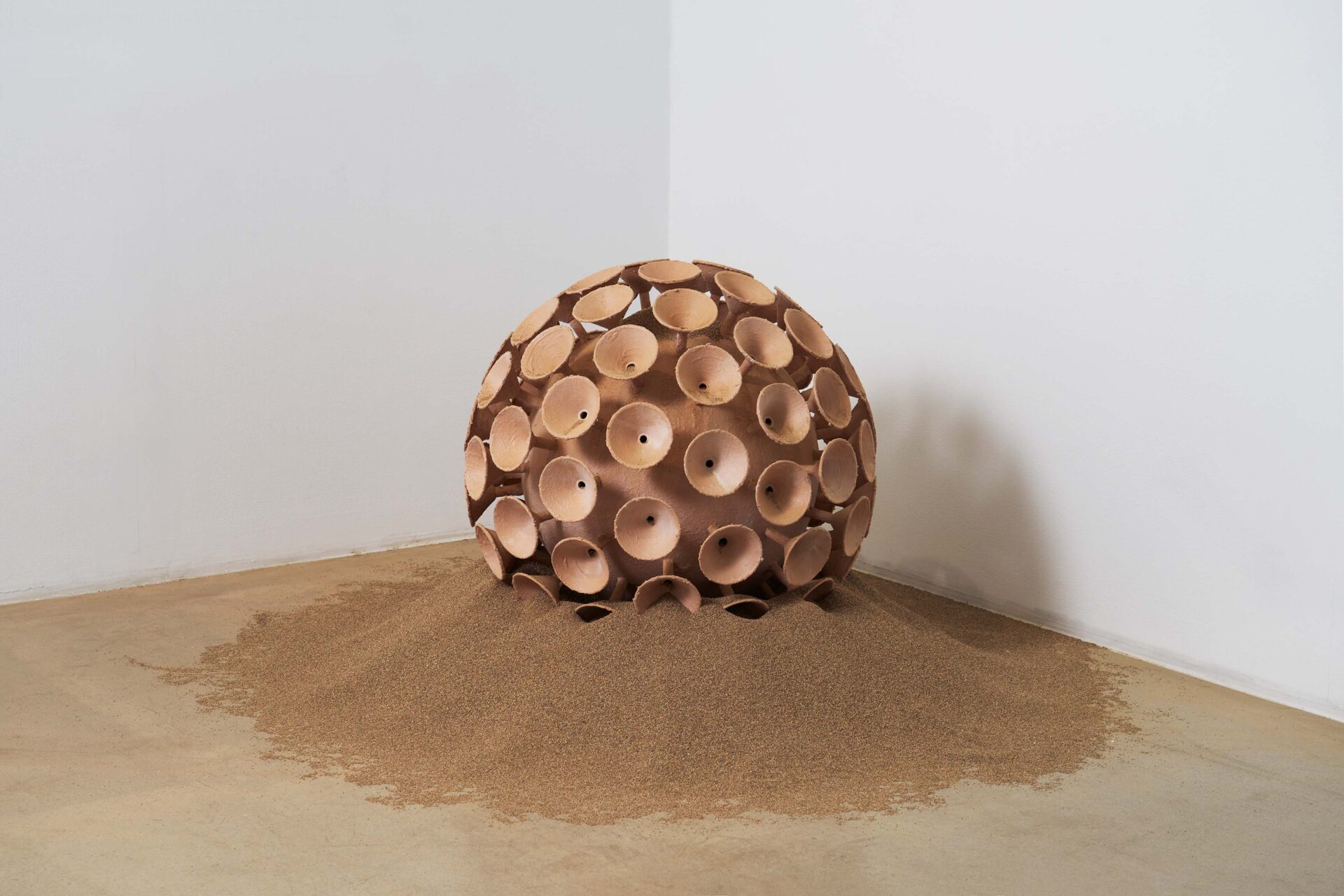
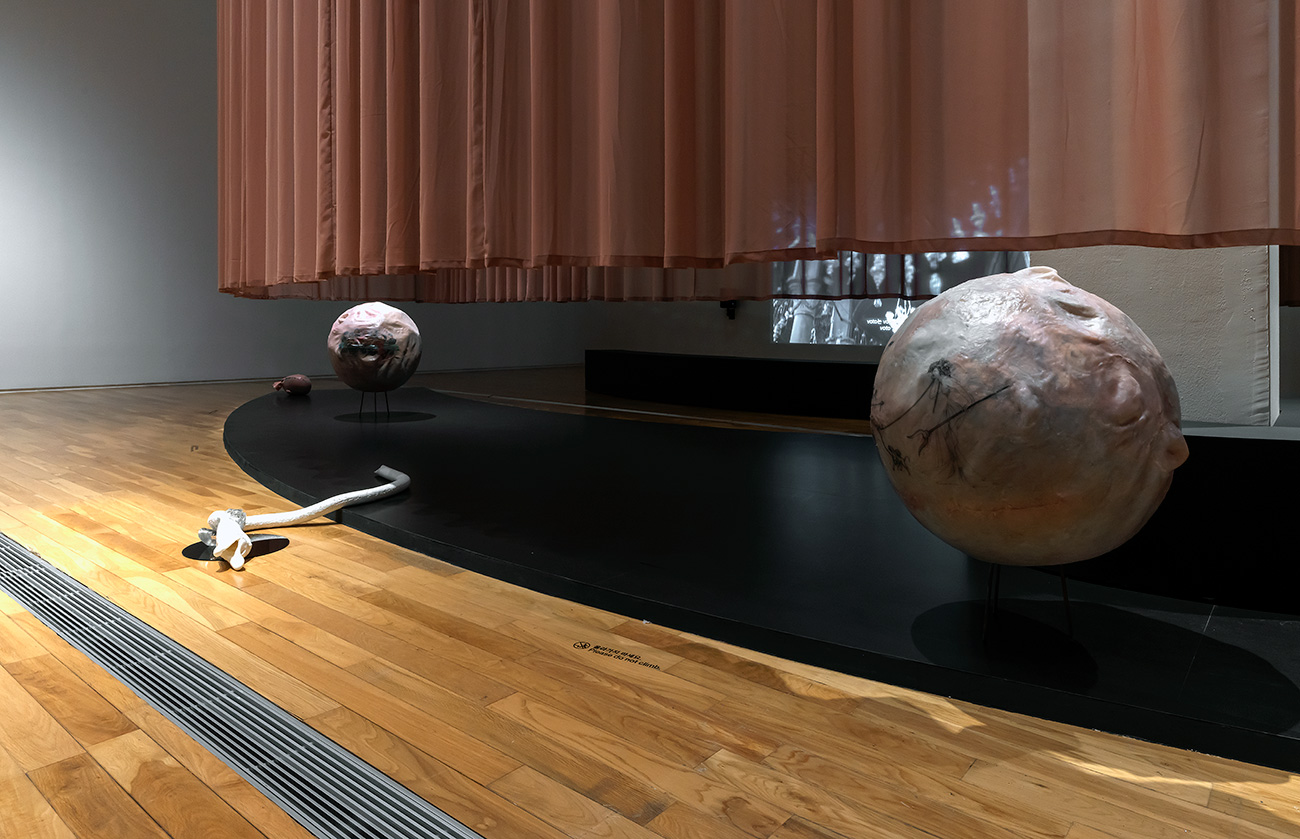
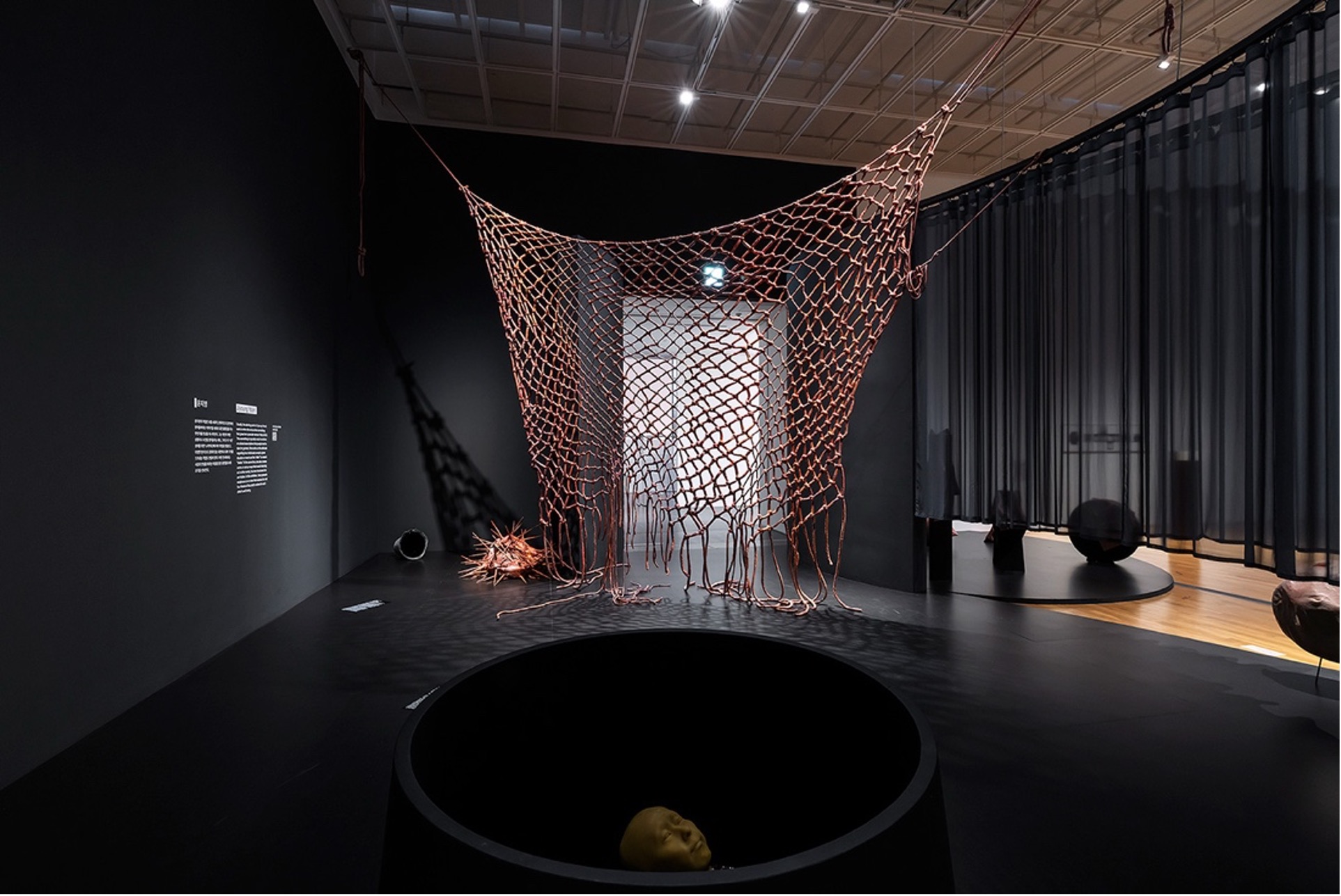
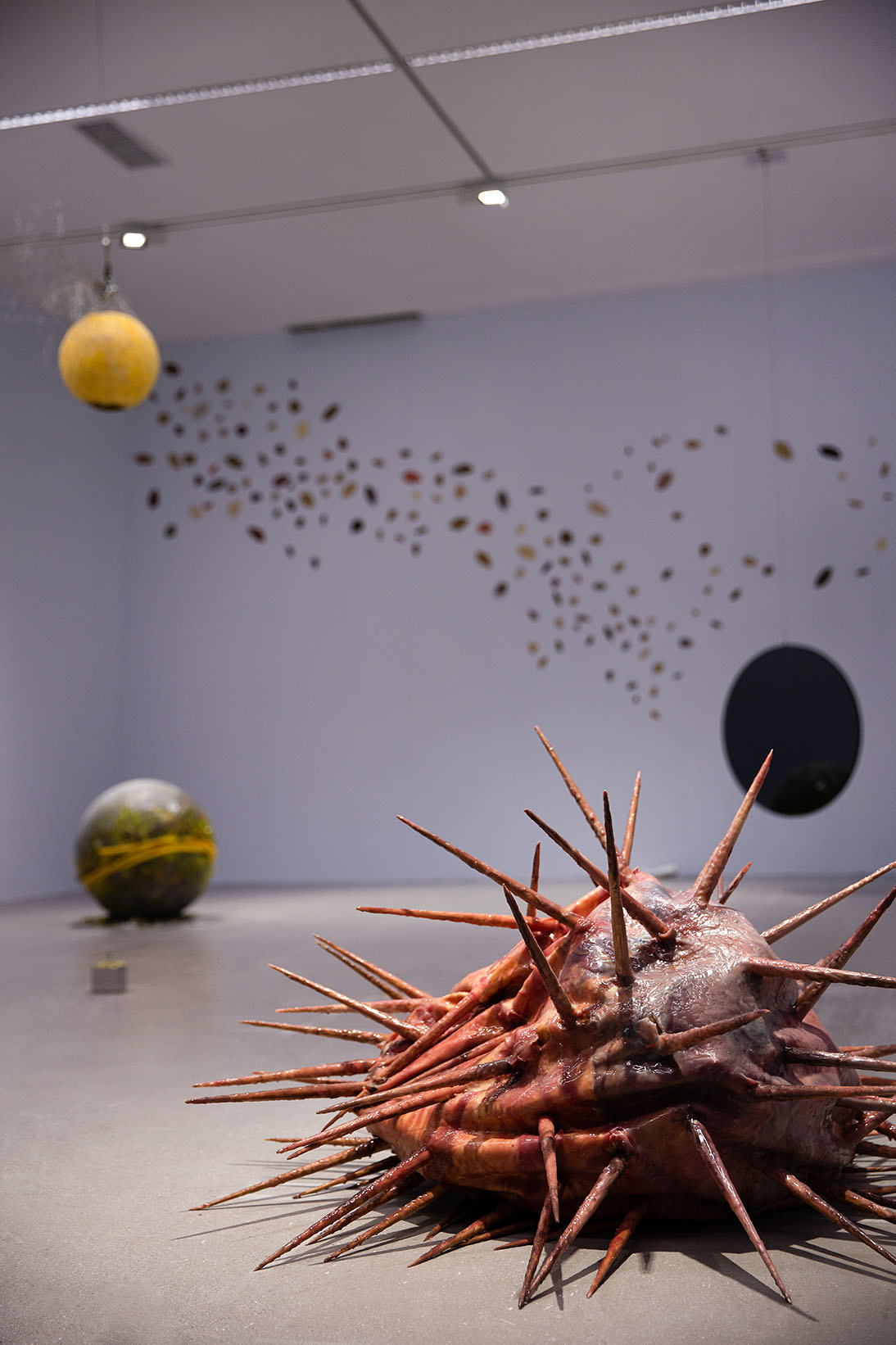
developed. In the Still of the Night (2019) is a
spherical sculpture with a similar volume to the human body, which is designed
to reveal stories inscribed on its surface as it reacts to the surrounding
temperature. To see the obscured content, the viewer has to hold the sculpture
close and convey the warmth of their body. As the artist explains, the viewer
also has to continue withstanding the heat of their own skin. Where No
Planar Figure of Sphere_Allegedly Matt used the human form as a
metonym, the sculpture in works such as In the Still of the Night—which offer a more in-depth presentation of the artist’s ideas about the body—becomes a metaphor
for the physical person. When sculpture metaphorically presents the body, it
demands an expanded kind of reflection on that body. At the same time, the body
is also a metaphor for sculpture, demanding an expanded interpretation of the
sculpture medium’s visual aspects.
One of Jiyoung Yoon’s primary focuses is on the female body. In Korean society, women’s bodies are a battlefield on which the symbols associated with
discrimination operate in the most extreme ways. The reemergence of feminist
attitudes over the past decade or so represents a larger global phenomenon. In
Korea, the #MeToo movement and other hashtag campaigns began surfacing around
the culture and arts worlds in 2016. As women’s
movements proliferated online, they began powering a social debate by
intensively visualizing previously concealed realities of sexism.
Misogynistically motivated crimes began receiving major media coverage, with
repeated displays of commemoration and condolences toward the victims. Amid all
this came news reports about the so-called “Nth Room” on Telegram—a case involving the production
and circulation of videos showing women coerced into situations of sexual
exploitation. The shockingly systematic nature of the crime and the enormity of
its scale forced people to confront a structural collapse within society. More
than just an issue of pornographic perspectives in which women’s bodies were sexually objectified, this was a frightening episode
that alluded to the future destruction and alteration of humanity. Sensing the
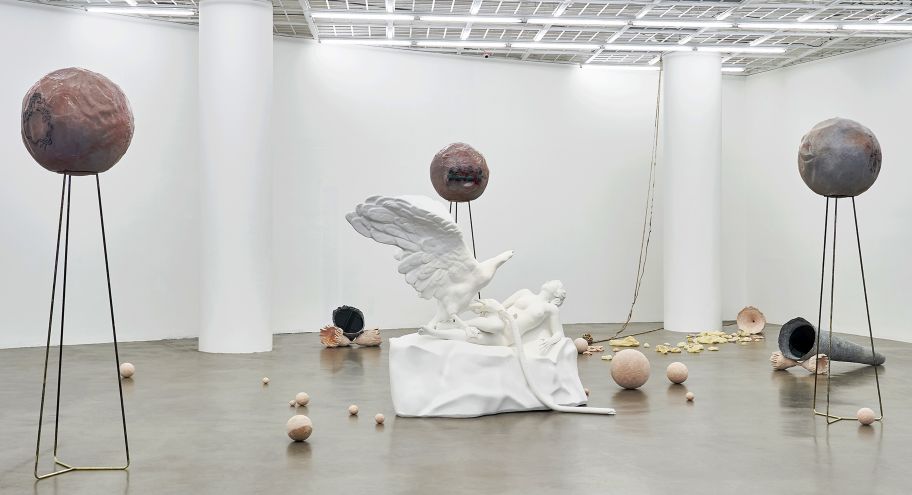
urgency of the situation, Jiyoung Yoon adopted an unusually straightforward
figurative approach to create her work Leda and the Swan (2019).
This work, a collaboration with female tattoo artists, explores the iconography
from a Greek myth concerning rape by the god Zeus, while redirecting the
voyeuristic perspective toward the male rather than the female. This appears to
mark the time when the artist began focusing her explorations more on attitudes
relating to women’s shared existential horizons.
It is not only personal misfortunes and social catastrophes that
threaten to erase individuals and art. More than a given incident, it is the
incident’s structural core that operates in more
destructive ways. Jiyoung Yoon engages in a deeper exploration of sculpture’s inner and outer aspects as she reflects fundamentally on women’s corporeality and stands up against different forms of crisis. When
individuals around the world were isolated by the COVID-19 pandemic, the artist
began working to visualize a painful self-consciousness and discordance that
seemed to grow in proportion to the impoverishment of physical perception and
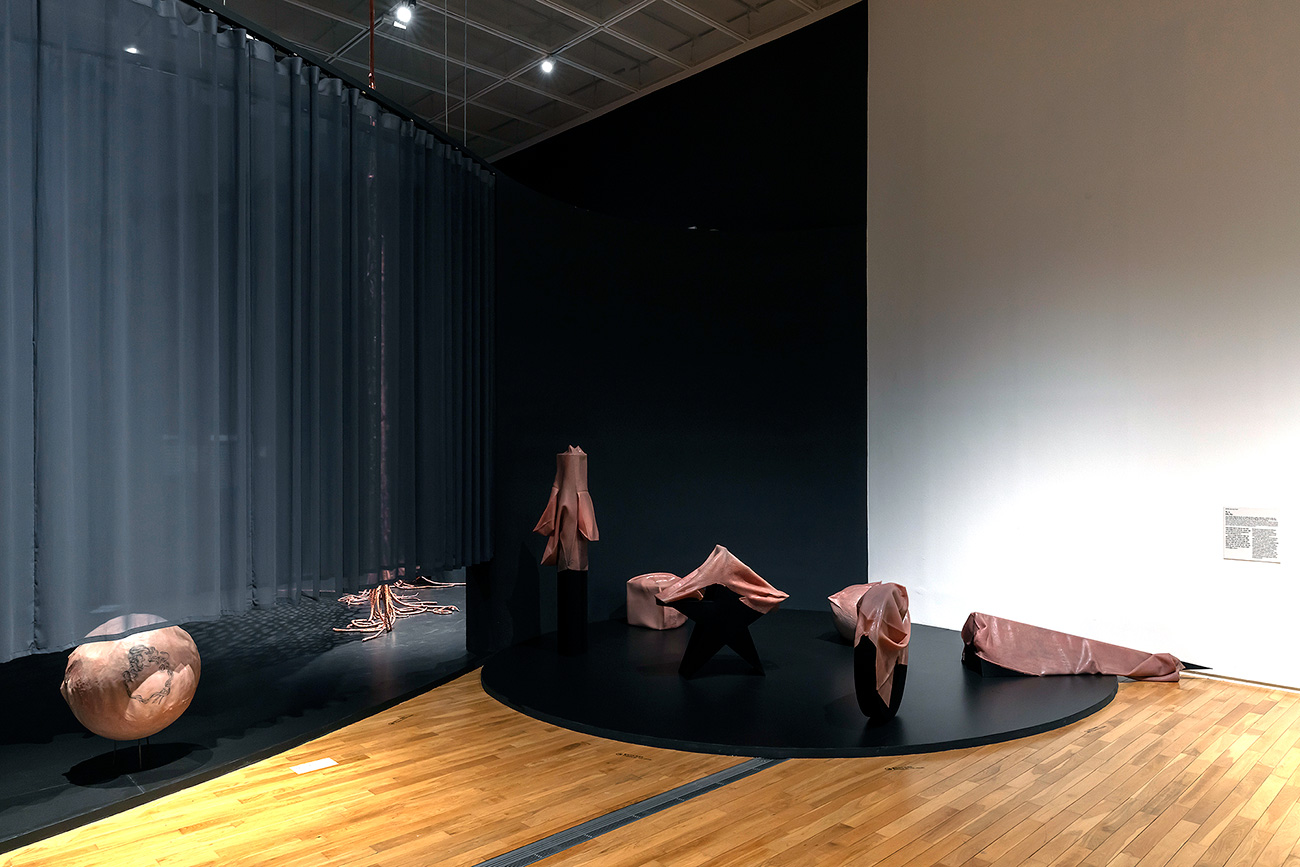
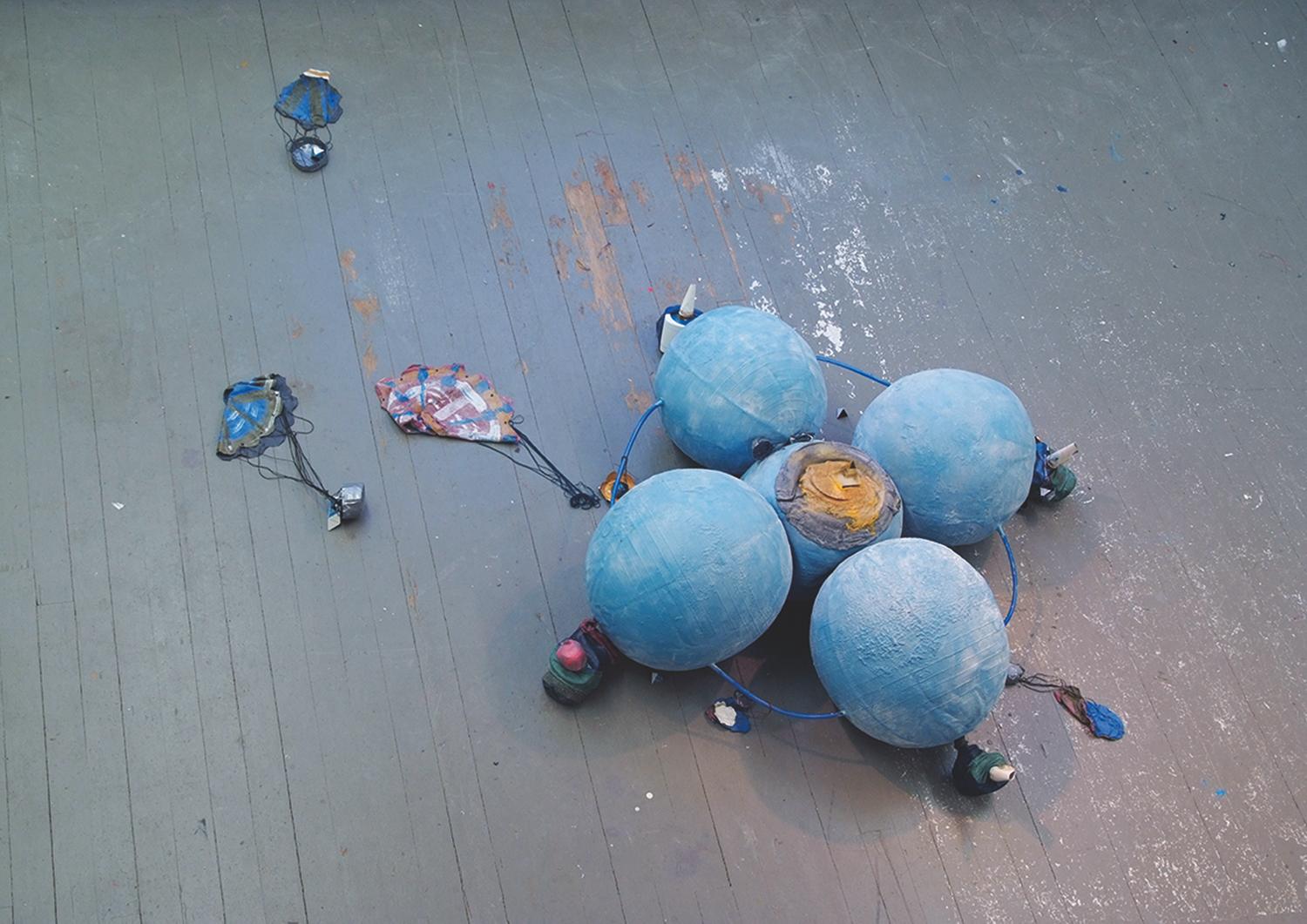
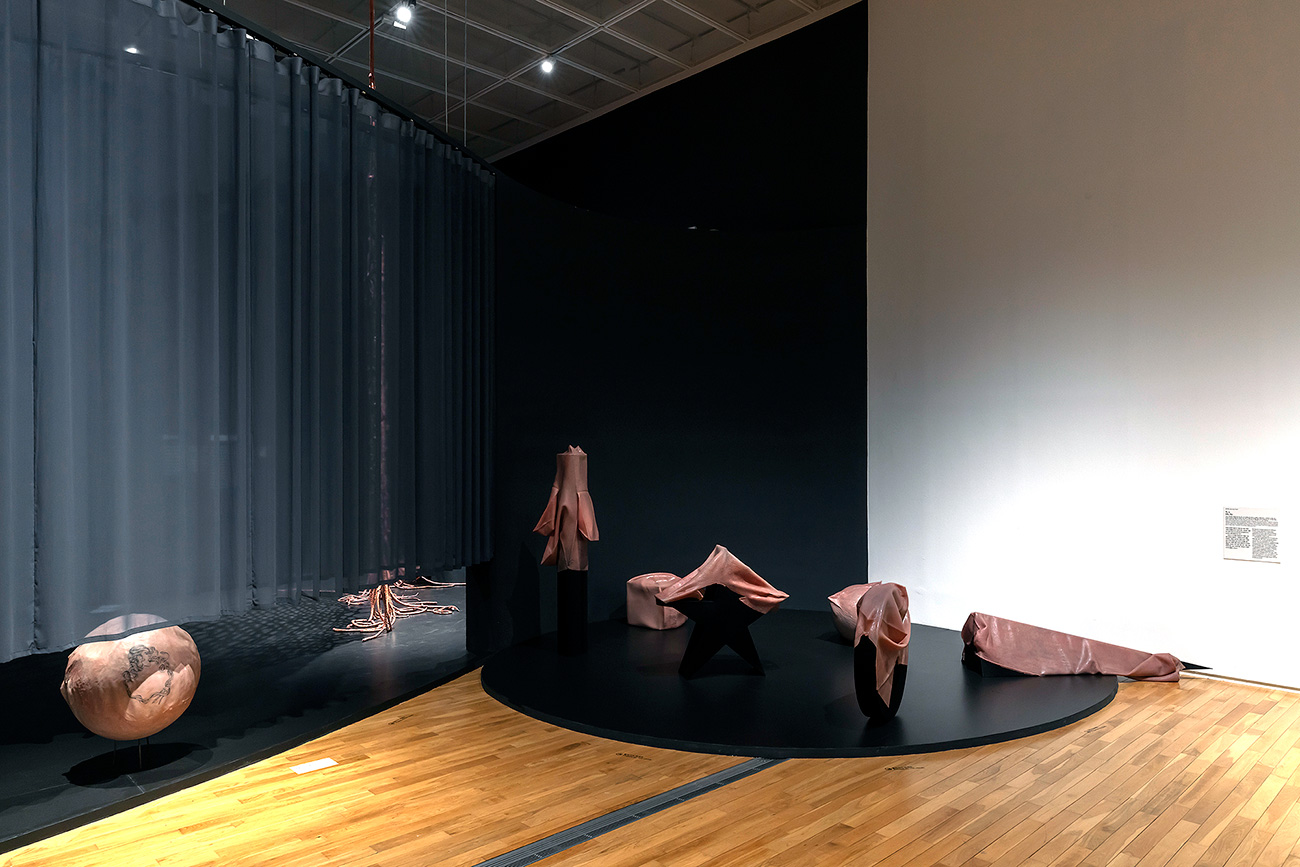
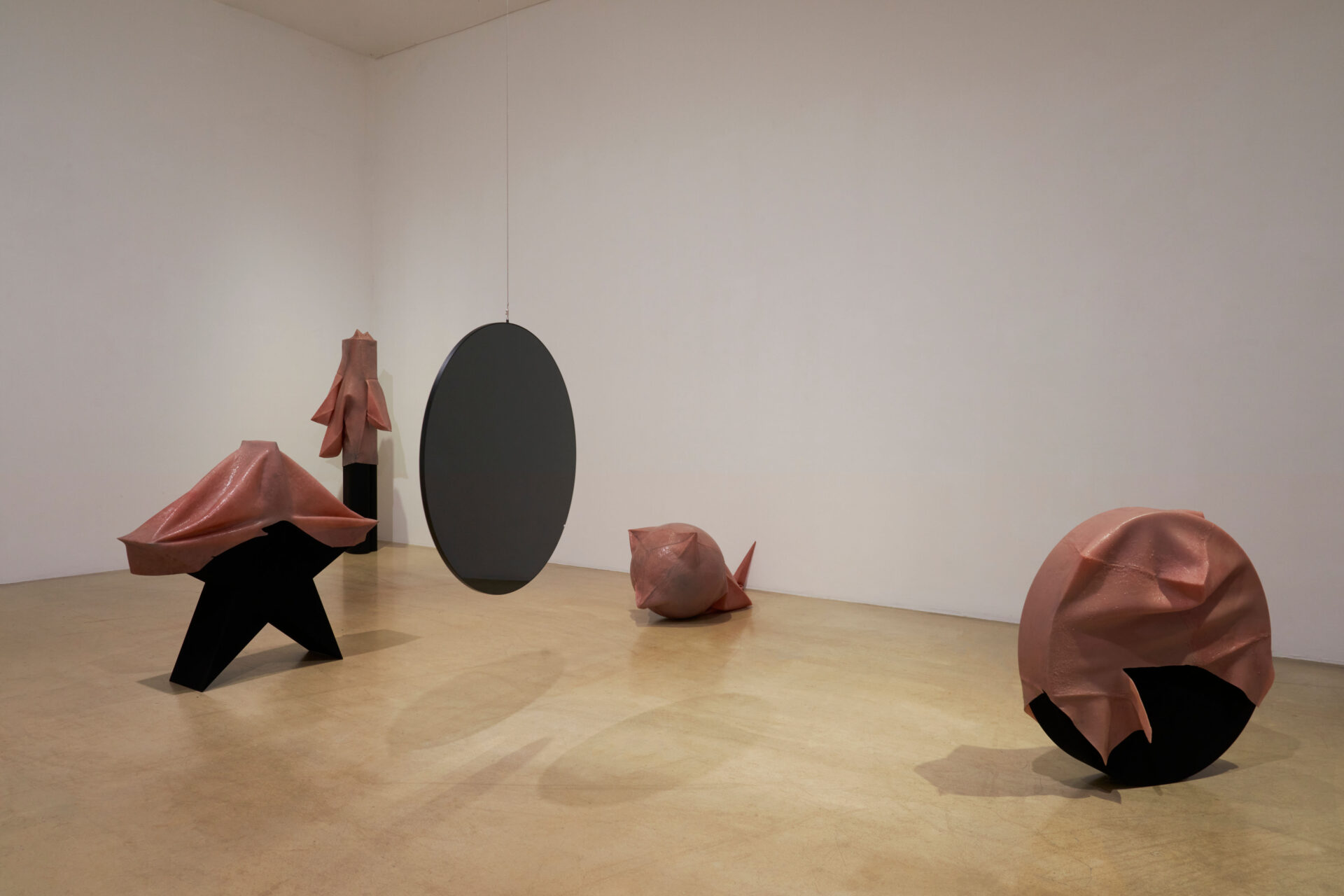
experience. Me, No (2021) is a human-sized work in
which six figures with identical volumes but different shapes trade “clothes” with each other. One sculpture in
the shape of a pillar with a star wears the skin of a spherical sculpture,
which seems ready to split apart; the star sculpture’s
skin hangs baggily over another sculpture in the shape of a pillar with a heart
cross-section. The sculpture’s frameworks—their outwardly visible interiors—are
presented in Vantablack, which reflects almost no light. Silicone has been used
to make the exteriors: the clothing/skin is precariously draped over rigid
structures that tear through them in places. The mournful beauty conveyed by
the work leads the viewer to consider the misalignments between
interior and exterior, the scars of separation, and the story of how these
six sculptures quietly came together.
To Deliver
The visual language of art can often be subtle and poetic enough
to give the sense that it refuses to present itself clearly to all. Yet this
subtleness is not meant to exclude others; it is intended to implicate them
more deeply and elicit emergency thinking. In a Seoul art world that has been
generally urgent and exhausting over the past decade, Jiyoung Yoon has
tenaciously and uncompromisingly sought her own language. At the same time,
exhaustion and extinction appear to have been constant concerns. The physical
properties of sculpture are such that it is fated to wear down and age, and
time takes its toll on the physical capabilities a person needs to work with
such heavy and demanding materials. At the everyday level, the human body’s perceptions and senses have been transforming with the spread of
digital media. In the face of global ecological crisis, artists whose creation
involves physical intervention must consider the ethics of ecological
(non-)intervention. In a world like this, can sculpture and the contemplation
of its medium survive—and if so, how? One thing is
clear: The fate of sculpture as an artistic medium is not separate from the
fate of existential subjects and individuals as members of social structures.
Rather than seeking a lone path of autonomy as an artist, Jiyoung
Yoon has been willing to embrace the chaos of dialogue and collaboration. In
one interview, she said that it is “important to me to surround myself with people whose ideas I believe
in” and that “only then can I
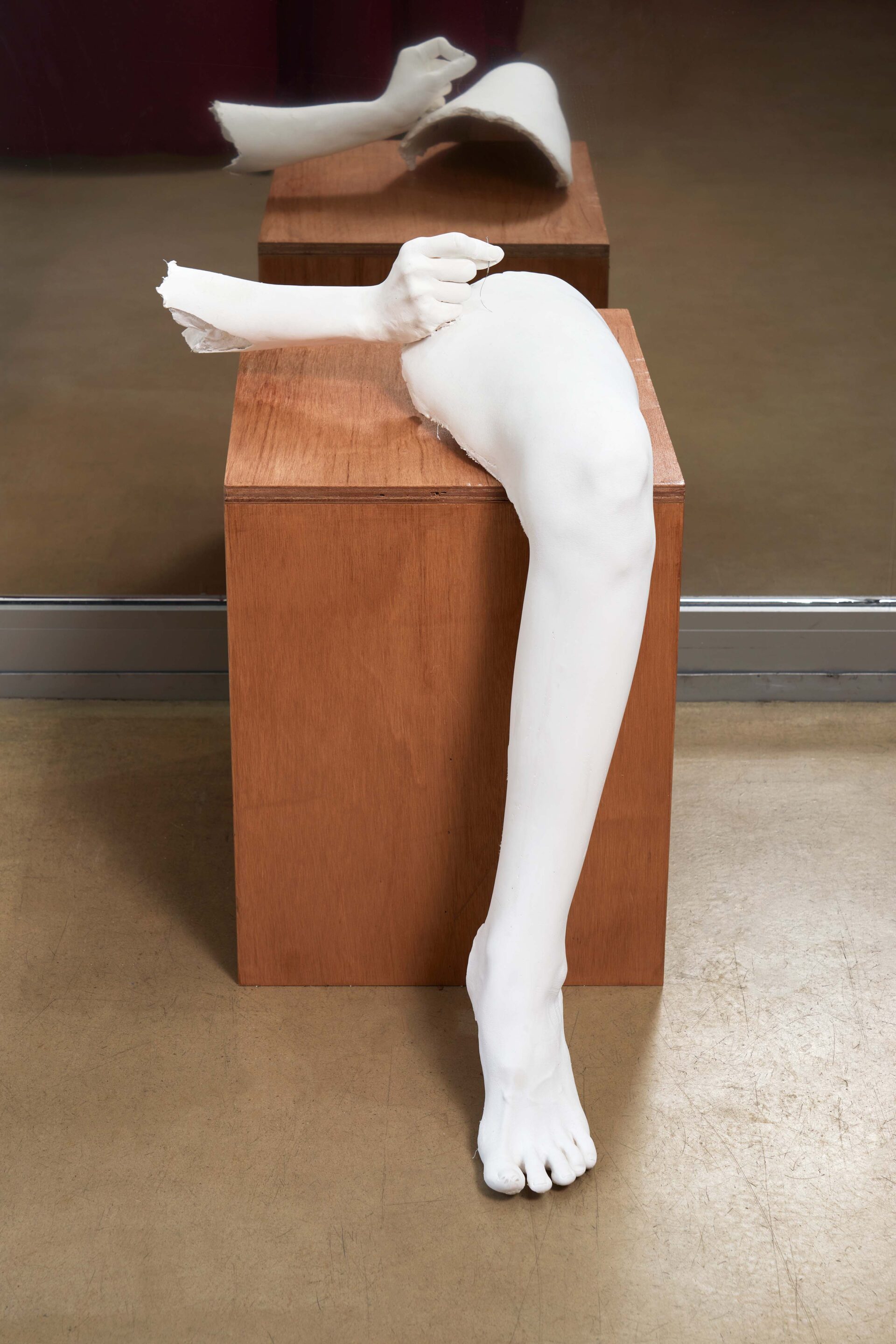
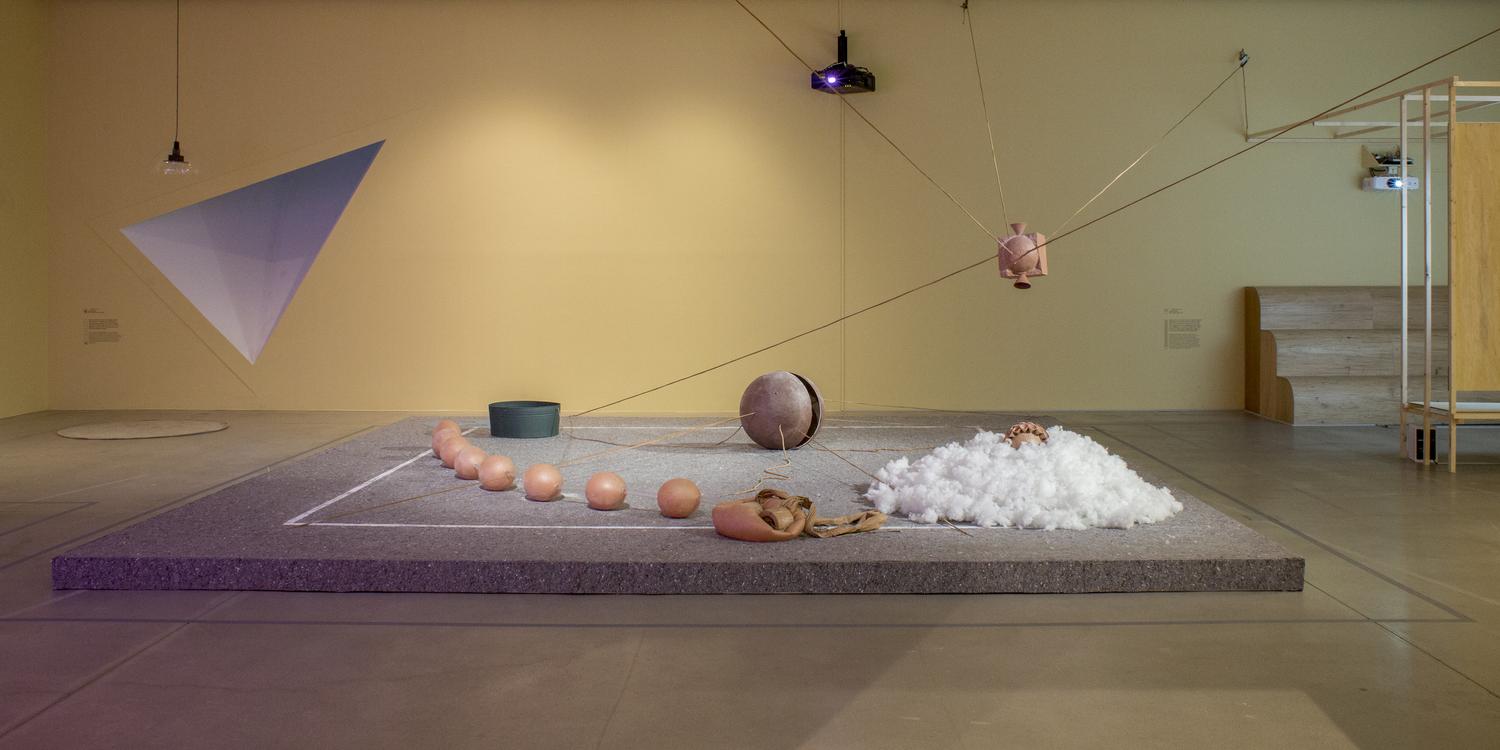
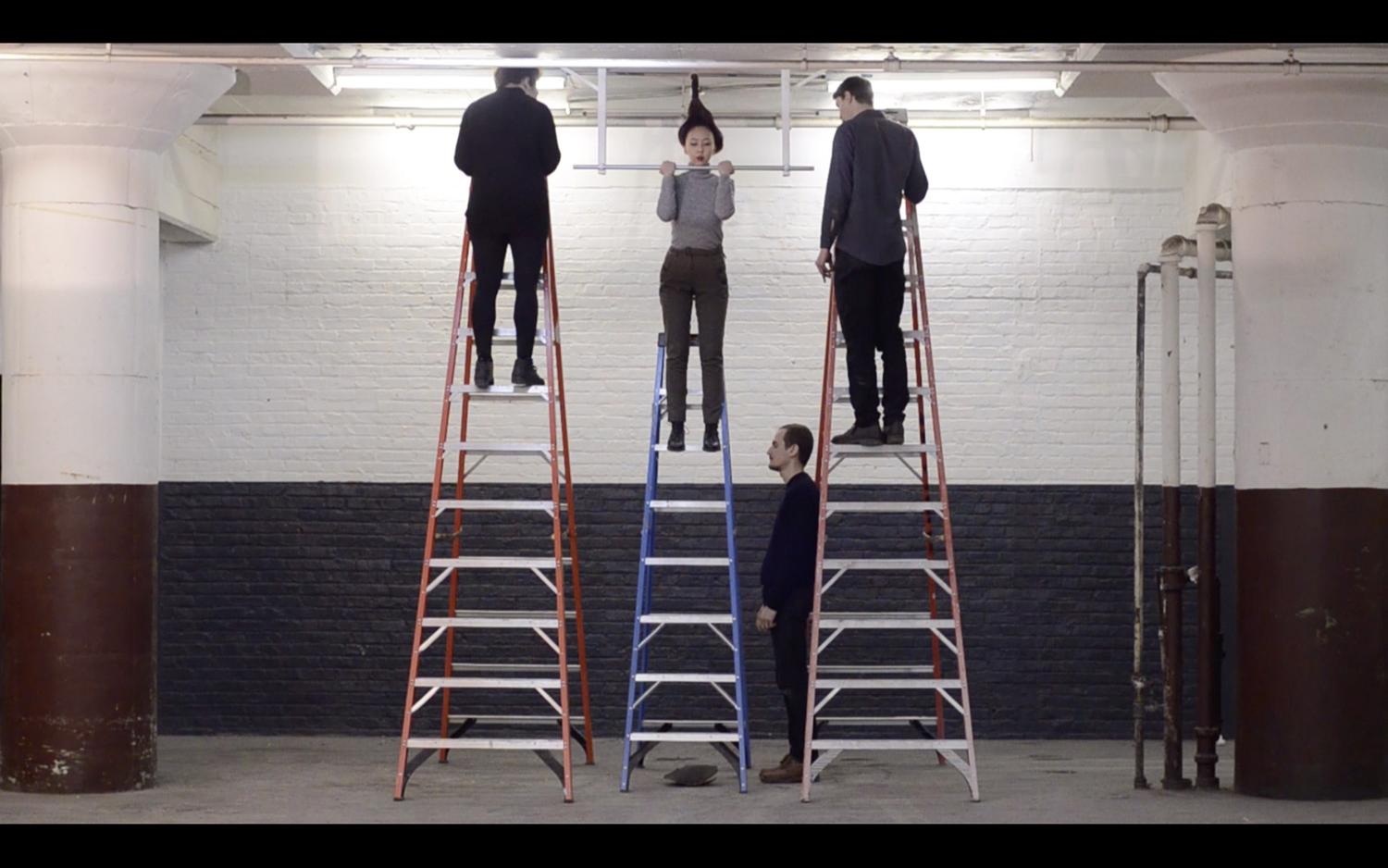
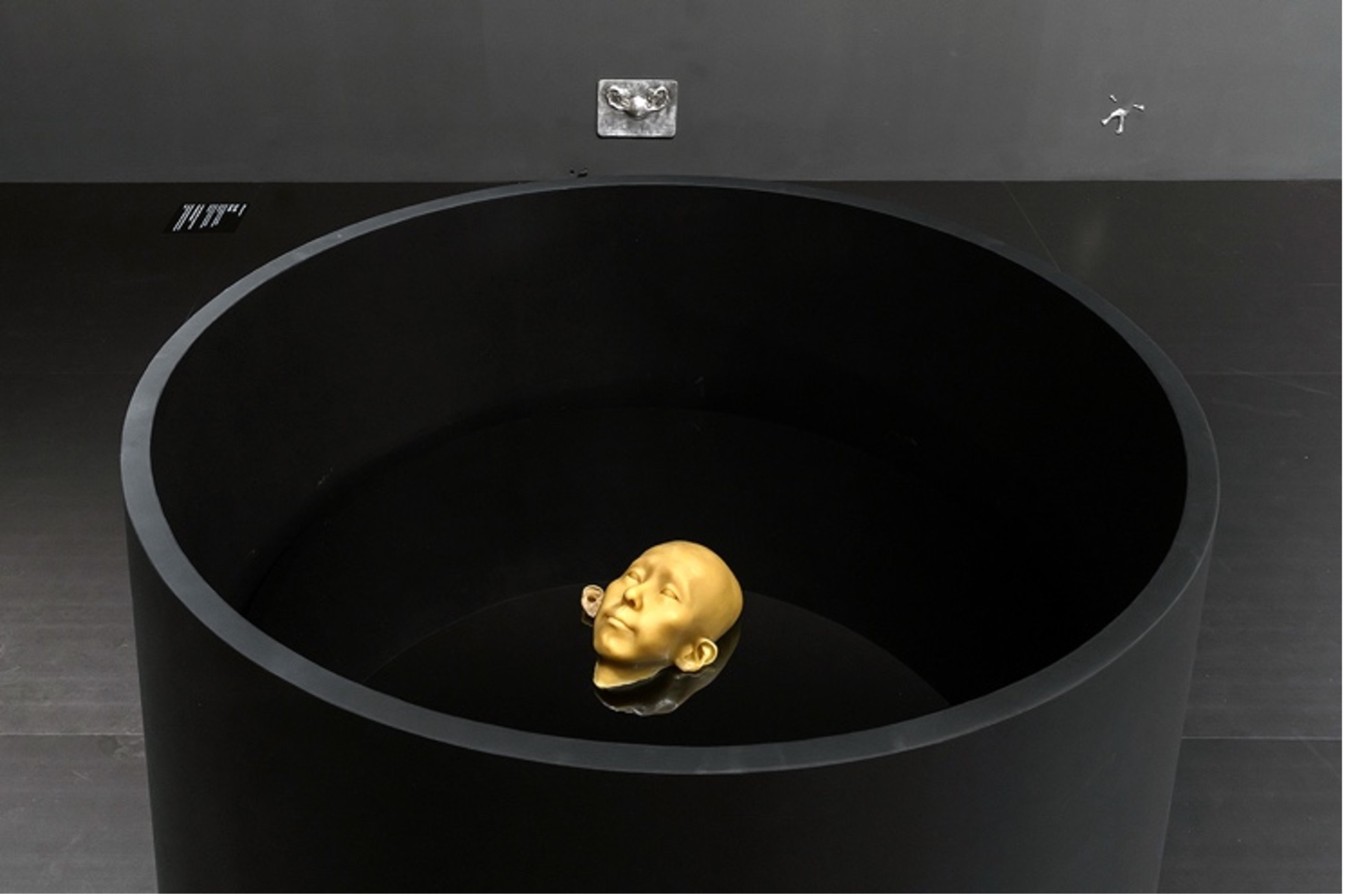
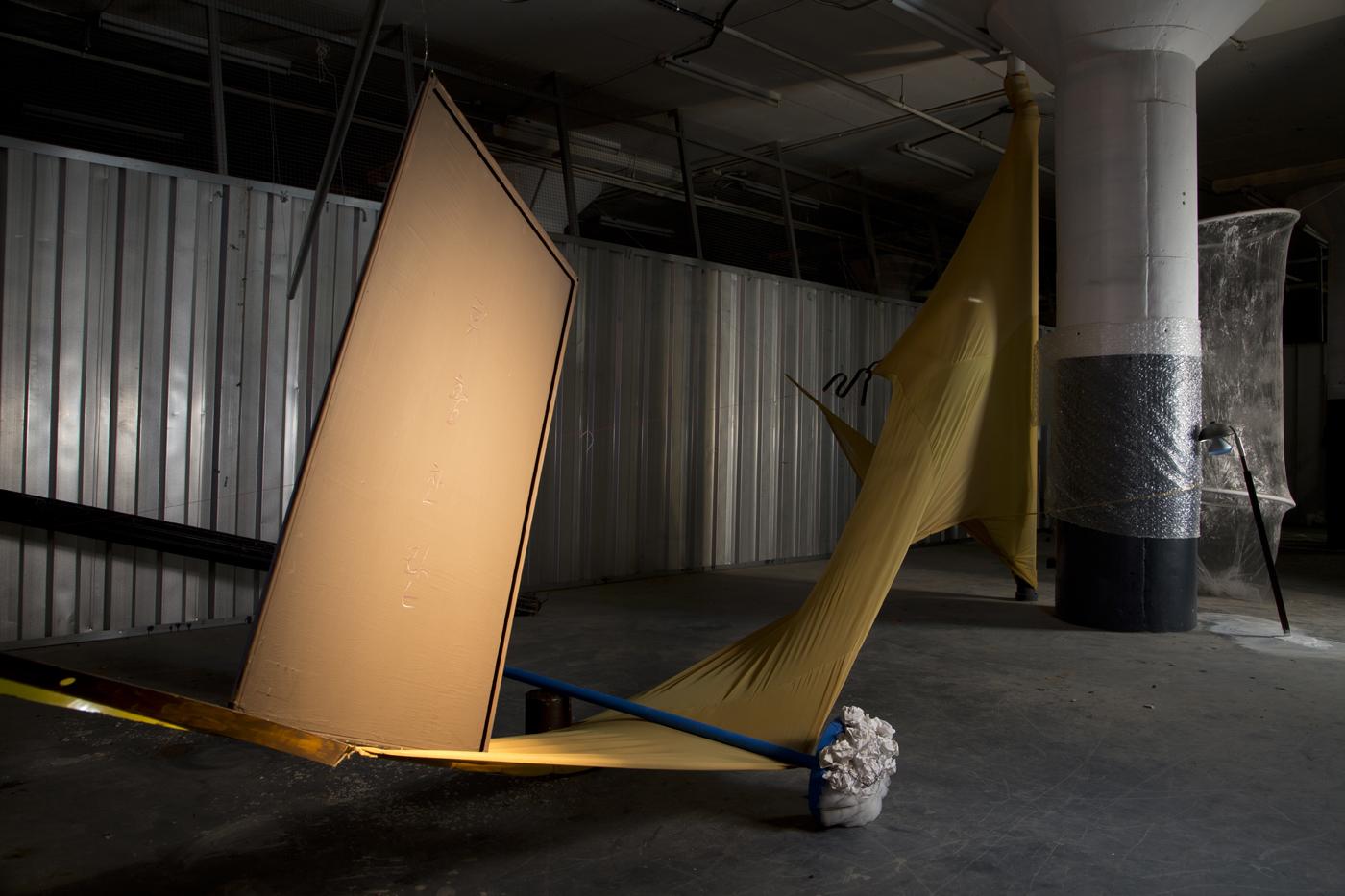
ask questions, listen, and accept.”3 During the pandemic, she co-created the 2020 work To
Deliver with Stephen Kwok, a fellow artist living on the other side
of the world. Amid the constraints on physical meetings, this creation captured
a desperate attempt to share physical characteristics (if only) through digital
space. Faced with the uneasy premonition that everything she had known and
believed might disappear, she relied on the powers of friendship and solidarity
to make creation and life once again possible. She had no choice but to give
everything and “deliver.” The
pain that we endure without escape—without even
thoughts of escape—has the merciless power to turn
everything into nothing. Here, Jiyoung Yoon has always sought out all things as
though starting over from square one. This inevitably demands all one’s strength. It may not be clear what each of us is looking at, but
vision is ubiquitous and fairly granted. What is not visible here does exist—through the choices of the sculptor.
1. Elaine Scarry, The Body in Pain, Korean trans. Mei
(Paju: May Books, 2018), 10.
2. Jiyoung Yoon, The Back Stories (2023), video
presentation given at Common Ground as part of the DAAD (German Academic
Exchange Service) Artists-in-Berlin program. https://vimeo.com/858739023
3. Jiyoung Yoon (interviewee), Wonjae Park (interviewer), “Artist Talk | Jiyoung Yoon,” ONE AND J.
Gallery YouTube, February 25, 2022. https://www.youtube.com/watch?v=D7m2qTO5lQM