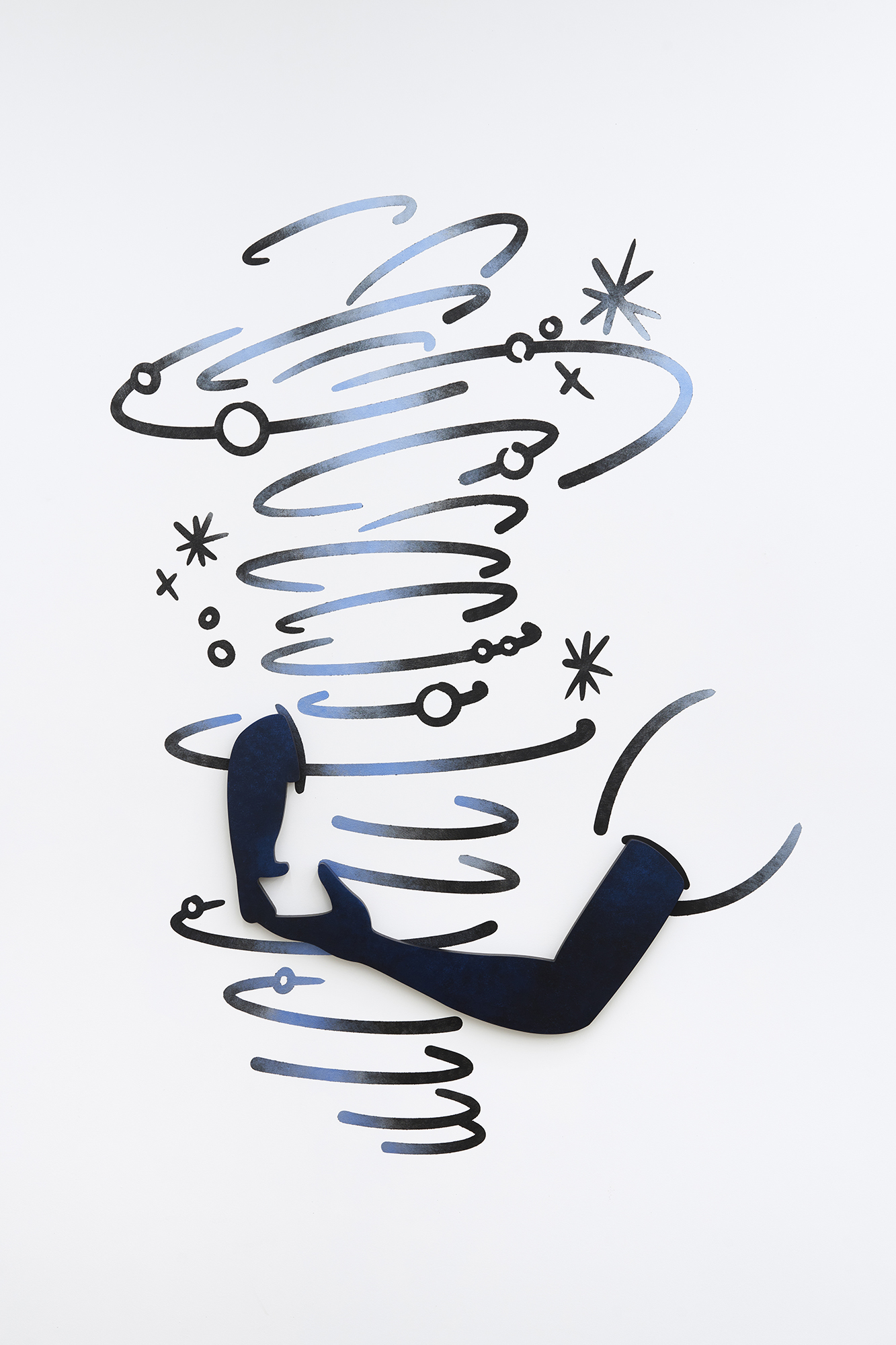
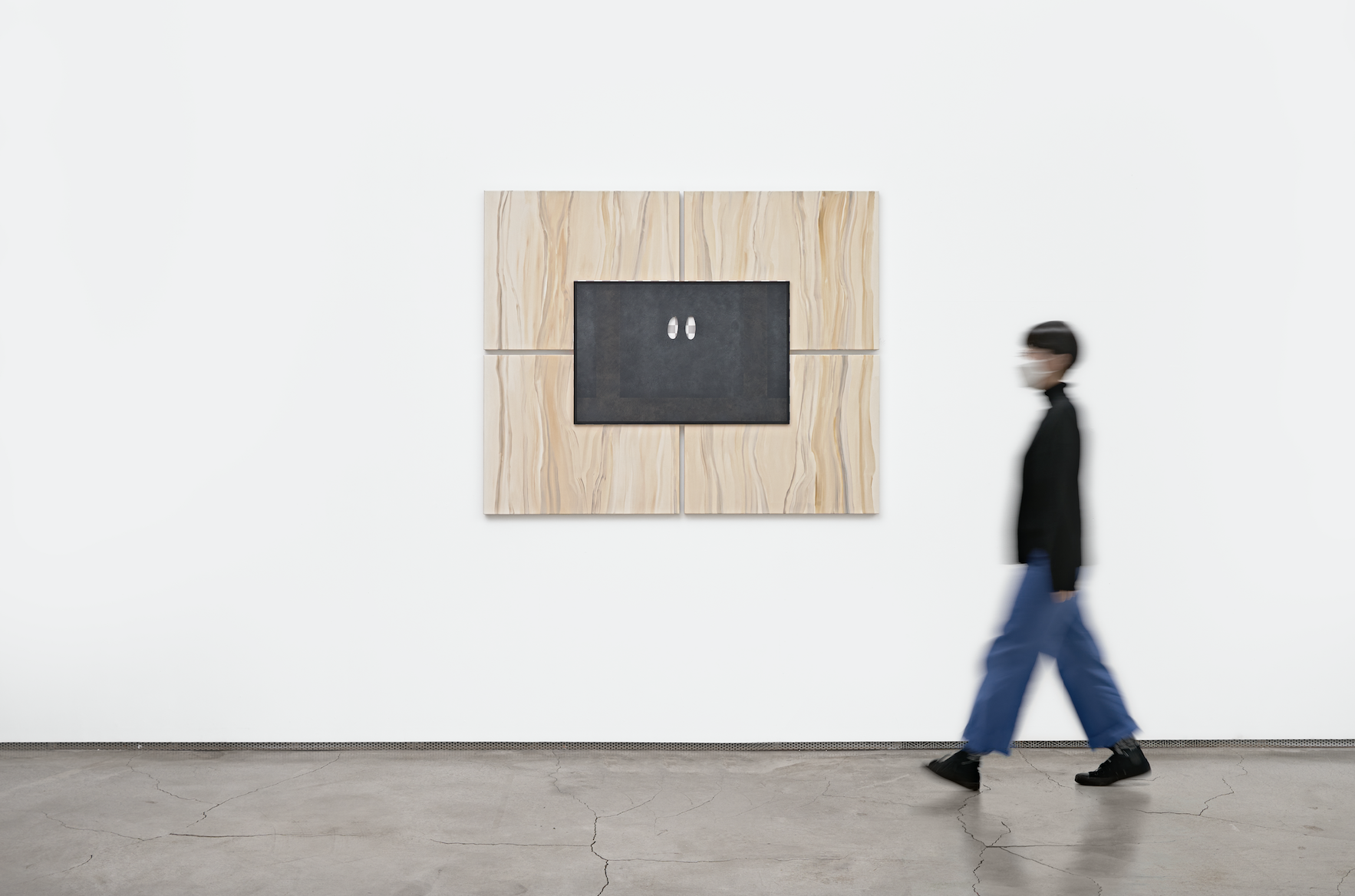
Lee Mijung (b. 1988) examines the multilayered desires and values that surface in everyday life, translating them into the language of visual art. In particular, she explores the cultural values and aesthetic orders embedded within contemporary living environments and interior images, deconstructing and reassembling them on the picture plane through what she describes as “assembled paintings.”
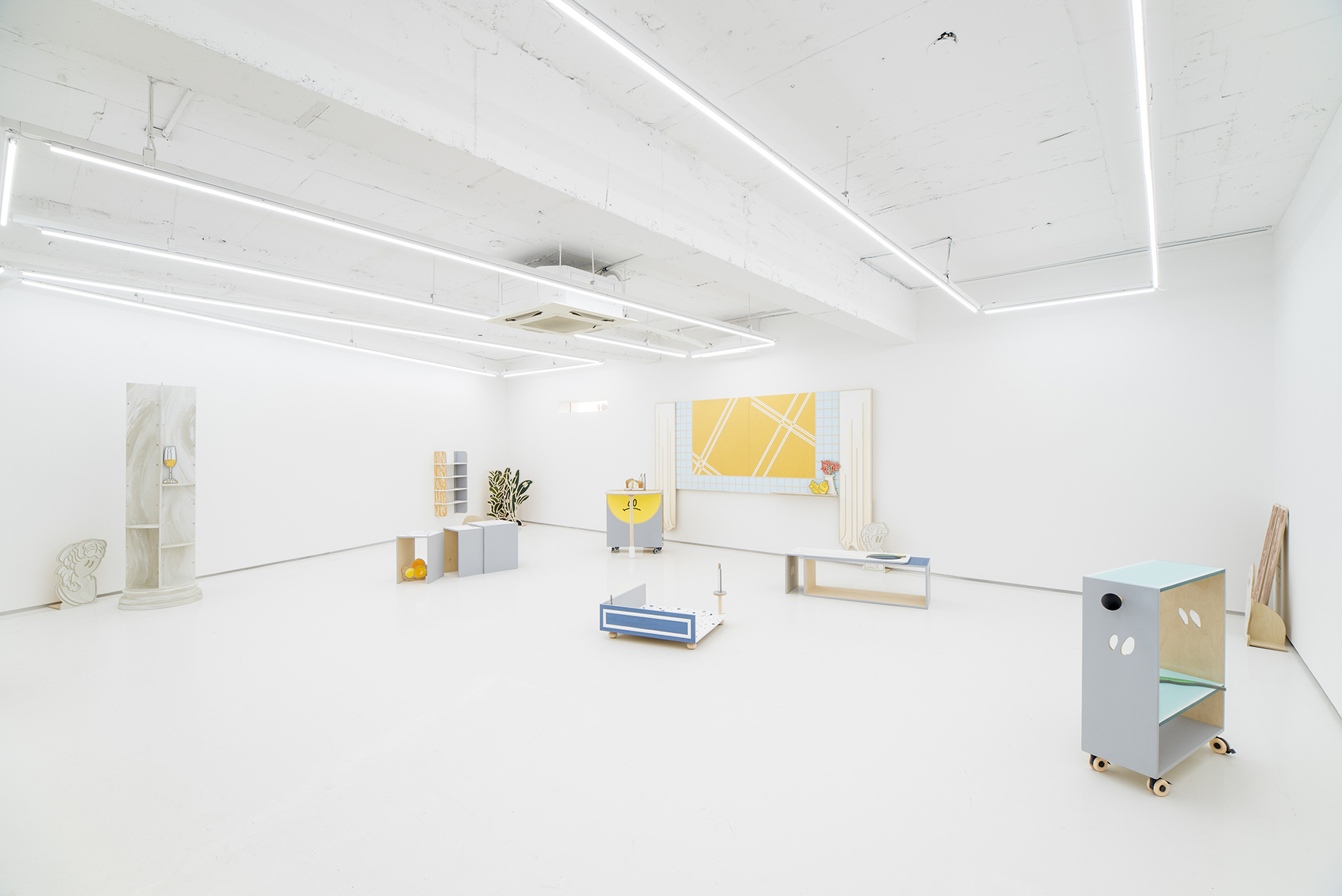

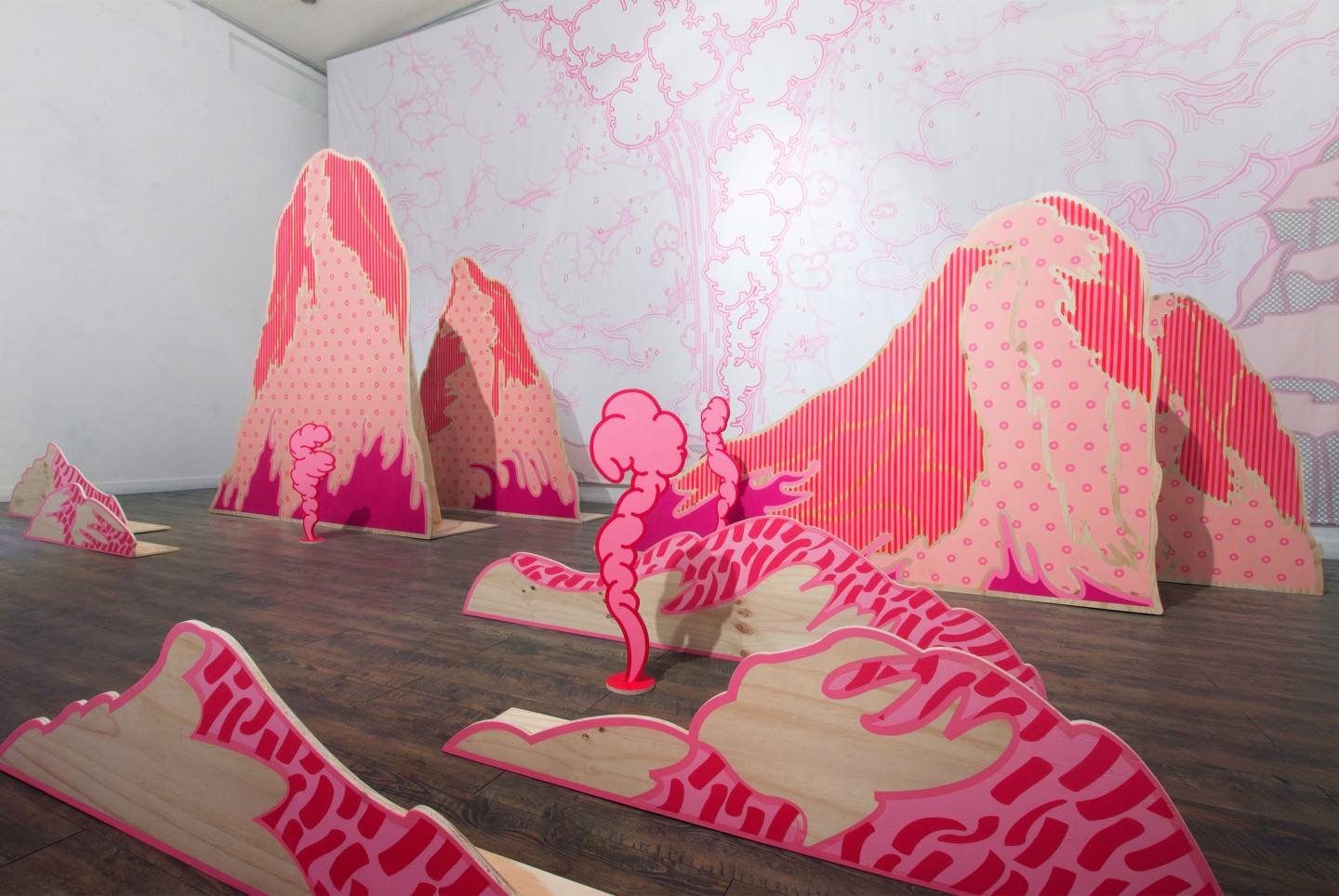
Installation view of 《Pink Noise》 (Gallery Kunstdoc, 2014) © Lee Mijung

Lee Mijung’s interest in contemporary living environments and interior design began with her fascination with DIY home renovation. She became particularly attentive to the way an old table could be covered with marble-patterned adhesive film, allowing one to enjoy only the effect of marble.
 
From this observation, she focused on the point at which an object functions not as a physical reality with actual substance and volume, but rather as a kind of shell or surface image that is activated and experienced through its appearance alone.


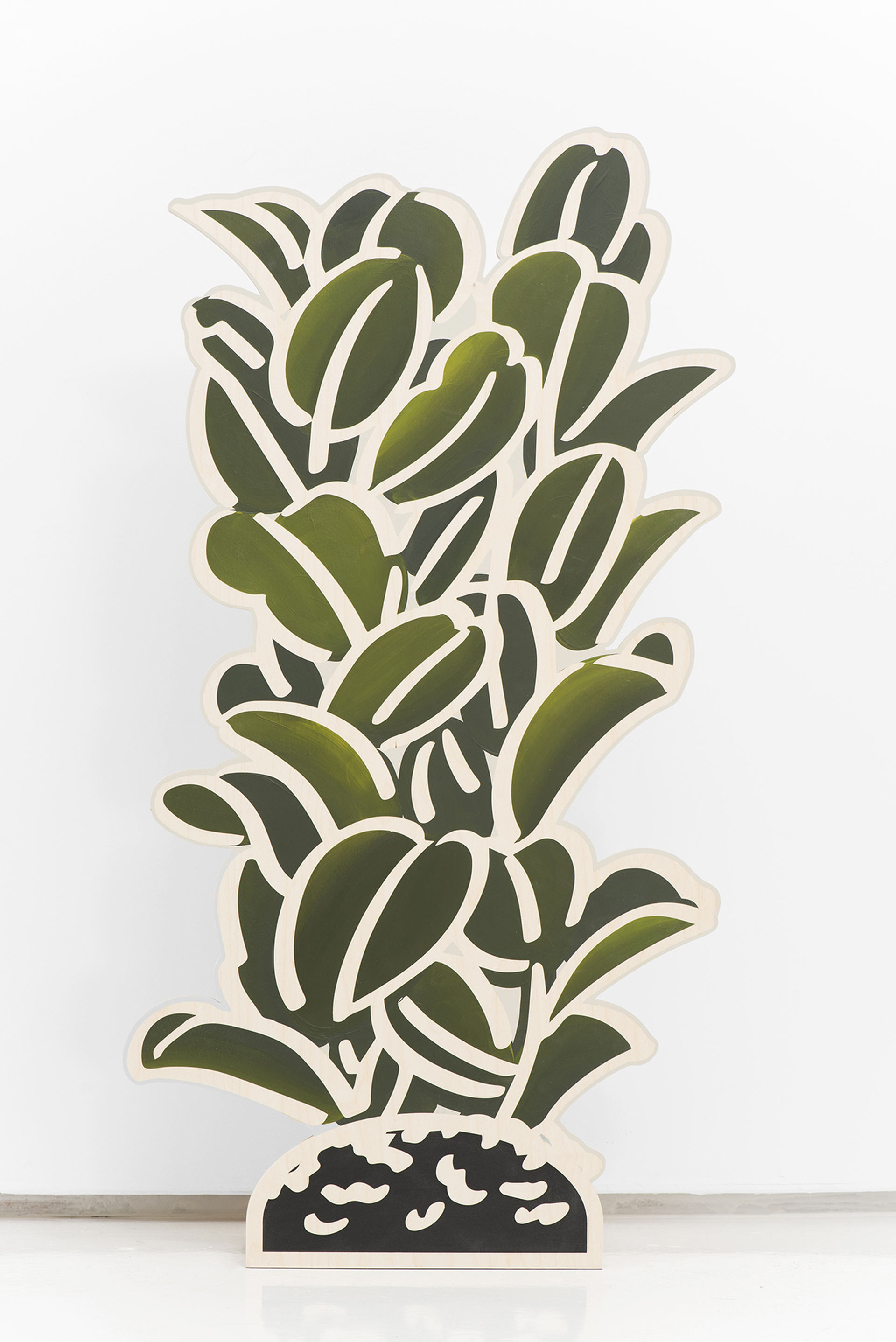
Lee Mijung, Combined body ((effect)), 2019, Acrylic on birch plywood, Dimensions variable © Lee Mijung

In addition, Lee Mijung actively incorporates the mechanisms of modular furniture—commonly used in DIY interiors—into her artistic practice. Inspired by the way such furniture can be assembled and arranged differently according to a particular narrative, generating a range of visual possibilities, she experiments with various combinations through the assembly and placement of paintings.
 
Through this process, Lee’s works often foreground their interior-design references, disguising themselves as decorative objects and, at times, taking the form of thick paintings that step away from the gallery wall to stand independently like sculptures.


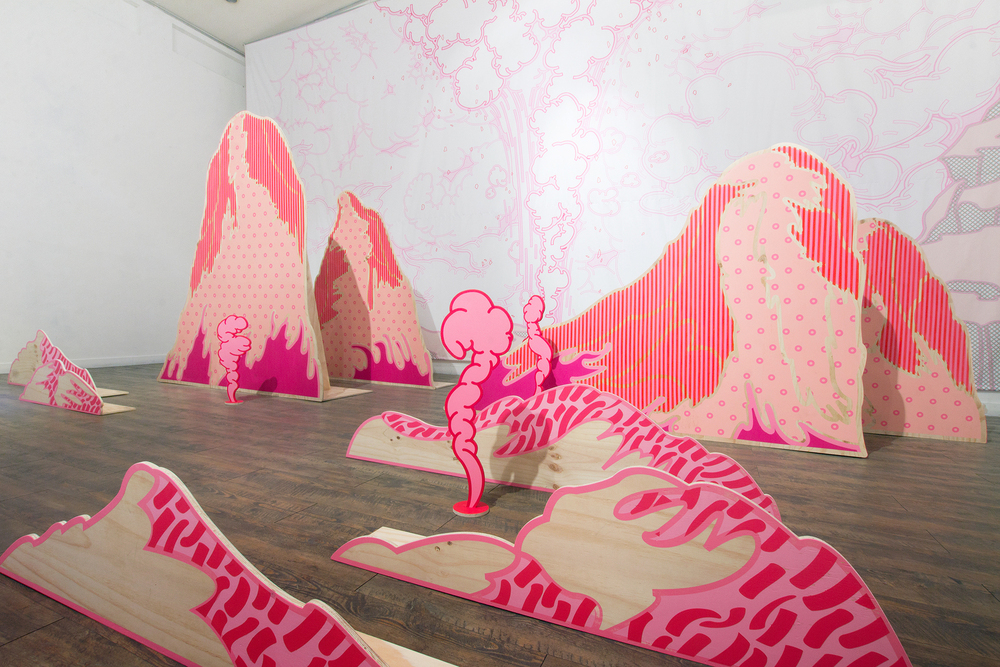
Installation view of 《Consolation is SELF-service》 (OCI Museum of Art, 2013) © Lee Mijung

From her early works onward, Lee Mijung transformed images drawn from the contemporary conditions she experienced as a young woman into painterly objects and staged them within theatrical environments.
 
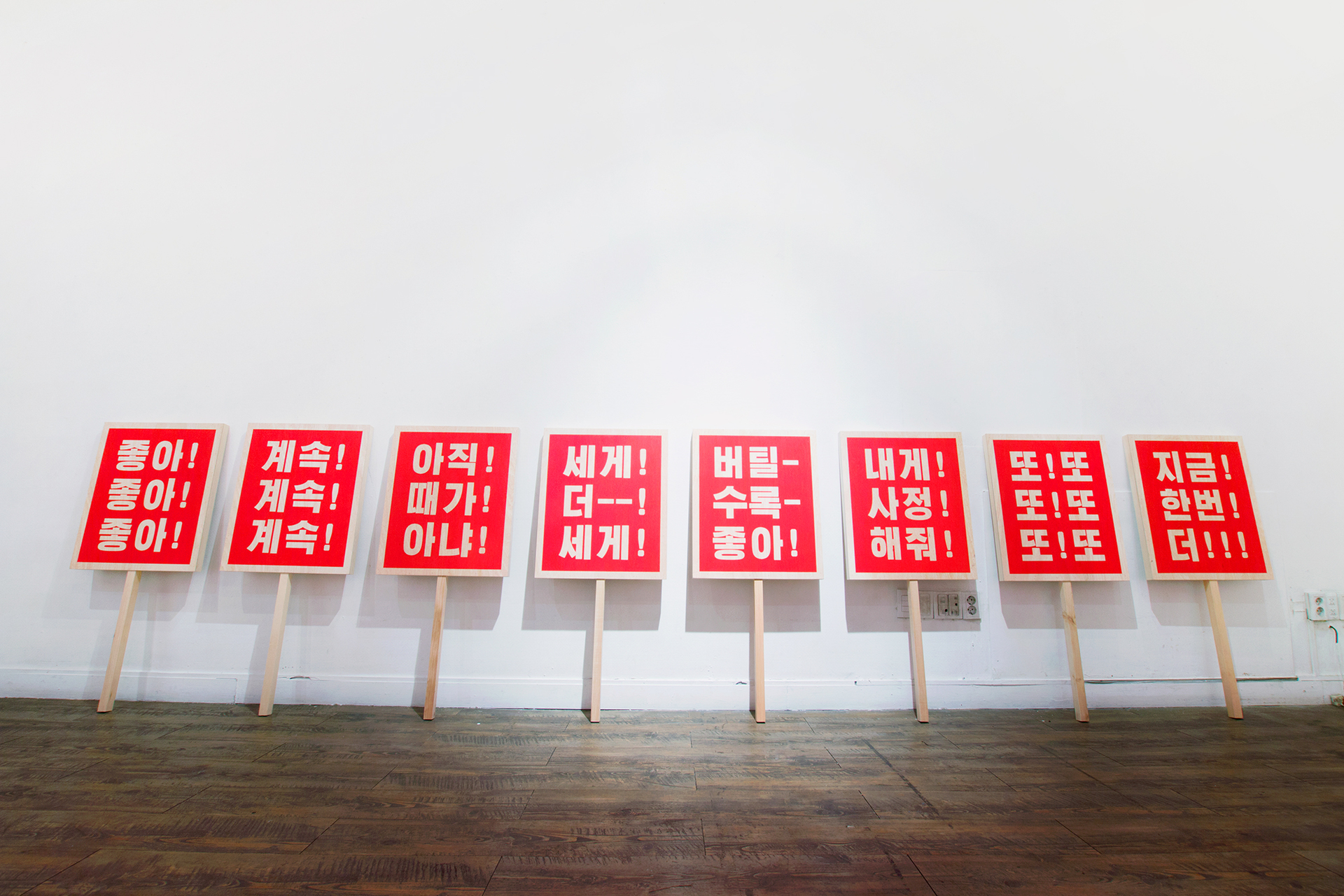
For example, her 2013 solo exhibition 《Consolation is SELF-service》 at OCI Museum of Art presented paintings, graphic images, and sculptural works that explored the liberation and autonomy of a self constrained by social expectations.
 
In this exhibition, Lee sought to expose the structural fragility and inherent instability of the model-student complex produced by the social value placed on “awards” and recognition.
 
Through the notion of self-bestowed awards, she explored forms of value that can belong solely to the individual. At the same time, by playfully depicting forms of sexuality that are often regarded as morally taboo, she aimed to reveal repressed human desires.


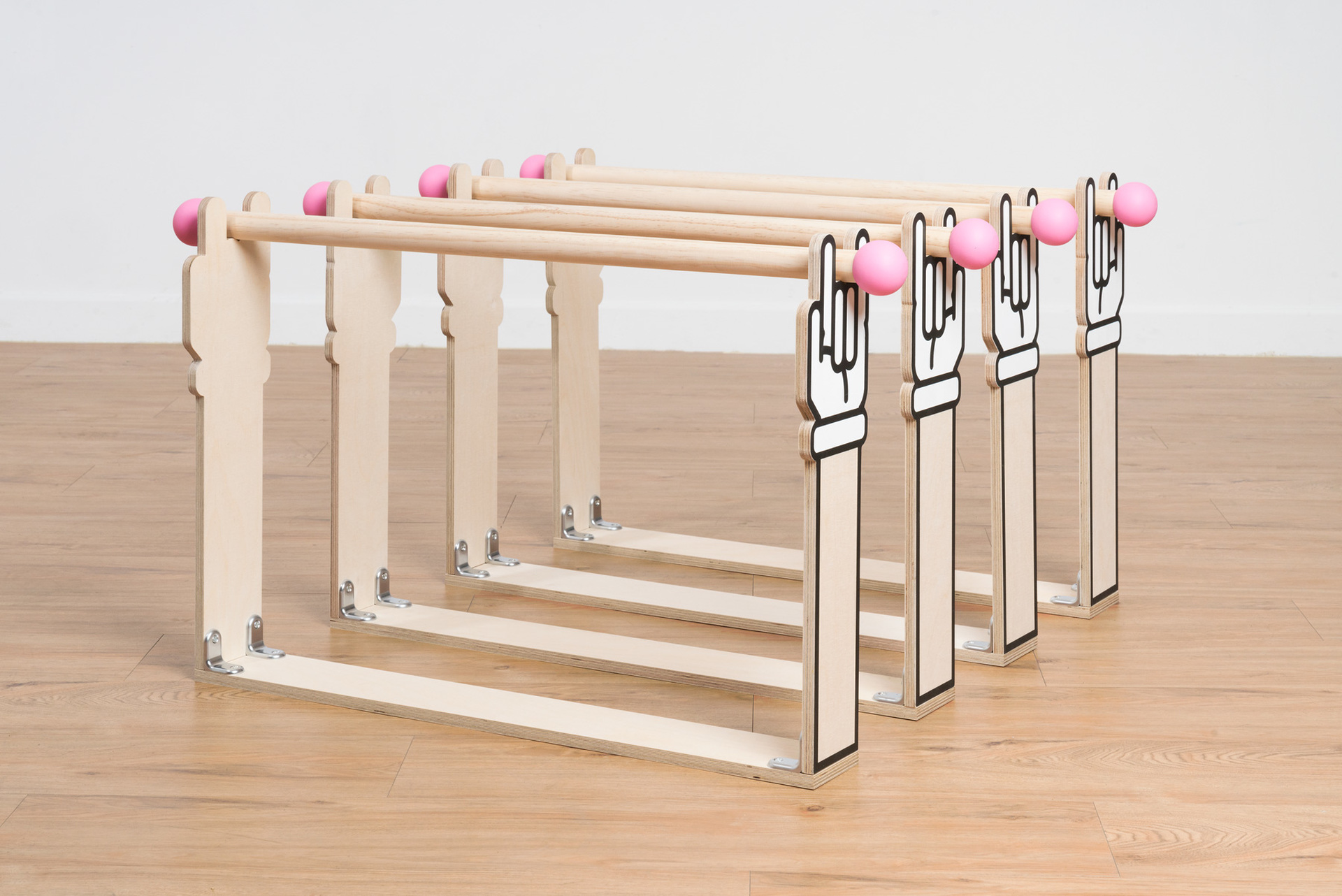
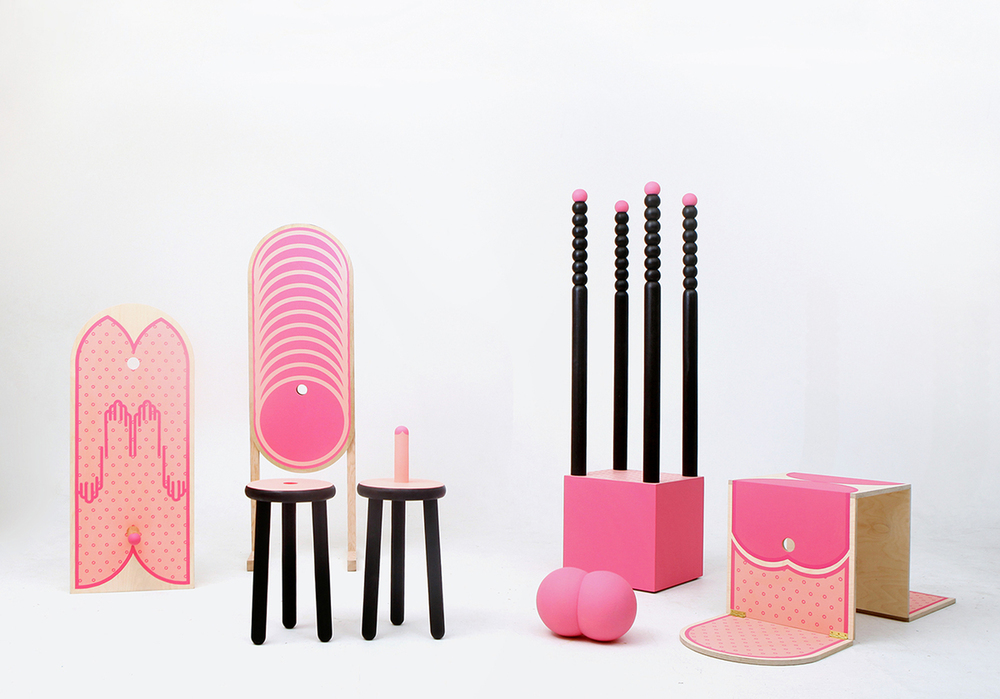
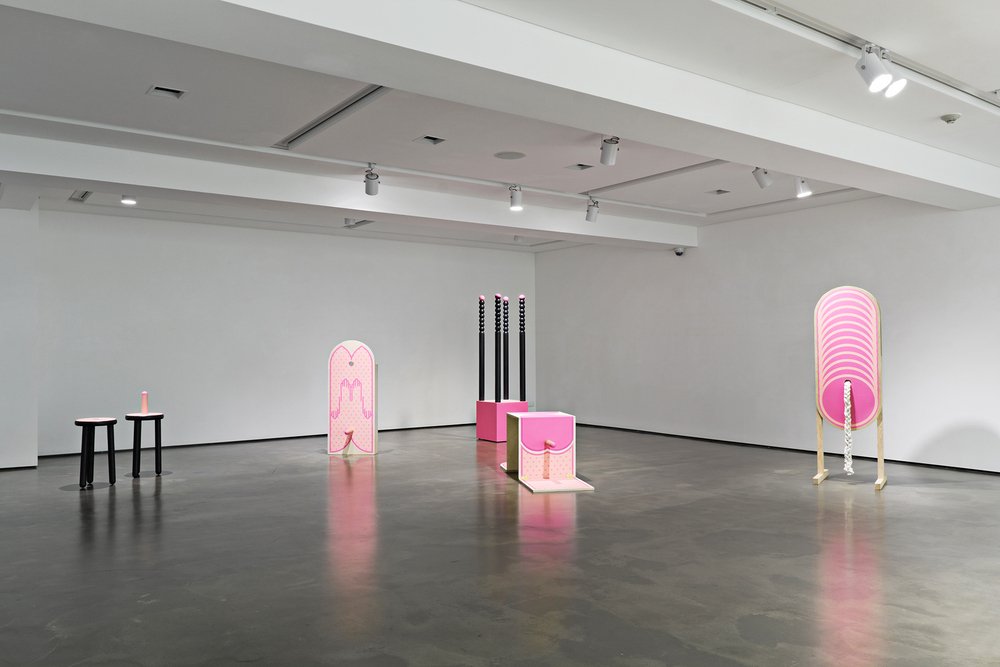
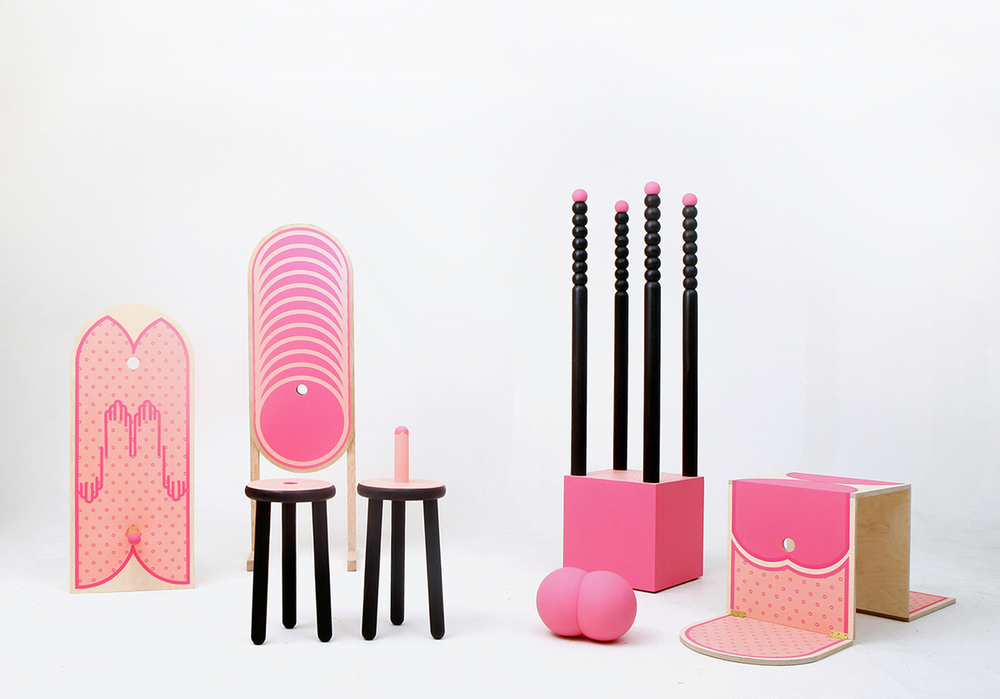
Lee Mijung, ‘Pull & Push’ Series, 2013, Acrylic on wood, Dimensions variable © Lee Mijung

The exhibition featured a diverse range of works, including sculptures and installations related to self-award practices, graphic images and sculptural works alluding to sexuality, as well as paintings. Among them, the sculptural series ‘Pull & Push’ revealed repressed human desires through sexual motifs.
 
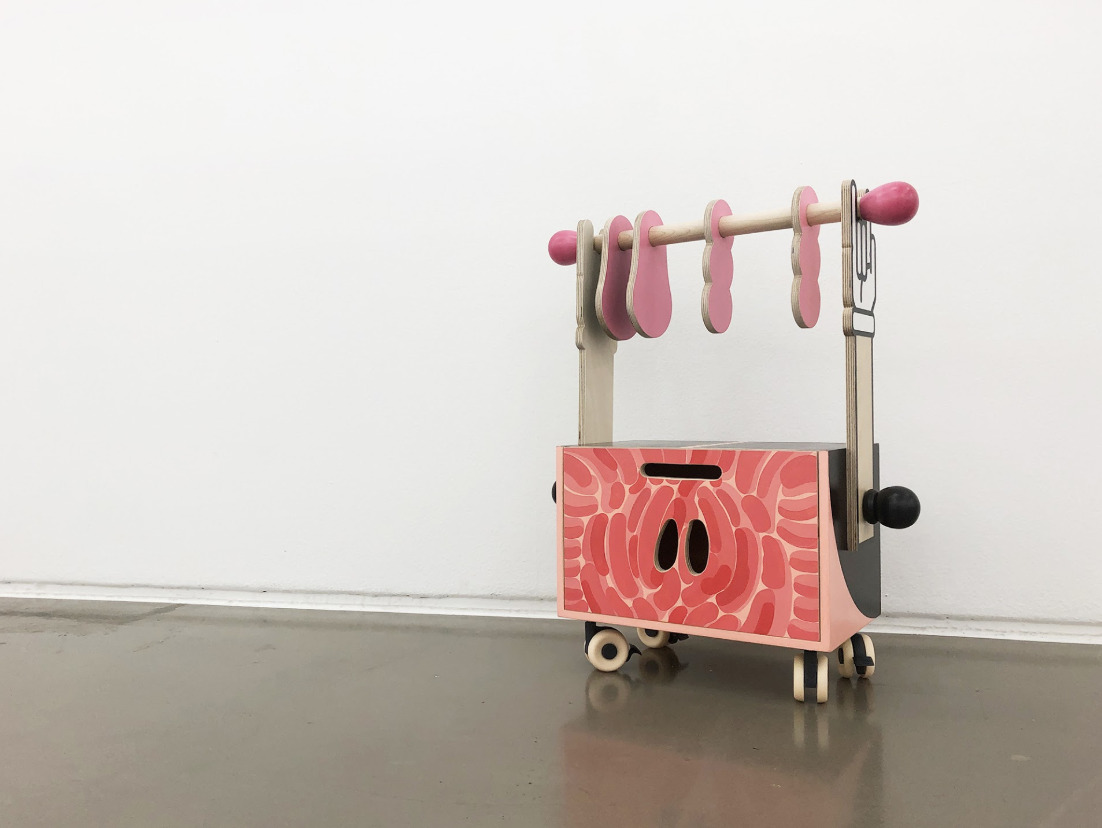
In this series, Lee Mijung combined suggestive sexual forms with the shapes of familiar objects encountered in everyday life, such as toys, sports equipment, and furniture. By presenting sexuality as a form of play rather than reproduction, the works challenge social norms that recognize only rationality, efficiency, and productivity as legitimate values.


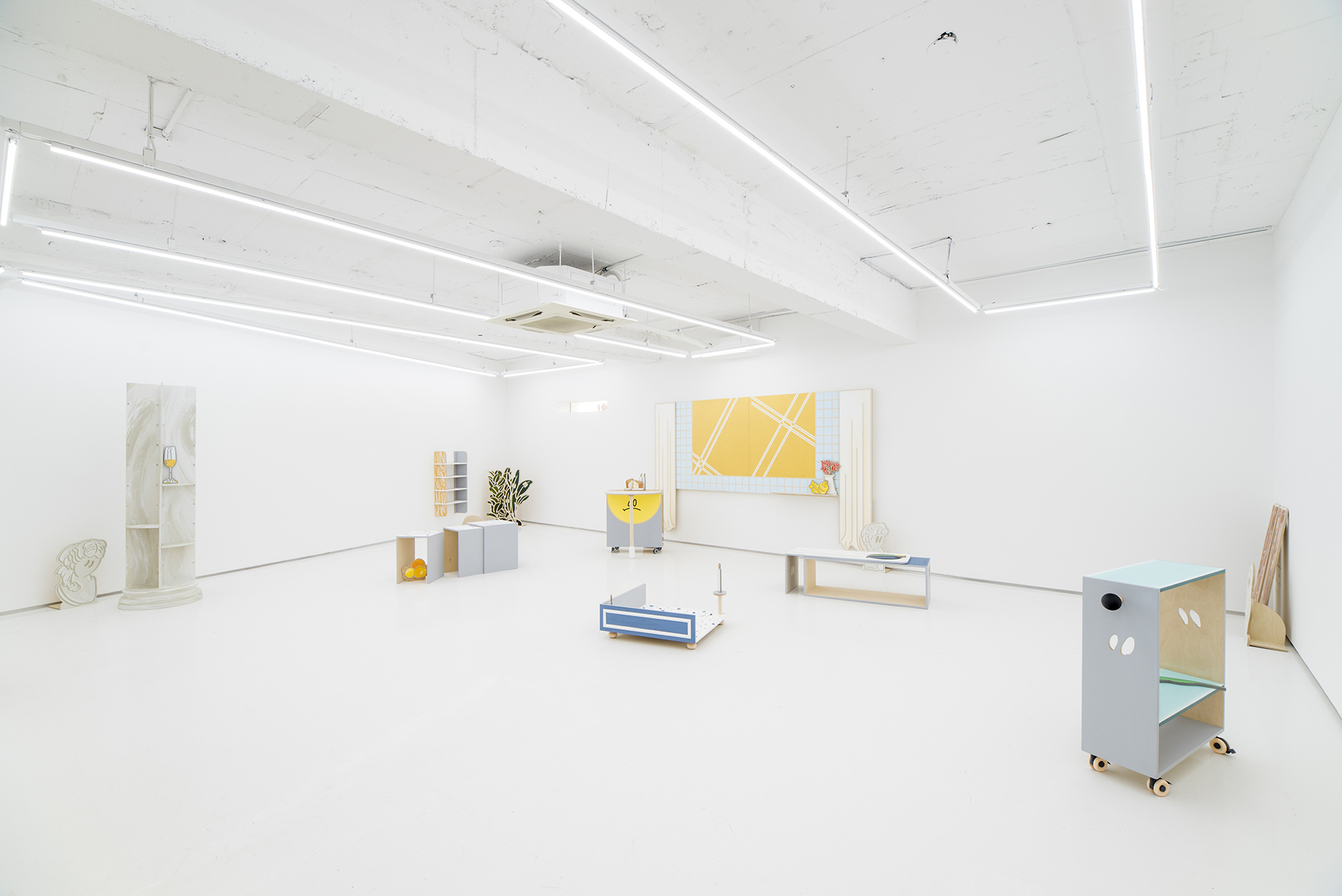
Installation view of 《The Gold Terrace》 (Art Delight, 2018) © Lee Mijung

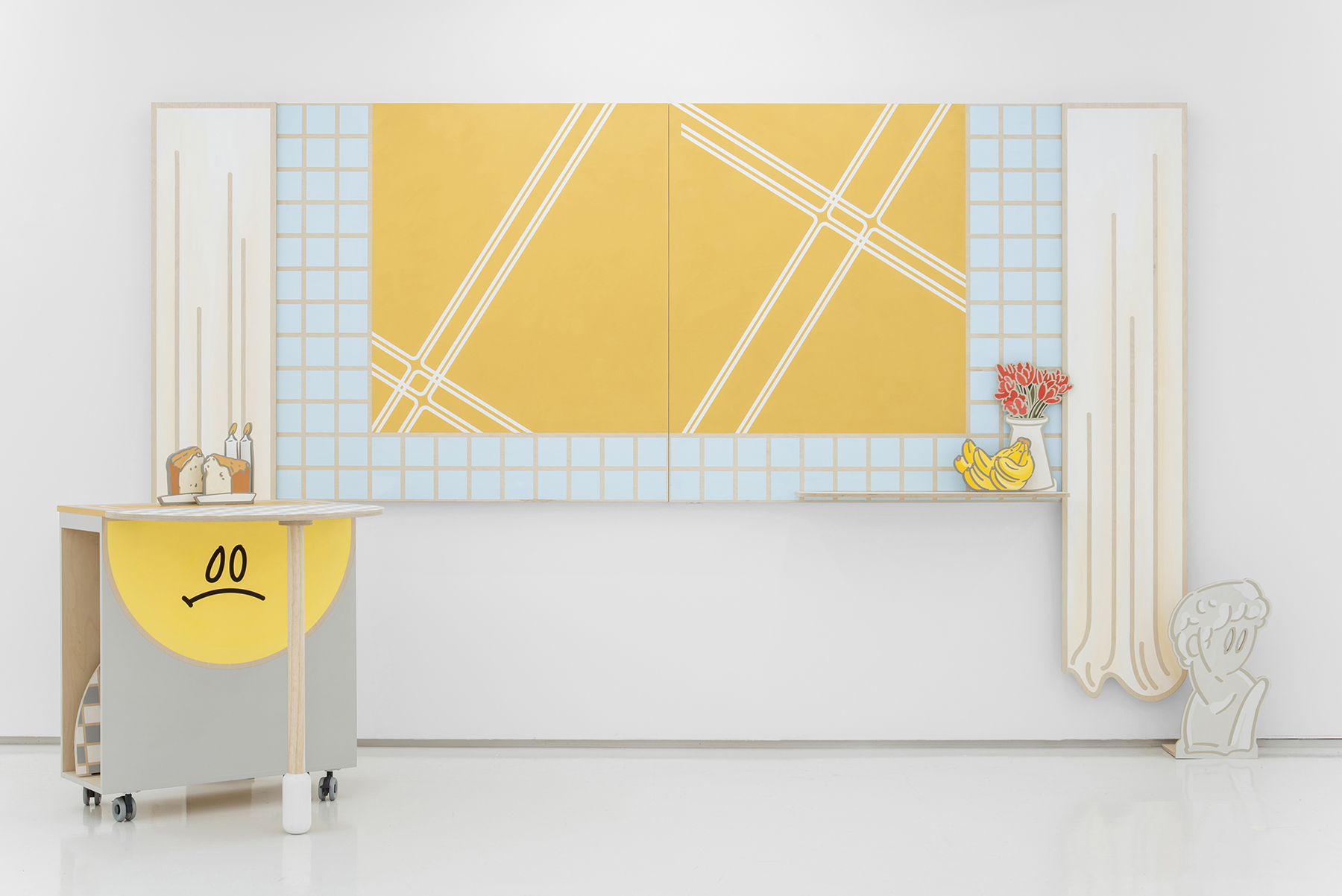
In her 2018 solo exhibition 《The Gold Terrace》 at Art Delight, Lee Mijung turned her attention to the contemporary phenomenon of overcoming the limitations of one’s living environment through DIY (Do It Yourself) interior design.
 
The exhibition title, “The Gold Terrace,” symbolically refers to both gold—a material associated with shine, aspiration, and appearances—and the terrace, a space that can feel like a distant dream for those living in small studio apartments.


Installation view of 《The Gold Terrace》 (Art Delight, 2018) © Lee Mijung

In cost-conscious DIY interior design, people often show little hesitation in choosing convincing imitations that merely resemble original materials visually, placing less importance on the authenticity or intrinsic value of the material itself.
 
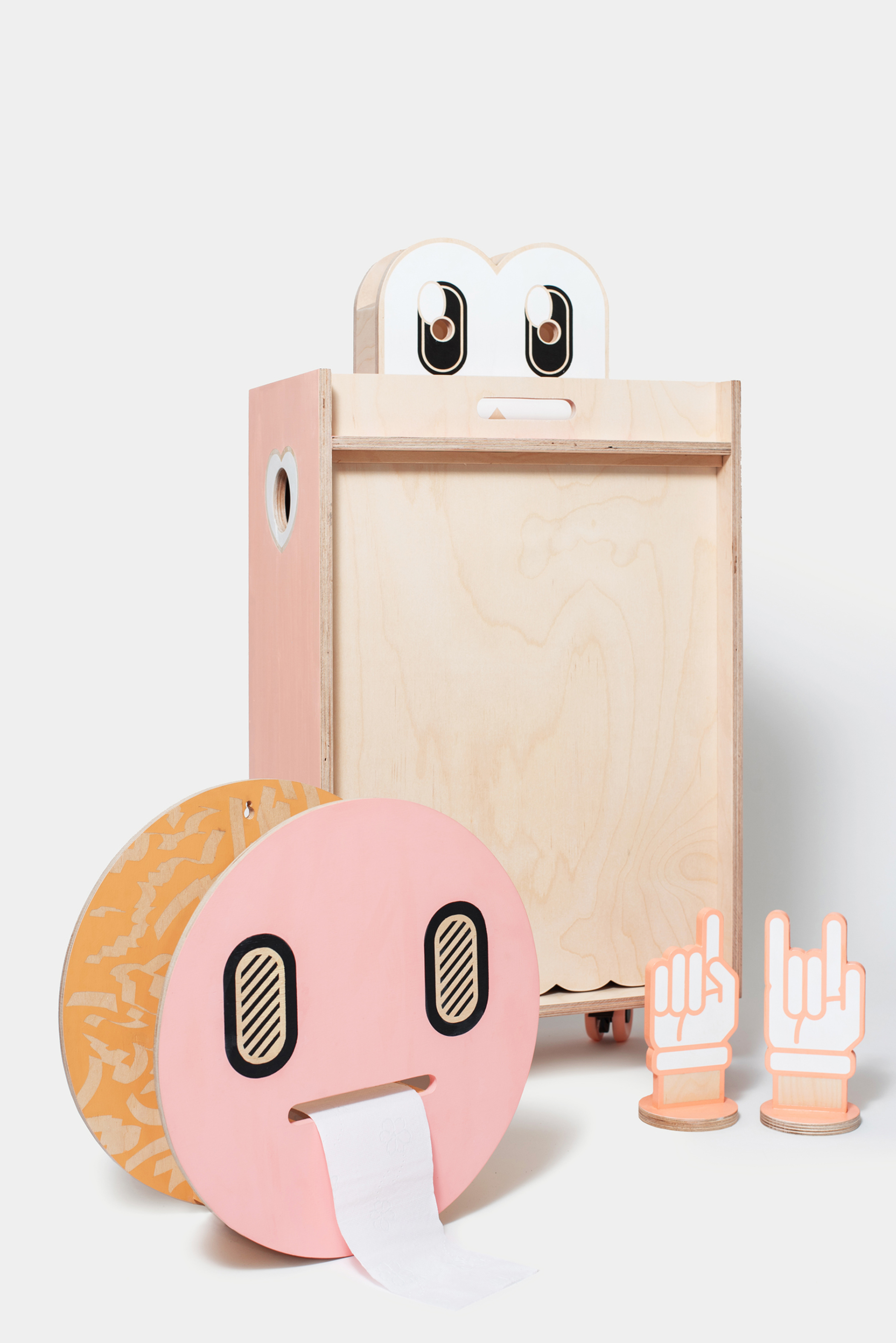
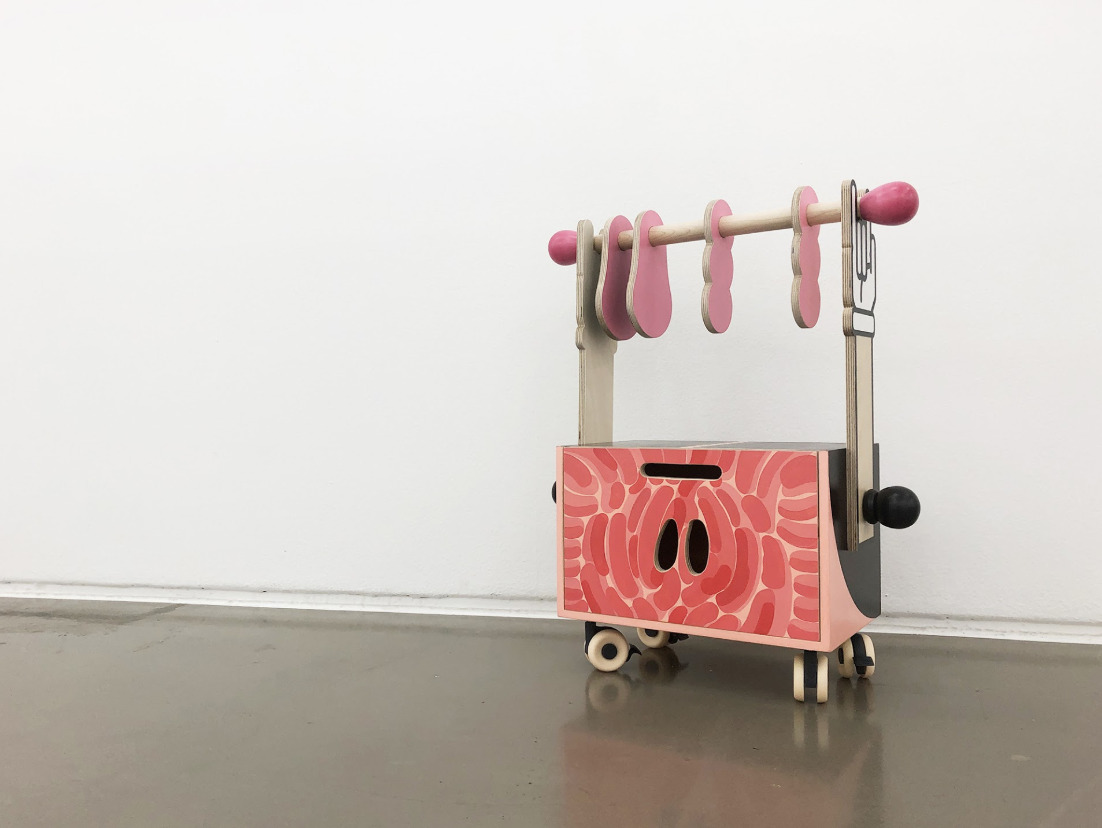
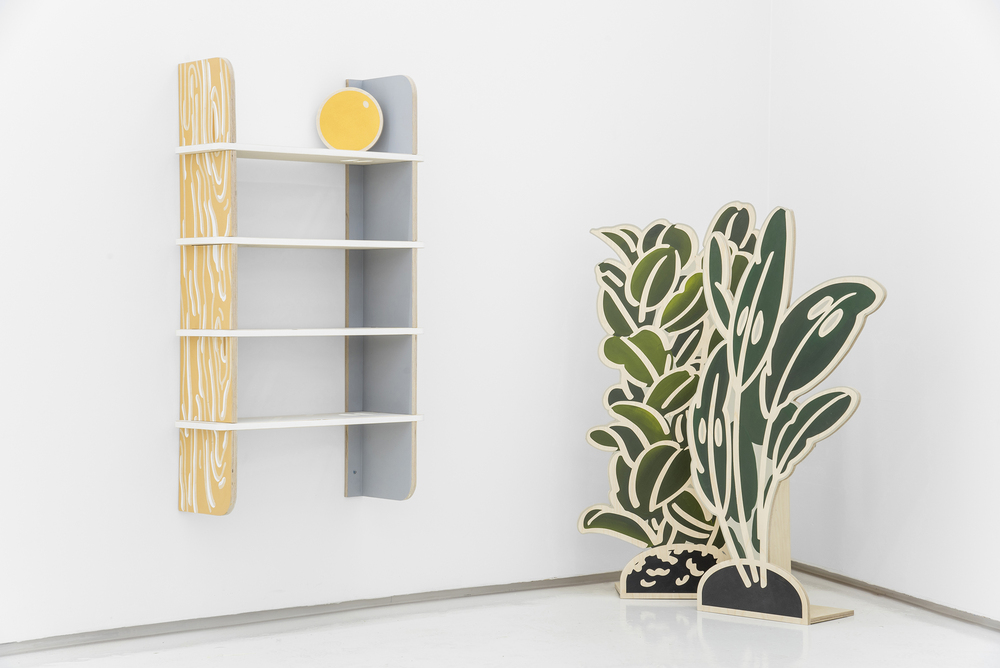
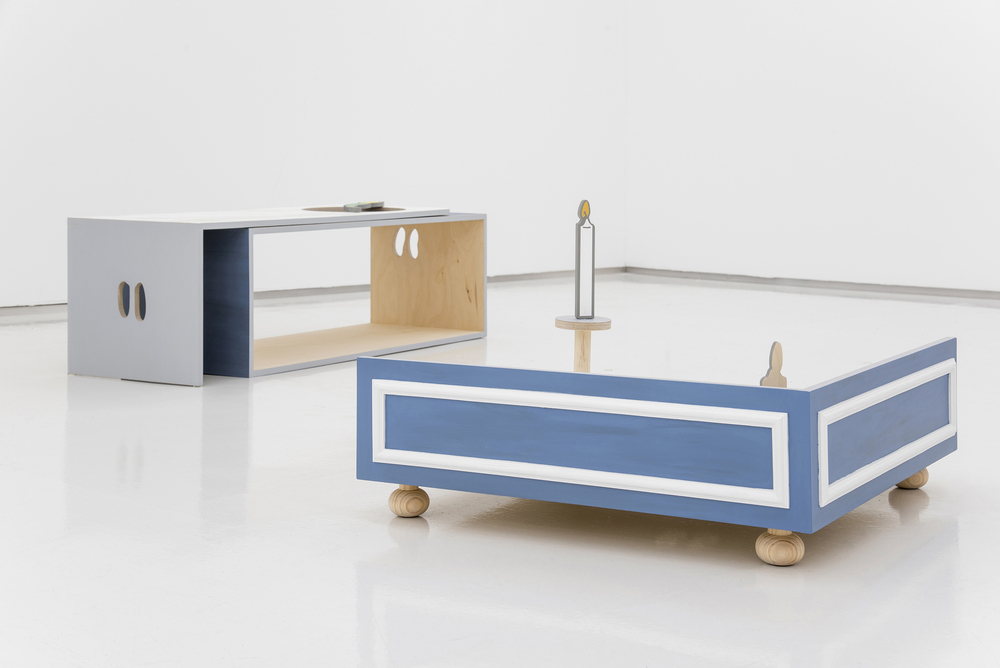
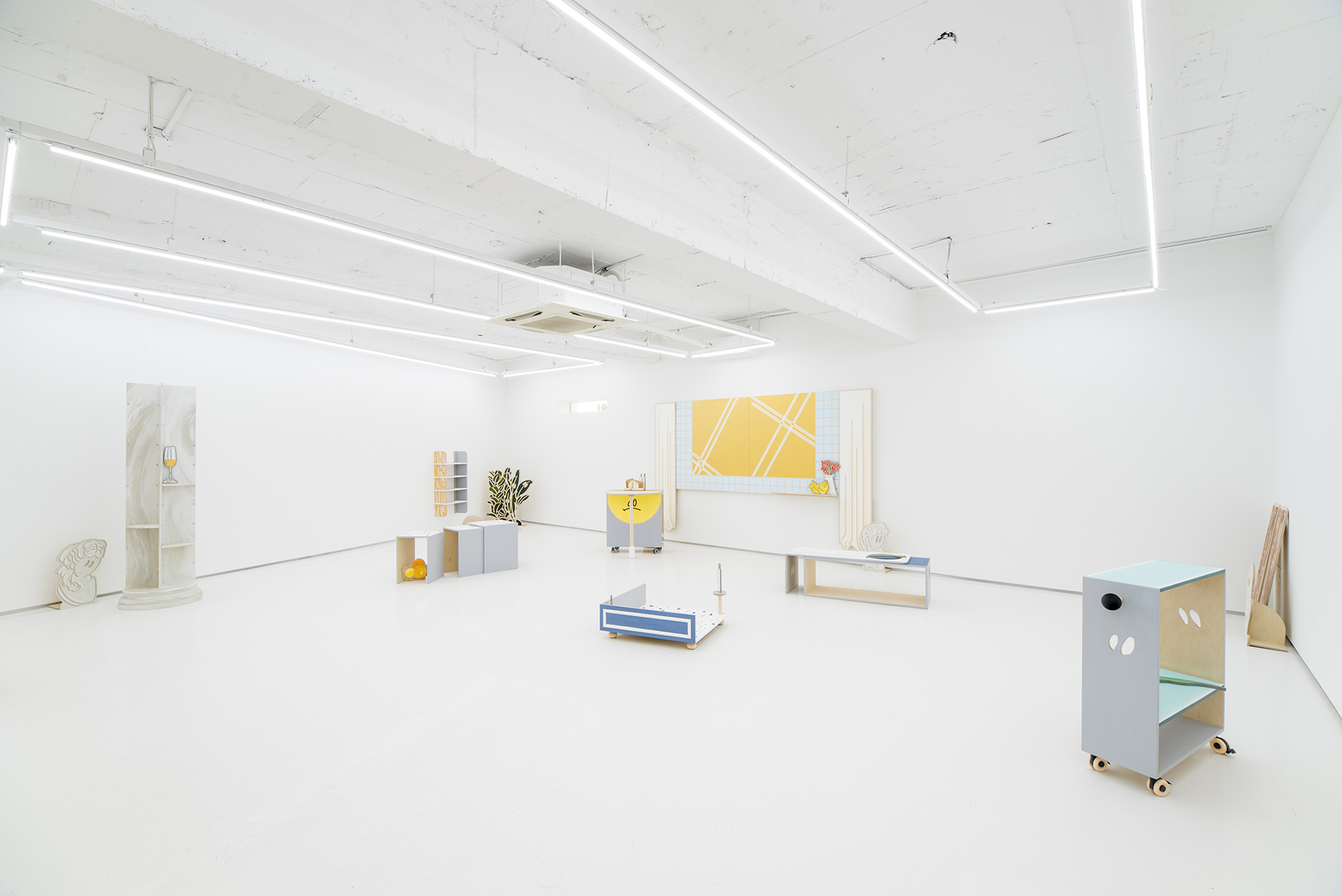
Lee Mijung’s “furniture-objects” appropriate this very condition. If DIY interiors imitate only the visually appealing surfaces of original materials, Lee adopts that gesture itself as an artistic strategy, recreating fake textures with paint on fake furniture constructed from plywood.


Installation view of 《The Gold Terrace》 (Art Delight, 2018) © Lee Mijung

The furniture-objects presented in the exhibition at first glance resembled functional pieces of furniture such as dining tables, coat racks, bookshelves, and coffee tables. Unlike ordinary furniture, which is typically accompanied by labels such as brand names or warranty tags, each furniture-object was adorned with a character-like facial image.
 
These furniture-objects could be folded or unfolded, allowing them to be stored and used especially efficiently in confined spaces. Although they were fake furniture, Lee Mijung’s furniture-objects each possessed their own efficiency and utility. Their anthropomorphic appearance made them seem to metaphorically represent useful human beings.


Installation view of 《The Gold Terrace》 (Art Delight, 2018) © Lee Mijung

In addition, the artist arranged the exhibition space so that visitors could walk among the furniture-objects as they viewed the works. To make her fake furniture-objects appear even more real, she also recreated props such as a bunch of bananas, a slice of cake on a plate, and a single tulip in two-dimensional form, displaying them throughout the exhibition space.
 
As a result, the viewer becomes the final element of the work that completes the exhibition—animating the theatrical stage constructed by Lee Mijung, much like an actor moving through a set made of fake furniture.


Installation view of 《Sandwich Times》 (SONGEUN Art Cube, 2020) © Lee Mijung

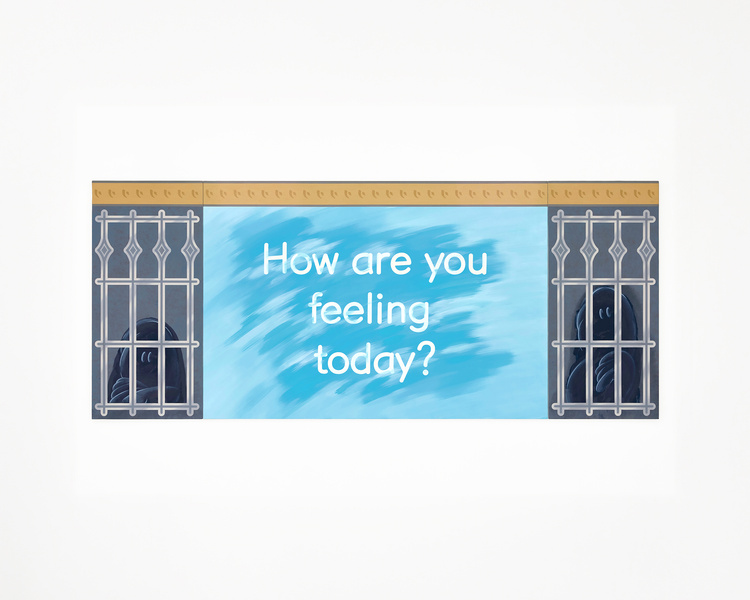
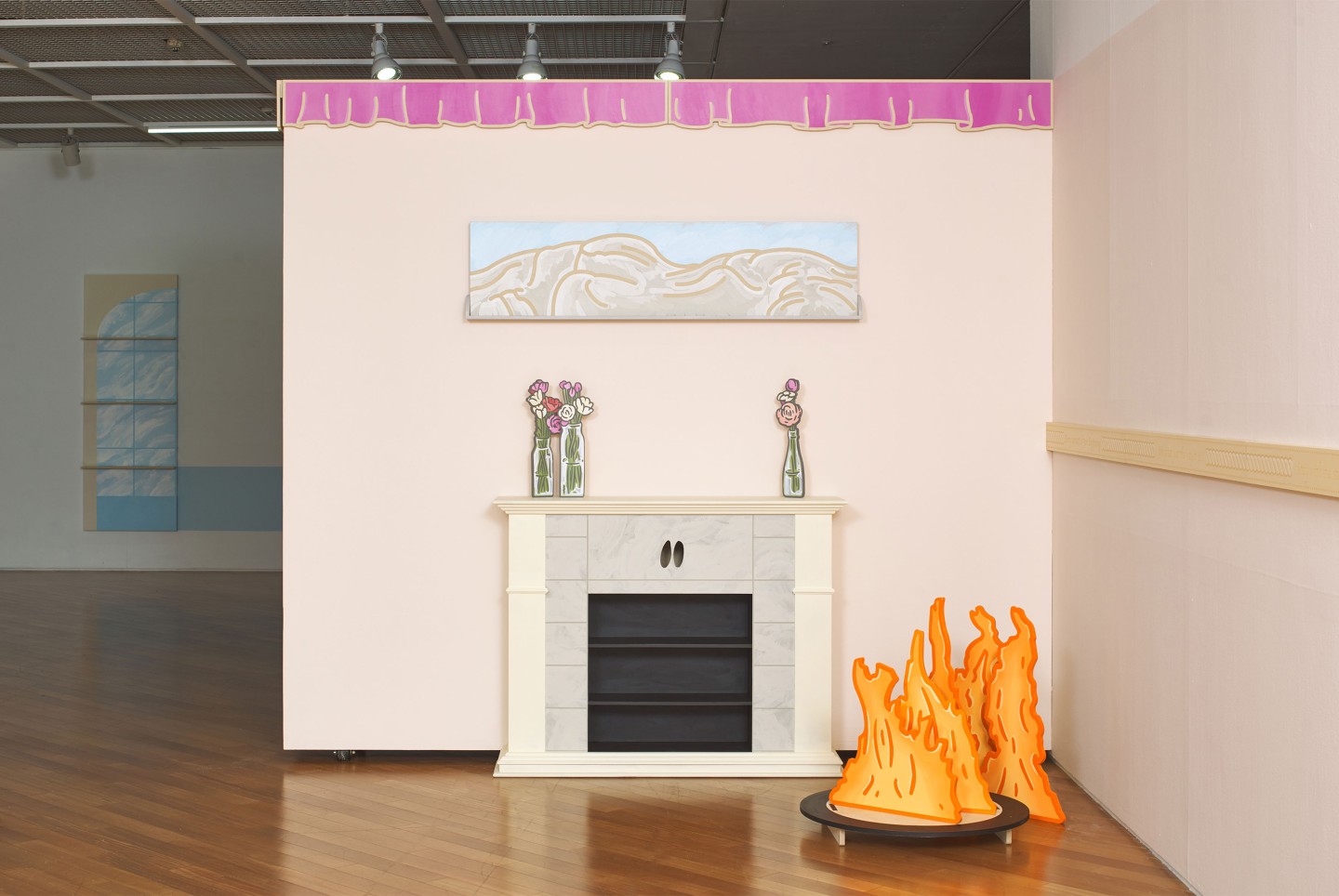
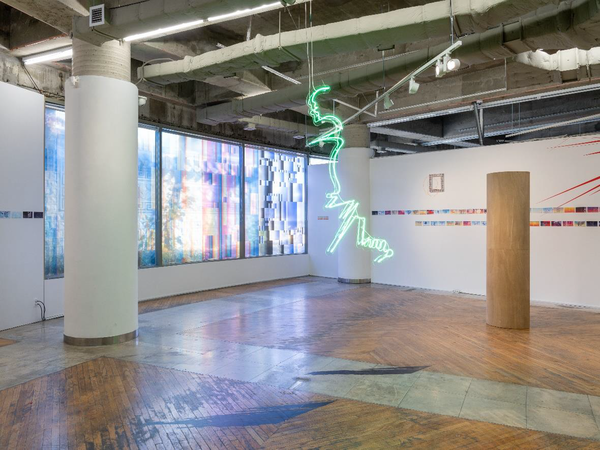
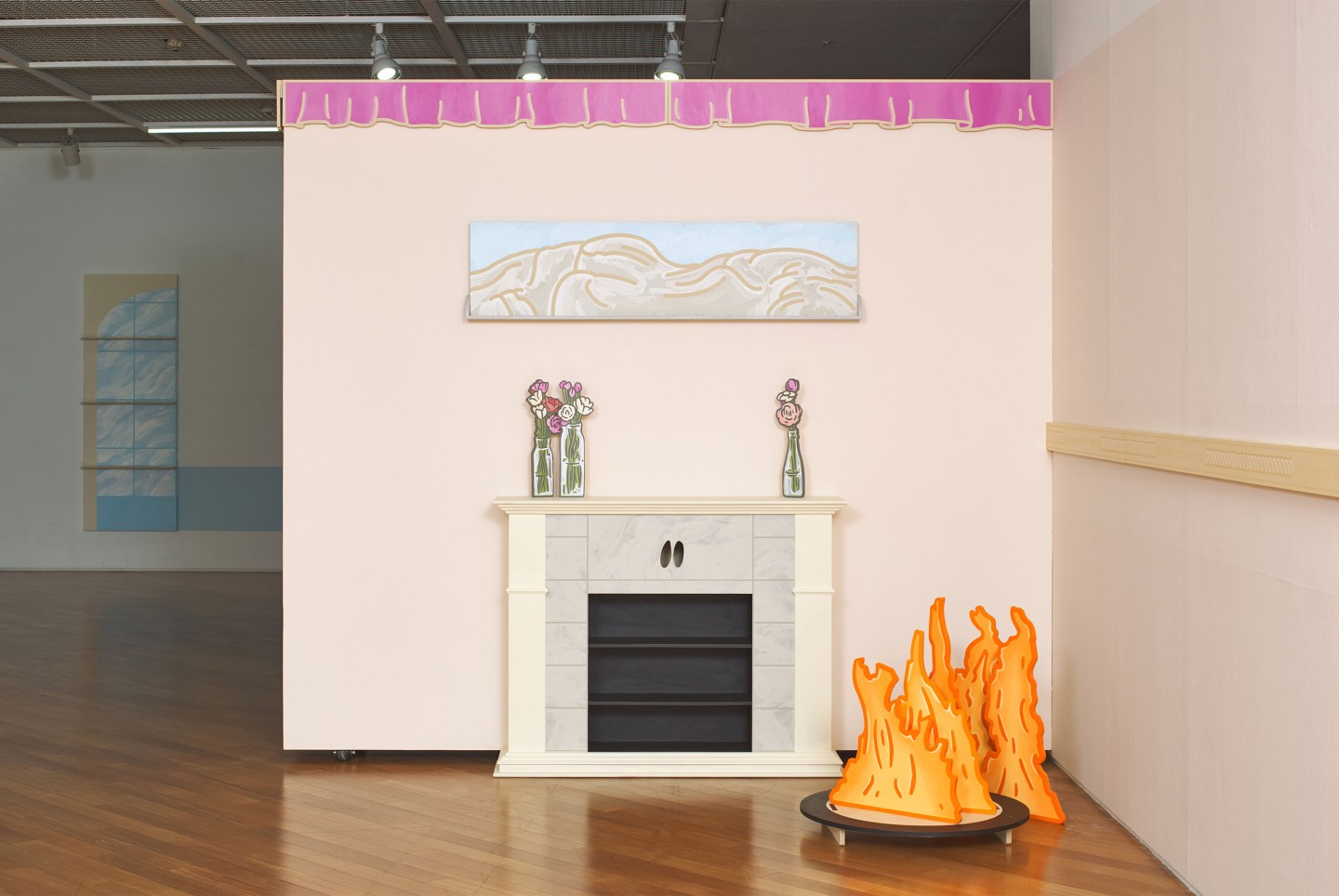
In her solo exhibition 《Sandwich Times》 at SONGEUN Art Cube, which continued this line of inquiry, Lee Mijung sought to highlight the ways in which personal desires become embedded in the home by graphically reproducing commonly circulated images and recurring tendencies found in domestic interior decoration.
 
In the previously discussed exhibition 《The Gold Terrace》, Lee focused on functionality and efficiency, presenting furniture-like objects designed to be used effectively even within limited spaces.
 
While that exhibition expressed structural social issues through furniture that had gained popularity among younger generations within DIY interior culture, 《Sandwich Times》 shifted attention to walls and floors, expanding the discussion into a broader examination of the ways in which we relate to and inhabit domestic space.


Installation view of 《Sandwich Times》 (SONGEUN Art Cube, 2020) © Lee Mijung

As the home has come to be understood not merely as a place of residence but also as a space for displaying the image one wishes to possess, the artist explored the gap between people’s present circumstances and the efforts they invest in attaining the image they wish to project to society.
 
Rendered in bright and lively colors, the works delight the viewer’s eye while simultaneously demanding a clear confrontation with structural social issues and prompting reflection on contemporary conditions.
 
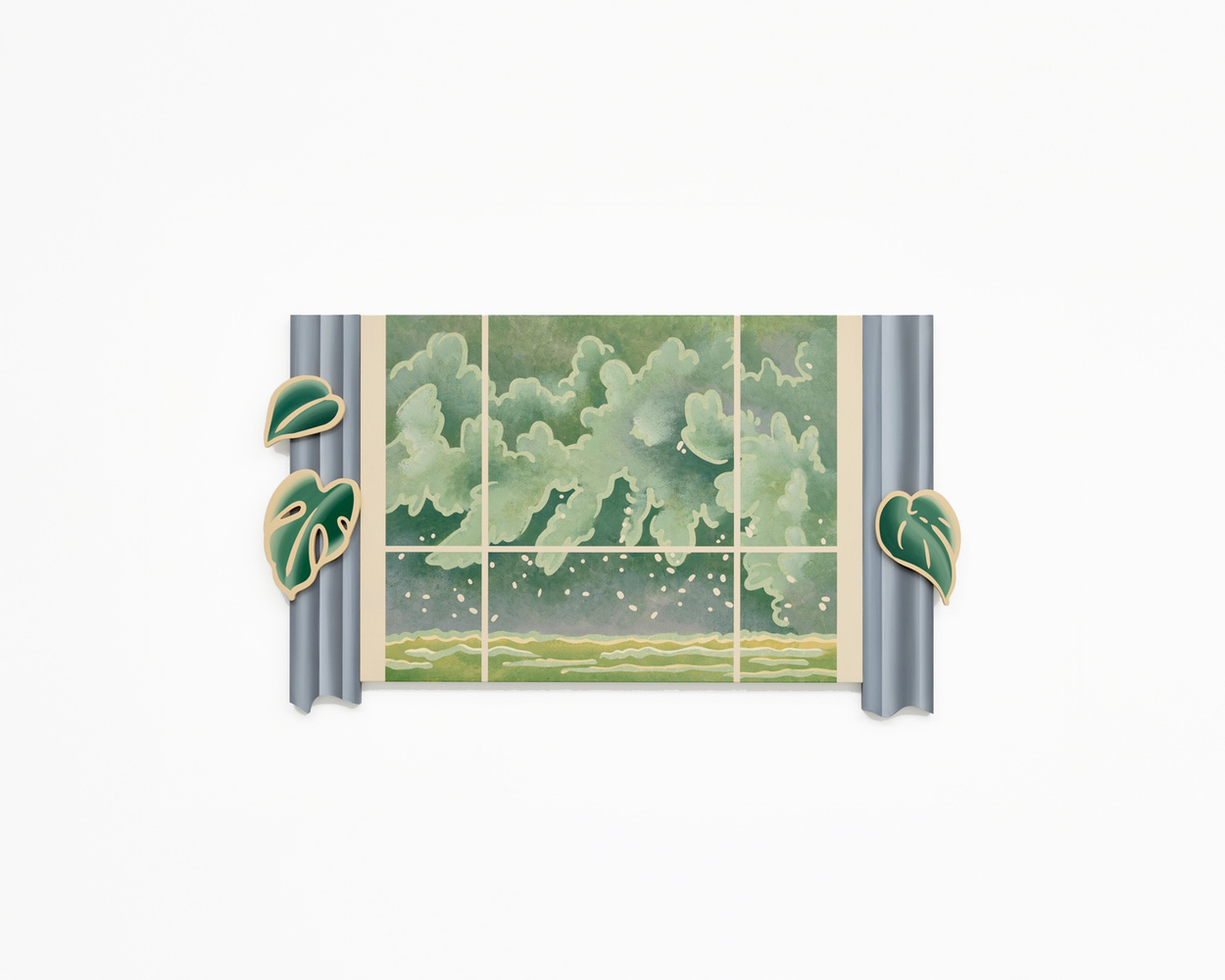
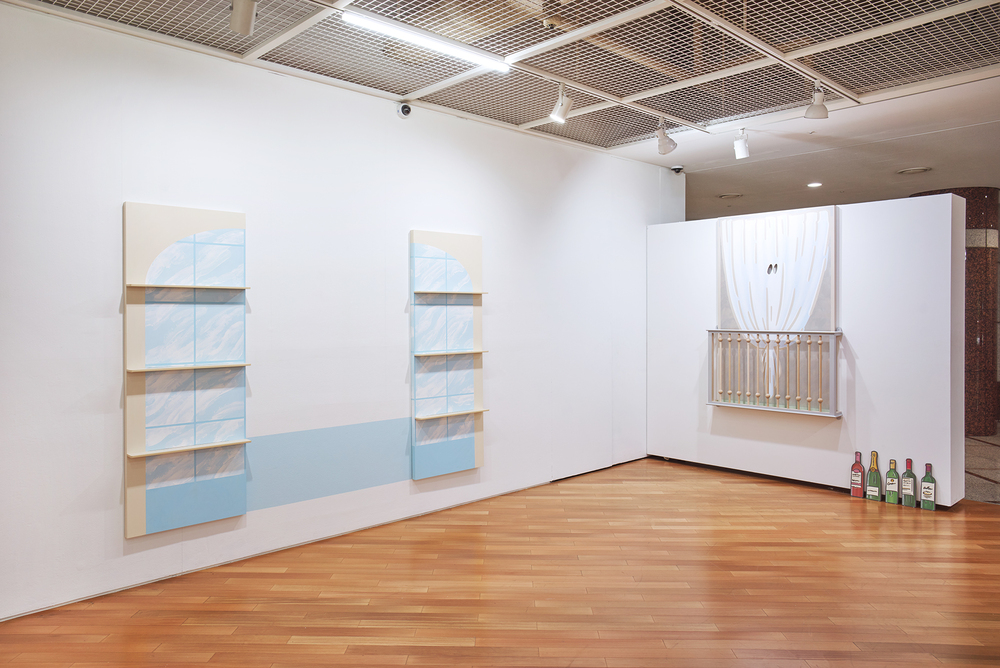
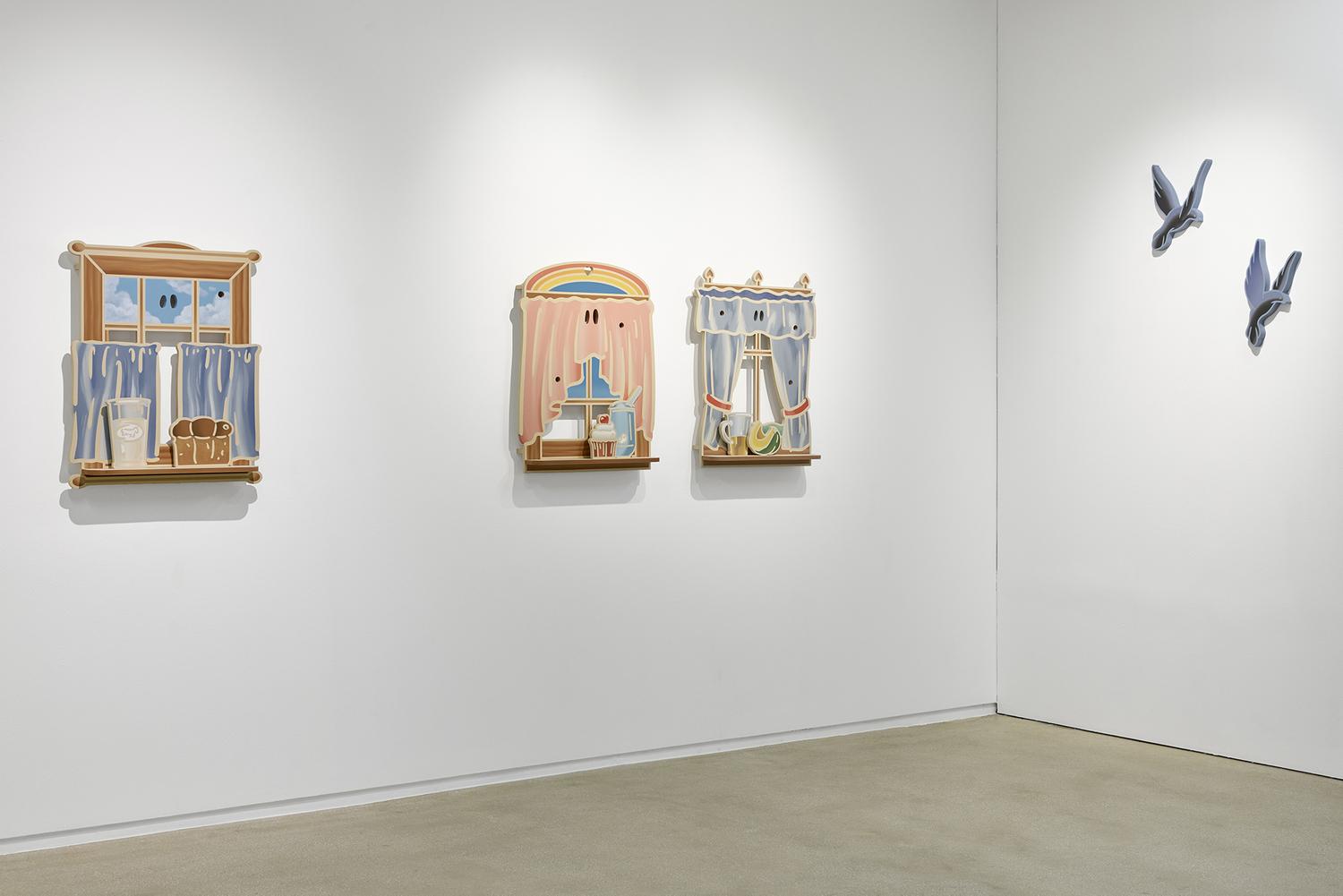
For example, two-dimensional works depicting windows overlooking the Han River—an image many residents of Seoul have likely dreamed of at some point—reflect the desires of the present day.
 
The images presented in the works do not remain confined to the surface. By incorporating mechanisms such as rails, the artist enables the works to open and close, expand and fold, revealing different appearances each time.
 
These animated pictorial surfaces intersect with the ways of living characteristic of the current generation, which must continually adapt to shifting positions and changing environments.


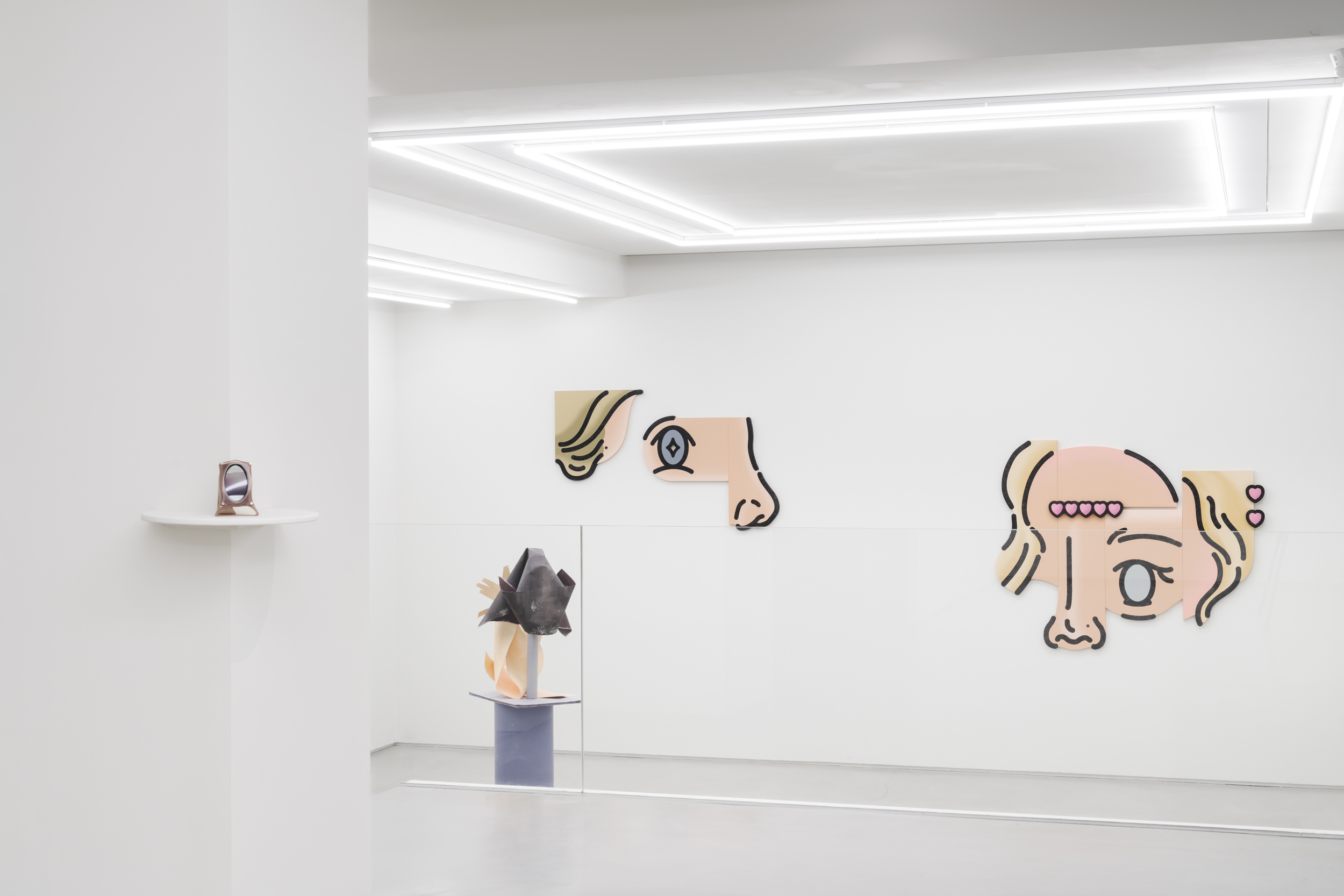
Installation view of 《SUITE》 (G Gallery, 2022) © Lee Mijung

Furthermore, in her 2022 solo exhibition 《SUITE》 at G Gallery, Lee Mijung presented works that question contemporary standards of beauty. The exhibition title, “Suite,” refers to a suite room composed of multiple rooms, a furniture set, or a musical suite, signifying a whole formed through the combination of multiple components.
 
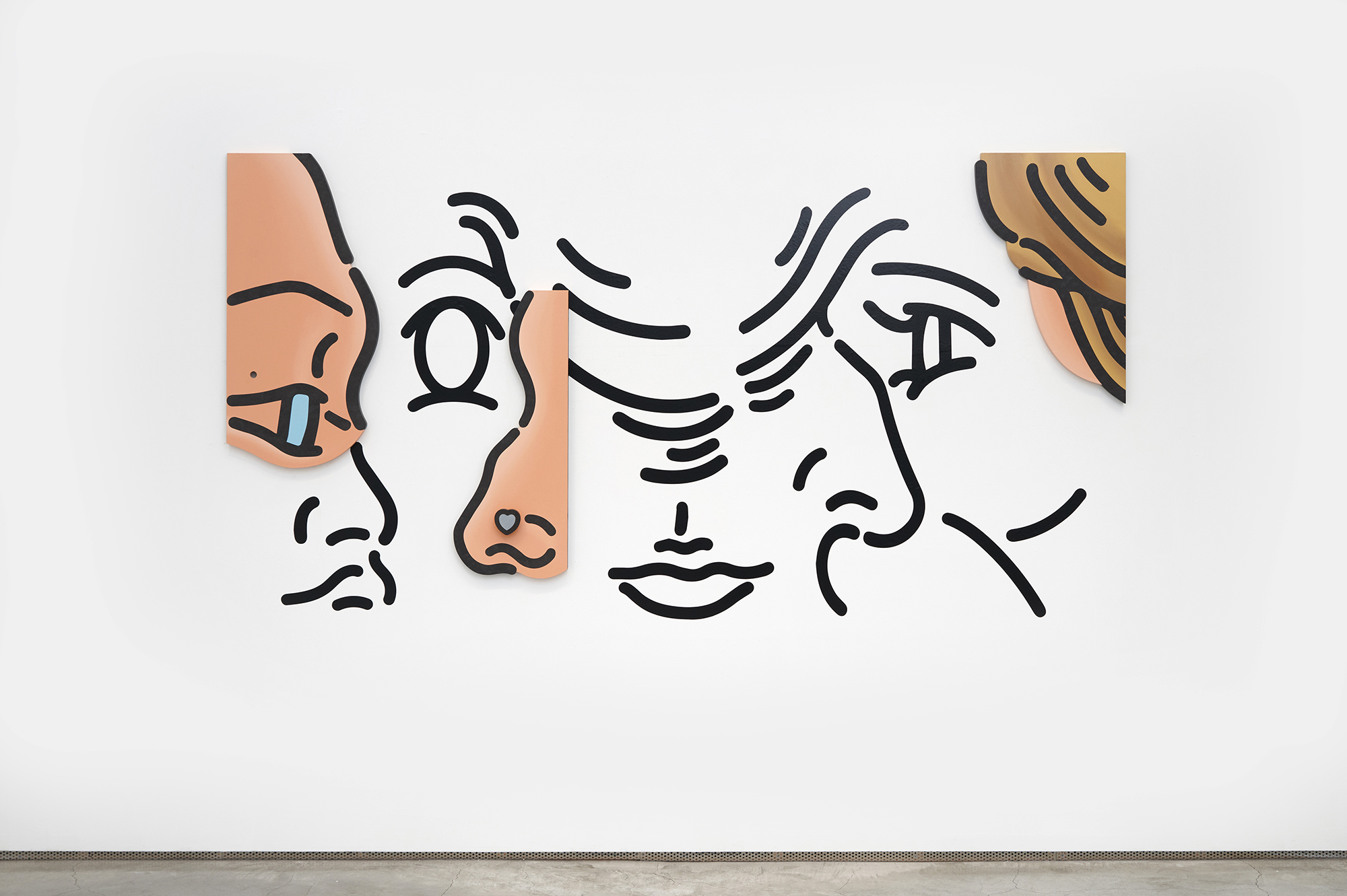
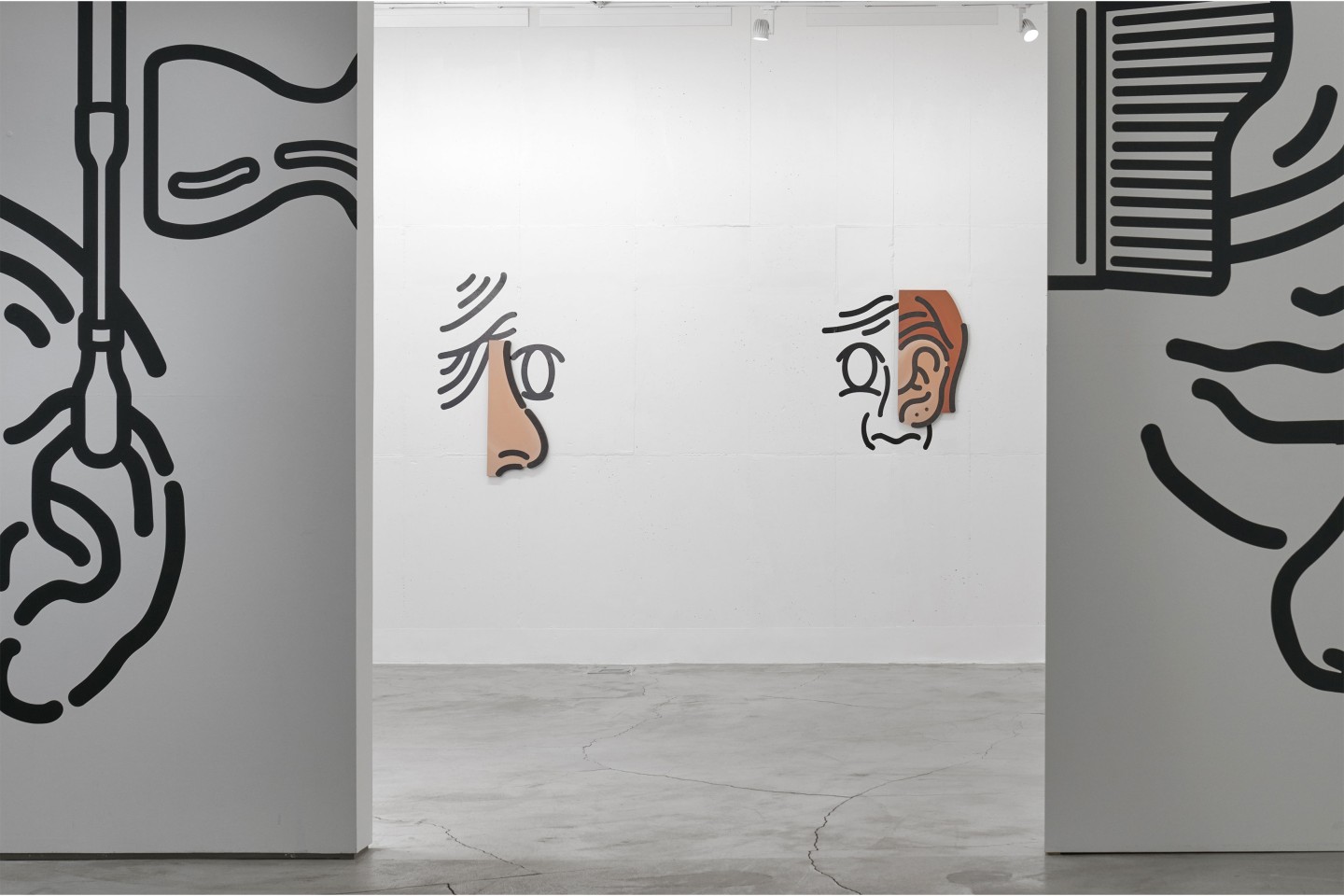
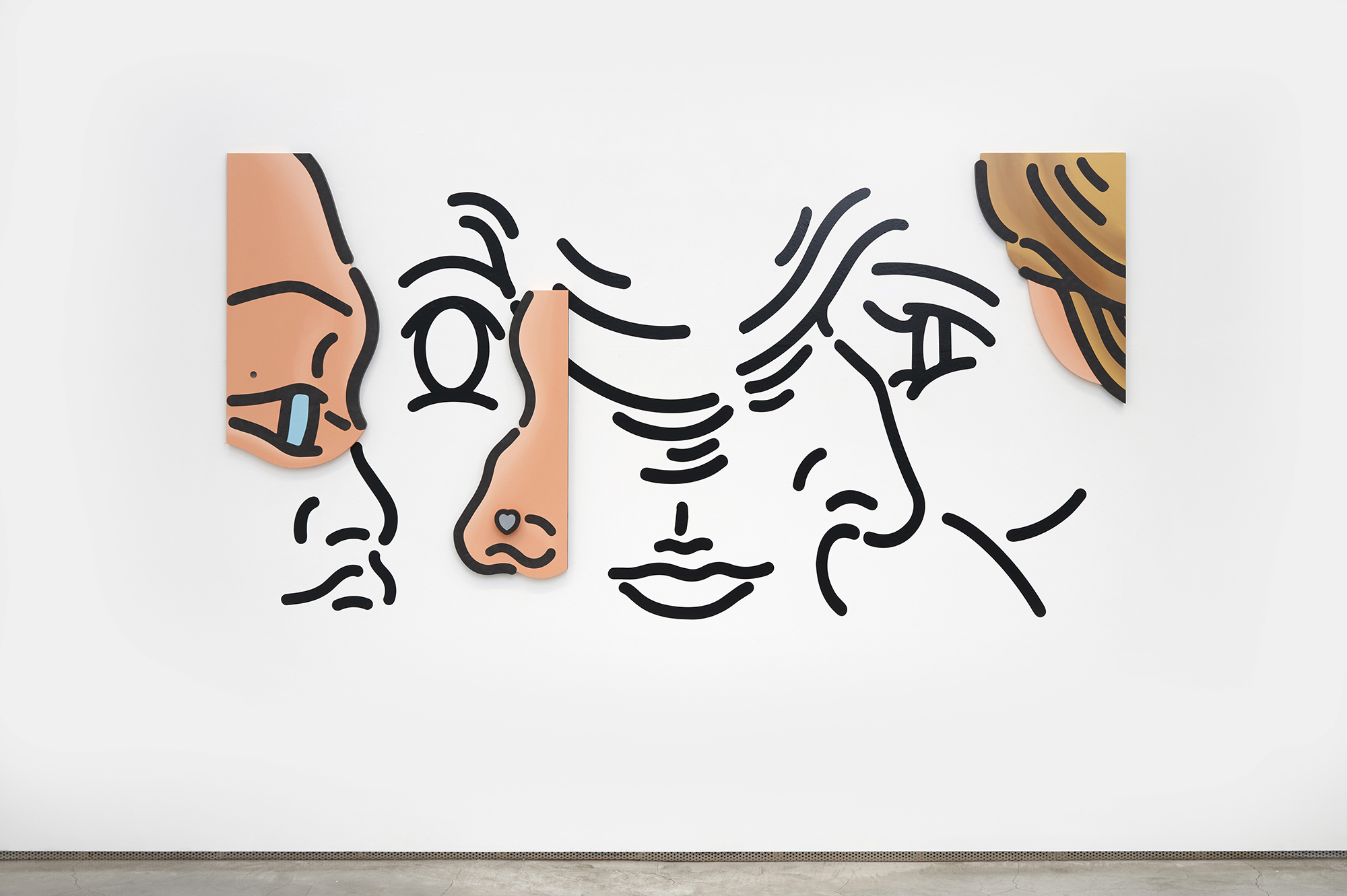
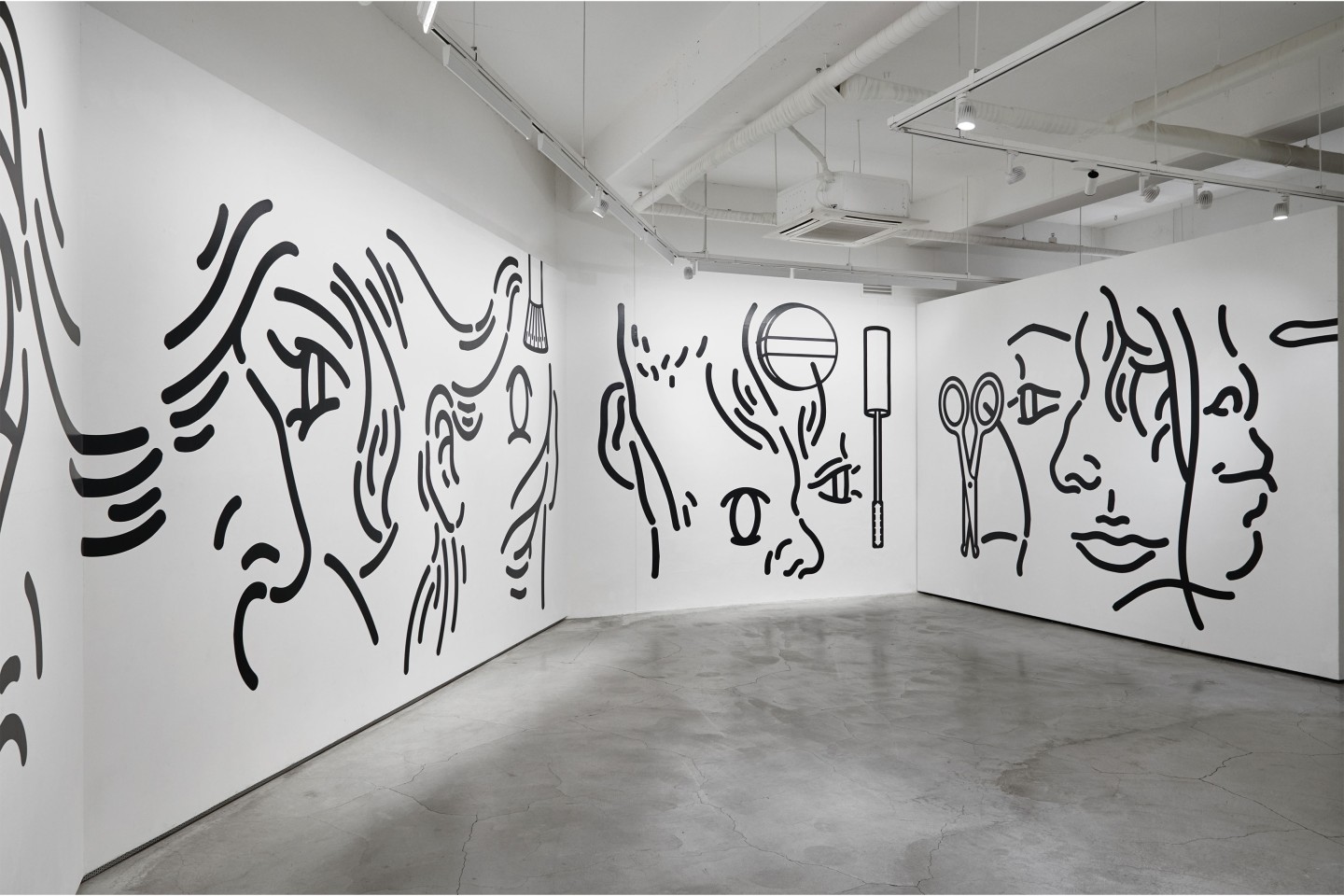
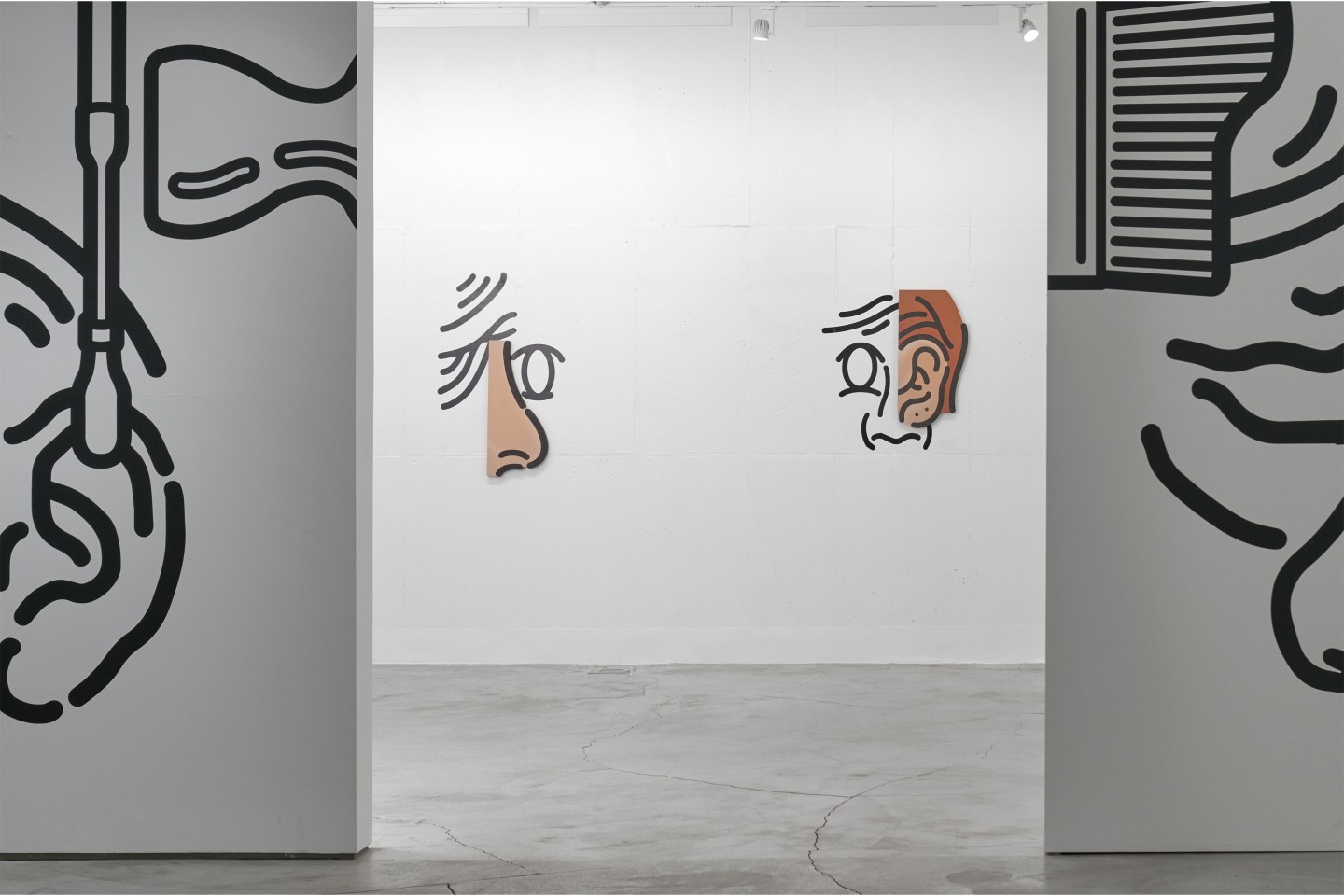
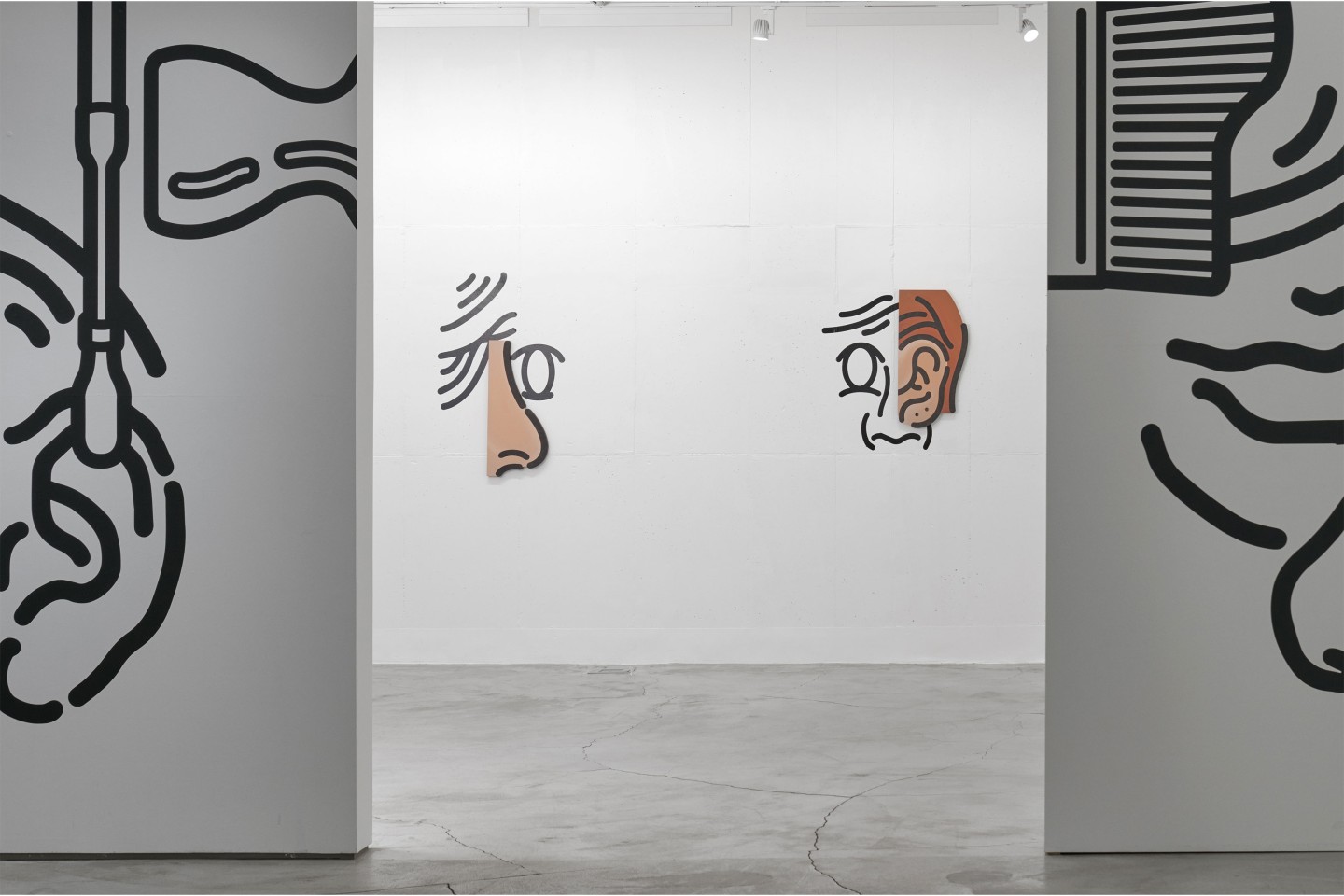
At the center of the exhibition was the series ‘Striking feature(s)’. As suggested by its title, which refers to noticeable facial features, the series transformed elements of the face into banners, wooden pieces, and other forms based on vector drawings composed of short, bold lines. Together, the works formed a single “suite.”
 
The method of production likewise reflected the exhibition’s title. Working from vector drawings, Lee developed the ‘Striking feature(s)’ series through variations generated by combination and connection. She first created individual works through the assembly of different components, then layered and combined separate works, transforming two distinct pieces into a single suite.


Lee Mijung, Striking feature(s)_SUITE_01-01_w.d, 2022, Acrylic on canvas mounted on birch plywood, adhesive vinyl, 134.5x255.5cm © Lee Mijung

The face itself is also a suite, in that its constituent features come together to form a single image. In this exhibition, Lee Mijung extended her visual language and interest in everyday imagery to the subject of the face. Today, faces are increasingly encountered as flat, fragmented images circulating through smart devices such as smartphones.
 
Drawing on her own visual perception, shaped by repeated exposure to facial features that are enlarged, cropped, or distorted through digital devices, the artist observed the aesthetic standards that are widely accepted and shared in contemporary society.
 
She then circumvented these commonly accepted ideals of beauty by containing or recombining anonymous images of facial features circulating online—such as large eyes, sculpted noses, and angular jawlines—within bold outlines.
 
In her vector drawings, Lee employs irregular, short strokes as the drawing lines that define facial features, enclosing the distinctive characteristics of each individual facial element within thick contours.


Installation view of 《SUITE》 (G Gallery, 2022) © Lee Mijung

The artist freely assembles three-dimensional facial features viewed from multiple angles onto a flat surface, without distinguishing between frontal and profile views. Between these depicted features, she places objects such as makeup brushes, powder puffs, and cotton swabs, connecting one face to another and unfolding facial elements seen from different perspectives into a single image.
 
Through this process, the image of the self that circulates outside the physical “I” is transformed through the artist’s arbitrary selections and formal translations, emerging as a single collective figure that fills an entire wall.


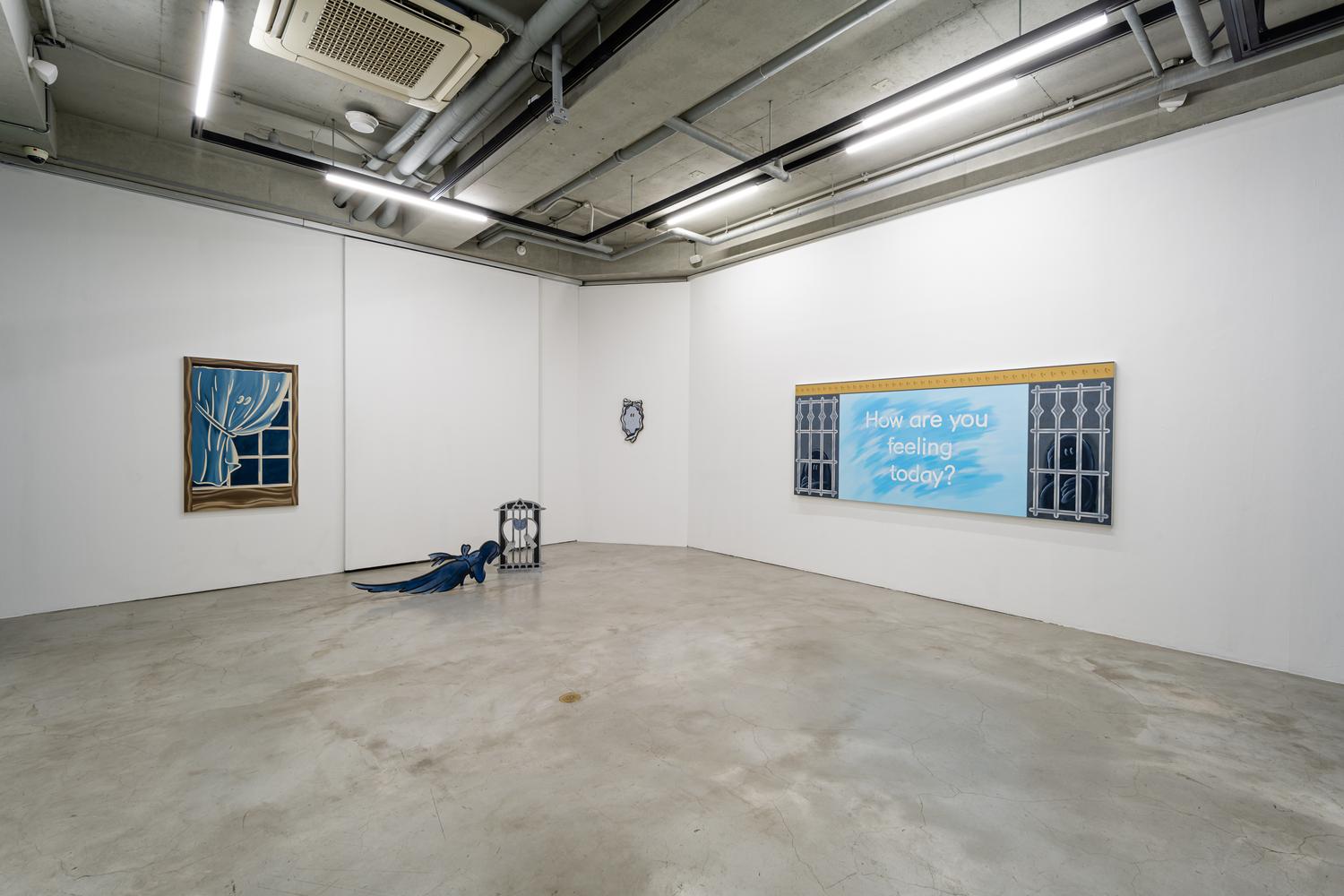
Installation view of 《In the Name of Love》 (PS Under Layer, 2025) © PS Under Layer

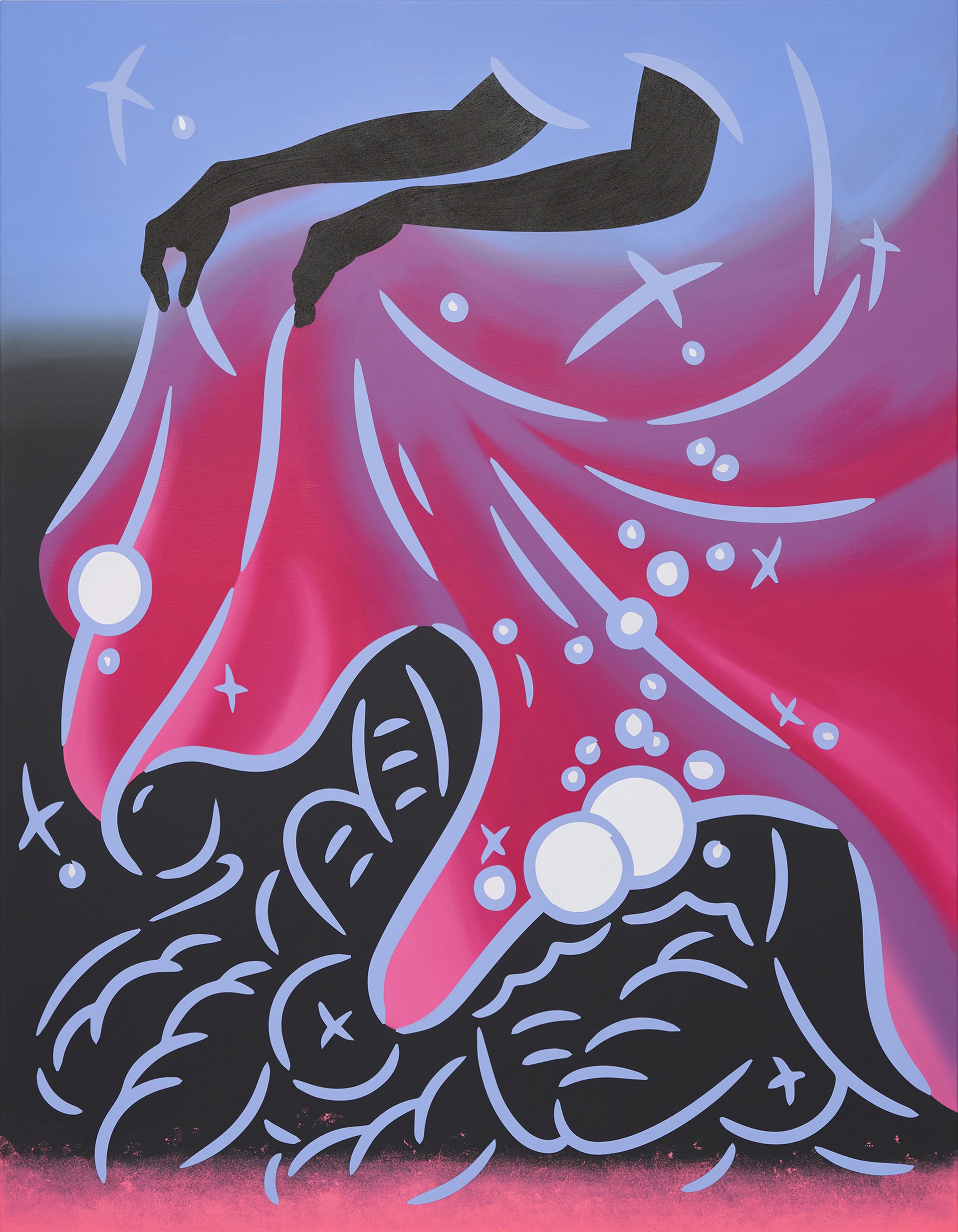
Meanwhile, in her recent work, Lee Mijung reinterprets the ambivalent emotions and everyday scenes that coexist under the name of “love,” exploring the multiple layers of meaning embedded within them through her own perspective.
 
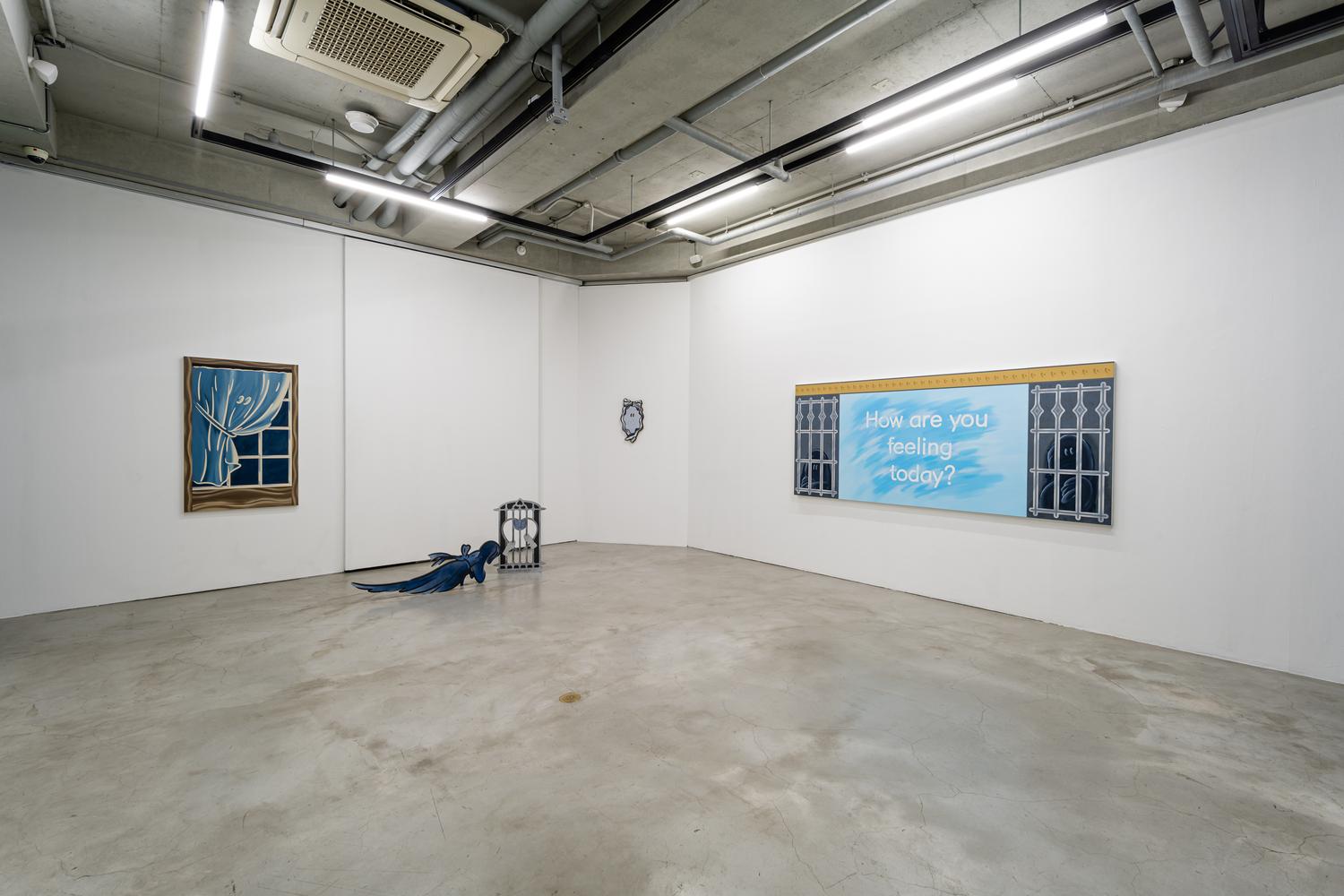
Her 2025 solo exhibition 《In the Name of Love》 at PS Under Layer connected three levels of the exhibition space through the motif of the home, illuminating the themes that the artist has continuously explored through a new narrative.
 
The works, realized through images drawn from everyday life, wittily revealed the labor and effort concealed beneath the surface of daily existence. In doing so, they carefully evoked the layers of work and emotion embedded in things we often overlook, suggesting that the invisible efforts sustaining everyday life ultimately exist under the name of “love.”


Installation view of 《In the Name of Love》 (PS Under Layer, 2025) © PS Under Layer

In this way, Lee Mijung reflects on the accumulated values and meanings that can be encountered in various forms throughout everyday life, bringing them into her work and creating spaces that connect with contemporary audiences.
 
Her work metaphorically reveals the emotions and structures embedded in everyday life by reconfiguring contemporary values and aesthetic standards and, in turn, rearranging or transforming familiar forms and objects.
 
Her paintings also extend beyond the two-dimensional plane into physical space. Capable of being divided into multiple modules and reassembled into new configurations, they demonstrate a degree of variability that suggests limitless possibilities for expansion beyond the boundaries of painting and sculpture.

“I try to imagine the everyday narratives of people living among objects in a space, layering the effects produced by daily life and domestic labor to create fictional scenes.” (Lee Mijung, from an Noblesse interview)


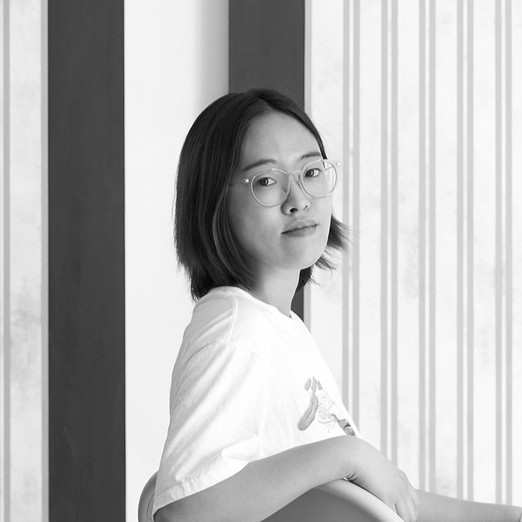
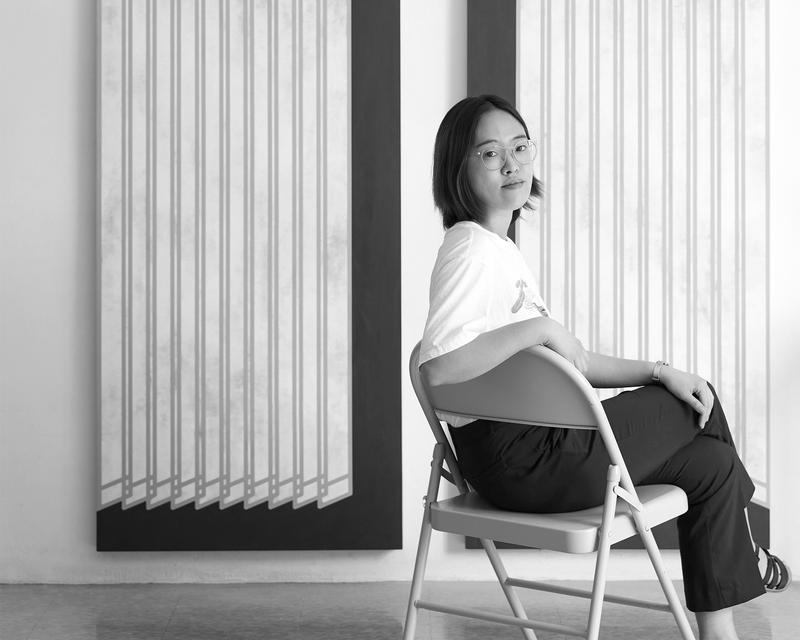
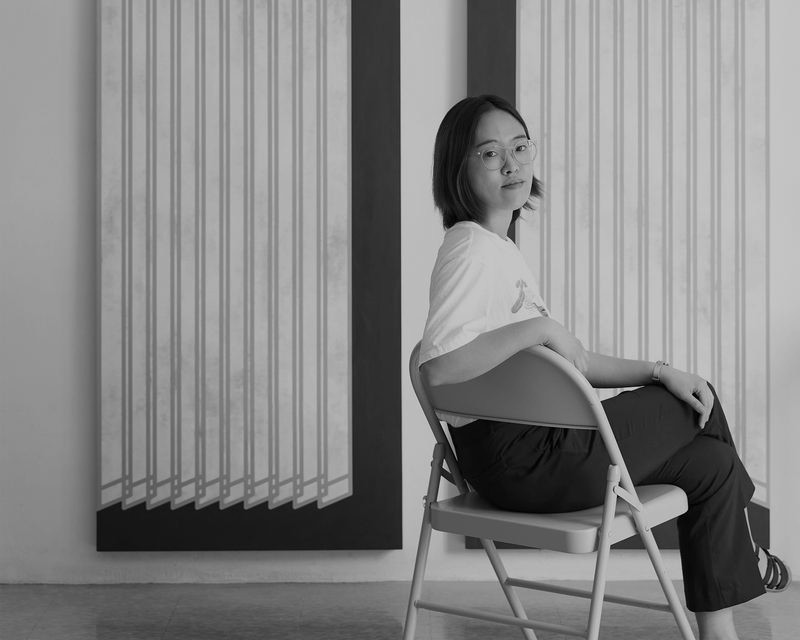
Artist Lee Mijung © Lee Mijung

Lee Mijung graduated from the Departments of Ceramics & Glass and Painting at Hongik University and received an MFA in Fine Arts from Seoul National University of Science and Technology. Her solo exhibitions include 《In the Name of Love》 (PS Under Layer, Seoul, 2025–2026), 《SUITE》 (G Gallery, Seoul, 2022), 《Sandwich Times》 (SONGEUN Art Cube, Seoul, 2020), and 《The Gold Terrace》 (Art Delight, Seoul, 2018).
 
She has also participated in numerous group exhibitions, including 《Objects in Time》 (Atelier Aki, Seoul, 2026), 《Soft and Hard》 (Seojung Art, Seoul, 2024), 《Whispers of the Unsettling》 (Space Willing N Dealing, Seoul, 2024), 《Décor Décor: Living Room Arcade》 (Ilmin Museum of Art, Seoul, 2023), 《Summer Love 2022》 (SONGEUN, Seoul, 2022), and 《Sunset Valley Village》 (Art Sonje Center, Seoul, 2021).
 
Lee participated as an artist-in-residence at the MMCA Residency Goyang (2021), the SeMA Nanji Residency (2020), and the KdMoFA Residency in Taipei (2017). Her works are included in the collections of institutions such as the KdMoFA, the MMCA, and the OCI Museum of Art.

References