A Certain Woman’s Face
Was it early 2020? I arrived at a subway station I had almost never been to in order to go to a meeting place. As soon as I stepped out of the ticket gate, I was overwhelmed by a strange feeling at the advertising images filling the station. Women with pale skin and neatly arranged features, so refined they seemed to sting the eyes, sparkled in rows. The blue light illuminating the billboards wrapped around them like an aura.
Though slightly different from one another, their faces were, for the most part, oriented in a single direction. Large eyes, a high nose, a slim face, full lips, and a neatness that allowed no blemish or wrinkle on the skin.
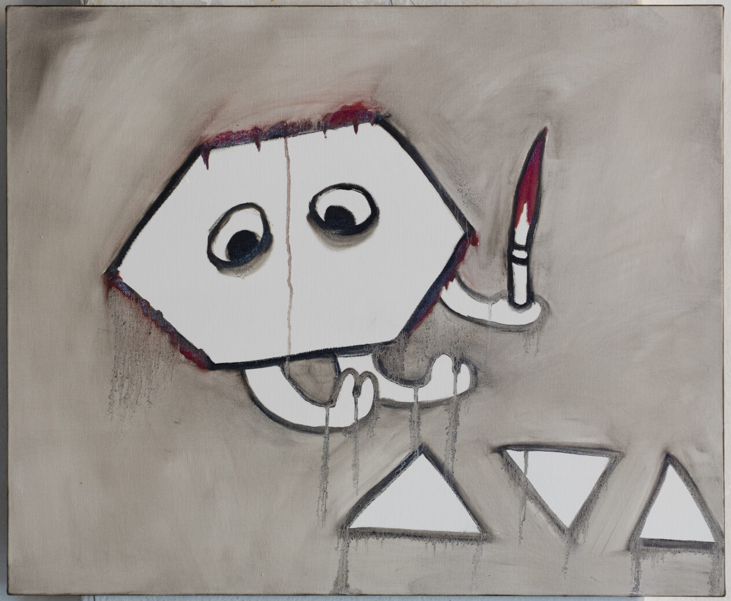
The procession of images that sometimes showed dramatic changes through fragmented images cut out by facial part, or displayed new faces made by recombining every element that composes a face, remained with me as a stronger impression than any artwork or exhibition I saw at the time.
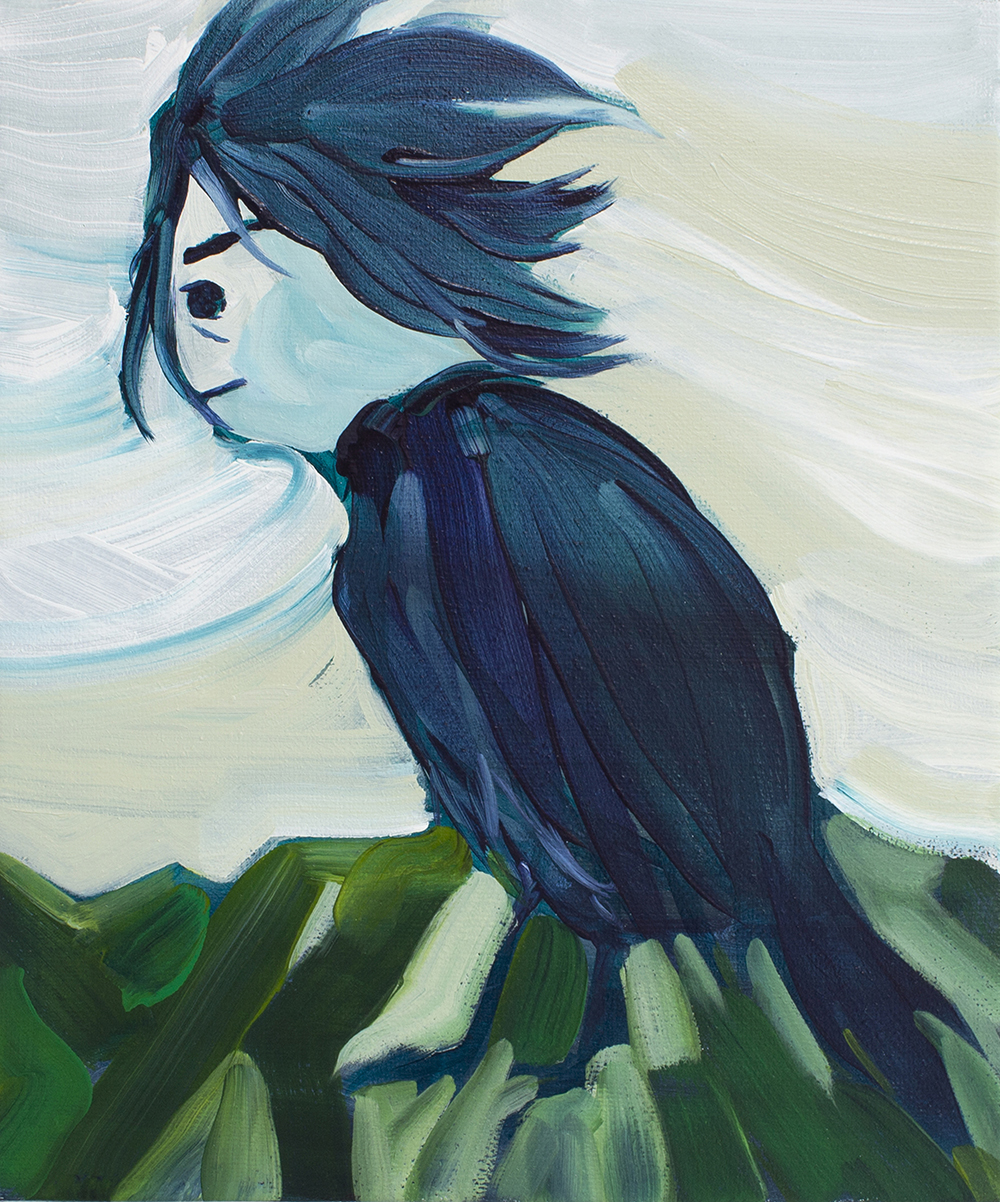
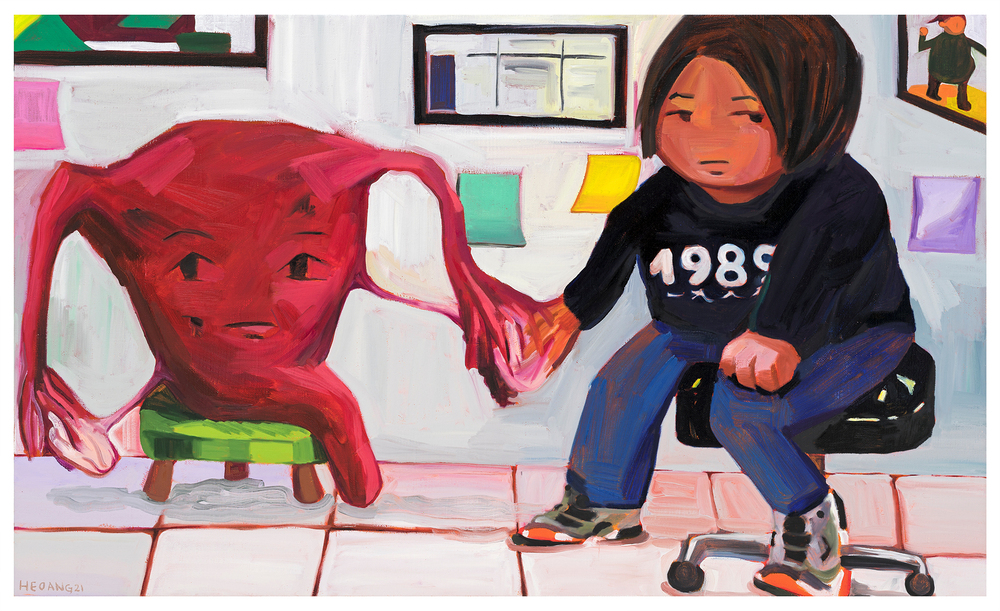
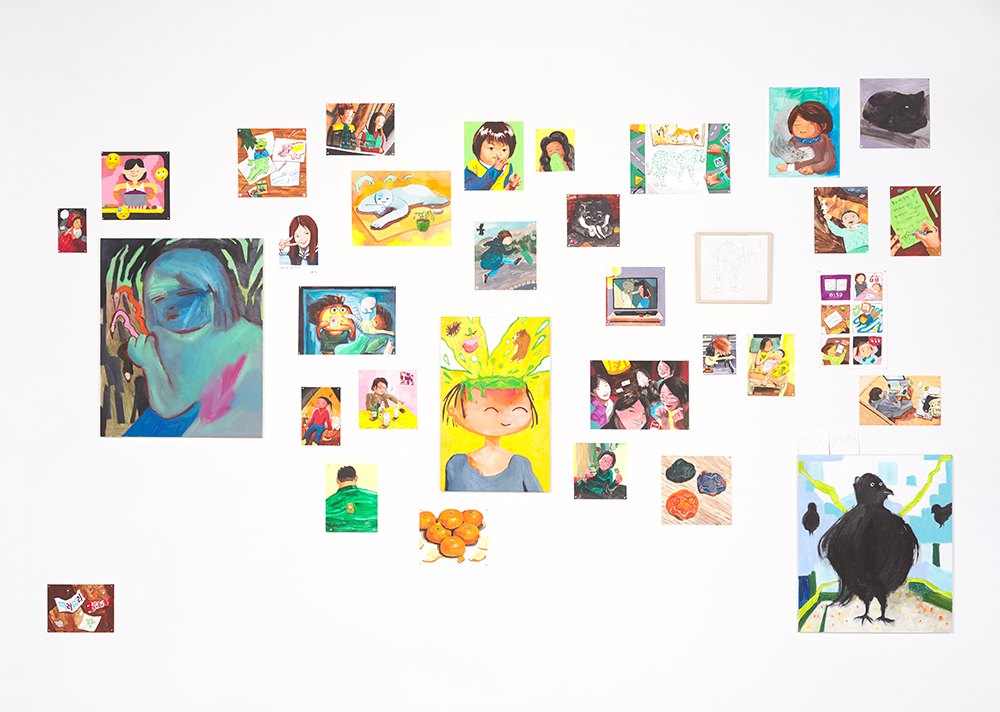
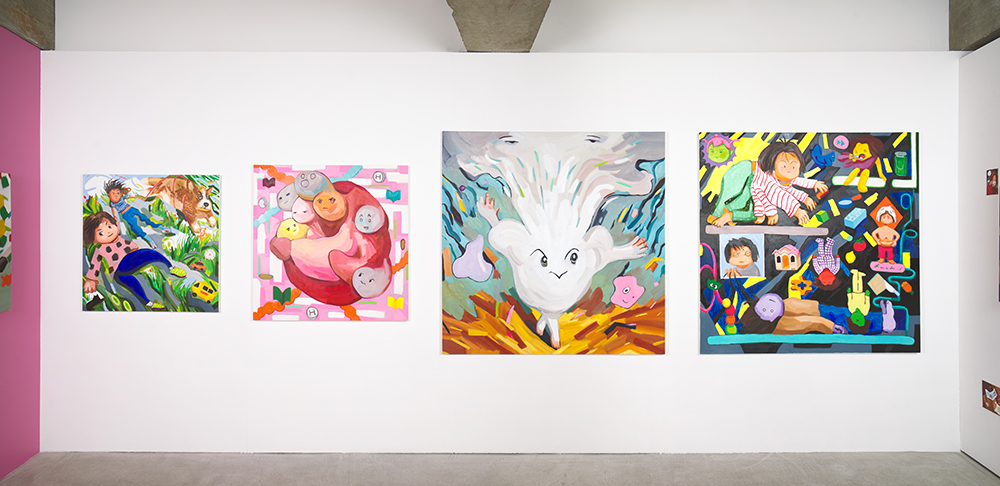
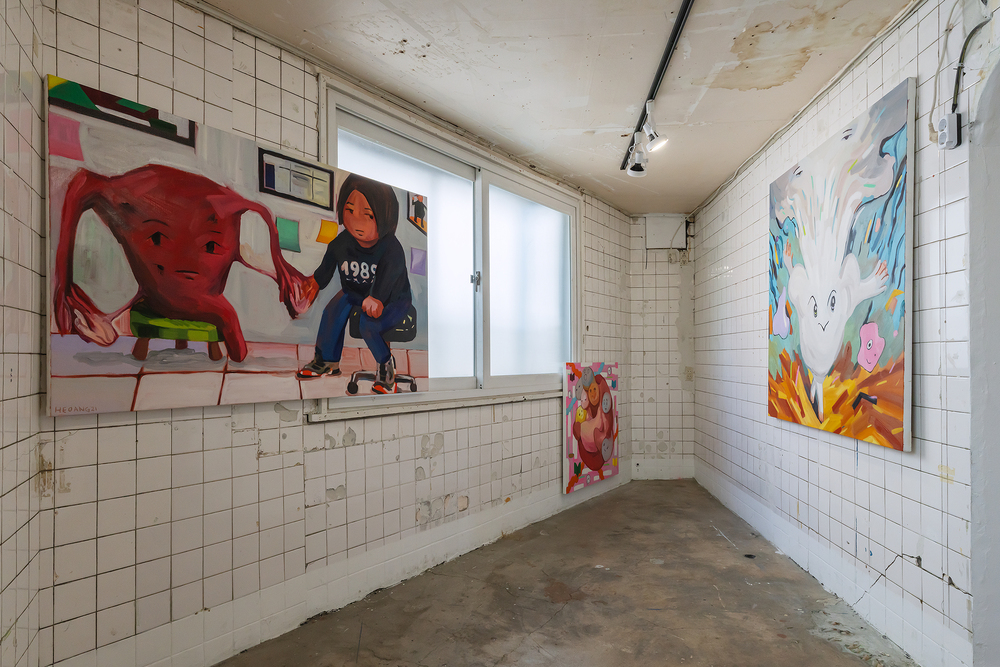
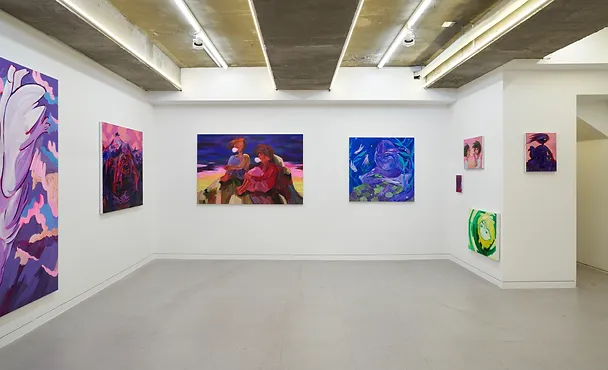
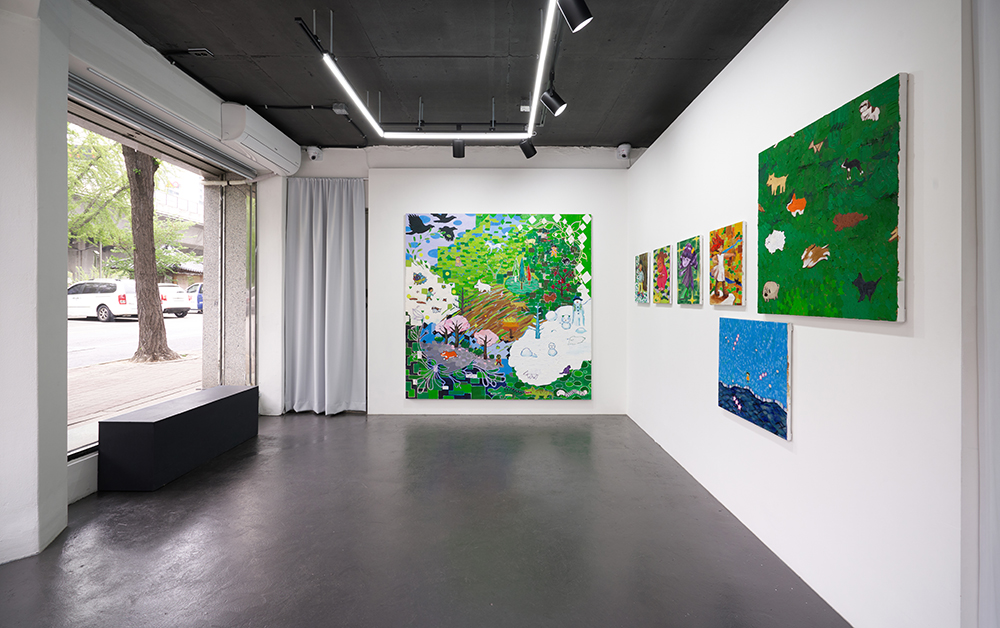
Every time I paint a woman’s face, that space suddenly comes to mind. Recalling the power of those images, hung side by side on the wall at human scale and delivering a clear and consistent message, I have come to ponder for a long time not so much “what kind of image I will make,” but “what kind of image I will not make and will not exhibit.”
A Way of the Future
The game Sid Meier’s Civilization: Beyond Earth is a game about escaping the endangered earth, migrating to an alien planet, and building a new civilization. The player constructs cities, explores an unknown world, and in various ways enables humanity to take root on a new planet.
Among the features of the game is a category called Affinity. The three categories classified as Harmony, Supremacy, and Purity influence what kind of civilization the player will build.
Simply put, one can either accept the alien life-forms that already live there and evolve by creating genetic links with them, or, like Borg, achieve advanced technological development and become machine-humans. The final option is to strive to the end not to lose human uniqueness.
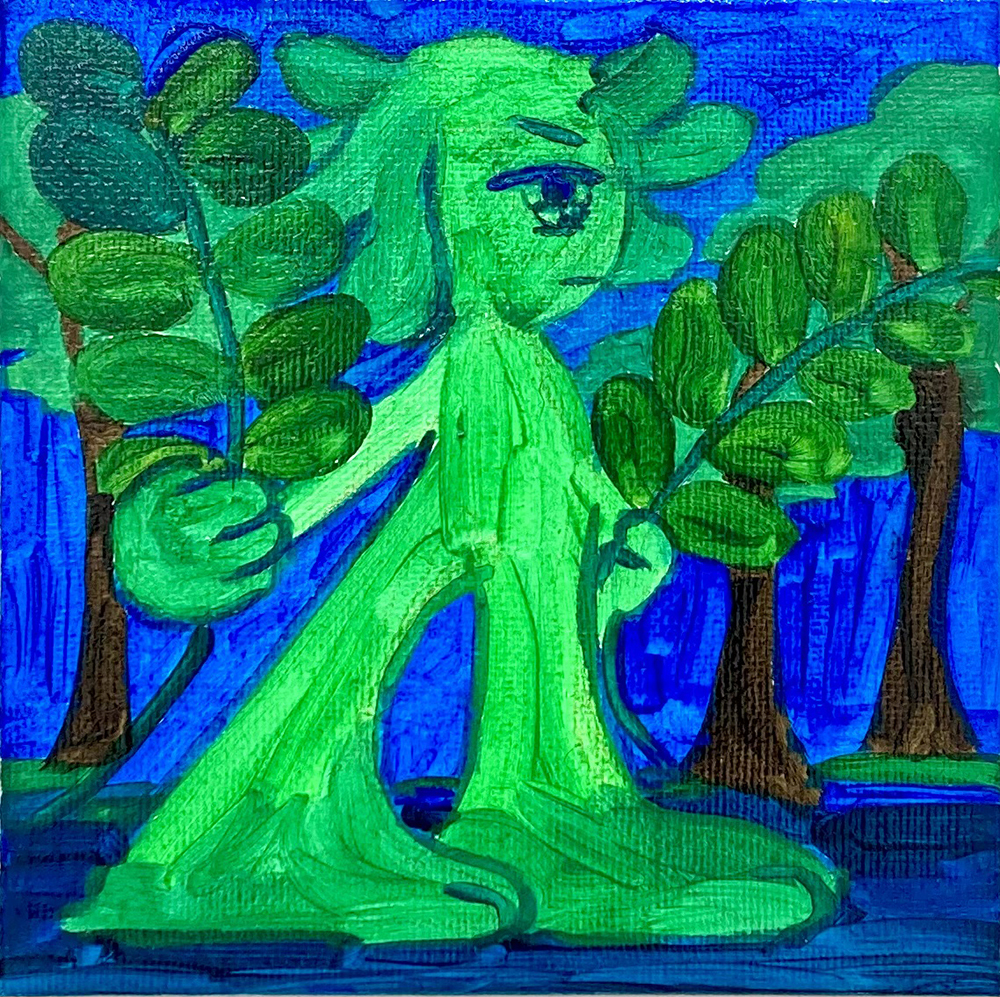
Whenever I had to choose the direction of civilization’s development, I always chose “Harmony.” Rather than choosing to annihilate alien species or return to humanity’s home, Earth, I chose a way in which different things could live together.
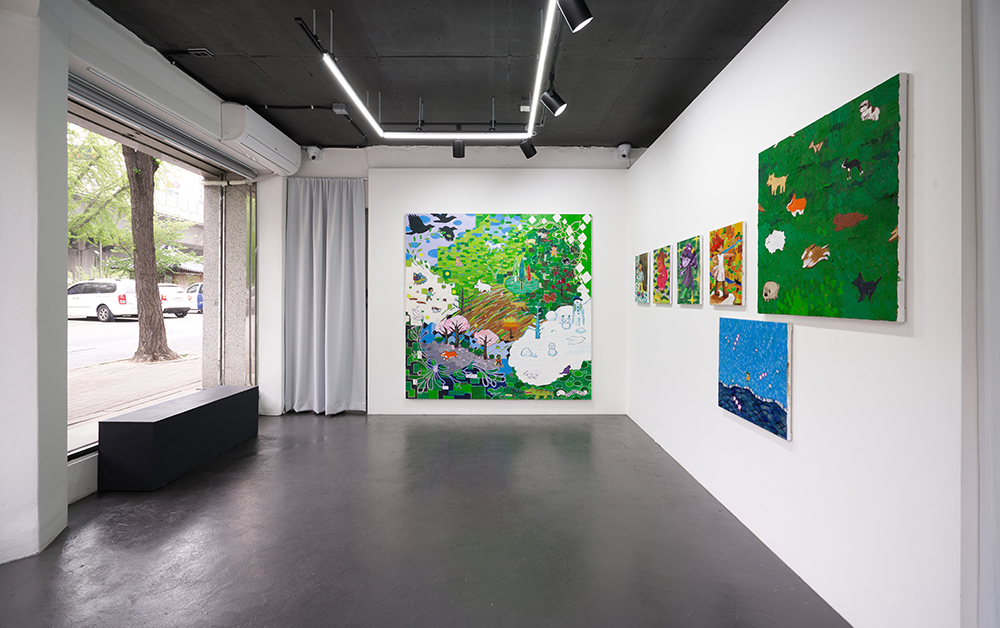
In the upheaval of the Anthropocene, my work is an attempt to imagine the possibility of coexistence. It is also a process of steadily exploring the possibility that different things can exist together and achieve balance.
Impetus
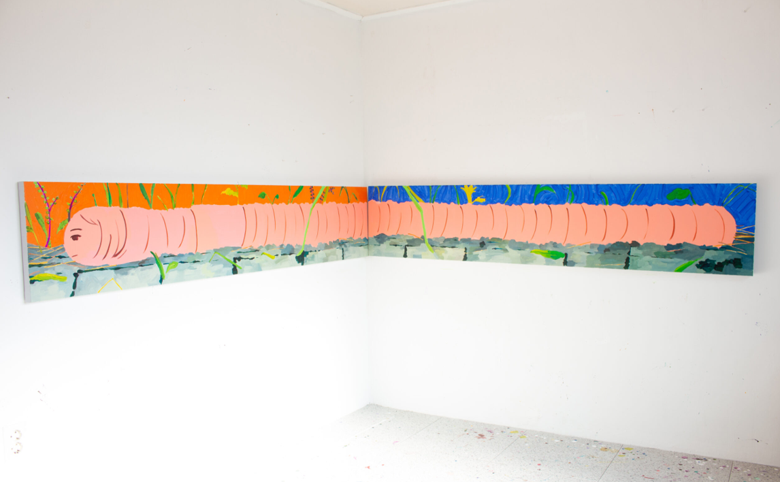
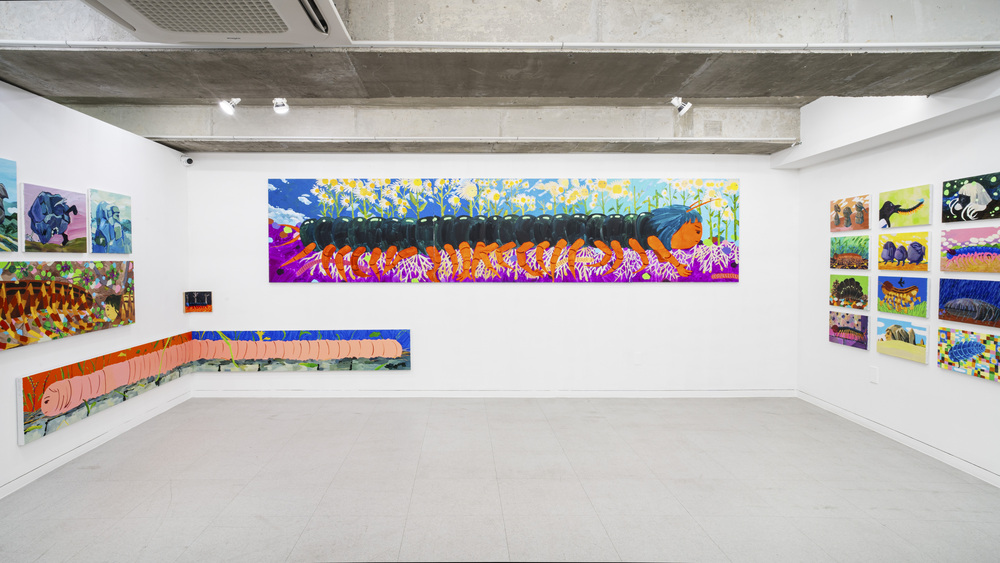
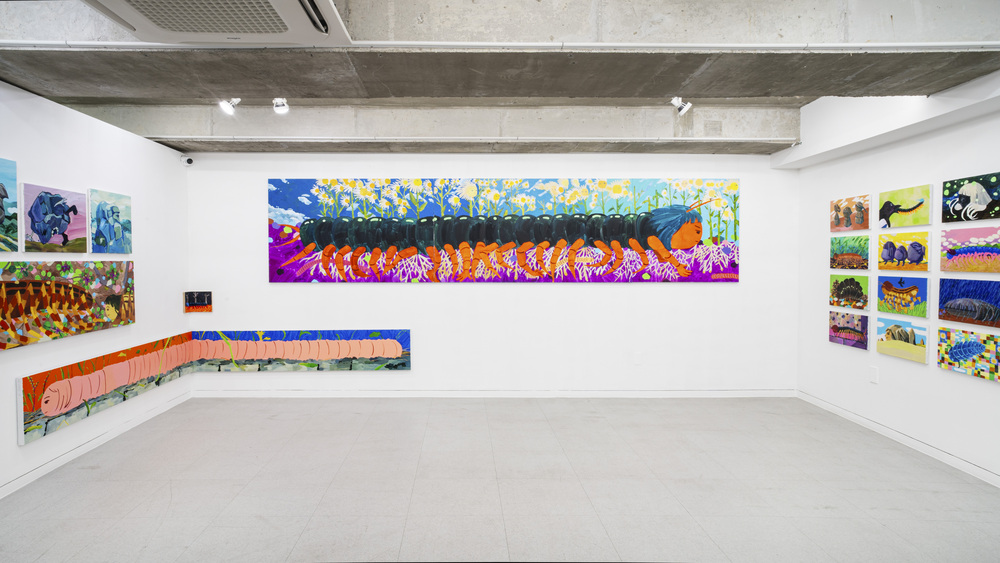
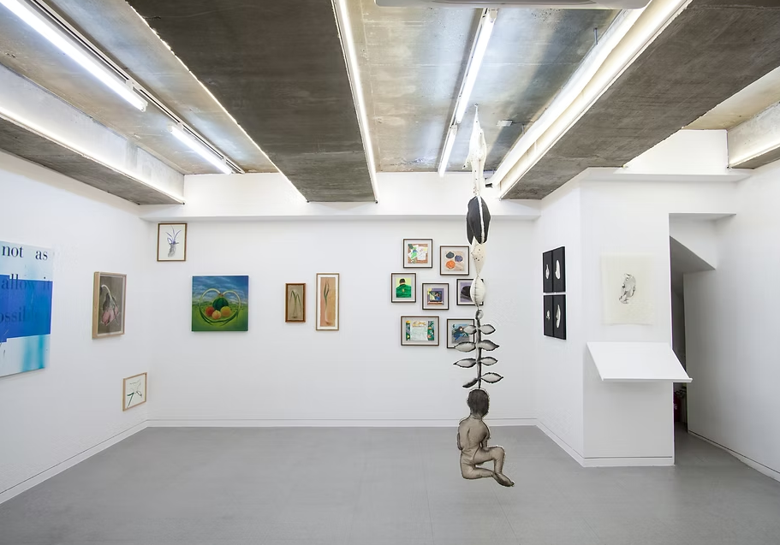
Where can one obtain the force that drives one toward the future? I find a clue by observing what repeats and what does not change in nature. According to one account, myriapods were the first organisms to come up from the sea onto land. I imagine a certain organism that traverses from the past to the present, and again toward the future, by comparing it to their inexhaustible vitality, strength, and constancy.
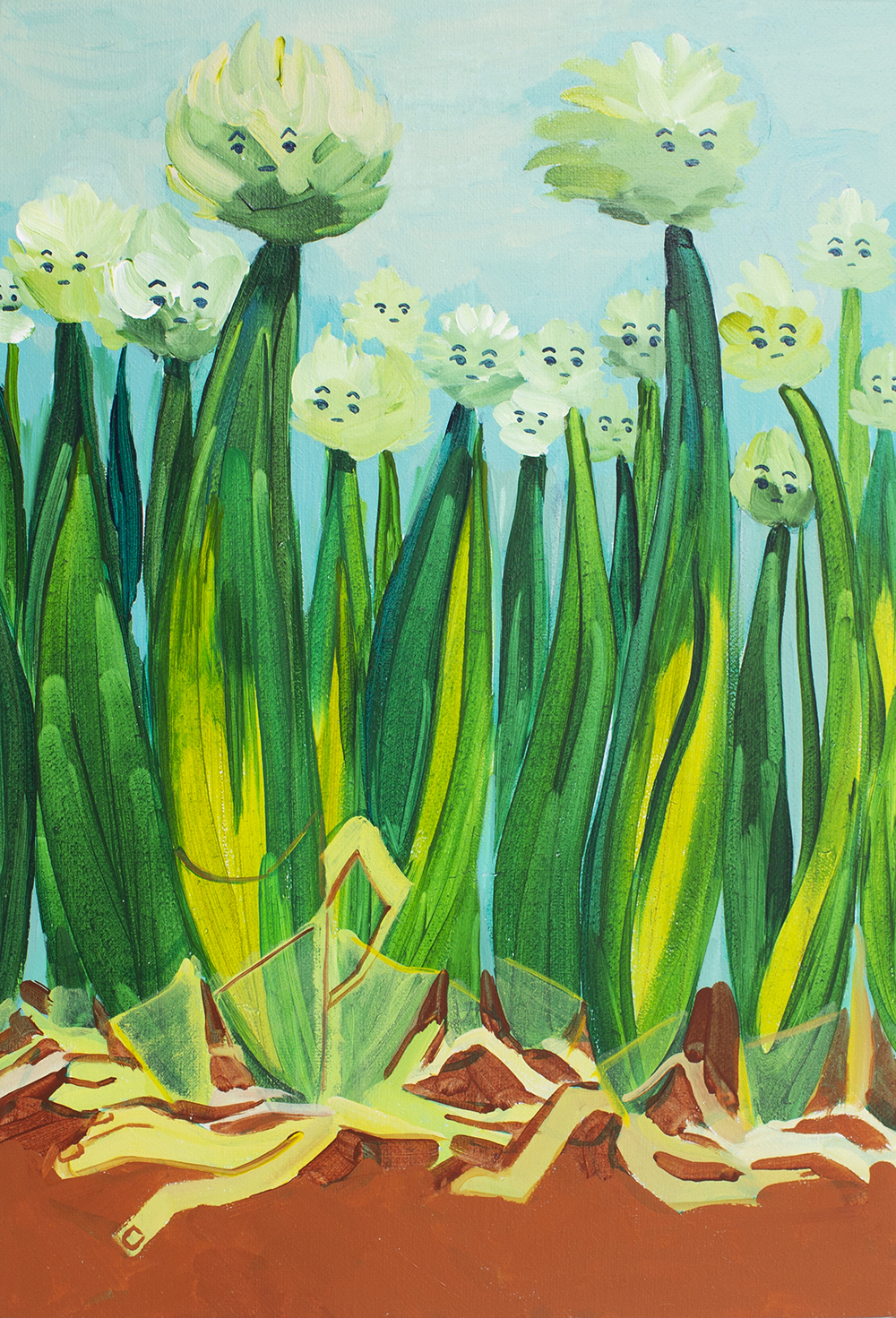
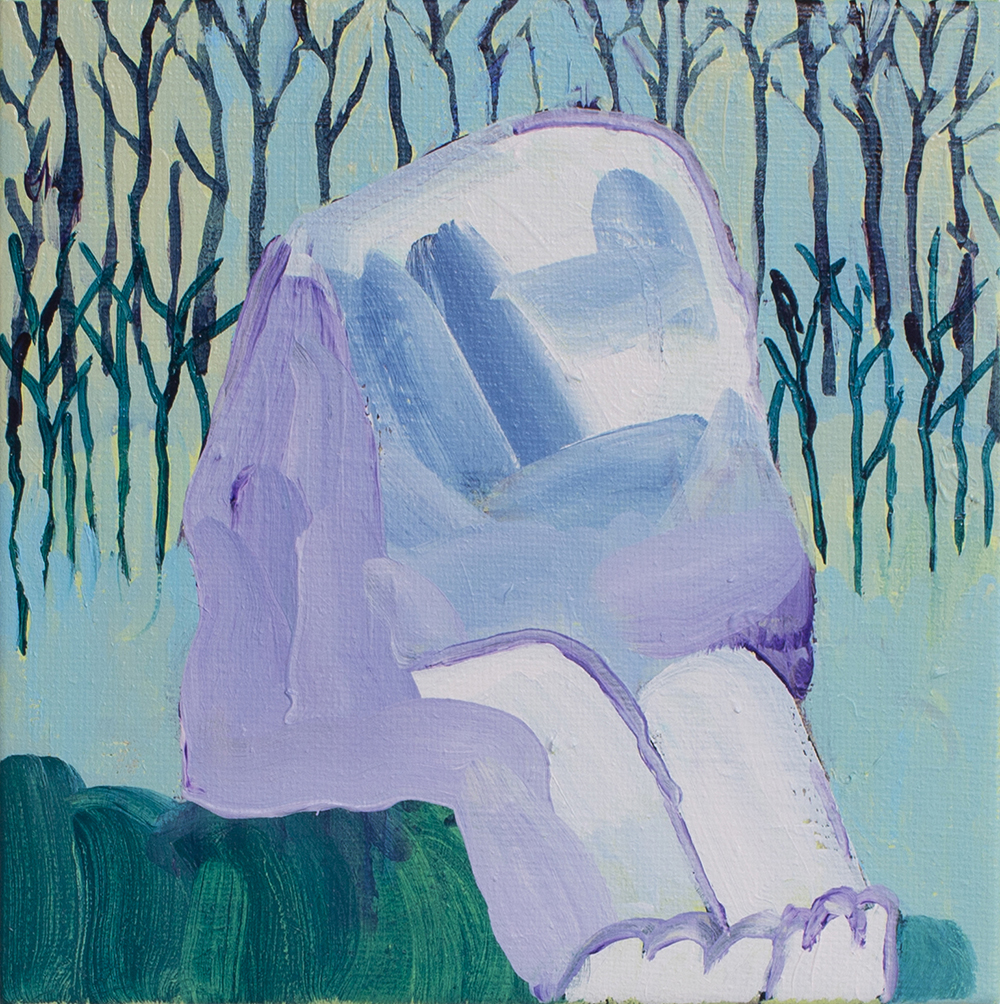
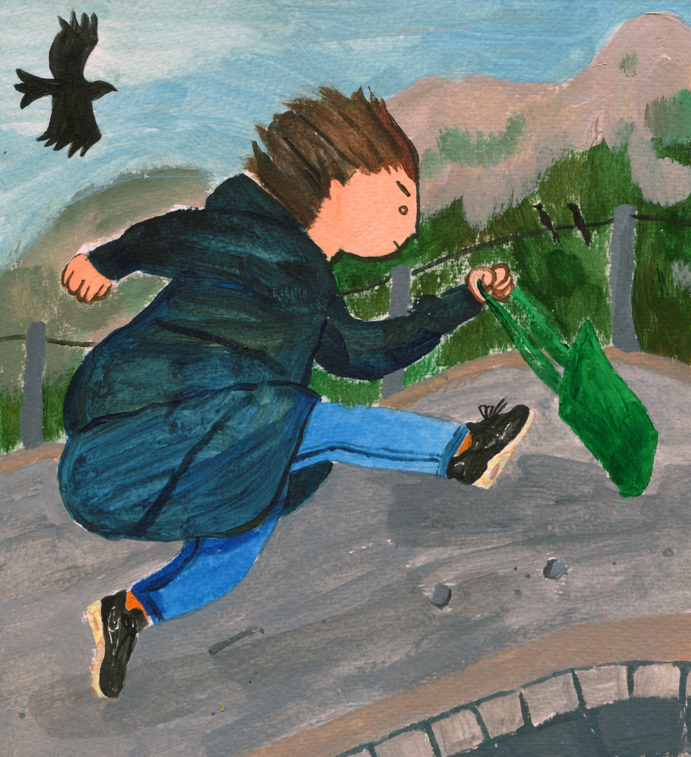
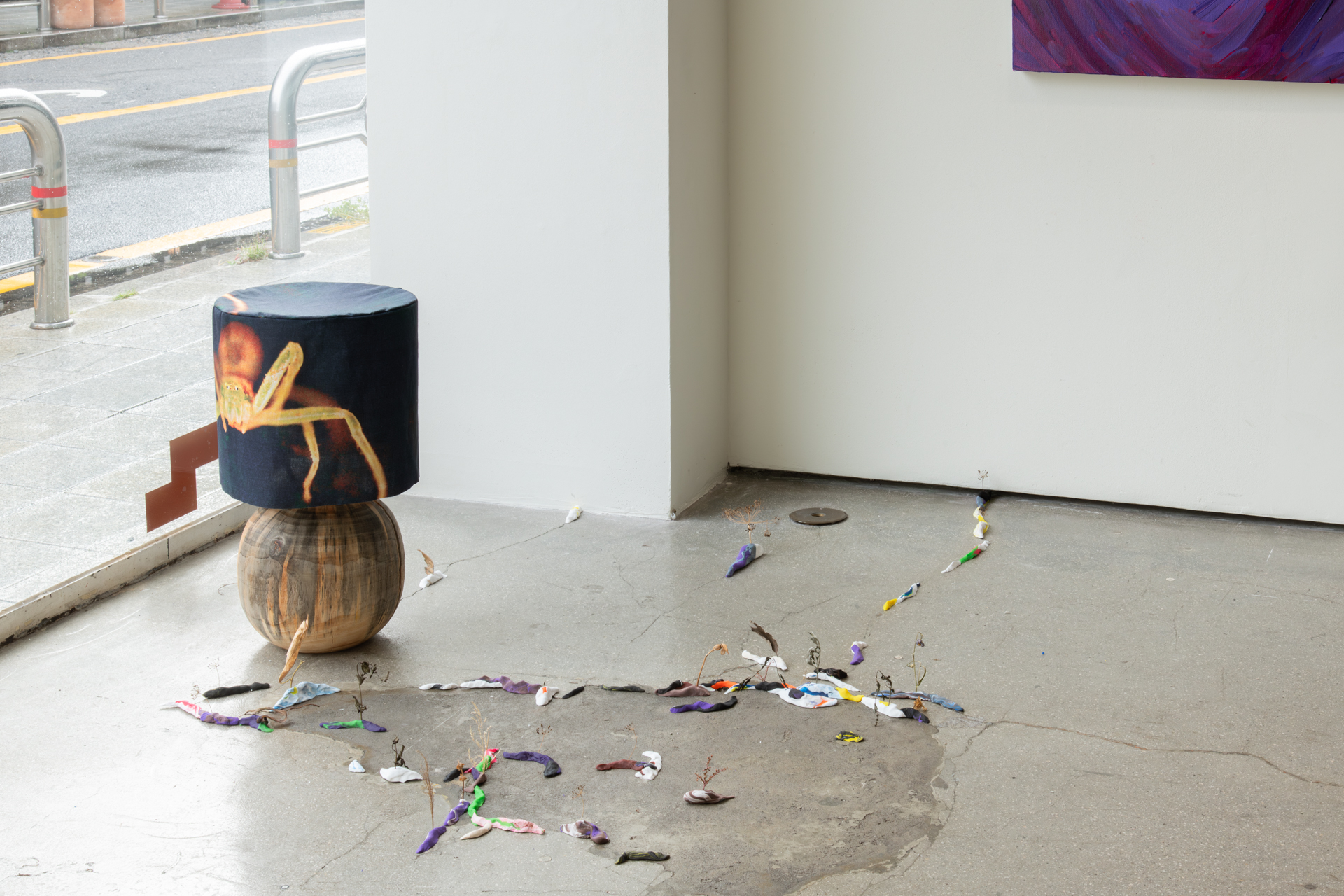
I imagine scenes of a far and vast future in which humans no longer function in the form of humans as we know them. Made entirely of imagination, that place is both familiar and unfamiliar. Mountains and fields, flowers and various creatures still exist, but there is no human form.
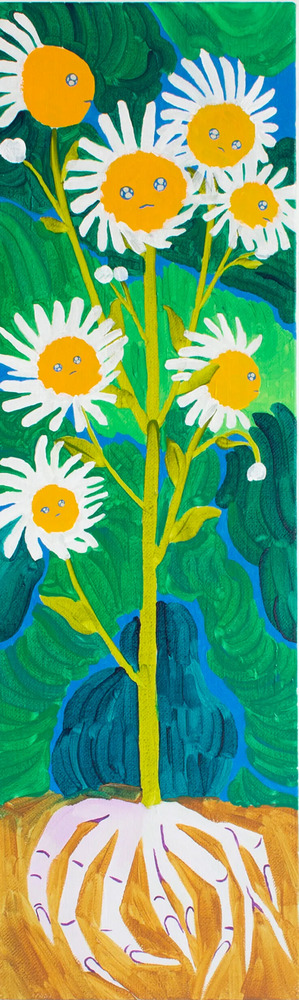
I imagine discovering traces of humans once having existed in the silhouette of a mountain, in a cluster of flowers in a field, and in the sensation of a tadpole scooped up from a swamp.
In the rhythm created by what repeats and what does not change, I feel a force that moves us toward a new future. In the world after humans, I hope that the human will appear in an entirely different form.
Dear morning
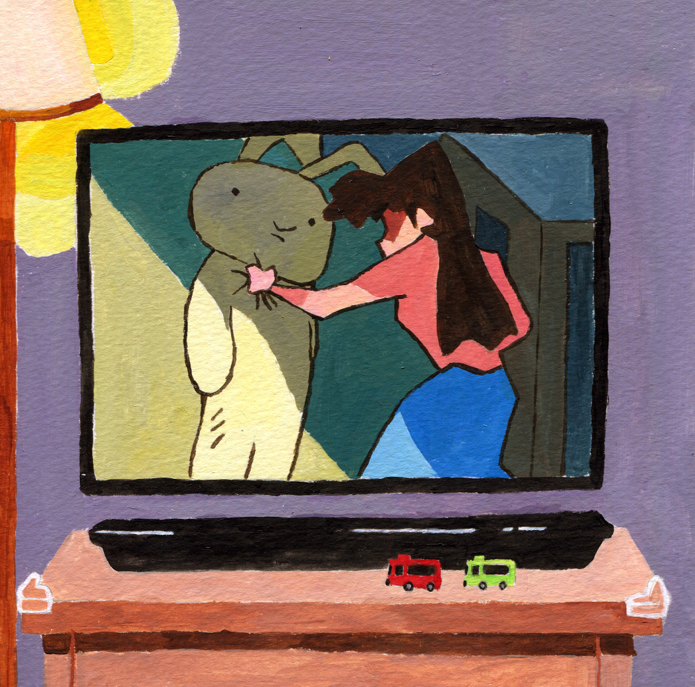
When night comes and everyone has fallen asleep, I quietly think about tomorrow morning. What I will eat for breakfast, around what time I should leave the house, and so on. After taking one last look at the child’s belly quietly rising and falling, I turn off every light in the house.
Imagining the future is an old habit of mine. For a very long time, I thought only of landscapes like ruins. Of a dark world broken and damaged for many reasons that an individual cannot solve. I imagined the figure of a person sinking as a powerless individual before an enormous crisis.
After almost twenty-something years, finally, I lost interest in thinking about such gloomy futures. Rather than there being any special occasion, it seems to have happened naturally. Among the things that are ceaseless and the things that do not change, while undergoing certain moments that change little by little, that seem to be in place yet do not stay there, it happened smoothly and quietly.
Transmission of the Mind
While organizing my bankbook, I suddenly thought: if things go on like this, what I’ll have to leave behind when I die will be, as in someone’s song, only love. Of course, this text is not about my ruined stock account or financial planning. What, indeed, can I give to my daughter, to my daughter’s daughter, to the nameless descendant of my daughter’s daughter?
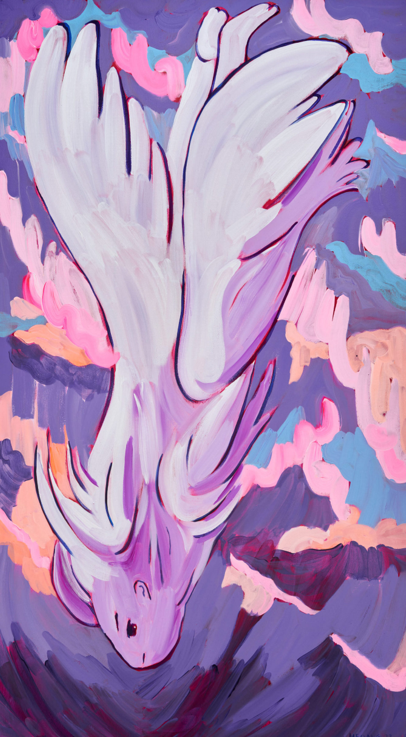
I imagine a descendant of some human who, in a distant future when the Earth I know has disappeared, has left for the vast universe and then returned to the star of their ancestors. I imagine a scene of encountering an unknown organism that seems to recognize me in a homeland that is not familiar at all. What can be transmitted to a world where current material values, ways of thinking, and systems of value have all lost meaning?
There will be nothing, or at most only an intangible mass of emotion. This thing, too complicated, puzzling, and lukewarm to call love, I have decided to define with the word mind. Then in what form and with what signs can something called “mind” be transmitted?