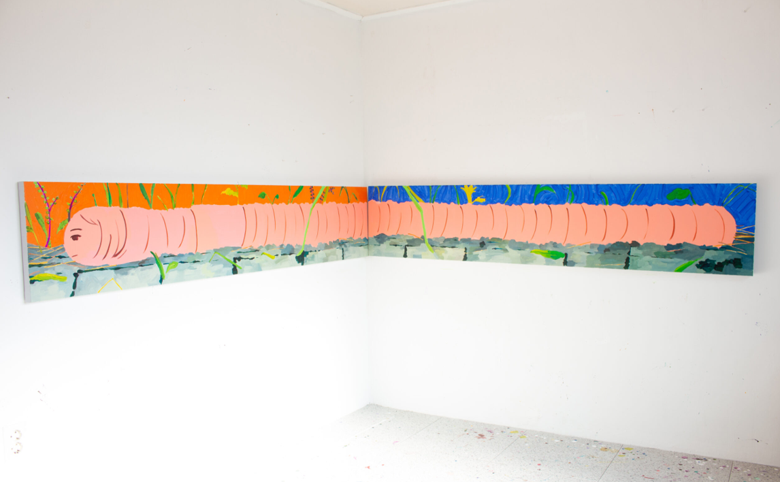
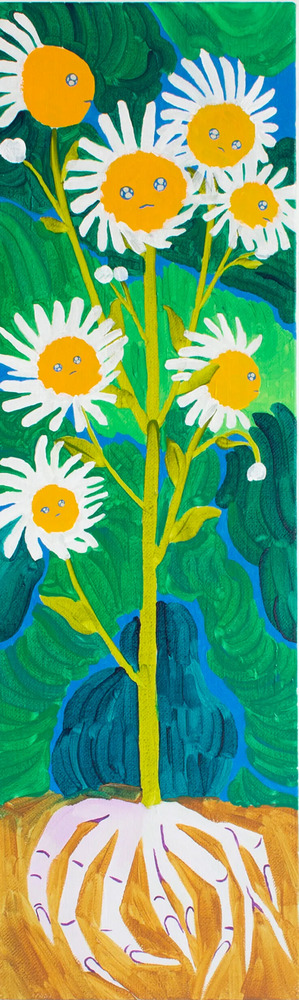
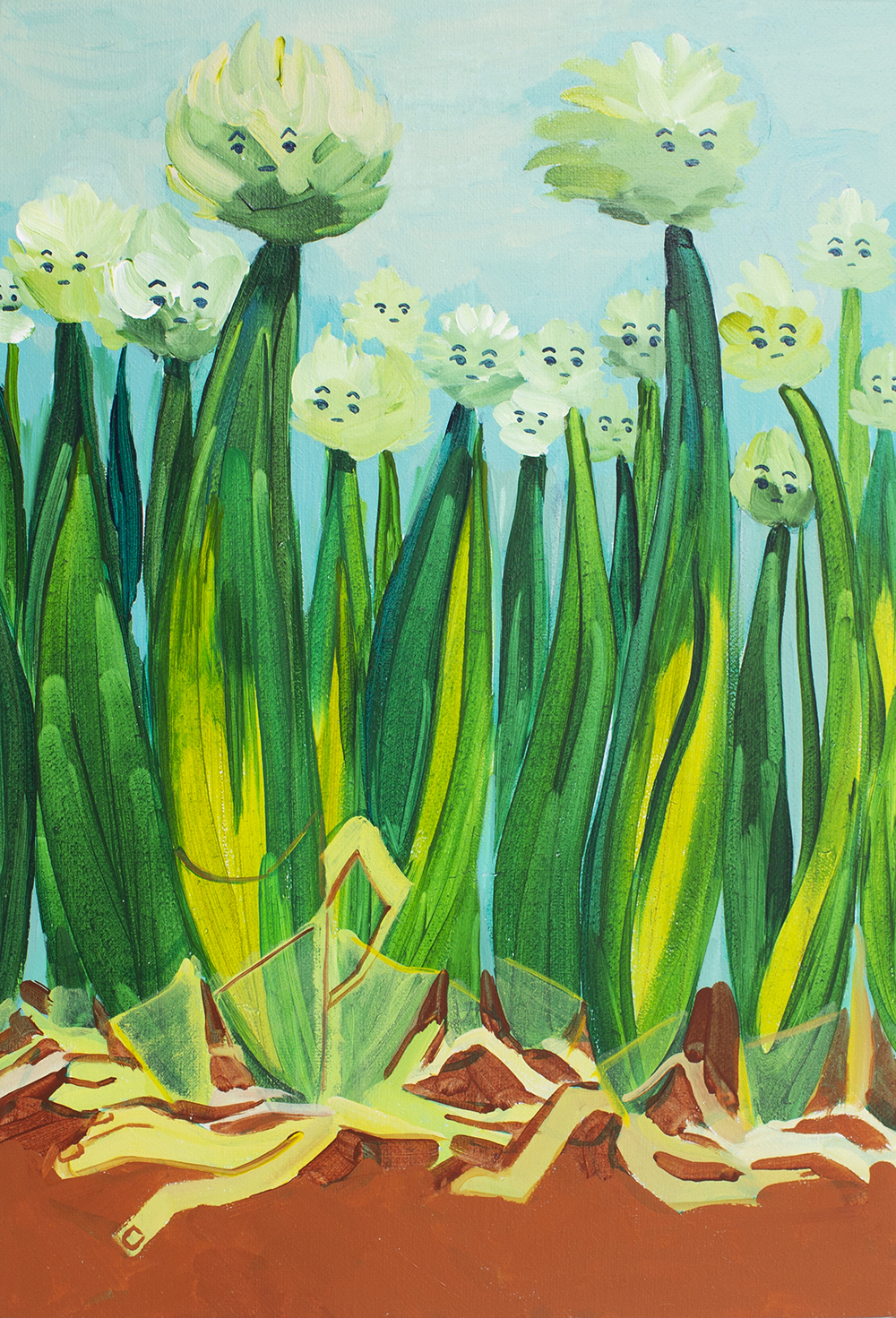
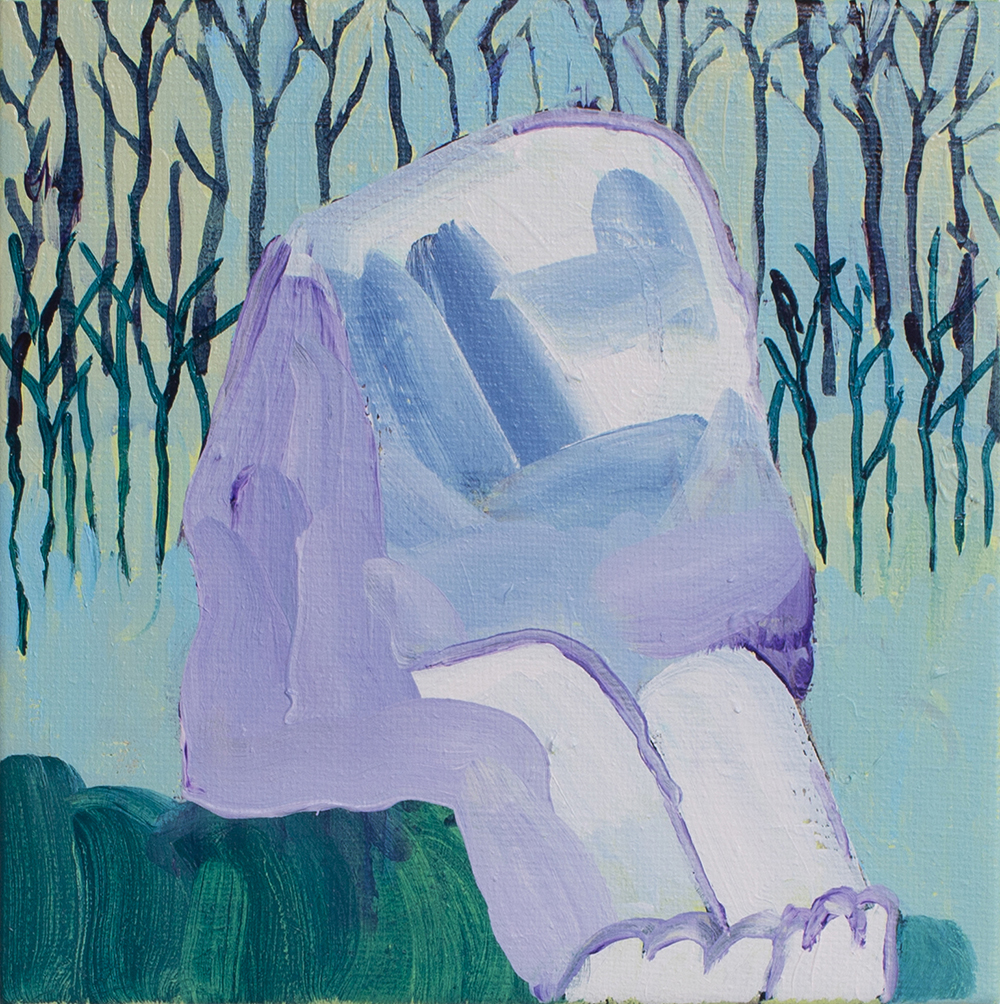
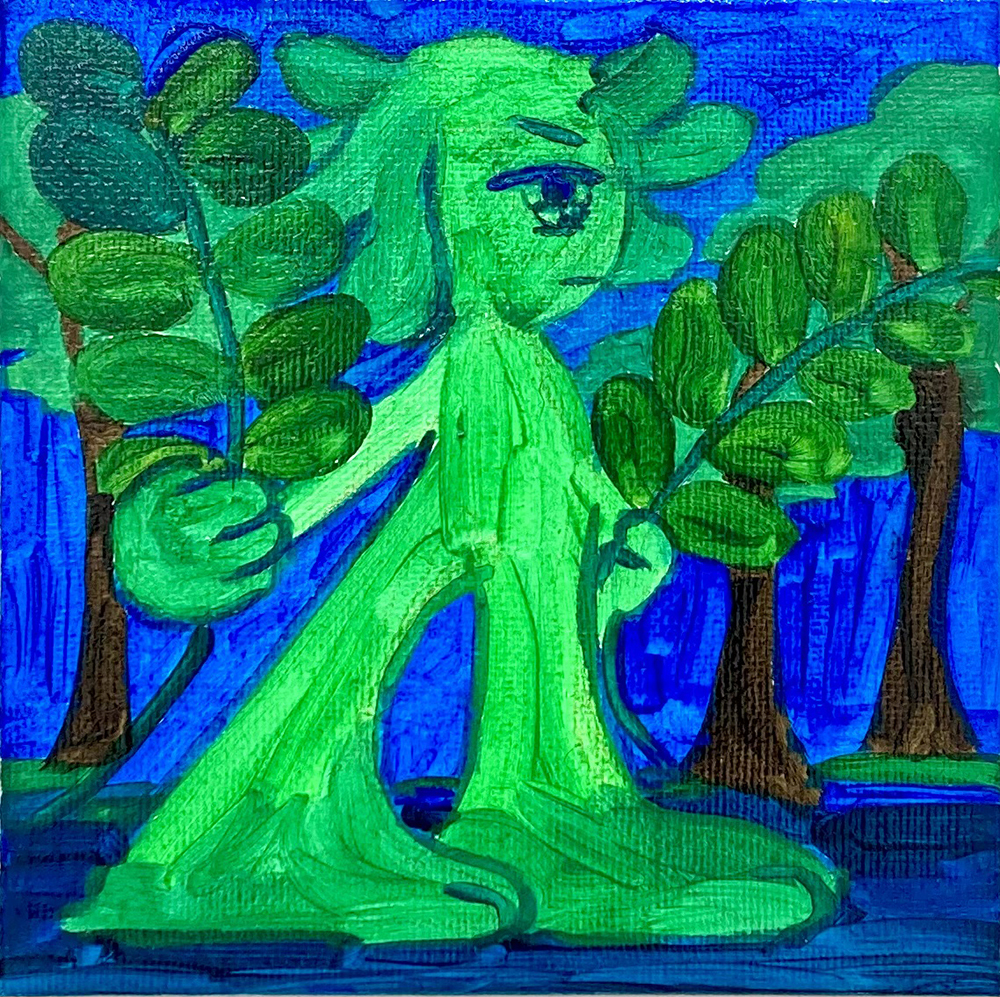
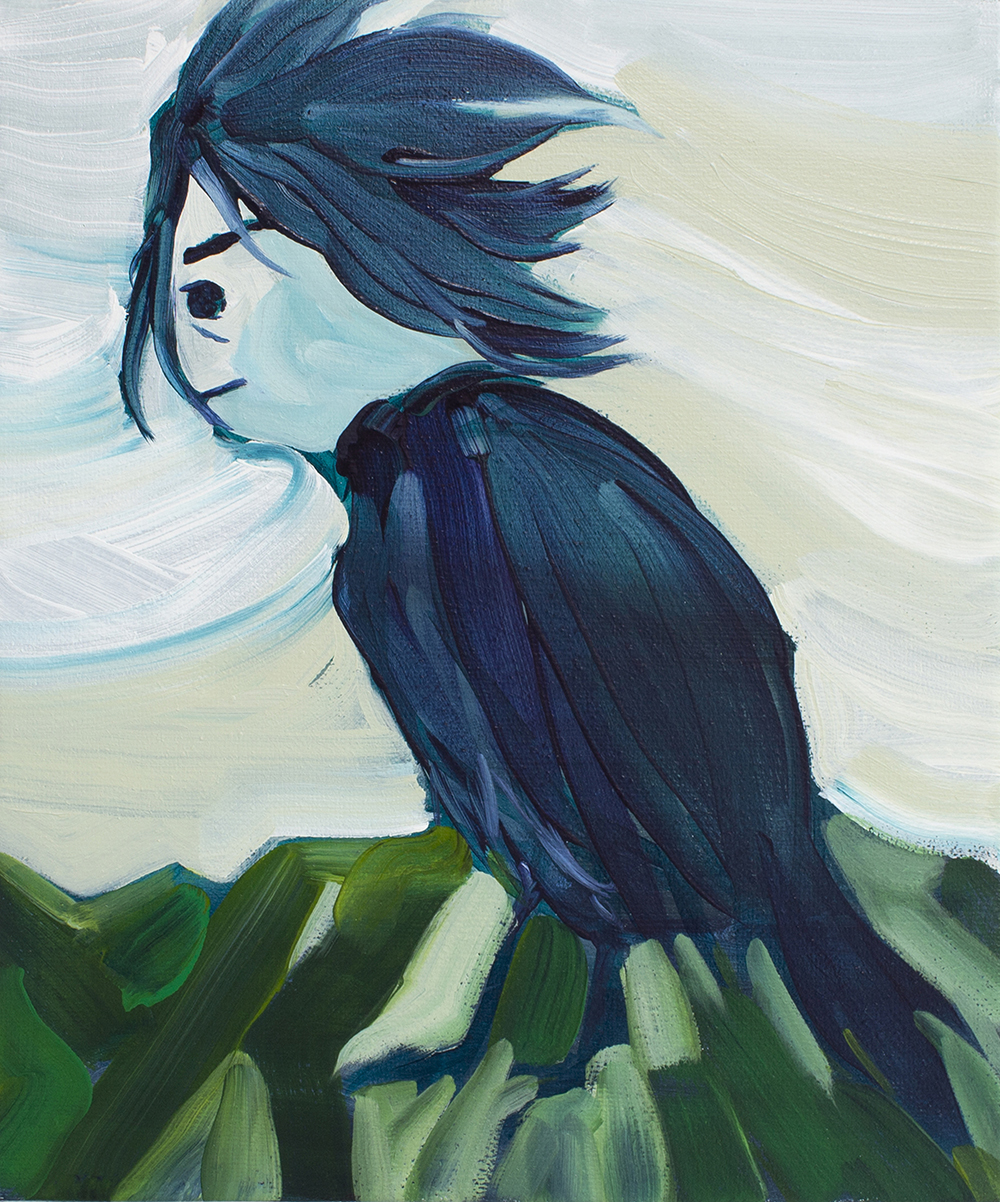
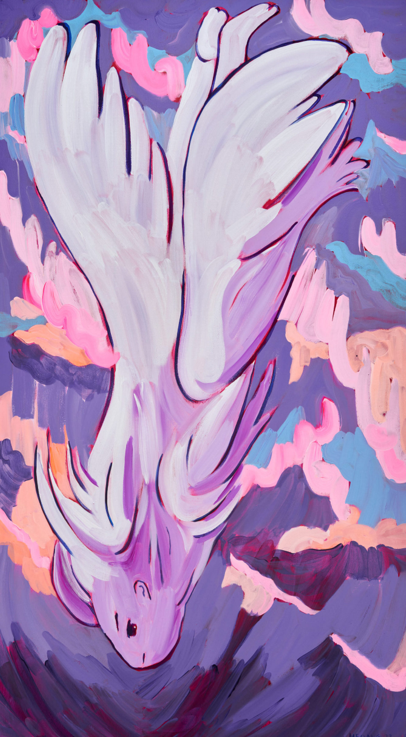
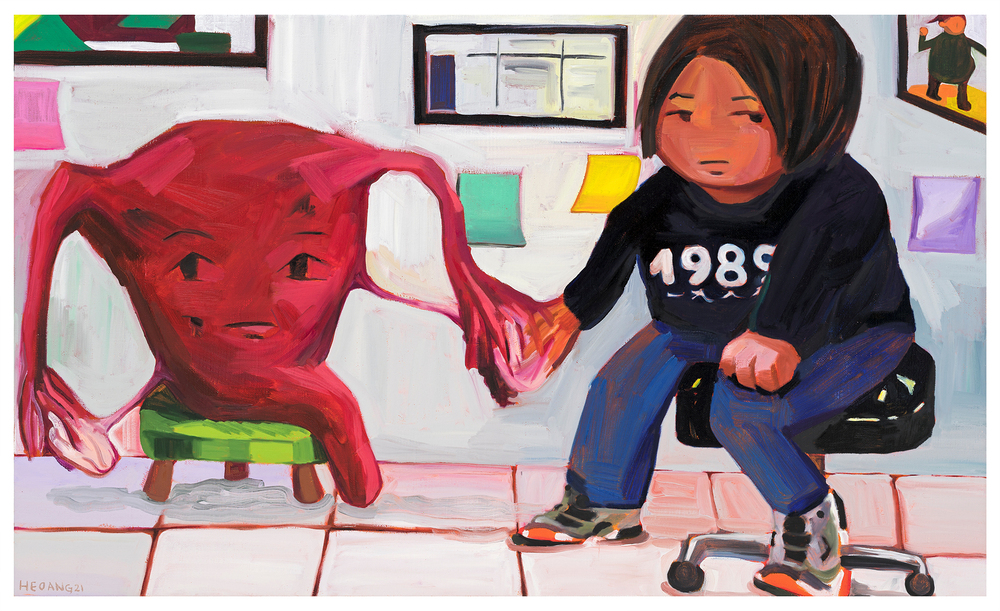
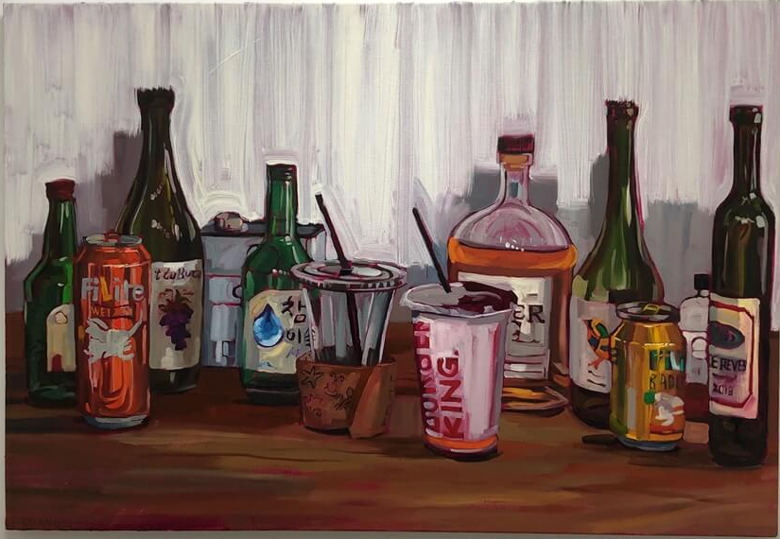
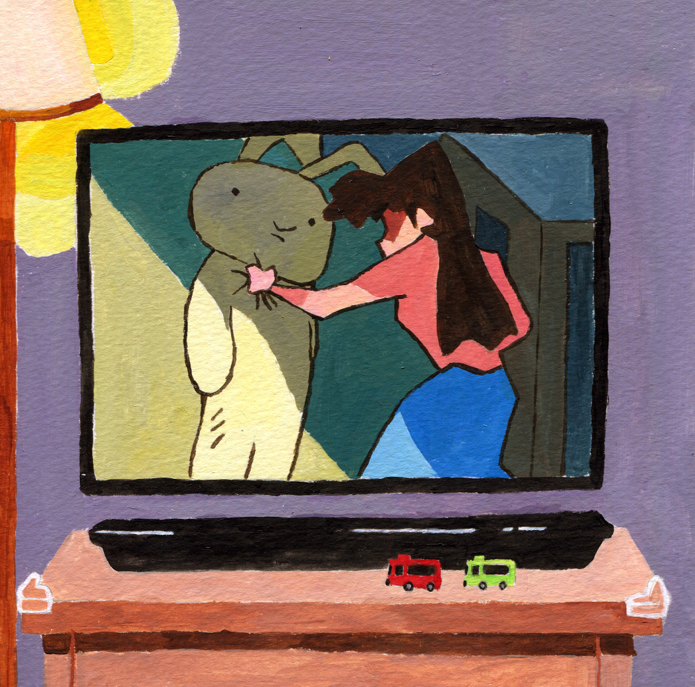
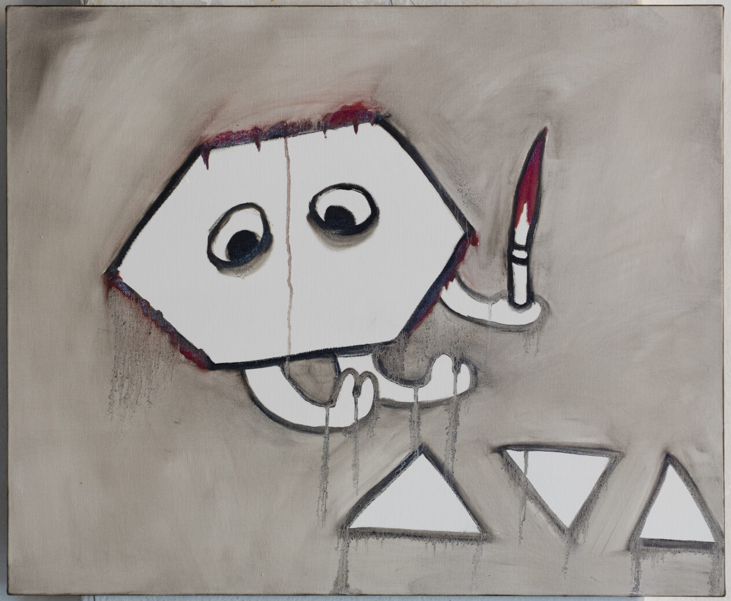
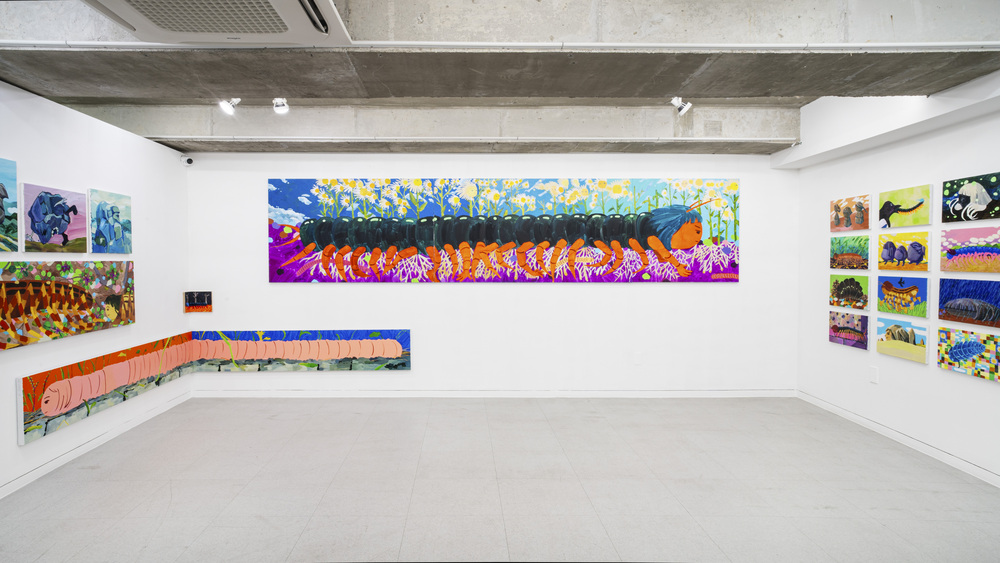
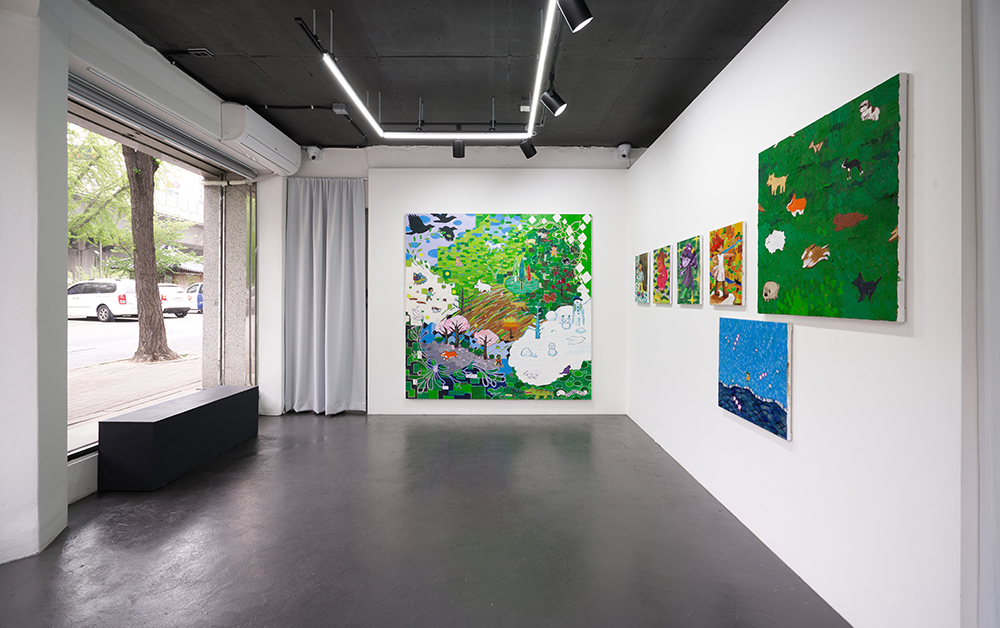
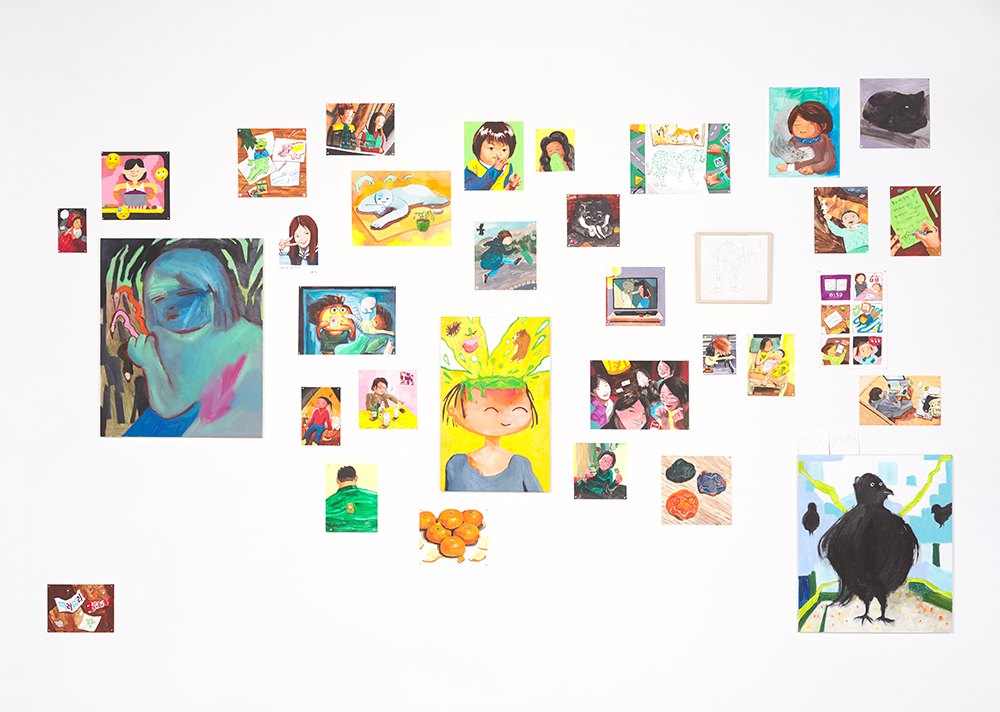
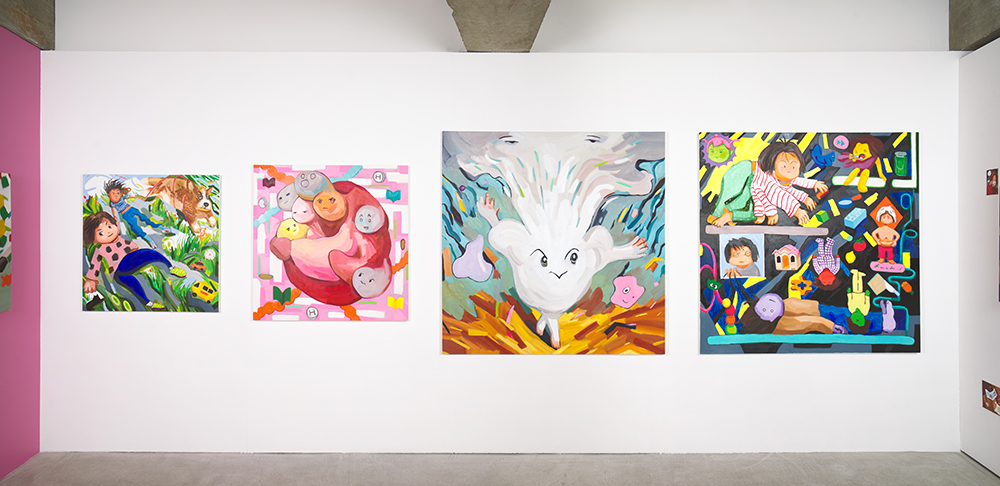
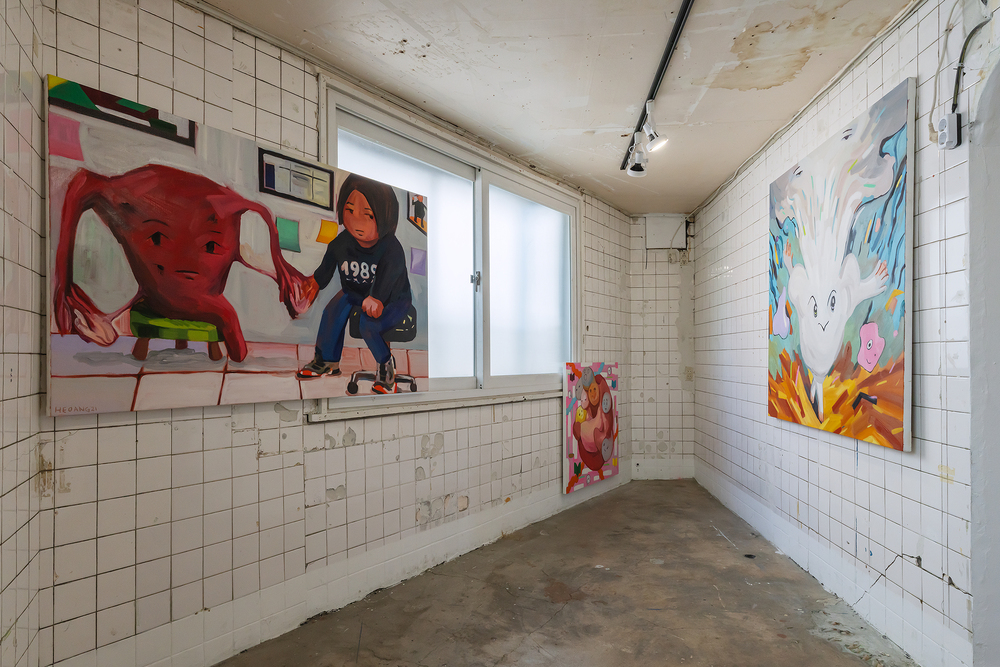
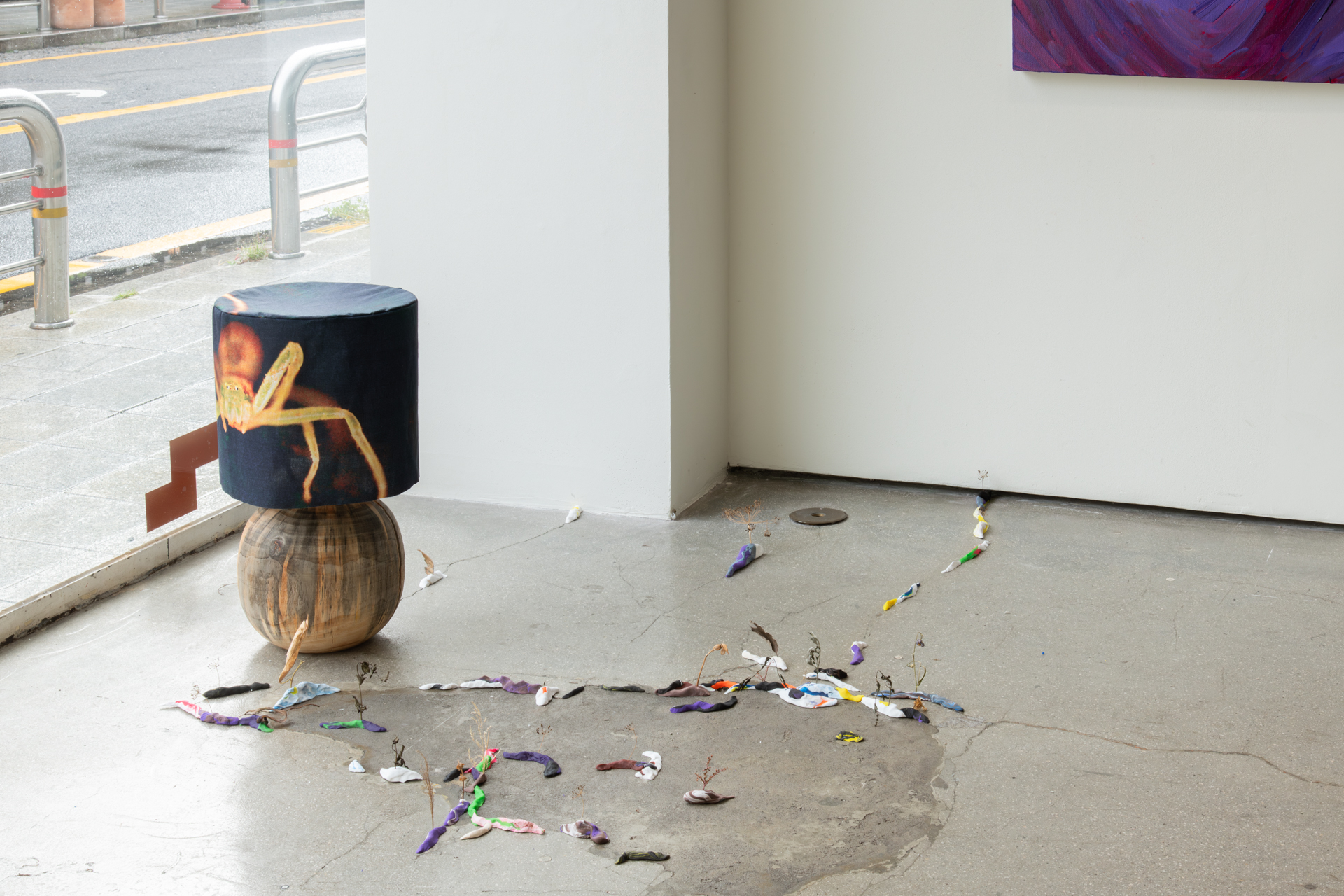
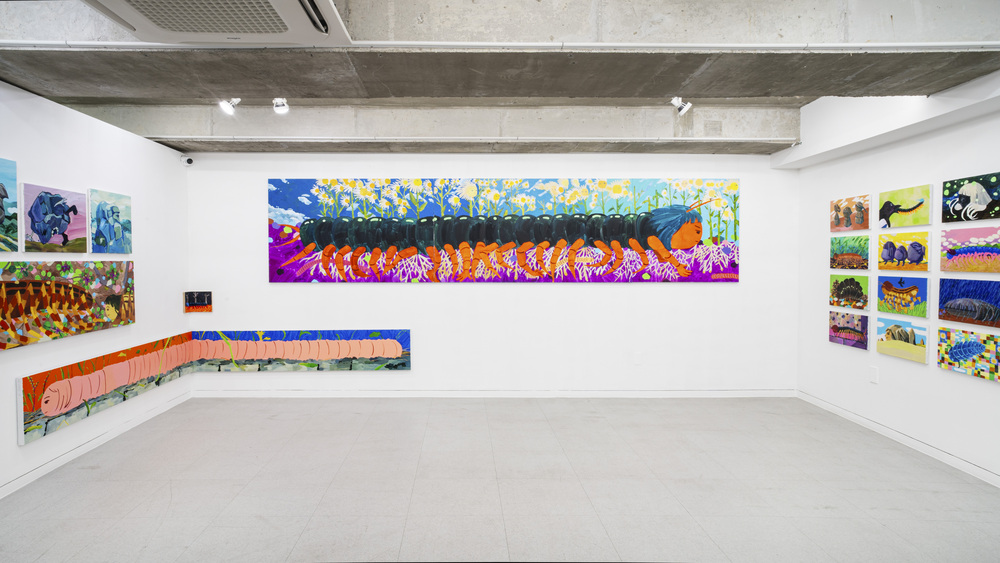
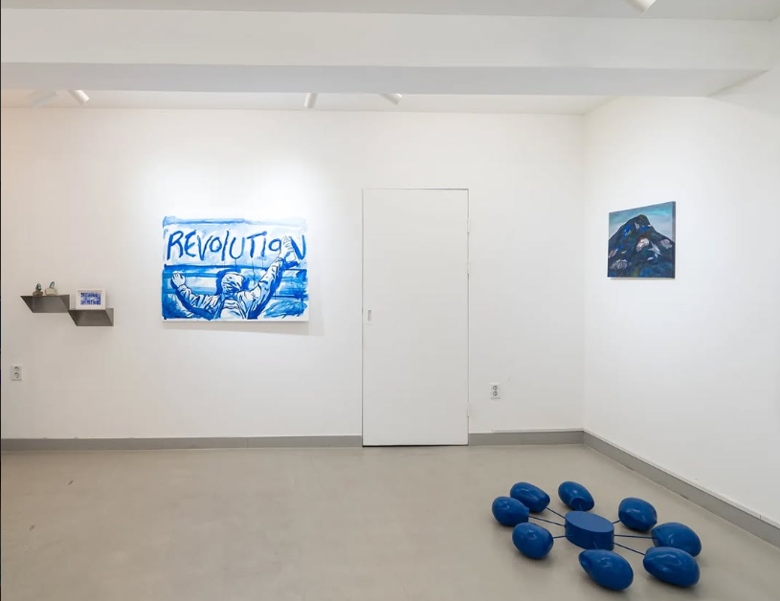
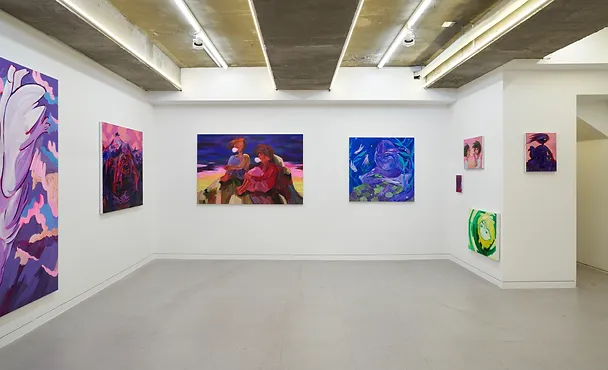
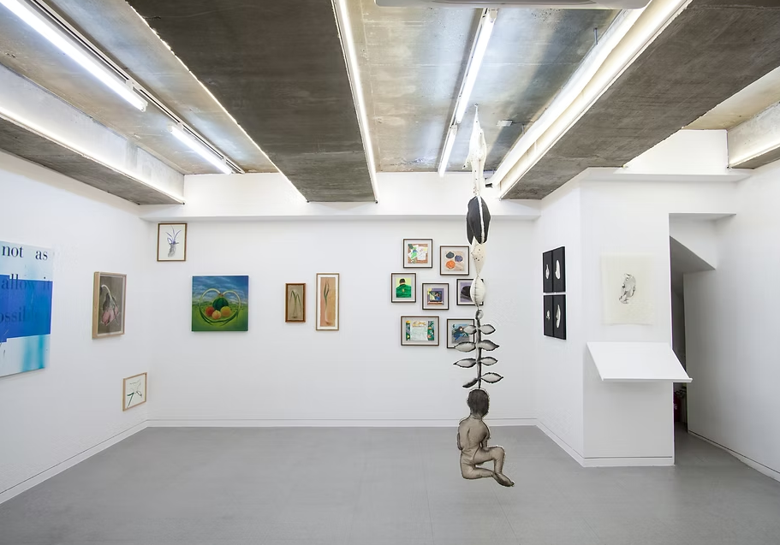
Installation view of 《Furry Ways》 (Mihakgwan, 2022) © Heoang Kim

A World That Was Near Yet Nowhere

In the mid-to-late 1990s, as more and more households came to own personal computers and the spread of the internet became active, some children at the time would always go straight home after school, turn on the computer, and enter another world. They perceived the flat screen made of pixels as a world. Roaming through an entirely different world, thinking, experiencing, and meeting friends, they learned the order of that world.

MMORPGs, a type of role-playing game, allow multiple players to access the same game server at the same time and form relationships within it. At times, for someone, this may be more important than raising one’s level, and it may itself become an essential element for leveling up. In any case, the player could assimilate into this unknowable “other world” and move in and out of it with such ease.

The game How to Become a Wizard, released in 1997 by Japan’s TGL, is also one of the role-playing training simulations in which the story unfolds as the player carries out various missions. The ultimate goal of the game is to raise the character and finally make them a “magic master,” but the process is by no means easy. To do this, one must gather herbs, combine various ingredients, learn magic, and train without rest toward the goal.

Along with the motivation of becoming a “wizard,” exploration and adventure, observation, the “missions” and “quests” given for growth, and the appropriate rewards called “items” acquired by carrying them out, an “event” appears just around the time things might become boring.

And there is also the relief and sense of achievement felt from visually confirming one’s growth through “levels.” But more than anything, the simple yet peaceful, exceedingly modest BGM made the time inside the game feel leisurely.

In this world, the child can handle various kinds of magic, including attack, search, taming, creation, nature, and natural change. Passing through the wizard’s forest and arriving at a large cliff overlooking the sea, reaching the ice castle and the thorn forest to the east, adventures are always waiting everywhere. And soon, the child becomes part of this world made of only 256 colors in 8-bit.

Here, seasons entirely different from reality flow. Earth, fire, wind, water, twilight, and then again the unique seasonal point that returns to earth are the flow of this world and the coordinates of time. From earth back to earth; if the sense of time most familiar to humans in the real world is linear, the time of this world is cyclical and metaphorical.

The changing of the seasons shows the passage of time, but this is unmistakably a world different from reality, a world that grows yet remains still. This is because time in the game circles the same place like a hamster wheel. Even so, the child loses track of time while roaming everywhere in this world to find herbs.

The flow of seasonal points in the game, from “Poem of Earth,” “Poem of Fire,” “Poem of Wind,” “Poem of Water,” “Poem of Twilight,” and back again to “Poem of Earth,” is very important to the child.

Because the herbs that can be found differ according to the season, in order to become a wizard, one must go through all these seasons, set out on adventures while risking danger to find various herbs, and study for oneself how to mix the herbs according to the manual called the “Complete Book of Magic.” The child, growing through failure and frustration, is always exploring and researching in order to become a wizard.


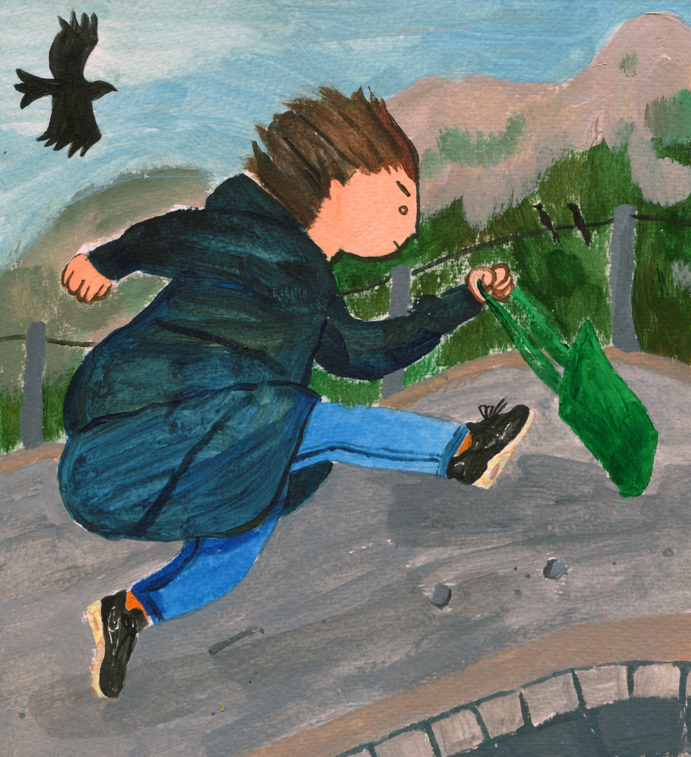
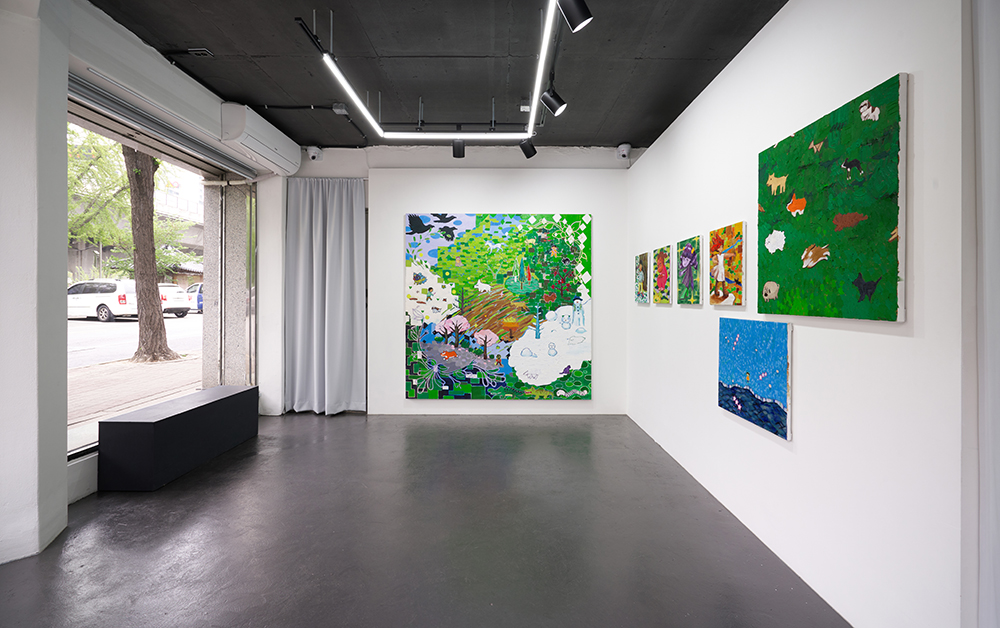
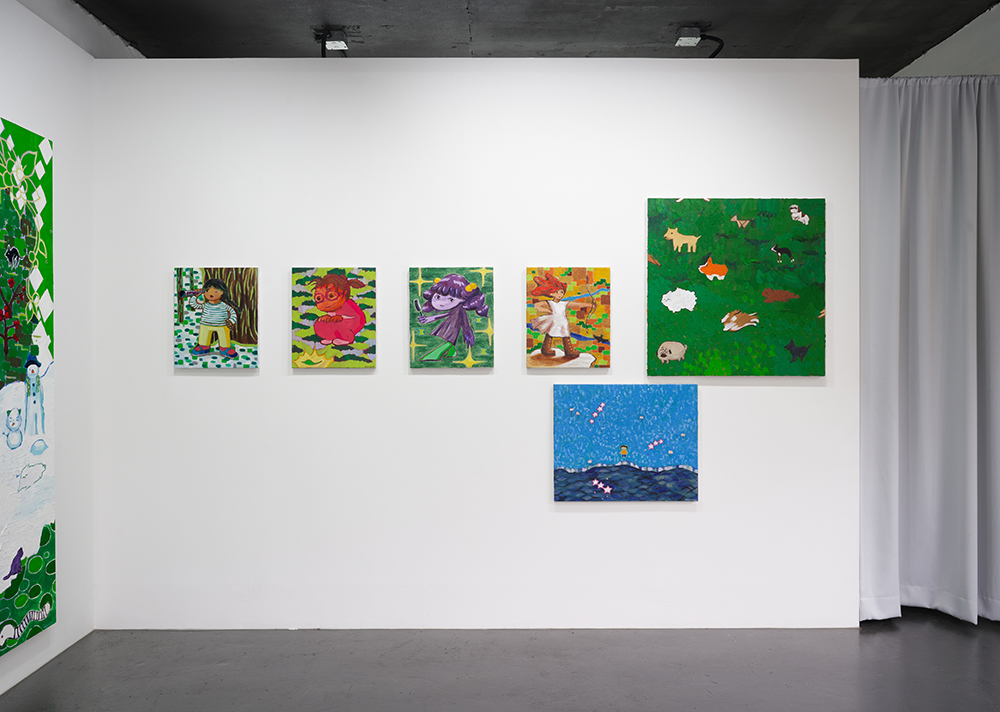
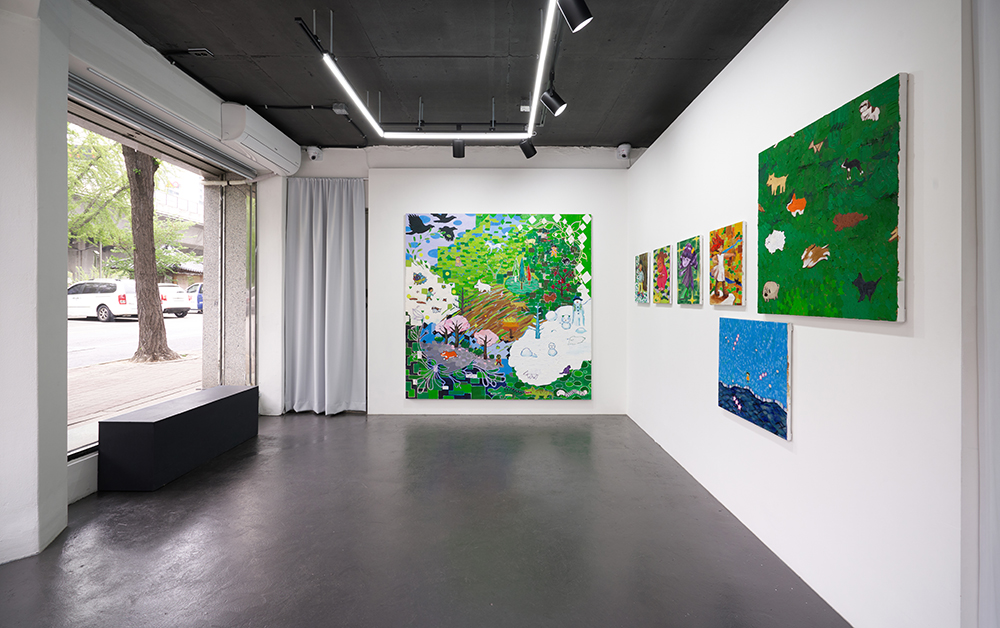
Installation view of 《Furry Ways》 (Mihakgwan, 2022) © Heoang Kim

All of this becomes utterly natural to the child connected to this world, and at a certain moment becomes important enough to replace the routines of reality. What is experienced in a fictional world is converted into a real sensation. In this world, the child learns its language and at the same time acquires its way of living, and naturally “grows.”

But as all children do, the grown child forgets the world of the past. The child who has forgotten this world, including its language, places, experiences, and relationships, only then returns to the real world. As the things that were once so important lose their value, how to become a wizard is forgotten.

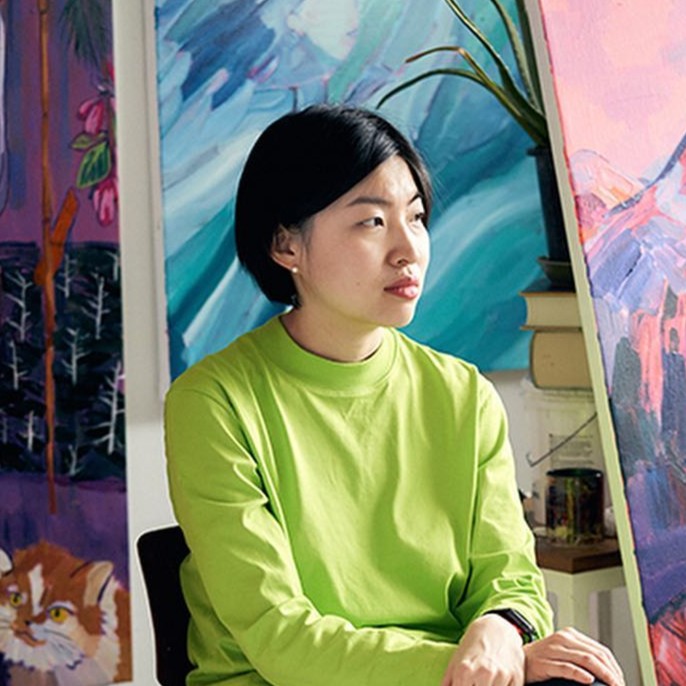
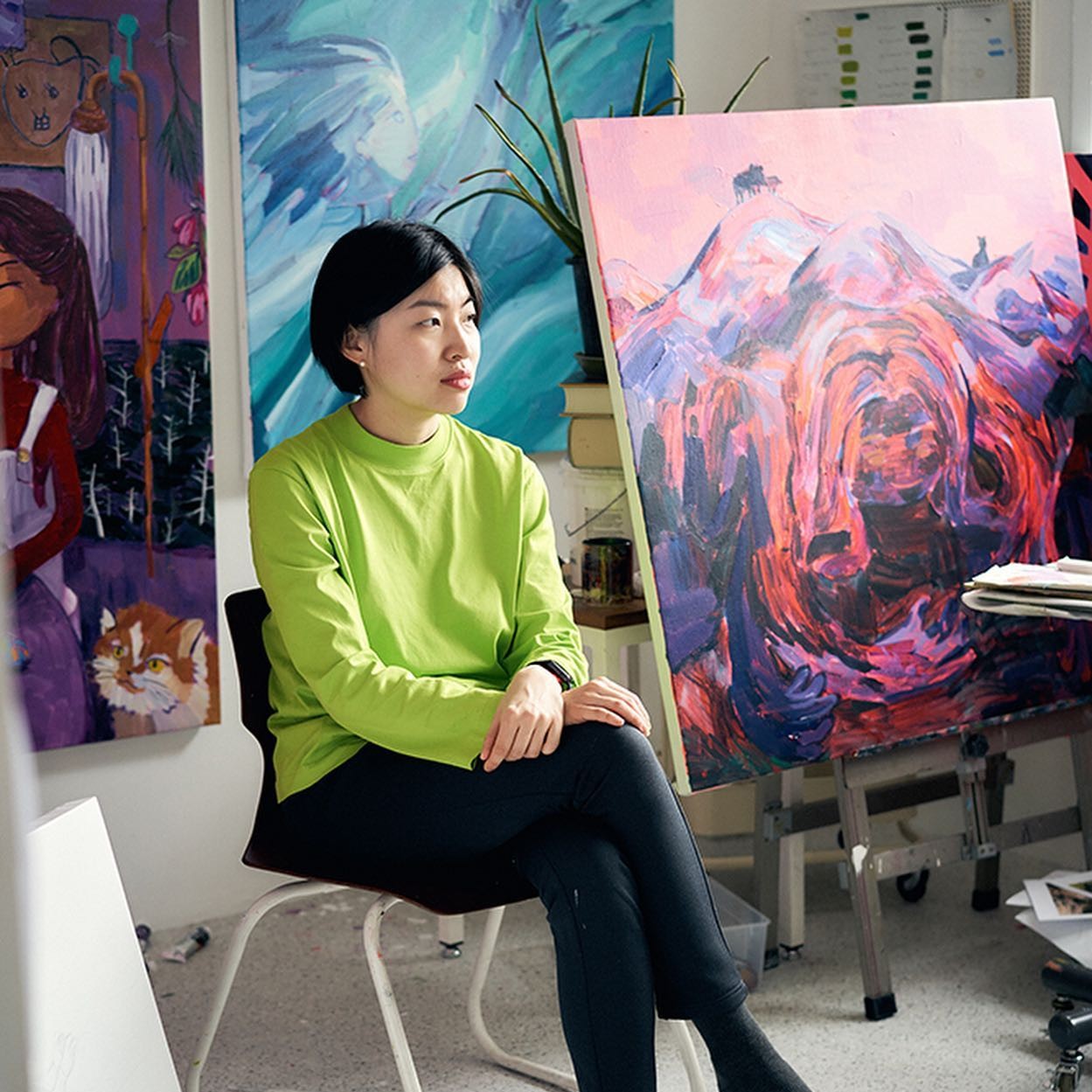
Heoang Kim mainly paints children and women, animals that live together around humans, and natural environments close to the city. Translating stories about childcare, care and housework, and the role of women into paintings, Heoang Kim lays out the stories of her own everyday life within the picture.

Since childcare, housework, and the role of women are not only the life of one individual, they are sufficient to draw out social and political discourse. Yet in Heoang Kim’s paintings, there are neither claims prepared to form some heavy discourse on this nor questions prepared to tear one another down.

Rather, she reveals, with self-mocking laughter like black comedy, the changed image of herself brought about by a woman’s childbirth and childcare, and by the same housework repeated every day, as well as the exhaustion and fatigue that arise from it.

By contrast, the children in Heoang Kim’s paintings are all confident. It is always the adult’s role to be tired and tearful; the child, instead, always looks at the world more directly. With an unwavering gaze, confidently, they seem like players who know exactly what their goals are. In 《Furry Ways》, Heoang Kim unfolds an imagination of a completely different world in a slightly different way than before.

“Furry Ways” represents the world the artist has found again through her memory of this old game, as well as a world she cannot go to. The children who appear here all overlap with players in a game.

The world of death imagined through the death of her longtime companion dog resembles the place where the artist enjoyed taking walks in childhood. She imagines the world of dogs that we commonly picture, what the world after death beyond the rainbow bridge might be like. And she rediscovers, in the child and in the player, the figure of a human exploring this new world.

Map of Beyond(2022) points to the branching point where, at the fork in the road called death, the worlds to which each belongs clearly become different. It began from the premise, “if one could connect to a place one cannot go,” but the place arrived at is nowhere. If death ultimately means returning to the earth again, has the player experienced all the seasons of this world? How much more training remains now?

But in the real world, where one cannot check how many levels remain until the goal, there are no missions, no quests, no items, and no events. From the death of a companion animal and from that loss, the artist imagines again.

She thinks again of the world beyond that had been nearest, the world one could go to with just one click from the tip of a finger, the world where another time flowed beyond the monitor. Yet here, there is a map, but no way to go.

Because human memory never stops being reestablished as it retraces the past, the temporality we feel is certainly cyclical, but real time is still linear. The loss that begins from death will perhaps continue to be recalled and circulate within memory, but, heartlessly, time soon flows again in a straight line.

The world Heoang Kim has found again was closest to the child, but in the end it is a place that is nowhere. Still, the child will grow while exploring that place.

To you, whom I cannot see again, XOXO.

Text. Lee Seulbi

References