A total of fifteen Korean artists will participate in the 《2005 Venice Biennale》, which marks its 51st edition this year.
The Korean Pavilion, opening on June 10, will present works by Choi Jeong Hwa, Bahc Yiso, Park Kiwon, Yeondoo Jung, Sung Nakhee, Sora Kim, Gimhongsok, Sungsic Moon, Park Sejin, Oh Hein-kuhn, Bae Young Whan, Jewyo Rhii, Kim Beom, NAKION, and Ham Jin.
Held at the Korean Pavilion in the Giardini, the exhibition, titled 《Secret Beyond the Door》, explores how contemporary Korean art has acquired a sense of global contemporaneity and transformed its identity in response to social and cultural changes in Korea.
To frame the exhibition, commissioner Kim Sunjung adopted the traditional Korean architectural concept of “chagyeong” (borrowed scenery).
Drawing on the idea of naturally incorporating external landscapes into an interior space, Kim sought to present, as a single landscape, the attitudes and working methods of artists who have experienced and embraced the changing cultural conditions both within and outside Korean art since the 1990s.
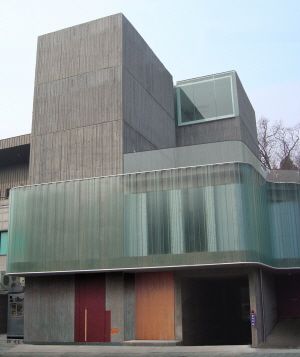
This concept was also applied to the interpretation of the pavilion’s architecture. Choi Jeong Hwa installed stacks of red plastic baskets on the pavilion’s roof, creating the appearance of a massive fortress wall, while Park Kiwon wrapped the building’s façade in translucent jade-colored FRP panels.
Through these interventions, the Korean Pavilion itself became another sculptural form, harmonizing with the surrounding Venetian landscape and engaging visitors in a new way.
Choi also presented Lotus, made from plastic tarpaulin, behind the pavilion.
The late Bahc Yiso exhibited World Chair, featuring a world map drawn onto a deliberately cramped chair. Yeondoo Jung presented a slide-projection work depicting the lives of Korea’s middle class residing in identical apartment complexes.
Sung Nakhee created mural-like drawings across columns, ceilings, and windows within the pavilion, while Sora Kim presented a music video in which Korean popular songs were translated and performed in Spanish. Gimhongsok exhibited a large egg-shaped structure inspired by a Korean birth myth, examining what occurs when narrative texts are translated into another language.
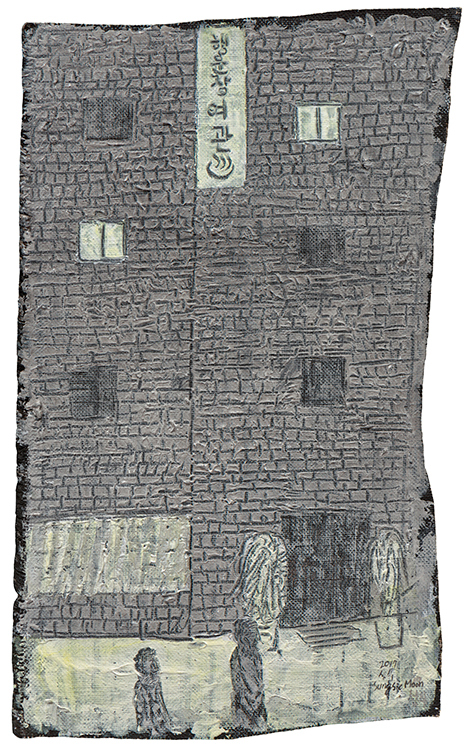
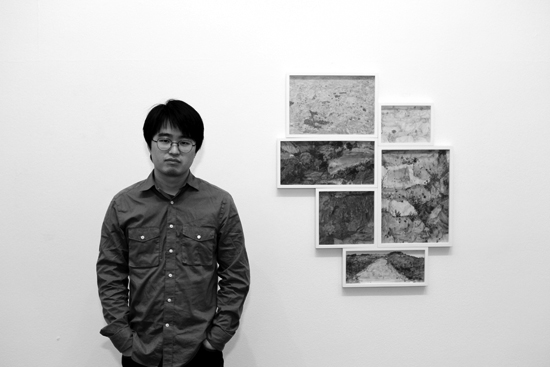
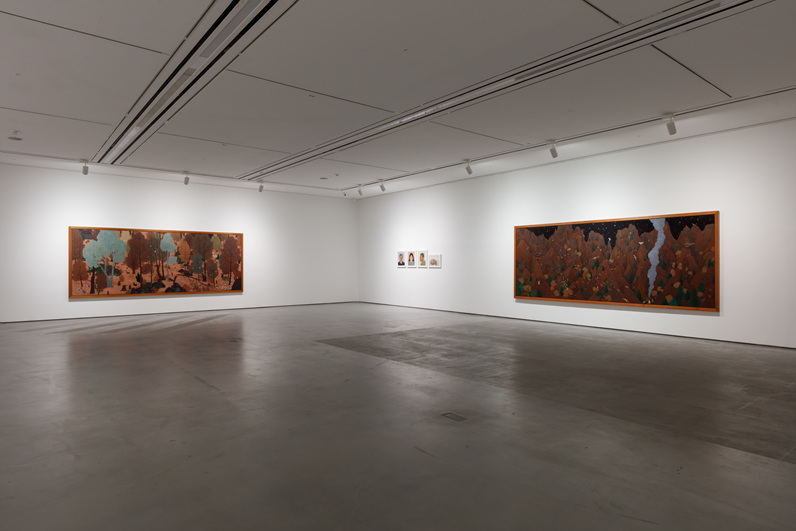
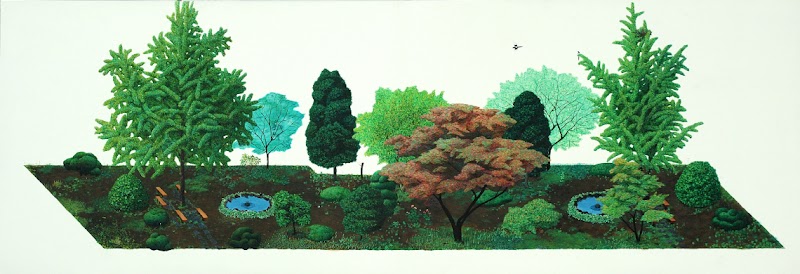
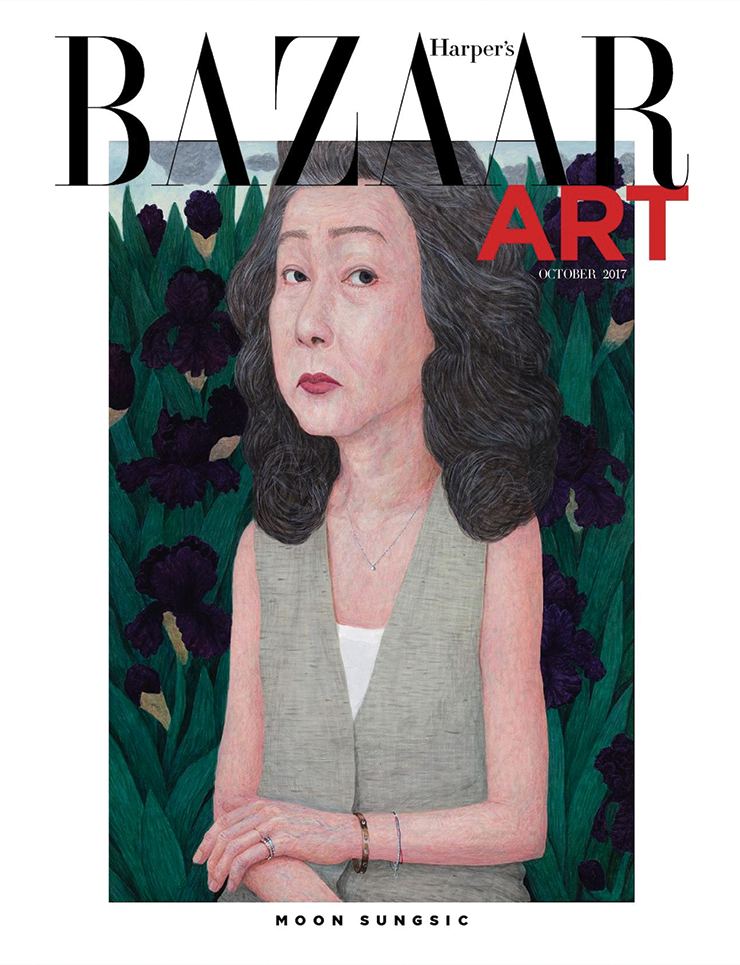
Sungsic Moon presented works that reinterpret landscapes naturally embedded in everyday life. Park Sejin exhibited works addressing the physical, environmental, and natural transformations brought about by human labor, while Oh Hein-kuhn recreated with his camera the filming locations of the movie A Petal, which dramatized the Gwangju Democratization Movement.
Bae Young Whan’s Pop Song Project juxtaposed key scenes from Korea’s democratization movement with songs that had once been banned, blurring the boundary between reality and fiction. Kim Beom, through object-based and book projects, explored the stereotyped mental structures formed in the wake of modernization.
Also featured were works by NAKION, known as an underground DJ and designer, and Ham Jin, whose playful works transform easily overlooked everyday objects into imaginative artistic forms, welcoming art professionals from around the world visiting the Venice Biennale.
“While grand narratives dominated Korean society in the 1980s, artists’ working methods and attitudes changed significantly during the 1990s. I wanted to show that transformation,” said commissioner Kim.
Rather than forcing the participating artists into a single thematic framework, the exhibition aimed to present them as they are. However, with internationally renowned artists such as Gilbert & George participating in this year’s Biennale, it remained to be seen how the Korean Pavilion—bringing together a diverse group of artists—would be received by the global art community.
Meanwhile, the 2005 Venice Biennale was directed by María de Corral and Rosa Martínez. In the international exhibition curated by Rosa Martínez, titled 《Always a Little Further》, Kimsooja participated alongside forty-eight artists from around the world.