Even in an era when each new day seems to bring astonishing news of paintings selling for extraordinary sums, painter Sungsic Moon’s fantasy is not about market success. Rather, it is about returning to a time when the simple desire “to draw” was reason enough to make art.


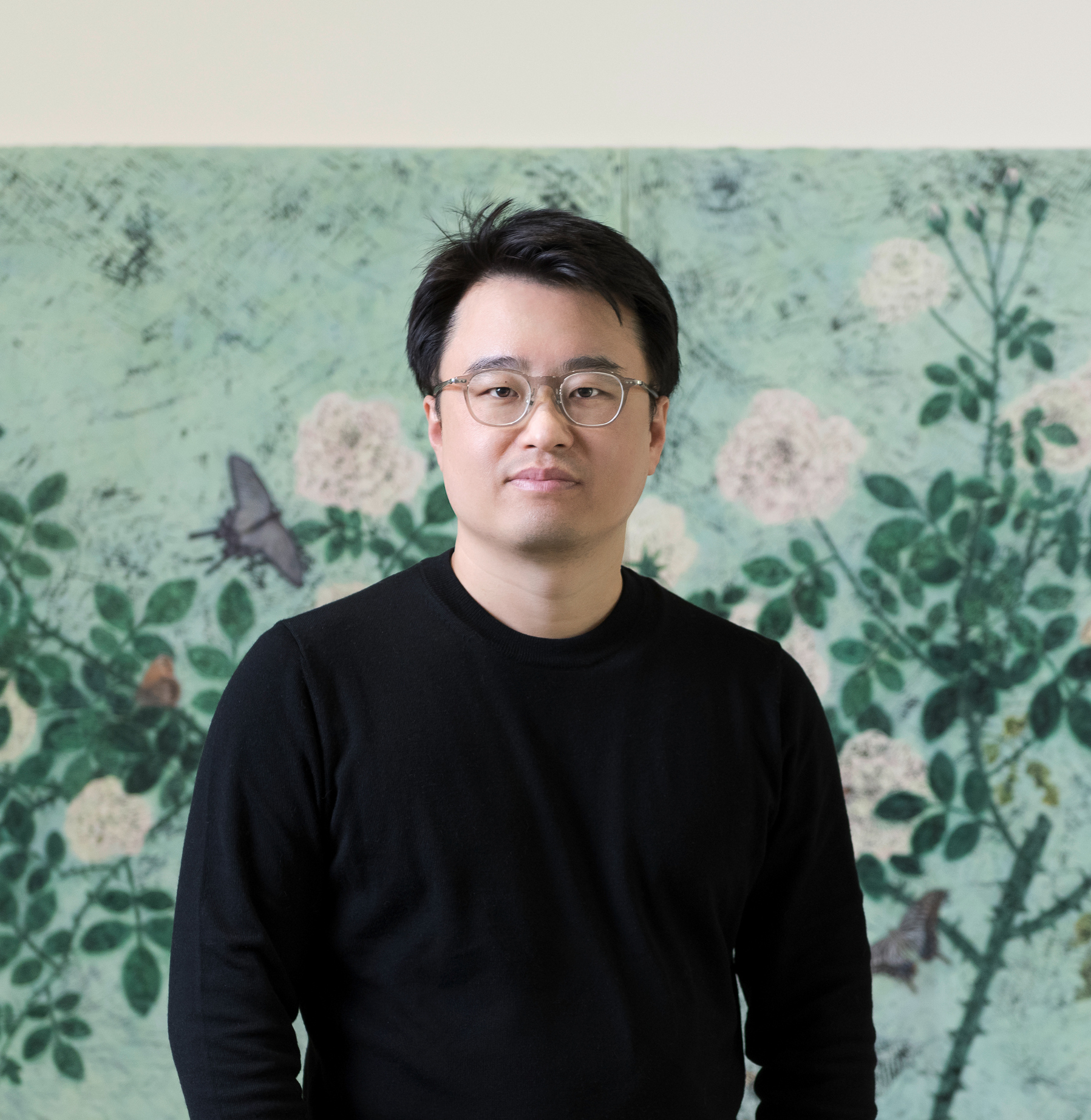
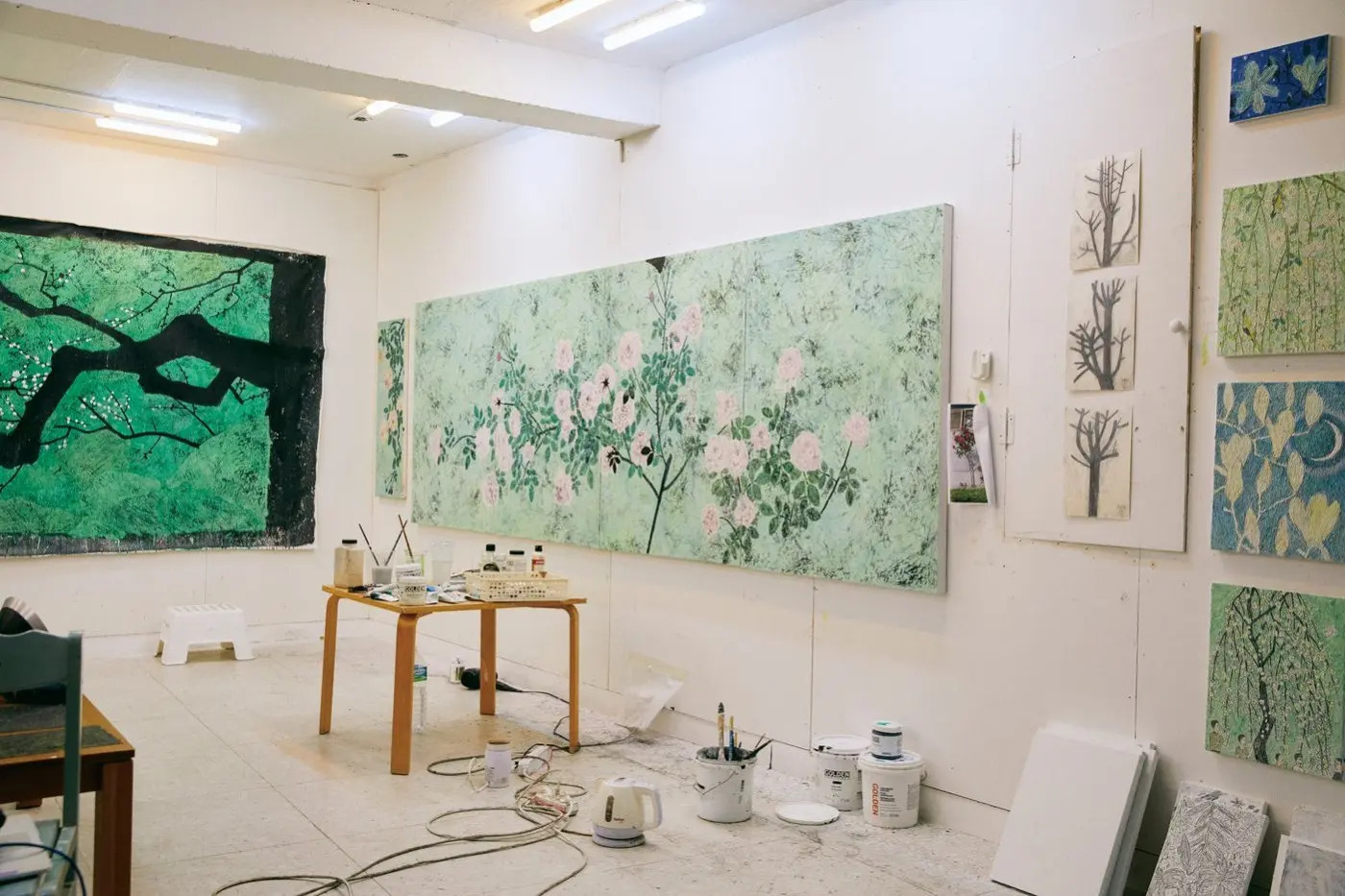
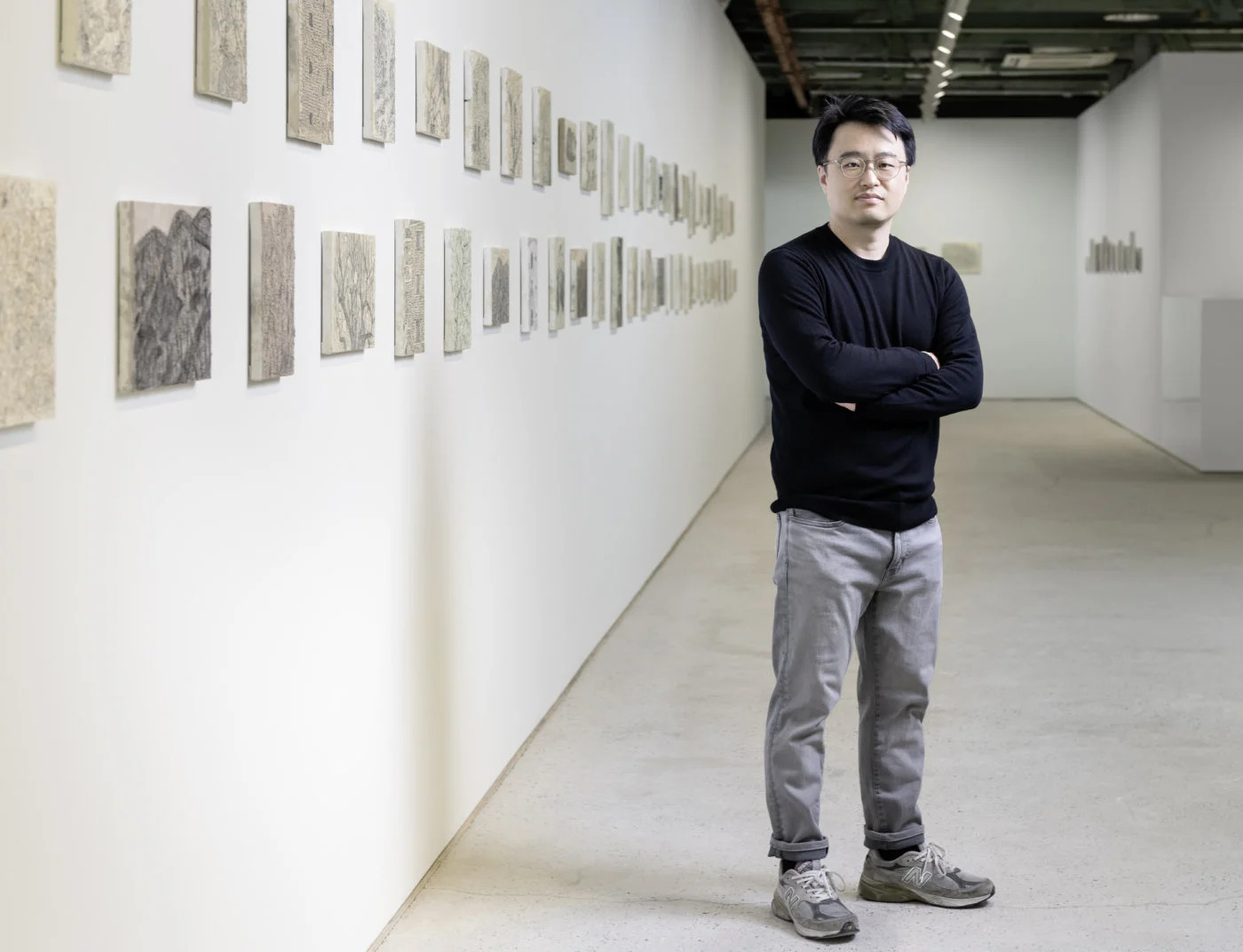
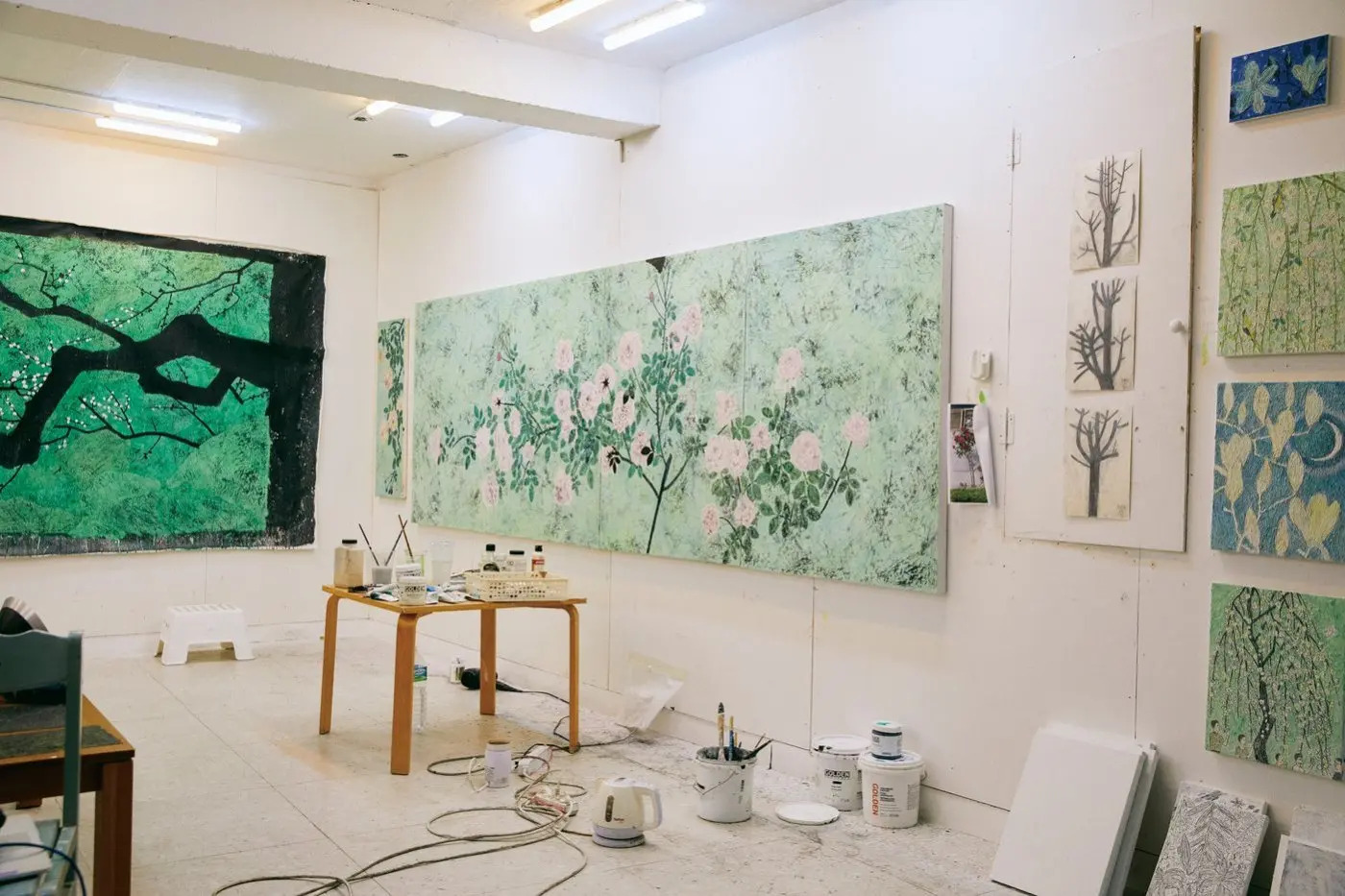
Sungsic Moon's Studio © Sungsic Moon

“The feeling of wanting to draw is incredibly complex. I draw because I have something to say. I draw because something is beautiful. I draw because something is wonderful. I draw because I miss it.”

I have rarely encountered a confession from a painter that is so honest, sincere, and deeply moving. This single statement leads me not only toward the motivations and energies that drive the artist sitting before me, but also toward the inner lives of countless artists I have never met and intimate moments from lives I have never lived. It stirs something deep within.

Furthermore, it encompasses the very reason painting has persisted—from prehistoric times when images were painted on cave walls to the present day, when a major art magazine might name an NFT rather than a person as the most influential cultural figure of the year.

Above all, by making “wanting to draw” the subject of the sentence, Moon points toward a fundamental truth: that the desire to draw is what makes possible everything else that art history, critical discourse, and contemporary art theory seek to explain.

If painting is indeed the most human of artistic forms, it is not simply because great works exist, but because painters themselves have laughed, cried, despaired, and rejoiced in response to a desire they could neither suppress nor fully comprehend.

About five years ago, Moon relocated from Seoul to Busan for precisely this reason—to prevent the desire “to draw” from being overtaken by the obligation “to produce.” His studio, a space where the scent of paint seems embedded in the walls, is a place where brushes and pencils coexist with unfinished works in a state of productive tension. It is also, in a sense, a bunker designed to preserve the painter’s desire in its purest form.

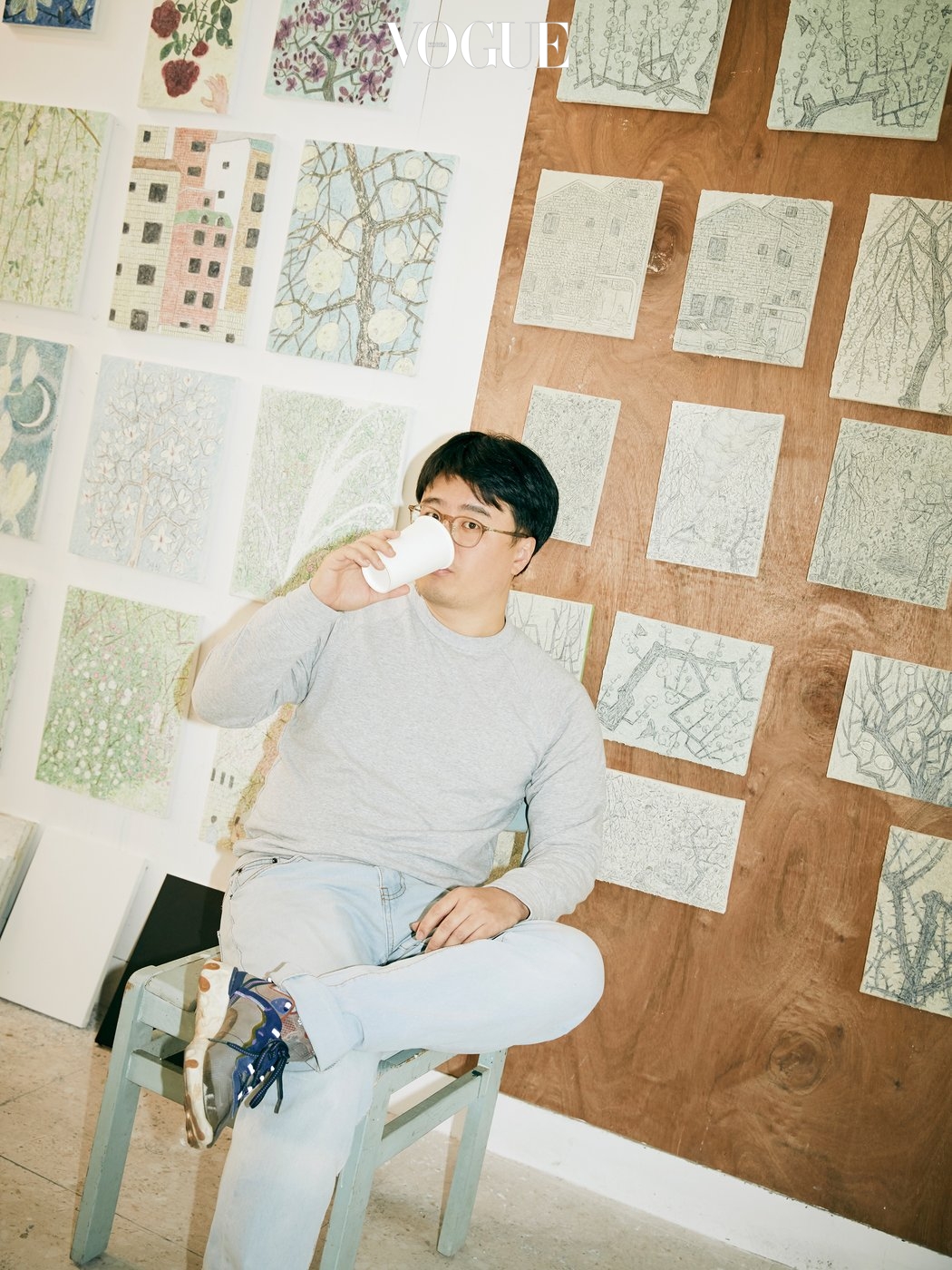
By physically distancing himself from the complexities of the art world, Moon found a new freedom. He explained that it was only after settling in Busan that he was able to develop the new techniques and visual language that appeared in his 2019 solo exhibition at Kukje Gallery. Inviting me to sit in a sunlit corner of his modest studio, Moon served a cup of fermented coffee, whose slightly earthy flavor carried a distinctive appeal.

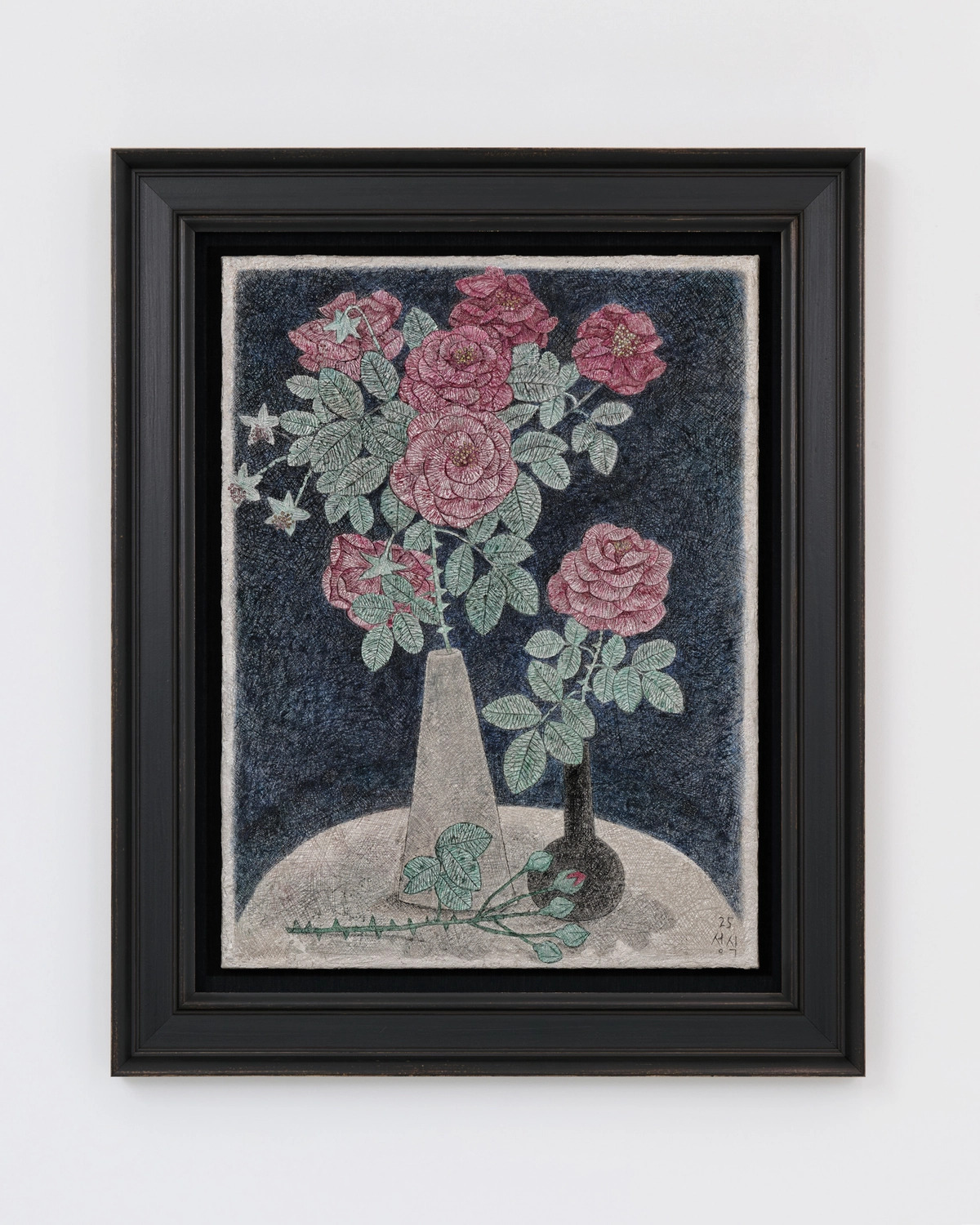
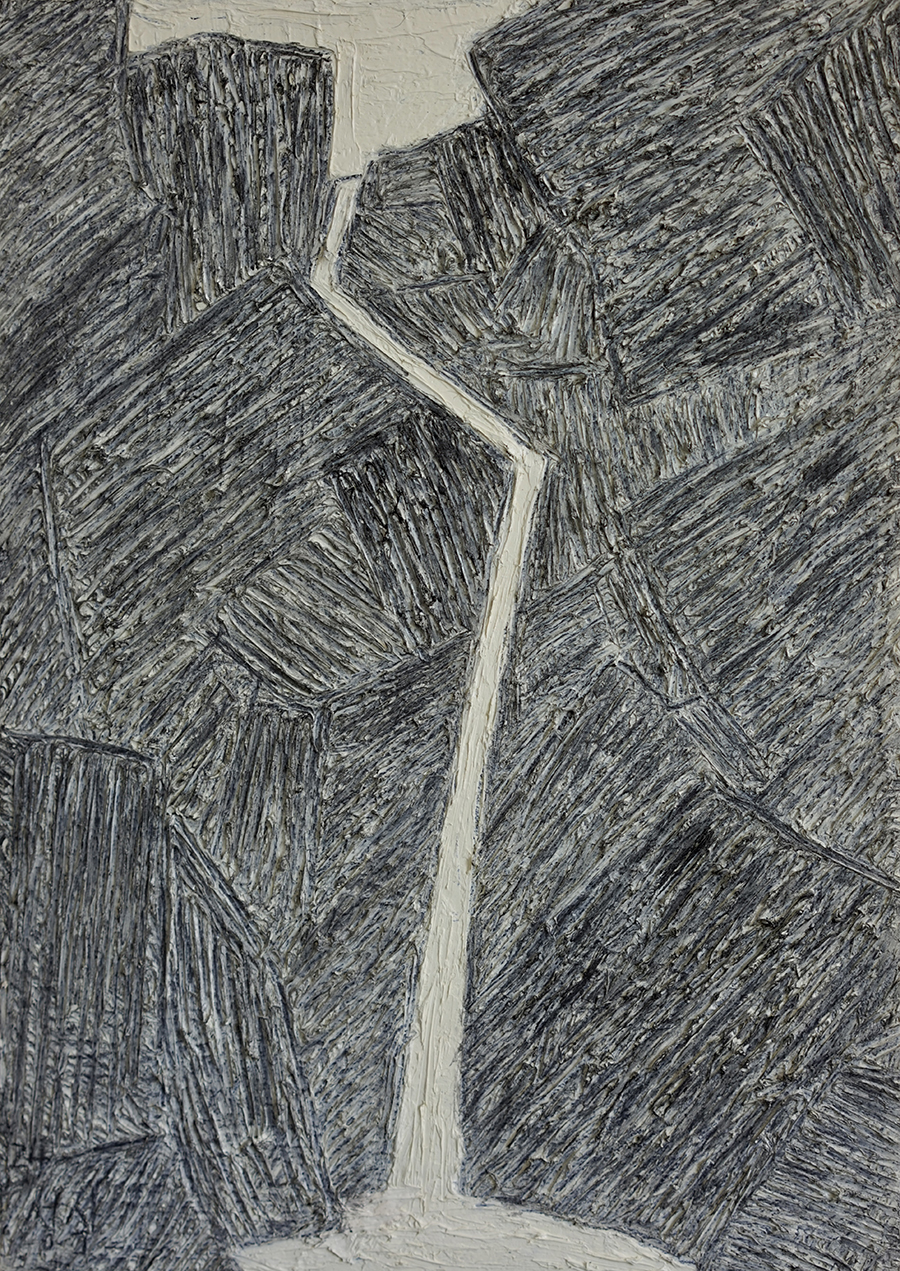
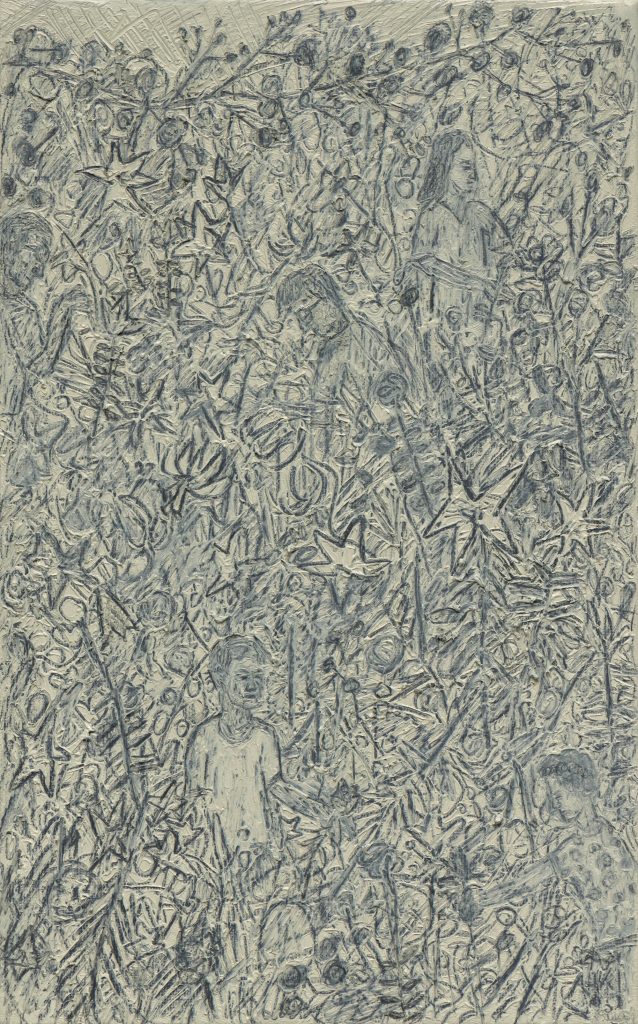
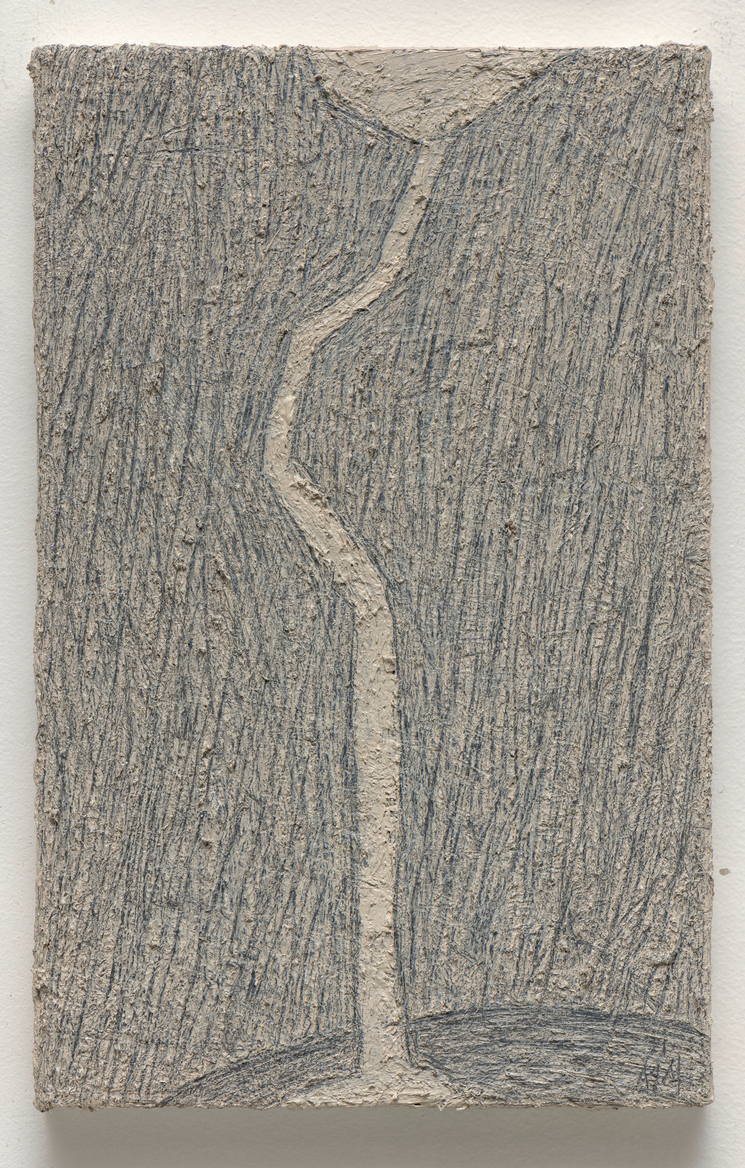
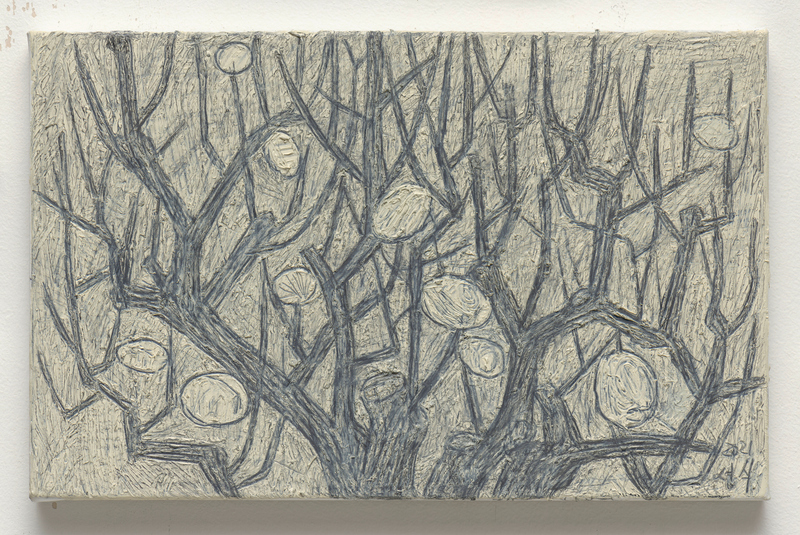
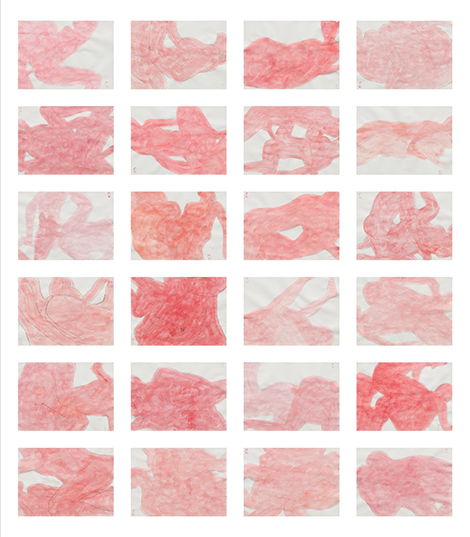
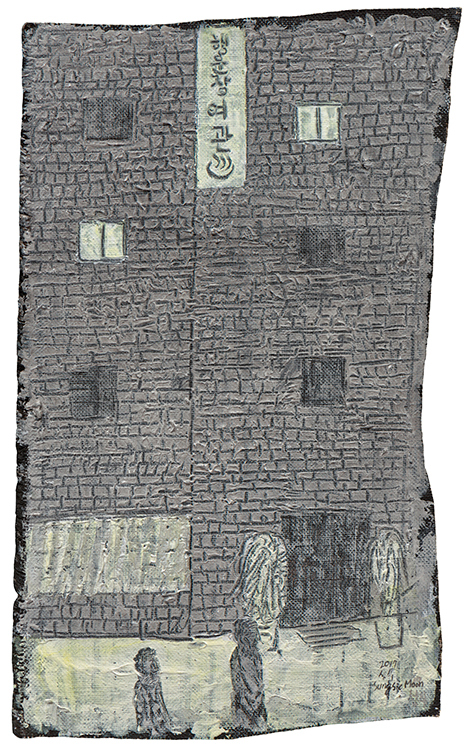
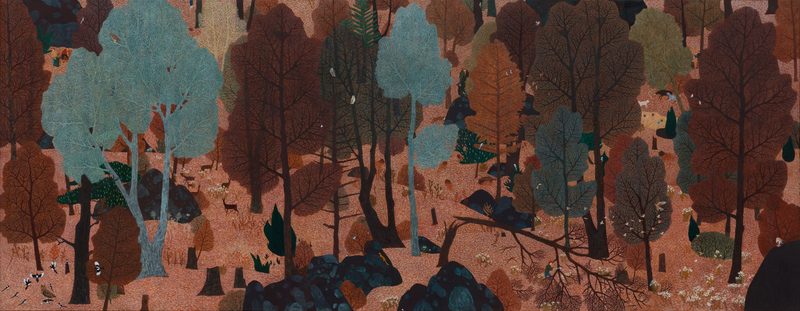
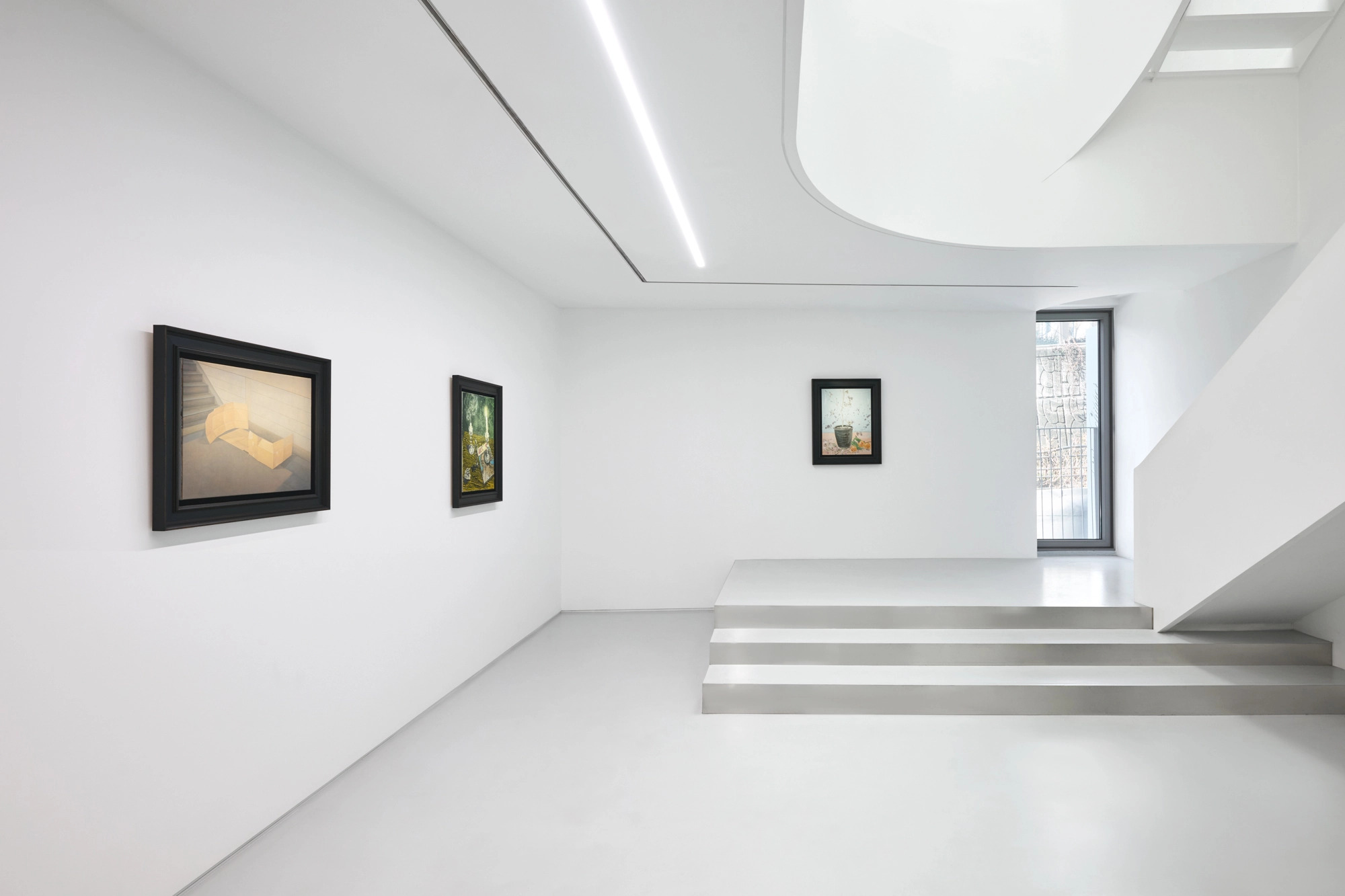
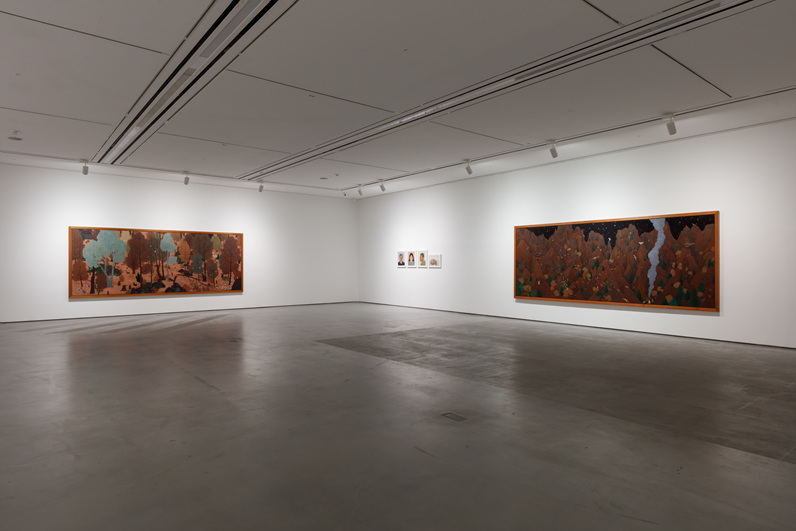
Yet even in this setting, he admitted with a sigh that preparing for exhibitions remains far from easy. Several large-scale works employing scratch techniques derived from both Eastern and Western artistic traditions, along with numerous intimate drawings made by scratching into an oil-painted surface with pencil, announced the arrival of a new chapter in Sungsic Moon’s practice.

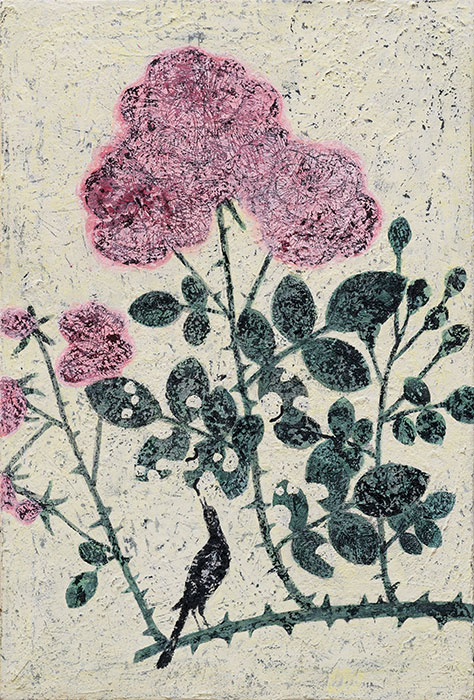
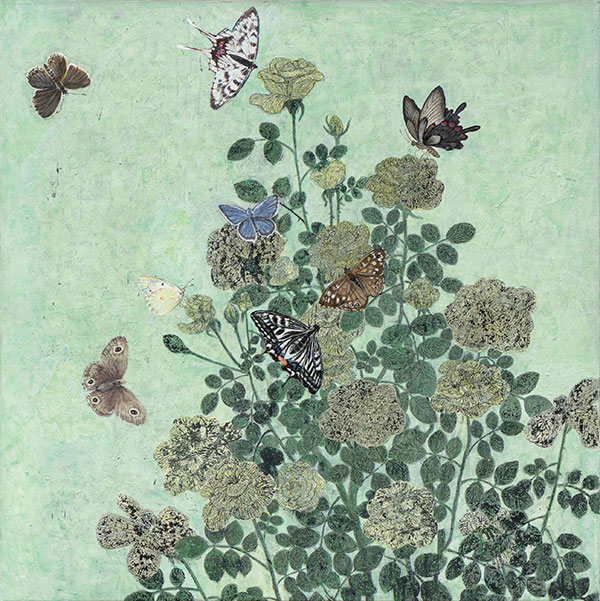
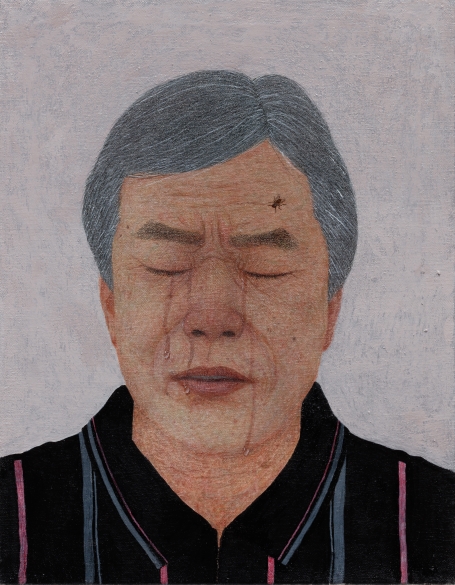
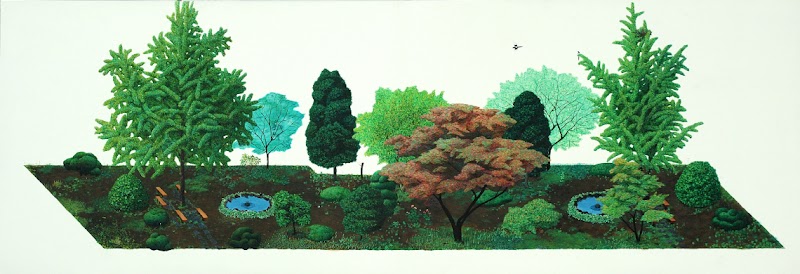
Compared with his earlier signature works—pencil drawings that rendered sharply honed memories through seemingly casual lines, or oil paintings that disregarded conventional perspective in favor of meticulously filling every corner of the canvas with obsessive detail and brushwork—these new works are less virtuosic or polished. Instead, they breathe with a distinctive modesty and vitality.

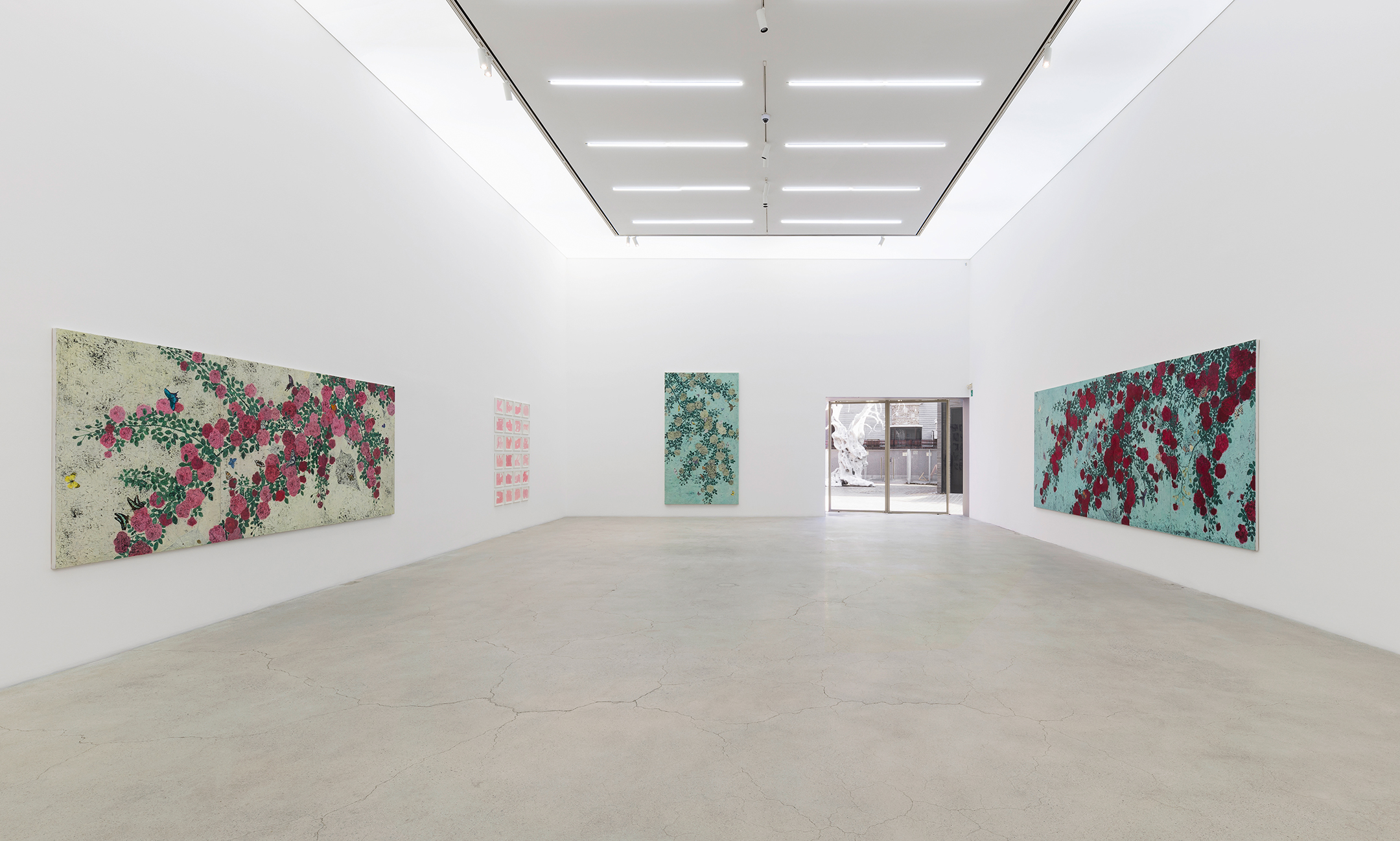
In his first solo exhibition in Busan, opening on January 21, Moon will continue to develop this approach, presenting what he describes as “technically advanced works, with deeper blacks, additional bleeding effects, and expanded scratch techniques.”

Yet more significant than the question of how formally resolved these paintings have become is what they signify: that the artist has gained, however tentatively, a sense of confidence in a newly discovered path. Viewers encounter paintings illuminated by a quiet conviction, one earned through sustained encounters with curiosity and uncertainty.

“I spent a long time thinking about what it means to be myself. In Busan, I feel as though I’ve come a little closer to that. If originality lies in the methodology through which I see and interpret the world, then my conclusion so far is that it all comes down to line. Every line contains both chance and necessity.

I came to believe that the essence lies in expressing something through the act of drawing lines in different ways, while everything else is merely something I devise through clever planning. That realization led me to develop these drawings made with pencil on an oil-painted ground. Because the work must be completed before the paint dries, it also requires a greater degree of intuition.

Rather than describing an object by following its appearance, I translate what impressed me into intuition and idea. In the past, I was overly cautious about making gestures. Only now do I feel that I understand that sensation. For a painter, the ability to move—to draw a line with force and confidence—is tremendously important. Through that process, I found courage.”

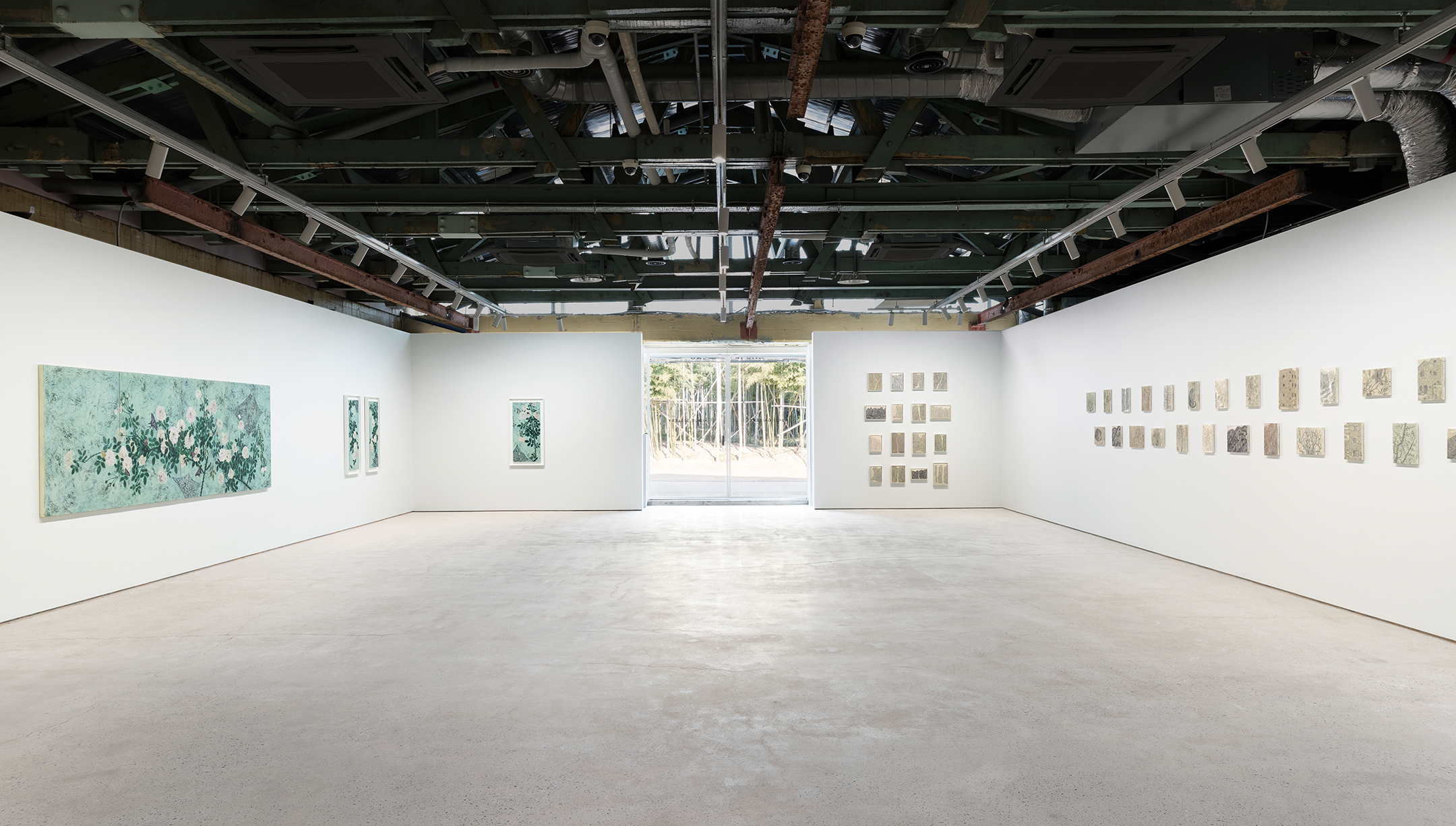
The dozens of drawings, roughly A4 in size and densely arranged across walls of lauan plywood, are therefore traces of the “clues to courage” that Moon has discovered.

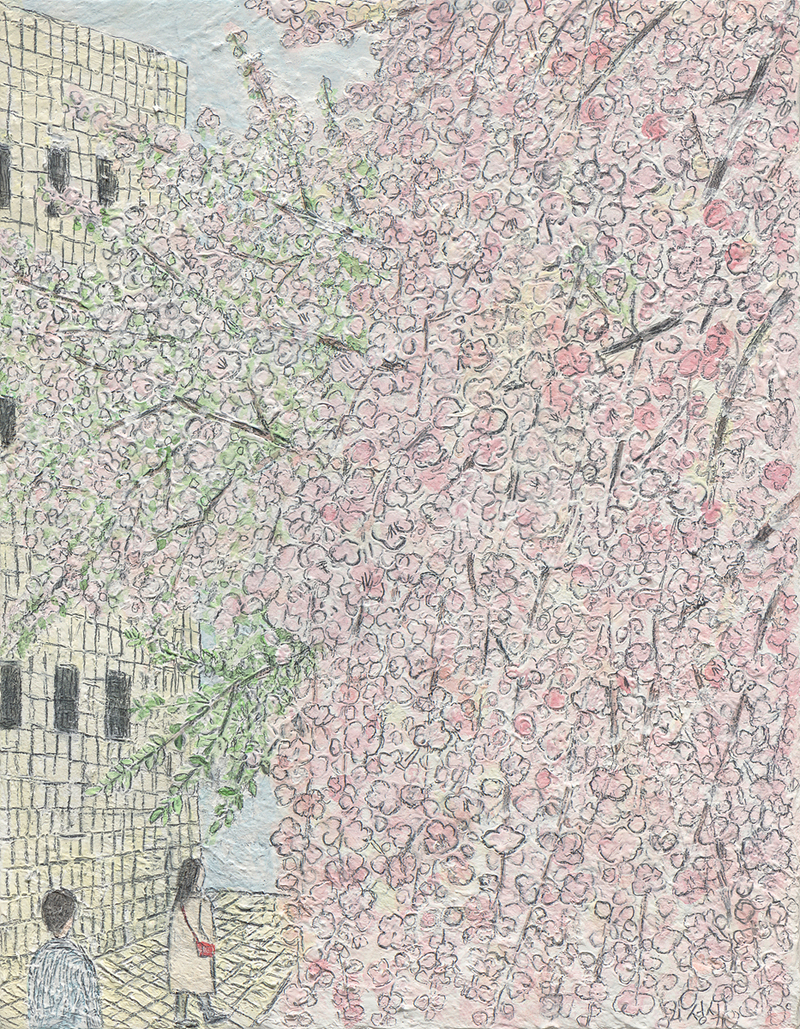
Flowers, gardens, waterfalls, mountains, clouds, brick houses, embracing couples, cats, orchards, tree stumps, flowering trees, and family members gathered for his mother’s seventieth birthday celebration—these are fragments of everyday life encountered in passing, scenes that “become part of the past as soon as today ends,” subjects that are “so ordinary and trivial, yet profoundly fair.”

Such motifs are among the most universal elements that constitute the world. Yet Moon’s ability to recognize their particular universality and transform it into painting remains one of his defining strengths. Since childhood, observing life, fate, and the countless major and minor problems of existence has been a kind of amateur philosophy for him.

As he puts it, these were not the concerns of a great philosopher but “the reflections of an ordinary human being.” Such reflections became visual examples of life’s uncanny qualities and inherent ambiguities, unfolding across the canvas.

What has changed is this: whereas the earlier works depicted memories deeply embedded within the painter himself, accumulated and preserved over long periods of time, the current works transform vivid scenes captured through the painter’s gaze into memories belonging to the painting itself.



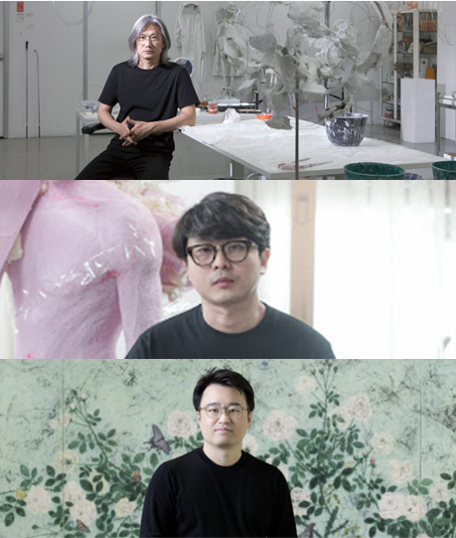
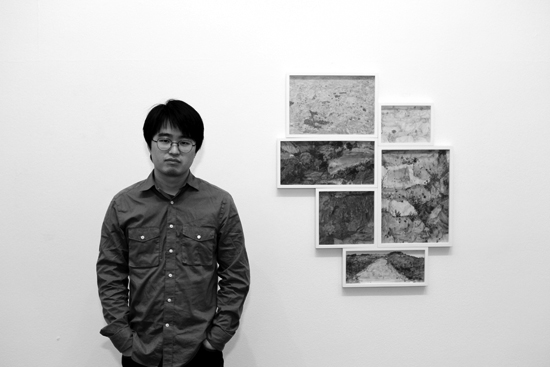
The Artist © Sungsic Moon

“The spontaneity of drawing feels deeply contemporary to me. It intervenes in the flow of time and memory. I regurgitate what I have seen and inscribe something into the surface, and then the material dries and hardens, surviving longer than I do. I think one of the most important tasks of a painter is to allow the vividness of today and the fleeting emotions of human beings to become fixed exactly as they are.

Think about Van Gogh’s pencil drawings or watercolor drawings. Van Gogh was a pure painter, moved more by intuition than by logic. He drew ordinary, unremarkable scenes from everyday life, yet the lines remain preserved in such an exuberant state that they become transformed into the very existence of the painting itself. Even after hundreds of years, those lines still feel astonishingly fresh.
I truly love that. In a similar sense, I draw a great deal of inspiration from painters of the past. Their works are profoundly rooted in their own times and deeply truthful. My current challenge is to combine, almost chemically, Park Soo Keun’s sculptural and artisanal sensibility with Lee Jung Seob’s painterly brushwork and sense of movement, and transform them into something suited to our own era—something unmistakably my own.”

The painter’s act of making marks encounters the materiality of the picture plane and ultimately remains as an object endowed with the physical presence of a painting. When standing before such an object, my thoughts may attempt to follow art historical frameworks and systems of meaning, yet my emotions are ultimately amplified at the moment I become directly aware of the person who made it.

More than the realization that “this is an excellent painting,” there is a deeper resonance in the thought, “someone was here, painting this.” It is in that moment that the temporality of the painting and the temporality of the viewer intersect with remarkable precision, sending subtle ripples through the atmosphere of everyday life.

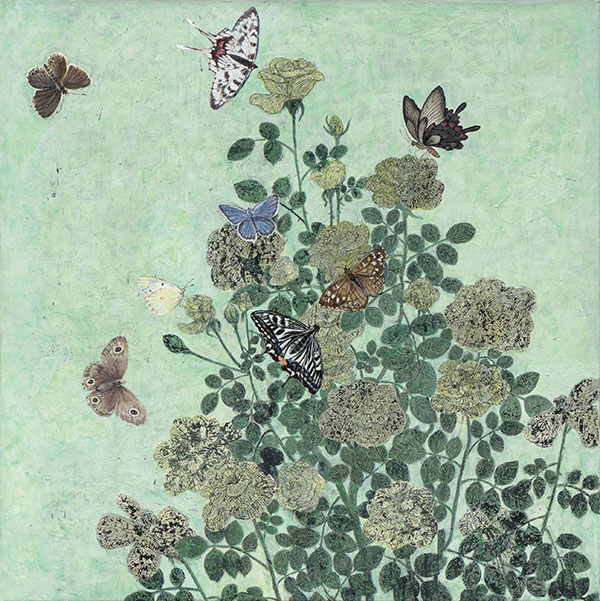
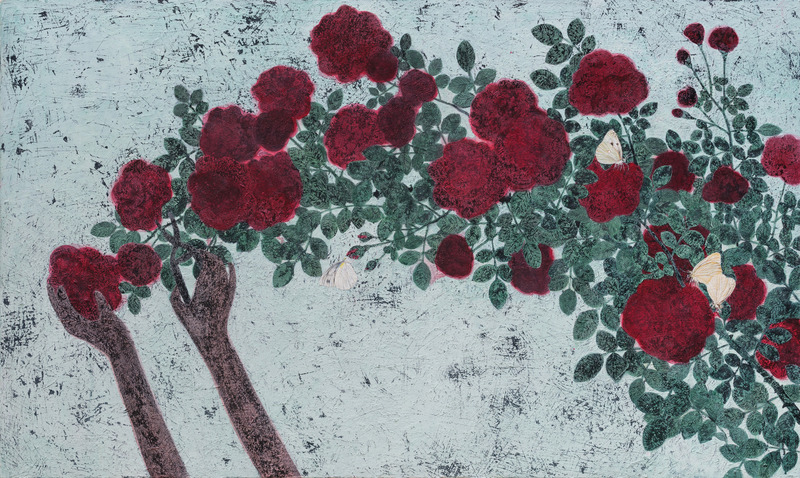
For this reason, painters embed their own agency into their works through distinctive aesthetic languages—what we commonly call style or painterly language. Moon’s particular mode of agency likewise vibrates quietly between canvas and hand. The lines incised into thickly painted surfaces with a sharpened pencil seem almost to writhe and move, while the image acquires a relief-like dimensionality.

Sungsic Moon’s paintings bear clear witness to the desperate movements of eye and hand, body and mind. They stand as unmistakable proof that the artist was present, fully engaged in the act of making.

“If you visit places like old prisons, you can still find words scratched into the walls—phrases like ‘I want to get out.’ You can feel the human will embedded in those marks, the desperate cry of someone who felt compelled to inscribe something into a hard surface. My paintings are ultimately made through a similar act of scratching.

Perhaps my own breathing, my gestures, all the small movements I made upon the surface remain there as traces. I wanted viewers to see more clearly the trajectory of a painter who longed to move a brush across this surface. And with works like these lightly colored drawings, I hoped people might sense how refreshing and liberating the act of making them felt.

A painting acquires vitality when the artist, as a human being, pours energy into it through sustained acts of painting. The exchange of energy that remains meaningful across any era—that may be what I am able to offer.”

For an artist, changing one’s style is a major event. It involves more than altering a method or formal language; it may require the rejection of parts of oneself and the willingness to disappoint those who have long supported one’s work. Yet for Sungsic Moon, “painting” seems always to have been a larger and more fundamental concept than “being an artist.”

Throughout his thirties, he wrestled relentlessly with questions such as: What is a painting? What does it mean? What stories should it tell? What kind of feeling should it embody? His desire was to inscribe a sense of presence into painting itself. Ironically, however, he possessed little aptitude for enjoying the presence he had already established within the art world. At the point where he felt he could no longer continue painting in the same way, reputation offered little comfort.

Around 2005, while attending graduate school at Korea National University of Arts, Moon produced what many regarded as a remarkable painting—one that seemed to have been made by “some extraordinary young kid with an unusual sensibility.” That work earned him the enduring distinction of being the youngest artist to participate in the Korean Pavilion at the Venice Biennale.

It was a title that would prove useful for years to come. Yet being labeled a “gifted young artist” too early and for too long came at a cost. Forced to carry the weight of recognition from a young age, Moon paid for his prolonged youth with an equally prolonged period of uncertainty, confusion, and wandering.

“Because my paintings relied on excavating memories, the subject matter eventually became exhausted. My working method—pouring myself into a painting for a month and then collapsing for two weeks afterward—was truly self-punishing. It was an unavoidable period, I suppose.

Eventually, I realized that two things were essential if I wanted to continue living as a painter: finding a way of painting that suited me, and finding a way of painting that was not excessively cruel to myself. So I let go of my obsession with perfection and my desire for plausibility. I also came to realize that my understanding of painting had been limited.

I had mistakenly believed that only paintings that spoke, asserted, or communicated explicit messages could be considered good paintings. But silent paintings can be excellent paintings too. More important than speaking is for the painter to join hands with the painting itself. Only then can viewers feel empathy and emotion toward something universal.
So now I want to live as someone who paints whatever comes his way, in whatever manner feels right. Like Hockney did. In fact, rather than painting another rose in full bloom, I might soon paint a completely distorted rose. And if someone asks why I painted it, I’d like to answer simply, ‘Because I wanted to’ (laughs).”

The way a life, a consciousness, perceives the world inevitably reflects history, prejudice, experience, and style. That is why a mere canvas becomes a work of art. And that is why painting endures. Accordingly, the most important tool in Sungsic Moon’s practice is neither brush, paint, nor pencil, but Sungsic Moon himself.
No one can say with certainty where the origins of Moon’s innocently aesthetic sensibility lie, or why, as he describes it, he came to make “paintings that are so craft-like, so delicate, so fussy and chatty that they almost seem timid.” Perhaps it was because he was once severely scolded by his father as a child. Perhaps he was afraid of a line straying beyond its boundary.
Perhaps it was because he grew up in the countryside surrounded by an ordinary yet affectionate family. Or perhaps, because of his small stature, he spent more time observing than taking action. At every stage of his life, Moon has had to summon courage. Yet his paintings reveal everything without embarrassment.

He is a painter who has come to accept that this strange and irreducibly complex instrument called Sungsic Moon is itself the essential substance of his work. Everything begins there. Because painting inevitably lives alongside the life of the painter who makes it, Moon’s declaration—“I want to draw”—ultimately translates into something far more fundamental: “I want to live.”

References