Woojung Hoh (b. 1987) represents his own pure abstraction by consistently exploring infinite possibilities and moderate variations found in the most fundamental combination of lines and faces. He collects images of various objects that emerge with interest in events and thoughts in modern society and expresses the meaning and the hidden side of them in the form of paintings.


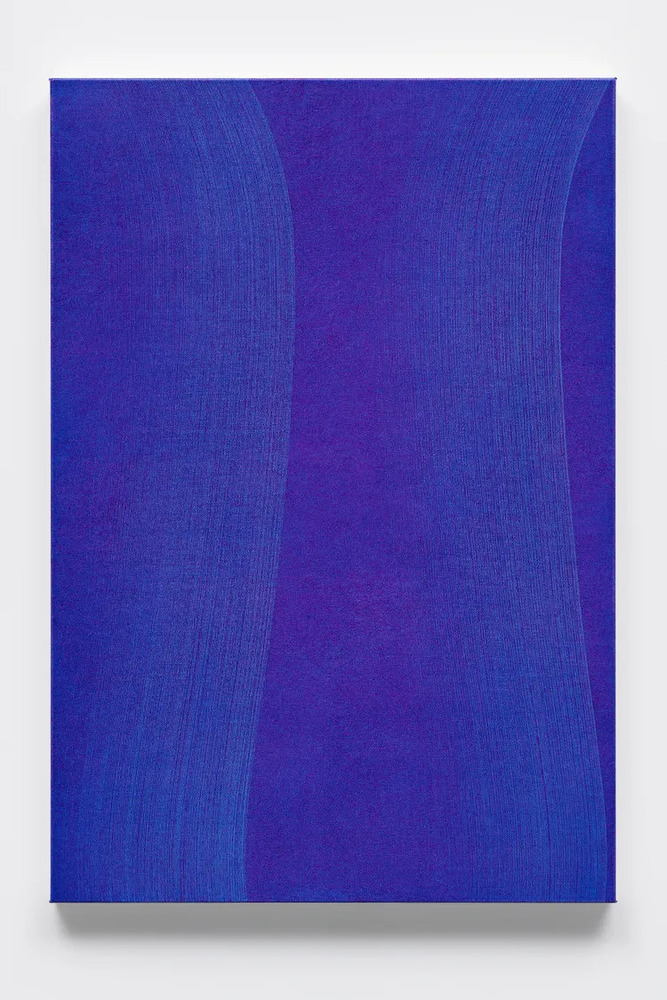
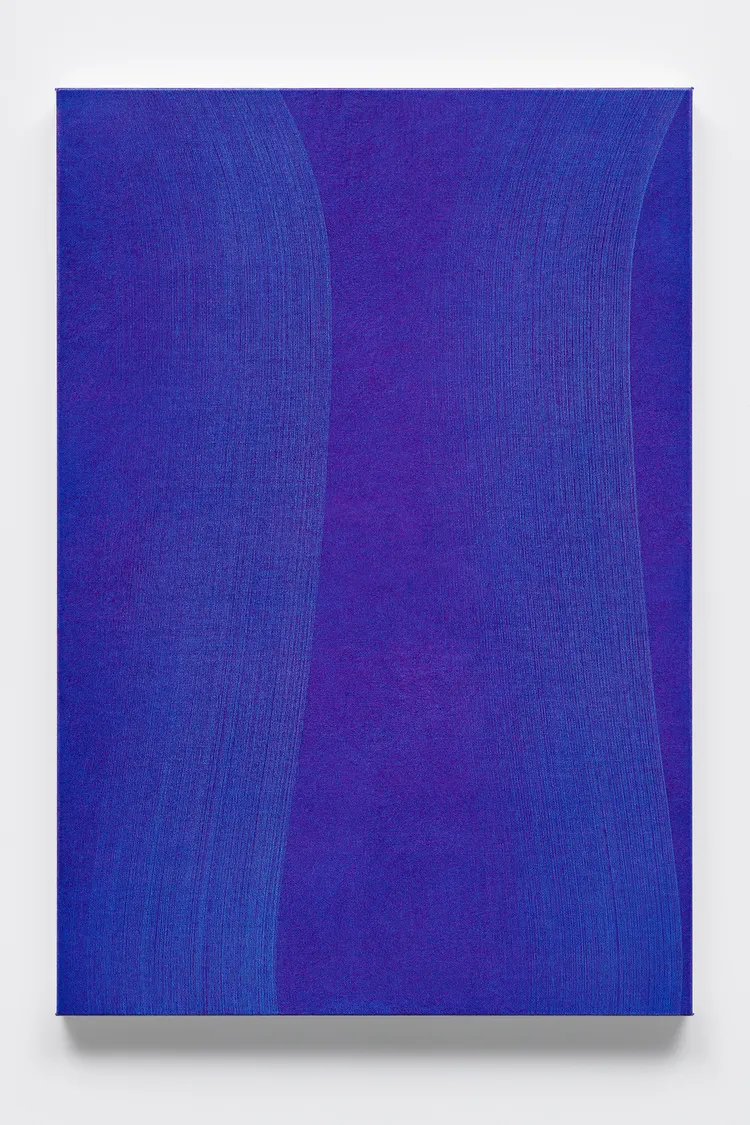
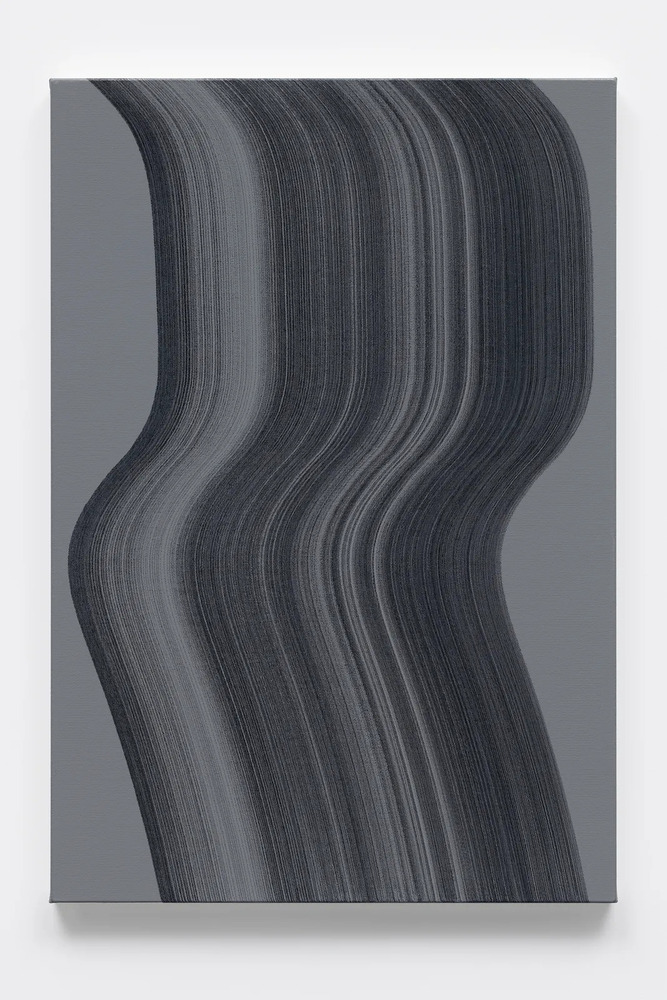
Woojung Hoh, Resonance 2, 2025, Oil, colored pencil on canvas, 72.7x50cm © Gallery Baton

The main keyword that features Hoh’s work so far is the hidden side. He reveals the hidden side of something through a relationship that could not be accurately defined, such as light and shadow, foreground and background, and individuals and the whole.
 
Based on this keyword, Woojung Hoh has explored viewing subjects from both the inside and the outside, identifying and expressing blind spots, and examining how represented subjects reveal yet another hidden side in the presence of others.


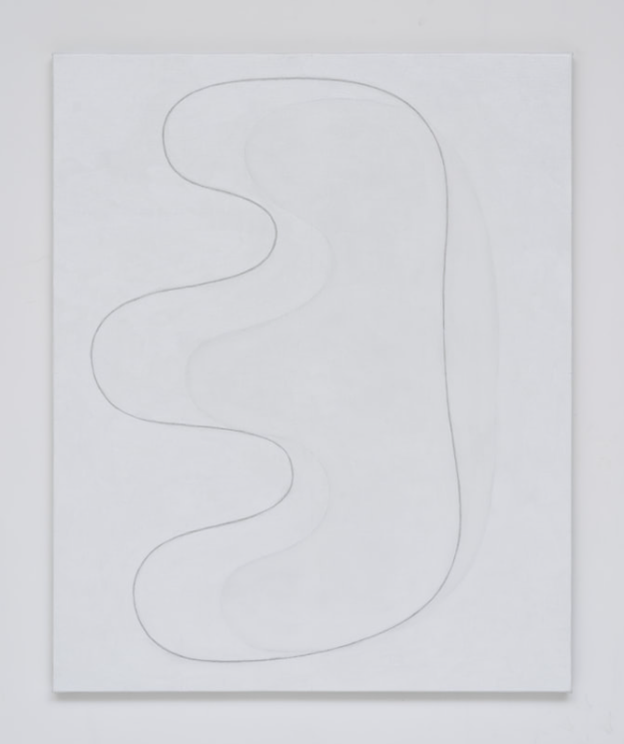
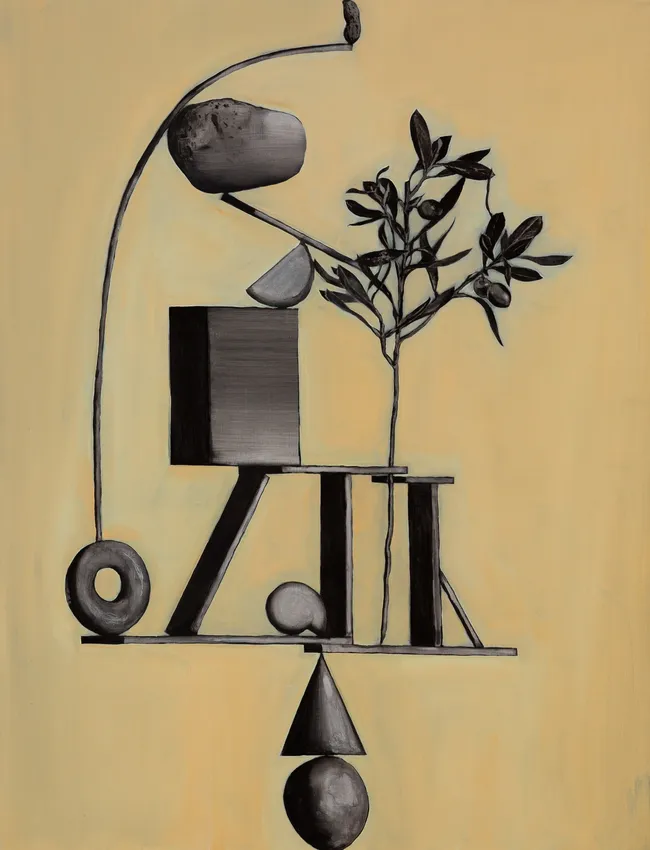
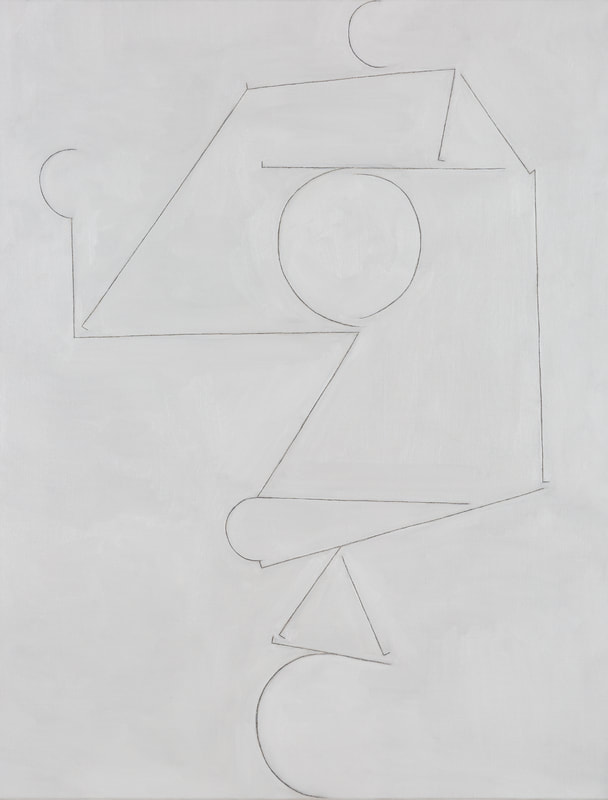
Woojung Hoh, Tower of Notion, 2017, Oil on canvas, 116x89cm © Gallery Baton

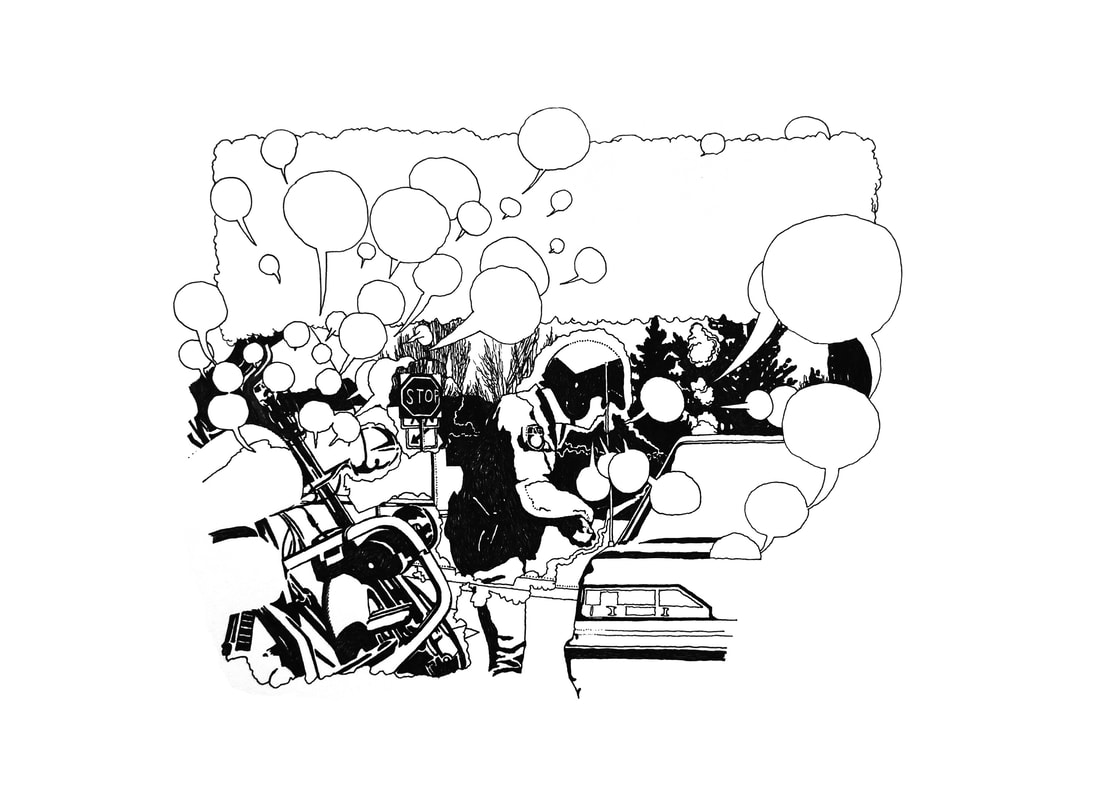
In his early works, Woojung Hoh expressed emotions pervasive within society — such as cynicism, distrust, anxiety, and fear — through drawing, painting, and collage. In the process, cartoon-like expressions and symbols gradually transformed into geometric elements, and beginning around 2017, his works began to reveal a sense of balance through motifs reminiscent of seesaws and scales.
 
Geometric forms, tree branches, pine cones, and other recurring elements in these works interrupt the narratives constructed by painting, prompting arbitrary and active modes of thought. Each form establishes unconventional balances grounded in invisible relationships. These precarious-looking compositions ultimately raise questions about space, objects, and epistemology for the viewer.


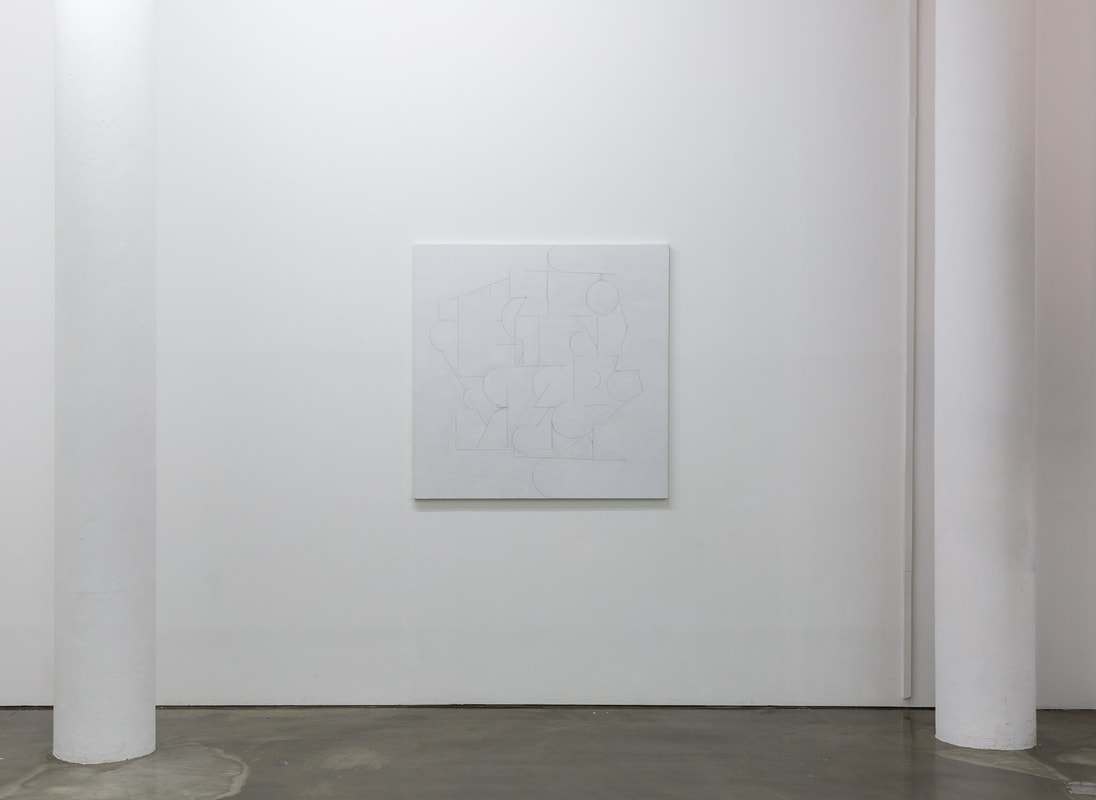
Woojung Hoh, Hard to See, 2018, Oil, pencil on canvas, 112x112cm. Installation view of 《Spiritual Attitude》 (Gallery Chosun, 2018) © Woojung Hoh

In 《Spiritual Attitude》, a solo exhibition held at Gallery Chosun in 2018, Hoh dismantled these motifs and left behind incomplete forms composed only of lines upon vacuum-like surfaces.
 
In the ‘Tower of Notion’ series (2017) presented in the exhibition, the artist alters the supports and objects used to create balance, as well as the volume, weight, placement, and arrangement of each element, proposing pictorial spaces filled with possibilities in which every viewer may discover their own way of finding balance.
 
Furthermore, in order to more freely accommodate the individual attitudes of viewers, Woojung Hoh moved away from his earlier works composed of motifs firmly grounded upon the earth, instead presenting pale and even surfaces where only faint and incomplete forms remain.
 
What one reads within these paintings, and how one responds to them, differs from viewer to viewer. Yet at the same time, each individual answer may arrive at a strange point of convergence, forming an unspoken sense of shared understanding.


Woojung Hoh, Like My Scale and Your Scale Cannot Be the Same, 2018, Oil, pencil on canvas, 65x50cm © Woojung Hoh

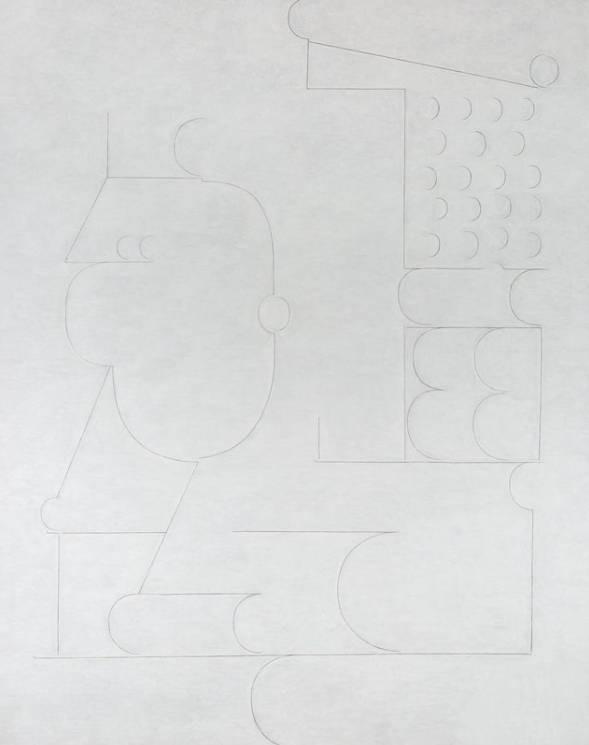
Moreover, the extreme simplicity of compositions in which the forms of objects disappear and only the sum of lines remains unexpectedly heightens a sense of emotional projection, while making the interdependent relationships between the elements more distinct.
 
The center of gravity implied at the lower part of the canvas suggests that this is a space governed by physical laws familiar to us, while the precarious straight and curved lines imply that they may be substituted for ourselves, or for the emotions and objects bound to us.


Woojung Hoh, Imagination Builds the House, 2019, Oil, pencil on canvas, 117x91cm © Woojung Hoh

Meanwhile, around 2019, Hoh began to take interest in the ambiguity and unfamiliarity produced by the states of objects and by combinations of conceptual words. Taking these ambiguous phrases as points of departure, he created images in which heterogeneous objects and geometric forms precariously cooperate to maintain balance.
 
These images — where instability and tension coexist alongside balance and imbalance — became mechanisms through which the artist conveyed the anxiety, emptiness, and uncertainty that contemporary individuals constantly confront, translating such conditions into the language of painting.


Installation view of 《Line, Curve, A Colorful Gesture》 (Gallery Baton, 2019) © Woojung Hoh

In the solo exhibition 《Line, Curve, A Colorful Gesture》, held at Gallery Baton in 2019, Woojung Hoh revealed a departure from the space previously represented through a “center of gravity” — a kind of base governed by the laws of physics — toward the appropriation of a non-directional space.
 
Here, the totalized clusters of individual images organically synchronized toward a specific orientation disappear, replaced instead by the movements of smaller fragmented groups that drift freely and gather or disperse as needed.
 
For instance, in Air in Tires (2019), basic geometric forms composed of lines and curves broadly encircle the outer edges of the canvas, appearing to restrain the small semicircles poised to spin endlessly or spring outward at any moment, along with the elegantly curved wave-like lines.


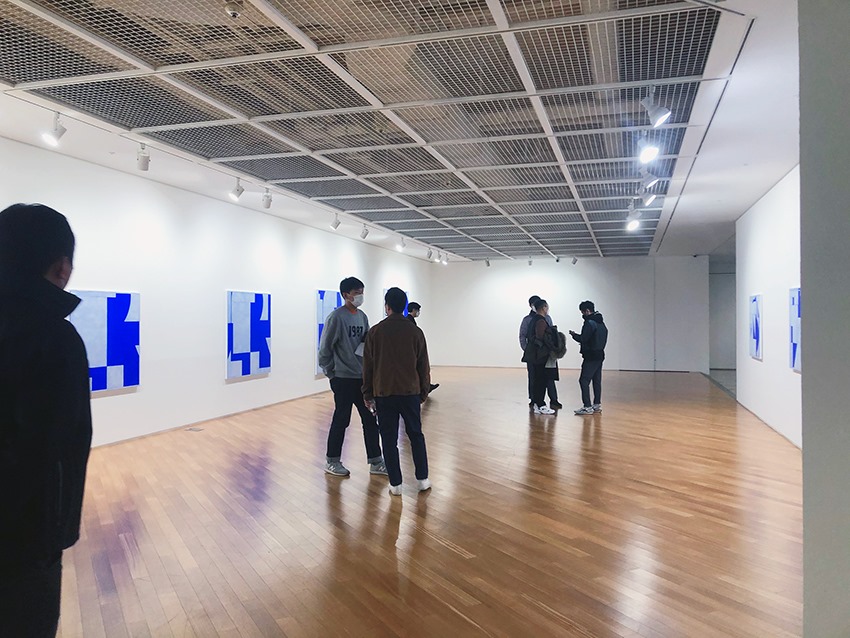
Installation view of 《Shade Left Behind》 (SONGEUN Art Cube, 2020) © Woojung Hoh

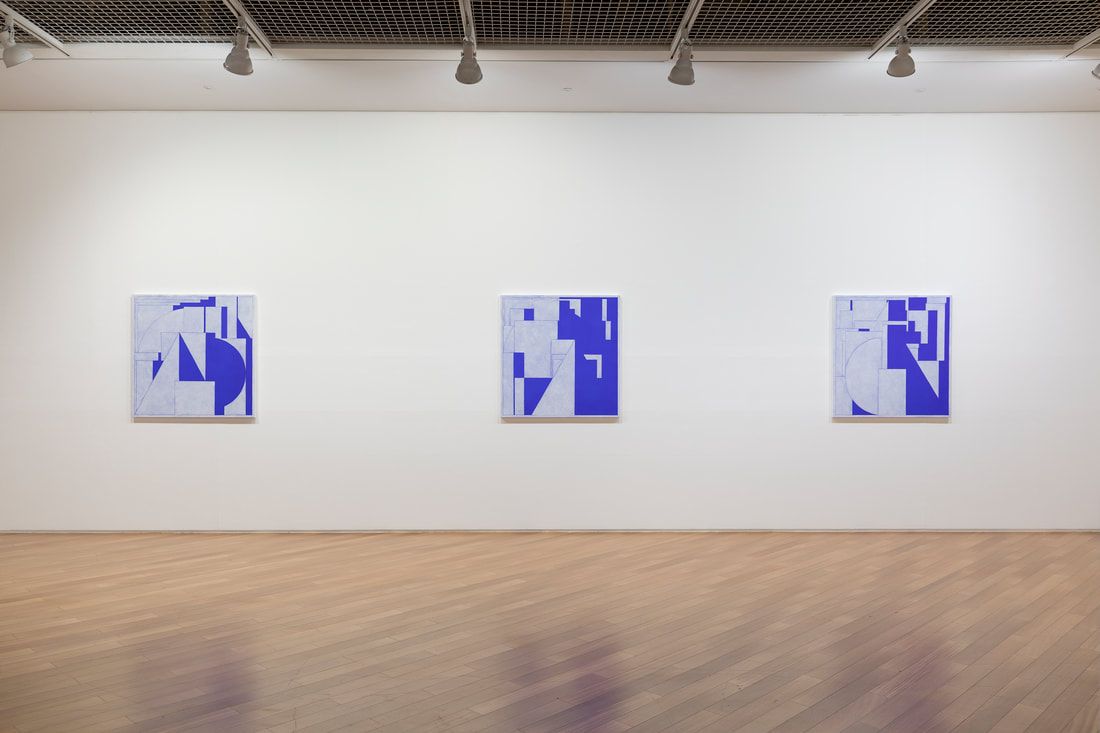
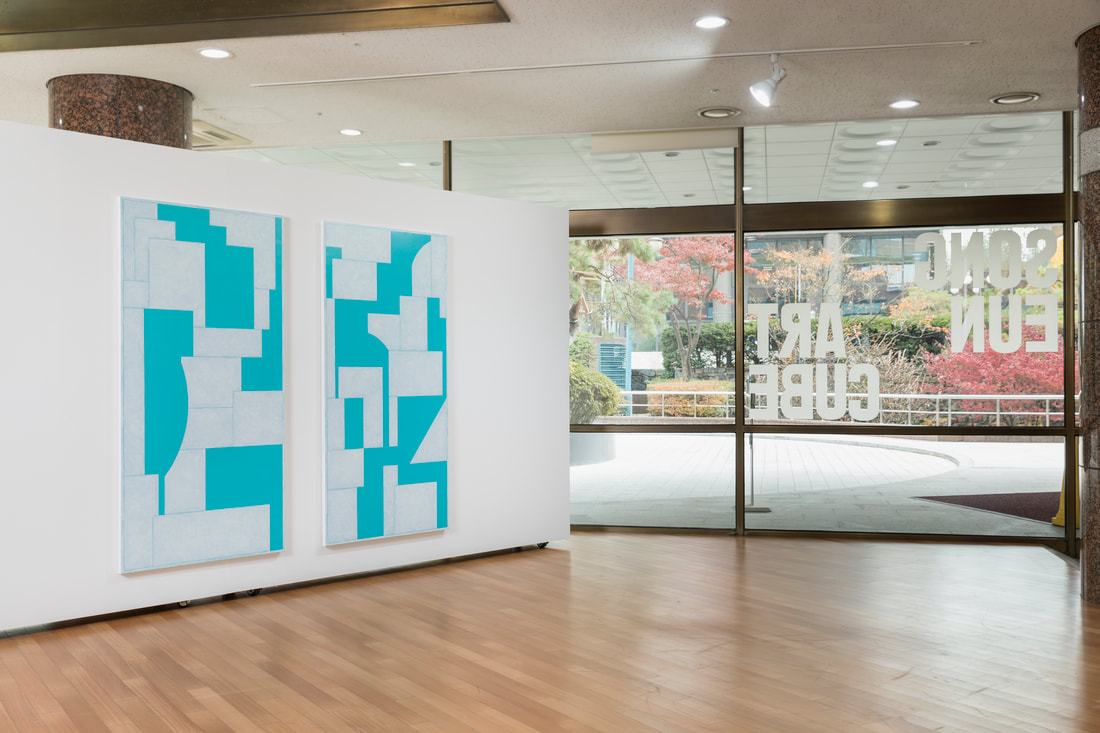
Moving beyond earlier works that reflected anxiety and emptiness, Woojung Hoh further deepened his attempts to embody multidimensional thinking within the flat surface of painting in the 2020 solo exhibition 《Shade Left Behind》.
 
In this exhibition, the artist developed his own distinctive method of constructing new geometric spaces through oil paint while preserving the delicate pencil lines drawn across the surface.
 
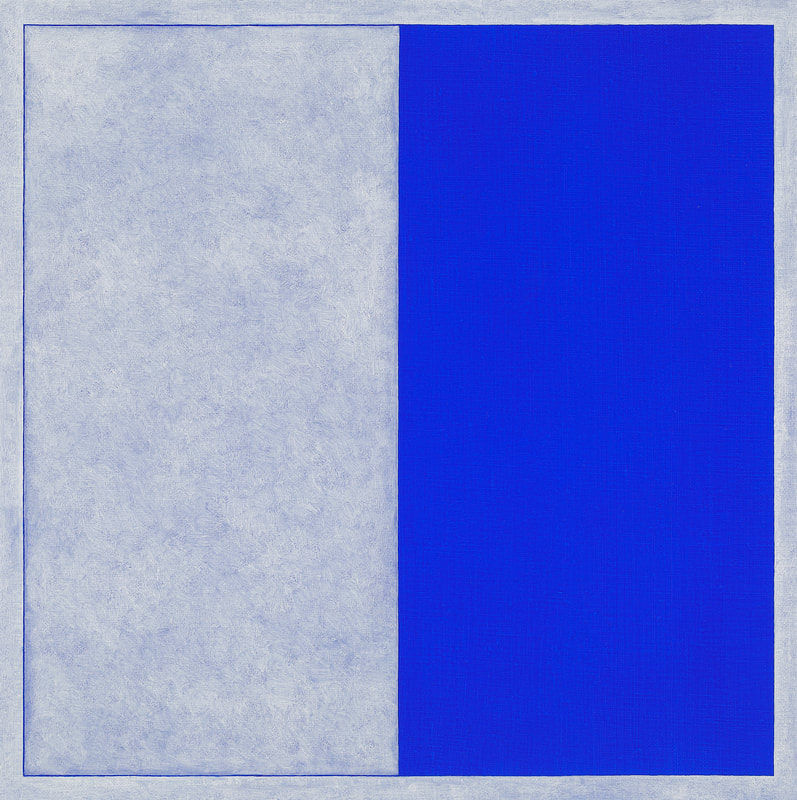
Whereas previous works had largely been rendered in black and white — leaving only pencil lines against black backgrounds while filling the remaining areas with white paint — 《Shade Left Behind》 introduced primary colors, more sharply distinguishing the spaces of subject and background while granting the constructed spaces a kind of presence or existence of their own.


Installation view of 《Shade Left Behind》 (SONGEUN Art Cube, 2020) © Woojung Hoh

The blue painting that greeted viewers at the entrance of the exhibition first captured their attention and came to be perceived as the subject, while the white spaces that emerged afterward were recognized as the background. In this way, the forms that had newly acquired a sense of presence were endowed with yet another layer of meaning through the gaze of the viewer.
 
Yet the artist did not significantly depart from his usual creative process. In this exhibition as well, he first constructed the background in blue, then preserved the traces of pencil lines while emphasizing the space of the subject with white oil paint. Through this process, he overturns the common assumption that “white empty space functions as the background.”
 
These works ultimately prompt viewers to question the distinction between background and subject, while allowing for open-ended interpretations unique to each individual observer.


Installation view of 《Shade Left Behind》 (SONGEUN Art Cube, 2020) © Woojung Hoh

The various geometric forms that Hoh creates within his constructed spaces are reborn as new subjects through the perceptions of viewers. In this sense, his work expresses a profound contemplation on the nature of “existence.”
 
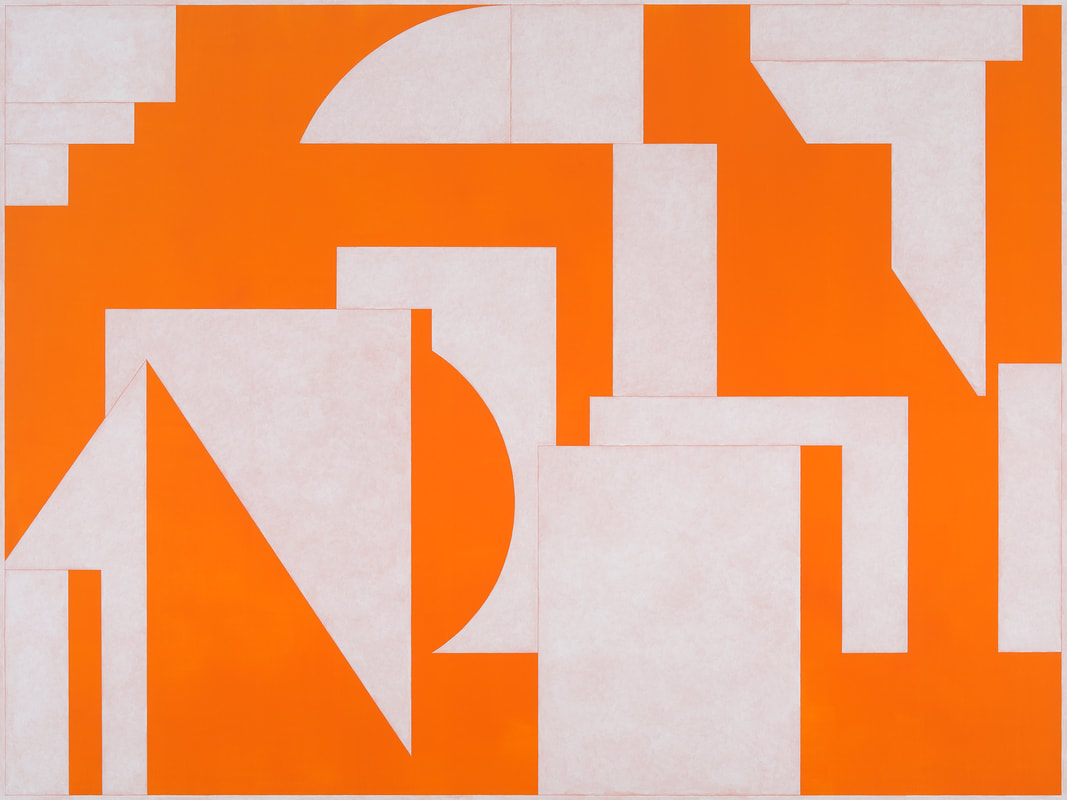
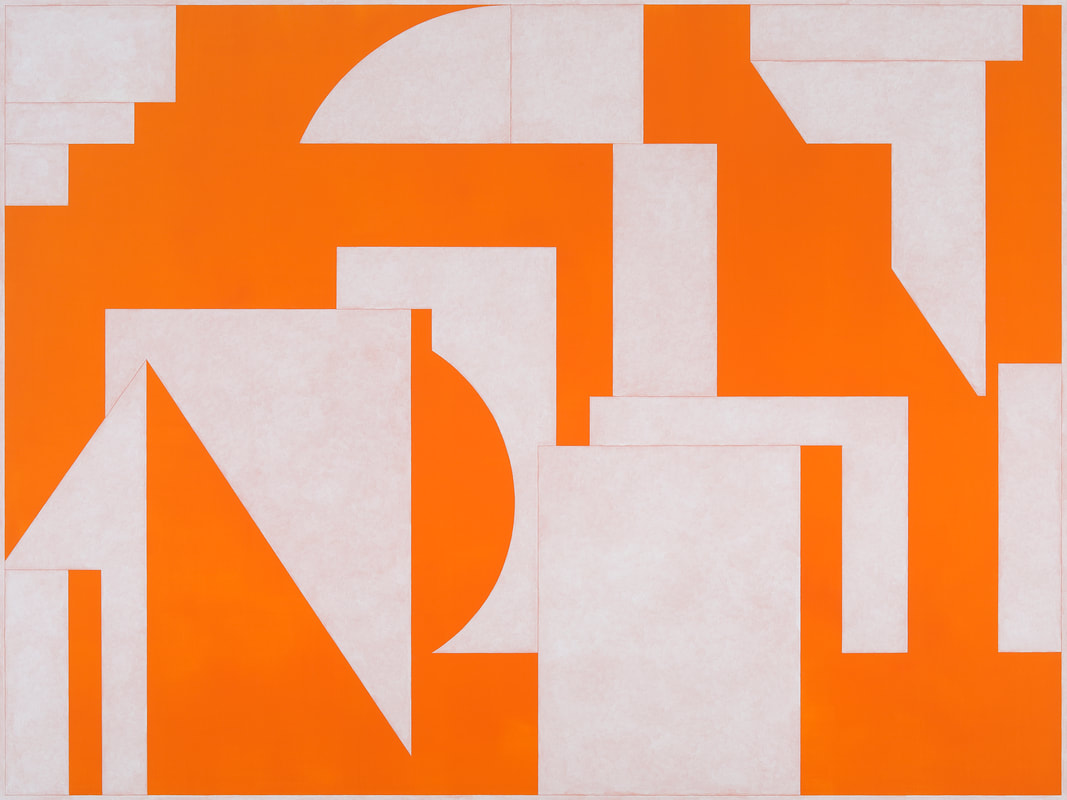
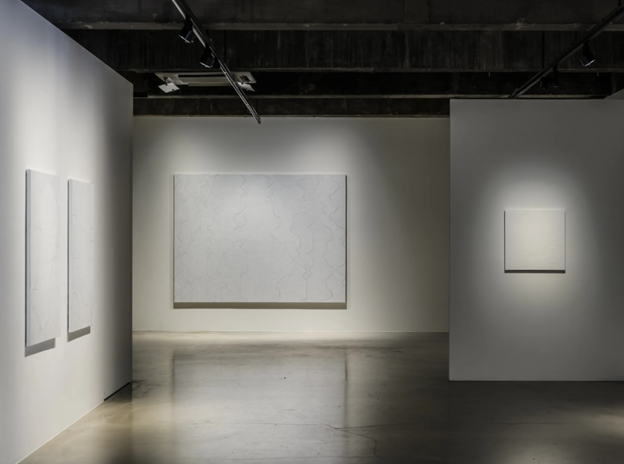
When viewed through an ordinary gaze, the geometric forms he paints inevitably appear to be fragments of some complete object. Because the layered planes of differing geometric forms create the impression that they overlap and conceal one another, our assumptions about the shapes of these obscured objects remain nothing more than speculation.
 
Although these forms can be visually perceived, the impossibility of fully understanding their “existence” causes a discrepancy between what is recognized and the actual reality of the object itself.


Woojung Hoh, Awakening From Far Away(2), 2020, Oil on canvas, 194x259cm © Woojung Hoh

Focusing on this very point, he intervenes in our tendency to hastily draw conclusions about specific objects, posing questions about visible “existence.” If we define something as a complete form by relying only on the visible surface while speculating about its invisible parts, can we truly say that it exists?
 
Emphasizing that no one can ever fully know what object may be concealed within the work — or whether the forms distinguished by the naked eye truly exist at all — Woojung Hoh ultimately proposes an alternative way of seeing.


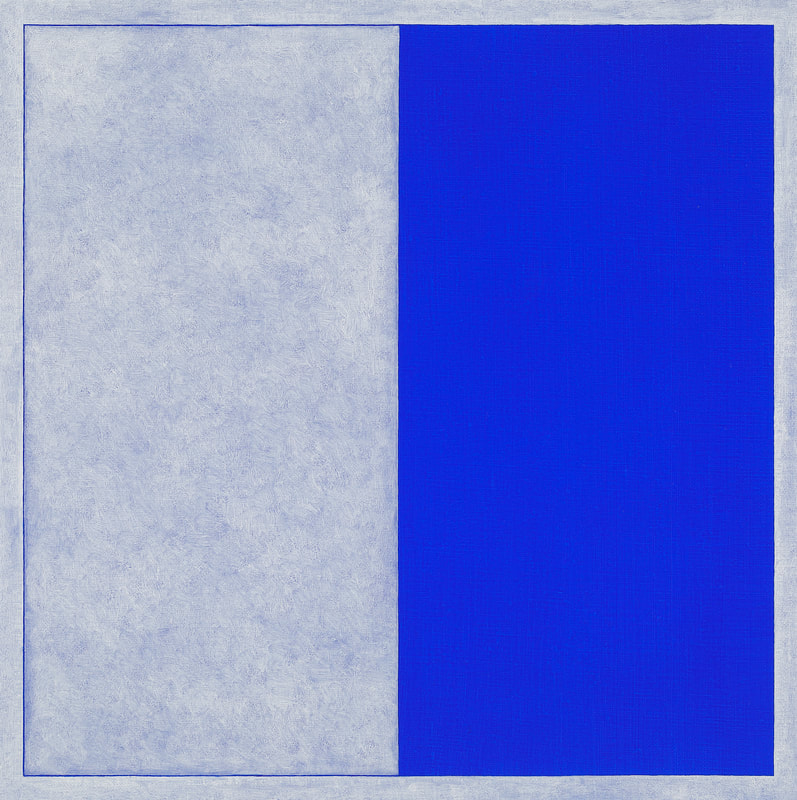
Woojung Hoh, Air Stratum(1), 2020, Oil on canvas, , 45.5x45.5cm © Woojung Hoh

In this way, his practice, which investigates the fundamental uncertainty of existence, minimizes supplementary elements while restraining movement and narrative.
 
Within his rigorously controlled canvases — composed only of simplified lines and curves — subject and background appear at first to be clearly divided, yet ultimately remain ambiguous, while the existence of the forms constructing the image is itself uncertain. In turn, these works lead viewers toward a reflection on the nature of human perception and conceptual understanding.
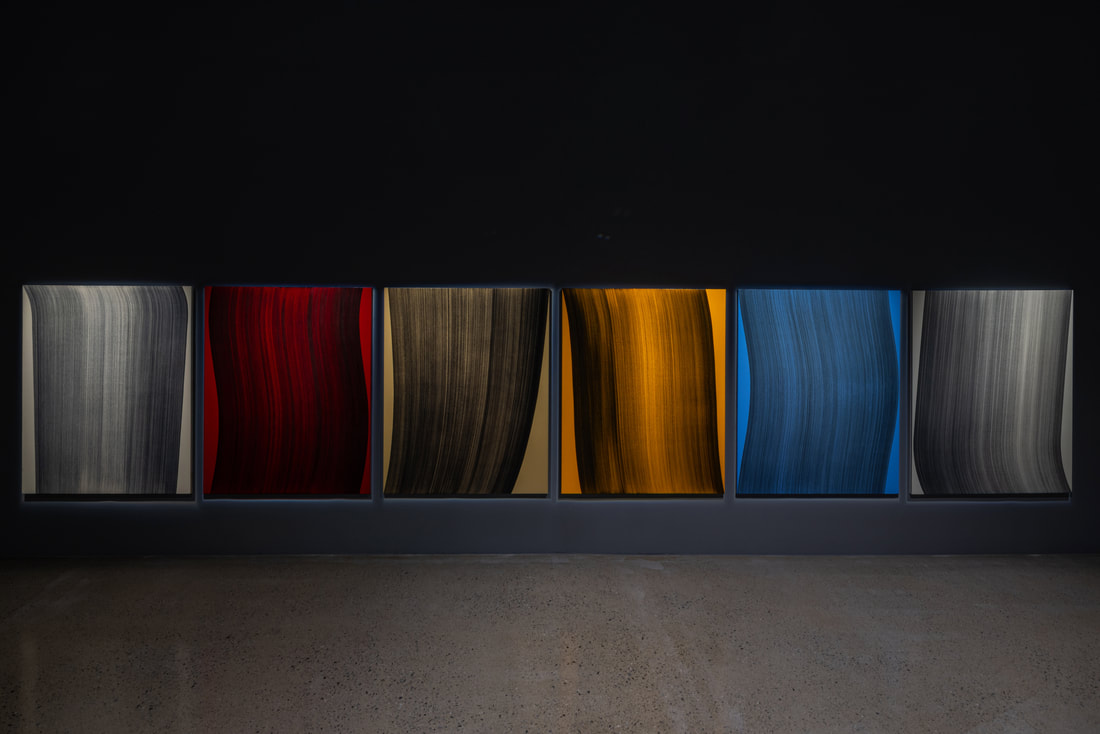
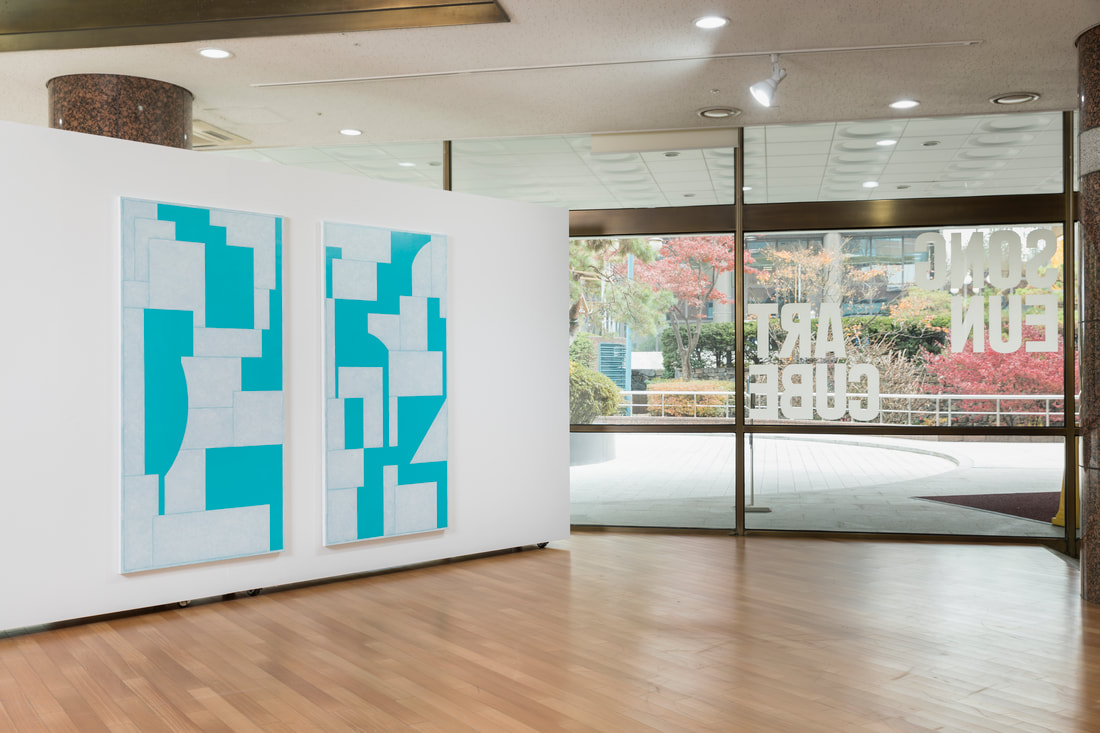

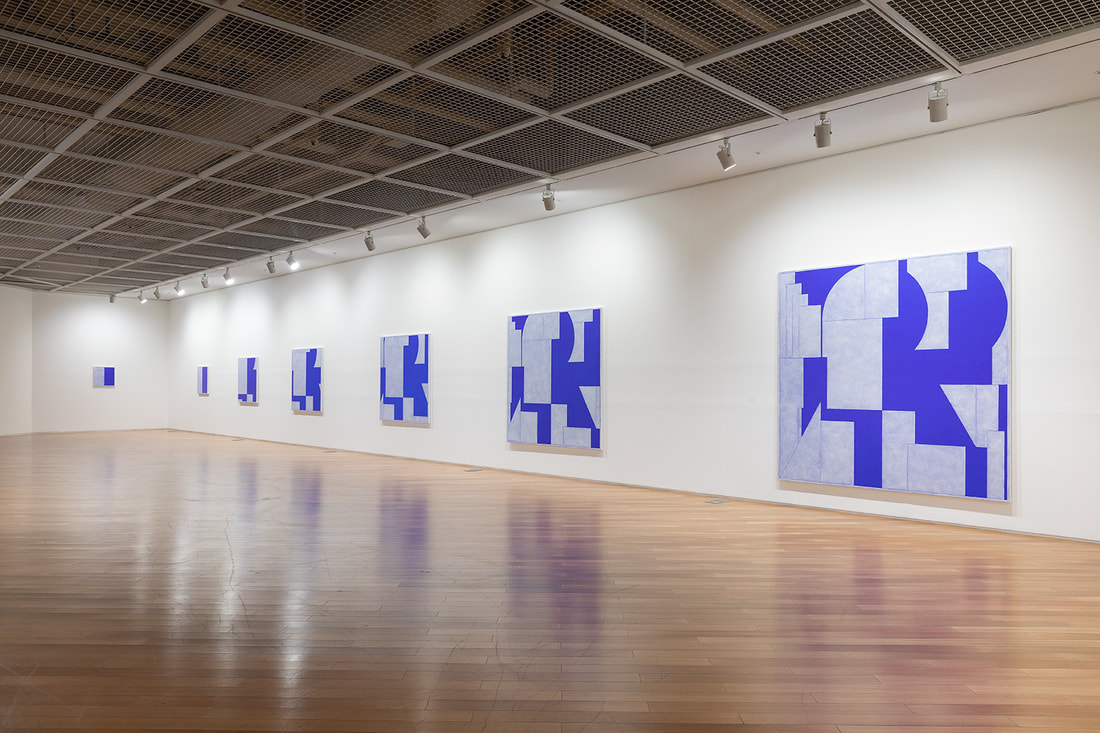
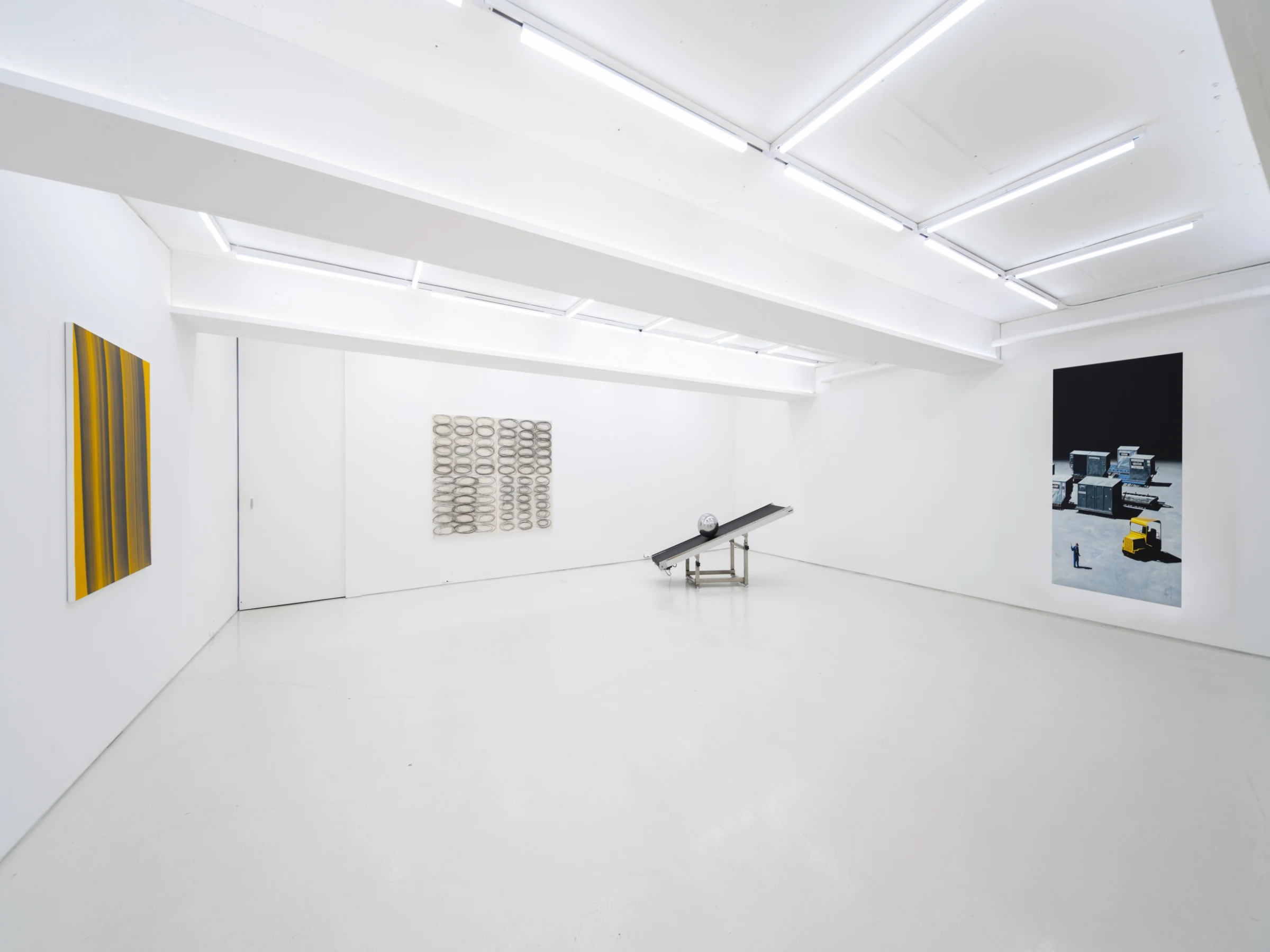
Installation view of 《Beyond the Line》 (Kumho Museum of Art, 2022) © Woojung Hoh

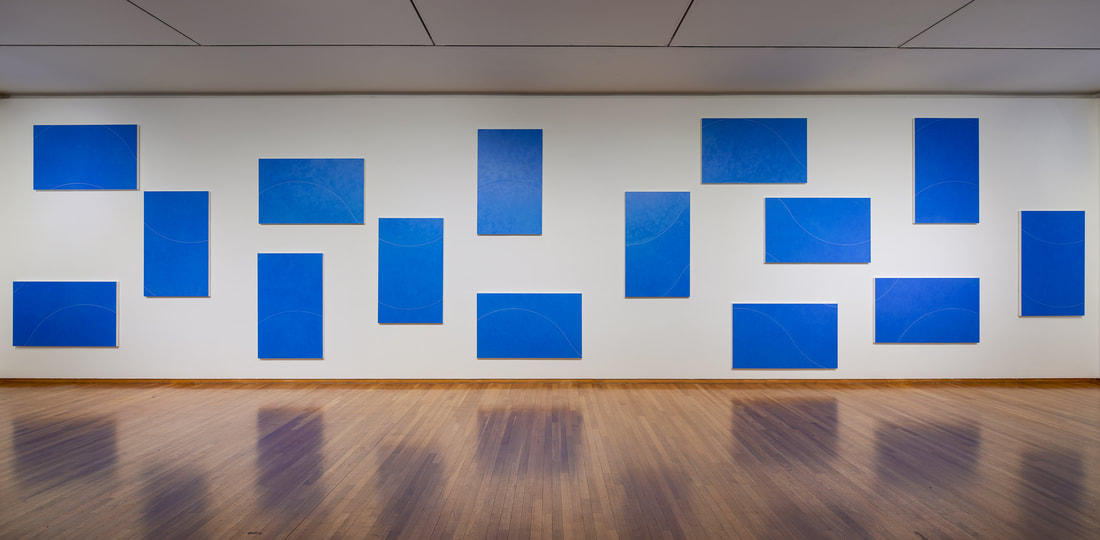
Meanwhile, in 《Beyond the Line》, a solo exhibition held at the Kumho Museum of Art in 2022, Woojung Hoh constructed a conceptual space that invites viewers to imagine infinite variations by organically arranging a total of thirty works that share a common pattern.
 
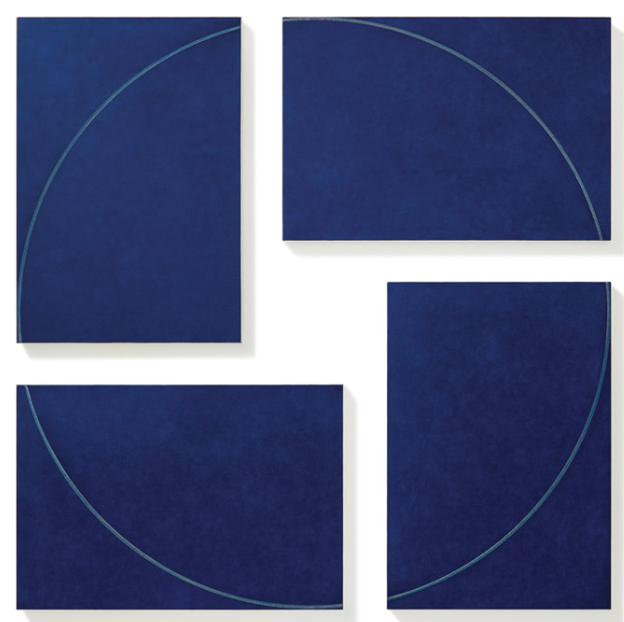
The ‘Curve’ series (2022) that composed the exhibition consists of works that are each independent and possess distinct individual characteristics. Yet when positioned according to the order of the pattern assigned to them, they transform into interconnected forms that come to require one another.


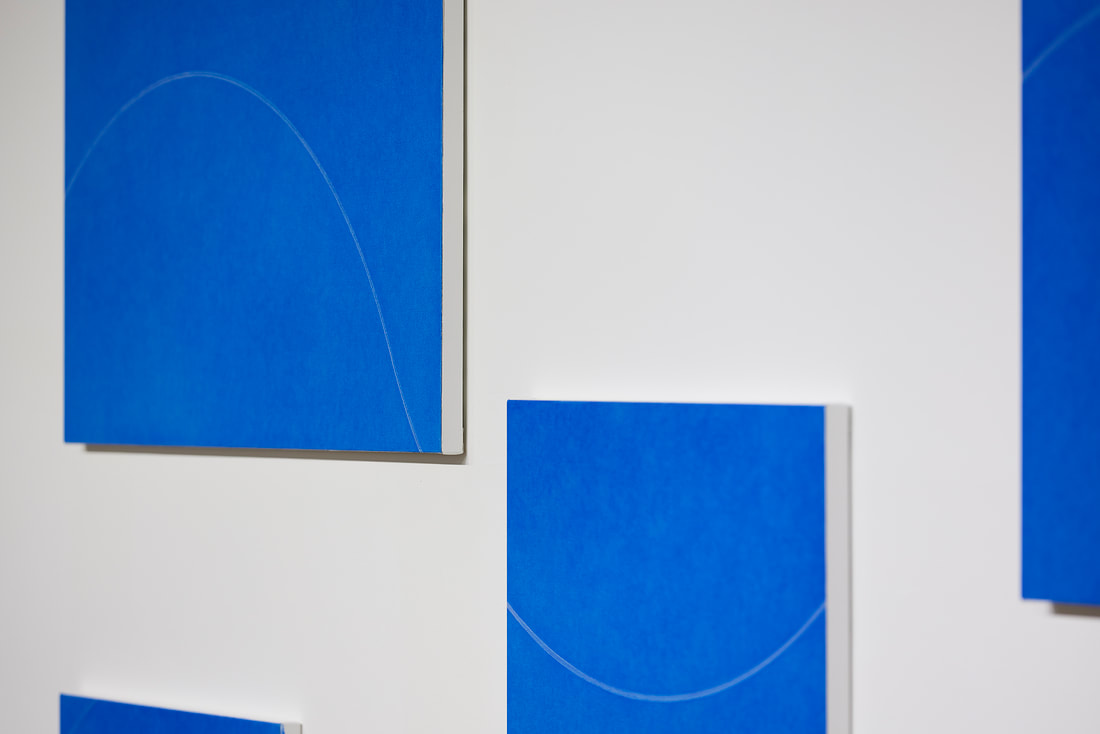
Woojung Hoh, ‘Curve’ Series, 2022, Oil and colored pencil on canvas, 130x80cm (detail) © Woojung Hoh

At the center of this structure is a pattern created by dividing a circle according to its diameter into four sections and connecting the ends, evoking images of waves or flows. The pattern repeats in a predictable manner while remaining capable of expanding infinitely without fixed boundaries or constraints. At the same time, the empty spaces between the canvases both conceal the complete form of the pattern and prompt viewers to imagine it.
 
Through these works, Hoh uses the organic relationship between painting and space to position the paintings themselves as indicators, asking viewers how they might perceive a space beyond the image — a space in which nothing exists.


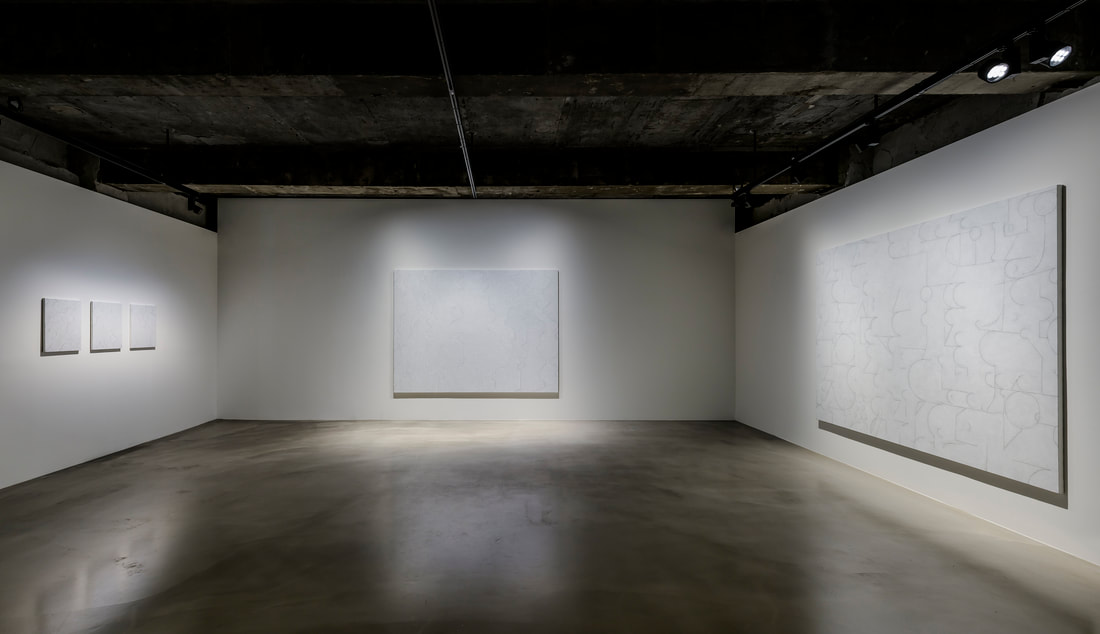
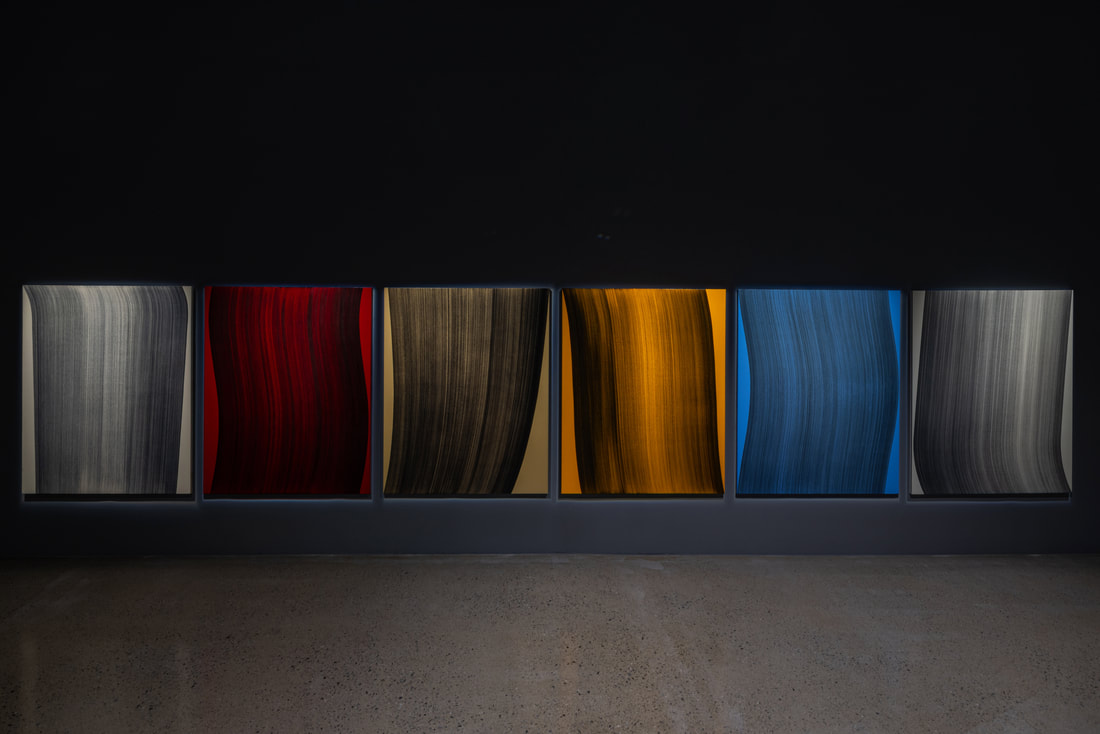
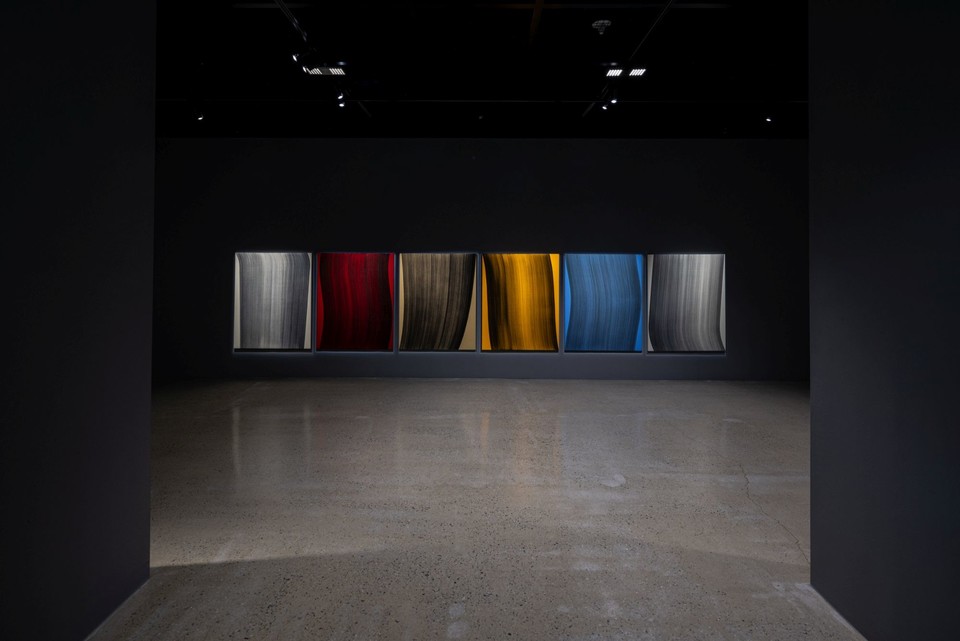
Woojung Hoh, ‘Lines’ Series, 2024. Installation view of 《Panorama》 (Daejeon Museum of Art Open Storage, 2024) © Woojung Hoh

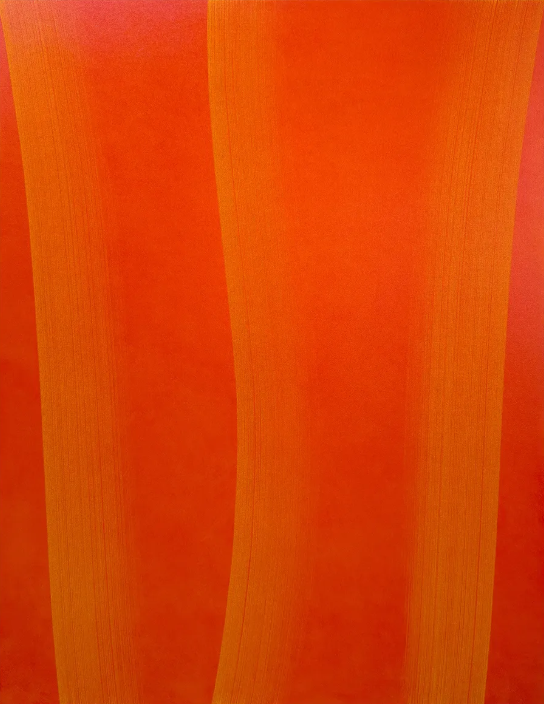
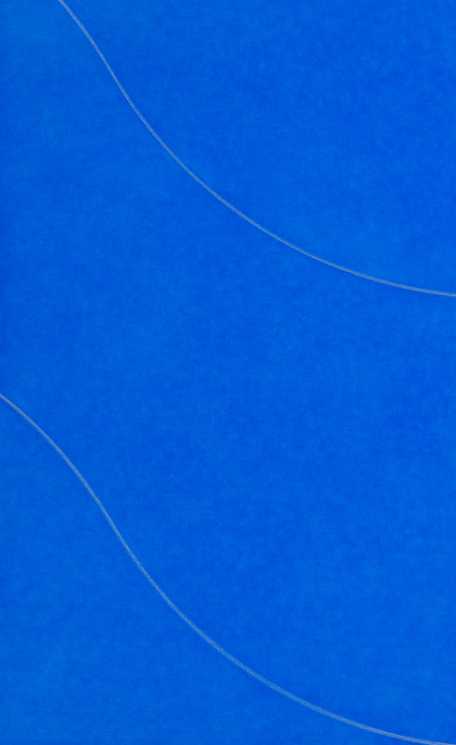
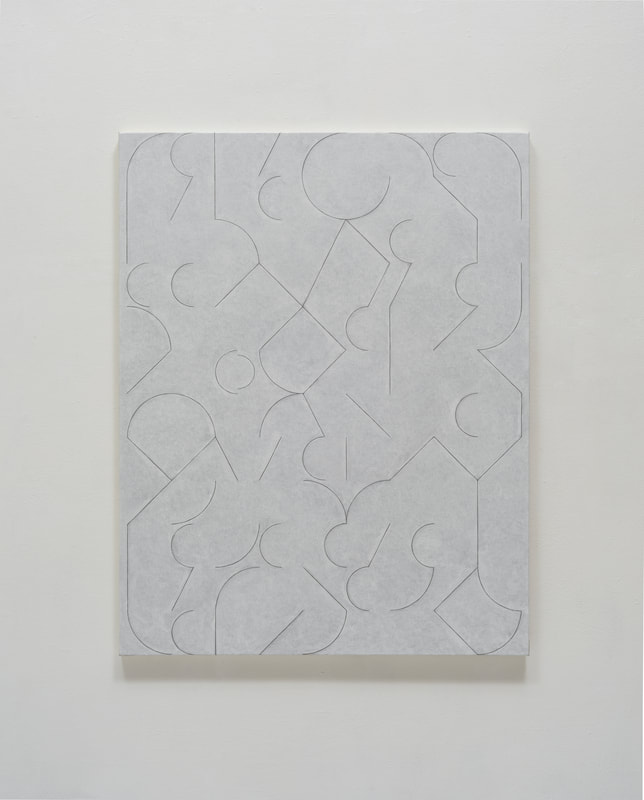
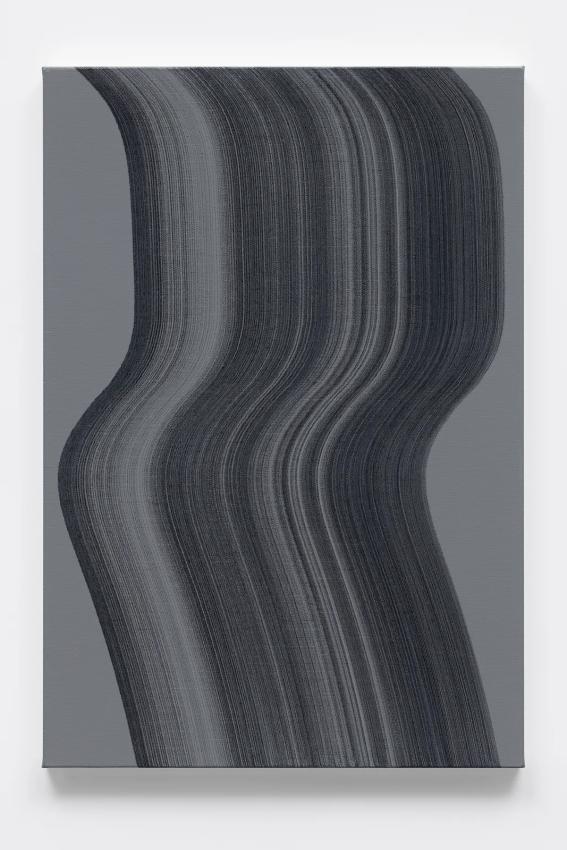
Recently, Woojung Hoh has been presenting works in which lines appearing to capture fragments of a larger pattern are placed upon the canvas, prompting viewers to imagine infinite lines extending beyond its boundaries. One representative example is the ‘Lines’ series (2024), in which delicate and repetitive pencil lines — reminiscent of plant stems or brush marks — form the image across smooth surfaces.
 
Unlike his earlier works, these lines appear to actively attempt connections with the space beyond the canvas. By allowing the forms to be read as fragments of a much larger object, the works suggest the possibility that each individual painting may extend outward and become connected to something beyond itself.


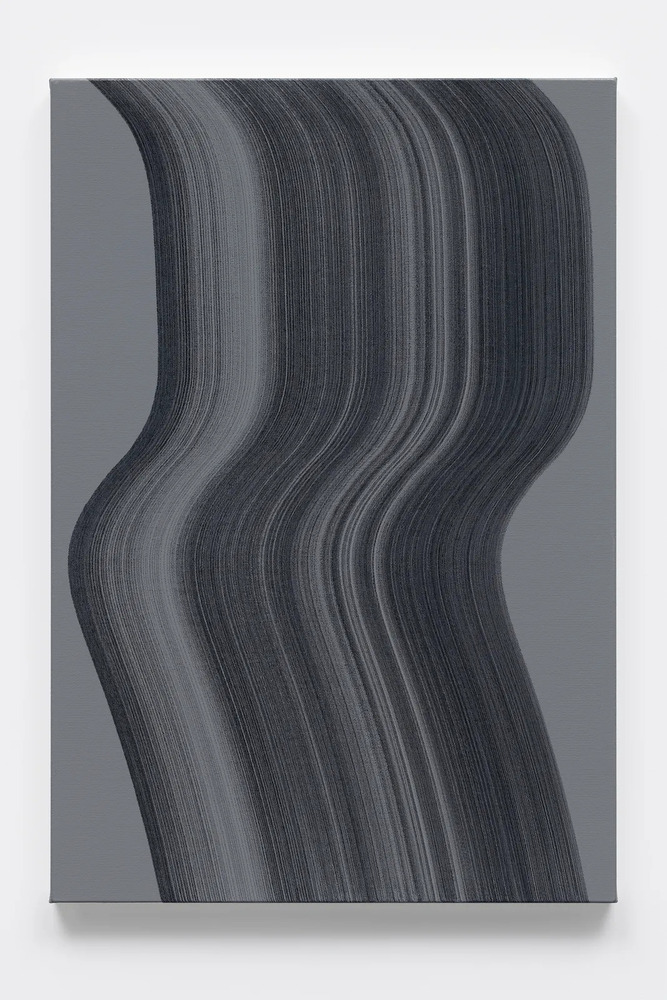
Woojung Hoh, Movement 52, 2024, Oil, pencil on canvas, 73x50cm © Gallery Baton

Through extreme simplicity, Woojung Hoh’s work reveals hidden dimensions beneath the surface, reproducing the organic and indeterminate relationships between foreground and background, individual and whole, while unsettling our conventional notions of visible “existence.”
 
At the same time, the rigorously restrained compositions within his canvases contain latent movements and forms, suggesting the possibility of endless expansion and variation beyond the image itself.
 
By leading viewers to infer invisible dimensions from visible fragments, his works propose new perspectives on our perception of “existence” and guide us toward an open and infinite spatial realm.

“The paintings become indicators that ask viewers how they might perceive a space beyond the image where nothing exists. Through this, I want to suggest that the recognition of ‘non-existence,’ premised upon the idea of ‘existence,’ can become the starting point for imagining a fragment of infinity.” (Woojung Hoh, from the interview with Kumho Museum of Art)


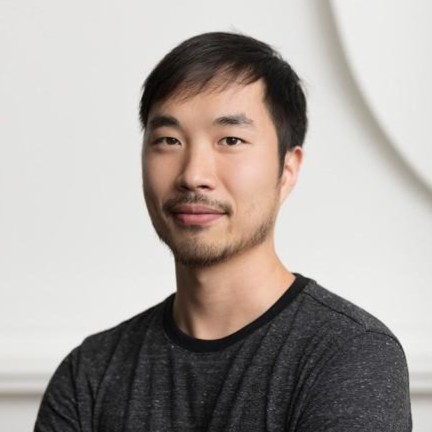
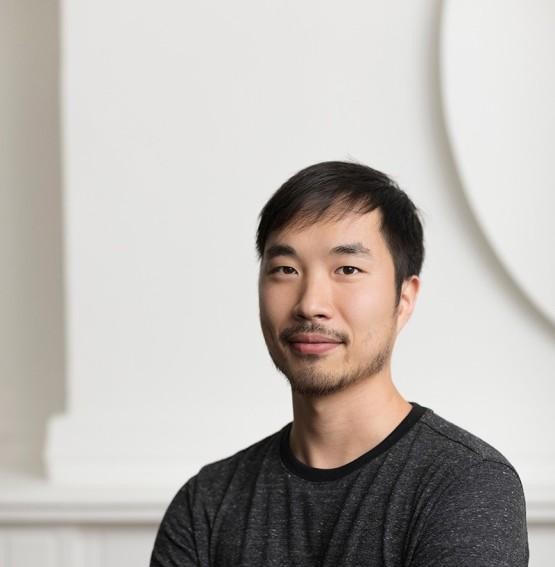
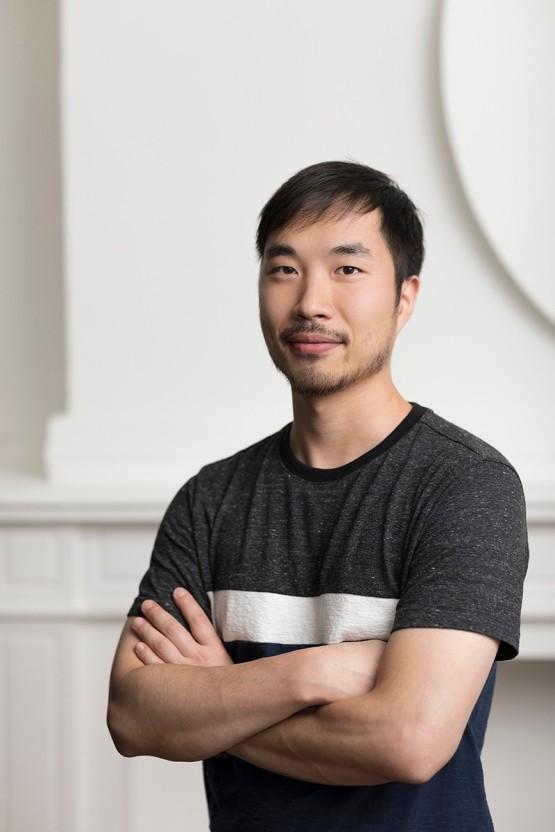
Artist Woojung Hoh © Harpers Bazaar

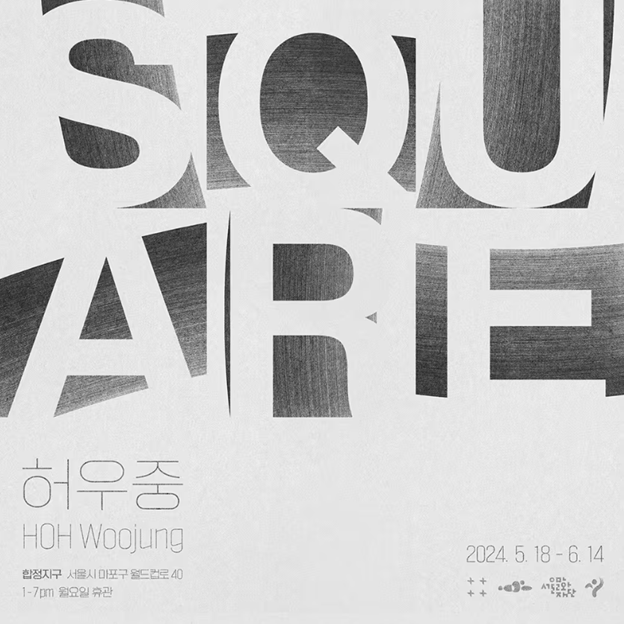
Woojung Hoh completed National Post-graduated and Graduated Degrees (Diplôme national supérieur d'arts plastiques and Post-diplôme) at Ecole Nationale Supérieure des Beaux‐Arts in Paris. His solo exhibitions include 《Square》 (Hapjungjigu, Seoul, 2024), 《Panorama》 (Daejeon Museum of Art Open Storage, Daejeon, 2024), 《Beyond the Line》 (Kumho Museum of Art, Seoul, 2022), 《Score over Score》 (Chapter II / Chapter II Yard, Seoul, 2021), and 《Shade Left Behind》 (SONGEUN Art Cube, Seoul, 2020).
 
He has also participated in numerous group exhibitions, including 《The Codex of Returns》 (Chapter II, Seoul, 2025), 《Sense of Direction》 (Cheongju Museum of Art, Cheongju, 2023), 《Summer Love 2022》 (SONGEUN, Seoul, 2022), 《Indexing the Nature: From Near and Far Away》 (No.9 Cork Street, London, 2022), 《Rain Reading》 (DOOSAN Gallery, Seoul, 2021), 《Sharpness_Temperature of Art》 (Ilwoo Space, Seoul, 2020), and 《The Unstable Objects》 (Nam-Seoul Museum of Art, Seoul, 2019).
 
Hoh has been selected for residency programs including Seoul Art Space Geumcheon (2021), SeMA Nanji Residency (2020), and Chapter II (2019). His works are held in the collections of the MMCA Art Bank, the Seoul Museum of Art, the Daejeon Museum of Art, and the Gyeonggi Museum of Modern Art, among others.

References