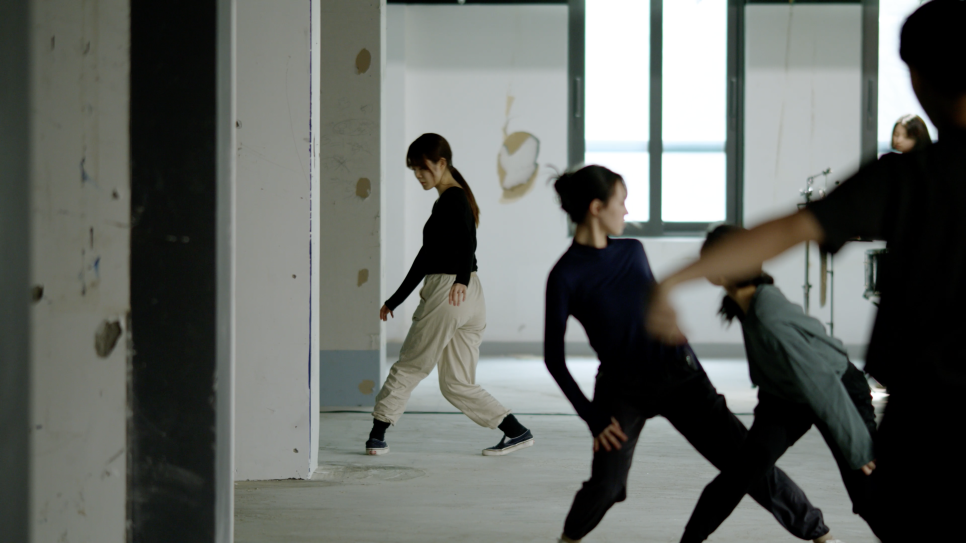
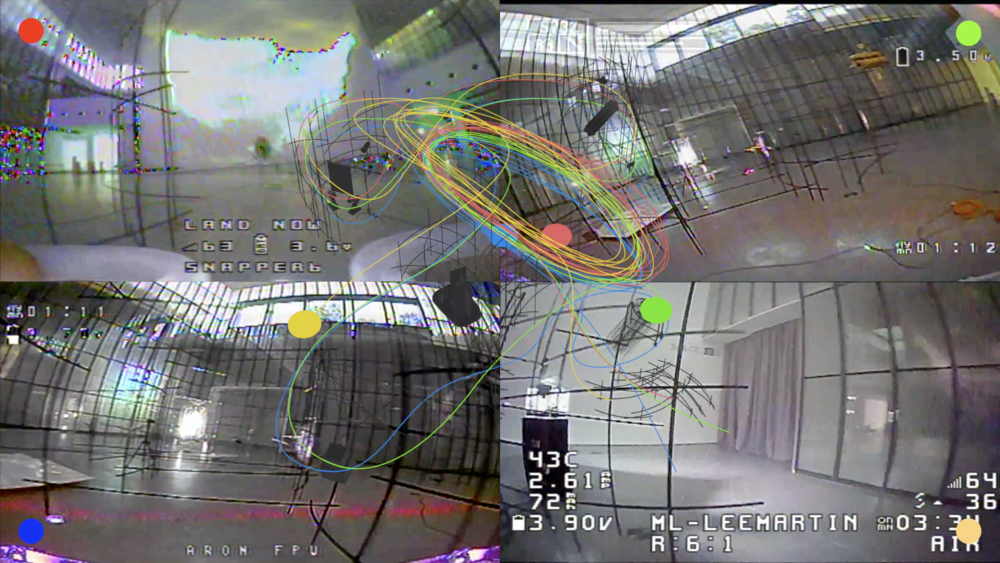
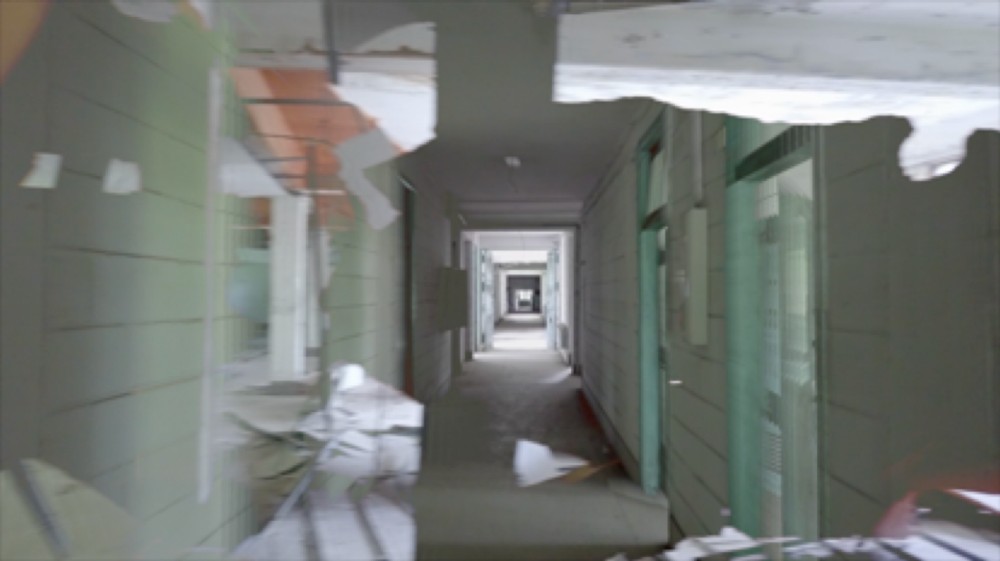
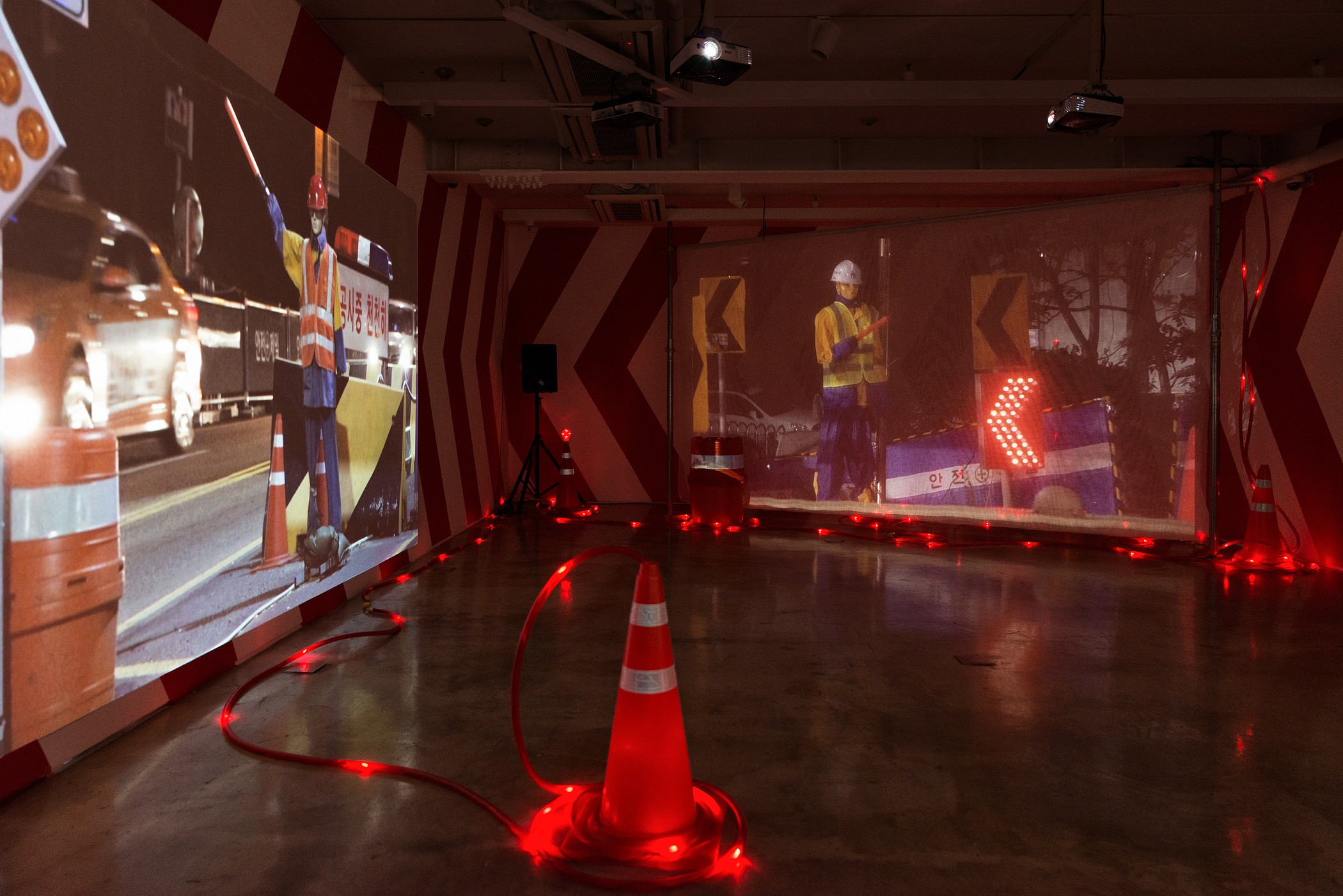
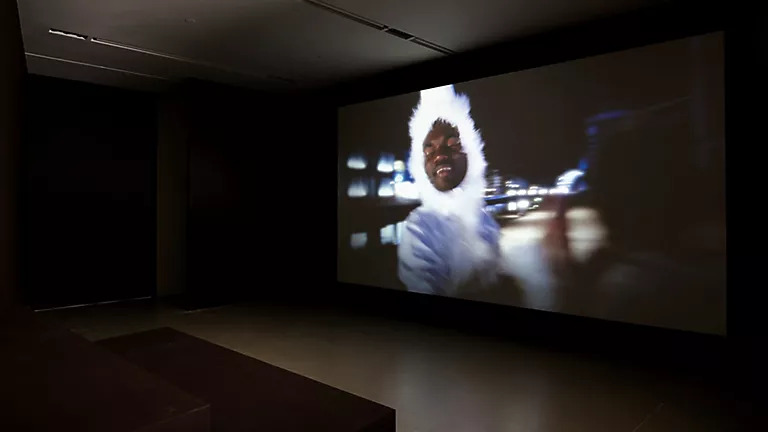
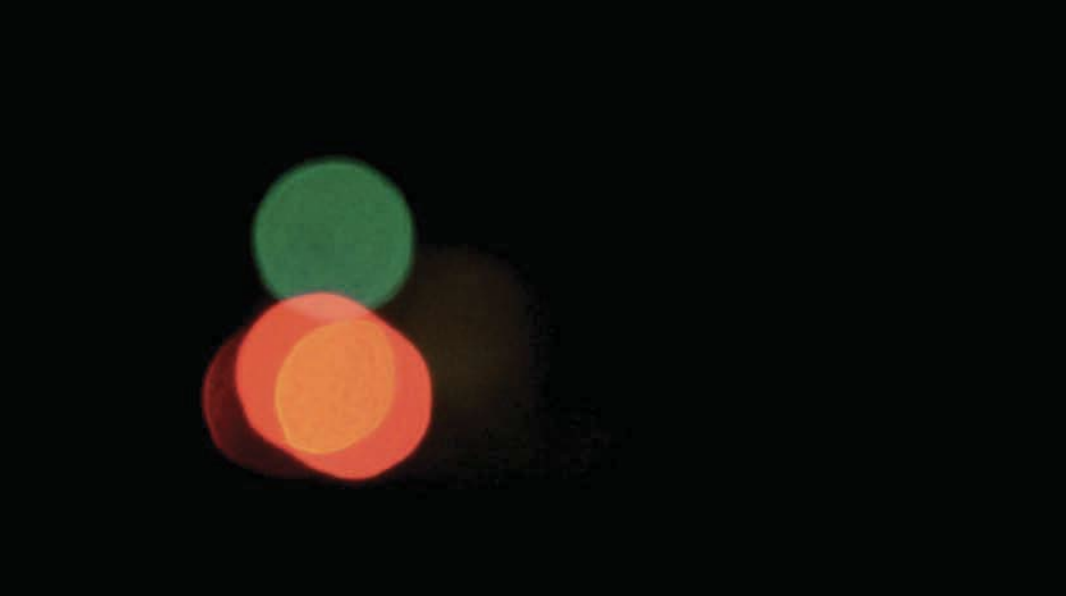
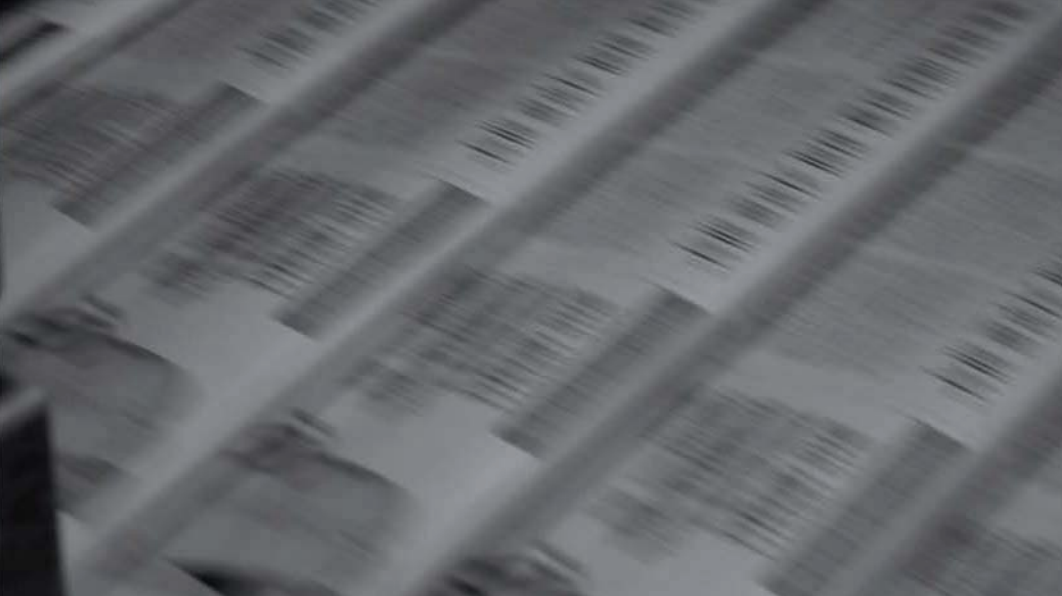
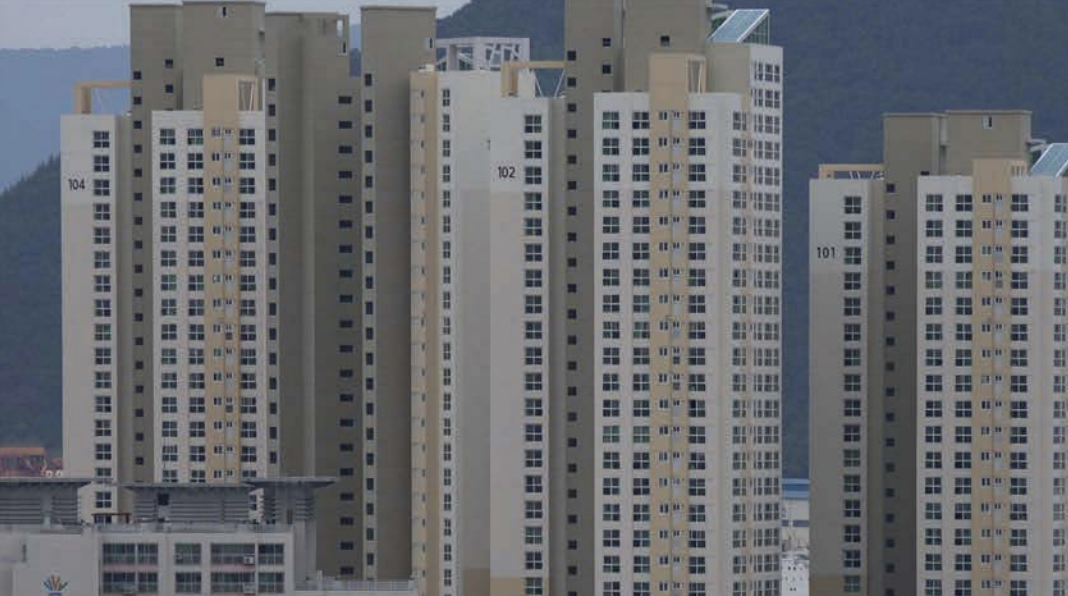
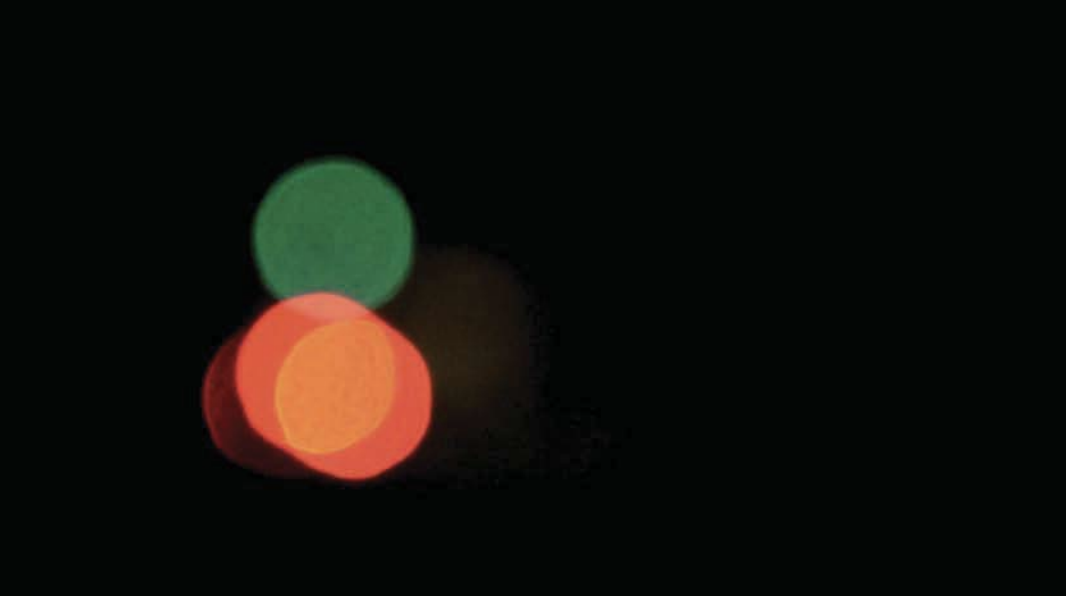
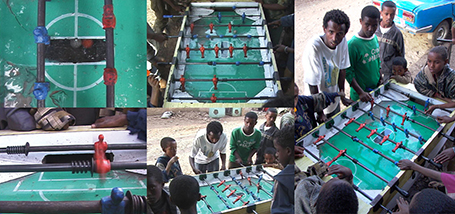
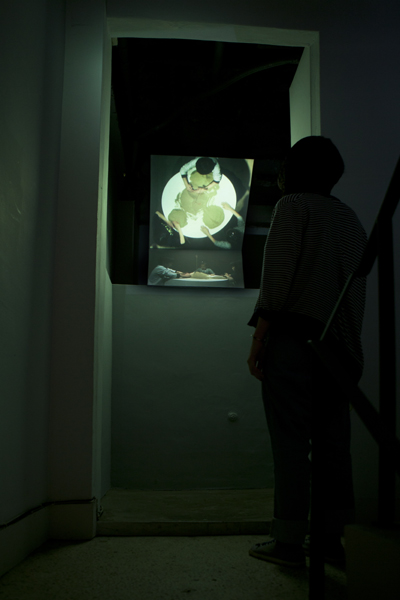
An Jungju, Rolling Papers, 2014, Synced 2-channel video, 2.1-channel sound, 4 min © An Jungju

Many forms of art have sought to resemble real language. Paintings obsessed over representations that could substitute for an object’s name. Music was once enthusiastic about evoking the scene of the narrative, and architecture attempted to show God’s glory through height and splendor.

Moving images, however, were different. Already incepted with various significant elements – including object, sound, music, and language – the moving images focus intensely on something that cannot be verbalized, but rather only through imagery itself. Image was the objective of An Jungju’s continuous efforts.

How are we able to pursue the moving image’s particular power that other languages cannot reveal? Simultaneously, An engages with a more difficult question: how can we make images “speak” about social phenomena with only the power of an image that cannot reduce to language signs? Particularly, An’s focus of inquiry is to find moving images that are not reducible into language, but still generate signification.

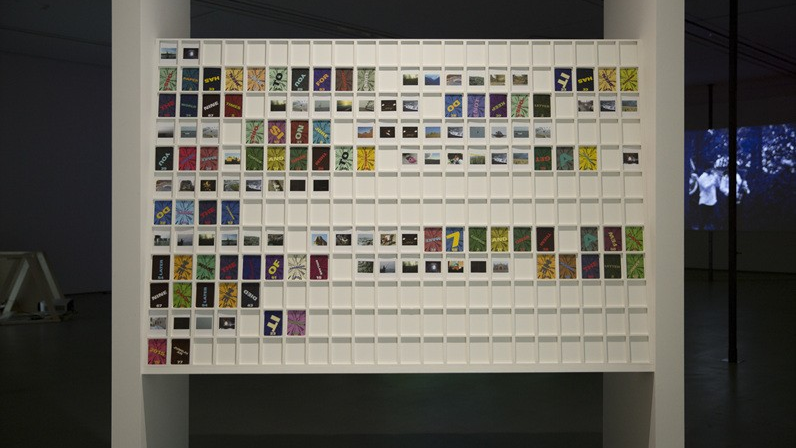
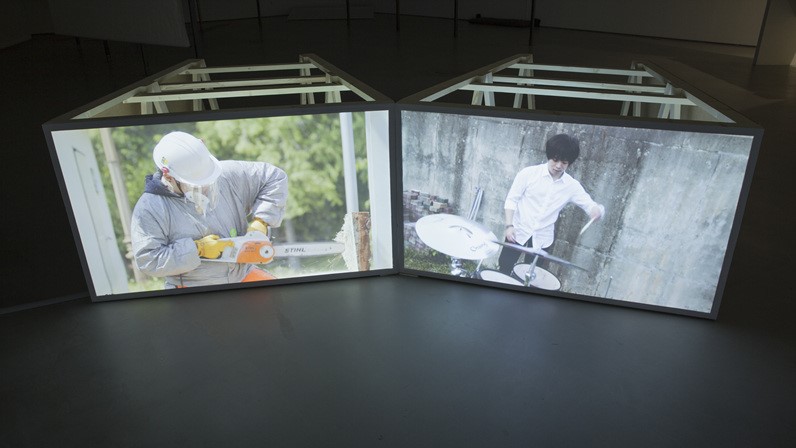
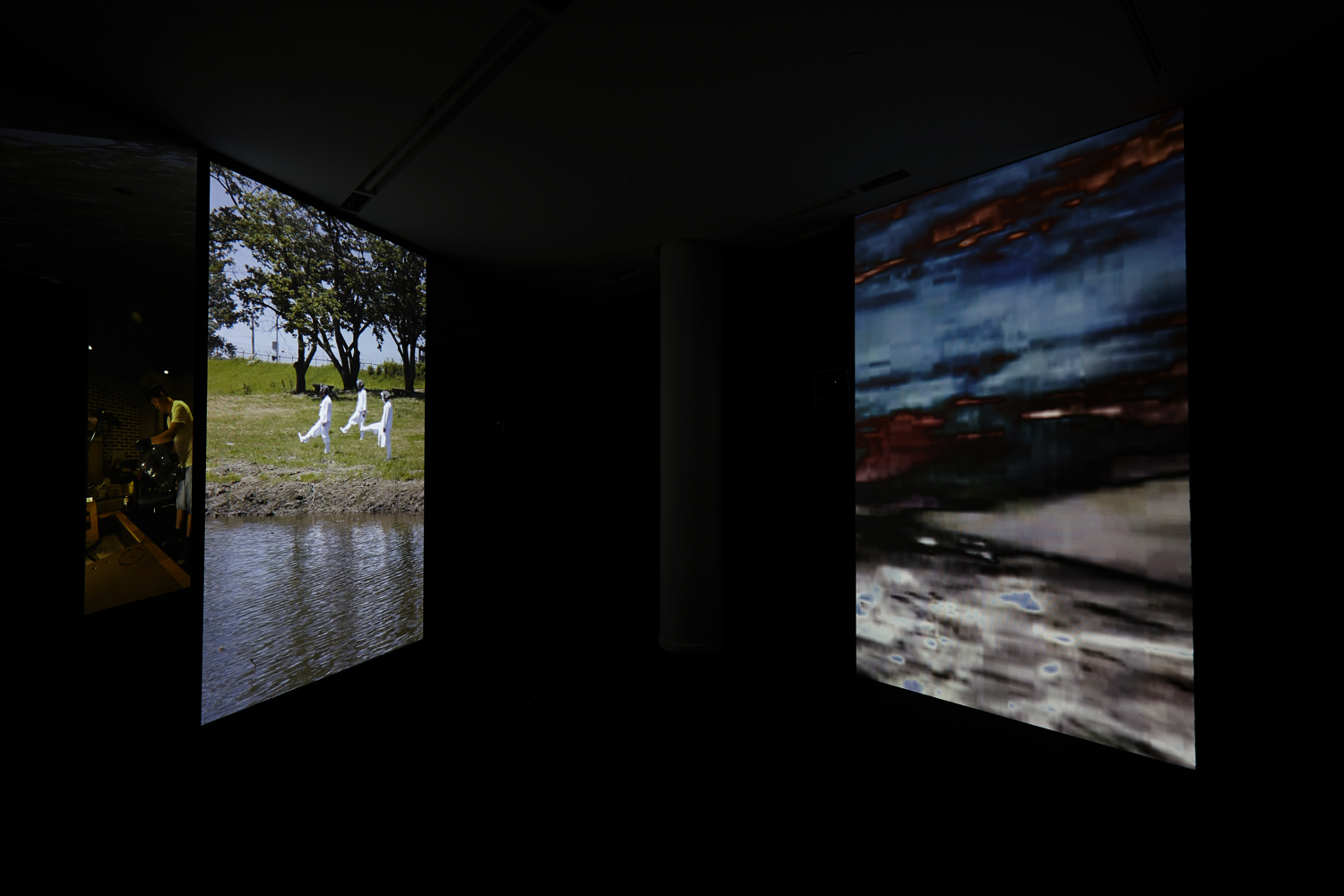
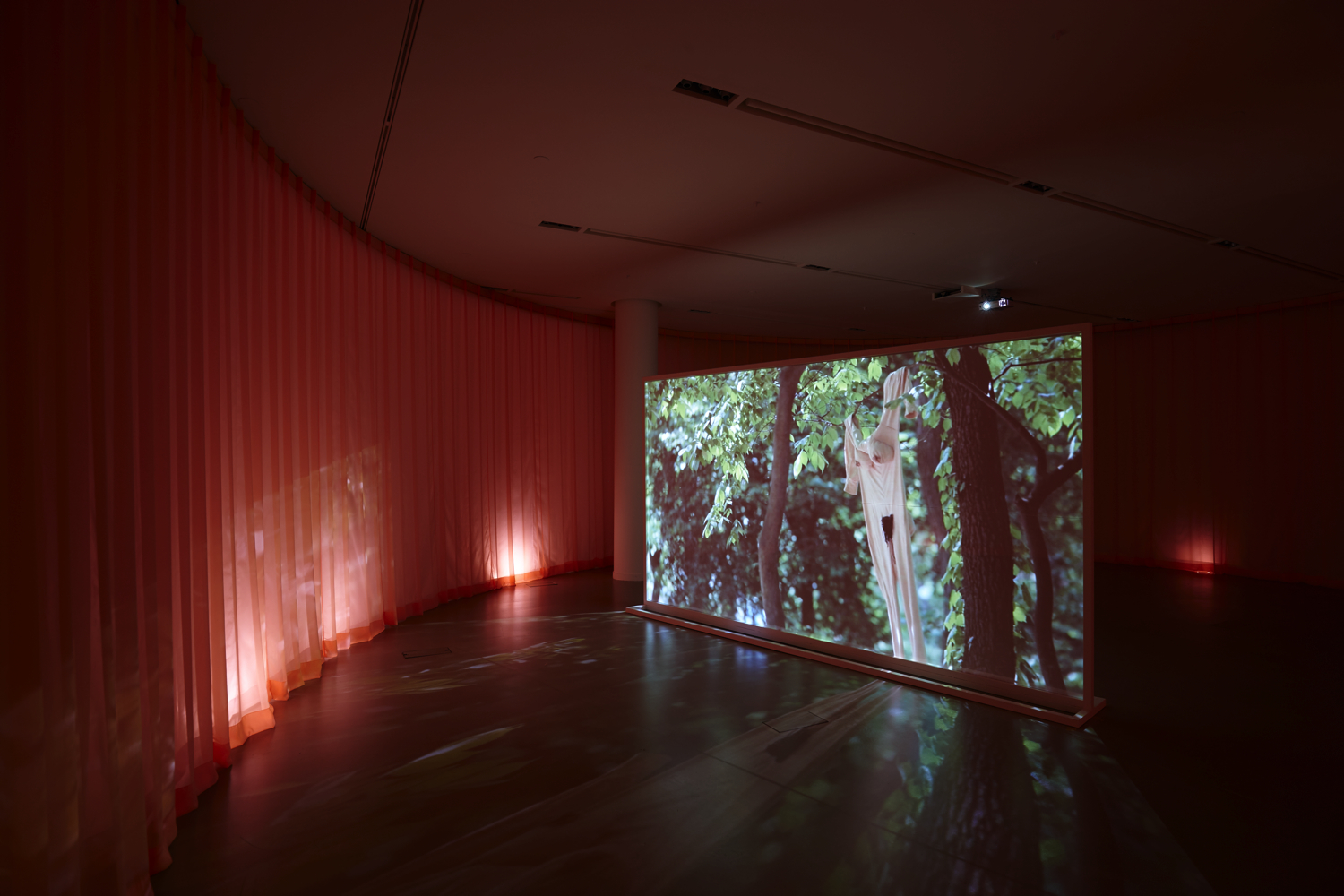
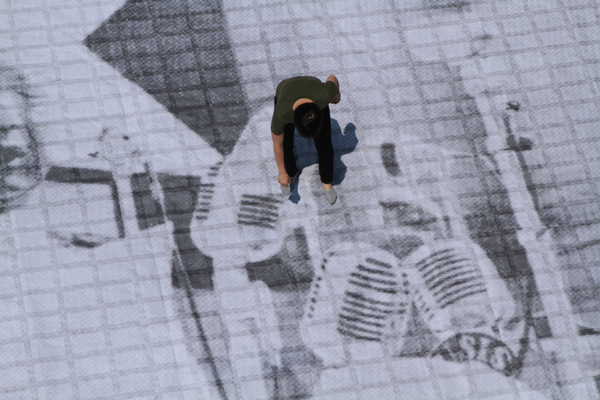
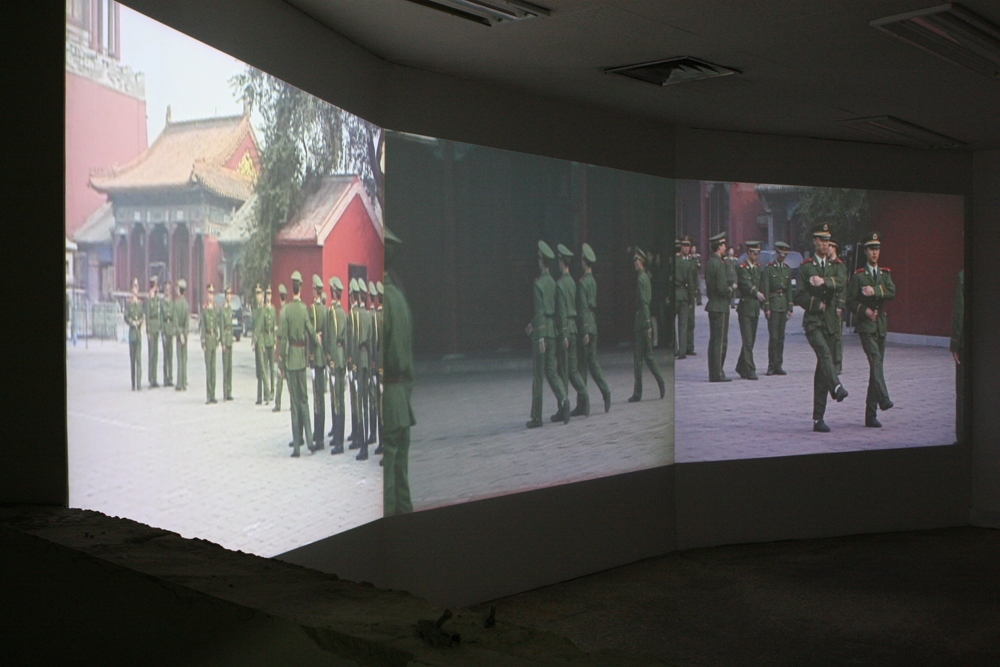
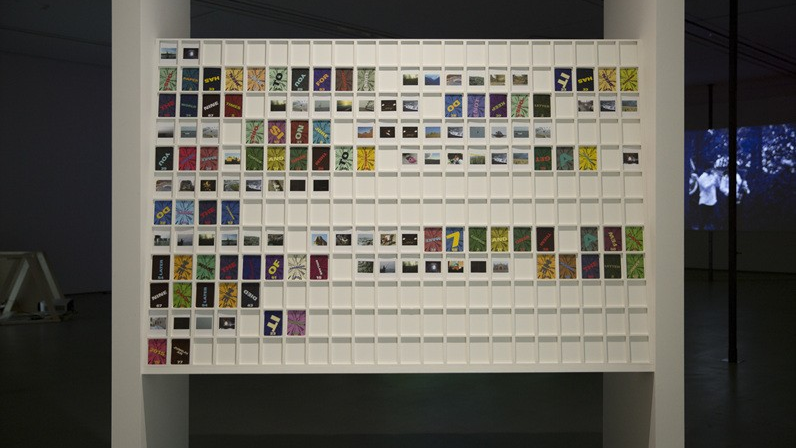
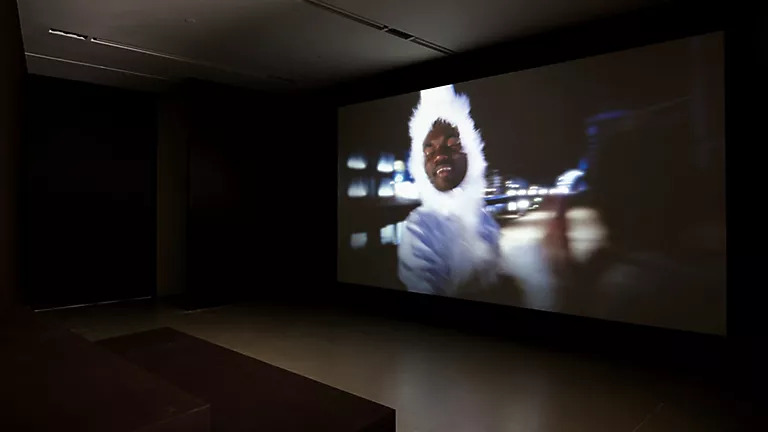
Rolling Papers consists of two dissimilar video channels. On the left side, mundane scenes, whose associations among the scenes are hard to comprehend, play continually with brief successions; and on the right side, images of newspapers printing play continuously with the rhythmic roaring sound of machines.

The signification is not easily given. But as Lev Kuleshov proved, the natural characteristic of human consciousness is to actively seek out significations from seemingly senseless sequences of images. Semiologist Christian Metz called the state “langage,” the concept of semiology. Metz explained in his essay, Le cinéma: langue ou langage?, “An isolated photograph can of course tell nothing!

Yet why must it be that, by some strange correlation, two juxtaposed photographs must tell something? Going from one image to two images, is to go from image to language.” Here, langage is a completely different concept from langue, in which the code of communication relies on grammar. It instead refers to the cinematic method of generating significations through the arrangement of images.

Let us assume that langage exists in Rolling Papers, composed of various arrangements of images and follows the human consciousness’ constant propensity to search for signification. Ordinary scenes from the color screen on the left side show moving objects, and with the images in each shot changing rapidly. The video shows various movements including pause, vertical, horizontal, rotation, parabola, etc.

The footages that attracted An were sporadically recorded without any plan. They do not seem to have any explicit commonalities, nor do they depict any special events; even the sounds are ordinary noises recorded spontaneously on site.

However, because of An’s act of recording video – that is, its framing – we do not abandon the assumption that there might be some intentionality. Though we cannot grasp a clear meaning, let us move to the right-side screen.


An Jungju, Rolling Papers, 2014, Synced 2-channel video, 2.1-channel sound, 4 min © An Jungju

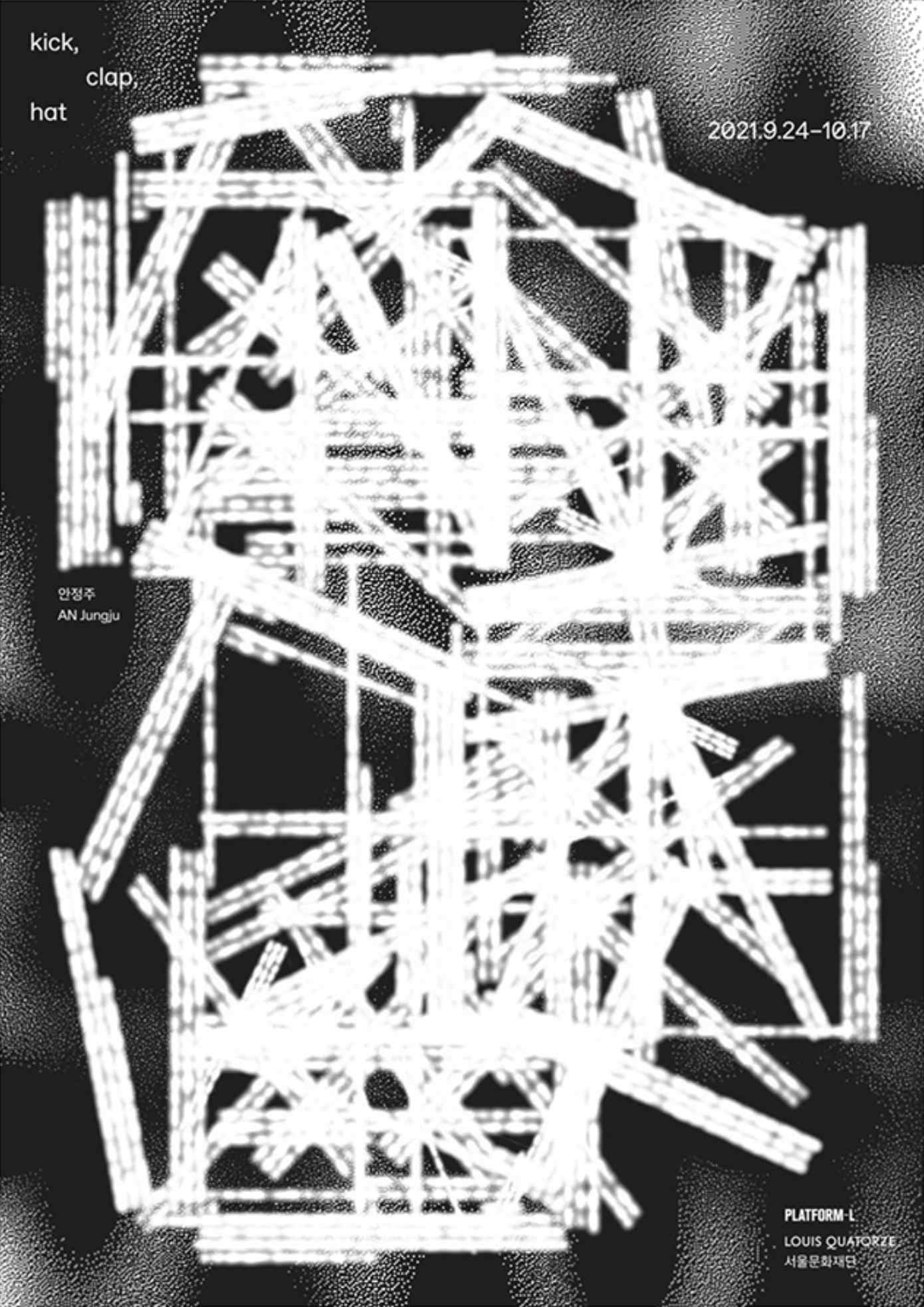
In the black and white video that depicts newspaper printing, the machine moves very rapidly and the images alternate at various speeds. The video and sound produce intense repetitive rhythms characterizing themselves and becoming musical.

Compared to the left screen, which shows ordinary scenes, the right side shows more remarkable intensity. Although there is no logical association between the left and right videos, due to the dynamic differences we are finally able to find a germ that can crystallize some significations.

Newspapers present selected events that contain enough singularity to be considered significant in the midst of the ceaseless triviality of daily happenings. The accidents are then highlighted, emphasized, sometimes exaggerated, and edited through media manipulation.

Following this process, information that possesses a certain degree of intensity is developed into an article, converted into black and white symbols, and then widely distributed. However, in the era of long-term media saturation – media intended to possess a certain intensity – most information is drowned out, passing without acknowledgement, effecting no sensation.

Huge amounts of information are so repeatedly and rapidly distributed that it becomes progressively more difficult to filter out the meaningful. The birth and extinction of information is equivalent to the process of making video. A specific part is extracted, exaggerated, highlighted and edited from the quotidian scenes passing by, and becomes langage; a collection of signifiers that has special signification.

However, it is more challenging for moving images to be unique in an age in which they are exceedingly common. Moving images lose singularity in the same way that an overabundance of information does, like the images from black boxes and security cameras that pervade ordinary life, in which the subject of the recording, the intention, or the viewers, are unclear.

The title Rolling Papers is nuanced accordingly. Information and images “imprinted” with rapidity are assigned meanings, but within a state of saturation they once again become senseless; a condition condensed in the movements of the newspaper printing machine.

There is a more profound dimension in which one finds the similarity between images and information. In his video work, An Jungju omits an apparatus that clarifies the object and subject and, in addition, intentionally limits information. Various images whose similarities are difficult to recognize are cut rapidly and pass by.

In between the shots, there are abrupt black screens and, because of this, images appear more disconnected and confusing, requiring more attention from the viewers to detect patterns. Out-of-focus images make viewers struggle to recognize the object. These processes are very similar to information entropy.

In information theory, when receivers encounter information that is limited and whose regularity is hard to grasp, the entropy increases with the amount of delivered information.

And even though it is a theory involving signals – with which it is possible to perform mathematical operations – in the broad sense of information theory it is understood that, when there is appropriate disorder, communication can reach its maximum value (as in contrast to when it is in a regular and clear order).

Although An did not make this work with information theory in mind, the apparatus that he created compels viewers to attentively seek significant information. At the same time, the restricted images show the possibility of language, the language proper to moving image that cinema has sought. Through this method of editing An excludes external significations that are customary and cliché.

For example, if landscapes, text, and sport scenes were recorded in long takes, they would have remained as cliché sequences. However, in the seemingly incomprehensible and confusingly edited video work, viewers concentrate on the video’s dynamism; this allows them to find new significations from the similarities in the flow of information.

Hence, An Jungju’s images are a matter of syntax rather than semantics. Signification and indication are not a priori given, but rather grow slowly in the sequence of images and from there generate a new interpretation.


An Jungju, Rolling Papers, 2014, Synced 2-channel video, 2.1-channel sound, 4 min © An Jungju

Concerning the work, there is another observer: the artist himself, who examines his behavior while holding a camera. Even though this is not an apparent element shown in the images, it is clearly revealed because the artist persistently abates emotions, feelings, or decisions of formal aesthetics of frame.

The gaze of An Jungju is the gaze of the observer or scientist who pursues the relationship between intertwined images and sounds and the gaze of the film theorist, who shoots experimental video to study the nature of images. In retrospect, looking at An’s past projects, we can see how careful he has been not to reduce images into a particular value or explicit proposition; and how he has tried to avoid specific prejudices when he records.

In the process of editing, An has recomposed the images from a dry and neutral point of view rather than emphasizing specific objects or situations. However, regardless of his effort, An is aware that his works should be interpreted according to social circumstances and conditions beyond the screens. Unexpectedly, An claims that the Rolling Stones’ song Paint it Black inspired him to create this work.

Even though the lyrics are full of images of ambiguous colors, stating that they would like the world painted black, and to turn their heads from the colorful things to speak about the darkness, we interpret the song in the context of the Vietnam War. The song also became an anti-war symbol after its use in the soundtrack of TV series about the Vietnam War.

From the circumstance of the song’s interpretation in the context of war, An contemplated how the images he created with pure intensity became a langage of moving images; how it expanded into social implications; and, in this process, the direction from which the artist should approach.

These thoughts are important because they are part of An’s serious efforts to affirm the unique power of the moving image and to develop its video ‘langage’. However, true of An’s recursive gaze is that it can sometimes suppress the possibility of free experimentation with images, like the notion of the ‘spectator role’ in psychology.

There is a risk inherent to this kind of omniscient perspective that, in constantly observing the images that draw him – the images he records – he risks generalizing his self-tendency rather than freely recording images of interest in, or characteristics of, certain subjects. In addition, after realizing his repetitive pattern of approach, there is an added risk of confining himself with a restrictive attitude of recording.

In fact, the video on the left side of Rolling Papers shows the repetitive movements and compositions that have persistently interested in, but it is not substantially imprinted in the mind because it is too dry and lacking in character.

An’s intention to eschew dependence upon the magniloquence of language but of being plain and understandable; but, as he has shown, the world is saturated with images, and if there are no poetic elements, or punctum, how can the work be a powerful langage? An’s images appear inquisitive, excluding any emotional elements to a great degree, never obsessing over formal screen aesthetics, but they are too abstinent and prosaic.

An’s attempts to deal with social phenomena through pure intensity originate in his sincere belief in the unique language of moving image, and Rolling Papers shows this belief through genuine experiments. It is reminiscent of Descartes’ sincerity, in which he would only accept a truth if first proven (to be truth) to himself.

However, such attitude, just like the Cartesian conviction of subject, could mean confining images to a narrow field. Image can possess much larger and more varied intensities than ordinary language, and it has true power when its signification cannot be verbalized. The power, rather than restricting viewers such that they miss formal experiments and social messages, can actually underscore the significations.

We find the evidence from the song that An refers. If Mick Jagger’s gloomy, anger-filled voice and strange melody were not present alongside the lyrics and symbols from the song Paint it Black, would the song have been an enduring anti-war icon? If An Jungju seeks the politics of intensity concerning the power inherent to visual images, his work needs to be poetry, not prose.

Of course, he needs not abandon his way of seeing as a prudent observer or experimenter. An Jungju’s video works can achieve a much more powerful langage if he maintains his delicate sensibility towards the rhythm of moving images and finds poetic images that leave emotional impressions.


References