Life’s Moving Rhythms
YANG Junguk’s stories, which are developed upon careful observation of ordinary
life, always unfold centered around people. Observations and imagination
regarding a certain person become the foundation, or situations arising from
people interacting with one another are depicted. Recently YANG has presented
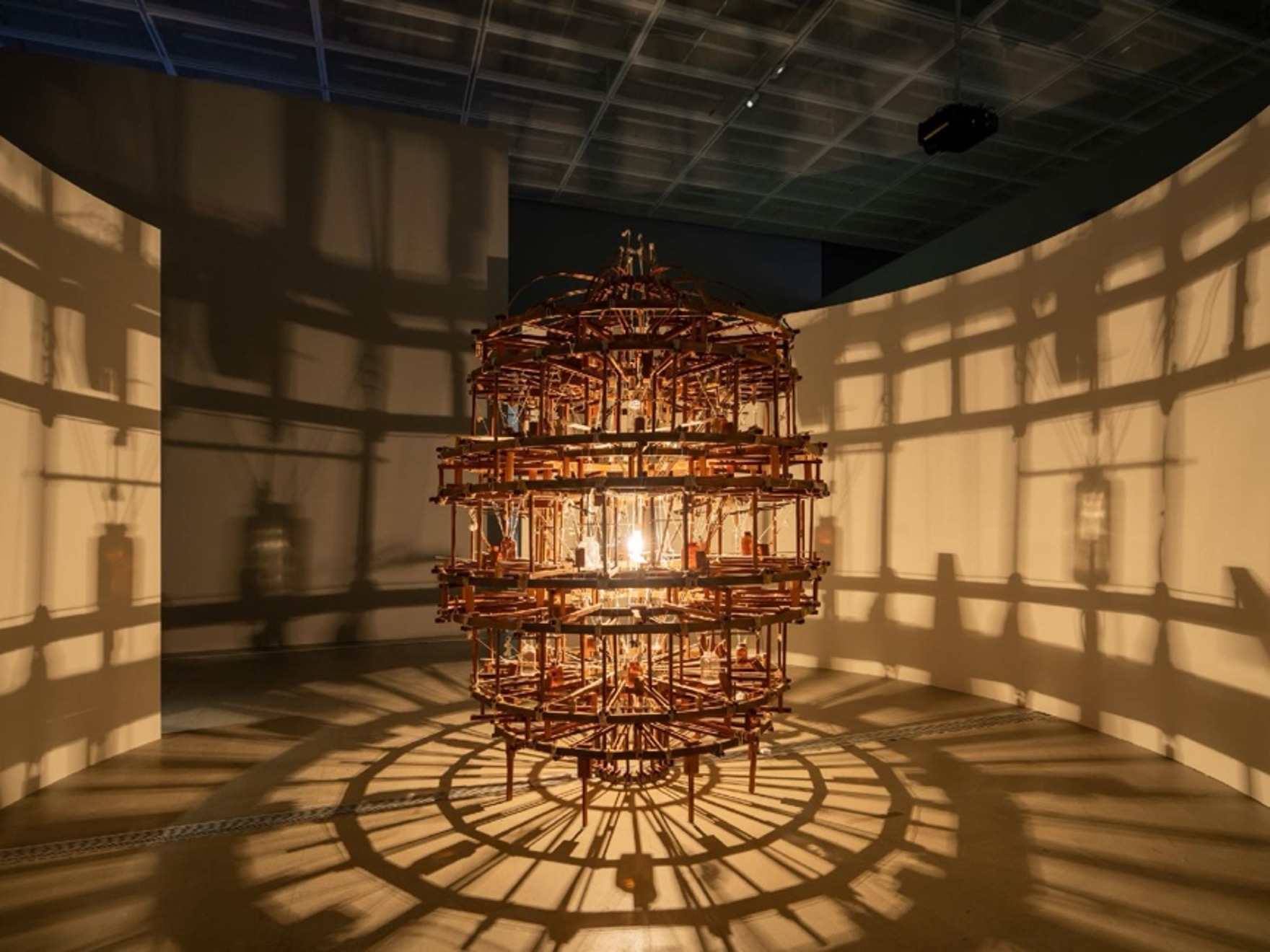
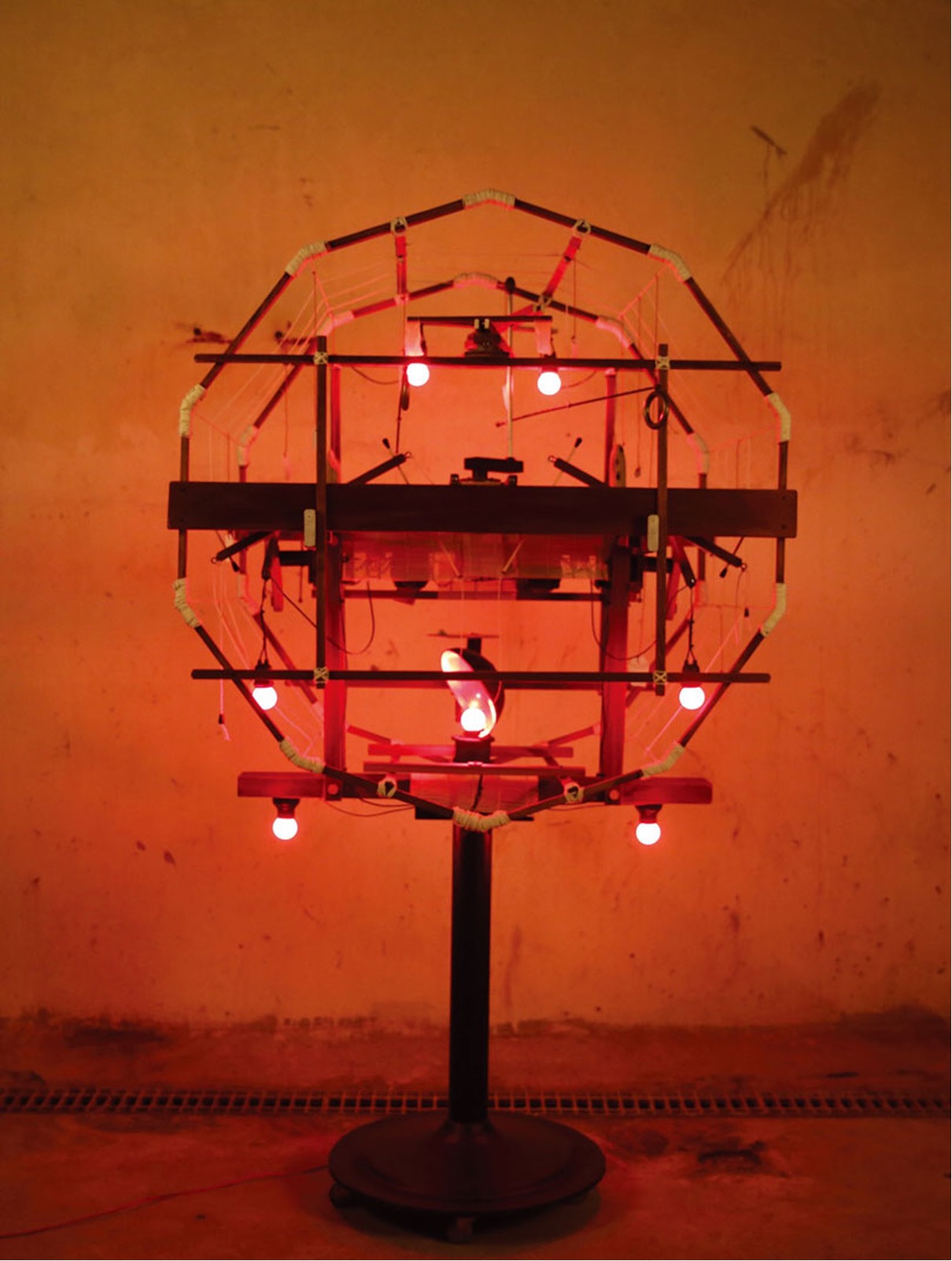
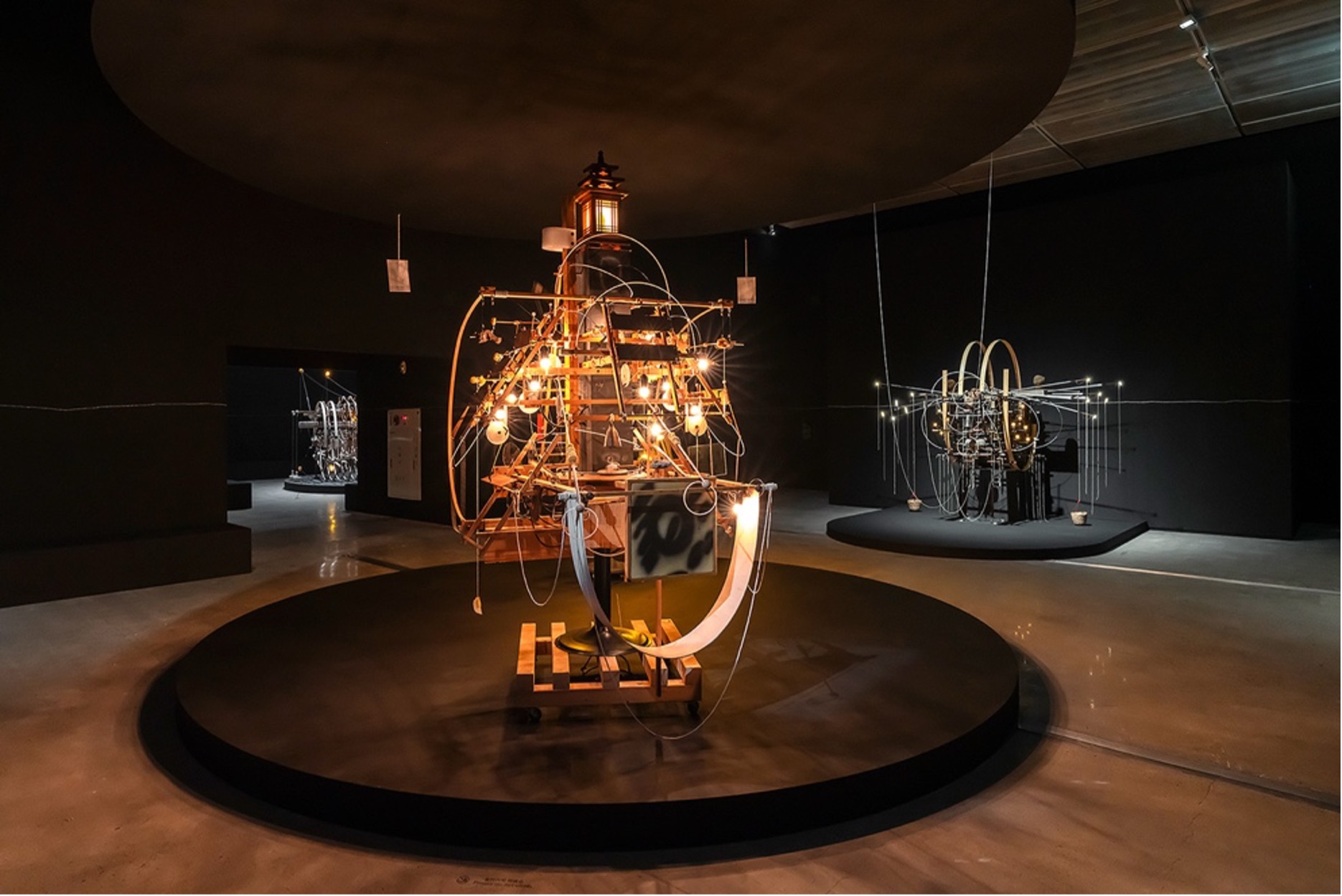
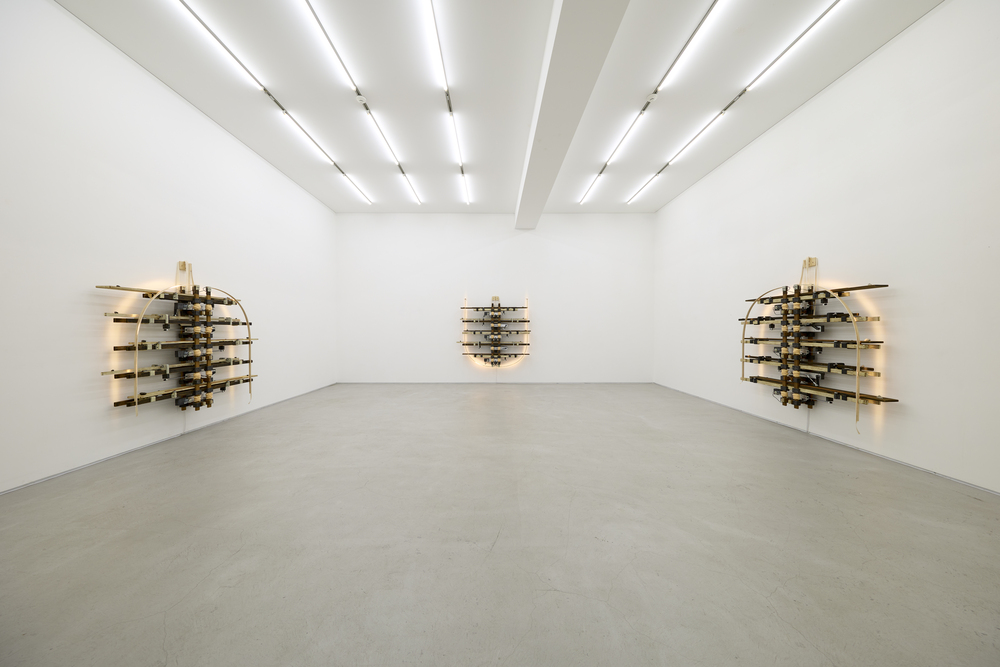
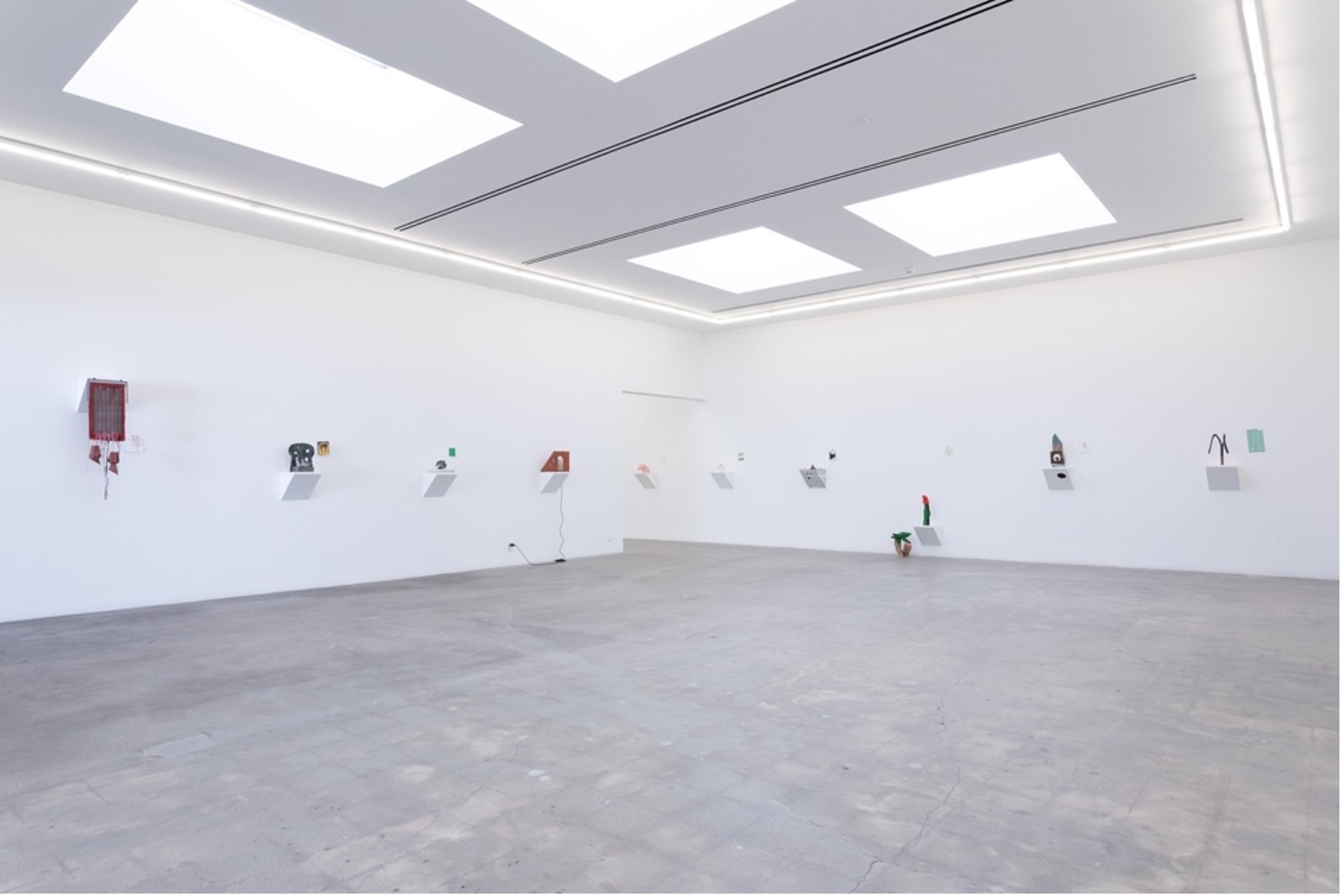
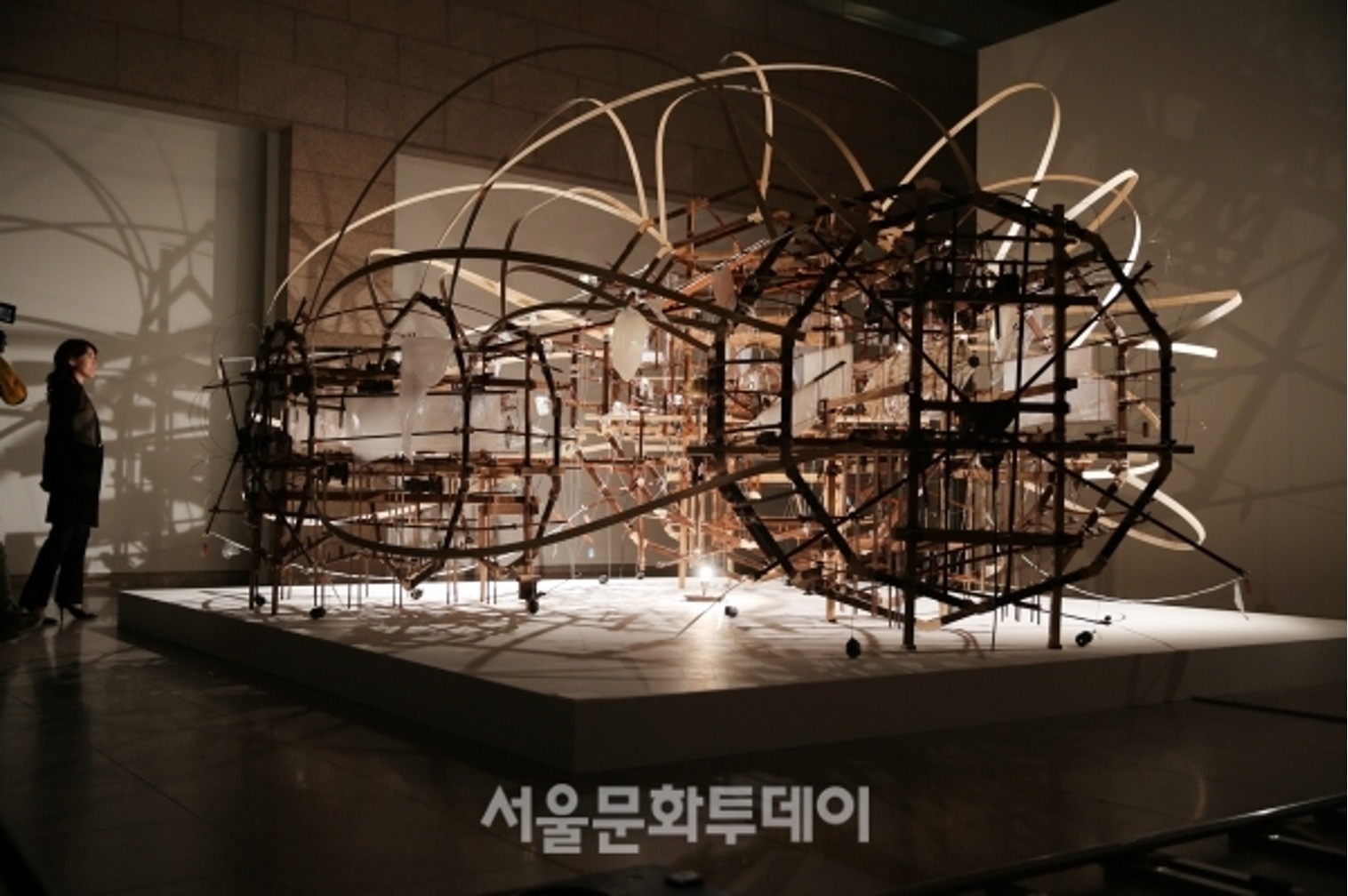
the series Standing Works(2015-2016), Signboard for
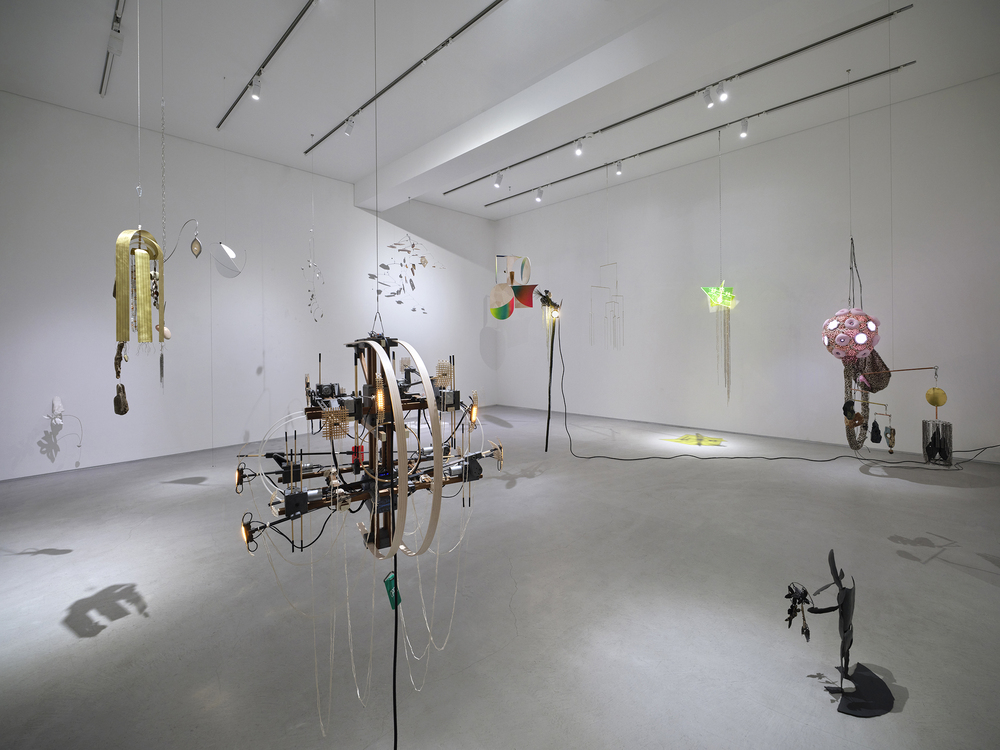
Some of Store(2017- ), and Things that Do Not Sleep and
Delivered Every Time(2017- ), which further focus on the
characteristics of each individual and a fictional personal history. If the
artist’s previous works constituted a type of improvisation, his recent series
are composited like one-act play.
Regarding these three series, the
artist says he “worked out the rhythm that began from the work in three ways.”
They are images of people we can easily find in our surroundings, people who
work hard and move about, but are still helplessly drifting along with fate
while in disunity with the world – someone who has spent an exhausting day,
someone who is chasing a simple but earnest dream, and someone who suffers from
aching but very common misfortune, et al. To these people, who are simply
lumped together as ‘petty bourgeoise’, YANG Junguk attaches individual detailed
and earnest stories to bestow upon them concrete life. He creates stories about
what occupation a certain individual had in the past, what happened for that
individual to leave the trajectory of their dream life, and why he or she
squeakily leads their life with such movements and patterns. It thus becomes
convincing that these people’s life rhythms were of a sense acquired through
life, as opposed to being innate. YANG’s art, which considers one’s ‘attitude’
toward life through vocational habits, simultaneously explores life’s
‘mechanism’, and life’s precariousness ultimately applies here as a universal
principle. However, that precariousness is experienced in a very individual and
specific way. The irreversible flow of time, improvements in technology,
unfortunate accidents, or slight failures that have occurred due to someone’s
request make today’s daily life different from that of the past, and move and
transform life. In the larger context they may constitute generally similar
modes of life, but to the individual this is a change in qualities akin to
alchemy. When facing the artist’s fabricated stories saying ‘everyday life
still goes on’, the viewer assertively empathizes with the message, and forms
an amplitude of imagination in the realm of experience, which is inevitably
different for each individual. For instance, when a viewer believes that a
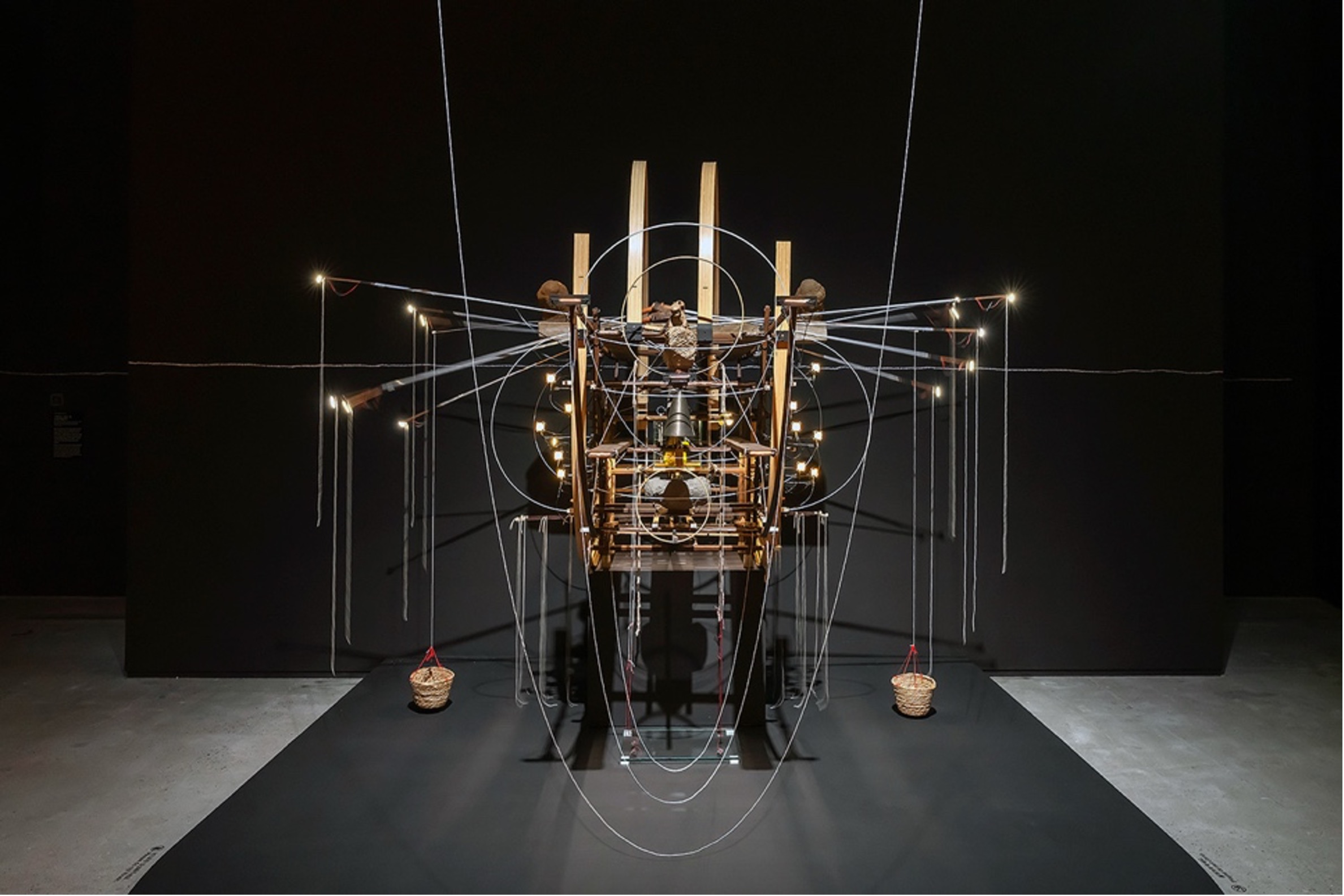
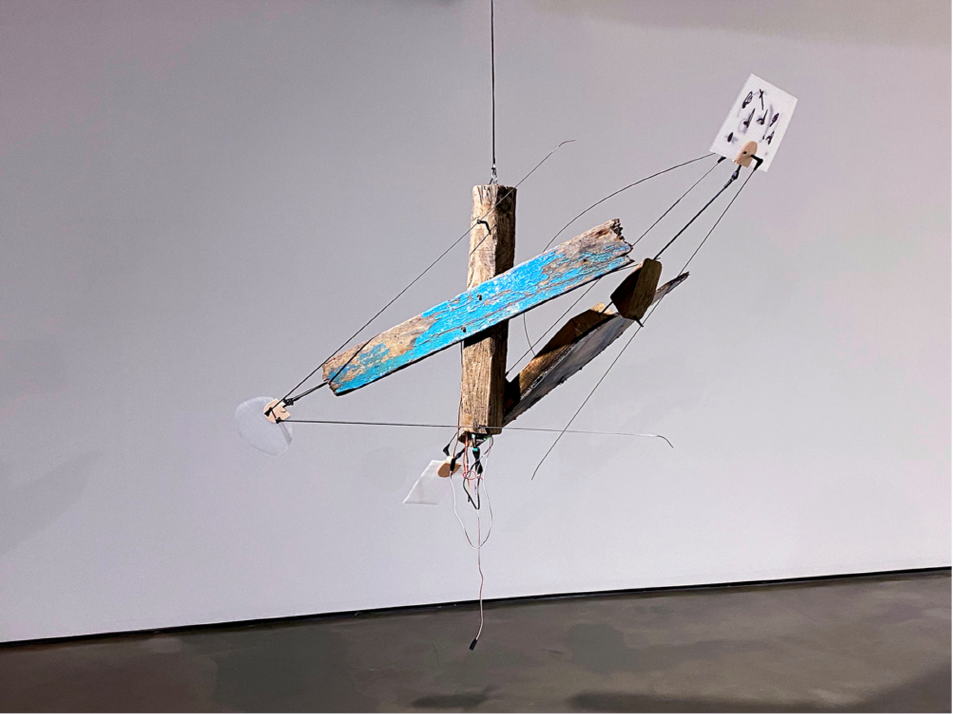
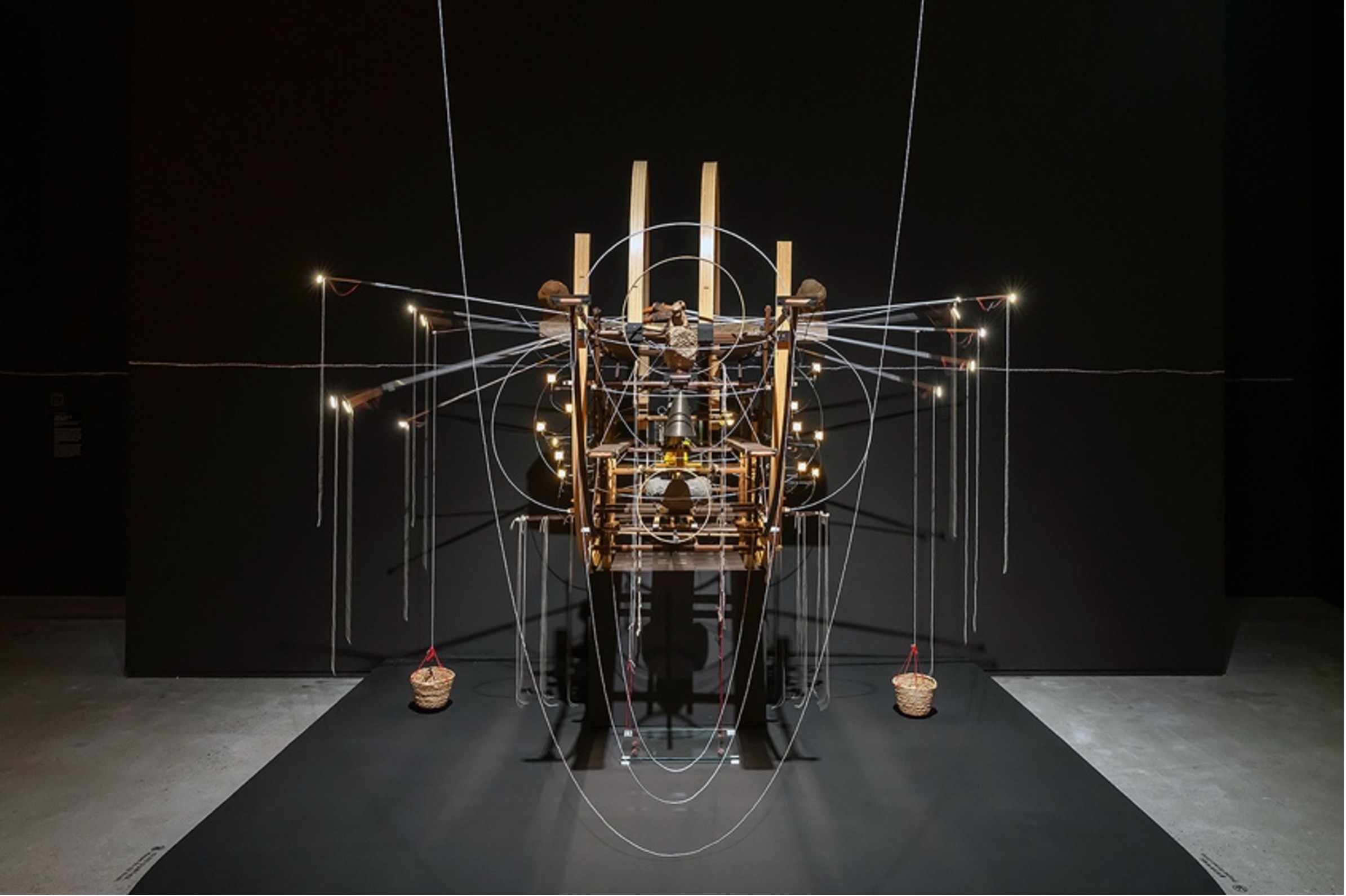
wooden stick sticking out in YANG’s Signboard for Some of Store #11 (2017) is
‘a devoted hand petting hope’, it is partially due to the artist’s intention,
while it is also because everyone understands those earnest wishes, if only to
some extent.
The Structure of Similarity
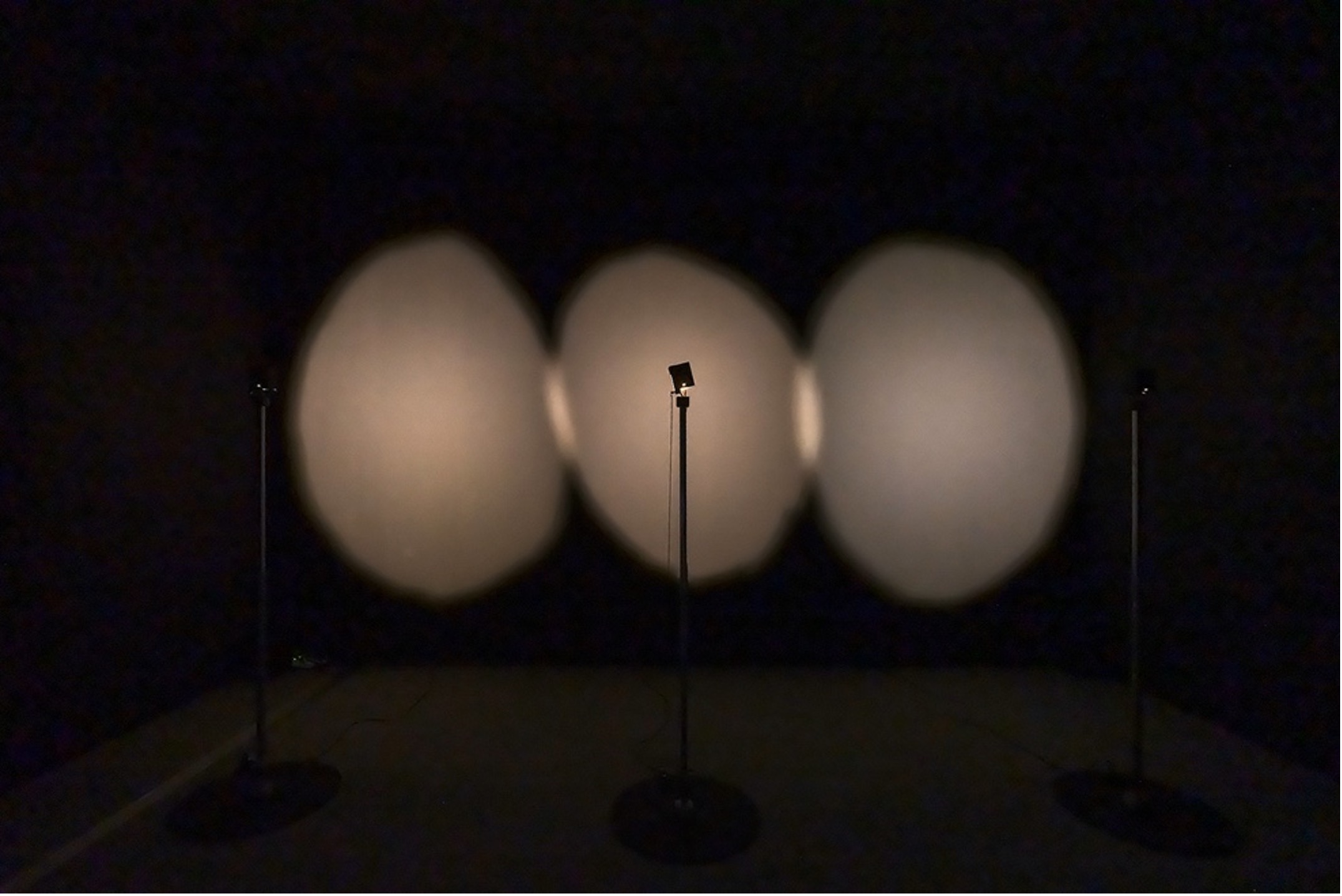
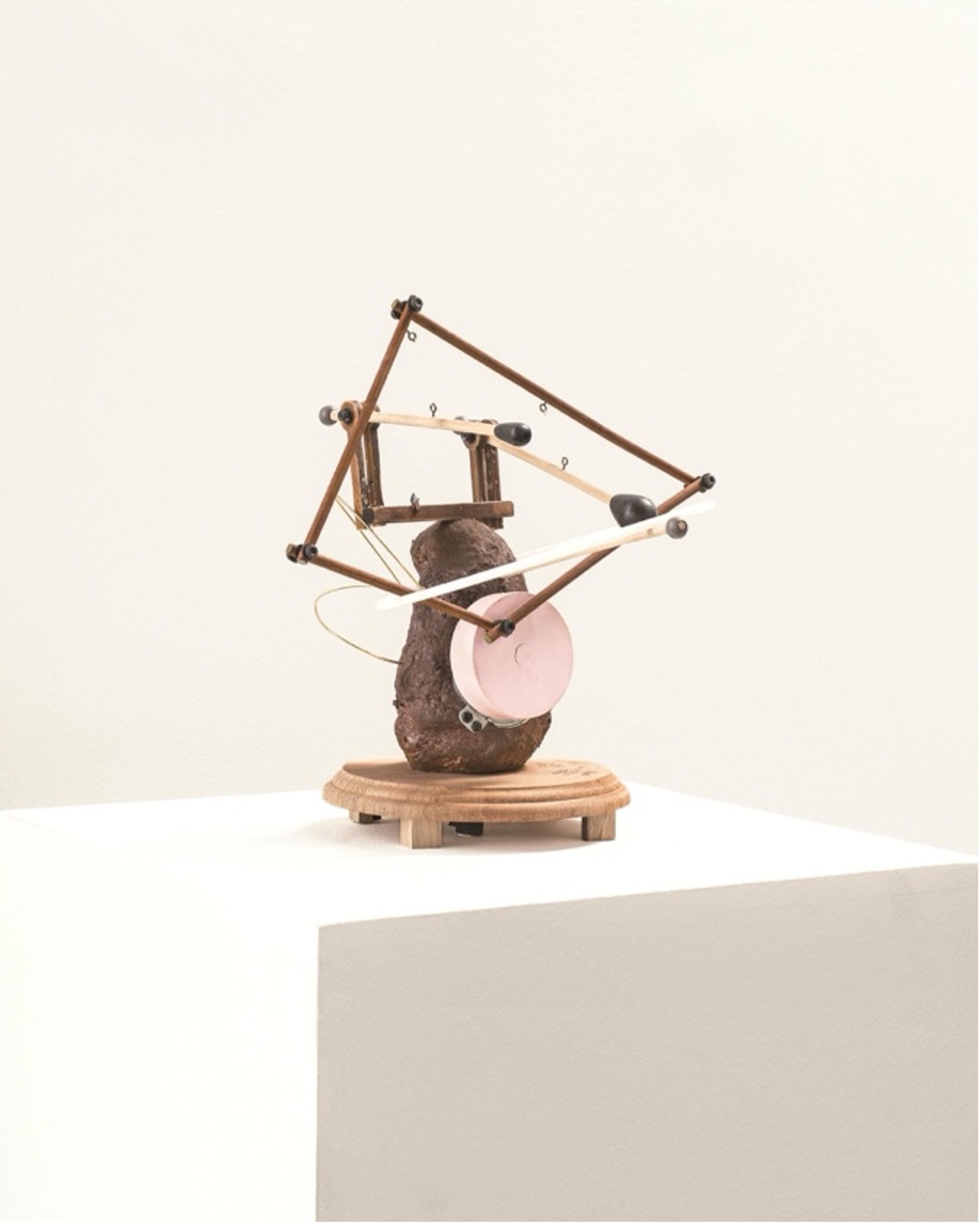
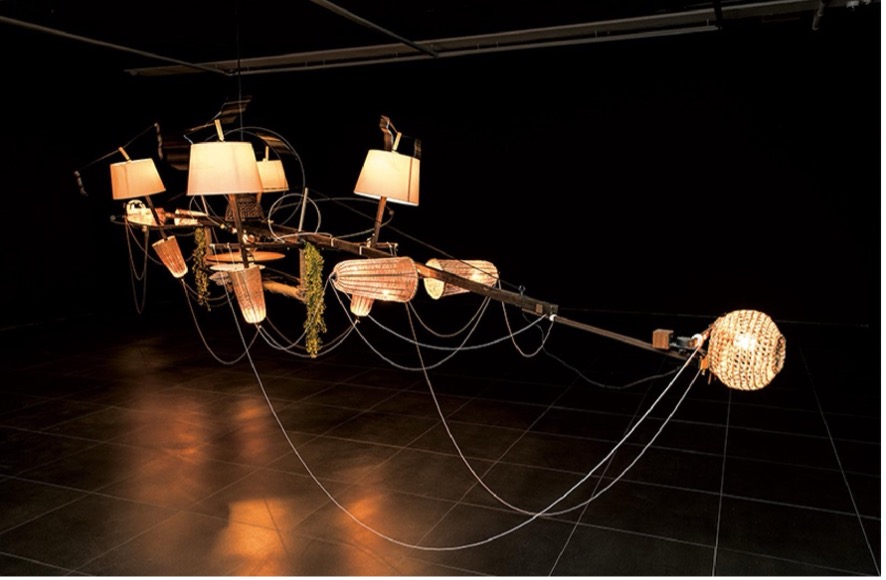
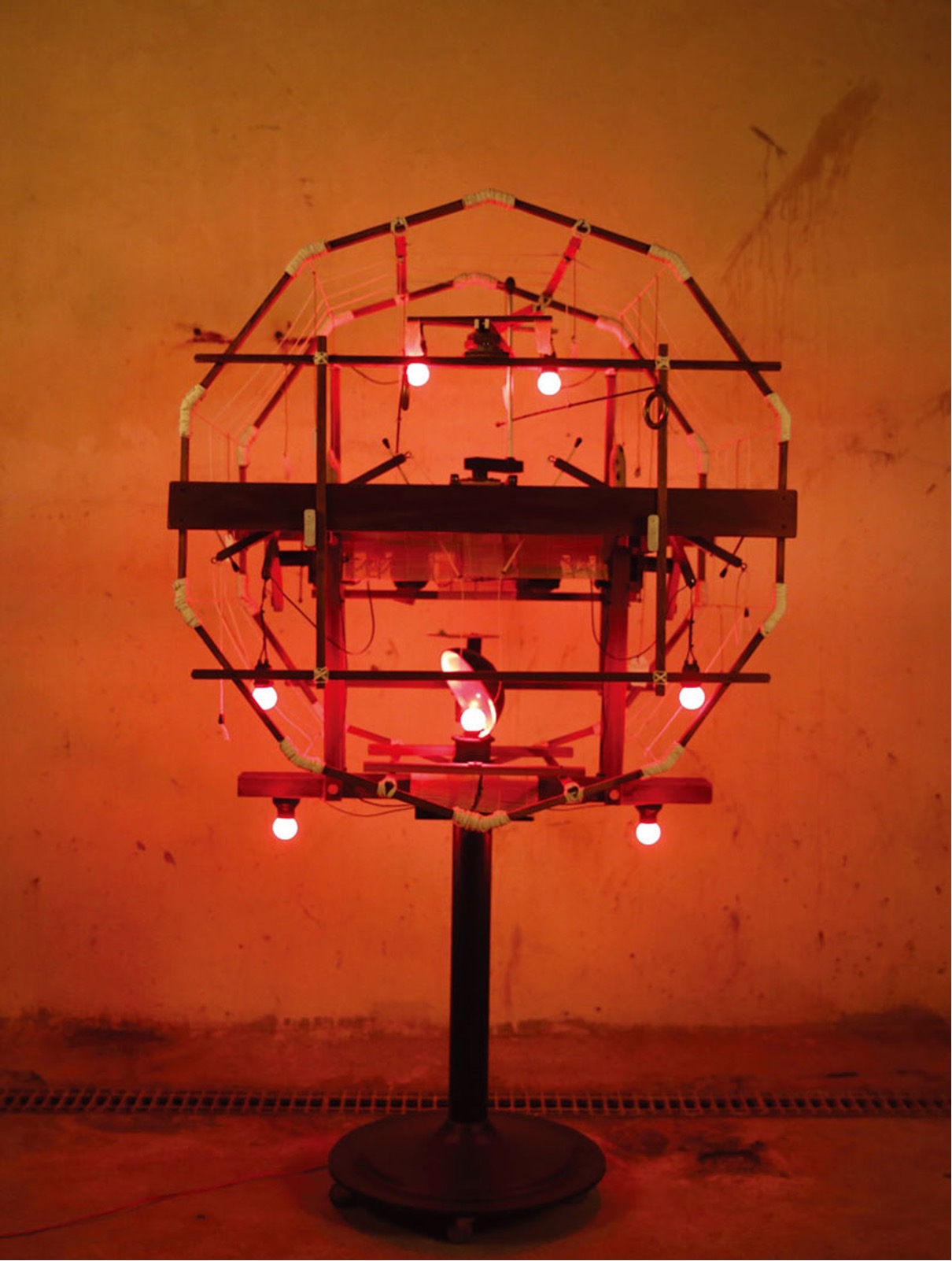
The forms YANG Junguk makes with
strings hanging in a confused tangle, a besmirched wooden stick, and even green
duct tape actually do not visually match the external appearances of genuine
people or objects. They are optional and arbitrary, like when a child with a
few stones becomes seriously absorbed in his or her playing house. Nonetheless,
naively enough, we perceive his narratives as told when viewing his
installations. “Oh my, yes, that’s true. Isn’t the way it is standing just like
someone with a tray serving food?”, “There’s a deer here. Hey look, there’s
even a bear over there.” The reason one helplessly falls under YANG’s spell is
because viewers intuitively accept resemblances as implied meanings rather than
understanding them through the extent of figurative similarity. This is related
to the correspondence relationship Walter BENJAMIN would have called
‘non-sensuous similarity.’ He freely uses figurative languages and literary
languages in a mutually complementary way to deliver stories and seeks
sentimental sympathy in the relationship.
In YANG Junguk’s works, literary
language is usually presented as sentence-style titles or short texts appended
to his installation pieces. Particularly, Standing Works and Signboard for Some
of Store are anthology series in which each series has a large theme in common
but the main character(s) keeps changing. While the works lack continuity
between them, they are formed so that an episode is completed within each
piece. What makes this possible is the individual texts given to each piece. If
one views only the external appearance, he or she may tilt their head to one
side and say “What is this?” However, if they read the text they will
automatically nod their head and withdraw their suspicion. What connects the
triangular composition of text, installation and narrative here, while filling
in the gap between matter and non-matter, is the viewer’s imagination and
recognition of ‘resemblance.’ However, this resemblance is about how much the
narrative, as a synthesis of figurative and written language, resembles actual
life, rather than signifying its consistency with external forms.