






Solo Exhibitions (Brief)
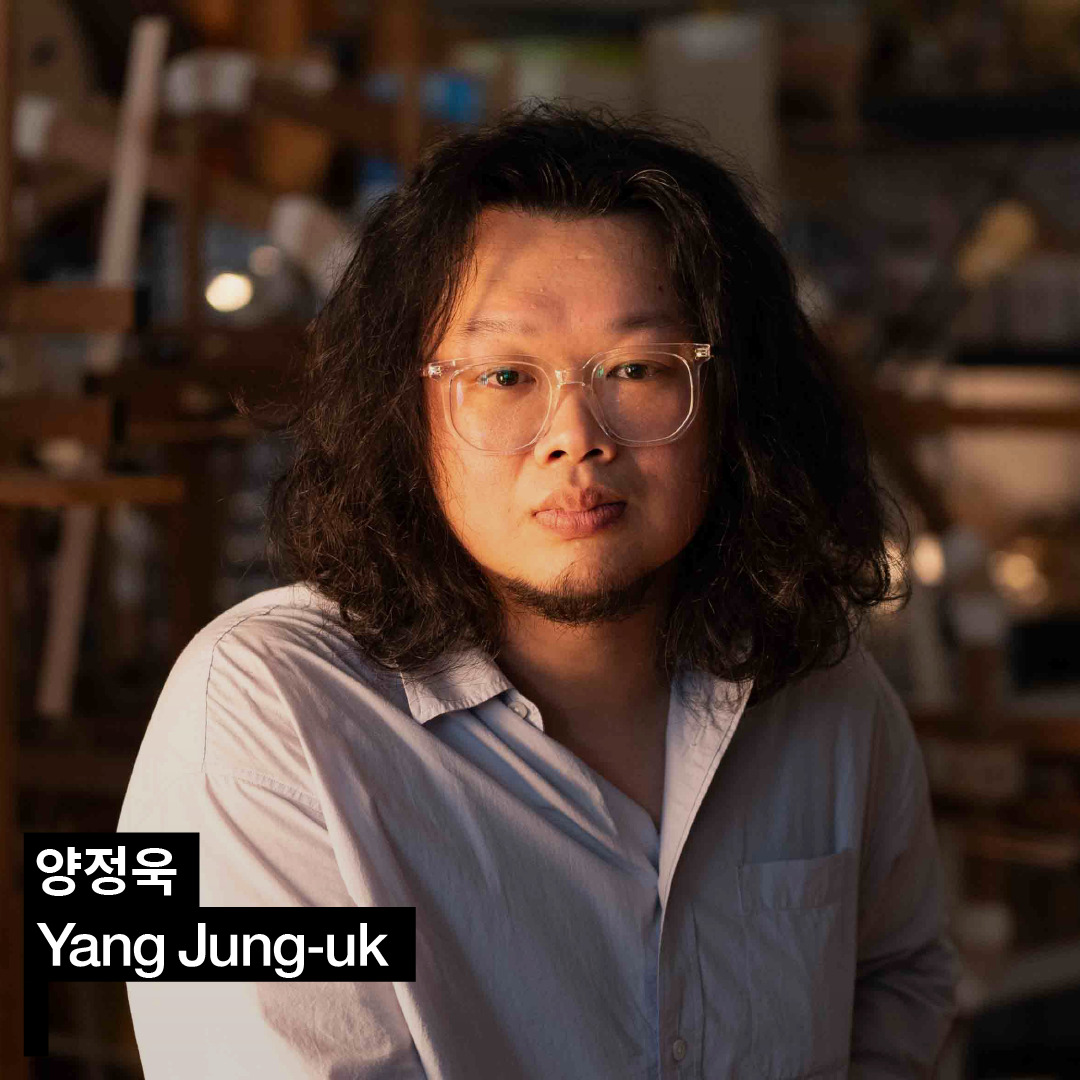
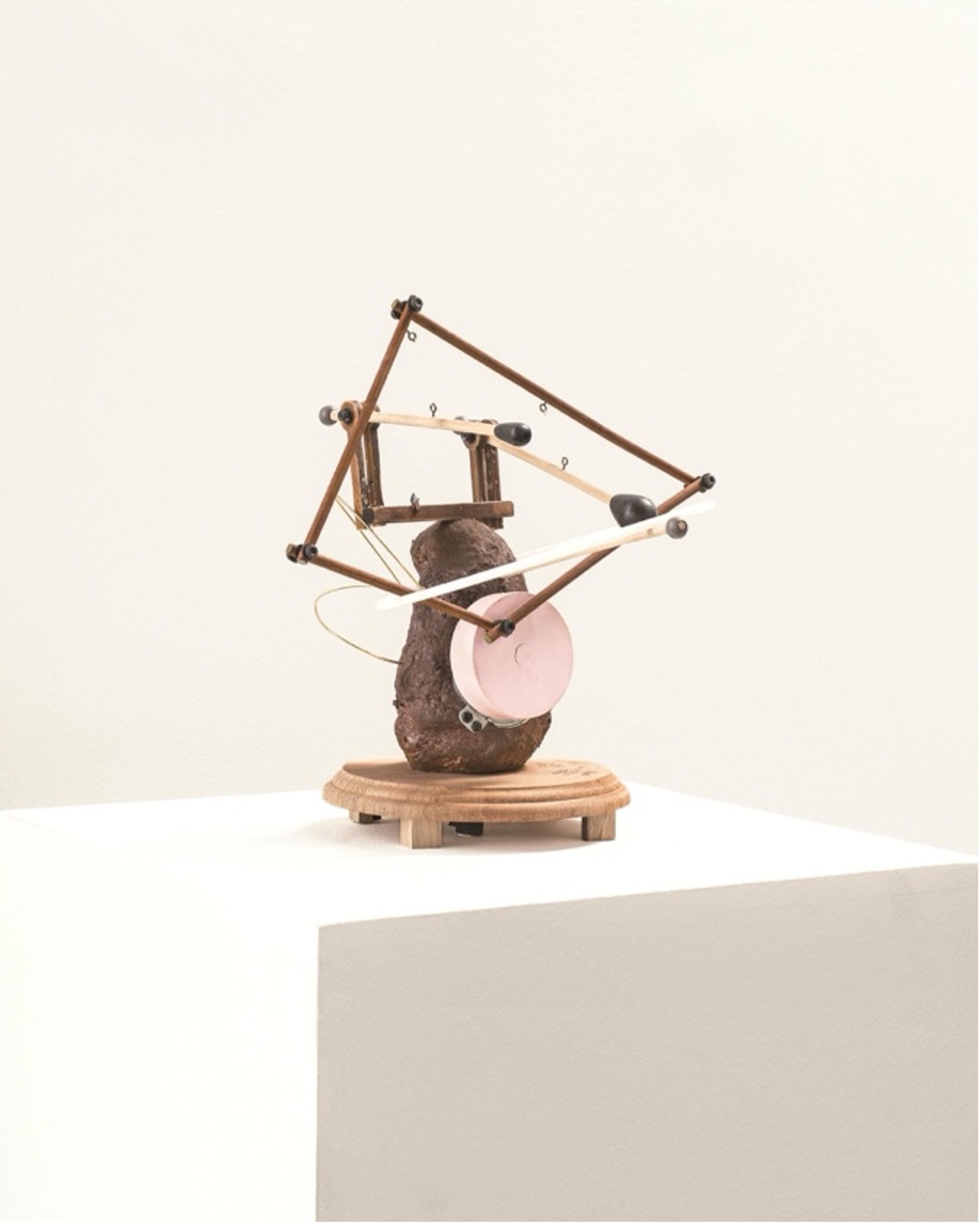
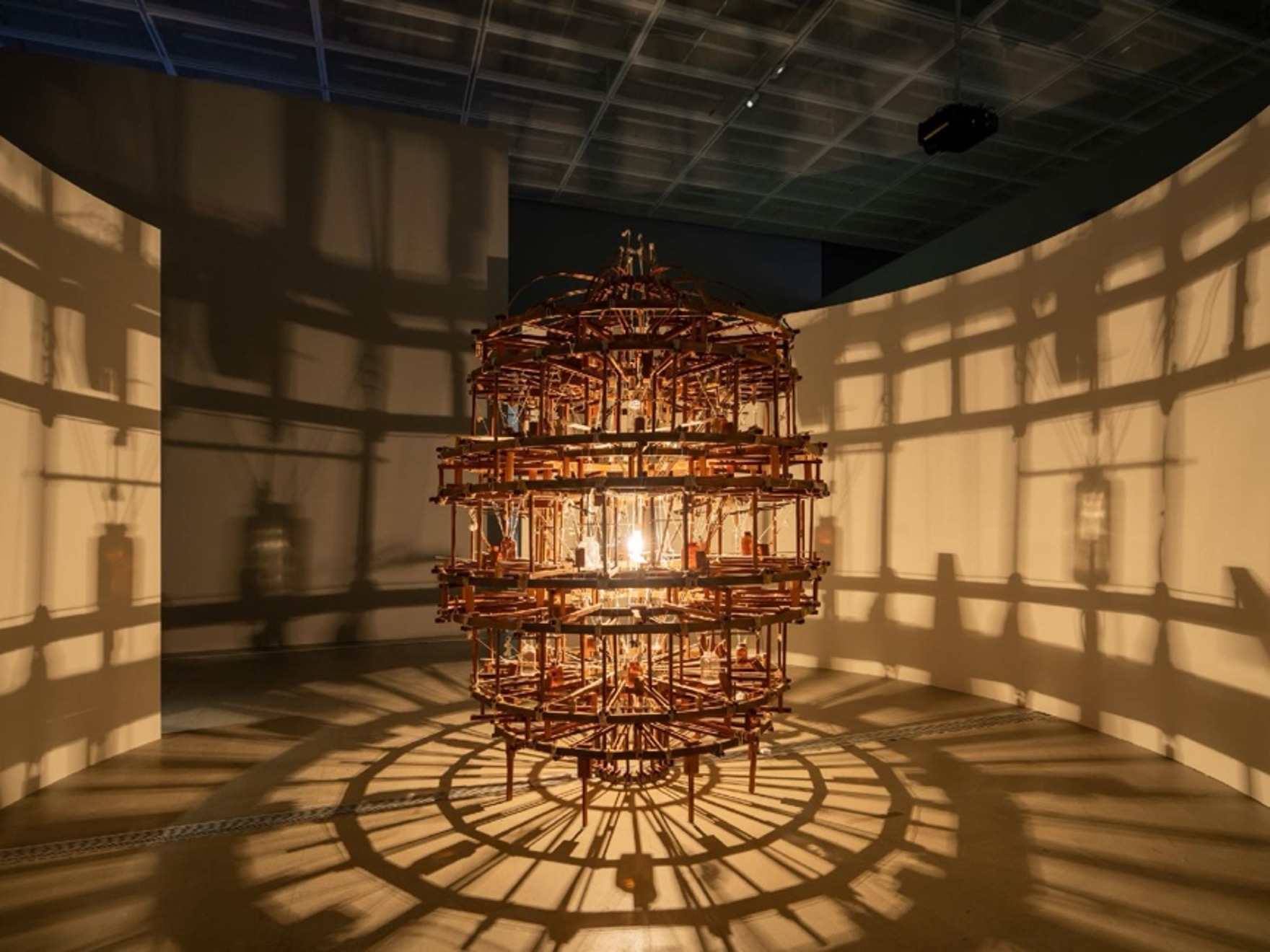
Yang Jung Uk has held a total of 10 solo
exhibitions from 2013 to 2025 at Gallery Hyundai, Doosan Gallery, OCI Museum
(twice), The Soso, and Musée de Kerguéhennec (Bignan, France), among others.
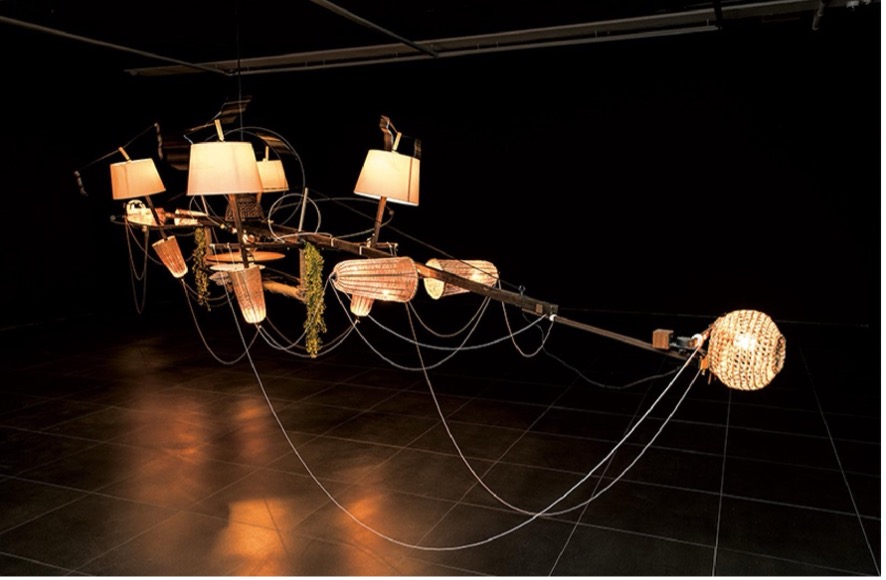
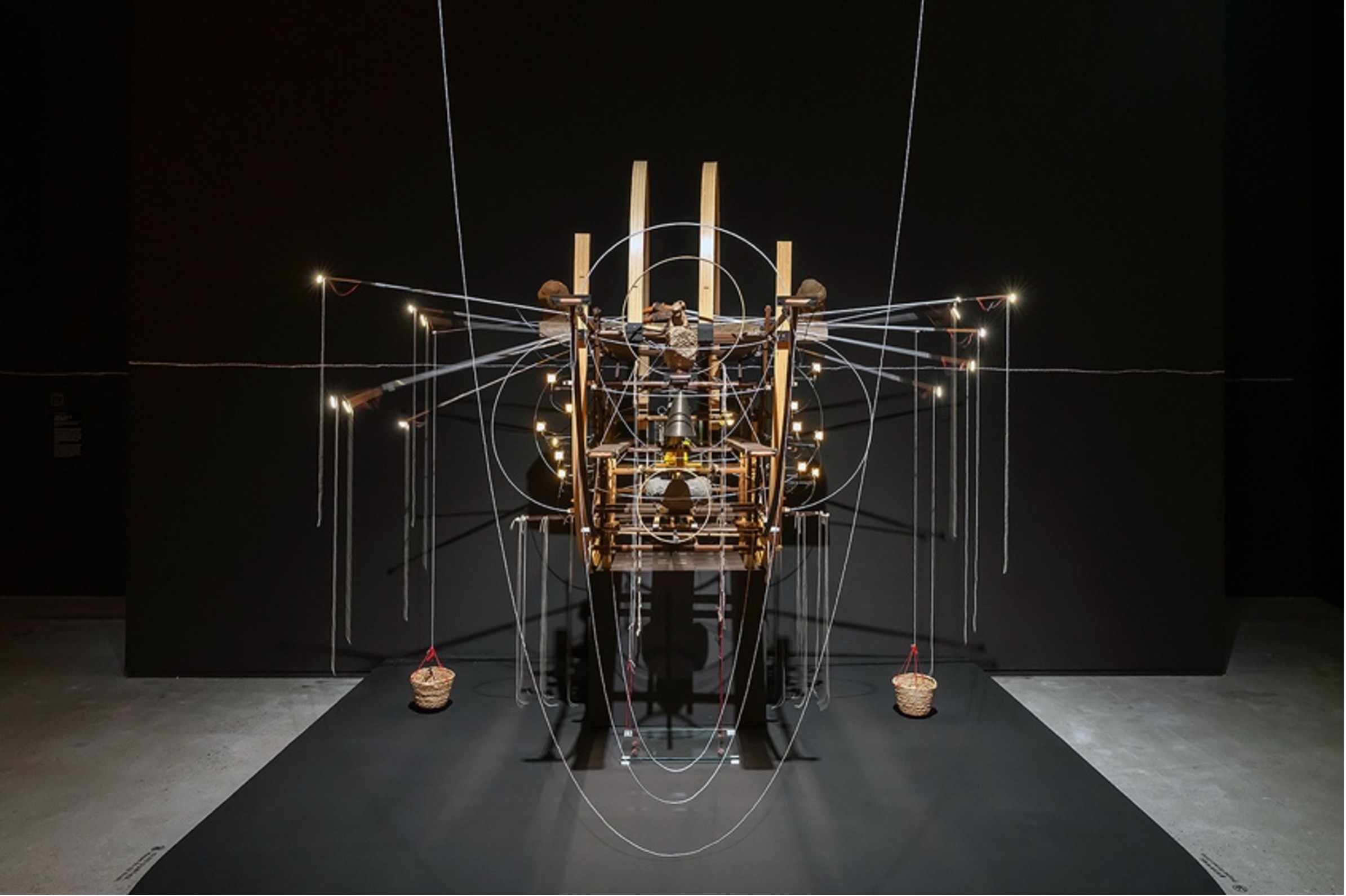
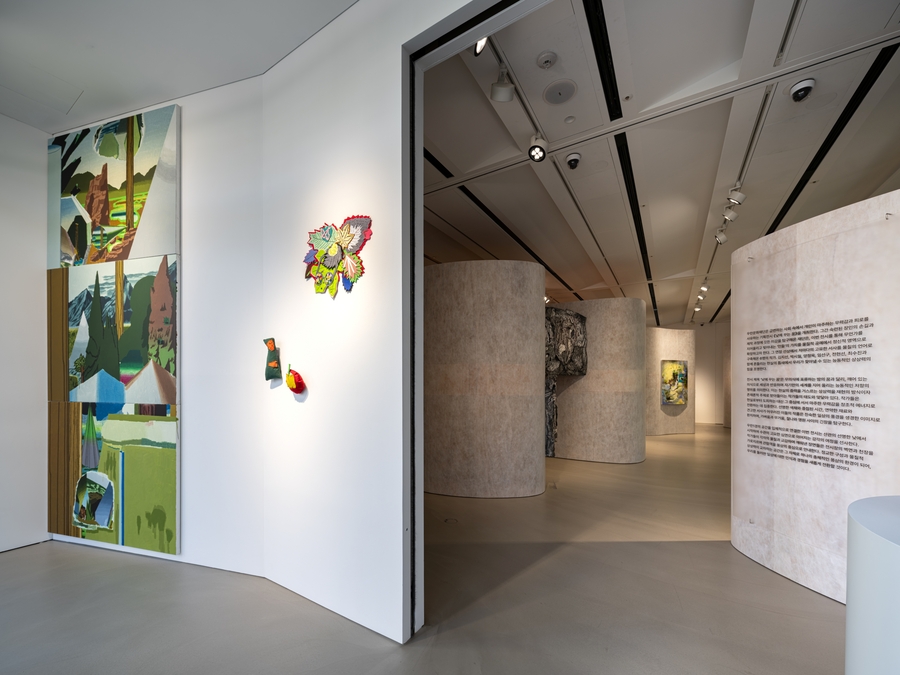
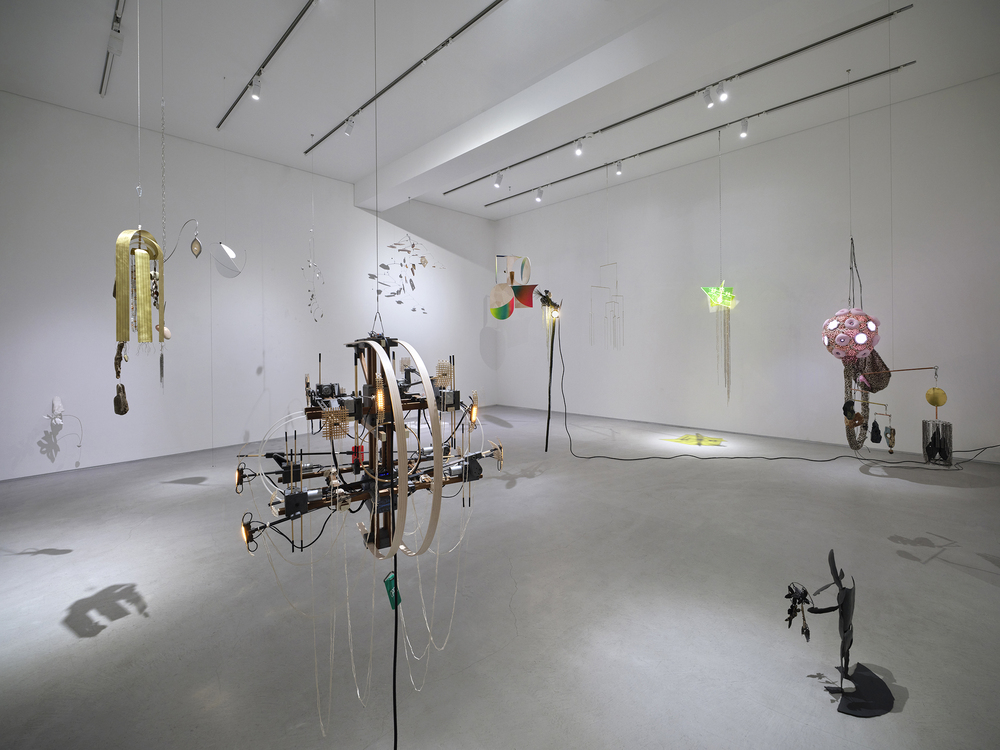
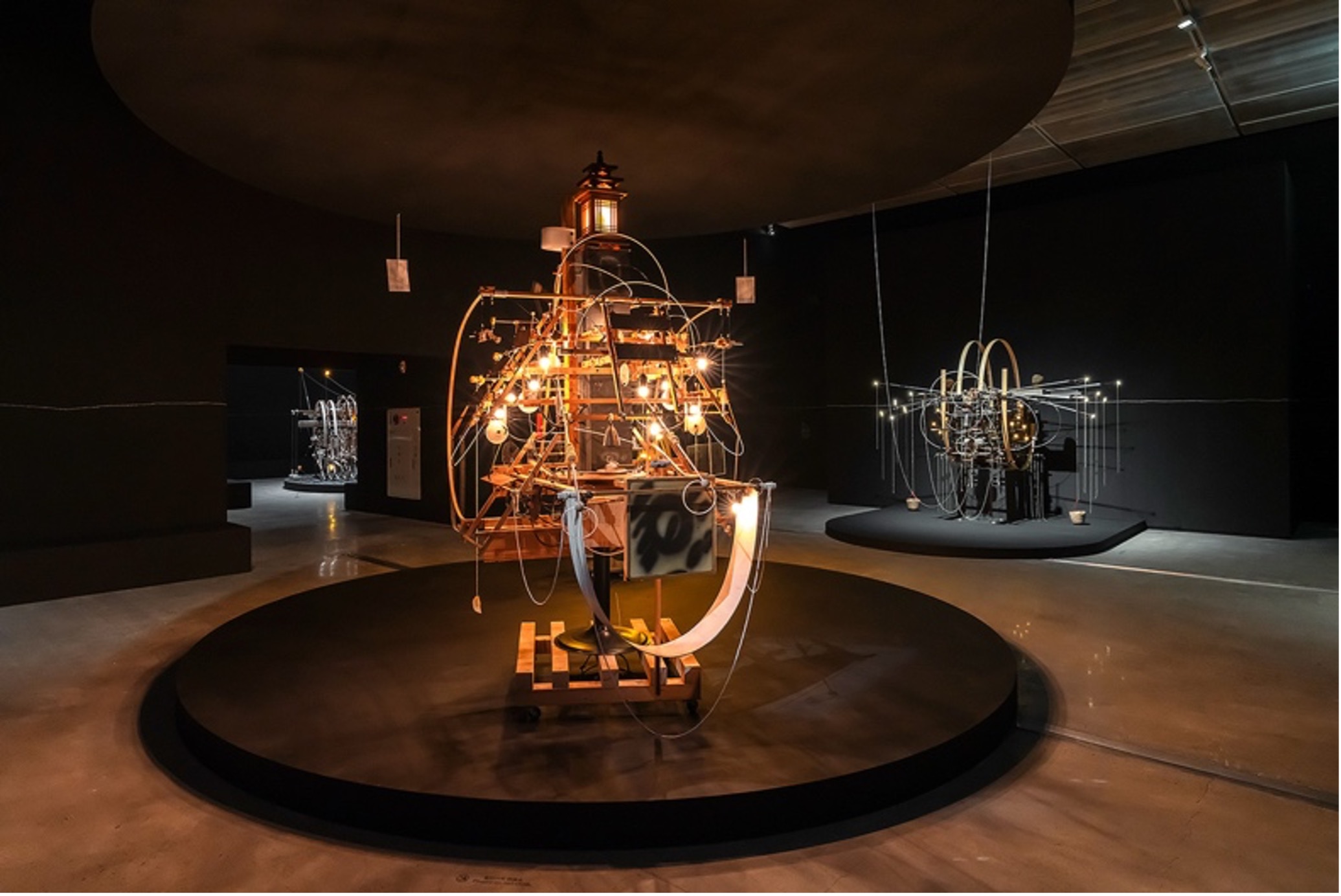
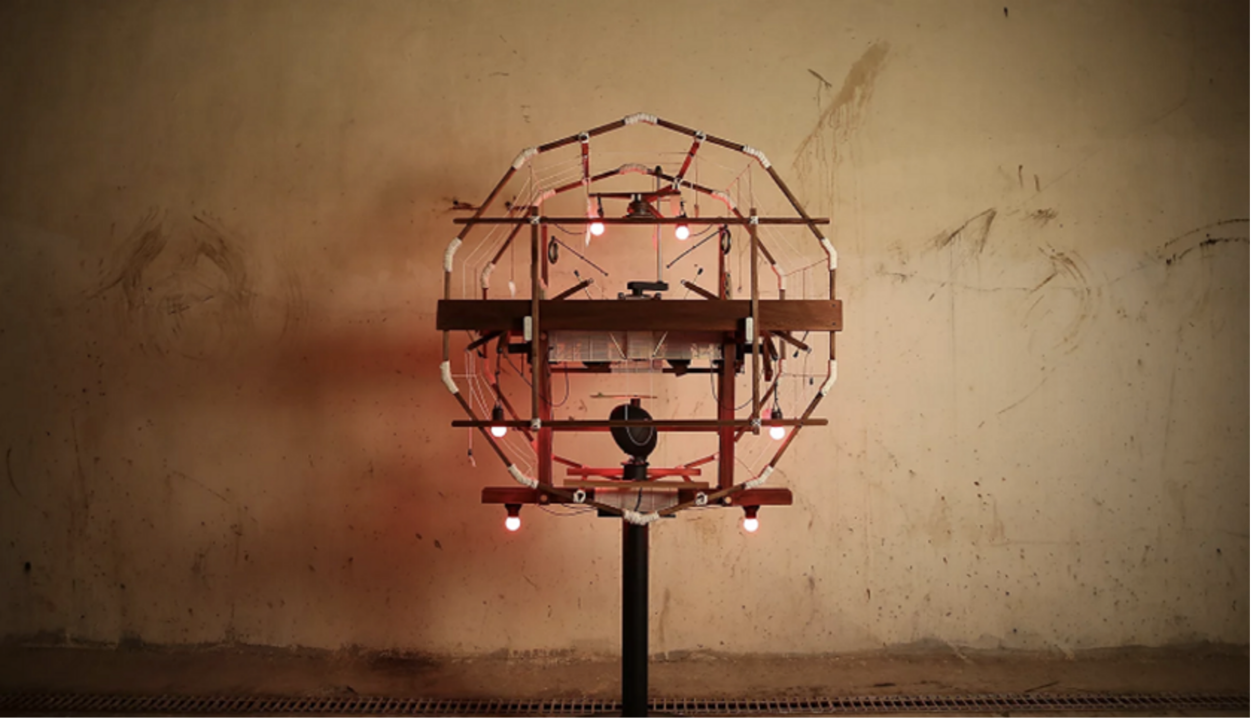
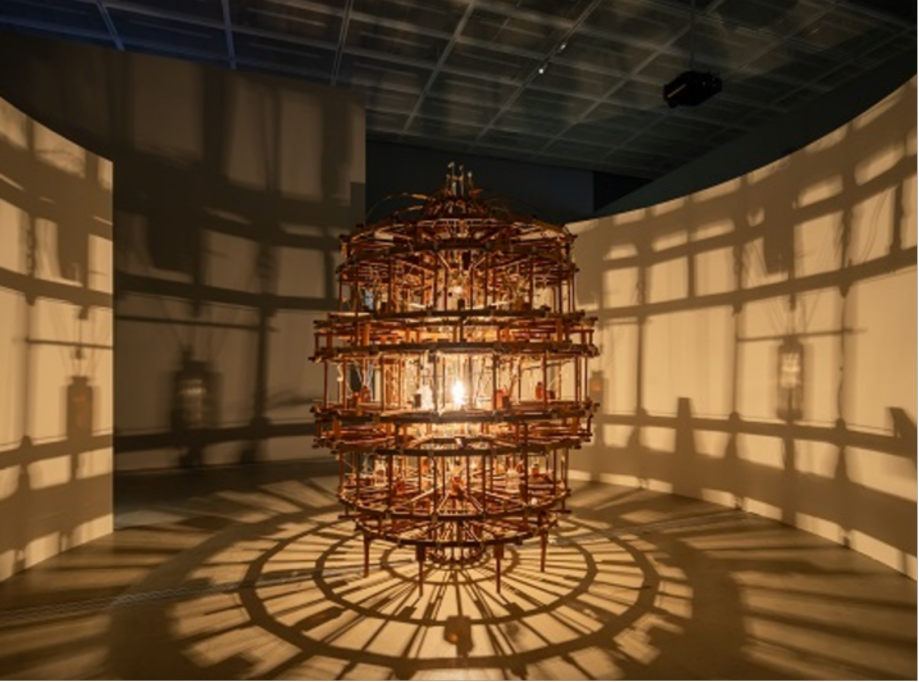
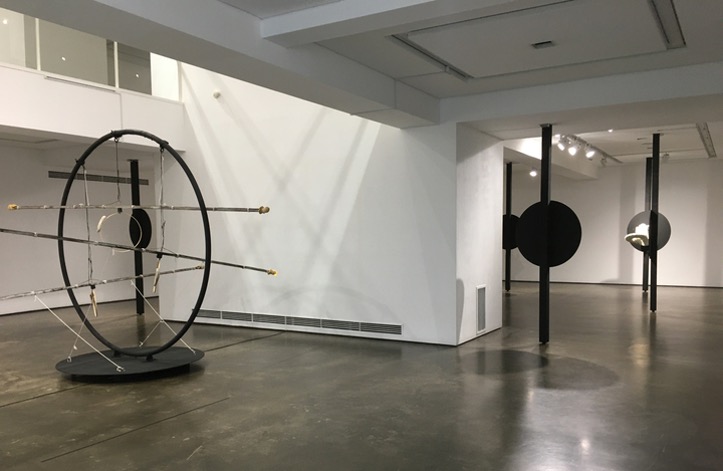
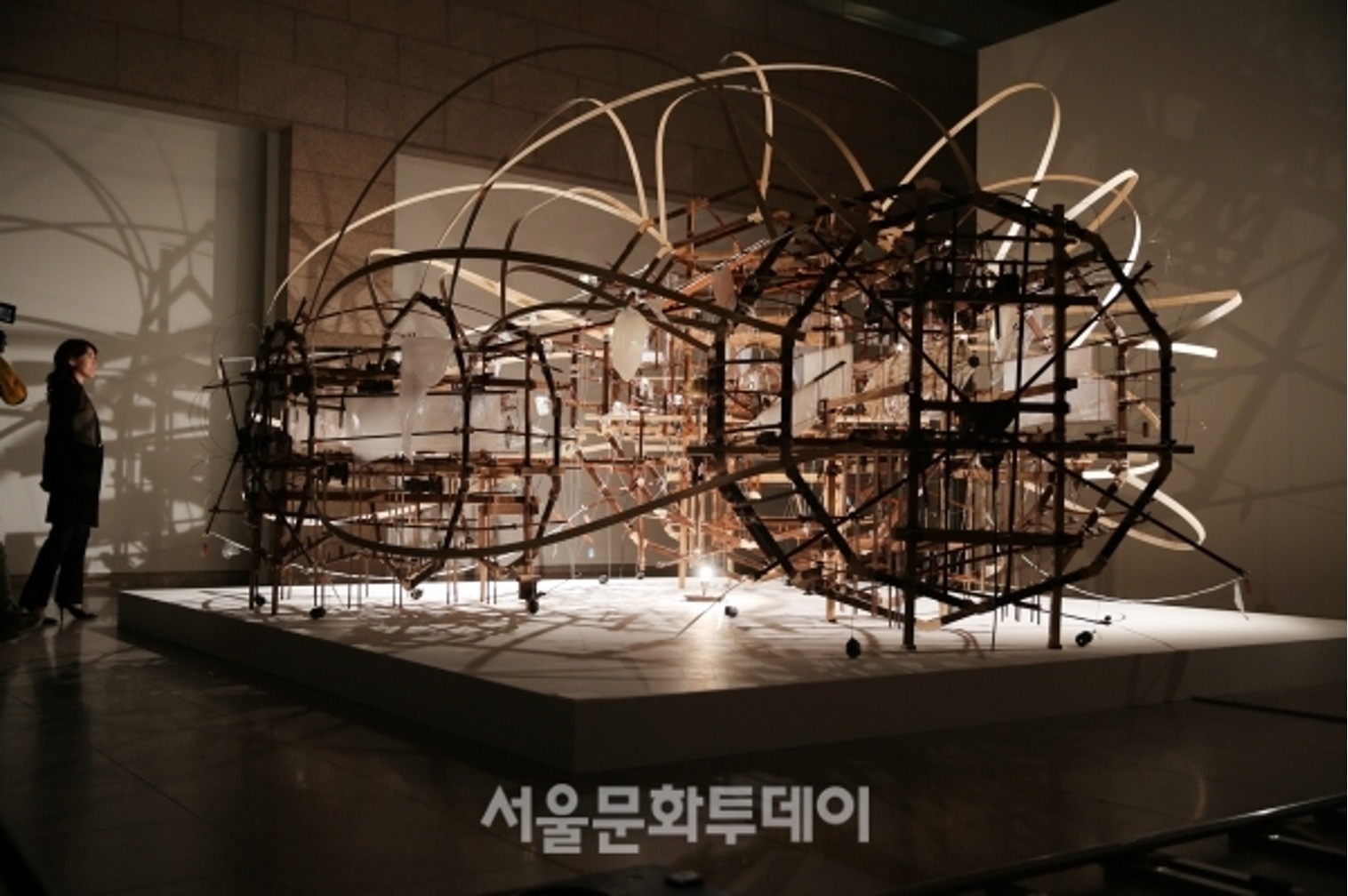
In particular, 《Maybe, It's like that》(2021, OCI Museum, Seoul, Korea) and 《We
Placed the Photograph Taken Yesterday in Plain Sight》(2019,
Gallery Hyundai, Seoul, Korea) were noted for their abstract sculptural
interpretations of meticulous observations of everyday life.
Group Exhibitions (Brief)
Since
2009, Yang Jung Uk has participated in approximately 39 curated group
exhibitions at institutions including the National Museum of Modern and
Contemporary Art (Seoul, Gwacheon, Cheongju), Seoul Museum of Art, Nam June
Paik Art Center (Yongin), Gyeonggi Museum of Modern Art, Changwon Sculpture
Biennale (Changwon), Daejeon Museum of Art, Museum of Contemporary Art Busan,
Kumho Museum of Art, F1963 (Busan), Incheon Art Platform, Paradise Art Space
(Incheon), Ottawa Art Gallery (Canada), and Utah Museum of Fine Arts (USA).
Recent
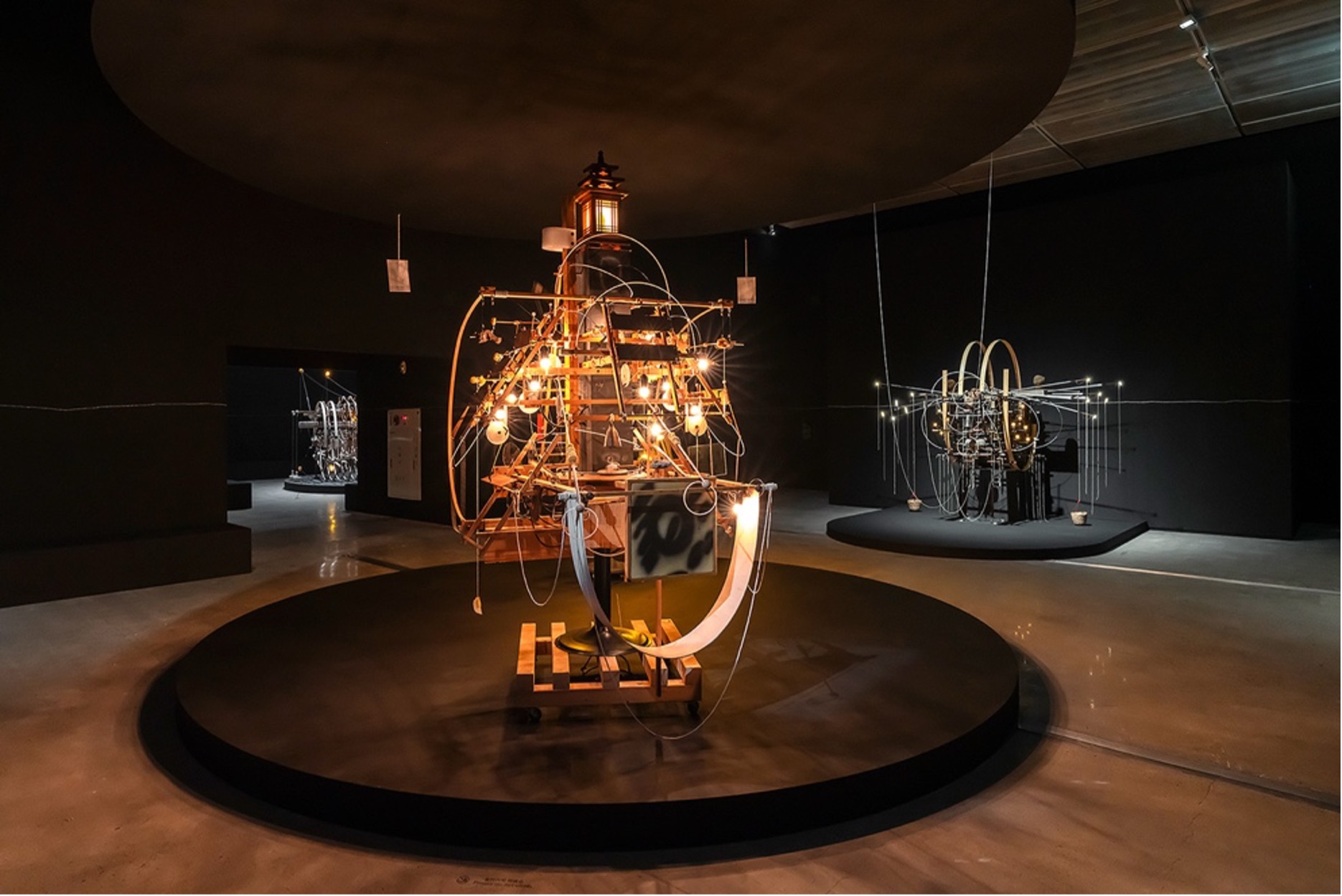
key group exhibitions include 《Korea Artist Prize》(2024, National Museum of Modern and Contemporary Art, Seoul,
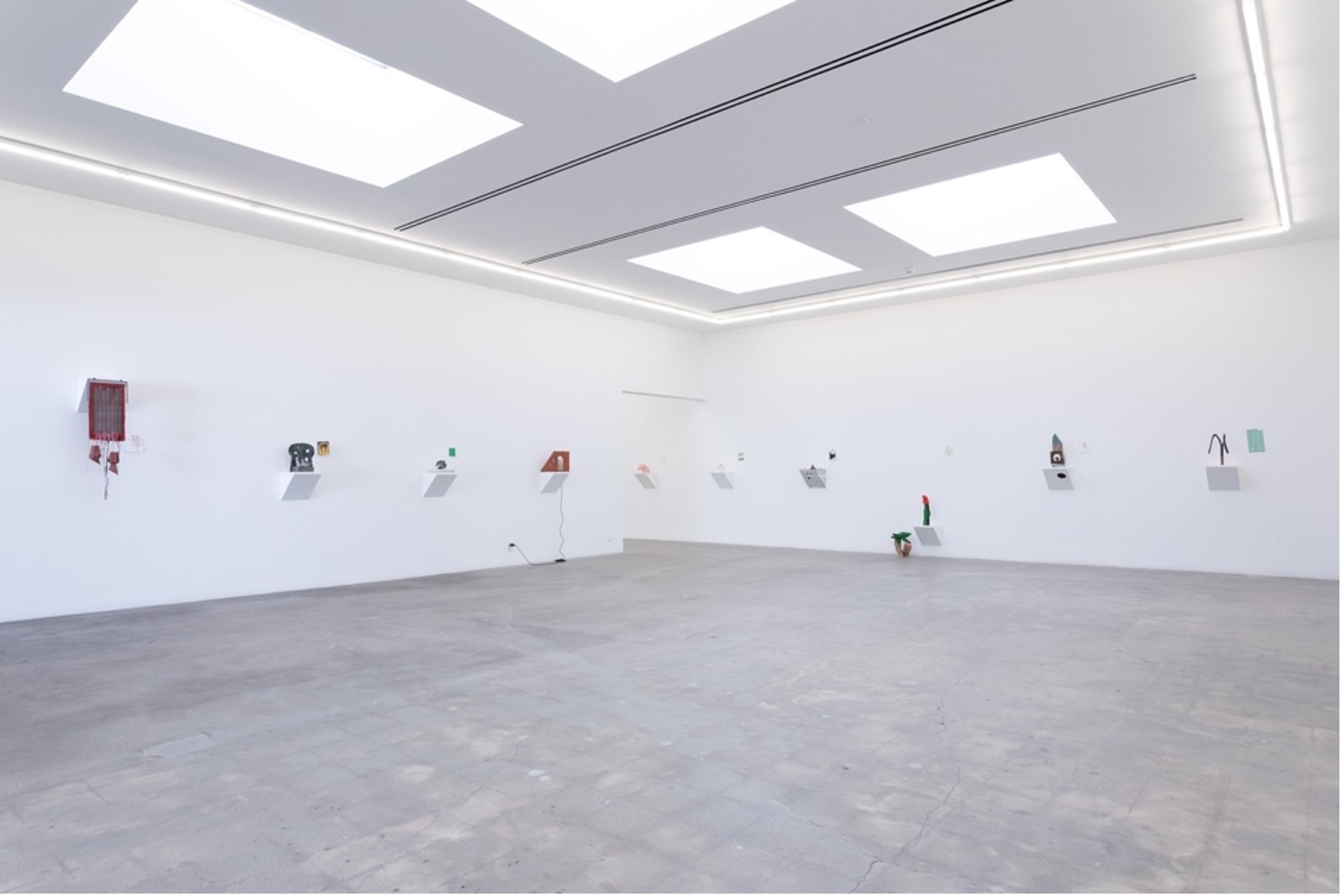
Korea), 《The Unboxing Project 3.2》(2024, Various Small Fires, LA, USA), 《My
Your Memory》(2022, National Museum of Modern and
Contemporary Art, Seoul, Korea), 《Masquerade Ball》(2022, National Museum of Modern and Contemporary Art, Gwacheon,
Korea), and 《Changwon Sculpture Biennale: Channel -
Wave-Particle Duality》(2022, Changwon, Korea).
Awards (Selected)
Yang Jung Uk gained recognition in the Korean
art scene after winning the Excellence Award at the 35th Joongang Fine Arts Prize(2013).
In 2015, he was selected for OCI Young Creatives(OCI Museum, Seoul, Korea), and
in 2020, he received the Kim Se Choong Young Sculptor Award. In 2025, he was
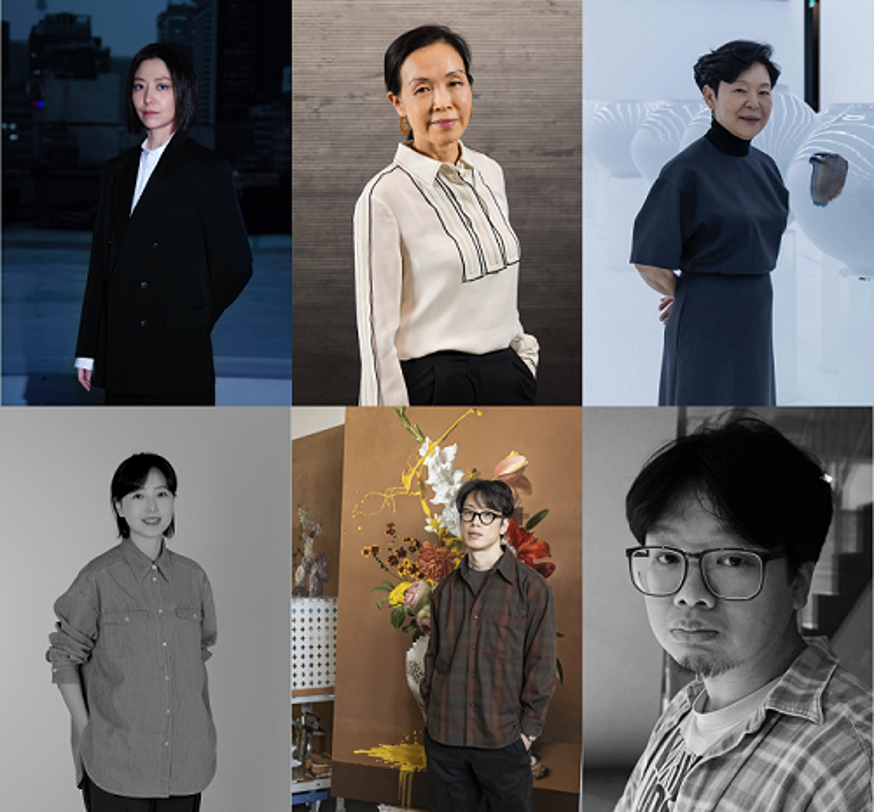
selected for the 《Korea Artist Prize 2025》, organized by the
National Museum of Modern and Contemporary Art (MMCA).
Collections (Selected)
Yang Jung Uk's works are housed in major
domestic and international collections, including National Museum of Modern and
Contemporary Art (Korea), Seoul Museum of Art (Korea), Gyeonggi Museum of
Modern Art (Korea), Museum of Contemporary Art Busan (Korea), Daejeon Museum of
Art (Korea), Jeonnam Museum of Art (Korea), Daelim Changgo (Korea), OCI Museum
of Art (Korea), Sindoh (Korea), Southern Utah Museum of Arts (USA), and Gentle
Monster (USA).