Social/Cultural Illness–Schizophrenia
Schizophrenia, a chronic condition now referred to as “johyeon-byeong”1 in Korean, is often portrayed in the media solely as the “cause” of the most heinous murders. When a person is seen roaming the streets with a knife or brutally attacking a stranger, schizophrenia is frequently cited as the likely reason.
Schizophrenia is considered as a potential motive for murder—something that must be socially isolated or confined unconditionally—despite the fact that there are too many stories and people behind the diagnosis, and that it is an irreproducible spectrum.
Regardless of the fact that schizophrenia affects approximately 1% of the population—a relatively common prevalence rate—and that only 0.0003% of criminals have schizophrenia, the way it is represented in the media remains sensationalized and “violent.”
Being diagnosed with schizophrenia, one of the many chronic illnesses which is defined in the dictionary as “a disease that is not particularly severe but persists for a long time and is difficult to cure,” becomes an experience of social stigmatization. The reality that we rarely hear the voices of those with schizophrenia in our society can already be inferred from this limited information and context available to us.
A starkly different case can be found in Italy. By the mid-20th century, Italy had already shut down all state-run psychiatric hospitals. There, people with mental illnesses live within local communities alongside the general public and receive medical treatment on par with other common illnesses.
A key figure in this transformation was Franco BASAGLIA, a psychiatrist who not only worked to “humanize” patients previously confined in institutions—just as they were in Korea—but also played a central role in passing the “Basaglia Law” (Law No. 180), which led to the dismantling of psychiatric hospitals and the deinstitutionalization of individuals with mental illnesses.
Italy’s progressive approach, centered not on isolation but “on policies that expand community-based mental health programs,” has already been introduced in Korea.2 A book translated in 2024, The Myth of Mental Illness3, exposes how modern medicine has “invented” diseases and pathologized certain segments of the population, thereby stripping them of their freedom and dignity.
According to activists and individuals with lived experience, the issue is not schizophrenia as a matter of personal fate—whether as misfortune or responsibility—but rather the dominance of ableist health narratives and medical authority.
Given that counter-discourses from marginalized communities are now accessible with just a little effort, the reality that our society remains fixated on reproducing and amplifying the figure of the feared, pathological “other” suggests that our society itself is pathological. I underline the statement: “The boundary between normal and abnormal is meaningless. It is our society that suffers from a mental illness of distinction and categorization.”
Raising awareness about schizophrenia is crucial. The visibility and self-expression of those living with the condition are urgent matters. What they seek is “deinstitutionalization,” and what we must imagine and reflect upon is a shared life. To dismantle the conventional methods of representing illness and disability through the lens of normalcy (or madness?), we need to construct alternative frameworks and think differently.
It is essential to highlight the voices of those with direct experience—not just experts and representatives, and perhaps even more so than them. Even during brief research, I kept encountering media portrayals and scenes featuring them. This leads me to a paradoxical sense of hope—one that is imposed upon me, yet one I cannot abandon.
The Mise-en-Scène Translating the Affect of Illness
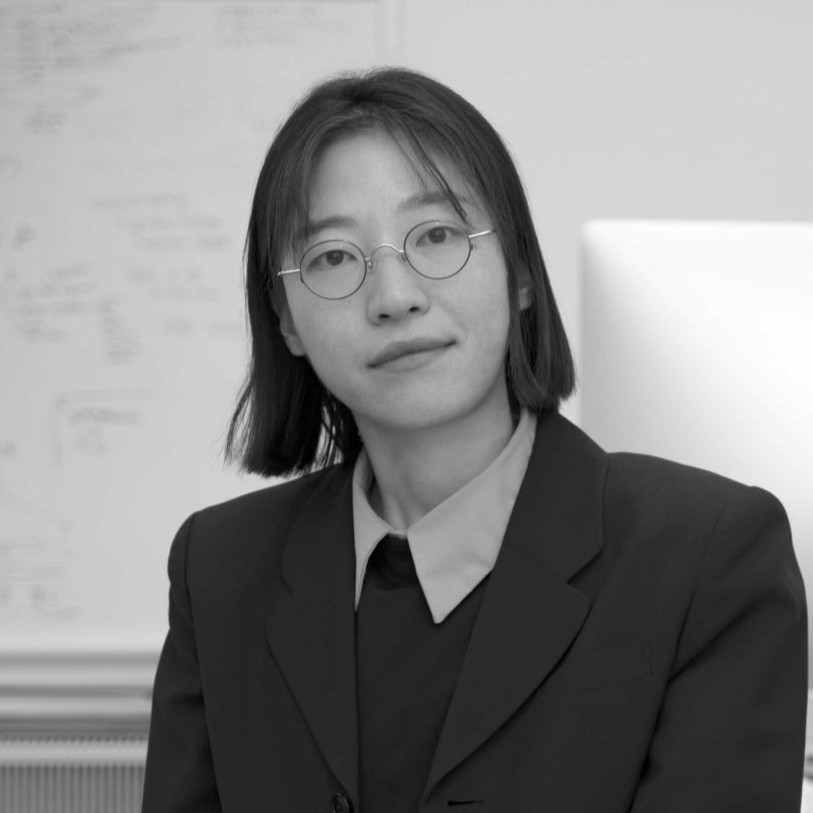
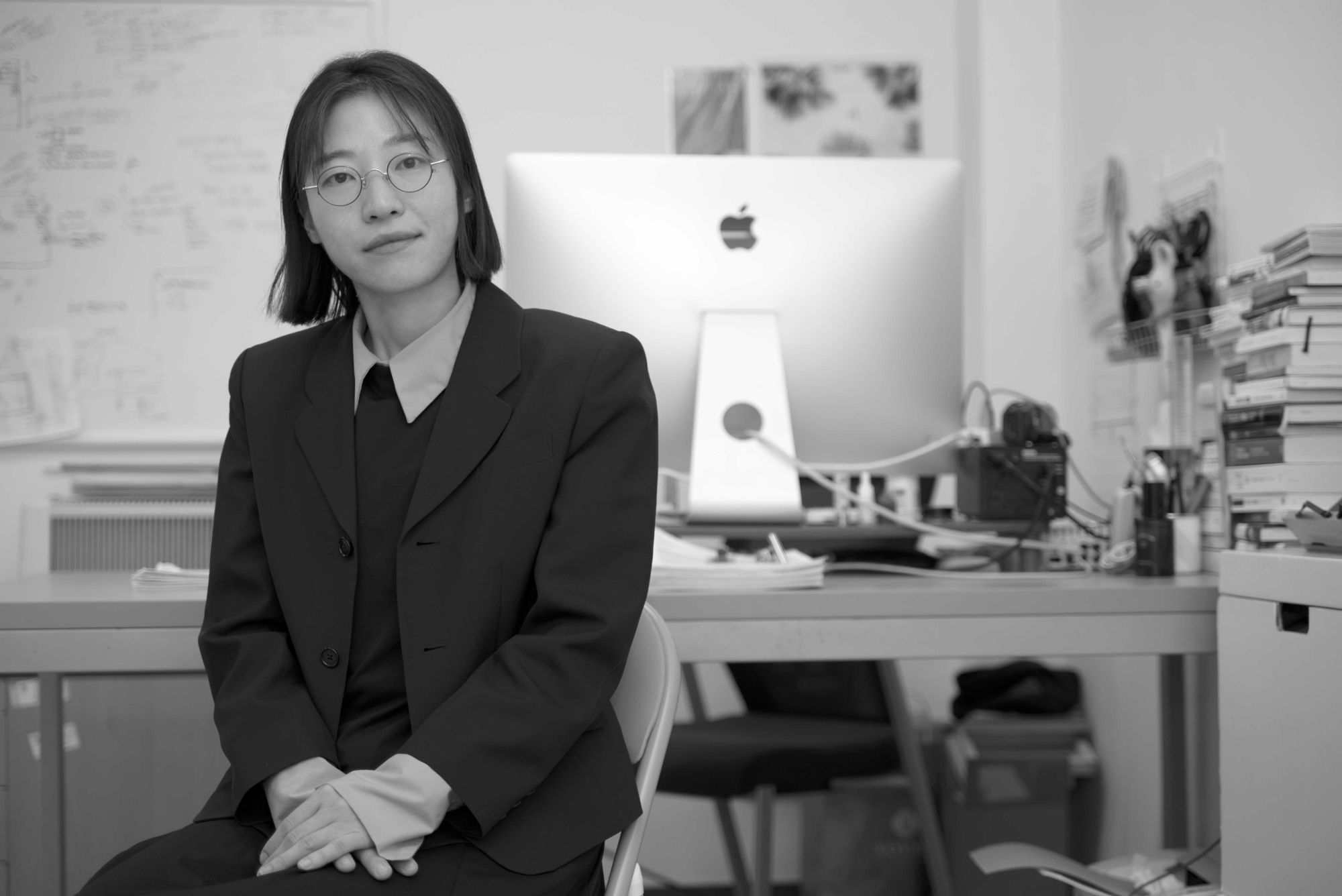
By chance, artist YANG Eunkyung had the opportunity to accompany mental health professionals to Cambodia, where she documented the conditions of people with mental illnesses through photography and video recordings. She also captured the city of Trieste in Italy, where the achievements of BASAGLIA’s team were deeply embedded.
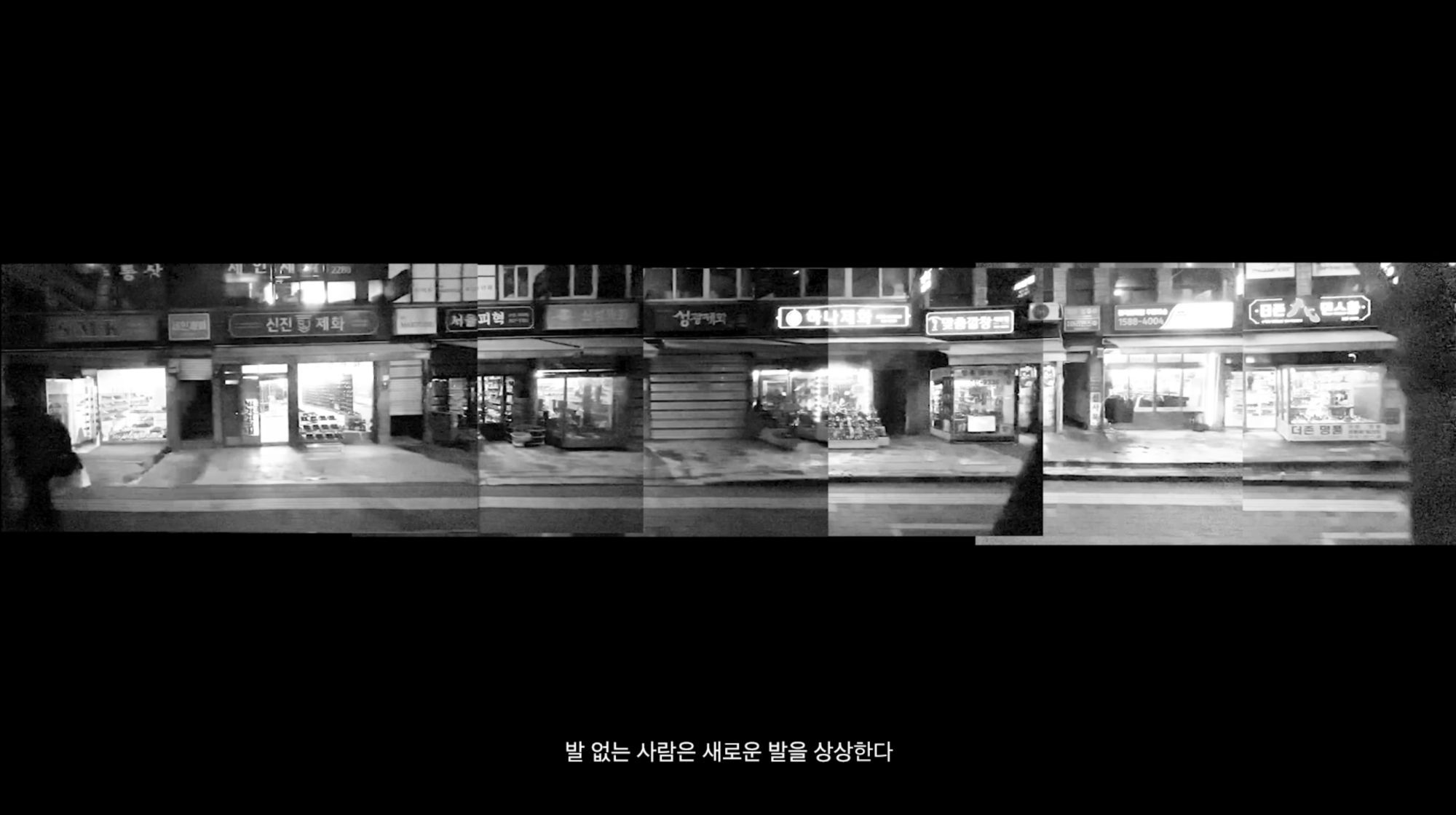
However, she ultimately failed to take photographs that could effectively raise social awareness about mental illness. Rather than reproducing the “other” as a mirror image of herself, YANG “turned her gaze elsewhere—to their hands, feet, and surrounding landscapes.”
As a result, her photographs did not become instruments of explanation, information, or didactic knowledge; instead, they remained fragmented, partial, and attuned to the affective experience of withness—being with the other— while remaining faithful to silence and absence. She also seemed to have largely failed at producing the documentary that activists had envisioned.
Instead, YANG presented a soloexhibition, 《Crossing the Light》 (Art Space Cargo, Incheon, 2022), which she described as “an attempt to navigate a creaking world constructed while identifying herself as an un-testifiable outsider.” The exhibition unfolded as a reading of the unfinished screenplay Will o’ the Wisp, which centered on two protagonists: a person with schizophrenia and an unhoused musician.
She witnessed the fierce opposition of local residents to the expansion of the Suwon Community Mental Health Welfare Center. Although the center (home) had been there for two to three decades, its increased public visibility led to resistance that ultimately resulted in the cancellation of the expansion.
Through this experience, she seemed to grasp the ethical imperative of imagining the spaces of people with mental illness—centers, hospitals, homes—as places that exist yet do not, that are present yet must remain unseen.
In a region of Cambodia where, following mass atrocities like the Killing Fields, an estimated 35% of the population suffers from psychiatric conditions, she witnessed a paradoxical reality. At home, individuals with mental illness were shackled in chains, yet outside, they worked and coexisted as members of their local communities.
The near-total absence of a state-managed psychiatric system meant that this was both a neglected periphery and, simultaneously, a place where communal life for those with mental illness remained possible. Italy, which transitioned from institutional isolation to community integration, serves as an aspirational model.
However, in South Korea, where the majority of psychiatric hospitals are privately operated, the obstacles to systemic change feel immense. When YANG their stories were vastly different from one another, making it impossible to consolidate them into a ‘single’ narrative.
The challenge was not how to present schizophrenia from a neutral and objective perspective but how to hold onto the multiplicity and diversity of lived experiences. For her, the crucial task was to unravel the precious words of those with schizophrenia—to create space for their voices and their stories to be heard.
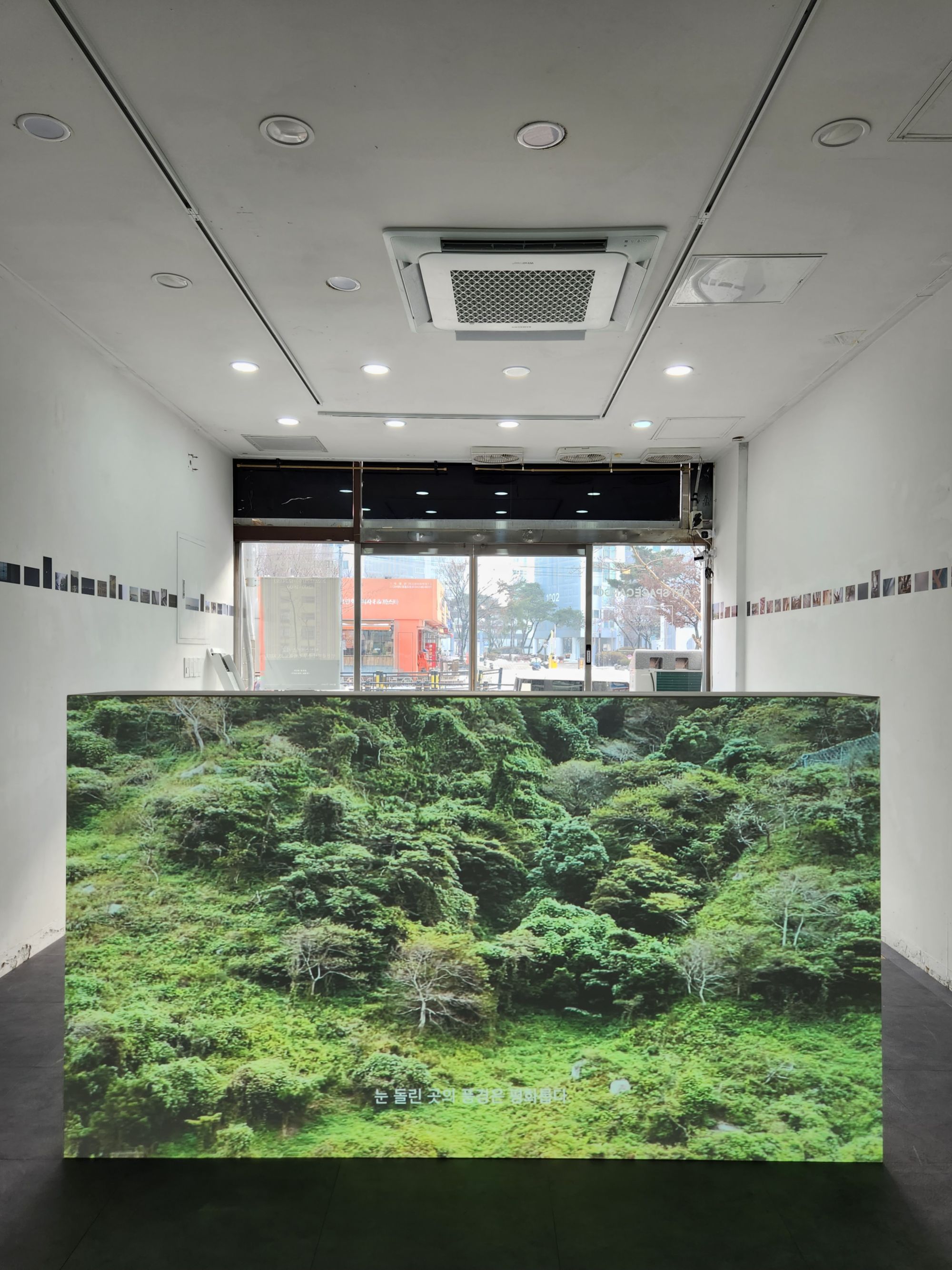
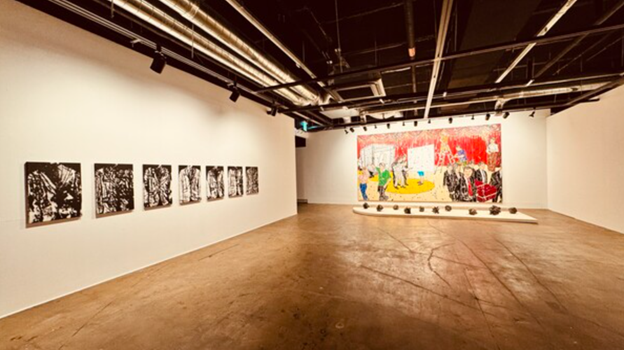
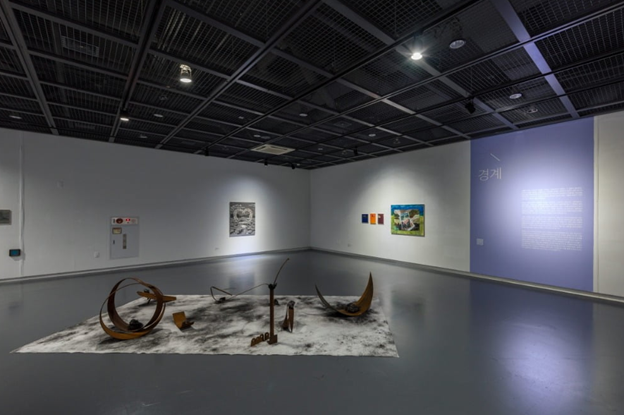
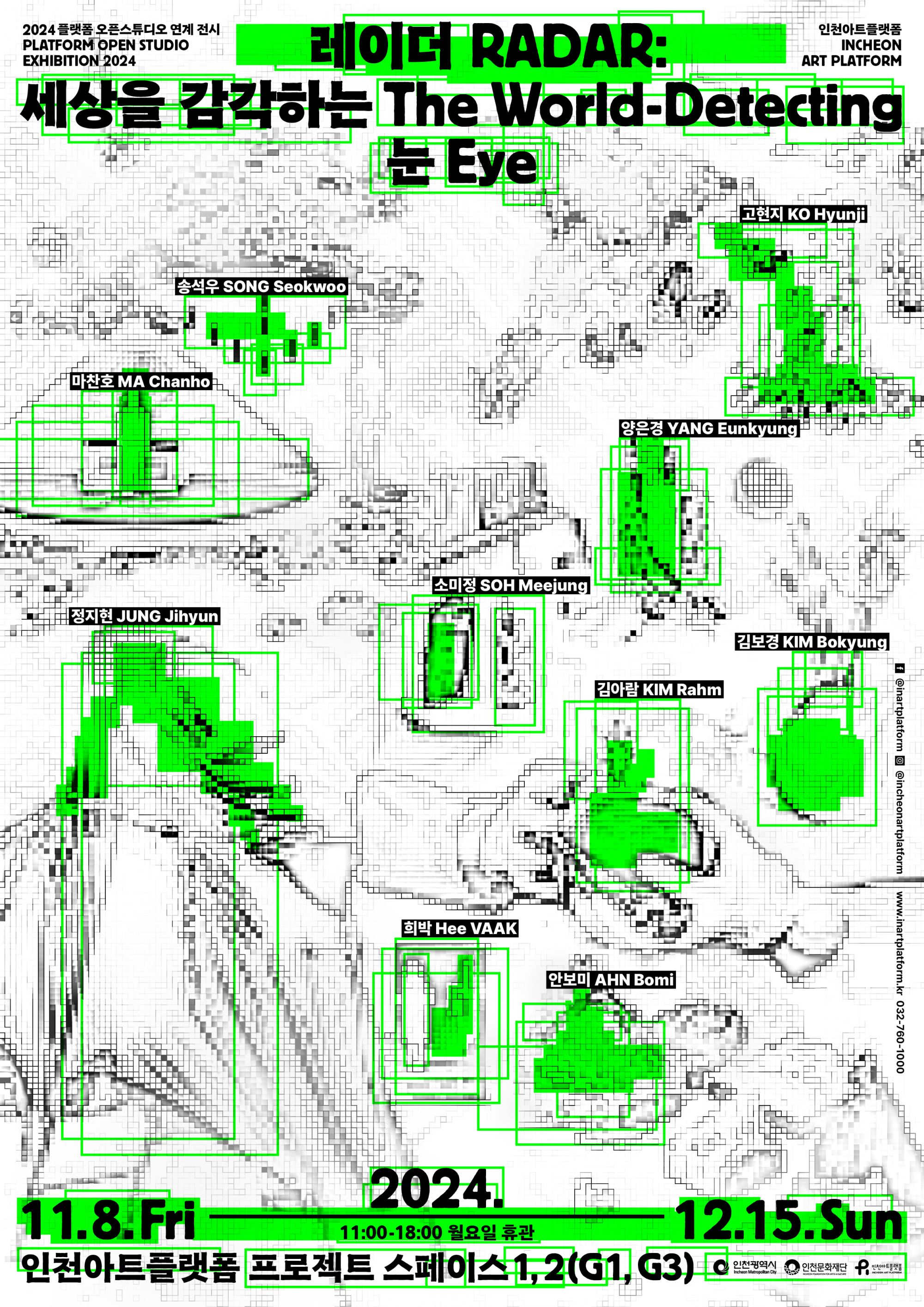
The solo exhibition 《Between Word and Body》 (Incheon Art Platform Project Space 2, Incheon, 2025), composed of installation-video, photography, is a work that lacks a clear language or frame to make its interior comprehensible.
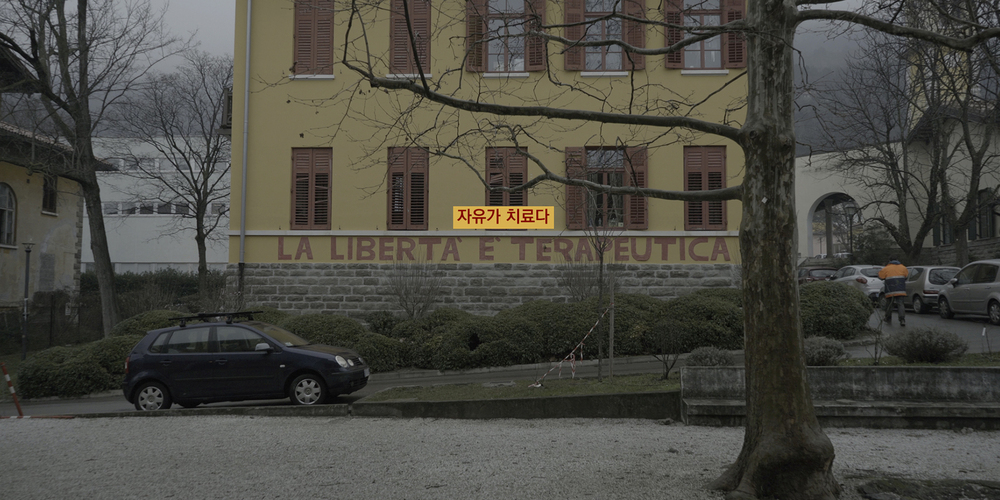
Instead of offering a structured narrative, it presents a “parallel” arrangement of people, spaces, and landscapes YANG encountered in Korea (particularly in Suwon), Italy (where a building façade bears BASAGLIA’s words, “Freedom is therapeutic [La liberta e terapeutica]”), and Cambodia. This exhibition demands a mode of reading-seeing instead of existing as a visual meant for our eyes.
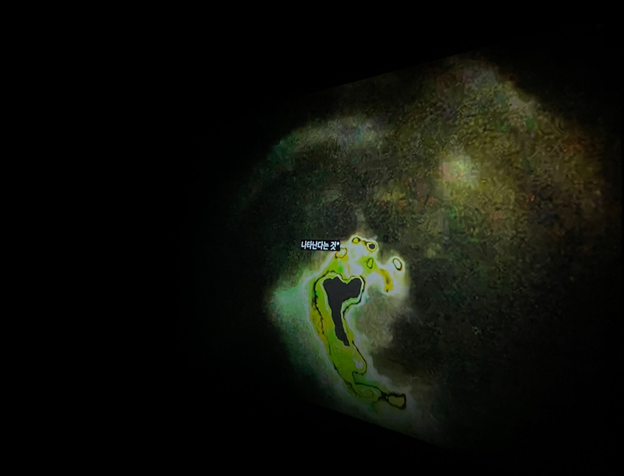
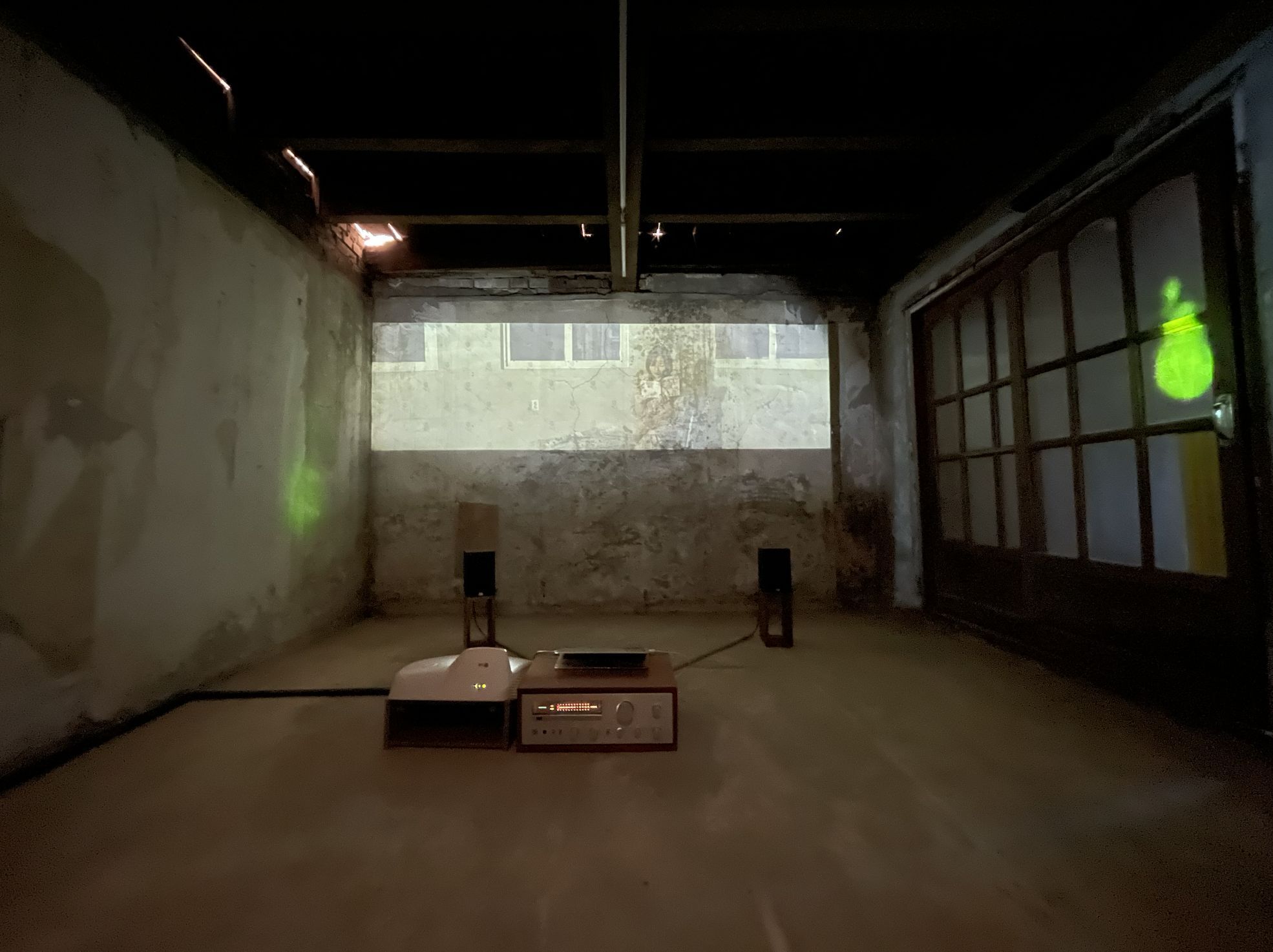
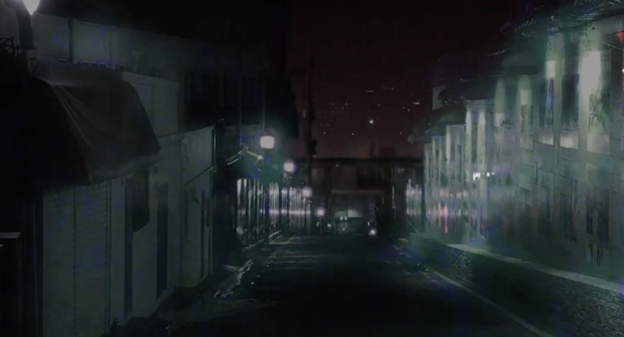
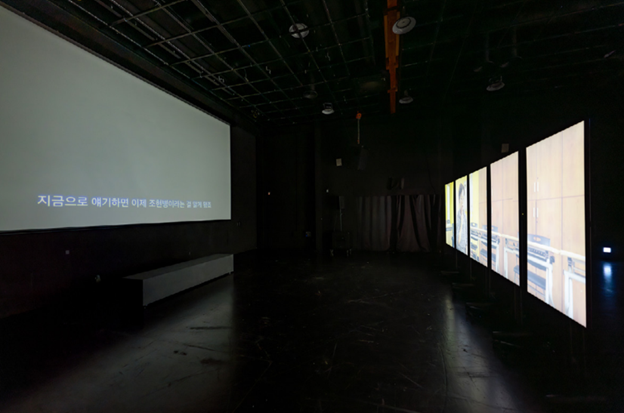
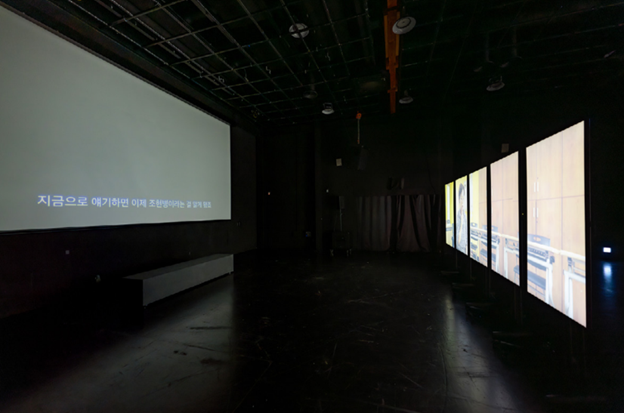
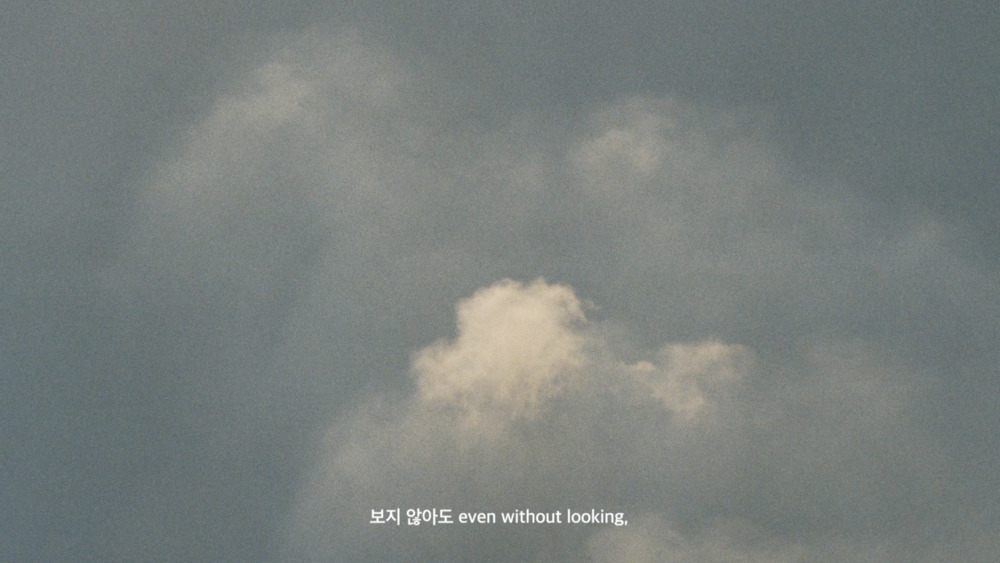
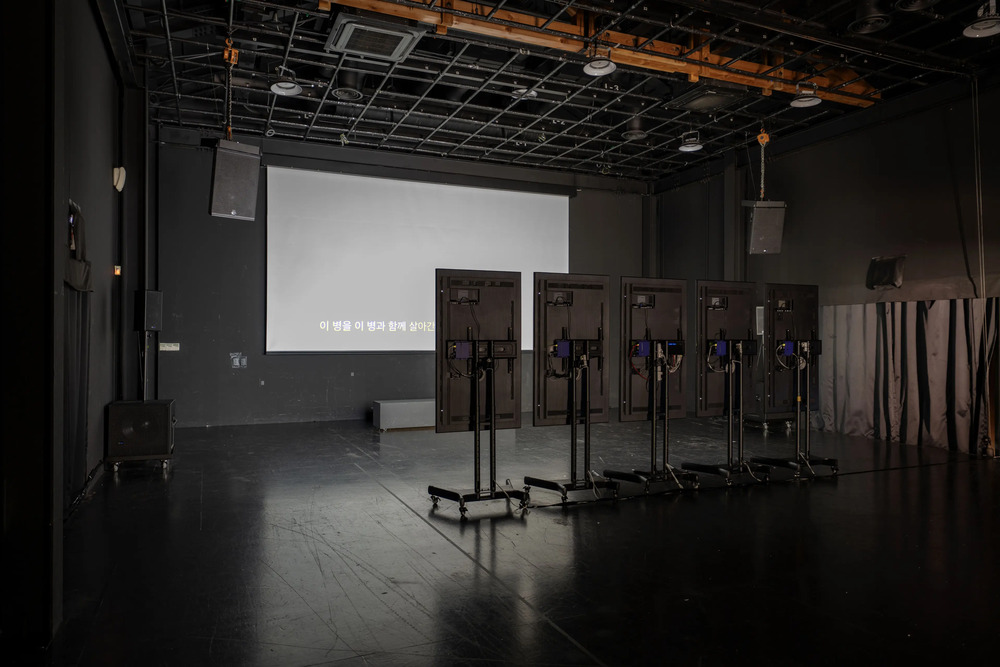
The approximately four-minute video City Made of Lights (2025) is a complex–intricate–delicate–and distant installation work. Upon entering the exhibition space, we are first confronted not with a screen projected flatly on a single wall, as one might expect, but with an unfriendly image beamed into the corner where two walls meet.
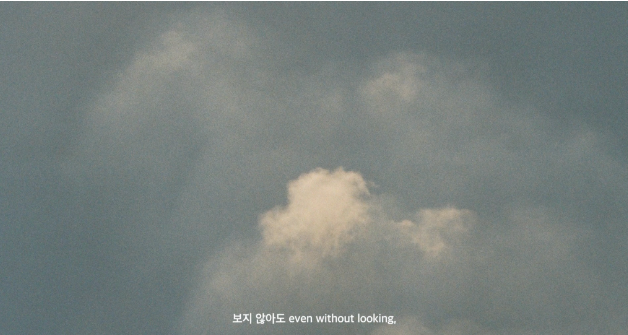
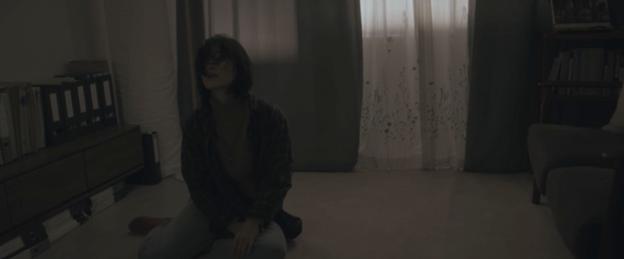
The video includes footage of the outside world seen from her usual mode of transport—the subway—particularly scenes of the empty interior of a subway car. There are also photographs, and YANG’s own written phrases. The video and photographs seem to speak of the impossibility of “saying” anything at all, and about the value of “not saying.”
Instead, we are offered her sentences—such as, “The head believes I exist where the eyes are,” and “But there comes a moment when the body, which has passed by all of this, turns around. A door appears then. The body and the eyes, which have passed by but failed to see, turn back with an unknown longing”— statements that are like codes, or that embody profoundly subjective experiences.
YANG says she “films empty spaces.” She explains, “When there’s an empty space, it feels like a person might be there—someone who was once there, someone who passed through, a trace.
And if I notice that, maybe next time I’ll be able to see something.” This reflects the way she sees the world— a modest, perhaps hesitant, ‘intellectual yet sensuous’ person who often failed to truly see, or who frequently avoided the gaze of those directly involved. It’s her way of looking that she puts into practice.
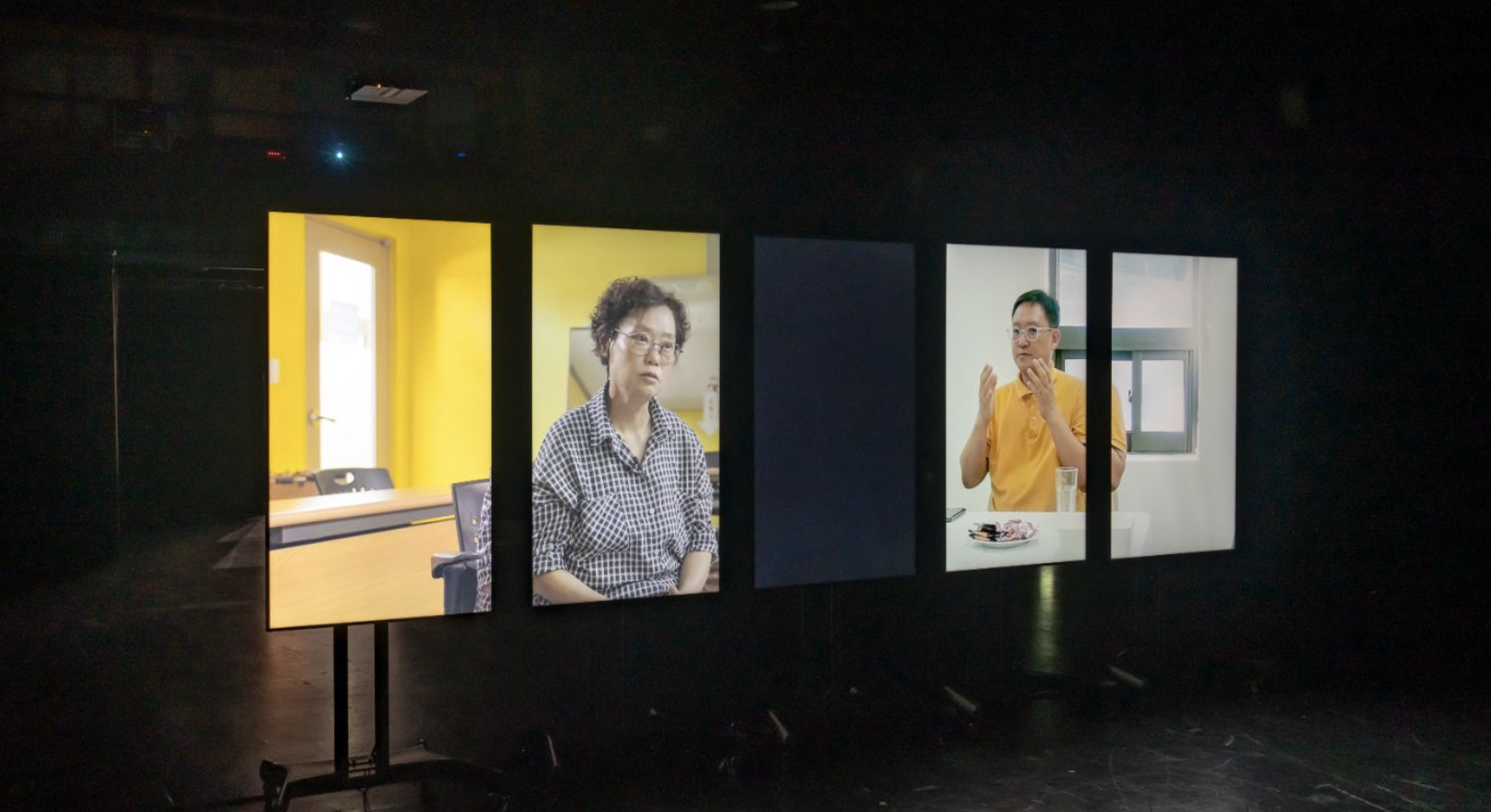
And when you turn your body away from the video filled with silence, codes, and riddles, there appears another screen—an interview with KIM Soondeuk, YANG’s longtime interviewee and collaborator, a person with lived experience and an activist whom she has met, talked with, and learned from since 2019. In this video, Soondeuk shares a deeply personal account of the origins of her auditory hallucinations and delusions.
Within YANG’s ‘mise-en-scène’, schizophrenia is not something laid out plainly before us—it requires a deliberate turn away from the conventional, passive stance of the viewer. The main video, already resisting straightforward viewing by being projected onto a corner, is visually overlapped with another faint layer that can’t be clearly grasped unless one turns around. Only then can we truly see and hear Soondeuk.
As YANG explains, “Just like schizophrenia—which exists but remains unseen—you have to go to a certain place to grasp what isn’t visible.” This is her discomfort with the way “they” are represented for “us”—as a single, flattened concept or diagnostic label, with all differences erased.
Her work weaves and translates a delicate textual strategy where “they” can only become visible not through direct confrontation, but through turning away—through looking back. And there’s one more element: within the ‘light’ projected on the corner wall—within that barely visible beam—there is a faintly placed thing: material-paper-text.
In a form that vaguely resembles a house (or perhaps not quite), there are sentences reachingout, trying to address someone, to find a recipient. Inside are sentences from writers YANG loves and carries with her—John BERGER, Fernando PESSOA, KIM Hyunkyung. YANG once said, “For me, a home only needs a door and a sound.”
There, barely gathered, are the words of writers who have already spoken of such a home—words that embody the hospitality of others, and hospitality toward others.
1 In 2011, South Korea changed the medical term from “jeongsinbunyeol-byeong” (literally “schizophrenia”) to “johyeon-byeong” (meaning “tuning the strings of a musical instrument”) in an effort to reduce the stigma and negative perceptions associated with the former name.
2 Please refer to the following sources: Jaejoong BAEK, Freedom is the Cure: Basaglia and the Italian Mental Health Revolution (Seoul: Health Media Coop, 2018). John FOOT, The Man Who Closed the Asylums: Franco Basaglia and the Mental Health Revolution, translated by Lucian KWON (Paju: Munhakdongne, 2020).
3 Thomas SZASZ, The Myth of Mental Illness, translated by Sam-ho YOON (Seoul: Goyangin, 2024).