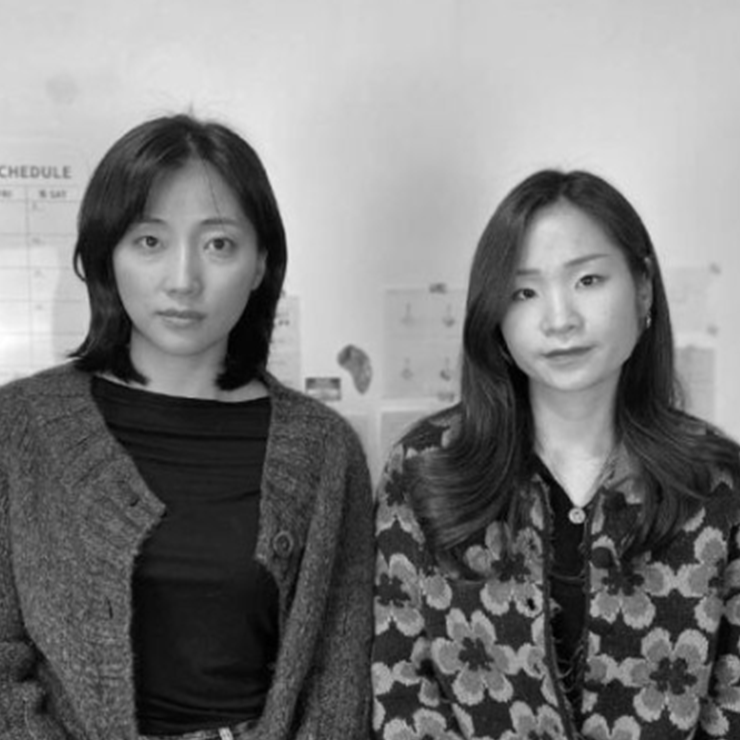
The artist group SEOM: was formed in 2021 by EOM Yeseul (b. 1987), whose practice reconstructs sounds discovered in everyday life, and SEO Hanie (b. 1988), who reinterprets the stories embedded in places and regions into aesthetic language within contemporary contexts.
 
Based on the physical characteristics and historical contexts of spaces, the duo creates installation works using sound as a medium, actively incorporating the physical properties of exhibition sites as integral elements of the installation itself. The group name “SEOM:” combines the surnames “SEO” and “EOM” into the word SEOM (섬, meaning “island” in Korean), with the added “:” symbol functioning as a marker of resonance or elongated sound. The name reflects the collective’s artistic identity, centered on sound and space as its primary mediums.


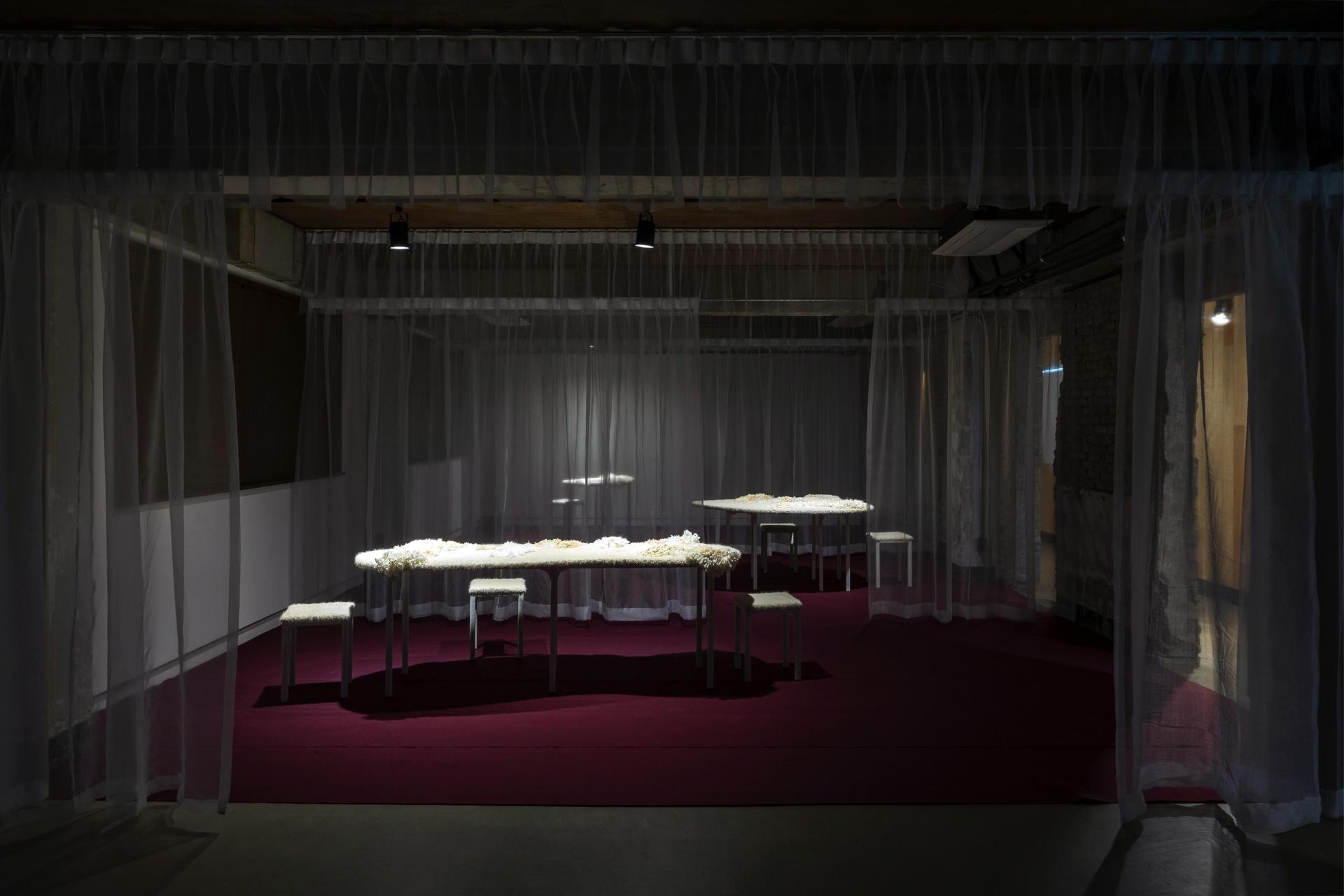
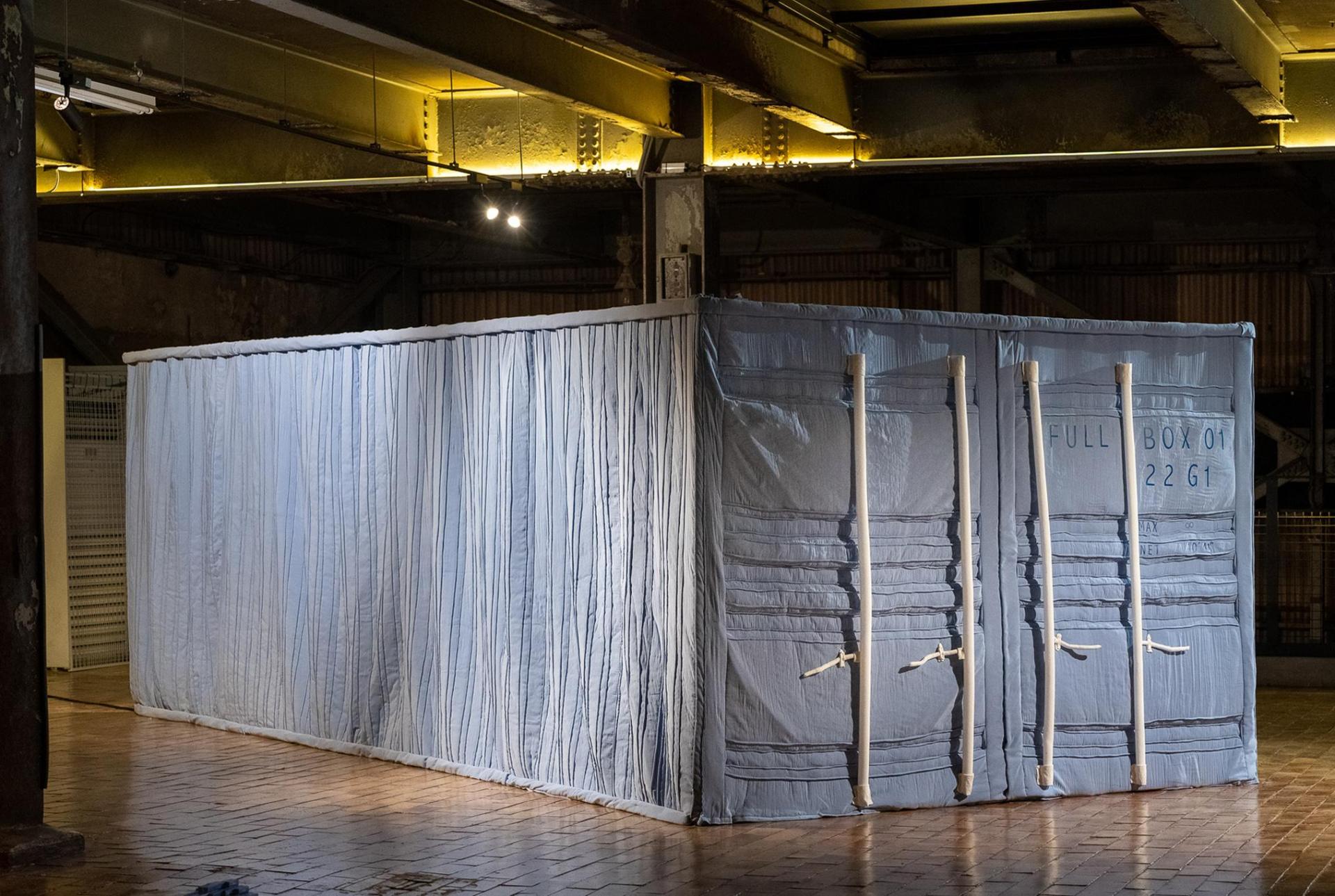
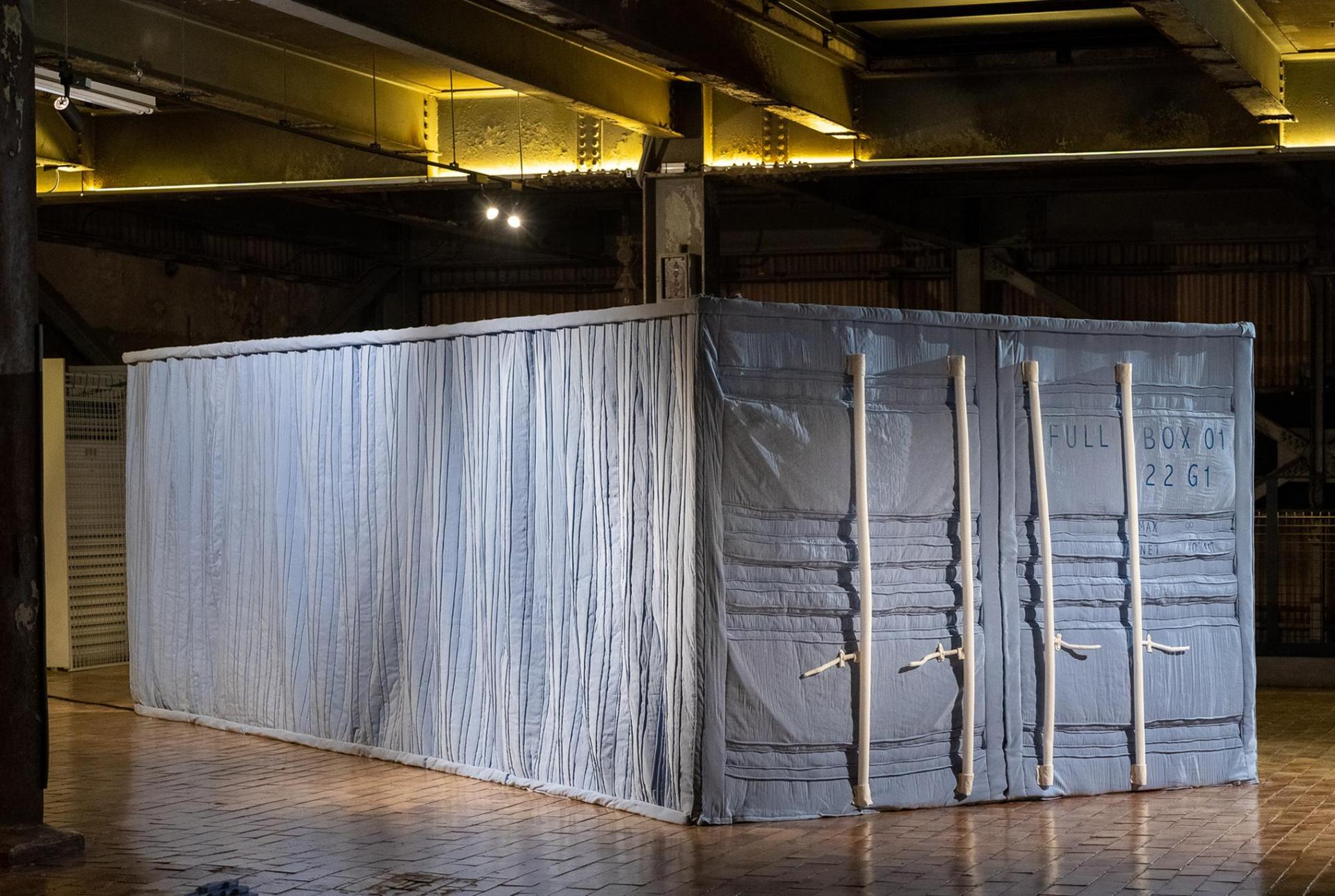
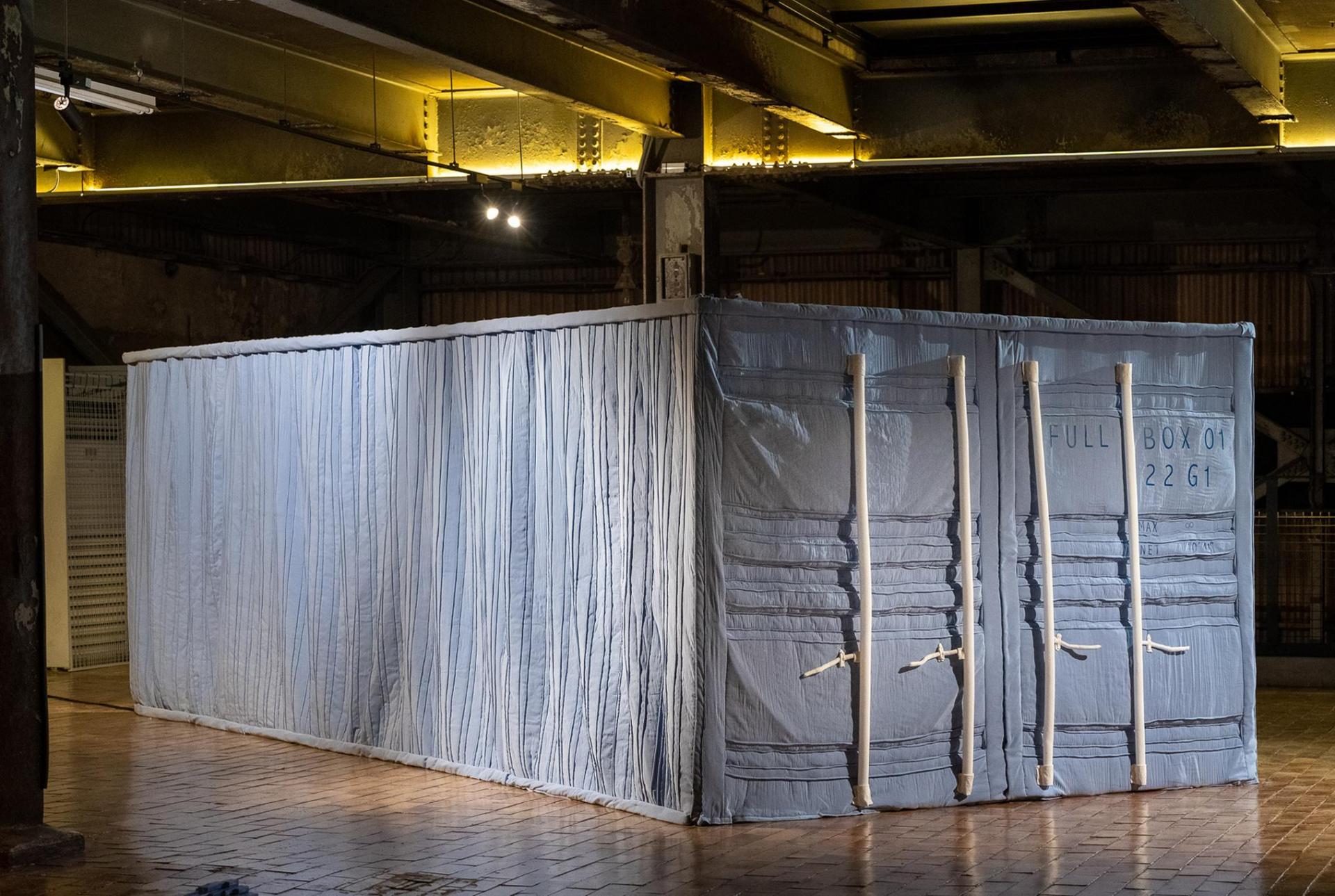
Installation view of 《Full Box Project》 (CoSMo40, 2022) © SEOM:

Before the formation of the collective, EOM Yeseul conducted various experiments with sound, revealing everyday noises—such as the hum of ventilators, the sound of wind, or the clatter of bowls—to audiences through installations incorporating performative elements. She also transformed visual elements like urban landscapes into auditory experiences by constructing rule-based systems akin to musical scores.
 
Meanwhile, SEO Hanie approached the museum as a contemporary ritual space for artistic experience. Her practice involved reconstructing the forms of objects, architecture, rules, and narrative elements that emerge as specific places become altered and fixed over time, translating them into aesthetic language within exhibition spaces to create immersive experiences that evoke particular sites for viewers.


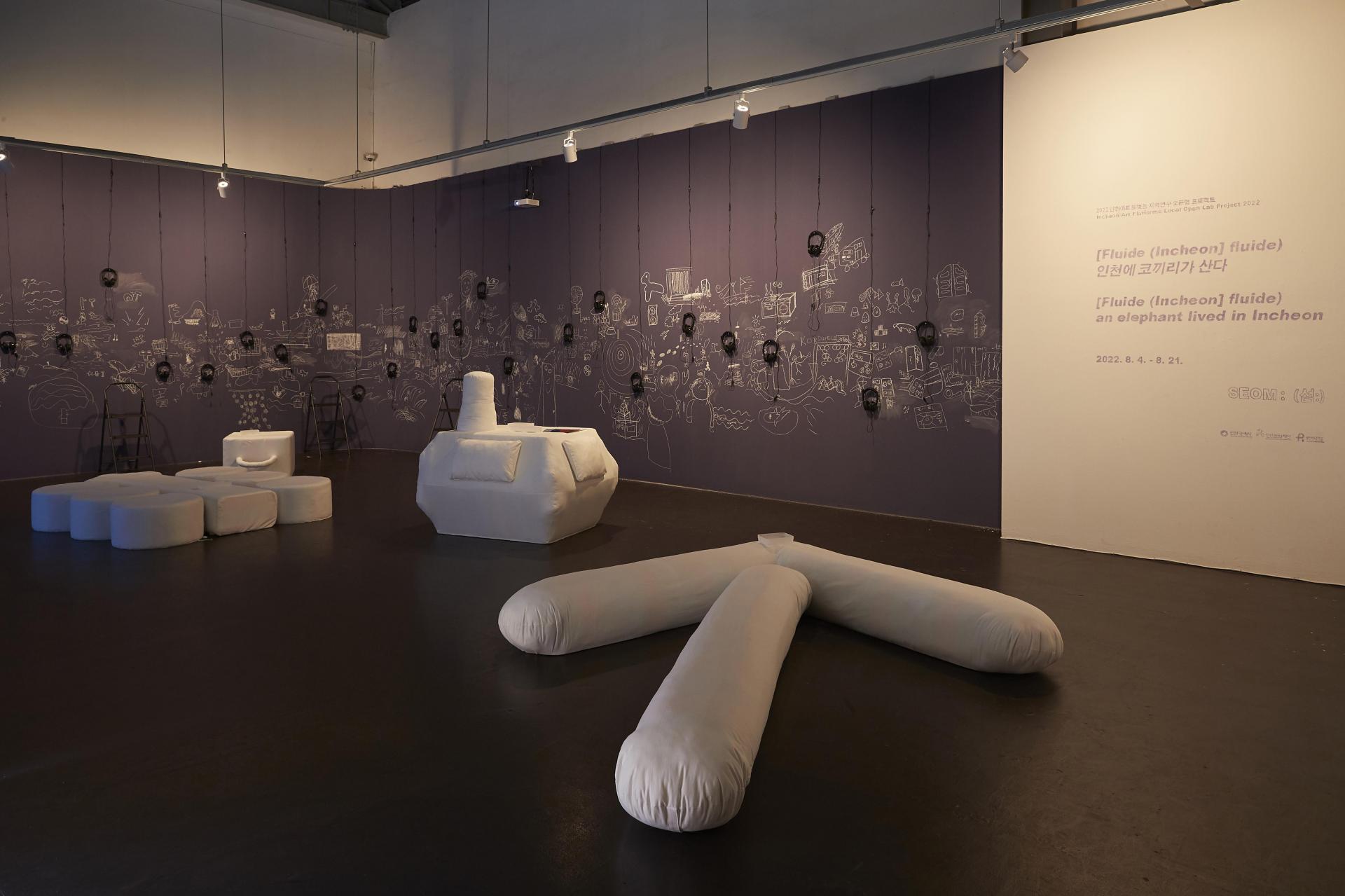
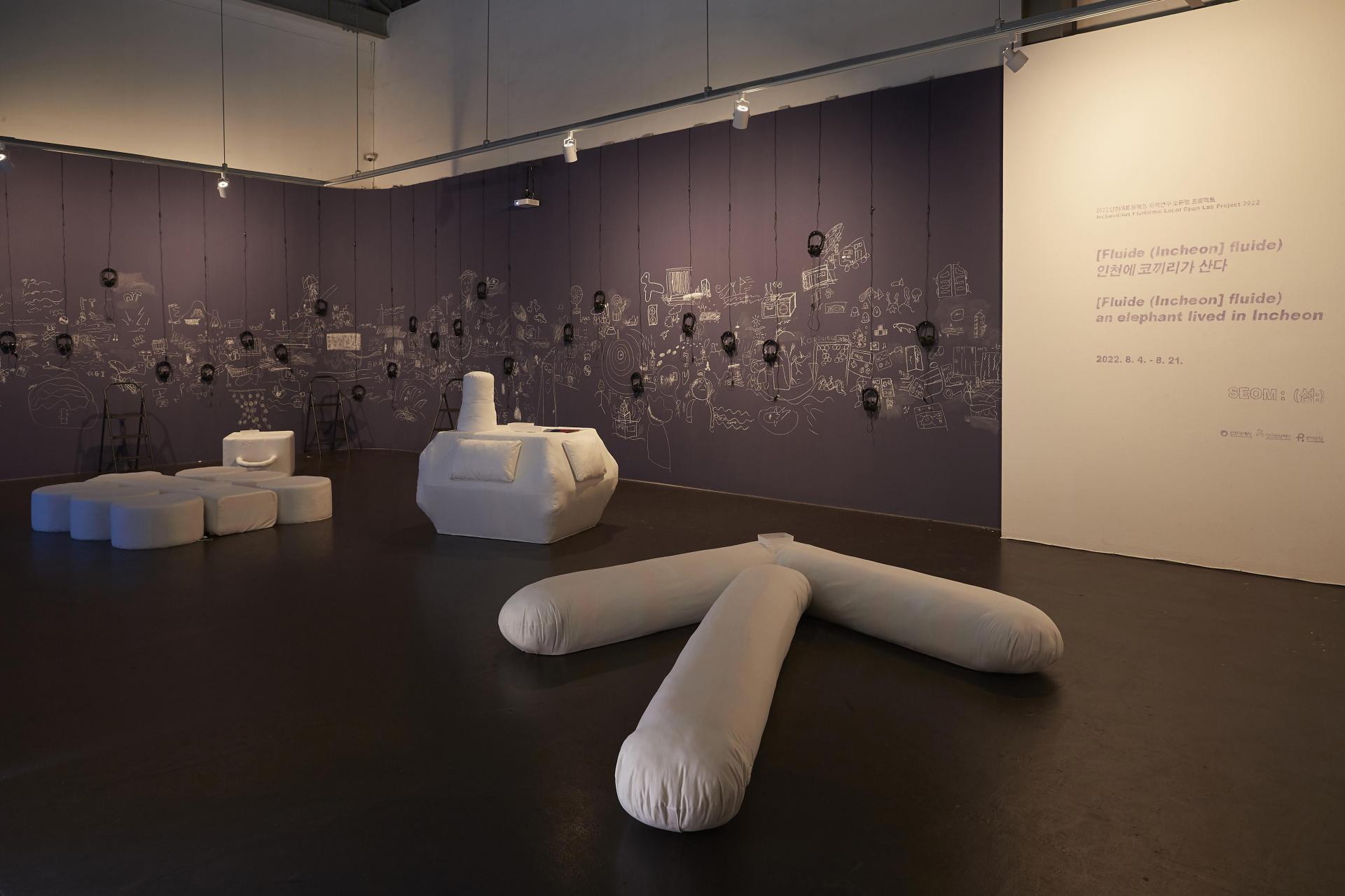
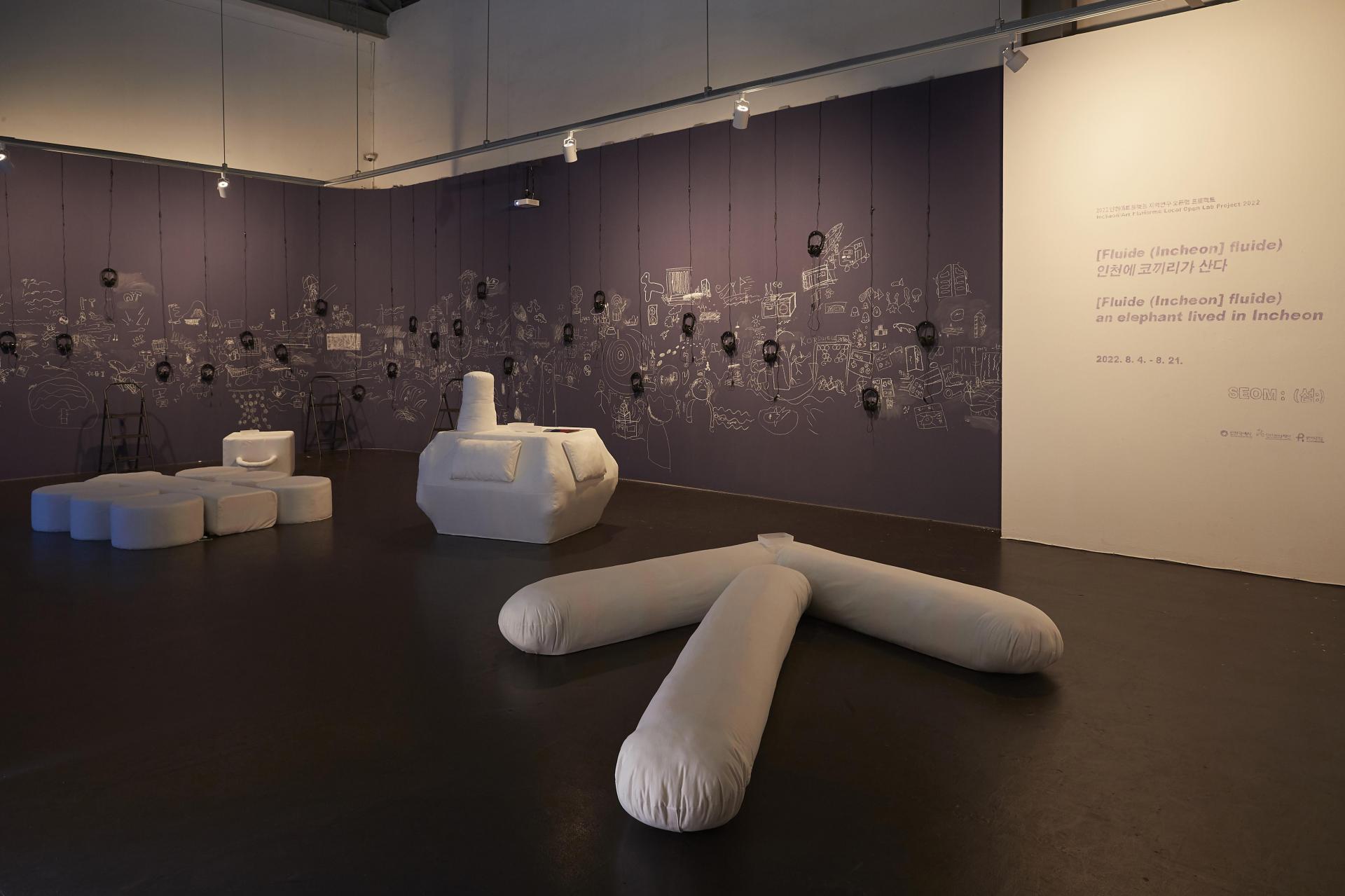
Installation view of 《[Fluide (Incheon] Fluide)- 'An elephant lived in Incheon'》 (Incheon Art Platform, 2022). Photo: Dongkyung Kwak. © Incheon Art Platform

In 2021, the two artists formed the collective through a shared interest in the qualitative experience of the audience pursued in their respective practices, and have since explored sensory experiences rooted in the physical characteristics and historical and social contexts of spaces.
 
In this process, they regard the exhibition space as an active element participating in the total experience realized through the physical encounter between audience and artwork, making active use of the site’s physical properties as part of the installation itself.
 
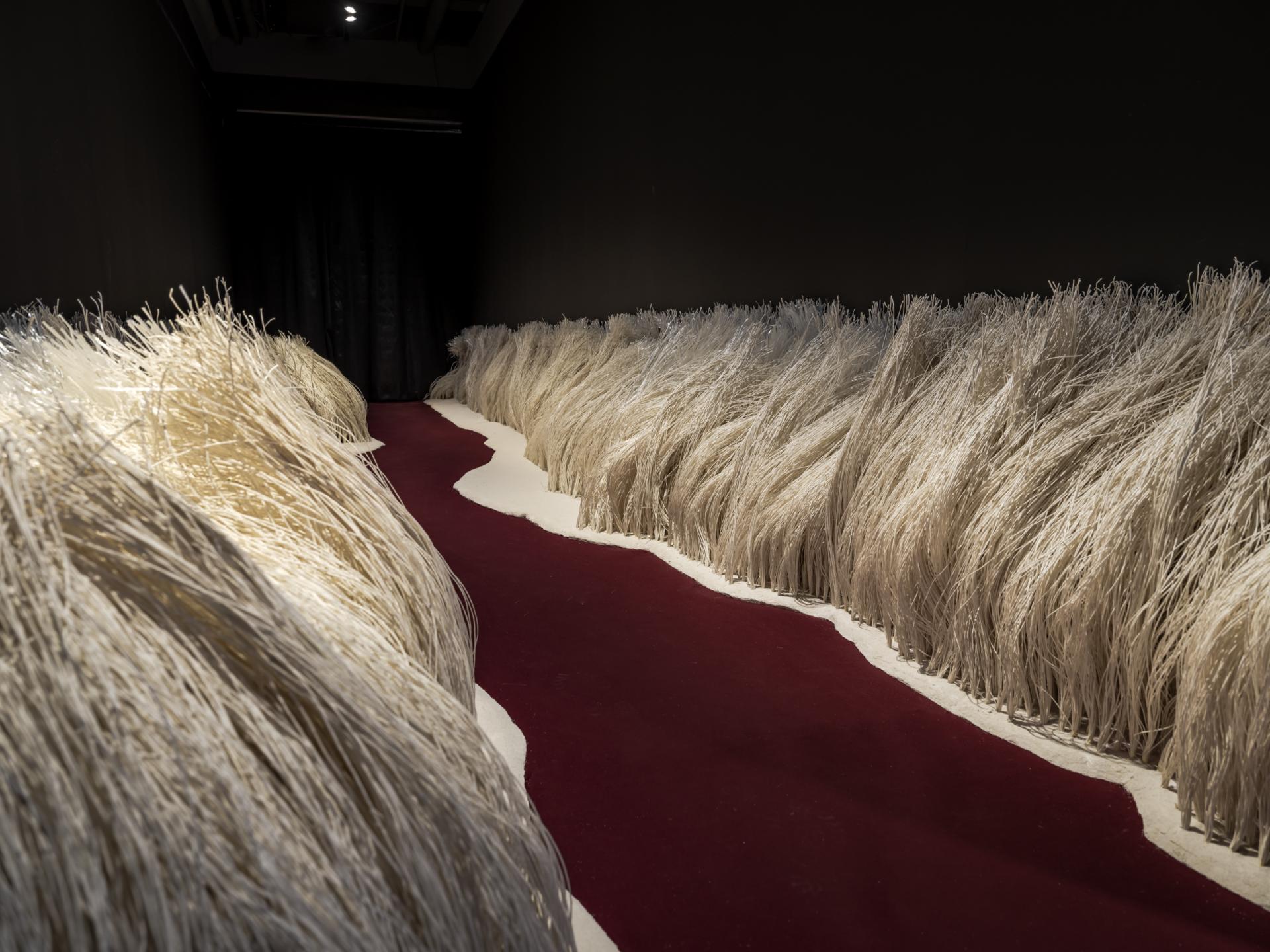
SEOM:’s first collaboration began with the 2022 regional research project exhibition 《[Fluide (Incheon] Fluide) – ‘An Elephant Lived in Incheon’》 at Incheon Art Platform. There, the duo incorporated into the exhibition space a processual landscape in which narratives emerge through the characteristics of sound as a medium, unfolding fundamental questions surrounding locality.


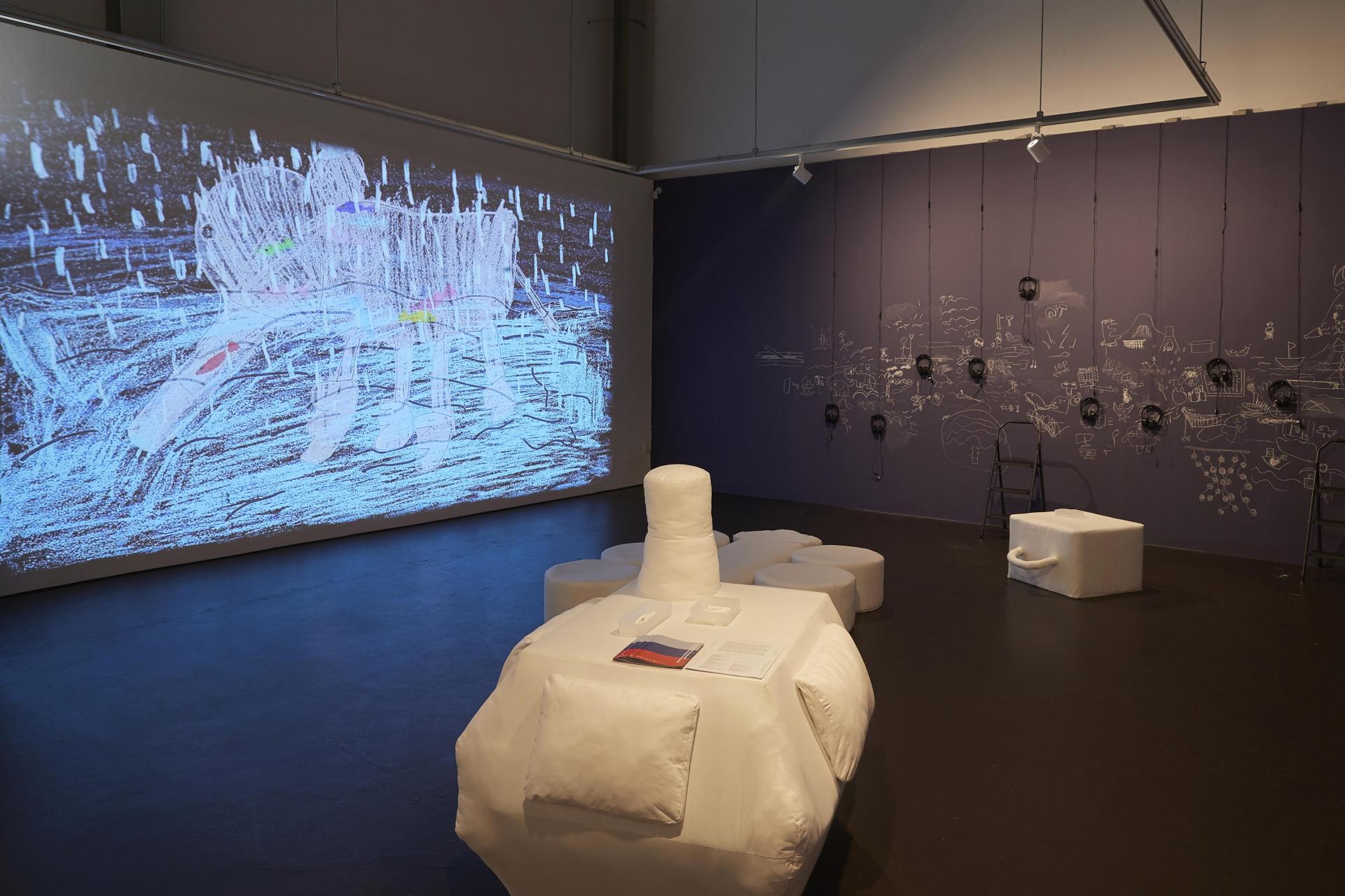
Installation view of 《[Fluide (Incheon] Fluide)- 'An elephant lived in Incheon'》 (Incheon Art Platform, 2022). Photo: Dongkyung Kwak. © Incheon Art Platform

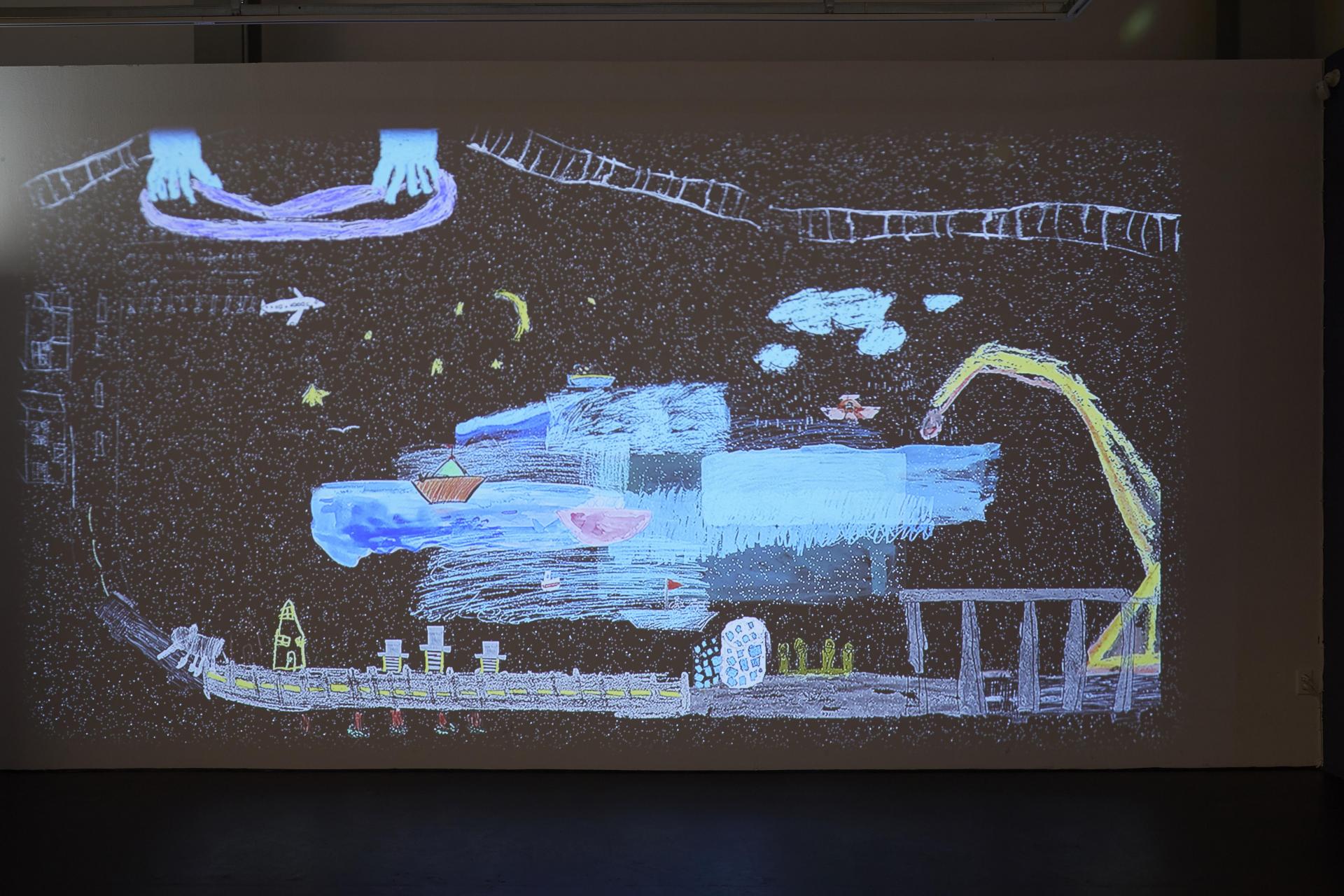
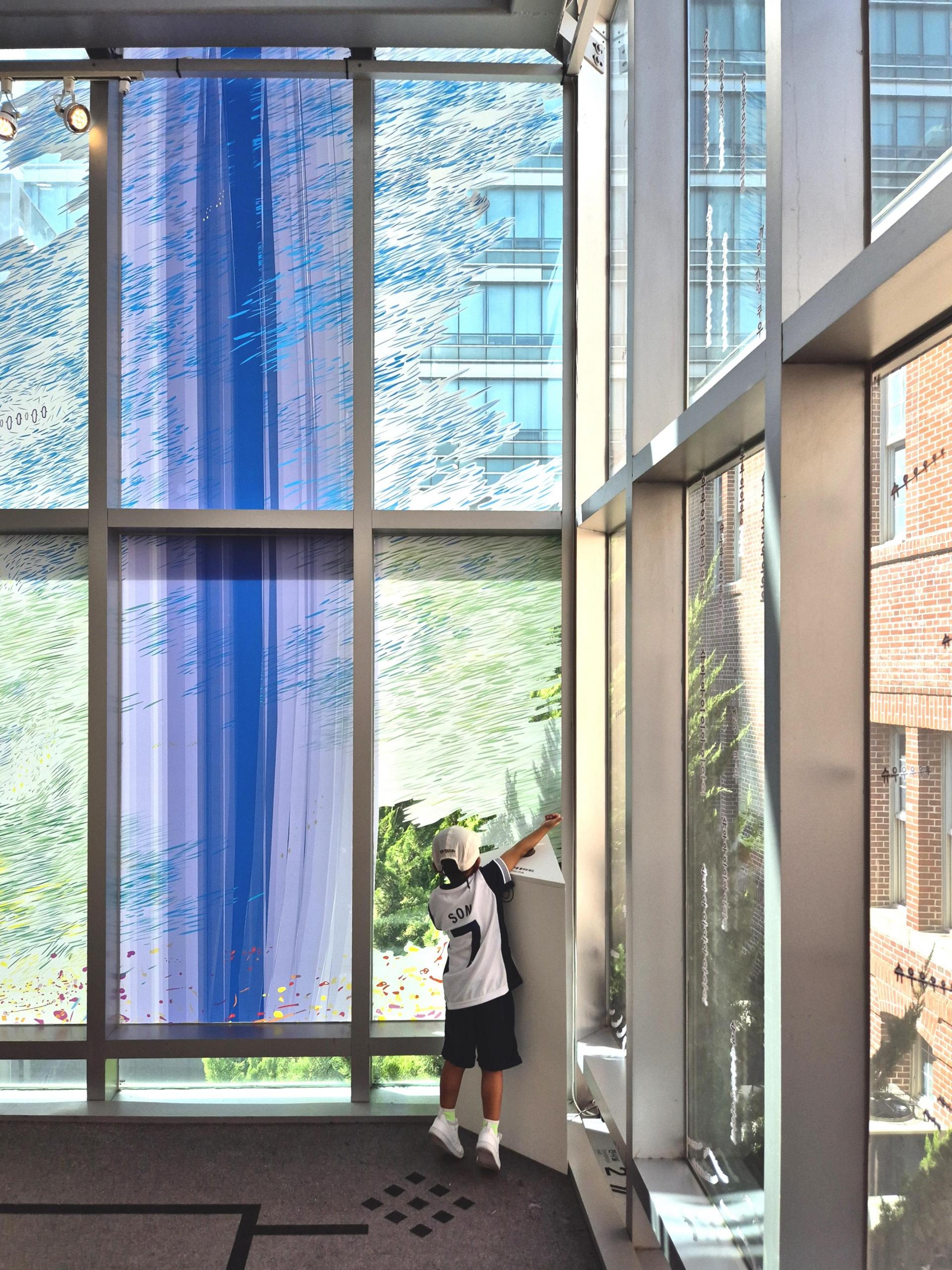
In this project, SEOM: reconstructed works developed together with local children living in Jung-gu, Incheon, while listening to sounds recorded throughout the city. The project captured the processual landscape through which stories are formed under the title An Elephant Lived in Incheon (2022).
 
Beginning in the first half of 2022, SEOM: sequentially played recordings made at the edge of the sea in Incheon to the children without revealing their sources. Upon hearing the sound of “moored ships colliding,” recorded at the start of the project, the children imagined an elephant and transformed this motif into drawings and sculptural forms. Shared by children listening together in the same place and time, the story evolved into a narrative that “might truly exist.”

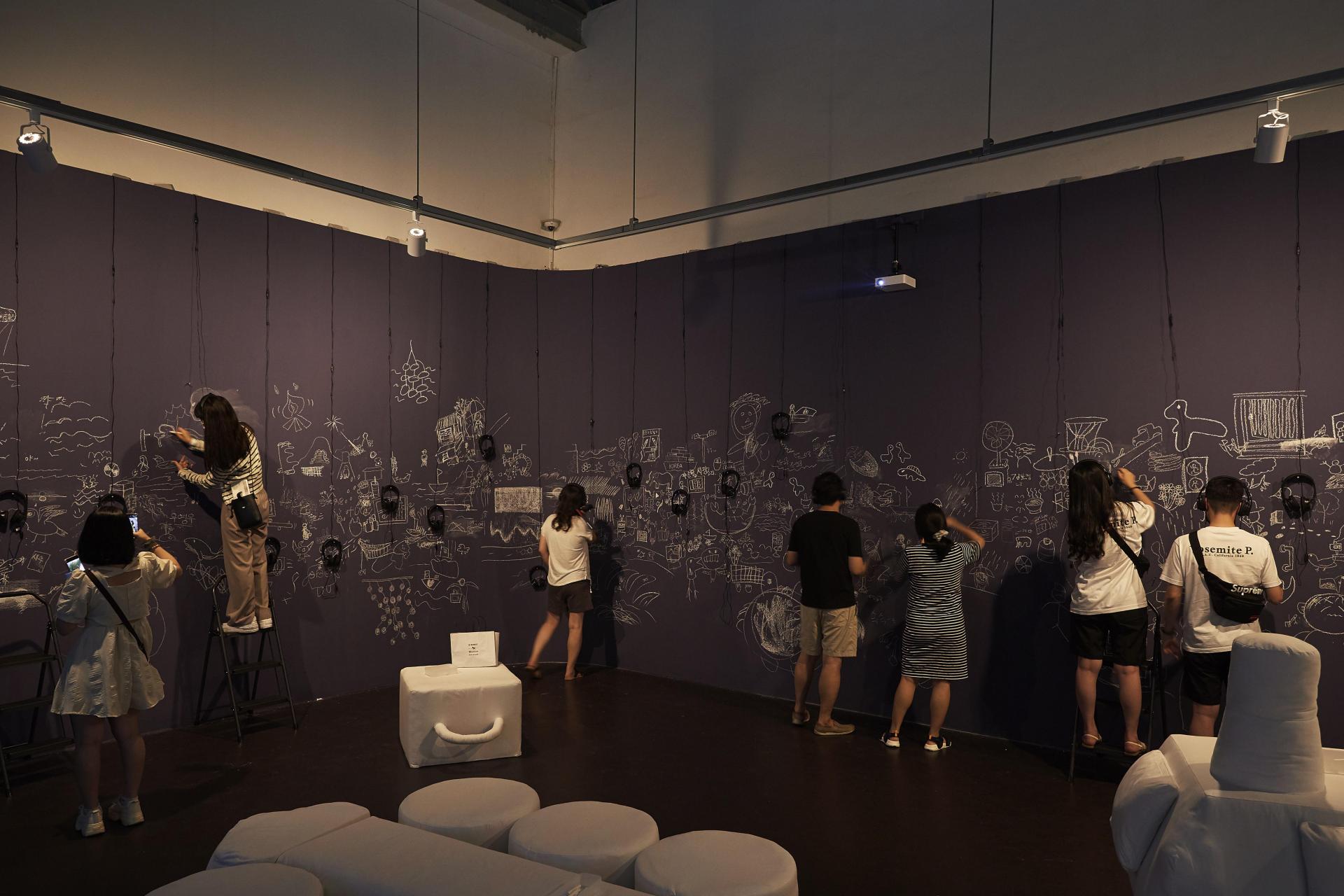
Installation view of 《[Fluide (Incheon] Fluide)- 'An elephant lived in Incheon'》 (Incheon Art Platform, 2022). Photo: Dongkyung Kwak. © Incheon Art Platform

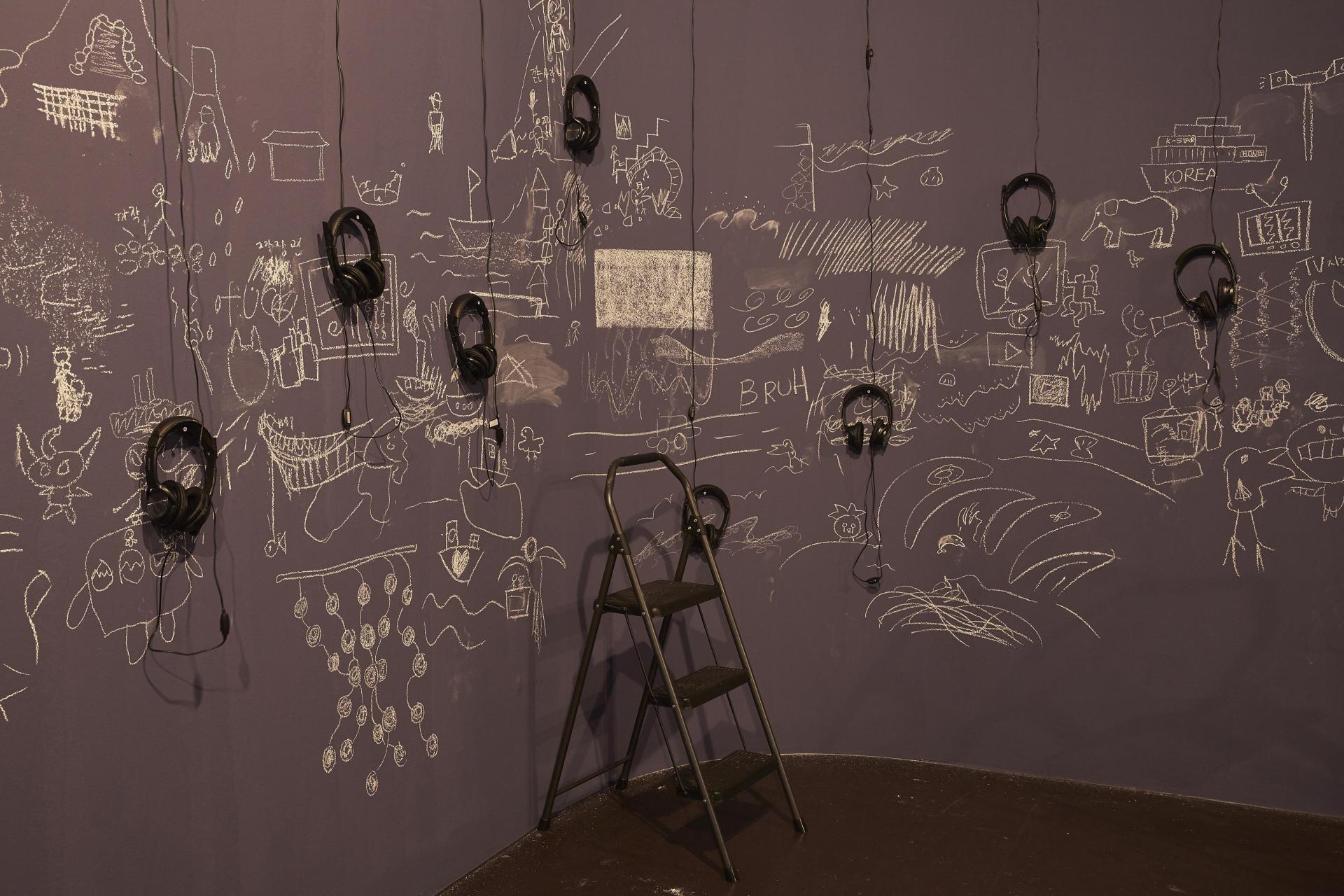
Along with the video work An Elephant Lived in Incheon, the exhibition features. 4 stools (Figure I, II, III, IIII) where the visitors can examine and actually touch the reproductions of the clay sculptures crafted by children. The Sound Wall in the exhibition also encourages visitors to listen to the sounds of Incheon and participate in creating the motifs for the story.
 
Four artists (KIM JunA, PARK Hyerim, CHO Eunbi, and HUH Jung) also participated in the Runtime Workshop for An Elephant Lived in Incheon. Their works will be combined with the 400 drawings by the children to create and categorize new themes. The workshop captures such process of how images can mutually intervene.
 
SEOM: brings the workshop of reconstructing imaginative stories based on 400 sound-images to the exhibition space, where the physical traits of the space traverse the historic context of Incheon and aid the search for the potential of a new sound-based narrative.


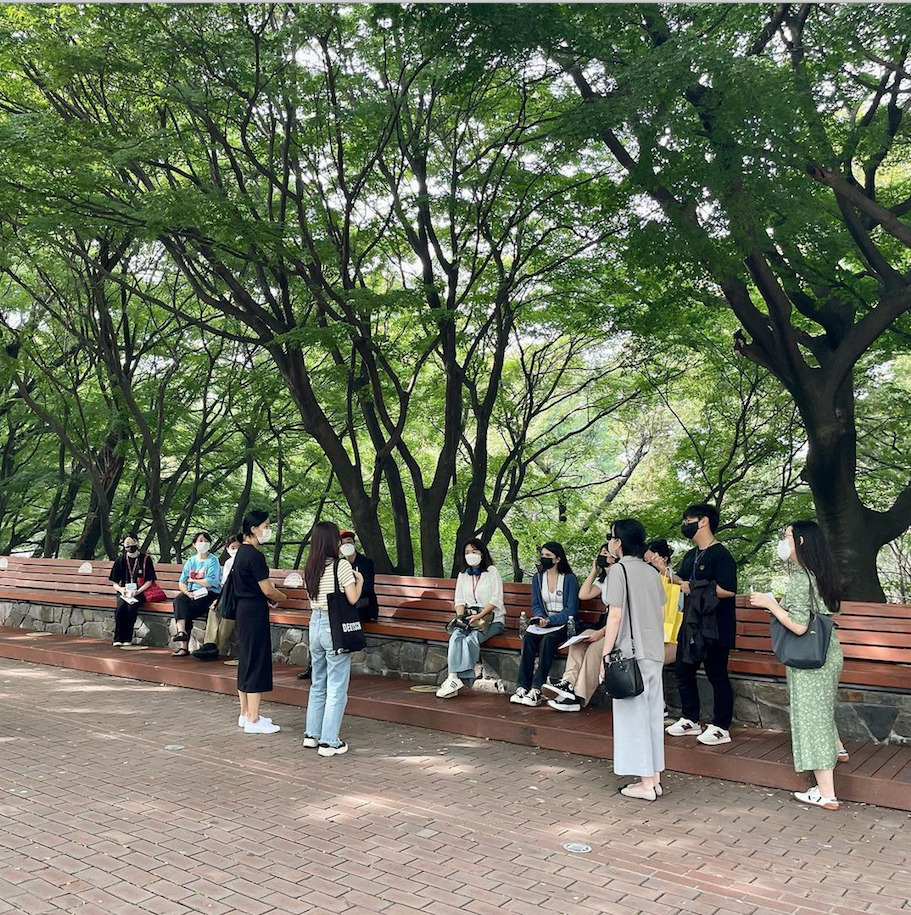
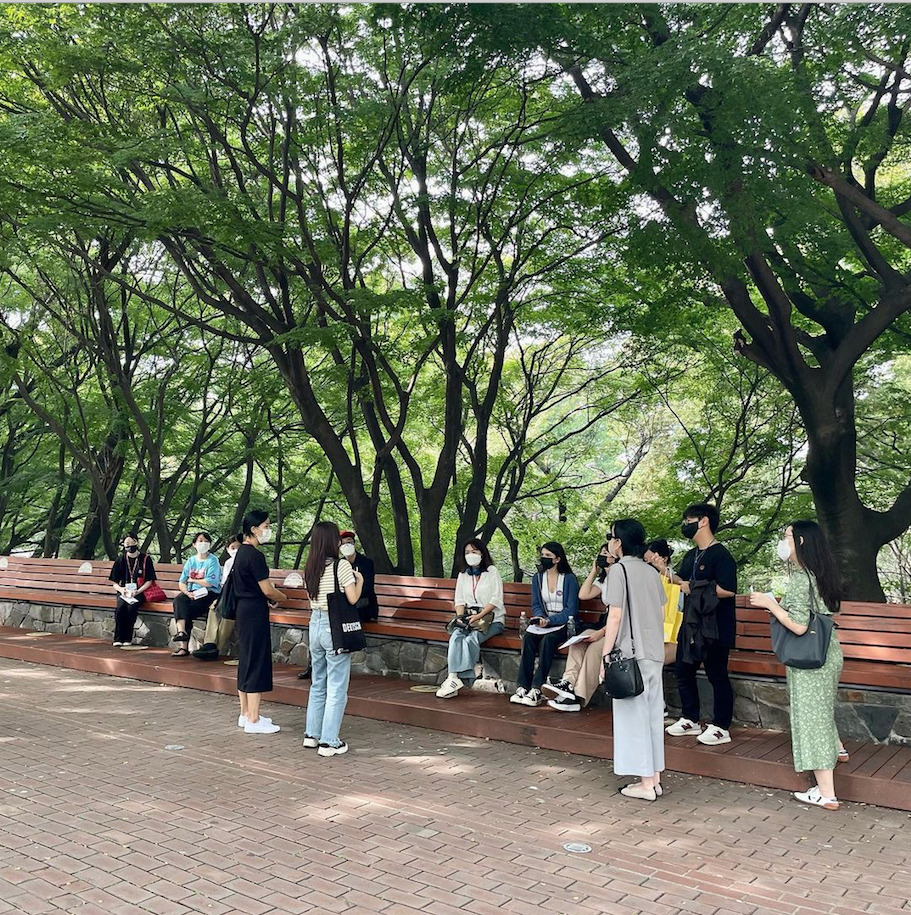
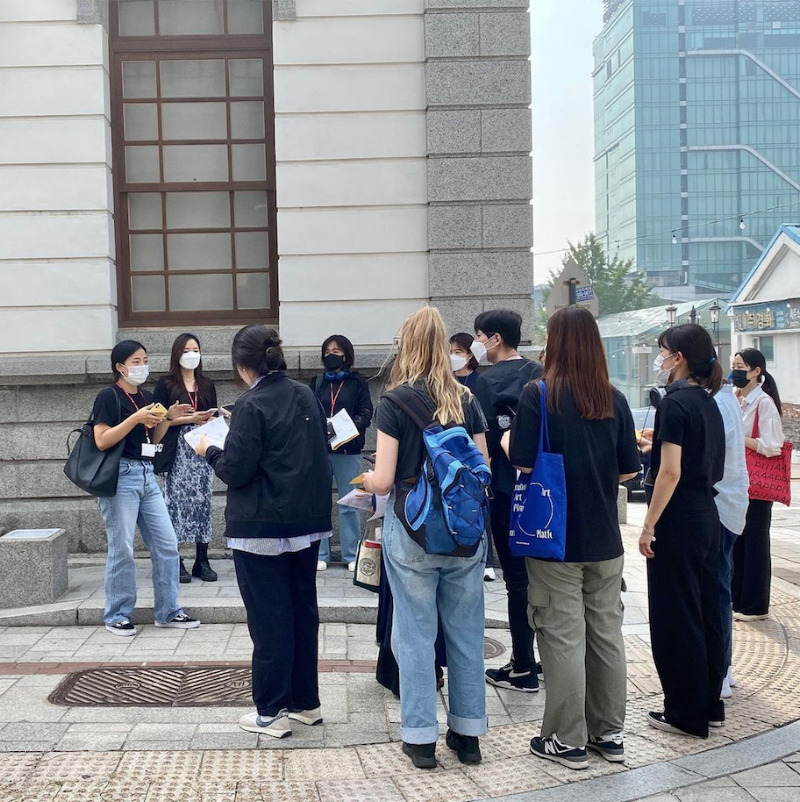
SEOM:, The City on the sea: Mirage,, 2022, View of Incheon Art Platofrm Sound Walk Program 《Sound Walking in Autumn》 © SEOM:

SEOM:’s exploration of sound and space has also extended beyond the enclosed setting of the exhibition hall into outdoor environments. For instance, the sound-walk project The City on the Sea: Mirage (2022) invited participants to explore the sonic environment surrounding them by following a map devised by SEOM:.
 
“Haesi (해시, 海市)” refers to a city built upon the sea, while “mirage” evokes an optical phenomenon in which something nonexistent appears visible due to the refraction of light in the atmosphere. Walking together with local citizens, SEOM: observed the sounds surrounding Incheon Art Platform through four thematic categories: disappearing sounds, existing sounds, invisible sounds, and continuing sounds.

SEOM:, The City on the sea: Mirage,, 2022, View of Incheon Art Platofrm Sound Walk Program 《Sound Walking in Autumn》 © SEOM:

The sounds associated with each theme captured the locality of the site, the sounds of the past that are now “neither visible nor audible,” and those ordinarily unnoticed unless one listens attentively. As participants listened and walked through these sonic environments, they were invited to sense the city of Incheon anew and to imagine the layered histories accumulated within the very streets on which they stood.


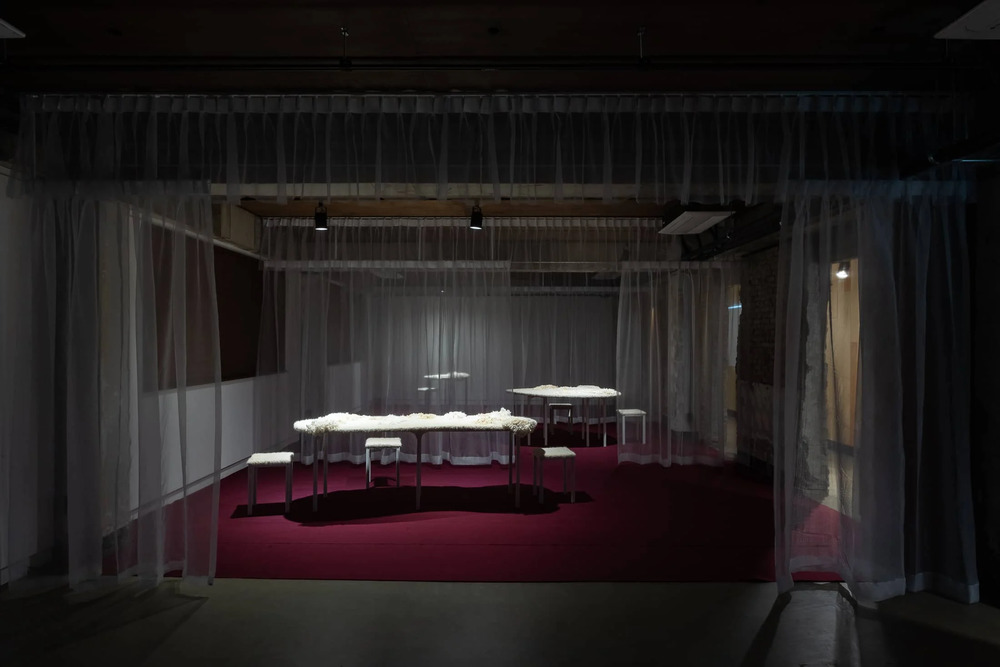
Installation view of 《Drama》 (Art Centre Art Moment, 2023) © Art Centre Art Moment

Meanwhile, in the 2023 solo exhibition 《Drama》 at Art Centre Art Moment, SEOM: assigned the exhibition space the identity of a “stage.” However, in the exhibition 《Drama》, staged as a kind of theatrical set, no actors appeared. Instead, the ones who stepped onto the stage were none other than the viewers themselves.
 
In this context, SEOM: presented viewers with a single request: “On this stage, you must always bring with you your own body, moving and acting alongside the work.”
 
For example, the works sceneryⅠ, sceneryⅡ, and sceneryⅢ were realized through the audience-turned-performers wandering across or lingering between the seating area and the stage. The gestures and movements of viewers acting upon the stage generated distinct “sceneries,” at times functioning like performances themselves and ultimately completing the works.


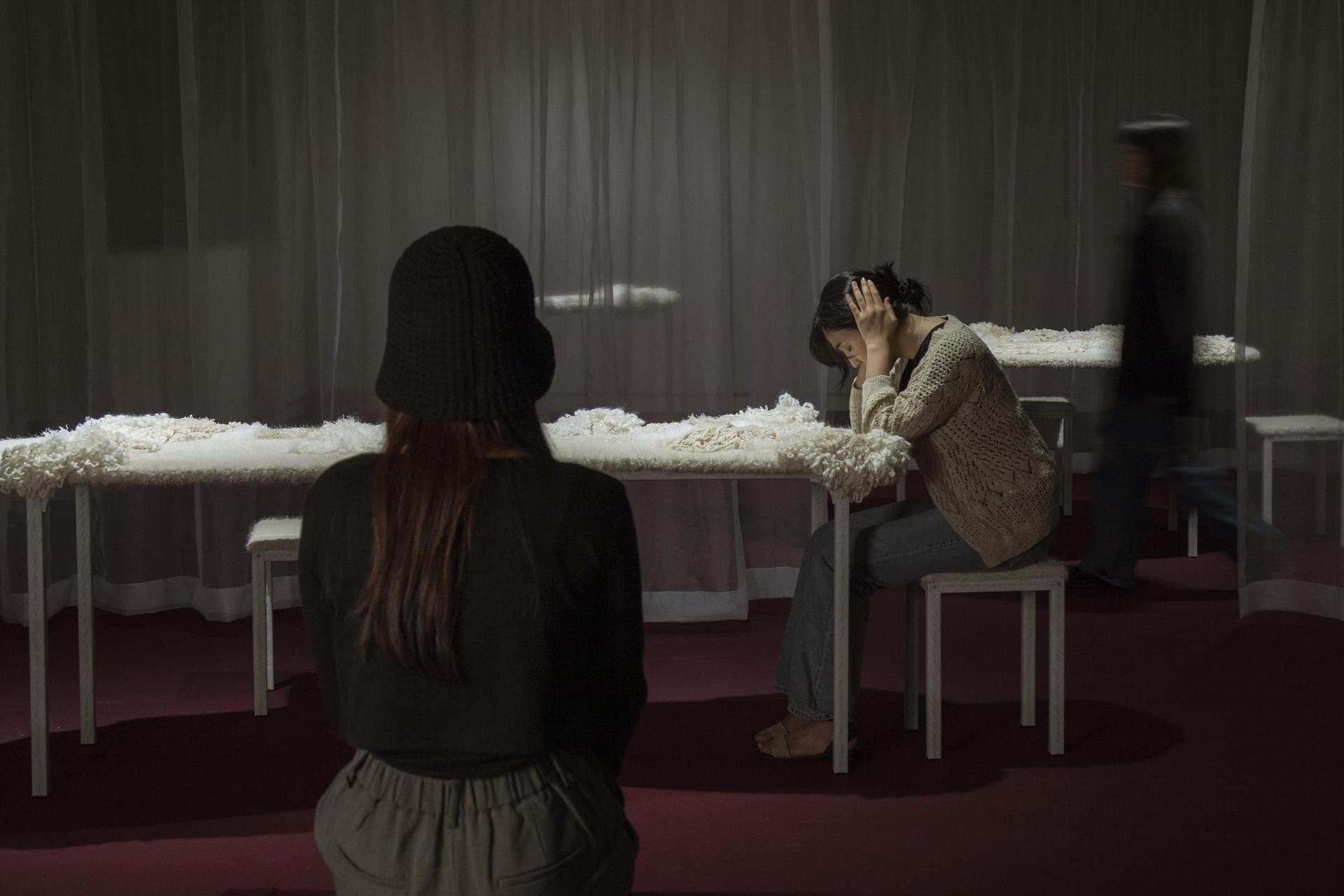
Installation view of 《Drama》 (Art Centre Art Moment, 2023) © Art Centre Art Moment

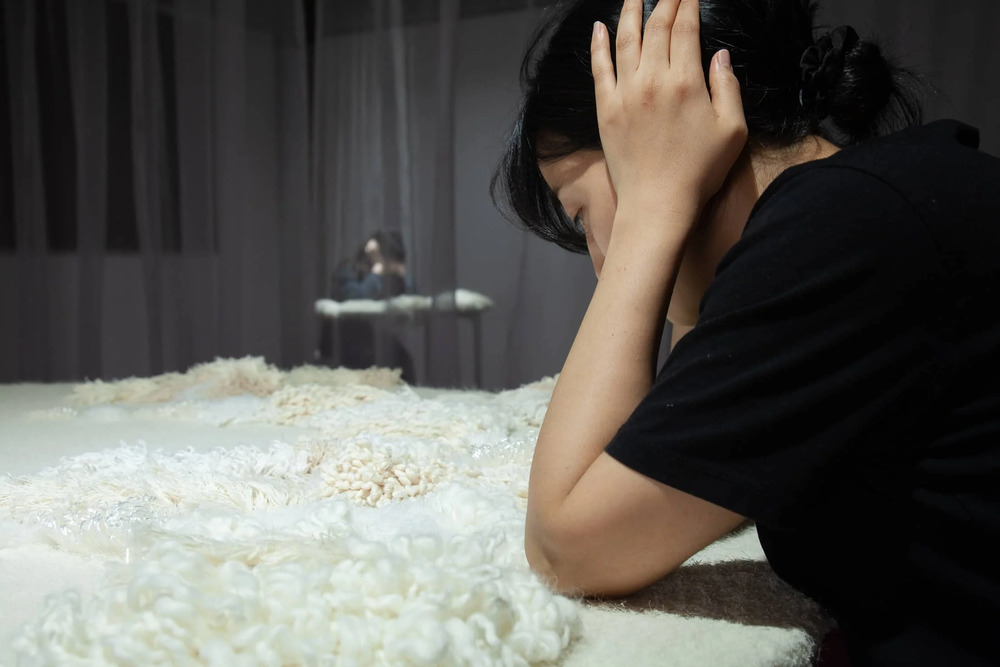
The works within the exhibition took the form of tables emitting distinct heartbeat sounds, their curved structures and soft, cushioned surfaces making them appear almost like living organisms before the audience. The moment viewers placed their arms on the tables and brought their hands to their ears, they could hear someone else’s heartbeat transmitted through their own bodies.
 
In encountering a heartbeat that usually remains unnoticed, the emotions of everyone physically connected in the here and now gradually began to resonate and intertwine.


Installation view of 《Drama》 (Art Centre Art Moment, 2023) © Art Centre Art Moment

Here, the actions of the “self” awaken the experience of sensing, conveying new ways of perceiving the world and understanding existence. At the same time, sound as a medium is characterized by its immediacy, transforming experience into a singular and unrepeatable event that can occur only in the here and now. The audience’s “drama” can never be fully replicated or mediated through documentation; it is completed only through direct experience in the present moment.
 
Finally, the exhibition guides viewers into a concealed inner stage. There, a table designed for a single person awaits, inviting the participant to place their hands upon it and listen to the sound of their own heartbeat. The sound of one’s heart beating in the here and now draws back into the present the drifting emotions and memories that had wandered across layered dimensions of time and space, allowing the viewer to encounter their most natural self.


Installation view of 《Drama》 (Art Centre Art Moment, 2023) © Art Centre Art Moment

Through 《Drama》, SEOM: discovered the stage within the exhibition space and used the notion of drama to unfold broader narratives. Drama, understood here as a term encompassing human life itself, is externally realized on the stage through the actions of the audience. Acting and experiencing through a living body, the performative drama is reenacted along the continuum of life and everyday existence.
 
At the same time, the drama is internally completed through the experience of sound. The heartbeat becomes a reawakening of life itself—the very foundation of drama. This sound makes one aware not only of another person’s aliveness, but also that one’s own life continues unmistakably here and now.


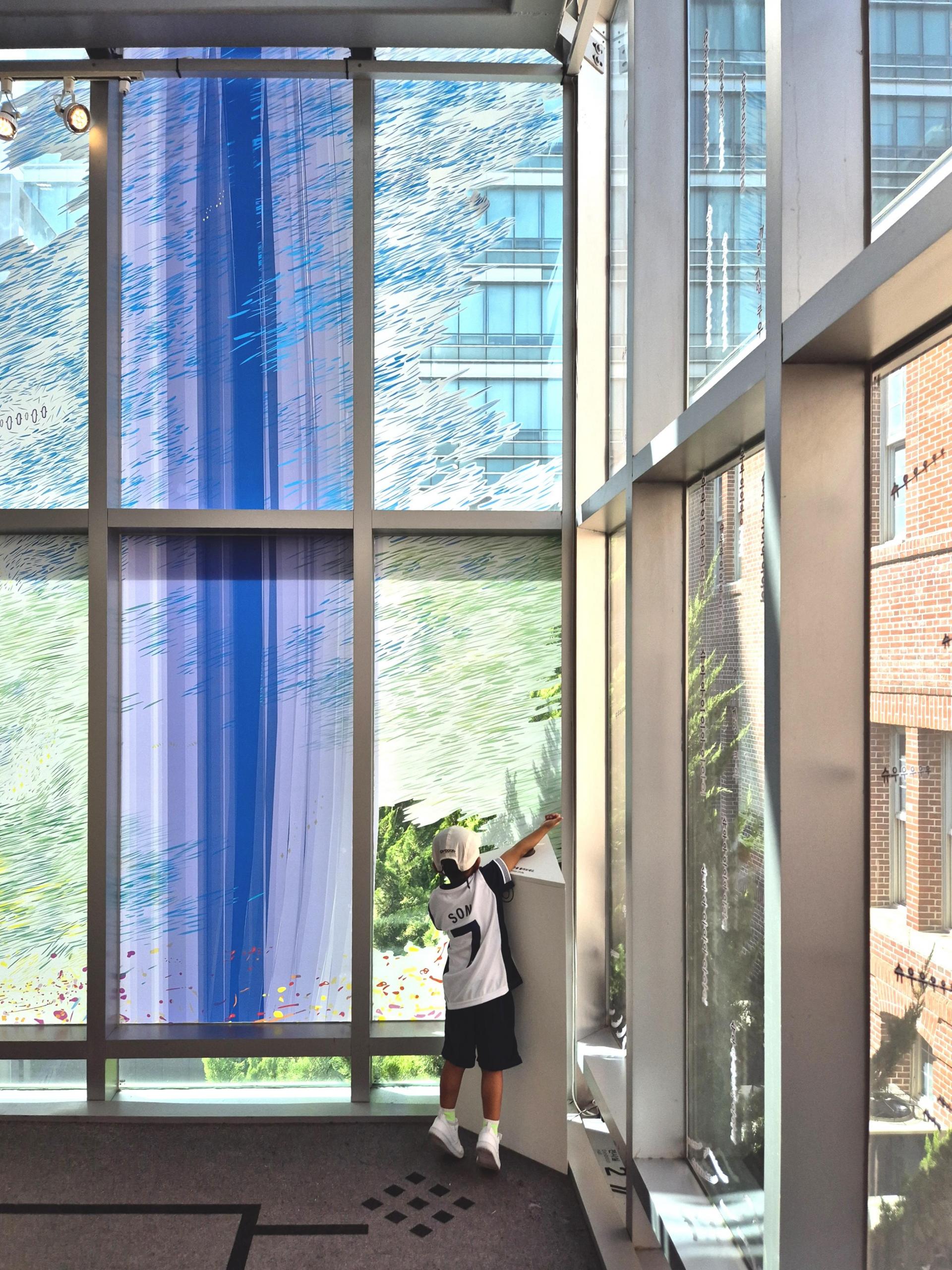
SEOM:, Ways of Conveying Sound, 2024. Installation view of 《Busan MoCA Outreach Project #1-6_Seeing with 10 Fingers》 (Seokdang Museum of Art, 2024) © SEOM:

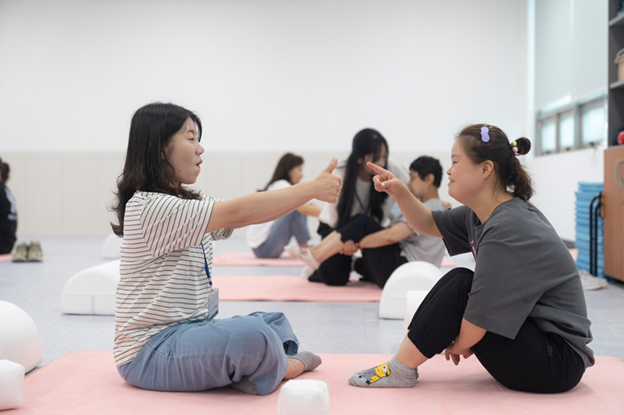
In 2024, while participating in Busan Museum of Contemporary Art’s 《Busan MoCA Outreach Project #1–6: Seeing with 10 Fingers》, SEOM: developed the project Ways of Conveying Sound, which explored methods of transmitting sound through senses other than hearing.
 
Through the process of creating manuals for conveying sound together with local participants, SEOM: sought to reflect on whether the convenience of sound transmission, typically dependent on mechanical devices, has in fact produced barriers in communication around sound between disabled and non-disabled individuals.


SEOM:, Ways of Conveying Sound, 2024. Installation view of 《Busan MoCA Outreach Project #1-6_Seeing with 10 Fingers》 (Seokdang Museum of Art, 2024) © SEOM:

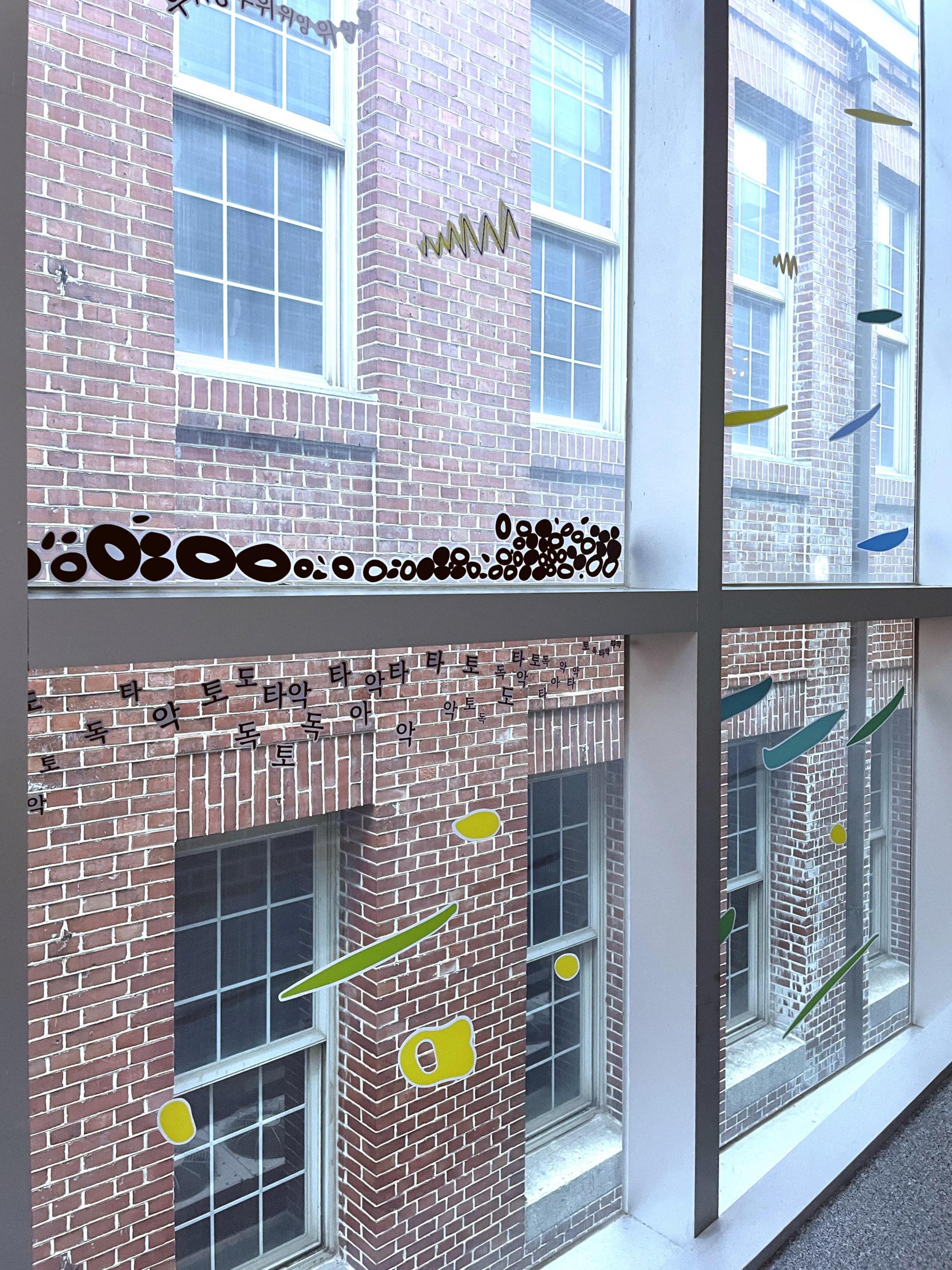
First, the artists and participants borrowed methodologies from sound walks to evoke the sonic environment surrounding the Busan Museum of Contemporary Art and collect various soundscapes. Through activities using manual devices to express sound, they explored diverse sonic characteristics—such as intensity, fluctuation, frequency, and duration—and experimented with new methods of “conveying sound.”
 
The group then developed manuals that investigated ways of transmitting sound through senses other than hearing. SEOM: enabled all visitors to the exhibition to experience the sounds of the day through whichever sensory faculties were most accessible to them. Audiences could encounter the recreated soundscapes through hearing, sight, and touch.


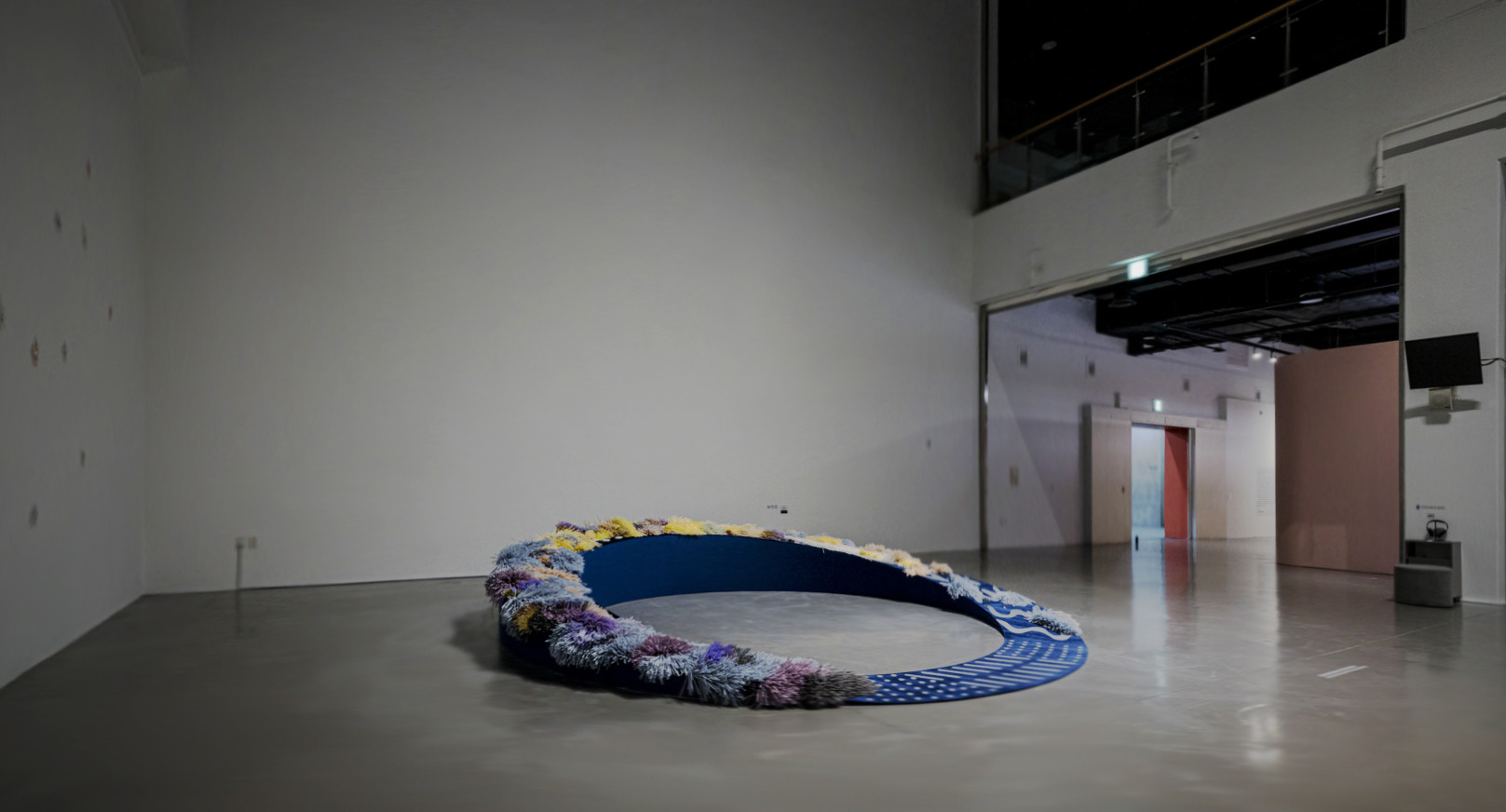
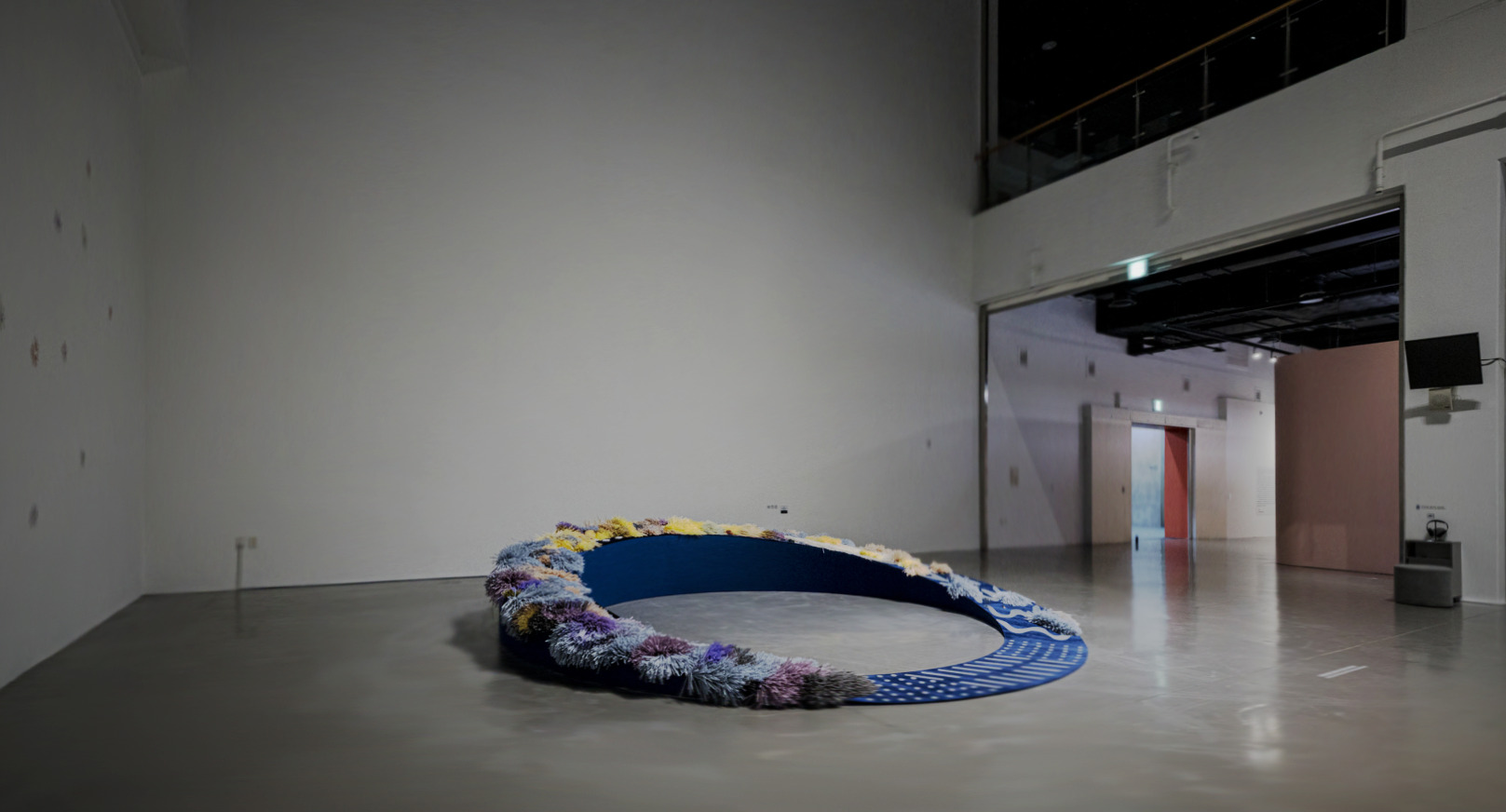
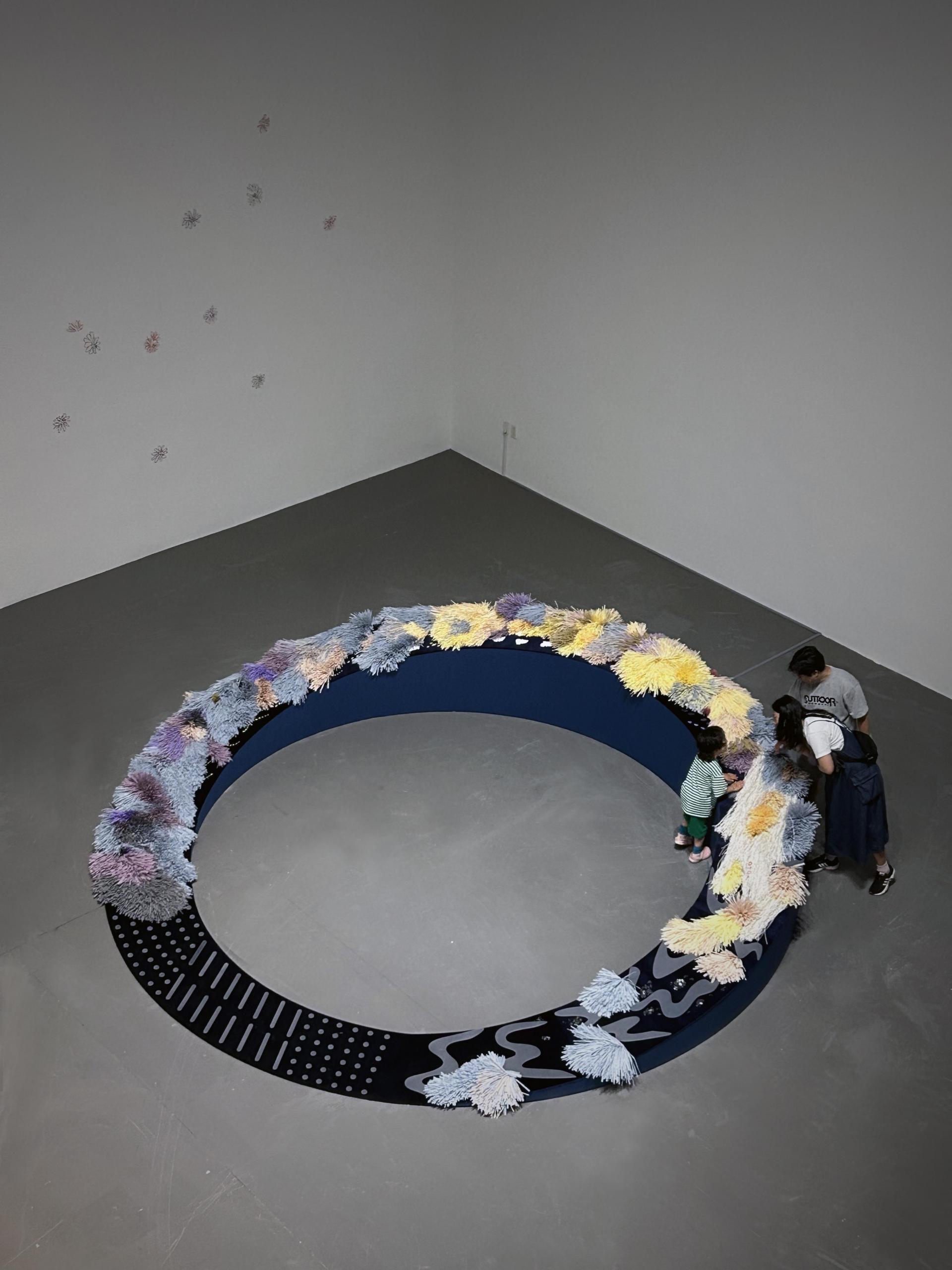
SEOM:, Waltzing with Senses, 2025, Installation. Installation view of 《Seeing with Ten Fingers》 (Busan Museum of Contemporary Art, 2025) © SEOM:

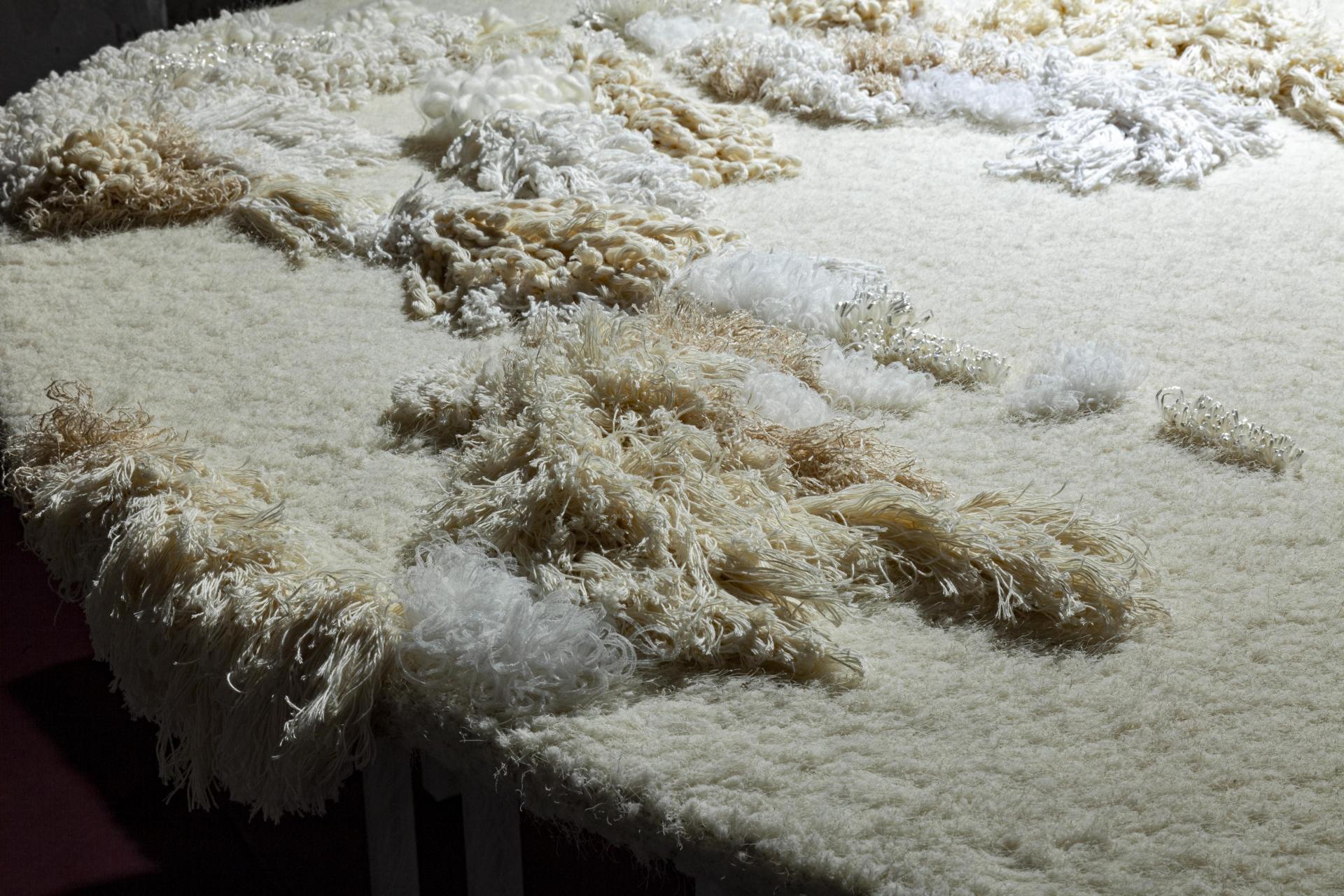
Developed as an extension of this line of inquiry, Waltzing with Senses (2025) proposes an experience in which hearing, sight, and touch become organically intertwined into a unified sensory perception through a spatial sound installation. The work takes the form of a ring-shaped structure approximately five meters in diameter, elevated at the center and gradually lowering toward both ends. Its surface is covered with various tactile materials such as fabric, thread, and fur, while speakers are embedded within the structure.
 
The natural sounds emitted from these speakers were collected directly during a preliminary workshop for Busan Museum of Contemporary Art’s 《Seeing with Ten Fingers》, in which the artists walked around the museum and its surrounding area together with Busan citizens.


SEOM:, Waltzing with Senses, 2025, Installation. Installation view of 《Seeing with Ten Fingers》 (Busan Museum of Contemporary Art, 2025) © SEOM:

In this way, SEOM: continues to experiment with diversifying the audience’s artistic experience through sound and space. The sound-spaces they construct invite the participation of the entire sensory body—including sight, hearing, and touch—thereby inducing an immersive bodily experience.
 
Through this process, viewers become vividly aware that they are “sensing” and “experiencing” through their living bodies, and are led to newly recognize their relationships with themselves, others, and the world through the resonance of sound in the here and now.

“We have explored sensory experiences using the physical characteristics and historical and social contexts of spaces as our material. In this process, we regard the exhibition space as an element participating in the total experience realized through the physical encounter between audience and artwork, actively utilizing the physical properties of the exhibition space itself as part of the installation.” (SEOM:, Artist Statement)


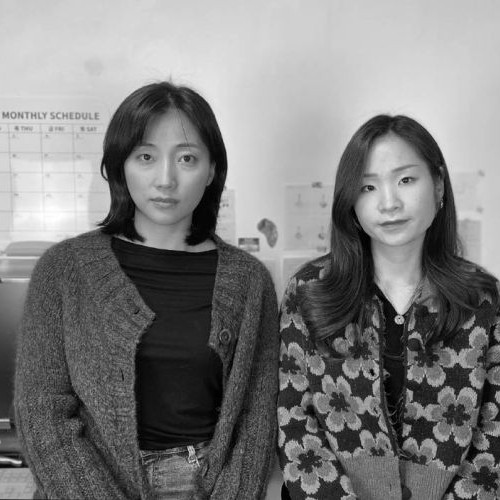
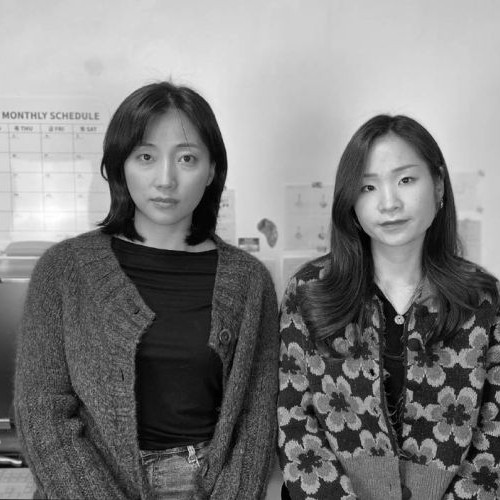
Artist group SEOM: © Incheon Art Platform

SEOM: is a collective formed in 2021 by SEO Hanie and EOM Yeseul. SEO graduated from the Department of Painting at Hongik University and received both her BFA and MFA from the Caen/ Cherbourg Media & Arts School. EOM graduated from the Department of Sculpture at Hongik University, earned her BFA from the Caen/ Cherbourg Media & Arts School, and completed her MFA at the Paris Cergy National Arts School.
 
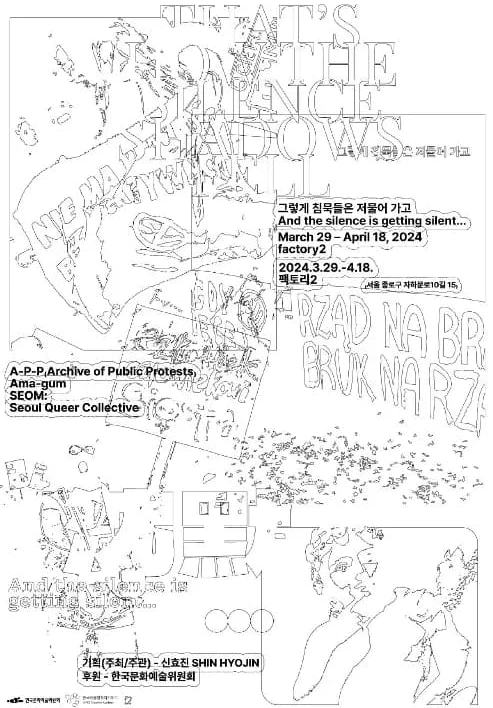
Their solo exhibitions include 《Drama》 (Art Centre Art Moment, Seoul, 2023), 《 [Fluide (Incheon] fluide) – ‘An Elephant Lived in Incheon’》 (Incheon Art Platform, Incheon, 2022), and 《Full Box Project》 (CoSMo40, Incheon, 2022). SEOM: has also participated in numerous group exhibitions, including 《Seeing with Ten Fingers》 (Busan Museum of Contemporary Art, Busan, 2025), 《And the silence goes away》 (Factory2, Seoul, 2024), and 《Non-Algorithm Challenge Part 3: 4℃》 (Sehwa Museum of Art, Seoul, 2024).
 
SEOM: was selected as a resident artist for the Incheon Art Platform residency program in 2022.

References