Q1. Hello. Could you briefly introduce yourself?
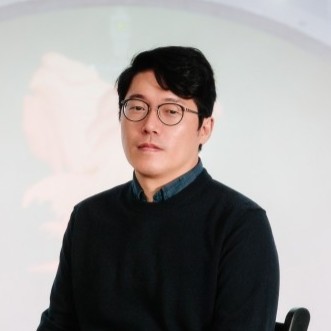
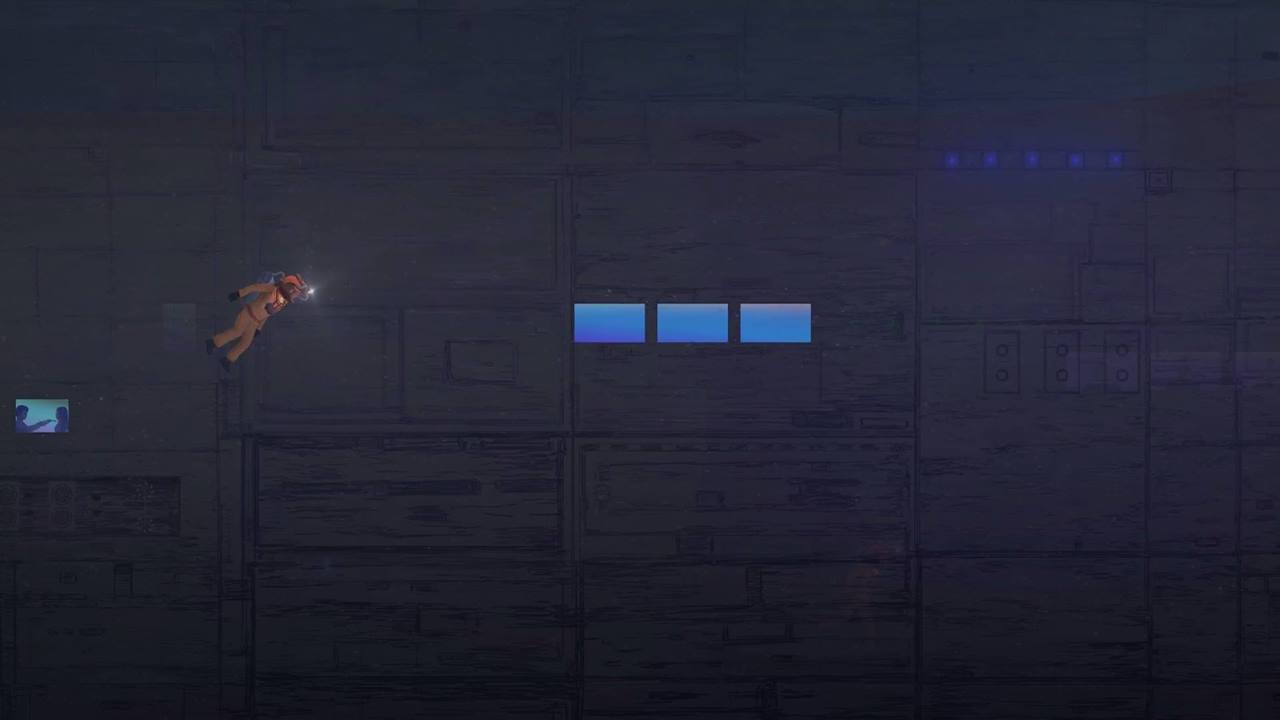
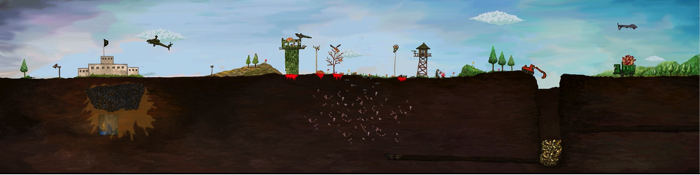
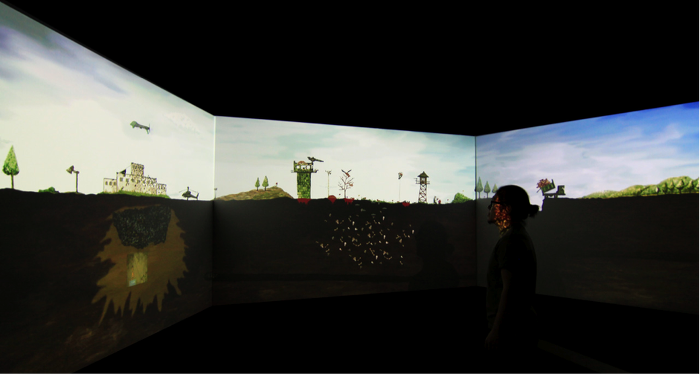
Hello, I’m Sung Rok Choi. Currently, I work primarily with animation and video. My research focuses on how we, as human beings, perceive a world that is becoming increasingly digitized through the tool of new media, and how we ourselves are recognized as entities within that process. I am particularly interested in the changing relationship between machines and humans.
Q2. You studied fine art, but your practice extends across animation and digital video. What led you toward this direction?
Originally, I had planned to major in sculpture. However, while preparing for entrance exams, I gradually lost interest in sculpture and became more interested in painting instead. But as I studied painting, I think I became overwhelmed by the weight of its long history, which eventually distanced me from school life itself. After completing military service and before returning to university, I began assisting with documentary filming, and that was when I first encountered moving images.
Around the same time, I became interested in stage design, so I followed a stage designer around, learning and experimenting with design work. When I eventually returned to school, painting no longer interested me at all. I think that was why I continued making semi-flat works. During that period, I became increasingly interested in science through drawings and installation works based on science-fiction narratives.
I was fascinated by how scientists develop, execute, and structure theories through research processes, and I began connecting those processes to artistic creation itself. I constantly thought about how process and result could be transformed into visual elements capable of constructing narratives within exhibition spaces.
Today, Arduino is widely known and commonly used, but at that time it had not yet really entered Korea. As someone trained in fine art, handling machines such as motor-control systems was extremely difficult for me. In order to overcome those limitations, I even attended private technical academies. It was there that I met a friend majoring in mechanical engineering, and together we built my first robot.
Although I was making artworks, the process itself often felt more like research. There were constant cycles of attempting, breaking, discarding, and trying again. Animation was similar. I had never formally studied animation, nor was I using traditional animation techniques. Because I was continually drawn toward unfamiliar fields, my practice may appear to move in many different directions.
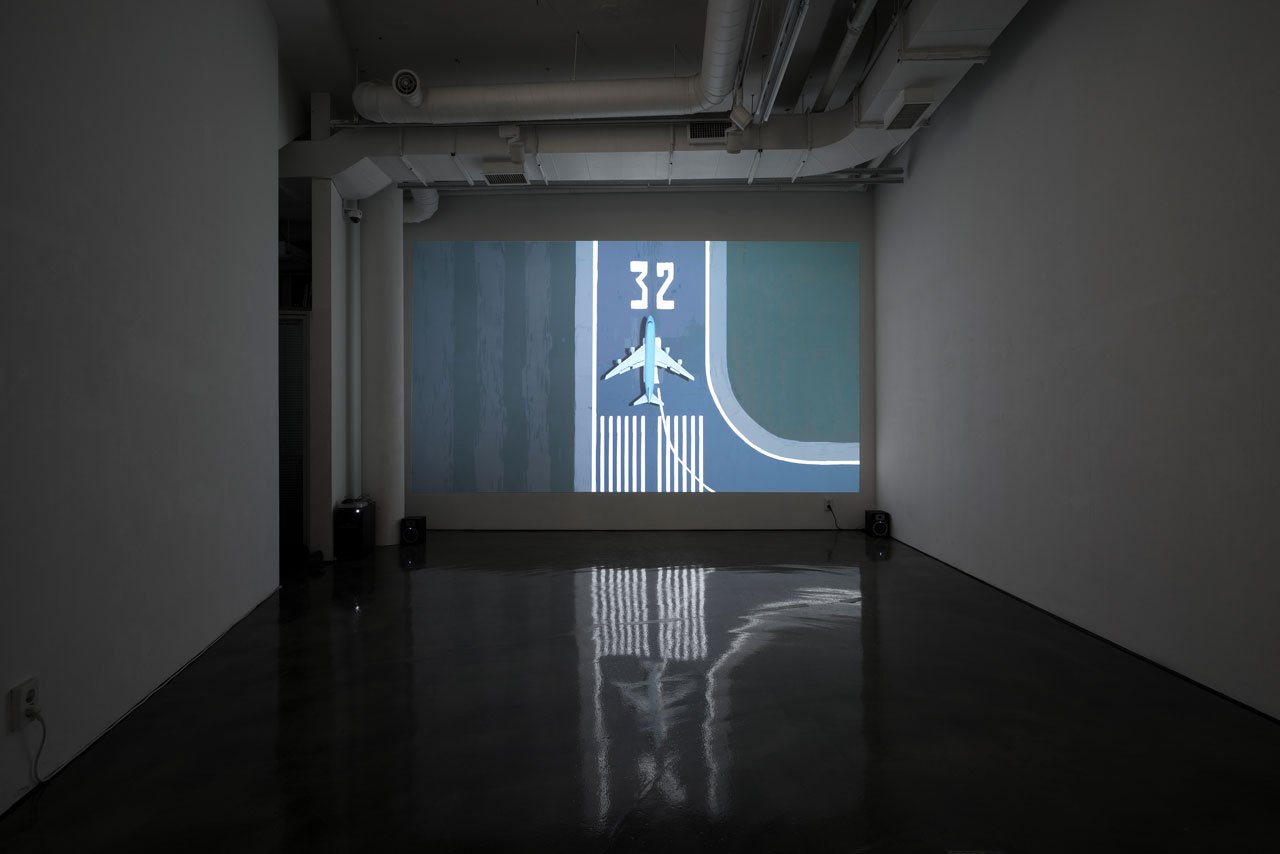
Q3. Through your engagement with various fields, it seems you have developed a very distinct artistic direction of your own. The works presented in your 2015 solo exhibition all utilized drones. Was there a particular reason or moment that led you to become interested in drones?
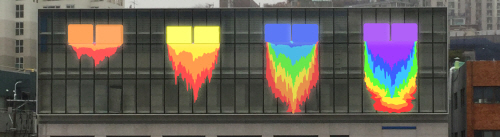
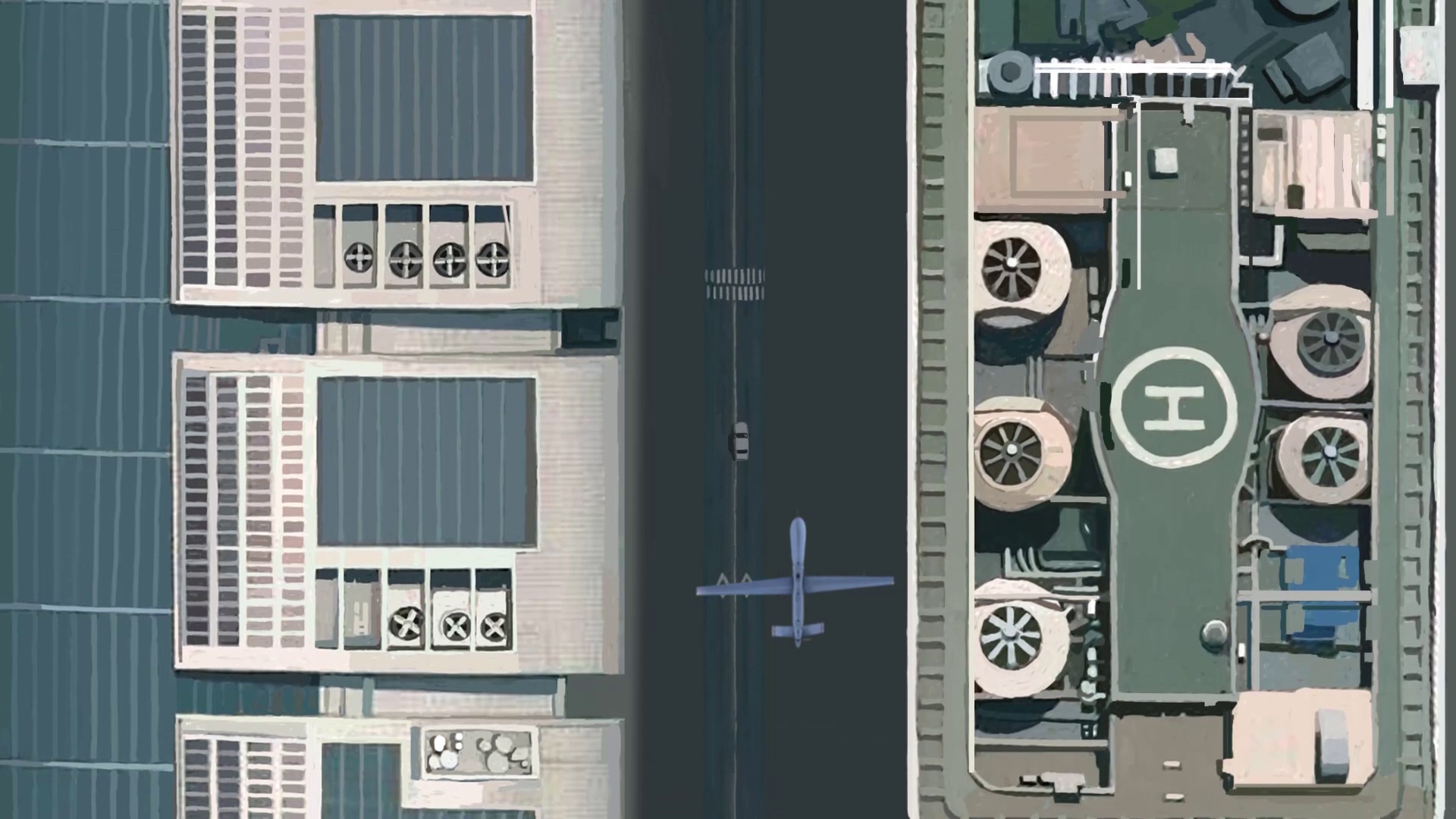
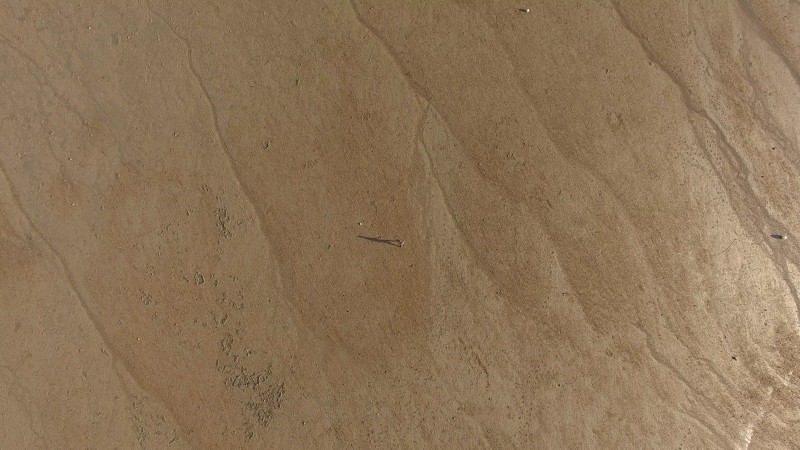
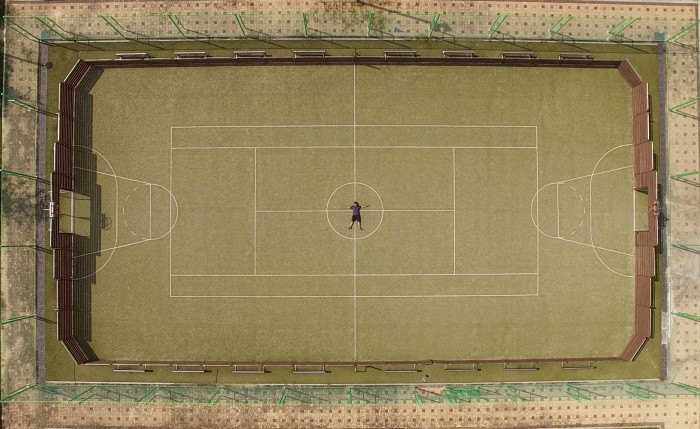
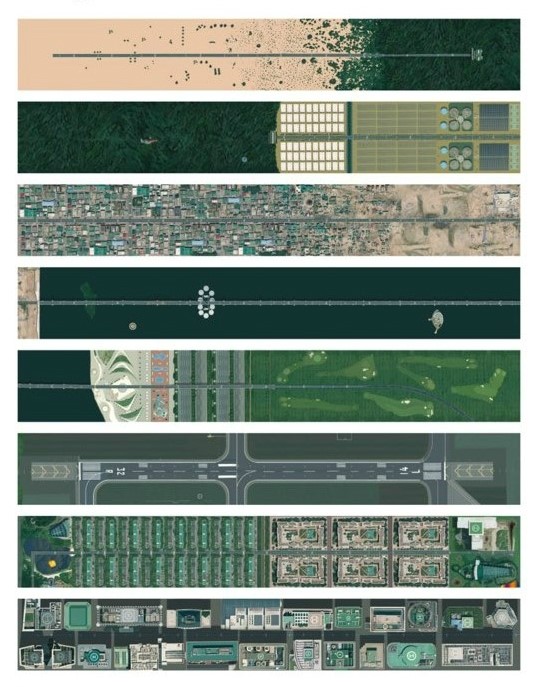
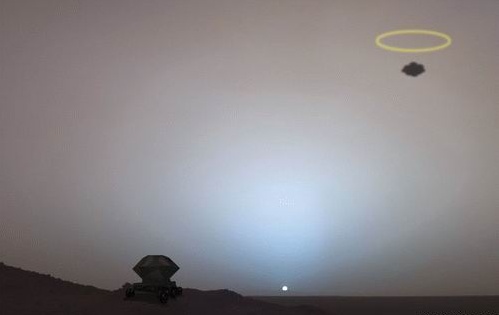
As suggested by the title of the exhibition, 《The Height of Phantom》, the work concerns the existence of invisible beings. I became interested in the problem of perspective that emerged with the invention of linear perspective, as well as the new forms of vision produced through airplanes, hot-air balloons, and satellites.
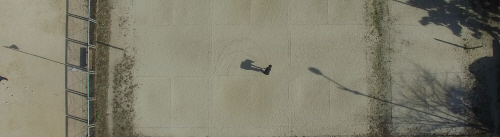
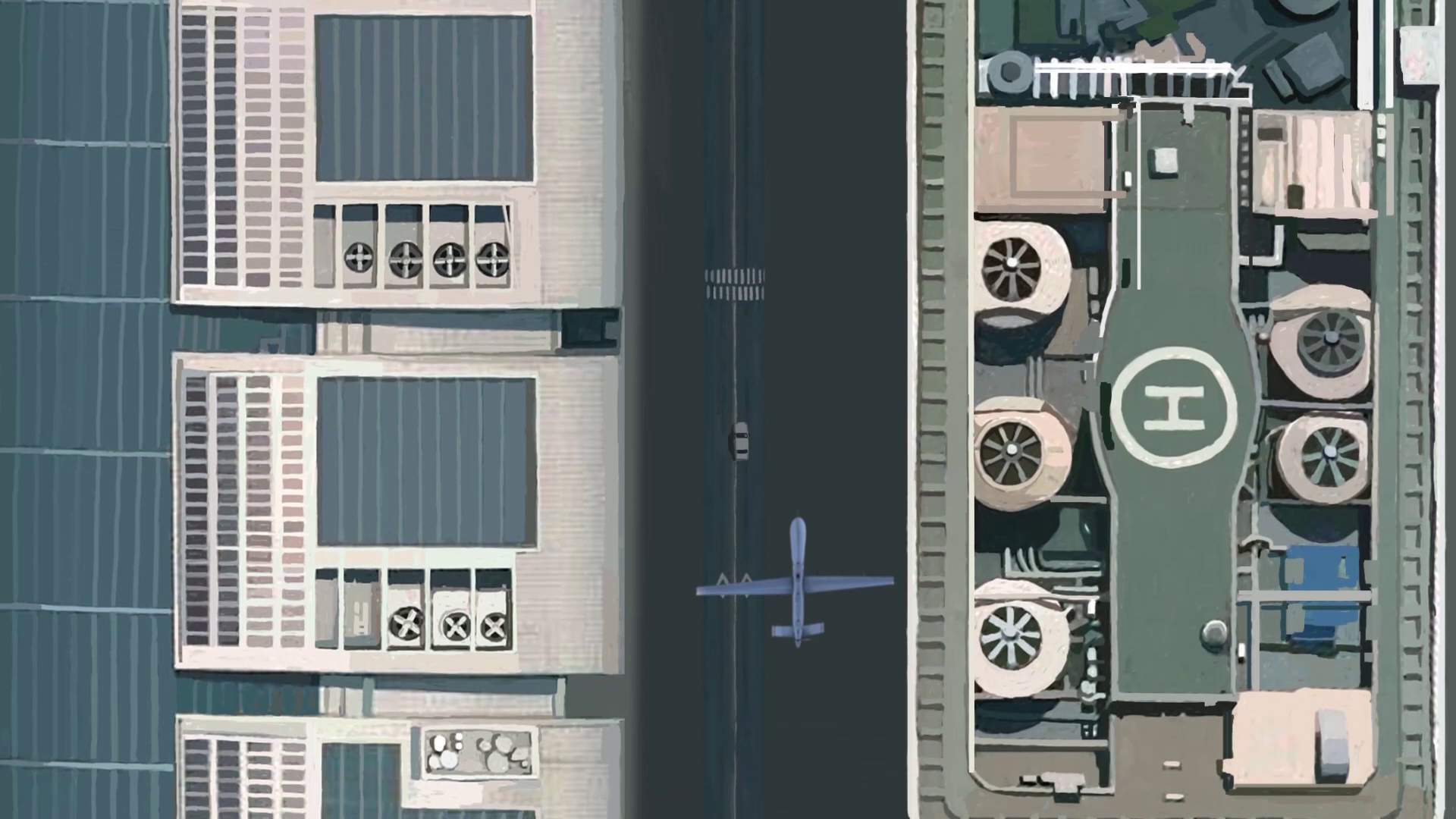
I was also drawn to the surveillant gaze generated by CCTV systems, and more recently to the purposeless, almost zombie-like gaze produced by civilian drones. The project began from the idea that unseen entities may be watching us.
I first began this work while I was in the United States, around the time drones were initially becoming publicly available. As digital machines continued to develop, I became increasingly interested in how humans understand the world through intellectual tools and technologies. This led me to investigate the social, political, and ethical issues surrounding drones as unmanned flying surveillance devices.
During my research, I realized that the developmental history of drones closely resembled the trajectory through which computers were first invented for military purposes and later commercialized for civilian use.
For example, I noticed that DJI—a major drone manufacturer controlling over sixty percent of the global market—was imitating Apple’s design strategies almost exactly, from packaging and marketing to website structure. People were beginning to purchase drones in the same way they bought iPhones.
Eventually, I acquired a drone produced by DJI myself. Flying it and recording photographs and videos, I found the images, landscapes, and worlds revealed through the machine to feel both fresh and surreal, which naturally led me into making work with it. My interest in drones also led me to join hobbyist communities. Much like cameras or RC devices in the past, drones were often framed as hobbies associated with middle-aged men.
Looking at the purposeless, almost zombie-like photographs and videos uploaded within those communities made me think deeply about what it actually means to capture images through drones. In my works, my intention was not to emphasize the recognizable features of the machine itself, but rather to use the machine on another level entirely. I spent a great deal of time thinking about the intrinsic properties carried by these technologies.