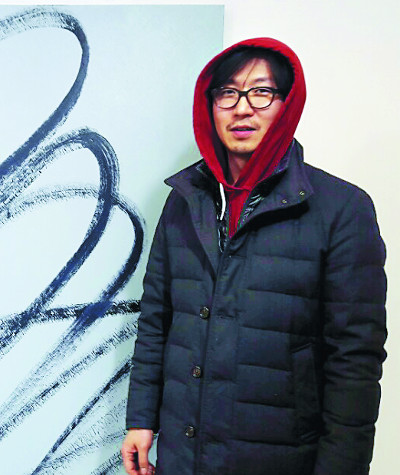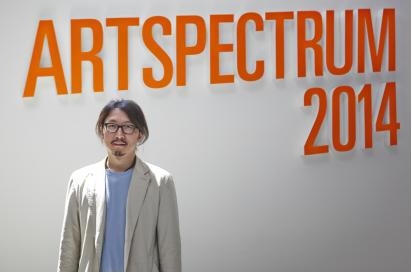


The Artist © Lee Wan

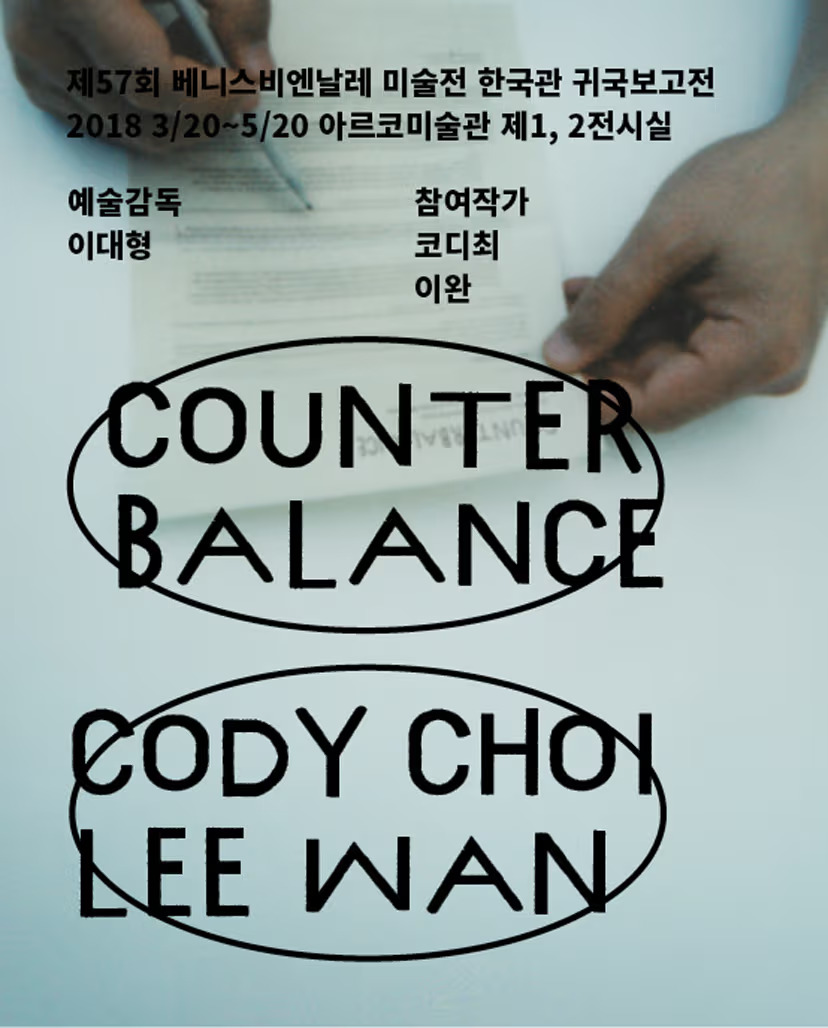
For this year’s Korean Pavilion exhibition 《Counterbalance》 at the Venice Biennale, Lee Wan participated alongside Cody Choi.

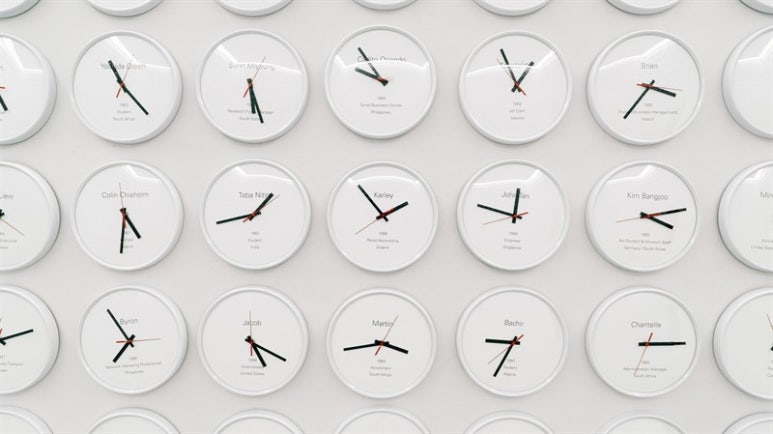
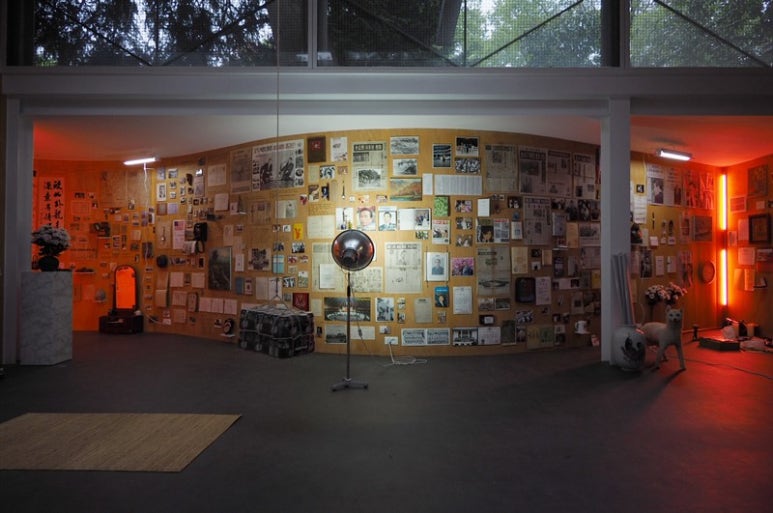
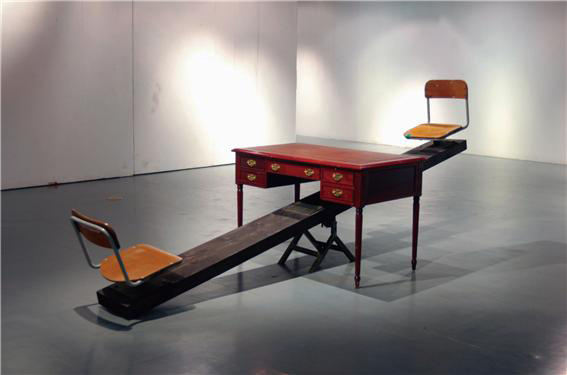
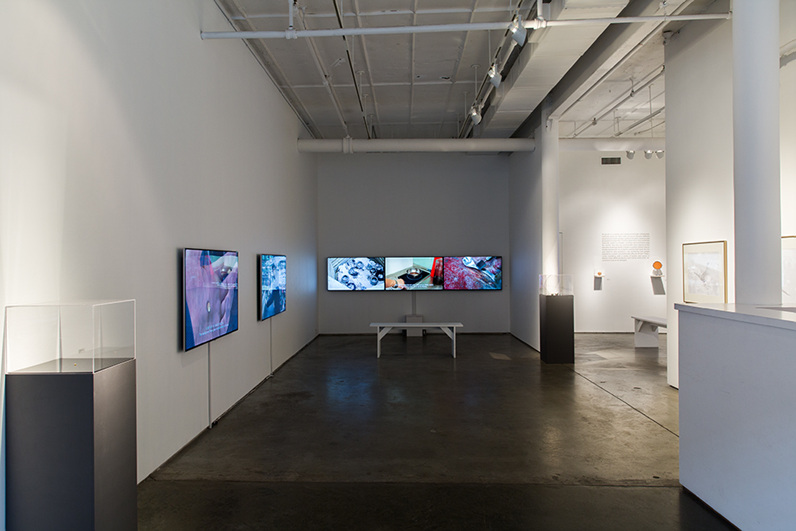
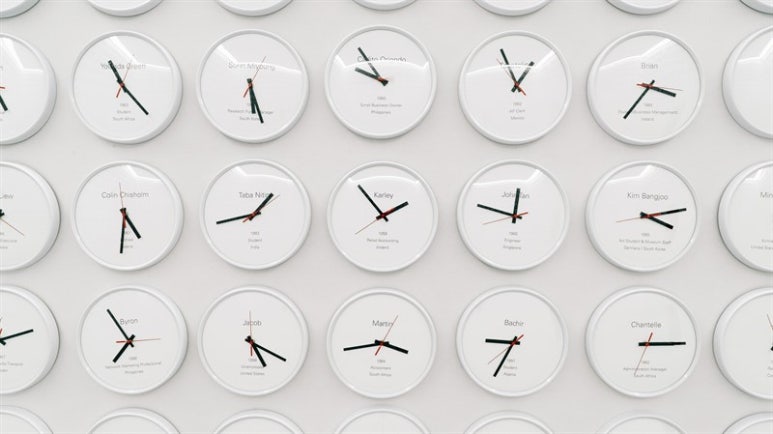
Lee Wan presented six works, including the newly commissioned Proper Time, composed of 668 clocks symbolizing 668 individuals selected from interviews conducted both online and offline with more than 1,200 people around the world; Mr. K and the Collection of Korean History, which intertwines the personal history of the late Kim Ki-moon — a real individual represented through 1,412 photographs purchased in Hwanghak-dong for merely 50,000 won — with the modern and contemporary history of Korea; as well as For a Better Tomorrow, The Possibility of Impossible Things, and the ‘Made In’ series.

These works encapsulate the themes and subjects Lee Wan has consistently explored throughout his practice, including everyday life and history, the individual and social systems, freedom and power, tradition and modernization, the relationship between the West and Asia, and the mechanisms of capitalism.

Born in Seoul in 1979, Lee Wan studied sculpture at Dongguk University and made his debut in the Korean art scene through the JoongAng Fine Arts Prize in 2005. Since then, he has developed his own artistic world through solo exhibitions at various institutions in Korea and abroad, including Ssamzie Space (2005), Miro Space (2008), Total Museum of Contemporary Art (2009), Art Space Hue (2010), Art Space Pool (2011), Daegu Art Museum (2013), Doosan Gallery New York (2014), and 313 Art Project (2015, 2017).

In 2014, he was recognized for his artistic achievements through the inaugural ARTSPECTRUM Award established by Leeum Museum of Art as well as the 26th Kim Se-jung Young Sculptor Award, and was subsequently selected as a participating artist for this year’s Korean Pavilion at the Venice Biennale. Through the following interview, we explore the messages Lee Wan seeks to convey and the meanings embedded within his works.


The Korean Pavilion at the Venice Biennale, established in 1995, has long served as an important platform for introducing Korean artists internationally. How did you feel about participating in the Korean Pavilion?

There is no doubt that the national pavilion at the Venice Biennale is an extraordinary honor for an artist. The fact that art professionals from all over the world encounter my work in Venice is truly remarkable. Above all, I was happy to realize projects that I had only imagined until now. The opening day of the Venice Biennale happened to coincide with the day of Korea’s presidential election.

Amid today’s unstable international climate, the title 《Counterbalance》 for this year’s Korean Pavilion felt almost like a “divine move.” The coincidence of the pavilion opening alongside the birth of a new government struck me as profoundly dramatic.


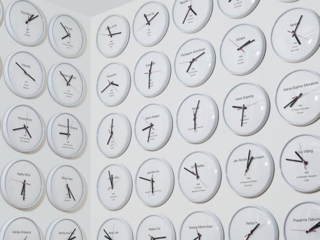
Lee Wan, Proper Time, 2017, 668 clocks, Dimensions variable © Lee Wan

The new work Proper Time, presented in the Korean Pavilion, is known to have begun from the question: “How much time do individuals around the world spend laboring in order to eat a single meal?” The terms contained within this sentence — “world,” “individual,” “meal,” “time,” and “labor” — also function as major keywords running throughout your practice.

Proper Time is a work that attempts to quantify and diagram the lives of people living in the contemporary world. Over the past five years, while working on the ‘Made In’ series, I encountered an enormous number of people and was able to listen to many of their stories. That experience ultimately led me to begin this project centered on narratives from people around the world.

First, I conducted interviews both online and offline with individuals across the globe. The interviews gathered information including names, nationalities, years of birth, occupations, annual incomes, and memories related to meals.

I collected data from approximately 1,200 people and, based on this material, calculated average meal costs and average annual salaries in each country using statistical data released by major governments, eventually deriving global averages. I then substituted these values into the “Proper Time” formula from physics, replacing the speed of light variable.

Taking the global average meal cost relative to GDP as the base velocity value of 1 and inputting it into the algorithm, each individual produced a comparative numerical value such as 1, 0.5, 2.5, 3.3, or 0.2. Working together with a PhD in electronic engineering, electronic circuit engineers, and programmers, I developed a digital circuit device capable of controlling the movements of analog quartz clocks.

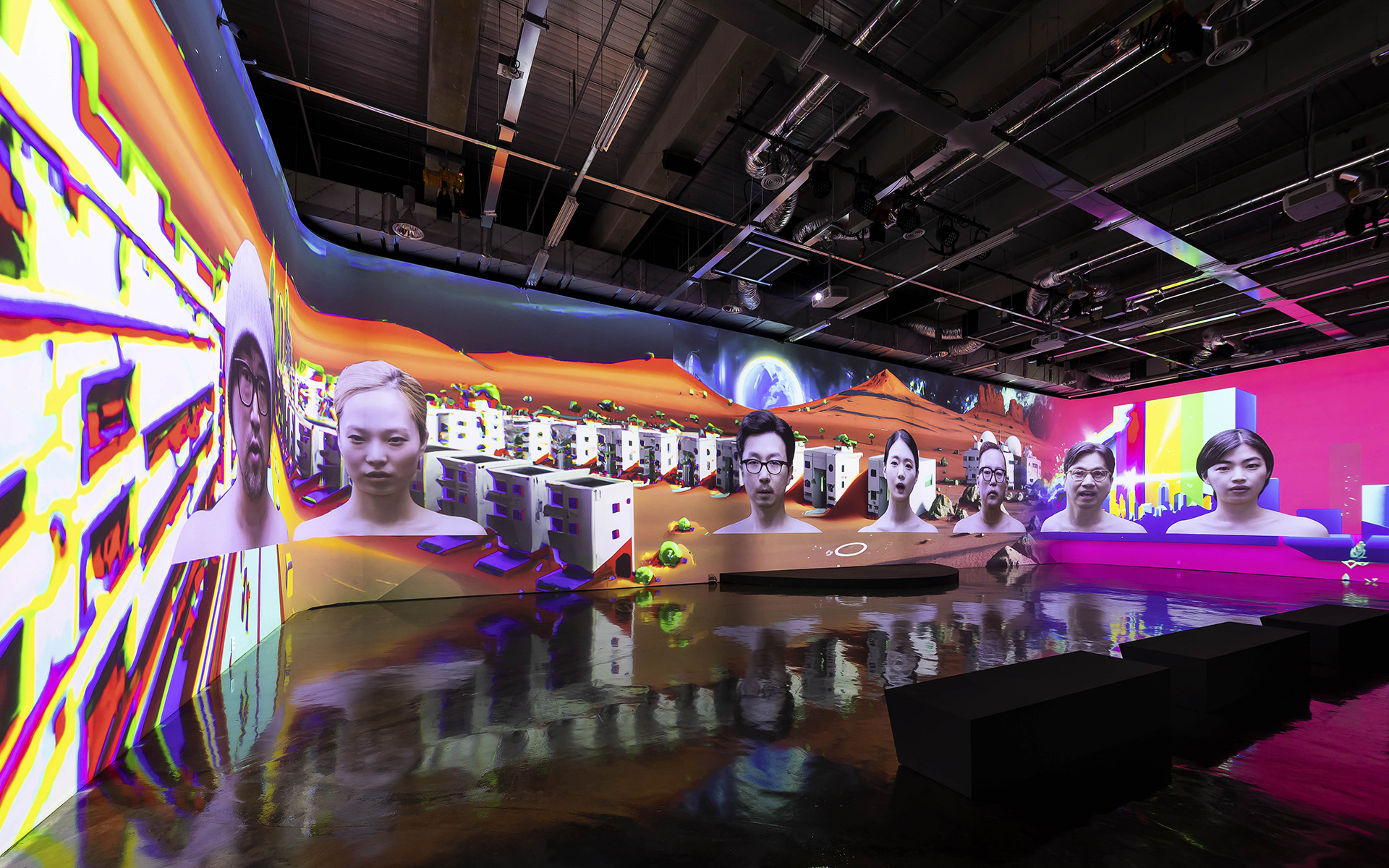
Once an individual’s numerical value is entered into the circuitry of each movement, the clock rotates according to that corresponding speed. The 668 clocks installed within the exhibition space all move at different speeds, resembling the differing rhythms of individual lives. Directional speakers installed throughout the space also allow visitors to hear people from around the world speaking about their experiences and memories of meals.


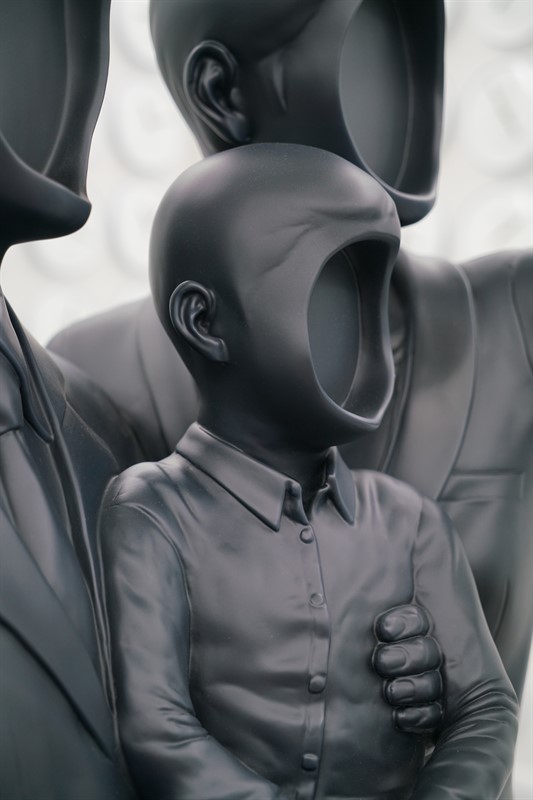
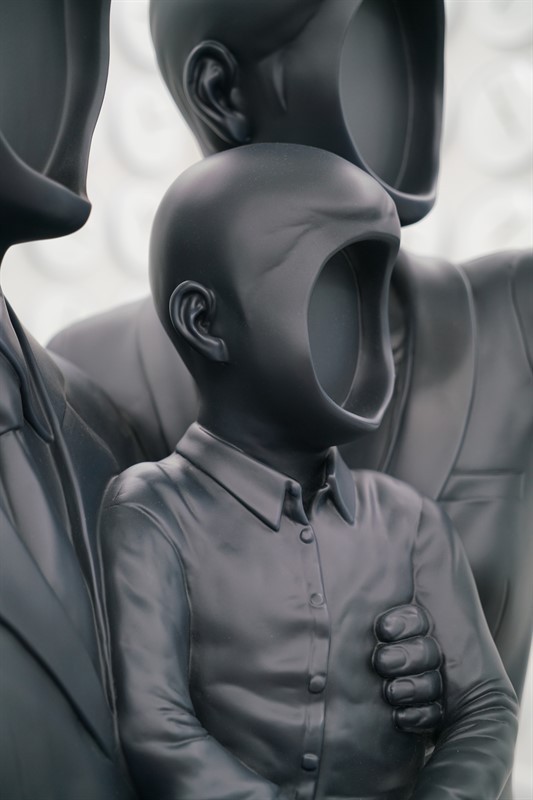
Lee Wan, For a Better Tomorrow, 2017, Resin, 60 x 70 x 70cm © Lee Wan

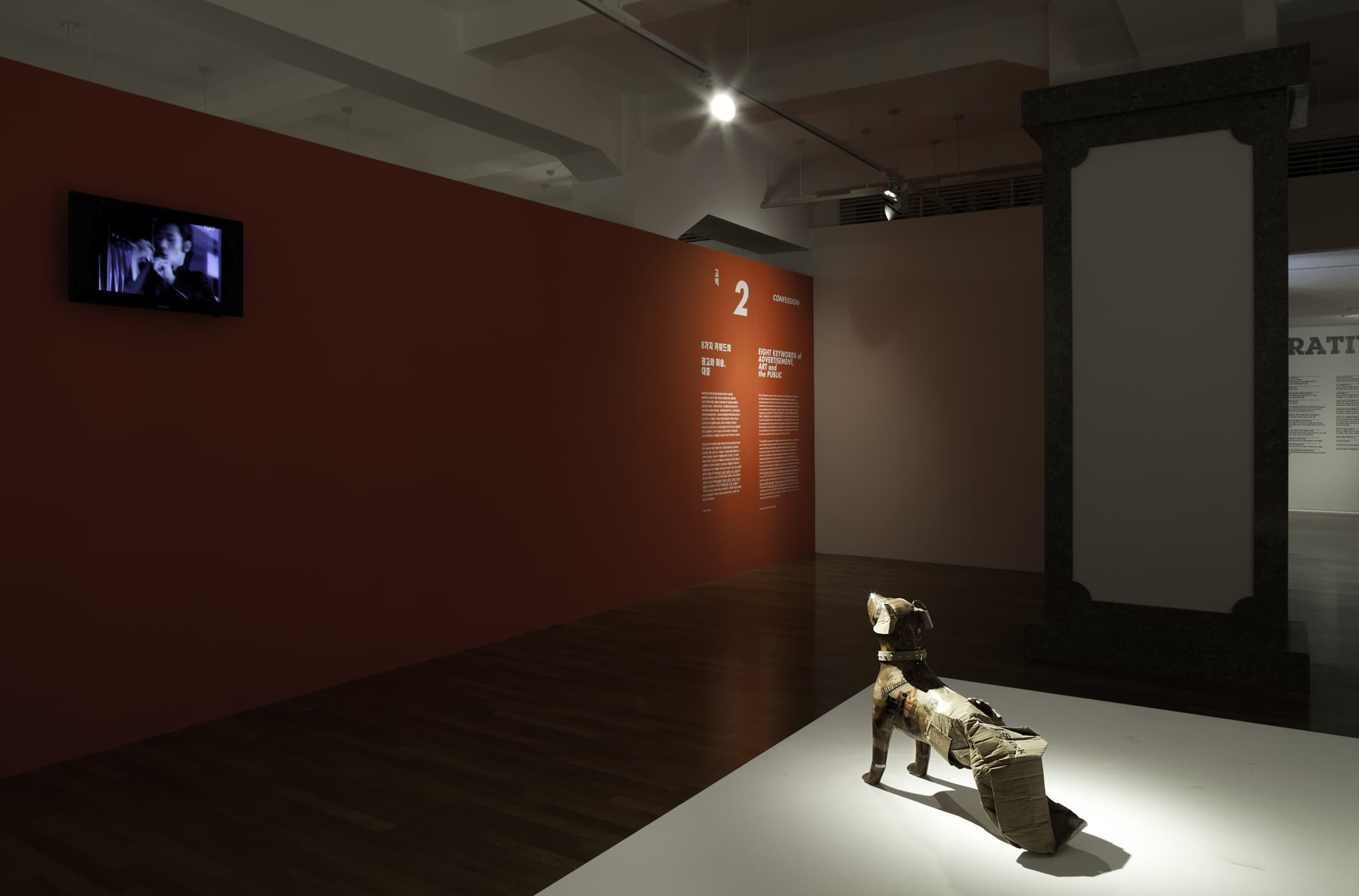
The sculpture For a Better Tomorrow, exhibited in the same space as Proper Time, appropriates propaganda imagery from 1970s Korea.

I have long been interested in propaganda images from the past. I often appropriate such imagery when representing Korea because the mechanisms once used by authority to control citizens still remain effective today. My parents’ generation lived through the reconstruction and development of a country devastated by the Korean War.

After the period of Japanese colonial rule, the American lifestyle became a kind of role model. At the time, the Korean government promoted propaganda slogans and images such as “For a Better Tomorrow,” “Exports Are the Only Way to Survive,” and “Today’s Sweat Is Tomorrow’s Happiness,” insisting that if people worked hard now, happiness would soon arrive.

Time passed, and that imagined future eventually became the present. But what has Korea become today? The daughter of the president who once promoted those slogans was impeached after causing one of the most disgraceful political scandals in the nation’s history. And although the country is not at war, the mortality rate among young people remains among the highest in the world.


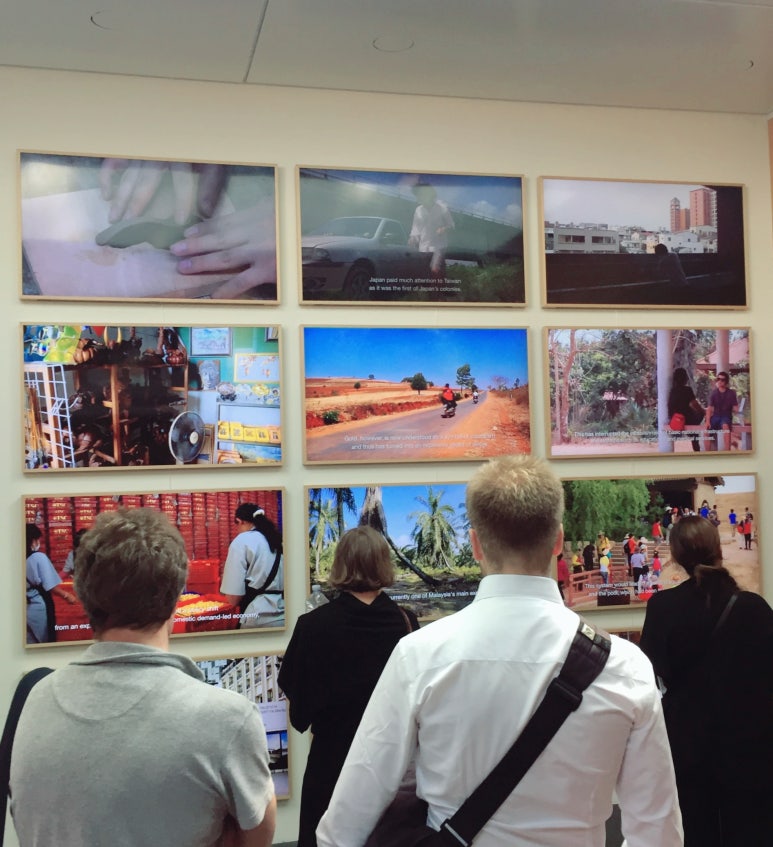
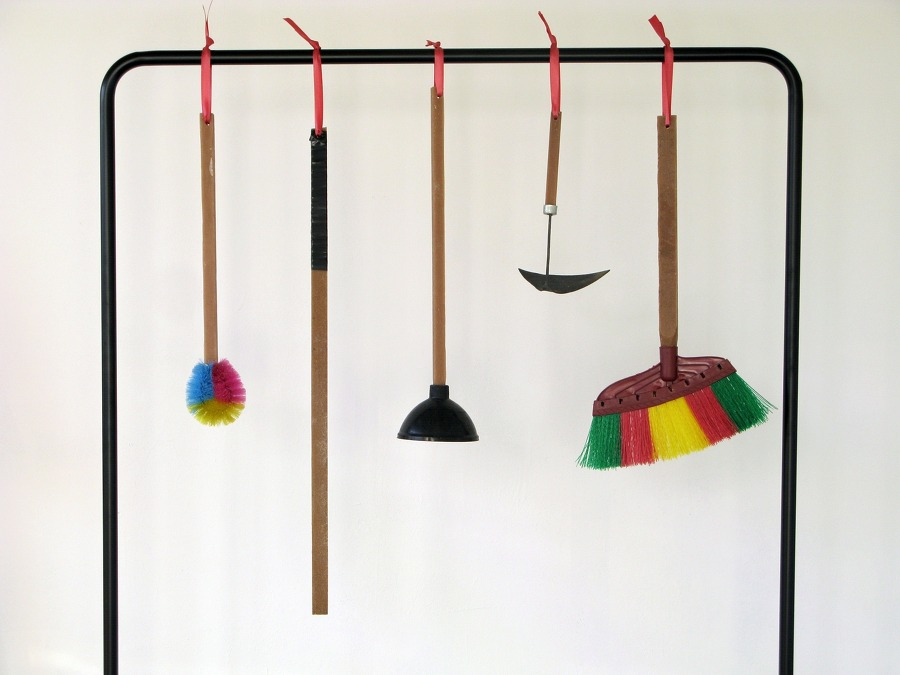
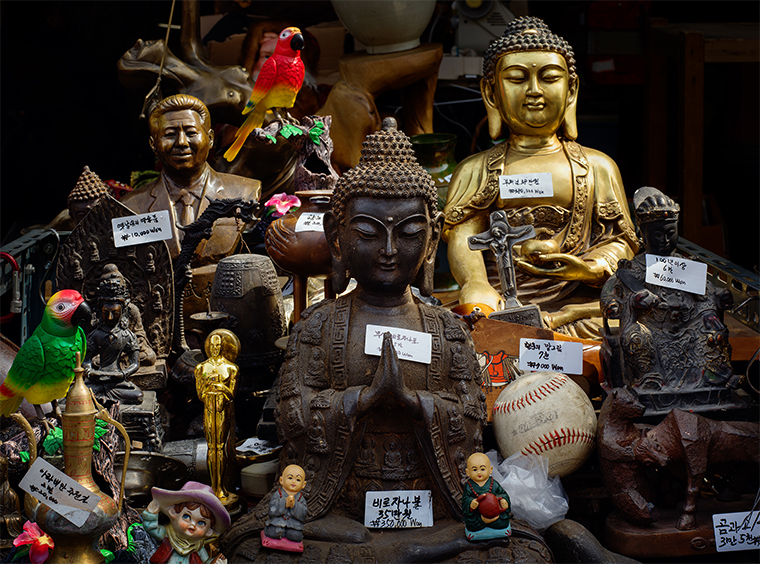
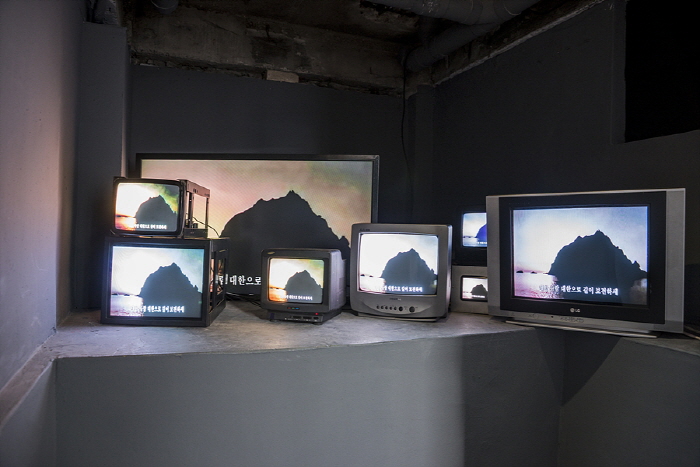
Lee Wan, ‘Made In’ series, 2013–, Products and videos, Dimension variable © Lee Wan

The video series ‘Made In’ documents your travels across twelve Asian countries, where you personally produce representative local goods from each region. What prompted you to begin the ‘Made In’ series?

The ‘Made In’ series is a kind of “mirroring” of an era driven to extremes of efficiency. Perhaps it is something like an extreme act of contrarianism — as if to say, “Let me show you just how inefficient I can be.” Through this work, I wanted to reveal the inner condition of an era in which my own futile actions and things far removed from conventional notions of beauty are exchanged merely as surface images in the name of efficiency.

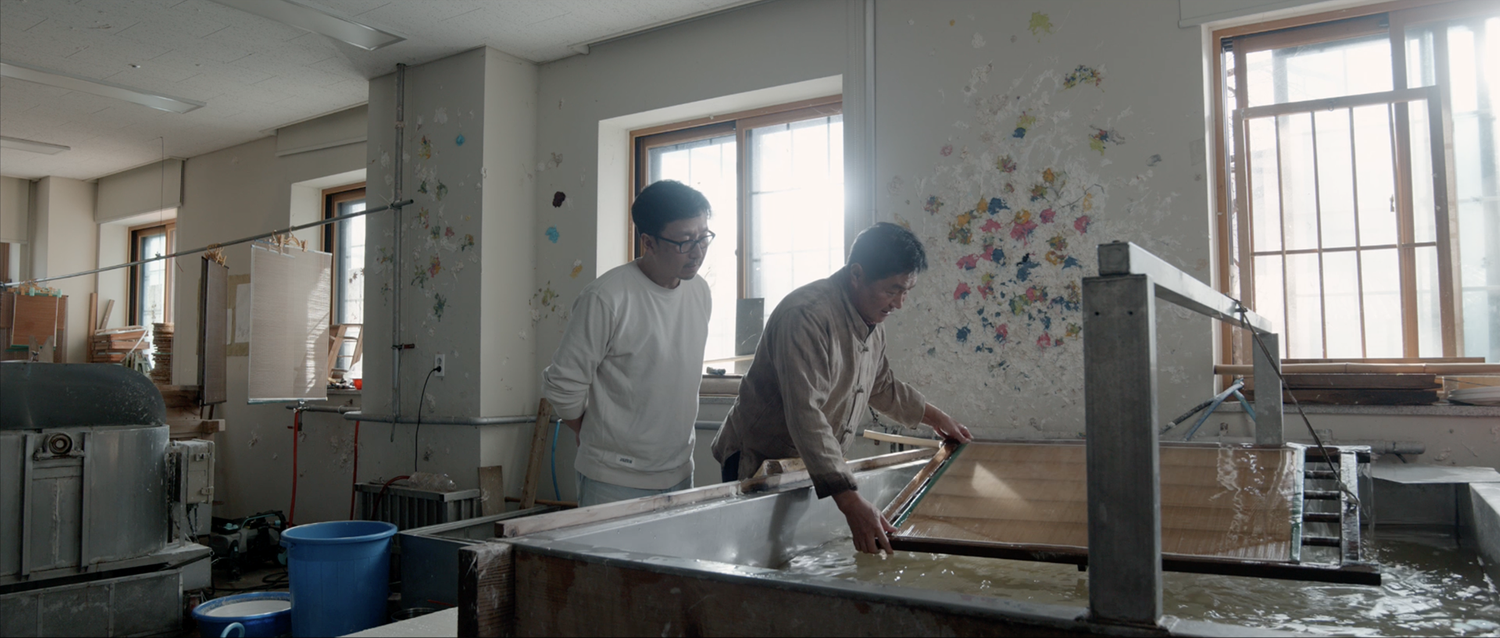
Before visiting each country for the ‘Made In’ series, I spent at least one to three months conducting research. Once I decided on the product to be made, I recruited people who could assist with its production. Together, we discussed locations, routes, and schedules, and then produced the works through on-site explorations almost like expeditions.


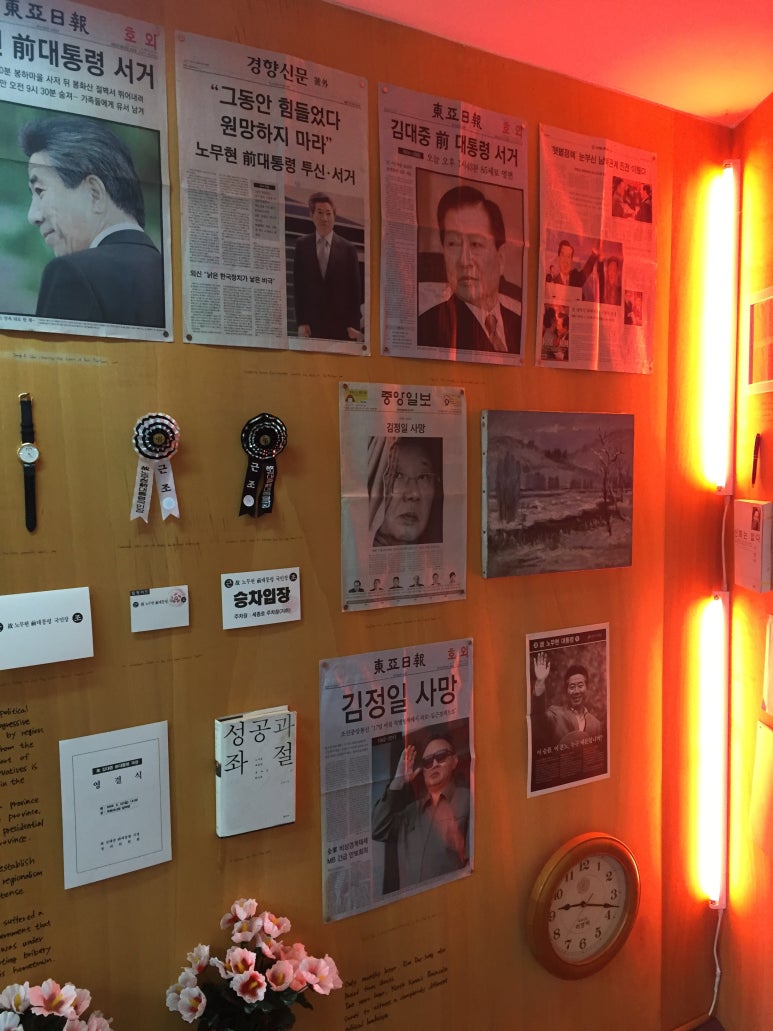
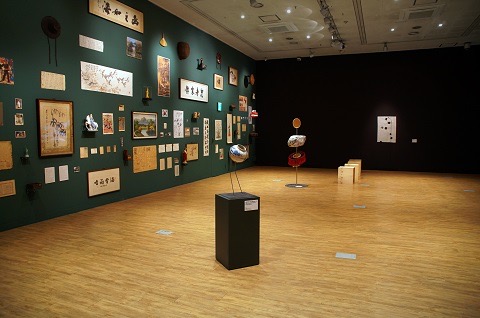
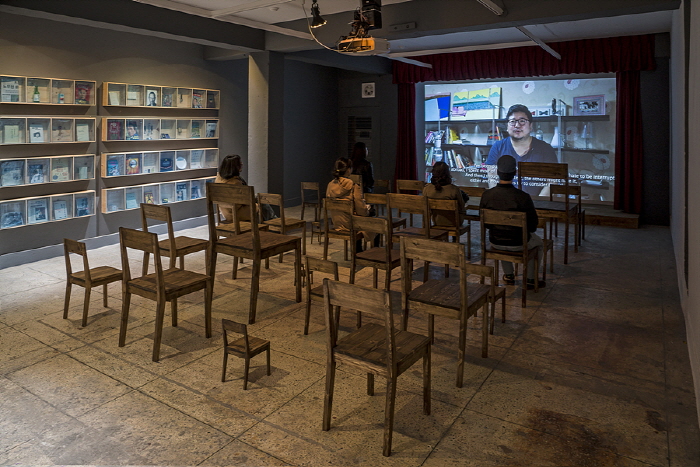
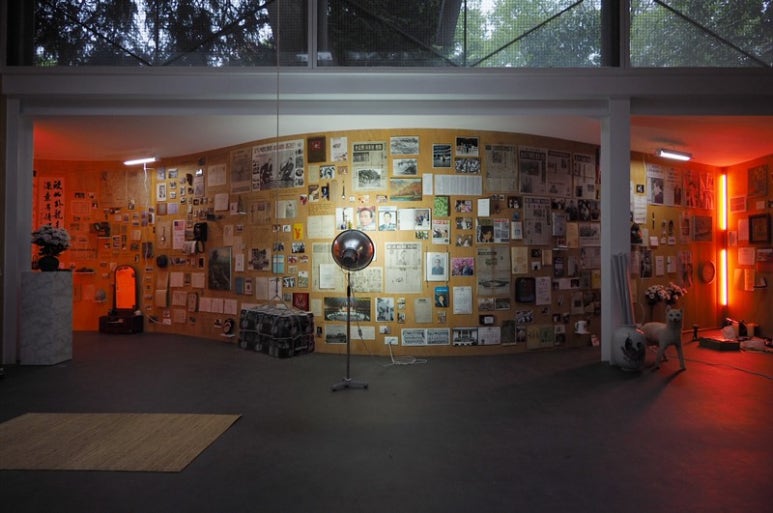
Lee Wan, Mr. K and the Collection of Korean History, 2017, Mixed media, Dimensions variable © Lee Wan

The archival work Mr. K and the Collection of Korean History, conceived as a symbolic figure embodying the theme of the Korean Pavilion, clearly reveals your interest in Korea’s modernization as well as your question: “What is the existence of the individual within history?”

This work emerged through collecting, which is actually one of my personal hobbies. For a long time, I have focused on the socio-political situations witnessed in Korea through my work. As a result, I gradually became interested not only in contemporary Korea, but also in the Korea that existed before I was born. Since 2010, I have been collecting materials related to “politics” and “power” in Korea.

These include publications issued by the Japanese Government-General of Korea during the colonial period, presidential appointment certificates and medals, presidential records such as handwritten calligraphy and authored books, newspapers from the time, notices from local community offices, awards, clocks, voter registries, and many other items — amounting to more than one thousand collected objects in total. The materials presented in Mr. K and the Collection of Korean History constitute only a portion of this larger collection.


Lee Wan, Mr. K and the Collection of Korean History, 2017, Mixed media, Dimensions variable © Lee Wan

When exhibiting the intensely personal photographs of an individual that you happened to acquire alongside historical materials symbolically representing Korean history in Mr. K and the Collection of Korean History, what aspects did you focus on?

I treat collected items and objects in the same way. I do not impose any particular meaning onto the images I collect. The images are already emitting meanings of their own, so my role is simply to arrange those meanings carefully. Nor do I use them merely to explain the concepts I wish to reveal. In a way, this also connects to the formal characteristics of my work, which attempt to transparently expose the processes I described earlier.

References