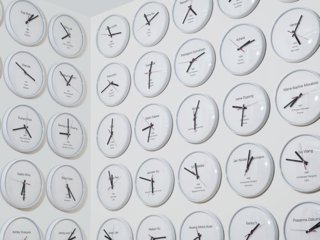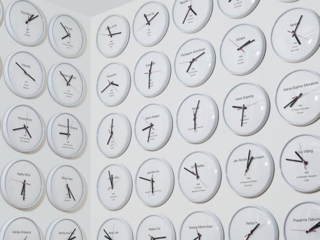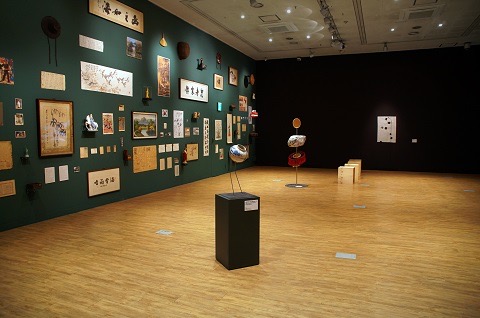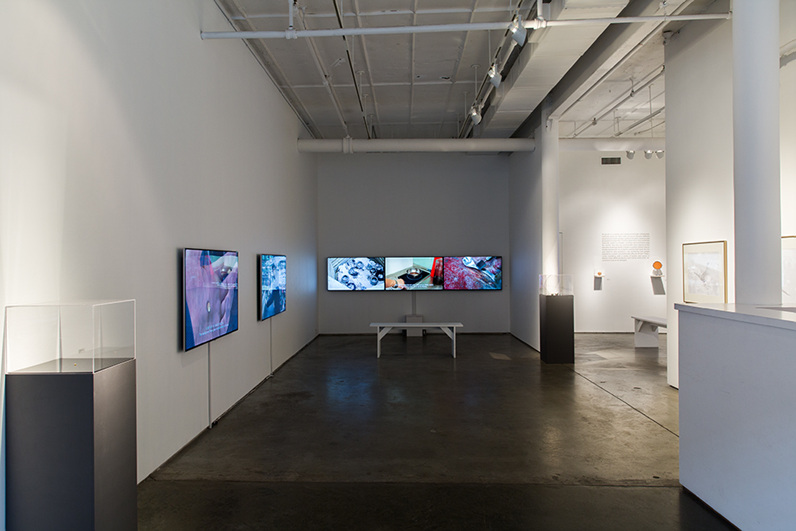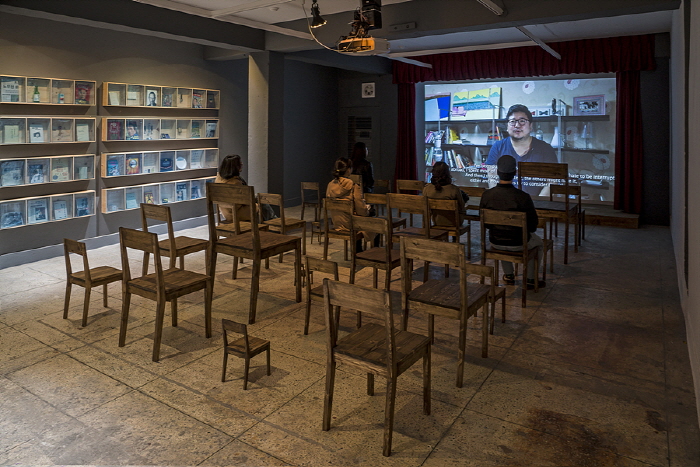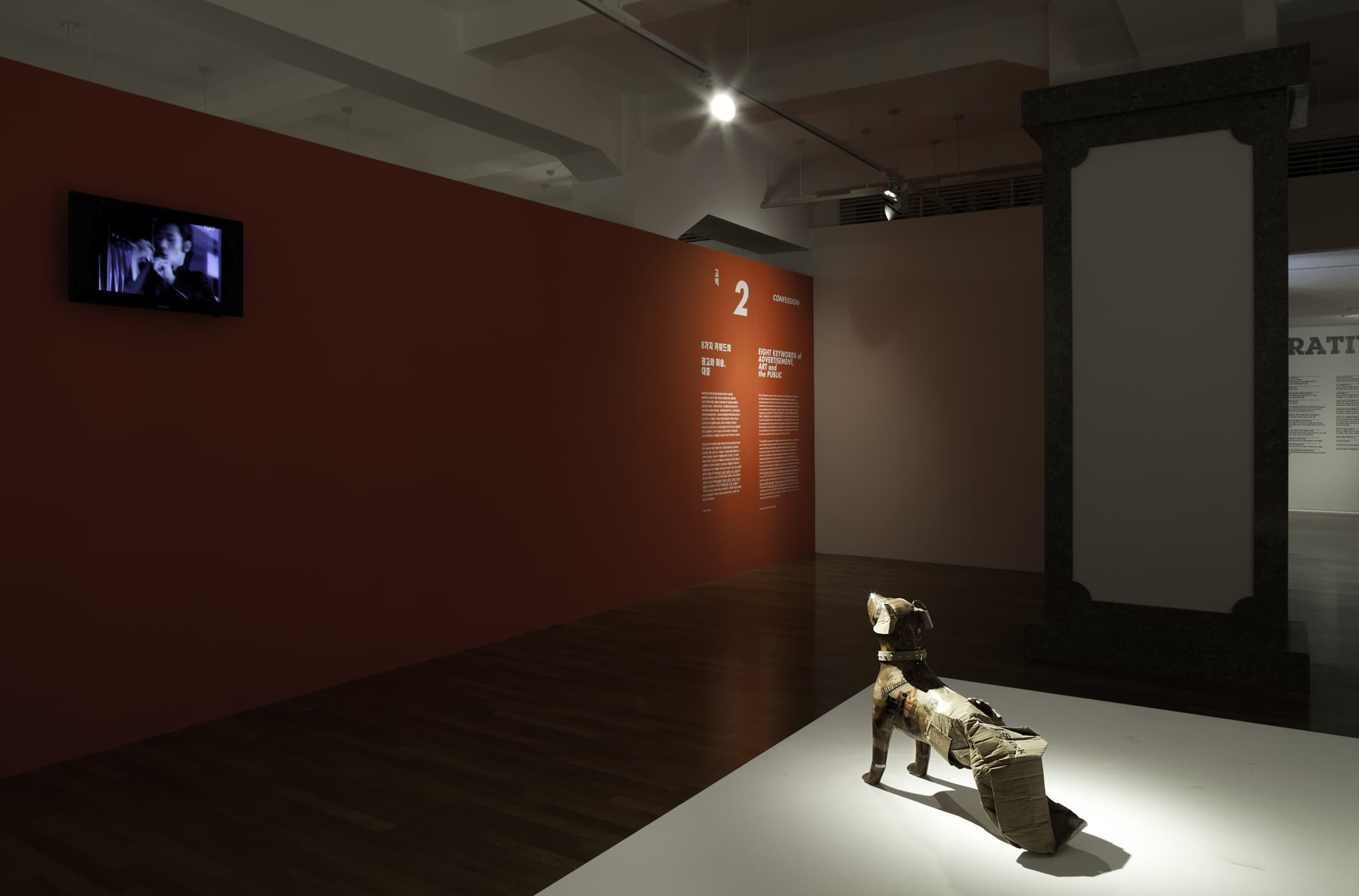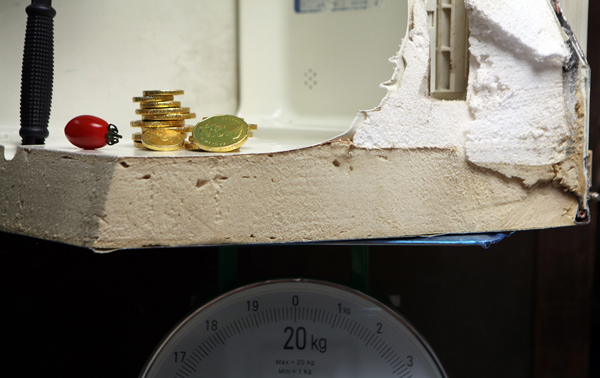


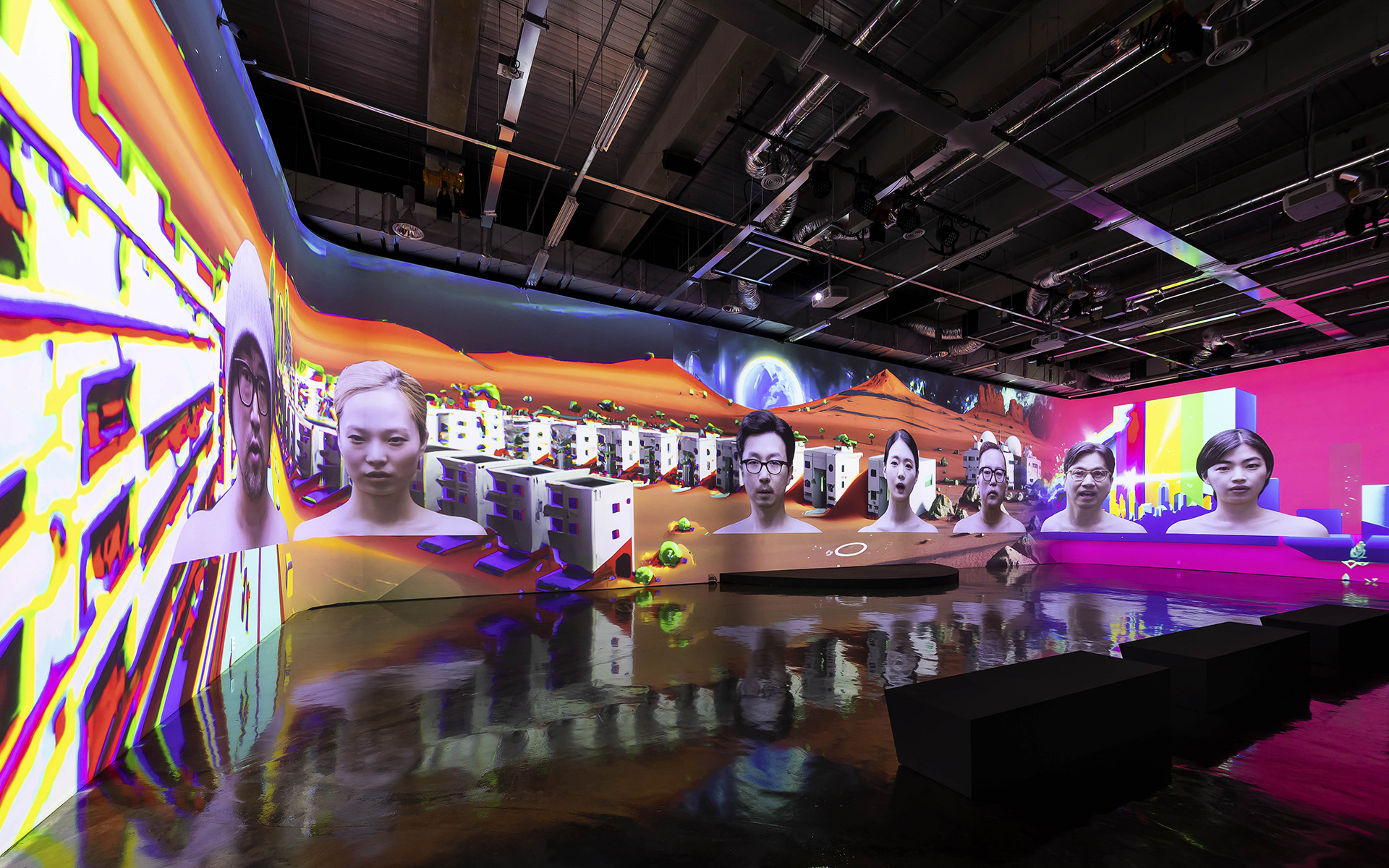
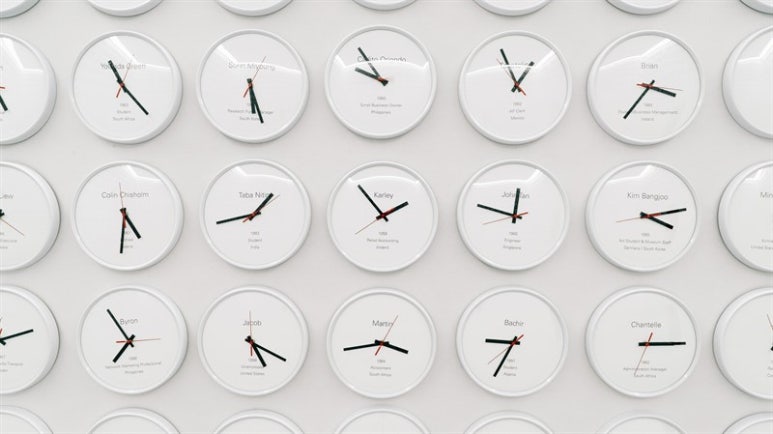
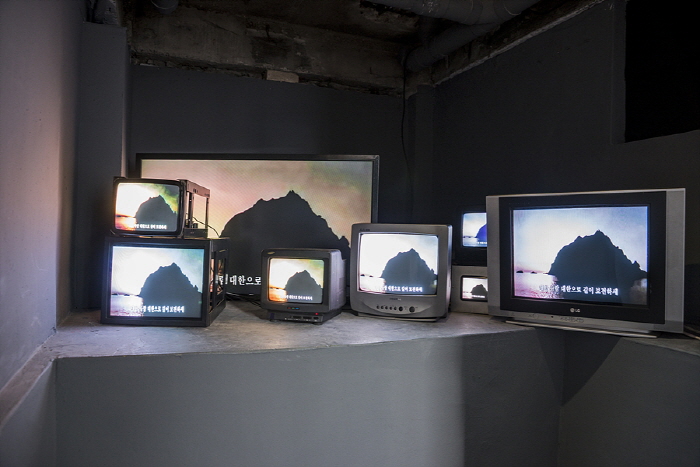

Lee Wan, Proper Time, 2017, 668 clocks, Dimensions variable © Lee Wan

Labor has become a significant subject not only in the real world but also within the field of art. Although it may seem self-evident, returning to the dictionary definition reminds us that labor refers to the physical and mental effort exerted in order to obtain the resources necessary for living.

Labor takes diverse forms — including subsistence work, self-employment, and wage labor — yet within capitalist economic systems driven by market efficiency, divisions of labor based on comparative advantage and wage labor have become dominant.

Under such conditions, labor calls for a new definition. Indeed, in influential studies of capitalism published long ago, labor power itself was already identified as a commodity. In other words, within a reality effectively unified under capitalism, labor signifies both the commodification of human beings and the separation of labor from personal life.

Until roughly half a century ago, art primarily responded to the realities of the economy and wage labor through strategies of distinction. The conviction that art should remain a domain free from the self-alienation of labor often functioned as a driving force behind artistic experimentation, yet at times it also operated as a form of privilege or false consciousness, distorting the structures of creative and cultural labor.

As a national industry extending beyond the realm of individual hobby or leisure activity, art is constituted simultaneously by artists imagined as free from — or excluded from — wage labor, and by countless low-paid or precarious workers.

In recent years, discussions within the Korean art world concerning the exploitation of artists’ labor, as well as broader debates over what kind of labor art itself constitutes, have become increasingly visible. Alongside reflections on artistic conventions, exhibitions, forums, and projects articulating critiques of labor structures and institutional systems have likewise emerged.

Considering both the history of social-scientific discourse surrounding labor under capitalism and the debates concerning cultural labor, including artistic labor, Lee Wan’s series ‘A Diligent Attitude Towards a Meaningless Thing,’ presented in his 2017 solo exhibition at 313 Art Project, appears somewhat superficial.

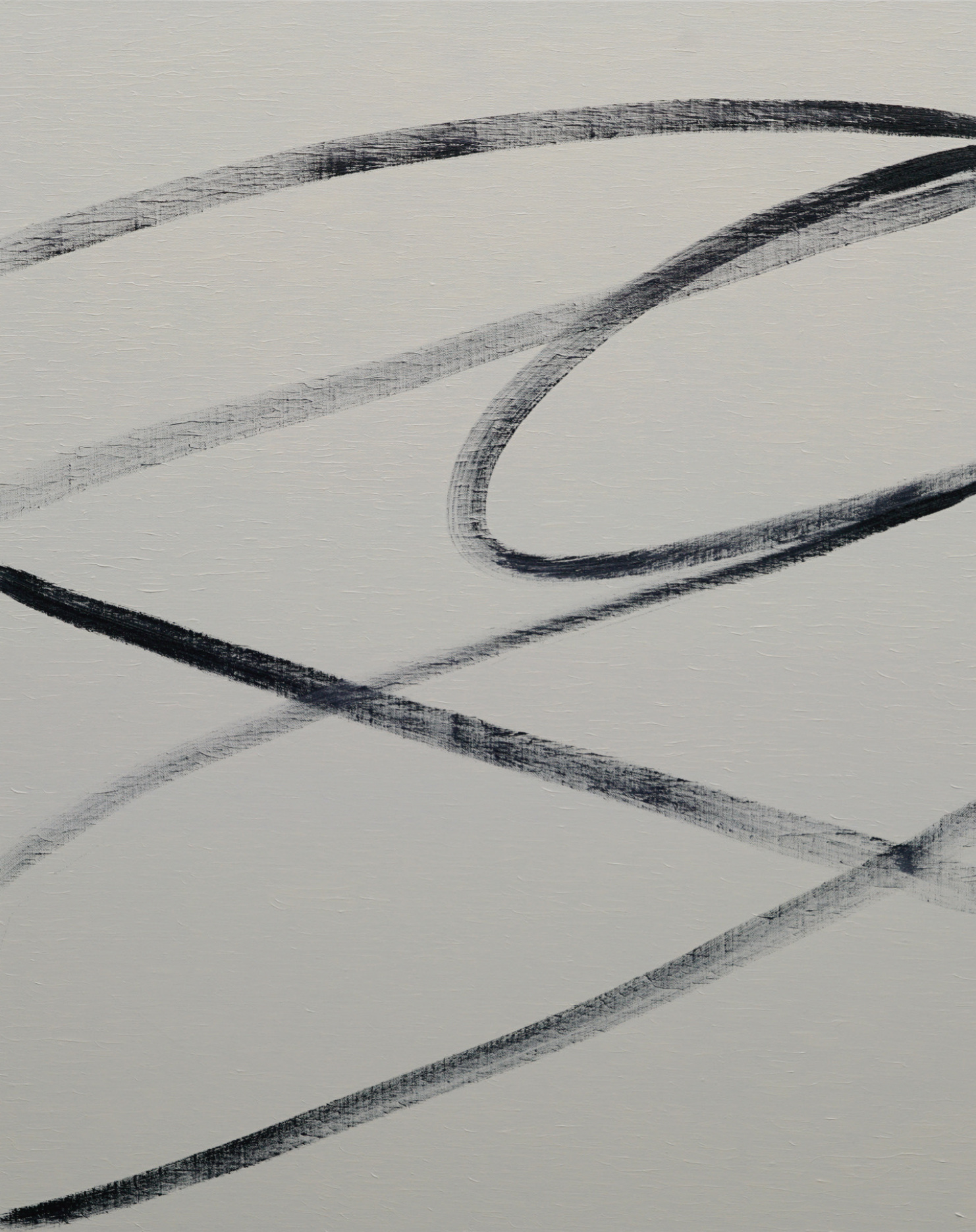
For this series, the artist hired day laborers occupying the lowest tier of the contemporary labor market and instructed them to “sincerely” fill large-scale canvases without explaining either the meaning or intention of the work. Lee Wan then completed the works himself by drawing lines as equally meaningless gestures.

Through works that redirect the viewer’s attention away from the sensory pleasure generated through accumulations of paint and toward the artist’s conceptual intention, Lee distinguishes artistic labor from real-world wage labor. In this way, art critically denounces real-world labor as a form of meaningless sincerity.

Yet one is left wondering whether such an approach merely repeats conceptions of artistic labor inherited from half a century ago while conventionally reestablishing distance from actual labor conditions. Who, after all, remains free from commodified labor?

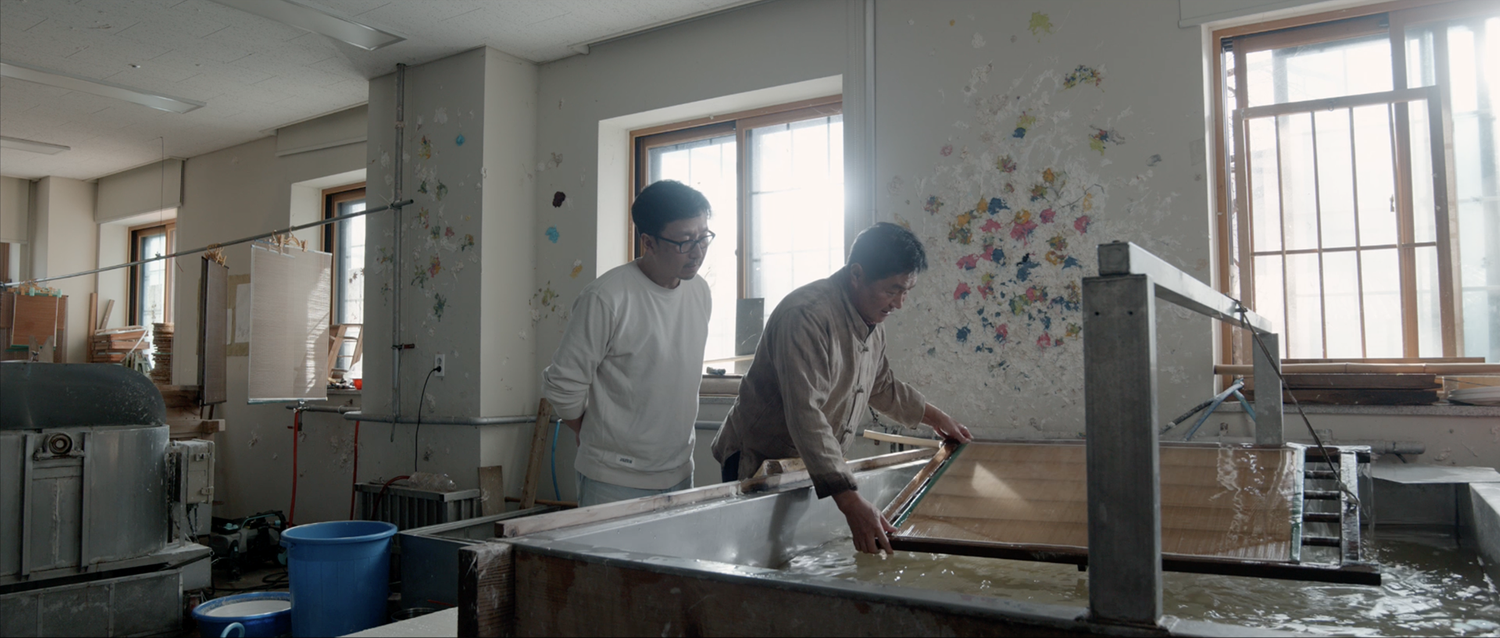
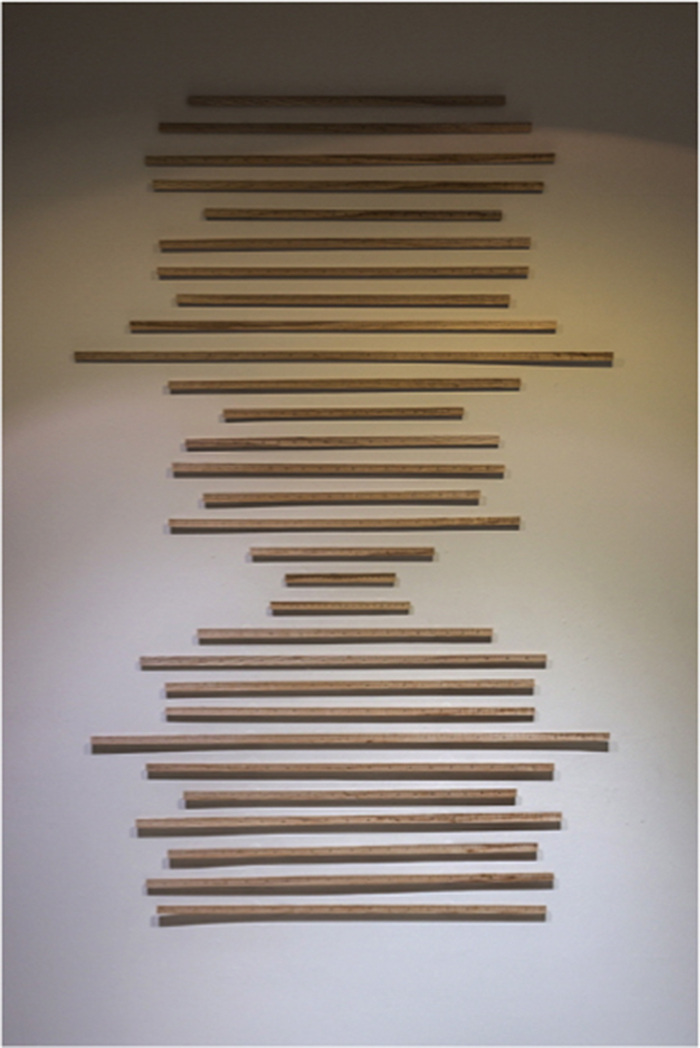
Lee Wan’s strategy of maintaining a certain “distance” from real-world labor becomes even more compelling precisely when structures of employment themselves are excluded. His ‘Made In’ series — for which he traveled across twelve Asian countries to personally experience the representative modes of production within each nation — reveals the deteriorated industrial landscapes of Asia.

The project, which takes nearly three years to produce a single breakfast meal, dismantles the globally distributed labor condensed within that meal through a process of radically “inefficient labor.” In Lee Wan’s work, Asia’s labor-intensive industries are not presented merely as instruments for critiquing Western-centered capitalism, nor do they collapse into a romantic retreat toward self-sufficient systems through experiential immersion in lived labor.

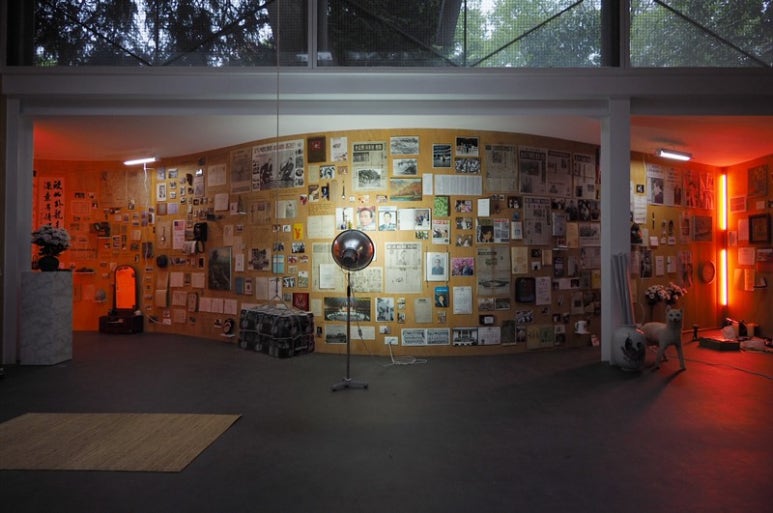
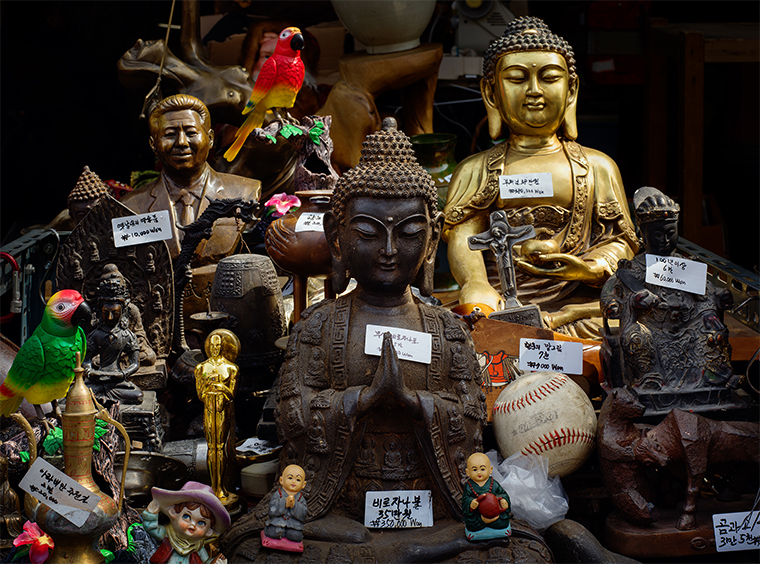
Through Made in Korea, the ‘Made In’ series extends into works reconstructing modern and contemporary Korean history through collected objects purchased in Hwanghak-dong. “Collecting” appears to constitute another core methodology within Lee Wan’s practice.

Just as the ‘Made In’ series assembles representative industrial products from various Asian countries, collecting for Lee Wan functions as a process of extracting “types” or “prototypes.” (From the perspective of Western history,) collecting became generalized around the Enlightenment period as a cultural practice associated with wealthy aristocrats and merchants, eventually evolving into a means of self-realization and self-extension through the accumulation of specific categories of objects.

Through collecting, the subject establishes connections with objects, while collections are completed through the systematic organization of accumulated possessions according to chains of desire. Whereas the classificatory system of the library aspires toward relative objectivity, it has long since become evident that museum systems organizing and categorizing artworks are fundamentally arbitrary.

How, then, does the individual organize personal collections? What kind of system does Lee Wan construct?

Lee Wan’s photographic work Korean Female (2016), presented last year, attempted to expose the vulgarity and harshness of Korea’s economic system by combining chaotic commercial landscapes with portraits of commodity fetishist consumers. Yet the work became embroiled in controversy over misogyny and was ultimately removed by the exhibition organizers.

Considering both the artist’s intentions and the broader context of his practice, one might regard such criticism as unfair. At the same time, however, the incident also reveals the possibility of misunderstandings — or interpretations that betray intention — arising from the subjectivity inherent in methods of collecting and classifying various “codes.”

Art is an activity that transforms and overturns ordinary systems of signs in order to reveal the artist’s subjective ideas and share unverified possibilities of perception.

Yet depending on the forms and media through which subjectivity is conveyed, intention may become clarified or distorted. Looking back, the moments in which Lee Wan’s works operated most effectively seem to have been those in which his analytical perspectives on economic systems did not remain at the level of conceptual illustration, but instead passed through the artist’s own private body.

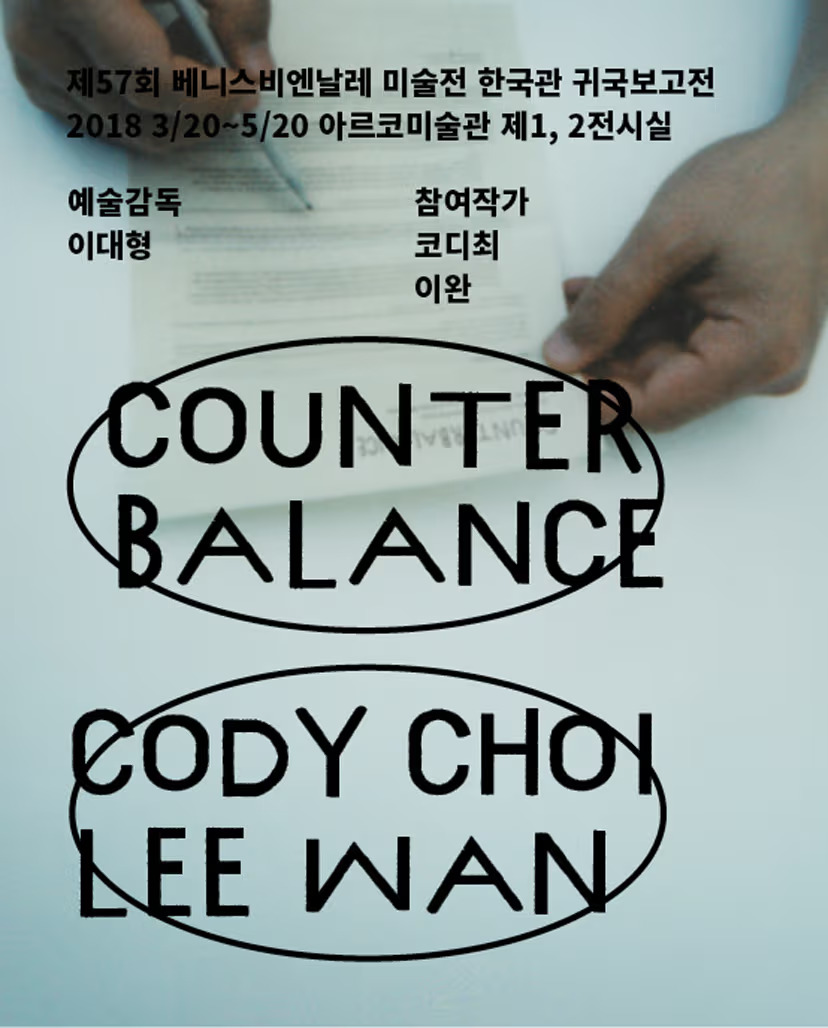
The artist is said to be presenting a new work of collecting at the 2017 Venice Biennale. One becomes curious as to how structures mobilizing subjectivity will enter into this ongoing process of playing with codes.

References