Sophie Jeong (b. 1987) questions how art interacts within digital spaces and in which way future technology is operated, and materializes them in visual language. In particular, she experiments and explores the imaginary narrative encompassing past-present-future, using game engines such as AI and AR.
 
This interest stems from a recognition of the climate emergency and seeks to imagine what may unfold beyond the Anthropocene, forming a foundation that connects diverse worldviews and alternative modes of thought.


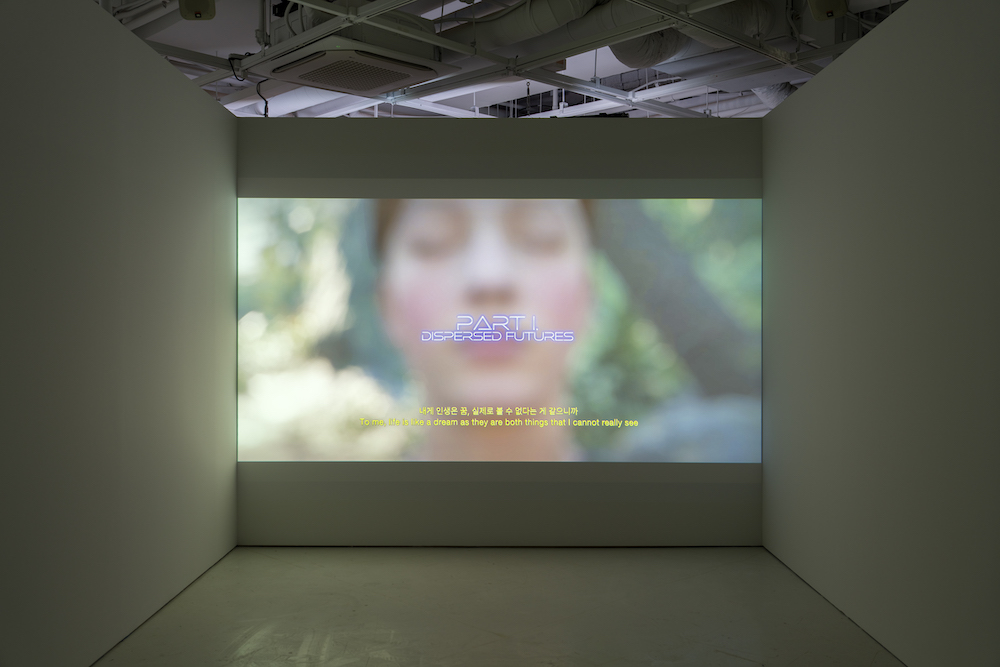
Sophie Jeong, Hyperobjects: Episode I – The Forgotten Town, 2019, Single-channel HD CGI video, color, sound, 5min 22sec. © SAPY

Sophie Jeong’s practice begins with an inquiry into the environmental, social, and political structures that exist within us. Through this, she imagines how future humans might exist and envisions new social structures and ecosystems, constructing speculative worlds through digital processes.
 
For instance, in the three-part ‘Hyperobjects’ series, the artist critically reflects on the disasters produced by the contemporary capitalist world-ecology, reexamines the present, and imagines futures beyond the Anthropocene.


Sophie Jeong, Hyperobjects: Episode I – The Forgotten Town (teaser), 2019, Single-channel HD CGI video, color, sound, 5min 22sec. © SAPY

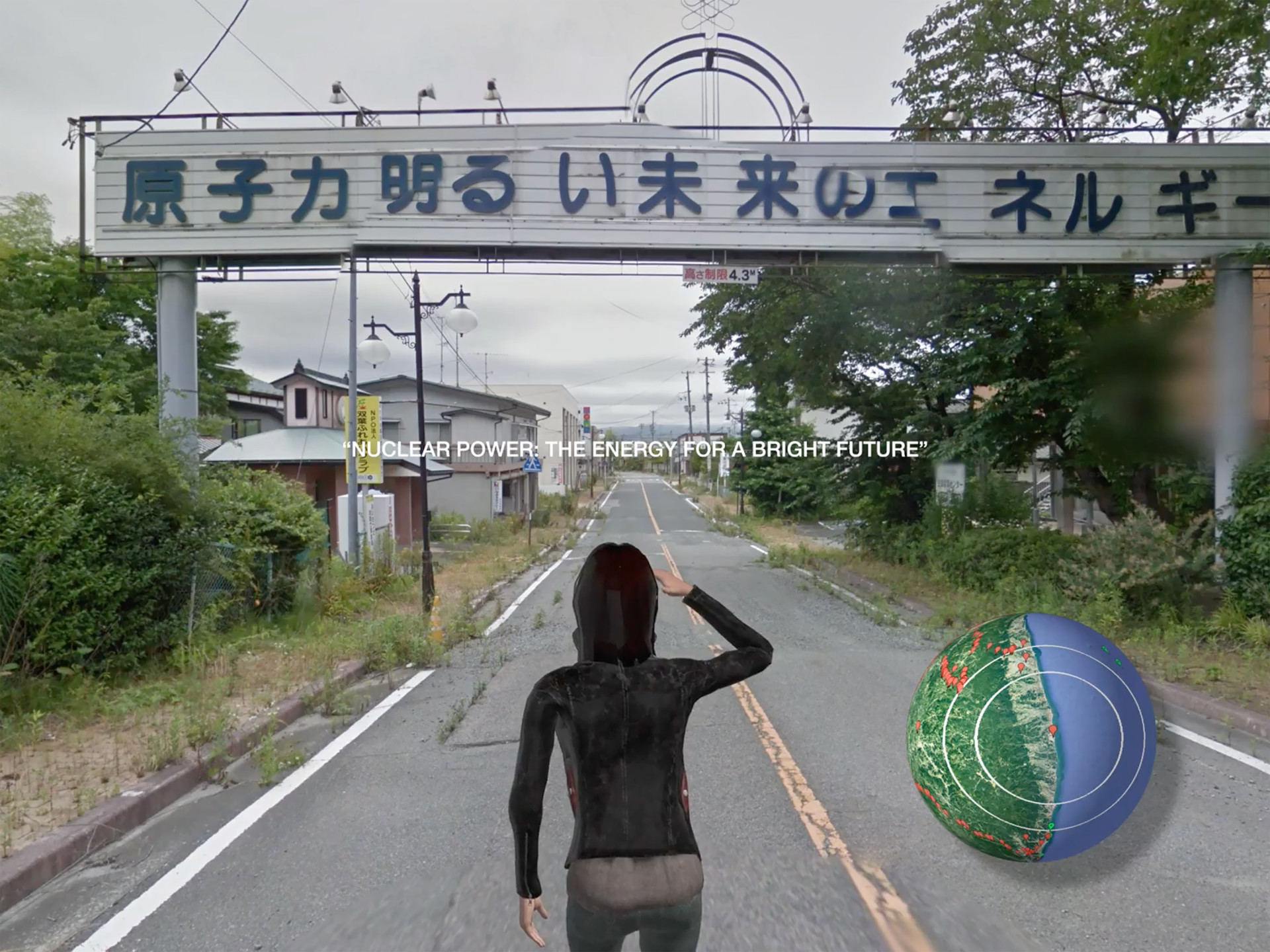
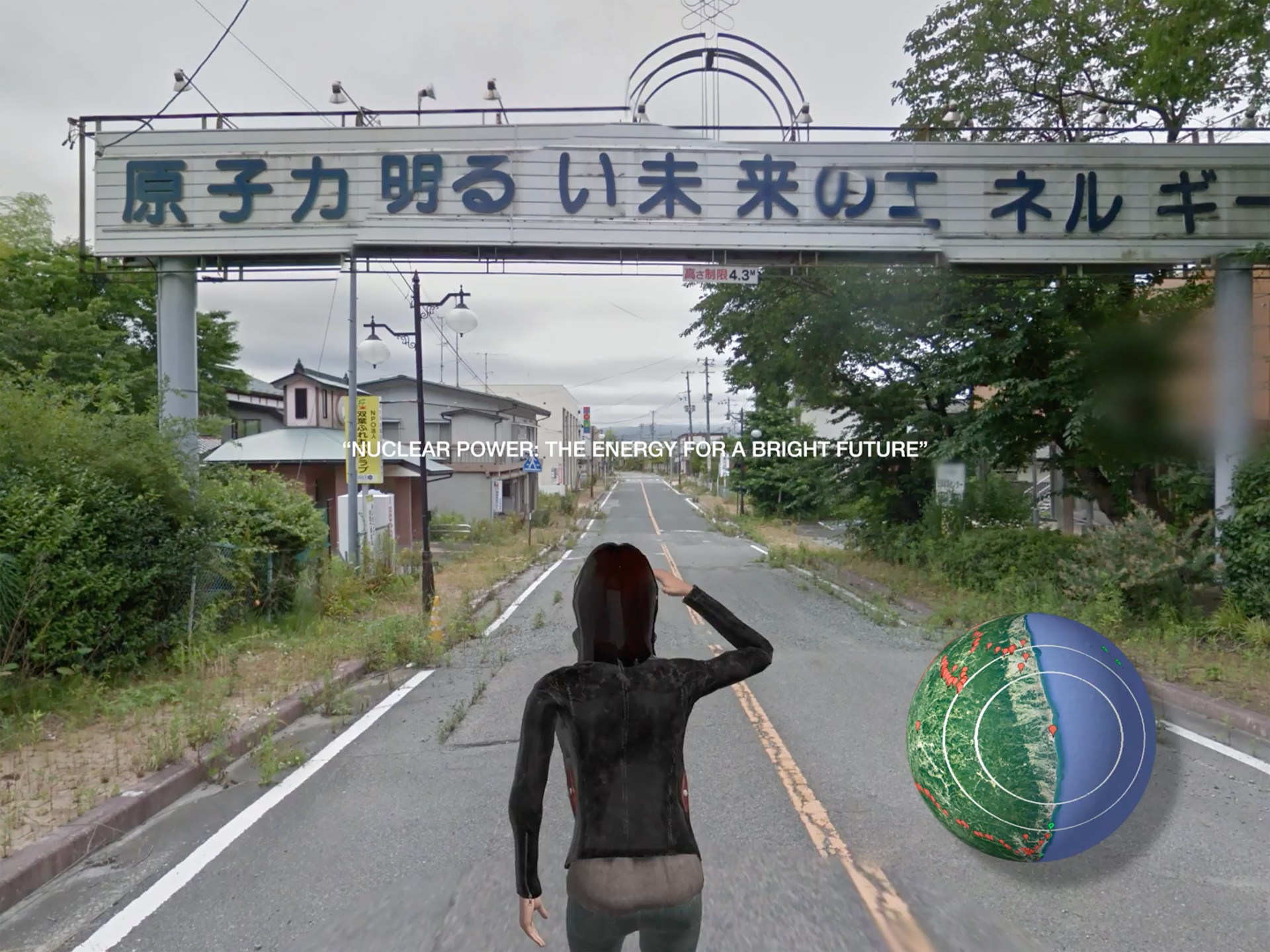
In the first episode, Hyperobjects: Episode I – The Forgotten Town (2019), she traces and documents the aftermath of the March 2011 Fukushima nuclear disaster, reflecting on a past catastrophe while simultaneously rendering the present through a form of game-based realism.
 
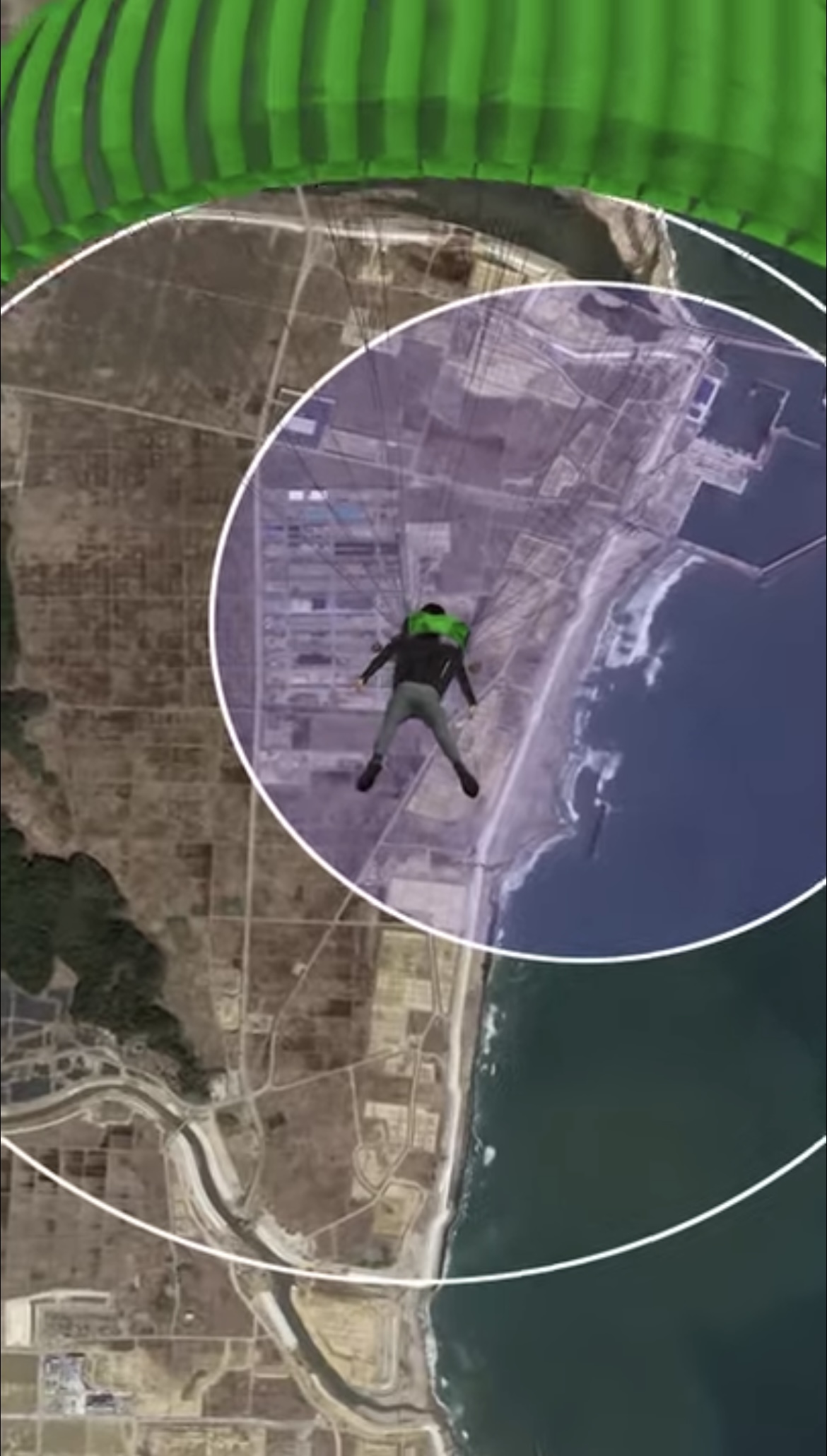
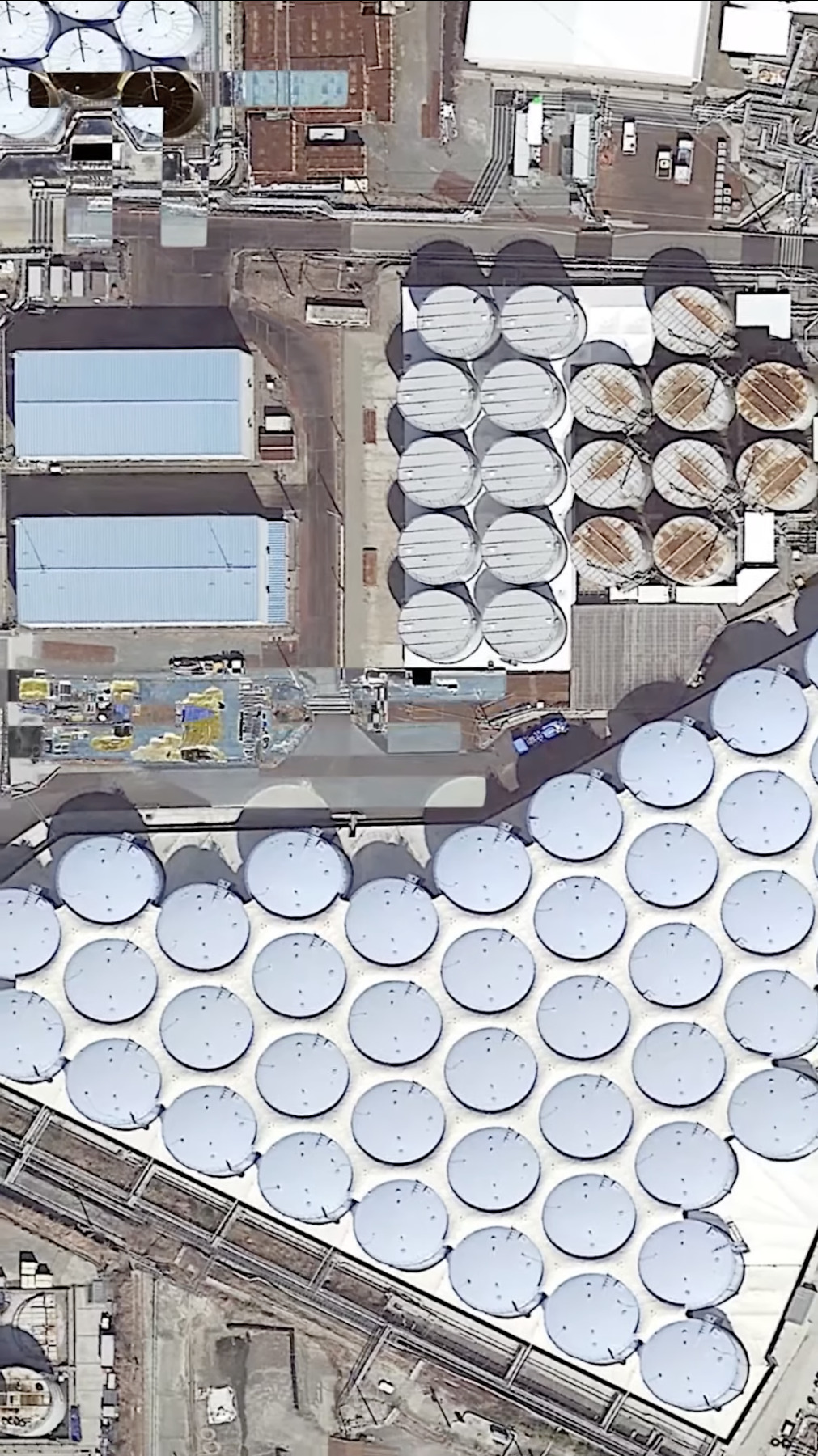
Jeong regards the nuclear power plant explosion as a hyperobject-scale disaster capable of turning an entire city into a biological ruin. Driven by decisions grounded in short-term economic gain, three reactors underwent meltdown, contaminating vast areas of Japan and thousands of square kilometers of the Pacific Ocean. As a result, approximately 165,000 residents of Fukushima were displaced, becoming refugees who lost their hometowns.


Sophie Jeong, Hyperobjects: Episode I – The Forgotten Town (teaser), 2019, Single-channel HD CGI video, color, sound, 5min 22sec. © SAPY

Meanwhile, Fukushima—now a site of catastrophe enveloped by hyperobjects—demonstrates that the Earth can continue to function without humans. The artist examined the ruined city by following Street View images captured by Google, which deployed recording equipment to document the streets of the disaster zone.
 
Based on this, the work traces the journey of a virtual game character exploring areas within a 20-kilometer radius of the nuclear plant—zones rendered inaccessible due to concerns over radiation exposure. Reflecting on the aftermath of the earthquake, tsunami, and nuclear accident, Jeong simulates a world that feels familiar yet remains unreachable.
 
The devastated town, empty schools abandoned by children, workers exposed to danger, and the accumulation of waste are all rendered through a mode of game-based realism.


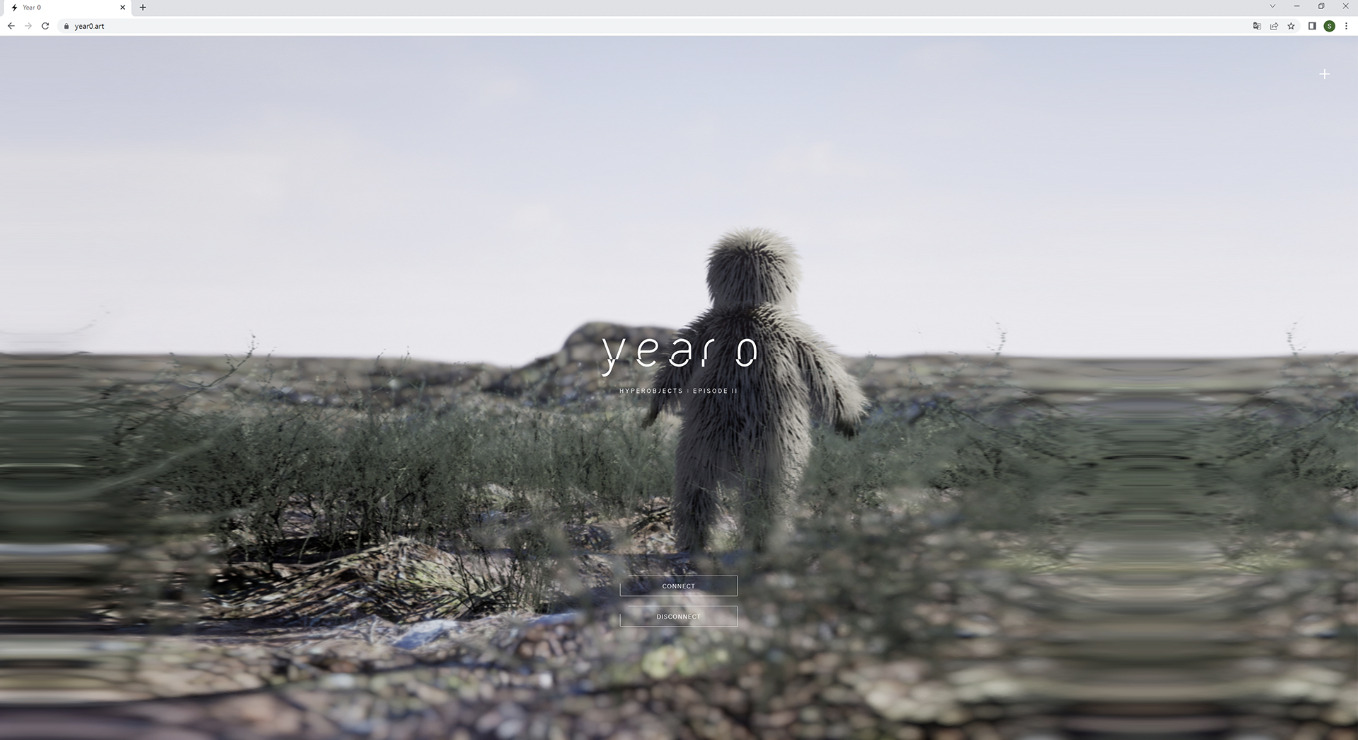
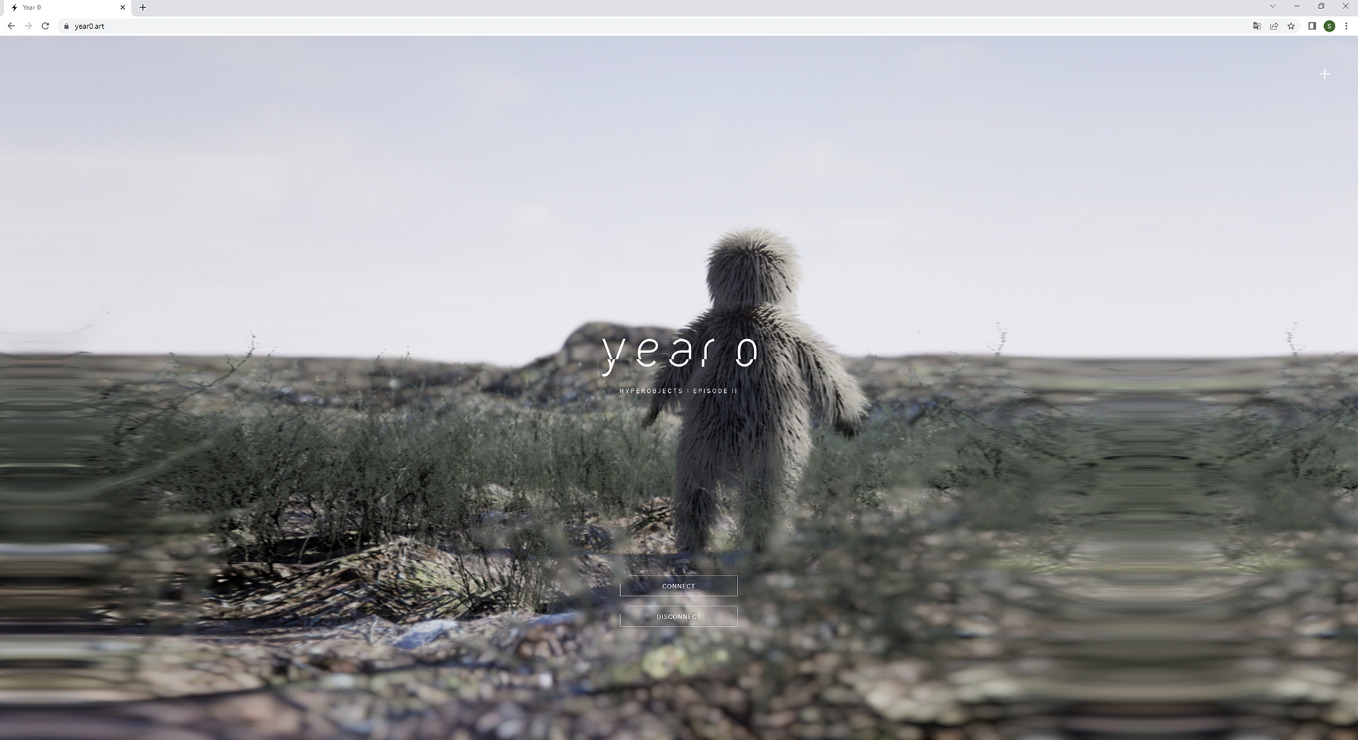
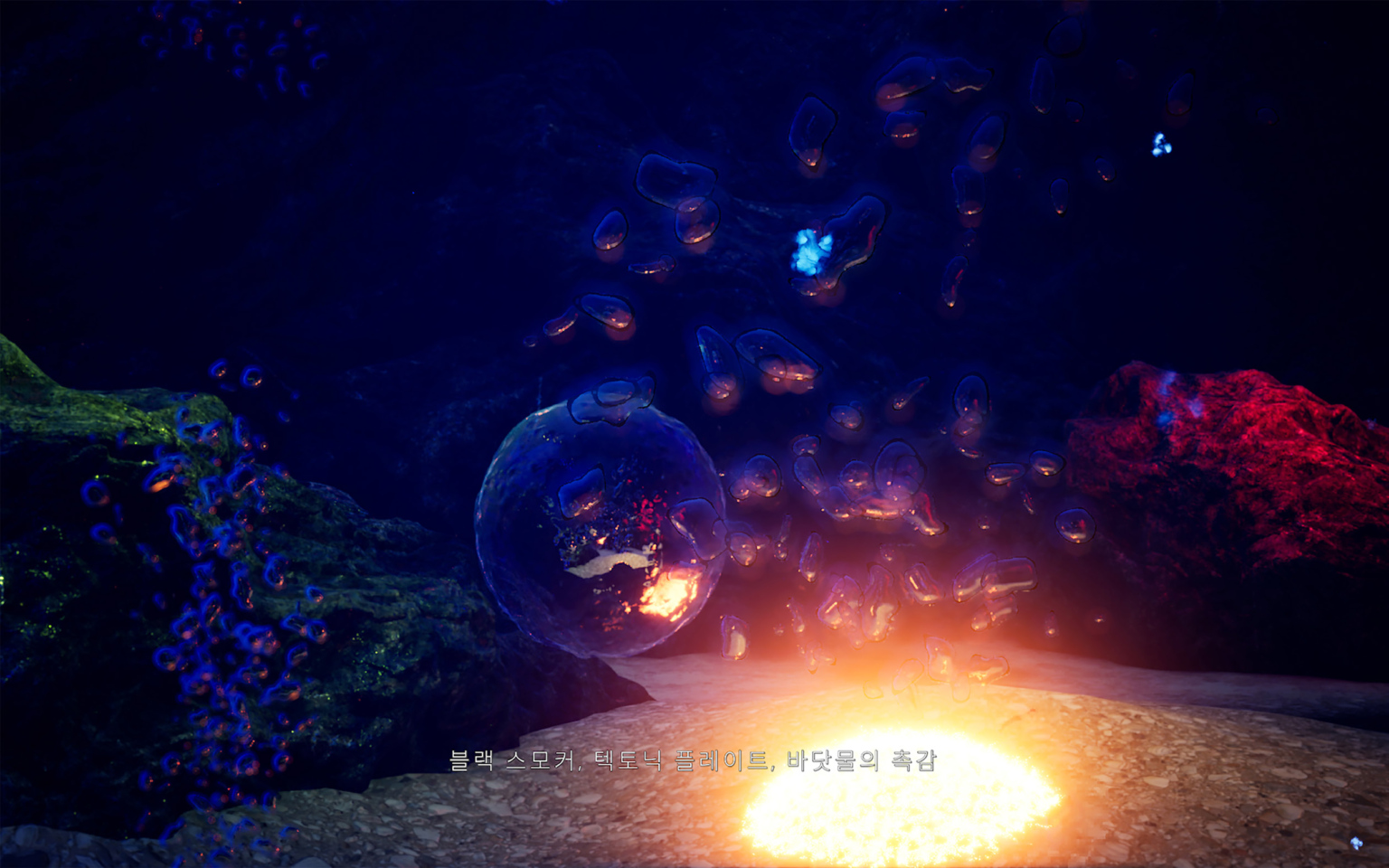
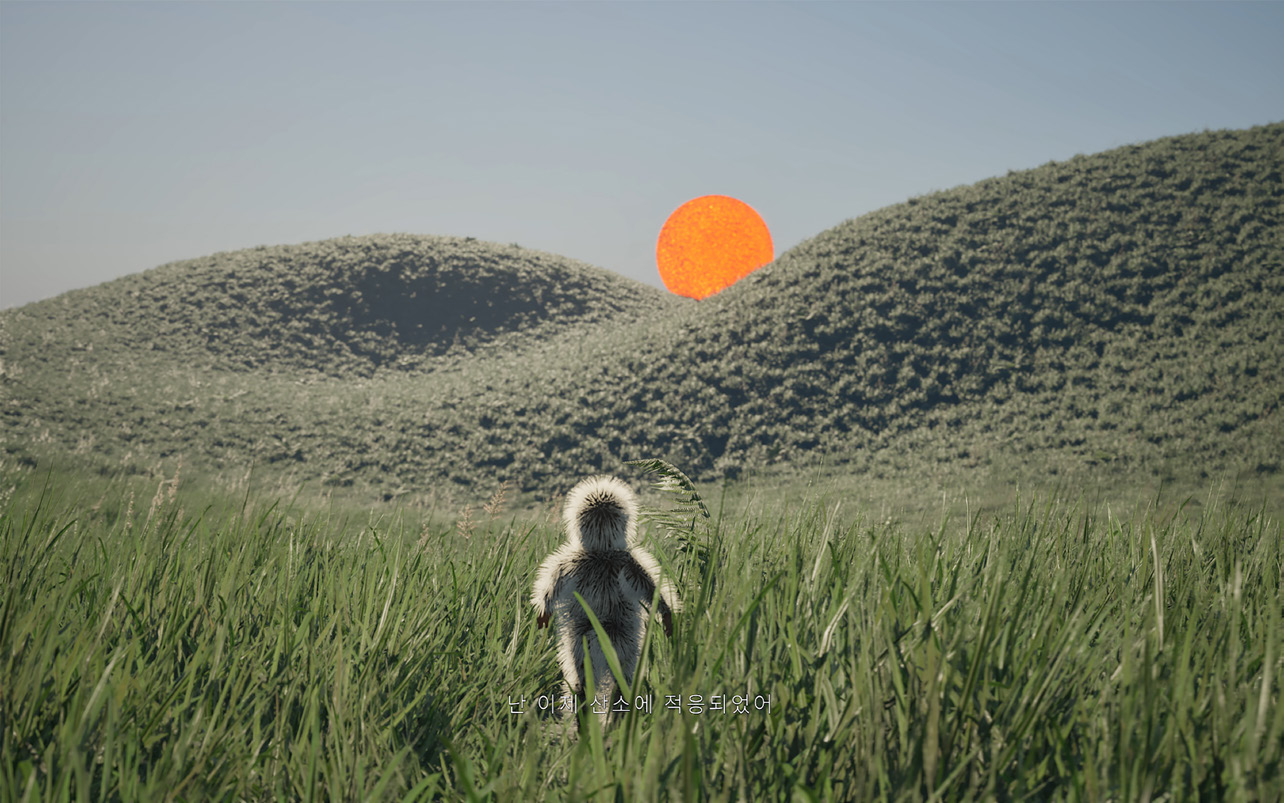
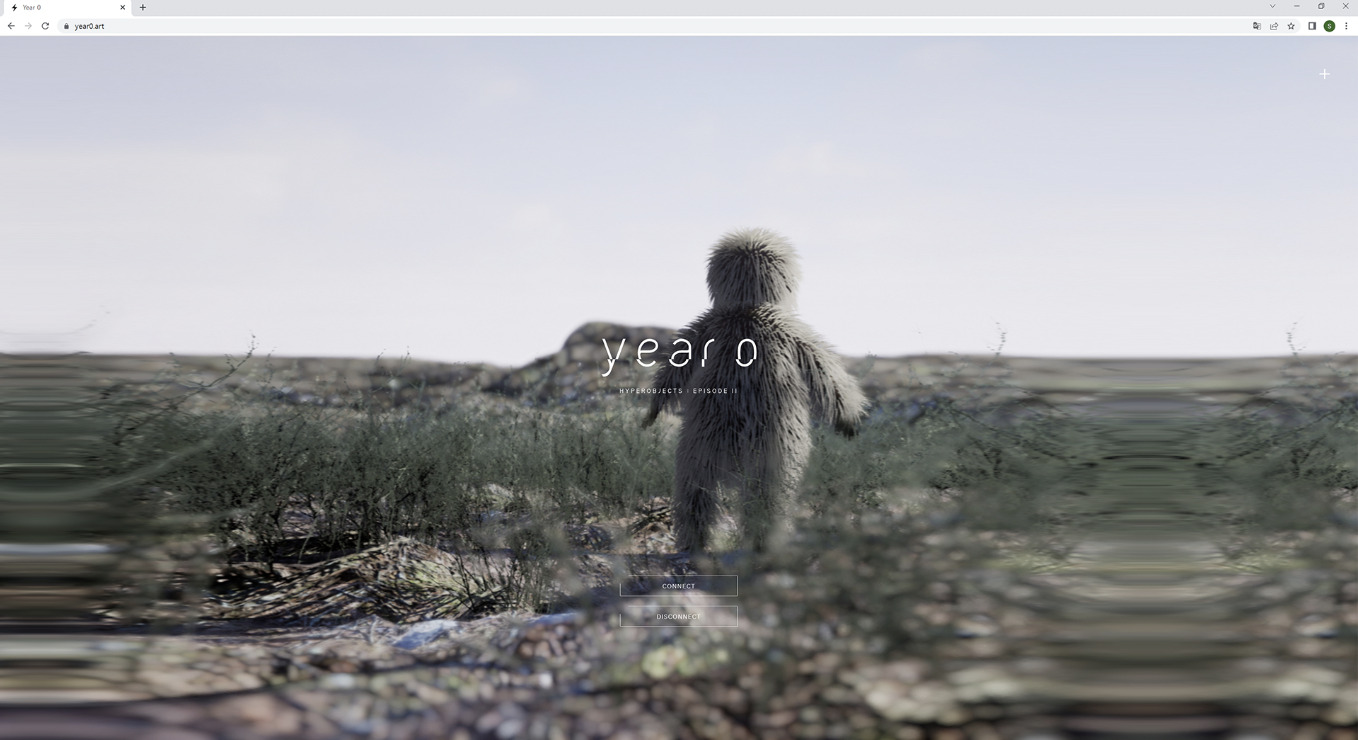
Sophie Jeong, Hyperobjects: Episode II – Year 0, 2021, Single-channel video, 14min 3sec., loop © MMCA

Meanwhile, the second episode, Hyperobjects: Episode II – Year 0 (2021), takes the form of a gamified documentary set in a future world where Earth’s climate has collapsed and is no longer habitable for humans. In this work, Sophie Jeong constructs an imagined universe that moves fluidly from the fragile condition of the Anthropocene to the near and distant future, as if navigating through layers of data.
 
The narrative follows a hybrid entity of the future that encounters a radically transformed world and embarks on a journey to reconnect with humanity through fragmented traces of the severed past, attempting to reassemble a broken world.
 
Within this gamified surreal landscape, the work explores uninhabited environments while simultaneously rebooting inquiries into ecology, human and non-human relations, social structures, the individual, and modes of coexistence.


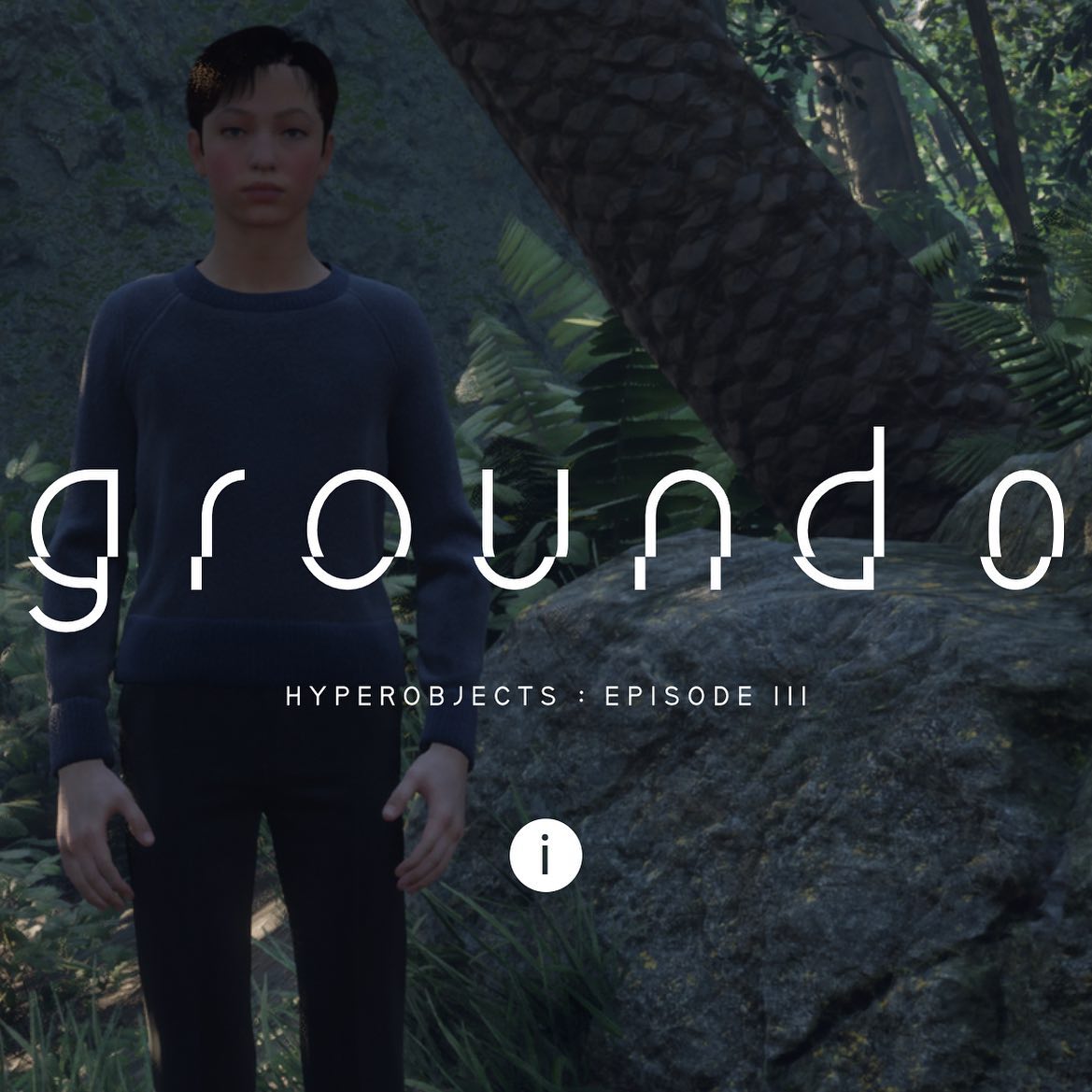
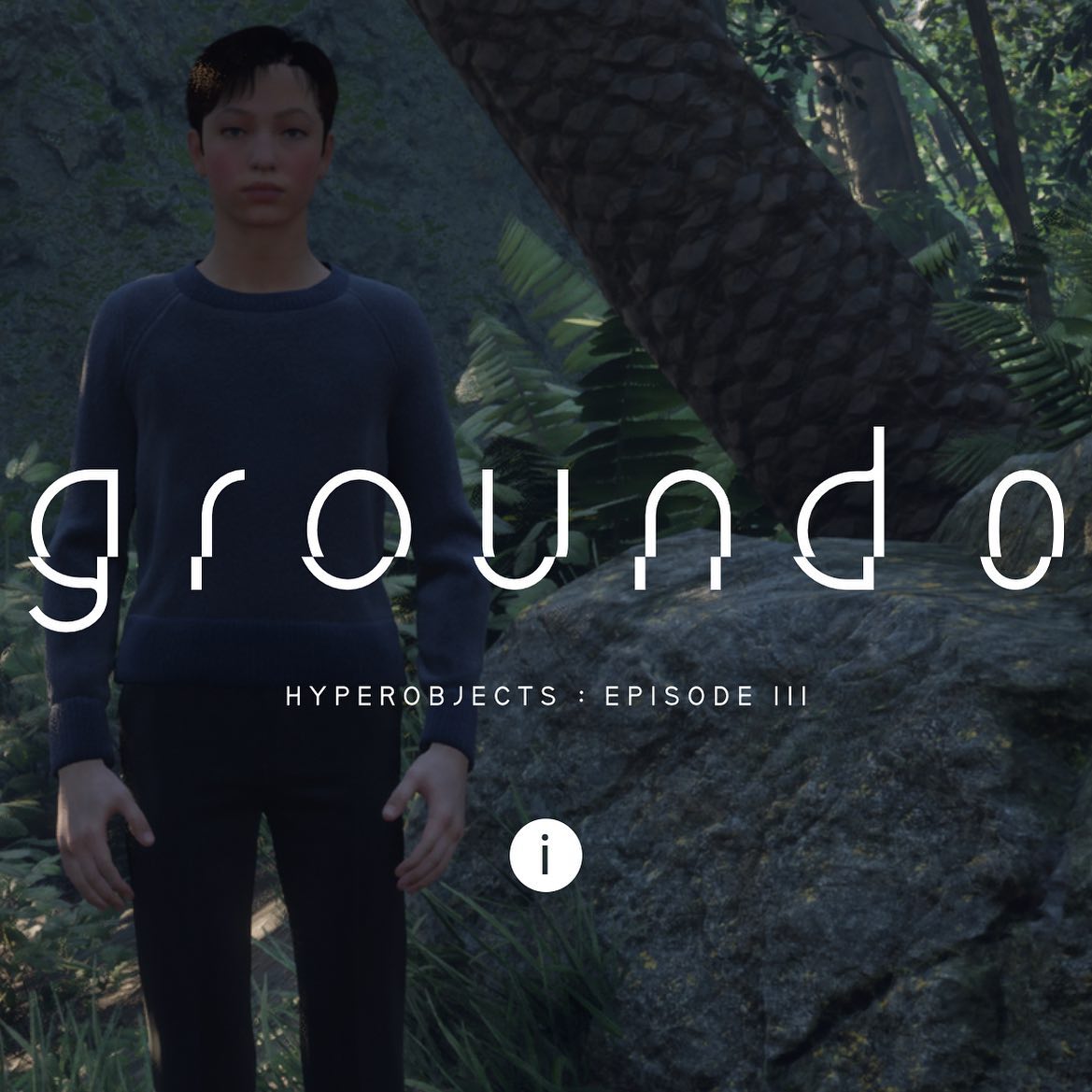
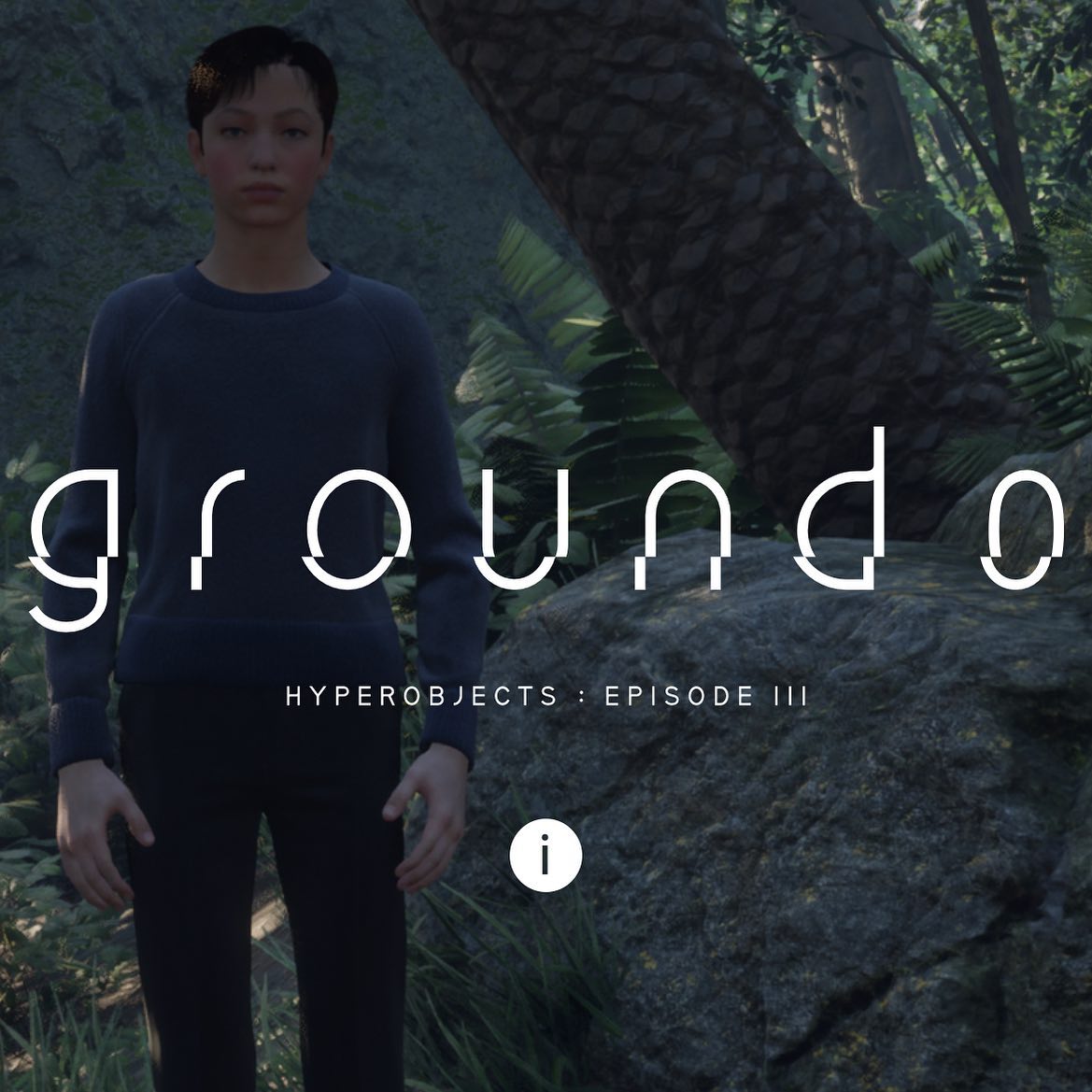
Sophie Jeong, Hyperobjects: Episode III – Ground 0, 2022 © Sophie Jeong

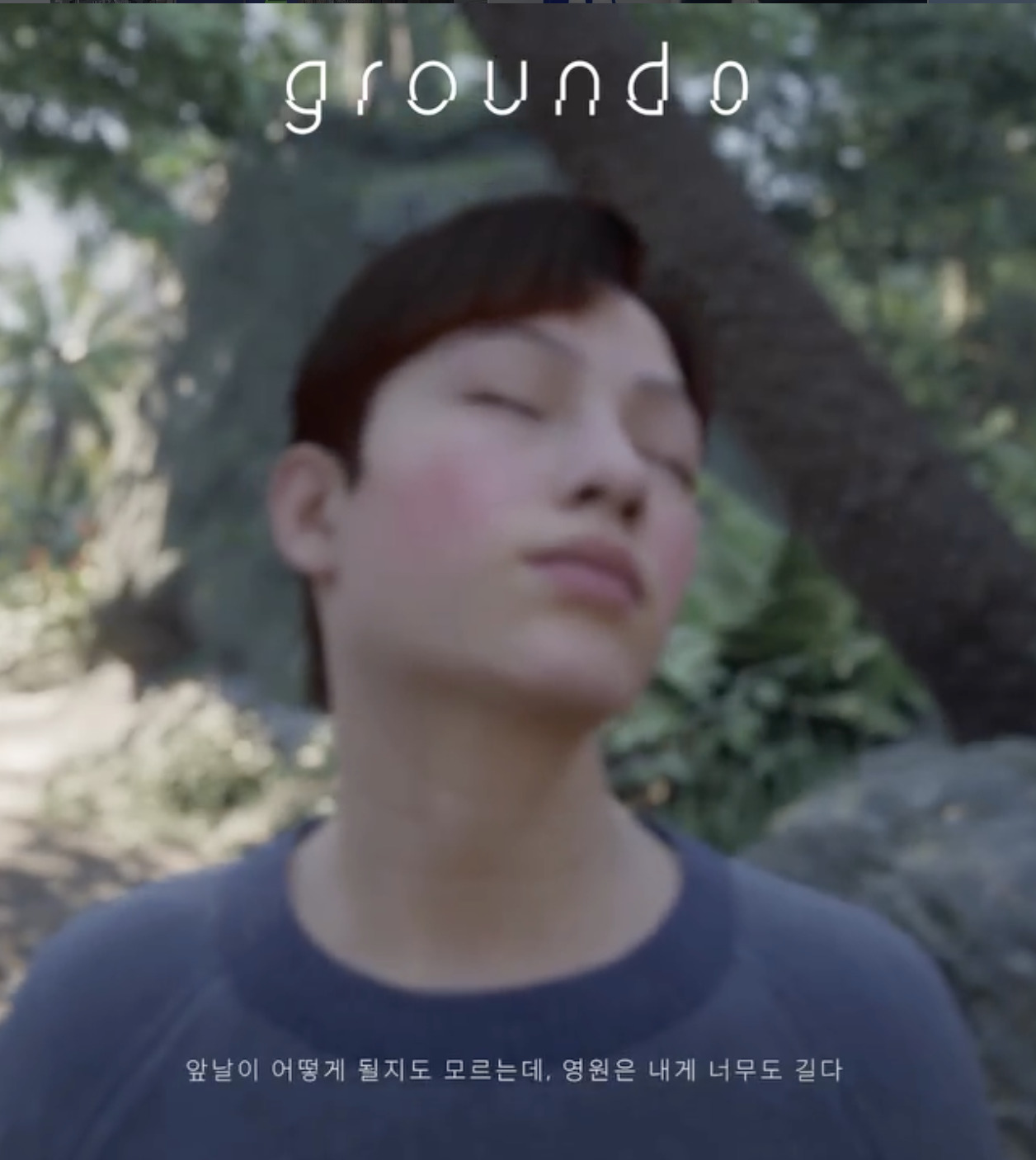
The final episode, Hyperobjects: Episode III – Ground 0 (2022), is set within a worldview in which the promises of liberalism and late capitalism have unraveled amid the climate crisis, pandemics, and a new Cold War. At the brink of self-destruction, the top 1%—once residing in the upper tiers of a meticulously constructed Tower of Babel—secretly replicate a city within underground bunkers for survival.
 
In this collapsed world, a child born into a community of fugitives grows up leading an isolated life, imagining what it might mean to understand fate not as an end, but as a beginning.


Sophie Jeong, Hyperobjects: Episode III – Ground 0, 2022 © Sophie Jeong

This work moves beyond a dystopian future scenario to explore how an awareness of the lost present is inscribed into, and reproduced within, our everyday spaces of experience. As a counterpoint to the fear of an end that appears devoid of hope, it reveals a longing for the unmediated potential of both our present and our future.
 
For the artist, the construction of such a worldview becomes a way of symbolizing reality—allowing specific situations and actions to acquire new meanings.


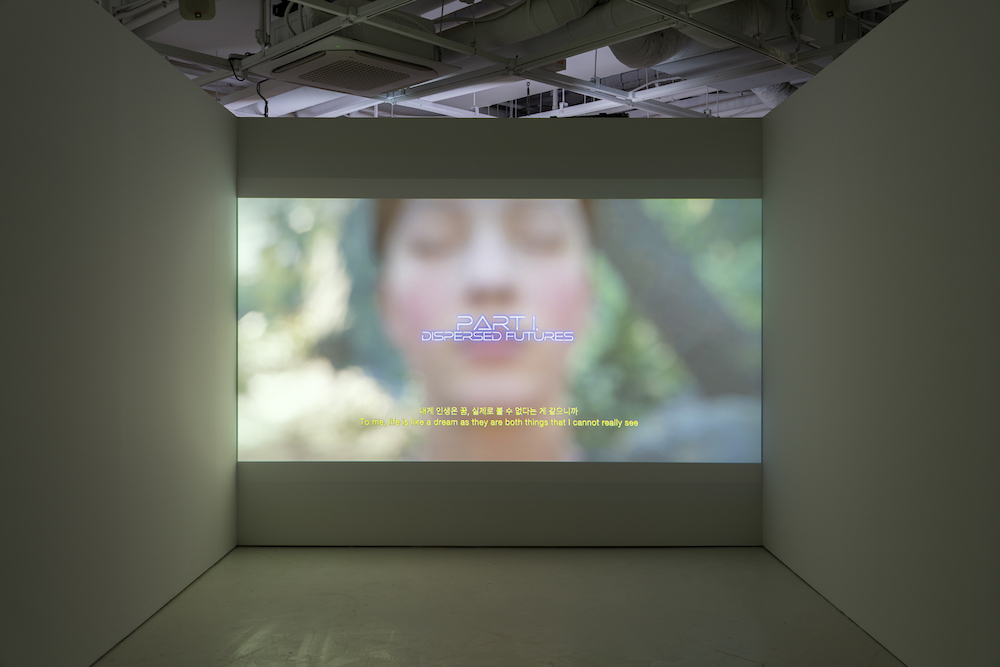
Sophie Jeong, LUCA, 2023, Single-channel HD CGI video, color, sound, 8min 57sec. © Sophie Jeong

Sophie Jeong’s practice ultimately lies in reconfiguring the framework of dialogue through artistic practice, enabling us to recognize not only the problems we choose to confront, but also how artworks reveal what we tend to take for granted. Moving beyond a call to reconsider new points of entry and modes of experience, her work offers new means of association and perception.
 
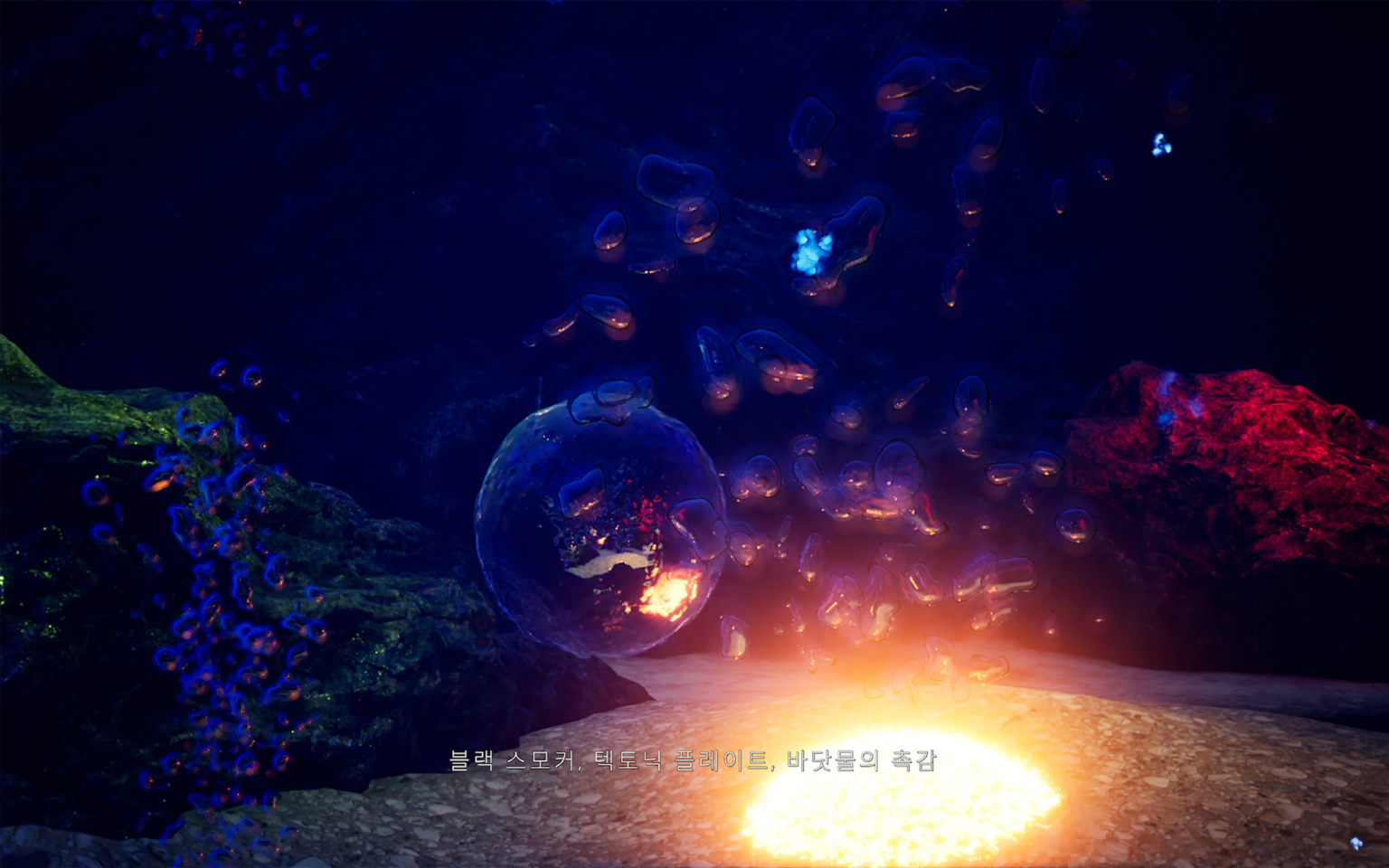
In 《The 23rd SONGEUN Art Award Exhibition》 (2023), Jeong presented LUCA (2023), a game-based documentary centered on the virtual character “LUCA” (Last Universal Common Ancestor), conceived as the origin and ancestor of all life.


Sophie Jeong, LUCA, 2023, Single-channel HD CGI video, color, sound, 8min 57sec. © Sophie Jeong

The video unfolds through “LUCA” as a mediator, drawing on narratives that span a mythic past and an anticipated future. Moving across time—from past to future—the artist traces the present, constructing an intricately entangled story between the environment surrounding LUCA and humanity.
 
In doing so, it invites us to imagine the interrelations between human and non-human beings in an era marked by ecological collapse following the destruction of humanity, and to consider the possibilities of coexistence.

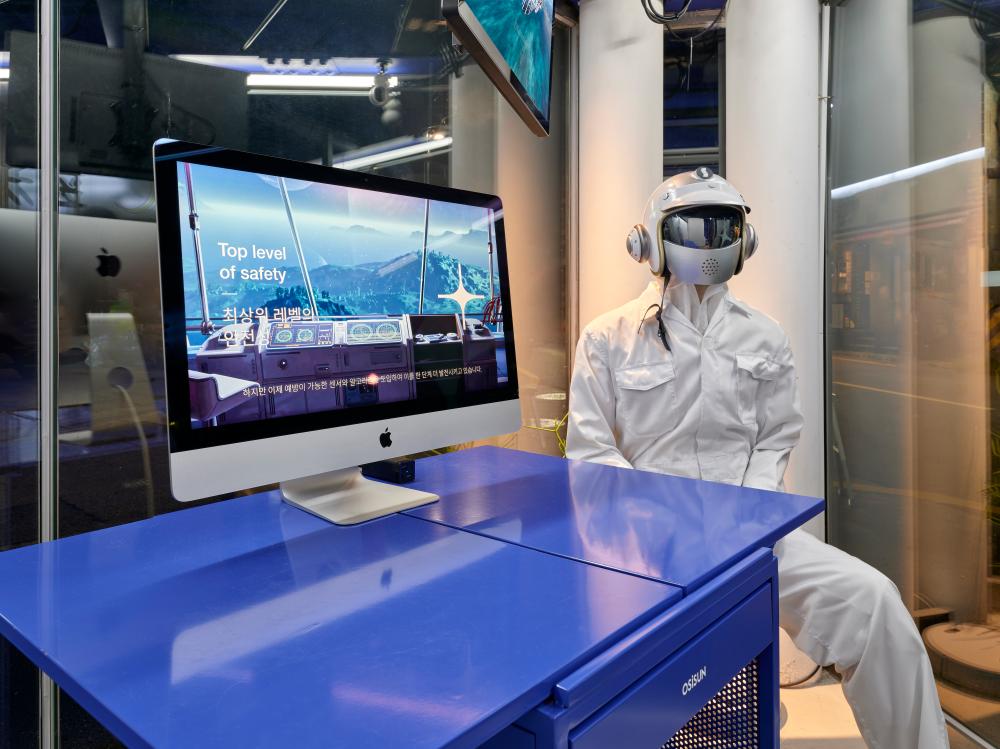
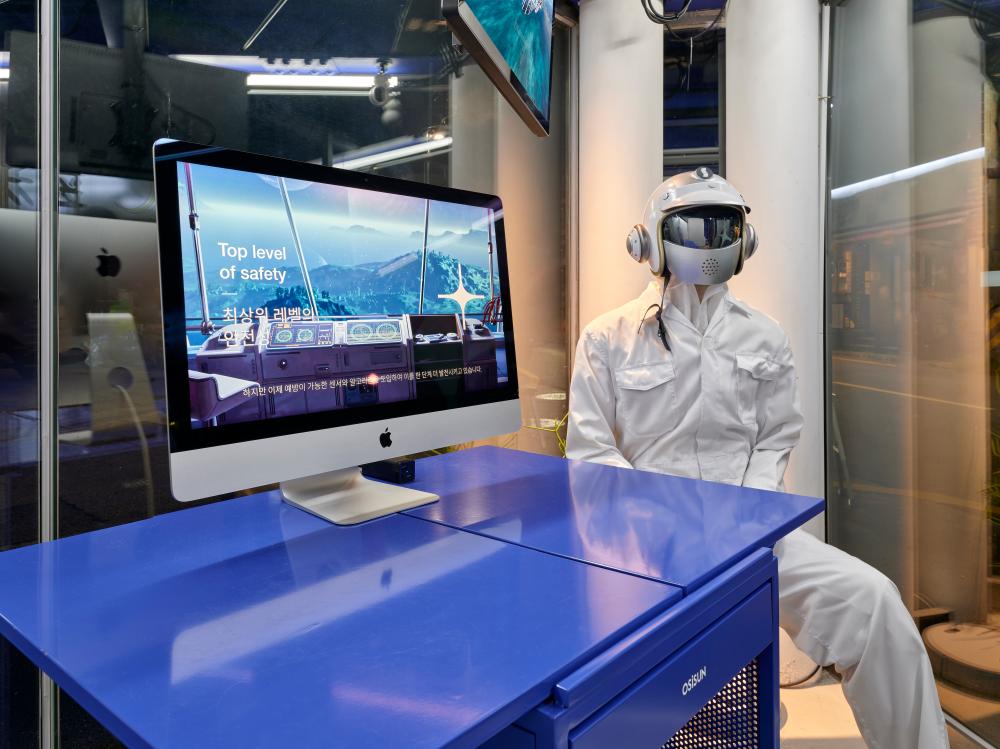
Installation view of 《Cradle of Love》 (Osisun, 2024) © Seoul Museum of Art

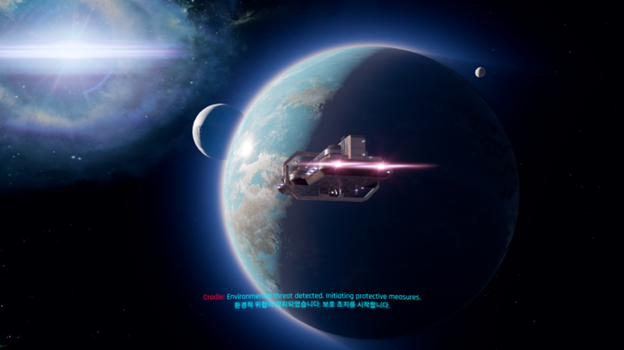
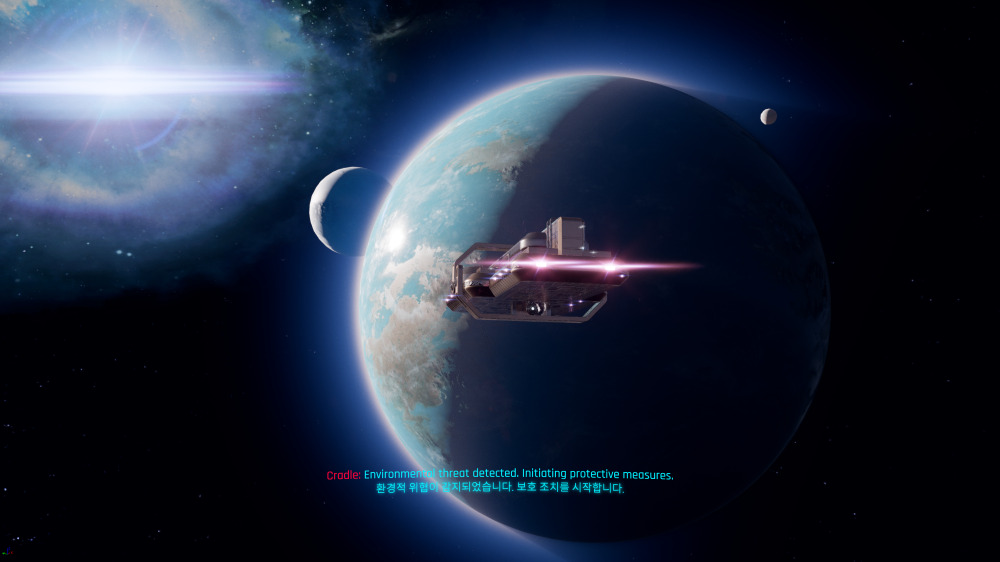
The following year, in her solo exhibition 《Cradle of Love》 at Osisun, she presented Cradle of Love (2024), a spin-off of LUCA. Set in a science-fictional future, the work is a web-based CGI interactive video that unfolds around the events encountered by an autonomous vehicle, “Cradle,” and the protagonist, “Rei.”


Sophie Jeong, Cradle of Love, 2024, Gamified CGI video (colour, sound), tablet controller, web server, 8min 27sec. © Seoul Museum of Art

Rei, the older brother of Luca, lives in Neo Sphere—an alternative planetary system situated at the boundary between Earth and outer space, a replica of the original Earth. He is a promising AI engineer at the autonomous vehicle corporation “Cradle.” The “Cradle” model he helped develop is designed for full Level 5 autonomy, prioritizing maximum safety and the protection of its passengers.
 
One day, while testing the “Hyper Sleep” function, Rei enters a state of cryogenic sleep. In response, the vehicle “Cradle” makes the decision to depart, carrying Rei beyond Neo Sphere and into outer space. This action is prompted by a series of mysterious phenomena known as “Void-Outs” that begin to threaten the planetary system.


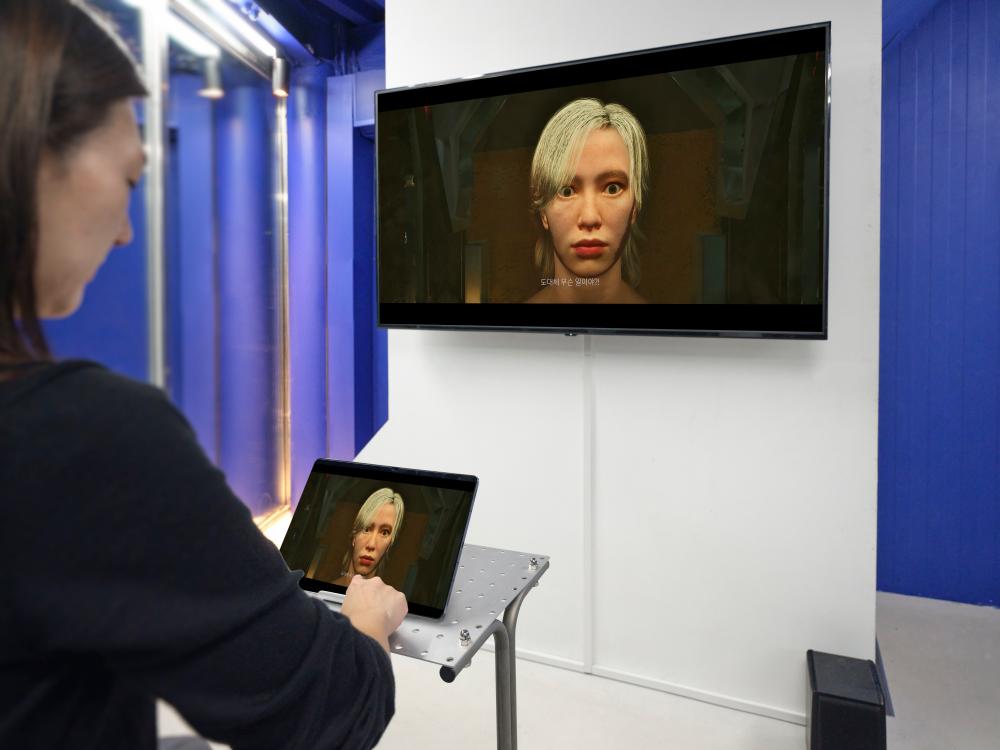
Installation view of 《Cradle of Love》 (Osisun, 2024) © Seoul Museum of Art

The audience is presented with four moments of choice, deciding whether to follow the “Cradle” or return to the planet. Depending on these individual decisions, the work unfolds into entirely different outcomes.
 
In this way, Sophie Jeong invites viewers to make direct choices within a speculative narrative, offering an opportunity to reflect on values such as human connection and technological ethics in an age of accelerated technology. At the same time, the work prompts us to consider what kinds of choices we ought to make in a world where technology increasingly makes decisions on our behalf.


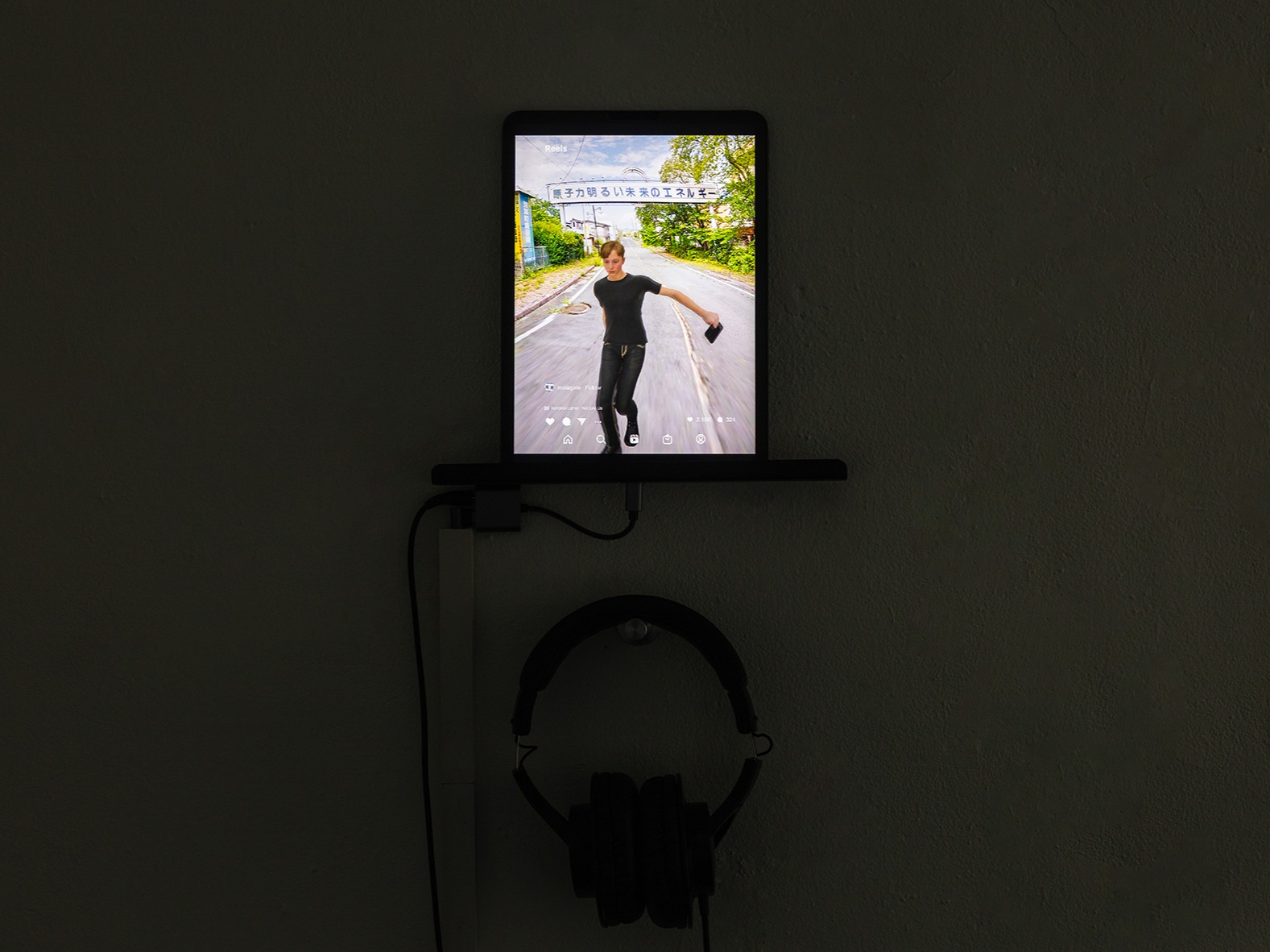
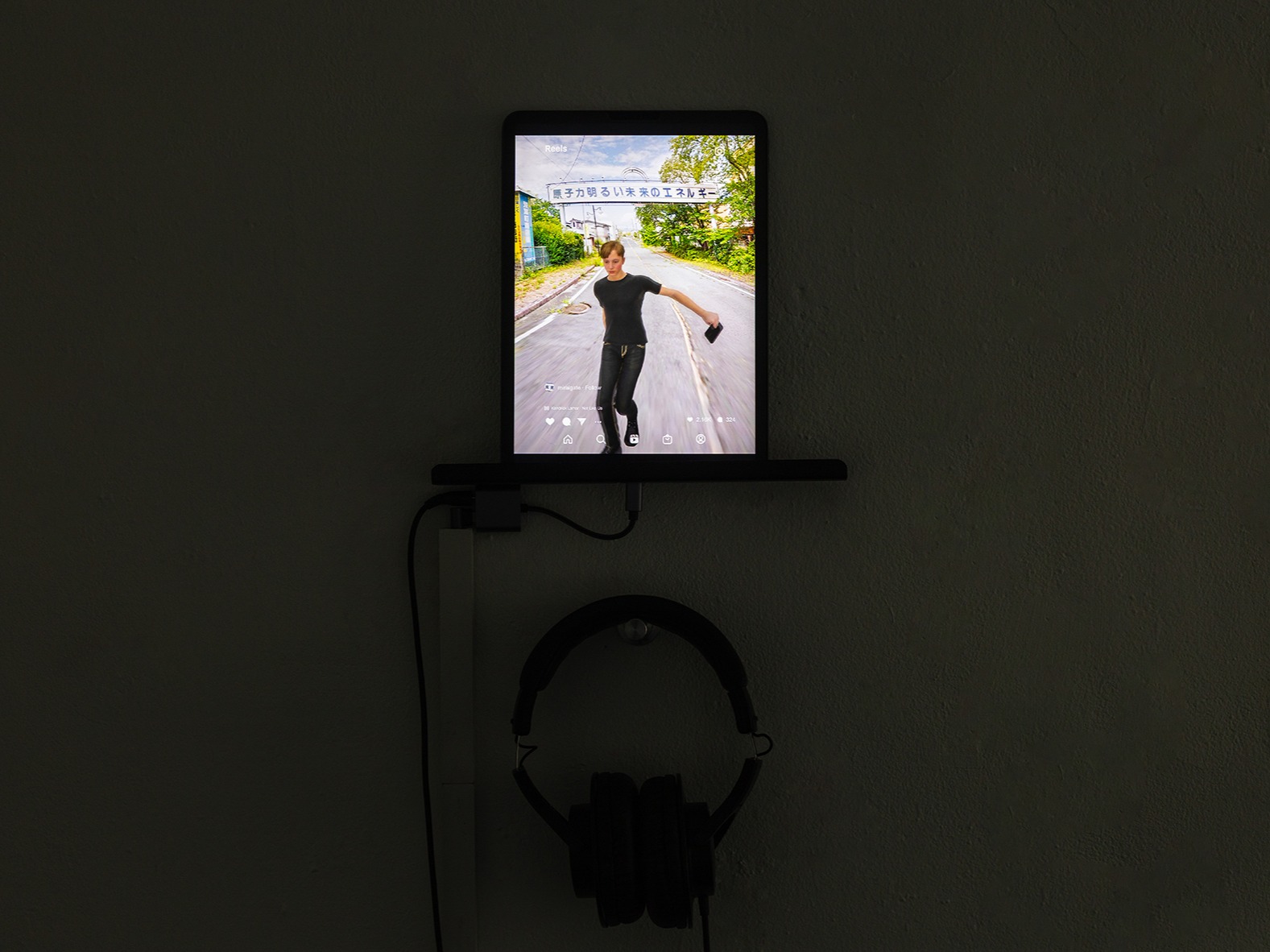
Sophie Jeong, Miraigate, 2025, Single-channel CGI video (colour, sound), Google Street View, 1min 13sec. Installation view of 《Point Nemo》 (Amado Art Space, 2025) © Sophie Jeong

Meanwhile, in the group exhibition 《Point Nemo》 (2025) at Amado Art Space, the artist presented Miraigate (2025), a follow-up to her 2019 work Hyperobjects: Episode I – The Forgotten Town. This video work returns to the forgotten town once again, suspended in a state where time has seemingly come to a halt.
 
Through rapidly shifting, fragmented scenes that unfold without clear context, Jeong reveals how ruins are consumed as fleeting spectacles. These evanescent images leave behind visual afterimages before disappearing, while the reality obscured beneath them ultimately remains unseen.


Sophie Jeong, Ground 0: Reloaded, 2025, Gamified documentary, single-channel HD CGI video (color, sound), 7min 54sec. Installation view of 《I AM CONQUERED》 (Artspace Boan2, 2025) © Artspace Boan

Sophie Jeong explores apocalypse-related anxiety and imaginings through new media works that grapple with the current ecological crisis, depletion, extinction, and destruction. Her videos, which depict post-apocalyptic worlds, prompt us to ask questions such as, “Is this truly the world we wanted?”, leading us toward a deeper reflection on both the present and the future.

“My work explores technology, environmental issues, and the complexities of human relationships, asking how human emotions can be expressed within these conditions.” (Sophie Jeong, from the 2024 Emerging Artists Interview, Seoul Museum of Art)


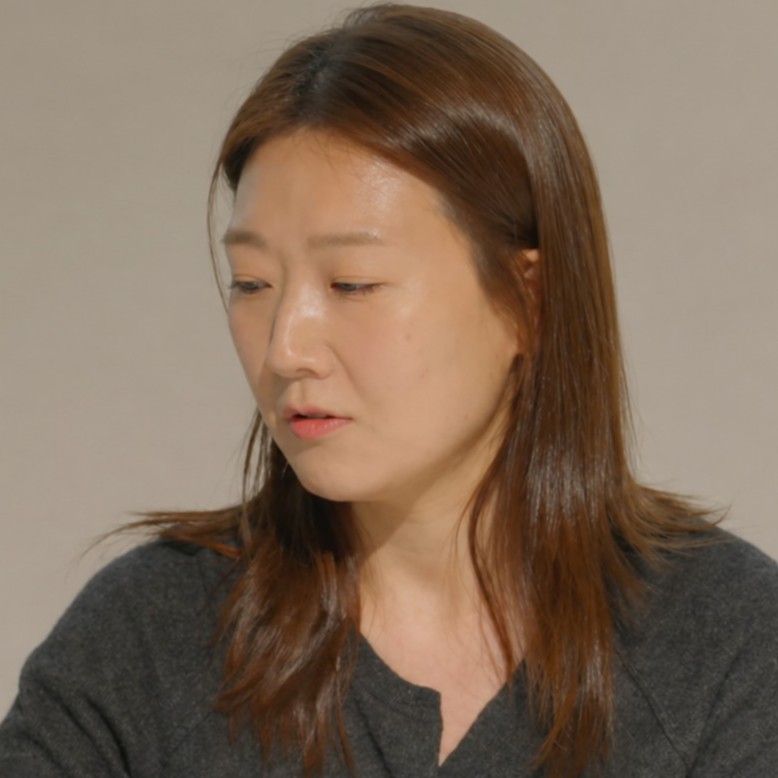
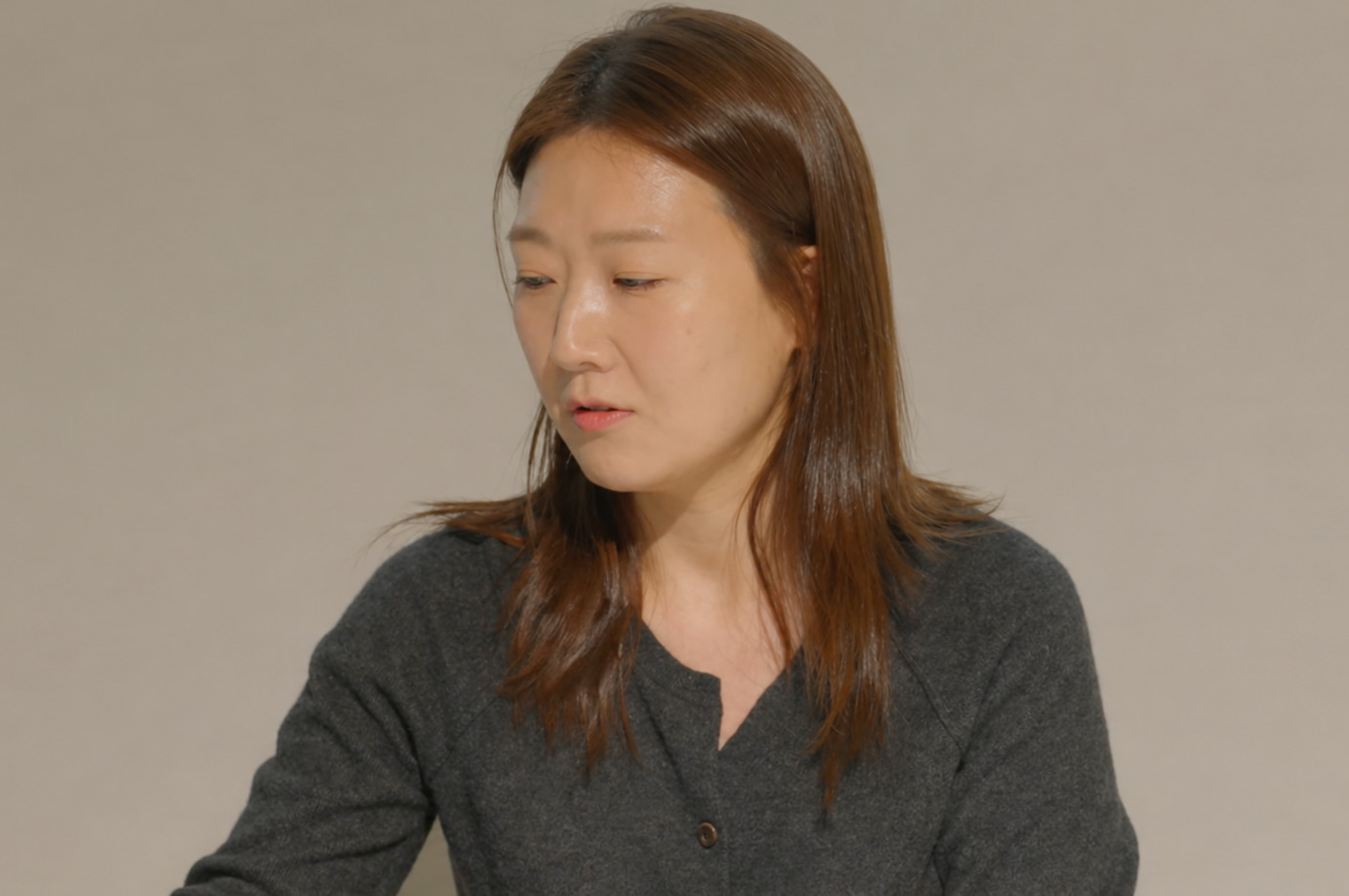
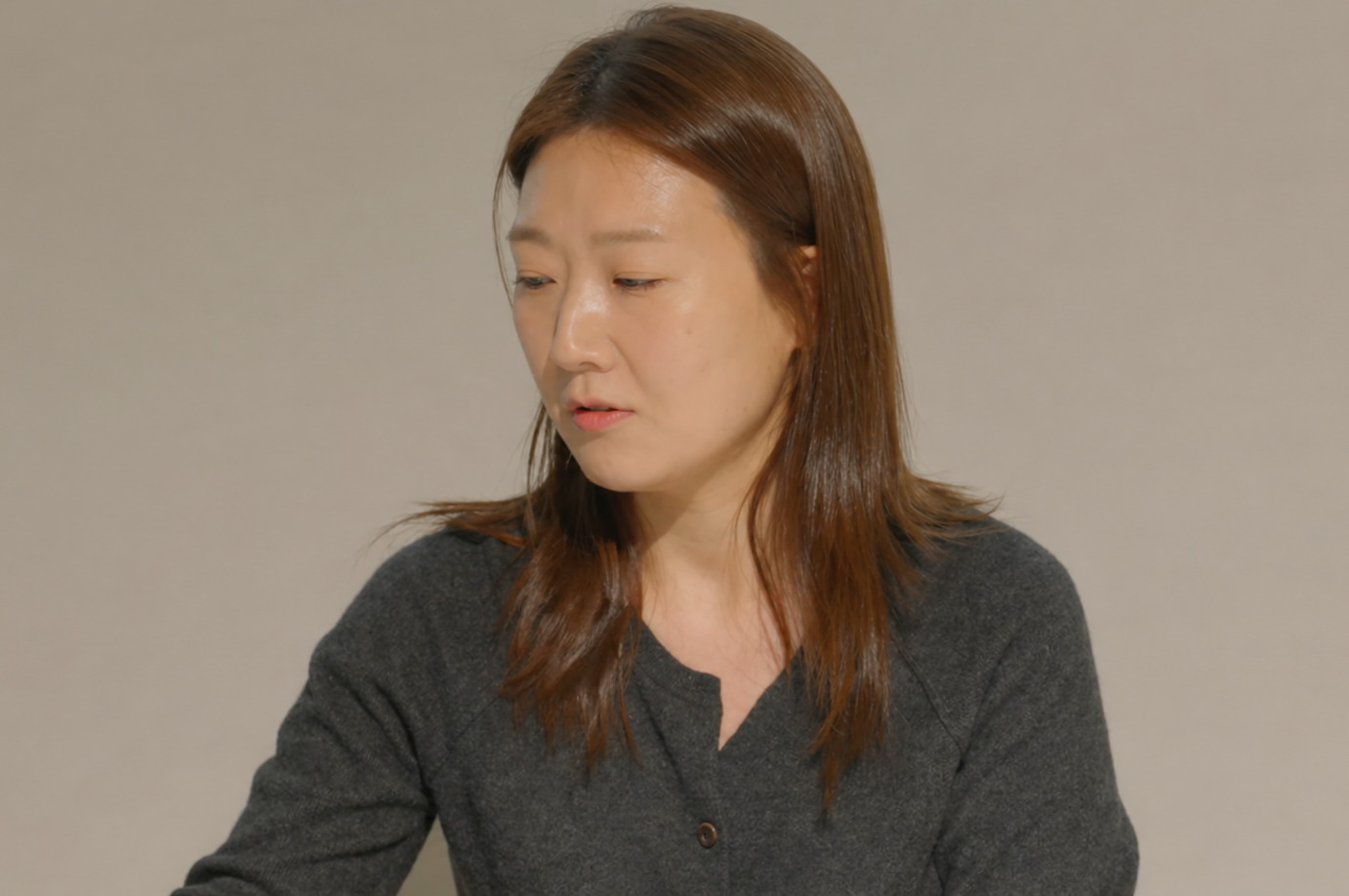
Artist Sophie Jeong © Seoul Museum of Art

Sophie Jeong graduated from the UCL Slade School of Fine Art in London and completed her graduate studies in Western painting at Seoul National University. Her solo exhibitions include 《Cradle of Love》 (Osisun, Seoul, 2024), 《Ground 0》 (Osisun Web, online, 2022), and 《Year 0》 (Osisun Web, online, 2021).
 
She has also participated in numerous group exhibitions, including 《I AM CONQUERED》 (Artspace Boan 2, Seoul, 2025), 《Point Nemo》 (Amado Art Space, Seoul, 2025), 《Generation Environment Future》 (Kyungpook National University Art Museum, Daegu, 2024), 《The Rings of Saturn》 (Bucheon Art Bunker B39, Bucheon, 2024), and 《The 23rd SONGEUN Art Award Exhibition》 (SONGEUN, Seoul, 2023).
 
Jeong was selected for the Seoul Museum of Art’s “2024 Emerging Artists Support Program,” and her works are included in the collection of the MMCA Art Bank, among others.

References