Heejung Choi (b. 1987) has developed her practice around an interest in what is marginalized, excluded, or unable to become part of the mainstream, as well as what was once central but later disregarded.
 
Working primarily with video, she addresses the overlooked and excluded domains within a neoliberal system that prioritizes growth and progress. Through this, the artist ultimately seeks to explore the human condition and the meaning of life.


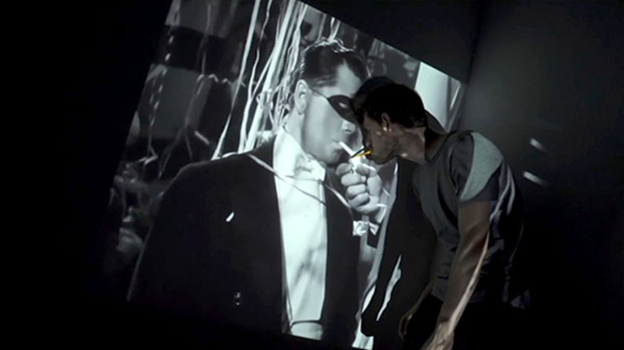
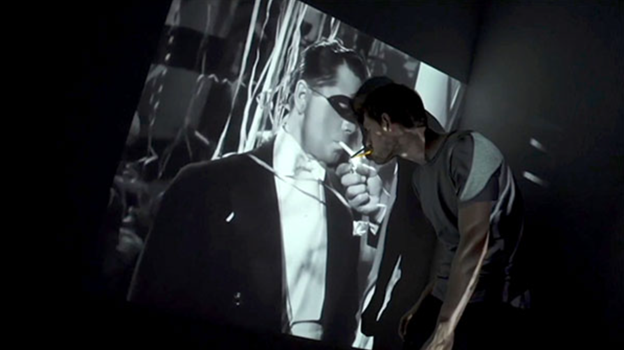
Heejung Choi, Rehearsal, 2022, Single-channel video, color, stereo, 9min 21sec. © Heejung Choi

In Heejung Choi’s work, the subjects she engages with are those excluded within a neoliberal economy driven by the primacy of growth, wealth, and power. Within this system, personal depression and conflict, inequality, and social injustice are increasingly pushed into the “shadows,” becoming isolated from visibility.
 
In a world where it is difficult to inscribe and carry forward meaningful “folds” of experience and memory, the artist seeks points of connection between artist and viewer, enacting them through artistic practice. In doing so, she explores and questions the essential nature of human existence that is often overlooked in contemporary society.


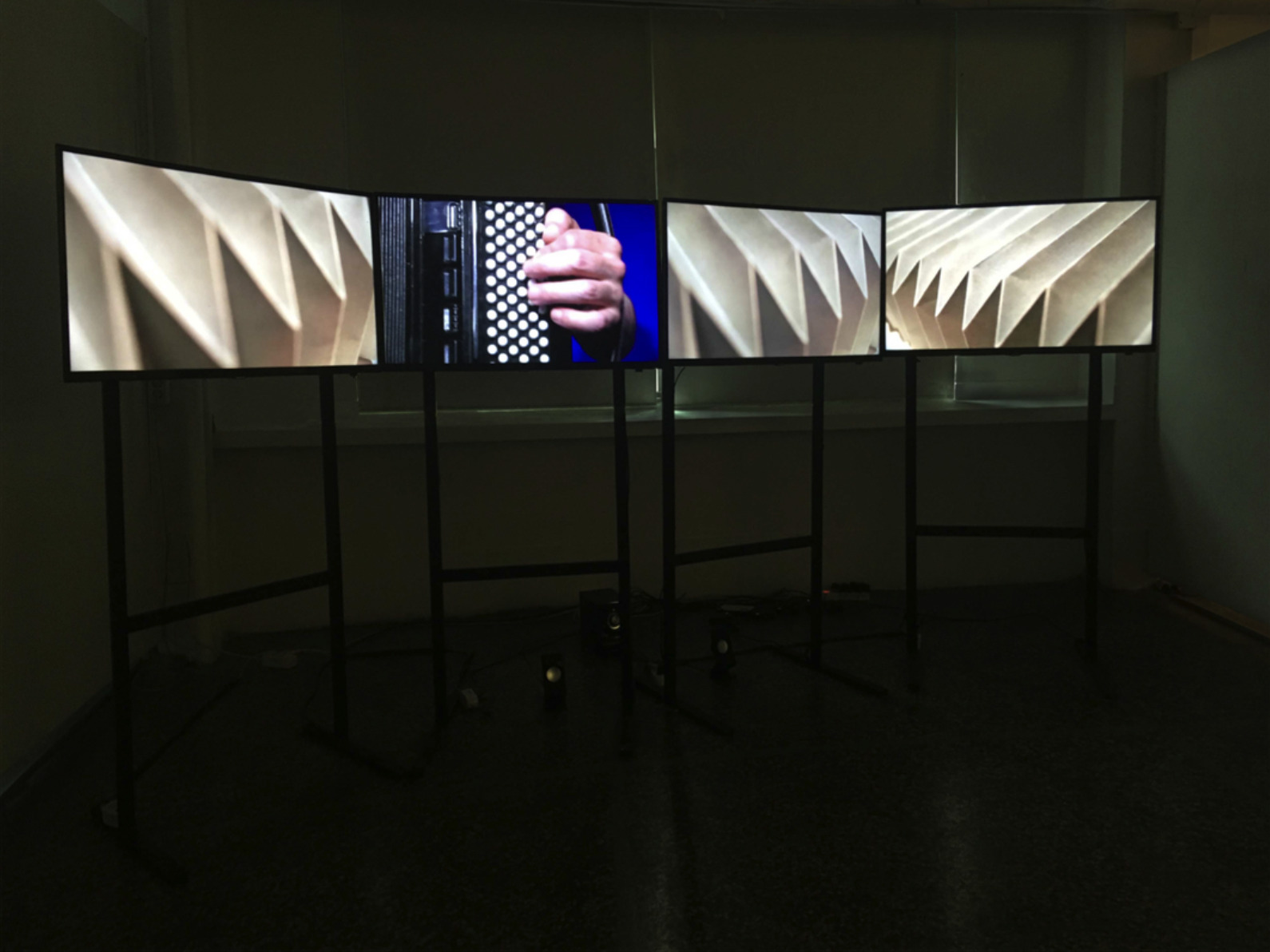
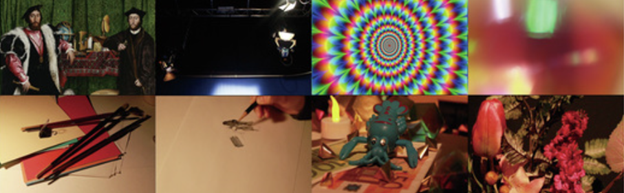
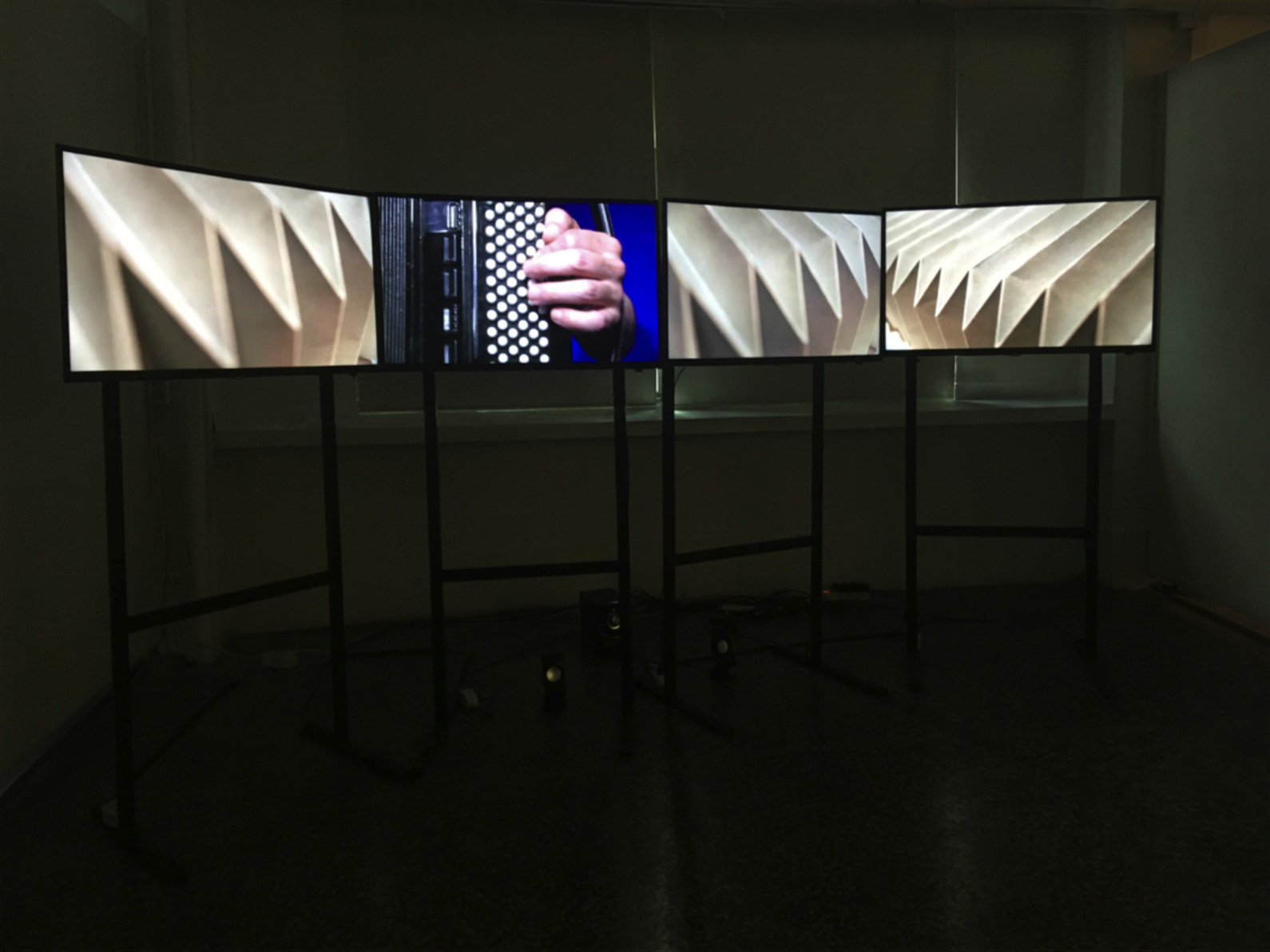
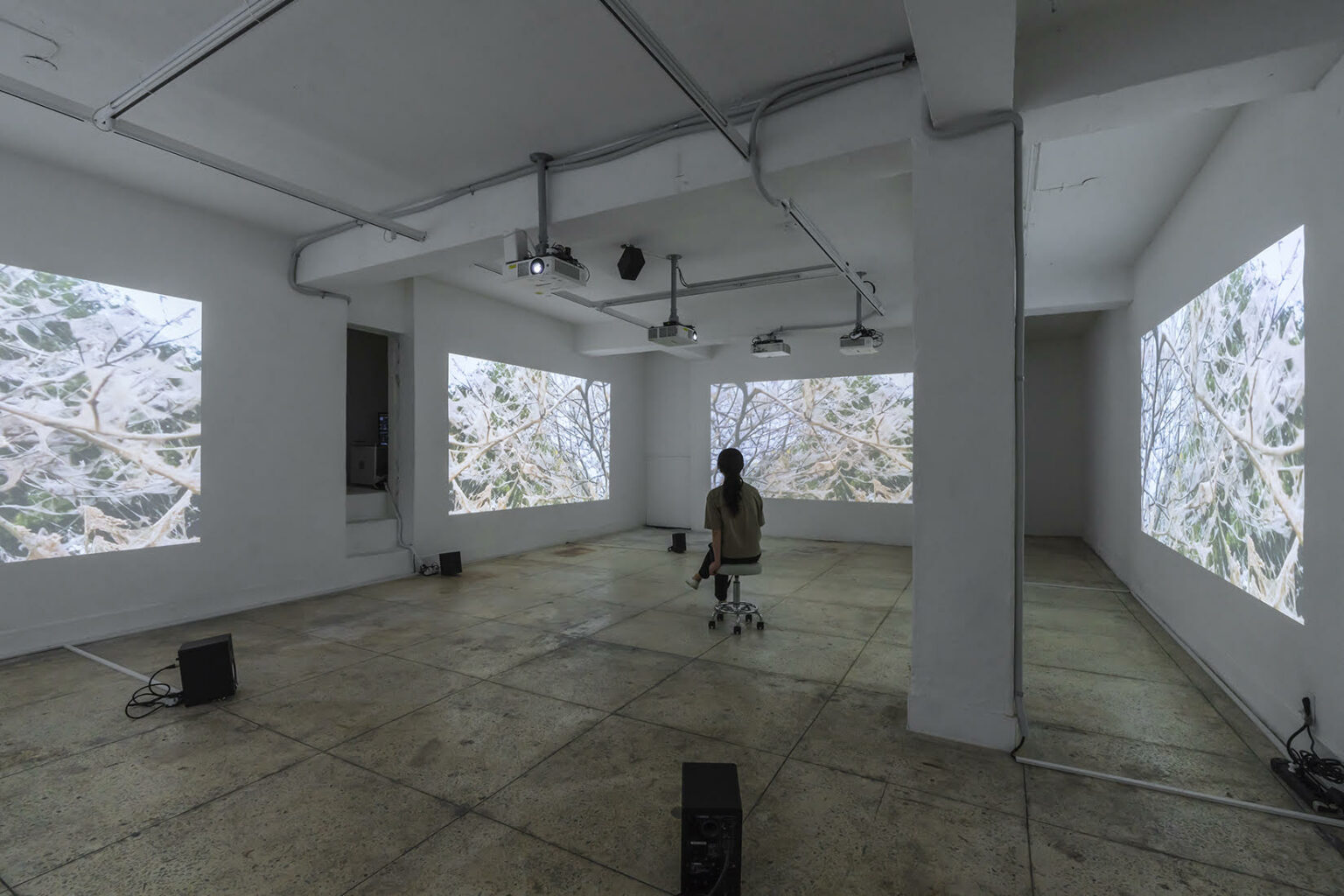
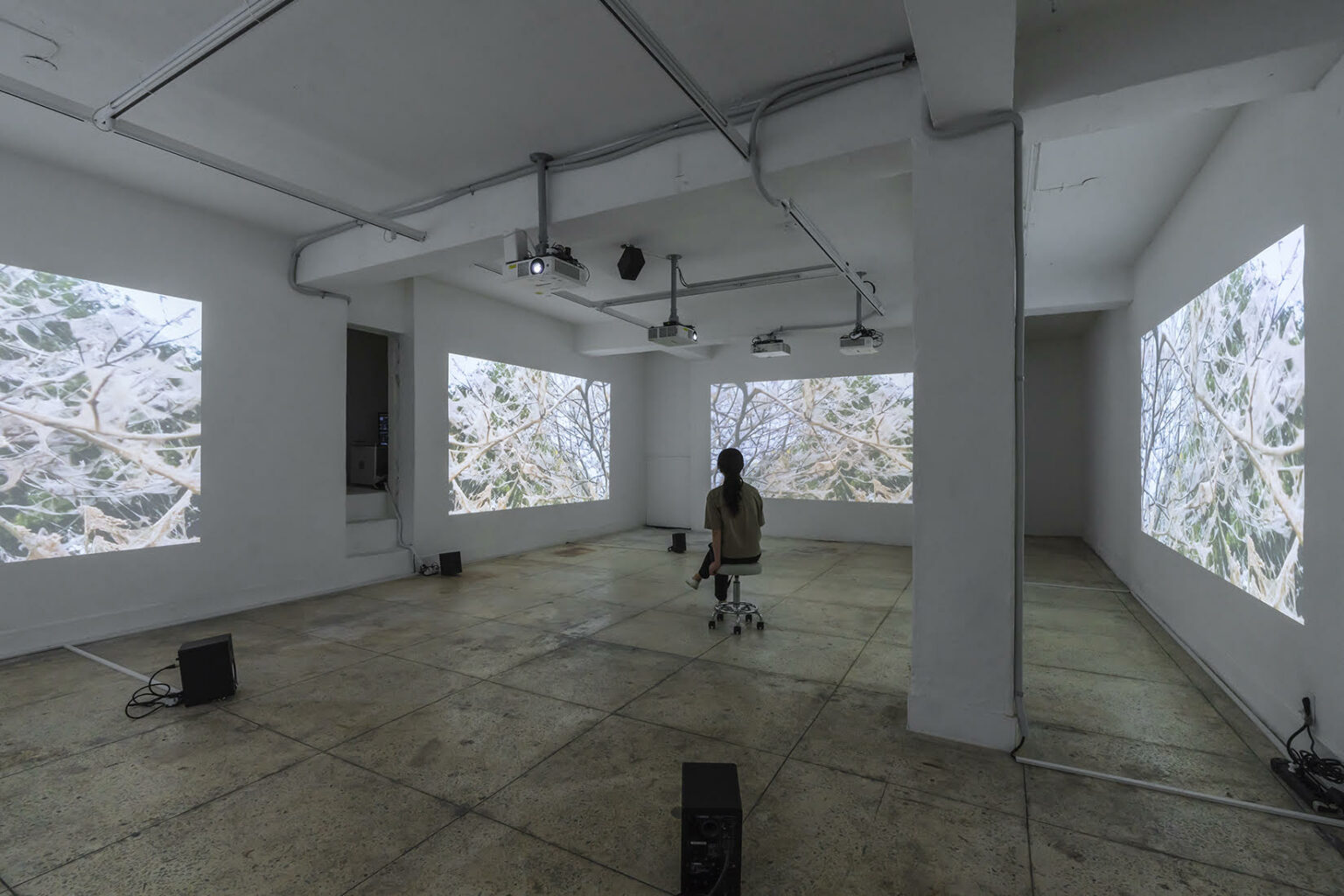
Heejung Choi, Mélange, 2017, 4-channel video, 2min 54sec. © Heejung Choi

Here, “folds” refer to traces shaped by an individual’s history, as well as those formed through the histories of others and, further, of the community. Just as two surfaces meet to create a crease when paper is folded, individuals leave traces in one another’s lives through encounters with others.
 
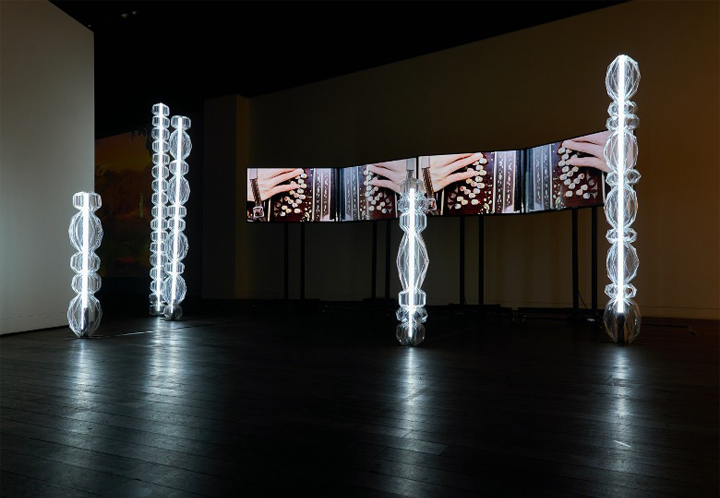
The artist sees these folds as deepening alongside relationships; the deeper the fold, the deeper the connection. In this sense, a fold is not merely a surface phenomenon but something that acquires depth and dimensionality. Works such as The Folds, Galatea, Hace viento, and Mélange embody this structure through repetition, layering, and mirroring images—resembling a decalcomania-like correspondence that visualizes the logic of “folds.”


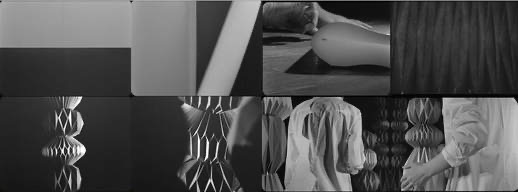
Heejung Choi, Galatea, 2018, 16mm analog B/W film, 5.1 surround channel, 4min 49sec. © Heejung Choi

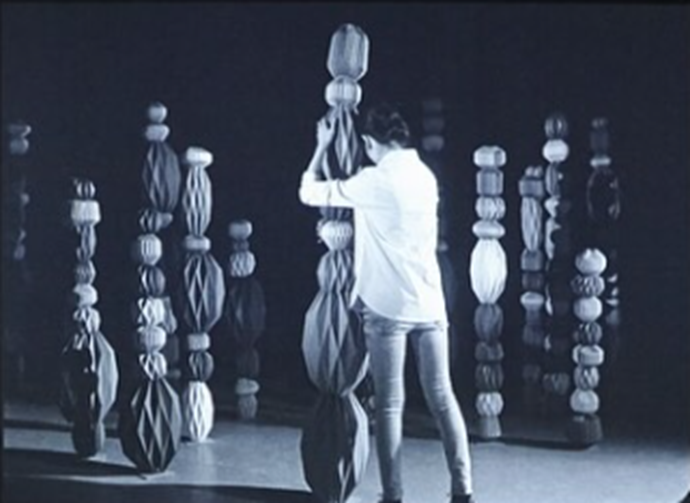
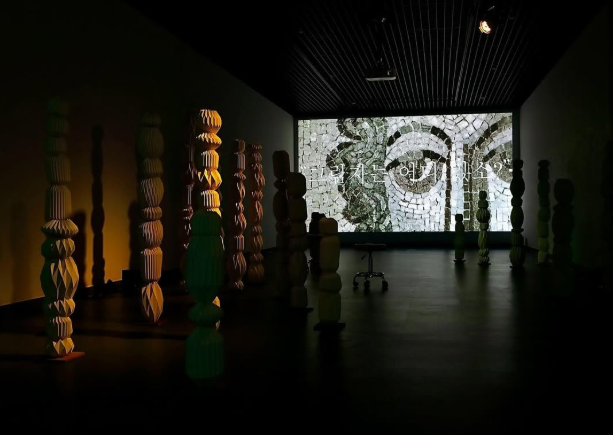
Among these works, Galatea (2018) begins with a screen divided into two sections, top and bottom. The two frames—split into black and white—are inverted vertically, then redivided horizontally, and continue to flip in repetition. Soon, a pair of hands appears, slowly folding a sheet of white paper. The folded paper gradually forms a geometric structure, becoming three-dimensional and eventually accumulating into a tower-like sculpture.
 
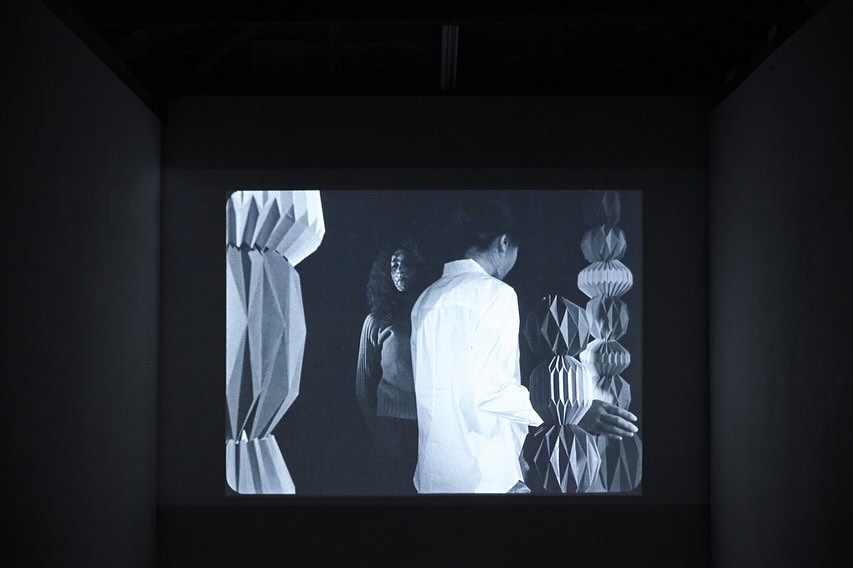
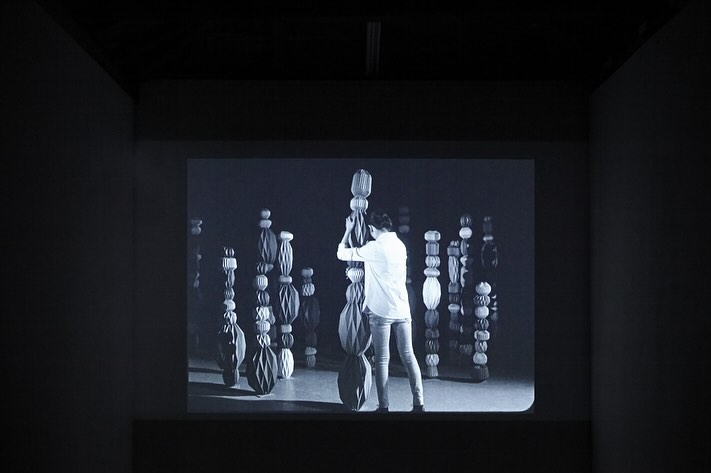
The figure whose hands folded the paper reappears, walking among the towers she has constructed and gently tracing the surfaces of their forms. As the camera zooms out, the figure stands among towers of varying shapes and sizes, fixating on a single, tallest structure.


Heejung Choi, Galatea, 2018, 16mm analog B/W film, 5.1 surround channel, 4min 49sec. Photo: Joohwan Lee. © Chamber

Heejung Choi describes this work as “a process of searching for one’s own sculpture, Galatea.” Galatea is the name of the statue created by Pygmalion in Ovidius’ Metamorphoses. Pygmalion sculpted his ideal image of a woman, and in doing so, fell in love with his own creation—Galatea, a figure of perfect beauty.
 
Ultimately, Pygmalion prays to Aphrodite, the goddess of love and beauty, asking that the sculpture be granted life and become his wife. Moved by his devotion, Aphrodite brings Galatea to life, transforming her into a human being.


Heejung Choi, Galatea, 2018, 16mm analog B/W film, 5.1 surround channel, 4min 49sec. Photo: Joohwan Lee. © Chamber

Heejung Choi focuses on the artist’s pursuit of ideal beauty embedded in this narrative, projecting it onto herself. A work in which the artist’s ideal is realized acquires a life of its own, becoming something independent from the artist.
 
Art critic Lee Hanbum notes that “through Galatea, the ideal beauty that Choi presents—whether declaratively or as a kind of aspiration—takes the form of a monumental tower constructed from folded planes, built up as hollow, spherical volumes,” adding that “the fold itself becomes a kind of ‘ideal.’”


Heejung Choi, Der Erlösende Blitz,2021, 4-channel video, color, stereo, 13min 16sec. © Heejung Choi

In this sense, Galatea symbolically presents the ideal that Heejung Choi seeks to realize. Her “Galatea” becomes a point of connection between artist and viewer, as well as a form of lived practice.
 
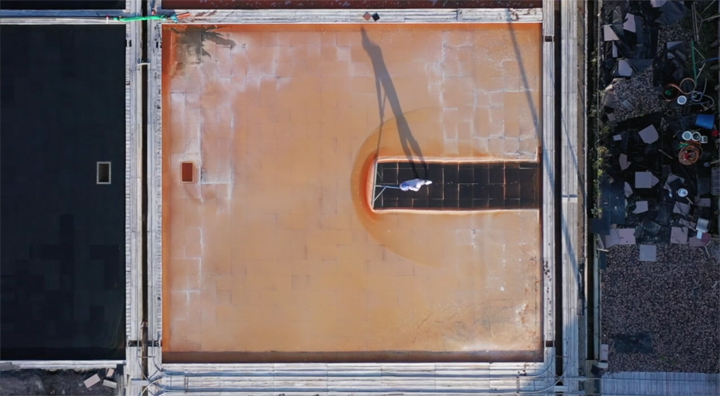
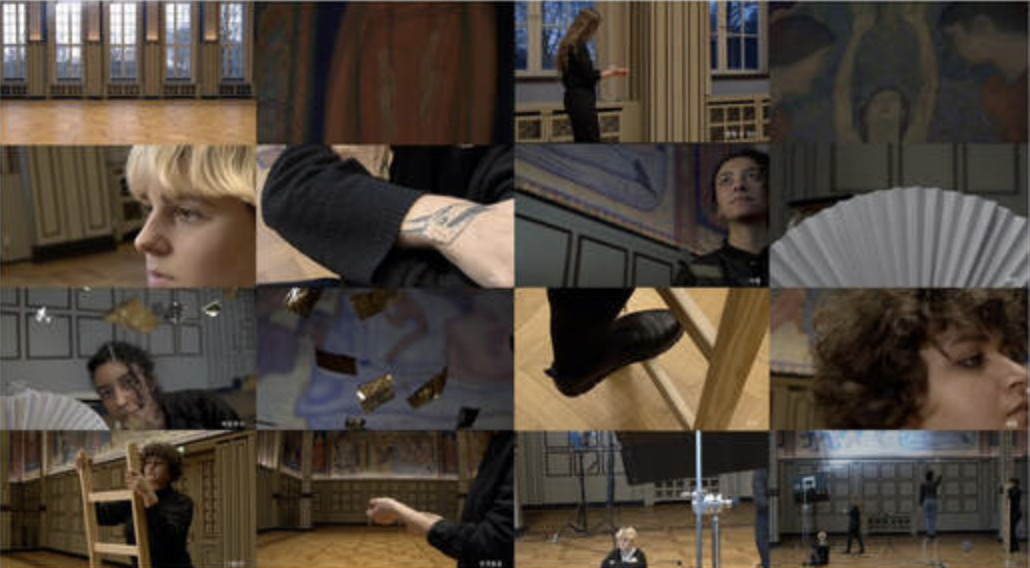
This artistic attitude is also reflected in the four-channel video work Der Erlösende Blitz (2021). Here, the artist addresses “the embodied performativity of the artist and the anticipation of completing a work.” Four performers appear in sequence, moving through a wide space while repeatedly attempting different actions—tying a bracelet onto their own wrist, standing up after sitting on the floor with arms locked, scattering shimmering paper into the air, and climbing a ladder—yet each ultimately fails in their efforts.


Heejung Choi, Der Erlösende Blitz,2021, 4-channel video, color, stereo, 13min 16sec. © Heejung Choi

The repeated actions—reminiscent of Sisyphus, condemned to roll a boulder for eternity—function as a device that reveals the labor involved in making art. In Der Erlösende Blitz, the four figures each symbolize an individual artist, and their seemingly meaningless, repetitive, and contrived actions metaphorically represent the process of making work.
 
Through this, the artist explains that she seeks to convey that “everything you see—whether art or anything else—is something artificially constructed.”


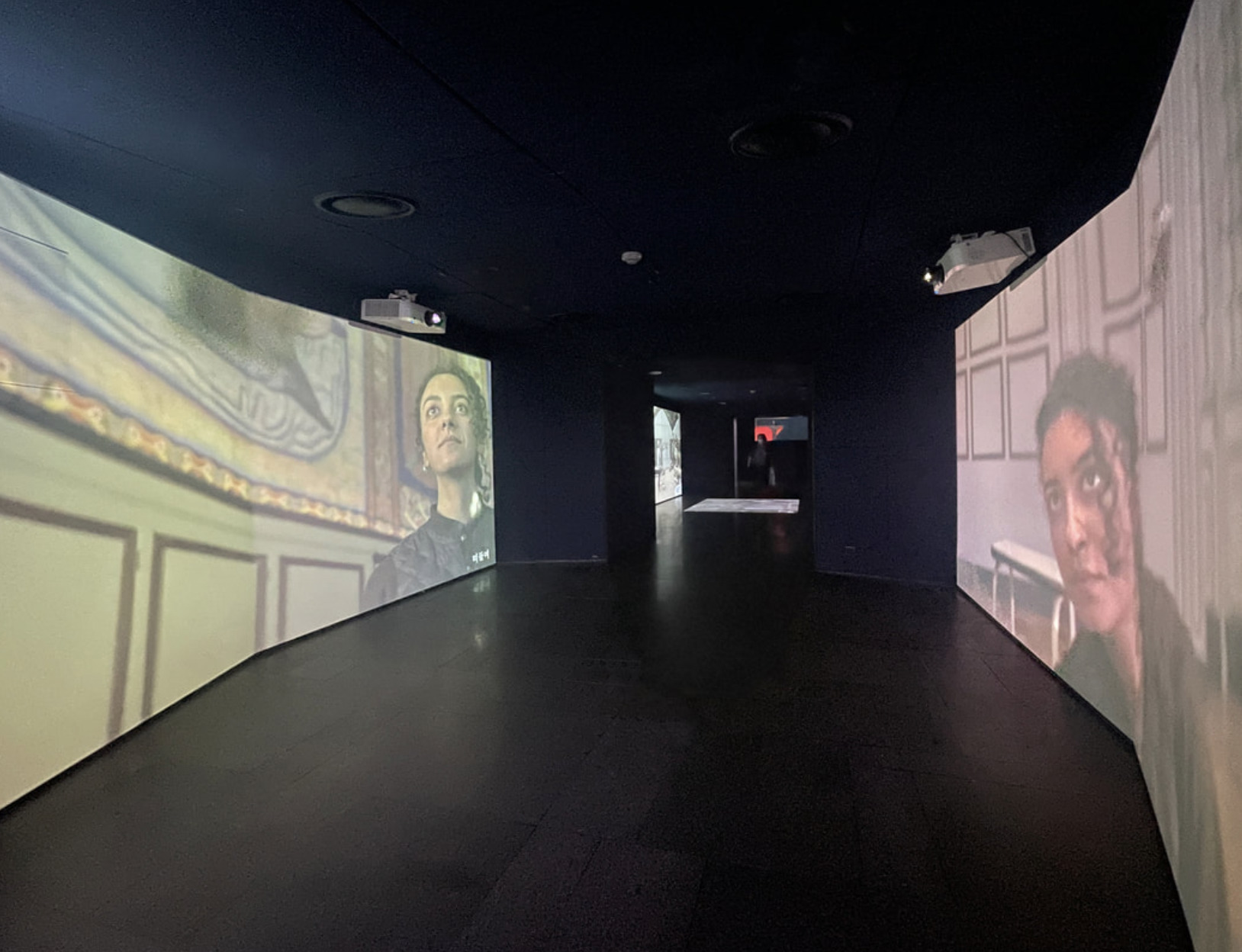
Installation view of 《The Opposite of Love is Abandonment》 (Artspace Boan2, 2023) © Heejung Choi

At the height of the booming art fair scene in 2022, Heejung Choi found herself grappling with a persistent question: “What meaning does it hold to continue making work endlessly as an artist, if one is never chosen?” This led to a mixture of hesitation and anxiety toward her practice.
 
At the same time, the skepticism she felt toward the logic of the art market—where being selected often takes precedence over realizing one’s own artistic ideals—began to overlap with her personal experiences with companion plants.
 
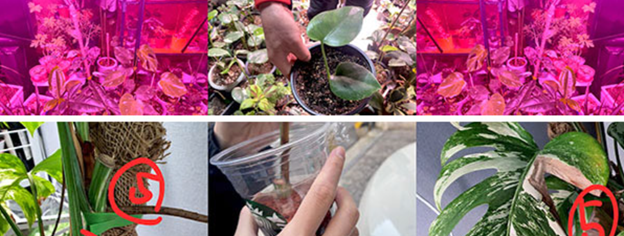
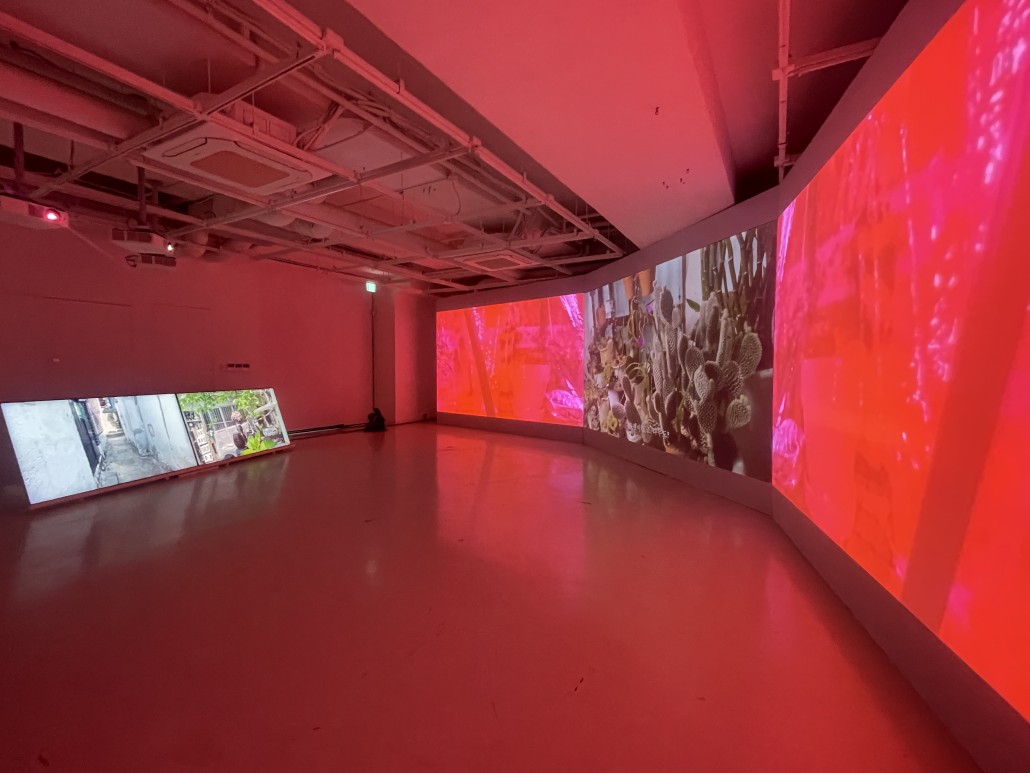
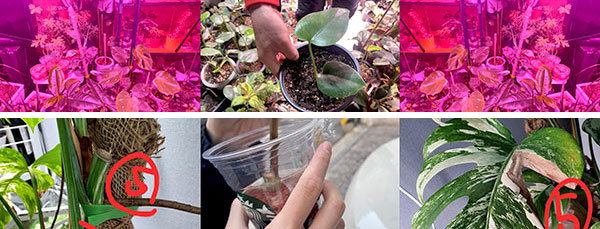
Her solo exhibition 《The Opposite of Love is Abandonment》 (2023), held at Artspace Boan2, draws on her experience of trading companion plants through online secondhand markets. The exhibition reflects on how personal taste disappears in the process, as everything ultimately becomes framed in terms of financial investment.


Installation view of 《The Opposite of Love is Abandonment》 (Artspace Boan2, 2023) © Heejung Choi

The exhibition began from the artist’s experience of wanting to purchase plants based on her own taste, only to be advised by a neighboring seller, “Don’t choose according to your taste—if you’re going to grow them, grow something that makes money.” Despite the term “companion plant” implying a relationship that entails care and responsibility regardless of circumstances, she focused on the irony that such plants are marginalized and abandoned if they fail to generate profit.
 
Even the same plant can take on entirely different meanings and values depending on how it is perceived. What is precious to one person may be insignificant to another. Centering her exhibition on the question, “What kind of attitude can I take in between these positions?”, Heejung Choi reflects on the tension between value, perception, and care.


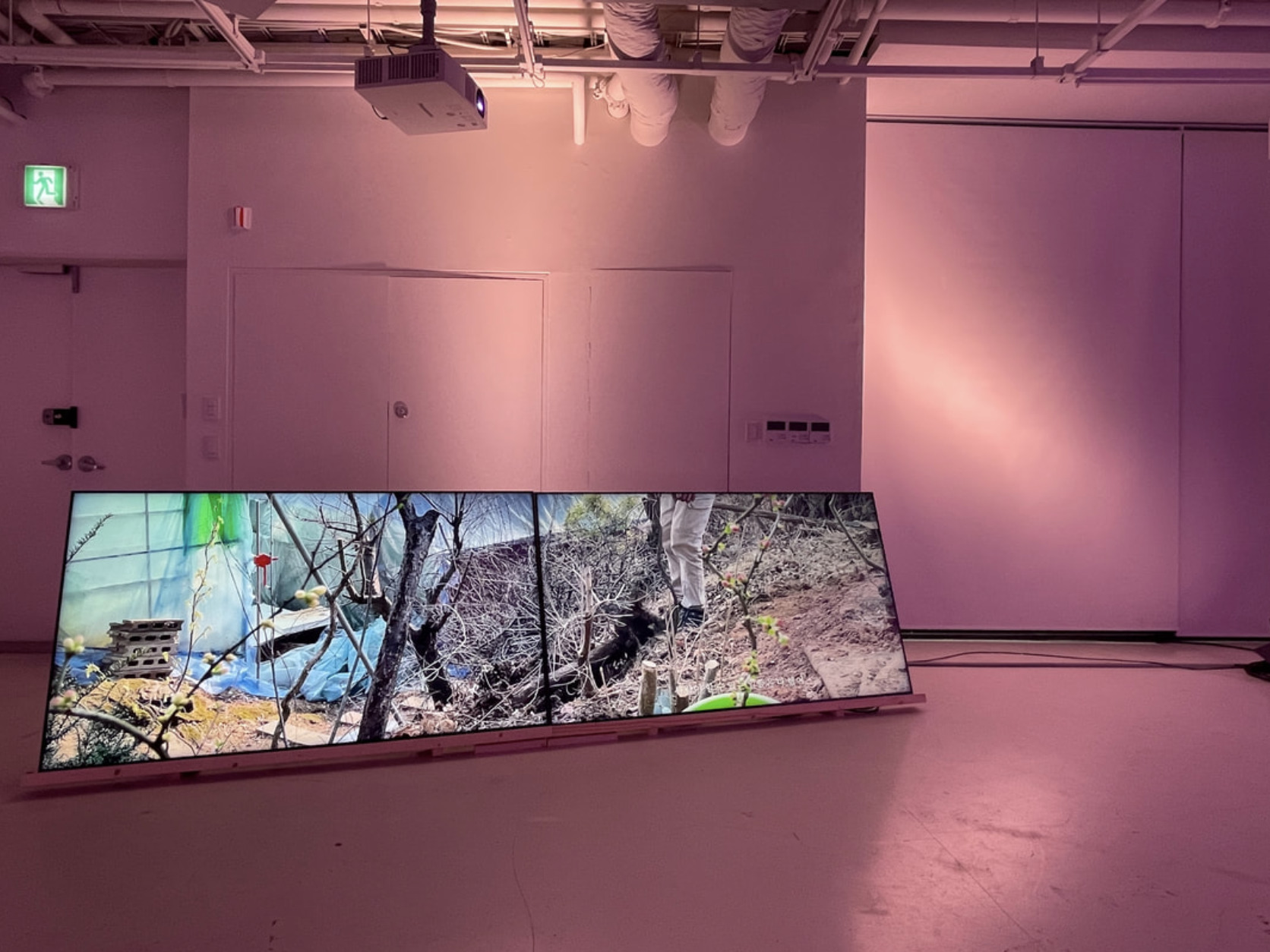
Heejung Choi, The Opposite of Love is Abandonment, 2023, 3-channel video installation, color, stereo © Heejung Choi

The three-channel video installation The Opposite of Love is Abandonment (2023), which shares its title with the exhibition, presents situations in which plants are discarded or assigned value through monetary exchange.
 
For this work, the artist conducted interviews with twenty individuals who share or trade plants, during which she encountered someone who had turned to growing plants for a living after being unable to continue their primary occupation due to the COVID-19 pandemic.
 
Through this conversation, the artist came to understand that the designation of certain plants as “rare” and the determination of their prices are often controlled by a small number of wholesalers. Today, it is not difficult to observe how the value or popularity of specific commodities is artificially constructed by those who hold power and capital.


Installation view of 《The Opposite of Love is Abandonment》 (Artspace Boan2, 2023) © Heejung Choi

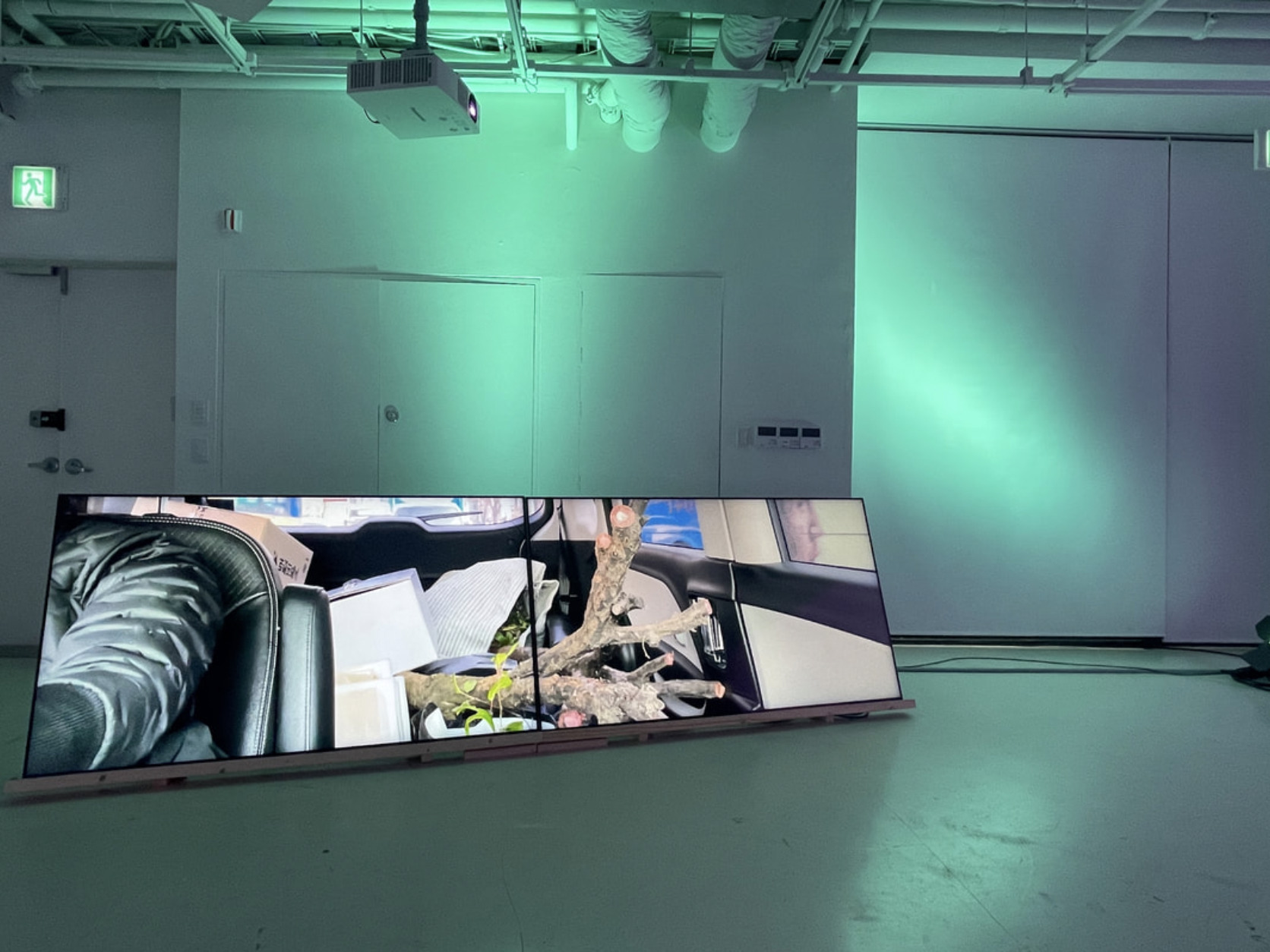
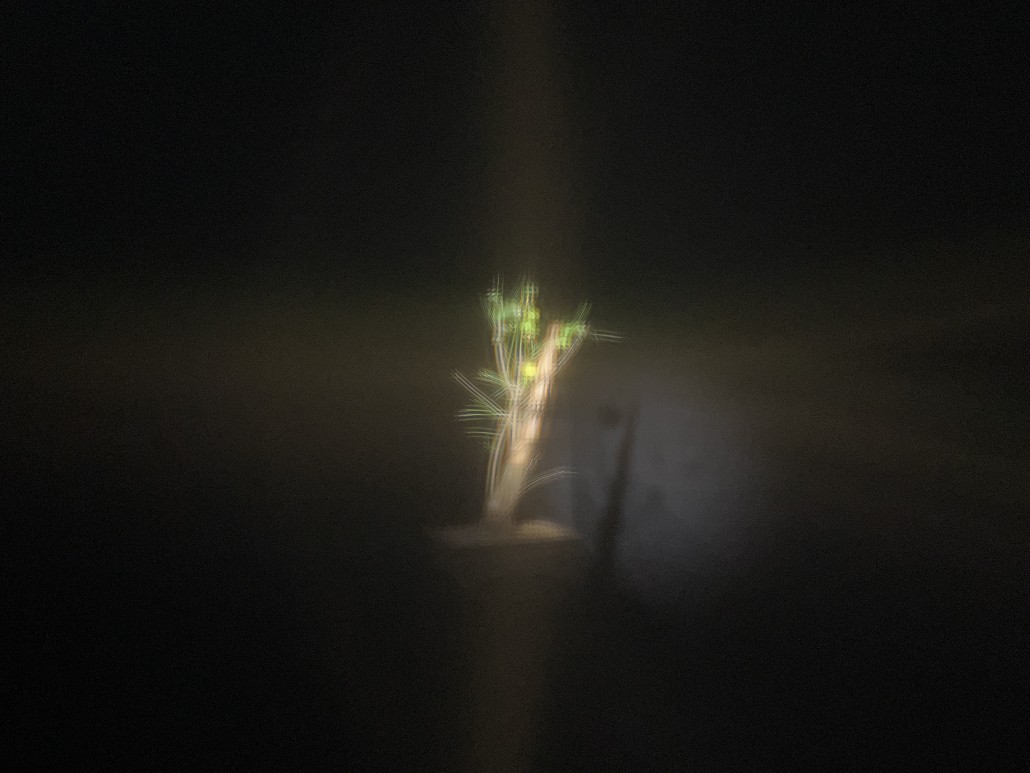
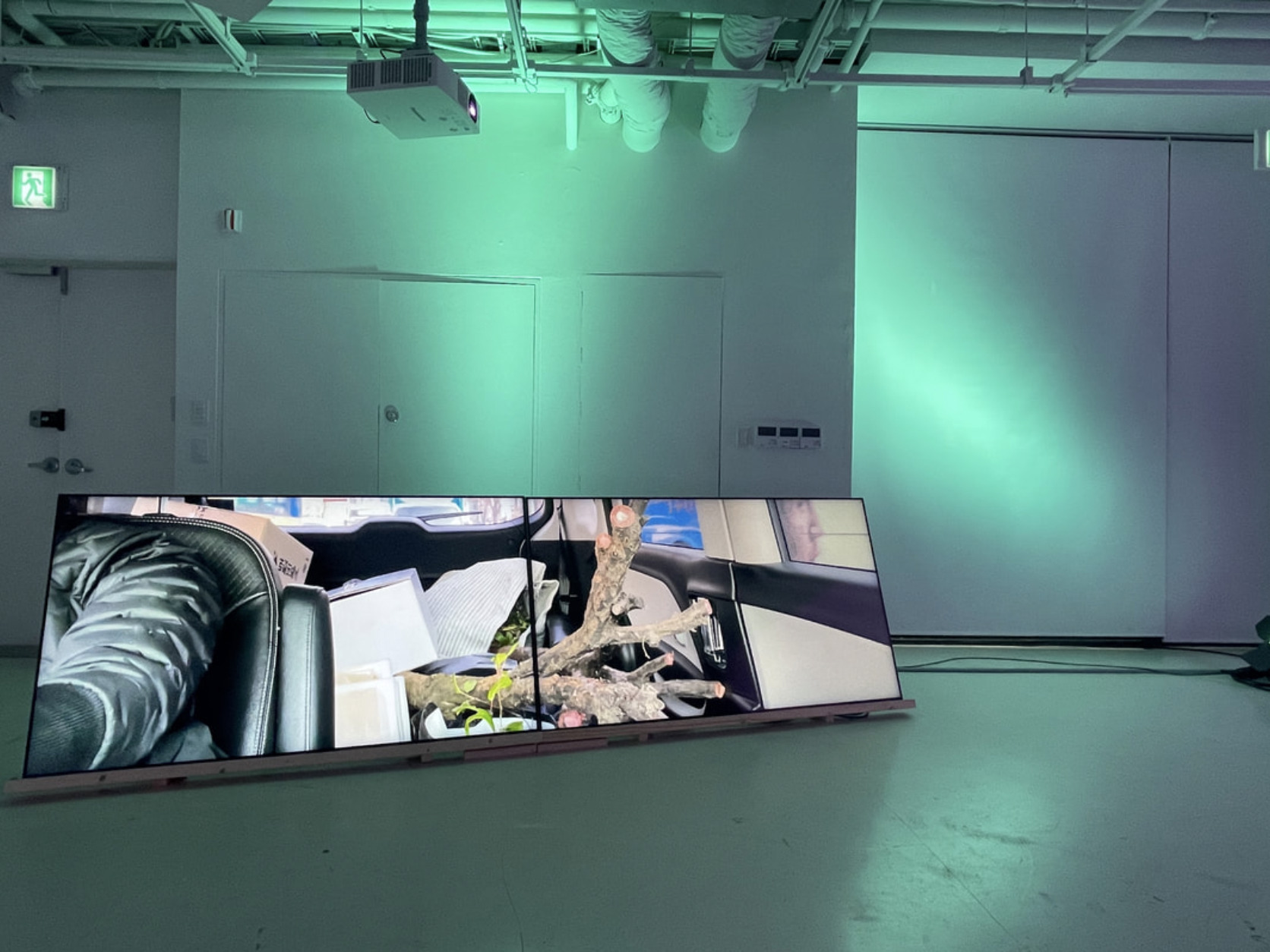
Meanwhile, the two-channel video work Pink Blossoms on a Plum Tree (2023) documents the process of pruning and reshaping a plum tree—once on the verge of death—into a form of Korean bonsai.
 
The resulting tree is then placed behind the screen on which The Opposite of Love is Abandonment is projected. At one point, for about 20 seconds, the screen turns completely white with no image, allowing the faint silhouette of the plum tree to emerge from behind.
 
The lighting that fills both the interior and exterior of the work is based on specific wavelengths that support plant growth, while also incorporating an imagined “light of the artist’s mind.”
 
Composed of these works, the exhibition 《The Opposite of Love is Abandonment》 begins with the trade of companion plants and ultimately invites reflection on a contemporary condition in which economic logic reduces living beings to instruments of value.


Installation view of 《The Opposite of Love is Abandonment》 (Artspace Boan2, 2023) © Heejung Choi

Heejung Choi has, like her engagement with plants, maintained a sustained interest in the ideas of “companionship” and “care.” She states that she seeks “relationships formed over time—neither temporary nor short-lived.” Grounded in this perspective, she turns her attention to the “folds” within human relationships—subtle, layered traces that have grown faint in a contemporary society that demands constant speed and growth.


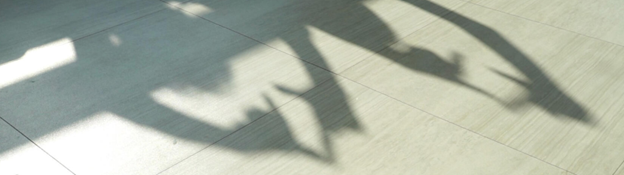
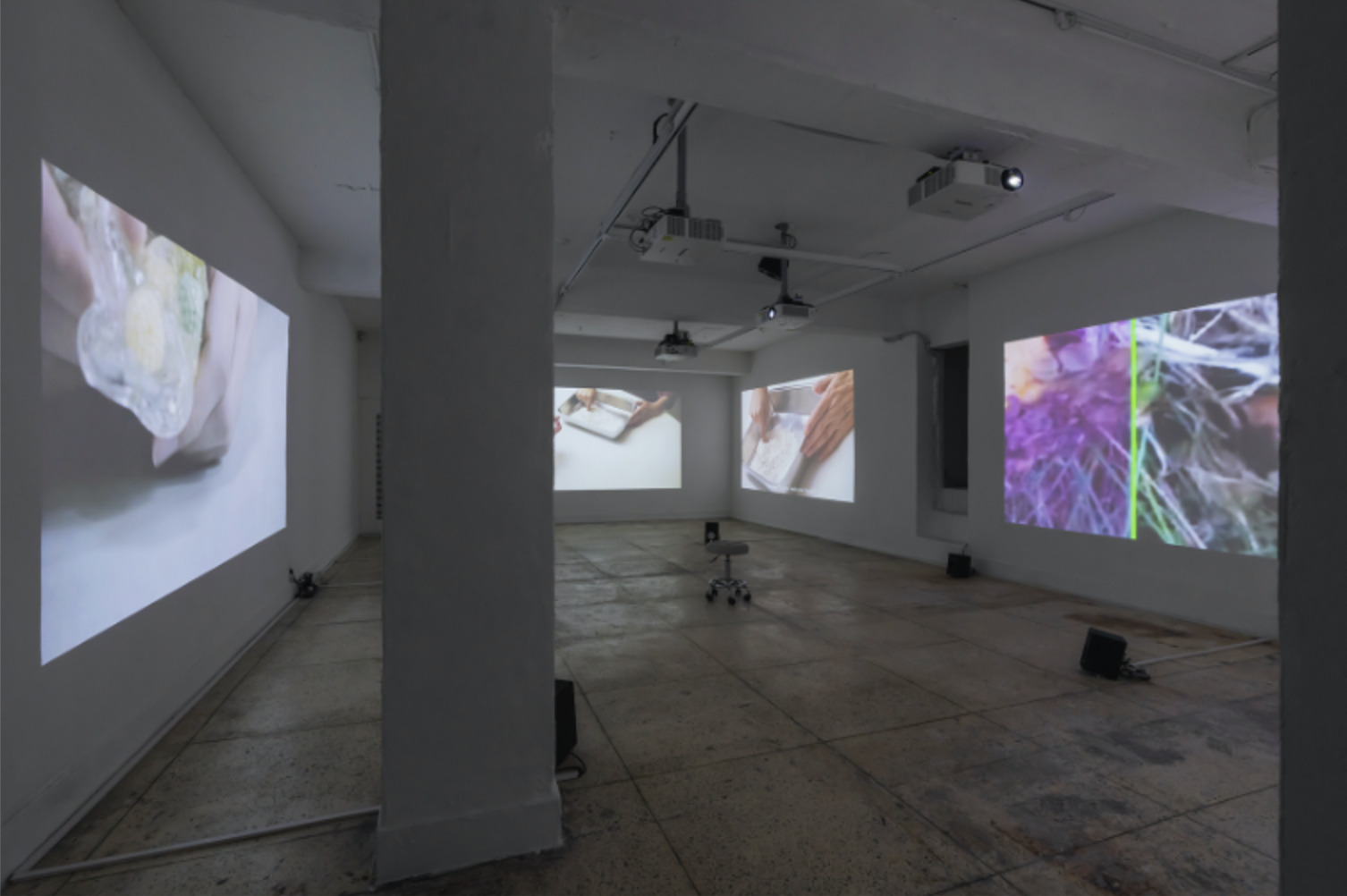
Installation view of 《I Found My Shadow After A Long Time》 (Project Space Sarubia, 2024) © Heejung Choi

Through her 2024 solo exhibition 《I Found My Shadow After A Long Time》, held at Project Space Sarubia, Heejung Choi sought to question what we gain—and, in turn, what we lose—in today’s world.
 
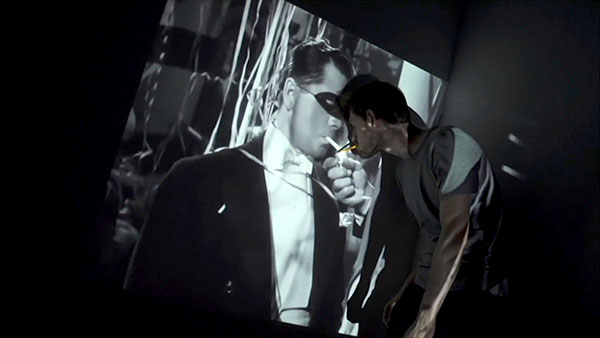
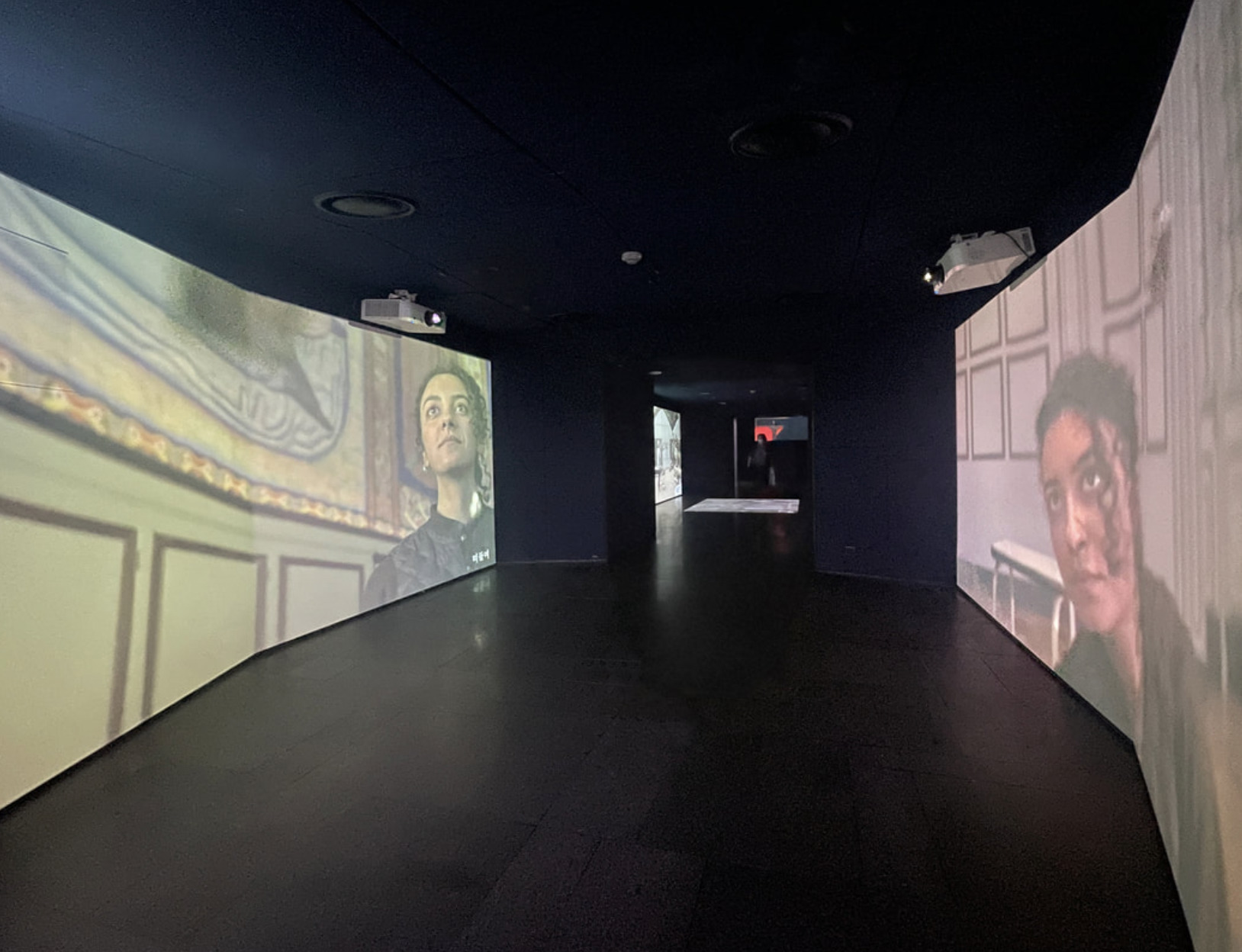
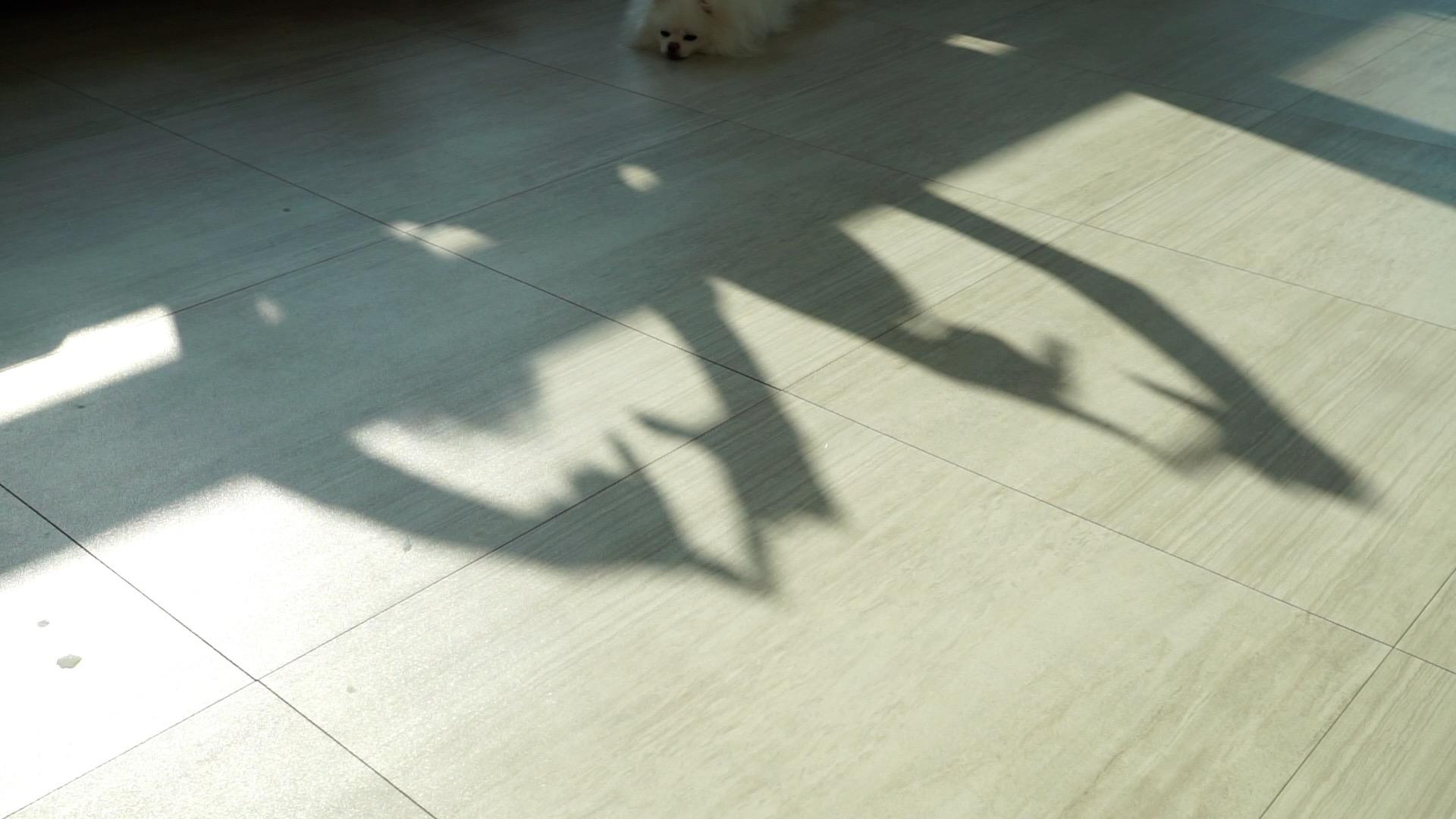
In her video work I Found My Shadow After A Long Time (2024), Choi integrates her videos with found footage and excerpts from Adelbert von Chamisso’s 1814 novella, Peter Schlemihl’s Miraculous Story, a German Romantic tale blending fantasy, moral allegory and social commentary.
 
The story centres around Peter Schlemihl, who sells his shadow for a bottomless bag of gold, only to face dire consequences.


Installation view of 《I Found My Shadow After A Long Time》 (Project Space Sarubia, 2024) © Heejung Choi

Choi explores the human condition under neoliberalism by contrasting everyday scenes of Hamburg with hands playing with slime and flour, symbolizing sensory experiences and personal memories, particularly her grandmother’s struggle with Alzheimer’s.
 
Interspersed footage of data labelling underscores AI’s erasure of diverse human experiences. Choi juxtaposes inhumane automation with repetitive, memory-restoring activities, reflecting on humanity’s overlooked ontology in a profit-driven era.


Heejung Choi, I Found My Shadow After A Long Time, 2024 © Heejung Choi

In this way, Heejung Choi draws out fragments of concrete reality and reconstructs them through video, posing fundamental questions about the essence of human existence. Her work reflects on what we have lost amid the rapid transformations of contemporary society, inviting viewers to contemplate their own understanding of a meaningful life.

“My work does not simply document and edit life; it engages with the most pressing and sharable aspects of life that we face today.” (Heejung Choi, from an interview with Leepoetique)


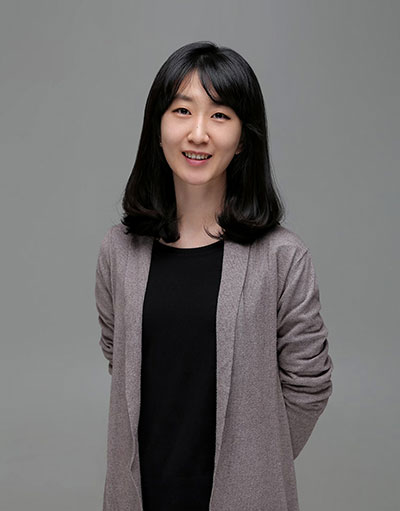
Artist Heejung Choi © Public Art

Heejung Choi studied Western painting and art history at Ewha Womans University, where she also received her MFA in painting, and later studied film at the University of Fine Arts Hamburg (HFBK). Her recent solo exhibitions include 《Our Chorus》 (Haeum Residency Exhibition Hall, Goyang, 2024), 《I Found My Shadow After A Long Time》 (Project Space Sarubia, Seoul, 2024), and 《The Opposite of Love is Abandonment》 (Artspace Boan 2, Seoul, 2023).
 
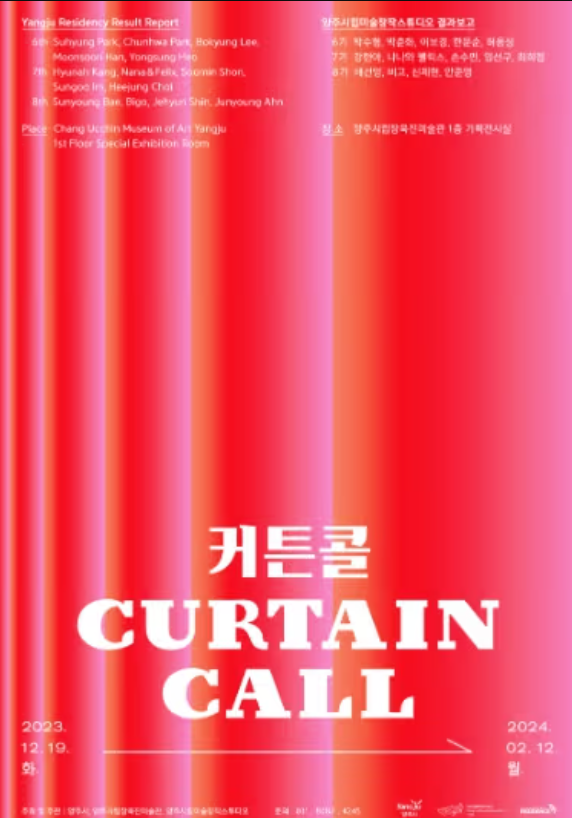
She has also participated in numerous group exhibitions and screening programs, including 《ALT-NeMAF 2025》 (KT&G Sangsangmadang, Seoul, 2025), 《EMAP x Frieze Film Seoul 2024》 (Ewha Womans University, Seoul, 2024), 《begehren》 (Xpon-art gallery, Hamburg, Germany, 2024), 《Open References》 (d/p, Seoul, 2024), 《Curtain Call》 (Yangju City Chang Ucchin Museum of Art, Yangju, 2023), 《über:arbeiten》 (Xpon-art gallery, Hamburg, Germany, 2021), and 《FLATLANDS》 (GAK Gesellschaft für Aktuelle Kunst, Bremen, Germany, 2016).
 
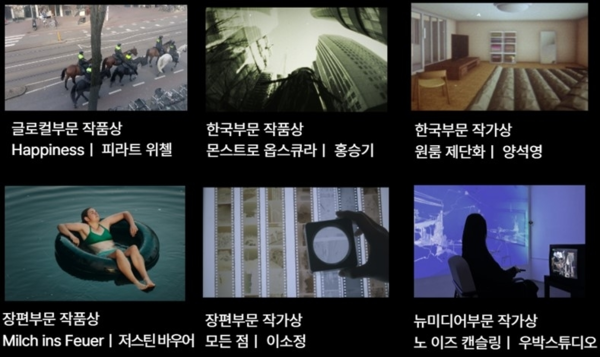
Choi has been selected as a resident artist at Goyang City Haeum Residency and the Yangju City Chang Ucchin Museum of Art Residency. She received the “ALT Cinema&Media Award” at the 25th NeMAF, as well as the Grand Prize in the 2025 Public Art “New Hero” award. 

References