1.
“Suppose that everyone had a box with
something in it which we call a ‘beetle’. No one can ever look into anyone
else’s box, and everyone says he knows what a beetle is only by looking at his
beetle.” With everyone only able to look at their own beetle and not knowing
what is inside other people’s box, would it be possible to articulate the name
beetle?
A name is meaningful when it refers to a corresponding object in the
external world. By assigning a name to an object, one can “move out beyond the
boundaries of his or her own body into the external, sharable world.” Physical
pain is not, however, an external object. Pain cannot refer to an object whose
meaning can be verified; furthermore, unlike other emotions, pain does not have
intentionality.
For example, “love is love of x, fear is fear of y, ambivalence
is ambivalence about z…[but physical pain] is not of or for anything.” Physical
pain is the beetle inside my closed box, visible only to myself.
Others cannot see the beetle inside my
box; they cannot even know whether it is indeed there. I know my pain; others
can only believe in it. My certainty is the subject of the doubt of other
persons. By entering language, the unbearable agony could at least partially be
removed; at least the pain will be acknowledged as something that exists.
Therefore, creating a language of pain is “a project laden with…ethical
consequence” with regards to the agony of the sufferer.
How can physical pain reach language?
Certain avenues are needed for this to happen, “avenues by which this most
radically private of experiences begins to enter the realm of public
discourse”; “[p]erhaps the most obvious is medicine.” However, physicians seem
not to pay too much attention to patients’ words, at times not trusting their
expression of suffering.
“[Physicians] in effect perceive the voice of the
patient as an ‘unreliable narrator’ of bodily events, a voice which must be
bypassed as quickly as possible so that they can get around and behind it to
the physical events themselves.” They bypass the patient’s unreliable words in
order to reach the truth of the medical object.
Medicine concerns itself with disease—the
physician’s goal is to diagnose and treat the disease. But “in addition to
disease, the object of biomedicine, something else is of importance too, a
patient’s illness” with regards to the body in pain; “[i]llness here stands for
a patient’s interpretation of his or her disease, the feelings that accompany
it, the life events it turns into,” making it a connected yet separate
phenomenon from the disease. Nonetheless, illness needs to be diagnosed and
identified as a disease in order for it to be substantiated into an object of
medicine. How should a pain be dealt with, when the pain is not diagnosed as a
disease and some symptoms are left without names?
2.
Pain resists language. Physical pain
destroys language, reversing it to groans and cries. A language of pain needs
to be crafted out of the fragments of pre-linguistic expressions, one that
surpasses the previous language, in order to be able to care for pain. Artworks
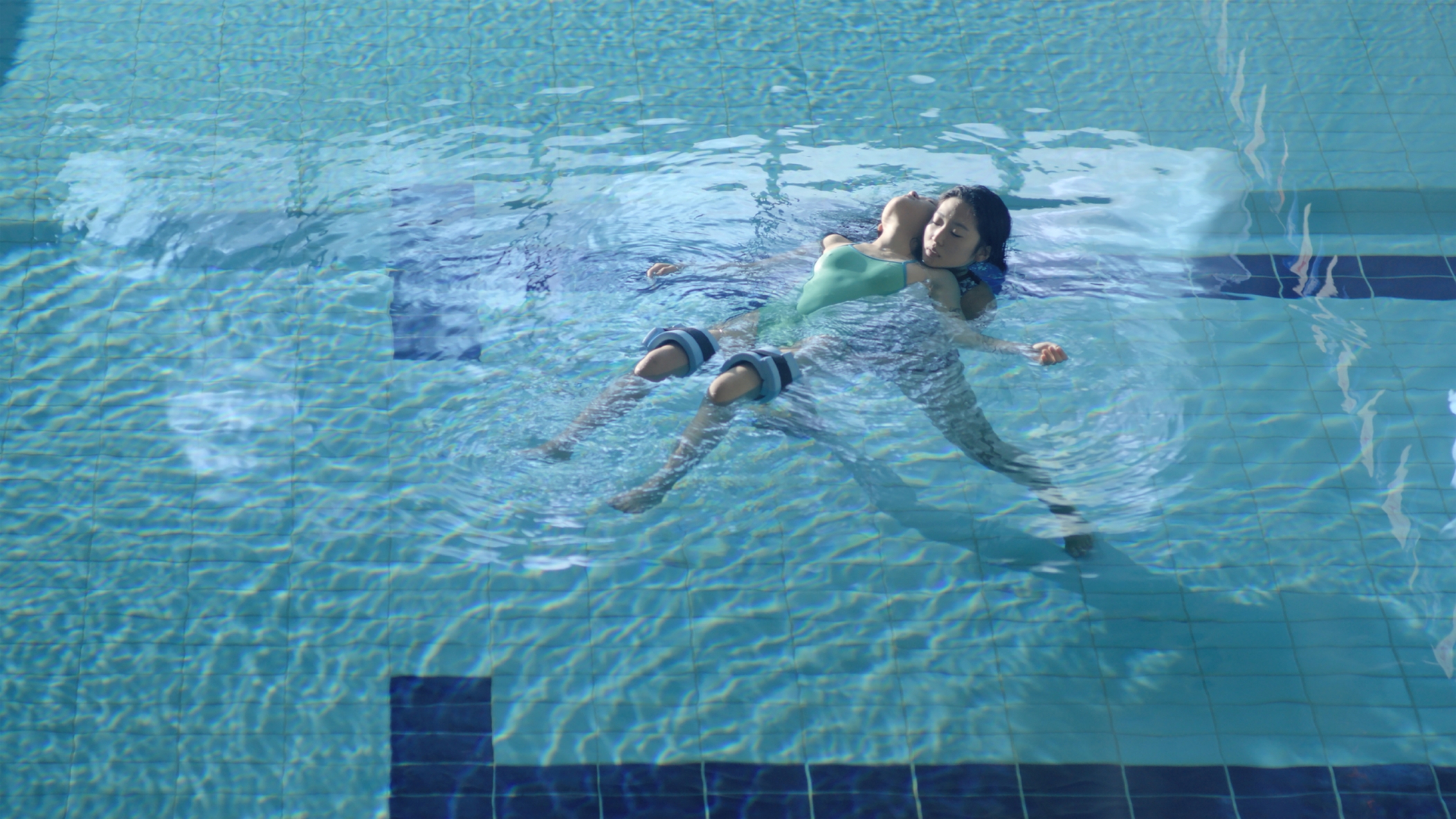
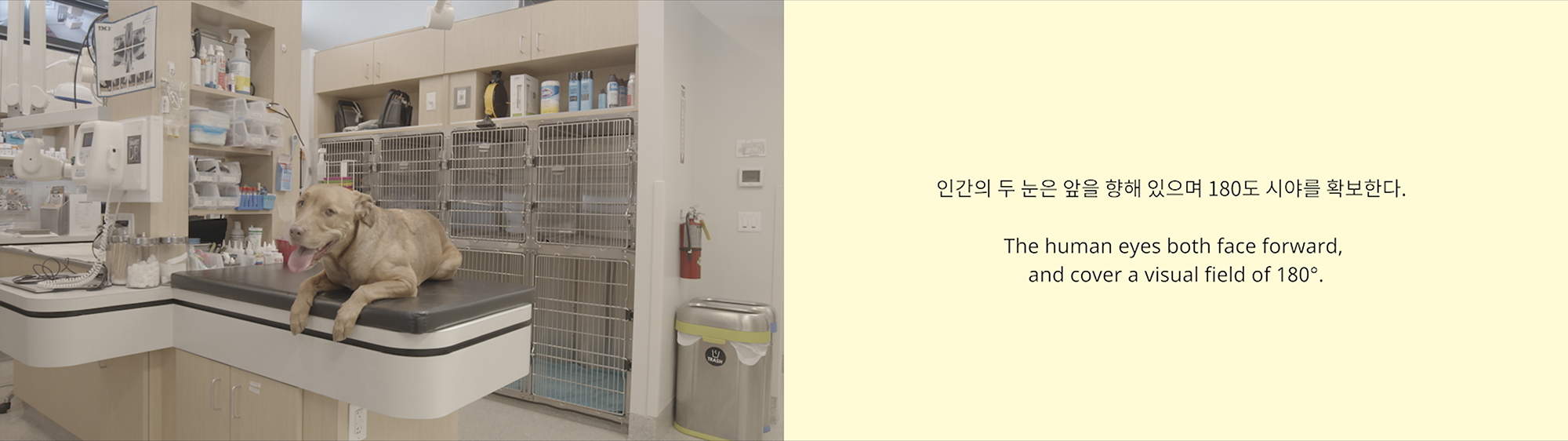
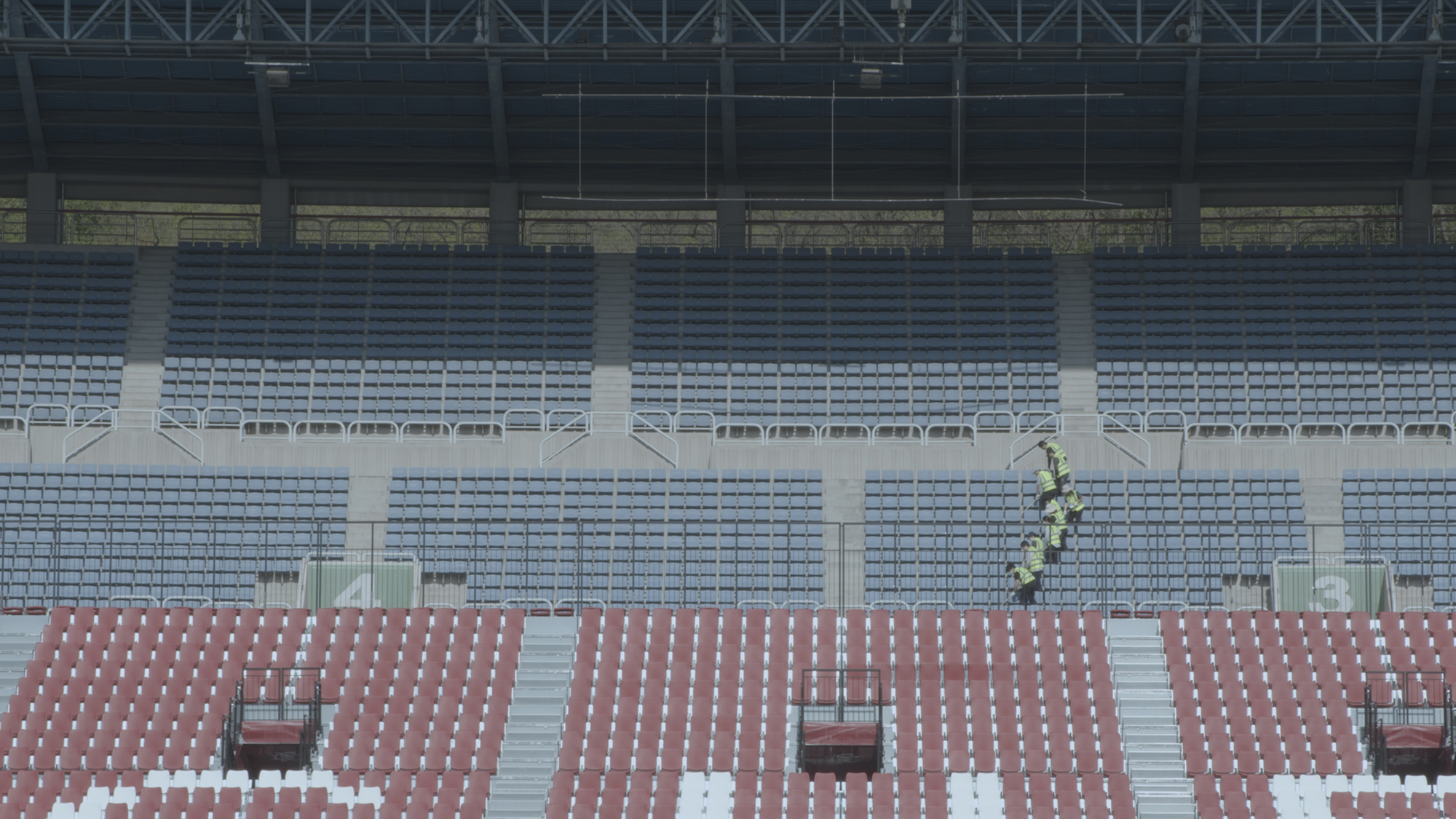
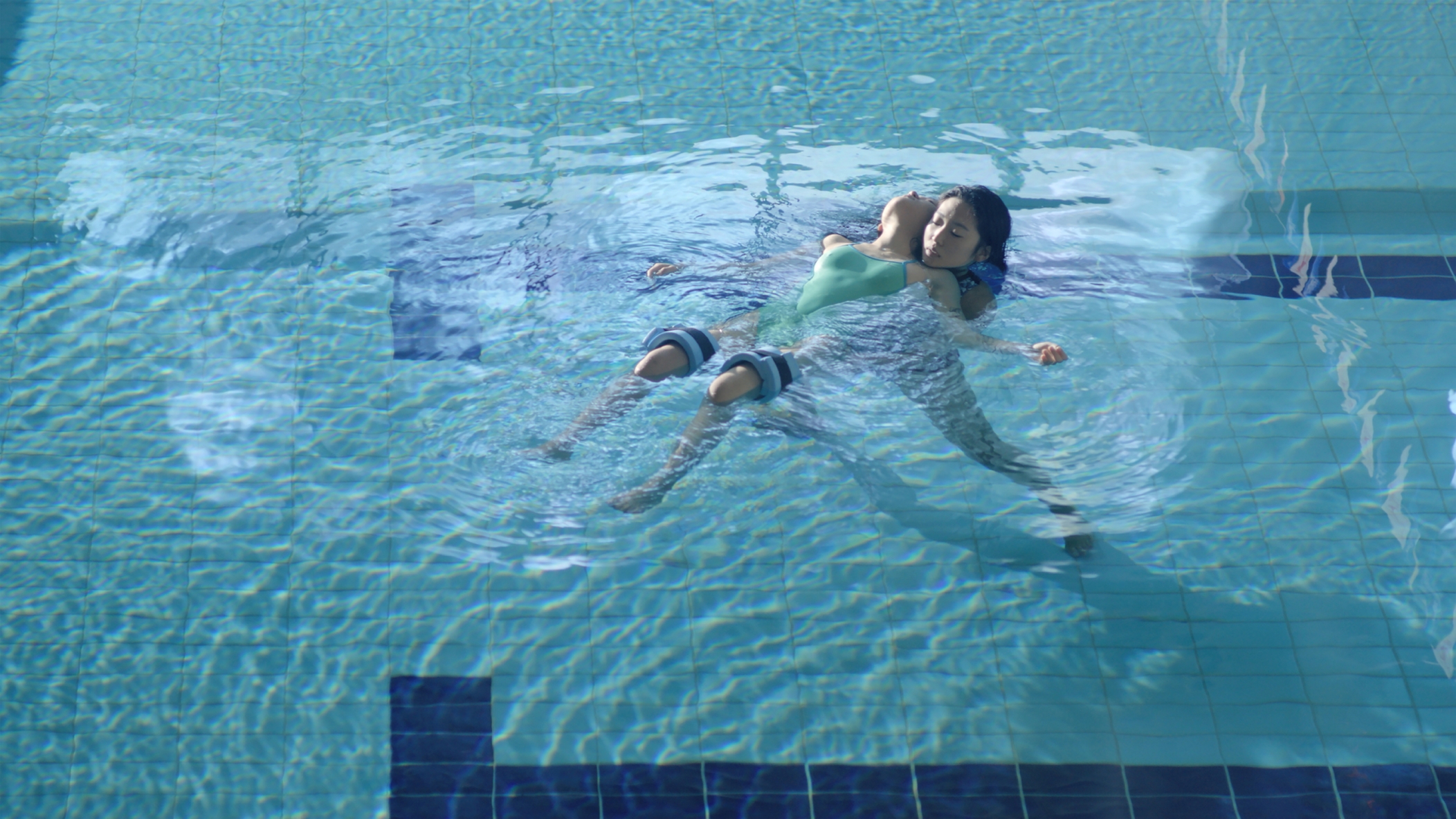
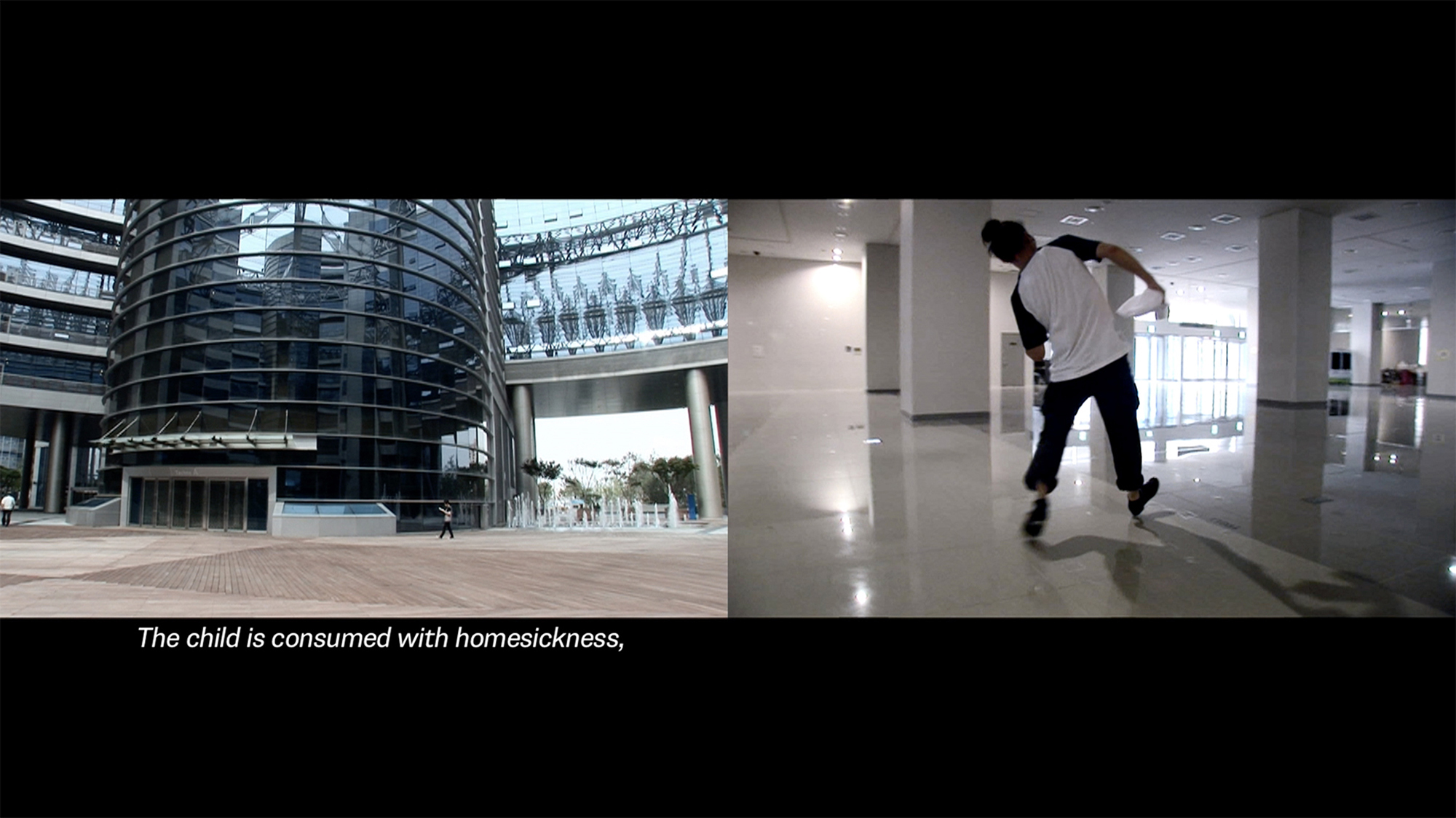
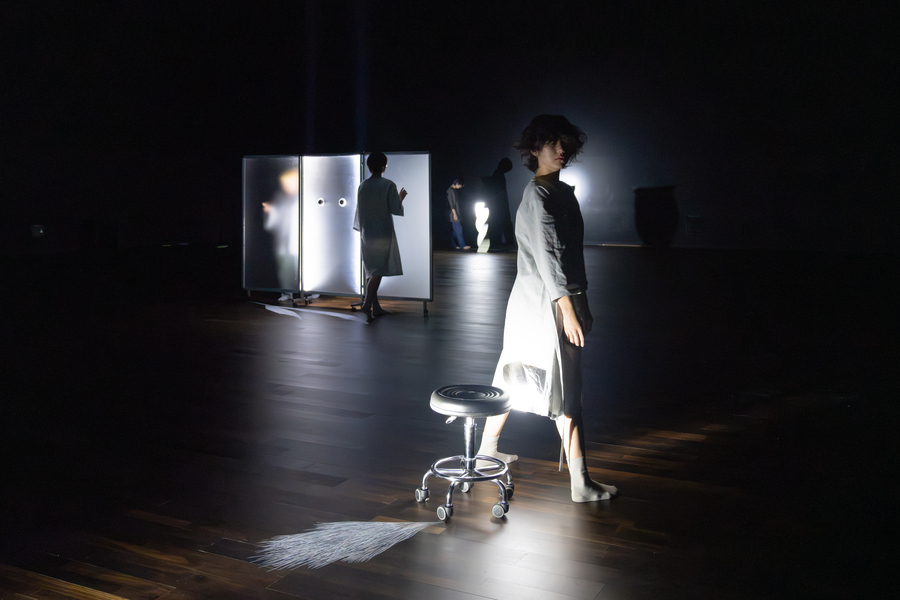
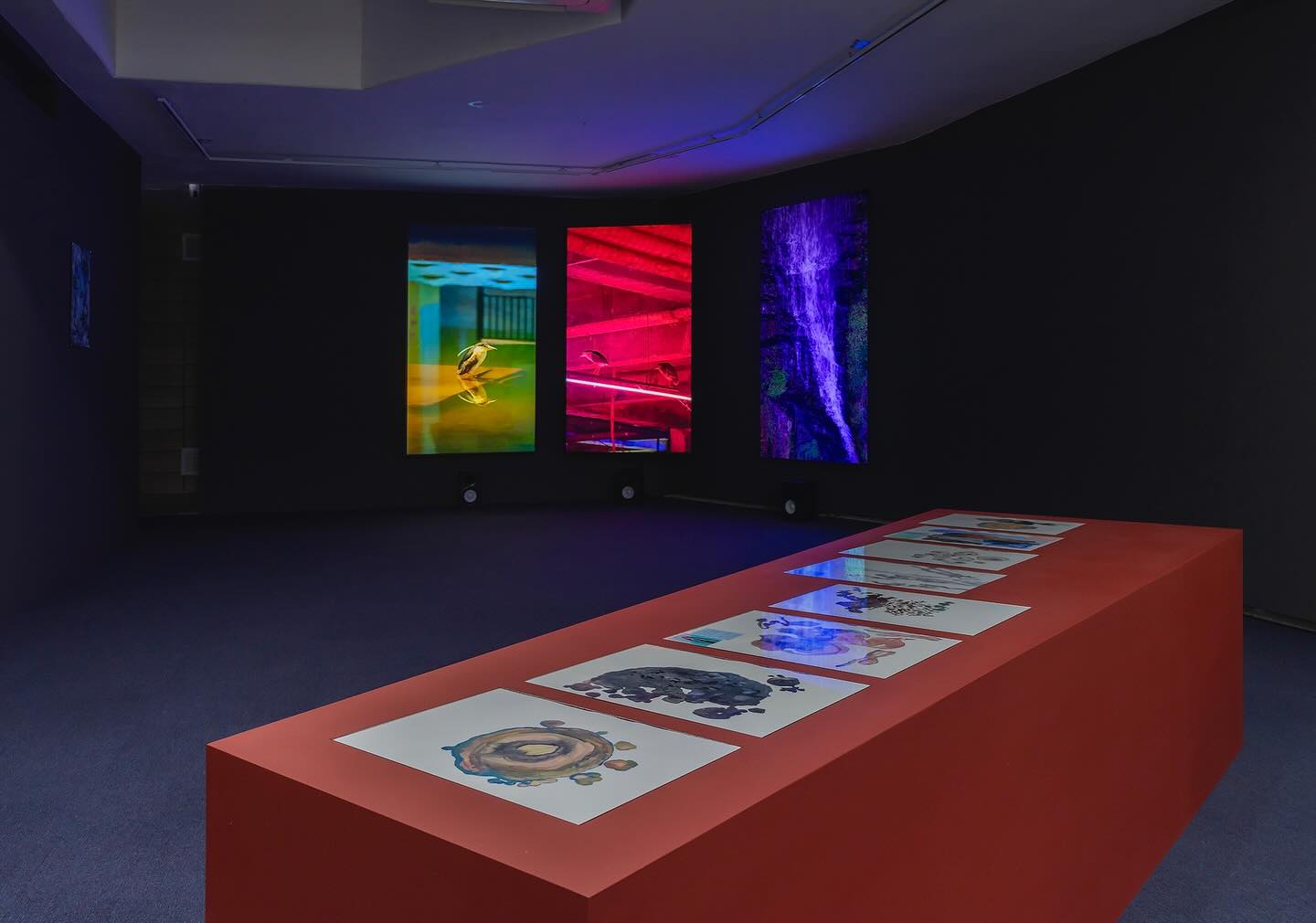
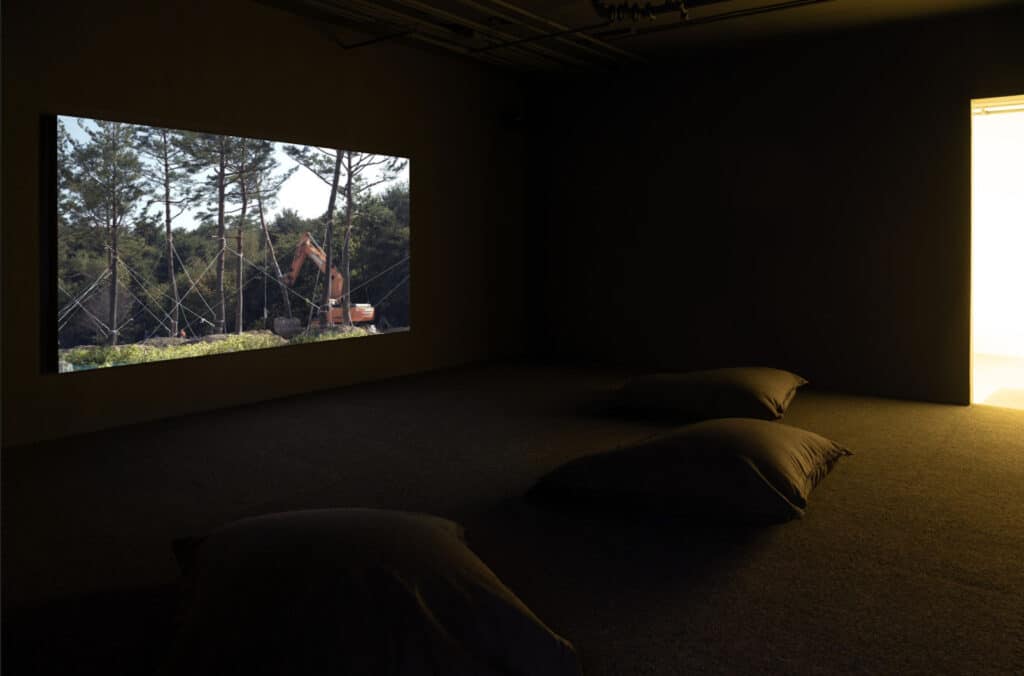
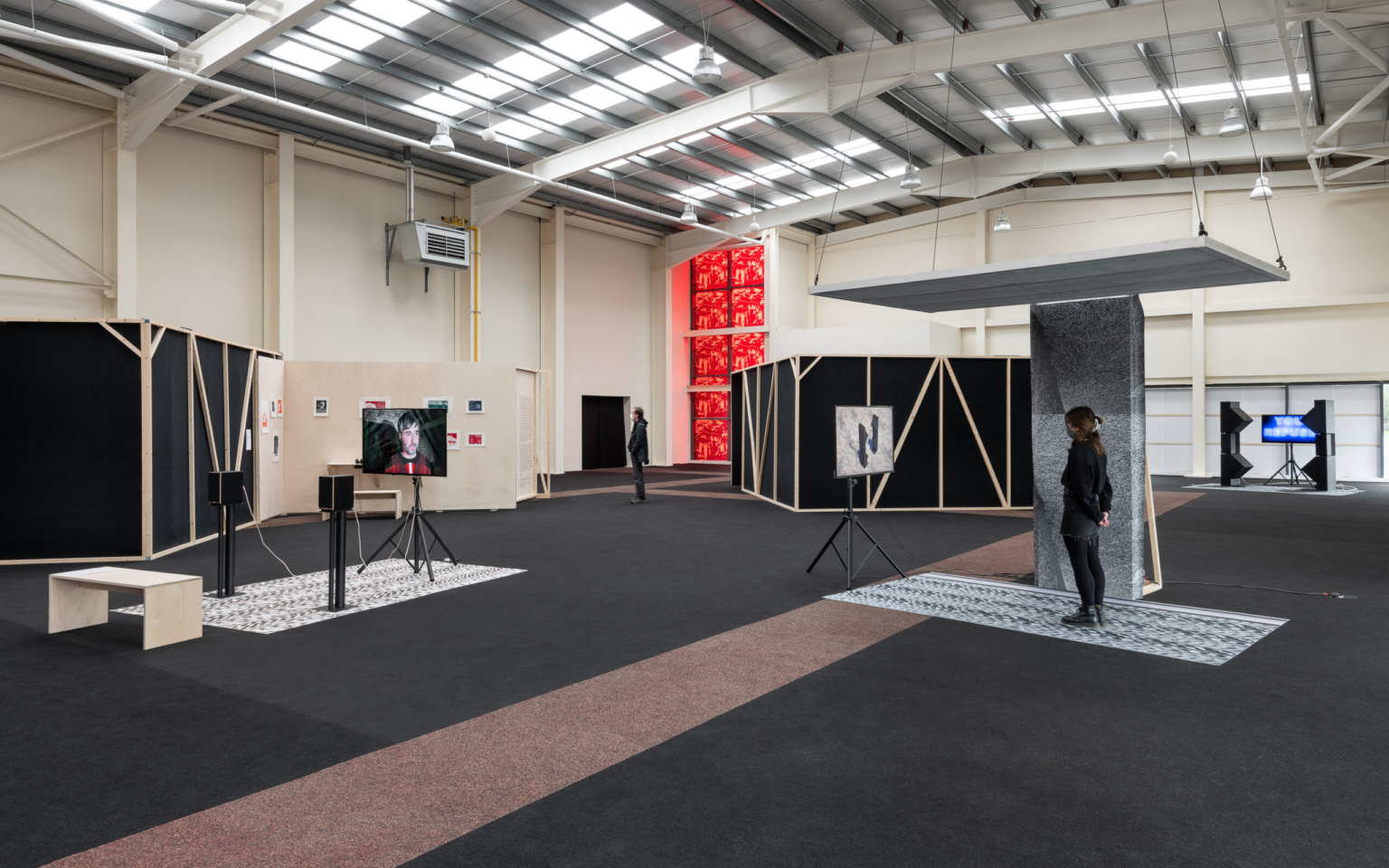
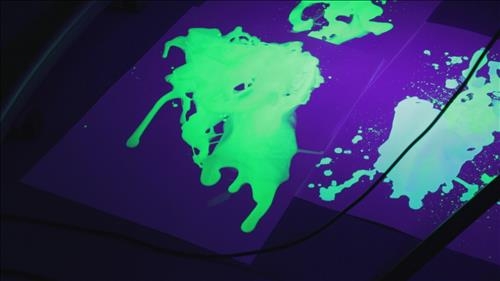
such as Jeamin Cha’s Nameless Syndrome (2022)10 occupy such
spaces. The artist describes the work as an essay film “[c]omposed of five
chapters…[using] narration and juxtaposition to layer reflection[s] of bodi[ly
images] in mirror, glass, and water inside an examination room.”
Nameless Syndrome
addresses the difficulties of patients who need to prove their pain through
diagnosis. Some of the texts included in the work are testaments to the medical
system’s doubt which aggravates the patient’s pain. Indeed, while suffering is
the most vivid example of certainty, hearing about pain is the best example of
doubt.
Pain is easily doubted; “[t]he doubt of other persons…amplifies the
suffering of those already in pain.” Furthermore, some patients are more easily
exposed to testimonial injustice within the medical system. Why are doctors
untrusting of women’s words? “[S]tudies suggest that when women try to testify
to their pain, they are routinely dismissed by the medical establishment on
both of these bases—impugned as incompetent and hysterical, on the one hand, or
as dishonest malingerers, on the other. And these injustices are often vastly
worse—sometimes not merely in degree but in kind—for women who are multiply
marginalized, because they are Black, queer, trans, and/or disabled.”
Cha listens to appeal of pain against
testimonial injustice, tracking them and carefully creating another language to
express them. It is a continuing theme present in her previous works, such as
Chroma-key and Labyrinth (2013) and On Strike on
Ground (2013) which are based on the interviews of cable
engineers—also temporary workers and union members; and
Autodidact (2014) featuring an interview with Mr. Hur
Youngchun, who taught himself forensic medicine in order to reveal the truth of
his son’s death under suspicious circumstances. With consistency, the artist
registers the bodies of the women suffering from unidentifiable and nameless
illnesses, not within simply private fates but within structural relationships.
But Nameless Syndrome
does not foreground direct appeal of pain or expose the one-sided power in
medical practice. The video follows a series of inquiries, rather delicately
and silently. The patient’s body, examination instruments, and medical
personnel cooperate within the examination space in order to find the name of
the pain.
While this collaborative process unfolds, juxtaposed upon images
reflected on mirror, glass, and water, the text—materialized into voice—points
towards outside the images, or deep into them. Cha states that finding “a
language through which an ordinary image can be seen anew,” “a text needed by
the image” was important to this work. “The narration in Nameless
Syndrome is somewhat like a tower made of branches picked up on the
street.”
The text fragments were diligently searched for, discovered, carefully
selected, and assembled; these are materials placed into a new form. Using the
materials, the artist creates a certain space of rhythm in which image and
voice, video and text are stacked and divided “as if [she was] playing an
instrument, especially the drums.” The image and the voice alert the audience
to the details that each reveals, pointing at different directions and yet
sharing an overall rhythm.
3.
Pain resists language: “its resistance to
language is not simply one of its incidental or accidental attributes but is
essential to what it is.” Even during an attempt to name the pain in order to
partially relieve the suffering, its resistance persists. Nameless
Syndrome is acutely aware of this reality.
The patient speaks not of disease but of
pain; the physician is after the disease as physical reality, and not after
pain. Diagnosis will reveal the reason for the pain. While physical pain, made
visible through its diagnosis, materializes within the medical system as a
disease, the unique reality of that pain will be separated from the patient’s
life and time—a taxidermy, a categorized object of generalized medical
treatment.
Once named, pain is no longer something unique to the self. The name
is much too limited to convey the pain of the self. The patient is thus
alienated from their proper, intimate, and direct pain. “It might feel like
there is a leap of narrative” in the fifth chapter, “Fingerprints,” according
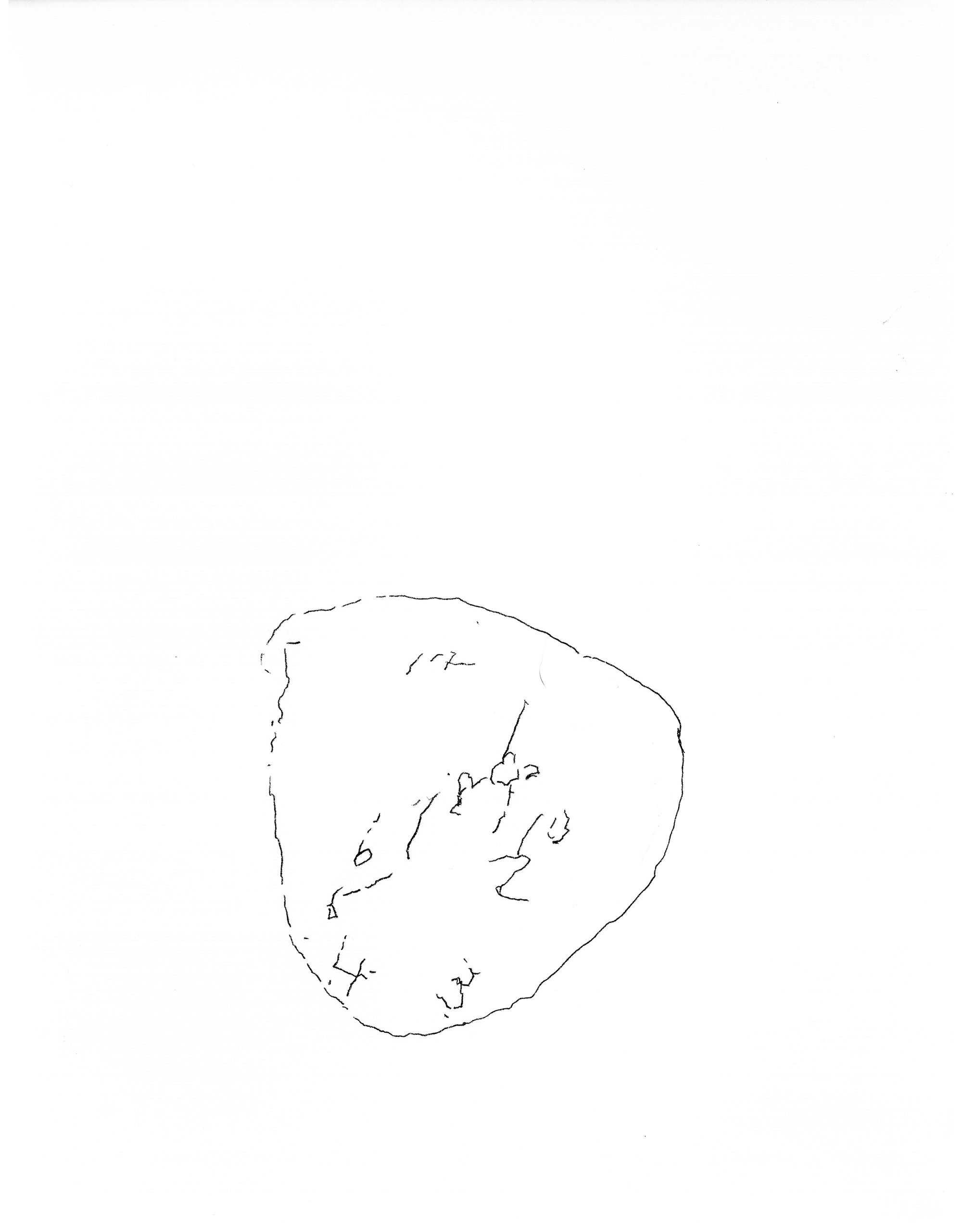
to the artist; yet, we see a return to fingerprints as “the secret mark of
individuality” in pain, “an imperceptible characteristic, a less visible fact,
an invisible form” at the end of the inquiry into the disease’s name. The
uniqueness of pain resists naming. Diagnosis, unable to capture the subtle
differences in each body’s special symptoms, fails to contain the individual
uniqueness of pain.
The creation of a language of pain, a
careful observation of pain which refuses language, a project laden with
ethical consequence—this work demands a keen observation and delicate hearing
of the body in pain. But observation and hearing are not the same as
verification of the meaning of pain, or its naming.
Rather, they are a
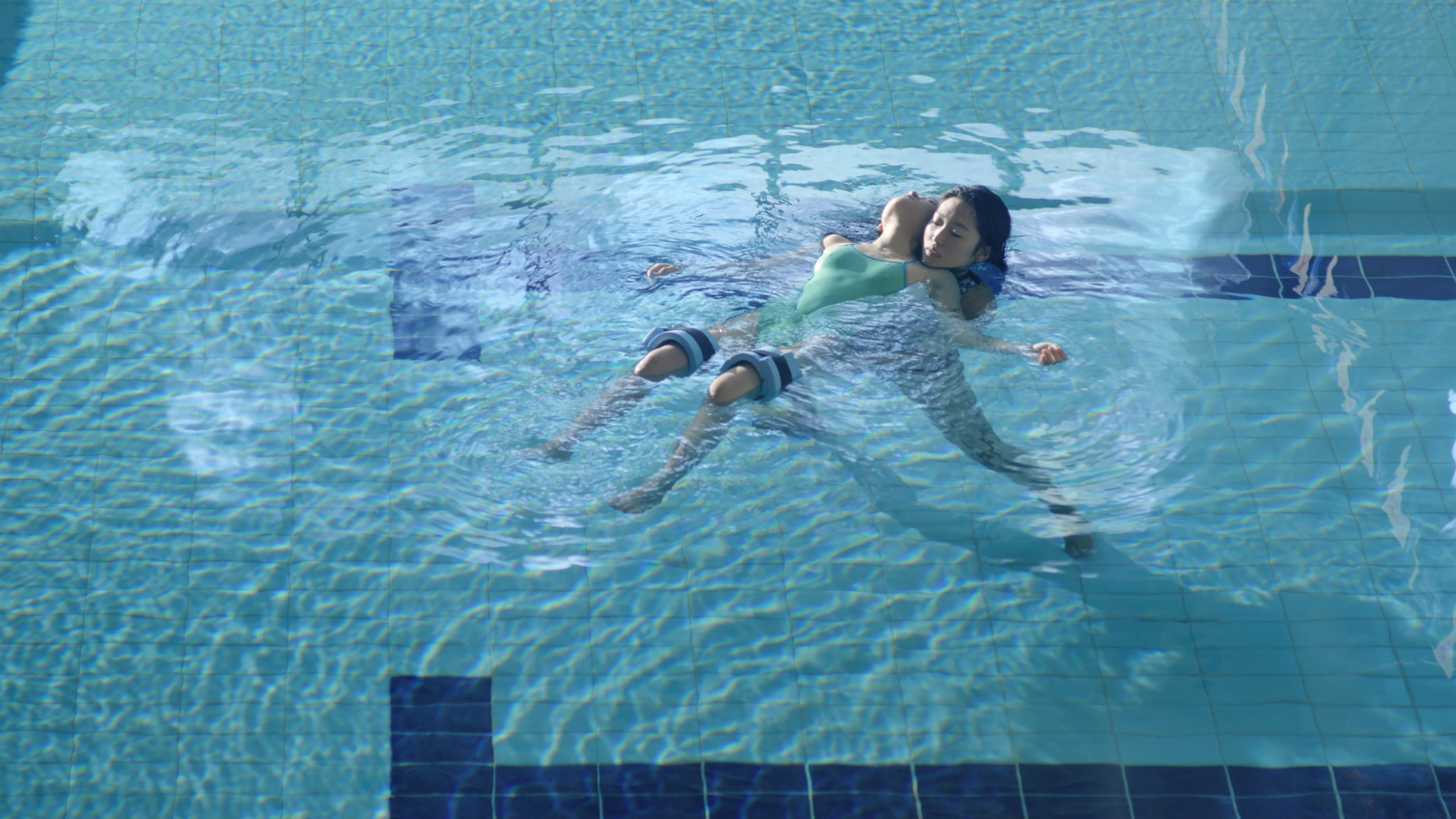
sensitive reaction towards each other’s body; a choreography crafted through
collaborative movement, in which bodies float on water, sinking bodies are
supported, released, and then held again. Can pain reach language? What is
needed to traverse an always lacking language, its namelessness?
Nameless Syndrome points to the body in pain, silently
enduring namelessness; a possibility for mediating pain and language.