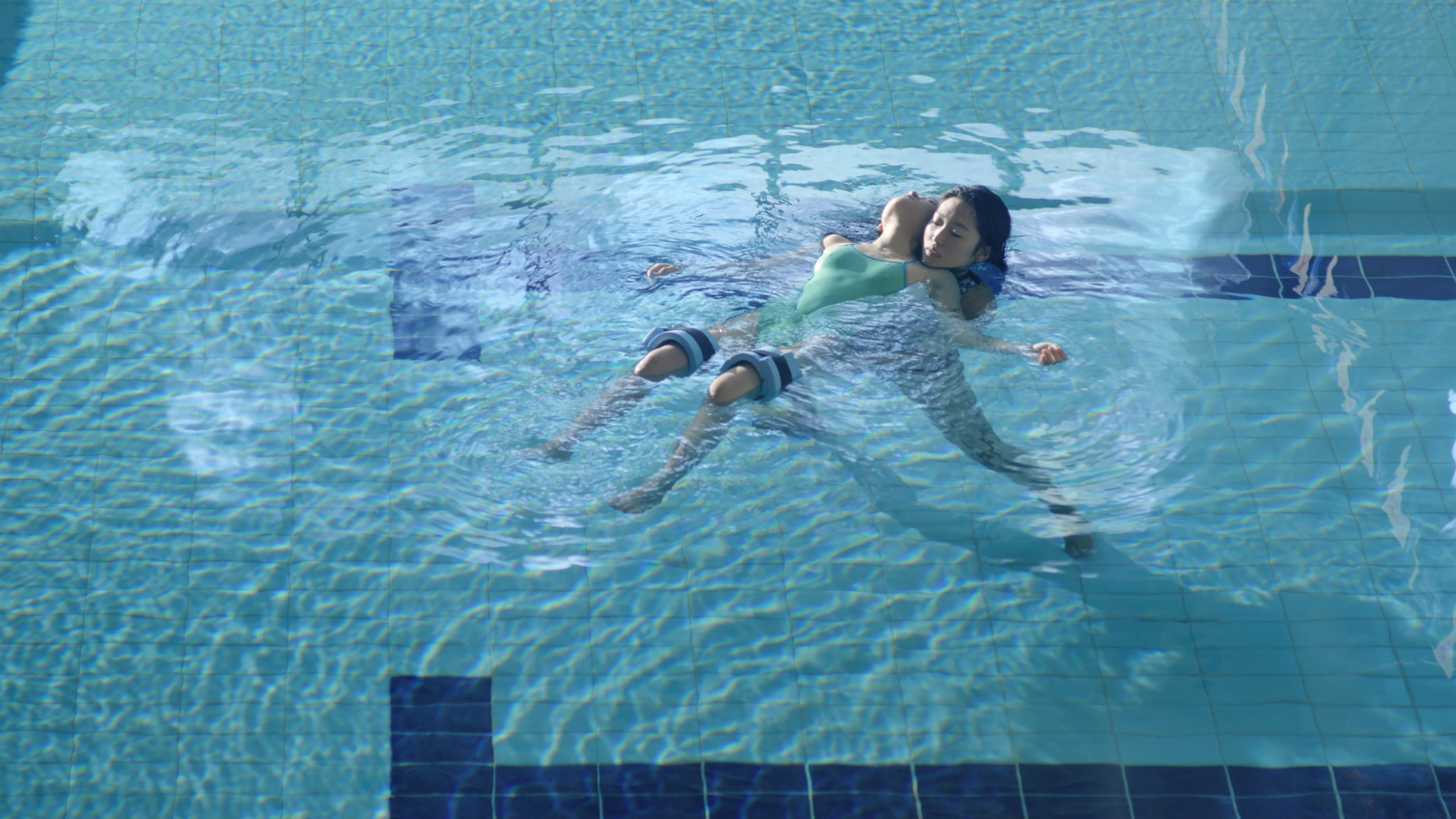
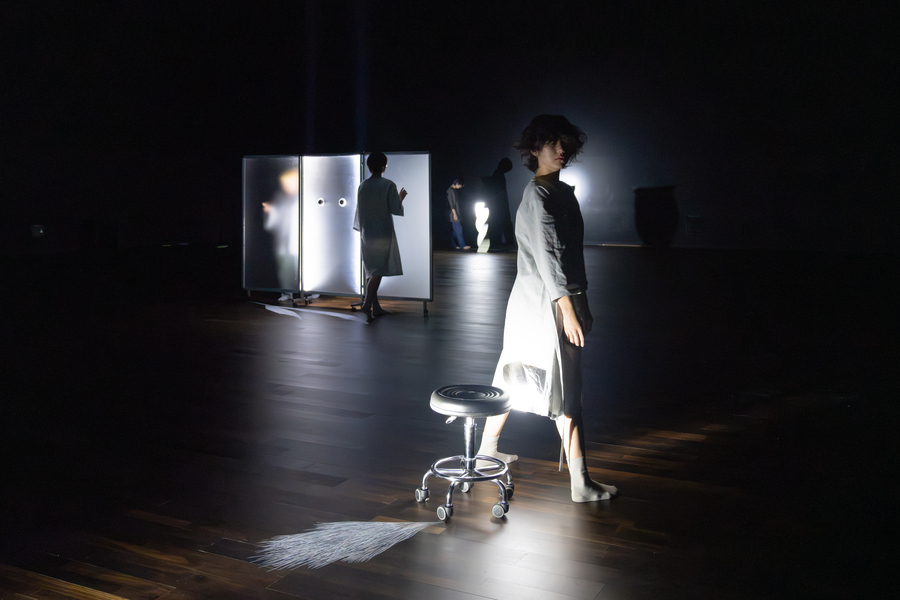
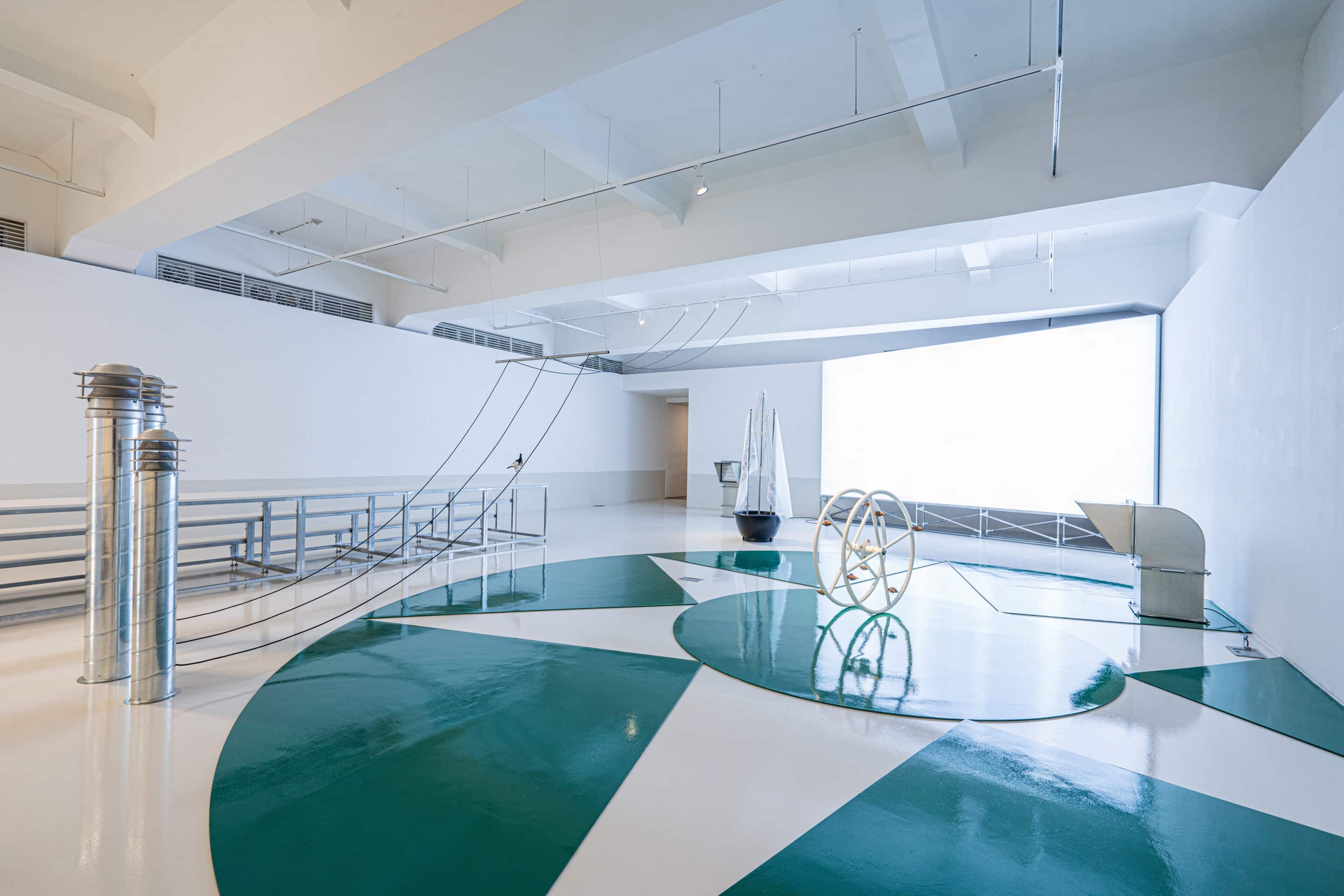
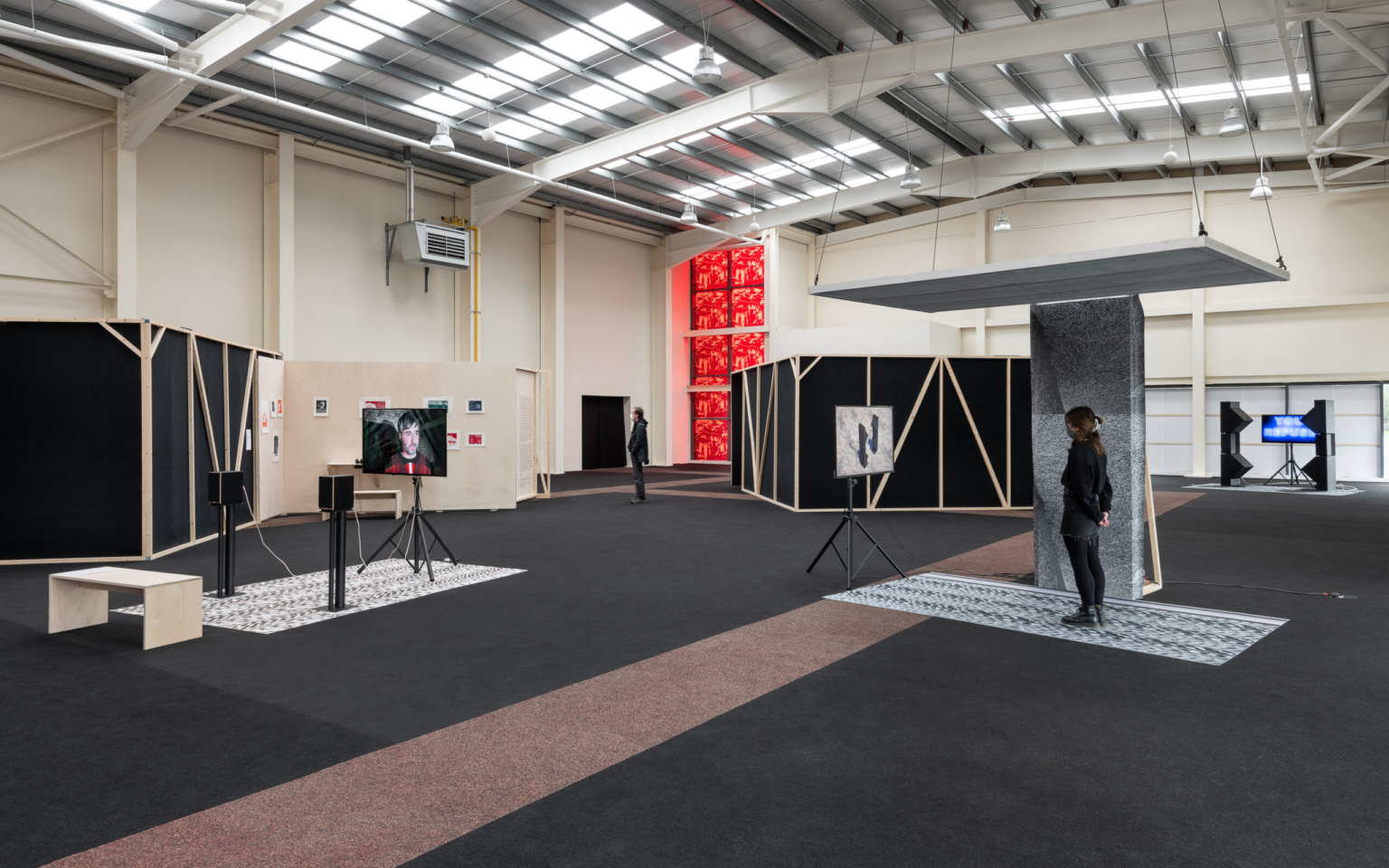
Chroma-key and
Labyrinth (2013) is another video work that relates to interviews.
On Strike on Ground (2013), a handbook of interviews with
members of Cable Worker Union, and Chroma-key and Labyrinth
are examples of a reciprocal relationship that expands upon each other.
In
August 2013, the artist met with fifteen members of the five hundred
subcontracted cable workers who went on strike against labor exploitation,
documenting the impact of C&M Internet’s employment structure on the installers’
personal lives, which led to the publication of On Strike on
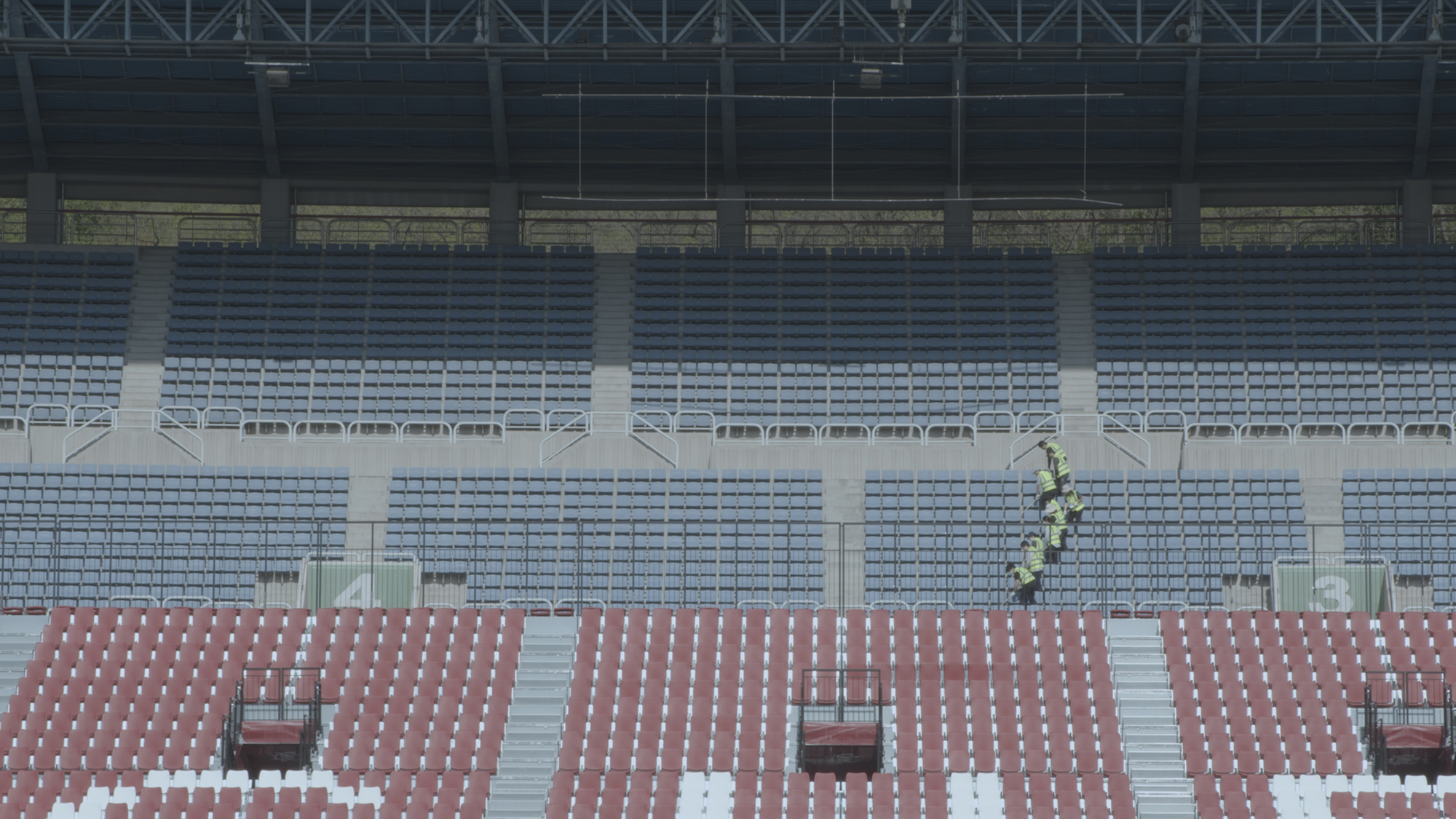
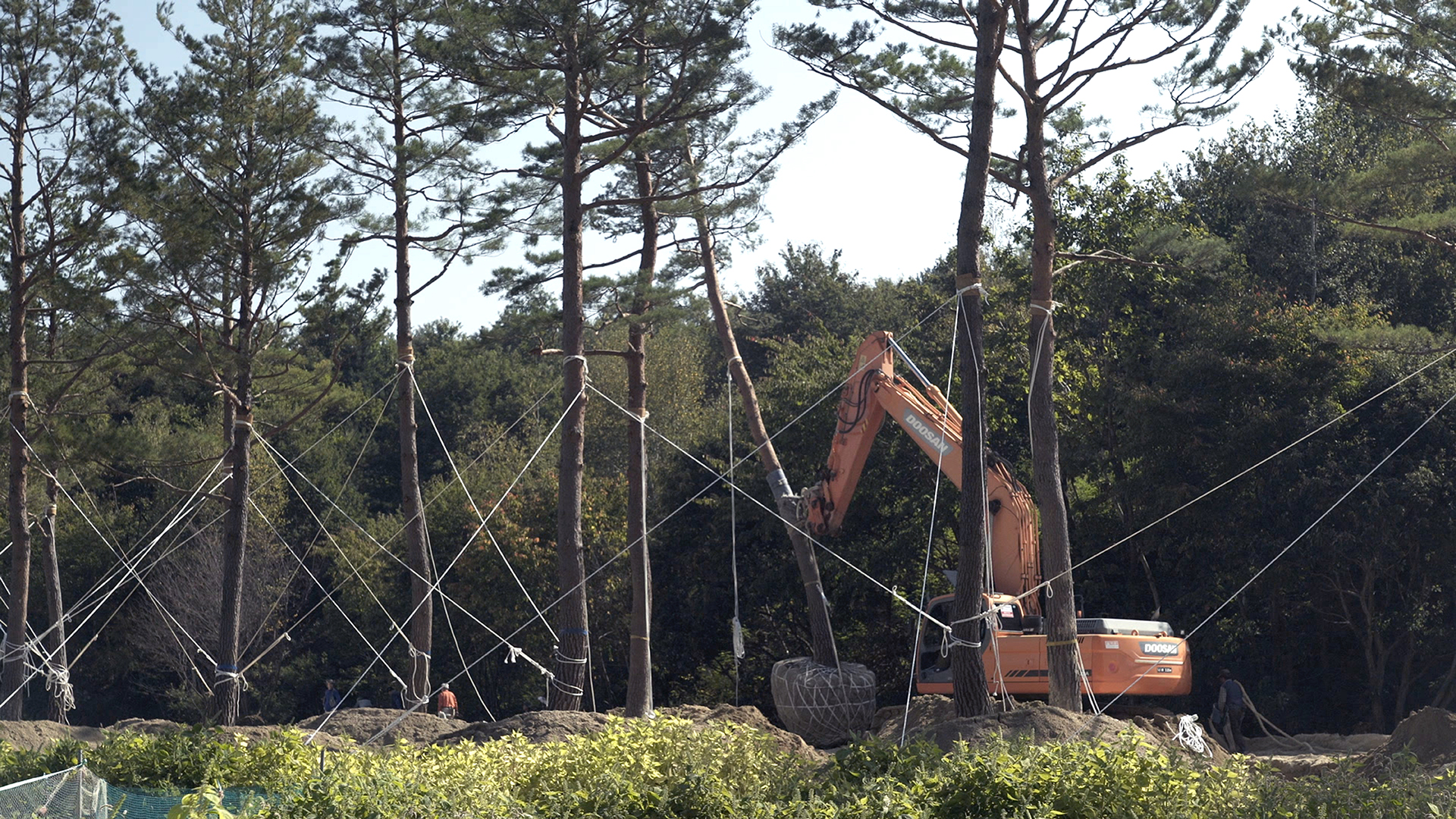
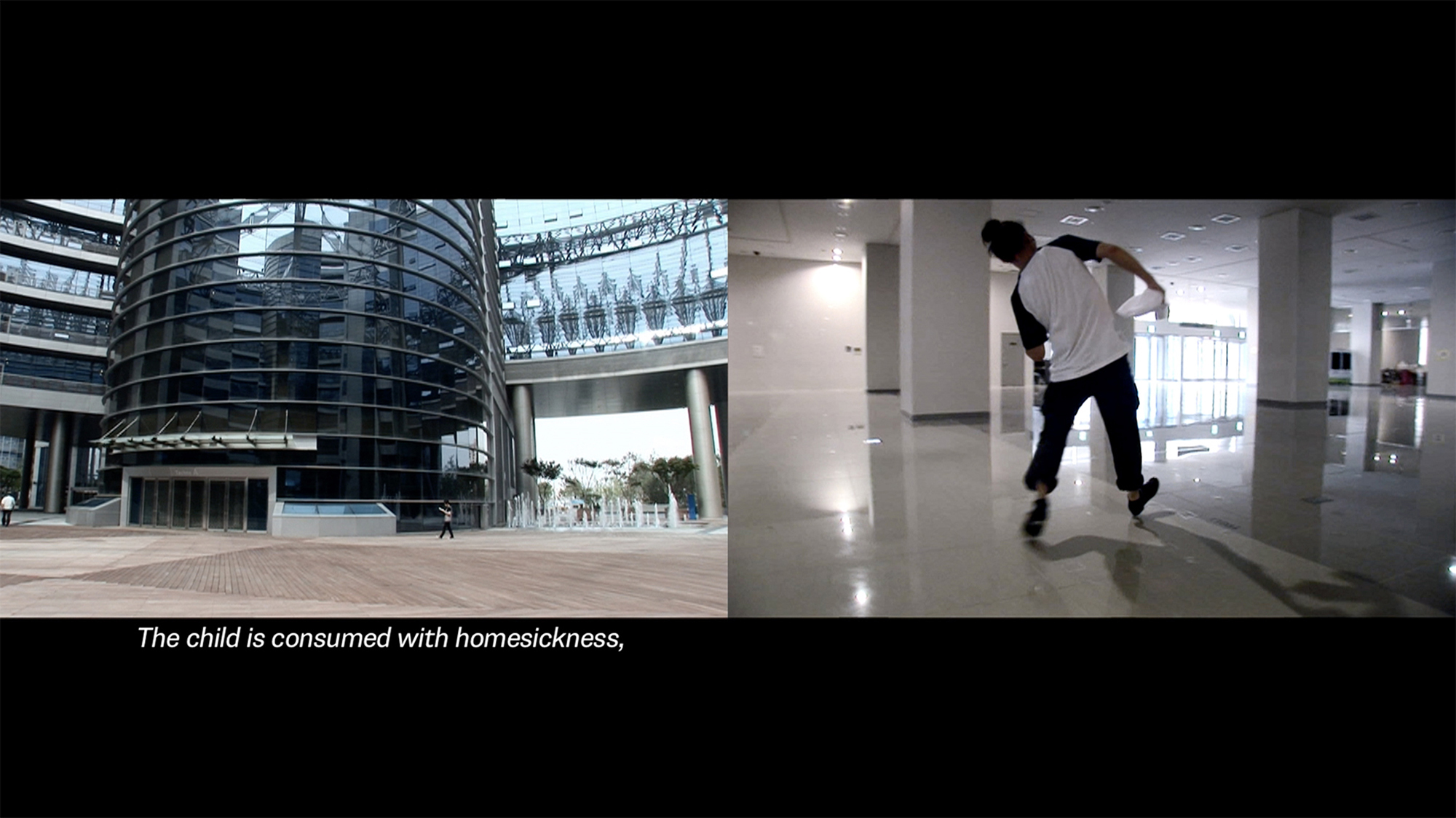
Ground. Chroma-key and Labyrinth, in contrast,
does not directly convey the content of the interviews, but instead highlights
the repetitive manual labor of cutting and connecting cables, often invisible
to the recipients of the services. Sometimes the camera goes as high as the top
of the utility pole and other times it follows the worker as he untangles the
cable in the urban labyrinth; combined with the green screen, it draws
attention to the ephemeral sense of labor.
Instead of focusing on the workers’
personal tragedies or faces, Chroma-key and Labyrinth turns
its attention to the elements of their labor: utility poles, city alleys, phone
calls on the job, broken television screens, and so on. The work pays attention
to the everyday movements of their hands and the objects they touch. By doing
so, the viewer can see that labor is not just about the individual worker, but
rather exists within a larger web of interactions.
This observation is shared
by a unique language of art whose tempo may be different from that of political
slogans, a difference that the artist approaches with awareness. The role of
art and its potential to change society, in Cha’s words, is akin to “a very
slow and faint gesture made in the dark.” But it is precisely this slow process
that brings together the possibility of changing the world around us.
Isabelle Stengers, a researcher at the
intersection of philosophy of science and feminism, views slowness as a sign of
resistance: paying attention means intentionally slowing down. The pace of
slowness helps us to question what we should pay attention to and what the
dangers are, and opens up interstices even in the midst of an urgency. What we
need is “not the capacity to pay attention, but the art of paying attention.”
Walking along those who walk at their own pace, Cha invites the viewer to join
them.
Evidence Found by
Chance
Slowness can also invite randomly
encountered material as a protagonist. By incorporating materials found while
slowing time down, Cha rejects simple causal narratives and complicates events.
The artist’s research differs from fact-finding in that she pays attention to
the material and makes it an important collaborator.
Rather than seeking direct
experience and first-hand testimony from individuals like traditional
documentaries, Cha gives space to the evidence, revealing broader
interrelationships among microscopic things. These materials serve as clues and
symptoms, summoning the various debris scattered around the periphery of the
testimony.
This attitude witnesses history and politics through specific
materials, pulling tangled threads to the surface to reveal the whole web. It
deconstructs the absolute authority of the essential by expanding its base.
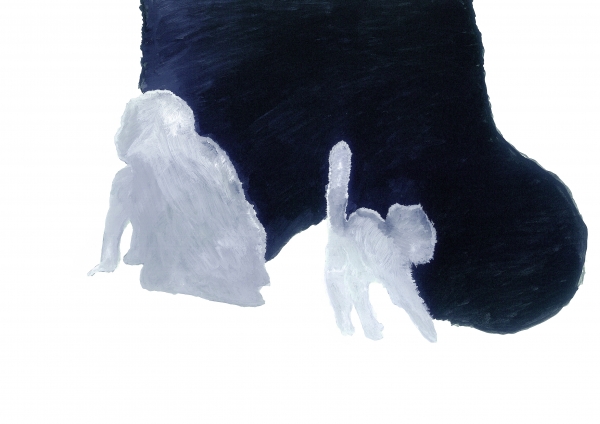
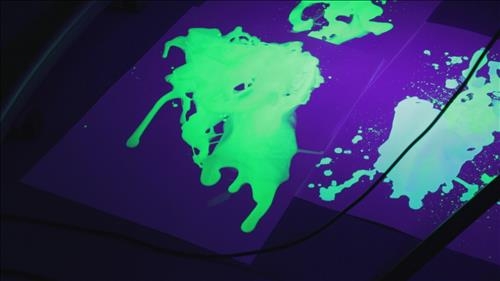
In Hysterics (2014),
Cha incorporates blacklight, a forensic technique that relies on bloodstains,
as a material that illuminates the process of becoming hysterical. The body
lying on the floor at the beginning of the work invites the viewer to ponder
why it is pale and on the ground, and to follow the camera’s gaze as it moves
on the track.
This creates a series of questions about the causality of the
tragedy, but the material revealed only by the irregular flickering of certain
lights does not provide the desired answers. When the lights go out, the traces
disappear, leaving blank sheets of paper.
Heinreich Heine’s superimposed poem
takes this further, allowing the “questions that circle and pierce…disappear
into white.” Only the material that makes visible the afterimage of the event
remains; questions are amplified rather than resolved.
While Hysterics shines
a (black) light on the grounds of sightings and disappearances,
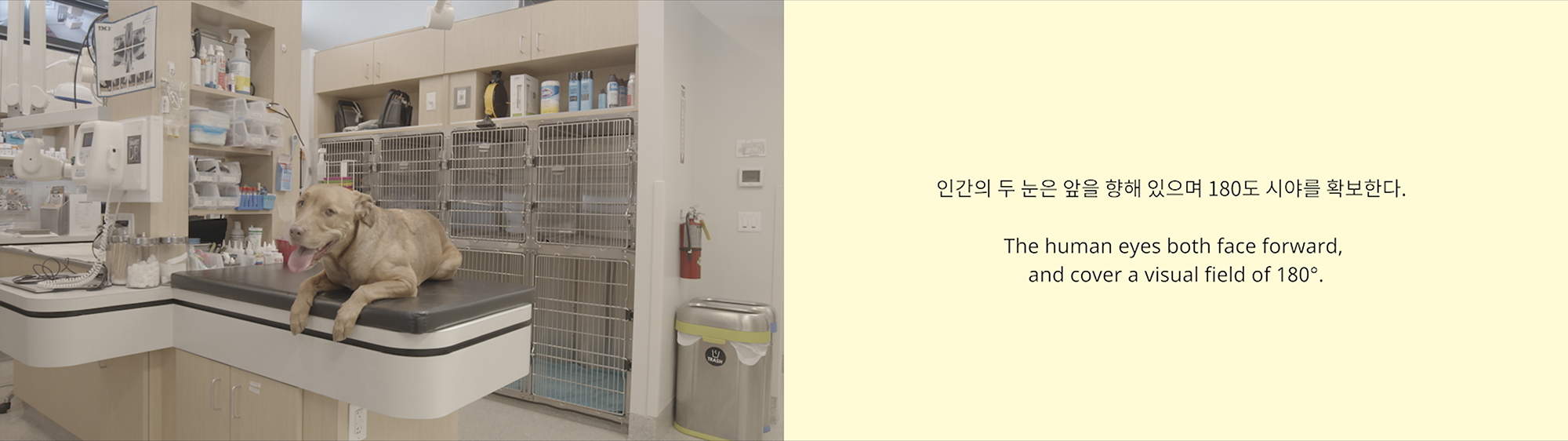
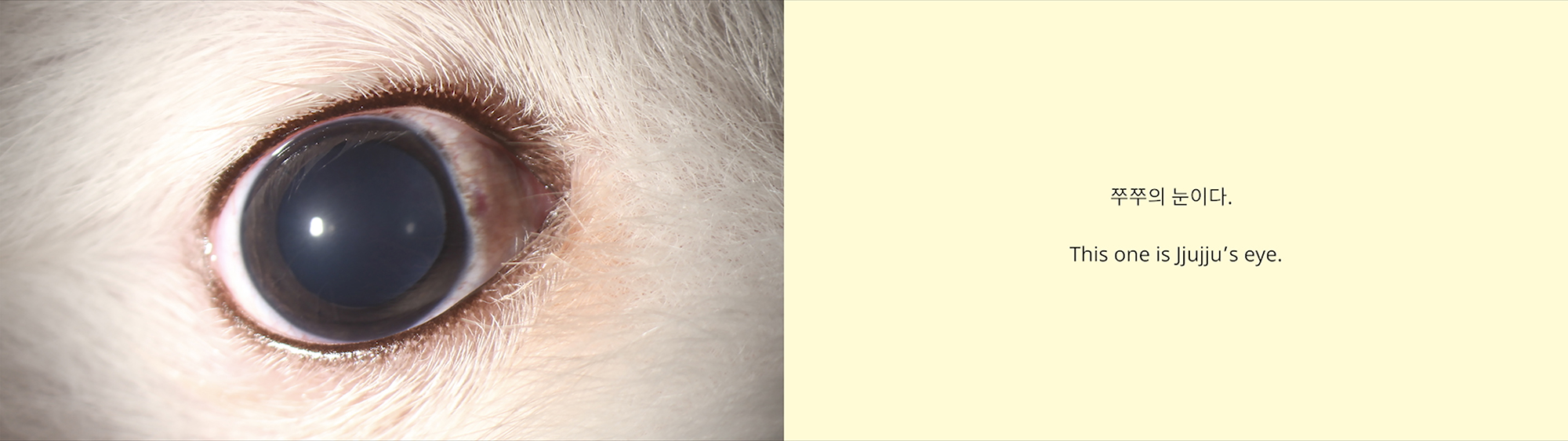
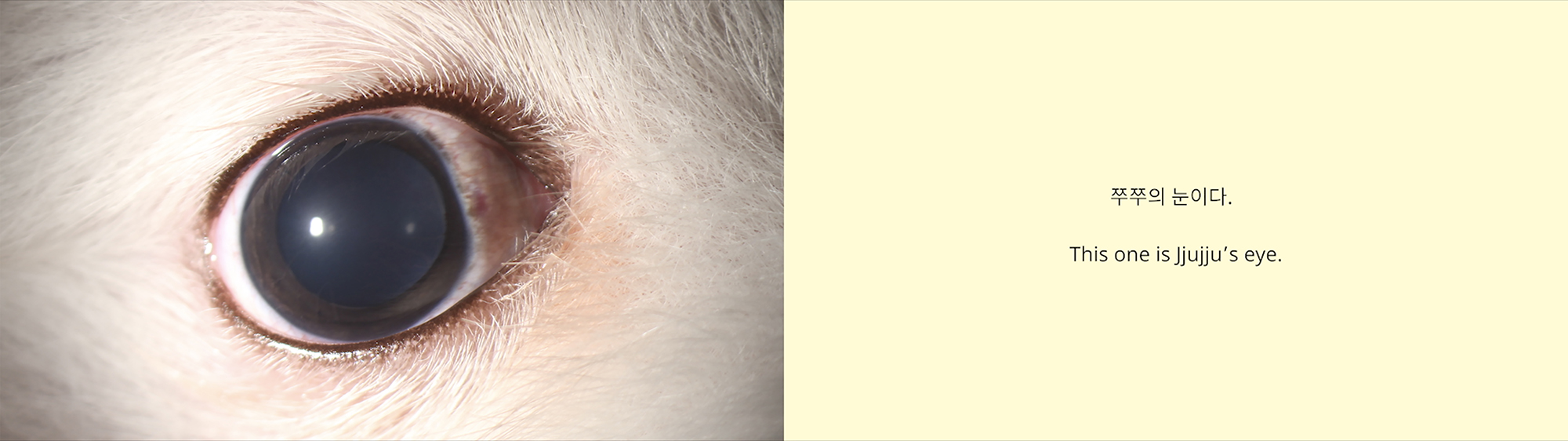
Ellie’s Eyes (2020) investigates technologies of seeing,
such as x-rays, through-wall movement sensing, and AI-assisted psychotherapy.
Behind the development of these technologies is a desire to make the invisible
visible and a fetishization of the image.
Cha examines the act of seeing in her
essay which disrupts the intended use and purpose of the images produced by
technology. An x-ray image is superimposed over a text about medical
examinations; an image of a motion tracking signal, over a text about research
into through-wall movement sensing at MIT’s Computer Science and Artificial
Intelligence Laboratory; as well as an image of Ellie, the avatar of a program
developed for psychotherapy, facing the viewer. The evidence produced for
seeing becomes unfamiliar, beliefs about the ethics of seeing are disrupted.
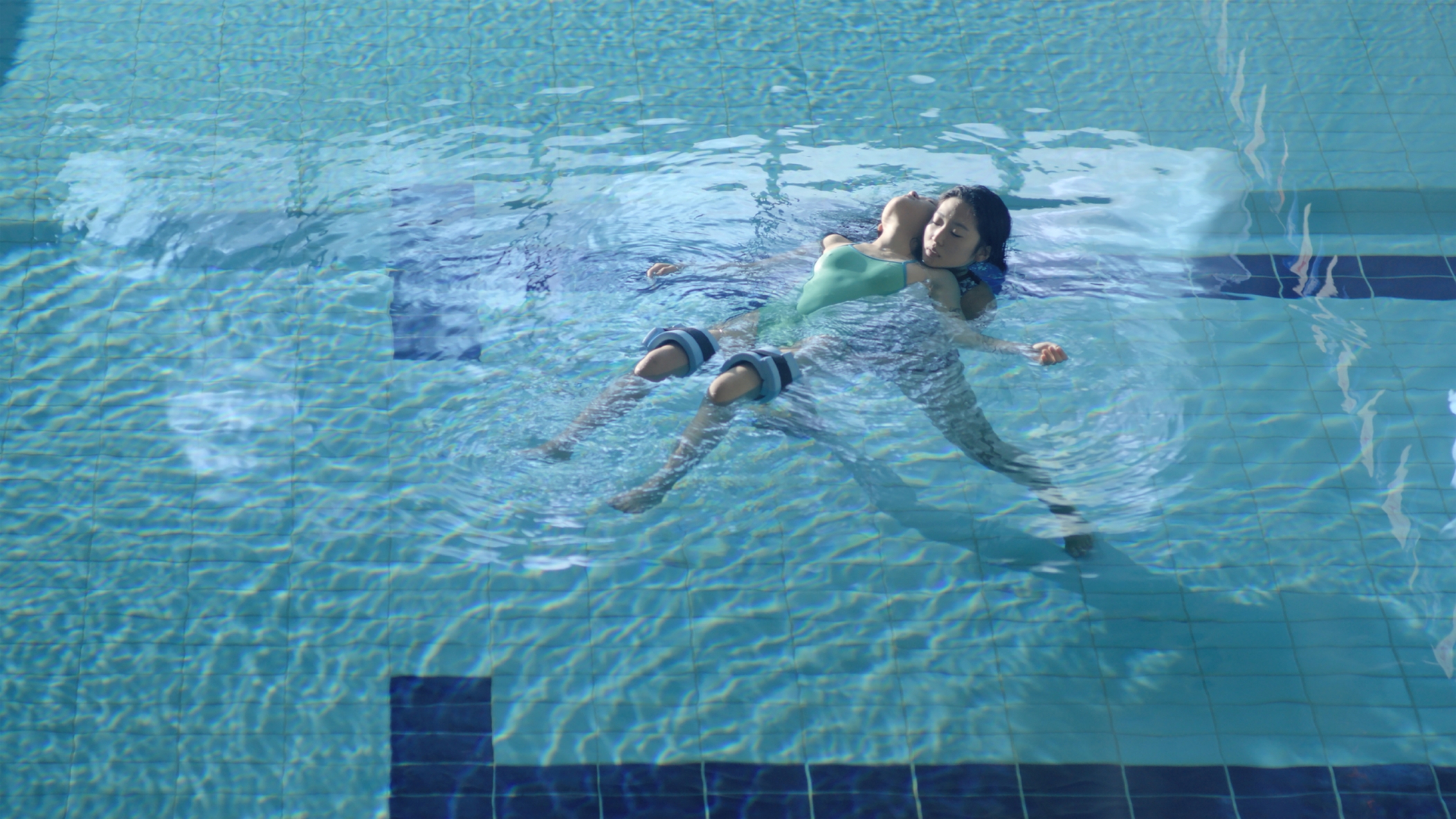
Cha continues her investigation of
technologically generated body images in Nameless Syndrome
(2022) which is based on the stories of women with unidentified illnesses.
Eschewing the modernized forensics that diagnose and define bodies and
pathologies, the work instead uses forensics to reveal the periphery, exposing
the gaping hole between the diagnosis and the subject’s experience.
As if
conducting a forensic analysis, Cha explores the mystery between the event and
the object through materials that drift away from or are derived from the
event. For example, in “Trio: Morelli, Freud and Conan Doyle,” the second
chapter in Nameless Syndrome, the artist cites historian
Carlo Ginzburg’s Clues: Roots of an Evidential Paradigm.
Cha
interweaves the results of medical imaging of breasts photographed with x-rays
with the similarities of 19th-century art historian Giovanni Morelli,
Sherlock Holmes author Conan Doyle, and Sigmund Freud, the
founder of psychoanalysis. They all had medical backgrounds and were concerned
with reading the whole picture, clues, and symptoms from what were considered
to be peripheral and minute details.
In Nameless Syndrome,
Cha uses quotations and mammograms not to identify diseases, but to capture
symptoms of how the medical system reads the body. Medical imaging, with its
detailed examination of the inside and outside of the body, is an attempt to
give name to a nameless phenomenon.
In the process of interpreting an
unidentifiable disease through various techniques and devices, a gap is created
between the image and the subject. This gap becomes a space of investigation to
which Cha invites several authors to contribute with extensive research on the
disease. The sentences extracted from this research are not secondary footnotes
but serve as the “spine” of the work, determining the length of the gap between
image and narration.
As the interviewees read these sentences in their own
voices, their position shifts from someone listening to the doctor to someone
telling the story. As the speaker’s position is pluralized through reading and
listening, the viewer becomes a witness rather than an onlooker.
The onlooker keeps their distance and does
not intervene in the events; on the other hand, the witness can pluralize the
political, medical, and cultural coordinates through the discussion of how to
track, understand, and use the given evidence. The artist shows awareness about
the difference between these two attitudes in her use of the time-mediated
nature of video language.
In her earlier works, Autodidact
(2014) and It Is Not a Question but a Balloon (2010), Cha
transitions the viewer from an onlooker to a witness through archival research,
using the words of individuals involved in political incidents.
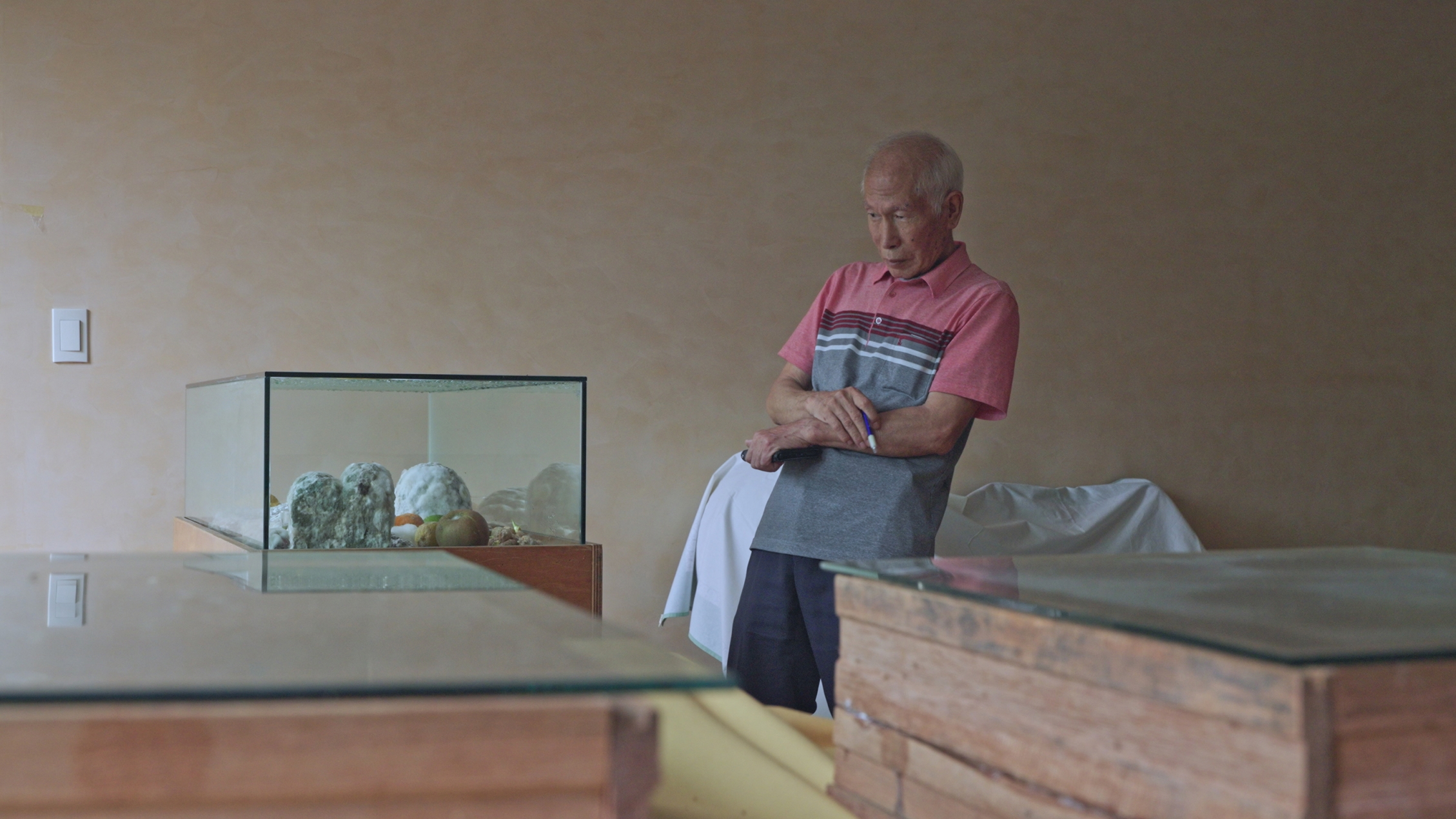
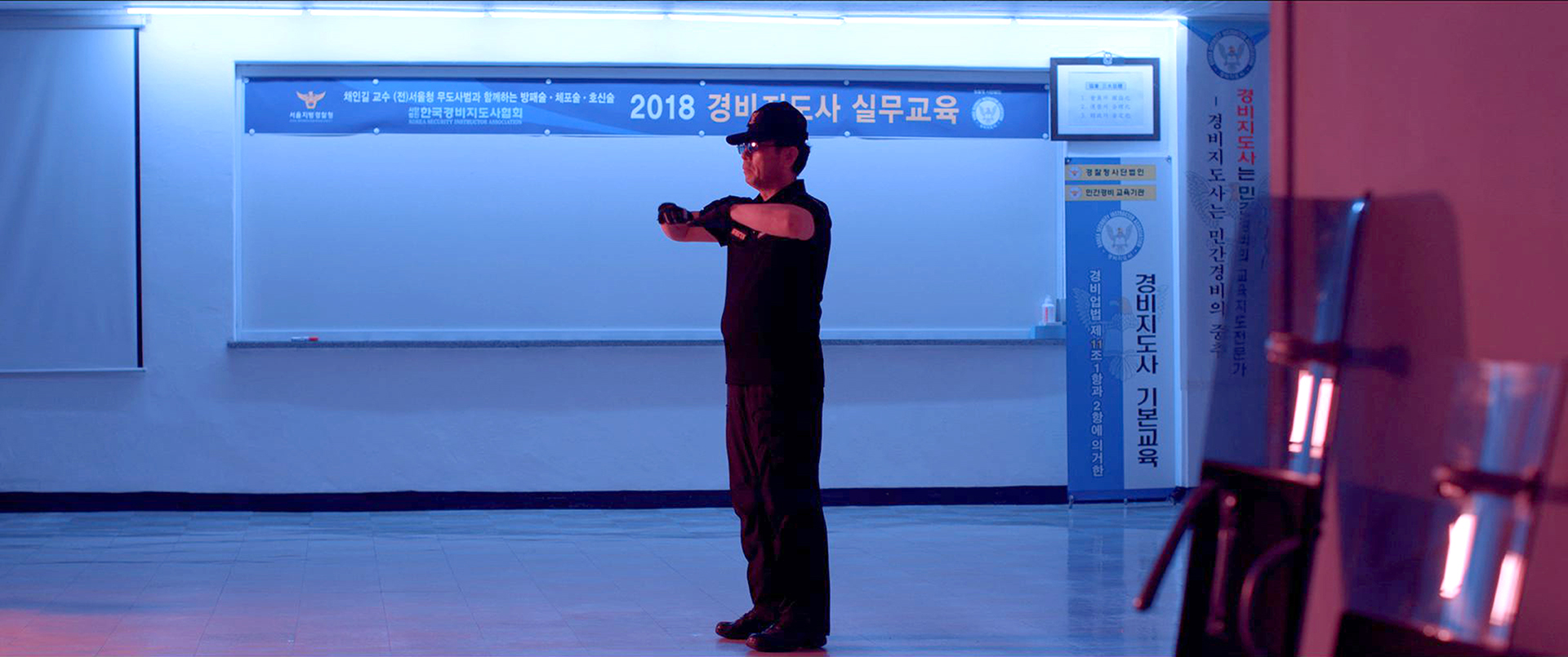
Autodidact shows the forensic material collected by Mr. Hur
Youngchun in addition to his handwritten notes in an attempt to shed light on
the mysterious death of Private Wongeun Hur while in service, and narrates the
case evidence to the viewer.
In It Is Not a Question but a
Balloon, the artist transmits the narration of Sukyung Lim, who
illegally visited North Korea in 1989, via flying balloons and radios. Multiple
time zones are hybridized by the transmissions, to which no response is
expected, and the floating of the balloons.
What can we do when we discover the
history of the event long after it has occurred? How does it affect us? Rather
than seeking solutions and remedies, Cha pulls up an opaque anchor that exists
between the fragments and the present, allowing the previously anchored story
to wander within our current ecosystem.
The Right to Opacity
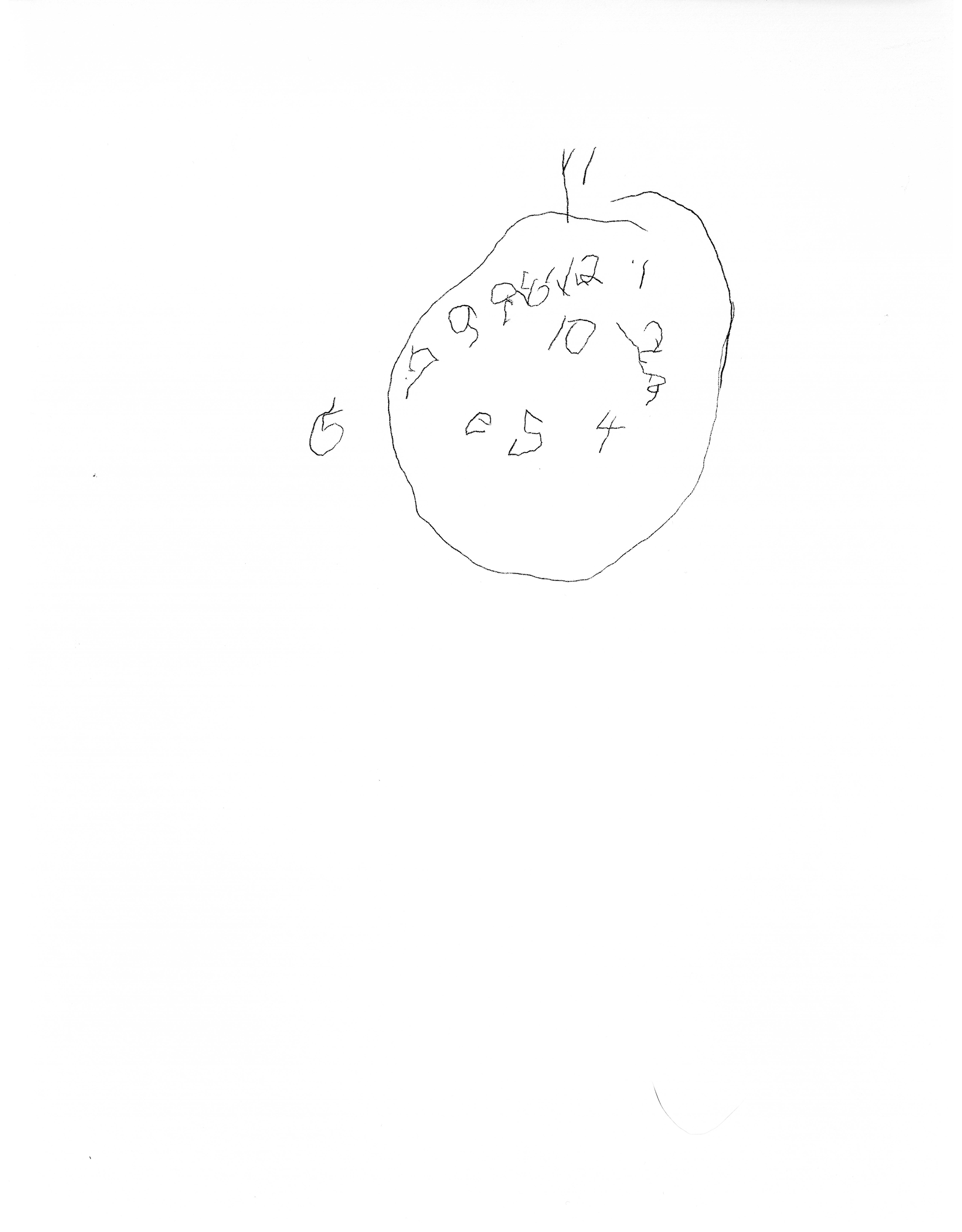
Let us go back to the clock with its
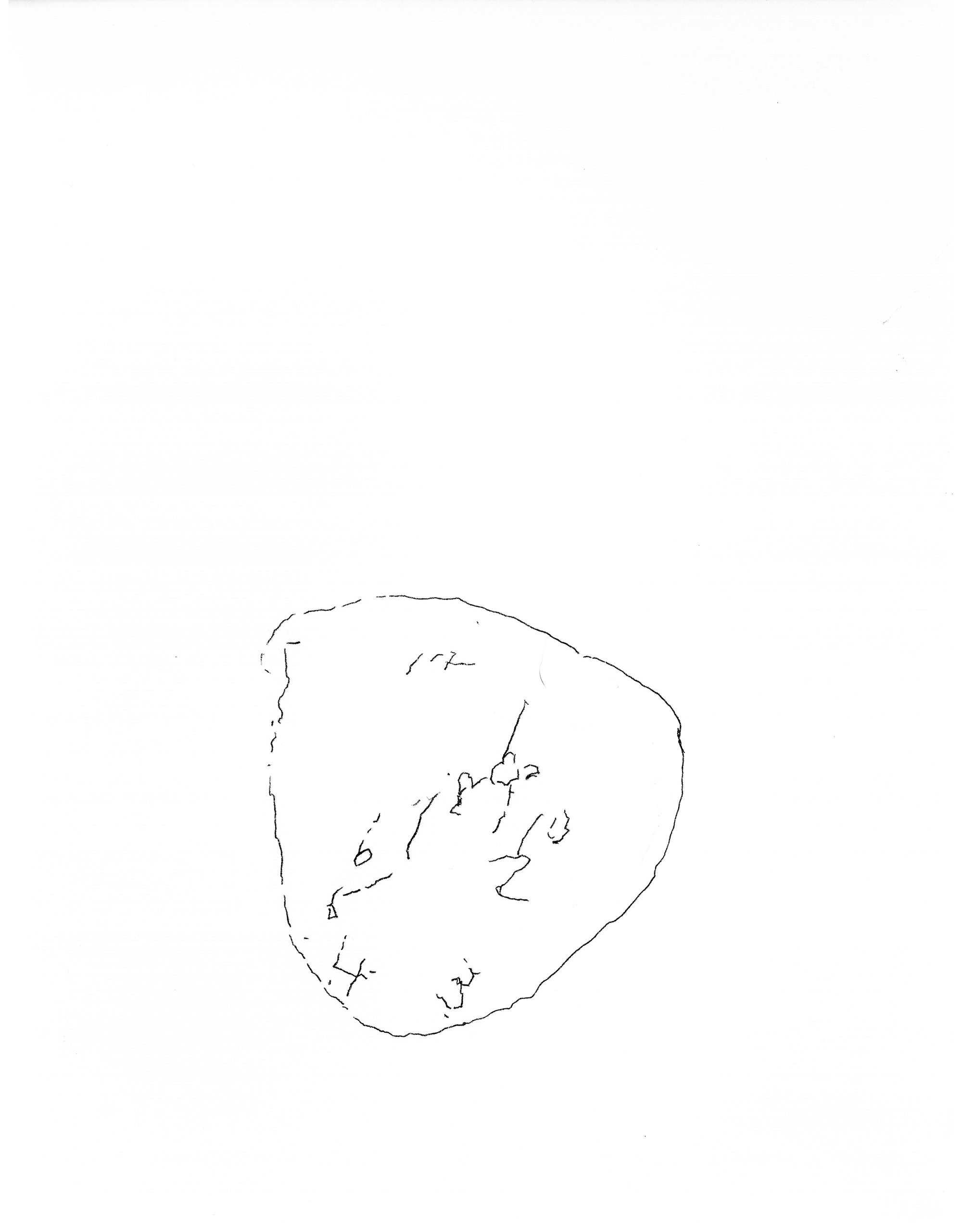
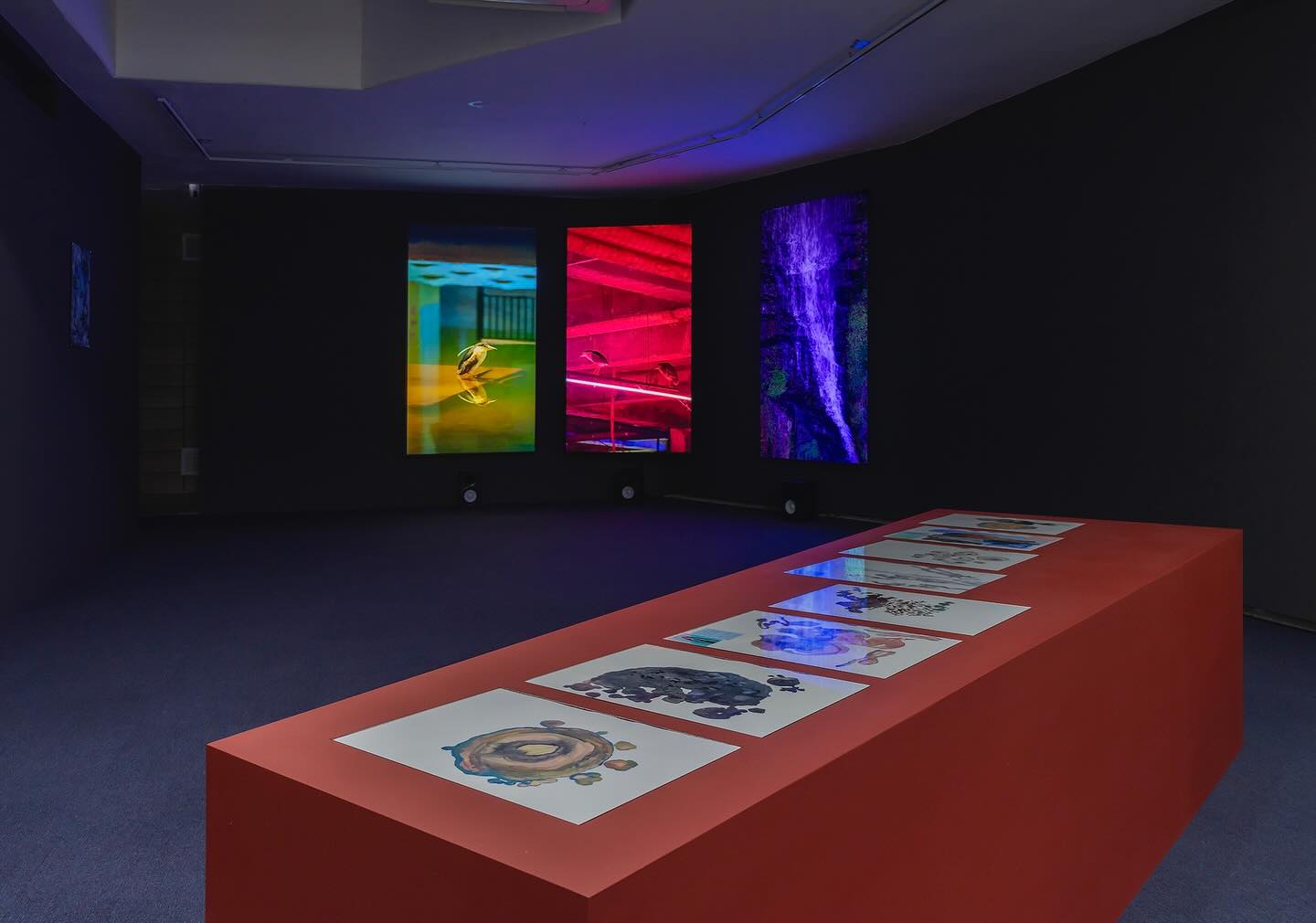
blurred outlines and unclear time. Cha has produced several series of drawings
called studies alongside her video works. These series of drawings are artworks
within the artistic process and distinct from storyboards.
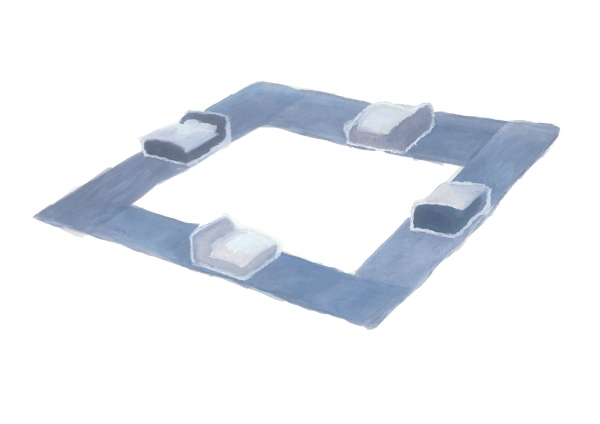
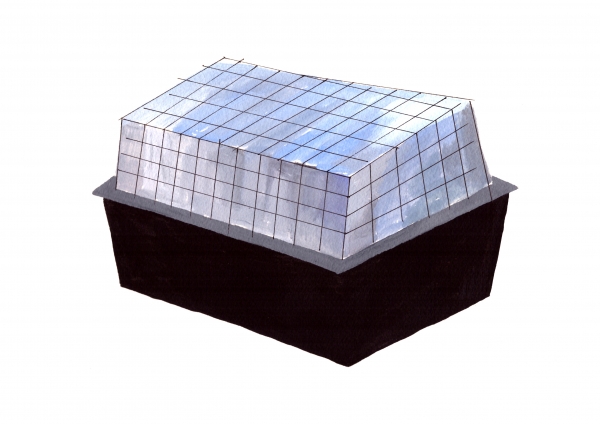
The shapes and
colors depicted in the gouache on paper drawings, such as the Sound
Garden Drawings (2017), the Study for a Bed Seen from
Outside (2017) series, which were exhibited alongside On
Guard (2018), the studies for Chroma-key and
Labyrinth, and the Drawings for the Video Work
Hysterics (2014), are not exactly reproduced in or transferred to
their respective counterparts.
Rather, they serve as gaps that extend the
aesthetic realm of the debris and traces of conversations that emerge during
the research process. The layering of process upon process and the resulting
increase in opacity of the theme under investigation mirrors Cha’s
collaborative approach, which centers the peripheral at a slow pace.