Painting is the oldest artistic medium to have accompanied humanity among the mechanisms that materialize inner human activity, and it has stood at the center of creative practice while representing the value and history of art. Looking back, the journey of painting can be understood as one that has continuously absorbed humanity’s perception of reality with great sensitivity, repeatedly challenging its own limits and redefining its identity whenever a new worldview emerged.
Much of this may stem from painting’s inherent nature as a medium concerned with the “problem of seeing.” Since “seeing” constitutes the most direct response to the society, culture, and living environment surrounding us, it simultaneously reflects the specificity of its era while remaining an ever-fluid concept.
The history of painting as we know it has often been recorded through fluctuations tied to struggles over leadership within the art world. The narrative of painting is commonly summarized as follows: painting, which long occupied the central axis of art, began to fear for its survival with the advent of photography, gradually losing its own structures and systems, and wandering for a long period under doubts regarding its value and existence. Yet this narrative, I believe, now requires discussion from a new perspective. In retrospect, painting has in fact continued to evolve steadily and sufficiently.
As is well known, painting enjoyed glory and authority until the mid-nineteenth century, completing what may be called the “great age of representation.” During this period, advances in representational techniques such as perspective, chiaroscuro, and foreshortening were fully achieved, and painting remained a celebrated medium by embracing officially sanctioned subjects and narrative structures demanded by the social authorities of the time.
However, after the transition into industrial society in the mid-nineteenth century, photography, cinema, printing, and reproductive technologies began to dominate everyday life, causing long-held beliefs in the human eye to collapse. Consequently, the representational role and function of painting weakened dramatically. Because the internal order and foundations accumulated within painting were profoundly shaken, this period was clearly an “age of crisis.”
Subsequently, during the era of Modernism, painting sought a path toward self-preservation by transforming itself into abstraction, retaining only the flatness of the two-dimensional surface while entirely discarding traces of representation and narrative. This “pursuit of anti-representationality” was regarded as a distinctly selective course demanded by the times.
Yet while abstract painting concentrated for half a century solely on formal elements such as materiality, longstanding values and characteristics within painting—including narrative and illusionistic elements—gradually became the language of other media. Moreover, as all conventional tendencies of painting came under negation through the “anti-aesthetic” and “anti-painterly” gaze of the Postmodern era, people eventually began to declare that “painting is dead.”
Such a perspective, of course, does not represent every aspect of painting, but rather traces the shifting status of painting as reflected through the circumstances and logic that prevailed up to the Modernist era, when painting long occupied the center of the art world. Seen from another angle, however, this history reveals the arduous traces of painting’s self-generative potential in responding to the changes of each era. In the face of the crisis that emerged at the end of the nineteenth century, painters radically embraced and expressed the “transformation of ways of seeing” brought about by the changing age. In doing so, they expanded the horizons of painting by boldly abandoning or reinterpreting the classical assets that painting had cultivated until then, including formal elements such as color and form, as well as modes of representation like perspective and material techniques.
Thereafter, amid the paradigm shifts from Modernism to Postmodernism, painting encountered and absorbed into itself various expressive methodologies and theoretical systems previously unknown to earlier eras, including questions of form, issues beyond form, and conceptual concerns. Through this process, painting continuously reconstructed its own history in new directions. Having undergone a thorough process of self-dismantling that shook even its structural foundations, and through an ongoing struggle of repeated experimental pursuits built upon those ruins, painting—contrary to predictions of its imminent disappearance—was in fact able to move closer to its essence as an artistic medium that breathes alongside its own time.
Furthermore, with the arrival of the age of pluralism—an era in which virtually anything around us could be encompassed within the realm of art—painting appeared to face its most precarious situation. Yet by recalling its existing legacies, granting them new perspectives, and attempting connections and methodological exchanges with other genres, painting demonstrated the possibility of functioning as a more flexible and open language. From the standpoint of painting as a genre, this may be understood as both the end of a kind of zero-sum game and the beginning of a new departure.
During this period, painting began to reclaim, through horizontal rather than vertical relationships, the older painterly frameworks—such as formal elements, modes of expression, materials, and narratives—that had been ceded to other genres before and after the Modernist era. Moreover, these elements returned in forms enriched by the diverse painterly layers acquired throughout successive eras, conceptually and materially expanded, thereby attaining the potential of a far freer language than before. Although this process was by no means entirely smooth, painting, as a producer of images, can nevertheless be understood as having continuously expanded both its territory and its scale across genres and media alike.
However, despite these diverse layers of experience through which painting has consistently reflected the reality of the world, the “crisis of painting” has continued to be raised even in recent years. On the one hand, such views reflect the perception that painting itself has remained stagnant, unable to properly resolve the fractures revealed after Modernism. At the same time, these claims also stem from the sense that the cultural environment of our era has entered a multimedia paradigm fundamentally different from anything before, and that painting would once again experience unprecedented confusion and growing pains.
Indeed, when the multimedia environment first emerged, painting seemed to recall the crisis it had faced at the end of the nineteenth century with the advent of photography. This was because multimedia arrived as a comparable shock—not only through the convenience that replaced the handmade nature of painting, but also through a form of reality that surpassed traditional representational capacities.
Since the 1990s, our society has undergone dramatic changes in its cultural landscape alongside the expansion of popular culture and consumer culture, as well as the rapid increase of image media and information networks. Among these developments, the rapid growth of multimedia and digital technology has become a cultural reality that dominates our everyday lives. These transformations have also been reflected in the realm of art, giving rise to new genres such as media art and continuously expanding methods of artistic creation that utilize media environments.
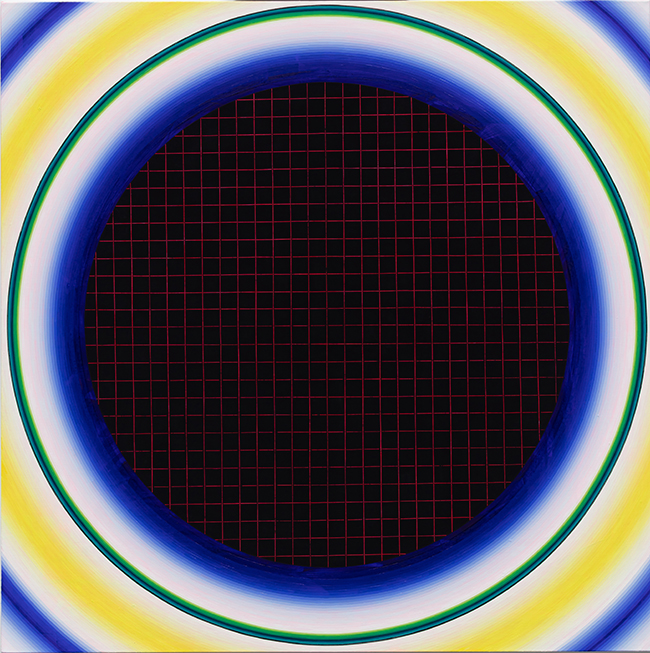
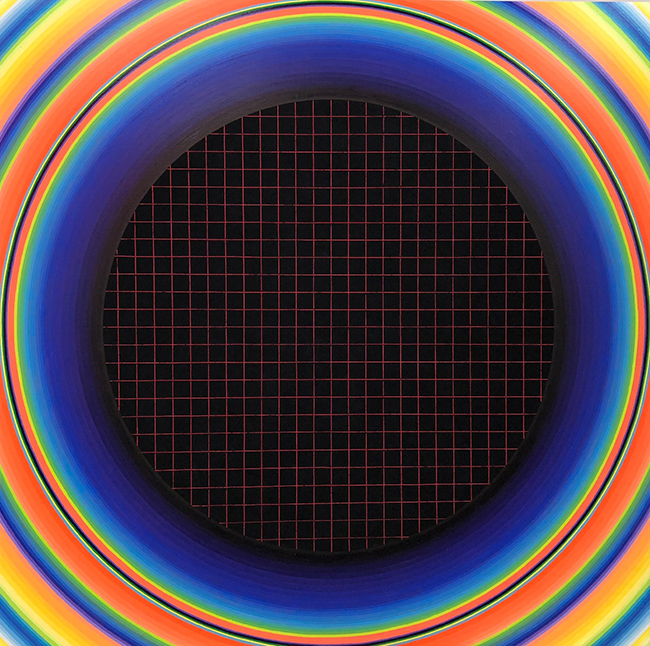
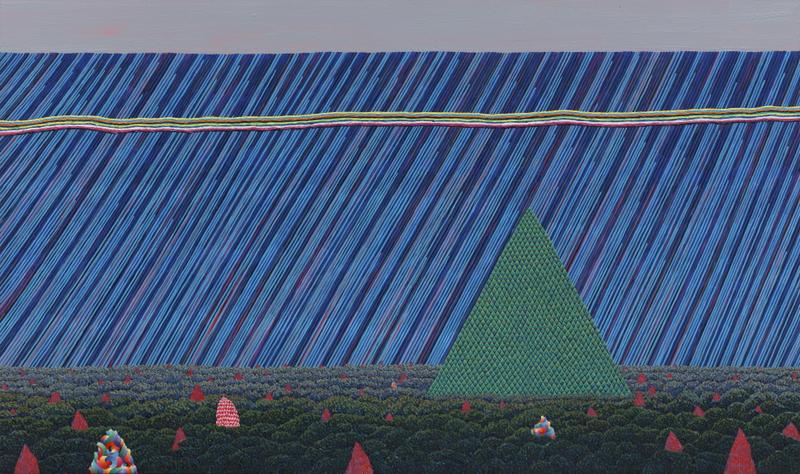
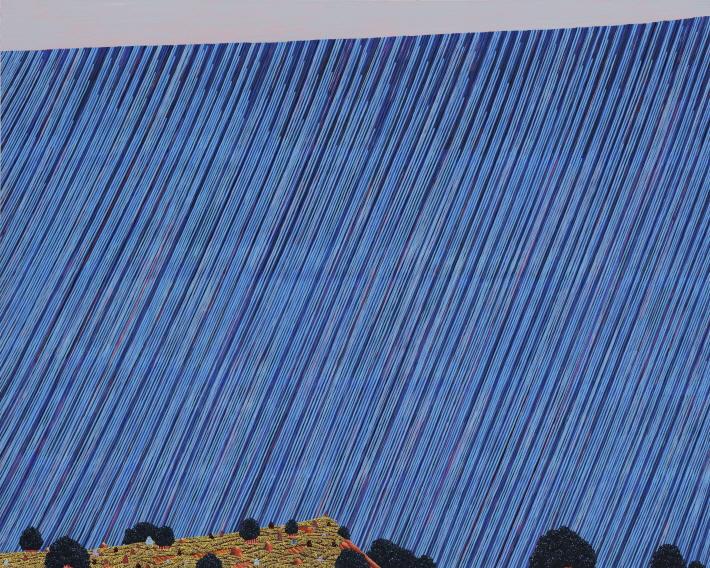
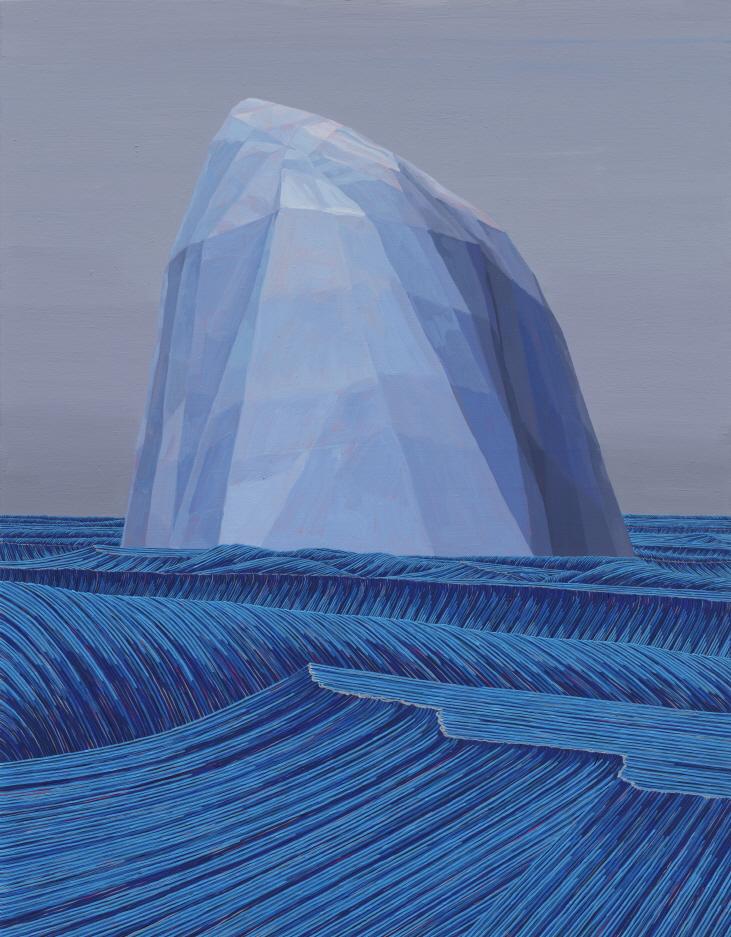
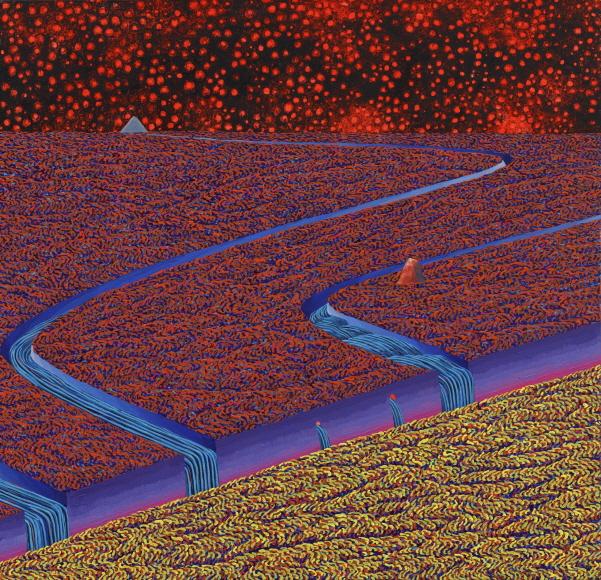
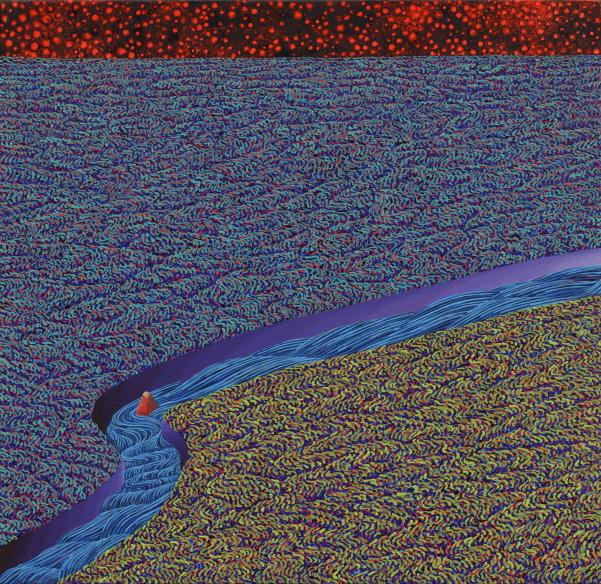
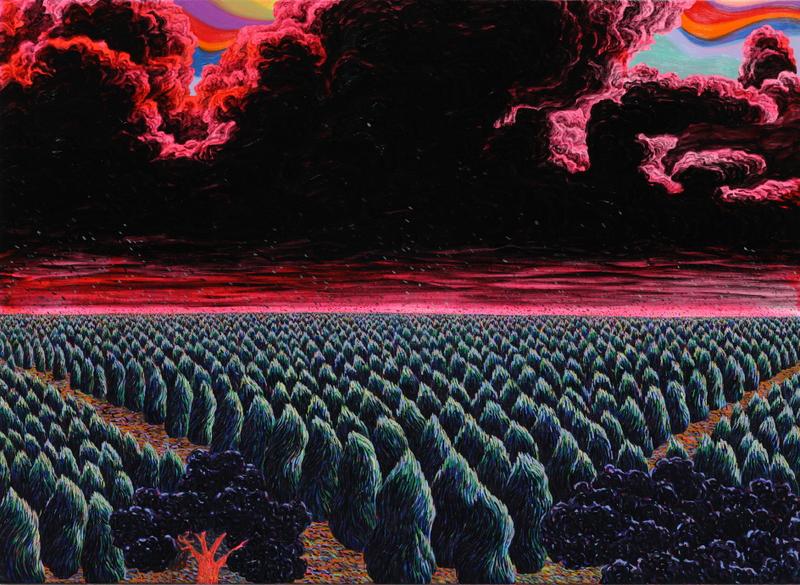
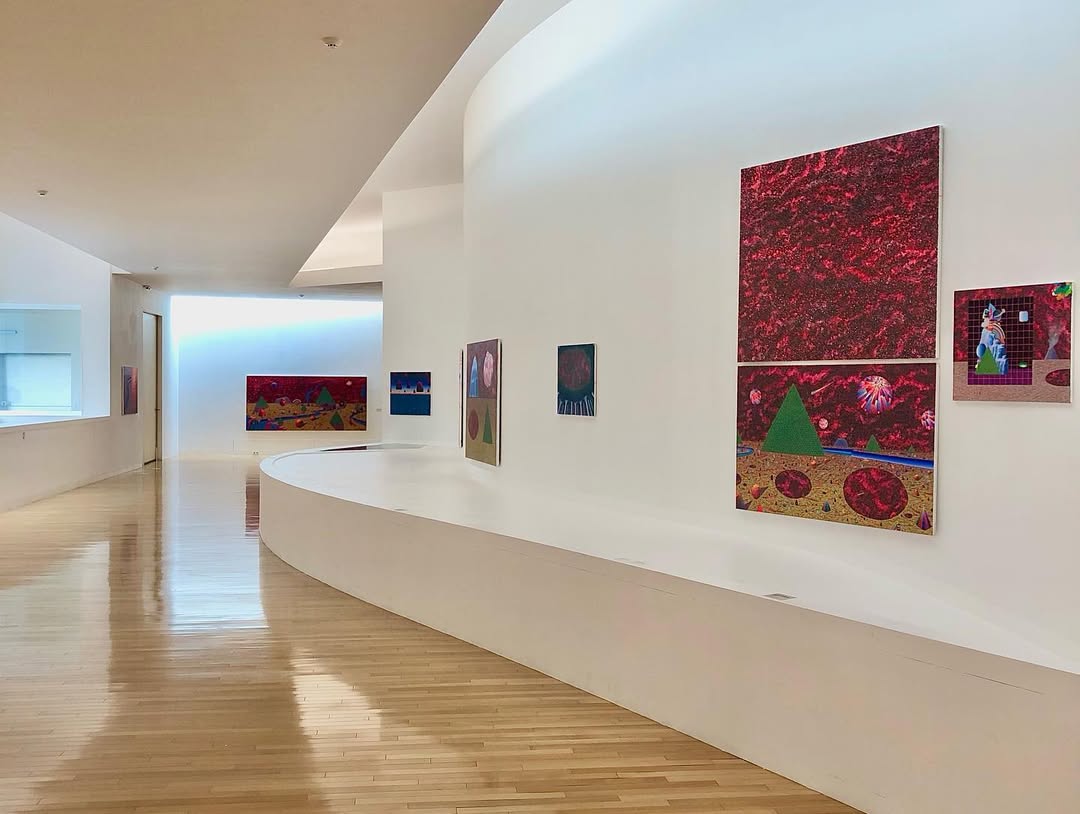
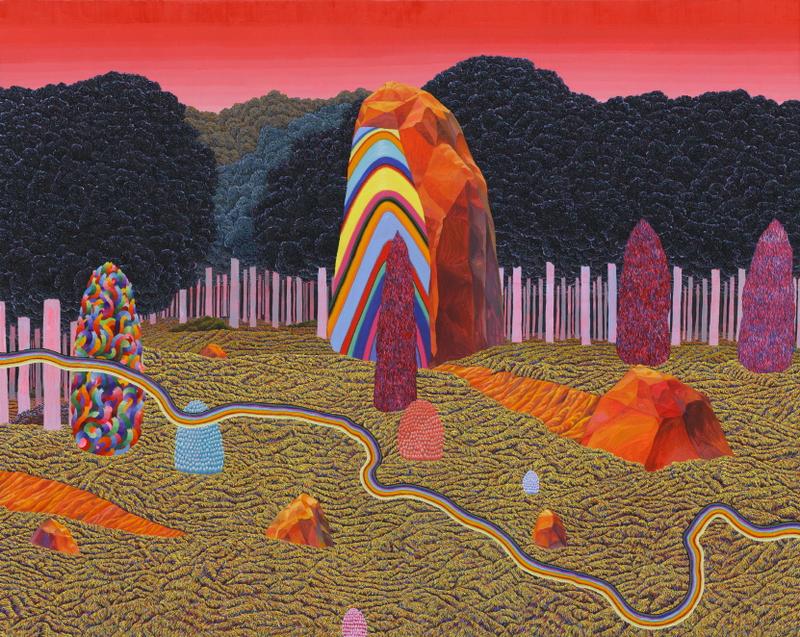
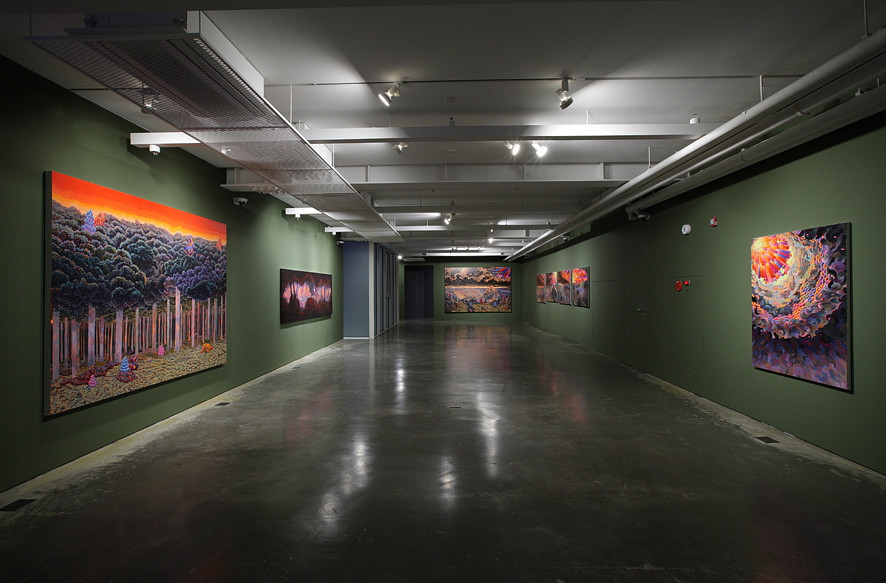
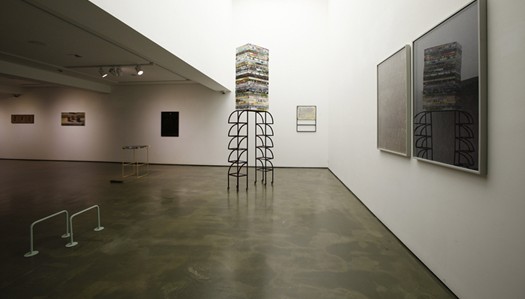
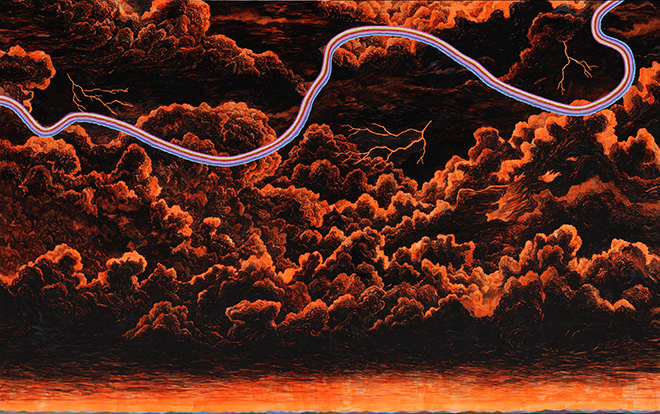
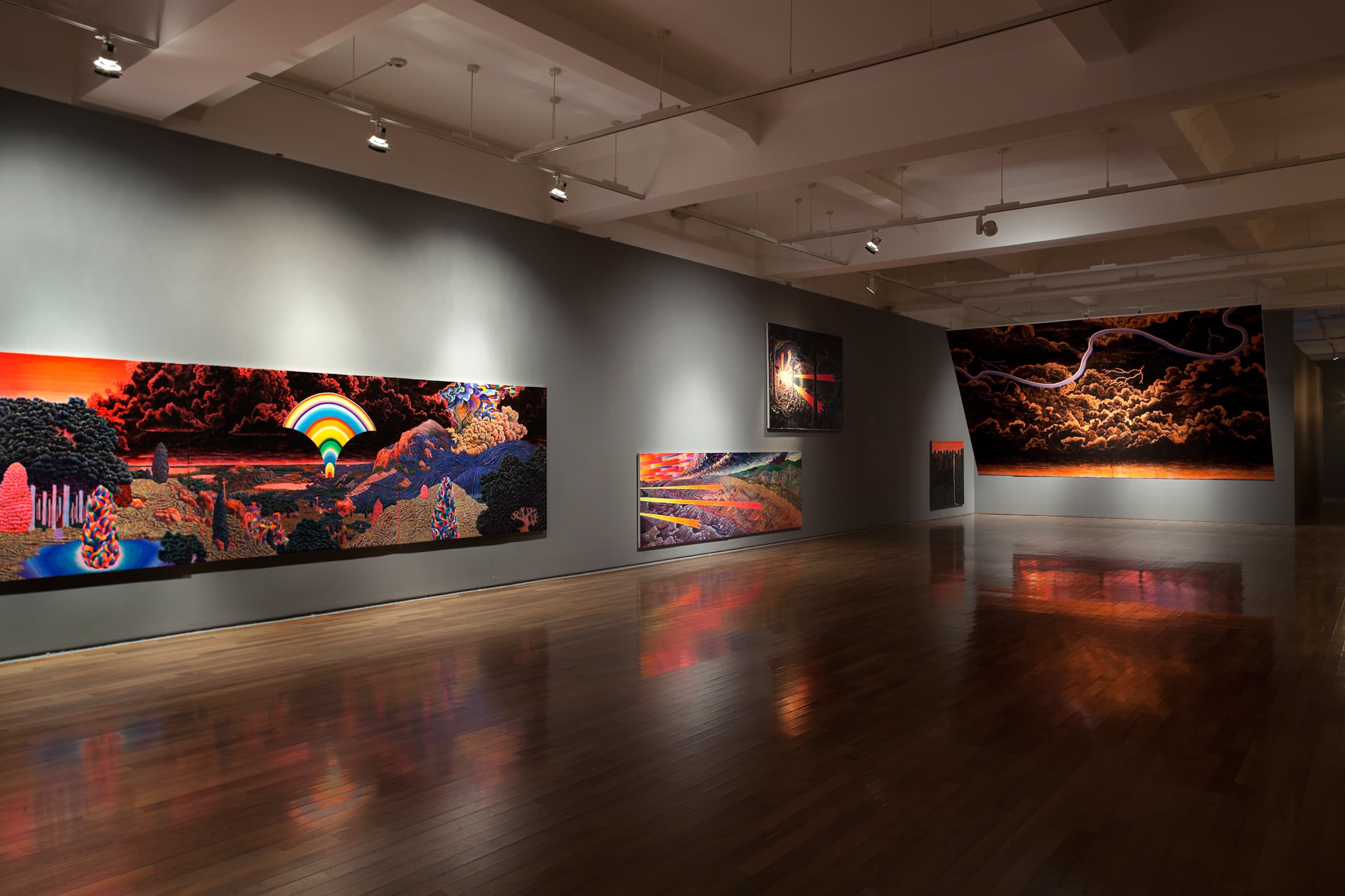
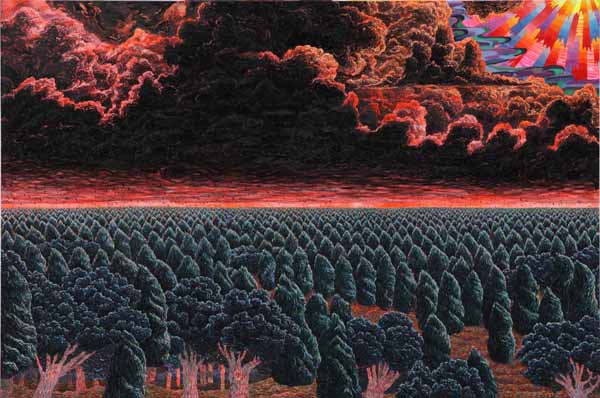
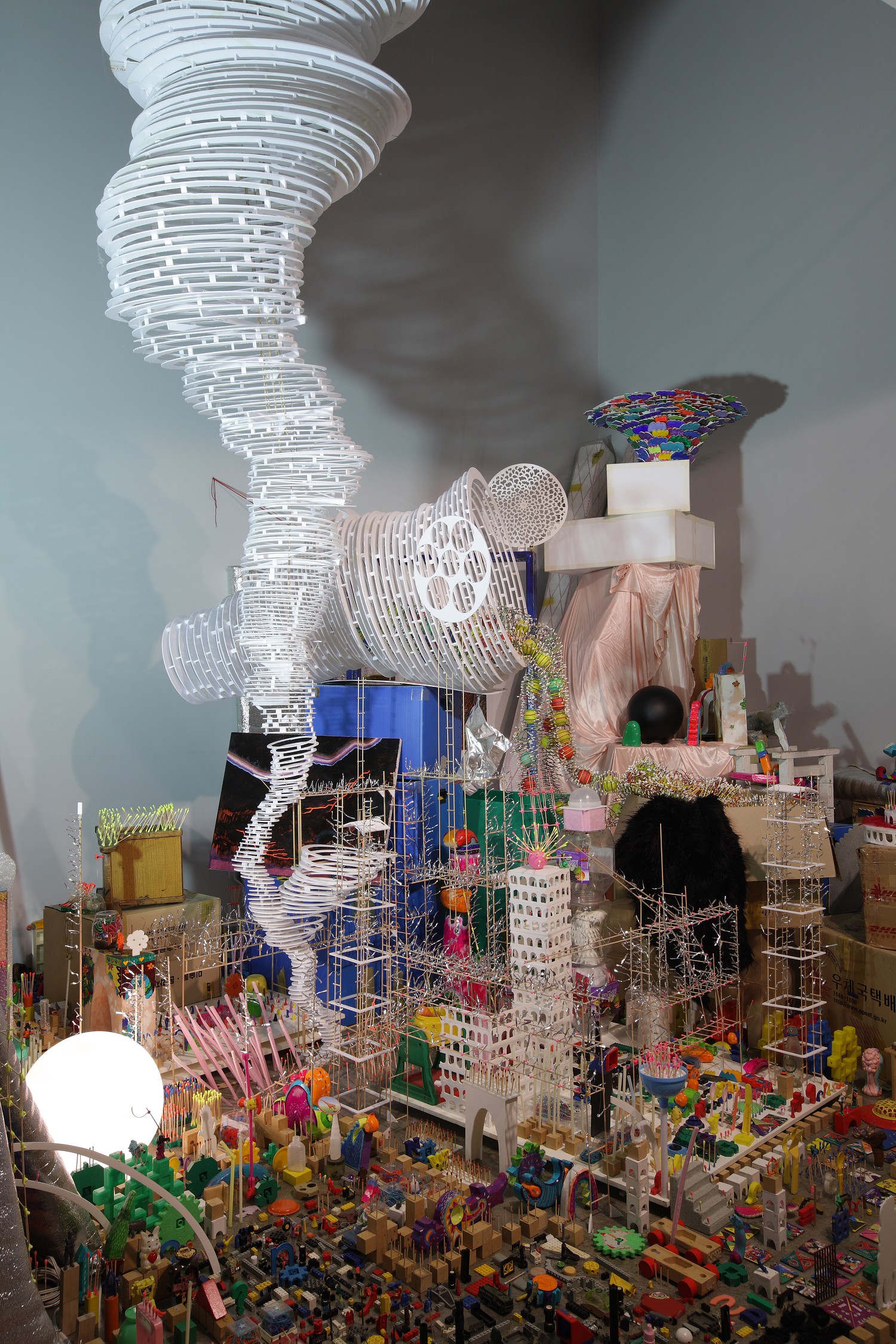
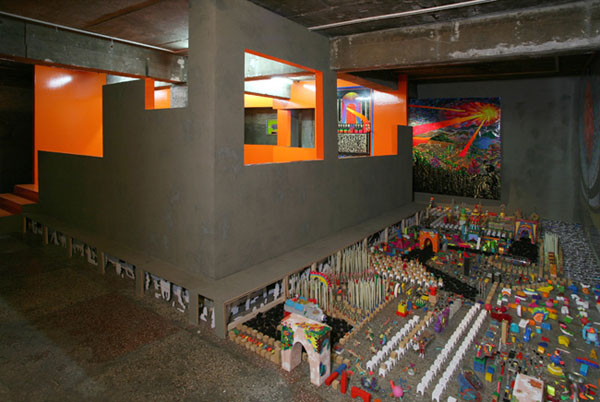
《The Eye of the Era – Painting: Multi-Painting》 was organized to focus on the contemporary reality of painting, which has been moving toward increasingly multifaceted and multidimensional forms within the logic of pluralism that has prevailed since Postmodernism. In particular, the exhibition seeks to examine a phenomenon within painting that is closely attuned to the cultural environment of our era, represented by multimedia. The principle of pluralism, which acknowledges that the values, ideologies, and goals of individuals and groups differ from one another, has fostered a shared awareness that the individual is both the unit and the outcome of all things, thereby generating multiple perspectives on a single phenomenon or object.
At the same time, the multimedia environment has enabled the “combinatory” use of diverse forms of information—such as image, sound, and text—through the mediation of computers, and artistic modes of expression have likewise come to be presented in increasingly “multidimensional” ways. The term “Multi-Painting,” coined for this exhibition, refers to the manner in which the conditions and characteristics of our 시대, represented by the prefix “Multi-,” are articulated within the realm of painting in multilayered and multifaceted forms.
Contemporary painting today is profoundly pluralistic. Not only do multiple modes coexist—including representation, anti-representation, and representations of representation—but painting also seems to move toward endlessly expanding and multiple forms, transcending boundaries both in terms of genre and the use of media. Furthermore, the ways in which information is acquired and reproduced through media have brought significant changes to our systems of thought and our ways of perceiving objects. The ability to selectively collect unlimited amounts of information with little effort through electronic networks such as computers and smartphones has transformed the motifs of artistic creation into matters of choice.
At the same time, experiences of infinite expansion within virtual worlds have blurred the boundaries between reality and virtuality, dismantling or transforming concepts of physical time and space and reconstructing them in entirely new dimensions. Moreover, methods of extracting images—fragmenting or segmenting necessary images into montage-like forms, overlapping and juxtaposing them, and freely experimenting with visual hybridization through continuity and discontinuity—have exerted significant influence, whether consciously or unconsciously, on painterly modes of expression as well.
Of course, because of these multifaceted tendencies, many argue that contemporary painting has lost the specificity once unique to the medium itself. There is also a prevailing skepticism regarding the developmental trajectory of painting, given the sense that no fundamentally new experiments or modes of expression are emerging any longer. Yet viewed comprehensively, the conditions of our time in fact provide an exceptionally fertile foundation for painterly expression.
The classical layers of painting’s accumulated legacy remain deeply embedded; the shared affinities and exchanges of painterly elements with other media have liberated painting in terms of both expressive territory and methodology; and on top of this, new creative attitudes and formal methodologies shaped within the multimedia environment have generated increasingly diverse transformations in the “ways of seeing.”
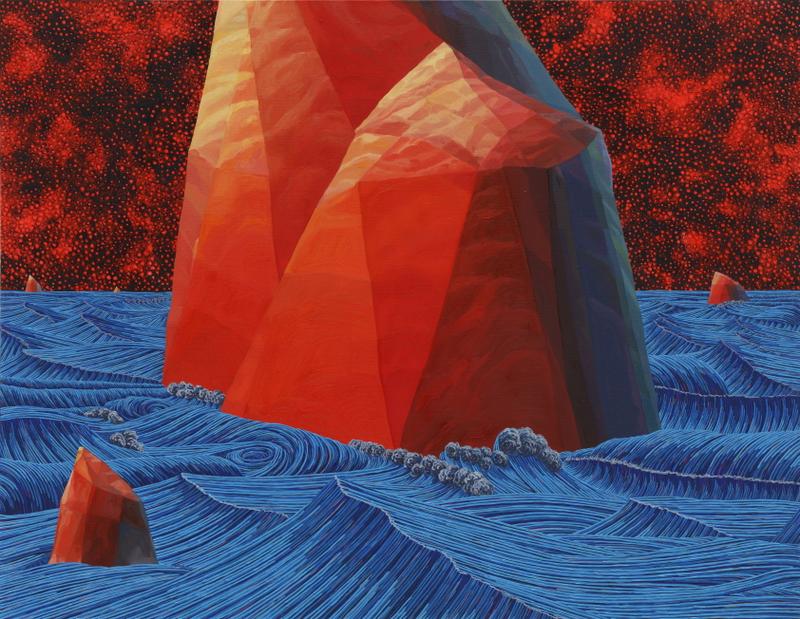
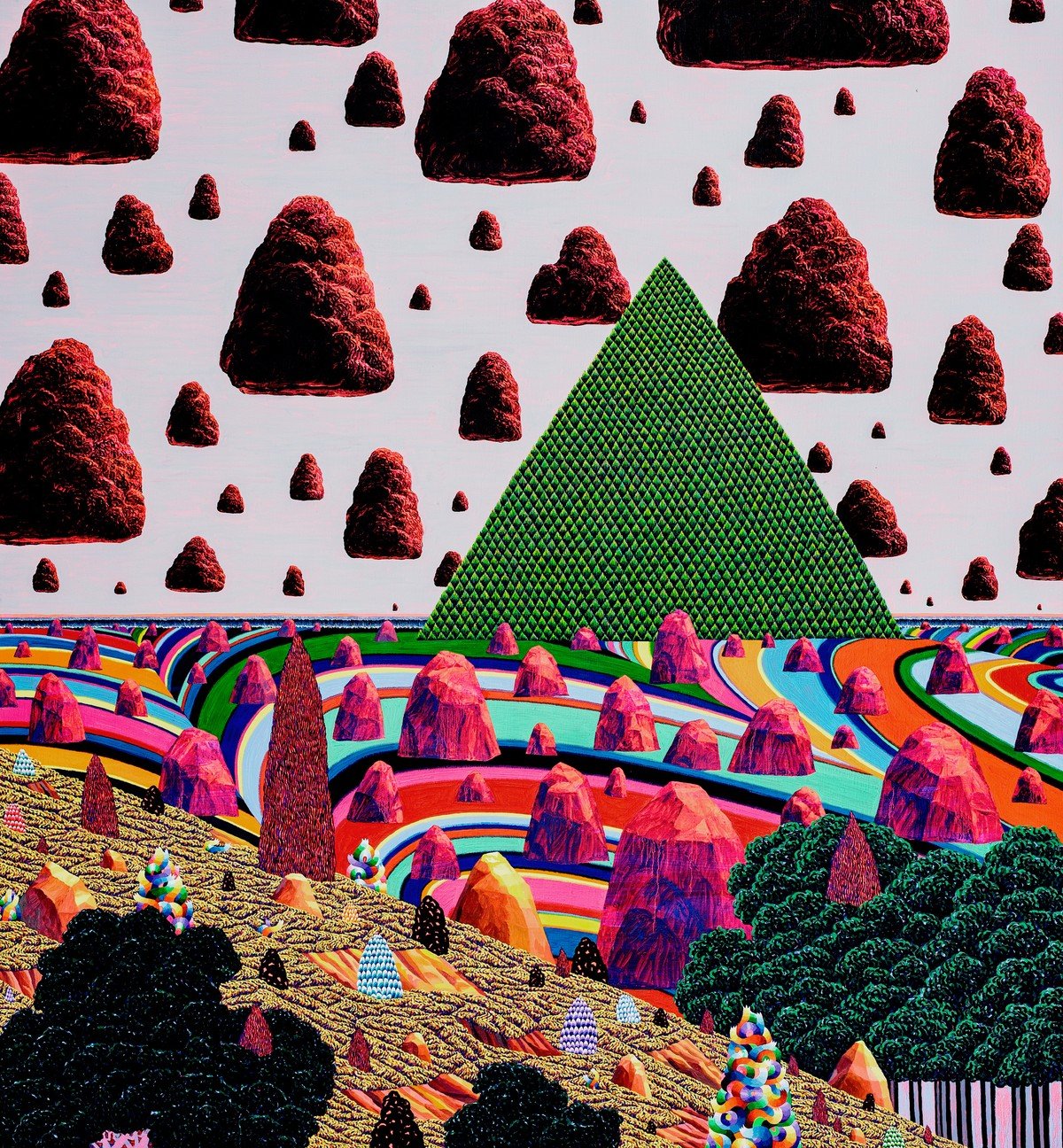
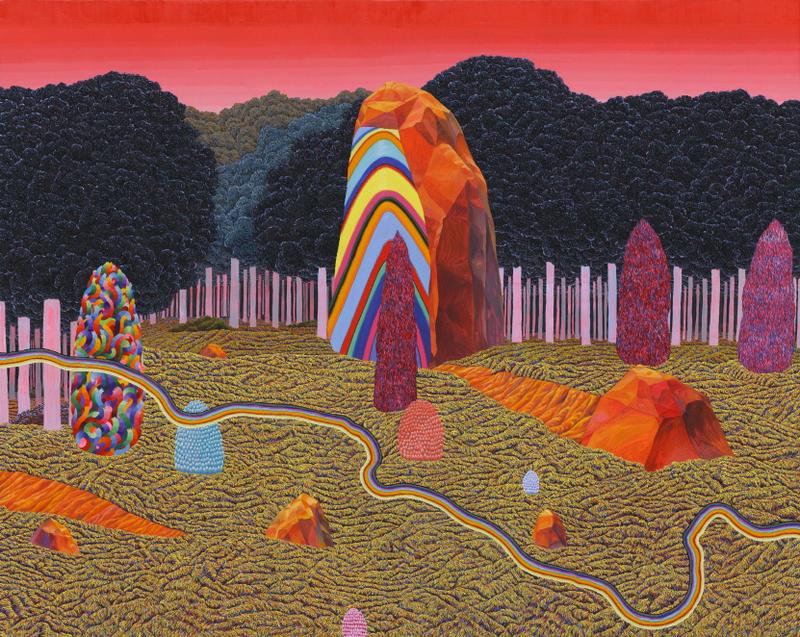
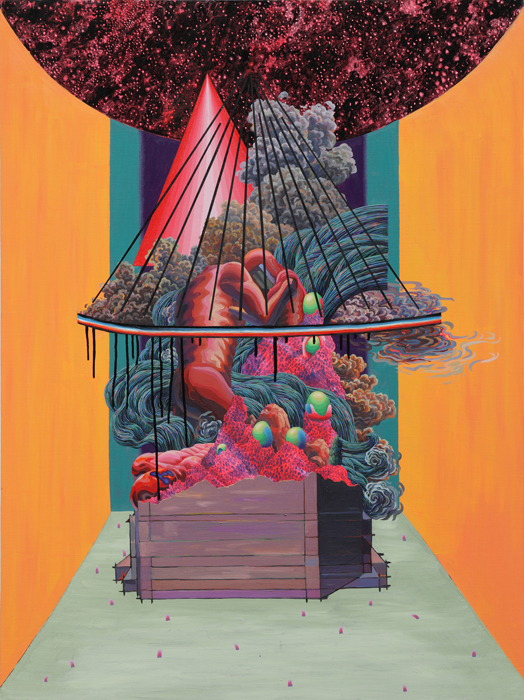
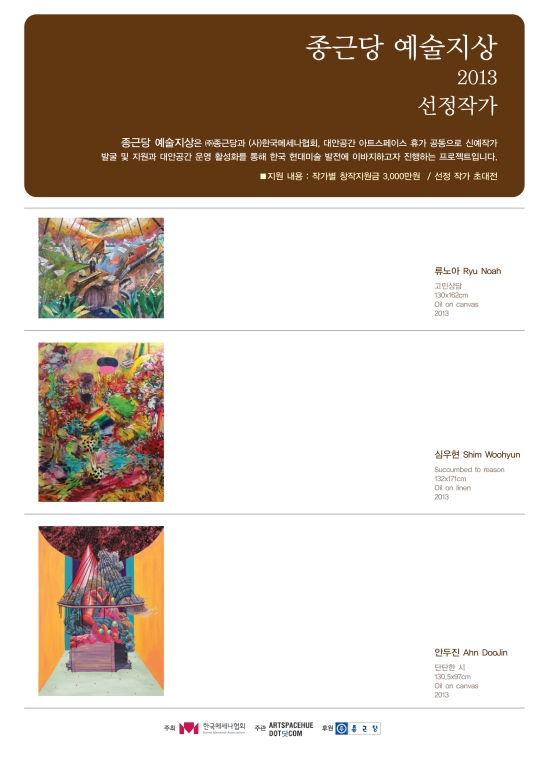
The nine artists invited to this exhibition all belong to a generation deeply attuned to multimedia environments. While grounded in the inherent material qualities of painting, they are simultaneously immersed in painterly statements that traverse the phenomenon of “Multi-Painting.” Although this may represent only one current among the many streams of contemporary painting, their practices deserve attention in that each artist is constructing new units of artistic language, opening new paths for painting, and expanding its horizons through sustained experimentation.