Exhibitions
《Visual Arithmetic: the 64 formal codes》, 2016.12.15 – 2017.01.07, Lee Eugene Gallery
December 15, 2016
Lee Eugene Gallery
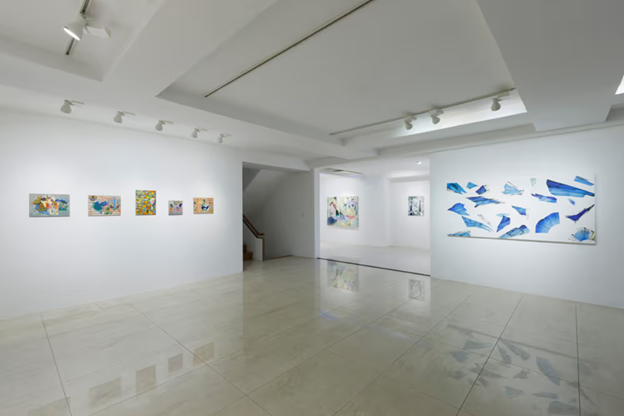
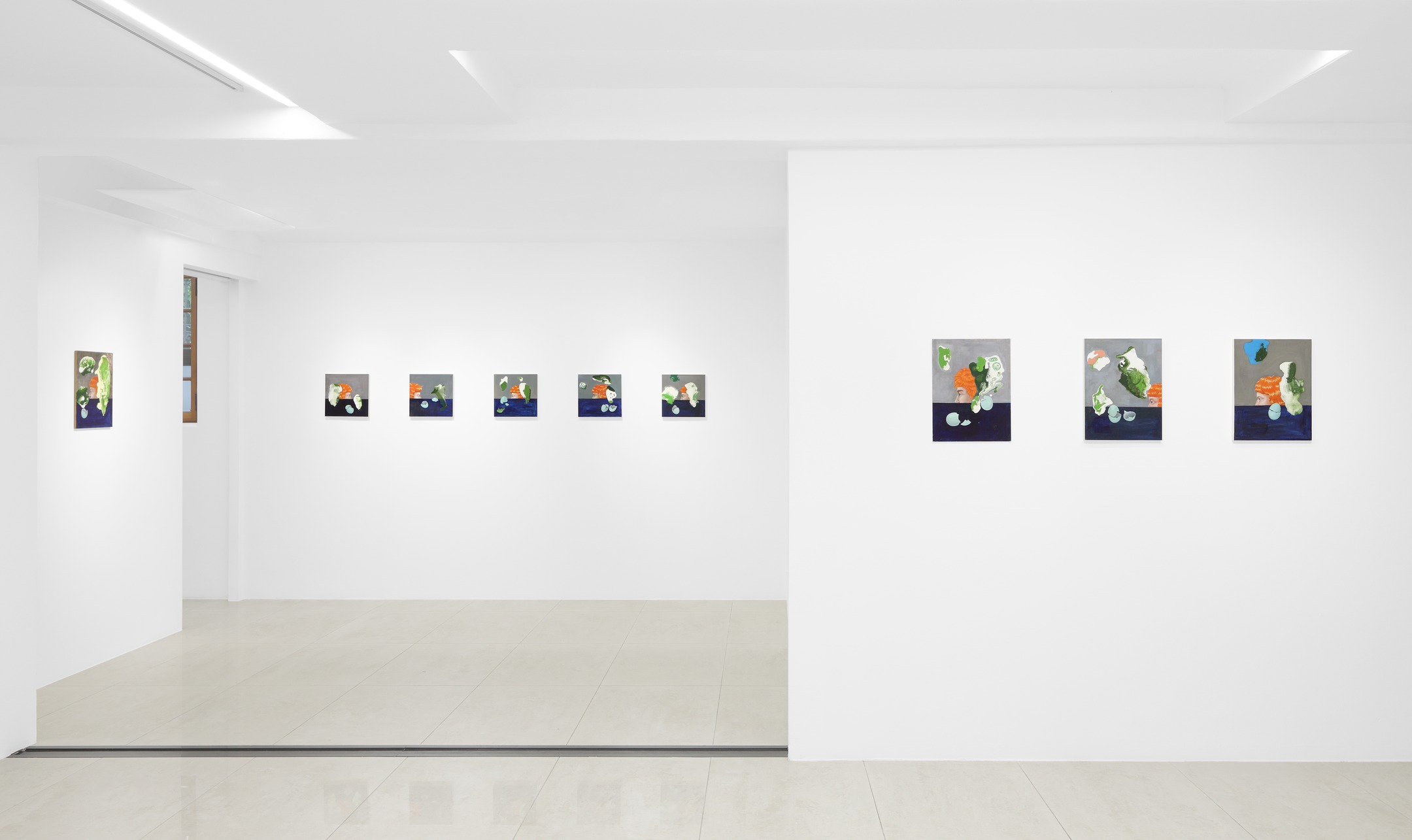
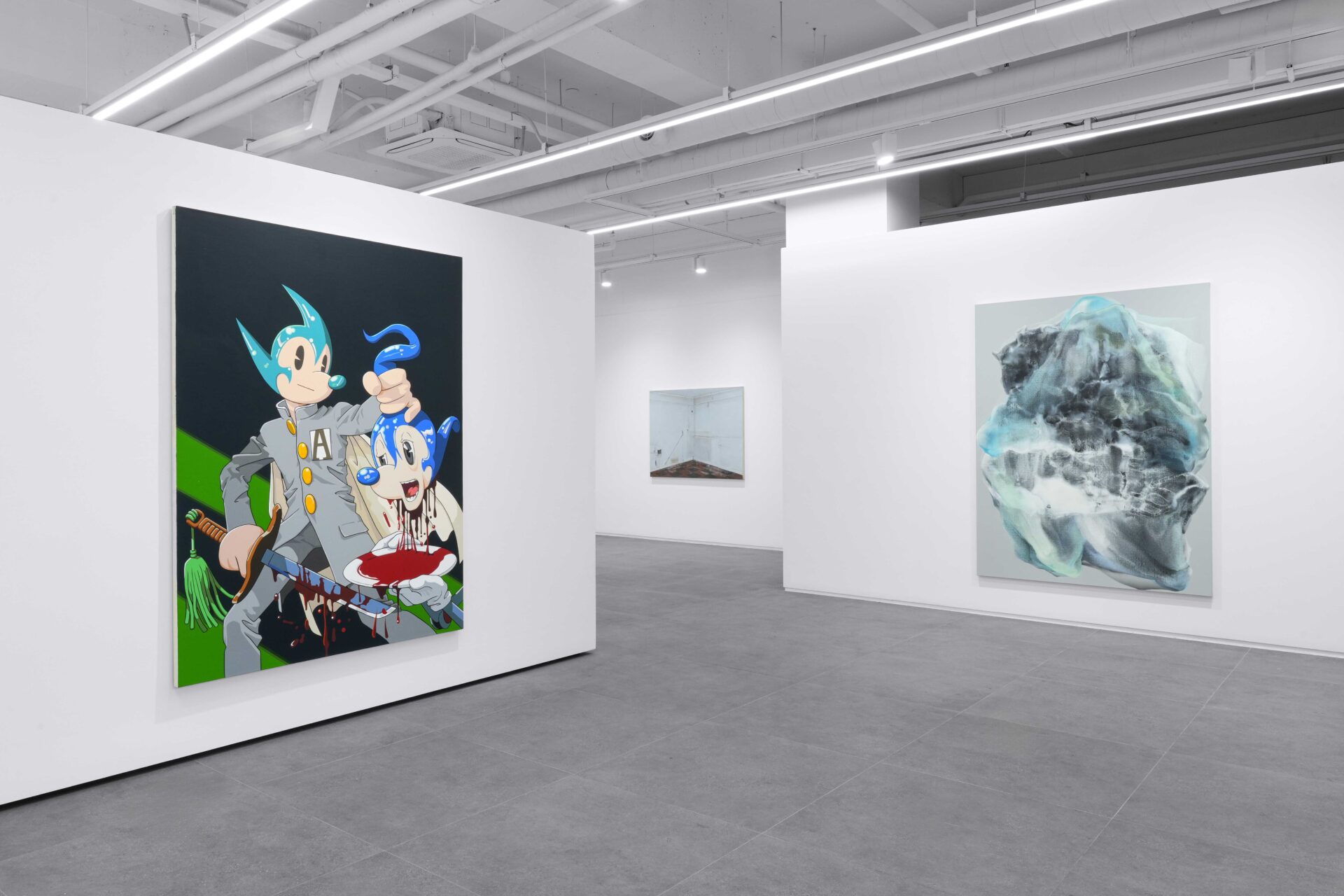
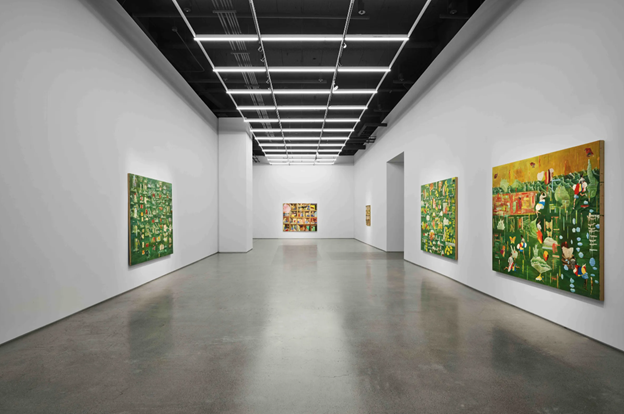
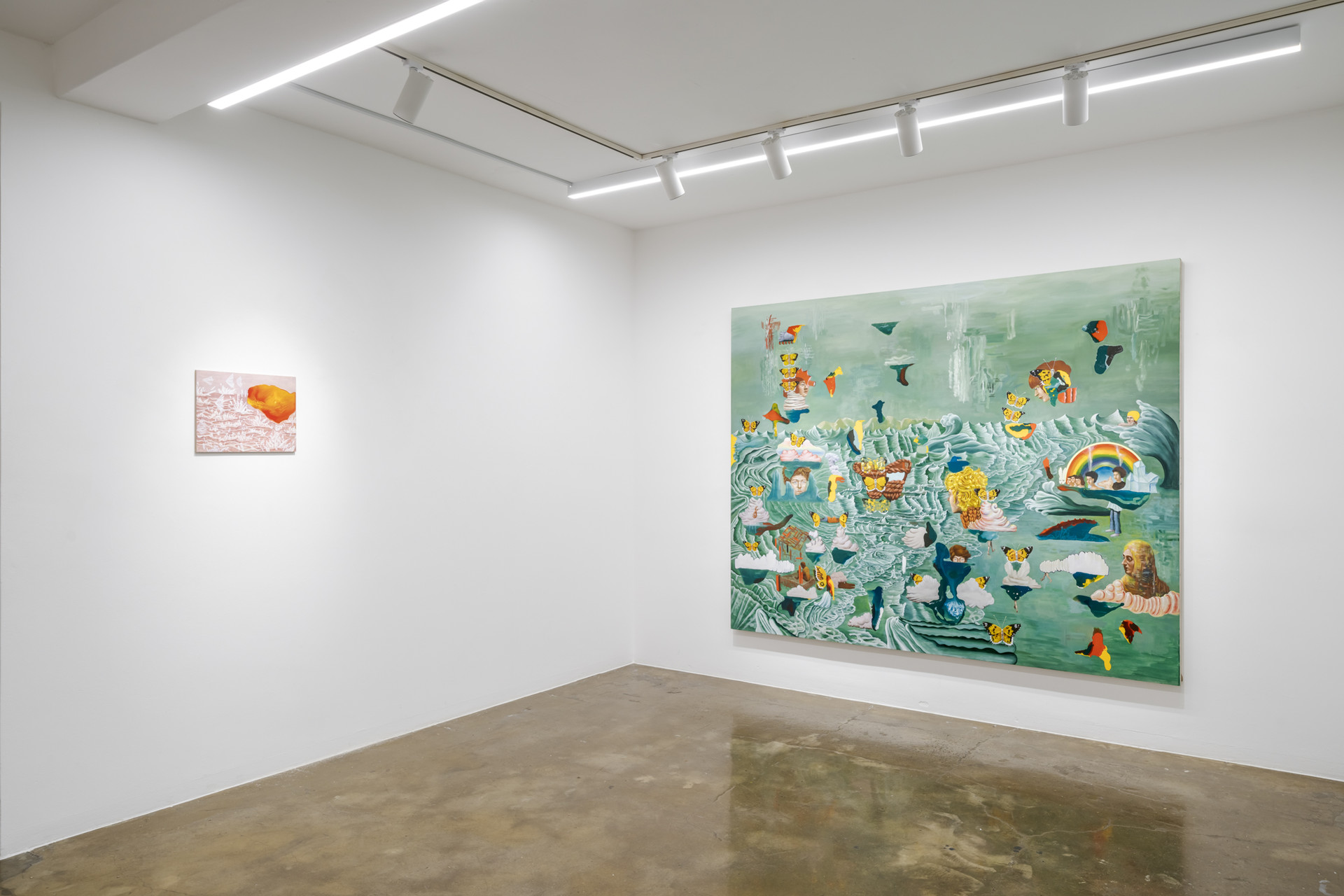
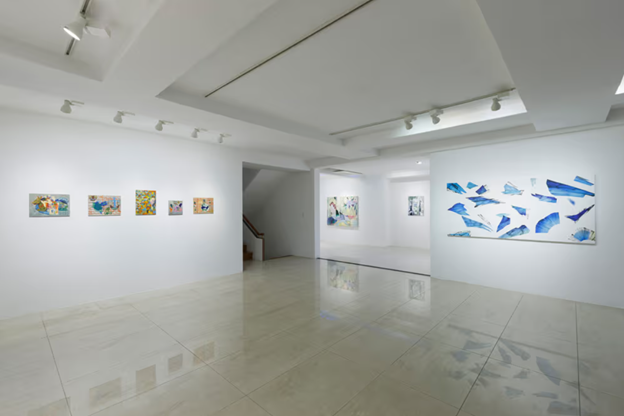
Installation
view of 《Visual Arithmetic: the 64 formal codes》 © Lee Eugene Gallery
In general, the way we read
images is highly subjective. Since artworks belong to a realm that exceeds what
can be communicated through concrete language, criticism has often relied on
subjective interpretations such as philosophical speculation, personal
narratives, or ambiguous emotional responses. Of course, it is precisely for
this reason that artworks are compelling and can be considered the result of a
higher level of consciousness. Nevertheless, if both the creator and the viewer
could communicate through certain objective units and systems, it would allow
for richer forms of criticism and appreciation surrounding the artwork.
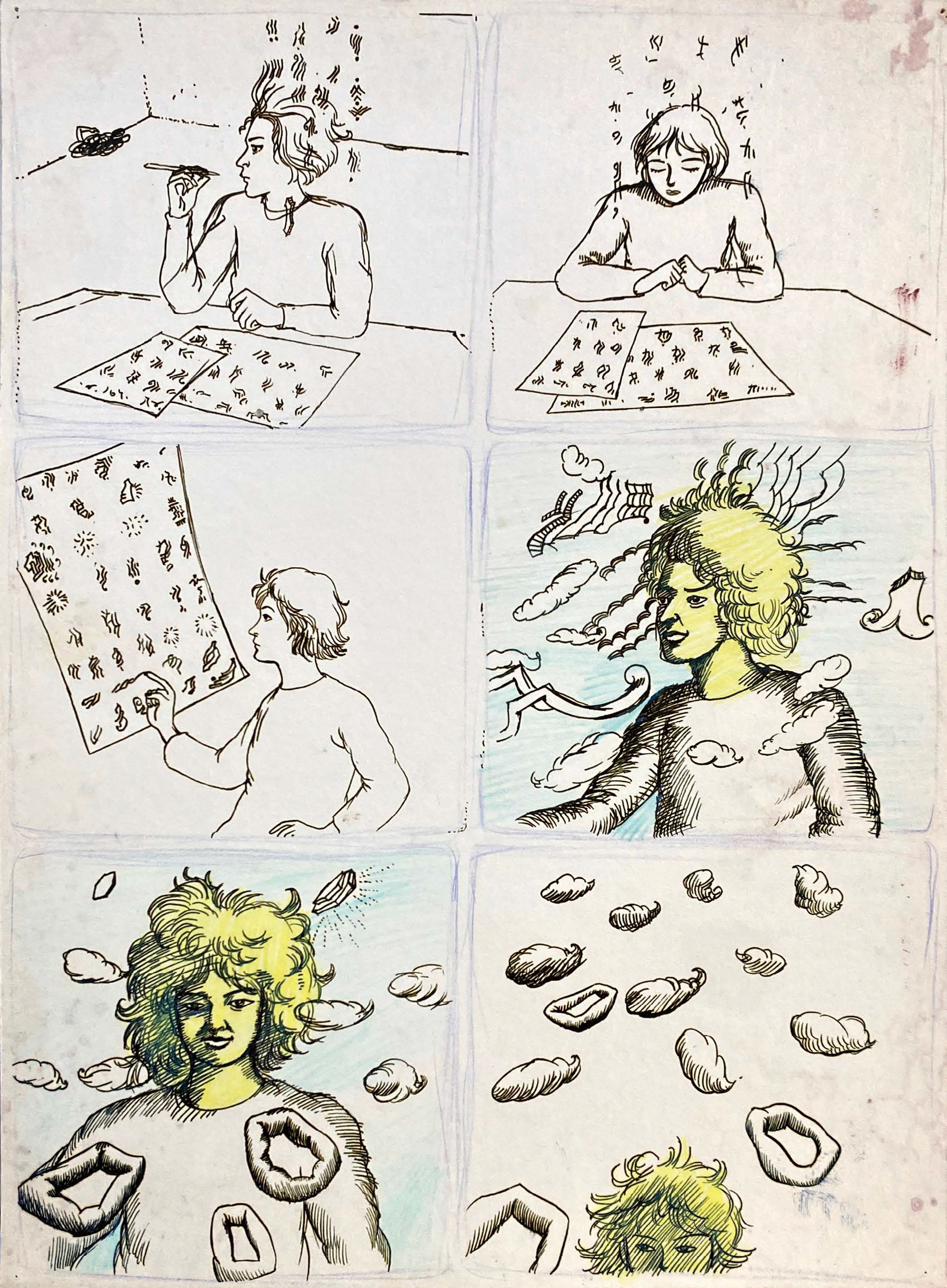
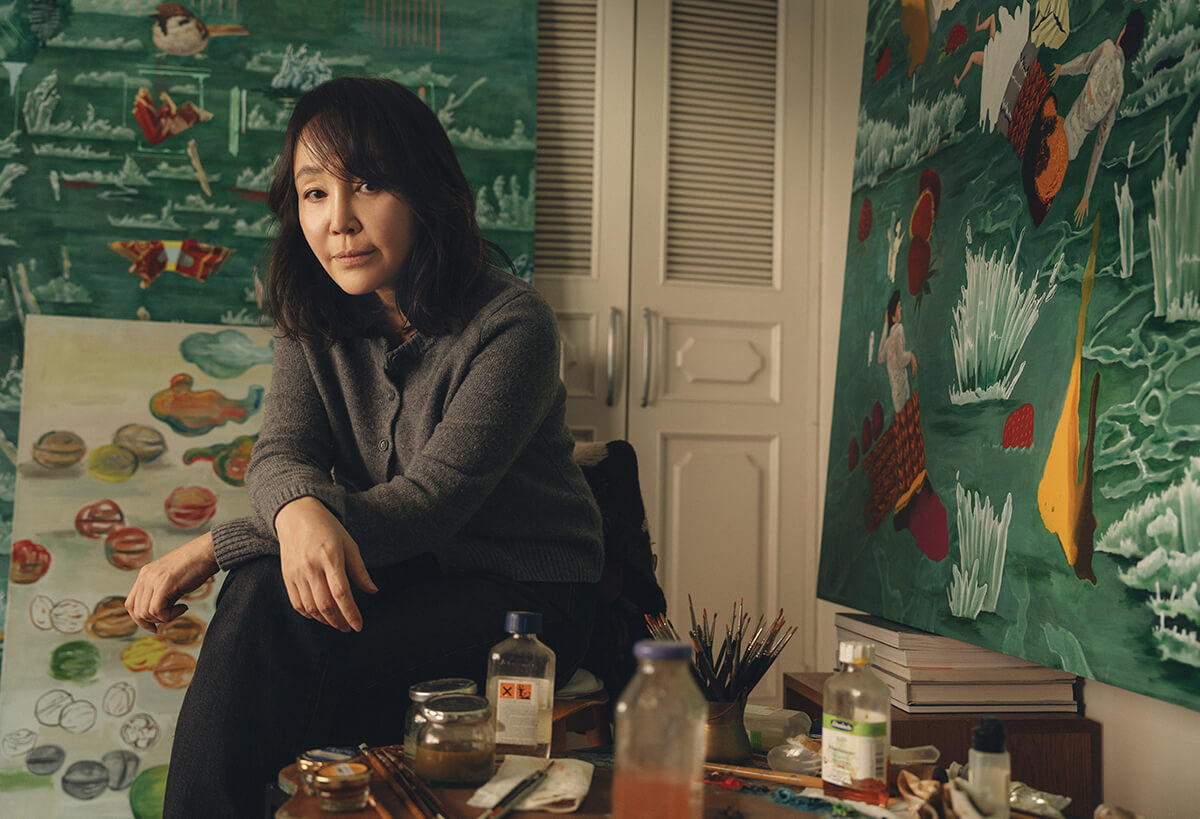
Artist Suejin Chung, with a
strong belief in this possibility, developed over a long period of research a
visual theory she named “Budo Theory.” She established a system that enables
new forms of communication through visual images. Just as we create systems
such as alphabets, Hangul, numbers, and formulas to communicate—and learn them
through long effort—she explains that visual images can also be assigned basic
units and organized into a system to enable more concrete communication.
While
there have been similar attempts in art history, such as the visual theories of
Heinrich Wölfflin and Wassily Kandinsky, communication remains an essential
issue for artists working with visual images. Although the artist cites
mathematics, science, and both Eastern and Western aesthetics and philosophies
to explain the concepts of her theory, these are merely to aid understanding;
her visual theory is highly original and not indebted to any particular Western
aesthetic framework.
It has already been twenty years since I first encountered
the idea of this theory and observed its development. The theory continues to
evolve, and it has now begun to be practically applied in both artistic
production and communication together with artists Jung Jik-seong, Lee
Jung-heon, Park I-do, and Kim Young-heon.
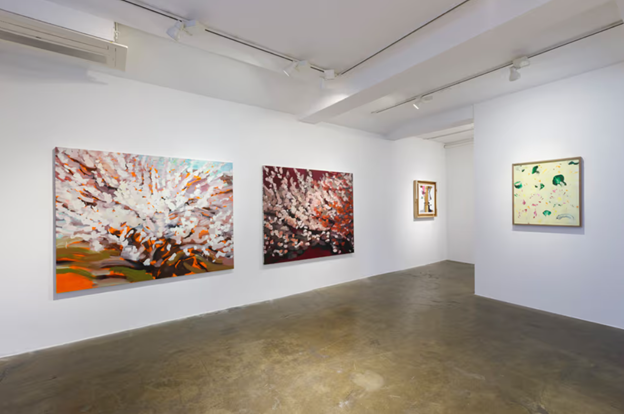
Installation
view of 《Visual Arithmetic: the 64 formal codes》 © Lee Eugene Gallery
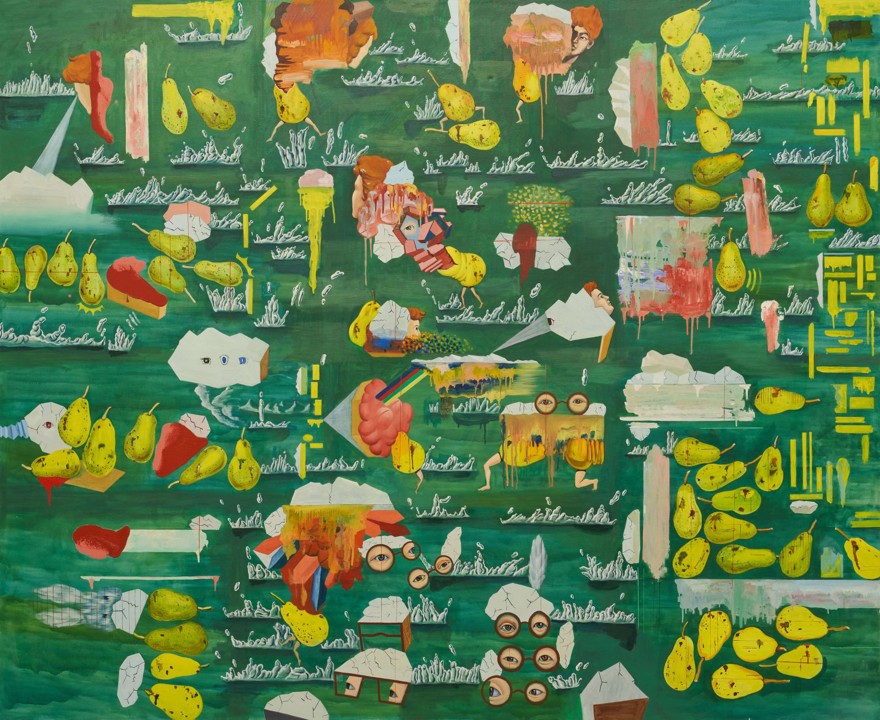
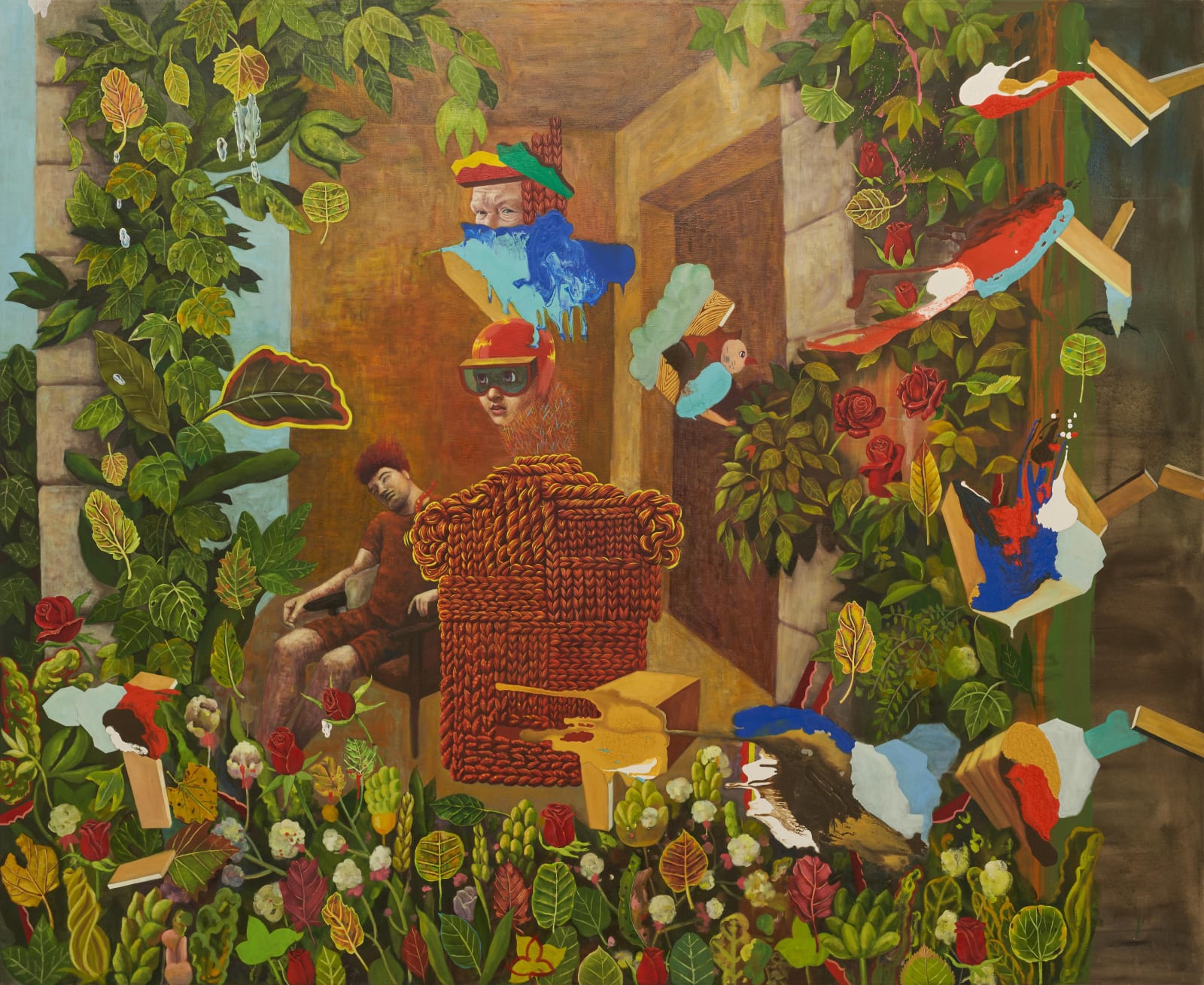
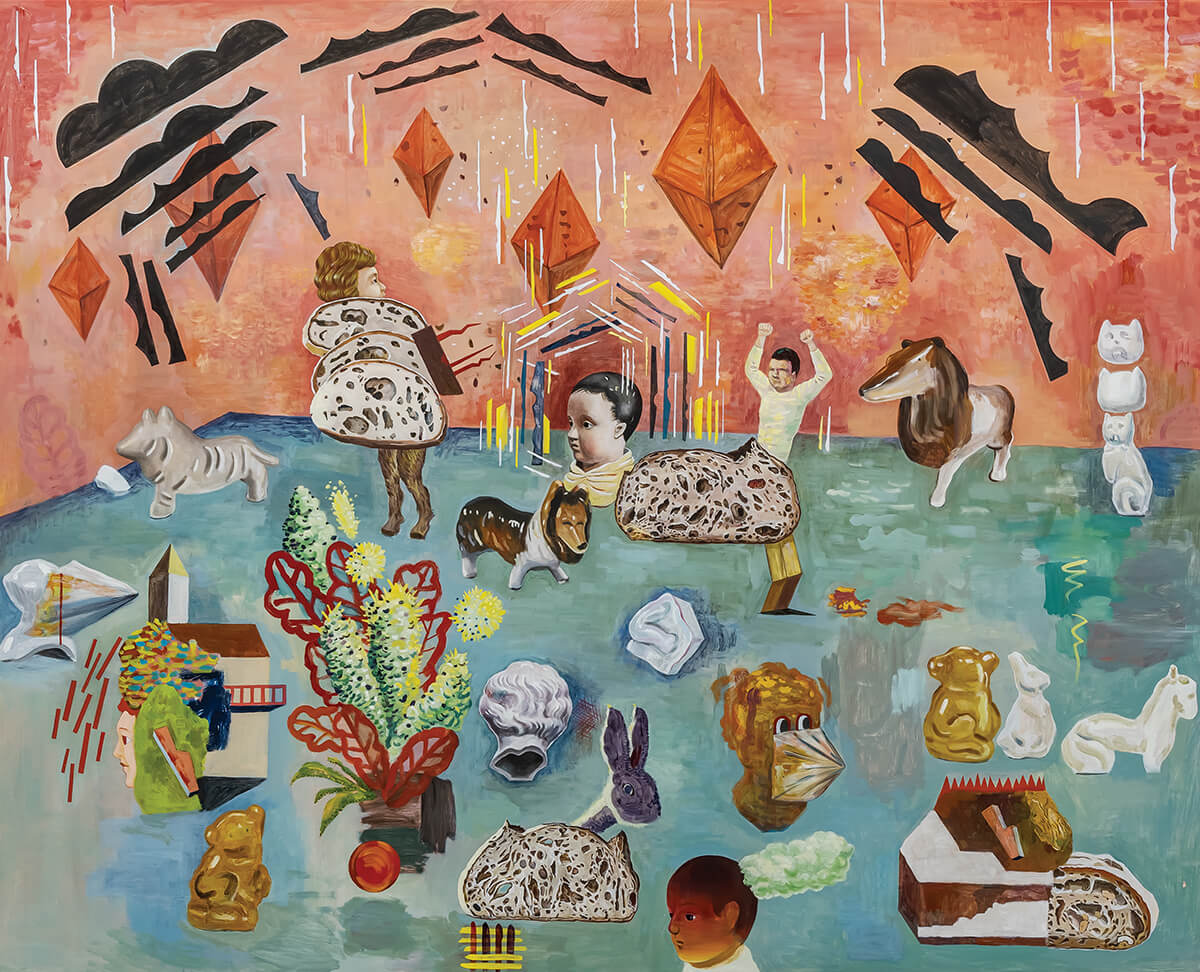
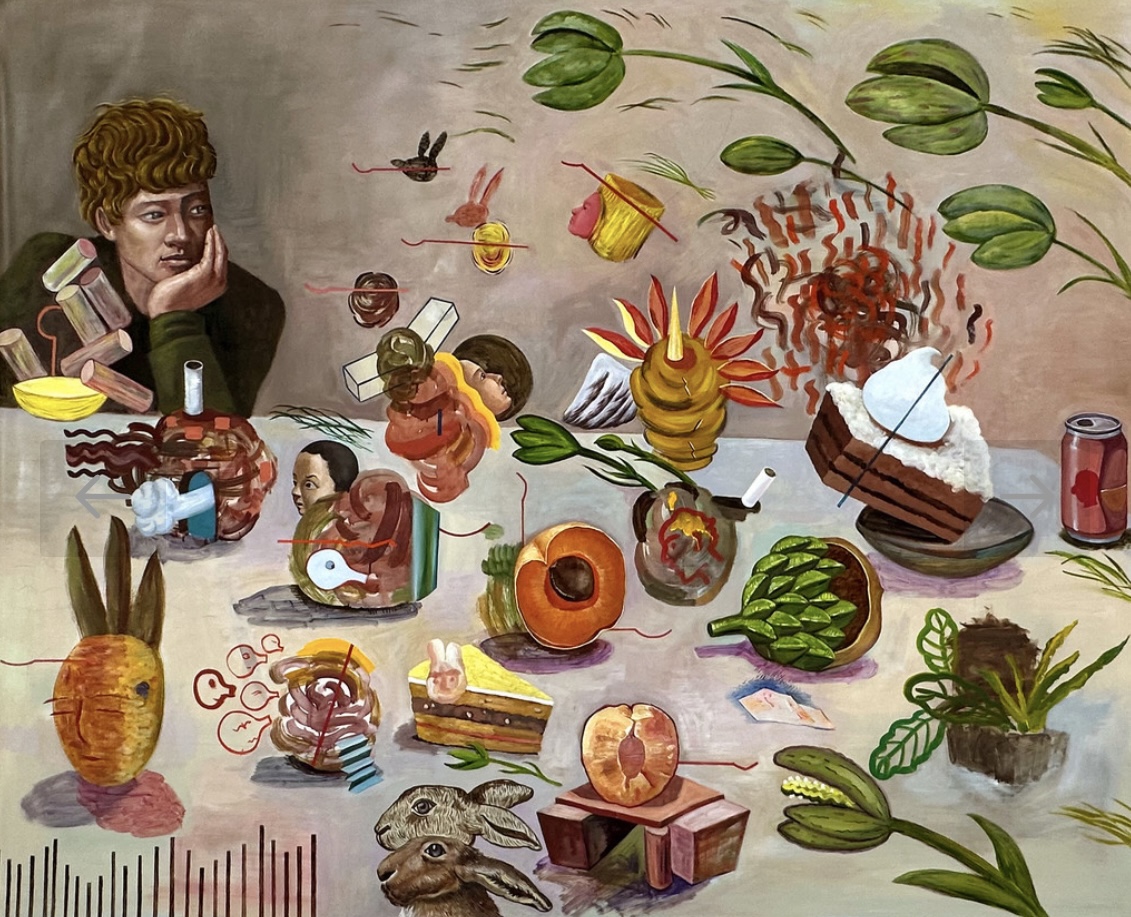
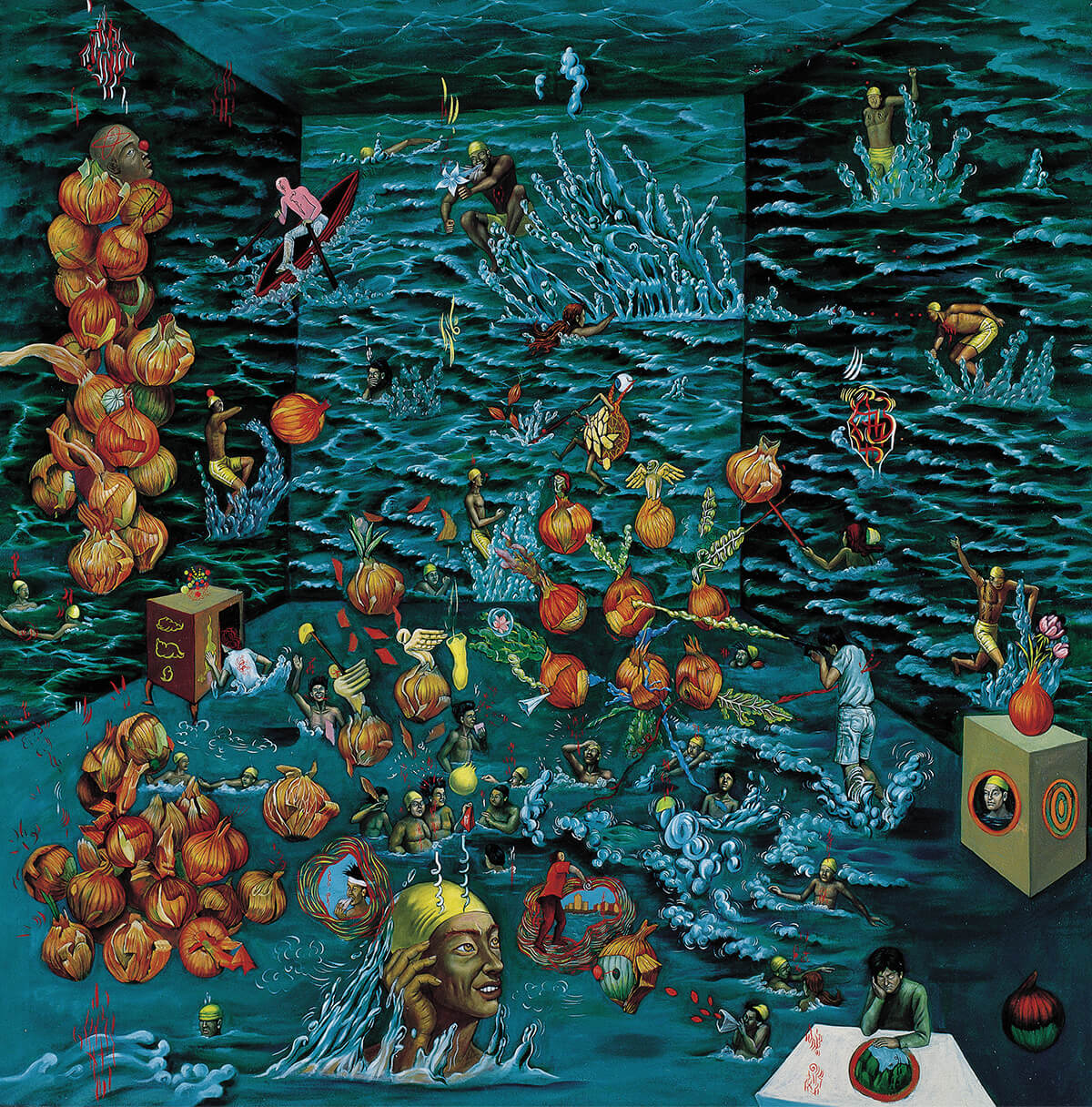
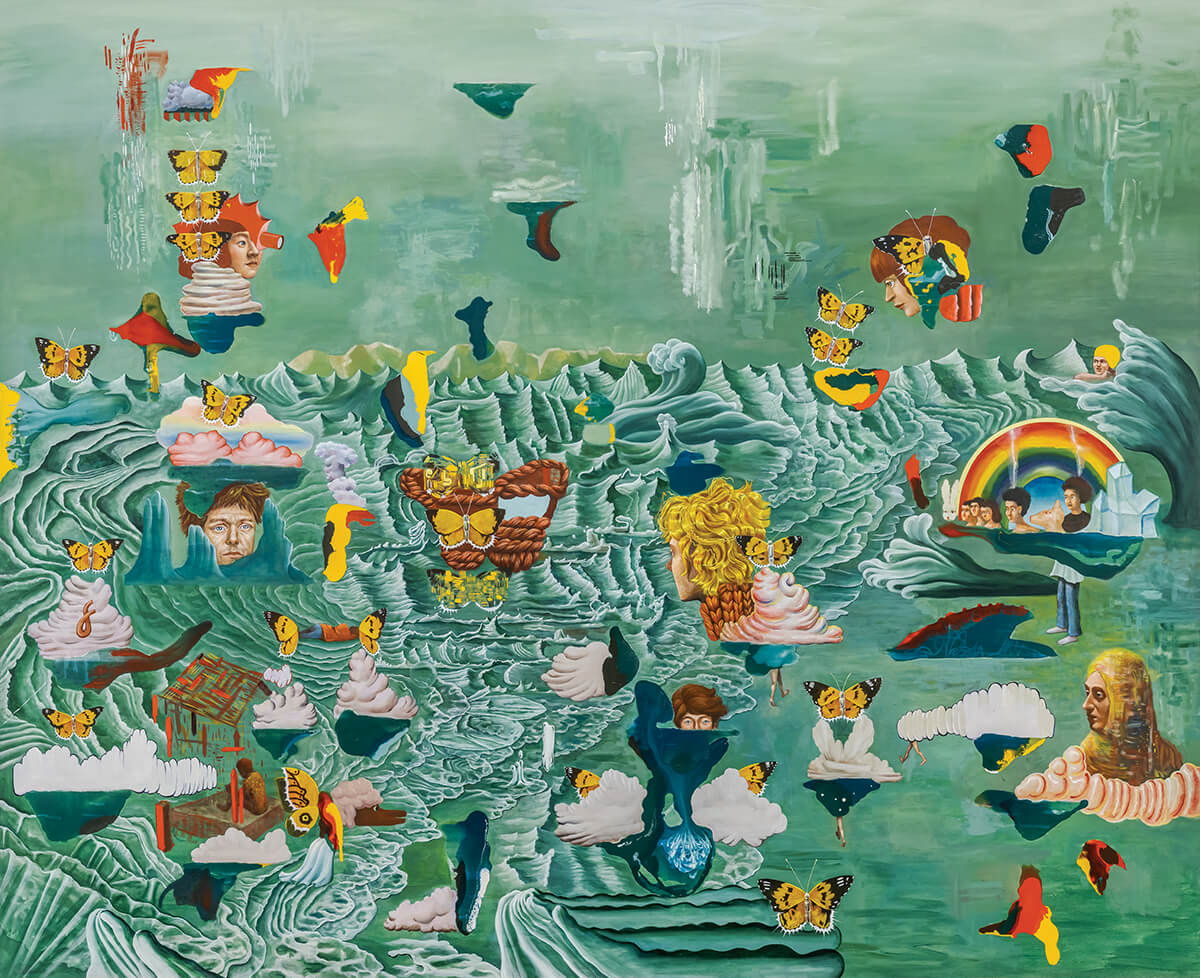
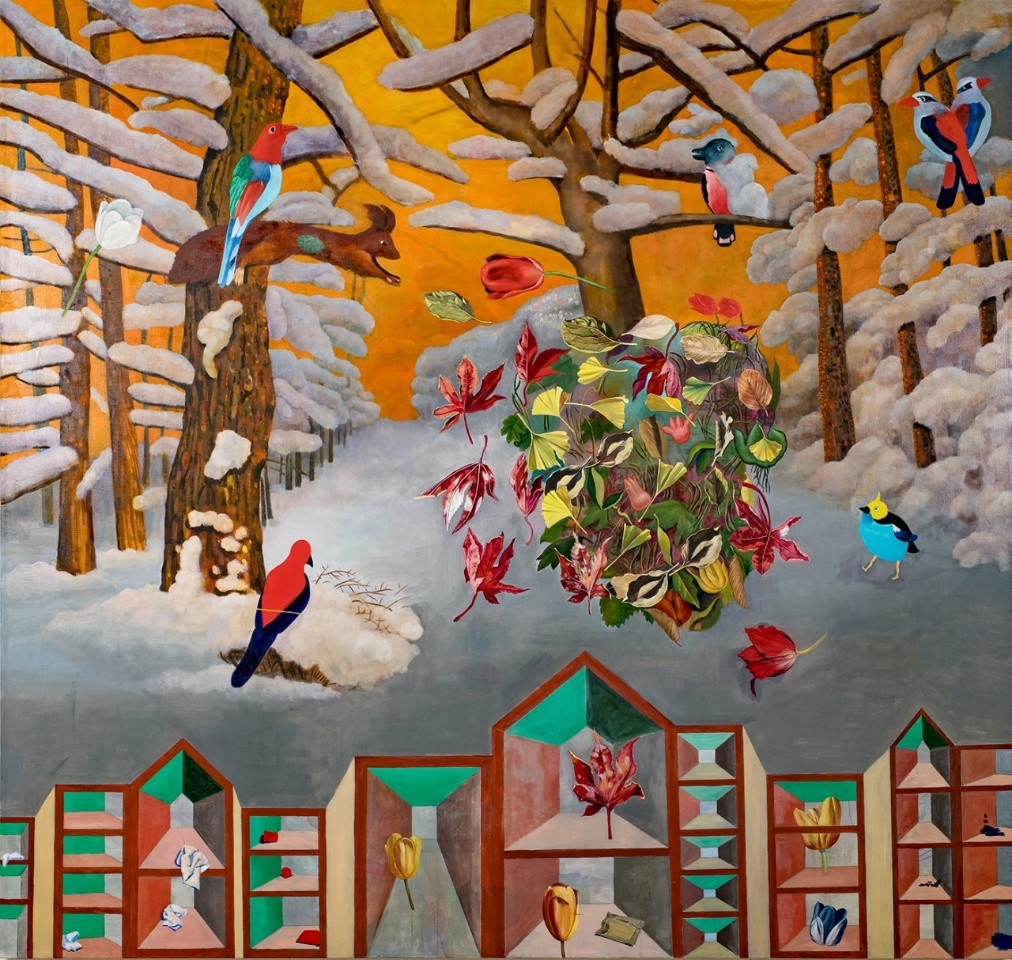
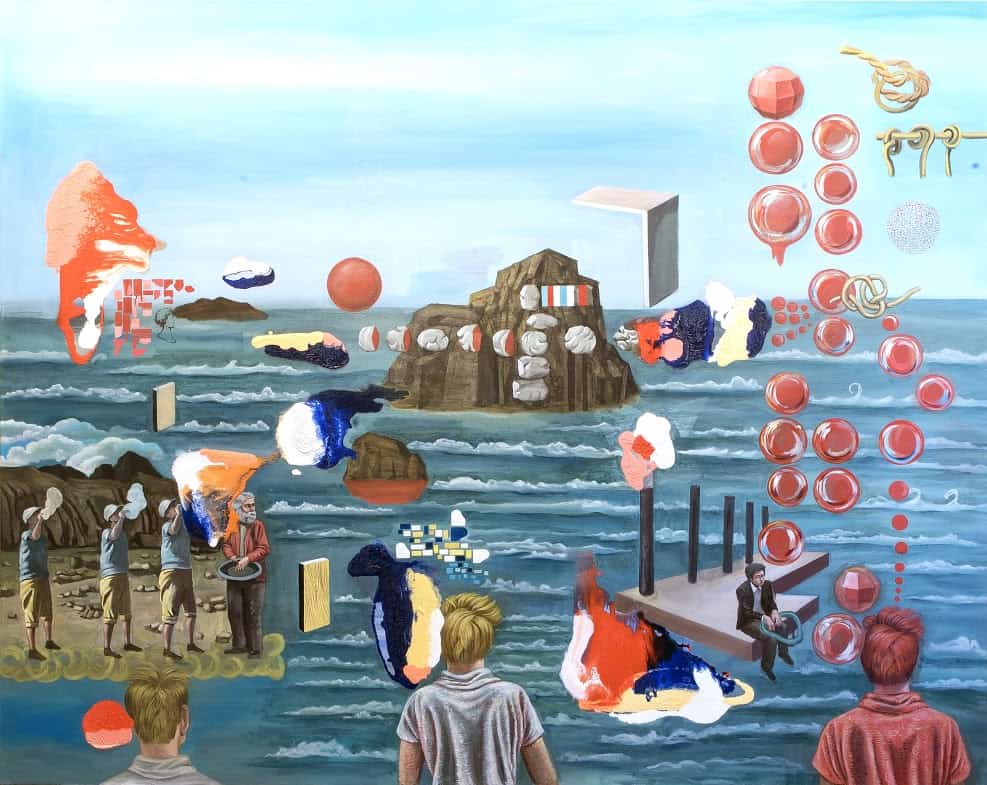
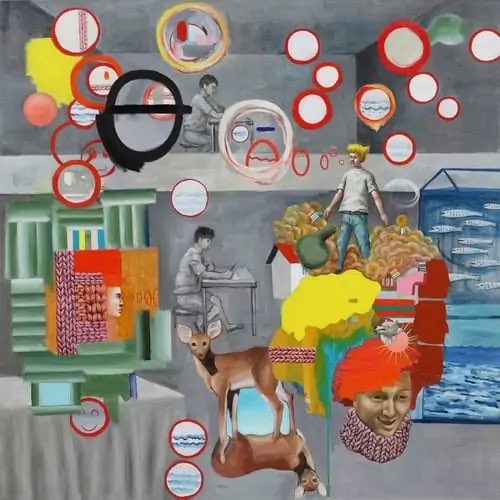
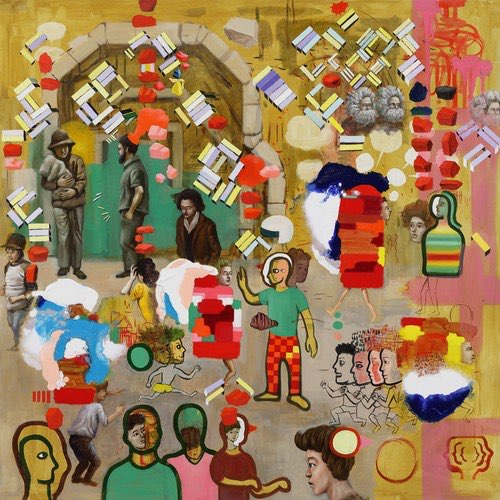
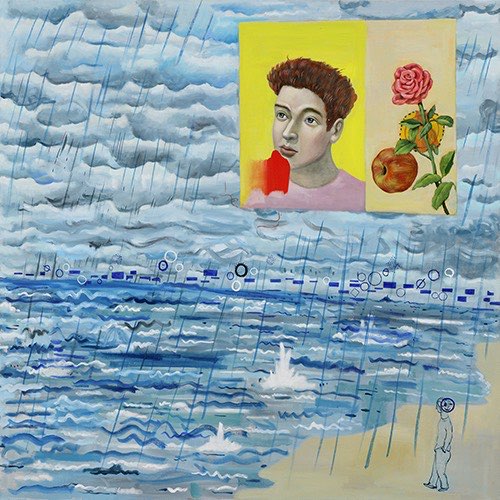
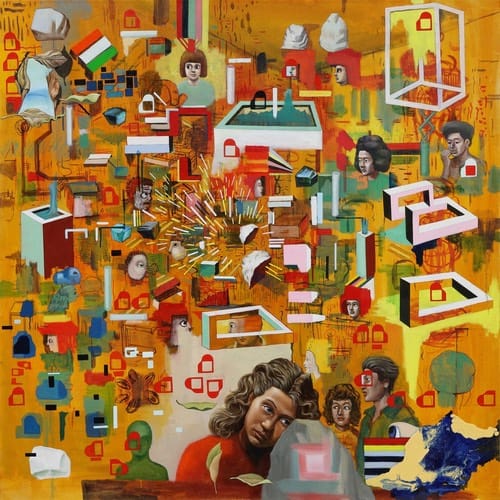
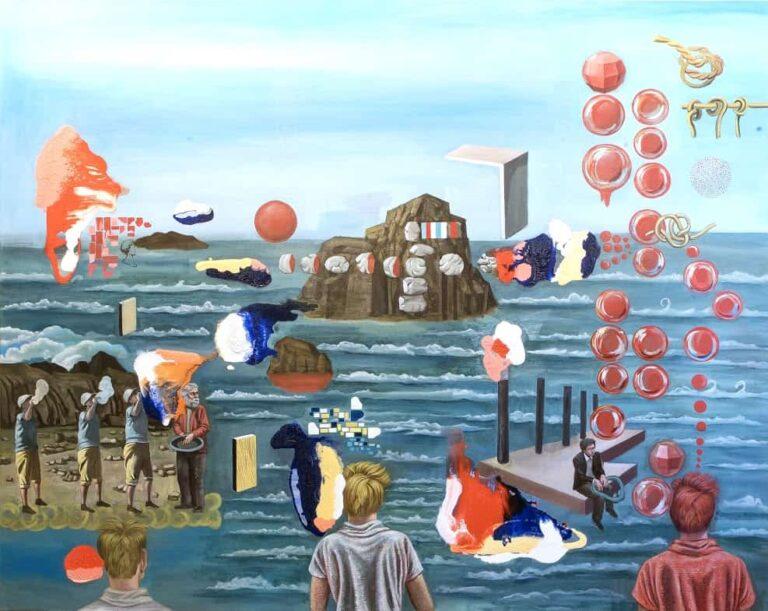
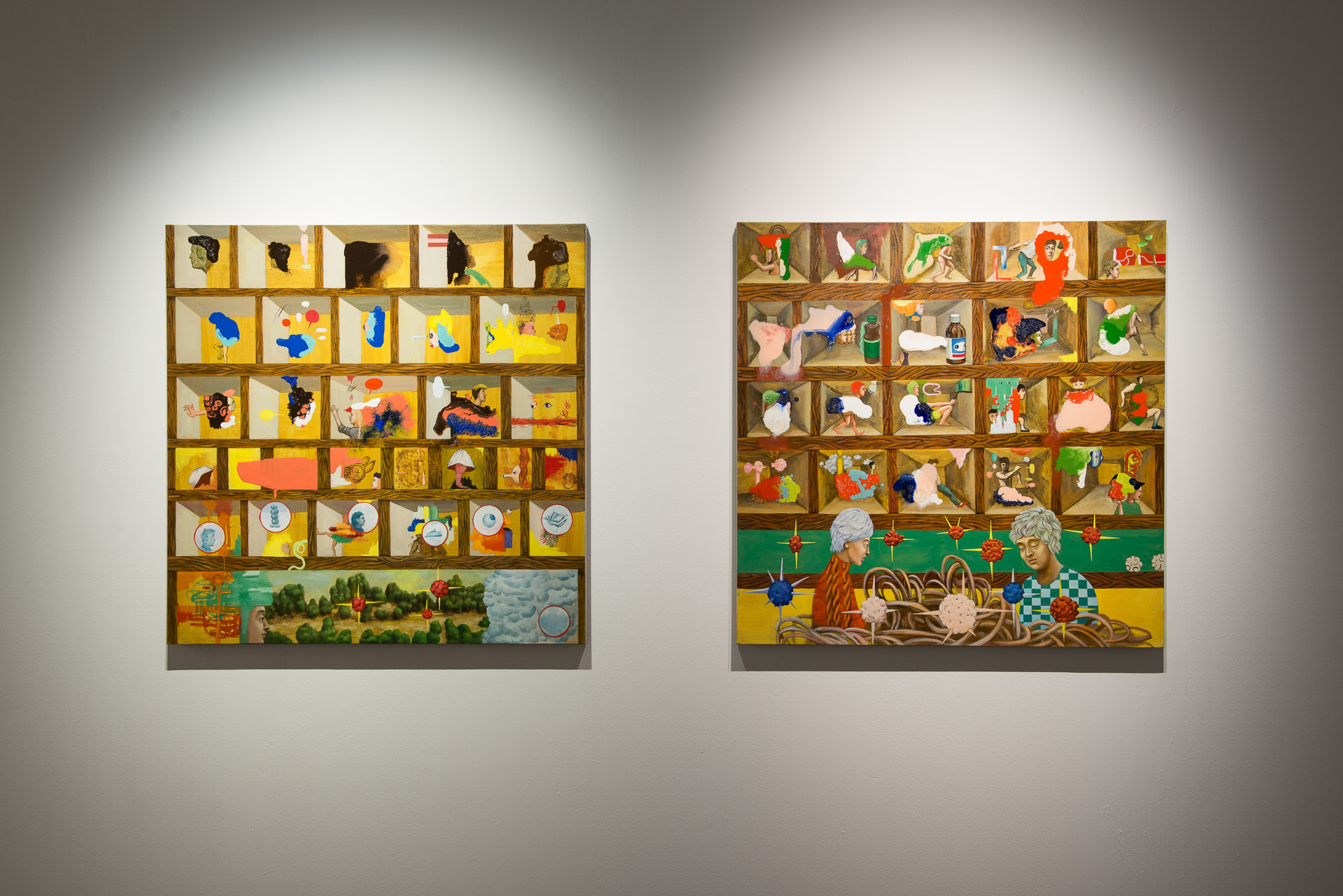
This exhibition presents the
results of approximately one year of collective research by artists who
gathered to study the theory and apply it to their work. In addition to their
existing works, they selected one code among many derived from the theory—“symmetry
of resemblance”—as a shared code and applied it across their works.
Although
the participating artists each possess distinct artistic worlds, similarities
in visual flow could be observed in works that engaged with this shared code.
Above all, it was a deeply rewarding experience to witness artists gathering
and engaging in discussions despite their busy schedules. The discussions
focused on highly concrete and practical elements—such as color, form, and
texture—that only practicing artists can truly engage with. This became a vivid
site of critique and opened up new possibilities for viewing painting.
Looking at the history of art, no
new artistic movement has ever emerged without artists who possess a strong
vision. The strong vision of artists is eventually organized into theory
through criticism and becomes established as something that defines an era.
Although such evaluation requires a certain passage of time, the existence of a
visual theory that has emerged autonomously in this context, along with the
passionate participation of artists who already hold significant positions in
the art world with their distinctive practices, is in itself meaningful.
Beginning with this exhibition, it is hoped that continued research and
exhibitions will follow, and that more artists will take interest, along with
warm support from those who love art.
/ Lee Eugene, Director of Lee
Eugene Gallery